
Every time we think the story of human civilization is neatly mapped out, some old stone in a forgotten corner of the world quietly says, “Think again.” Over the last few decades, improved dating methods, fresh excavations, and more open-minded cross-disciplinary work have pushed a handful of ancient structures into a strange spotlight. Again and again, labs keep returning dates that feel wildly out of sync with the textbook timeline, forcing archaeologists to either question the methods, question their assumptions, or, more uncomfortably, question both at once.
None of these places prove that an unknown super-civilization once ruled the planet, and real scientists are rightfully cautious about dramatic claims. But it’s equally true that several sites now sit in a frustrating gray zone: the numbers suggest one thing, the established story suggests another, and the gap between them is getting harder to shrug off. Let’s walk through nine of the most intriguing examples where the stones, sediments, and stars seem to whisper a much older tale than we’re fully prepared to hear.
Göbekli Tepe: The Hill That Shouldn’t Exist at That Age
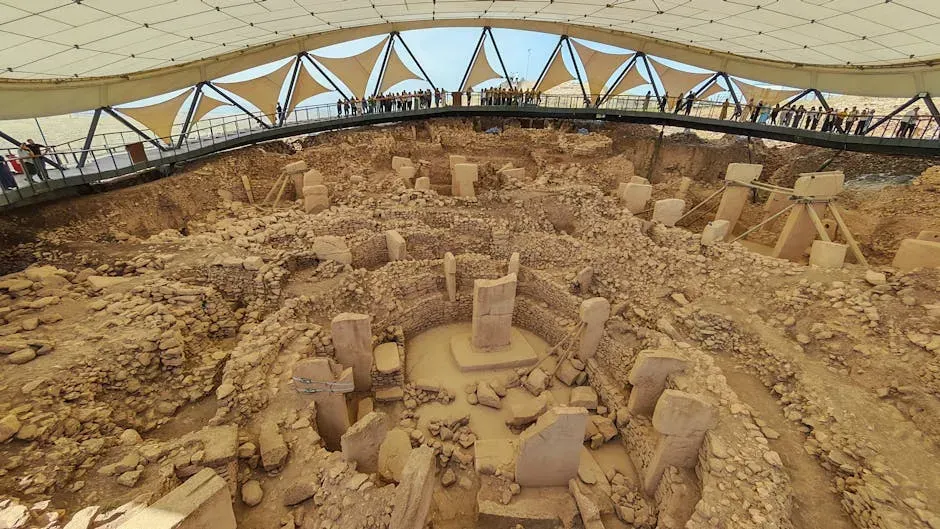
Hidden under a dusty mound in southeastern Turkey, Göbekli Tepe looks, at first glance, like a jumble of weathered stone circles. Then you learn the dates, and the air leaves the room. Radiocarbon dating of organic materials associated with its earliest levels points to a construction date around the eleventh to tenth millennium BCE, long before cities, pottery, or domesticated plants were supposed to exist in that region. The site’s towering T-shaped pillars, some weighing many tons, are carved with animals and abstract symbols that feel more like temple art than anything a scattered band of hunter-gatherers should have produced.
The twist is that the dates are not a one-off fluke; repeated measurements on different layers and materials broadly converge on that deep pre-agricultural timeframe. That has forced researchers to either rethink how mobile foragers could organize themselves to build something so monumental, or accept that our categories of “simple” and “complex” societies were always too neat. When I first read about Göbekli Tepe, it felt like finding a cathedral sitting in the middle of the Ice Age, with nobody quite able to explain how the blueprints got there.
Gunung Padang: A Hill, a Temple, or Something Far Older?
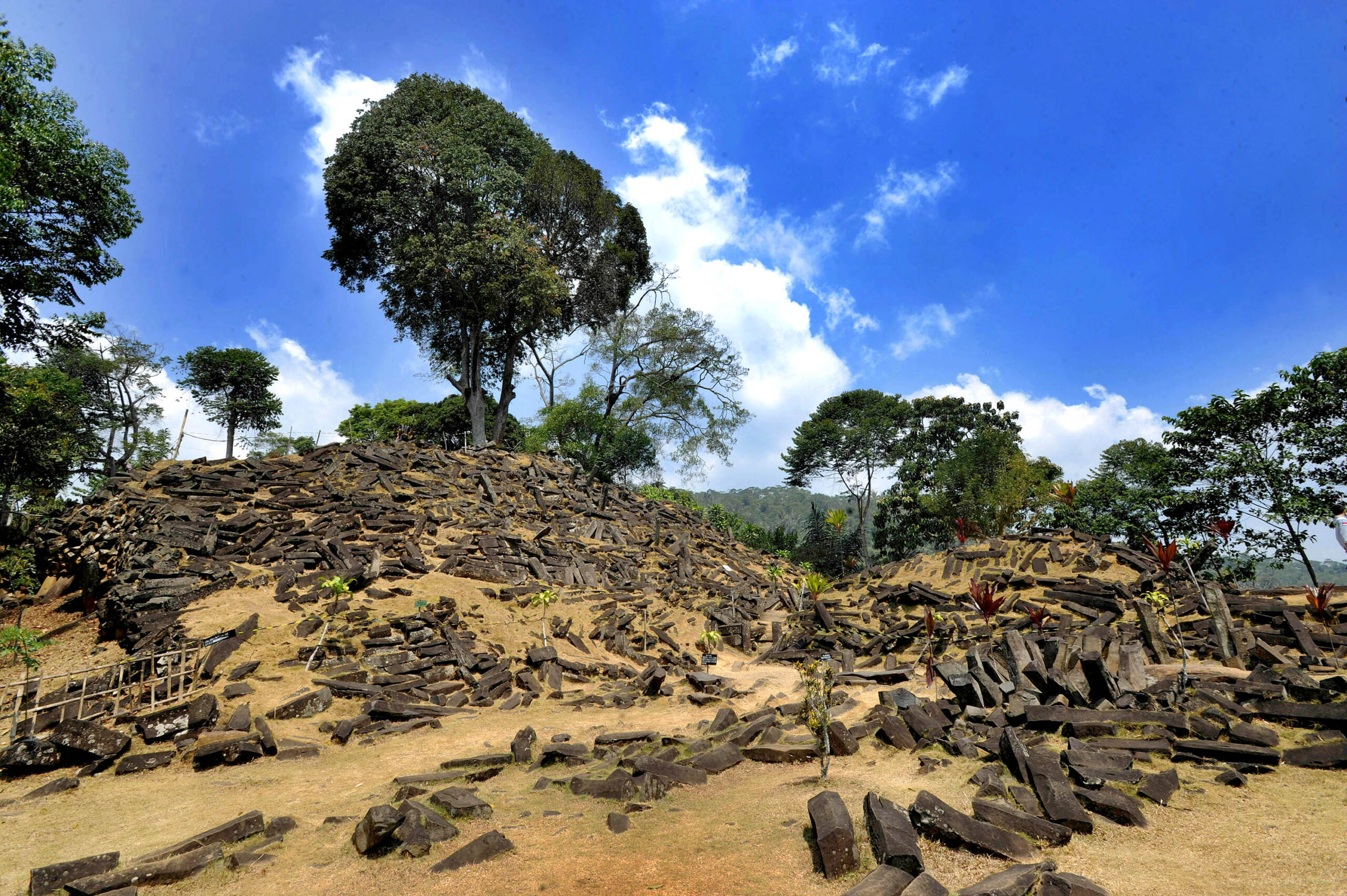
On a volcanic hilltop in West Java, Gunung Padang has long been known as a megalithic terrace complex, widely dated to the late Holocene and often linked to relatively recent cultural phases. Traditional archaeological views placed its main construction well within the last few thousand years, comfortably fitting regional histories. Then came a wave of geophysical surveys and core samples that hinted at deeper, possibly artificial layers, buried under the visible stonework and volcanic soils. Some interpretations of these cores suggested dates stretching back far earlier than conventional Southeast Asian megalithic architecture would allow.
This is where the controversy ignites: multiple labs, differing methods, and sharply conflicting conclusions have led to a tug-of-war between cautious archaeologists and more adventurous researchers proposing a monument many tens of thousands of years old. Most mainstream experts remain deeply skeptical of those extreme early dates, pointing to issues of context and the dangers of dating disturbed or secondary materials. Still, the fact that the site keeps generating data that some read as “impossibly old” means Gunung Padang has become a litmus test for how willing we are to re-open old questions instead of locking them behind professional discomfort.
Nabta Playa: Desert Stones That May Speak a Precise Stellar Language
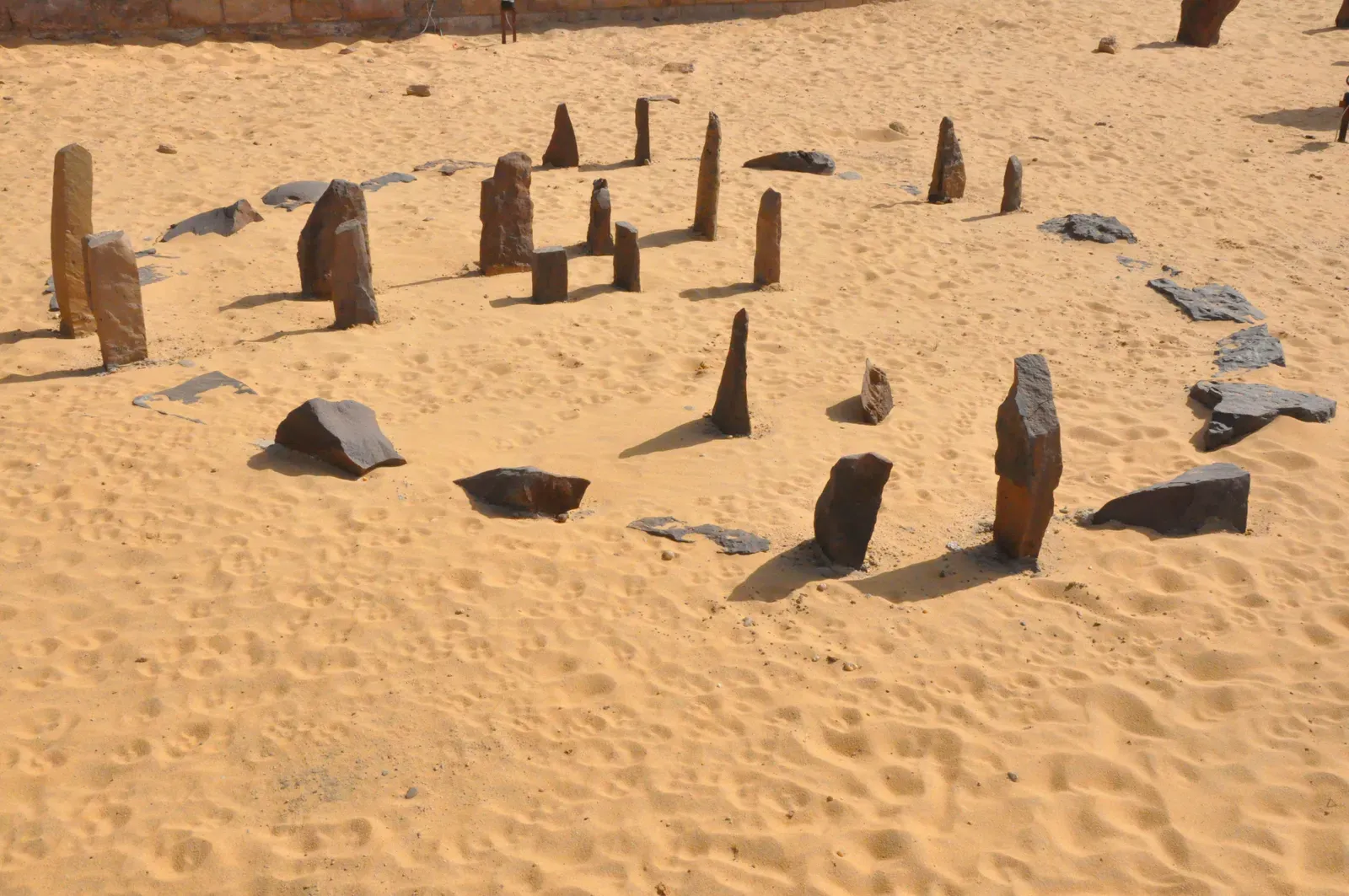
Far out in Egypt’s Western Desert, at Nabta Playa, stand modest circles and alignments of stones that do not shout their importance the way huge pyramids do. Yet some researchers argue that this quiet site preserves one of the oldest known astronomically tuned structures on Earth. Radiocarbon dating of associated hearths and sediments places ritual and pastoral activity in the area roughly in the sixth to fifth millennium BCE, at a time when seasonal lakes dotted what is now unforgiving desert. The stone circle and its alignments appear, to some analyses, to track solstices or particular stars with a precision that feels oddly advanced for its supposed age.
The dates themselves are broadly accepted, but what they actually mean is still hotly debated. Does a few well-placed stones really prove a sophisticated skywatching culture, or are we seeing patterns where none were intended? The tension comes from the combination of relatively early dates with seemingly careful geometric and astronomical relationships. For people who walk out there today, standing among those worn rocks, it can feel as if a pastoral society with cattle cults quietly cracked the code of the heavens thousands of years before stone circles emerged in Europe – a timeline that forces us to juggle more complexity in prehistory than the old linear story allows.
Poverty Point: North America’s Earthworks That Refuse to Be “Simple”
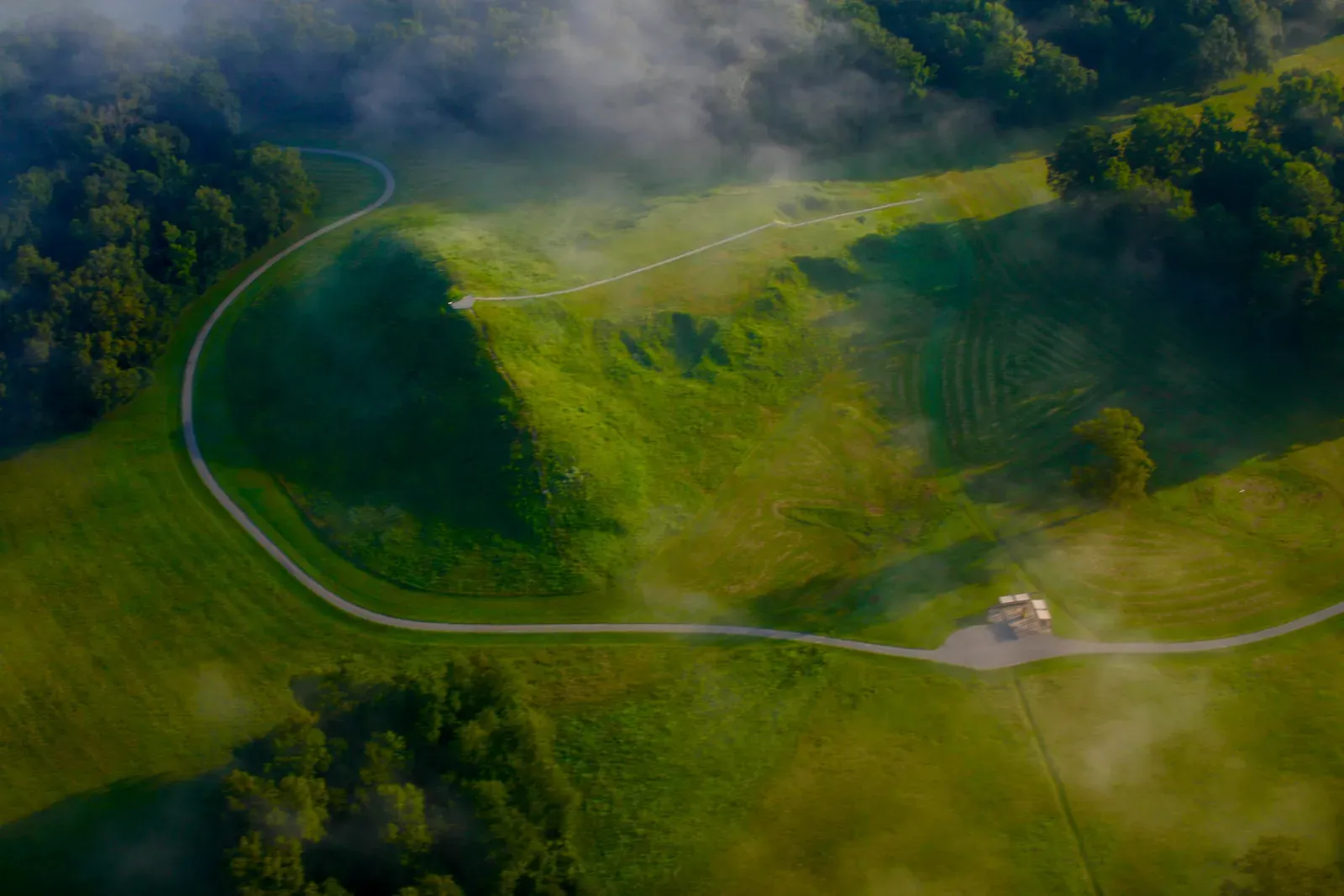
In northeastern Louisiana, the earthen ridges and mounds of Poverty Point look almost understated compared with towering stone pyramids and ziggurats. Yet when archaeologists started mapping them in detail and dating the site, they found a sprawling, carefully planned earthwork complex more than three thousand years old, apparently constructed by societies without agriculture in the conventional Old World sense. Radiocarbon dates cluster in the late second millennium BCE, suggesting monumental construction by hunter-gatherer groups who somehow organized massive labor projects without kings, palaces, or metal tools.
The “impossible” part here is less about raw age and more about social complexity. For decades, the standard model in many textbooks linked large-scale, permanent architecture with fully settled farming societies and hierarchical power structures. Poverty Point’s repeated dates say otherwise: a web of people dependent on wild resources managed to coordinate design, logistics, and construction at a continental scale. When you walk the site’s sweeping arcs in your mind, it feels like a polite but firm correction from the archaeological record, reminding us that human creativity and cooperation do not wait patiently for neat stages in an academic chart.
Gunung Padang’s Atlantic Counterpart: The Puzzling Depths Beneath Teotihuacan
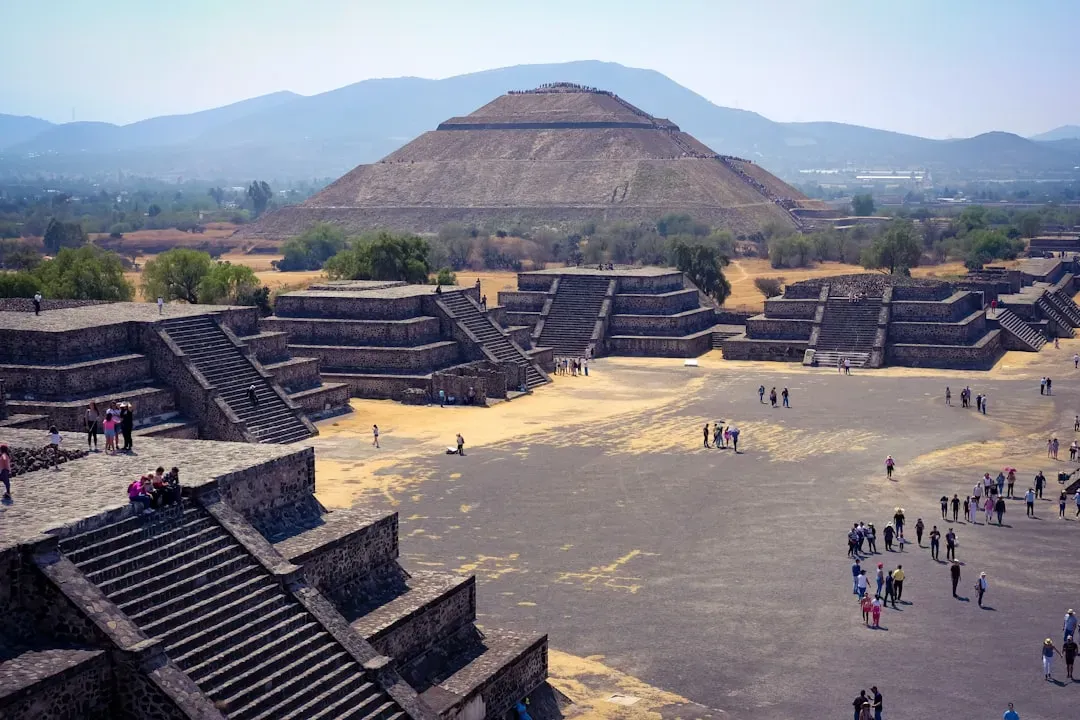
Teotihuacan, near modern-day Mexico City, is firmly anchored in the first millennium CE, with a massive amount of work pinning its main building phases to that era. So why include it in a list about impossible dates? Because repeated subsurface surveys and excavations keep hinting that beneath the famous pyramids and avenues lie earlier construction phases and ritual tunnels that may significantly predate the city’s classical florescence. Radiocarbon samples from some deep layers and organic residues occasionally nudge into older time windows than the standard narrative comfortably emphasizes, suggesting a longer, more layered story of occupation and ritual continuity.
To be clear, nobody credible is arguing that Teotihuacan is tens of thousands of years old. The “impossible” aspect is subtler: the deeper the excavations go, the more evidence emerges that the Valley of Mexico hosted sophisticated ceremonial structures and engineering traditions before the city’s canonical golden age. As someone who loves tidy timelines, I find this unsettling and exhilarating at the same time. It’s like discovering hidden drafts under a famous painting, each layer pushing back the inception of the masterpiece and forcing us to accept that long, messy experimentation came before the grand, textbook-ready finale.
India’s Submerged Ruins: The Dates Lurking Under Rising and Falling Seas
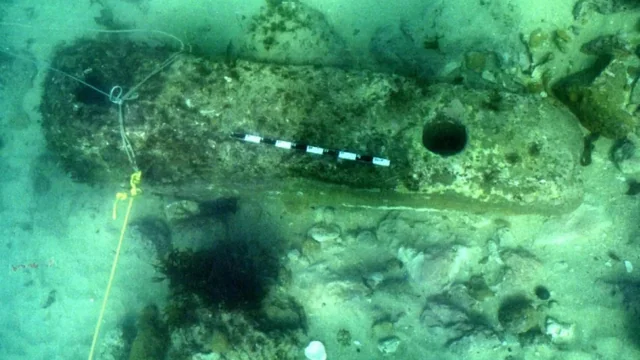
Along parts of India’s coastline, particularly near the Gulf of Khambhat and off places like Mahabalipuram and Dwarka, underwater surveys have turned up stone blocks, geometric arrangements, and hints of human-made structures now submerged beneath the waves. Some early claims tied these finds to extraordinarily ancient civilizations, with sensational dates thrown around that would rewrite global prehistory. More conservative analyses have pushed back, stressing that underwater contexts are notoriously tricky: reworked sediments, displaced materials, and limited stratigraphy can generate wildly misleading ages if interpreted without caution.
Still, even stripped of the most dramatic claims, the interaction between sea-level rise, coastal settlement, and fragmentary underwater architecture in the region raises uncomfortable questions. We know that shorelines have shifted dramatically since the end of the last Ice Age, and it is perfectly reasonable that some early settlements now sit offshore. The problem is that a few scattered, poorly contextualized radiocarbon dates can be read as either mundane or astonishingly ancient, depending on what story you bring to the data. Those competing narratives keep clashing, and until we get clearer, better-controlled samples, the numbers from these drowned landscapes will continue to haunt the edges of our historical imagination.
Tiahuanaco and Puma Punku: High-Altitude Masonry and Disputed Chronologies
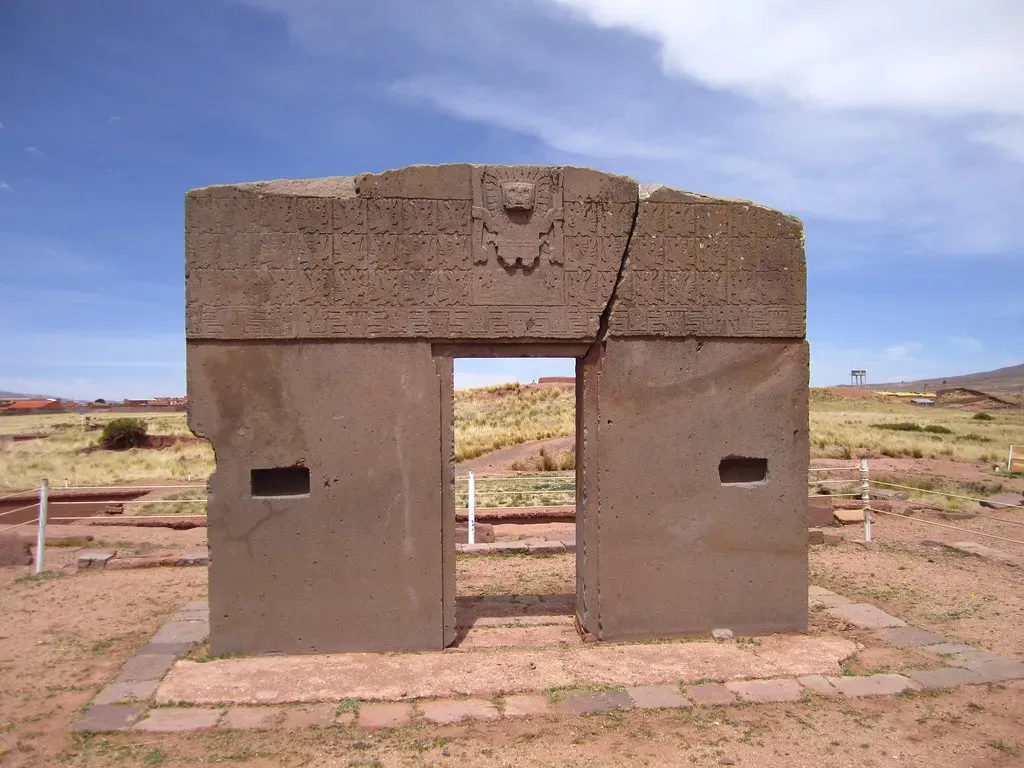
On the Bolivian altiplano near Lake Titicaca, the monumental stonework of Tiwanaku (Tiahuanaco) and the enigmatic blocks of Puma Punku have long fueled arguments over dates and capabilities. Modern archaeological work generally places the peak of Tiwanaku’s monumental construction in the first millennium CE, supported by radiocarbon dates and ceramic chronologies. However, some earlier traditions and fringe interpretations have pushed for much older timelines, sometimes by misreading or cherry-picking early dating attempts or tying architectural alignments to ancient astronomical positions that would imply a far deeper antiquity.
The controversy here is a good reminder that “impossible” dates can creep in not only through measurements, but through how we interpret alignments, erosion, and cultural memory. While the majority of scholarly evidence supports a relatively recent monumental phase, the extraordinary precision of some stone joints and block carvings still give many visitors the gut feeling that something does not quite fit their expectations of pre-Columbian engineering. My own view is that this discomfort says more about our habit of underestimating Indigenous technology than about any lost epoch, but the persistence of alternative chronologies shows how hungry people are for timelines that burst past the safe boundaries of accepted history.
Neolithic Europe’s Deep Roots: The Long Shadow of Megalithic Calendars
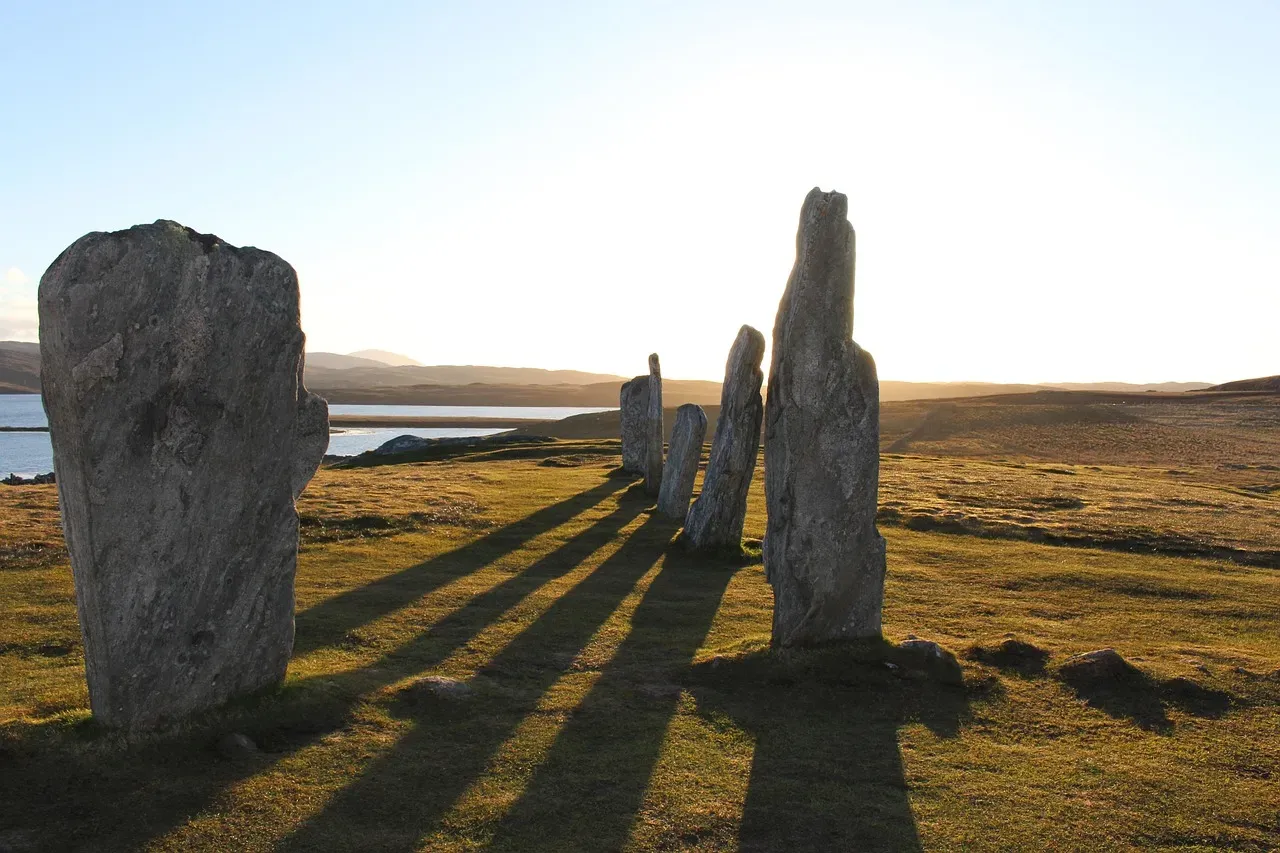
Across Atlantic Europe, from Brittany to the British Isles and beyond, passage tombs and stone circles have been studied for generations, yet some keep whispering dates that stretch earlier and earlier. Improved radiocarbon calibration curves and more careful sampling strategies have revealed that certain monuments, long lumped into a single “Neolithic” bucket, actually occupy surprisingly early positions within that era. In some locations, burial chambers and alignments tied to solstices or lunar cycles appear to have been established when farming had only just taken root or was still in transition, suggesting a rapid leap into monumentality.
The real shock comes when you overlay these dates on other parts of the world and realize that sophisticated stone architecture, astronomical awareness, and elaborate funerary culture seem to spring up in multiple regions sooner than older models predicted. No single European site blows the timeline to pieces, but taken together, the calibrated dates sketch a continent where communities were experimenting intensely with memory, death, and the sky long before the grand narratives say they should. It is less a single smoking gun and more a slow accumulation of “wait, that’s earlier than we thought,” until the whole mental picture of a sleepy, gradual Neolithic quietly collapses.
The Indus Valley’s Quietly Expanding Timeline
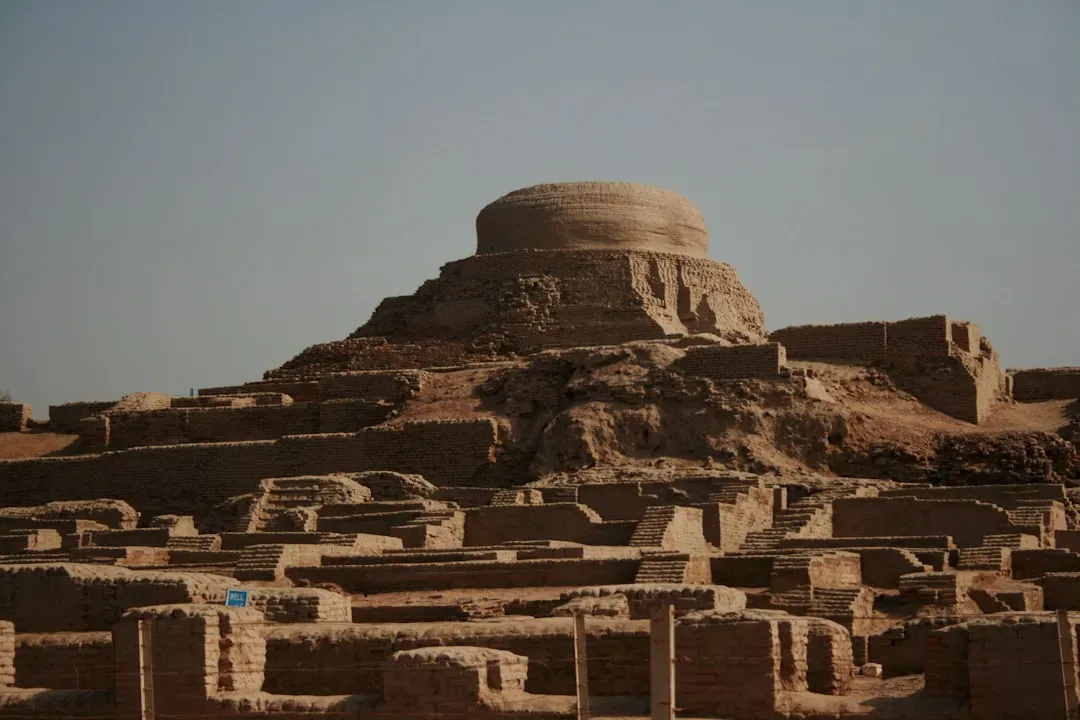
The cities of the Indus Valley civilization – places like Mohenjo-daro and Harappa – already occupy a respectable slot in the Bronze Age, contemporaneous with ancient Egypt and Mesopotamia. Over time, however, more refined dating of early settlement layers and rural sites has nudged the origins of this cultural sphere further back than many short, simplified timelines once showed. Some pre-urban phases and regional cultures that fed into the Indus urban system now appear to reach deeper into the fourth millennium BCE, hinting at a longer gestation period for planned cities, standardized weights, and sophisticated drainage systems.
While nobody is claiming the Indus civilization began in some unimaginably distant past, the way dates keep shifting backward underscores how fragile our sense of “start” and “end” really is. The impressive bricks and streets we love to photograph sit on top of quieter centuries of experimentation, migration, and adaptation that we are only starting to piece together. As those underlying layers get dated and re-dated, the story stretches and warps, and that alone should make us cautious whenever we treat any civilizational timeline as fixed. In a way, the “impossible” part here is our stubborn belief that history has neat chapters, when the data keeps showing us a long, messy draft instead.
Conclusion: When the Stones Refuse to Obey Our Timelines
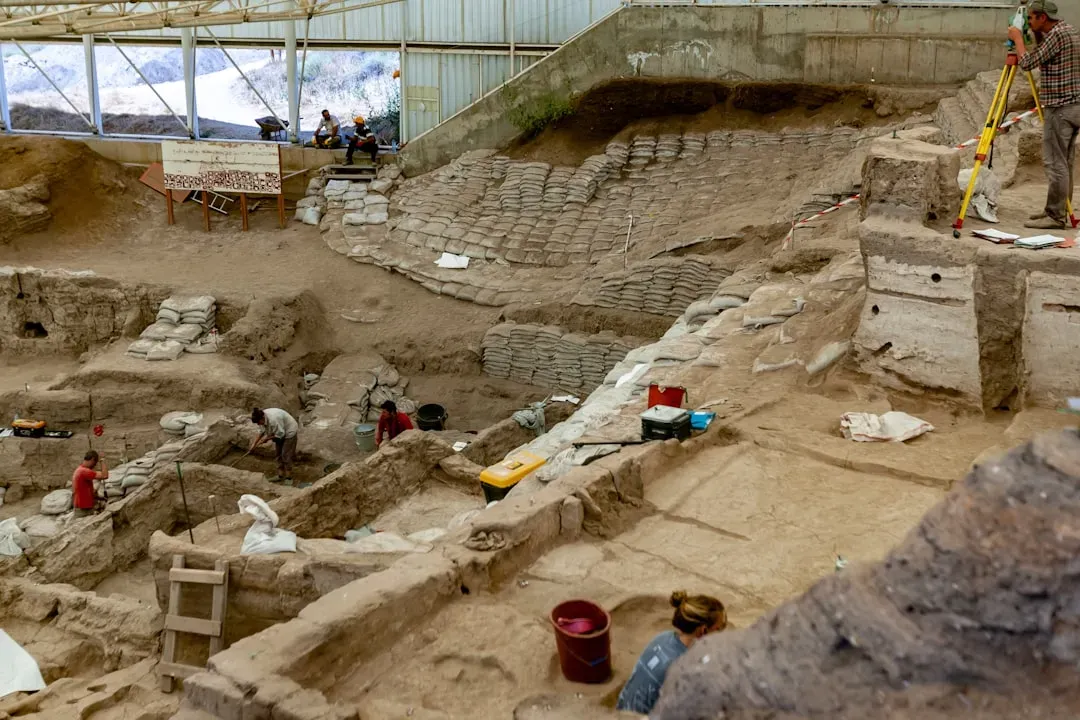
Looking across these nine cases, what strikes me most is not proof of some lost super-civilization, but the stubborn refusal of the archaeological record to fit our desire for a clean, linear story. Again and again, dates either arrive earlier than theory says they should, stack up in confusing ways, or open the door to rival interpretations that cannot be easily dismissed. The safe move is to wave all of this away as noise, error, or fringe enthusiasm, and sometimes that is exactly what it is. But ignoring the persistent oddities is a bit like turning down the radio when the song hits a strange note – you miss the chance to hear the tune evolve.
My own opinion is that mainstream archaeology is mostly right about the broad strokes, but not nearly bold enough yet about how weird, fast, and uneven human cultural change can be. We underestimate hunter-gatherers, oversimplify farmers, and expect civilizations to climb some tidy ladder of progress, when the dates etched into stone, soil, and submerged ruins keep telling a different tale. Instead of asking whether these sites prove a radical new history, maybe we should ask why we are so attached to the old one. If the past is already stranger than our textbooks, what other surprises are still waiting under the next unremarkable hill?