
Have you ever wondered what secrets lie buried beneath centuries of earth, jungle, and sand? Cities that once buzzed with life, filled with traders, priests, and families going about their daily routines, simply vanished from collective memory. Some were swallowed by volcanic eruptions. Others disappeared under shifting sands or dense vegetation. A few were abandoned so completely that even their names were forgotten.
What’s truly fascinating is how we’re bringing these places back to life today. Modern technology has revolutionized archaeology in ways our predecessors could never have imagined. LiDAR technology has dramatically changed the investigation of past cultural landscapes, with reconnaissance and mapping of ancient spaces that used to take years now prospected in hours with greater accuracy. We’re not just finding ruins anymore. We’re uncovering entire civilizations. So let’s dive into nine remarkable ancient cities that time tried to erase, and discover how cutting-edge science is rewriting history.
Pompeii: A Snapshot of Roman Life Frozen in Ash
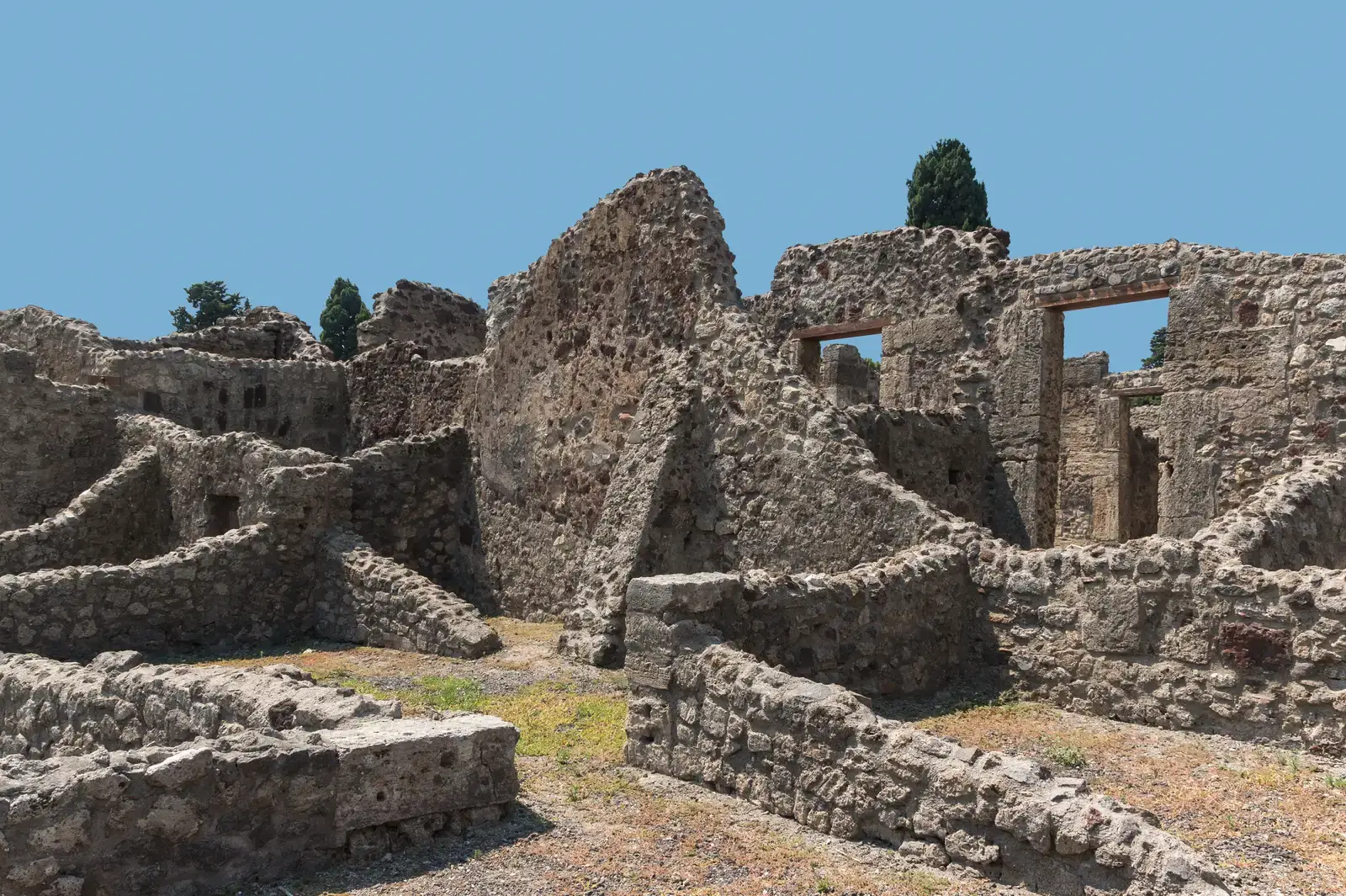
In 79 AD, a massive eruption of Mount Vesuvius buried the nearby city of Pompeii and some of its residents under 20 feet of ash and rock. For over sixteen centuries, the city lay hidden, its location gradually fading from memory. The location of the city was gradually lost to history, but it was rediscovered in the 15th century by an architect planning to build on the site, though excavations didn’t begin until 1748.
What makes Pompeii extraordinary isn’t just that we found it. It’s how perfectly preserved it is. The volcanic debris that destroyed the city also became its time capsule. You can still see bread in ovens, frescoes on walls, and even the final moments of residents captured in haunting plaster casts. Ongoing excavations continue to reveal new insights, making Pompeii the longest continually excavated site in the world. It’s like walking through a city that simply stopped breathing one terrible afternoon, leaving everything exactly where it fell.
Machu Picchu: The Inca Sanctuary Above the Clouds
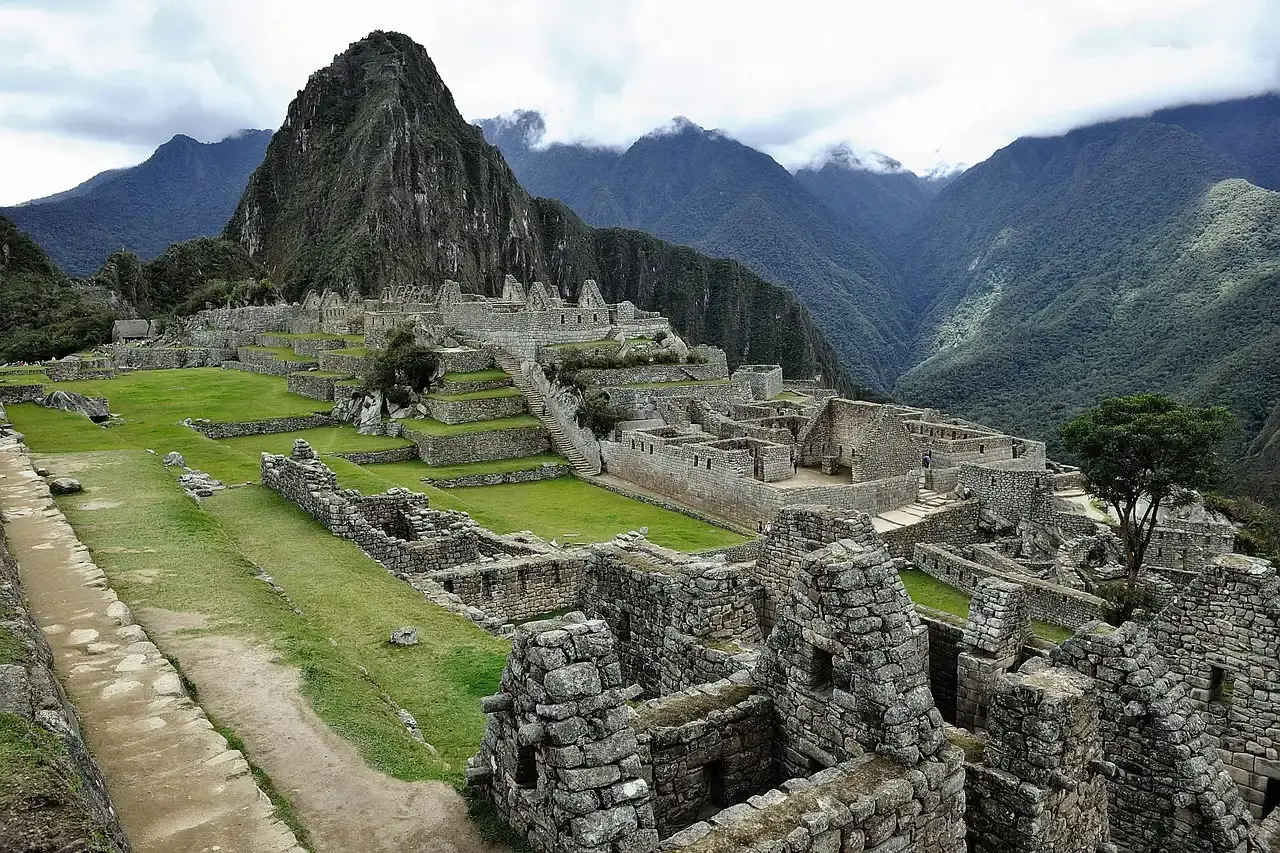
Perched nearly 2,500 meters above sea level in the Andes Mountains, Machu Picchu represents one of the most iconic archaeological discoveries ever made. Machu Picchu was built around 1450, at the height of the Inca Empire, and was abandoned just over 100 years later, in 1572, as a belated result of the Spanish Conquest. Interestingly, the Spanish conquistadors never actually found it.
The citadel lay lost to the world and in increasing disrepair for over 300 years before its rediscovery in the early 20th century when, in 1911, American academic and explorer Hiram Bingham was led to the lost city by local farmers. Here’s the thing though: local people knew about it all along. What changed was bringing it to international attention. The sophisticated stonework and terracing techniques still baffle engineers today. Honestly, standing there and looking at those perfectly fitted stones makes you wonder what else the Incas achieved that we haven’t discovered yet.
Petra: The Rose-Red City Carved in Stone
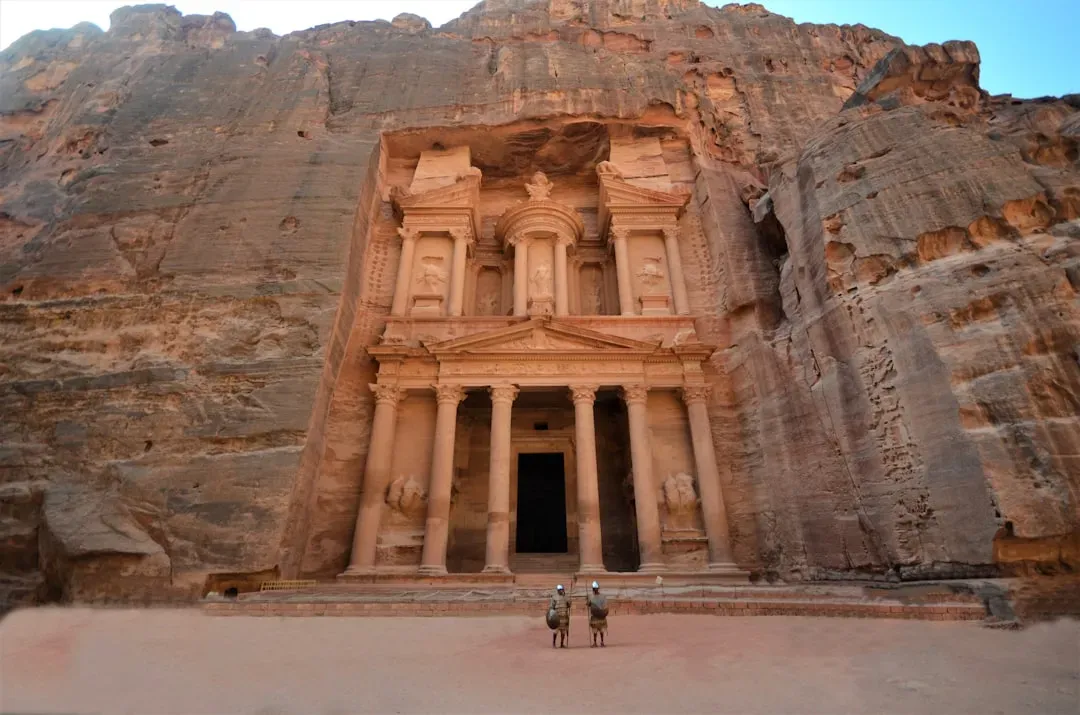
Petra, once a thriving trading hub of the Nabatean civilization, is renowned for its rock-cut architecture and water conduit system, rediscovered in 1812 by Swiss explorer Johann Ludwig Burckhardt. The city that dates back to roughly the 6th century BC was carved directly into towering sandstone cliffs, creating one of the world’s most dramatic architectural achievements.
What really sets Petra apart is the engineering genius behind it. The Nabateans developed sophisticated water management systems that transformed a desert location into a thriving metropolis. The Treasury, believed to be a mausoleum, was carved by the Nabataean people around 2,000 years ago, and Petra was the capital of the Nabataeans, who carved many elaborate structures out of rose-colored rock. Recent discoveries continue to amaze researchers. In late 2024, archaeologists uncovered a hidden tomb beneath the famous Treasury containing twelve complete skeletons, a rare find in an area where most tombs had been looted centuries ago.
Troy: When Homer’s Epic Became Reality
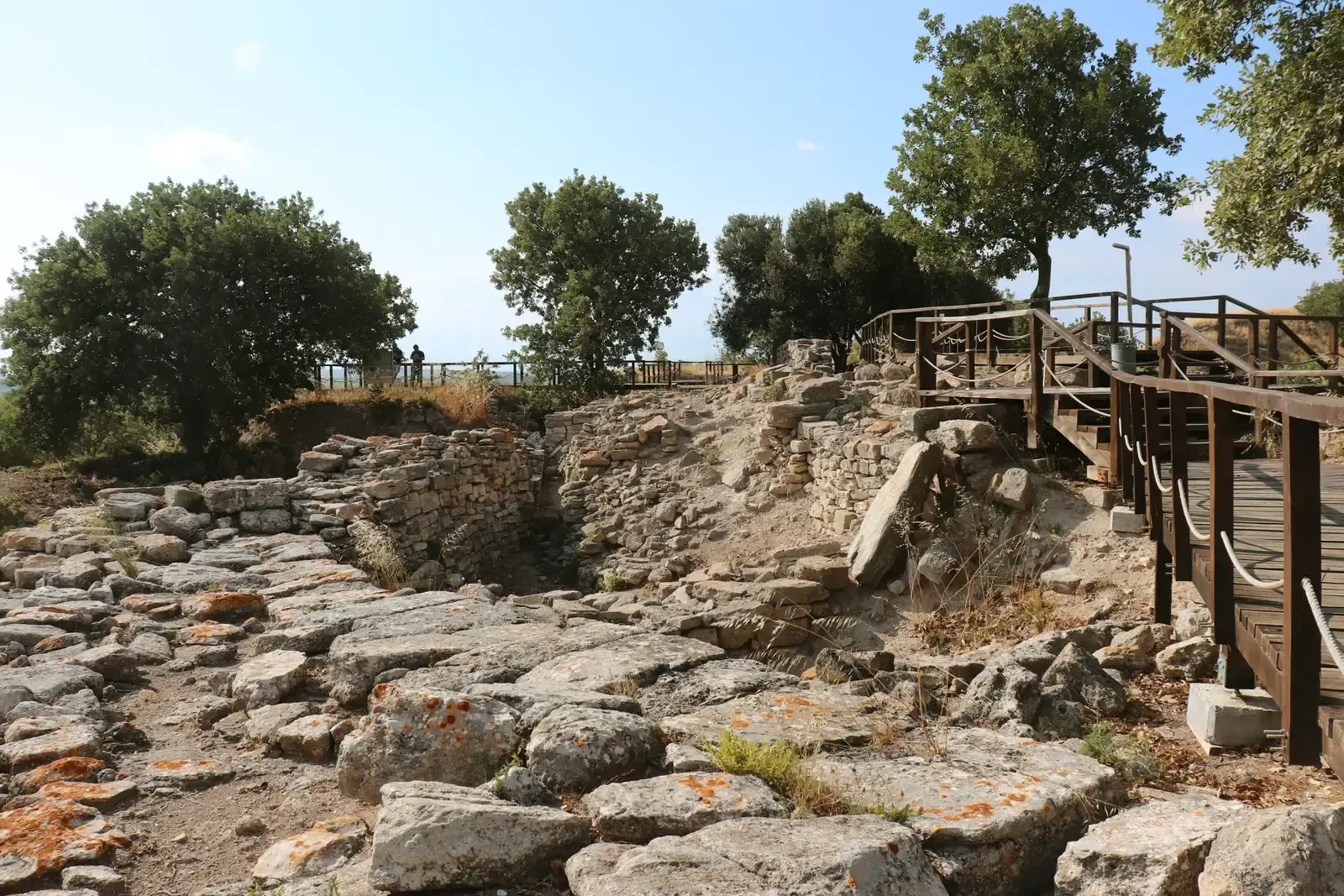
For centuries, scholars dismissed Troy as nothing more than Homer’s poetic invention, a legendary city that never actually existed. That all changed in the 1860s when amateur archaeologist Frank Calvert suggested he’d found something remarkable buried in Turkey. An amateur archaeologist in the 1860s called Frank Calvert suggested he’d found the ancient city in a 32-foot mound in modern-day Çanakkale, Turkey, and celebrity archaeologist Heinrich Schliemann dug at the risen earth, finding the remains of a citadel and a stash of fancy gold jewellery.
The deeper they dug, the more layers they found, with the lowest layer of Troy dating back to the Early Bronze Age in 3000 BC, and research continues today, led by Turkish archaeologists. It turned out Troy wasn’t just one city but many, built one on top of another over millennia. The discovery forced scholars to reconsider: how much other ancient literature dismissed as fantasy might actually be rooted in historical truth?
Angkor Wat: The Hidden Jungle Metropolis
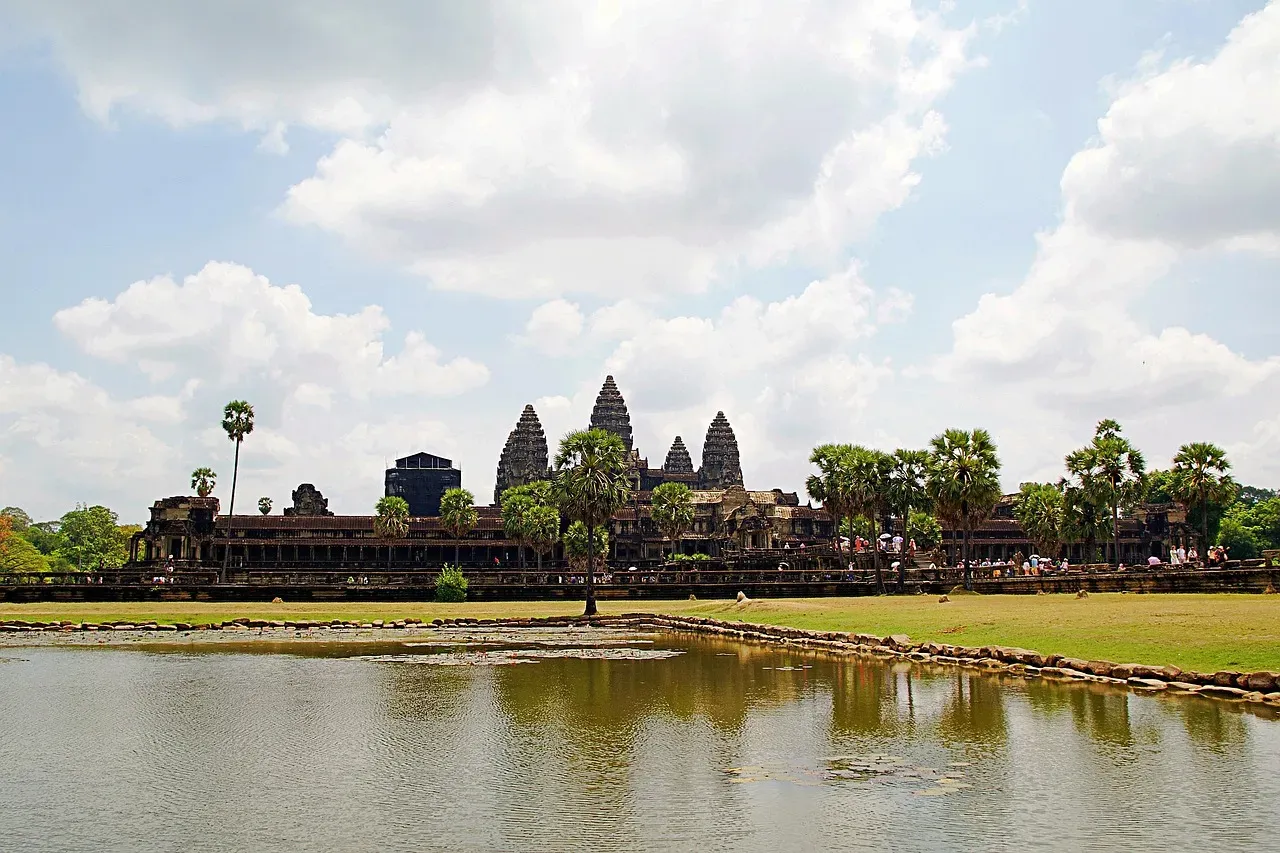
In the dense jungles of Cambodia lies what was likely the largest city in the world during the medieval period. The sprawling temple complex of Angkor, including the iconic Angkor Wat, was the heart of the Khmer Empire, which flourished between the 9th and 15th centuries, and once abandoned, the jungle reclaimed much of the site until it was rediscovered by Western explorers in the 19th century. French explorer Henri Mouhot brought it to international attention in 1860, though local communities had never truly forgotten it.
Recent LiDAR surveys have completely transformed our understanding of Angkor’s true scale. LiDAR mapped Angkor Wat’s medieval urban sprawl, including reservoirs, roads, and neighborhoods that supported a population rivaling modern cities, with researchers uncovering a sprawling medieval urban network suggesting Angkor supported up to 900,000 people at its peak. The massive water management systems that once sustained this metropolis eventually failed due to climate shifts, contributing to the city’s mysterious collapse.
Tikal: Guatemala’s Lost Maya Powerhouse
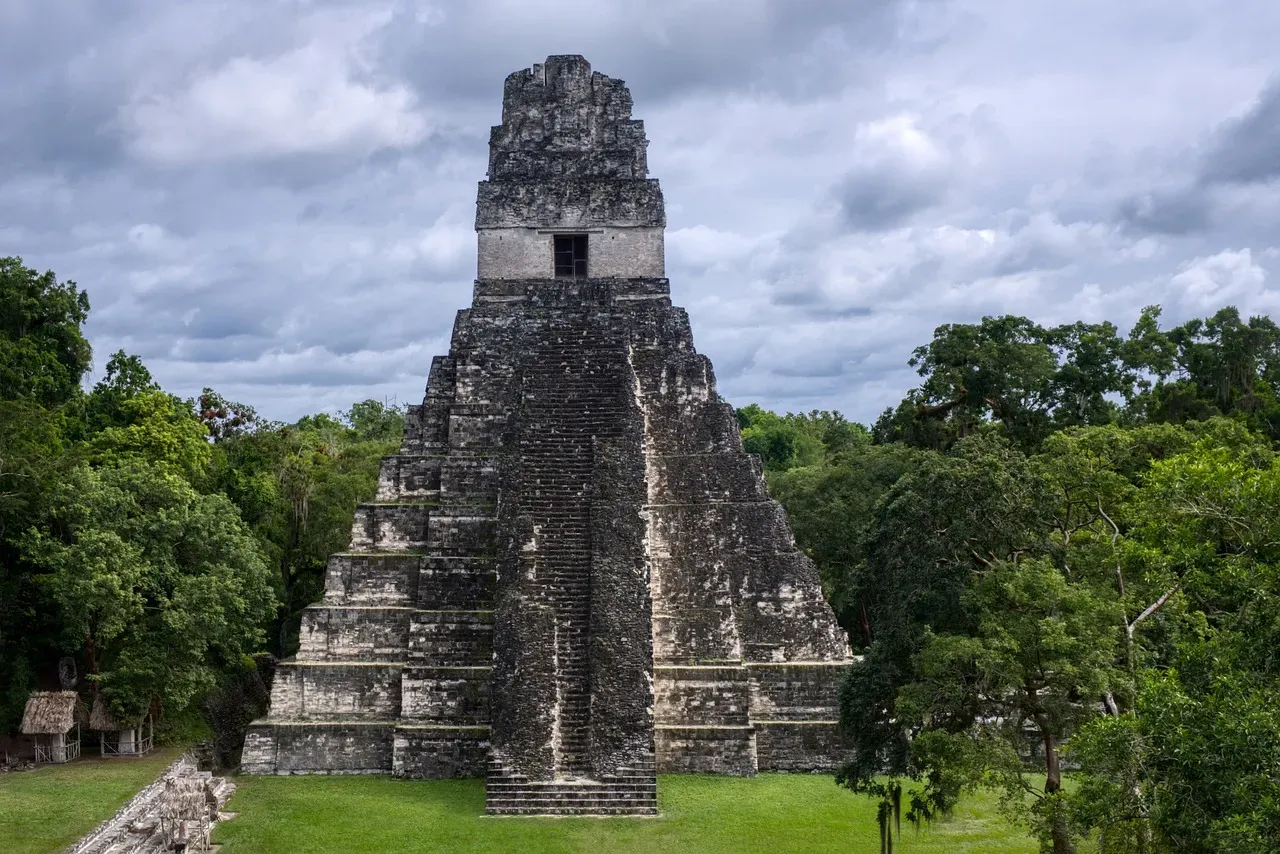
Deep in the rainforests of northern Guatemala stands Tikal, one of the most powerful ancient Maya cities. The pre-Columbian city was abandoned by its Maya residents during the tenth century A.D. and succumbed to the Guatemalan rain forest, and it was not until 1848 that it was brought to the attention of the outside world. For roughly a thousand years, the jungle reclaimed what humans had built.
What’s remarkable about Tikal is how much we’re still discovering. A new discovery of a major monument in the heart of Tikal underlines the extent that LiDAR is revolutionizing archaeology in Central America, where thick jungles usually make satellite imagery useless. Recent LiDAR surveys revealed a previously unknown complex that appears to be a half-size replica of structures from Teotihuacan, a powerful ancient city located over 800 miles away. This discovery is rewriting the story of how ancient civilizations interacted, traded, and influenced one another across vast distances.
Mohenjo-Daro: The Indus Valley’s Enigmatic Metropolis
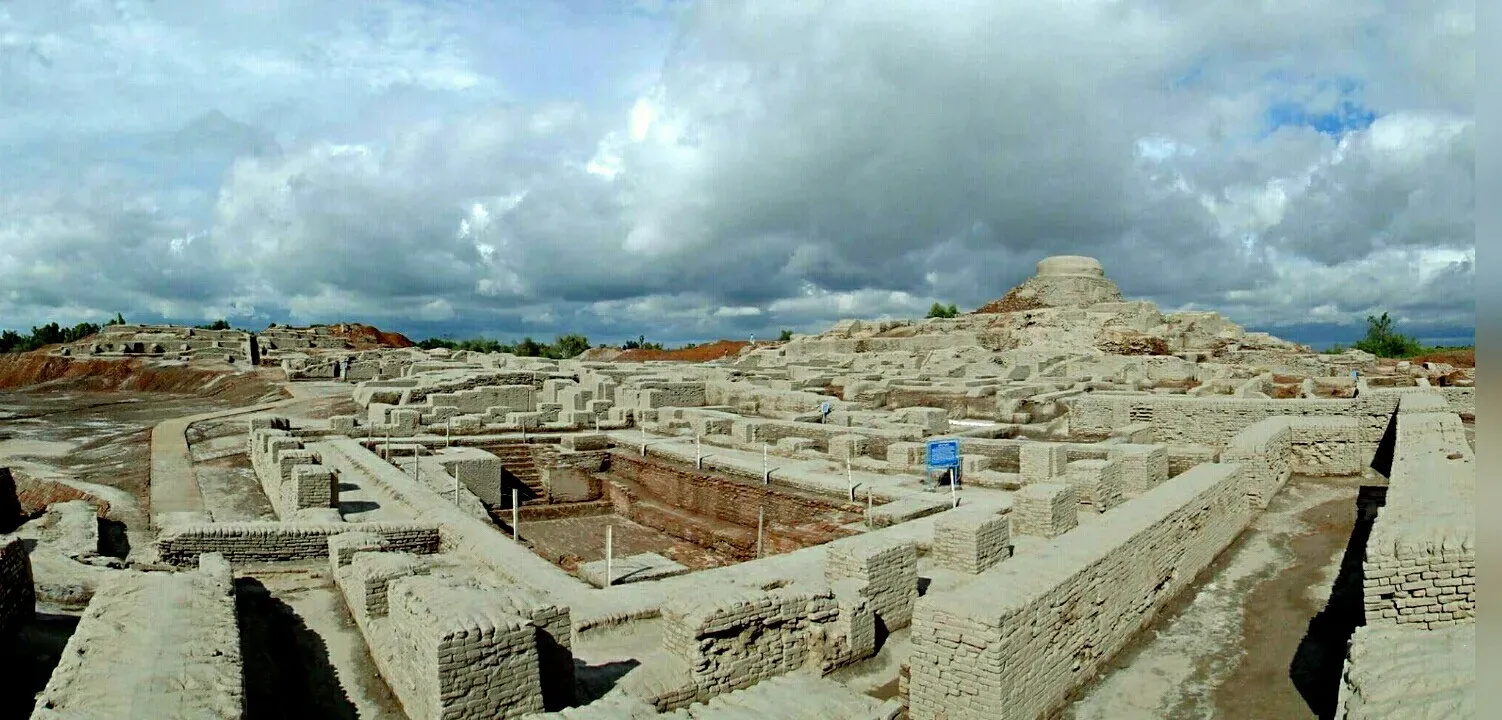
Dating back to roughly 2600 BC, Mohenjo-Daro stands as one of the oldest and most sophisticated urban centers ever discovered. One of the oldest rediscovered cities in the world, this Indus Valley Civilization settlement dates from 2500 BC, and the city is huge and well-organized, with even a sewer system. What’s truly puzzling is what’s missing: temples and royal palaces, suggesting a surprisingly egalitarian society.
After 600 years, the city was abandoned for unknown reasons, possibly because of a change in the path of the Indus River that supplied the city with water, and the ruins remained untouched for 4,000 years, until Indian archaeologist R.D. Banerji rediscovered them in 1922 while surveying the area. The advanced urban planning, complete with multi-story houses and sophisticated drainage, reveals engineering knowledge that wouldn’t be matched in some parts of the world for thousands of years. We still can’t decipher their writing system, which means countless stories remain locked away, waiting to be understood.
Helike: The Greek City That Vanished in a Single Night
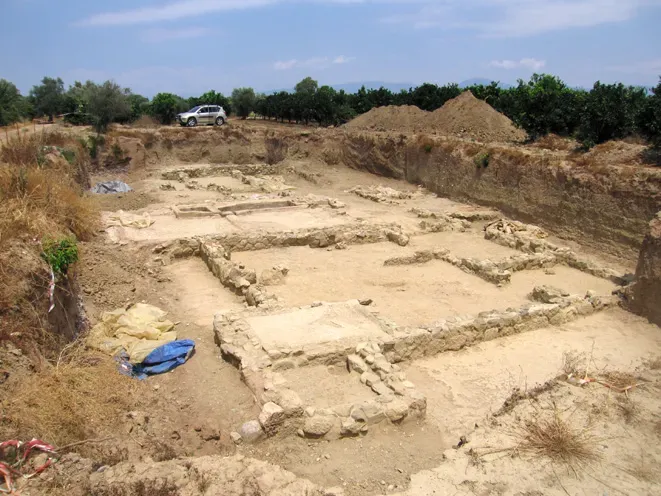
The city was thought to be legend until 2001, when it was rediscovered in the Helike Delta. According to ancient sources, this prosperous Greek city disappeared in the span of just hours when a devastating earthquake struck in the 4th century BC. A tsunami then engulfed the sunken city, and according to ancient sources, the city disappeared in the space of just an hour or two with no survivors, though Helike was rediscovered in the 1980s by two archaeologists who had been searching for it for over a decade.
The story of Helike’s rediscovery is a testament to archaeological perseverance. For years, researchers searched the area where ancient texts indicated the city once stood. Greek archaeologist Dora Katsonopoulou launched the Helike Project in 1988, using modern surveying techniques to locate the site buried beneath layers of sediment. The city’s sudden destruction and subsequent burial preserved a snapshot of classical Greek life, offering insights into how coastal communities lived before disaster struck. It’s a sobering reminder that even thriving civilizations can vanish almost overnight.
Akrotiri: The Minoan Pompeii of the Aegean
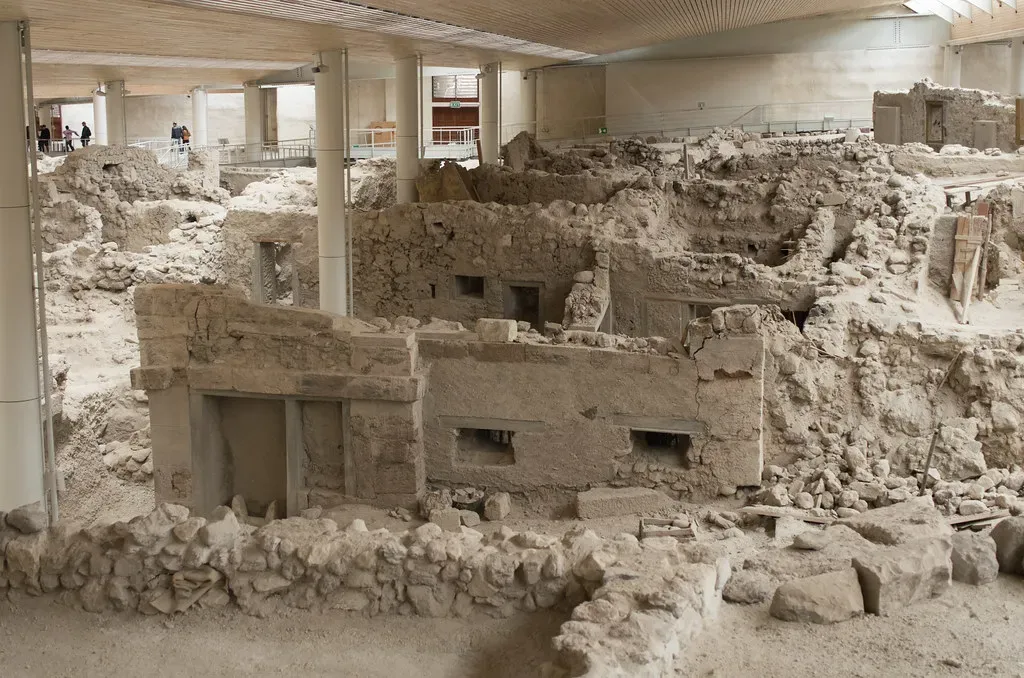
The ancient lost city of Akrotiri was rediscovered in the 1860s by quarry workers, but only re-entered history in 1967 when renowned Greek archaeologist Spiridon Marinatos was researching a theory that the destruction of the Minoan civilization on Crete started with the eruption of Thera. This Bronze Age settlement on the island of Santorini was buried by one of the most catastrophic volcanic eruptions in human history.
What makes Akrotiri particularly valuable to archaeologists is its remarkable state of preservation. Like Pompeii, the volcanic ash that destroyed the city also protected it. Multi-story buildings, elaborate frescoes, and advanced plumbing systems survived intact for roughly 3,600 years. The absence of human remains suggests residents had warning and managed to evacuate before the final eruption. The event likely triggered tsunamis and earthquakes that devastated other Minoan settlements across the region, possibly inspiring the legend of Atlantis. Standing among those ancient streets today, you can almost hear the footsteps of people who fled just in time.
Conclusion: Rewriting History One Discovery at a Time
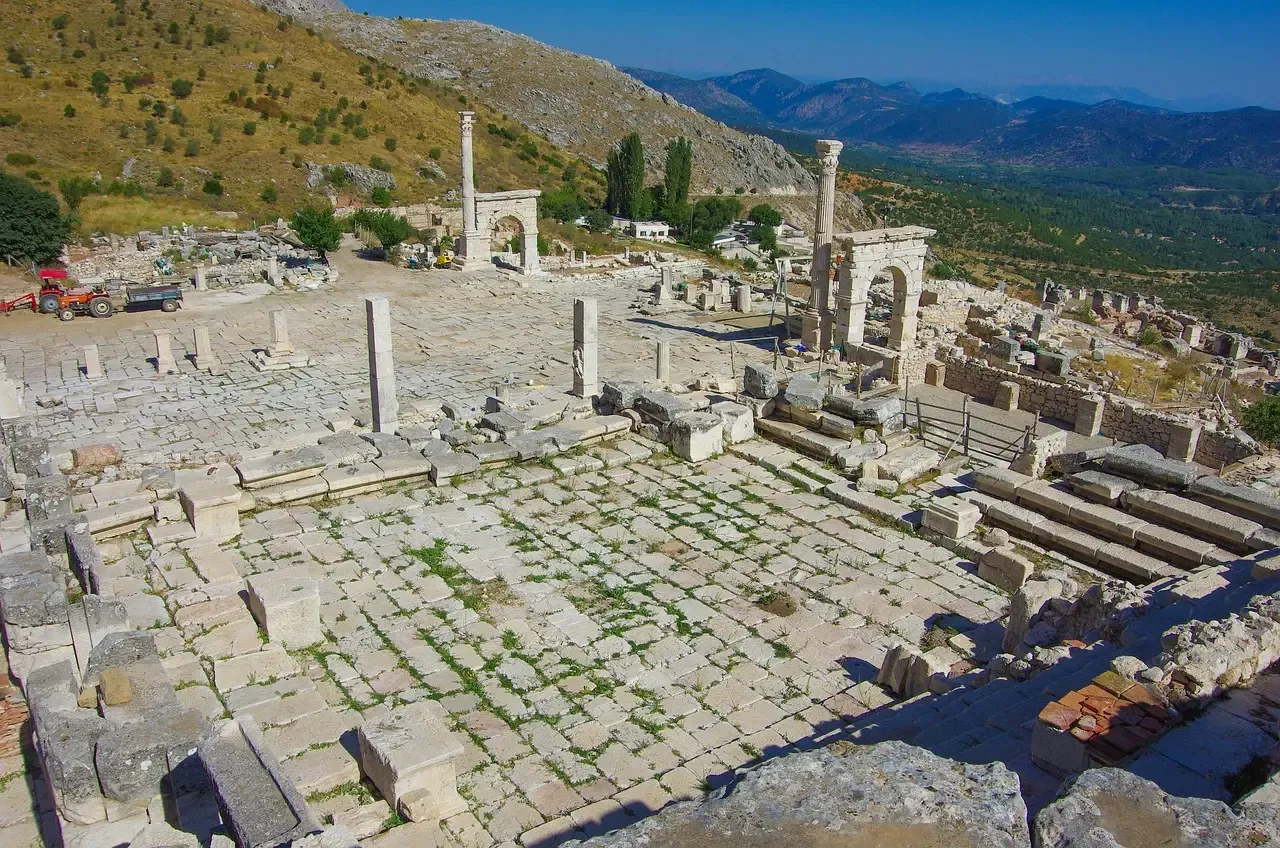
These nine cities remind us that history is never really finished. Each technological breakthrough, from ground-penetrating radar to airborne LiDAR systems, peels back another layer of the past. LiDAR surveys have revealed great expanses of land containing multiple settlements with monumental architecture, infrastructure, and landscape modifications, with archaeologists now working at much larger scales, fundamentally changing how we conceive of ancient societies.
What’s exciting isn’t just what we’ve found, but what’s still out there waiting. Think about it: entire civilizations might be buried beneath jungles, deserts, or even our modern cities, holding answers to questions we haven’t even thought to ask yet. Each rediscovered city teaches us something new about human ingenuity, resilience, and our capacity to build remarkable things. The past isn’t dead. It’s just sleeping under a few feet of dirt, waiting for someone with the right tools to wake it up. Which lost city do you think will be discovered next?