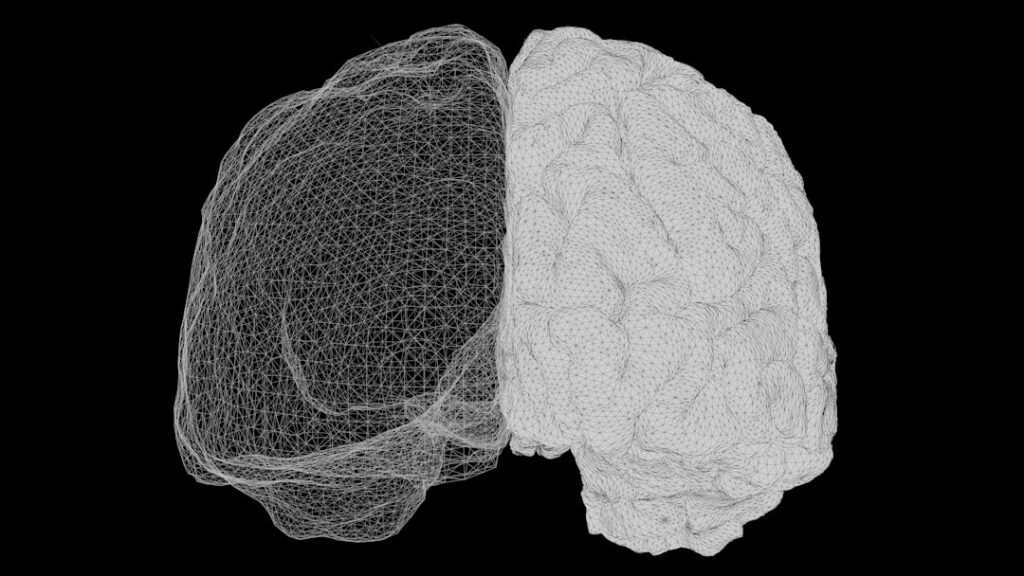

There is a strange silence around the exact moment of death. We talk about grief, funerals, and what might happen after, but the split second when the brain crosses the line from life to death is almost like a cultural blind spot. Yet in the last few years, neuroscientists have started peeking into that gap using brain scans from people in intensive care, cardiac arrest, and controlled animal studies, and what they’re finding is shocking, oddly beautiful, and still not fully understood.
I remember the first time I read a brain-scan study of a dying person; I had to stop and just stare at the wall for a while. The image of a brain suddenly flaring with activity in the seconds after the heart stops was the exact opposite of what I expected. You’d think death would look like a fade-to-black. Instead, in some cases, it looks more like a final, intense burst of light. Let’s walk through what we actually know so far, where the evidence is thin, and what is still firmly in the territory of mystery.
The Myth of “Instant Blackout” and What Actually Starts the Dying Process

Most of us imagine death as a switch: one moment you’re here, the next moment the screen goes dark. Biologically, that’s not how it works at all. The body and brain go through a sequence of failures, like a building losing power system by system. When your heart suddenly stops, blood flow to the brain plunges almost immediately, but neurons do not die in that exact instant; they begin to starve, and that starvation unfolds over minutes, not microseconds.
This means that the “moment before you die” is not a single clean frame; it’s a short, chaotic window where the brain is still running on fumes. Oxygen and glucose levels drop, electrical activity shifts, and the delicate balance of brain chemistry starts to fall apart. From the outside, you might look gone. Inside your skull, though, circuits are still firing, misfiring, and trying desperately to hold on, like a city running on backup generators during a blackout.
The Brain’s Last Surge: Why Some Studies Show a Final Neural “Firework”
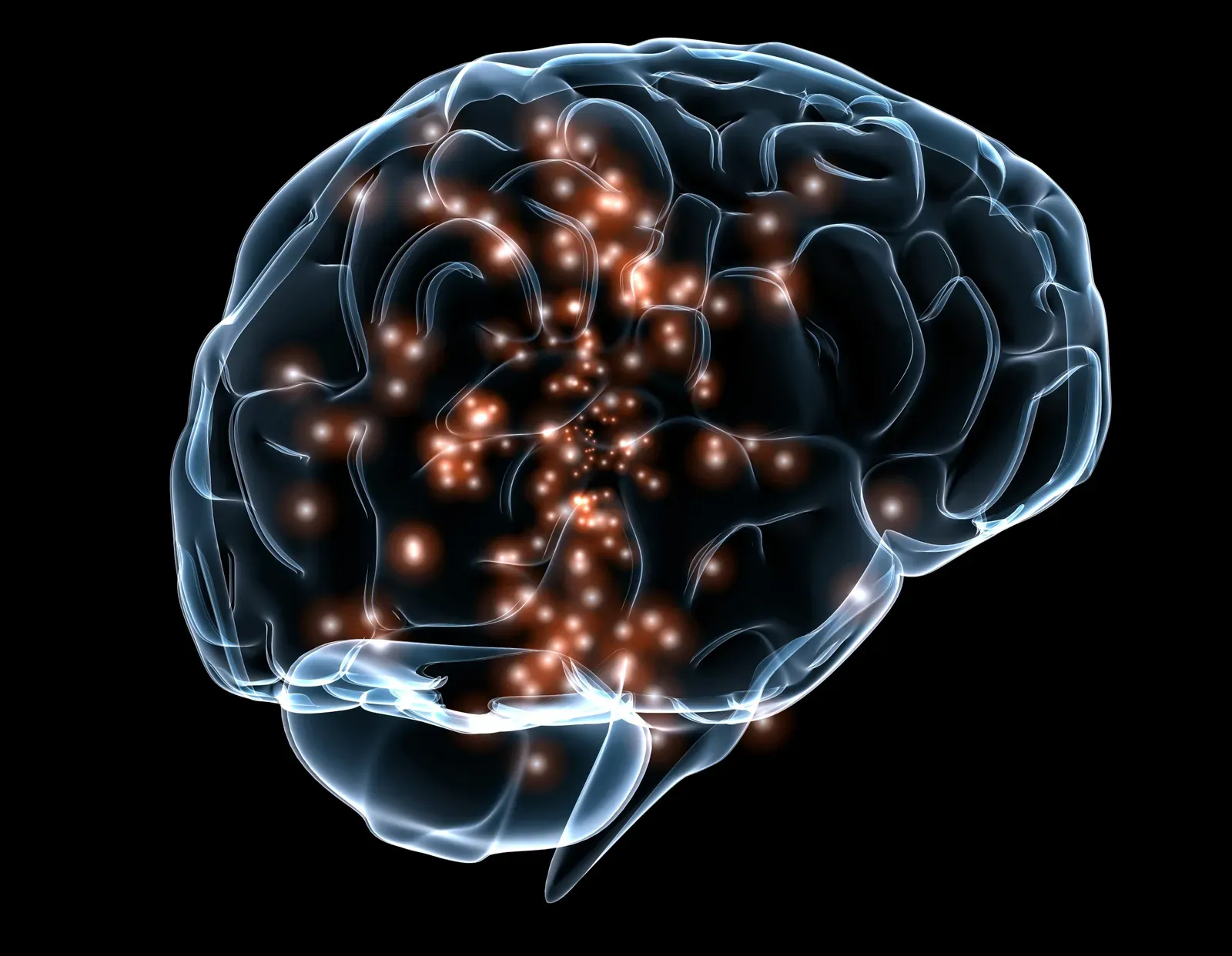
One of the most sensational findings in recent neuroscience is that in some cases, the dying brain does not simply fade out; it spikes. In humans and animals, researchers have recorded brief surges of highly organized electrical activity in the seconds to minutes around cardiac arrest. Instead of a flat, lazy line, the EEG can suddenly show a burst of fast, synchronized waves that are usually linked to conscious perception and intense mental processing.
Think of it like the last flare of a campfire when you stir the ashes: all the remaining fuel combusts at once and there’s a sudden bright glow before everything finally goes dark. Scientists are still debating what these spikes mean. They might reflect the brain’s frantic attempt to restore normal function, they might be the chaotic overfiring of neurons breaking down, or they might line up with what people describe as vivid, detailed experiences right on the edge of death. The truth is probably a messy mix of all three, and we’re not yet in a place to connect the dots perfectly.
Consciousness on the Edge: Are You Aware After Your Heart Stops?
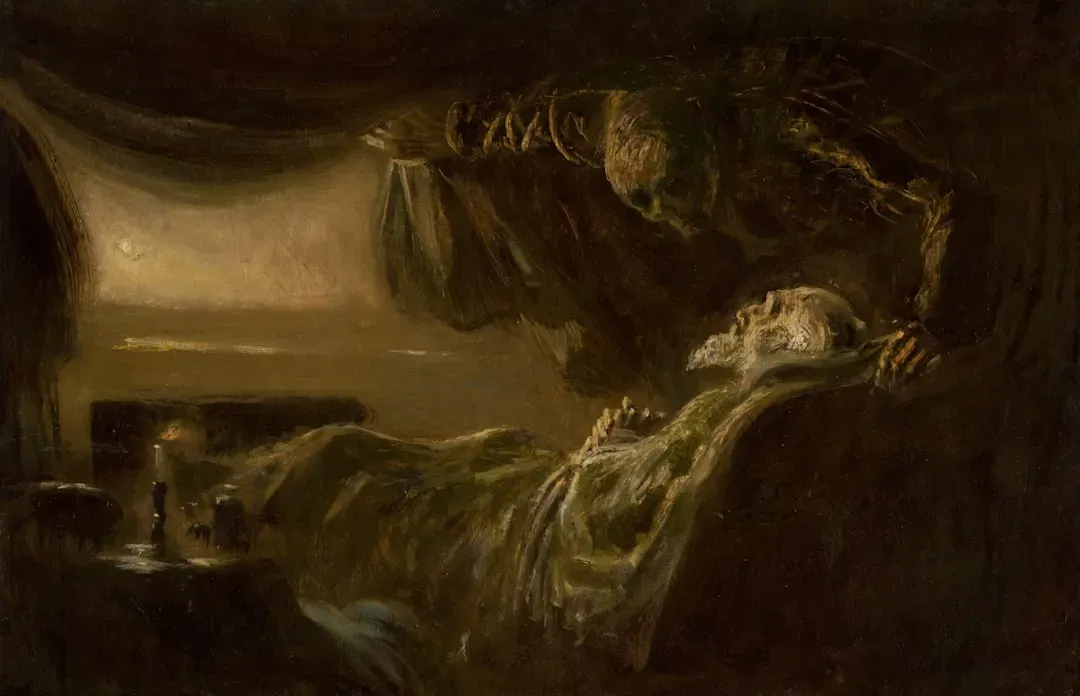
This is the question everyone secretly cares about: if your heart stops, do you still experience anything for a while? Carefully designed resuscitation studies have shown that some patients who were clinically dead for a short period later reported vivid, structured experiences: viewing scenes, hearing conversations, feeling detached from their body. In a few rare cases, their recollections matched real events in the room, which suggests that at least some form of awareness may briefly survive the loss of a pulse.
From a neuroscience angle, this does not mean a mystical loophole; it means consciousness might be more resilient than we assumed. If parts of the brain remain electrically active and loosely connected, a kind of fragile, altered awareness might flicker on even when traditional signs of life are gone. The tricky part is timing. Memories are stitched together later, and brain recordings in those exact seconds are hard to get, so we’re dealing with a puzzle that mixes physiology, memory, and interpretation. Anyone who claims we have a full, simple answer is overselling it.
Near-Death Experiences: Tunnel, Light, Life Review and the Brain’s Best Guesses
Reports of tunnels, bright light, peaceful detachment, or meeting loved ones are surprisingly consistent across cultures, which is part of why they feel so eerie. Neuroscience offers several grounded, if incomplete, explanations. When blood flow drops, the visual system, especially the areas responsible for central vision, can malfunction so that you perceive a bright central area with fading edges, which can feel like moving through a tunnel toward a light. Similarly, disruptions in the temporal and parietal lobes can distort your sense of self and position in space, creating the uncanny feeling of leaving your body and looking down.
The so-called life review, where people report vivid flashes of important moments, could be the brain rapidly and chaotically activating networks that store emotionally loaded memories. Under extreme stress, with neurotransmitters surging and pathways destabilizing, your brain may essentially dump its most charged material onto the screen. To me, this is one of the most strangely comforting ideas: that in its final panic, the brain may try to make meaning, pulling up the scenes that defined you, the way a storyteller rushes to finish the last chapter before the ink runs out.
Time Distortion: Why Seconds Near Death Can Feel Like an Entire Lifetime
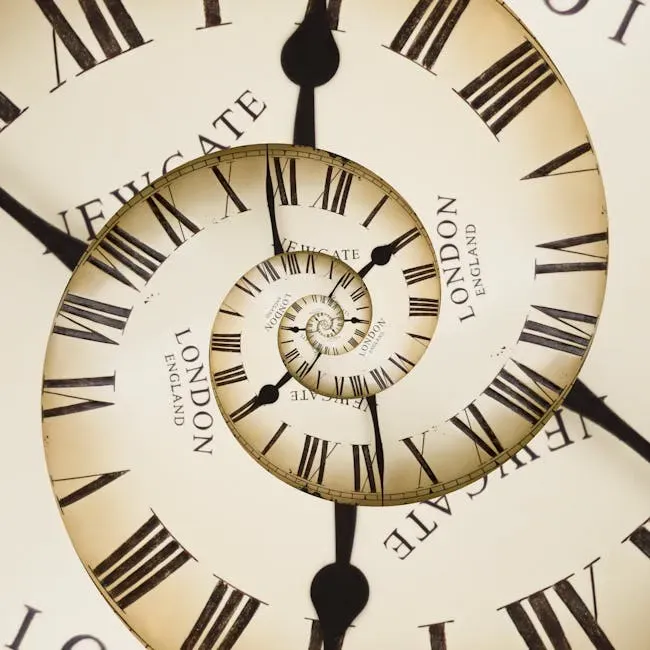
People who come back from the brink often say something like this: it felt like a long, detailed experience, even though only a few seconds or minutes passed in the real world. Neuroscience has a familiar explanation for this: our sense of time is a construction, built by networks that integrate memory, emotion, and sensory input. Under intense fear, trauma, or altered states, those networks stop working in their usual rhythm, and the brain can pack far more perceived “moments” into a short slice of clock time.
It’s a bit like slow-motion scenes in movies: the event is not actually longer, but it’s shown with more frames and more emotional zoom. Near death, stress chemicals flood the brain, and neural activity becomes unstable and irregular, which can make experiences feel stretched or outside of time altogether. From the outside, it might be ten seconds of cardiac arrest. From the inside, it could genuinely feel like a full narrative, with a beginning, middle, and end, even if that narrative is later hard to describe or fully remember.
The Line Between Brain and “Beyond”: What Science Can and Cannot Say
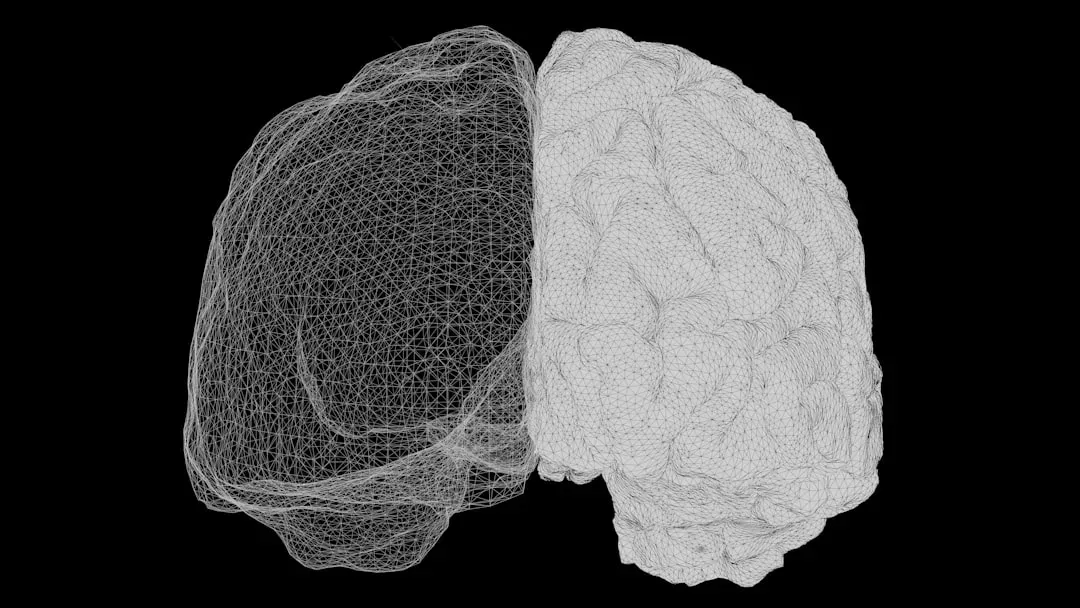
This is where it gets delicate. Some people take these findings as proof of an afterlife; others treat them as nothing more than brain glitches. Neuroscience, honestly handled, does not neatly support either extreme. What we can say is that the dying brain is active, sometimes intensely so, and that this activity can plausibly generate rich, coherent experiences that feel more real than waking life. These are brain events. That much is solid. Whether they point to anything beyond the brain is not something an EEG, MRI, or lab experiment can truly settle.
Personally, I think we get into trouble when we demand that science answer spiritual questions or that spiritual beliefs overwrite solid data. The cleanest stance is this: the evidence shows that in many cases, conscious-like activity persists briefly as the body fails, and that this activity likely explains a lot of near-death experiences in natural terms. What those experiences mean, philosophically or spiritually, is a different conversation. The lab can map the territory of neurons; what you want to make of the journey itself is up to you.
Why These Findings Change How We Think About Dying (and Living)
For me, the most powerful implication of all this research is emotional, not technical. Knowing that the brain may not simply go dark, that there might be a brief window of intense internal life right at the border, changes how we picture our own ending. Instead of imagining a harsh, sudden cutoff, it becomes possible to see death as a strange, liminal passage where the brain throws everything it has left into one last burst of experience, like a final montage before the credits roll.
At the same time, we have to stay sober: none of this guarantees a peaceful or meaningful exit, and we should not romanticize what can be a painful, frightening process for many. But I do think the science pushes us away from the idea that death is pure emptiness and toward a more nuanced, if uncomfortable, picture. The brain’s last act might be a mix of confusion, beauty, fear, and memory, shaped by biology but felt as utterly personal. If you knew your mind might get one final, intense flash of clarity or story at the end, how would that change the way you choose to live the middle part?
Conclusion: A Fierce, Honest Look at the Last Moment
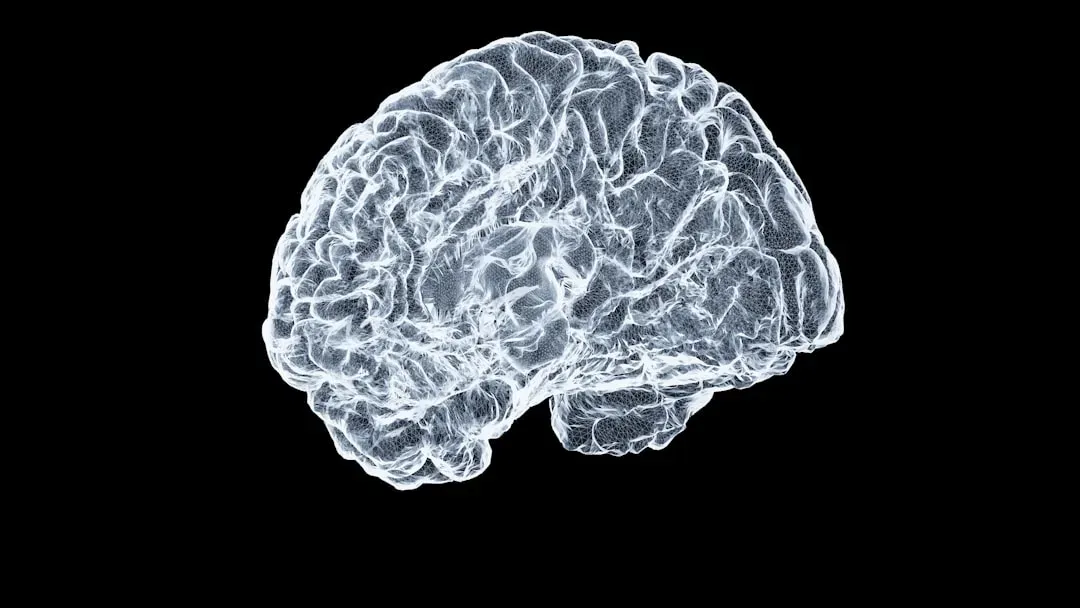
The honest, slightly unsatisfying truth is that neuroscience has given us real pieces of the puzzle, but not the whole image. We now know the brain can surge rather than simply fade, that awareness may briefly persist after the heart stops, and that many classic near-death elements have plausible roots in brain physiology. At the same time, we are still working with tiny samples, complex memories, and ethical limits that prevent perfect experiments. Anyone promising a total scientific explanation or a guaranteed spiritual meaning is, in my view, skipping over the hard parts.
My own opinion is that we should resist both the cold, dismissive view that “it’s just brain noise” and the overly certain view that “it proves something beyond.” The dying brain’s last flickers are likely the most intense, compressed, and revealing moments it can produce, shaped by a lifetime of emotions and memories spilling out all at once. That alone makes them worth respecting, even if we never fully decode them. Maybe the most grounded stance is to admit we are witnessing the mind’s final attempt to make sense of its own ending, and then ask ourselves a quieter, harder question: when your own brain reaches for that last story, what do you hope it finds there?