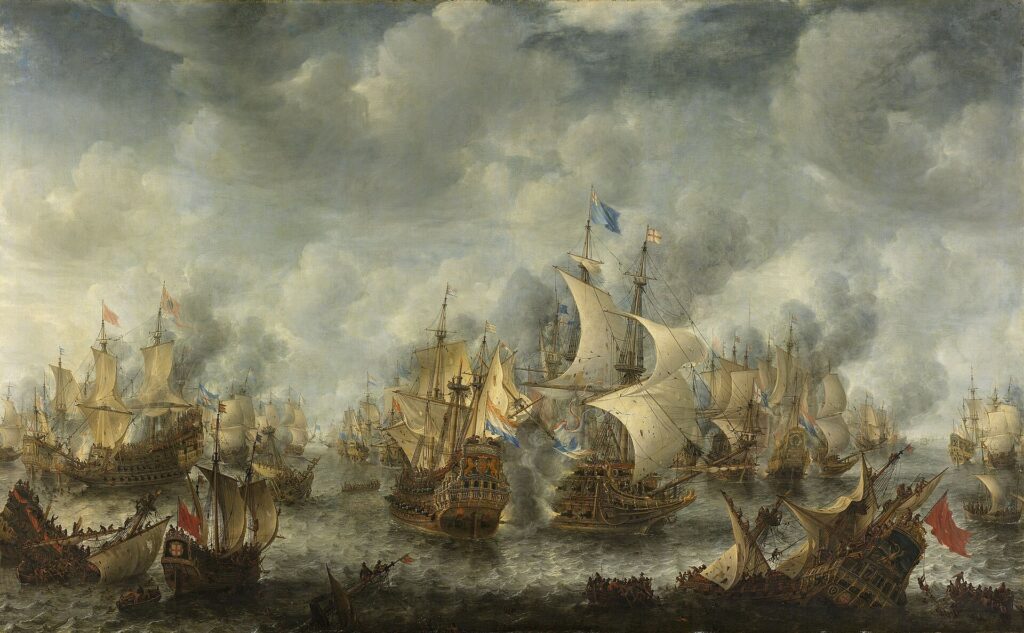

You tend to think of wars ending with surrender documents, last stands, or dramatic peace conferences. But sometimes, the final decision doesn’t come from generals or diplomats at all. It comes from the weather, the earth, or even a virus quietly doing what no army could manage. When you look closely, you see that a surprising number of conflicts were cut short, redirected, or made pointless by forces of nature that nobody fully controlled. As you move through these stories, notice how fragile human plans really are. Armies train for years, kingdoms pour fortunes into weapons, and then a storm, a drought, or a plague steps in and rewrites the ending. It can feel almost eerie, as if nature itself is a hidden third player at the negotiating table.
1. The Mongol Invasions of Japan and the “Divine Wind” Typhoons
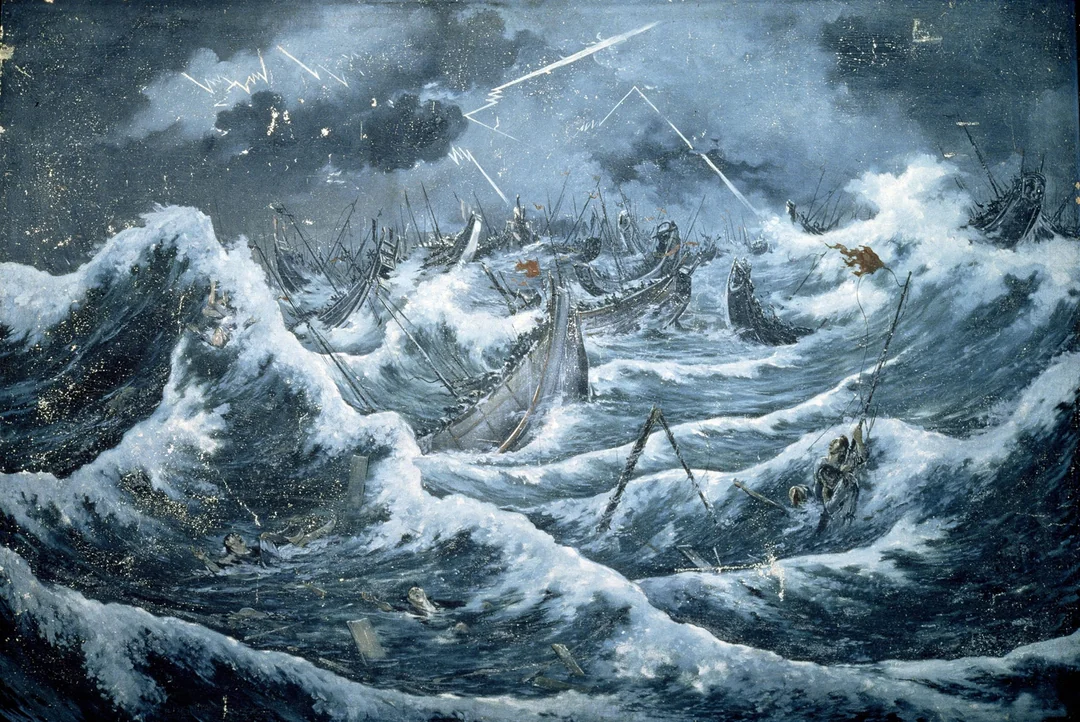
If you had been living in Japan in the late thirteenth century, you would have been bracing for what looked like certain disaster. The Mongol Empire, which had crushed armies from China to Eastern Europe, turned its attention to your islands with massive invasion fleets. On paper, you were outnumbered and outmatched, and no amount of bravery on your part could guarantee survival. But then nature stepped in. In both 1274 and 1281, powerful typhoons smashed into the Mongol fleets at precisely the worst possible moments for the invaders. Ships were wrecked, soldiers drowned, and the logistics of sustaining a full-scale conquest collapsed. You might have prayed, fought on the beaches, and built coastal defenses – but in the end, it was those storms, later called the “divine winds,” that made a drawn‑out occupation or extended war impossible.
2. Napoleon’s Invasion of Russia and the Brutal Winter
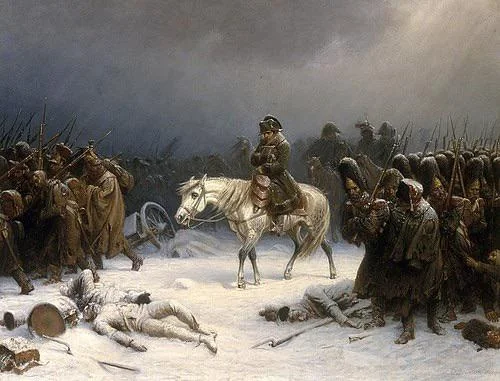
Imagine you are marching with Napoleon’s Grand Army in 1812, confident that your side is unstoppable. You expect big battles, clear victories, and maybe a triumphant entry into Moscow. Instead, you watch as Russian forces retreat deeper and deeper, drawing you into a vast country you barely understand. You keep going, because that is the plan, and turning back feels like failure. Then the temperature drops. Not just a bit cold – you’re facing a savage Russian winter without enough food, shelter, or proper clothing. Horses die in the snow, supply lines stretch until they snap, and suddenly you are fighting fewer soldiers and more frostbite, starvation, and disease. The Russian strategy of withdrawal and scorched earth mattered, but it was the winter that truly broke the campaign. Instead of a negotiated end on the battlefield, you get a slow-motion collapse, as the weather ends your invasion more decisively than any single battle could have.
3. The Spanish Armada and the Violent North Atlantic Storms
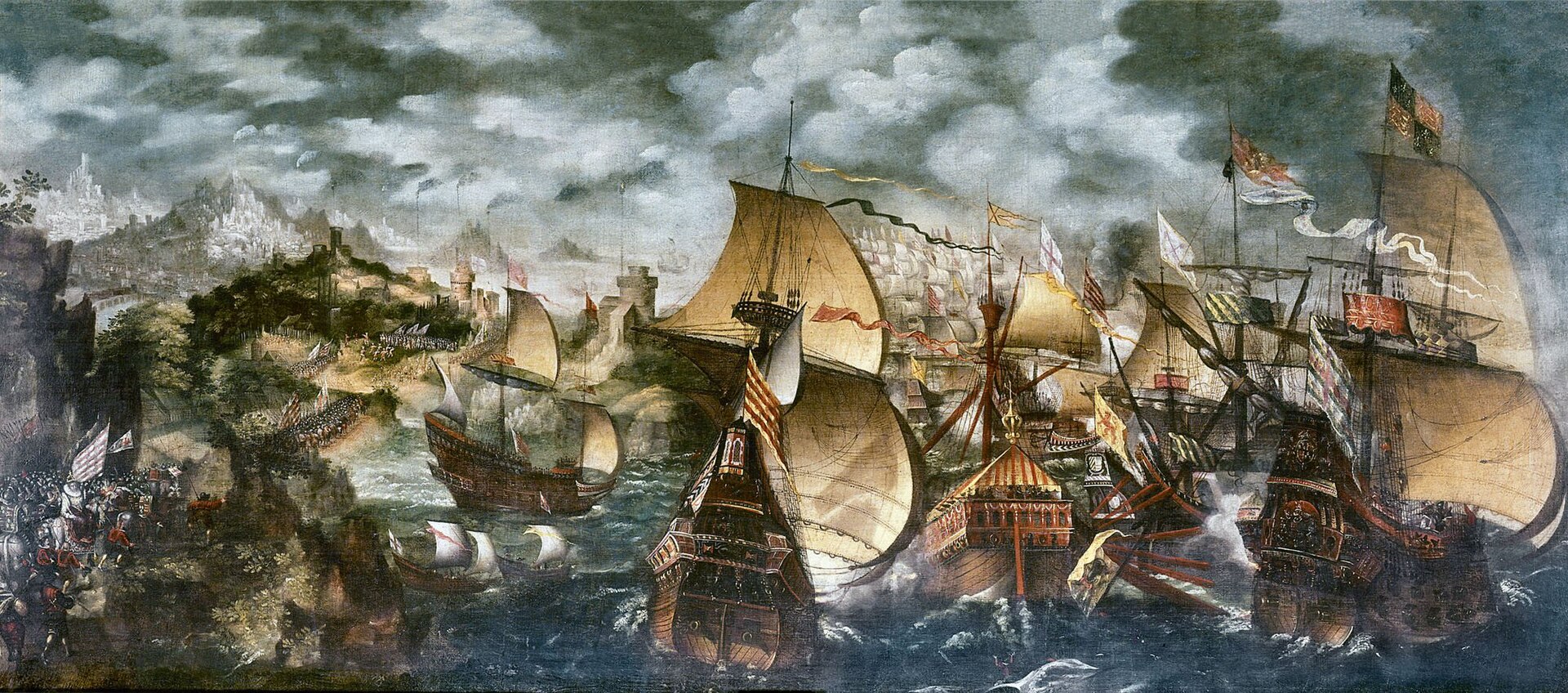
If you were part of the Spanish Armada in 1588, you would have believed you were sailing with an unstoppable Catholic super‑fleet to bring England to its knees. You might expect battles with English ships, maybe some daring boarding actions, and a climactic showdown. And yes, you do encounter English naval resistance, which is serious – but not quite enough on its own to annihilate you. The real enemy shows up in the sky and on the waves. After the running fights with English vessels, you are forced to sail north and then around Scotland and Ireland to get home. That is when a sequence of fierce Atlantic storms hits. Ship after ship smashes against rocky coasts or sinks under brutal seas. By the time the survivors limp back to Spain, your fleet is shattered – not primarily by English cannons, but by weather that destroys any chance of resuming the campaign. What might have been a prolonged war fizzles because the storms have already decided the outcome.
4. The First Anglo-Dutch War and the Sudden Storm at the Battle of Scheveningen
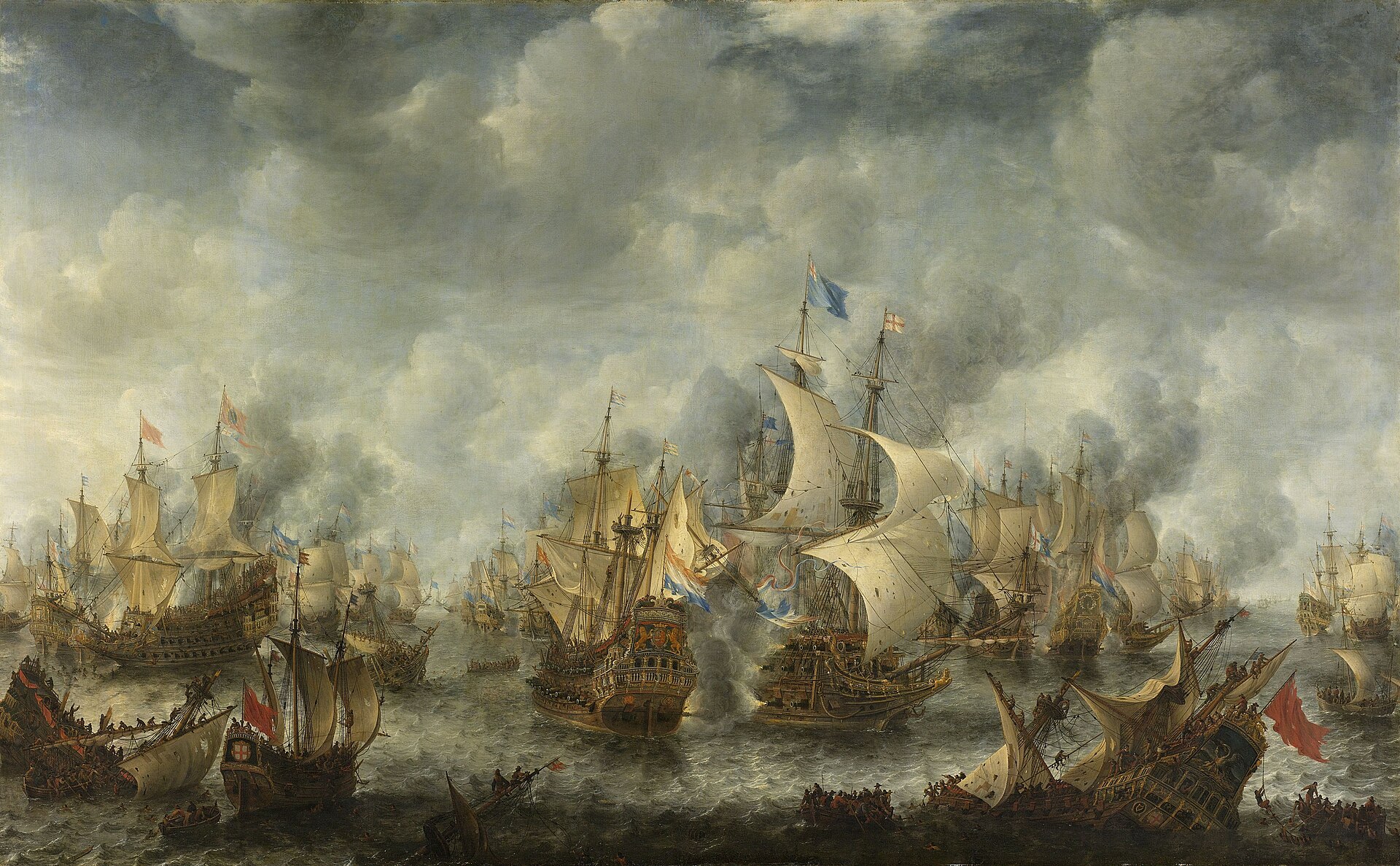
Picture yourself as a sailor in the mid‑seventeenth century during the First Anglo‑Dutch War. The conflict is mostly about trade routes and naval dominance, and you expect it to be settled ship‑to‑ship, with one side finally winning control of the seas. By 1653, you are at the Battle of Scheveningen, a fierce engagement off the Dutch coast that is supposed to be decisive. Cannons roar, masts snap, and you are locked in a brutal fight you think might drag on for days or be followed by more campaigns. Then the weather suddenly turns. A strong storm descends on the area, making it nearly impossible to maintain formation or continue planned operations. Both fleets suffer heavy damage, but the chaos of the storm helps force an effective stalemate at sea, even though both sides can claim limited tactical advantages. In the aftermath, with ships ruined and crews exhausted, neither country has the appetite or resources to push for a long continuation of the war. You see negotiations speed up, not just because of politics, but because the storm has made further fighting far less practical.
5. The War of 1812 and the Devastating Tornado in Washington, D.C.
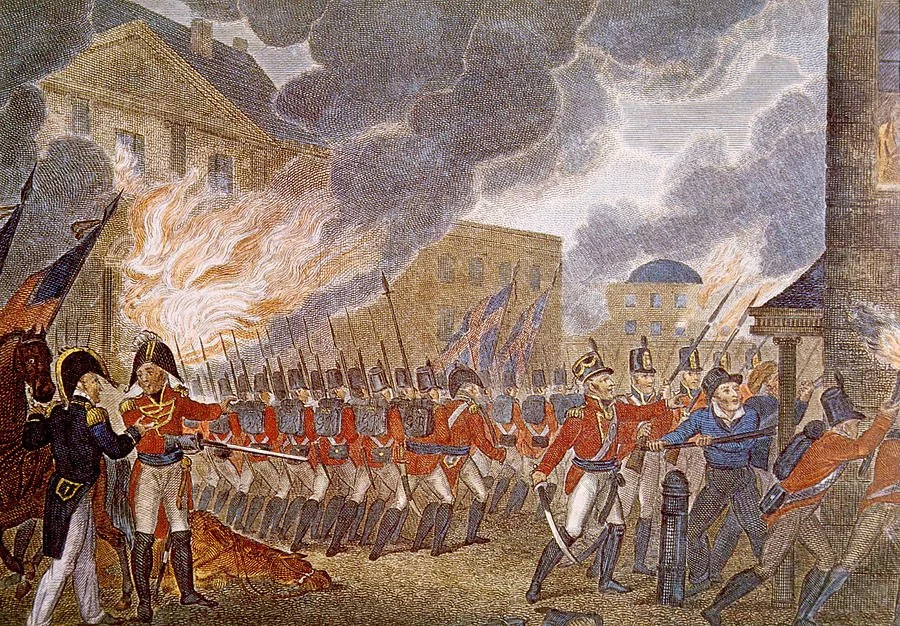
During the War of 1812 between the United States and Britain, you would probably expect battles like New Orleans or Lake Erie to define the ending. Military historians focus on those for good reason. But if you were living in Washington, D.C., in August 1814, you would have watched a different kind of force walk onto the stage. After British troops burned public buildings, including the Capitol and the White House, it looked as if they might stay longer, press deeper, and continue the destruction. Then, almost unbelievably, a violent storm system hit – bringing what eyewitnesses described as a tornado that ripped through parts of the city. The whirlwind killed soldiers, toppled cannons, and added to the chaos in ways neither side could have anticipated. For the British, remaining in a devastated, storm‑struck city suddenly made much less sense. Combined with logistics and strategic concerns, this extreme weather pushed them to withdraw. You still had more fighting ahead elsewhere, but the idea of a prolonged occupation of the American capital was effectively ended by a natural event, not a heroic counterattack.
6. The Third Crusade and the Harsh Winter Storms in the Levant
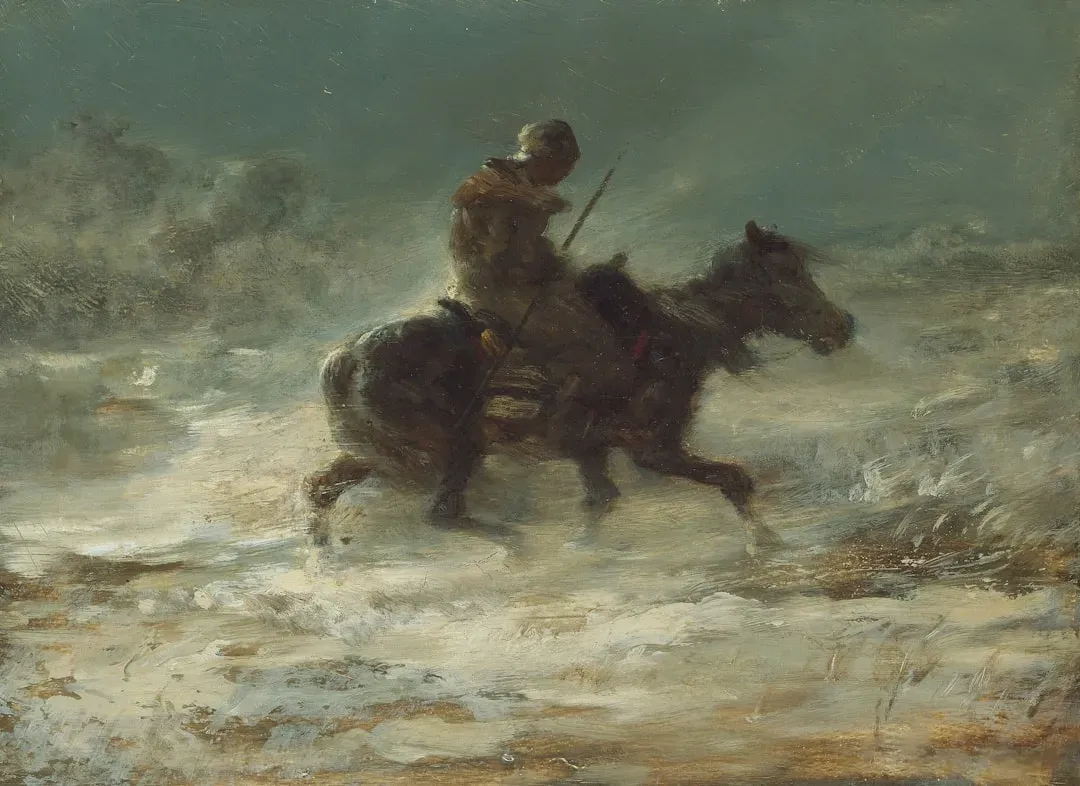
If you had joined the Third Crusade hoping for glorious battles and a final dramatic clash over Jerusalem, you would have been in for a harsh lesson in geography and climate. European forces, led by famous monarchs, pushed into the Eastern Mediterranean with huge expectations. You might have imagined that strong leadership and determination would be enough to carry sieges and secure holy sites. Instead, you would have found yourself up against unfamiliar weather patterns and seasons. Winter storms along the coast and heavy rains inland made movement and supply incredibly difficult. Roads turned into mud, disease followed damp camps, and morale sank. Over time, it became clear that, between military stalemates and the physical environment, you were unlikely to simply storm your way to permanent control. The eventual truce between the crusaders and local rulers was not just the result of sword‑to‑sword combat, but also of the realization that enduring those winters and storms year after year was unsustainable. Nature quietly nudged both sides toward compromise.
7. The Thirty Years’ War and the Climatic Hardships of the Little Ice Age
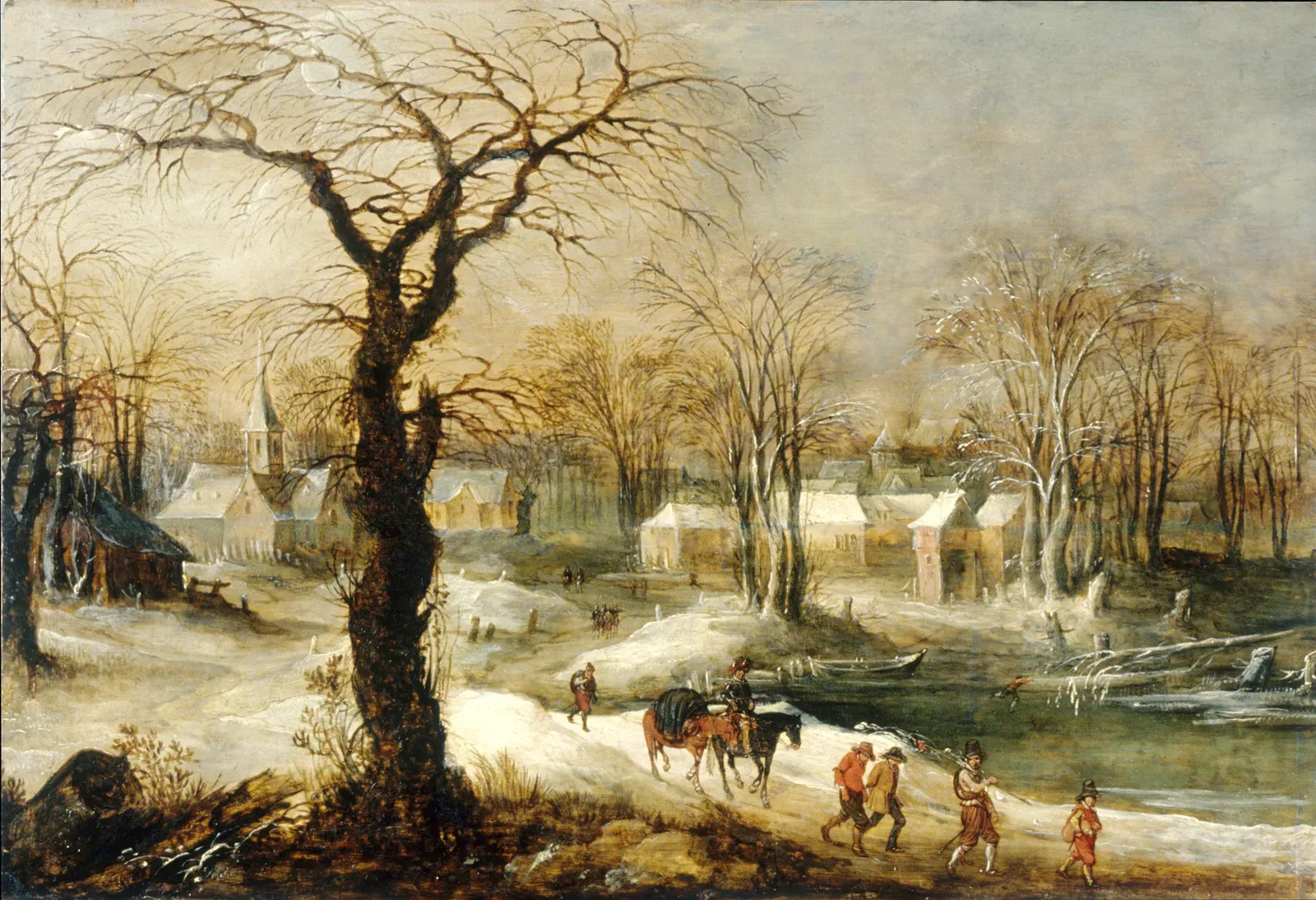
During the Thirty Years’ War in Central Europe, you would have experienced not just violence, but a world that often felt colder, harsher, and less predictable than normal. This long conflict in the seventeenth century dragged on so long that you might assume it would only end when one side finally crushed the other. But in reality, the broader climate – often described as part of the Little Ice Age period – made this kind of total victory incredibly hard to sustain. Shorter growing seasons, crop failures, and recurring famines weakened armies from behind the front lines. You would have seen villages emptied not just by soldiers, but by starvation and disease exacerbated by bad harvests and brutal winters. As the war ground on, the strain of feeding troops and civilians alike under these conditions made the continuation of large‑scale campaigns less and less realistic. Eventually, the Peace of Westphalia emerged not just from battlefield fatigue, but from a continent stretched to breaking by both human conflict and environmental stress. Nature did not sign the treaty, but it helped write the terms by wearing everyone down.
8. The 1971 Indo‑Pakistani War and the Bhola Cyclone’s Aftershocks
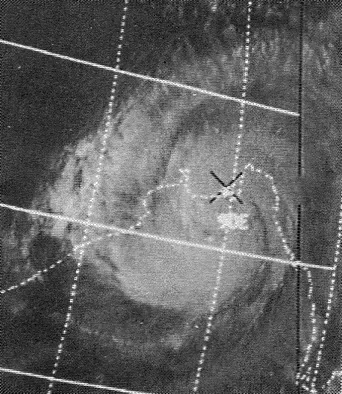
If you had been in what was then East Pakistan in 1970, you would have witnessed one of the deadliest natural disasters of the twentieth century: the Bhola Cyclone. This storm brought a catastrophic storm surge and killed an enormous number of people, especially in low‑lying areas. On its own, it did not end a war – but it set the stage for one, and then helped shorten it. When the central government’s response was seen as inadequate and indifferent, resentment and political anger deepened. By the time the 1971 Indo‑Pakistani War broke out, the region had already been reshaped by this trauma. You would have seen a population that felt abandoned and was more determined to seek independence, while the physical damage and social chaos made a long, grinding military campaign harder to sustain. The war itself was relatively brief, ending with the creation of Bangladesh. While military operations and international pressure were crucial, the cyclone’s massive impact on infrastructure, morale, and politics played a key role in making a prolonged conflict much less viable. Nature had delivered a blow that no army could undo, and that reality pushed events toward a relatively rapid conclusion.
Conclusion: When Nature Becomes the Ultimate Peacekeeper
When you look back across these stories, you start to see a pattern that quietly undercuts the usual tales of glory and strategy. You are taught to focus on generals, tactics, and treaties, but in the background, storms, winters, plagues, and disasters are constantly shaping what is even possible. Wars do not always end because someone finally outsmarts someone else; sometimes they end because the planet simply refuses to let them continue. If you take anything away from this, let it be a new kind of humility. The next time you read about a war plan, a massive invasion, or leaders promising decisive victory, remember how many times in history nature has stepped in and said, in effect, that it has other plans. You live on a world that does not negotiate, does not care about glory, and yet quietly decides outcomes more often than you might think. When you imagine the future, do you picture generals and presidents ending wars – or can you see storms, droughts, and shifting climates doing it for them again?