

There is something quietly radical happening in biology labs and hospital wards right now: aging, once treated as an inevitable slide into decline, is being dissected like a solvable problem. Not a single magic pill, not a sci‑fi immortality serum, but a growing set of discoveries that are changing how we think about time itself in the human body. Across genetics, cellular biology, immunology, and data science, researchers are starting to map which levers truly move lifespan and which ones only nudge our hopes. This article dives into eight of the most important breakthroughs reshaping the science of human longevity and asks what they might realistically mean for the years, and the quality, we can add to our lives.
Cellular Senescence: Turning Off the Body’s Hidden Time Bombs
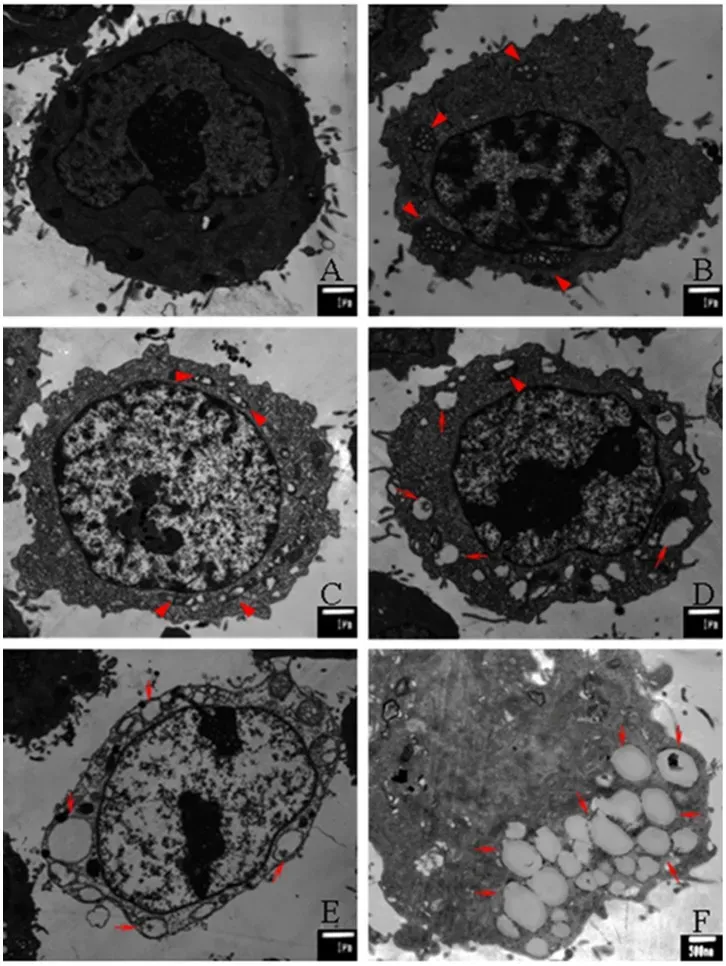
One of the most surprising discoveries of modern aging research is that some of our cells do not simply die when they’re damaged – they linger, turning into what scientists call senescent cells. These cells stop dividing but stay metabolically active, leaking inflammatory signals that can gradually poison the tissue around them. Over decades, they accumulate like biological junk, contributing to frailty, cardiovascular disease, diabetes, osteoarthritis, and possibly neurodegeneration. In animal studies, clearing these senescent cells with so‑called senolytic drugs has extended healthy lifespan and improved organ function.
What makes this discovery so powerful for longevity is that it reframes aging not just as “wear and tear” but as a process that might be selectively edited. Early human trials using combinations like dasatinib and quercetin, or newer experimental compounds, have reported improved markers of physical function in older adults with conditions such as pulmonary fibrosis. The field is still cautious, because you don’t want to remove cells that are playing useful roles in wound healing or cancer suppression. But the basic idea that we might periodically “spring clean” toxic cells from our bodies feels like one of the most concrete, almost mechanical, levers we have found to slow biological aging.
Epigenetic Clocks: Reading (and Rewriting) the Body’s True Age
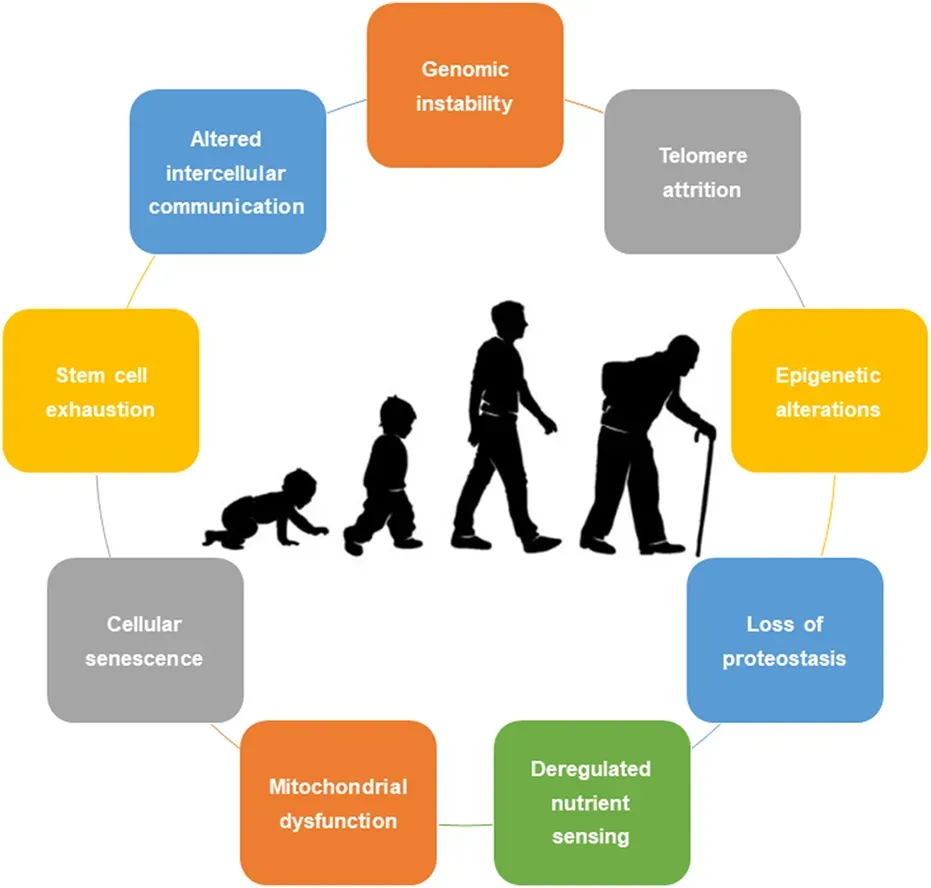
If you have ever met someone who looks a decade younger than their passport suggests, you already know that chronological age is a blunt instrument. Epigenetic clocks changed that by giving researchers a way to estimate biological age based on patterns of chemical tags on DNA, especially methyl marks that turn genes on or off without changing the underlying sequence. When specific sets of these marks were analyzed across large populations, scientists found they could predict mortality risk, disease onset, and even the impact of lifestyle choices far more accurately than by counting birthdays. Suddenly, aging became something you could measure with surprising precision.
The story gets even more provocative: in several studies, interventions such as intensive lifestyle changes, calorie restriction, or experimental drug regimens have appeared to slow or partially reverse these epigenetic clocks. That does not automatically mean that a person will live longer, but it does suggest that we can shift the molecular patterns associated with aging in a measurable way. Companies and research groups are racing to refine these clocks, adding markers from blood proteins or immune cells to create even more sensitive “age meters.” In practical terms, this means future clinical trials for longevity will not have to wait decades for death data; they can test whether interventions move the clock in the right direction within months or a few years.
Partial Cellular Reprogramming: Rewinding Adult Cells Without Crashing the System
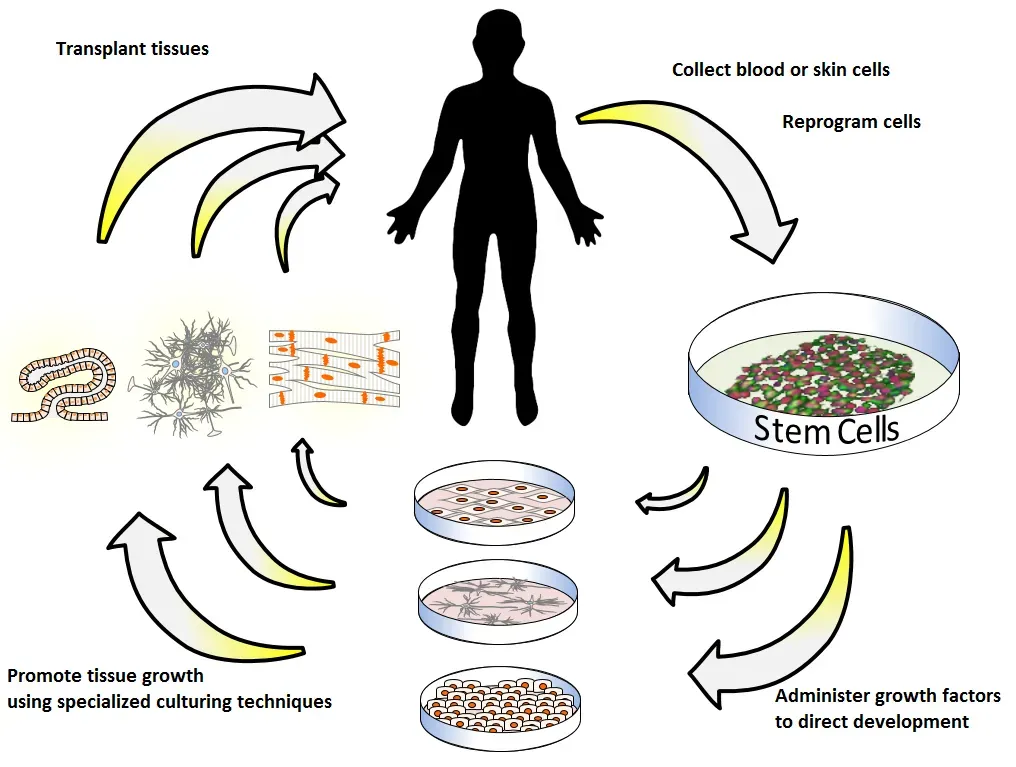
Cellular reprogramming began as a shock to biology itself: by adding just a handful of transcription factors to adult cells, researchers were able to revert them to an embryonic‑like state known as induced pluripotent stem cells. That discovery won a Nobel Prize and opened the door to lab‑grown tissues and patient‑specific cell therapies. But full reprogramming wipes a cell’s identity clean, which is not what you want happening in a living brain or heart. The twist that electrified the longevity field was the realization that brief, carefully timed pulses of these same factors could reverse some aging markers in cells and tissues without erasing their specialized functions.
In mice, partial reprogramming has restored vision in models of glaucoma and rejuvenated aged tissues, at least under tightly controlled conditions. Scientists see hints that epigenetic damage accumulated over a lifetime can be “reset” closer to a youthful state, like gently smoothing creases out of a crumpled page without shredding it. The danger, of course, is that pushing cells too far could trigger cancer or catastrophic tissue failure. So current work is obsessively focused on dosage, timing, and delivery methods, including gene therapy approaches that flip these factors on and off with exquisite control. If this can be made safe in humans, it would be one of the closest things we have to an aging reversal switch.
Mitochondrial Medicine: Fixing the Power Plants That Quietly Fail With Age
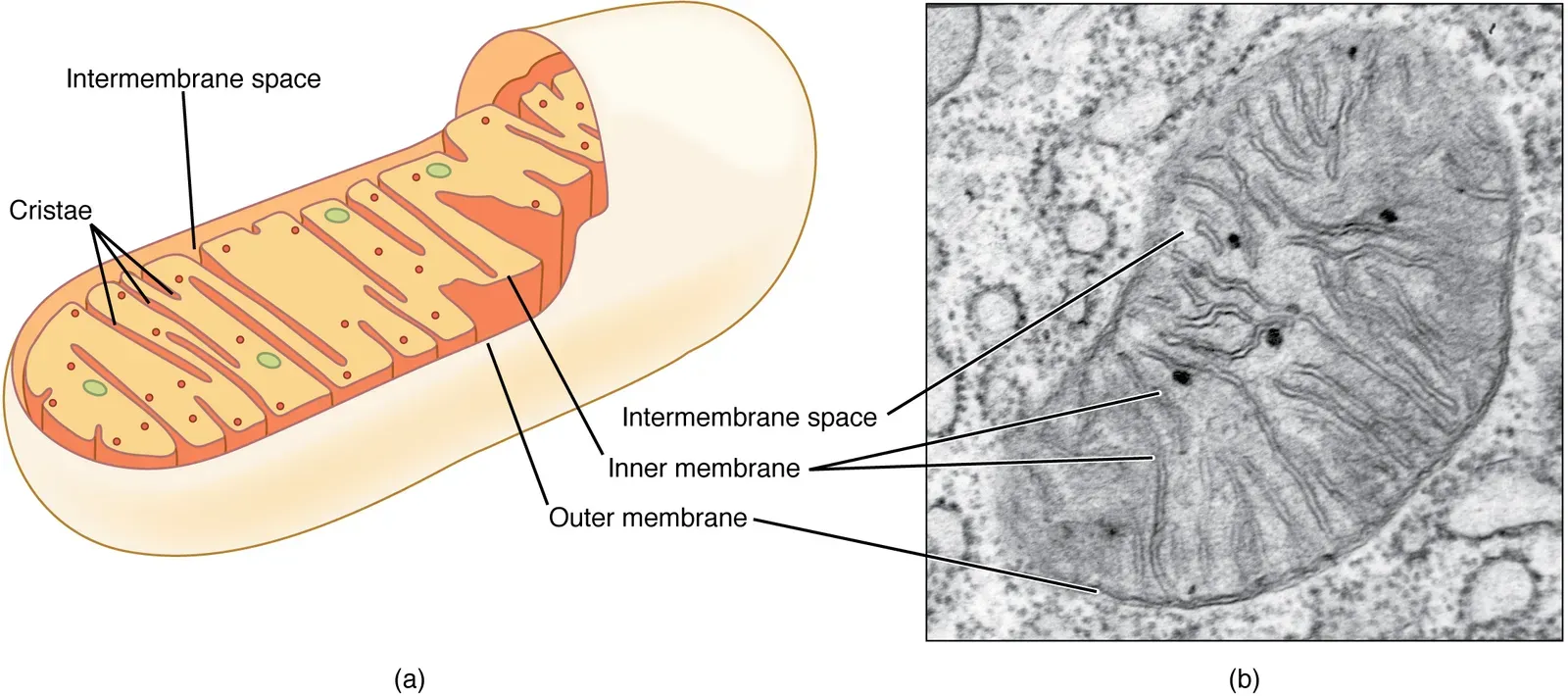
Every biology textbook shows mitochondria as tiny power plants inside our cells, but only in the last couple of decades have we begun to connect their gradual breakdown to nearly every disease of aging. As mitochondria get damaged, they become less efficient at generating energy and more prone to producing reactive molecules that damage proteins, lipids, and DNA. In muscle, this shows up as weakness and fatigue; in the brain, as cognitive decline; in the heart, as rising risk of failure and arrhythmia. It is not a dramatic single event, more like a slow brownout spreading through your body’s electrical grid.
Longevity science has zeroed in on how to repair, replace, or sidestep this decline. Approaches include drugs that stimulate mitophagy, the selective recycling of defective mitochondria, and compounds that act as targeted antioxidants within mitochondria rather than floating uselessly in the bloodstream. There are also efforts to transfer healthy mitochondria into damaged cells, and to tweak metabolic pathways that influence how hard these organelles have to work. Even familiar molecules like NAD‑related supplements are being studied not as miracle cures but as part of a broader push to restore energy balance in aging tissues. The appeal is straightforward: if you can keep the power on, you might keep the body functional far longer.
The Aging Immune System: Rejuvenating Our Failing Internal Defense
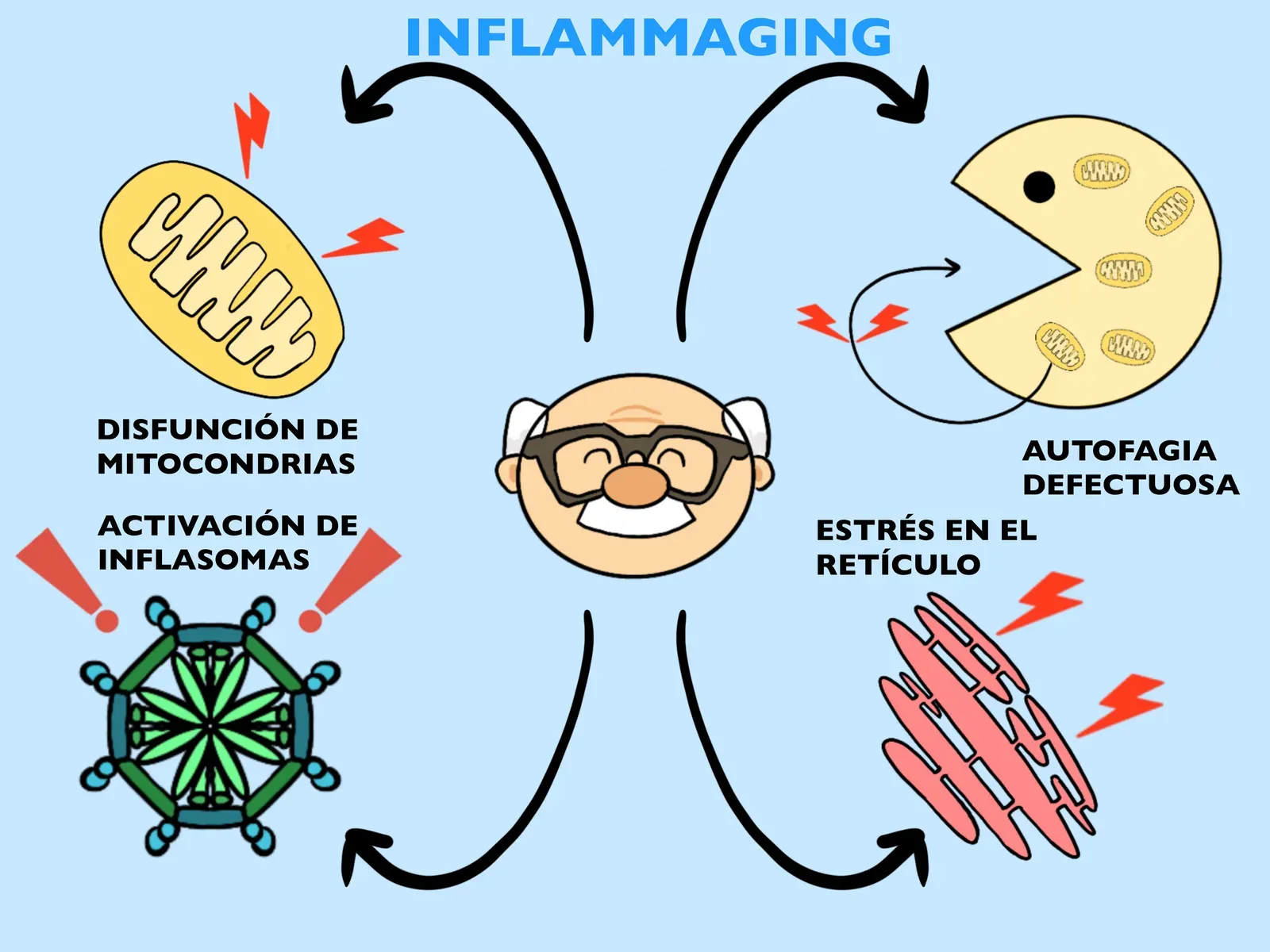
One of the sobering lessons of the recent pandemic era was just how differently infection risk plays out across age groups, and a big part of that story is immunosenescence. As we age, our immune systems lose flexibility, producing fewer fresh T cells, accumulating exhausted immune cells, and generating chronic low‑grade inflammation sometimes called “inflammaging.” This combination makes older adults more vulnerable to new infections, cancer, and even atherosclerosis, while leaving them with less robust responses to vaccines. So, understanding and reversing immune aging has become a central pillar of longevity research.
Scientists are exploring several strategies, from regenerating the shrinking thymus gland that trains T cells, to selectively eliminating dysfunctional immune cells that fan the flames of inflammation. Some experimental therapies aim to reset the immune system using modified stem cells or carefully designed cytokine signals, while others borrow ideas from cancer immunotherapy to reinvigorate tired cells. Even the timing and formulation of vaccines are being adjusted based on age‑related immune changes. The bigger picture is that a more youthful immune system does not just mean fewer colds or better flu shots; it could translate into lower cancer rates, slower progression of chronic disease, and a dramatically higher chance that any other anti‑aging intervention actually works.
Caloric Restriction Mimetics and Metabolic Signaling: Tapping the Body’s Ancient Survival Circuits
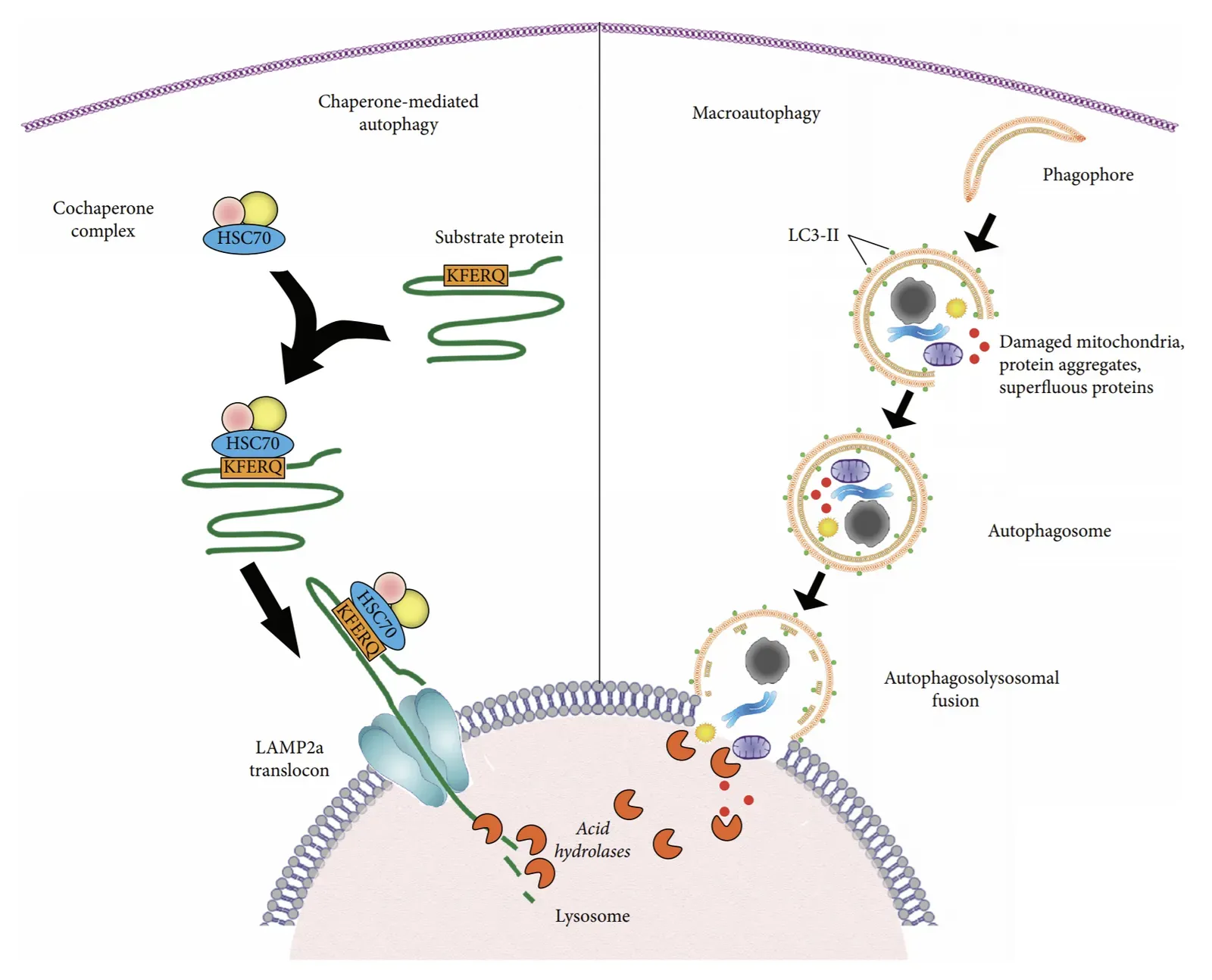
For decades, one of the most robust ways to extend lifespan in animals has been straightforward but harsh: feed them significantly less. Caloric restriction has lengthened life and delayed disease in yeast, worms, flies, and many mammals, but it is difficult, and possibly risky, to impose extreme diets on humans for decades. That led scientists to ask a more elegant question: what if we could activate the same cellular pathways that are triggered during scarcity, without severe starvation? The answer has come in the form of caloric restriction mimetics – drugs and compounds that tweak nutrient‑sensing and stress‑response systems inside cells.
Key pathways involve molecules and proteins such as mTOR, AMPK, and sirtuins, which govern whether cells focus on growth and reproduction or shift into repair and maintenance mode. Drugs like rapamycin and its analogs, metformin, and various experimental compounds have shown lifespan extension in multiple animal models by nudging these switches toward a slower, more resilient metabolism. Human trials are more mixed and cautious, because meddling with metabolism can have side effects, especially over many years. Still, this line of work has fundamentally altered how we see food, fasting, and pharmacology: instead of thinking purely in terms of calories in and out, longevity science now looks at eating patterns as a form of information the body uses to decide how long to invest in keeping itself running well.
Big Data, Biomarkers, and AI: Mapping How We Actually Age in Real Time
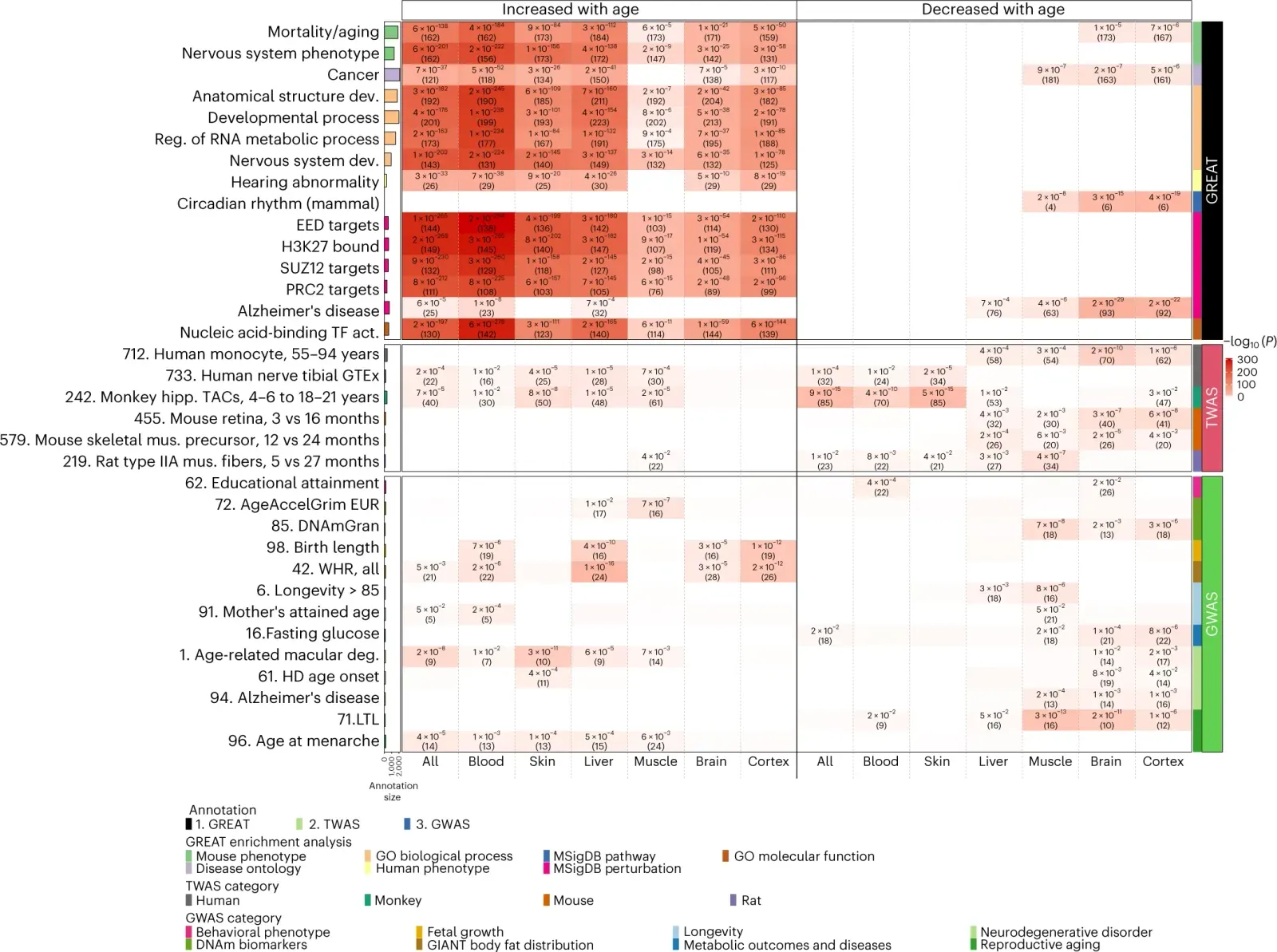
One of the quiet revolutions in longevity science is not a molecule but a method: the ability to track thousands of biomarkers across huge populations and then mine those data with modern machine learning. Instead of focusing on a single cholesterol marker or blood pressure reading, researchers can now combine information from genomics, proteomics, microbiome composition, imaging, and lifestyle records into dense portraits of aging trajectories. These models can flag which patterns predict earlier chronic disease, which interventions seem to push people onto healthier paths, and who is aging “fast” or “slow” relative to their peers.
Artificial intelligence tools are also being used to scan chemical libraries for potential geroprotective drugs, simulate how multiple interventions might interact, and design smarter clinical trials that focus on people most likely to benefit. This is where I find the field most personally exhilarating: instead of a one‑size‑fits‑all longevity promise, the data suggest that there may be many aging “subtypes” that require different strategies. In practice, this could mean that in the near future your doctor might use algorithmic models to choose preventive therapies tailored not just to your genes but to your current biological age profile. It is not as cinematic as a single anti‑aging pill, but it might end up doing more for real people in real clinics.
Rethinking What “Anti-Aging” Means: From Lifespan to Healthspan

All these discoveries raise a deeper question that the longevity field has been grappling with over the last decade: is the goal simply more years, or better years? Earlier anti‑aging narratives often drifted into a fantasy of radical life extension, throwing around speculative numbers that sounded more like science fiction than medicine. Today, many scientists argue that the most responsible target is healthspan – the period of life spent free from major disability and disease. Interventions like senolytics, caloric restriction mimetics, immune rejuvenation, and mitochondrial therapies are increasingly being judged by whether they preserve function, not just whether they stretch survival curves.
Compared with traditional medicine, which tends to tackle diseases one by one after they have appeared, modern longevity science tries to address the underlying aging processes that drive many conditions at once. This makes clinical trial design harder and regulatory pathways messier, because agencies are still set up to approve drugs for single diseases, not for “aging.” It also raises cultural questions: how do we distribute these therapies fairly, how do we avoid widening health inequalities, and how do we adapt our social systems if people stay healthier for longer? But if you zoom out, the shift feels profound. We are quietly moving from a world where aging is an untouchable background fact to one where it is a modifiable risk factor, a pattern that can be nudged, bent, and maybe one day partially rewritten.
What You Can Do Now While the Science Races Ahead

With so many futuristic discoveries on the horizon, it is tempting to sit back and wait for the perfect longevity drug to arrive, but that would miss an important point. Many of the pathways being targeted – metabolic health, inflammation, mitochondrial function, immune resilience – are already influenced by how we live today. Regular movement, sleep that is not constantly sacrificed, a diet that does not chronically overload nutrient‑sensing systems, and social connections that buffer stress all show up again and again in studies of long‑lived populations. They are not as glamorous as gene therapies, but they engage the same biology, just from the outside in.
For readers who want to go a step deeper, staying curious is a powerful act in itself: follow clinical trials of senolytics and metabolic drugs, pay attention to how scientists define and measure biological age, and be skeptical of any product that promises more than the current evidence supports. You do not need to become a biogerontologist, but you can become the sort of patient and citizen who asks better questions about risk, benefit, and long‑term trade‑offs. In the end, the science of human longevity is not just about extra birthdays; it is about carving out more years in which your body and mind still feel like your own. Whether these eight discoveries will eventually add five years, fifteen years, or simply much better final years remains to be seen, but the fact that we can even ask that question seriously is already a kind of quiet revolution.
Suhail Ahmed is a passionate digital professional and nature enthusiast with over 8 years of experience in content strategy, SEO, web development, and digital operations. Alongside his freelance journey, Suhail actively contributes to nature and wildlife platforms like Discover Wildlife, where he channels his curiosity for the planet into engaging, educational storytelling.
With a strong background in managing digital ecosystems — from ecommerce stores and WordPress websites to social media and automation — Suhail merges technical precision with creative insight. His content reflects a rare balance: SEO-friendly yet deeply human, data-informed yet emotionally resonant.
Driven by a love for discovery and storytelling, Suhail believes in using digital platforms to amplify causes that matter — especially those protecting Earth’s biodiversity and inspiring sustainable living. Whether he’s managing online projects or crafting wildlife content, his goal remains the same: to inform, inspire, and leave a positive digital footprint.