You grew up thinking aging was just a slow, unavoidable slide: more candles, more problems. But in the last decade, science has quietly been rewriting that story. Instead of seeing aging as a single, unstoppable process, researchers now treat it like a complex system with dials you can measure, tweak, and maybe even turn back. That does not mean you can download immortality, but it does mean your future at 70 might look very different from your grandparents’ reality.
What is most surprising is how many angles scientists are attacking aging from at once: rewiring gene activity, clearing “zombie” cells, rebuilding stem cell reserves, and even using AI to hunt down anti-aging drugs. As you read through these breakthroughs, you’ll notice a pattern: aging is looking less like a fate and more like a set of mechanisms. And mechanisms, unlike fate, can be engineered.
1. Epigenetic Clocks: Rethinking How Old You Really Are
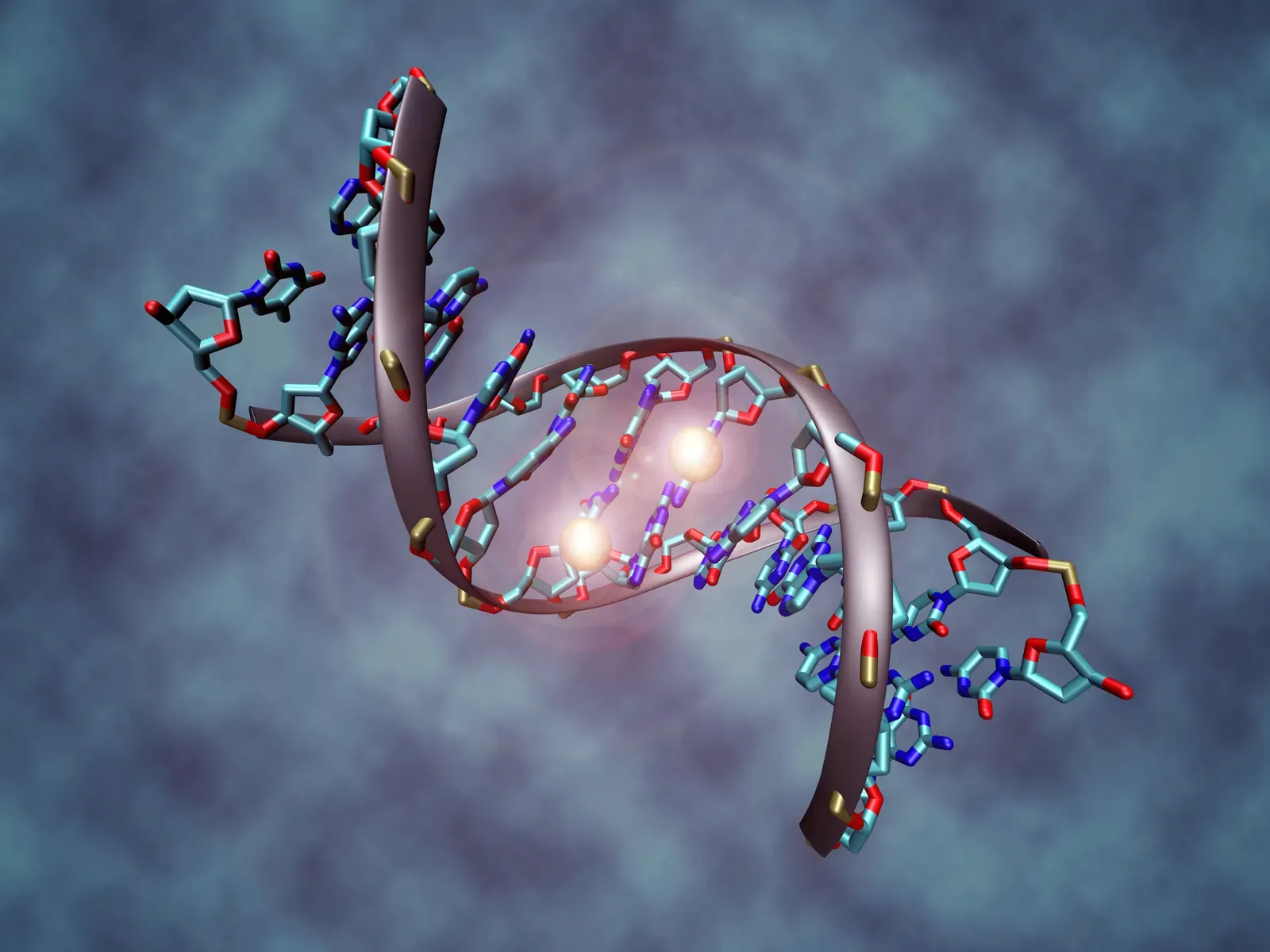
If you have ever felt older than your birthday suggests, biology is finally on your side. Researchers have built “epigenetic clocks” that estimate your biological age based on chemical tags on your DNA, especially a modification called DNA methylation. Instead of asking how many years you have been alive, these clocks ask a trickier question: how worn out do your cells look compared with what is typical for your age group.
When you take a methylation-based age test, an algorithm reads patterns across hundreds of sites in your genome and spits out a biological age that can be younger or older than your chronological age. That difference turns out to matter: in large human datasets, people whose epigenetic age runs ahead of their calendar age tend to have higher risks of chronic disease and earlier death, while those whose clocks tick more slowly often stay healthier for longer. You are no longer stuck with a single number on a birthday cake; you now have a dynamic, measurable signal that can show whether your lifestyle and environment are actually slowing or speeding your aging.
2. Partial Cellular Reprogramming: Nudging Cells Toward Youth
Imagine if you could tell an old cell, “Remember what it was like when you were 20, but do not forget your job.” That, in essence, is what partial cellular reprogramming is trying to do. By carefully pulsing a set of reprogramming genes (often the Yamanaka factors) on and off, scientists have made aged cells in animals behave more like younger ones, without erasing their identity or turning them into stem cells. In mouse studies, this kind of controlled reprogramming has improved tissue function, reduced markers of damage, and even extended lifespan in progeria-like models.
You might picture this like restoring an old photo: you sharpen the image and refresh the colors without repainting the entire scene. Early work limited reprogramming to specific tissues, such as blood cells or neurons, and showed better regeneration, less inflammation, and improved performance in tasks like learning and memory. For you, the real shift is conceptual: aging is starting to look partially reversible at the cellular level, at least in animals, which pushes researchers to ask how far you can safely go in turning back that clock without triggering cancer or chaos.
3. Senolytics and “Zombie” Cells: Cleaning Up the Cellular Neighborhood
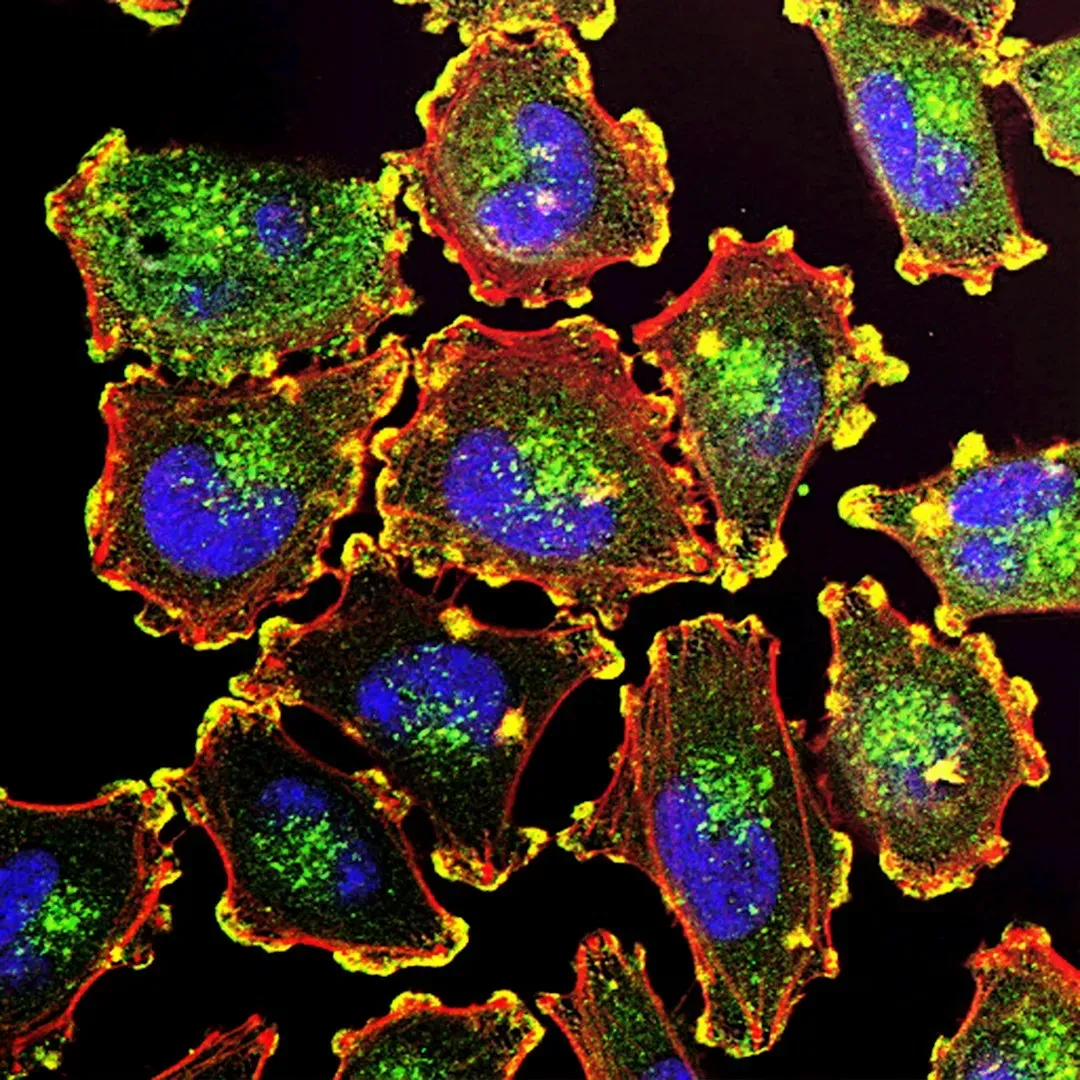
As you age, your body collects senescent cells: damaged cells that have stopped dividing but refuse to die. They hang around like bad tenants, pumping out inflammatory signals and degrading the tissue around them. Senolytics are experimental drugs and strategies designed to selectively kill or suppress these “zombie” cells. In animal models, clearing them out has eased age-related problems like frailty, osteoarthritis, and fibrosis, and has improved physical function.
When you think about it, this is less like turning back time and more like finally calling a cleanup crew. Instead of vaguely “slowing aging,” senolytics tackle a specific hallmark: cellular senescence. Clinical trials in humans are still in early stages and focused on particular diseases, not general longevity, but the logic is compelling. If your tissues are less clogged with dysfunctional cells and chronic low-grade inflammation, the rest of your repair systems can work more effectively, which might help you stay functional for longer even if your chronological age keeps climbing.
4. Targeting the Hallmarks of Aging: A New Map for Longevity

For a long time, aging research was a messy collection of observations: damaged DNA here, misfolded proteins there, tired stem cells somewhere else. Then biologists pulled these threads together into a framework known as the “hallmarks of aging,” a set of core processes like genomic instability, mitochondrial dysfunction, stem cell exhaustion, and chronic inflammation. You can think of these as the main failure modes your body slowly drifts into over time.
This framework changes how you, as a non-scientist, can make sense of anti-aging claims. Instead of asking whether something is a magic bullet, you can ask: which hallmark is it supposed to affect, and is there real evidence in cells, animals, or people? Drug developers are now building gerotherapeutics that deliberately target specific hallmarks, such as senolytics for senescence or drugs that tune nutrient-sensing pathways linked to metabolism. For you, the shift is subtle but important: aging stops being a mystical fog and becomes a set of testable levers.
5. Brain Aging and Epigenetic Drift: Why Your Mind Feels the Years
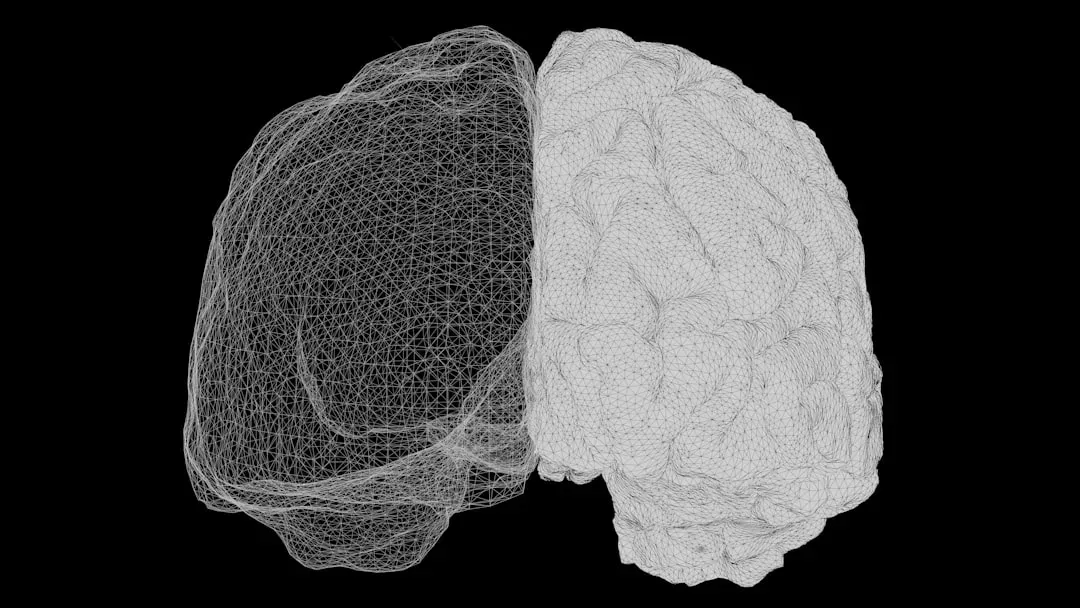
You probably notice aging first in your joints or your energy, but your brain quietly ages in its own way. Recent work mapping epigenetic changes across hundreds of thousands of brain cells in animals suggests that brain aging is partly a loss of precise control over which genes are turned on and off. With age, the fine-tuned patterns of chemical tags that once kept gene activity tightly regulated start to blur, like a carefully organized library whose labels fade and fall off.
For you, this means that cognitive aging is not just about neuron death or plaque buildup; it is also about the erosion of gene regulation that keeps neural circuits stable and adaptable. That understanding opens new possibilities: instead of only trying to clear toxic proteins, researchers are testing ways to restore more youthful epigenetic patterns in brain cells, including very cautious forms of partial reprogramming. If scientists can improve that regulatory control, you might one day protect memory and learning not by patching late-stage damage, but by maintaining the brain’s internal operating system.
6. Stem Cell Exhaustion and Regeneration: Refilling the Body’s Repair Toolkit
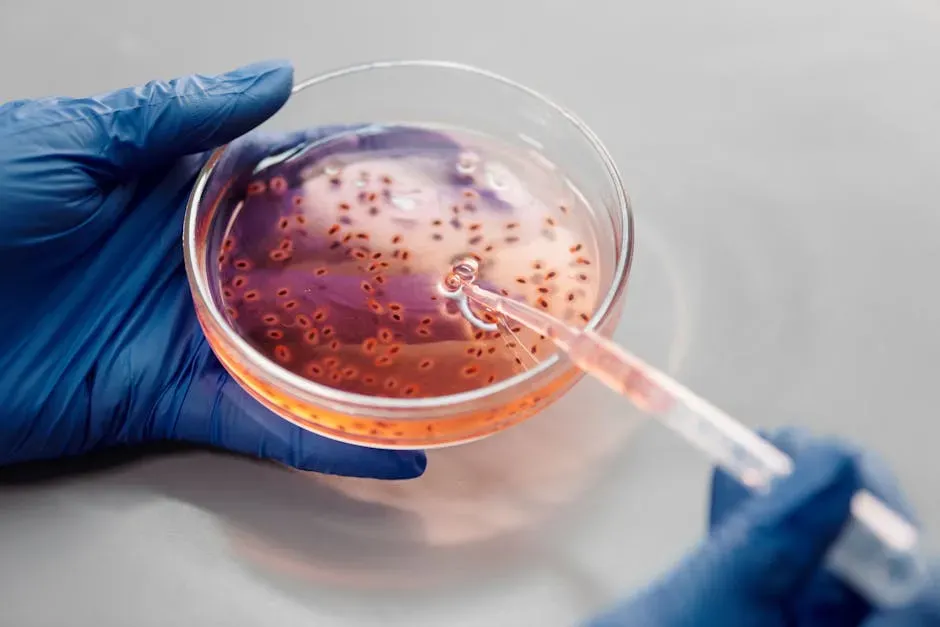
Your body depends on stem cells as a built-in repair crew, quietly replacing blood cells, maintaining your gut lining, and helping heal injuries. With age, that crew shrinks and slows: stem cells divide less efficiently, respond poorly to signals, and sometimes pick up mutations that make them risky to expand. This phenomenon, called stem cell exhaustion, is now recognized as a core driver of aging across tissues, from bone marrow to muscle.
Instead of accepting that decline, researchers are testing ways to protect and rejuvenate these cells. In animals, tweaking their environment, improving mitochondrial function, or briefly applying reprogramming factors has restored stem cell performance and improved tissue regeneration. For you, the big idea is that age-related frailty and slow healing are not just “bad luck” but a predictable consequence of a dwindling repair toolkit. If scientists can preserve or safely replenish that toolkit, you could remain stronger and more resilient deep into older age, rather than living with an ever-growing backlog of unrepaired damage.
7. Nutrient-Sensing Pathways: Why How You Eat Changes How You Age

You have heard that calorie restriction or intermittent fasting might extend lifespan in animals, but what is actually being changed under the hood is your nutrient-sensing machinery. Pathways like mTOR, AMPK, and insulin signaling act like cellular thermostats, deciding whether your body is in growth mode, storage mode, or repair mode. When nutrients are constantly abundant, these pathways push cells toward growth and reproduction; when nutrients dip, they shift toward maintenance and stress resistance.
What modern aging research tells you is that nudging these pathways toward repair more often can slow multiple hallmarks of aging at once. That is why certain dietary patterns, exercise routines, and even emerging drugs that mimic nutrient restriction effects are being explored as longevity tools. You are not just “eating healthy” in a vague sense; you are sending biochemical messages about whether your body should prioritize short-term growth or long-term upkeep. Over decades, that balance may be one of the strongest dials you can personally influence.
8. AI-Driven Drug Discovery for Longevity: Letting Algorithms Hunt for Youth
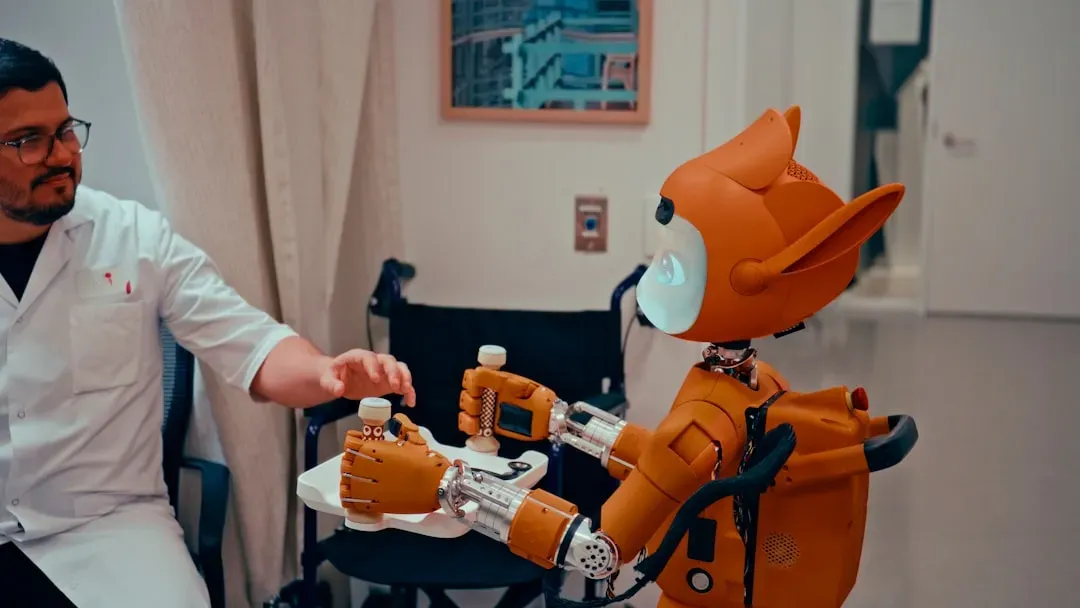
Developing new drugs the old-fashioned way is slow and expensive, and aging is an incredibly complex target. That is where AI and network-based methods come in. By feeding algorithms huge datasets of genes, proteins, pathways, and known drug actions, researchers are mapping how different compounds might influence the hallmarks of aging. Instead of guessing which molecule might help, they let the system scan thousands of options and highlight candidates that hit multiple relevant targets at once.
For you, this means potential anti-aging therapies might emerge not just from brand-new molecules, but from existing drugs repurposed for longevity, identified by their network footprints. It also means scientists can test combinations and dosing strategies in silico before moving to lab and animal experiments, trimming years off the traditional pipeline. While you are not about to download a life-extension app to your phone, you are living at the moment when aging biology is finally getting the same AI-boosted attention that fields like cancer drug discovery already enjoy.
When you step back and look at all of this together, a pattern emerges: aging is turning from a blurry inevitability into an engineering challenge. You now have clocks that estimate how fast you are aging, tools that rejuvenate worn-out cells, frameworks that map the core failure modes, and algorithms that search for interventions. None of this makes you ageless, and it would be irresponsible to pretend otherwise, but it does shift the story from passive decline to active management.
In your lifetime, the biggest change may not be a single miracle pill, but a new mindset: you will see aging less as a simple countdown and more as something you can measure, influence, and plan around. The practical steps you take now – how you eat, move, sleep, and manage risk – will still matter enormously, but they will increasingly be guided by deeper biology instead of generic advice. Knowing that, how differently do you want your later decades to look?