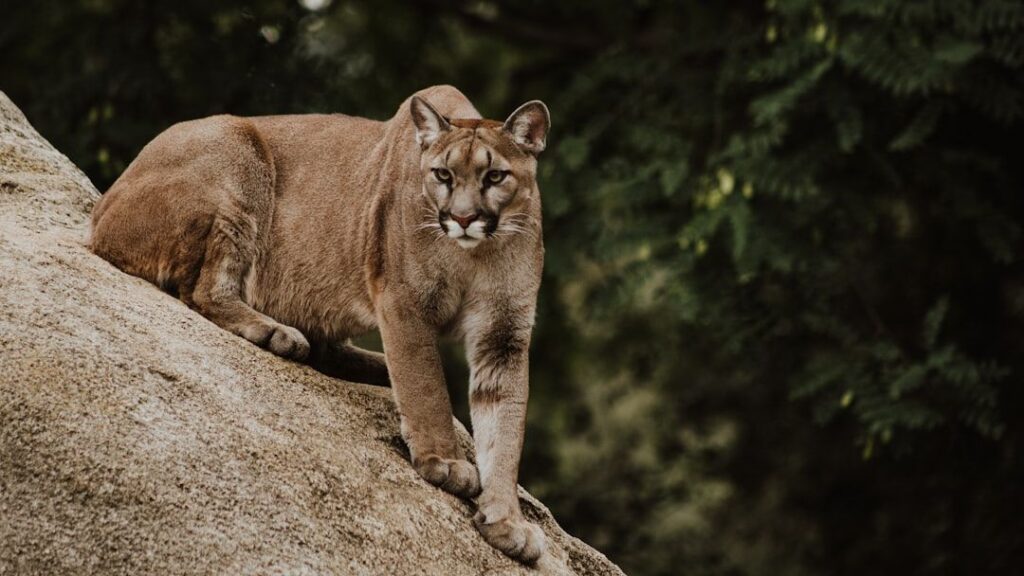
If you live anywhere in the Americas, there’s a decent chance you share the landscape with one of the most secretive big predators on the continent: the cougar. You might never see one in your lifetime, yet they’re quietly moving through ravines, along ridgelines, and even around city edges while you sleep. When you start digging into how they live, hunt, and raise their young, they become a lot more than a shadowy “mountain lion” from the headlines.
This article walks you through eight lesser-known facts about cougars so you can actually picture how they move through the world around you. You’ll see why scientists respect them, why many ranchers fear them, and why hikers both admire and worry about them. By the end, you’ll probably never look at a forested hillside or a dark canyon quite the same way again.
1. You Know Them By Many Names, But It’s All The Same Cat
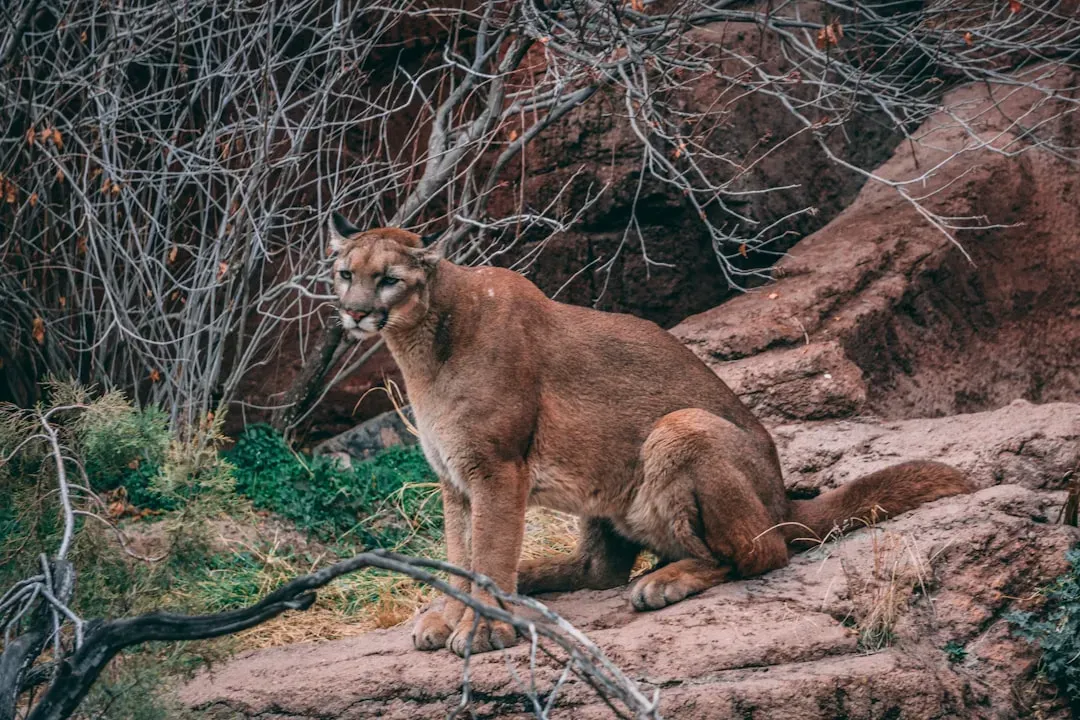
When you talk about cougars, you might also hear people say mountain lion, puma, panther, catamount, or painter, depending on where they grew up. You’re not talking about five different animals here; you’re talking about one species with a ridiculous number of nicknames. In fact, this cat holds one of the world records for the most common names for a single wild animal across different cultures and languages.
If you live in the western United States, you’re more likely to call it a mountain lion; in South America, people often say puma; in the southeastern U.S., some folks still say panther. You can think of it like the same friend who answers to a full name, a nickname, and an embarrassing childhood name, depending on who is calling. No matter what label you use, you’re talking about the same adaptable, wide-ranging predator.
2. Their Range Once Spanned Almost Every Corner Of The Americas
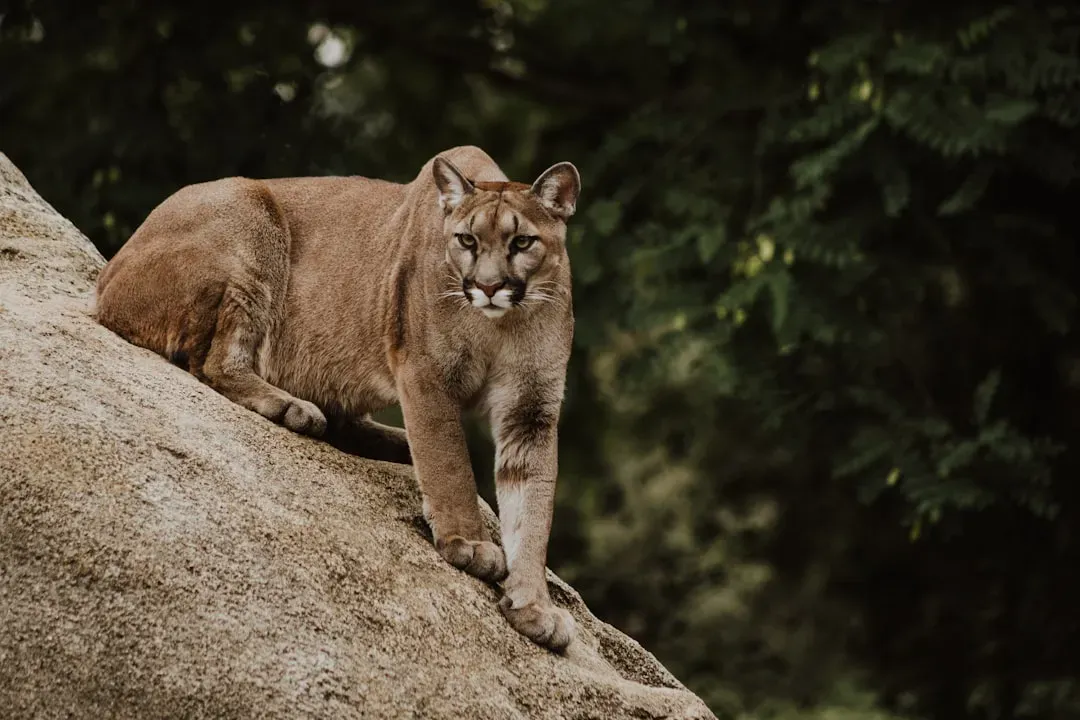
When you picture cougar country, you probably imagine rugged mountains and pine forests in the West, but historically you’d have to include almost the entire continent. Cougars once lived from the Yukon in northern Canada all the way down to the southern tip of South America, and from the Pacific to the Atlantic. For a long time, they were the most widespread wild land mammal in the Western Hemisphere, aside from humans.
Today, you’ll mostly find them in western North America and across much of Central and South America, with a tiny, critically endangered population hanging on in Florida. You can think of their past range like a huge blanket that covered almost all of the Americas; now big chunks of that blanket have been cut away, especially in the eastern and central United States. Even so, they’re slowly starting to show up again in states where people thought they were gone for good, following river corridors, forest patches, and deer herds as they move.
3. You’re More Likely To Walk Past One Than Ever See It
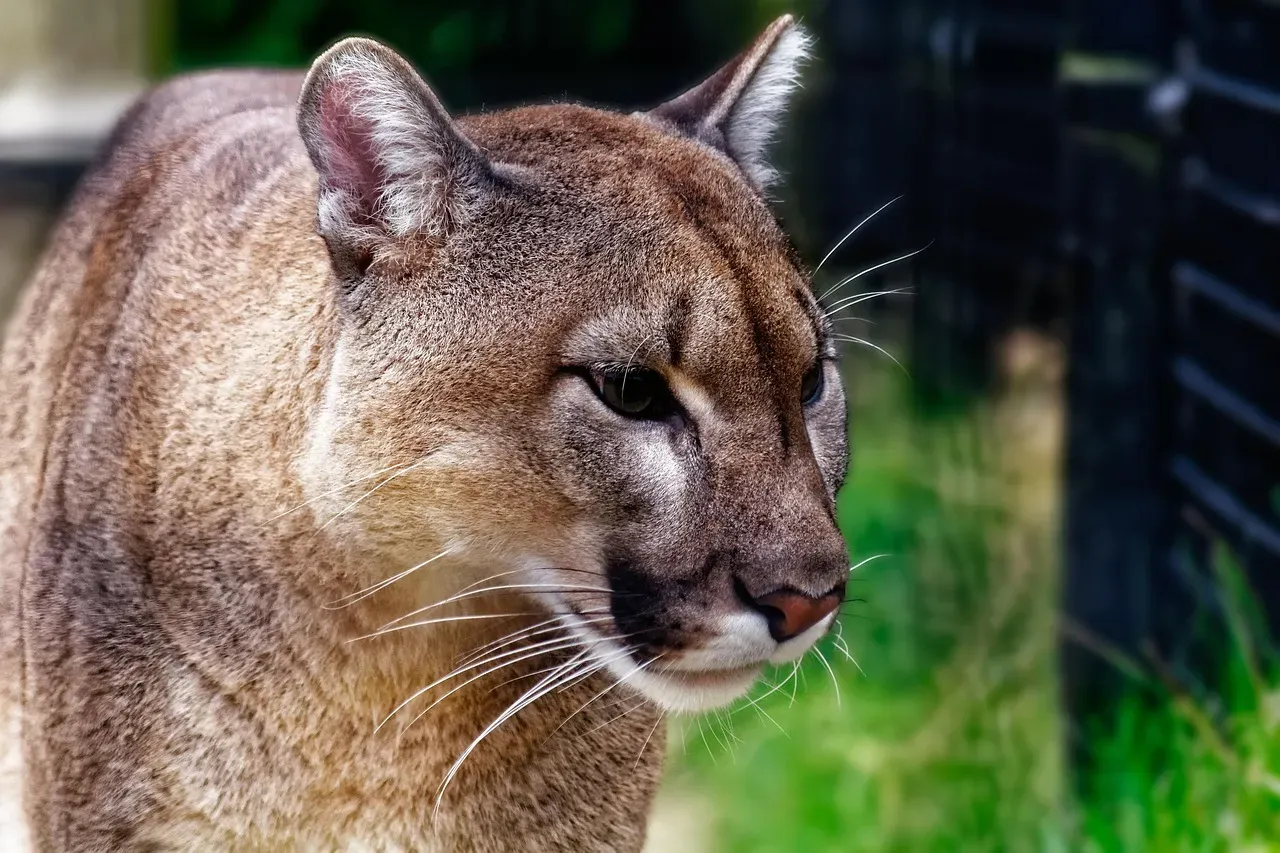
If you hike, camp, or trail run in cougar country, you might imagine that you’d instantly notice if one was nearby. In reality, you’re far more likely to pass within a few dozen yards of a cougar and never know it. Cougars are masters of staying out of sight, using cover like brush, boulders, and broken terrain to move around without being spotted, even in fairly open-looking country.
Researchers who track cougars with GPS collars often discover that hikers and cougars are using the same trails and ridgelines, just at different times of day or night. You can picture it like sharing a hallway with a very quiet roommate who always walks behind the furniture and never turns the lights on. The lack of sightings doesn’t mean they’re not there; it usually just means they’re better at avoiding you than you are at detecting them.
4. They’re Sprinters, Not Marathon Runners
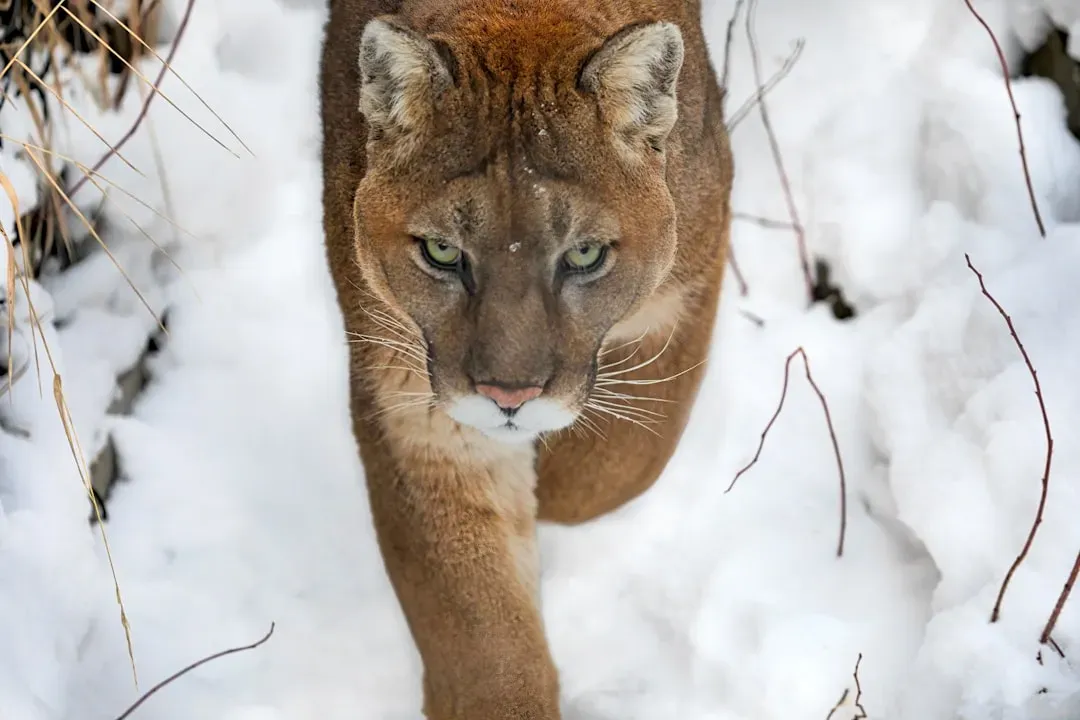
When you imagine a cougar hunting, you might picture a long-distance chase across open ground, like you see with wolves or wild dogs. That’s not how cougars work. They’re ambush predators, built for short, explosive bursts of speed and huge leaps, not for trotting after prey for long distances. Their powerful back legs and flexible spine let them launch in an instant when the moment is right.
Instead of wearing prey down over time, a cougar usually stalks quietly, getting as close as it can without being seen, then crashes forward in one sudden rush that either works or fails in a matter of seconds. You can think of them more like a coiled spring than a steady engine: they store up energy, then unleash it in a single, violent burst. If the ambush fails, they often give up instead of chasing their target over a long stretch of ground.
5. A Cougar’s Territory Is Like A Private, Carefully Marked Neighborhood
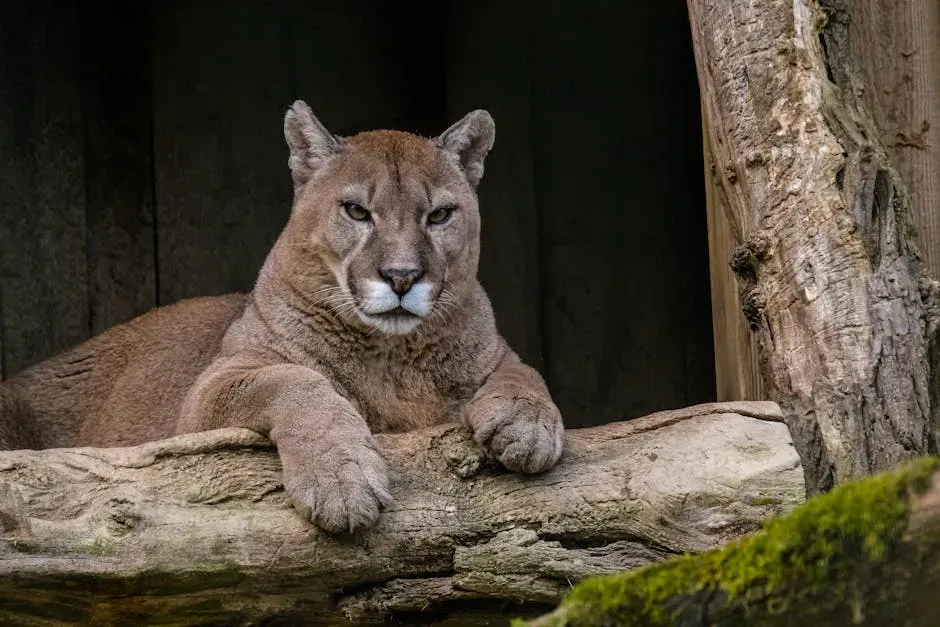
When you look at a map of cougar territories, you’re essentially looking at overlapping personal neighborhoods that these cats patrol and defend. An adult male usually needs a much larger space than a female, and in wild, relatively undisturbed areas, one male’s range can cover hundreds of square miles. Females tend to occupy smaller areas inside or next to a male’s territory, often centered around good hunting spots and safe den sites for raising kittens.
You might imagine that cougars are constantly fighting over these spaces, but most of the time they avoid direct conflict by leaving scent marks and scratches that send clear messages to other cats. When you see a scraped patch of dirt, a tree trunk with claw marks, or a strong musky smell in the right kind of country, you may be looking at a cougar’s version of a “no trespassing” sign. You can think of this system like invisible fences outlined in odors and scratches, with each cat reading the landscape like a living bulletin board.
6. Cougar Mothers Raise Their Young Alone And Teach Them To Hunt
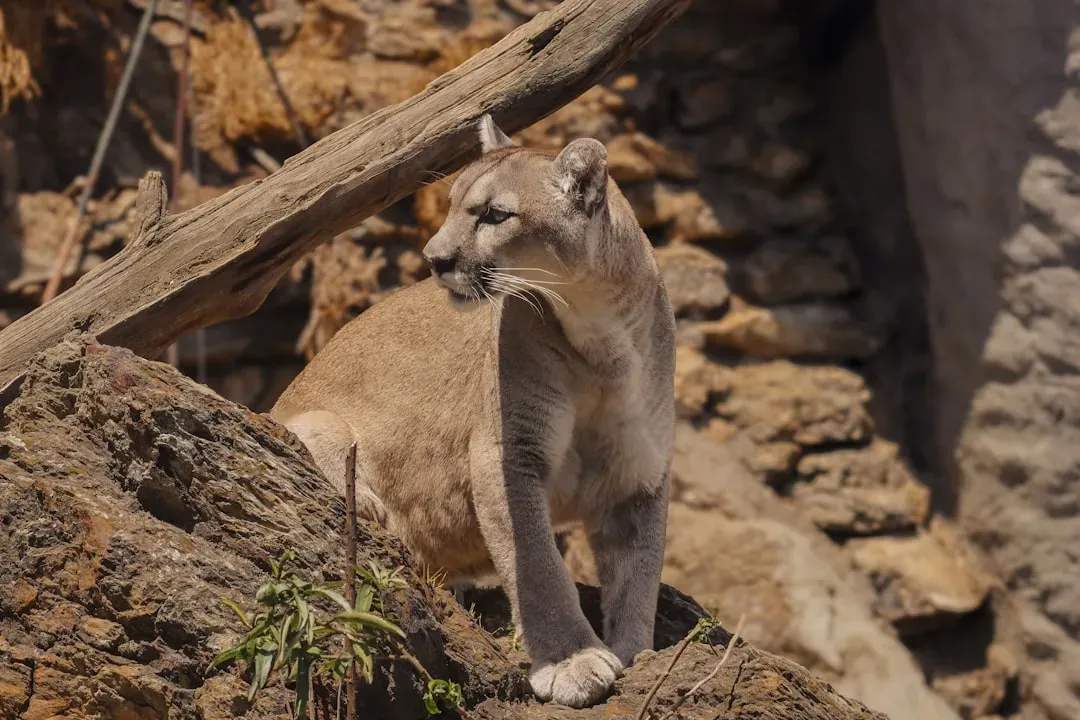
If you imagine big cats raising families together like a pack, cougars will surprise you. Males don’t help raise the young at all; cougar parenting is entirely on the mother. She finds or creates a hidden den, often in dense brush, rock piles, or downed timber, and keeps her spotted kittens tucked away there for the first weeks of their lives to stay out of danger.
As the kittens grow, you can picture the mother leading them from kill to kill, letting them chew on carcasses while she eats, then gradually making them practice stalking and pouncing. By the time they’re ready to leave her, they’ve had a sort of hands-on survival course in how to find, stalk, and take down prey. When they finally disperse, they have to find their own piece of territory in a landscape that may already be full of other cougars, which is one reason young males in particular sometimes travel huge distances.
7. You’re Not On The Menu, But You Still Need To Be Smart
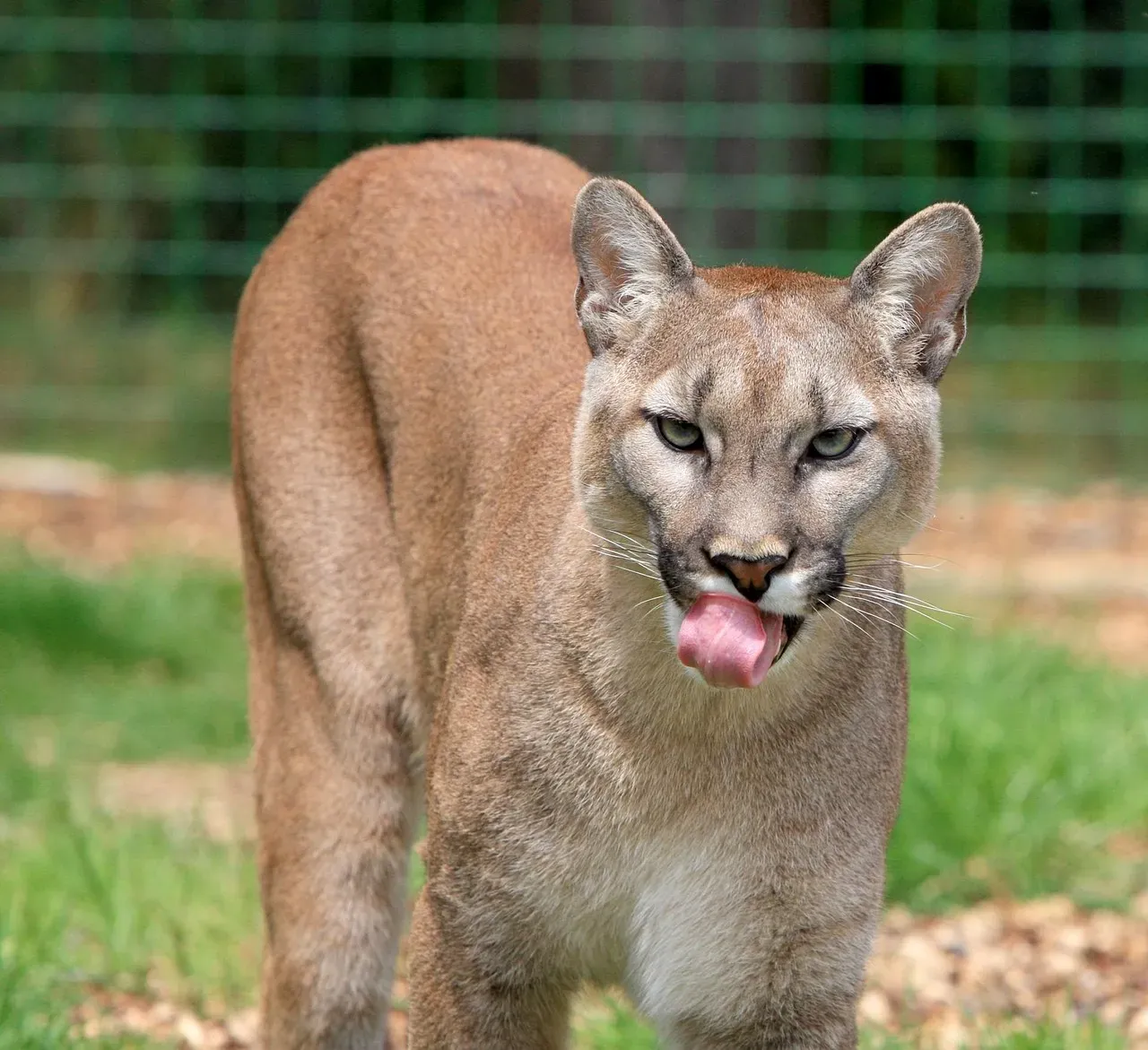
When you hear about cougar attacks, it’s easy to assume you’re a regular target if you go into cougar country, but that’s not how these cats generally see you. Their natural prey is usually deer-sized animals and smaller, and attacks on humans remain very rare compared to how often people use wild areas. In most places, you can spend your whole life hiking, biking, or skiing in cougar habitat and never have a problem.
At the same time, you still need to respect the fact that cougars are powerful predators, and rare does not mean impossible. If you travel alone at dawn or dusk, move quietly, or let kids and pets run far ahead or lag behind, you’re increasing your risk. When you make yourself look large, speak firmly, face the cat, and back away slowly instead of running, you’re sending a clear signal that you’re not easy prey. You can think of it as speaking the cougar’s language: you appear big, confident, and alert, not like something to chase.
8. Your Choices Help Decide Whether Cougars Thrive Or Disappear
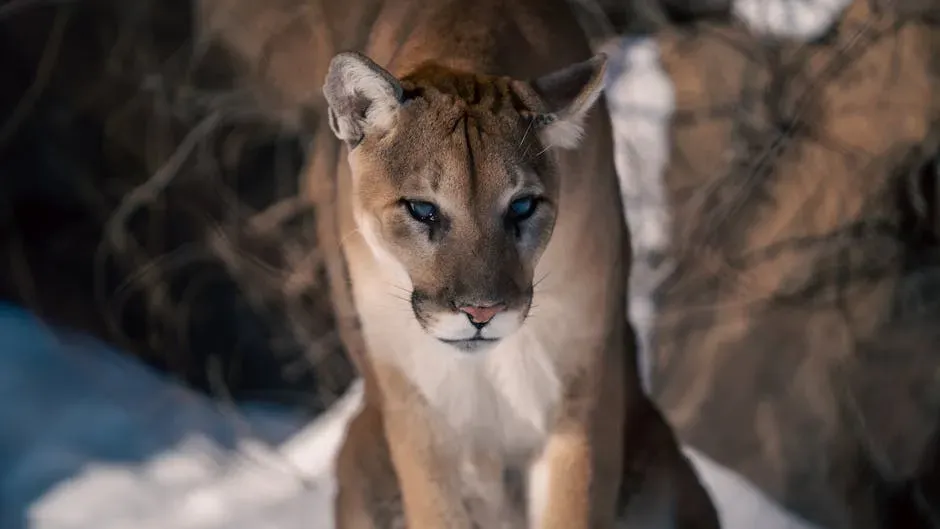
When you think about cougar survival, you might imagine it all comes down to wilderness and prey, but your decisions matter more than you might realize. How you build roads, design neighborhoods, manage livestock, and protect wild corridors all help determine whether cougars can move, hunt, and find mates without running into deadly obstacles. In many places, these cats are squeezed between highways, subdivisions, and fenced ranch lands, forced into dangerous crossings or tiny pockets of remaining habitat.
You also influence how people feel about cougars through how you talk about them, vote on wildlife measures, and handle encounters with deer and livestock. When you support things like wildlife crossings, habitat protection, and non-lethal ways to prevent livestock losses, you’re making it easier for cougars and people to coexist. You can think of yourself as part of the ecosystem’s steering wheel: you might not be in the spotlight like a big cat, but you’re helping turn the future one way or the other.
Conclusion: Sharing A Landscape With A Ghost Cat
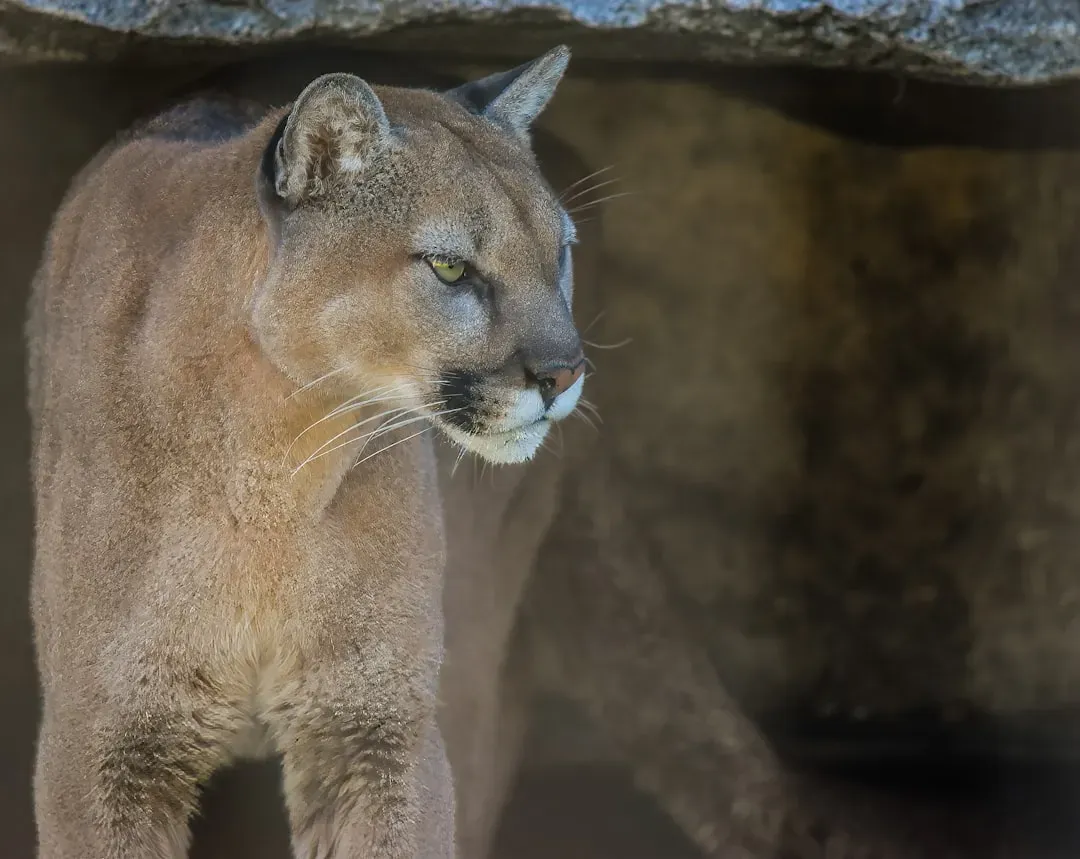
Once you understand how cougars live, you start to realize you’re not just walking through empty woods or canyons; you’re stepping into someone else’s carefully managed hunting ground. You share trails, prey, and sometimes even the outskirts of towns with an animal that can leap farther than you can probably throw a rock and slip past you without a sound. Instead of seeing cougars only as frightening predators or distant symbols of wilderness, you can start to picture them as real neighbors with their own needs, habits, and challenges.
The more you learn, the more you see that coexistence is possible if you stay informed, move smart, and support landscapes that work for both humans and wildlife. You do not have to choose between safety and wildness; you just have to accept that living in cougar country means paying attention and respecting the power that’s out there in the dark. Next time you step onto a forest trail or drive past a rugged hillside at night, will you wonder who’s watching from the shadows just beyond your headlights?