
Imagine telling your grandchildren a story tonight that their descendants are still repeating, almost word for word, in the year 12,000. It sounds impossible, basically like trying to carry a candle flame through a hurricane that lasts for hundreds of human lifetimes. Yet in a few rare and astonishing cases, that is exactly what human cultures seem to have done with oral traditions about real places, real landscapes, and real disasters that happened far beyond the reach of written records.
This is where things get quietly mind-blowing. When geologists, linguists, and anthropologists started comparing Indigenous stories with hard physical evidence in the ground and in the sea, they began finding matches that stretch back not just a few centuries, but thousands of years – sometimes pushing toward the end of the last Ice Age. The evidence is not perfect or always unanimous, but it is strong enough in some cases to force a rethink of what oral memory can do. Let’s walk through eight of the most compelling examples, and what they suggest about the true power – and limits – of human storytelling.
1. Australian Aboriginal Stories Of A Drowning Coastline
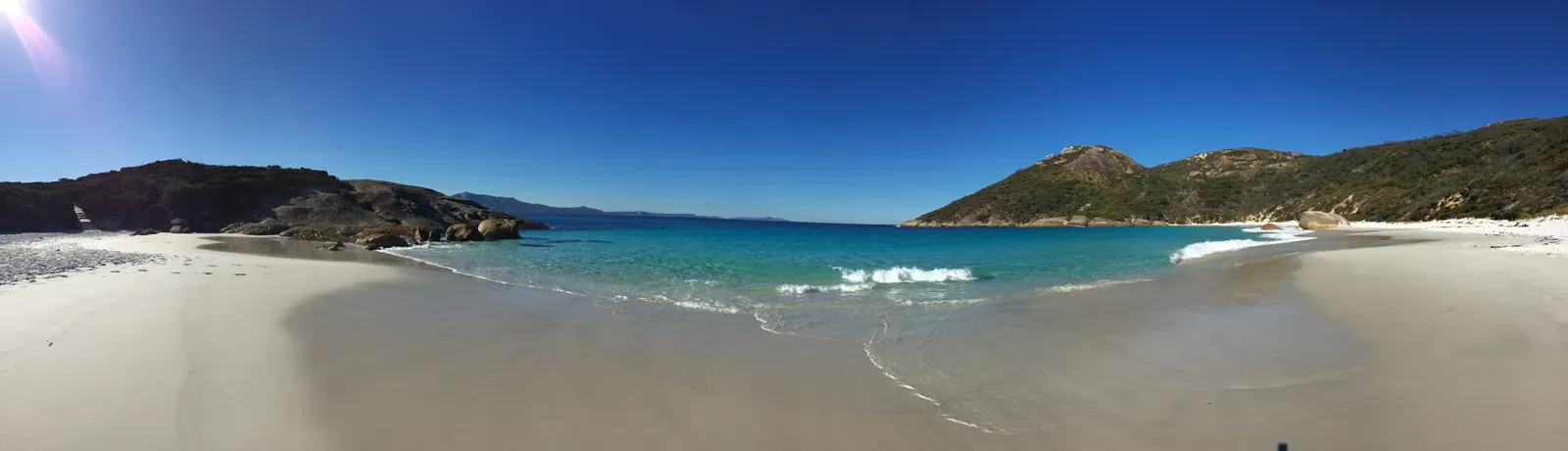
One of the clearest and most discussed cases comes from Aboriginal communities along Australia’s long coastline. For generations, people have told stories of ancestral lands that once stretched far out into what is now open ocean, with descriptions of rivers, islands, and hunting grounds that were later swallowed by the sea. When researchers mapped these stories against modern bathymetric charts and sea-level reconstructions, the fit was often startlingly close.
Sea levels rose dramatically as the last Ice Age ended, between roughly twenty thousand and seven thousand years ago. In several specific regions, the timing and amount of inundation described in Aboriginal traditions line up with geological models of when those coastal plains went underwater. That means some of these storylines may have been passed down for on the order of ten thousand years or more, surviving migrations, language shifts, and enormous social change while still pointing accurately to real vanished landscapes.
2. The Disappearance Of The Sahul Land Bridge
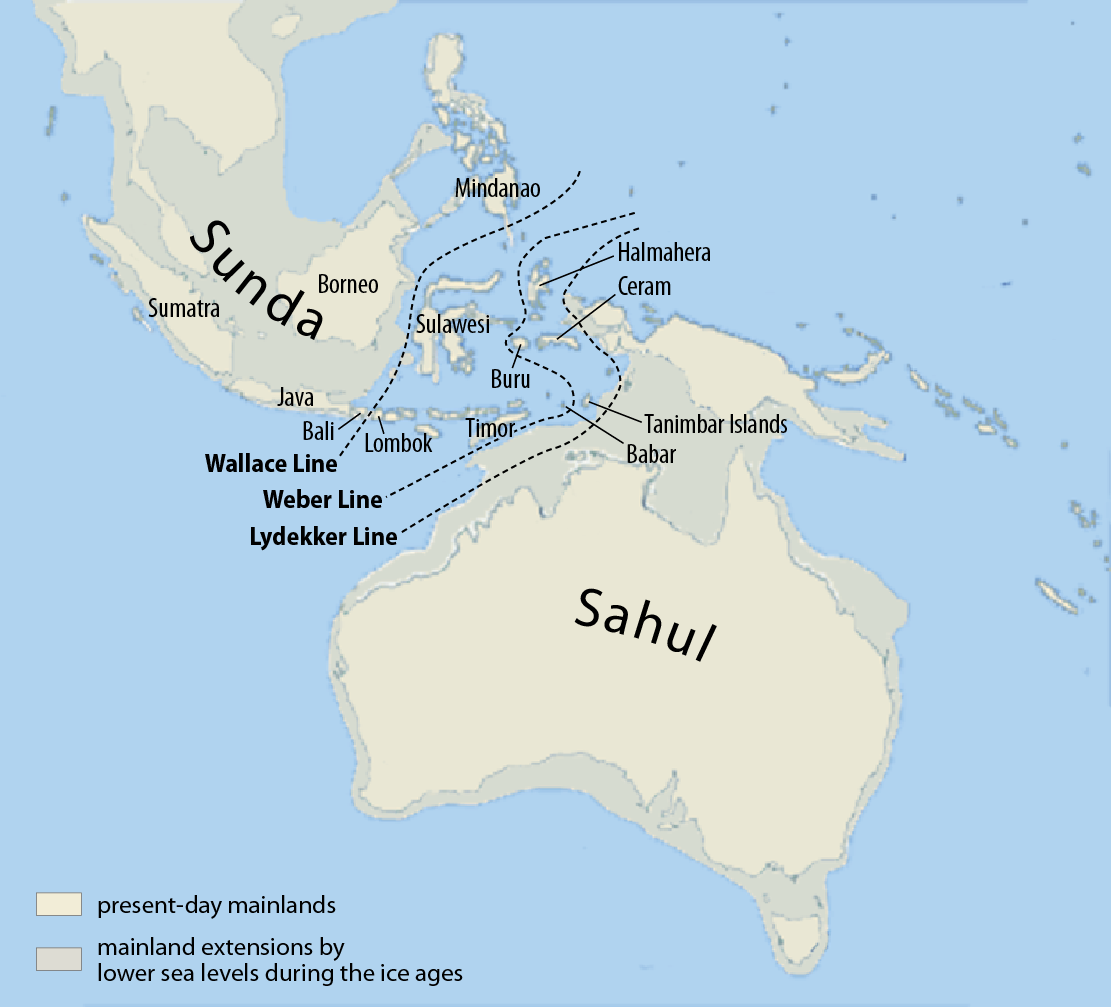
During the Ice Age, what is now Australia, Tasmania, and New Guinea were joined in a single mega-continent called Sahul, with lower sea levels exposing vast land bridges. As the climate warmed and oceans rose, those connections disappeared, isolating Tasmania and New Guinea from mainland Australia. Oral traditions among some Indigenous groups speak of times when land routes existed where now only sea can be seen, and of the loss of former neighbors and territories as waters cut people off from each other.
These stories do not come with neat, modern-style dates attached, but when you align them with the known timeline of post-glacial sea-level rise, they likely refer to events on the order of eight to twelve thousand years in the past. The details vary, as oral traditions always do, yet the recurring core motif – a remembered world of broader land and subsequent separation by rising seas – matches the big geological picture extremely well. In other words, communities seem to have kept a living memory of the breakup of an entire continent-sized landmass.
3. Long Memories Of Sunken Landscapes In Northwest Europe
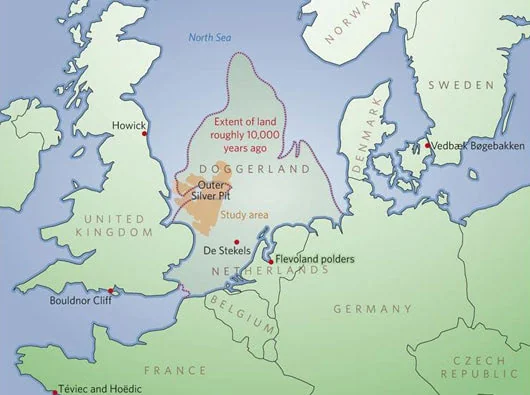
In the shallow North Sea, archaeologists and geologists have identified the remnants of a large low-lying landscape known as Doggerland. During the late Ice Age and early Holocene, it connected Britain to mainland Europe, with rivers, wetlands, and human settlements. As sea levels climbed, Doggerland flooded and eventually disappeared, but scattered European folklore has long spoken of drowned lands, sunken kingdoms, and fertile plains lost beneath the waves.
It is tempting to dismiss these as generic flood myths, but some of the more localized legends, especially around the North Sea coast, describe specific offshore banks or shoals as the remains of once-dry country. While the evidence here is less tight than in Australia, there is a growing argument that at least a few of these tales may echo real memories – passed through oral channels and then filtered into medieval stories – of a landscape that vanished several thousand years before the first chroniclers ever picked up a pen.
4. Pacific Island Traditions Of Former Shorelines And Lost Reefs
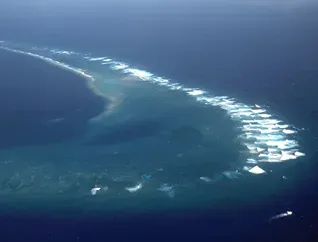
Across the Pacific, Indigenous communities have maintained complex oral maps of reefs, shoals, and navigation routes, often in places where the physical landscape has changed over long spans of time. In some island groups, traditions describe earlier shorelines now far inland from the modern coast, or alternatively, territories that once existed above water but are now recognized as submerged features visible only to experienced fishers and divers.
When these stories are compared with geological evidence for relative sea-level changes and subsidence on tectonically active islands, some line up surprisingly well with events that would have unfolded many thousands of years ago. The stories do not read like scientific reports; they are wrapped in ancestral journeys, spirits, and clan histories. Yet beneath that mythic framing is a hard core of environmental memory: where the shore used to be, which reefs were once dry or shallow, and how the sea has slowly but relentlessly redrawn the edges of home.
5. Ancient Tsunamis Remembered In Coastal Legends
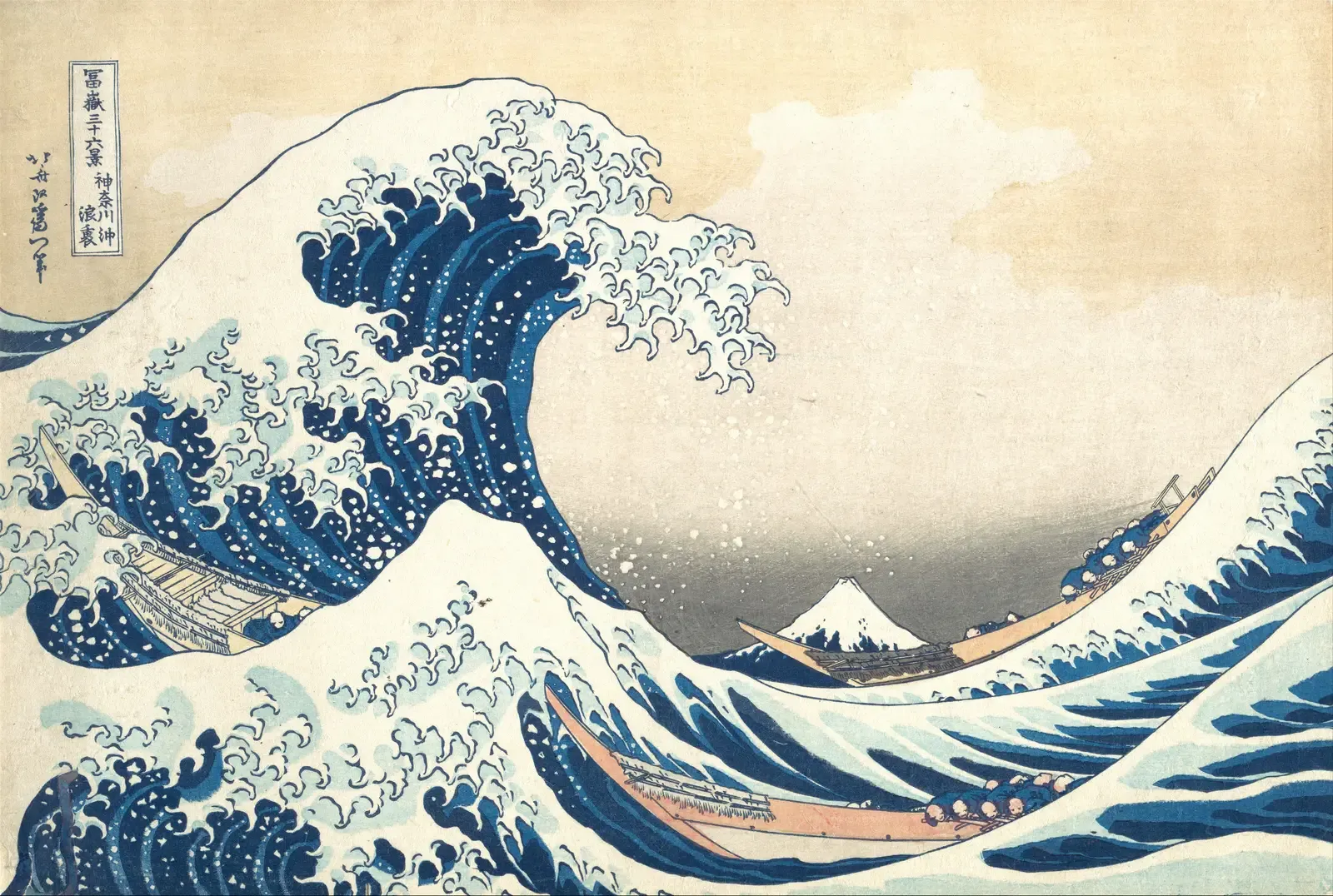
Coastal peoples around the world carry stories of enormous waves that wiped out villages, reshaped inlets, or stranded boats in unlikely places. Modern tsunami science only really took off in the last century, but once geologists began digging into coastal sediments, they found sand sheets and other physical traces of huge past tsunamis, some going back many millennia. In a few cases, local oral traditions appear to match those ancient layers with uncanny specificity.
There is credible work suggesting that some tsunami stories in regions such as the Pacific Northwest, Japan, and parts of the Indian Ocean may preserve memories of events several thousand years old. When you consider that some of these coasts have been continuously inhabited since the late Ice Age, it is not impossible that a handful of especially dramatic tsunamis – true community-defining catastrophes – could have their narrative roots stretching toward the ten‑thousand‑year mark. Even if the exact ages are debated, the key point stands: oral history can hold on to the memory of extreme but rare disasters far longer than most written archives have even existed.
6. Volcanic Eruptions Recalled From The Deep Past
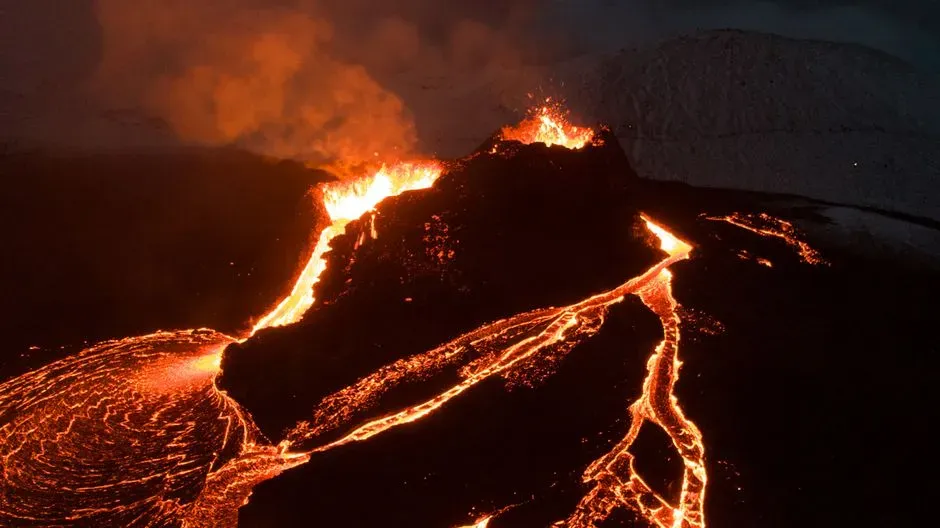
Volcanoes make a strong impression. Around active volcanoes, you often find story cycles about mountains that once blew apart, rivers of fire, or skies darkened for days. In some regions, when volcanologists date ancient eruptions using modern techniques, the timelines match those embedded in Indigenous narratives that speak of a time before the mountain changed, followed by chaos, and then a new landscape afterward.
For a few volcanoes that erupted near the very end of the last Ice Age, there is cautious but intriguing discussion that oral traditions might preserve distant echoes of those events. The arguments are not as neat as with some sea-level stories, and scholars are rightly careful not to overclaim. Still, the idea that a community could carry forward the story of a mountain’s transformation over many, many generations is completely consistent with what we know about how sacred narratives, especially those tied to land and survival, can endure.
7. Star Lore That Tracks Slow Changes In The Sky
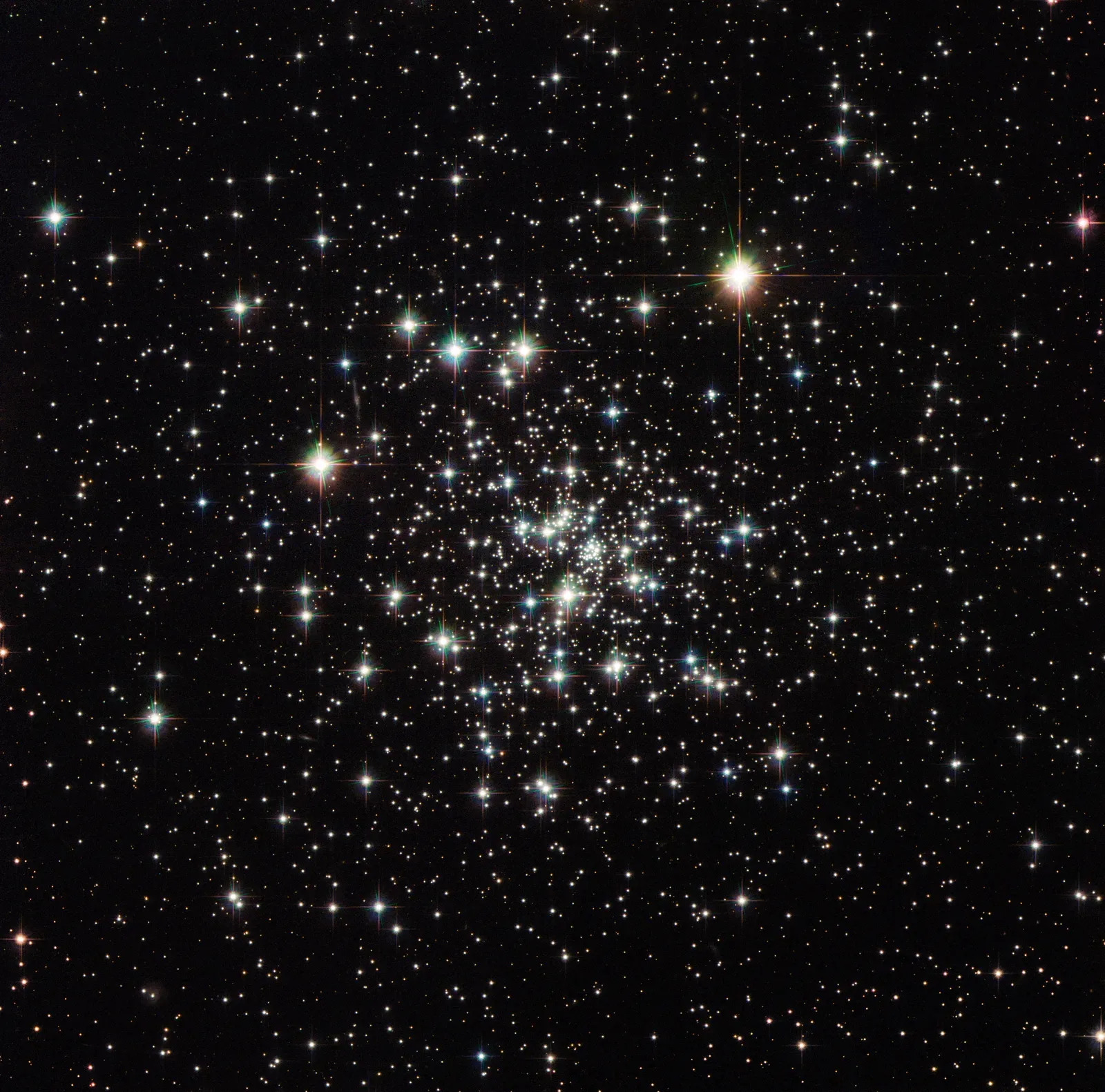
Not all ancient memories are about water and fire. Some sit quietly overhead. In several traditional knowledge systems, the night sky is not just a backdrop but a living calendar and storybook. There are cases where oral star lore appears to encode changes in the positions of stars that unfold over immense timeframes, due to slow astronomical shifts like precession or the proper motion of nearby stars.
If a story precisely ties a star’s rising or setting to the timing of seasons or events, and astronomers can work backward to see when that alignment would have held, you effectively get a clock ticking in reverse. For a few such traditions, the reconstructed dates reach many thousands of years into the past, potentially nudging toward the ten‑thousand‑year threshold. These are still active areas of research and debate, but they suggest that when people use the sky as both navigation tool and sacred text, they can keep extraordinarily long-running records of celestial change without ever writing a word.
8. The Enduring Memory Of Ice Age Landscapes
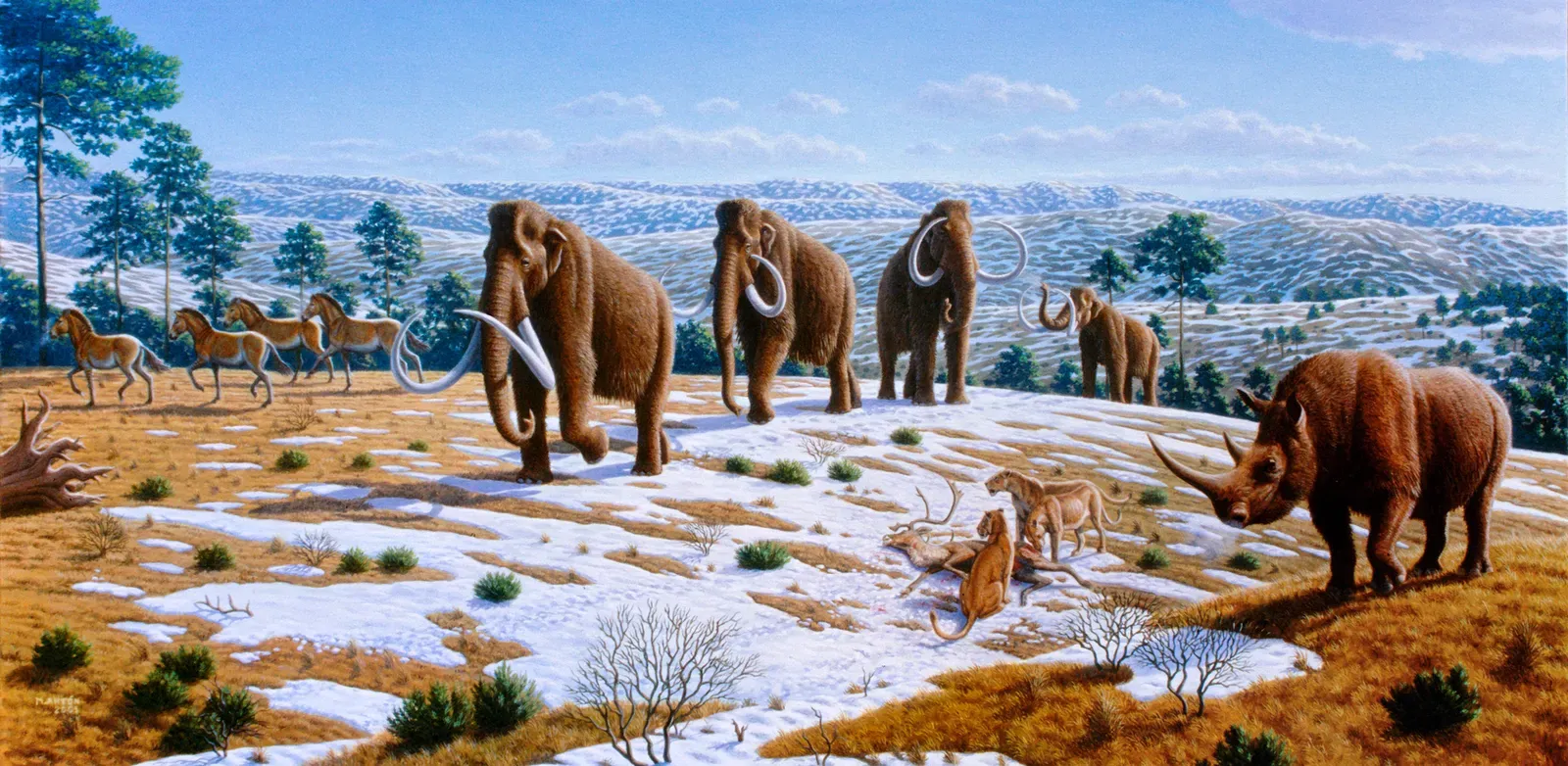
Finally, some of the most ambitious claims link oral traditions to conditions at or near the end of the last Ice Age itself. In high-latitude regions and formerly glaciated areas, there are stories that speak of world-shaping ice, of animals and routes that simply do not exist today, and of a climate that sounds more like a survival manual for Pleistocene hunters than a description of the present. These narratives are usually layered, reworked, and mythic, but they sometimes include environmental details that align with paleoclimate reconstructions of late-glacial conditions.
Researchers are rightly cautious here. It is very easy to project our own fascination with deep time onto stories that may be much younger than the events they resemble. Still, when you put all the pieces together – the drowning coastal plains, the lost land bridges, the changing stars, the remembered tsunamis and eruptions – you get a pattern that is hard to ignore. At least in a few extraordinary cases, communities appear to have carried forward echoes of Ice Age worlds, keeping them alive in songs, ceremonies, and origin stories long after the ice itself vanished.
Conclusion: Oral History Is Neither Myth Nor Miracle – It Is Discipline
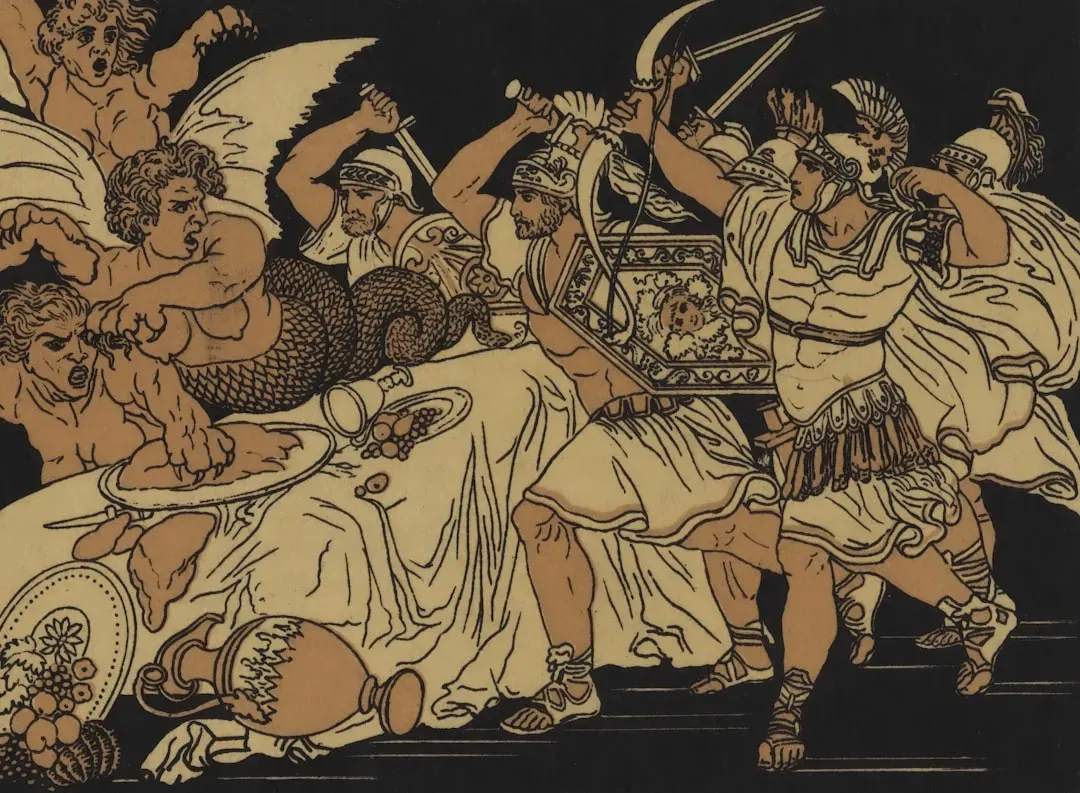
When you look closely at these eight cases, a clear message emerges: oral history is not a magical time capsule that always gets the past right, but it is also not the fuzzy, unreliable storytelling that written-history snobs once assumed. Where traditions are tightly woven into ceremony, land use, and identity, they can preserve a surprising amount of accurate information about real events for spans of time that rival, and sometimes exceed, what written archives can manage. That is not an accident; it is the result of deliberate cultural work, strict rules about who can tell which stories, and constant repetition across generations.
My own view is that the most impressive thing here is not that some stories may be ten thousand years old, but that we ever doubted such a feat was possible. People who live deeply in a place, depending on its moods for food and survival, are going to remember what that place has done to them. They encode those memories in ways that matter – through law, ritual, kinship, and narrative that is not supposed to be casually altered. If anything, the science is finally starting to catch up to what Indigenous communities have been saying all along: their stories are not just stories. They are records. They are evidence. And the real question now is whether we are finally ready to listen.