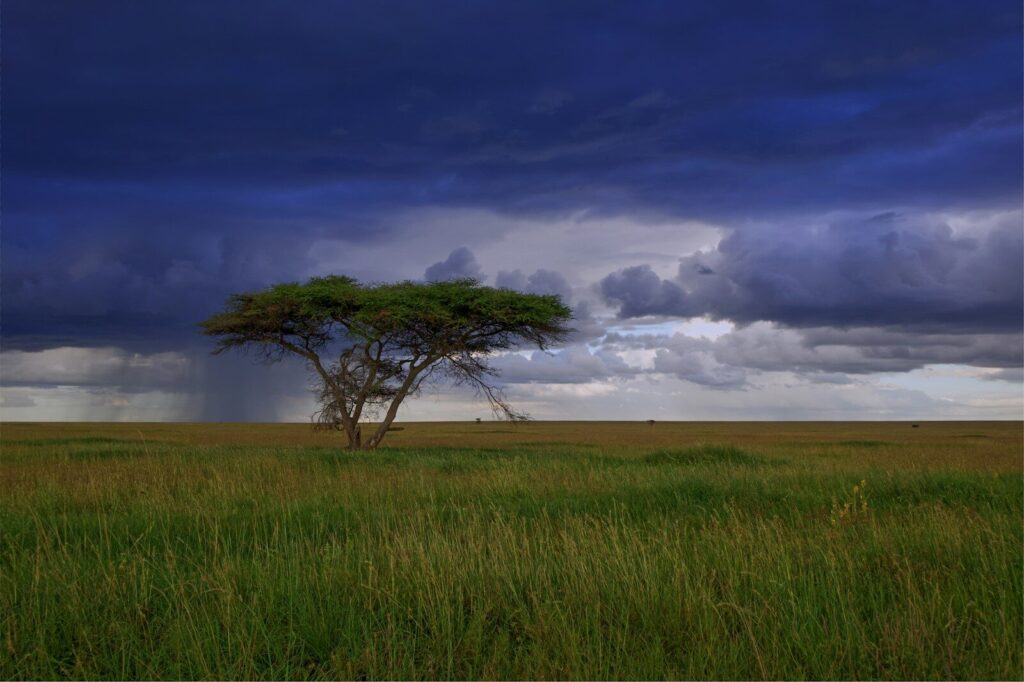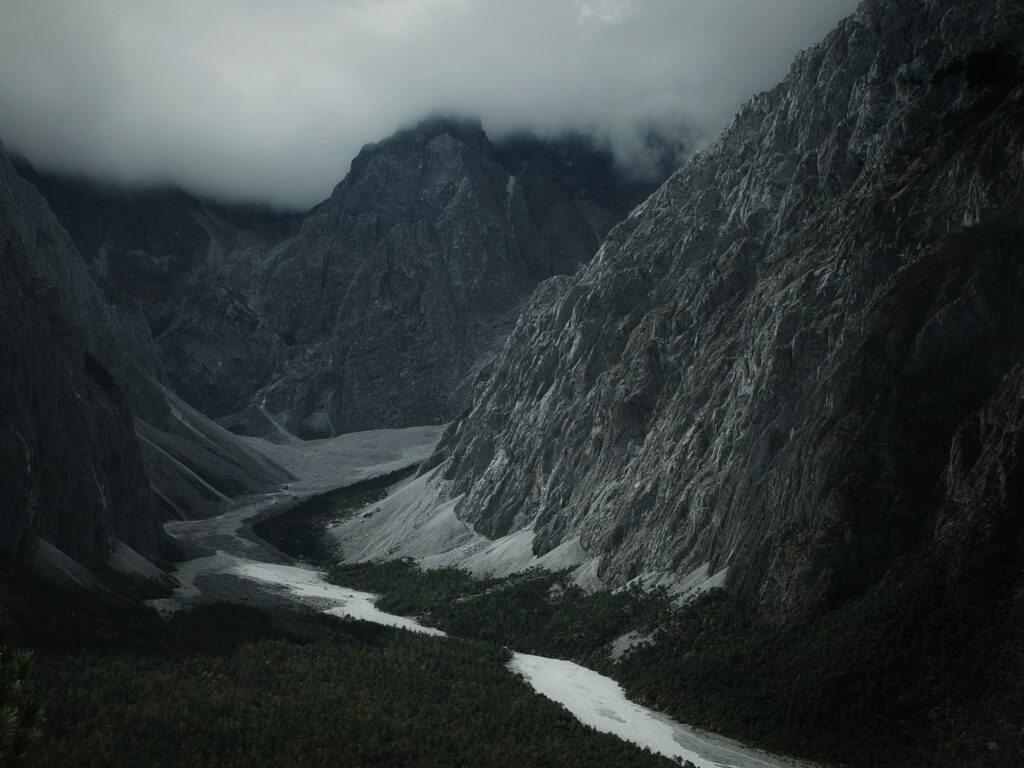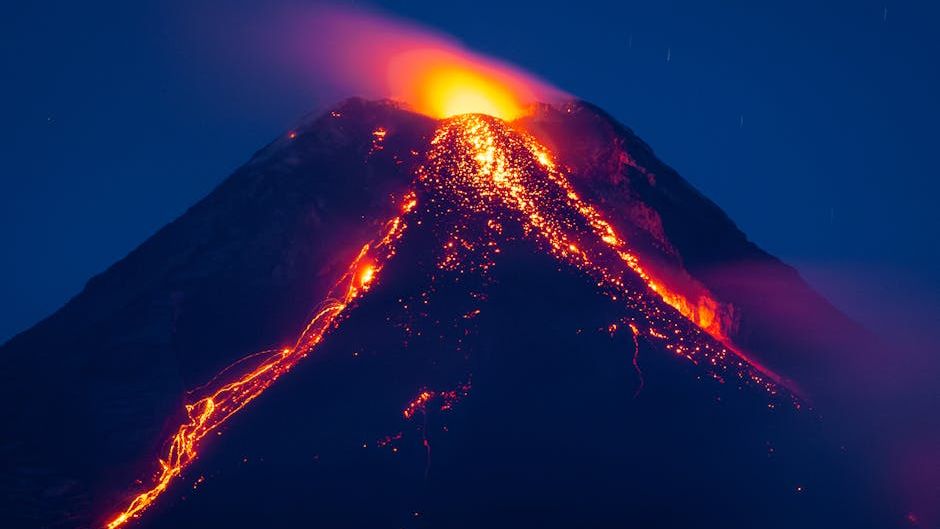
You live on a planet that does not sit still for a single moment. Continents creep, mountains crumple, oceans open and close, and rocks that once lay on ancient sea floors now stand in the thin air above the clouds. When you start to notice the clues in the landscape, it suddenly hits you: Earth is not a static rock, it is a restless system that constantly reshapes itself.
Once you see that, every cliff, canyon, and coastline feels different. A road cut becomes a time machine, a distant mountain a frozen wave in a stone ocean. The eight places you’re about to explore are not just pretty postcards; they are living scars, pressure valves, and breathing pores of a planet that never truly sleeps. By the end, you may find it hard to call Earth an “it” instead of a “someone.”
The Grand Canyon: Earth’s Open History Book
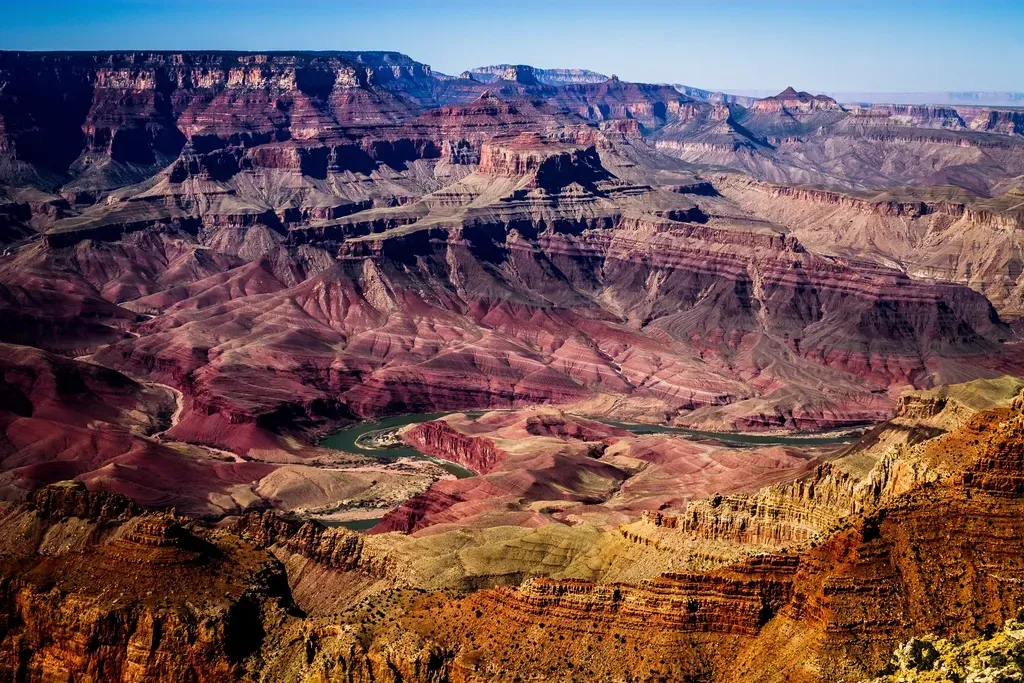
When you stand on the rim of the Grand Canyon in Arizona, you are staring into nearly two billion years of Earth’s memory sliced open in front of you. Layer after layered cliff tells you that what looks like solid ground under your feet is actually a stack of ancient worlds: shallow seas, desert dunes, river plains, and more, all piled on top of each other and then carved back open by the Colorado River. You can literally trace time with your eyes, from younger rocks at the top down to some of the oldest exposed rocks on the continent at the canyon’s bottom.
The canyon itself is proof that the planet constantly edits its own story. Uplift of the Colorado Plateau raised those rock layers high into the air, giving the river extra gravity‑driven power to cut deeper and deeper. Erosion is still at work today, carrying grains of rock away with every storm and every spring melt. When you run your hand along the canyon wall, you’re touching a page of Earth’s diary that is still being written, line by tiny line.
Yellowstone: A Restless Supervolcano Hiding in Plain Sight
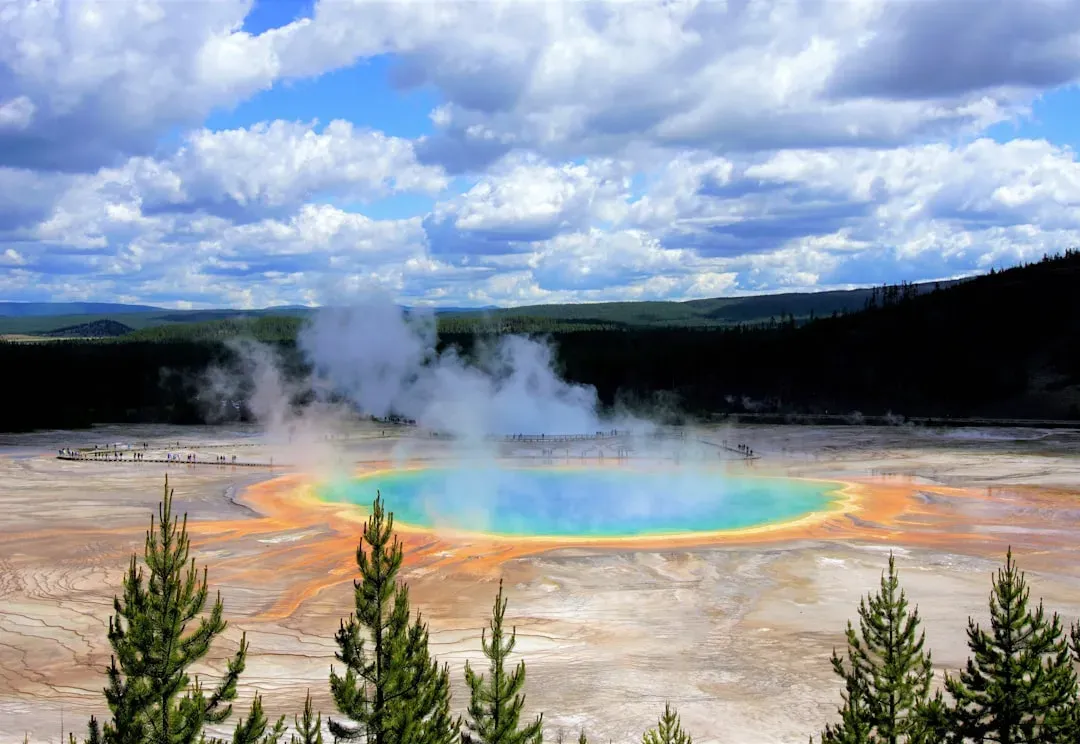
In Yellowstone National Park, you walk on the thin, hot skin of a giant volcanic system that still breathes heat from deep within the planet. Geysers that blast boiling water, colorful hot springs, mud pots, and steaming fumaroles are all surface symptoms of a huge magma body lurking beneath the crust. The wide depression known as the Yellowstone caldera formed after enormous eruptions in the distant past, when so much magma erupted that the ground above it collapsed inward.
What makes Yellowstone so striking is that the system is still very much alive. The ground subtly swells and sinks over years as magma and fluids shift below, and small earthquakes rattle the region on a regular basis. Scientists monitor the area closely, tracking gas, heat flow, and ground motion like doctors watching a powerful but mostly sleeping patient. When you watch a geyser erupt on schedule, you’re essentially seeing the Earth exhale.
The Mid-Atlantic Ridge and Iceland: Where the Planet Tears Itself Apart
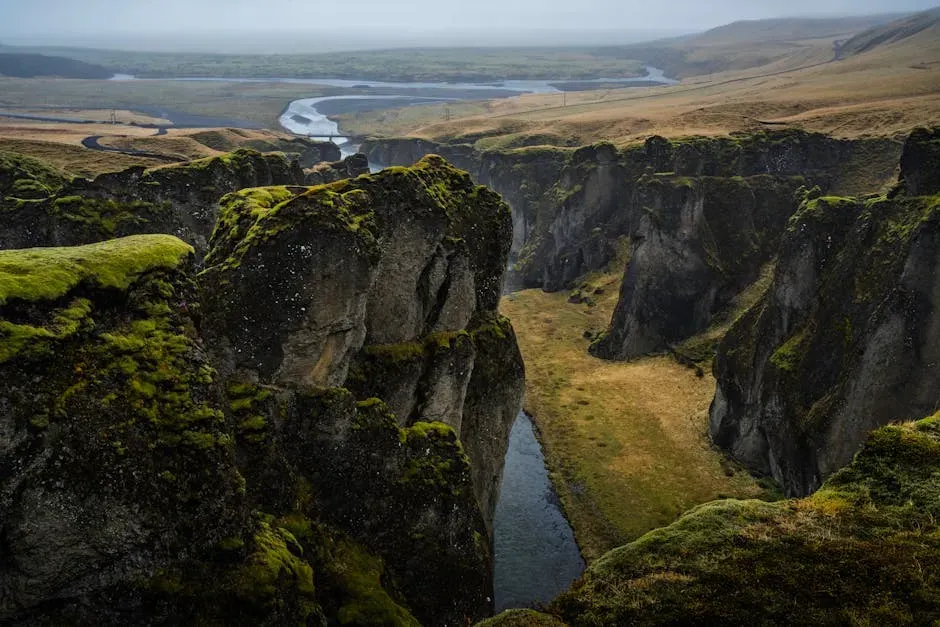
If you travel to Iceland, you can literally walk across a crack where a new ocean floor is being born. The island sits astride the Mid‑Atlantic Ridge, a long underwater mountain chain where tectonic plates slowly pull away from each other and magma rises to fill the gap. In places like Þingvellir, you stand in a rift valley created as the North American and Eurasian plates inch apart, widening the Atlantic Ocean bit by bit.
All of Iceland’s dramatic volcanoes, basalt cliffs, and black sand beaches tell you that this process is ongoing, not a thing of the past. Eruptions build new land, while glaciers and storms grind it back down again, keeping the landscape in a constant state of negotiation between fire and ice. When you see fresh lava fields with only a thin skin of moss starting to grow, you’re looking at brand‑new crust that recently rose from the mantle. It is hard to call Earth “dead” when you can watch it manufacturing new surface beneath your feet.
The East African Rift: A Continent Slowly Splitting in Two
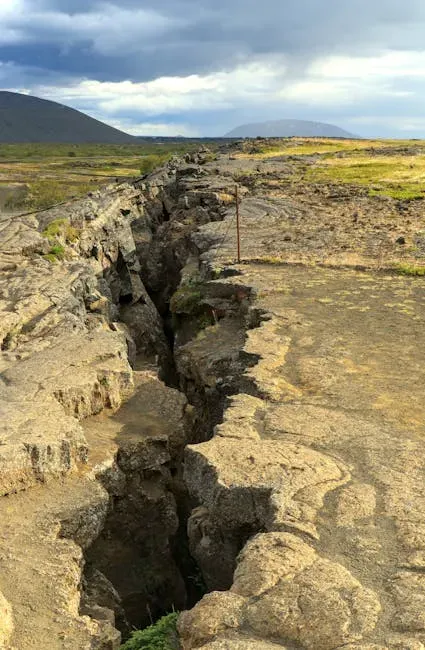
In East Africa, from Ethiopia down through Kenya and Tanzania, you can trace a scar across the continent where the crust is literally stretching and thinning. This is the East African Rift, a massive crack where the African plate is beginning to split into separate pieces. Deep faults, elongated lakes, and strings of volcanoes line the rift, marking places where the surface is being pulled apart and magma sometimes leaks upward.
What makes this rift so powerful to witness is that you are catching a continent in the act of transformation. Over tens of millions of years, that stretching may lead to a brand‑new ocean basin, with today’s rift valley becoming tomorrow’s coastline. In rift valleys you see steep escarpments, fertile floors, and hot springs that reveal how shifting plates guide rivers, soils, and ecosystems. Standing there, you realize Earth is still building its future maps right now, not just long ago.
The Himalayas and Mount Everest: Mountains Born from Collision
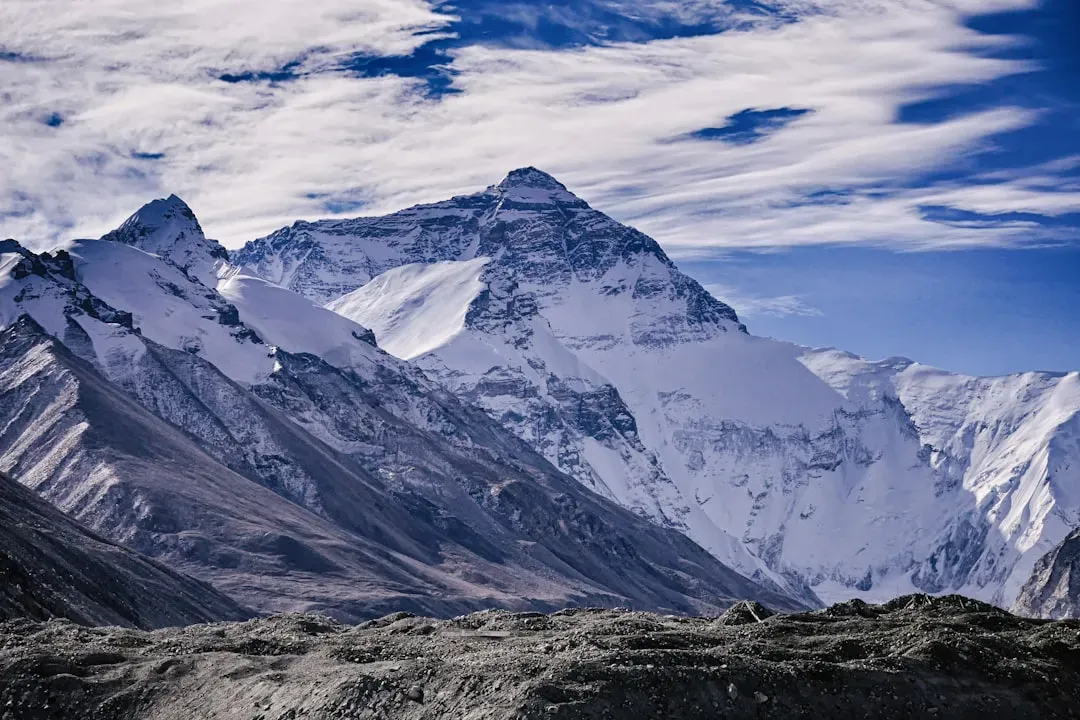
When you look at the Himalayas, with Mount Everest piercing the jet stream, you are seeing the frozen result of two continents ramming into each other. Millions of years ago, the Indian plate plowed northward into Asia, and because both pieces of crust were buoyant, neither one neatly dove beneath the other. Instead, the rock between them crumpled, folded, and stacked up into the highest mountain range on the planet. That collision is still ongoing; measurements show that India is still pushing north and the Himalayas continue to rise on geologic timescales.
If you pick up a rock high on Everest and examine it, you find something almost unbelievable: traces that it once formed on an ancient sea floor. Fossil shells and marine sediments have been uplifted to what is now the “roof of the world.” That means the land you see was not always sky‑high; Earth has literally recycled ocean bottom into towering peaks. When you let that sink in, mountain ranges stop feeling like permanent fixtures and start feeling like slow‑motion waves in a stone sea.
The Great Barrier Reef: Living Rock That Builds Itself
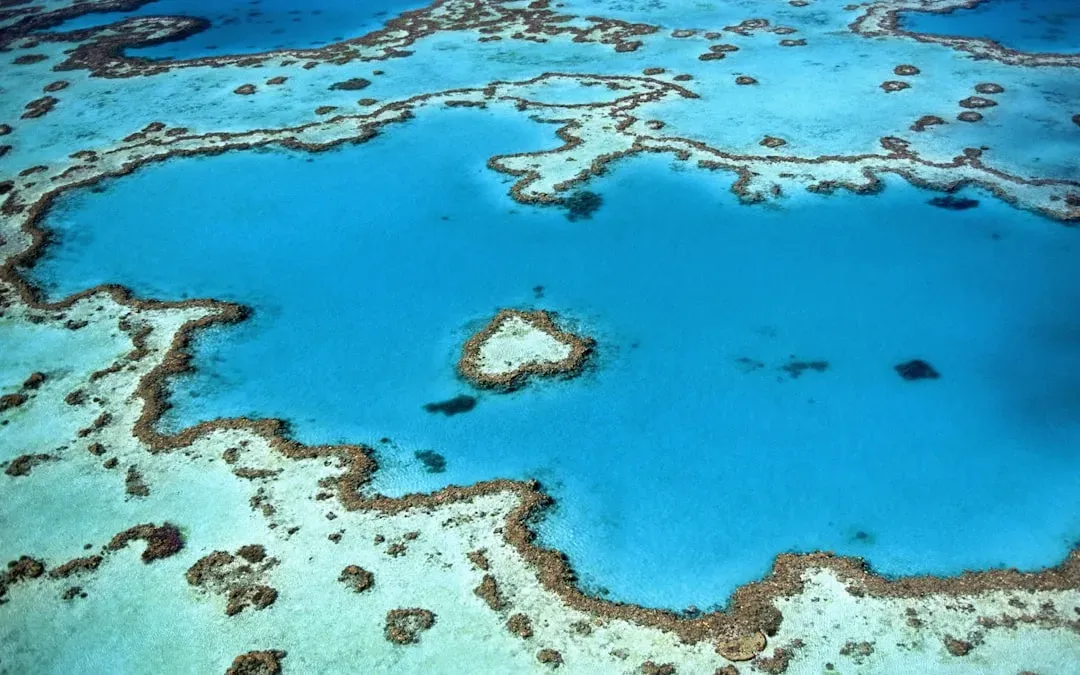
At first glance, the Great Barrier Reef off Australia might seem like a purely biological wonder, all fish and coral and color. But when you look closer, you realize you are floating above one of the largest biogenic geological structures on Earth, built grain by grain by countless tiny coral polyps. Over hundreds of thousands of years, these organisms have extracted calcium and carbonate from seawater to build reefs and limestone frameworks that can be seen from space.
This living edifice responds directly to changes in sea level, water temperature, and chemistry. As the sea rises, corals can grow upward; as conditions shift, sections may die while others flourish, leaving a layered, rock‑like record that future geologists can read much like they read cliffs and canyons on land. When you snorkel there, you are literally swimming over architecture that life itself has raised, expanded, and reshaped, showing how biology and geology are tightly intertwined in Earth’s breathing system.
Active Volcanoes: The Planet’s Fiery Pressure Valves
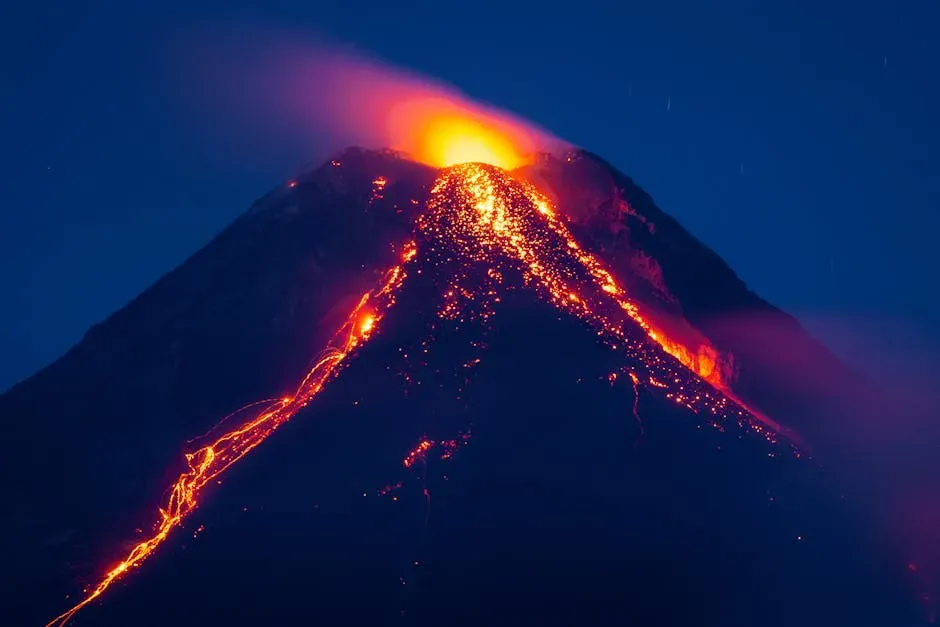
Whether you picture lava fountains in Hawaii, ash‑rich eruptions in Indonesia, or stratovolcanoes in the Cascades, active volcanoes are some of the most dramatic reminders that Earth’s interior is hot and mobile. Magma rises when parts of the mantle partially melt, often at plate boundaries or hotspots, and it finds pathways upward through cracks and weaknesses in the crust. When that molten rock reaches the surface, it can quietly ooze in lava flows or explode in powerful blasts, reshaping landscapes in days or even minutes.
Volcanoes also play a long‑term role in the planet’s atmosphere and climate by releasing gases like water vapor and carbon dioxide that have cycled through deep reservoirs. Over geologic time, those outgassing processes help regulate conditions at the surface in tandem with weathering, oceans, and life. When you watch a lava flow slowly envelop a landscape, or see new land formed where there was only sea before, you are watching Earth adjust pressure, recycle materials, and renew its surface like a body healing a wound.
Glaciers and Ice‑Carved Landscapes: Slow‑Motion Sculptors of Stone
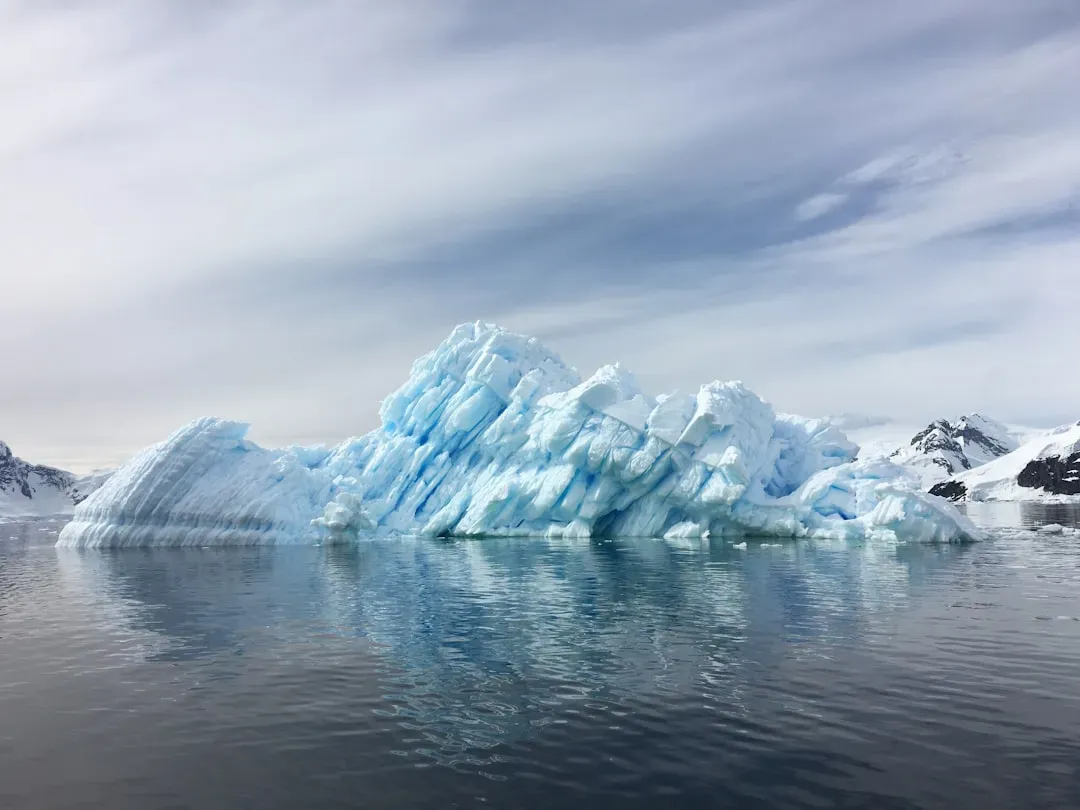
High in polar regions and on tall mountains, glaciers show you another side of Earth’s restlessness: ice that flows like a very slow, very heavy river. As a glacier creeps downhill under its own weight, it grinds the rock beneath it, carving U‑shaped valleys, sharp ridges, and deep basins that later may hold lakes. You can see these signatures in places like the Alps, the Rockies, and Scandinavia, where broad valleys, hanging tributaries, and smoothed bedrock tell you a glacier once filled the space.
Glaciers respond sensitively to changes in temperature and snowfall, advancing when conditions favor growth and retreating when melting wins out. As they wax and wane, they rearrange sediments, redirect rivers, and expose or bury different parts of the landscape. When you walk along a moraine ridge or stare at a fjord, you are reading the footprint of ice that moved like a slow, grinding bulldozer. That constant adjustment to shifting climate is yet another way the planet flexes and breathes over time.
Conclusion: Learning to Read a Living Planet
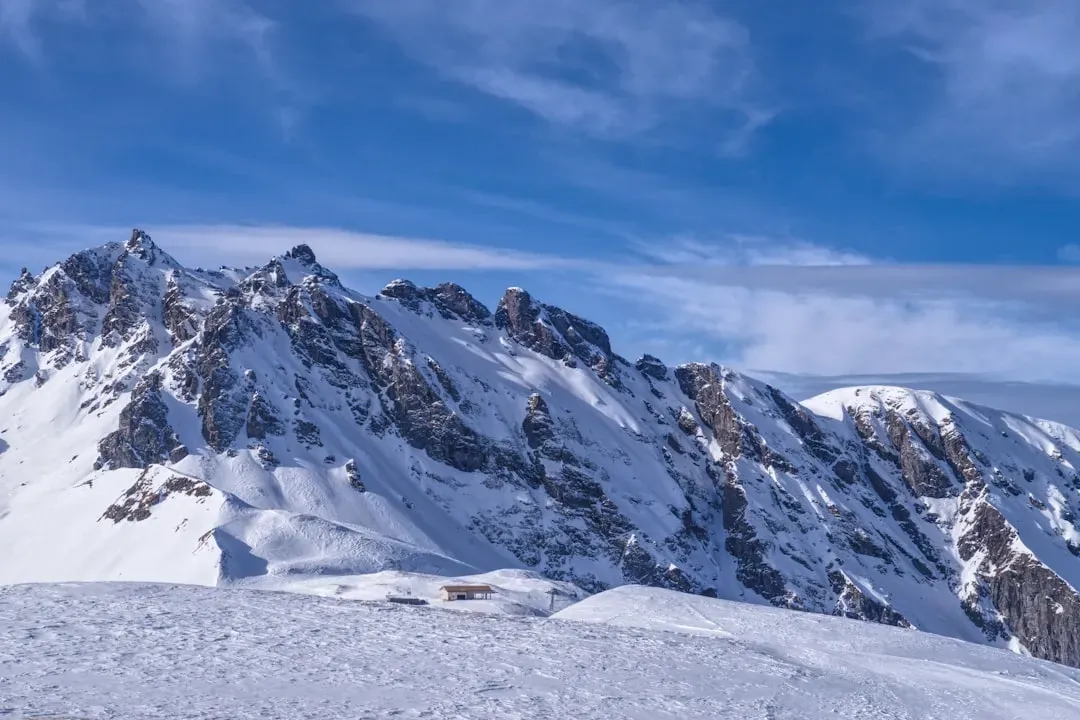
When you put all these places side by side – the Grand Canyon, Yellowstone, Iceland’s rifts, East Africa’s stretching crust, the Himalayas, the Great Barrier Reef, fiery volcanoes, and glacial valleys – you start to notice a pattern. None of them are finished products. Every one is a snapshot of a process still unfolding: erosion chiseling, plates colliding or pulling apart, reefs building, ice advancing and retreating, magma rising and cooling. Earth is not a stage where life merely performs; it is a full‑fledged character with shifting moods and long, slow rhythms.
Once you know how to read these signs, even your everyday surroundings feel different. A tilted layer beside a highway or a rocky coastline after a storm becomes another hint that the ground beneath you has a past and a future. You do not have to visit all eight marvels to feel that shift; you just have to start paying attention to what the land is trying to tell you. So the next time you look out at a mountain, a river, or even a city perched on old rock, will you see a static backdrop – or will you recognize a living, breathing planet still at work?