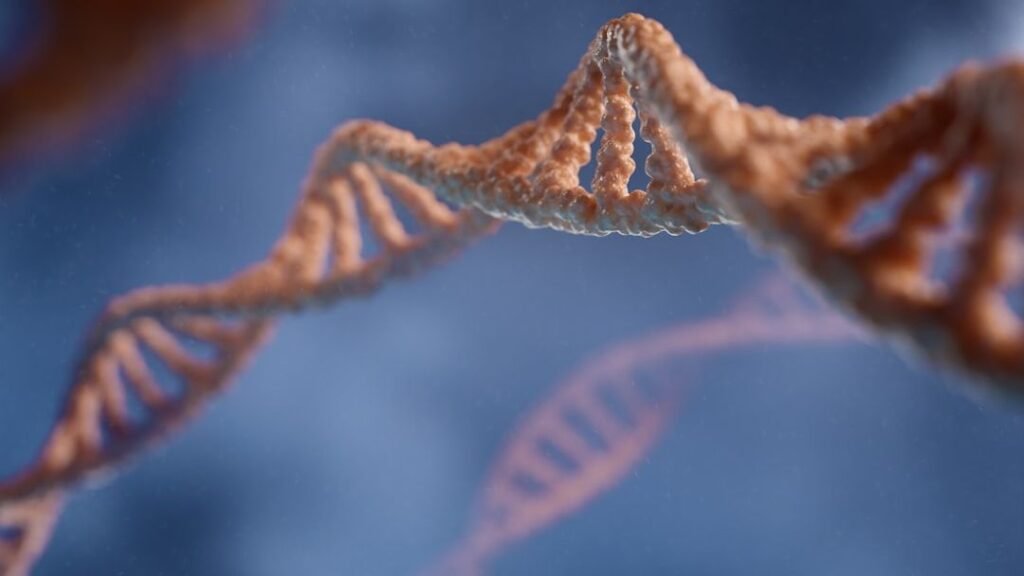

The human genome holds the blueprint of life, a vast library of three billion DNA base pairs tucked into every cell. Scientists once dreamed of reading it all, a feat that kicked off with the Human Genome Project over two decades ago. Those early efforts sparked revelations that still reshape biology today.
From unexpected gene counts to hidden viral legacies, each finding peels back layers of complexity. These discoveries highlight how much remains to explore in our genetic code.[1][2]
Far Fewer Genes Than Expected
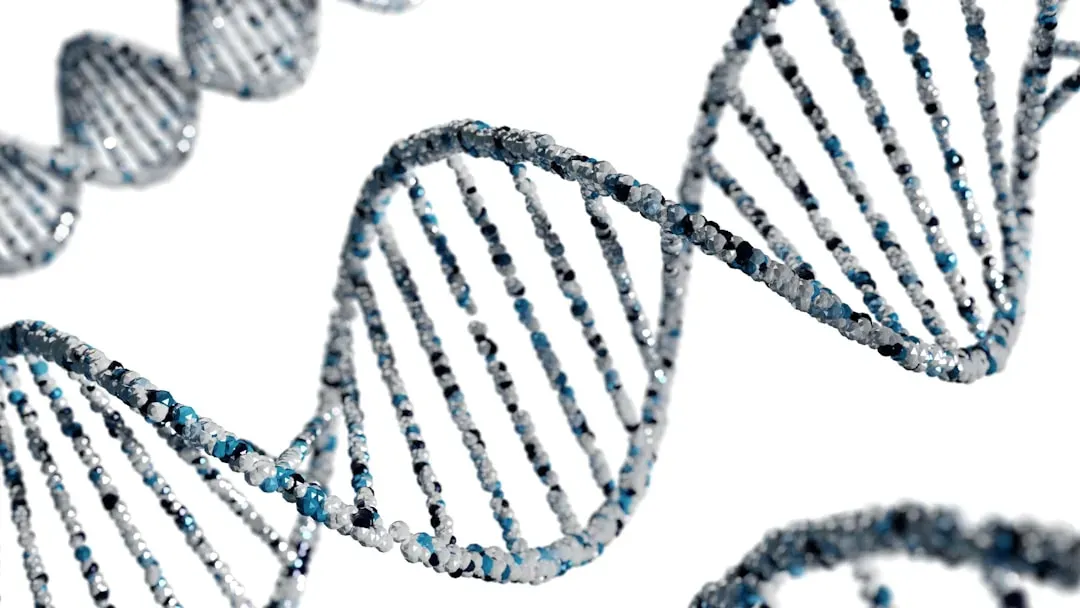
Researchers initially predicted the human genome might contain 100,000 genes or more. The Human Genome Project revealed a humbler truth: around 20,000 to 25,000 protein-coding genes. This number rivals that of much simpler organisms like worms or flies.[3]
That scarcity forces genes to multitask through alternative splicing, producing multiple proteins from one sequence. Such efficiency underscores the genome’s elegant design. It also shifts focus from gene count to how genes interact.
Only 2% Codes for Proteins
Less than two percent of the human genome directly codes for proteins. The rest long puzzled scientists, once dismissed as useless junk. Modern studies show much of it serves vital roles in regulation and structure.[4][5]
This non-coding expanse includes enhancers that fine-tune gene activity across distances. Introns and other elements help splice messages precisely. The discovery reframes the genome as a dynamic orchestra, not just a list of instructions.
Without this vast regulatory network, protein production would falter. It explains why small DNA tweaks can yield big trait changes.
Humans Share 99.9% of Their DNA
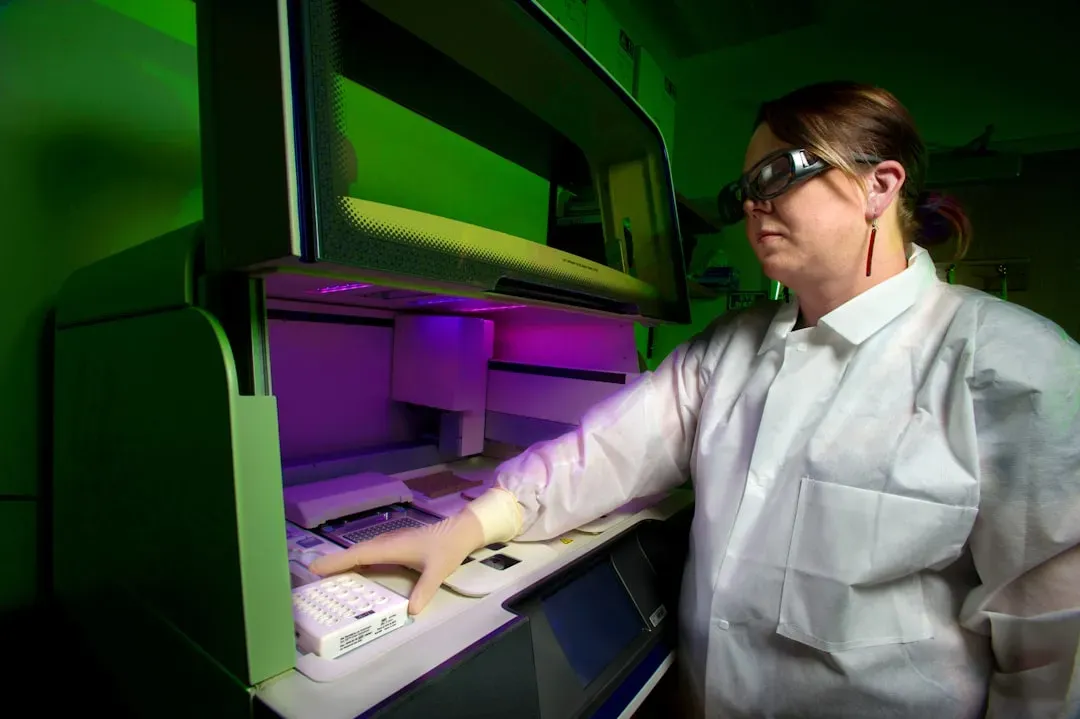
Any two people share about 99.9 percent of their DNA sequence. That tiny 0.1 percent variation accounts for our unique looks, talents, and risks. It spans three billion base pairs, making differences subtle yet profound.[6][7]
This high similarity unites us as a species. Yet those variants cluster in key spots, influencing everything from disease susceptibility to eye color. Genome-wide studies highlight how shared foundations support diverse lives.
Ancient Viruses Make Up 8% of Our Genome
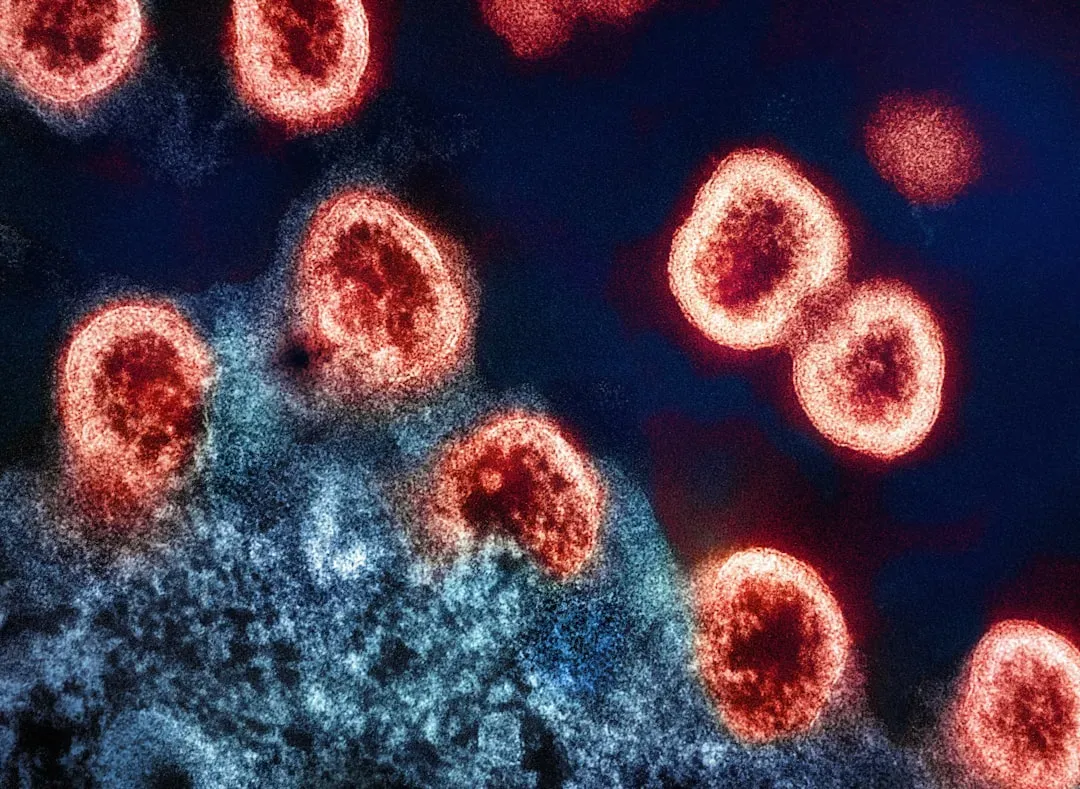
Roughly eight percent of human DNA traces back to ancient viruses. These endogenous retroviruses inserted copies into our ancestors’ genomes millions of years ago. Most lie dormant now, but some influence health and development.[8][9]
They shaped evolution by adding new genetic tools, like placental formation genes. Recent analyses uncover their lingering roles in immunity. This viral heritage reveals our genome as a mosaic of past infections.
Far from invaders, these sequences integrated deeply. They remind us life writes its history in DNA scars.
The First Truly Complete Genome in 2022
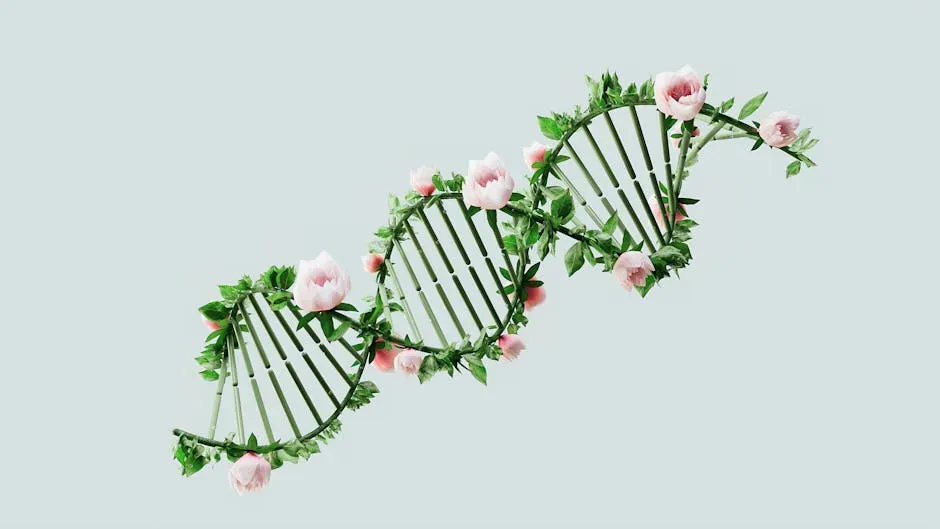
For years, the human reference genome had gaps in tricky regions like centromeres and telomeres. In 2022, the Telomere-to-Telomere Consortium delivered the first fully gap-free sequence. This milestone used long-read technologies to conquer repetitive zones.[10][11]
By 2025, refined versions set new standards for precision medicine. These complete maps aid variant detection in hard-to-sequence areas. They pave the way for personalized treatments rooted in full genomic truth.
Non-Coding DNA Drives Regulation
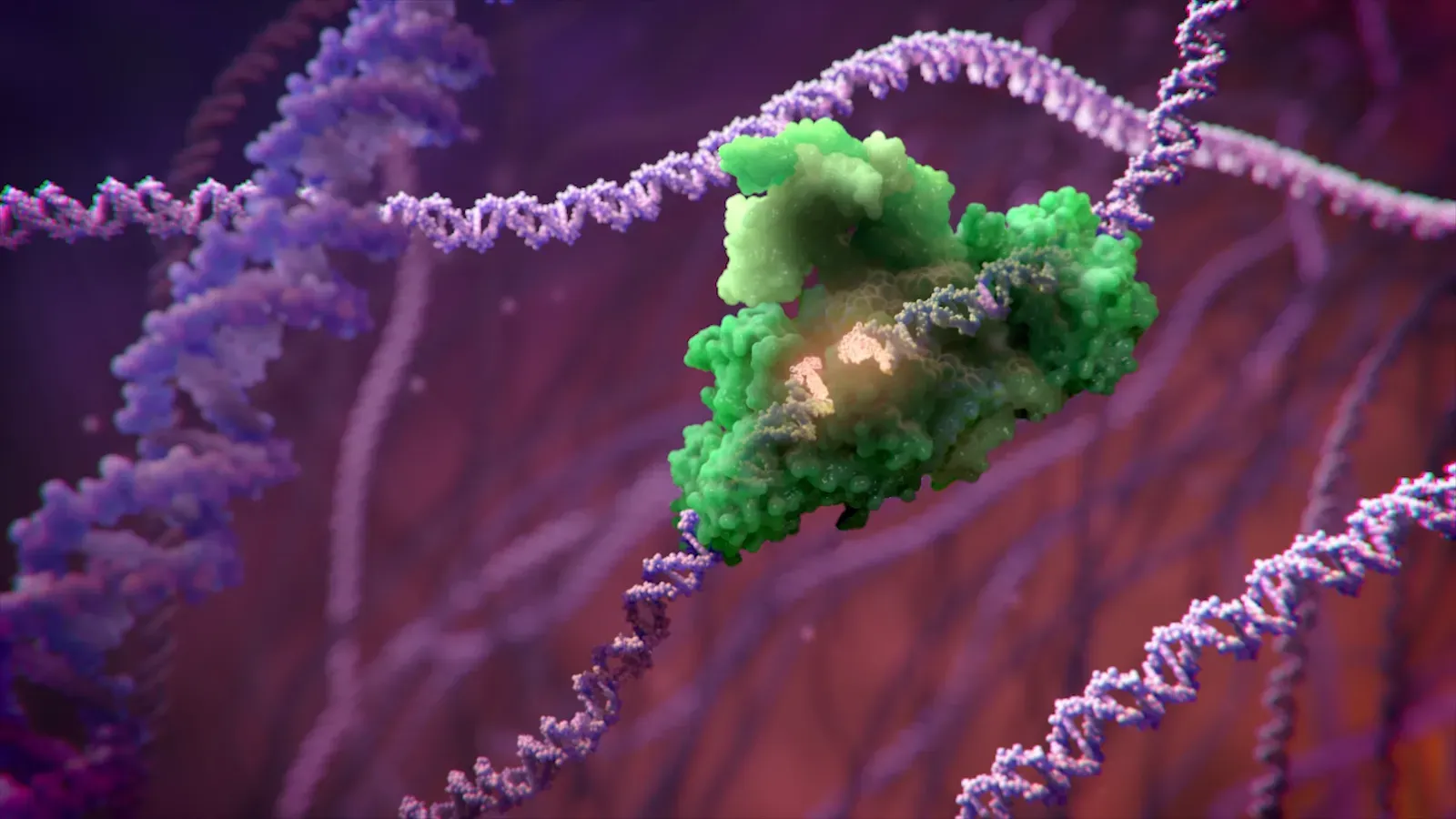
Once overlooked, non-coding DNA orchestrates gene expression through switches and loops. Elements like promoters and silencers respond to environmental cues. This layer adds flexibility without altering the code itself.[12]01060-9)
Recent mappings reveal how DNA folds to connect distant regions. Such architecture explains complex traits beyond simple inheritance. It transforms our view of the genome from static to responsive.
Disruptions here link to diseases like cancer. Understanding these controls unlocks therapeutic potential.
Neanderthal DNA Lingers in Modern Humans

Non-African populations carry one to two percent Neanderthal DNA from ancient interbreeding. This legacy appears in genes for immunity and skin adaptation. Denisovan traces show up in some Asian and Oceanian groups too.[13]
These archaic contributions helped humans thrive outside Africa. They influence modern risks for conditions like diabetes. Genome comparisons illuminate our hybrid origins.
We All Harbor Harmful Mutations
Every healthy person carries variants that disable dozens of genes. Large-scale sequencing uncovered these loss-of-function changes in essential spots. Redundancy and compensation keep us functioning despite them.[14]
This tolerance challenges old ideas of genetic perfection. It highlights networks where one gene backs another. Such insights guide carrier screening and therapy design.
Personal genomes vary widely here. They underscore resilience built into our code.
Looking Ahead
These discoveries from the human genome era reveal a code far richer than imagined. Tools like long-read sequencing and pangenomes promise even deeper views.[10] As we decode more, medicine grows precise, tracing health to individual letters.
Yet mysteries persist in regulation and variation. The genome invites endless curiosity, a testament to our shared, intricate origins.