
Everyone knows the postcard views: sweeping shots of marble, stone, and steel that show up in history books and travel ads. But behind those iconic silhouettes are stories that most visitors never hear, tucked away in sealed rooms, odd design choices, old rivalries, and political compromises. Once you start digging into the hidden layers, these monuments stop being just pretty backdrops and start feeling like complicated characters with their own secrets, mistakes, and quiet rebellions.
I still remember the first time I learned that one of the world’s most famous statues was briefly used to store arms during a war and thought, “How did nobody ever tell me this?” Since then, I’ve never looked at big monuments the same way; I always assume there’s a locked door, a covered-up scandal, or a forgotten plan hiding in plain sight. Let’s pull back the curtain on eight legendary landmarks and the little-known stories that change how you see them forever.
The Eiffel Tower’s Hidden Apartment in the Sky
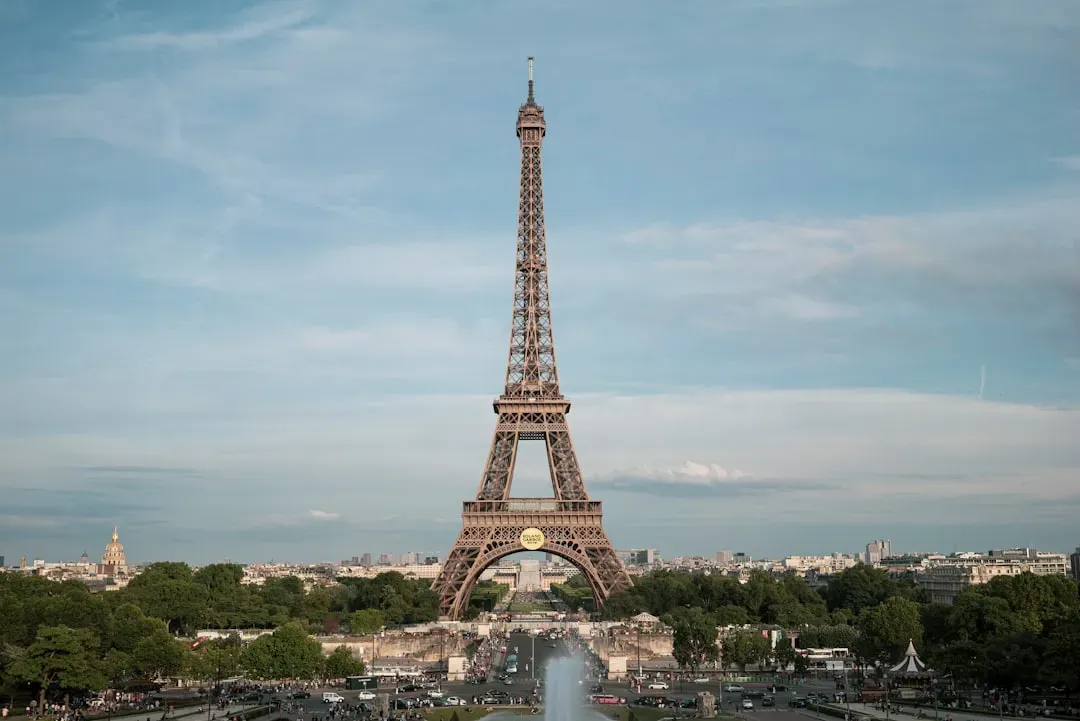
High above Paris, just below the Eiffel Tower’s summit, there’s a small private apartment that most visitors walk right past without realizing it exists. It was originally created for the tower’s engineer, Gustave Eiffel, as a kind of showpiece and sanctuary away from the noise and crowds hundreds of feet below. Instead of the cold industrial metal you’d expect, the space is surprisingly cozy, with warm furnishings and a layout that feels more like a bourgeois Parisian flat than part of a giant iron structure. For decades, this apartment was off-limits and more rumor than reality, almost like a secret treehouse floating over the city.
Today, you can’t actually check in for the night, but visitors can peek inside the preserved space from the outside through windows, seeing period-style furniture and wax figures posed as if having a quiet meeting. The idea that the most photographed monument in France once doubled as a private retreat makes the tower feel less like a faceless symbol and more like a lived-in building. It also undercuts the myth that big public monuments are purely functional or ceremonial; sometimes, the people who build them tuck away a little personal comfort right into the structure. Next time you see the Eiffel Tower glittering, it’s hard not to imagine someone once sitting up there, listening to the city hum.
The Statue of Liberty’s Off-Limits Torch and War-Damaged Interior

Most people assume you can climb all the way up into the Statue of Liberty’s torch for the ultimate view of New York Harbor, but that romantic idea died more than a century ago. The torch has been closed to the public since the early twentieth century after an explosion from a nearby act of sabotage during World War I damaged the structure. The incident did not bring the statue down, but it cracked windows, twisted metal, and left enough uncertainty about safety that authorities essentially sealed that part of the monument off. Visitors can still climb into the crown under strict limitations, but the torch is now more like a ghost limb everyone sees but no one can use.
Inside the statue, the original torch is no longer even in her hand; the current shining version is a replacement, while the original sits on display in the museum on Liberty Island. Learning that the symbol of enlightenment and welcome was physically wounded by an act of violence makes it feel strangely more human and vulnerable. It also reveals how monuments are not frozen in time, even if we treat them that way; they’re constantly being patched, reimagined, and in some cases partially sacrificed for safety. The off-limits torch is a reminder that even icons have scars – and those scars quietly shape how we’re allowed to experience them.
The Leaning Tower of Pisa’s Carefully Engineered “Accident”
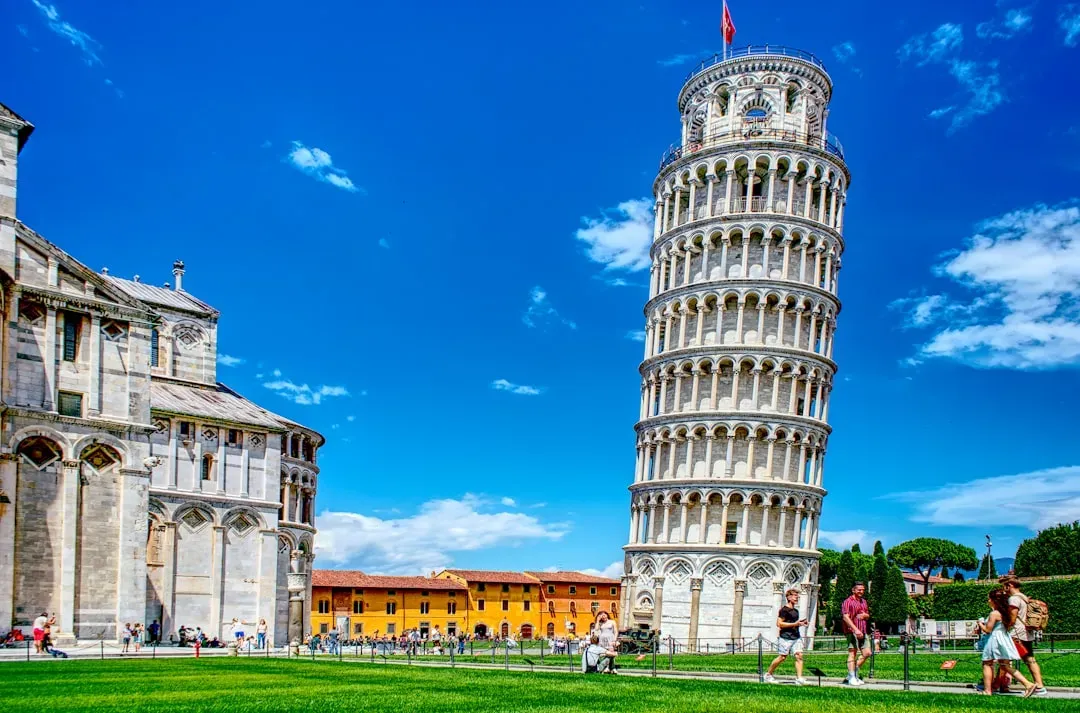
The Leaning Tower of Pisa is famous because it leans, but the secret is how unnatural that famous tilt has become. The original lean was the result of poor planning and soft, unstable ground that began to sink partway through construction back in the medieval period. For centuries, builders and later engineers wrestled with whether to straighten it, stabilize it, or simply let it collapse. By the late twentieth century, the risk of the tower toppling became serious enough that experts stepped in with a massive stabilization project that quietly changed the nature of the monument without changing what people see in photos.
Engineers used a mix of soil extraction, counterweights, and careful monitoring to nudge the lean back slightly and freeze it in a safer position, while still leaving the tower leaning enough to keep its identity. In other words, what looks like a wild architectural accident is now heavily managed and controlled behind the scenes. When you climb the spiral staircase and feel the unsettling tilt under your feet, you’re experiencing a carefully calibrated illusion, not a purely natural sink into the earth. It is a rare case where the world collectively decided that a mistake was too iconic to fix completely, so we engineered the accident to last.
Mount Rushmore’s Abandoned “Hall of Records” Behind the Faces
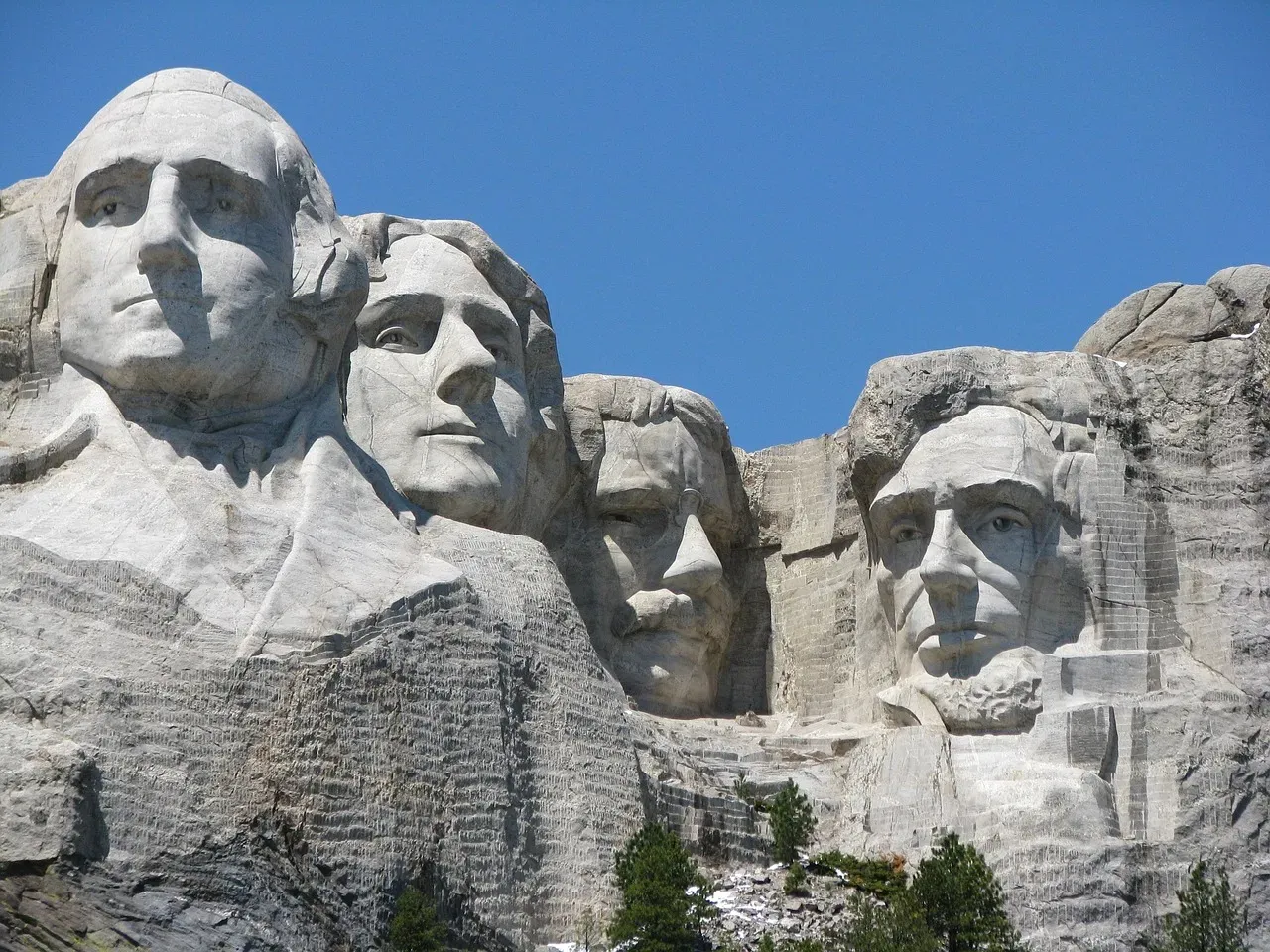
Most visitors to Mount Rushmore stand in front of the massive presidential faces and never realize there is an unfinished, hidden chamber cut into the mountain behind them. The original sculptor, Gutzon Borglum, envisioned a so-called Hall of Records carved into the rock behind Abraham Lincoln’s head, an interior space that would store important documents and artifacts explaining the history and ideals of the United States. Financial constraints, engineering challenges, and the sculptor’s death meant the grand plan was largely abandoned, leaving behind a partly realized cavity in the granite. For decades, this secret hall felt like a myth, a leftover dream buried in stone.
Eventually, the concept was revived in a modest form when a small repository with historical records and texts was installed in the hidden area, sealed away from public access. You cannot tour this chamber; it is essentially a time capsule rather than a functional museum. Knowing there is a locked, official explanation of America’s story hidden behind those giant faces lends the monument a faintly eerie quality, like it is holding back part of its own narrative. It also raises a strange question: who are monuments really built for – the people who gaze up at them, or some imagined future viewer who might one day open the sealed door?
The Taj Mahal’s Shifting Colors and Myth of the Black Twin

The Taj Mahal is often described in simple, romantic terms as a pure white marble monument to love, but that description quietly ignores one of its strangest traits: it does not stay the same color. Depending on the time of day, air quality, and angle of light, the surface shifts from cool bluish tones to warm gold and soft pink, almost like a living mood ring made of stone. On top of that visual trick, pollution and age have caused subtle yellowing and staining in some areas, prompting preservation efforts that continuously try to restore a particular idea of “white” that has never been truly constant. The building’s perfection, in other words, is a moving target we keep chasing.
Then there’s the persistent legend of a planned “Black Taj” across the river, supposedly intended as a dark marble twin for the emperor’s own tomb. Archaeological findings suggest there might have been structures or foundations in the opposite area, but evidence for a full black mausoleum is thin and debated. Still, the myth refuses to die, perhaps because it fits our desire for symmetry and dramatic storytelling. Whether or not a black twin was ever really in the works, the rumor has become part of the Taj Mahal’s identity, turning it from a single monument into the visible half of an imagined pair. Sometimes the secret is not a hidden room, but an unbuilt ghost that haunts the story.
The Great Sphinx’s Missing Nose and Buried Body Mysteries
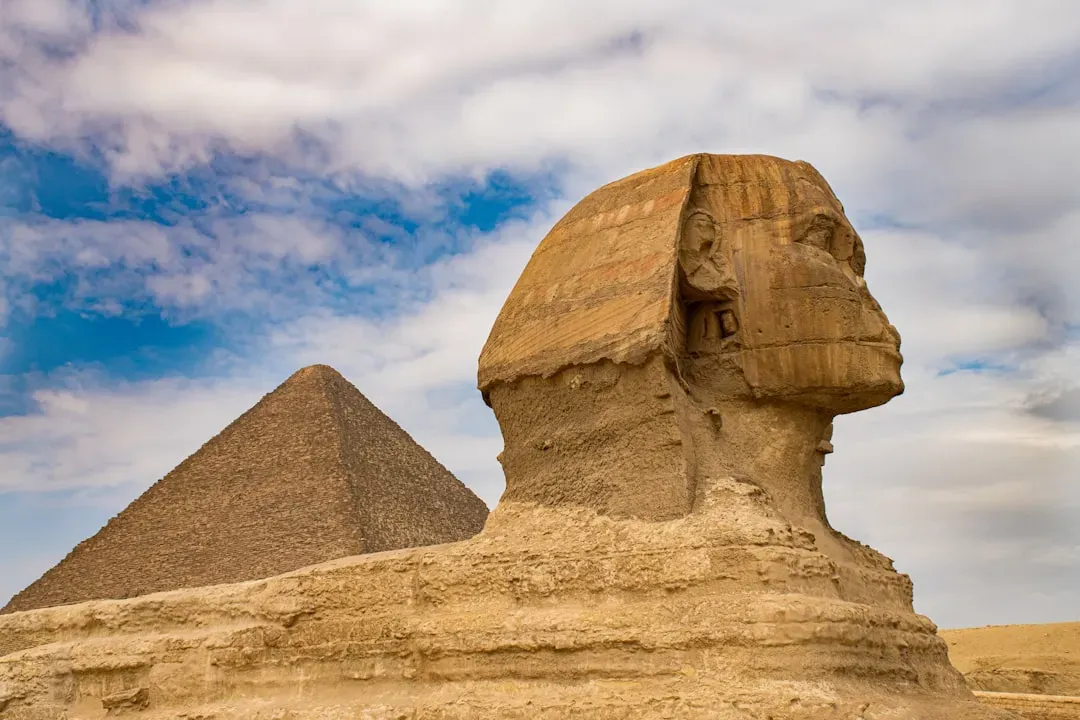
The Great Sphinx of Giza is one of the most instantly recognizable monuments on Earth, but what most people see in photos is only part of the full structure. For much of its long history, the body of the Sphinx was buried up to its neck in sand, and only relatively modern excavations revealed just how long and massive it really is. Even today, the area around its paws and lower sections holds ongoing conservation puzzles about drainage, erosion, and ancient repairs. The Sphinx has been dug out, patched up, and re-covered so many times over the centuries that separating original stone from later fixes can feel like archaeology mixed with forensic work.
The missing nose is the most famous mystery, often misattributed in popular culture to single dramatic events that do not line up with historical evidence. Older sketches and records suggest the nose was already gone centuries ago, possibly chipped away deliberately or eroded over time. That empty space at the center of the face has turned into a kind of Rorschach test onto which people project stories about conquest, vandalism, and neglect. The real secret might be more mundane but no less fascinating: the Sphinx is a monument that has survived so long it has been altered, reinterpreted, and even partially forgotten multiple times. In a way, its missing pieces are part of what keeps it endlessly discussed.
The Colosseum’s Hidden Machinery and Misunderstood Use
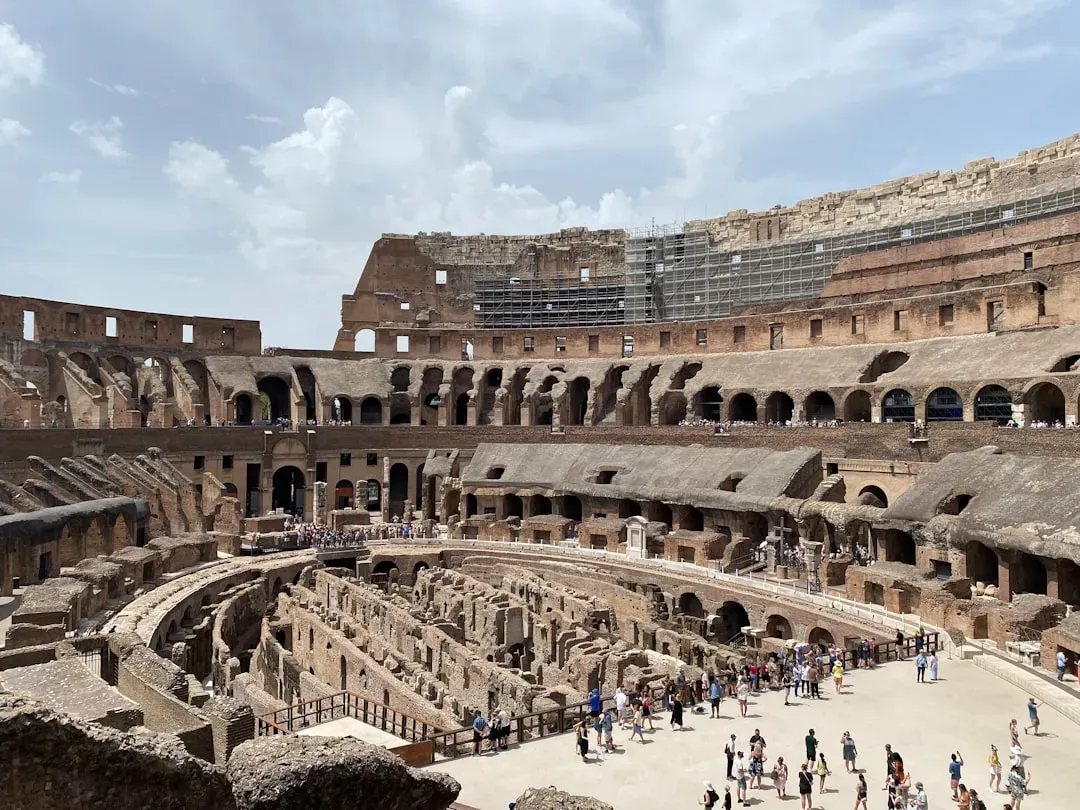
When people picture the Roman Colosseum, they usually imagine endless gladiator battles and roaring crowds, but that only scratches the surface of what the arena actually was. Under the floor there used to be a complex network of underground passages, elevators, and trapdoors known as the hypogeum, which allowed animals, stage sets, and fighters to appear suddenly in the arena above. This subterranean world essentially turned the Colosseum into an enormous special-effects machine, capable of elaborate spectacles that went far beyond simple one-on-one combat. Many visitors walking through the ruins do not realize how much of the real action took place out of sight, beneath their feet.
On top of that, the popular image of constant gladiator carnage is only part of the story; the Colosseum also hosted mock naval battles in its early years, staged hunts, public executions, and sometimes more theatrical performances. Over the centuries, the building itself has been used as everything from a quarry for building materials to a Christian pilgrimage site, gathering new layers of meaning that sit awkwardly next to its blood-soaked reputation. The hidden machinery below and the varied events above make the Colosseum feel less like a single-purpose arena and more like a flexible, multi-use stadium for imperial propaganda and entertainment. It is a reminder that even ancient monuments could be surprisingly high-tech and tightly choreographed.
Big Ben’s Not-Actually-Big-Ben Name and a Slightly Crooked Clock
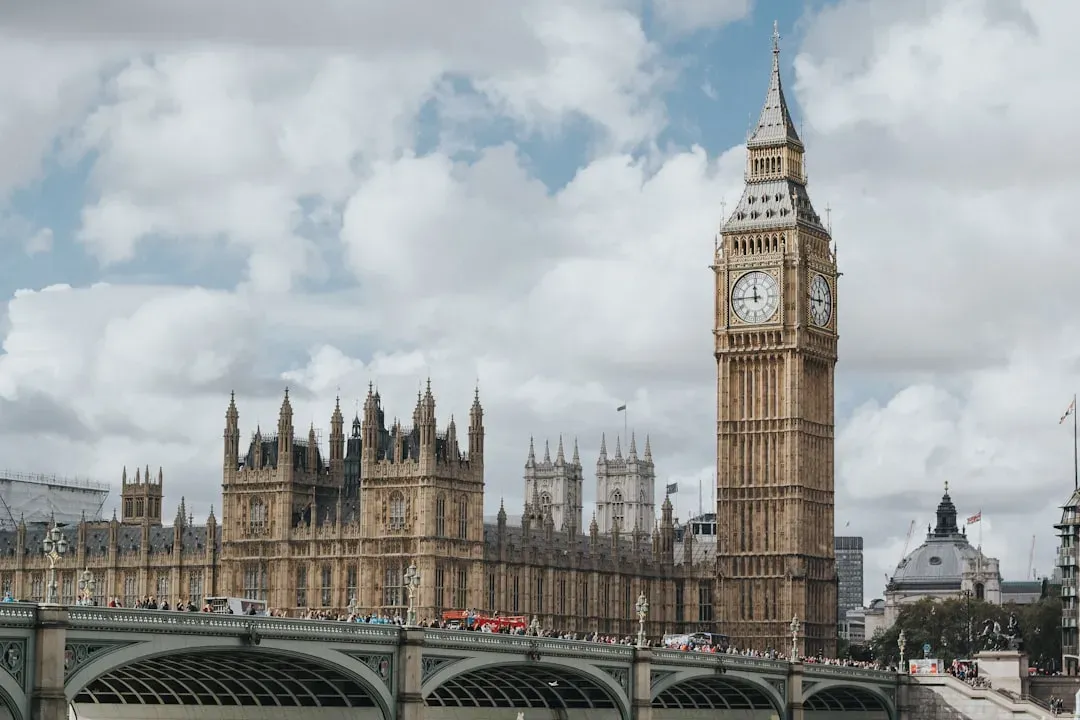
Ask people to name the big clock tower in London and most will confidently say “Big Ben,” but that nickname is technically wrong and hides a quieter, nerdier secret. The clock tower itself was long known as the Clock Tower and was later officially renamed the Elizabeth Tower, while Big Ben is actually the nickname of the largest bell inside. The mix-up is so widespread that correcting it feels almost pedantic, yet it reveals how a monument’s popular identity can drift away from formal labels. At this point, the wrong name has become an accepted truth in everyday conversation, showing how public perception can override official terminology.
There is another twist: the clock and tower are not perfectly straight. Over time, minor subsidence and structural shifts have given the tower a very slight lean, measurable but not dramatic enough to worry most engineers. Restoration projects have also fine-tuned and adjusted the famous clock mechanism, meaning the supposedly steadfast timekeeper has needed constant human care to stay trustworthy. For a structure that symbolizes precision and reliability, the fact that it wobbles a little and depends on regular tinkering is oddly comforting. It suggests that even the most authoritative-sounding monuments are, at their core, just complicated machines trying to hold themselves together.
Conclusion: Monuments as Beautifully Flawed Time Capsules
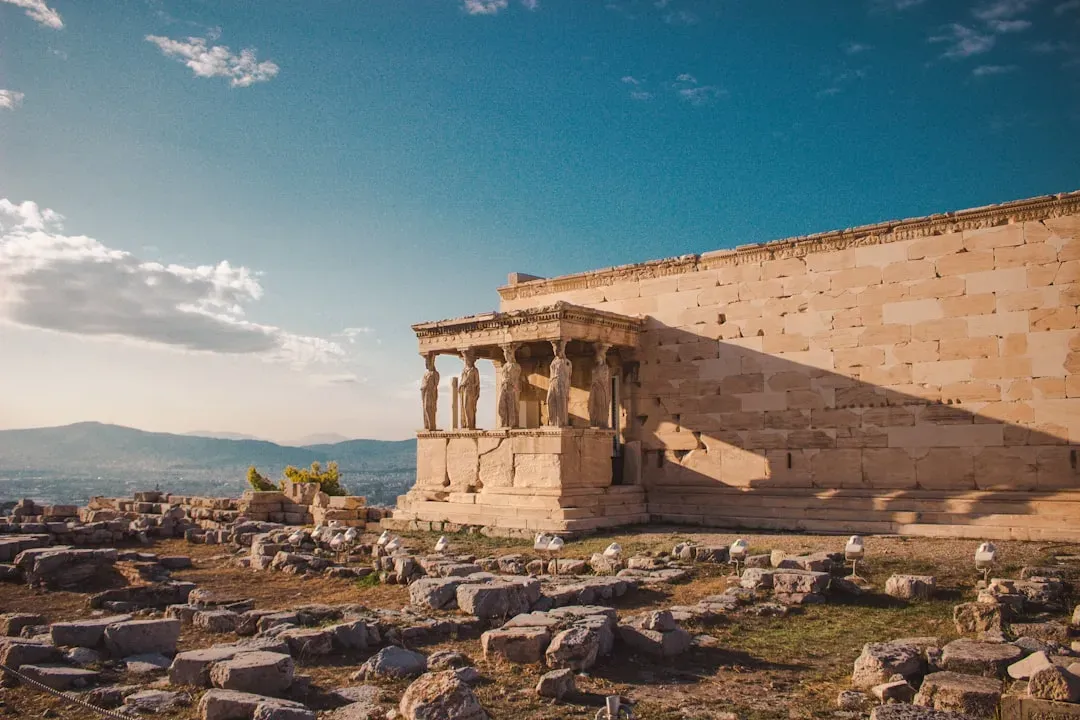
The more you learn about these monuments, the harder it is to keep seeing them as flawless symbols floating above real life. Each one carries a trail of half-finished ambitions, patchwork repairs, misunderstood names, and myths that refuse to die. Personally, I find them more compelling this way; a perfectly polished monument feels distant, but a statue with a damaged torch or a tower that almost collapsed feels oddly relatable. They are, in their own grand way, messy and improvised, just like the societies that built and rebuilt them.
We like to imagine that history is carved in stone, clear and absolute, but these secrets show that even stone keeps changing, cracking, leaning, and being reinterpreted. When you stand in front of a famous landmark now, you might catch yourself wondering what doors are locked, what plans were abandoned, and what stories have quietly shifted over time. Maybe the real power of these monuments is not that they freeze the past, but that they reveal how much we keep rewriting it. Next time you see one of these icons on a screen or in person, what hidden layer will you look for first?