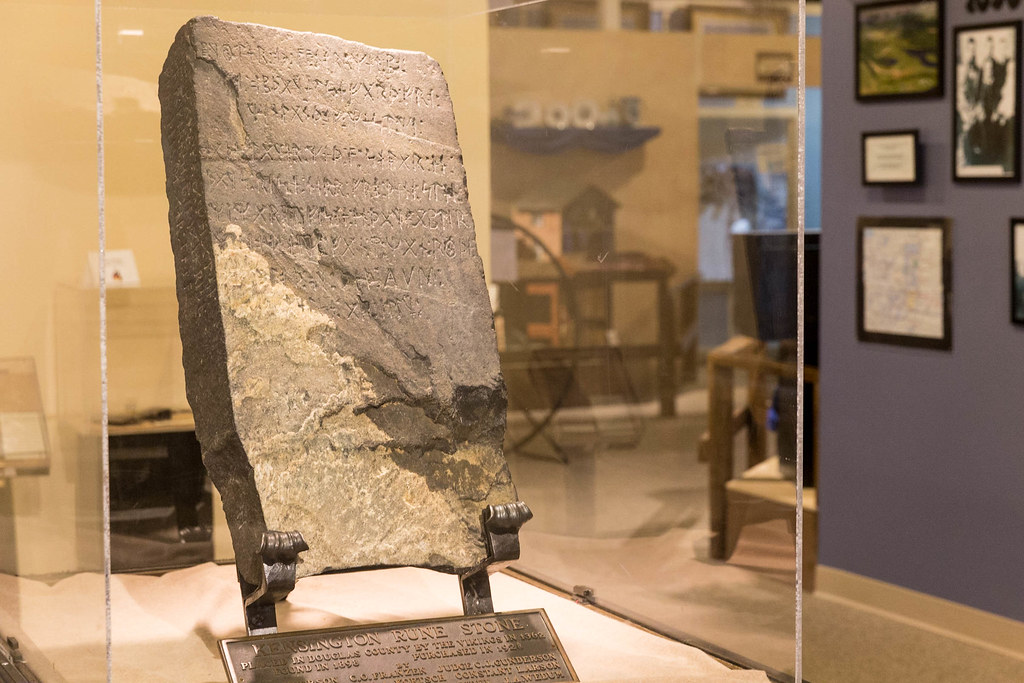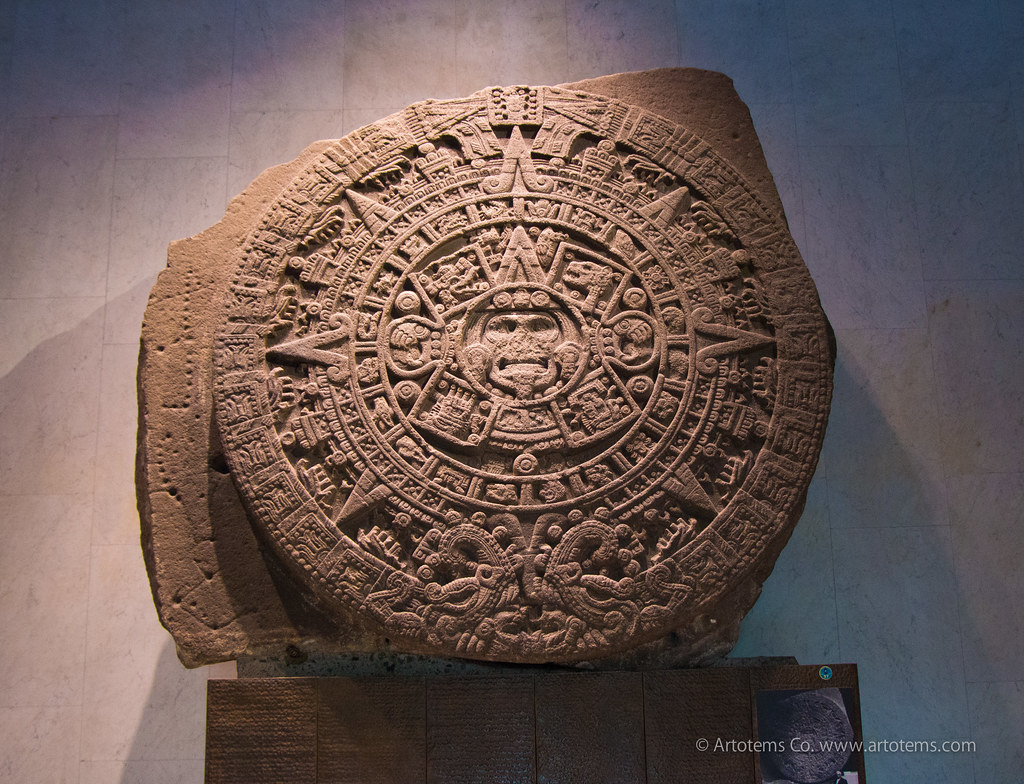
You probably grew up hearing that modern life is the peak of human innovation. Smartphones, rockets, AI – it all feels cutting-edge. Then you stumble across a 4,000-year-old city with indoor plumbing, or a corroded lump of bronze that turns out to be a gear-driven “computer,” and your sense of technological superiority suddenly feels a little shaky.
When you look closely at the ancient world, you see something humbling: people with no electricity, no steel factories, and no computers still pulled off feats that make you sit back and ask, very simply, how. You are about to walk through eight civilizations whose technologies do not just impress you; they quietly challenge your assumptions about what “advanced” really means.
1. Ancient Egypt: Monumental Engineering That Still Defies Your Intuition
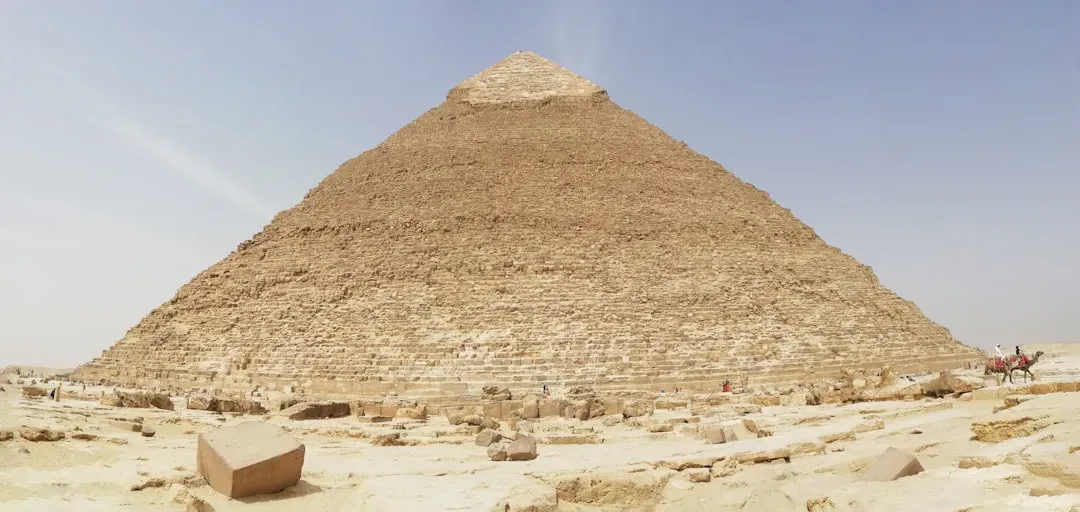
If you stand at the base of the Great Pyramid of Giza, your brain almost refuses to accept what you are looking at. You see stones weighing several tons each, stacked with astonishing precision, forming a structure that has survived for over four thousand years. You know, intellectually, that Egyptians used ramps, sledges, levers, and armies of skilled workers, but when you imagine actually coordinating that kind of project without modern machinery, you start to feel just how staggering their engineering really was.
It is not just the size that makes you pause; it is the accuracy. The Great Pyramid’s base is almost perfectly level, its sides closely aligned to the cardinal directions, and many interior blocks were set so tightly that you struggle to slide a blade between them. You see evidence that Egyptians understood geometry, surveying, basic load distribution, and even worked stone with copper tools and abrasives in ways that would exhaust you to replicate by hand. Next time someone claims ancient builders were “primitive,” you can picture those limestone giants and feel how wrong that assumption really is.
2. Mesopotamia: The Civilization That Taught You How to Count Time
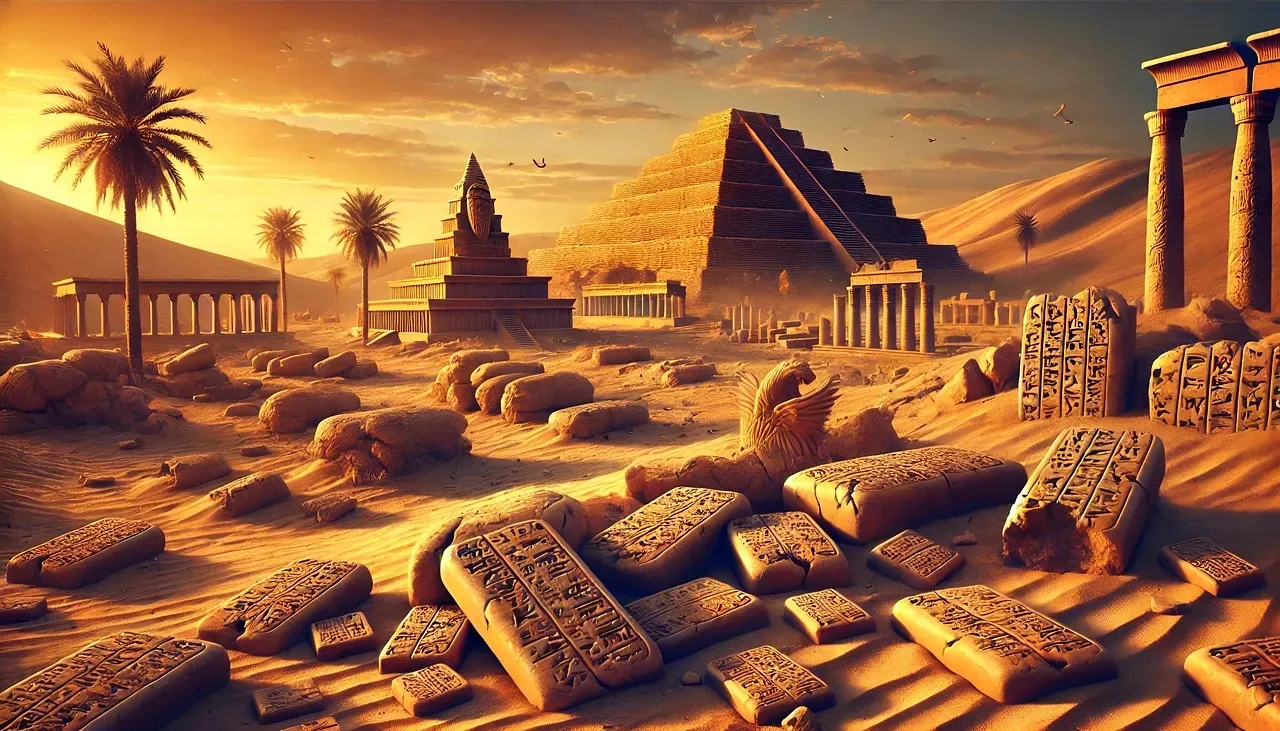
When you glance at a clock and see sixty minutes in an hour or measure a circle as three hundred sixty degrees, you are echoing a decision made in ancient Mesopotamia. People in that region developed a base-sixty (sexagesimal) numbering system that quietly shapes your daily life even now. You are so used to sixty-second minutes that it feels natural, but it is a deliberate, deeply mathematical choice from thousands of years ago.
Mesopotamian scribes working in cities like Babylon scratched calculations into clay tablets, tracking eclipses, planetary motions, and commercial records with a level of numerical sophistication that would surprise you. They blended practical needs – trade, taxation, land measurement – with astronomy and mathematics to build calendars and prediction methods that still underpin how you think about time and angles. Every time you use a protractor in school or glance at world time zones, you are, in a very real way, living inside their technological legacy.
3. The Indus Valley Civilization: Urban Planning You’d Envy in a Modern City
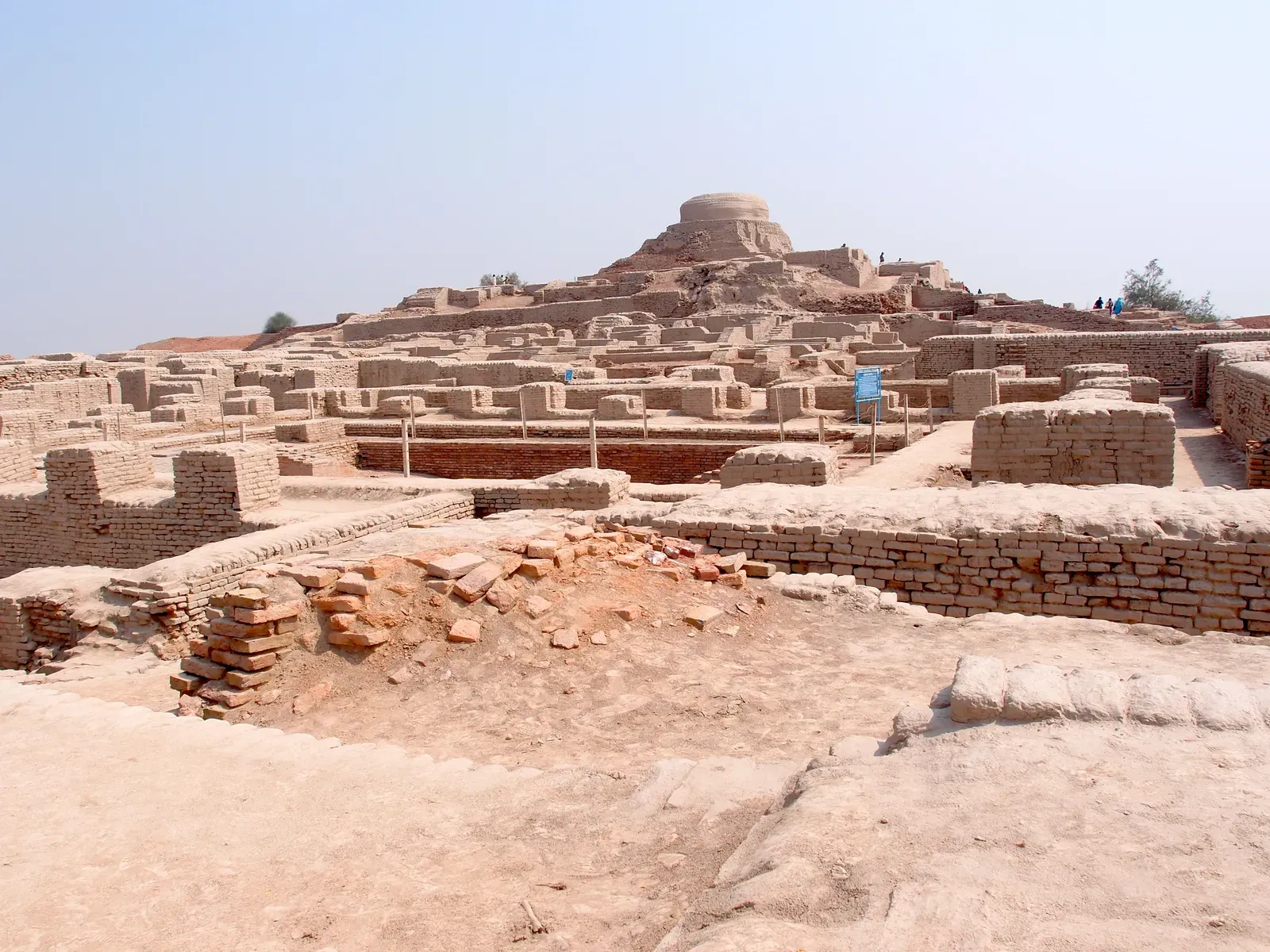
Imagine walking into a city from around 2500 BCE and finding straight, carefully aligned streets, standardized brick buildings, and drainage systems that quietly remove waste from homes. That is what you’d see in major Indus Valley cities like Mohenjo-daro and Harappa. You would recognize cross-streets and blocks, just as you would in a modern grid city, and you might be startled by how orderly and planned everything feels.
What really jolts you, though, is the plumbing. Many houses had access to water and some form of private washing area, connected to covered drains that carried wastewater away from the city. You are used to indoor plumbing being a hallmark of modern comfort, yet here you see a Bronze Age society prioritizing hygiene and urban infrastructure at a level some contemporary towns still struggle to match. The mystery of their undeciphered script only adds to the sense that you are glimpsing a complex technological mindset you still do not fully understand.
4. Ancient China: Seismographs, Paper, and Engineering Way Ahead of Their Time
When you think of ancient China, you might picture the Great Wall, but the real shock hits you when you realize how many technologies quietly trace back to this civilization. You use paper every day, yet early forms of paper and papermaking techniques were already being refined in China long before they spread elsewhere. That single invention changed how you record ideas, manage governments, and educate entire populations, including you.
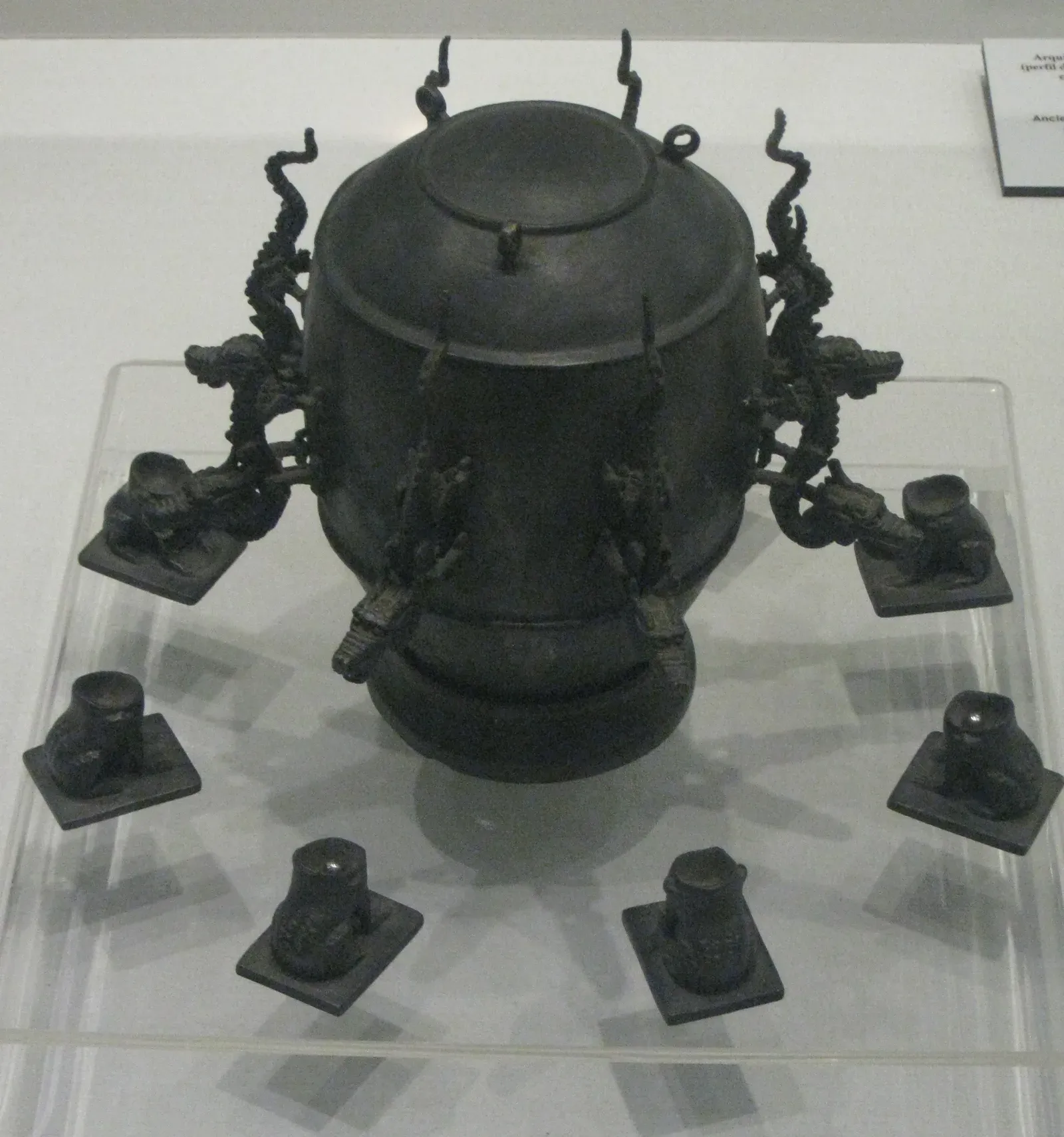
Then there are devices that sound almost futuristic for their era. Early Chinese inventors created a seismoscope in the first and second centuries CE that could detect distant earthquakes and indicate their direction, long before you would expect anyone to build something like a “quake sensor.” They developed advanced cast iron production, canal and lock systems for transportation, and mechanical innovations like wheelbarrows and complex looms. If you imagine living back then, you would quickly realize you are not looking at a simple, static culture, but at a restless engineering powerhouse that kept quietly reshaping everyday life.
5. Ancient Greece: The Analog “Computer” That Messes With Your Sense of History
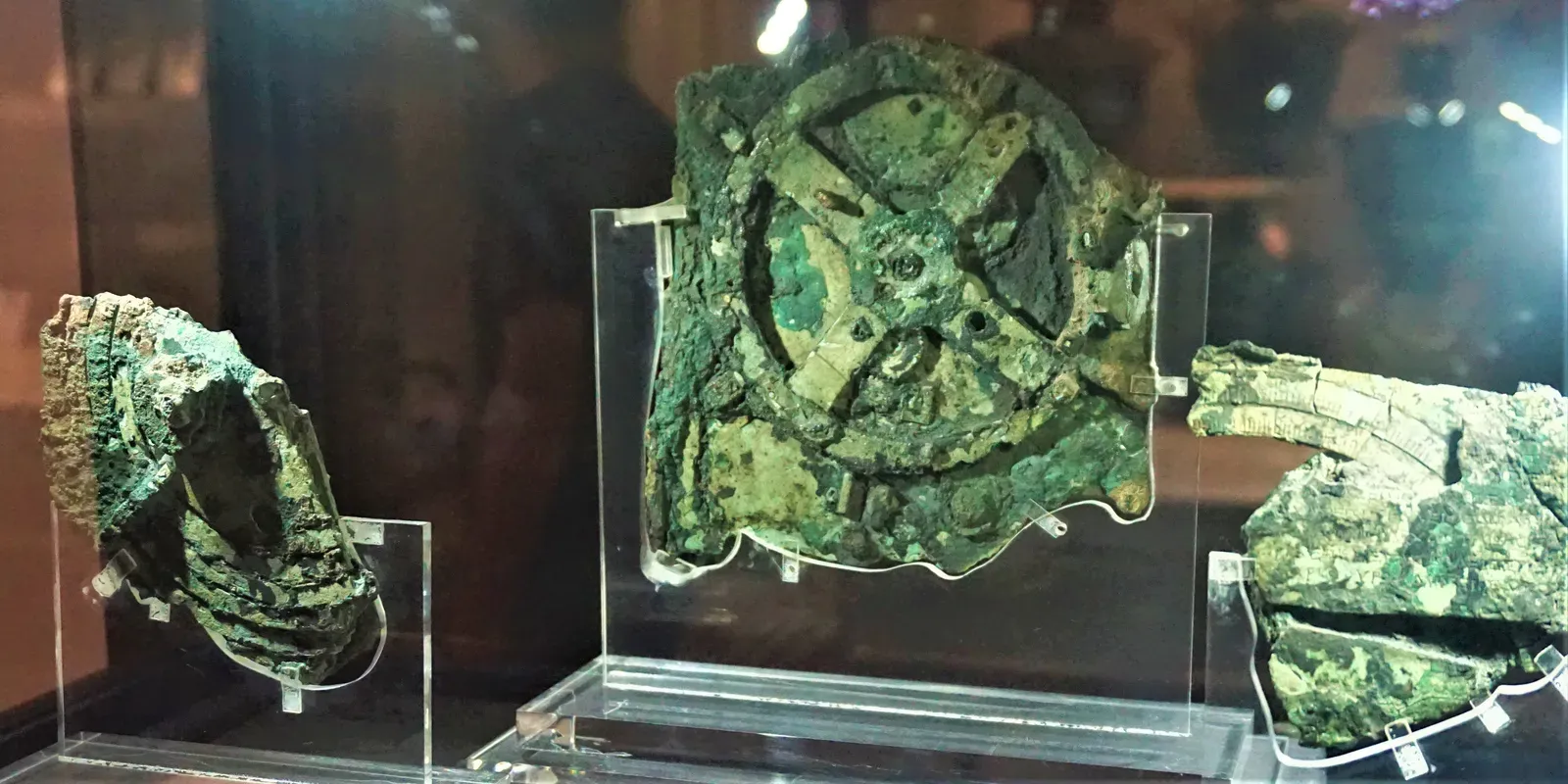
Picture divers pulling up a crusted lump of bronze from a shipwreck off a Greek island in the early 1900s. At first glance, it looks like corroded junk. When you peer inside with modern imaging, you suddenly see intricate bronze gears, dials, and inscriptions. You are looking at what is widely regarded as the earliest known mechanical analog computer: the Antikythera mechanism, built around the second or early first century BCE. It was designed to predict the positions of the Sun, Moon, eclipses, and possibly the timing of athletic games, using an astonishing system of interlocking gears.
As you imagine someone in ancient Greece turning a crank and watching pointers trace out celestial cycles, your sense of technological progression gets scrambled. You expect that kind of precision gearing to belong to medieval clockmakers or even early industrial workshops, not to craftsmen two thousand years ago working with hand tools. The mechanism tells you that Greek astronomers and engineers did not just theorize about the cosmos; they turned mathematics into hardware in a way that still challenges you to explain how such knowledge could flourish – and then almost completely vanish – for centuries.
6. The Maya: Astronomers Who Outperformed Your Calendar Apps

If you have ever heard wild predictions about the world “ending” in 2012, you have brushed against the legacy of the Maya without really seeing how impressive their science was. When you study their calendars properly, you find a civilization that tracked the movements of the Sun, Moon, and planets with a precision that makes you sit up. They developed interlocking calendar systems that could span vast cycles of time, and they predicted celestial events with remarkable accuracy using only naked-eye observations and careful record-keeping.
Think about what it would take for you to track Venus over years and years, noticing it appears, disappears, and repeats in a pattern, then build that into a written system that your descendants can use. That is exactly what Maya astronomer-priests did. They embedded these cycles into ritual life, architecture, and inscriptions, so when you visit a temple aligned with solstices or equinoxes, you are literally standing inside a giant scientific instrument. Without telescopes or calculators, they reached a level of astronomical understanding that would absolutely impress you if it came from a small observatory today.
7. The Inca: High-Altitude Infrastructure and Data Made of Knots

Now picture yourself hiking through the Andes, gasping for breath, and suddenly stepping onto a perfectly laid stone road that hugs a mountain like it has always been there. You are walking on the remains of the Inca road network, a system that stretched across thousands of kilometers of rugged terrain. Without iron tools, wheels for transport, or draft animals like horses, Inca engineers built suspension bridges, stairways, and retaining walls that still cling to cliffs today and continue to baffle you with their durability.
Then you encounter something even stranger: bundles of cords with knots in specific positions and colors, known as quipu. To your modern eyes, they look decorative, but research suggests they encoded numbers and possibly more complex information in a kind of three-dimensional, tactile database. Imagine managing an empire’s census, tribute, and logistics with a system of knotted strings instead of ledgers and spreadsheets. You realize that “writing” and “data” can look radically different from what you are used to, and yet still be powerful tools for administration and control.
8. The Roman World: Concrete, Roads, and Machines You Still Lean On
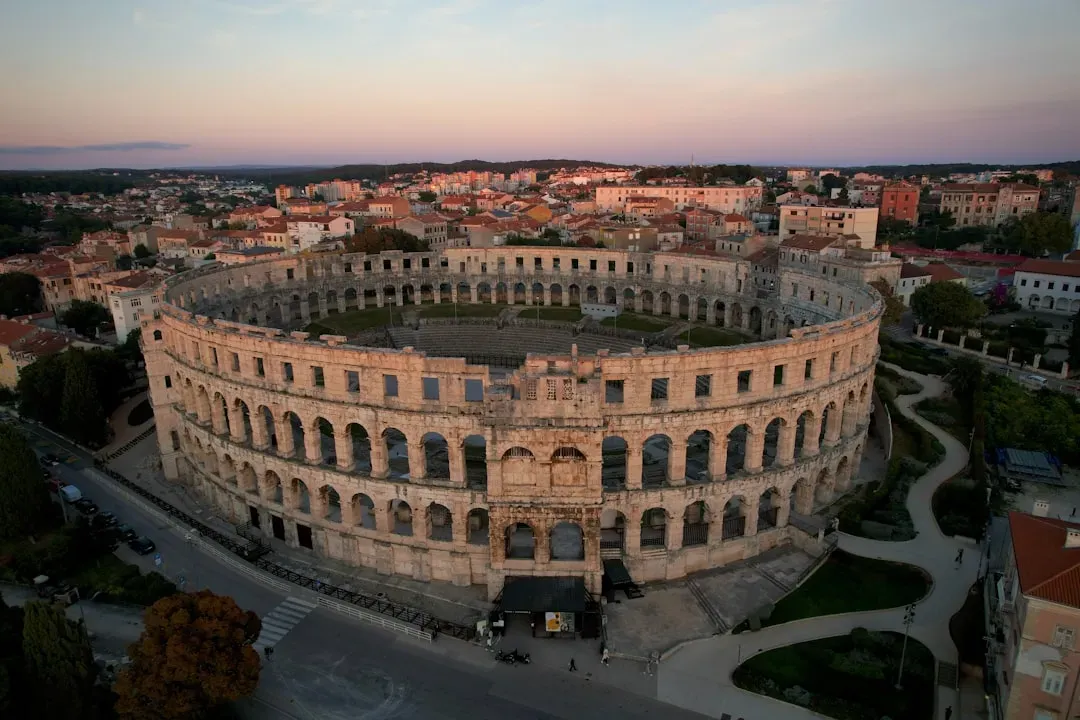
When you stroll past an old concrete bridge or drive along a straight highway, you are unconsciously echoing technologies that were refined dramatically in the Roman world. Roman engineers developed a form of concrete that, when mixed with volcanic ash, could harden even underwater and remain durable for centuries. You can still see harbors, domes, and massive structures like the Pantheon standing as proof that they cracked a materials science problem that modern engineers are still studying to fully understand and replicate.
On top of that, you inherit their obsession with connectivity. Roman roads were carefully graded, cambered, and layered, built to last and to move legions, goods, and messages quickly across the empire. Those routes often shaped later trade paths and even modern road networks that you use now without realizing it. They also experimented with machines like water-powered mills and lifting devices, blending civil engineering with mechanical ingenuity in ways that show you how much was possible long before the industrial age officially arrived.
Conclusion: Rethinking What “Advanced” Really Means
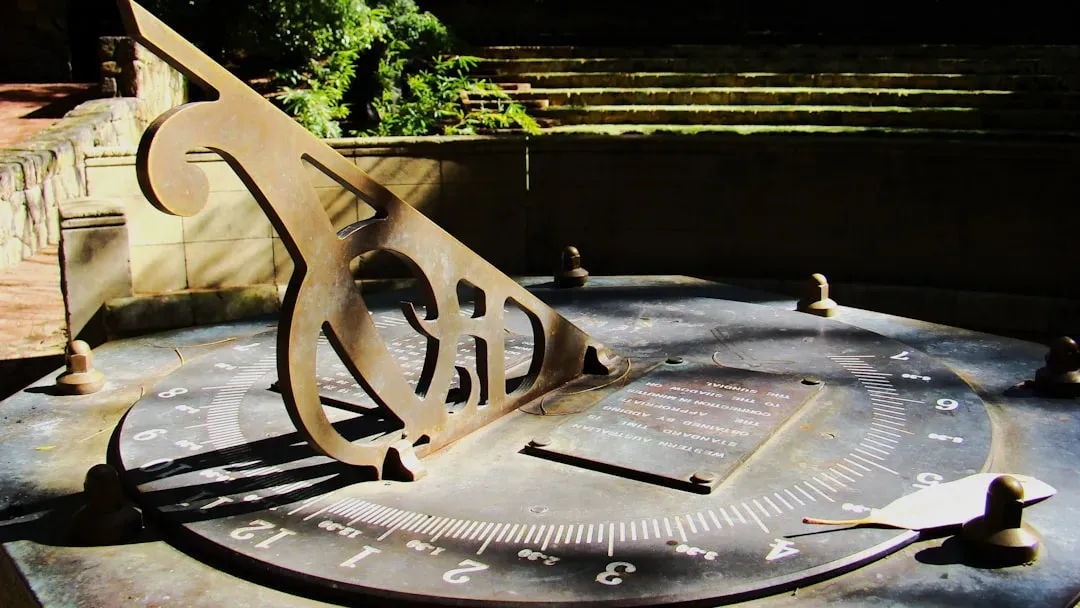
When you zoom out and look at these eight civilizations together, a pattern jumps out at you. People with radically different cultures, languages, and beliefs all pushed against the limits of their tools and environments, producing technologies that still puzzle and impress you today. They measured time, mapped the skies, built cities, moved mountains of stone, and even encoded data in knots and gears, all without the digital scaffolding you take for granted.
Instead of seeing the ancient world as a straight, simple staircase leading up to your present, you start to recognize a landscape full of peaks and forgotten plateaus. Some discoveries, like paper and concrete, became part of the continuous story that reaches you; others, like the Antikythera mechanism or the Indus script, feel like half-remembered dreams of what humans once could do. The real question you are left with is this: if they could achieve all of that with what they had, what might you be underestimating about what you can build with what you have now?