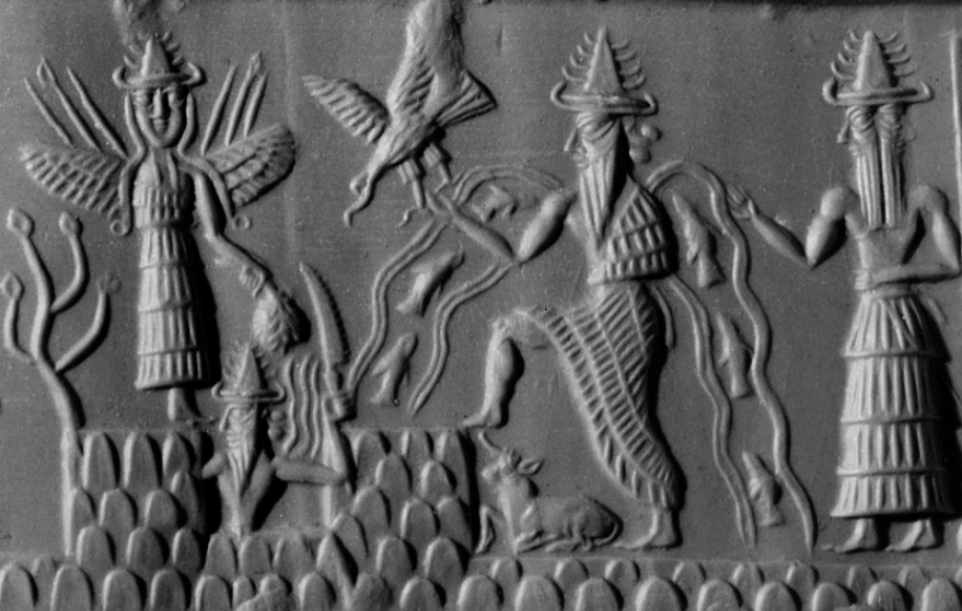
You probably hear people talk about angels, aliens, or “gods from the heavens” as if these are modern ideas or tied mostly to familiar religions. But when you look at the ancient Sumerian tablets, carved long before Judaism, Christianity, or Islam appeared, you find a whole universe already mapped out above your head. The sky, for the Sumerians, was crowded, structured, and alive with powerful beings who could shape your fate, flood your city, or hand you the gifts of civilization. As you walk through these seven examples, you are not just reading about distant mythology. You are stepping into the mindset of some of the earliest city-dwellers in human history, people who looked up at the same sky you do and decided it was full of personalities, politics, and purpose. You might not come away believing they met extraterrestrials, but you will see that long before any major world religion crystallized, humans were already telling intricate stories about “beings from the sky” who ruled everything that mattered.
1. The Anunnaki: “Seed of the Sky” Rather Than Space Invaders
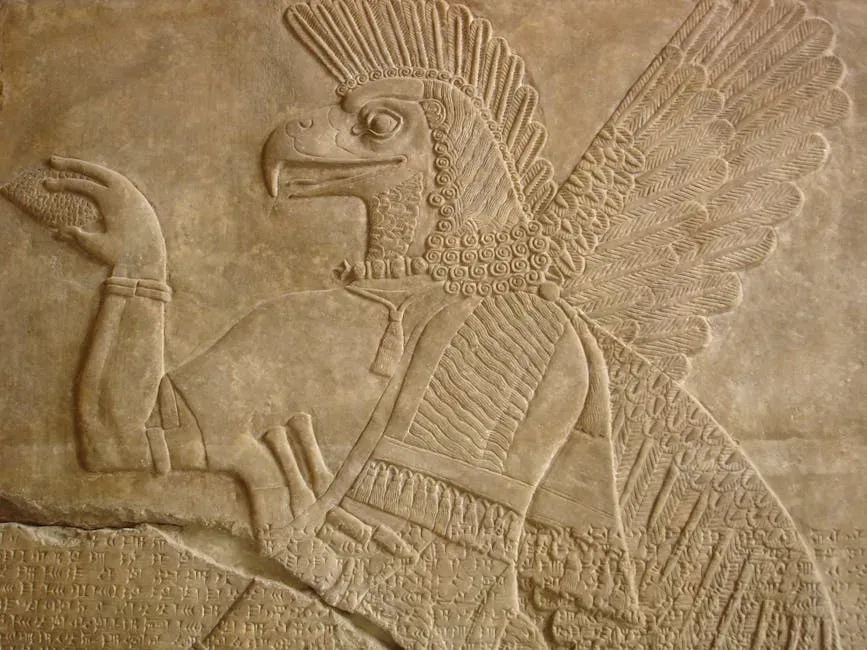
If you have watched any ancient-aliens style show, you have probably heard the word Anunnaki thrown around as if it literally meant “those who from heaven to Earth came.” When you go back to the actual scholarship on Sumerian language, though, you find something more grounded and, in some ways, more fascinating. You are looking at a term that most experts understand as “princely seed” or “offspring of An,” with An being the Sumerian sky god, not a flying saucer pilot. ([satyori.com](https://satyori.com/ancient-mysteries/articles/annunaki/?utm_source=openai)) In practice, that means you are dealing with a council of high gods, descended from the sky deity and linked closely to the heavens, not a troop of humanoid astronauts. In early Sumerian texts, the Anunnaki appear as the great divine assembly, often associated with the sky and described as those who decree the fates of humans and cities. ([en.wikipedia.org](https://en.wikipedia.org/wiki/Anunnaki?utm_source=openai)) When you read these tablets, you are seeing a world where the most powerful beings come from above, but they are woven into a religious and cosmic order rather than dropped in from another planet. The modern alien twist is a much later reinterpretation layered on top of a much older and more subtle idea.
2. An (Anu): The Sky Itself Turned Into a Person
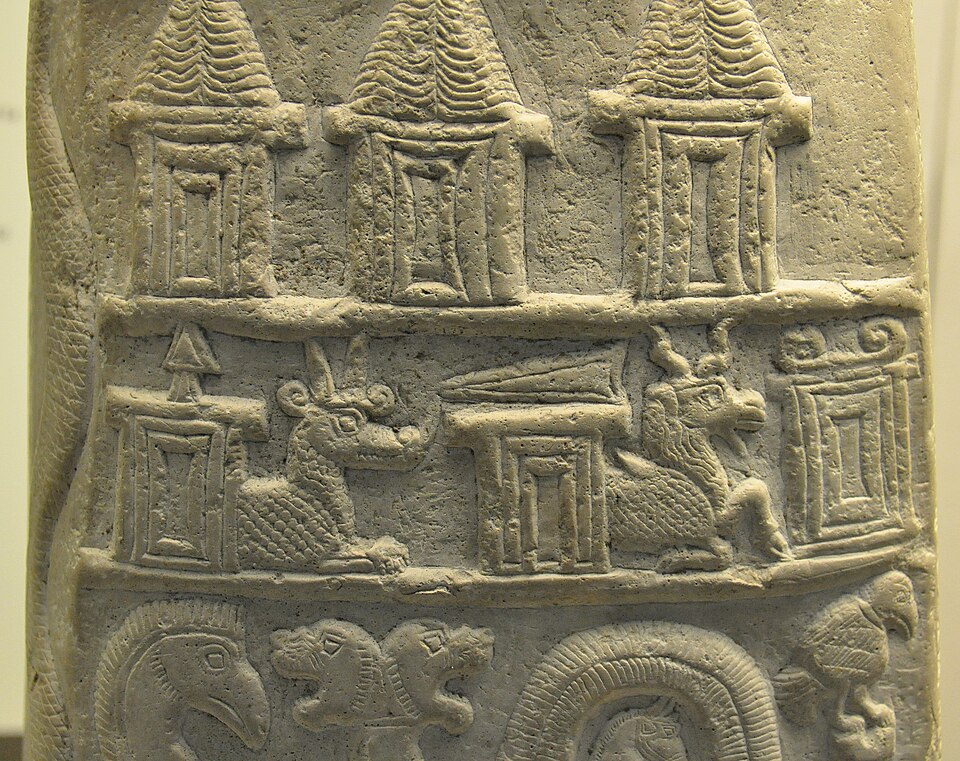
Imagine if, when you said “the sky,” you were naming a person, not just pointing at empty blue. That is exactly what you step into with An, later called Anu in Akkadian. In Sumerian, the word an literally means “sky” or “heaven,” and the god An is the embodiment of that boundless, unreachable space above you. ([en.wikipedia.org](https://en.wikipedia.org/wiki/Sumerian_religion?utm_source=openai)) When you read the myths, you see An as the remote, supreme ancestor of the gods, the ruler of the celestial realm where no normal human ever goes. The texts treat heaven as his domain, a high, distant court where decisions are made about destinies on Earth. ([en.wikipedia.org](https://en.wikipedia.org/wiki/Sumerian_religion?utm_source=openai)) You are not dealing with a sky visitor who descends in a craft, but with a sky presence whose power trickles down through his divine children and the cosmic hierarchy. In a way, you are watching the very idea of “Heaven” form centuries before later religions turn it into a moral afterlife destination.
3. Enlil: The Storm Lord Who Separates Heaven and Earth
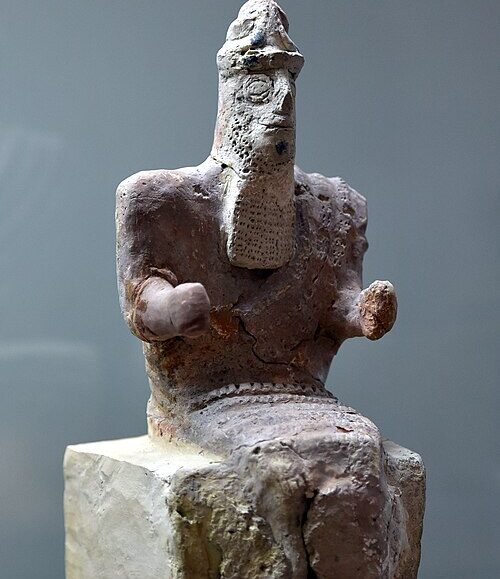
If An is the still, overarching sky, Enlil is the violent, in-your-face part of the heavens you actually feel: wind, storms, and raw atmosphere. Sumerian creation traditions describe Enlil as the god who separates heaven and earth, carving out the space where life and history can happen. ([metmuseum.org](https://www.metmuseum.org/de/essays/epic-of-creation-mesopotamia?utm_source=openai)) You can picture Enlil not just floating above you but actively reshaping the cosmos, tearing apart the original mass of heaven-and-earth so that a structured universe can exist. As the storm god and ruler of the air, he is constantly tied to what comes from above: rain that gives life, tempests that bring devastation, and commands spoken from a high, invisible place. ([en.wikipedia.org](https://en.wikipedia.org/wiki/Sumerian_religion?utm_source=openai)) When the tablets make Enlil the head of the pantheon and the breaker of the cosmic egg, they are telling you that the sky is not just beautiful; it is dangerous, decisive, and ultimately in charge.
4. Astral Deities: When Planets and Stars Become Sky Beings
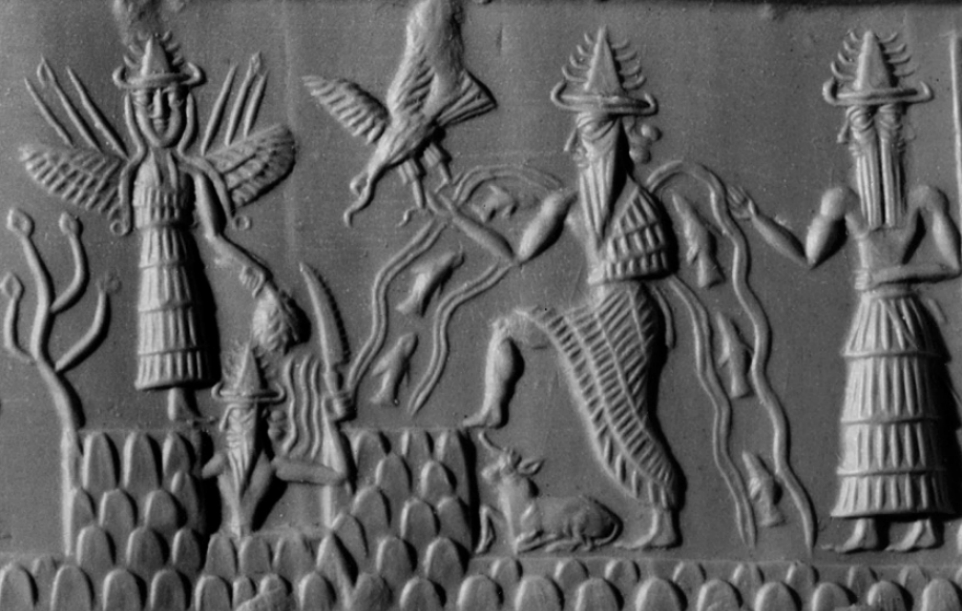
You are used to hearing about constellations and planets in scientific terms, but for the Sumerians, those bright points were literally divine personalities marching across the night. The sun was Utu, a god of justice and light; the moon was Nanna, a major astral deity related to cycles of time and kingship; and the brilliant planet Venus was Inanna, fierce goddess of love and war. ([en.wikipedia.org](https://en.wikipedia.org/wiki/Sumerian_religion?utm_source=openai)) In their world, you are not simply observing moving lights; you are watching gods travel, intervene, and send omens. Ordinary humans were not thought to ascend into this sky realm, which was reserved for these beings alone, so every sunrise or new moon was a kind of daily reminder that powerful sky entities were still active overhead. ([en.wikipedia.org](https://en.wikipedia.org/wiki/Sumerian_religion?utm_source=openai)) If you are tempted to call them “beings from the sky,” you are surprisingly close to how a Sumerian might have talked, except they were not picturing visiting aliens. They were reading the heavens as a living calendar of divine moods and decisions.
5. The Anunnaki Council Decreeing Fate From Above
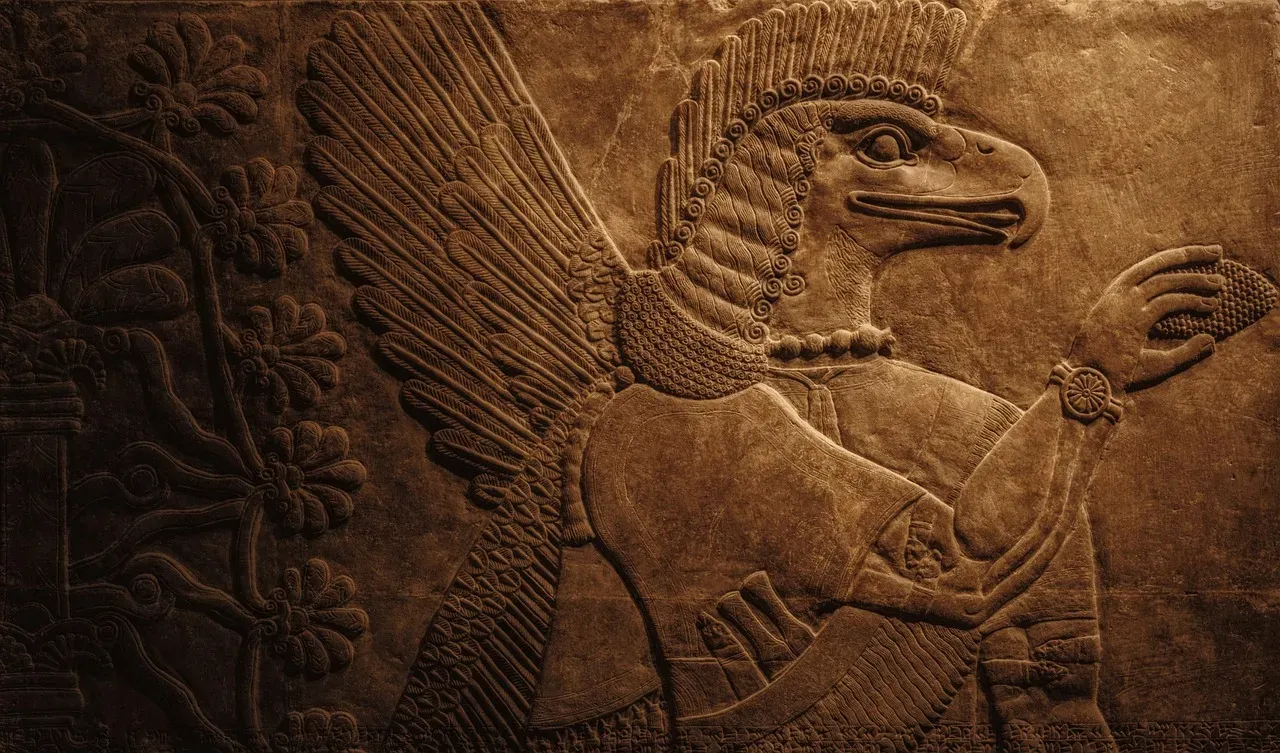
When you look deeper into the role of the Anunnaki, you find them not just labeled as sky beings, but acting as a kind of cosmic parliament sitting in the heavens. Some early sources describe a core group of seven high gods, including An, Enlil, Enki, Ninhursag, Nanna, Utu, and Inanna, who are tied to the sky and said to decree the fates of people and cities. ([en.wikipedia.org](https://en.wikipedia.org/wiki/Anunnaki?utm_source=openai)) You can think of them as the original “council of the sky,” gathered in a divine assembly where life spans, royal successions, and even natural disasters are decided. For a Sumerian, when a king rose or an empire fell, it was because these sky-rooted beings had debated and pronounced a verdict. ([metmuseum.org](https://www.metmuseum.org/fr/essays/mesopotamian-deities?utm_source=openai)) So when you hear sweeping claims that the Anunnaki were engineer-aliens from another world, you are better off starting here instead: with a small circle of towering deities, born from the sky god and operating from a celestial council chamber, shaping history from their vantage point above.
6. Descent and Ascent Myths: Gods Crossing the Boundary of Heaven
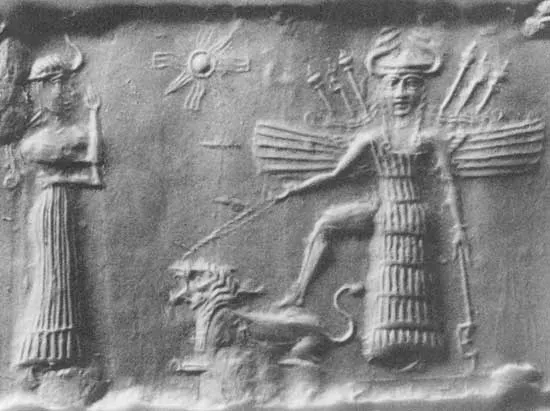
One of the eeriest themes you run into in Sumerian literature is how often gods are shown traveling between heaven, earth, and the underworld. You see this especially in the myth of Inanna’s descent, where the goddess starts from “the great heaven” and deliberately sets her mind on the realm below, moving through gates and losing symbols of power on the way. ([ethanjhulbert.org](https://www.ethanjhulbert.org/sumerian-literature/?text=1.4.1&utm_source=openai)) In stories like this, you are watching heaven depicted as an actual place in the sky that divine beings can leave and re-enter, but that humans cannot reach. The traveling is not in spaceships; it is described through ritual language, gates, and changes of status, yet the movement is still vertical and dramatic. ([en.wikipedia.org](https://en.wikipedia.org/wiki/Sumerian_religion?utm_source=openai)) These myths let you see how strongly the Sumerians imagined a multi-layered universe with clear boundaries. The sky is the home base of these beings, the place they come from and return to, while you remain firmly stuck in the middle zone, hearing only echoes of what they decide above and below you.
7. Paradise, the “Hill of Heaven and Earth,” and Humans Kept Below
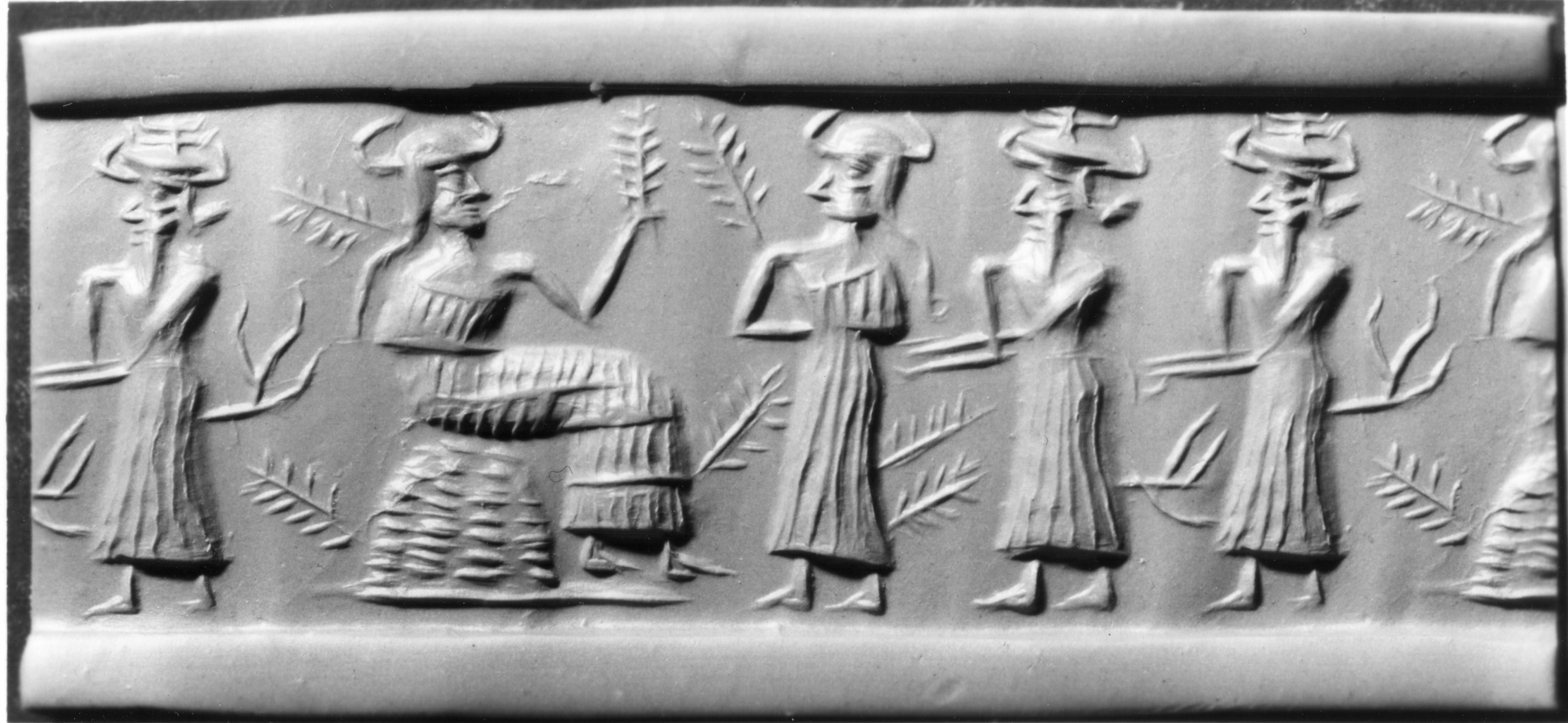
Finally, you come across Sumerian ideas of a kind of paradise or divine garden, often located where heaven and earth meet. Texts mention a “hill of heaven and earth” and speak of a garden of the gods, a special place associated with immortality, abundance, and the presence of the great deities, sometimes tied to the fate of the flood hero Ziusudra (later Utnapishtim). ([en.wikipedia.org](https://en.wikipedia.org/wiki/Garden_of_the_gods_%28Sumerian_paradise%29?utm_source=openai)) What you see here is a universe where the most blessed locations are either in the heavens or at its border, and where humans are generally barred from permanent access. Ordinary people are created to serve the gods, live on earth, and die into a shadowy underworld, while sky beings and specially favored figures enjoy the high places. ([en.wikipedia.org](https://en.wikipedia.org/wiki/Sumerian_religion?utm_source=openai)) If you step back, you realize you are looking at the deep roots of later ideas about heaven, divine gardens, and chosen individuals lifted to live with the gods, all already present in these early tablets long before later scriptures shaped more familiar religious stories.
Conclusion: Reading Sky Beings Without Losing the Ground
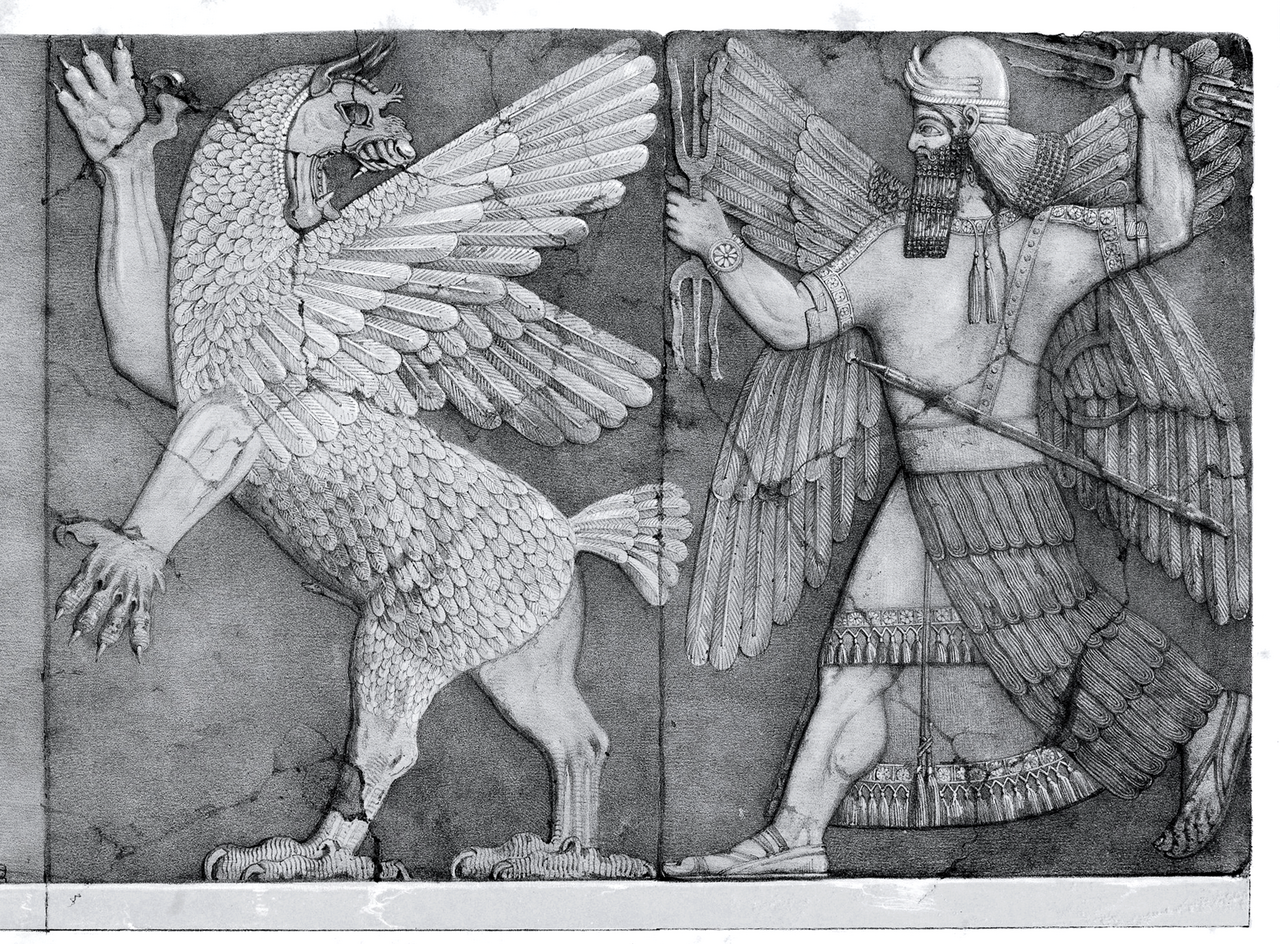
When you put all of this together, you are not just collecting exotic names like An, Enlil, or Anunnaki. You are seeing how one of the world’s earliest literate cultures filled the sky with structured, powerful beings and used them to explain creation, kingship, justice, and human limits. These were not vague spiritual forces; they were sharply drawn personalities tied to planets, storms, and the very dome of heaven, long before any major religion wrote down its own version of the cosmic story. If you enjoy modern speculations about ancient aliens, you can still appreciate how rich and strange the original Sumerian picture already is without forcing it into a science fiction mold. When you read the tablets on their own terms, you discover that humans have been imagining “beings from the sky” for millennia, not because they saw rockets, but because the universe itself felt alive, ordered, and terrifyingly above them. The real question you are left with is not whether they met visitors from the stars, but why you still feel the same pull when you look up and wonder who, if anyone, might be looking back.