
You live in a world where rockets leave the atmosphere, cities glow brighter than stars, and supercomputers do trillions of calculations in a heartbeat. It’s easy to start believing humans sit at the top of the power pyramid. But when you step back and look at what nature can do in a single bad afternoon, all of our skyscrapers and smartphones suddenly feel very small.
In this article, you’ll walk through seven natural events that completely outclass anything humans have ever built or imagined. You’ll see energies that dwarf nuclear bombs, forces that rip continents apart, and storms that make megacities look like fragile toys. As you read, try to picture yourself standing there, feeling the ground move, the sky flash, or the ocean rise – because that’s when it really hits you: nature is not just bigger; it plays in a different league.
1. Supervolcano Eruptions: When the Planet Blows Its Lid
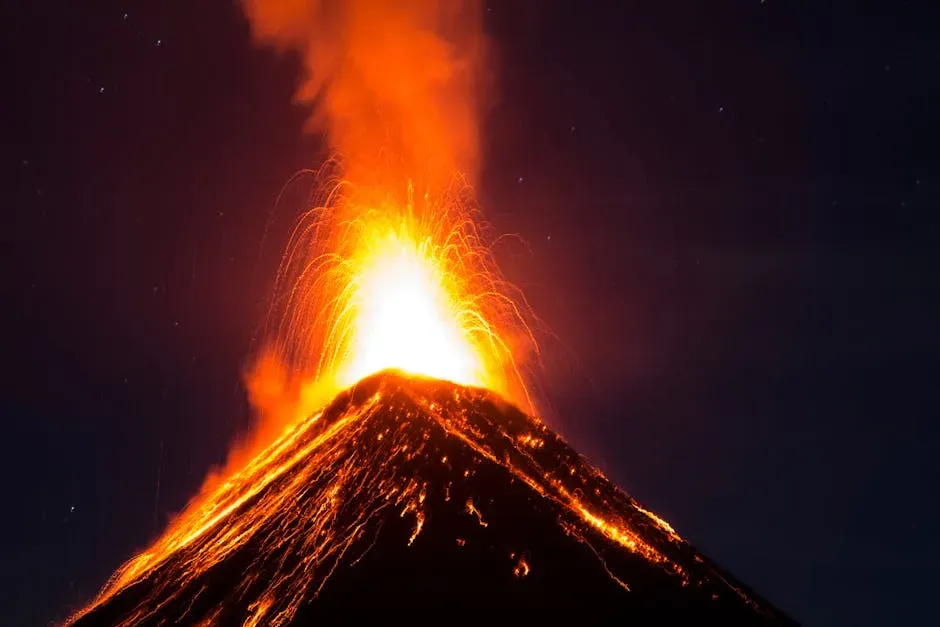
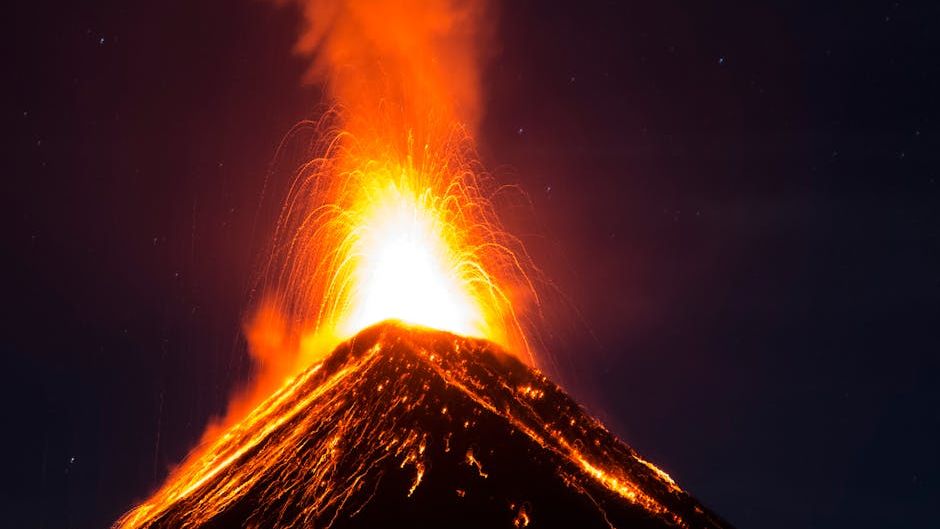
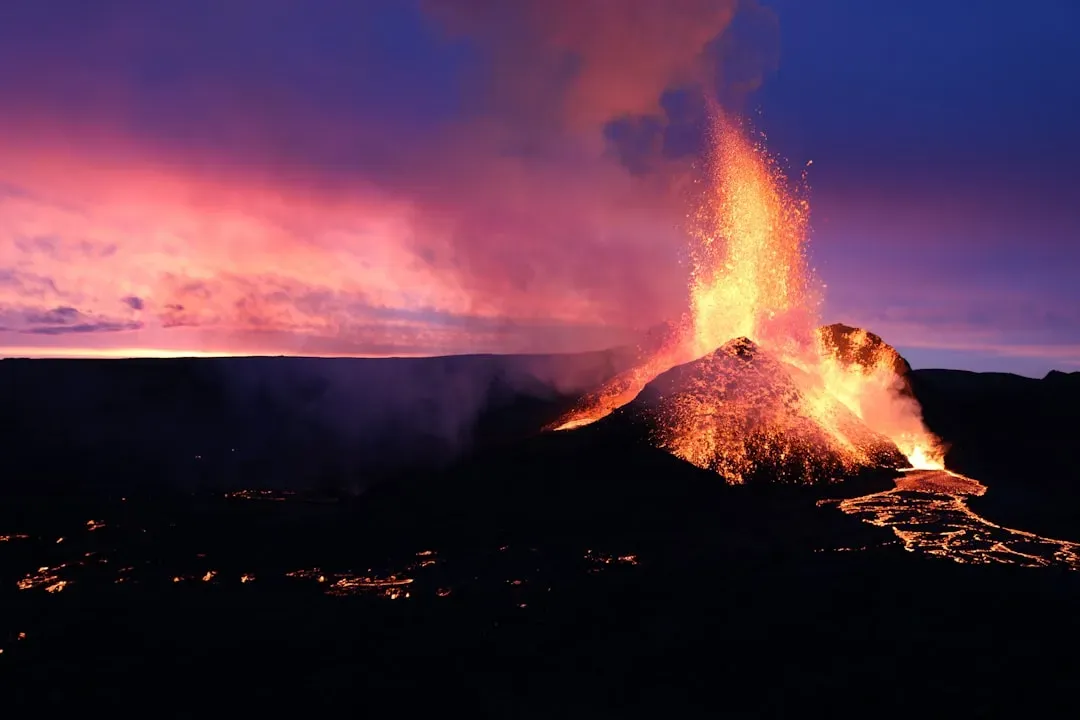
When you think of volcanoes, you might picture a single cone mountain with lava trickling down the side. A supervolcano laughs at that image. You’re talking about eruptions that can release hundreds to thousands of times more material than a typical volcanic explosion, spreading ash across entire continents and dimming sunlight around the globe. Some of these hidden giants sit under familiar places, like Yellowstone in the United States or beneath parts of Indonesia, quietly accumulating pressure on timescales far beyond your lifetime.
If you compare the energy of a large nuclear weapon to that of a major supervolcano eruption, the difference is like comparing a firecracker to a global fireworks finale. Past supereruptions have thrown so much ash and gas into the atmosphere that they likely altered climate for years, if not decades, affecting plants, animals, and early humans. You can build massive dams or power plants, but you don’t get to “switch off” a supervolcano once it goes. The planet decides the schedule, and humanity simply has to adapt.
2. Mega-Earthquakes: When the Ground Itself Turns Against You
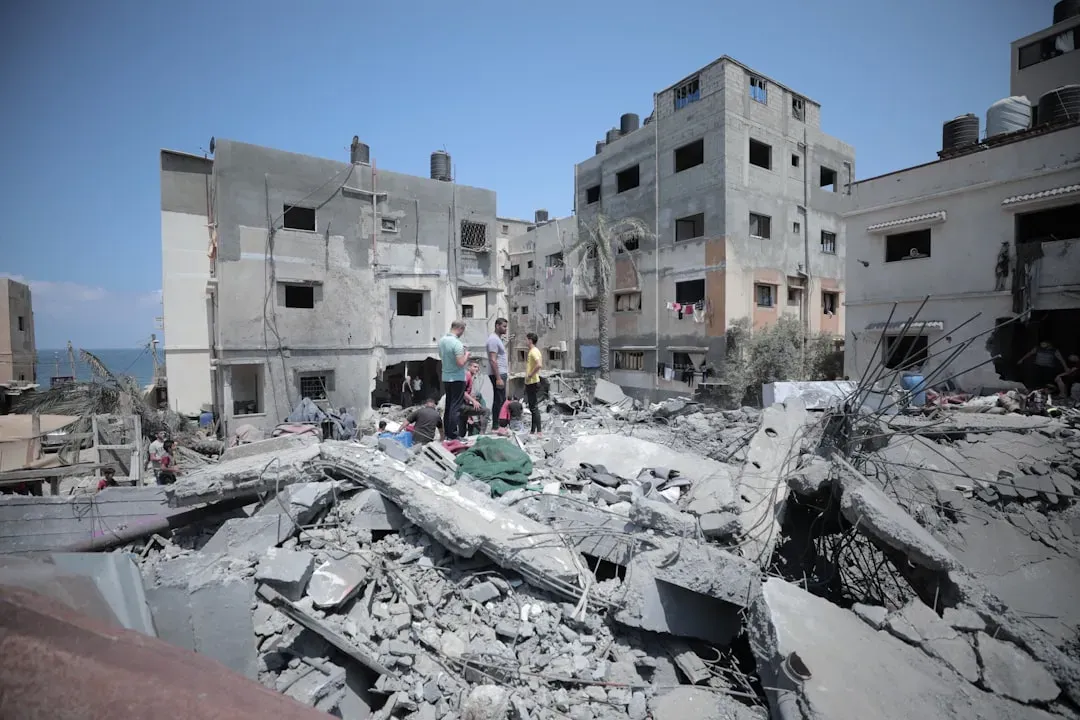
You trust the ground under your feet, but a mega-earthquake is nature’s way of reminding you that even the bedrock is in motion. Along huge fault lines where tectonic plates meet, stress builds silently for decades or centuries. When it finally releases, you can get earthquakes so powerful they permanently shift coastlines, lift or drop sections of land by meters, and send shockwaves racing through the crust faster than a commercial jet. In those moments, skyscrapers, bridges, and roads all face a brutal test of their design limits.
The strongest recorded quakes have unleashed energy comparable to many thousands of nuclear bombs detonated at once, spread deep within the Earth’s crust. You can engineer buildings to sway, install dampers, or design flexible foundations, but you can’t stop the plates from grinding past each other. And the danger doesn’t end with the shaking – landslides, fires, and tsunamis often follow, creating a chain of destruction that no human-made machine could match on that scale. Standing in a mega-quake, you feel instantly and completely outclassed.
3. Tsunamis: Walls of Water That Rewrite Coastlines

A tsunami is not just a big wave you might see at the beach; it’s an entire body of ocean set in motion. Triggered by undersea earthquakes, landslides, or volcanic eruptions, tsunamis race across open water at speeds similar to a jet airliner, while the surface may barely show a ripple. It’s only when this vast mass of water hits shallow coastal areas that it rises dramatically, often turning into towering, fast-moving walls that sweep inland with shocking force.
To get a sense of power, imagine every car, house, and tree in a coastal town being picked up, smashed together, and carried away as if they were plastic toys in a bathtub. Even your most sophisticated flood defenses struggle when the sea suddenly rises several meters higher than expected and keeps coming in pulse after pulse. While humans can build impressive dams and sea walls, the raw energy of an ocean in motion, compressed into a single surge, makes it clear who is really in charge at the shoreline.
4. Hurricanes and Typhoons: Planet-Sized Heat Engines
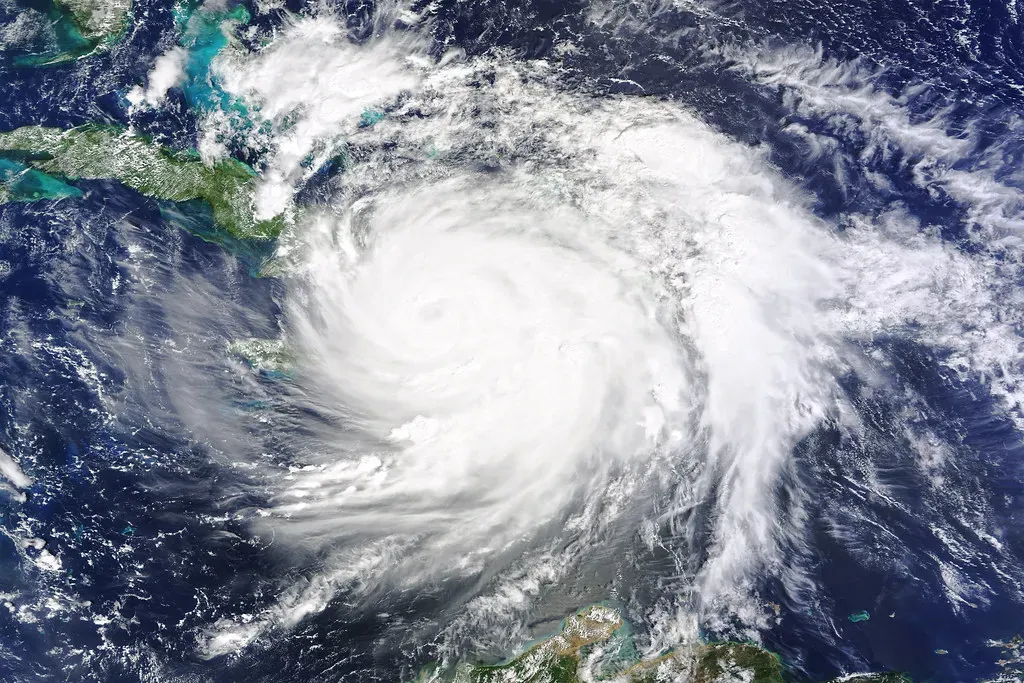
When you see satellite images of a hurricane or typhoon swirling over the ocean, you’re looking at one of nature’s most efficient heat engines. Warm ocean water feeds the storm, and in return, the storm converts that heat into wind and rain on a scale that covers hundreds of kilometers. At full strength, a major storm can release energy every day that rivals the output of many thousands of nuclear weapons, spread across roaring winds, heavy rainfall, and towering waves.
Your biggest power plants, aircraft carriers, and entire electrical grids are vulnerable to a single well-aimed landfall. Winds strong enough to shred roofs and topple power lines, storm surges that push the ocean far inland, and rainfall that turns streets into rivers all come bundled together. You can forecast, evacuate, reinforce buildings, and upgrade drainage systems, but you cannot “compete” with a hurricane. You can only get out of the way and hope your preparations are enough to ride out the storm.
5. Solar Flares and Geomagnetic Storms: When the Sun Reaches Out
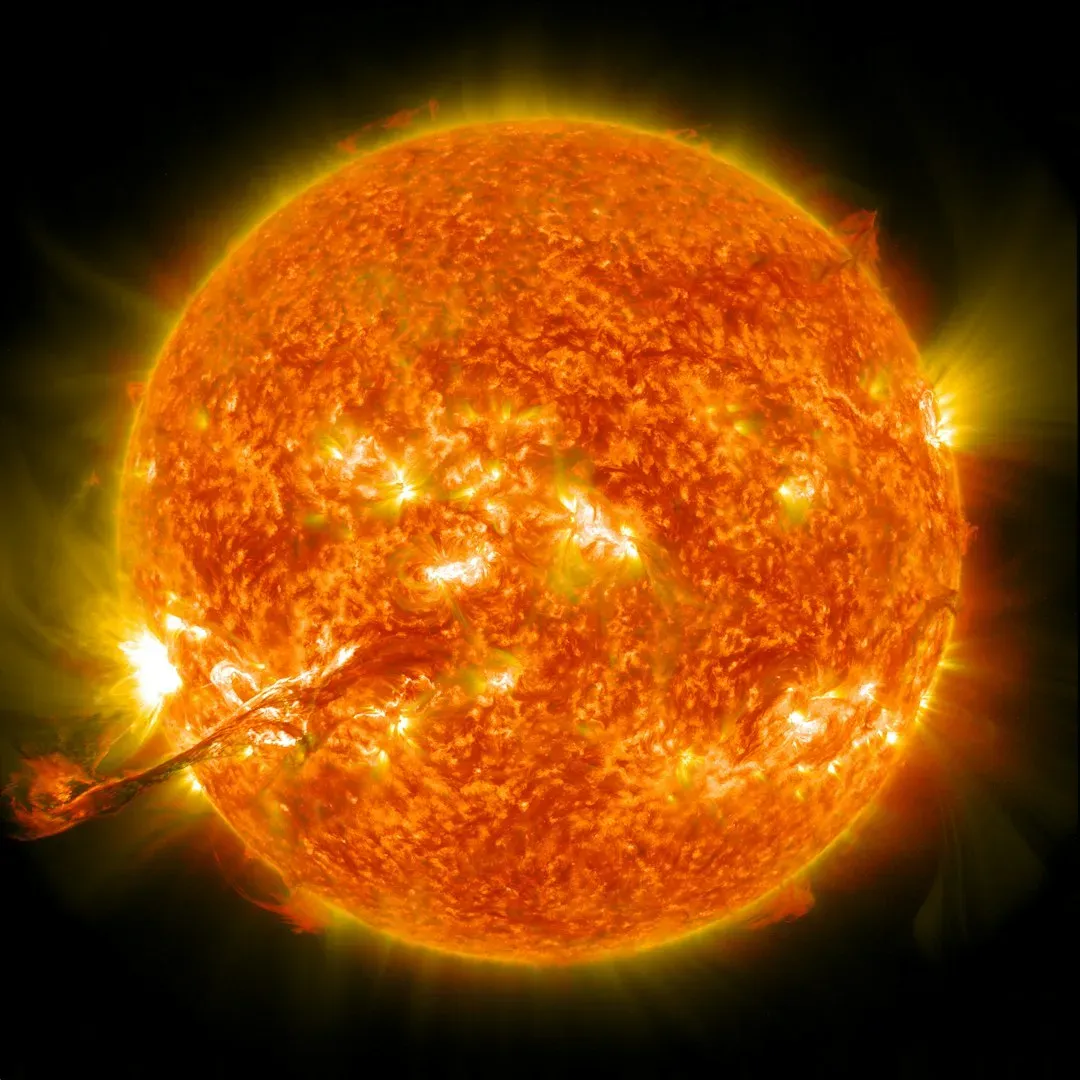
You probably think of the Sun as a steady, reliable ball of light, but it’s also a restless, churning sphere of plasma that occasionally hurls enormous bursts of energy into space. Solar flares and coronal mass ejections send out clouds of charged particles that can slam into Earth’s magnetic field, creating geomagnetic storms. When those storms are strong, they can interfere with satellites, disrupt radio communication, and induce powerful currents in electrical grids on the ground.
Imagine a natural event that does not topple a single building, yet has the potential to knock out navigation systems, damage satellites worth billions, and cause blackouts across entire regions. No bomb, no rocket, no single human-made device has the same kind of reach or subtlety. You rely heavily on electronics, from your phone to global financial systems, and all of that depends on a thin shield of magnetism and atmosphere standing between you and the Sun’s outbursts. It’s a humbling reminder that your entire high-tech world hangs on forces you can’t control.
6. Asteroid Impacts: Cosmic Hammers From the Sky
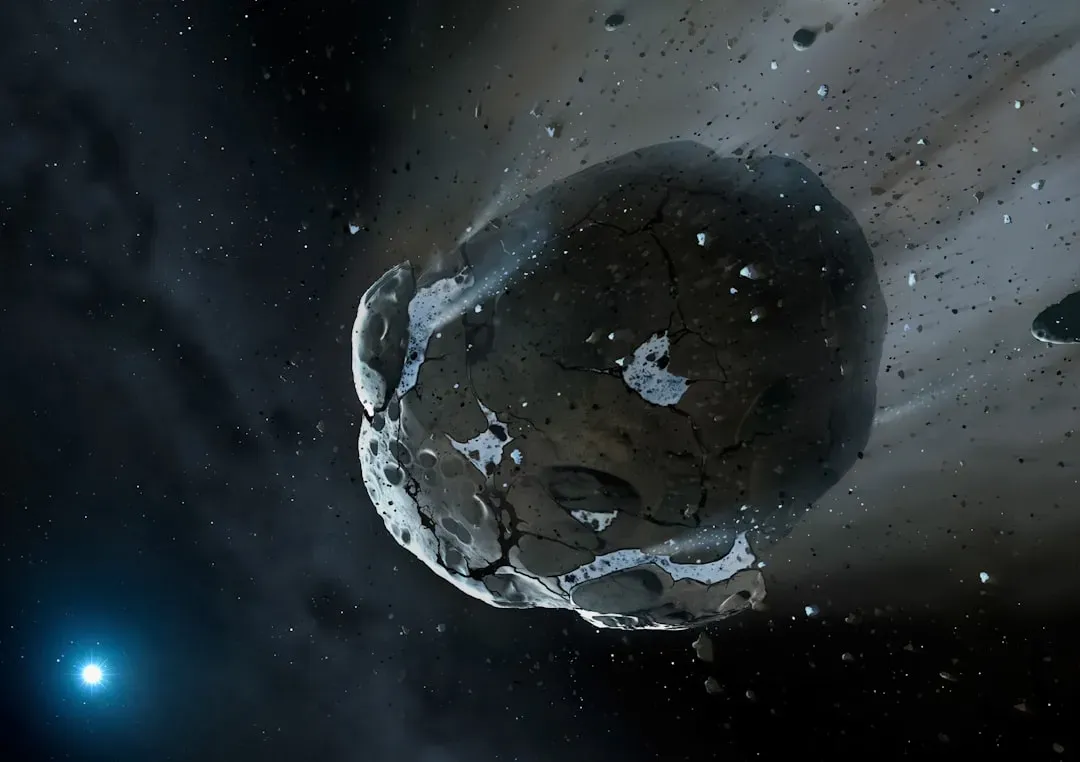
If you want to feel small, think about asteroid impacts. Even a relatively modest space rock, only a few tens of meters across, can release energy on par with major nuclear weapons when it slams into the atmosphere or the ground. Larger ones – hundreds of meters or more – carry enough energy to devastate entire regions, trigger massive fires, and throw dust high into the atmosphere. On the truly giant end of the scale, impacts have reshaped Earth’s history, contributing to mass extinctions and altering the course of life itself.
Humanity has built powerful explosives and launched spacecraft, but you still struggle just to nudge a single asteroid’s path by a tiny fraction. Nature, operating on cosmic timescales, simply lets gravity and orbits do the work, occasionally sending a rock on a collision course that rewrites the story down here. You can scan the skies, test deflection technologies, and plan emergency responses, but you cannot match the raw, instant conversion of speed and mass into unimaginable destructive power that an asteroid delivers in a single strike.
7. Gamma-Ray Bursts and Supernovae: The Universe’s Ultimate Fireworks
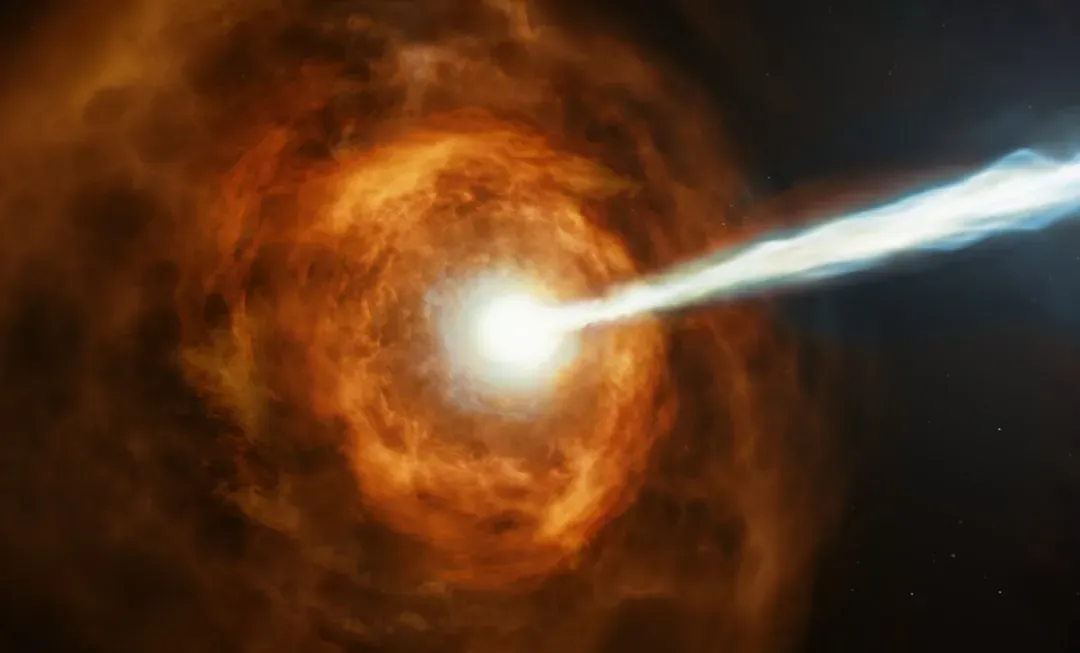
Most natural events that threaten you come from Earth or the Sun, but the wider universe has its own arsenal. When massive stars reach the end of their lives, they can explode as supernovae, briefly shining brighter than entire galaxies and releasing staggering quantities of energy. In even rarer cases, gamma-ray bursts unleash narrow beams of extremely energetic radiation across vast distances. You might never see one with your own eyes, but if a strong one were aimed your way from relatively close by in cosmic terms, it could strip away parts of the atmosphere and bathe the planet in harmful radiation.
Compared to this, your most powerful particle accelerators and lasers are like tiny lab toys. You create high-energy events inside metal rings or specialized facilities; the universe casually pulls off far grander versions in open space, without guidance or design. The fact that you are here at all means your planet orbits in a relatively quiet neighborhood of the galaxy, shielded from the worst of these outbursts. But when you look up at the night sky, you’re really looking into a vast, sometimes violent arena where natural events go far beyond anything you could ever build.
Conclusion: Respecting a Planet (and Universe) That Plays Bigger
When you line up supervolcanoes, mega-earthquakes, tsunamis, monster storms, solar flares, asteroid impacts, and cosmic explosions, a clear pattern emerges: you live on a small, fragile surface layer of a world that is part of an even larger, more powerful universe. Your greatest machines can move mountains over time; some of these events move mountains in a day, or erase them altogether. You can admire what humans have achieved, but it’s hard not to feel a jolt of humility when you realize how easily nature can redraw the map.
The takeaway for you is not to live in fear, but to live with respect. The more you understand these forces, the better you can prepare, adapt, and design your societies to withstand them. You are clever, creative, and resilient, but you are not in charge of the deep physics that drives this planet and its cosmic neighborhood. So the next time you see a storm image from space or footage of an erupting volcano, pause for a second and ask yourself: in the grand contest of power, were you really going to bet on us over nature?