
You’ve probably looked up at the night sky and felt a sense of peace, maybe even wonder at the vastness of space. It’s beautiful, sure. The stars seem friendly, distant enough to admire without worry. Yet the cosmos isn’t just a passive backdrop to our existence. Space is filled with forces so powerful that they could alter or even end life on our planet. We’re talking about events that dwarf anything humanity has ever witnessed.
From wandering rocks hurtling through the void to explosive stellar deaths that release unimaginable energy, the universe has plenty of ways to remind us just how fragile our little blue marble really is. Let’s be real, most of these threats are rare enough that you won’t lose sleep over them tonight. Still, knowing what’s out there lurking in the cosmic dark makes you appreciate just how lucky we are to be here. So let’s dive in.
Asteroid Impacts That Could Wipe Out Civilization
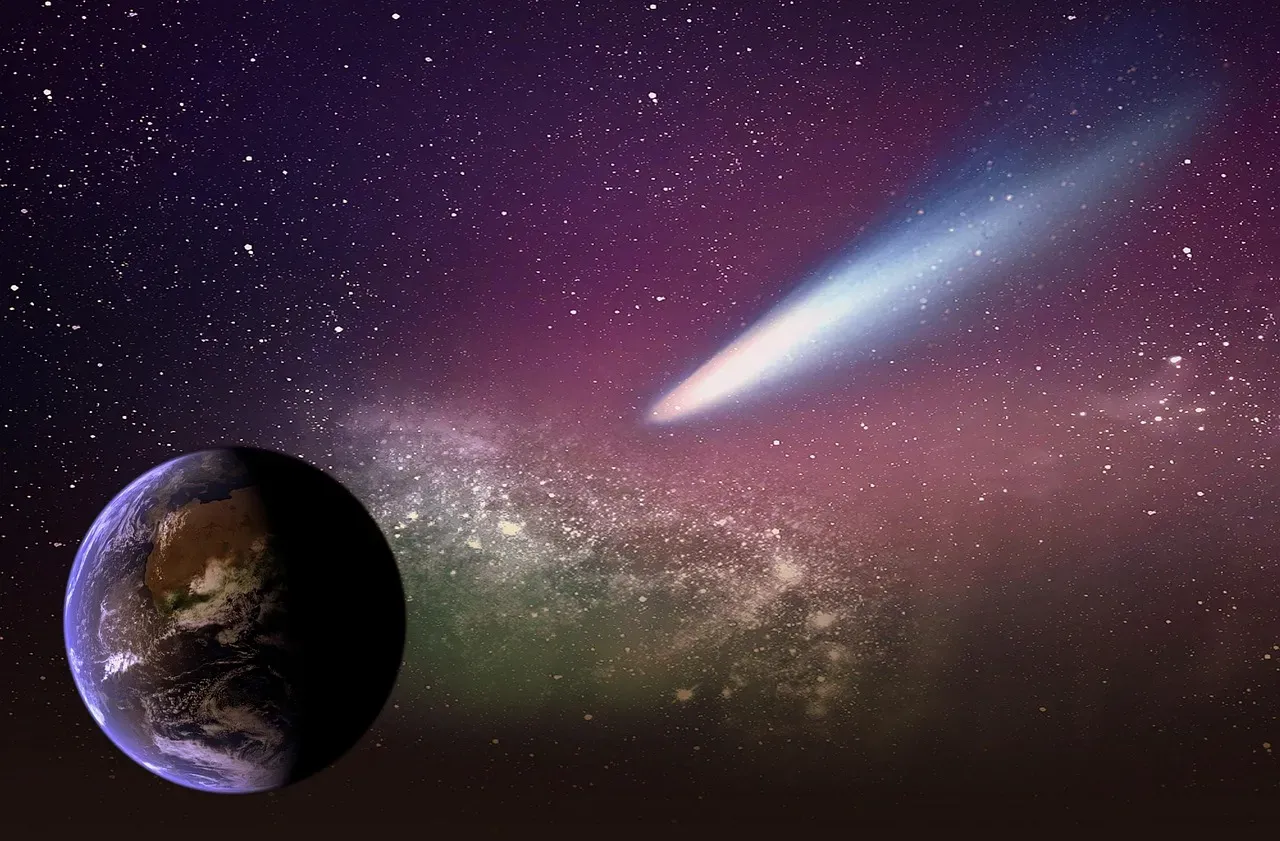
Picture this: sixty-five million years ago, an asteroid slammed into Earth with such force that it shook the planet like a bell, triggered volcanic eruptions across the globe, and kicked up a giant dust cloud that plunged Earth into a millennia-long winter. Every land animal larger than about one hundred kilograms perished, including most dinosaur lineages. That’s not ancient mythology. It actually happened.
The last planet-scale disaster from an asteroid occurred roughly ten million years ago. These civilization-ending impacts are much rarer than smaller asteroid strikes that only cause local devastation, cropping up every few million years or so, but it’s inevitable that we’ll face another one eventually. Right now, NASA is tracking asteroids like the bus-sized 2026 AZ2, which passed Earth at more than thirty-eight thousand miles per hour at a distance of two hundred seventeen thousand miles. Honestly, that’s uncomfortably close in cosmic terms. A small portion of near-Earth objects, known as potentially hazardous asteroids, have orbits that bring them within four point six million miles of Earth’s orbit, though none are likely to hit our planet any time soon.
Gamma Ray Bursts From Dying Stars
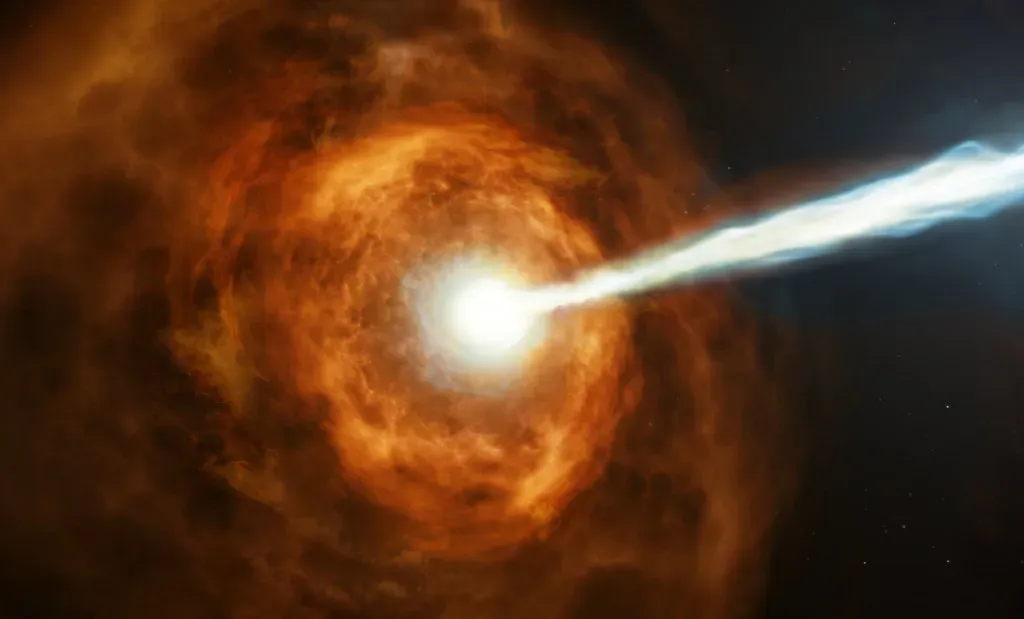
Gamma ray bursts are the most energetic explosions in the universe, producing more energy in less than a second than the Sun does in ten billion years. I know it sounds crazy, but these aren’t science fiction. A gamma ray burst in the Milky Way pointed directly at Earth would likely sterilize the planet or cause a mass extinction, with some researchers hypothesizing that the Late Ordovician mass extinction resulted from such a burst.
The radiation from gamma ray bursts is strongly beamed in two opposite directions, so as long as Earth is not in the path of one of the beams, it’s relatively safe. That’s a relief, sort of. These energy bursts are extremely powerful because they focus their energy into a narrow beam lasting no longer than seconds or minutes, and the resulting radiation from one could damage and destroy our ozone layer, leaving life vulnerable to the sun’s harsh UV radiation. The odds of a gamma ray burst triggering a mass extinction are fifty percent in the past five hundred million years and ninety percent in the four billion years since there has been , meaning it’s quite likely that a gamma ray burst caused one of the five mass extinctions. Think about that for a moment.
Supernovae Exploding Too Close to Home
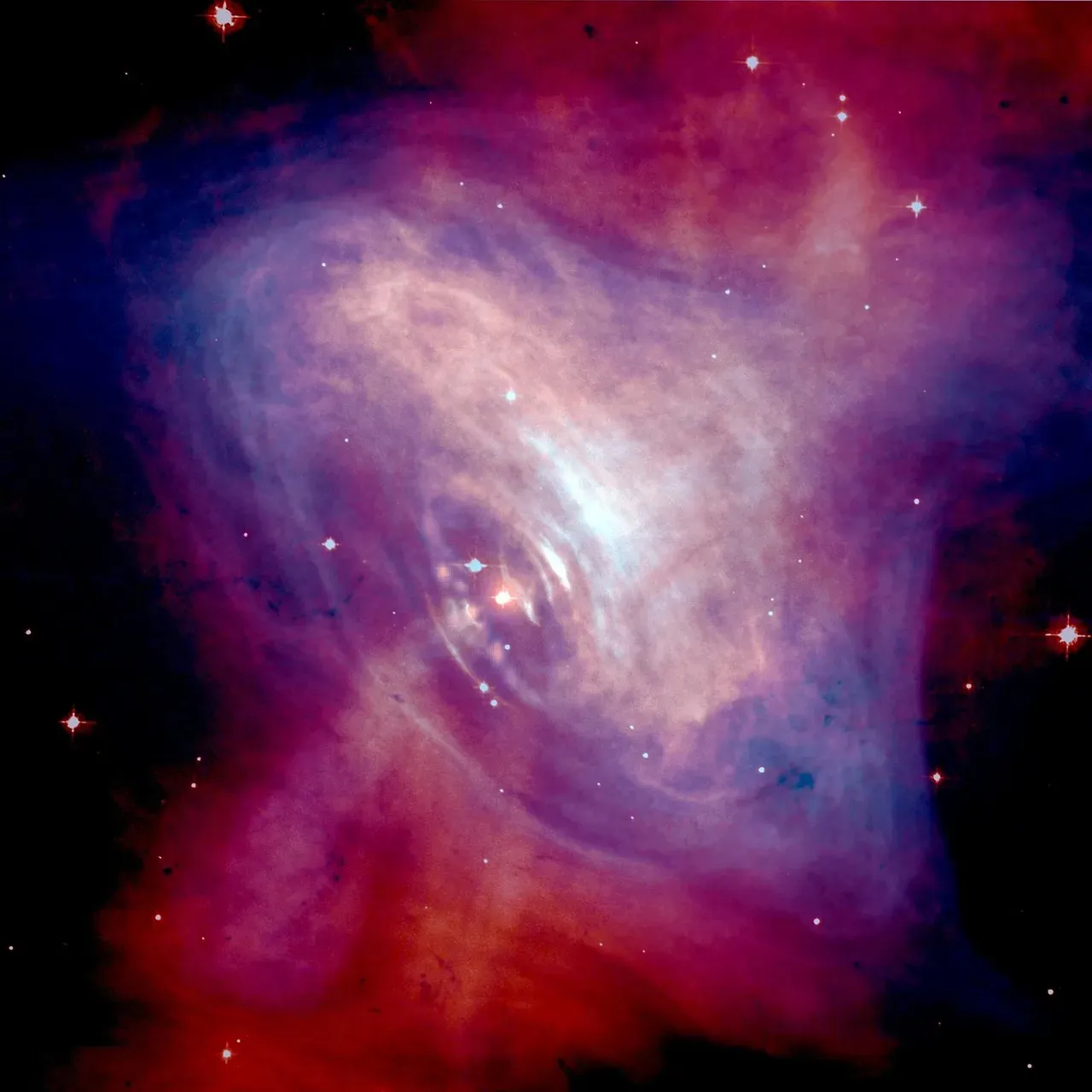
Supernovae could pose a significant risk to Earth, with an exploding star radiating more energy than all the other millions of stars in its galaxy put together for a few weeks, occurring about once every century per galaxy. If Earth were within thirty light-years of a supernova, the violent radiation released would strip Earth of its protective ozone layer, laying open the surface of our world to the full ravages of our Sun’s ultraviolet light.
Here’s the thing: the star Betelgeuse, a red super giant nearing the end of its life in the constellation of Orion, is just four hundred sixty to six hundred fifty light years away and could become a supernova now or in the next million years. Luckily, astronomers have estimated that a supernova would need to be within at least fifty light years of us for its radiation to damage our ozone layer, so it seems this particular star shouldn’t be too much of a concern. On average, a supernova explosion occurs within ten parsecs, or thirty-three light-years, of Earth every two hundred forty million years. Those are long odds, but still, we’re not completely safe from stellar fireworks.
Coronal Mass Ejections From Our Own Sun
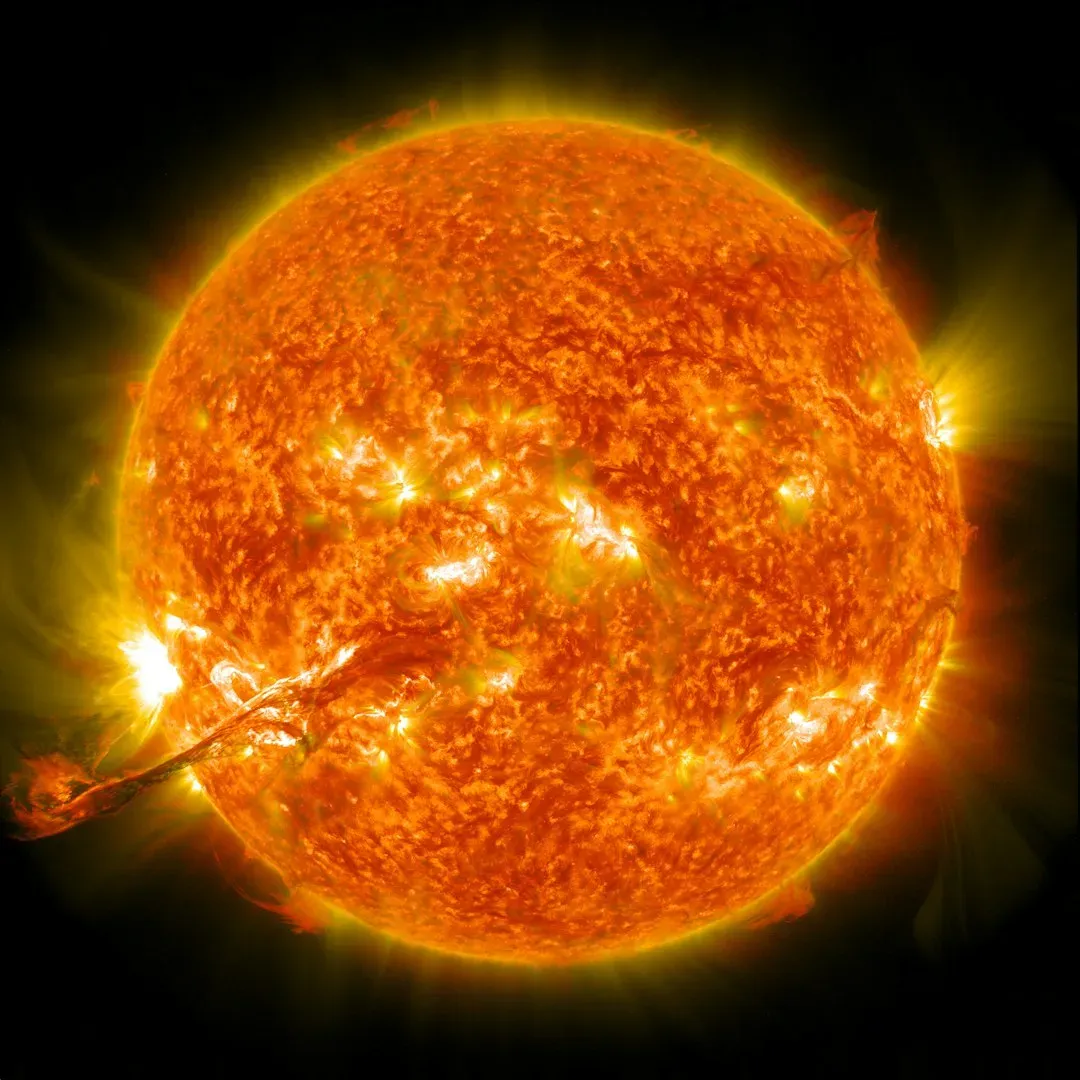
In eighteen fifty-nine, the sun rocked our planet with a deadly electromagnetic storm known today as the Carrington event, caused by the most powerful solar outburst ever recorded, which shocked telegraph operators and made the Northern Lights visible as far south as Miami. Careful analysis of tree-ring data has revealed that ejections a thousand times more powerful than the Carrington event occurred tens of thousands of years ago, though ancient people didn’t notice because these storms cause the greatest damage to our electronics.
Fast forward to today, and we’re far more vulnerable. A powerful X8-class flare erupted from the sun in early February 2026, releasing a coronal mass ejection, a large burst of plasma and magnetic field expected to deliver a glancing blow to Earth on February fifth and sixth. Coronal mass ejections, along with solar flares, can disrupt radio transmissions and cause damage to satellites and electrical transmission line facilities on Earth, resulting in potentially massive and long-lasting power outages. Imagine waking up to find your phone, internet, GPS, and power grid all fried. The enormous sunspot region that unleashed recent solar flares is reportedly almost half the size of the great Carrington sunspot from eighteen fifty-nine.
Rogue Planets Barreling Through Our Solar System
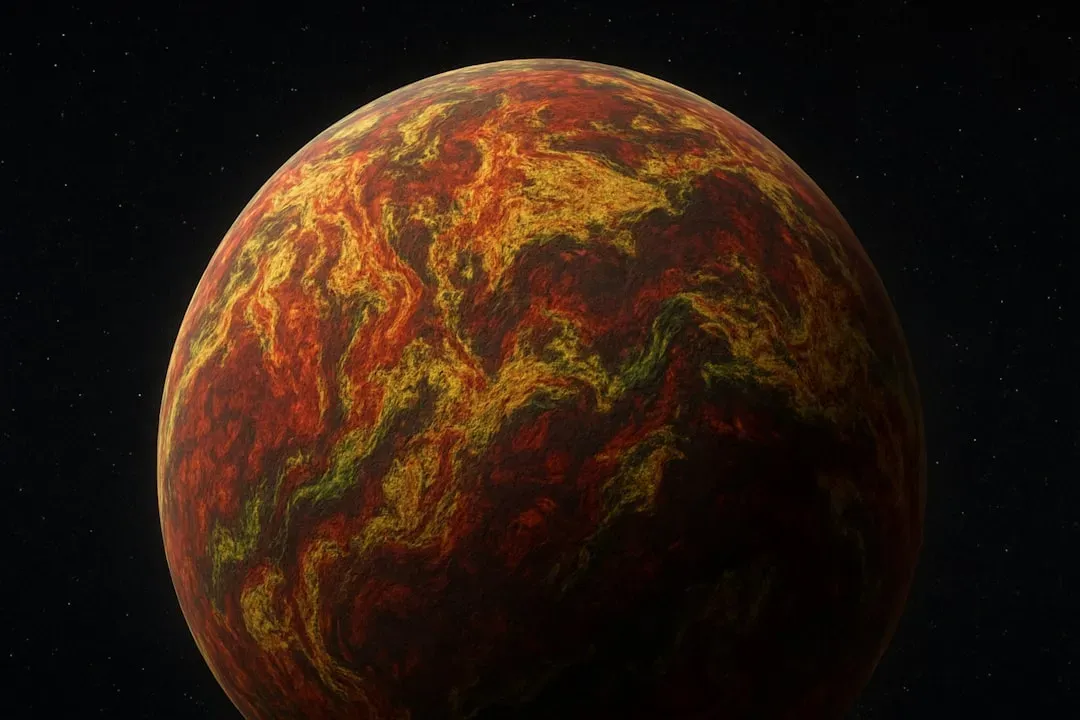
The rough number of rogue planets in our galaxy is still unknown but one estimate puts it in the trillions, with rogue planets in the Milky Way possibly outnumbering stars twenty to one. These are entire worlds drifting through space without a star, and they’re out there right now, invisible and unpredictable. A celestial mechanics researcher at the University of Toronto estimated the odds of a rogue planet entering the solar system at one in a billion over the next thousand years, with the odds of it getting as close as the orbit of Mars more like one in a trillion.
Yet the danger isn’t necessarily a direct hit. Wandering planets, untethered by a star, could mess up Earth’s orbit along with those of our celestial neighbors, with the planetary orbits becoming more elliptical due to the rogue planet’s gravitational pull, possibly throwing Earth out of the Goldilocks Zone and making our environment too hot or too cold to support life. The more scary scenario is having Earth be scattered by a brief encounter with, say, an exo-Neptune passing through, which would move us to a different orbit or perhaps eject us from the solar system altogether, causing us to likely all freeze or cook in a matter of weeks. Honestly, that’s a terrifying thought.
Wandering Stars Disrupting Planetary Orbits
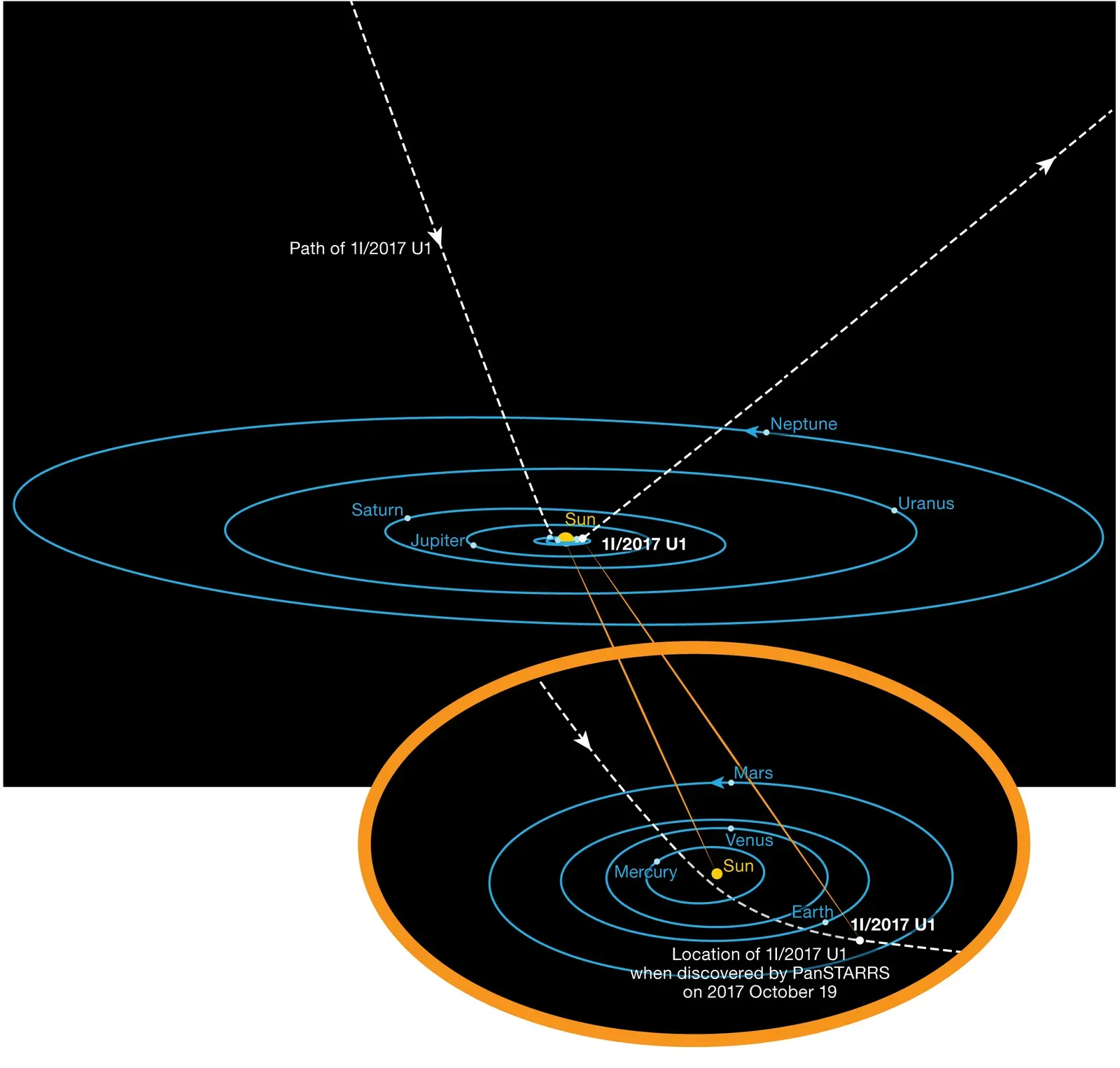
A wandering star on its path through the Milky Way might come so close to our sun that it would interact with the rocky Oort cloud at the edge of the solar system, which is the source of our comets, leading to an increased chance of a huge comet hurtling to Earth. There’s about a one percent chance for an encounter with a rogue star in the same one billion year range.
If a star passes within one hundred astronomical units of the sun, there is still a very high chance that all eight solar system planets will survive, with over a ninety-five percent chance that no planets will be lost. Still, the remaining small percentage is unnerving. There is a zero point two percent chance that Earth will be ejected or involved in a planetary collision due to a rogue star encounter. Astronomers estimate a one percent likelihood of a rogue star passing within one hundred astronomical units of us every billion years. It’s hard to say for sure whether this should worry you, but over billions of years, the improbable becomes increasingly likely.
The Sun’s Inevitable Transformation Into a Red Giant
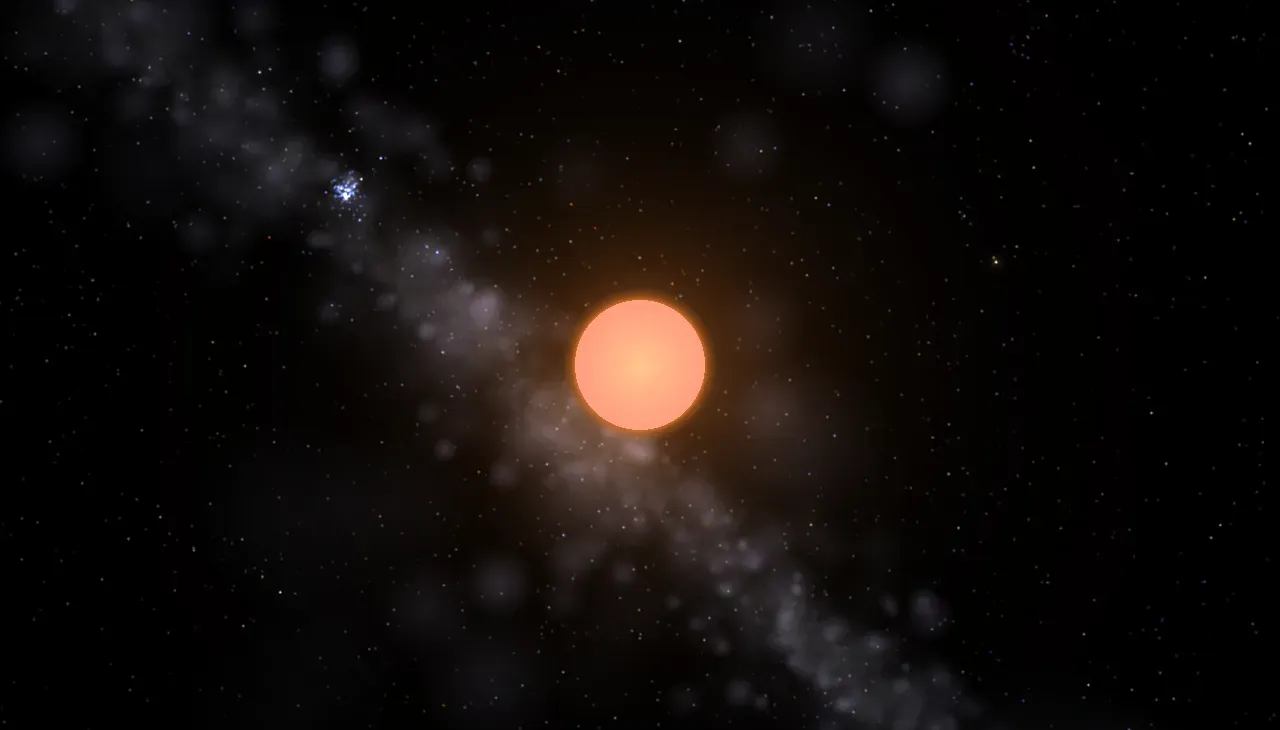
If we survive for another seven point five nine billion years, our planet will spiral into the outer layers of the dying sun and melt away forever, as we know for certain that our sun will end its life in seven point seven two billion years, throwing off its outer atmosphere to form a planetary nebula and ending up as a white dwarf. This one isn’t a dice roll. It’s a guarantee.
As the sun becomes older, it will become cooler and larger, big enough to engulf both Mercury and Venus, and the sun will also create an extremely strong solar wind that will slow down Earth, causing our planet to spiral into the outer layers of the hugely expanded dying star. By that point, life as we know it will be long gone. Let’s be real, though. Humanity probably won’t be around in its current form to witness this final act. We’ll either have evolved beyond recognition, left the planet entirely, or ceased to exist. Where the previous cosmic dangers occur at the roll of a dice with a given probability, we know for certain that our sun will end its life in seven point seven two billion years, throwing off its outer atmosphere to form a planetary nebula.
The universe is both magnificent and terrifying, filled with wonders that could inspire us or obliterate us without warning. These cosmic threats remind us that Earth isn’t an island fortress immune to the forces swirling around us. We’re part of something much bigger, more chaotic, and far less predictable than we’d like to believe. The good news is that most of these threats operate on timescales that stretch far beyond human lifetimes, giving us time to prepare, adapt, or perhaps even leave.
What do you think about these cosmic dangers? Does knowing about them change how you see our place in the universe?