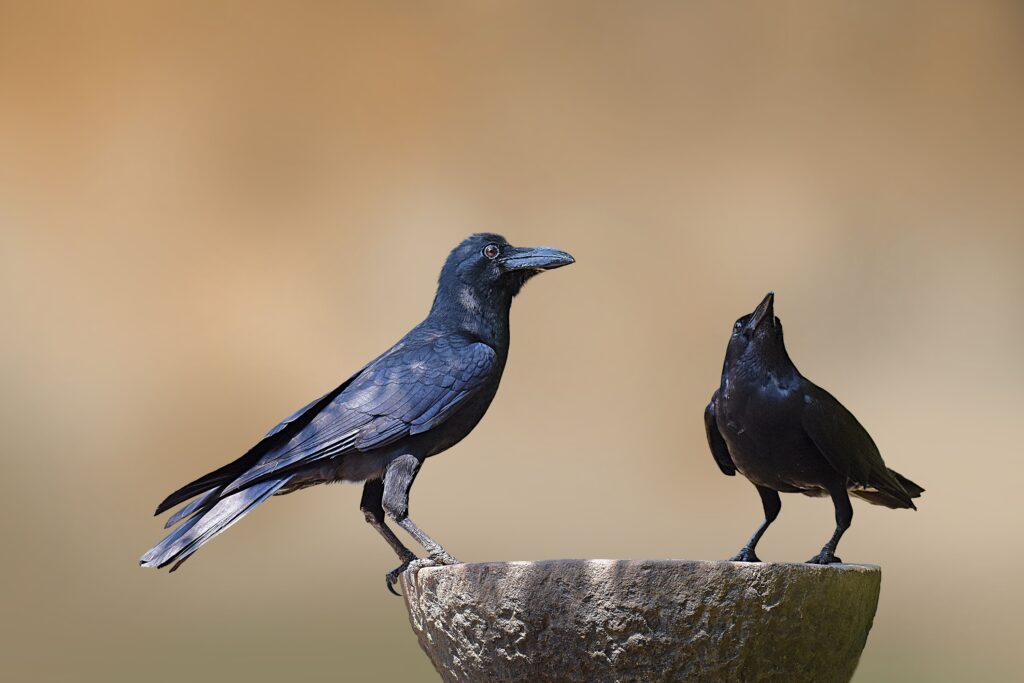
If you’ve ever had a crow stare you down like it knows something you don’t, you’re not imagining it. These birds are frighteningly clever, in ways that blur the line we like to draw between “human” intelligence and “animal” instinct. People joke that crows are little feathered people in black coats, but the more research rolls in, the less that sounds like a joke.
What makes crows so fascinating is not just that they can solve puzzles or remember faces. It’s that they keep surprising scientists even now, forcing researchers to redesign experiments because the birds outsmart the tests. From toolmaking to social politics, their behavior reads less like “birdbrain” and more like the early chapters of an alien civilization. Let’s dig into seven crow behaviors that are so intelligent, scientists are still trying to catch up.
1. Crafting and Using Tools Like Tiny Engineers
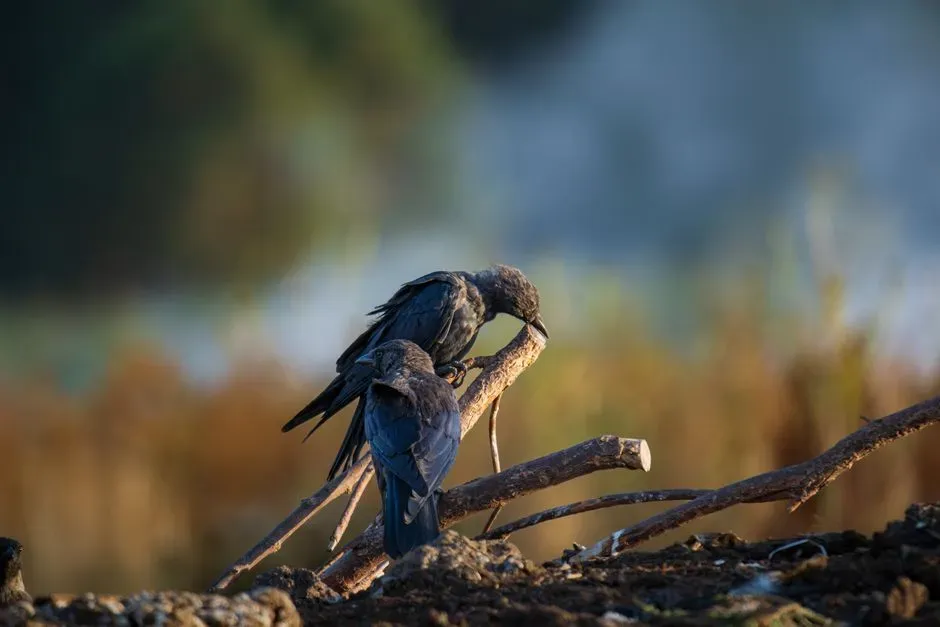
One of the most mind-bending things about crows is that they make tools on purpose, not just by accident. Certain crow species, like New Caledonian crows, shape sticks, twigs, and even leaves into hooks and probes to fish insects out of tight spaces. That means they’re not only grabbing whatever is lying around; they’re planning ahead, choosing materials, and modifying them for a specific job.
Even more wild, individual crows can develop their own “signature” styles of tools, which then spread through a local crow population like a cultural trend. Think of it like a DIY scene for birds: one crow invents a slightly better hook design, others notice it works, and suddenly everyone is carrying the new model. That kind of innovation and transmission looks very similar to how early humans developed better stone tools over generations.
2. Solving Multi‑Step Puzzles That Would Stump Many Humans
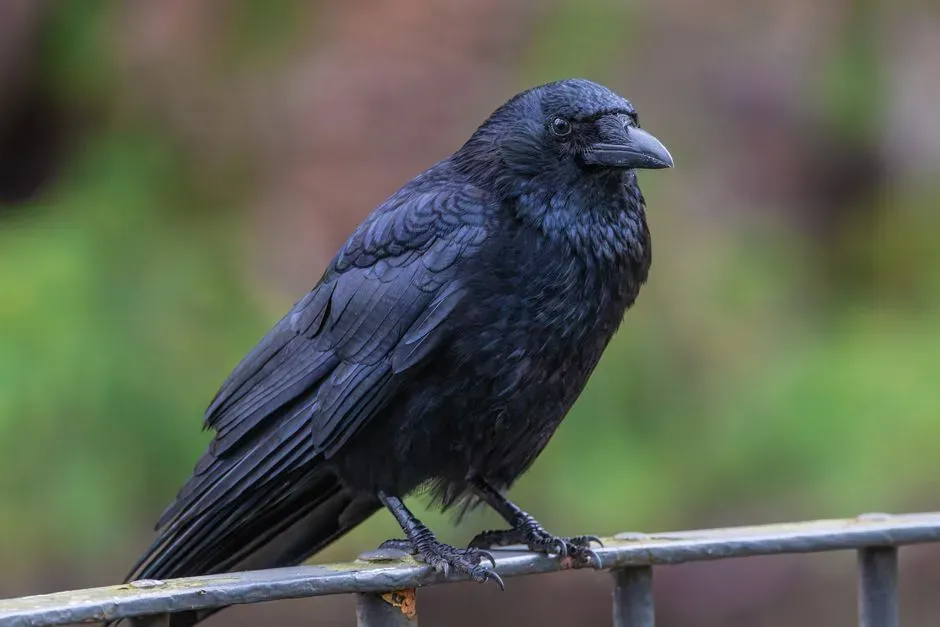
Crows are famous for puzzle-solving videos, but the reality behind those clips is even more impressive than it looks online. In some experiments, crows are faced with a sequence of steps: they have to use one tool to get another tool, then use that second tool to finally reach a food reward. It’s like giving a bird a mini escape room and watching it calmly figure out the logic.
What blows researchers away is that many crows seem to grasp the structure of the problem instead of just randomly fiddling until something works. They can adjust their approach when details change and remember solutions they discovered earlier. If you’ve ever had to follow a complicated set of instructions for putting furniture together, you know that planning ahead and holding multiple steps in your mind is no small feat. Crows are doing a version of that with nothing but a beak and a brain smaller than a walnut.
3. Recognizing Human Faces – and Holding Grudges
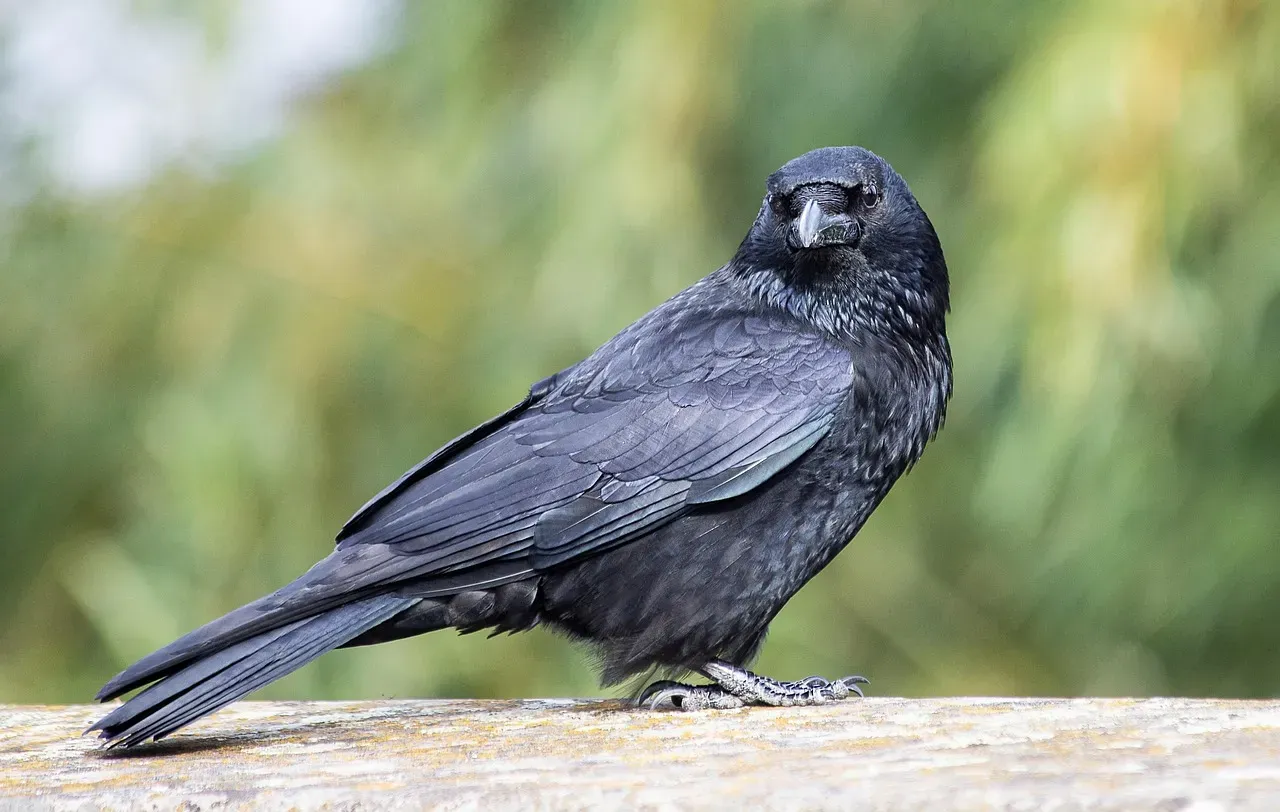
If you ever annoy a crow, it may remember your face for years – and it might tell its friends. Studies where researchers wore specific masks while trapping crows showed that the birds quickly learned which “face” was dangerous. Long after the trapping ended, crows would still react strongly to that mask, calling loudly and even mobbing the person wearing it.
The part that really shocks people is that this knowledge spreads socially. Crows that were never captured can still learn from others that a particular face is bad news. It’s like neighborhood gossip, but about you. On the flip side, crows can also recognize people who feed them regularly and may respond with curiosity and even what looks suspiciously like affection. The line between “pet” and “wild neighbor who knows exactly who you are” can get very blurry.
4. Holding Crow Funerals and Possibly “Teaching Moments”
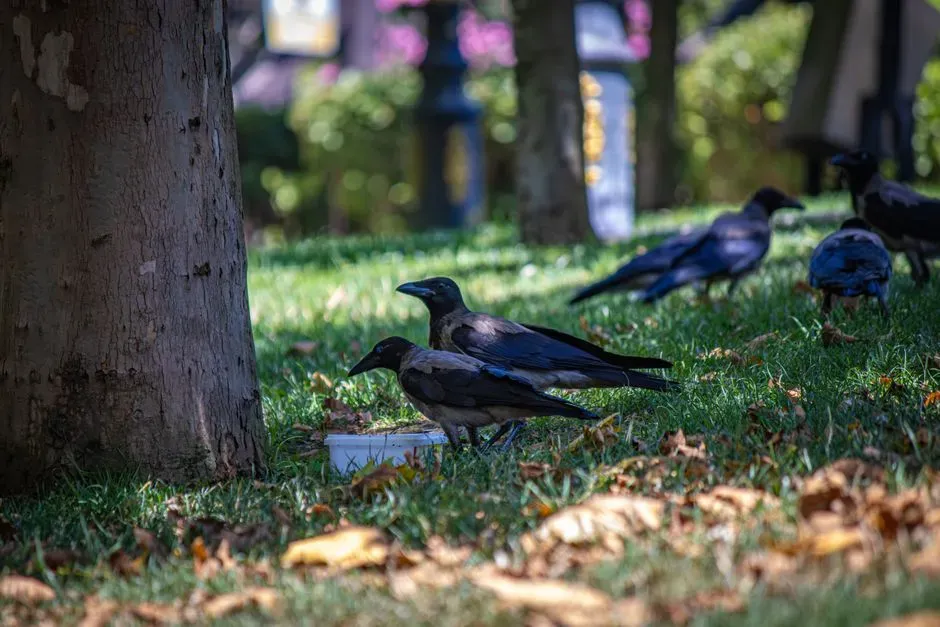
One of the eeriest crow behaviors is their tendency to gather around a dead crow, calling loudly and staring at the body. To an outsider, it can look like a funeral. Researchers are careful with that word because it’s easy to project human emotions onto animals, but the behavior is clearly not random. These gatherings can attract dozens of crows, all paying focused attention to what happened.
Some scientists think these “funerals” are less about mourning and more like an emergency safety briefing. When crows see a dead member of their group, they appear to study the surrounding area to learn what might have caused the death, often becoming warier of that spot or any humans nearby. In a way, it’s like holding a neighborhood meeting after a serious accident: everyone shows up, shares information, and adjusts their behavior based on what they learned.
5. Planning for the Future Instead of Living Only in the Moment
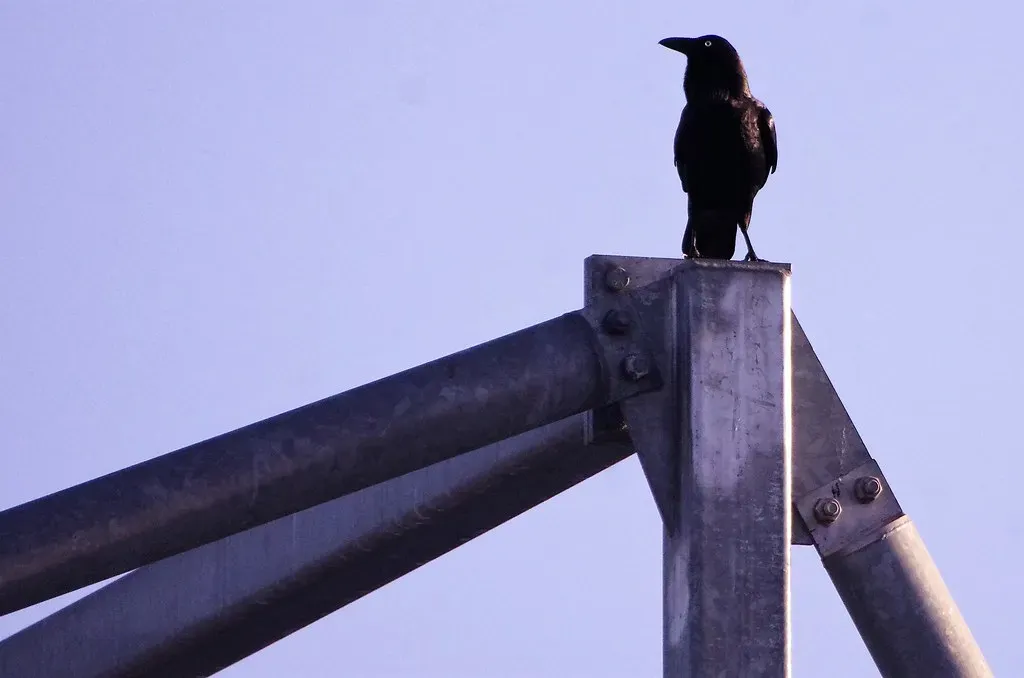
For a long time, researchers thought planning ahead was mostly a human trick, maybe shared a bit with apes. Then crows walked in and quietly destroyed that theory. In some studies, crows have been given access to a tool that is useless in the moment but will be helpful later to get a better reward. Many of them choose to keep and later use that tool instead of taking a smaller, instant treat.
That may sound simple, but it points to something very big: to resist the quick reward, the bird has to imagine a future scenario and prepare for it. It’s the same mental skill you use when you decide to save money instead of blowing it on something shiny right now. When a crow stashes a tool or hides food in a secure place it plans to revisit, it is behaving in a way that feels surprisingly close to human-style future planning.
6. Playing, Pranking, and Possibly Enjoying the Chaos
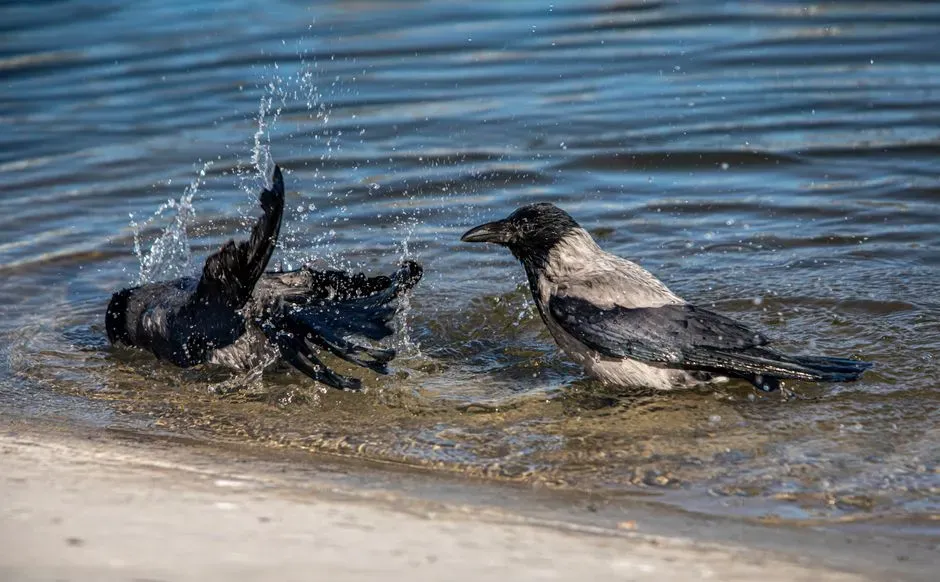
Not all crow intelligence is serious business and survival strategies. Crows also seem to play – for no obvious practical reason – and that intrigues scientists just as much. People have watched crows sliding down snowy roofs over and over, passing objects back and forth in flight, or teasing other animals like dogs and cats. Play is often a sign of a flexible, curious mind, the kind that learns by experimenting and having fun.
There are even stories of crows dropping nuts in front of traffic so cars will crack them open, then swooping down to collect the snack after the light changes. On top of being clever, that has a very cheeky, prankster energy. While researchers debate how much emotion we can fairly attribute to birds, it’s hard not to feel like some crows are out there making their own entertainment, turning the human world into their personal playground.
7. Navigating Complex Social Politics Like a Feathered Neighborhood
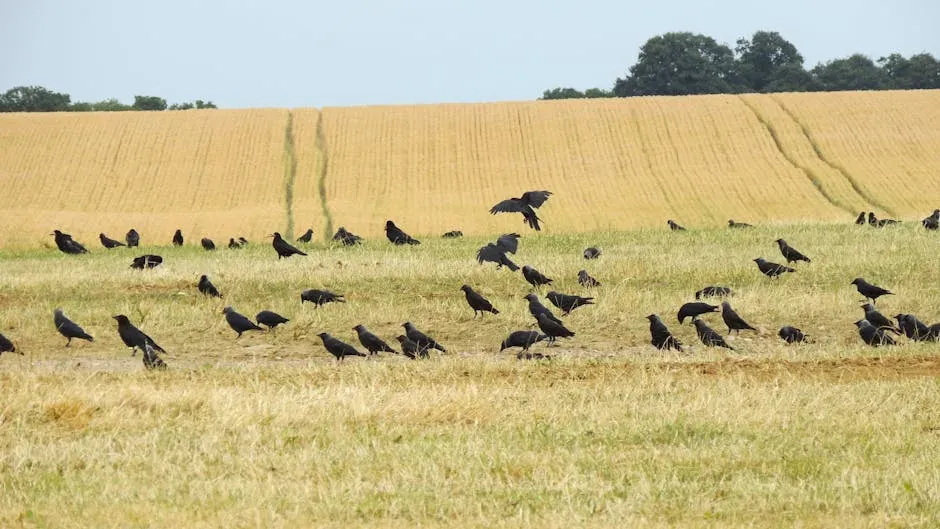
Crows do not live quiet, solitary lives; they operate in layered, complicated social groups. They recognize family members, form alliances, and may even change sides depending on circumstances. Younger crows sometimes stick around to help their parents raise new chicks, which looks a lot like cooperative caregiving. Within a local group, you get shifting roles, shared responsibilities, and conflicts that need to be managed.
Scientists studying crow societies often compare them to small, tightly knit communities where everyone knows everyone else’s business. A crow’s survival does not depend only on being smart about food; it depends on being smart about relationships. Who is dangerous? Who is reliable? Who shares food? That constant social accounting requires memory, attention, and a sort of emotional intelligence that we are only beginning to map out in bird brains. Honestly, if you swapped feathers for smartphones, some crow groups do not look that different from a busy human neighborhood.
Conclusion: The Bird That Keeps Moving the Goalposts of Intelligence
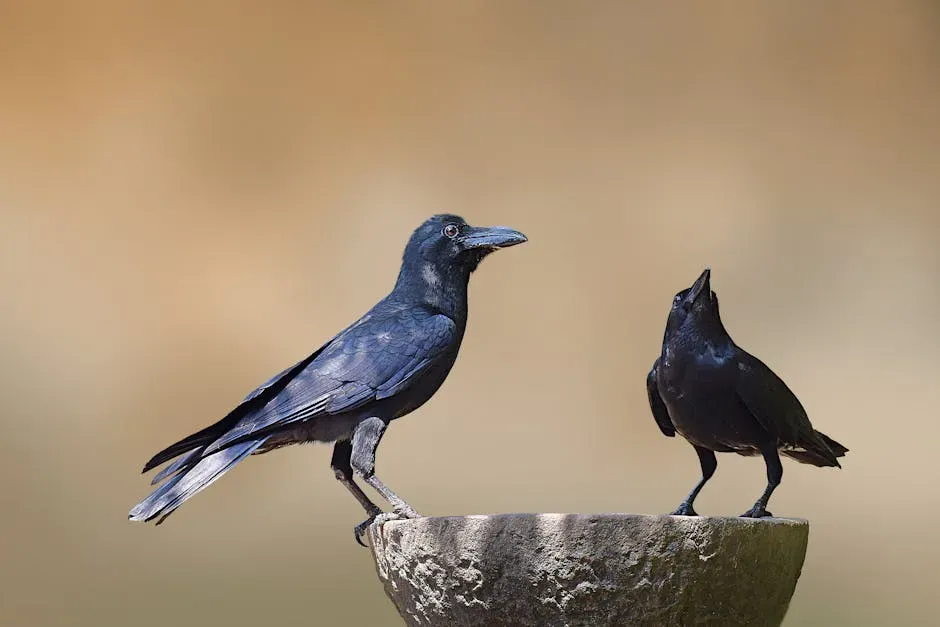
The more we learn about crows, the more they force us to update what we think intelligence looks like. They plan, they craft, they teach, they remember, and they play mind games with us and with each other. In my view, we have already passed the point where we can comfortably write them off as simple animals running on instinct. At this stage, pretending they are not thinking in deep, structured ways feels more like human denial than scientific caution.
What makes crows so unsettling and so exciting is that they prove a big brain shaped like ours is not the only path to complex thought. A bird with a brain the size of a walnut can bend our assumptions, outwit our experiments, and maybe even outplay us on our own sidewalks. That should humble us a bit – and also make us look up more often. Next time a crow locks eyes with you, will you still see just a bird, or will you wonder what, exactly, it has already figured out about you?