Most of us leave school thinking we know the “big picture” of history: a familiar loop of empires, revolutions, and world wars. Then, one day, you stumble on a story that was never in any textbook – mass deaths, buried cities, secret experiments – and you realize just how much has been quietly edited out. It feels like pulling up a corner of the carpet and finding an entire world of dust and broken glass underneath.
These are not fringe legends or conspiracy theories; they are real events that shaped countries, borders, economies, and even the climate, yet they barely get a footnote in mainstream education. Some were hidden on purpose, some are simply uncomfortable for national myths, and some happened far away from the places that write most history curricula. Once you see them, it is hard to look at the glossy version of the past in quite the same way.
The Congo Free State: A Personal Fiefdom of Terror
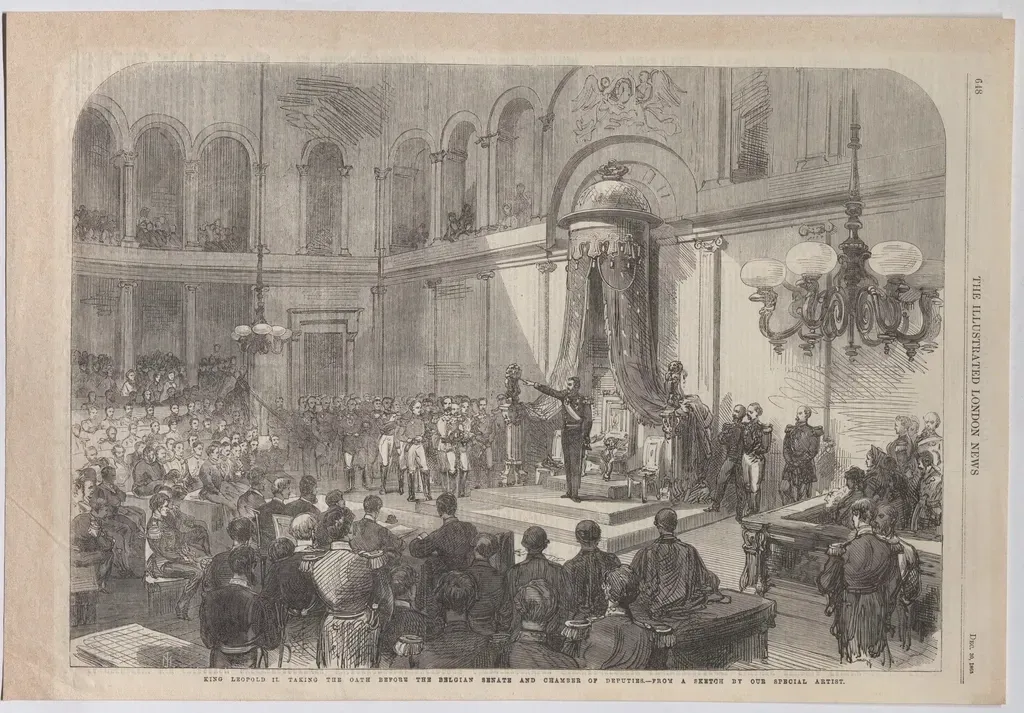
Imagine an entire country treated as the private property of one European monarch, run not as a colony but as a for-profit company where human beings were the raw material. That was the Congo Free State at the turn of the twentieth century, ruled personally by King Leopold II of Belgium. Under the polished language of “civilization” and “progress,” the regime used forced labor, hostage-taking, and mutilation to drive up rubber quotas deep in the forests of Central Africa.
Millions of Congolese died from overwork, disease, famine, and brutal punishment during this period, yet for many people this horror barely registers compared to other twentieth‑century atrocities. Missionaries, African survivors, and a handful of European whistleblowers eventually exposed what was happening, triggering an international outcry that forced Belgium to take official control. But even then, the core system of extraction and racial hierarchy largely stayed in place. When people today talk about why the Democratic Republic of Congo struggles with instability and exploitation, this earlier era is one of the ghosts in the room.
The Herero and Nama Genocide in German Southwest Africa
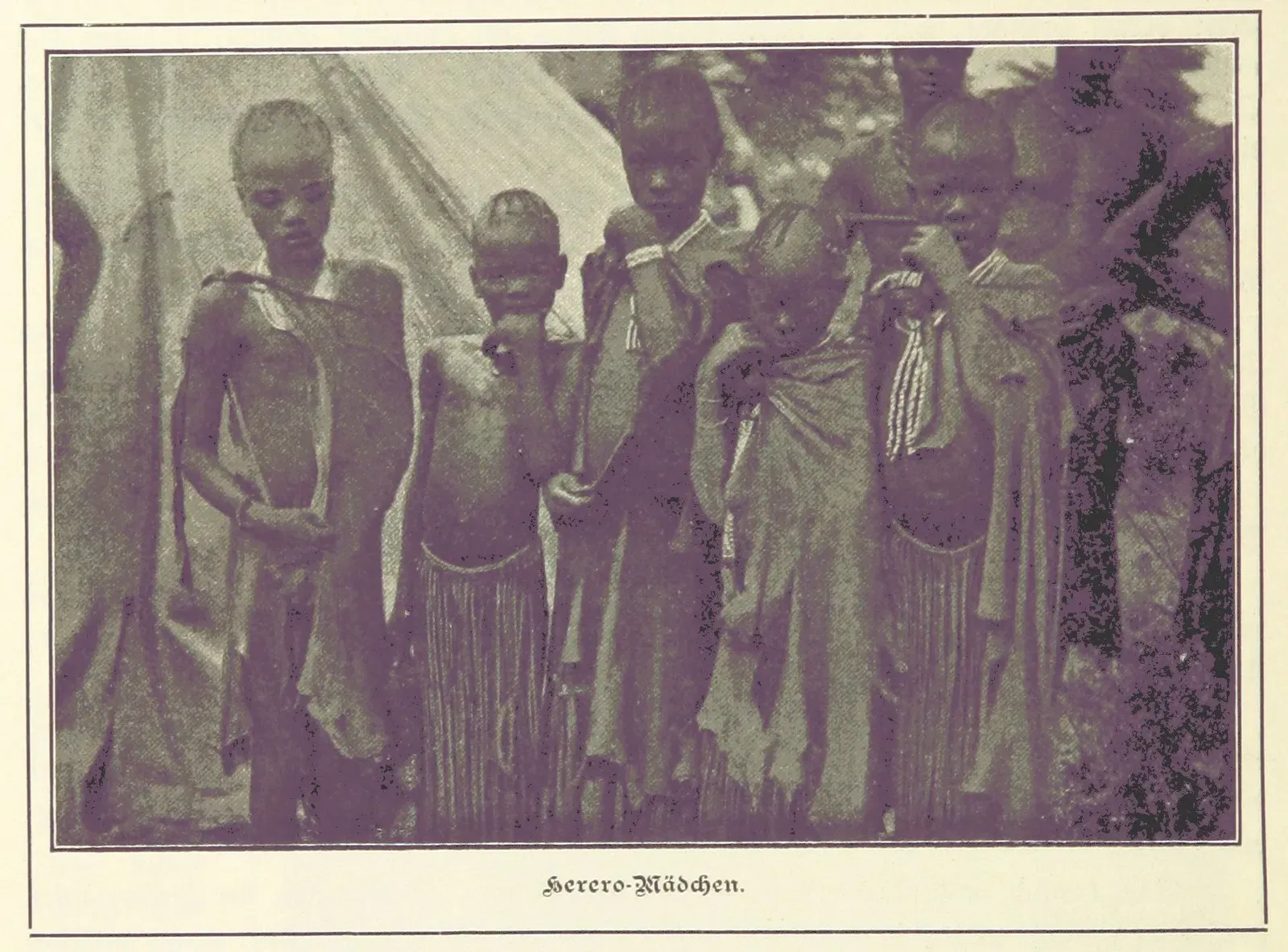
When genocide is taught in schools, it is often treated as if it started in Europe in the 1940s. But a few decades earlier, in what is now Namibia, German colonial forces carried out a campaign to destroy the Herero and Nama peoples that historians widely recognize as one of the first genocides of the twentieth century. After an uprising against land theft and brutal rule, German commanders issued orders that effectively condemned entire communities to death, driving them into the desert and poisoning water sources.
Those who survived the desert were often forced into concentration camps where they faced starvation, disease, and forced labor, and where pseudo‑scientific racial studies were conducted on their bodies. This is not just a tragic footnote; it is part of the intellectual and bureaucratic lineage of later genocidal practices. Yet in many classrooms, German colonialism is barely mentioned, let alone explored as a testing ground for dehumanizing ideologies that would later return to Europe with devastating consequences.
The Bengal Famine of 1943: Starvation in the Shadow of World War II
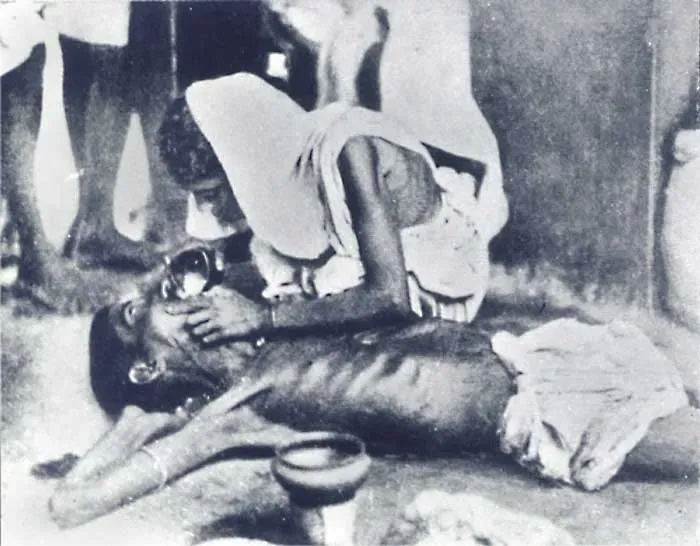
World War II history is usually framed around battlefronts, leaders, and resistance movements, but far fewer people are taught that millions starved to death in British‑ruled India while the war raged. The Bengal Famine of 1943 was not just the result of bad weather; it was deeply shaped by colonial economic policies, wartime requisitions, and political decisions that diverted food and shipping away from starving civilians. Photographs from the time show skeletal bodies in the streets of Calcutta, haunting images that often never appear in Western textbooks.
What makes this episode especially dark is the combination of preventability and indifference. Grain continued to be exported from India, and colonial officials downplayed or dismissed the scale of the disaster, even as local relief efforts struggled to cope. For many in South Asia, this famine is a central part of the story of why British rule was morally and politically bankrupt. For many outside the region, it is still almost entirely unknown, another reminder that the “home front” of a war can be thousands of miles away from Europe.
Unit 731 and the Hidden World of Biological Warfare
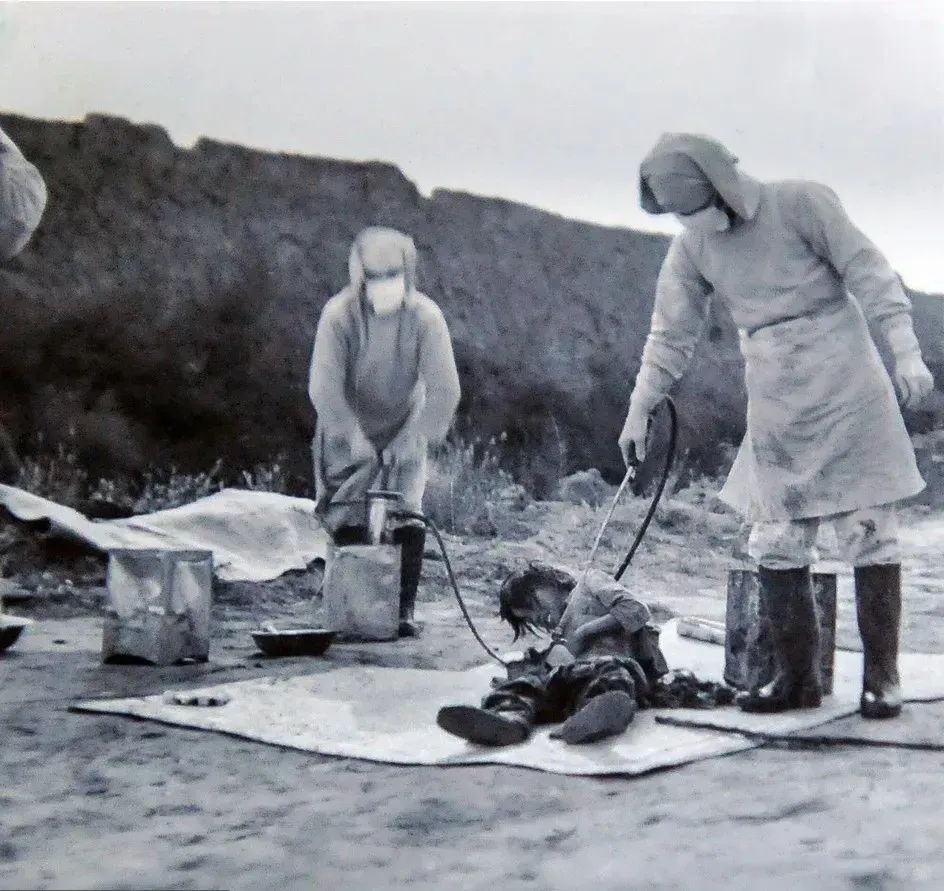
If you were taught about World War II atrocities in school, you probably heard about concentration camps and atomic bombs – but maybe not about the secret Japanese biological warfare program known as Unit 731. Operating mainly in occupied China, its researchers conducted lethal experiments on prisoners, testing plague, cholera, frostbite, and other horrors on living human beings. Entire villages were deliberately infected with disease to study how outbreaks spread in real time.
One of the most unsettling details is what happened after the war. Instead of facing full public trials, some of the scientists in charge received immunity from prosecution in exchange for sharing their research with Allied powers. That brutal trade‑off – suffering converted into data, and then quietly absorbed into postwar military science – raises uncomfortable questions about how far states are willing to go in the name of national security. It is not a chapter that fits neatly into stories of clear‑cut good and evil, which may be one reason it is often glossed over.
The Tulsa Race Massacre: A Destroyed Black Wall Street
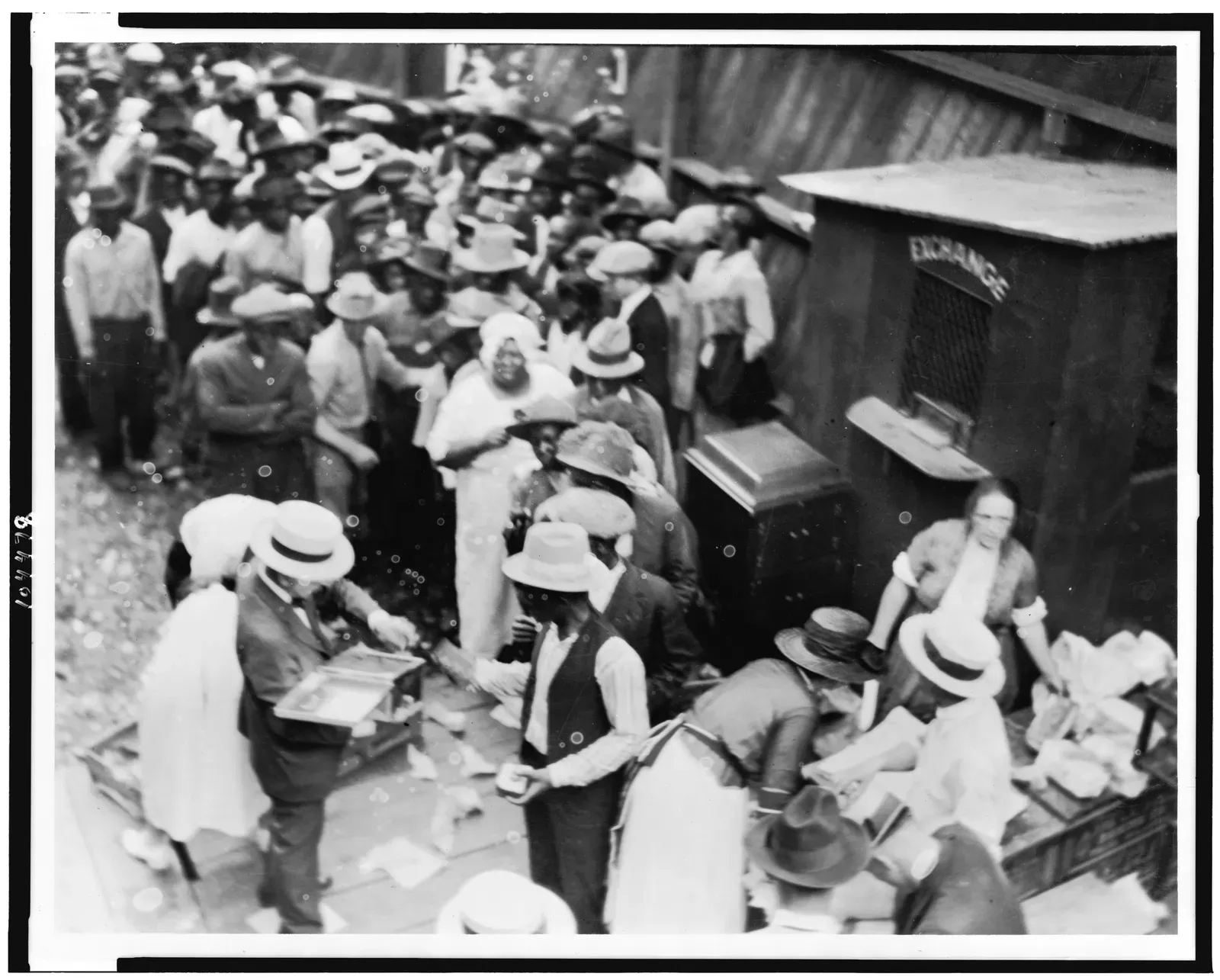
For a long time, many Americans grew up never hearing about what happened in Tulsa, Oklahoma, in 1921, even if they lived in the state itself. In the prosperous Black neighborhood of Greenwood – sometimes called Black Wall Street – racial tension, a rumor, and a white mob combined to ignite one of the most destructive episodes of racial violence in United States history. Over the course of about two days, white rioters burned homes and businesses, attacked residents, and even used aircraft to terrorize the community.
The physical damage was staggering, but the silence that followed was almost more chilling. Official records were incomplete or manipulated, survivors were threatened into keeping quiet, and local authorities downplayed or buried the story for decades. When we talk about racial wealth gaps today, the destruction of thriving Black economic centers like Greenwood is not just symbolic – it represents real property, savings, and opportunities erased in a single catastrophic event. The fact that such a massive episode could vanish from mainstream memory for so long says a lot about who has controlled the historical narrative.
The Armenian Genocide and the Politics of Denial
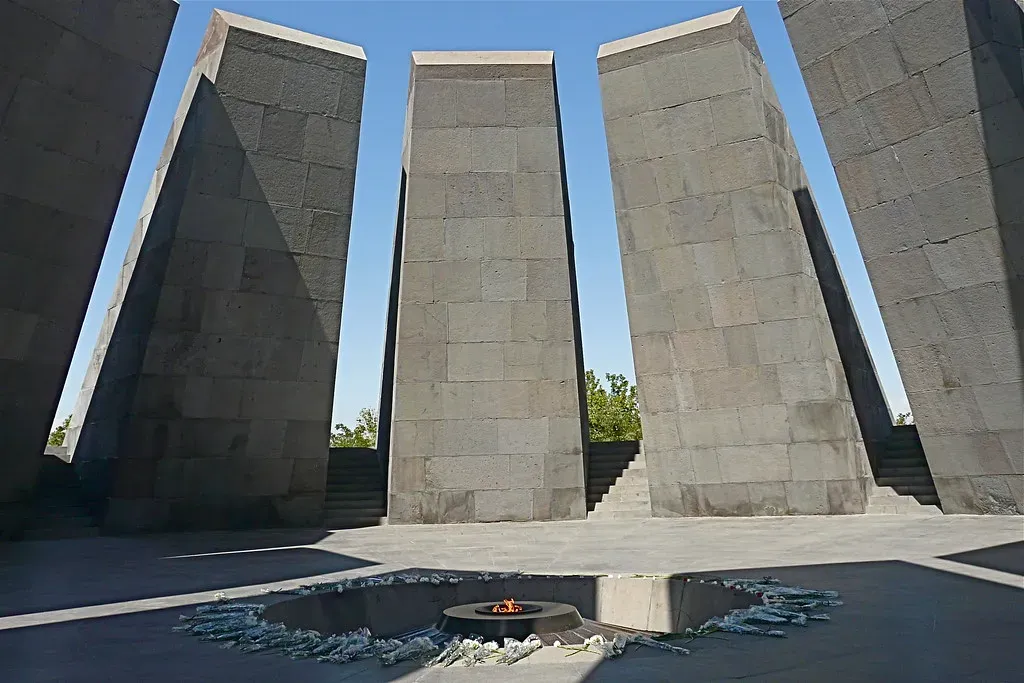
At the end of the Ottoman Empire, hundreds of thousands of Armenians were deported, massacred, or forced on death marches into the desert, in what many scholars and dozens of countries now recognize as genocide. Families were uprooted from ancestral homelands, cultural institutions were destroyed, and an ancient community across Anatolia was radically reduced in a matter of years. For survivors and their descendants, this trauma shaped entire diasporas, scattering Armenians from the Middle East to Europe and the Americas.
Yet to this day, the very word used to describe what happened remains politically charged in some capitals around the world. Diplomatic calculations, regional alliances, and national pride have all played a role in how governments officially talk – or do not talk – about these events. It is a stark example of how power can blur even something as seemingly straightforward as acknowledging mass killing. When students never hear about it, they not only miss a vital piece of Middle Eastern and European history; they also miss a chance to understand how historical truth can be negotiated, contested, and suppressed long after the last victim has died.
The Great Dying in the Americas After 1492
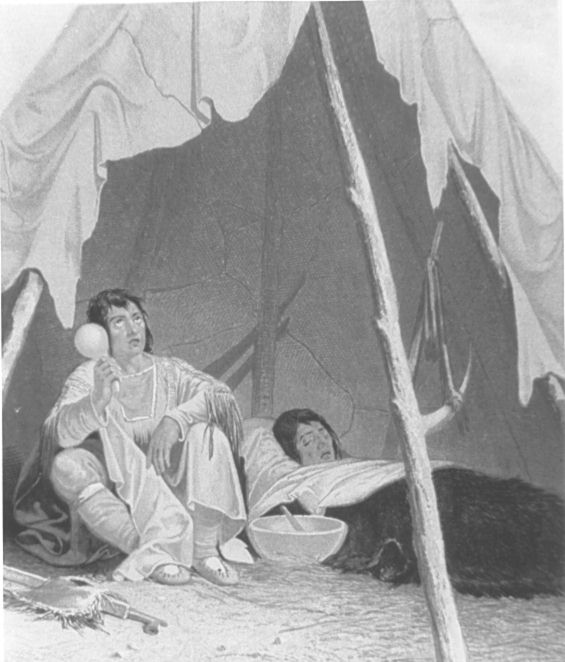
School lessons about the “Age of Exploration” often focus on brave voyages and cultural exchange, but they tend to race past the scale of devastation that followed for Indigenous peoples in the Americas. After 1492, European contact triggered waves of disease – smallpox, measles, influenza – that Indigenous communities had no prior exposure to, leading to catastrophic mortality over the following centuries. In many regions, populations fell by a huge majority, reshaping entire continents before European settlers even fully realized what their arrival had unleashed.
Violence, forced labor, land seizures, and cultural suppression compounded the toll, but the sheer demographic collapse from disease alone is still staggering to contemplate. Some researchers argue that this “Great Dying” was so massive that it even altered the global climate slightly, as abandoned fields reforested and pulled more carbon from the atmosphere. Yet in a lot of school materials, this gets reduced to a bland line about “native populations declining,” a neutral phrase that hides a human disaster of almost unimaginable scale.
Residential Schools and Cultural Erasure of Indigenous Children
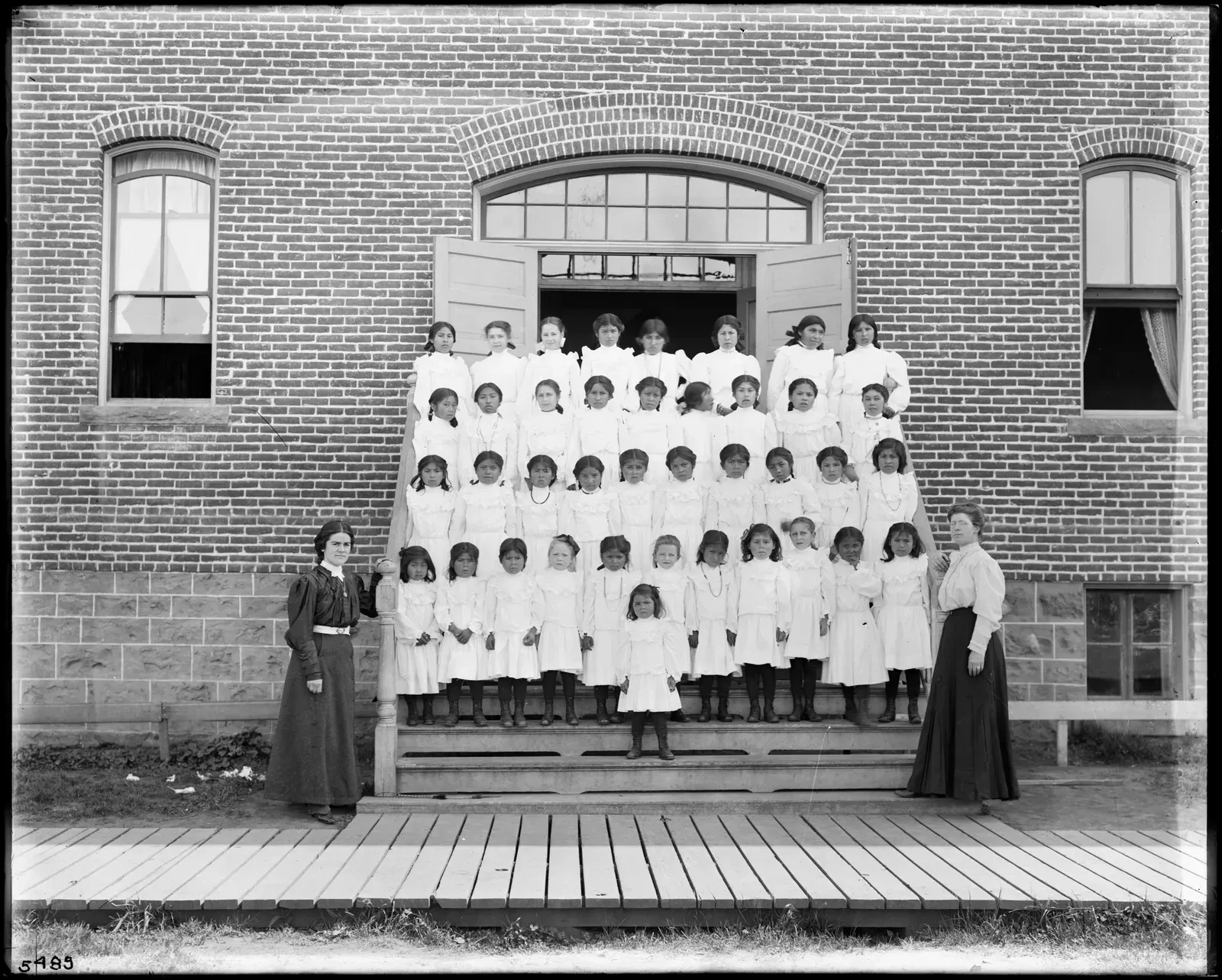
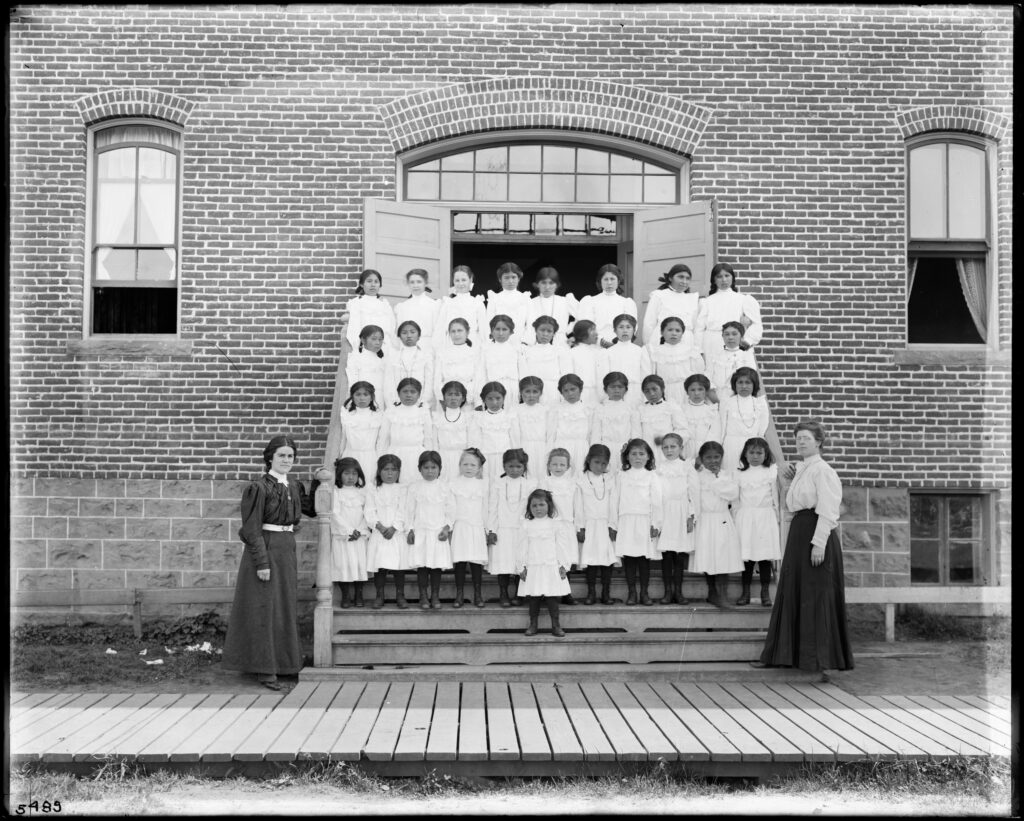
In several countries, including the United States, Canada, and Australia, governments and churches ran residential or boarding schools that aimed to “assimilate” Indigenous children by forcibly separating them from their families, languages, and traditions. In practice, these institutions often became sites of physical, emotional, and sexual abuse, as well as rampant neglect. Children were punished for speaking their own languages, their hair and clothes were changed, and they were taught that their cultures were inferior or shameful.
For many years, these schools were described in official narratives as benevolent or educational, a kind of tough love meant to “modernize” Indigenous communities. Only later did testimonies, investigations, and the discovery of unmarked burial sites begin to penetrate public consciousness on a wide scale. The harm was not just individual but intergenerational: families were broken, parenting traditions were disrupted, and languages were pushed closer to extinction. When people today talk about reconciliation or land acknowledgments, these schools are not ancient history – they are a living wound whose consequences still ripple through communities.
The Holodomor: Engineered Famine in Soviet Ukraine
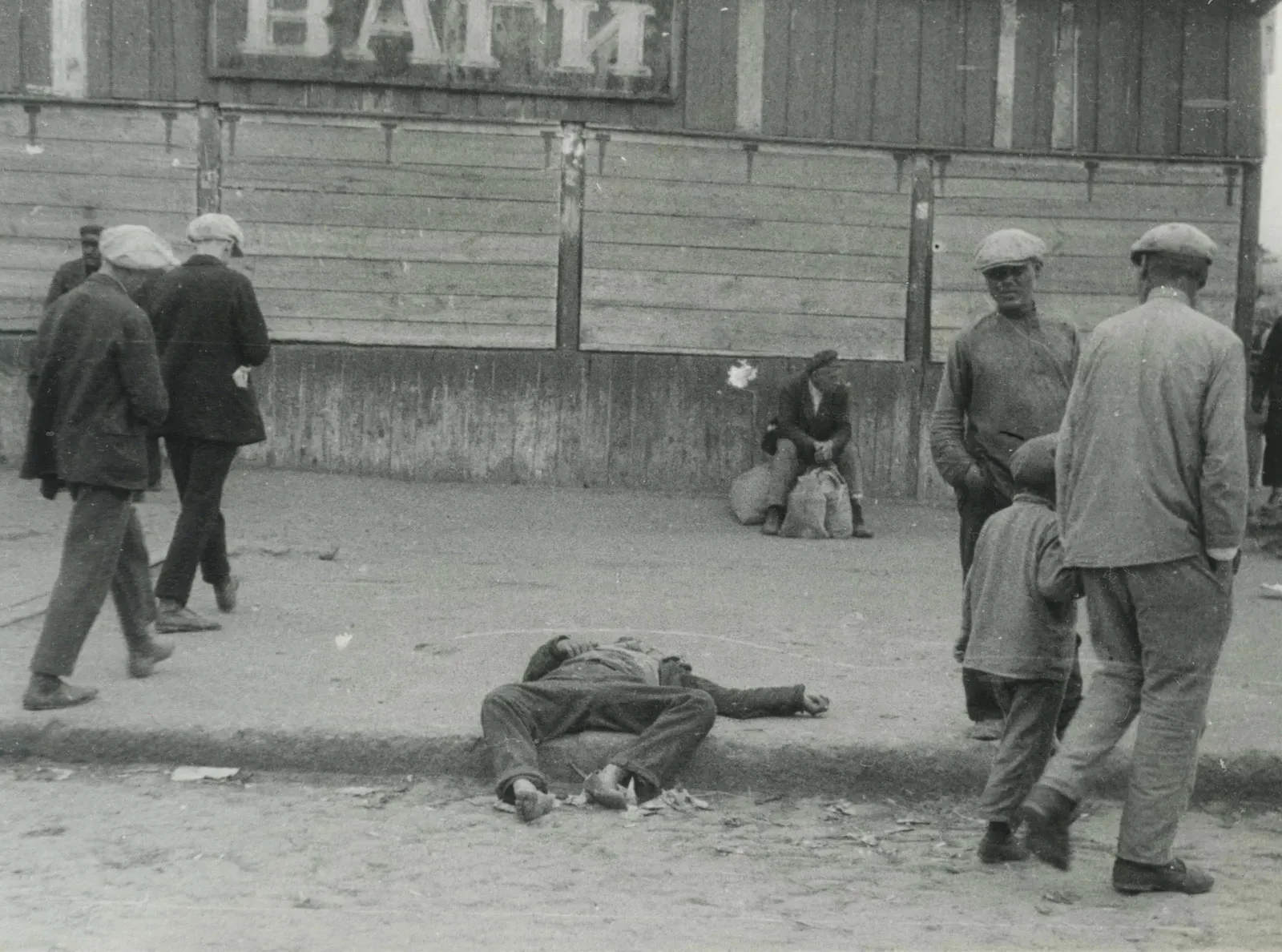
In the early 1930s, millions of people in Soviet Ukraine died in a famine that many scholars and several countries now view as at least partly man‑made. Under Joseph Stalin’s rule, aggressive grain requisition policies, forced collectivization of farms, and harsh crackdowns on supposed “hoarders” stripped rural populations of food. While cities and political priorities received supplies, many villages faced starvation, and desperate families resorted to measures that are hard to even read about, let alone imagine living through.
For decades, this famine – often referred to as the Holodomor – was minimized or denied in official Soviet accounts, buried under statistics and ideological slogans. Foreign journalists who tried to report on it honestly were pressured or discredited, while those who echoed the party line gained easier access. Even now, debates continue over definitions, intent, and terminology, which can obscure the lived reality: entire communities were shattered in a relatively short span of time. When history is filtered through political needs, mass suffering can be turned into a bureaucratic footnote.
The Nuclear Tests That Sacrificed “Remote” Communities
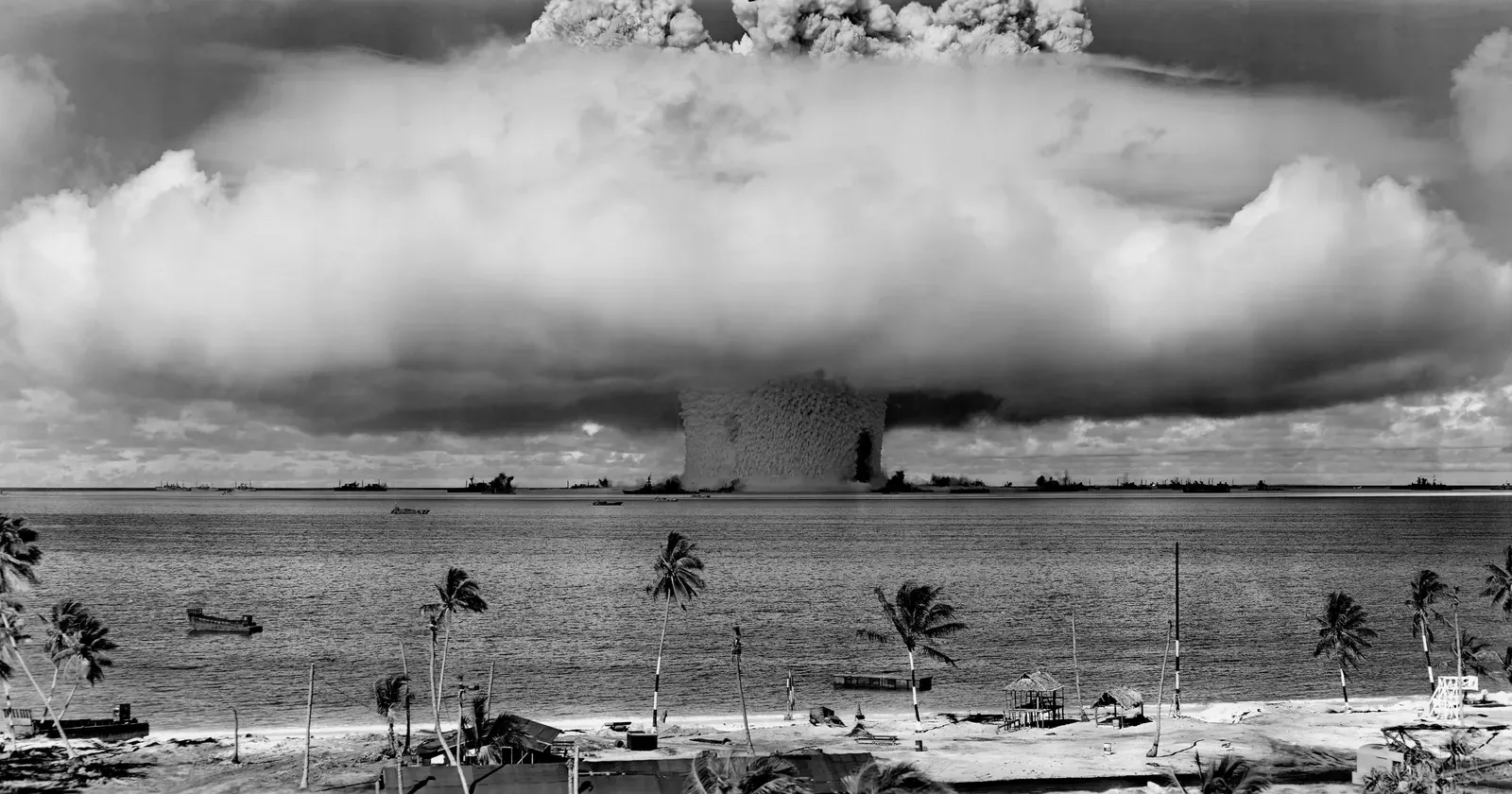
Most students learn that nuclear bombs were dropped on Hiroshima and Nagasaki, but far fewer are taught how often nuclear weapons were tested in the decades that followed, often in places whose people were treated as expendable. From Pacific atolls to deserts and steppe regions, governments detonated bombs in the atmosphere, underground, and underwater, exposing soldiers, local residents, and downwind communities to radiation. For many, the fallout meant increased cancer rates, forced relocations, contaminated land, and long battles for recognition and compensation.
What makes this chapter especially disturbing is how casually the word “remote” was used to justify these choices, as if distance on a map turned living communities into empty test ranges. Islands and rural areas were treated more like laboratory benches than homelands with deep cultural ties. Even today, some former test sites remain unsafe or heavily restricted, while descendants of those exposed still grapple with health issues and a sense that their suffering was written off as a necessary cost of superpower status. When history focuses only on treaties and missile counts, this human side of the nuclear age stays largely invisible.
Conclusion: Why These Hidden Histories Matter Now
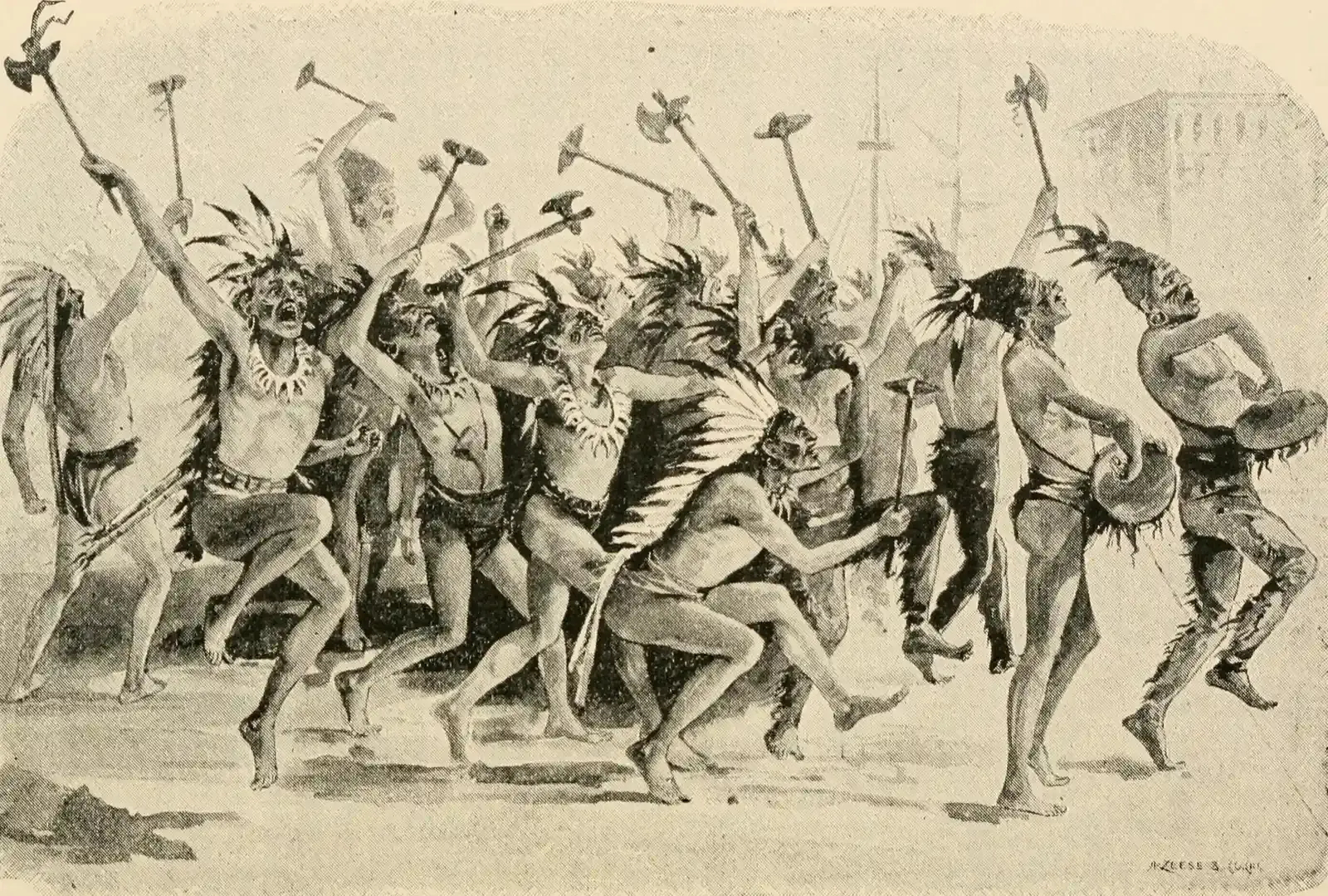
Looking at these ten dark chapters side by side, a pattern jumps out: the people who suffered most were often those with the least power to write their own history. Colonized populations, racial minorities, rural communities, and Indigenous nations saw their stories flattened into euphemisms or erased altogether. That is not an accident; it is a feature of how states and empires protect their reputations, turning atrocities into “incidents” or skipping them entirely so the national story can stay clean and triumphant.
I think this is why learning about these events can feel both heavy and strangely liberating. It is heavy because you cannot unsee the cruelty or the scale of loss, but it is liberating because it cracks open the polished surface of the past and makes room for more voices. History stops being a parade of great men with neat morals and starts looking more like real life: messy, contested, and morally complicated. The question is not whether these chapters are uncomfortable – they absolutely are – but whether we care enough about truth and justice to face them anyway. After all, if we do not fully confront what people have already done, how seriously can we claim that “never again” means anything at all?