You tend to imagine human evolution as a neat line: ape-like creature slowly turns into upright human, roll credits. But when you zoom in on the last couple of million years, it looks less like a straight ladder and more like a crowded family reunion, with multiple human species bumping shoulders, competing for food, and sometimes even sharing genes. For long stretches of time, your own direct ancestors did not have Earth to themselves at all.
What makes this truly wild is that many of these now-vanished humans were not clumsy half-apes. Some made tools, some controlled fire, some buried their dead, and at least one of them may have used symbols and pigments, just like you do when you decorate your space or mark something as meaningful. When you walk around today, comfortably assuming your species owns the planet, it is easy to forget that for most of recent evolutionary history, you were just one of several kinds of humans trying to survive.
Neanderthals (Homo neanderthalensis): Your Most Famous Lost Cousins
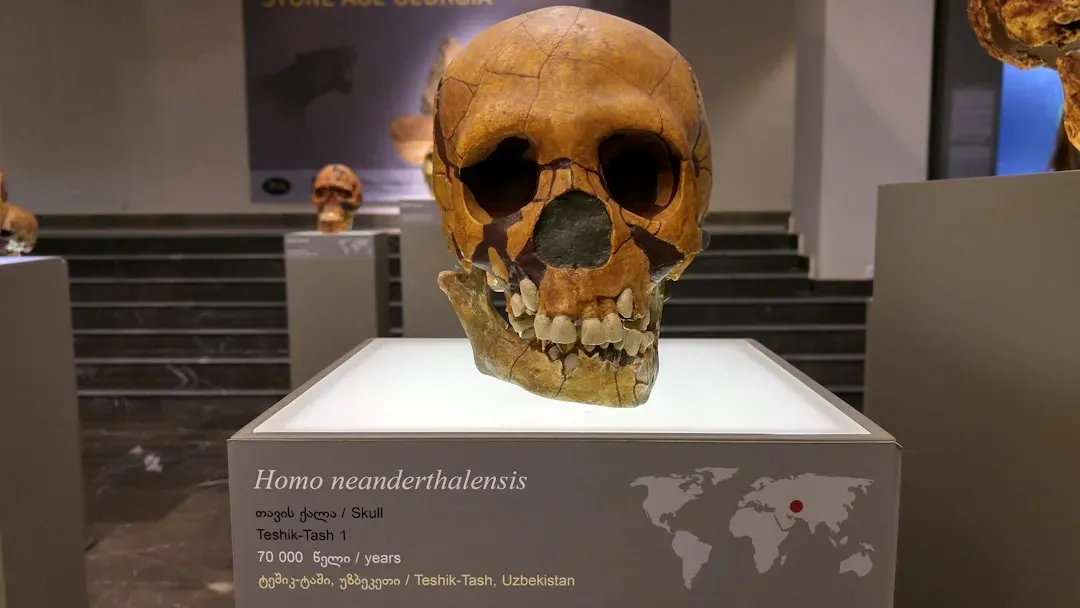
When you picture another human species living alongside your ancestors, you probably think of Neanderthals first, and for good reason. You are not just distantly related to them in theory; if you have ancestry from outside sub-Saharan Africa, you probably carry a small amount of Neanderthal DNA in your own cells. These people lived across Europe and western Asia, enduring brutal ice age climates that would send most modern city-dwellers running for central heating.
You might have grown up hearing Neanderthals described as brutish or primitive, but that story does not hold up when you look at the evidence. They made sophisticated stone tools, used fire, hunted large animals in coordinated groups, and probably cared for sick or injured members of their bands. You even find signs that they buried their dead and sometimes placed objects with the bodies, hinting that they saw death as something more than just an ending. When your ancestors, early Homo sapiens, arrived in Eurasia, they did not encounter monsters; they ran into a rival branch of humanity that was already thriving.
Homo floresiensis: The “Hobbits” of Flores Island
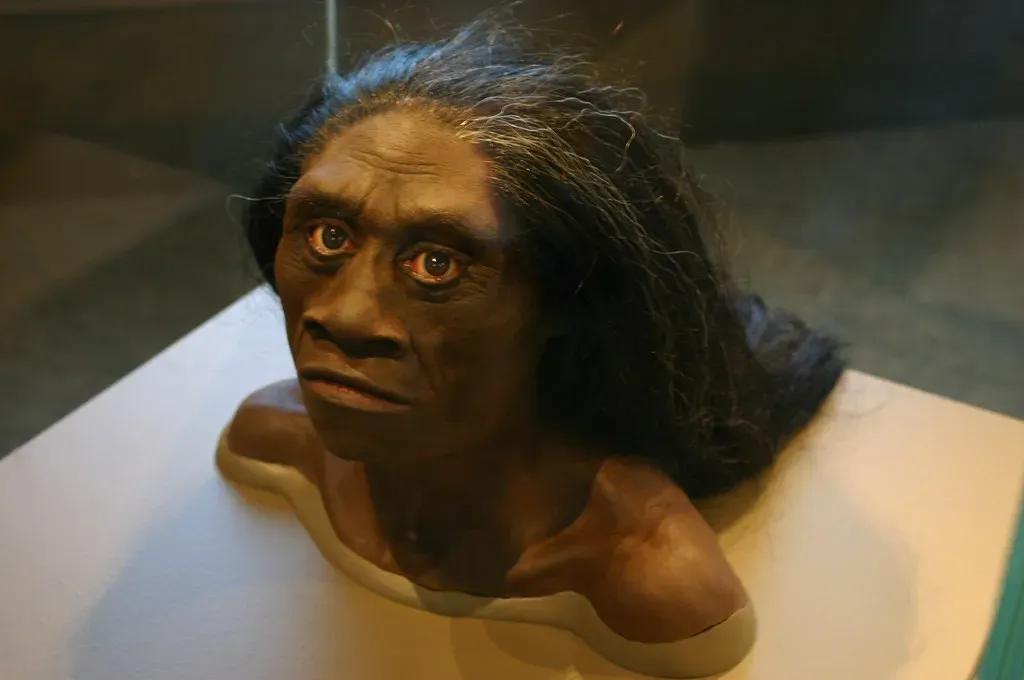
If someone told you that another species of tiny humans lived on a tropical island while your ancestors were spreading across the globe, you might think it sounded like a fantasy novel. Yet on the Indonesian island of Flores, you meet Homo floresiensis, a small-bodied human relative that stood only about as tall as an average six-year-old child today. Despite their size, they were not miniature cartoons; they were fully capable humans, moving through rugged landscapes and exploiting a tough island environment.
On Flores, you see stone tools, evidence of hunting, and signs that these little humans coped with giant predators, including massive storks and a species of dwarf elephant. Their brains were much smaller than yours, but they still managed to make and use tools, which forces you to rethink how tightly brain size connects to intelligence. These “hobbits” were around long enough that your own species may have overlapped with them in Southeast Asia. Imagine arriving on a new island and discovering that the “mysterious little people” in local stories were not myths at all, but another kind of human.
Denisovans: The Ghost Humans in Your DNA
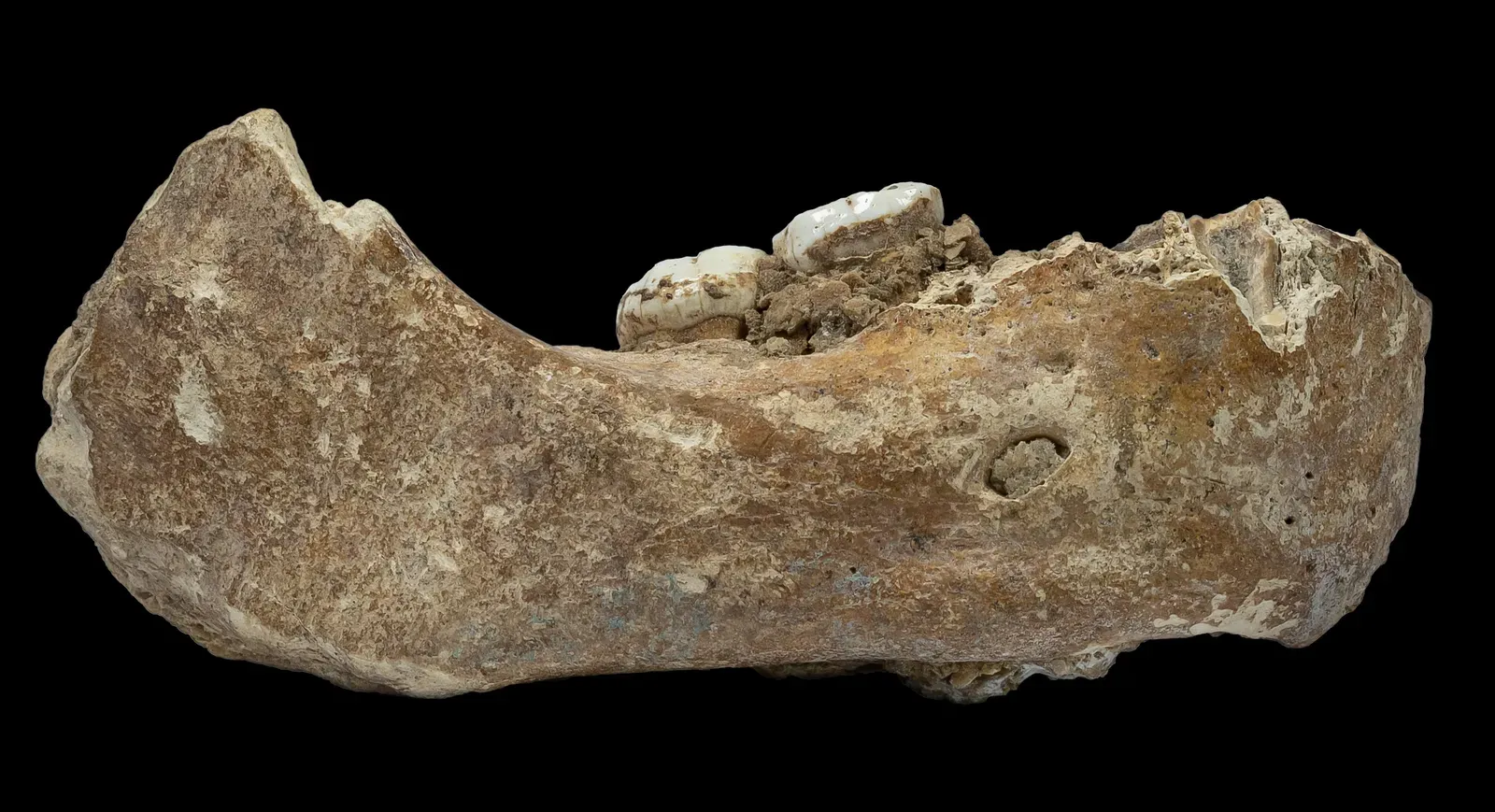
You know Neanderthals from skulls and skeletons, but Denisovans are more like a shadow – at least at first glance. You meet them mostly through fragments: a finger bone here, a tooth there, and the genetic fingerprints they left behind in modern human populations. If you have ancestry from parts of Asia, Oceania, or the Americas, there is a decent chance you carry Denisovan DNA quietly woven into your genome right now. They are a reminder that your evolutionary story is not just about who survived, but who mixed.
What little physical evidence you have for Denisovans suggests a cousin group related to Neanderthals, but adapted to different regions of Asia. Their genes show up in modern Tibetans in ways that help you handle high altitude and low oxygen, which hints that Denisovans were tough, high-altitude survivors long before your species settled those mountains. When you think about them, you are forced to admit that you may never know what a Denisovan face looked like in life, yet their biological legacy still shapes how some people breathe, cope with cold, and survive harsh environments today.
Homo heidelbergensis: The Common Ancestor Linking Several Human Branches
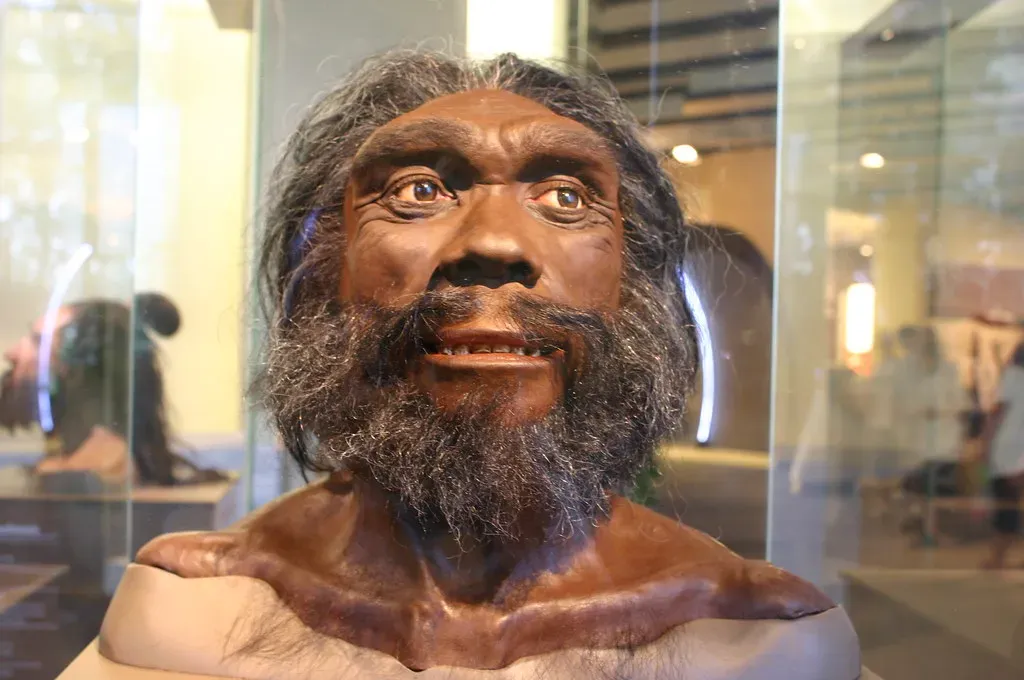
To make sense of your evolutionary family tree, you need to meet Homo heidelbergensis, a species that probably sat close to the branching point between Neanderthals, Denisovans, and modern humans. If you rewind the clock to around half a million years ago in Africa and Europe, you find these tall, sturdy humans hunting big game, using wooden spears, and possibly building simple shelters. When you look at their fossils, you see a blend: some features feel older and more robust, others seem surprisingly modern, like a face you might almost recognize in a crowded subway.
You can think of Homo heidelbergensis as the grandparent generation in a big, complicated family where different grandchildren go their own way. Your own line likely emerged from African populations, while European and Eurasian branches evolved into what you later call Neanderthals and Denisovans. If you were standing in front of a group of these people, you would clearly see that they were not Homo sapiens, but they would not look alien either. They would walk upright like you, use tools like you, and probably communicate in ways that would feel eerily close to a language you could almost understand, but not quite.
Homo naledi: A Mysterious Survivor in the Shadows
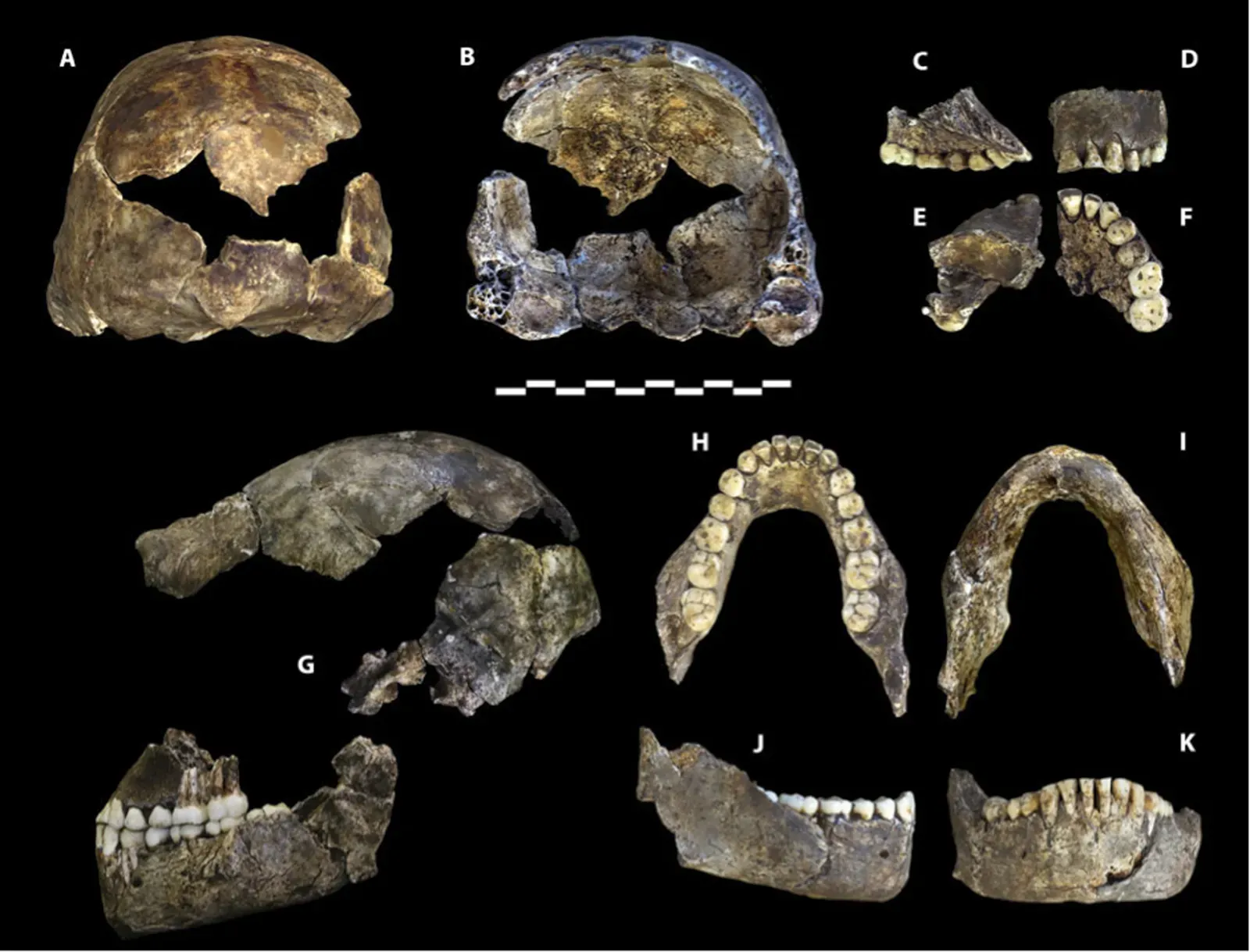
When you step into the Rising Star cave system in South Africa (at least in your imagination), you come face-to-face with one of the strangest members of your extended family: Homo naledi. These humans had a curious mix of traits – small brains more like earlier hominins, but hands and feet suggesting they were comfortable both climbing and walking long distances. What really jolts you, though, is where you find them: deep in cave chambers that are extremely hard to access, with multiple individuals clustered together.
Some researchers argue that this pattern hints at intentional body disposal, which would mean these small-brained humans may have had surprisingly complex social or symbolic behaviors. Even if the interpretation changes as new evidence appears, you are still left with a species that probably overlapped in time with early Homo sapiens in Africa. Picture that for a second: while your ancestors were beginning to shape the world with art, expanded trade, and new tools, another kind of human with a very different body and brain plan might have been quietly moving through the same landscapes, largely unnoticed by you today.
Homo erectus: The Longest-Lived Human Pioneer
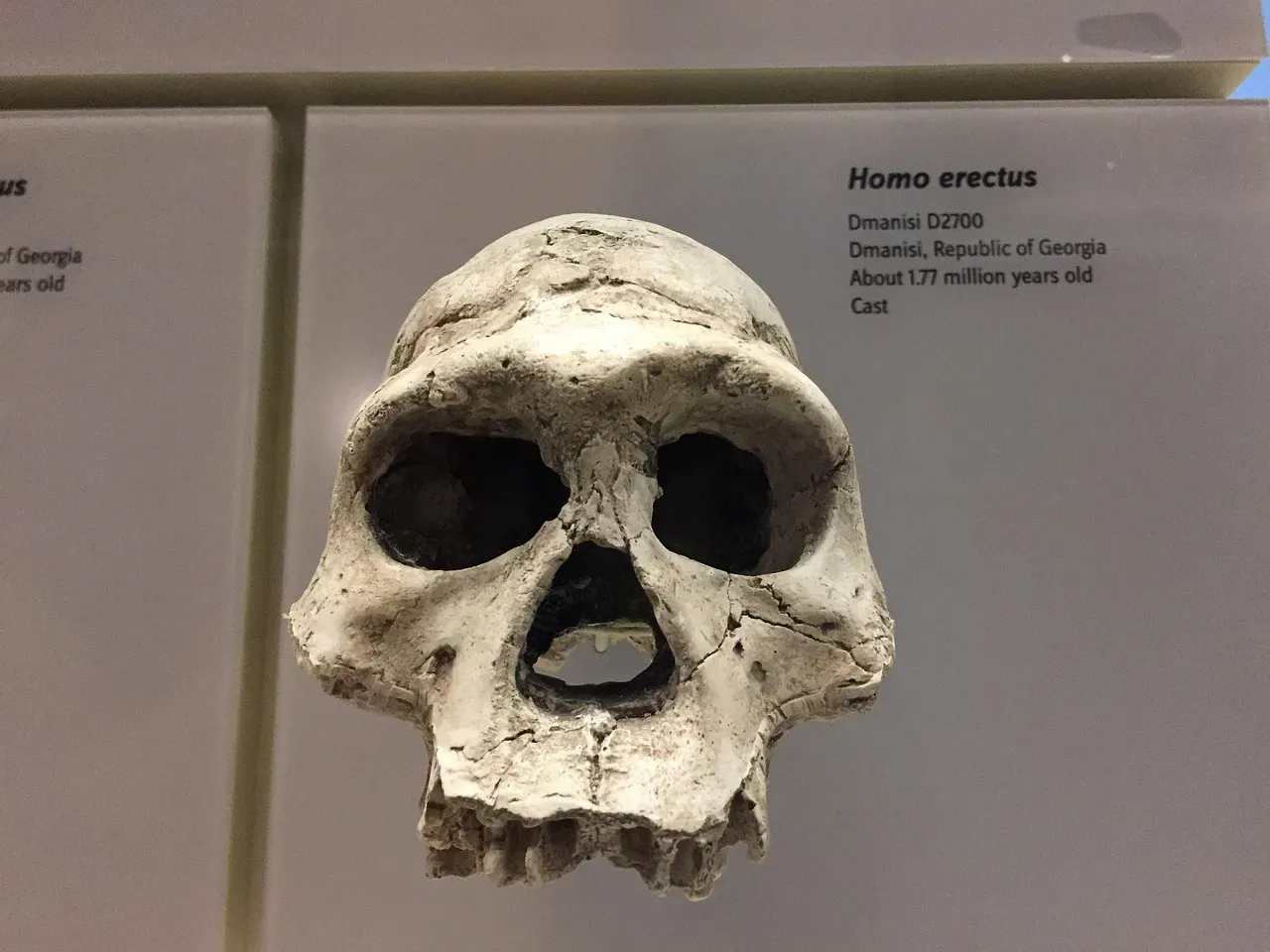
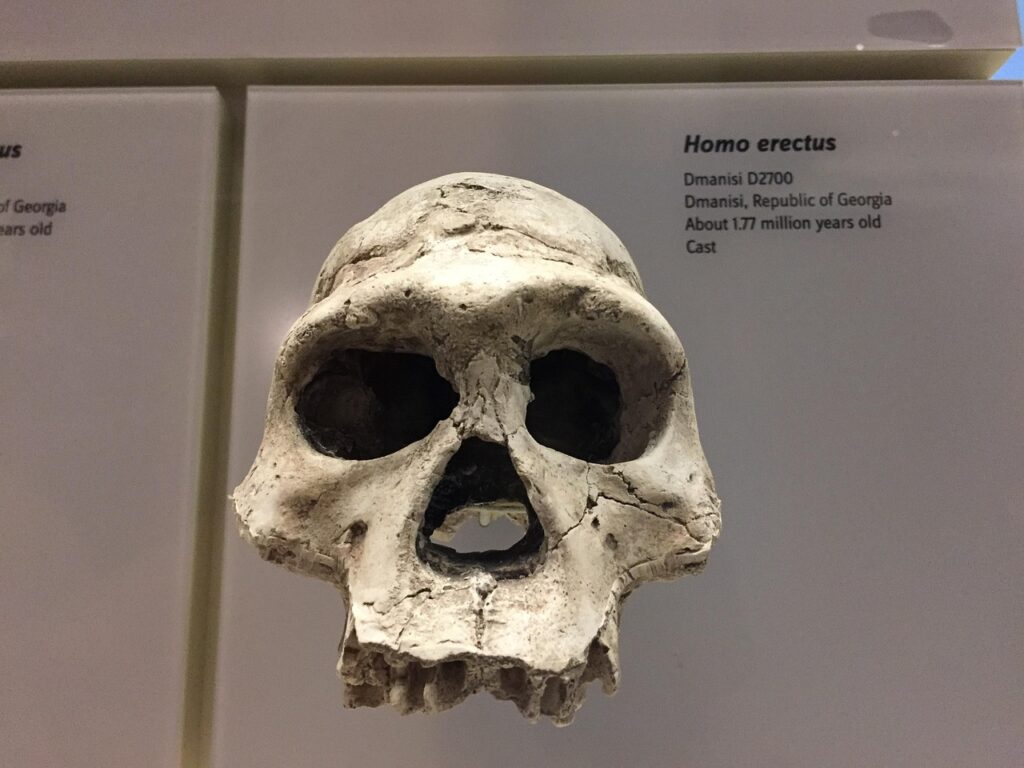
Before most of these other species appear, you find Homo erectus, a true trailblazer in your lineage and one of the longest-lasting human species ever. This is the early human who first walks out of Africa in a big way, spreading into parts of Asia and possibly Europe, adapting to new climates and challenges as they go. If you could watch them in real time, you would see bodies more similar to yours – taller, with longer legs, built for endurance walking and running instead of just climbing trees.
Homo erectus used stone tools, probably controlled fire in at least some regions, and may have lived in social groups that cooperated on hunts and shared food. For hundreds of thousands of years, your ancestors and near-ancestors existed in a world where Homo erectus was a constant presence in other regions. When you realize that Homo erectus may have persisted in parts of Indonesia until relatively recent times, you start to see how crowded the stage really was. Your direct ancestors did not inherit an empty world; they walked into one already populated by older explorers who had been surviving far from Africa long before Homo sapiens appeared.
Conclusion: You Are the Last Branch Standing – for Now
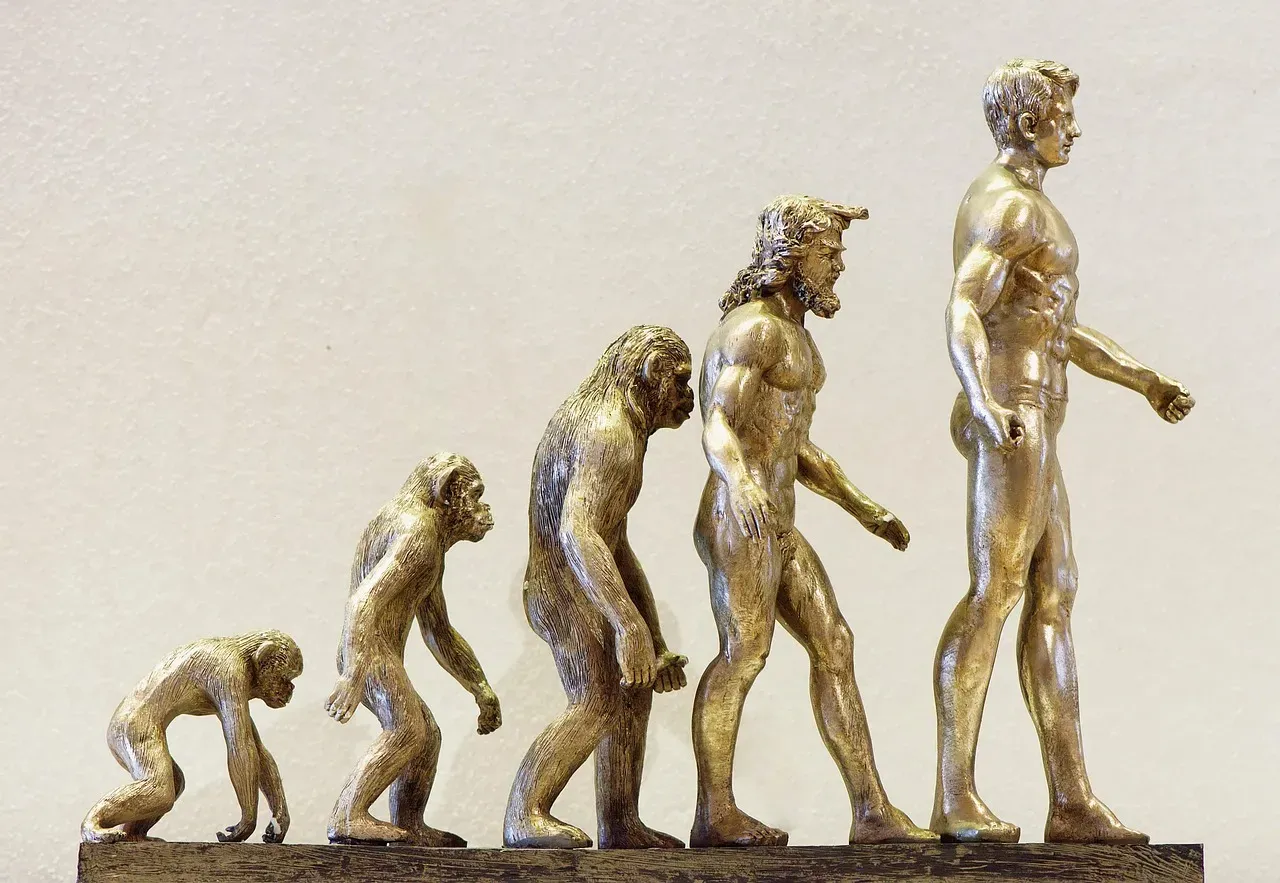
When you pull all these threads together – Neanderthals, Denisovans, hobbits from Flores, mysterious cave dwellers like Homo naledi, bridge species like Homo heidelbergensis, and globe-trotters like Homo erectus – you start to see yourself differently. You are not the inevitable final product of evolution; you are the last surviving branch of a dense, tangled tree of human experiments. For most of the last million years, if you had walked across the planet, you would have encountered more than one kind of human face looking back at you.
That realization can be humbling and strangely comforting at the same time. Humbling, because your dominance today is recent and fragile; comforting, because it tells you that “being human” has always come in more than one shape, size, and way of life. The next time you look in a mirror, you are not just seeing one person – you are seeing echoes of cousins, ancestors, and vanished species whose lives made your existence possible. When you picture them all sharing this planet not so long ago, you have to ask yourself: if they could see you now, what kind of ancestor would you hope to be?