Look up at the night sky for a few seconds and it hits you: those tiny pinpricks of light are not just stars, they’re entire suns, many with their own planets. It’s almost unsettling to realize that our solar system is just one tiny island in a cosmic ocean filled with worlds we’ll probably never visit. And yet, in the last couple of decades, astronomy has gone from guessing about other planets to cataloging thousands of them in stunning detail.
That avalanche of new data has completely transformed how scientists think about alien life. Ideas that once sounded like wild science fiction are now being discussed seriously in research papers and conference halls. These five theories about don’t claim certainty – but they do reveal how weird, subtle, and surprising the universe might really be. As we go through them, you might notice something eerie: the more we learn, the harder it is to argue that we’re alone.
The Universe Might Be Teeming With Life… But Mostly Microbes
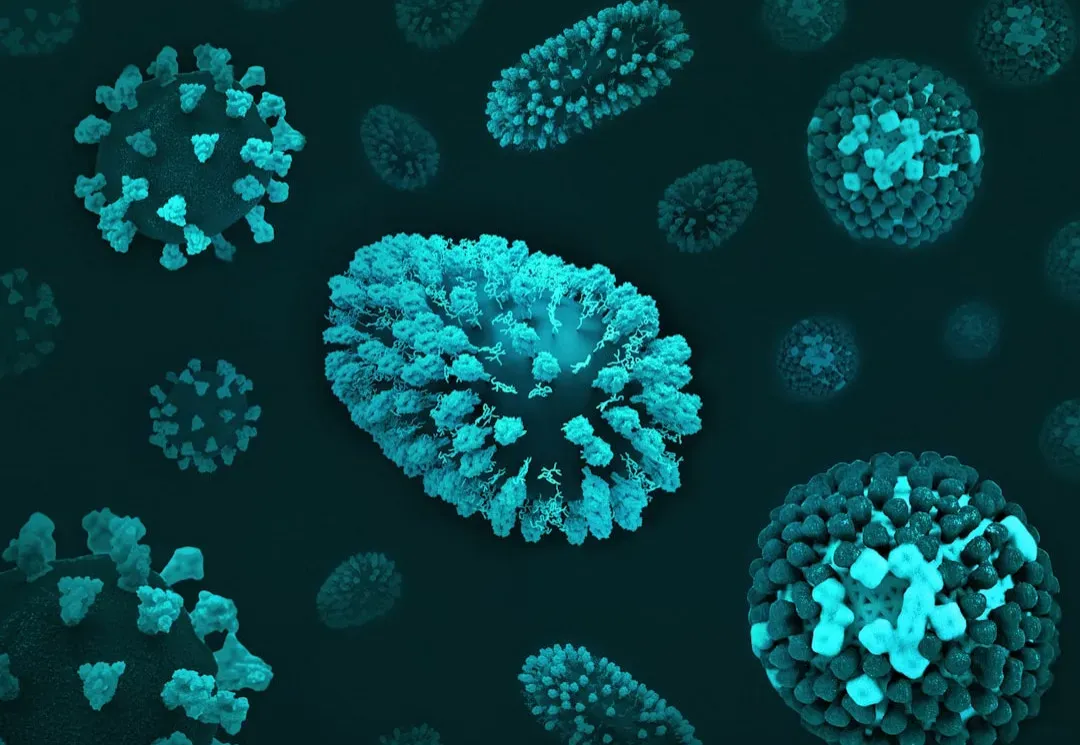
Imagine a galaxy overflowing with life – but it’s almost all invisible slime, films of cells, and microbial mats clinging to alien rocks. That’s the first big theory: life as we know it, especially simple microbial life, might be incredibly common, while complex, intelligent life is rare. We already know that rocky planets in the right temperature zone – where liquid water can exist – are not special; astronomers have found so many that “Earth‑like” is starting to sound routine rather than exceptional.
On Earth, microbes appeared shockingly fast once the planet cooled enough for oceans to form, but complex animals took billions of years to evolve. This huge delay suggests that starting life might be easy, while getting from bacteria to brains is like winning the cosmic lottery. If that’s true, the Milky Way could host countless worlds covered in microbial oceans, underground biospheres, or clouds seeded with hardy cells drifting in alien skies – alive, but silent, never building radios, telescopes, or starships we could detect.
Life May Thrive in Places That Look Nothing Like Earth
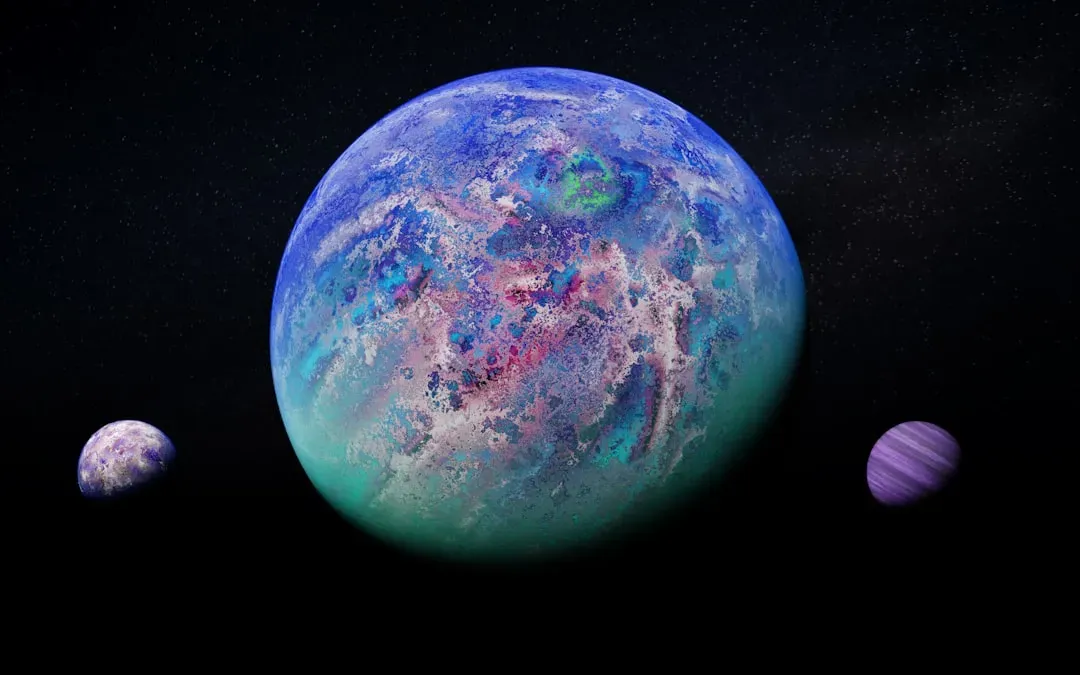
We tend to imagine alien life on familiar, blue‑and‑green Earth clones, but a growing theory says that’s way too narrow. Exoplanet research has uncovered worlds with red suns, double suns, tidally locked daysides burnt by constant light and nightsides frozen in permanent darkness. Some planets may be covered entirely by deep oceans without continents, while others might be super‑Earths with crushing gravity and thick, soupy atmospheres that never clear.
On Earth, we’ve already found microbes living near boiling vents on the seafloor, inside Antarctic ice, and in extremely salty or acidic lakes – places once thought sterile. Those discoveries gave scientists a push: maybe life can adapt to wildly different chemistries, pressures, and temperatures, as long as there’s some source of energy and a way to build complex molecules. In this view, alien life might breathe hydrogen instead of oxygen, swim in methane seas instead of water, or use solvents we barely study in our labs today, turning “habitable” into a much broader, stranger category than the traditional Earth‑like box.
Technological Civilizations Could Rise and Fall Before We Ever Notice
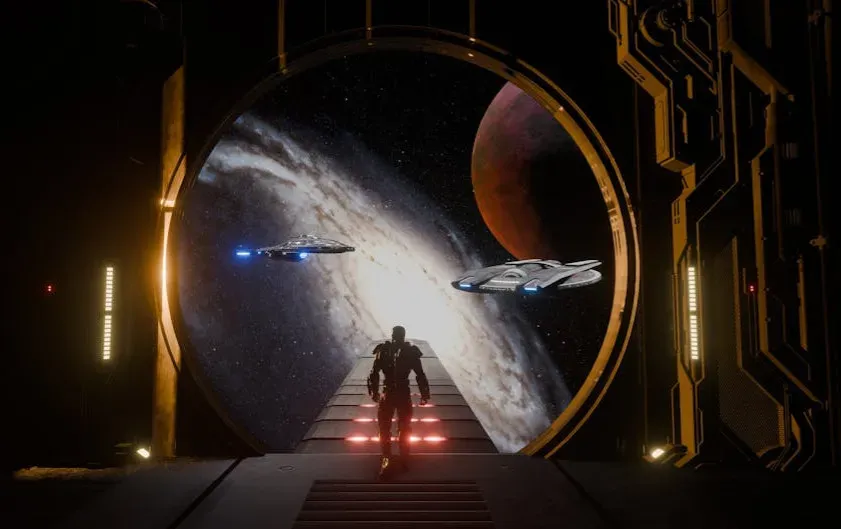
One unsettling theory tries to explain the famous paradox: if the galaxy is old and full of planets, why don’t we see obvious signs of advanced aliens? One answer is that technological civilizations might be brief, like cosmic fireworks – bright for a moment, then gone. On our own planet, radio and TV broadcasts, the kind that leak into space, have only been around for a bit more than a century, and we’ve been doing serious exoplanet surveys for barely a few decades.
If most civilizations burn through their resources, destabilize their climate, or wipe themselves out with wars or accidents, their window of “detectability” might be painfully short. They could flicker on and off across the galaxy over millions of years, never overlapping in the right time and distance for contact. That paints a sobering picture: even if many civilizations exist, the odds of two of them pointing antennas at each other at exactly the right moment might be like trying to catch a single firefly with a camera flash in a sprawling, pitch‑black forest.
Alien Life Might Be Hidden in Plain Sight as Machine or Post‑Biological Beings
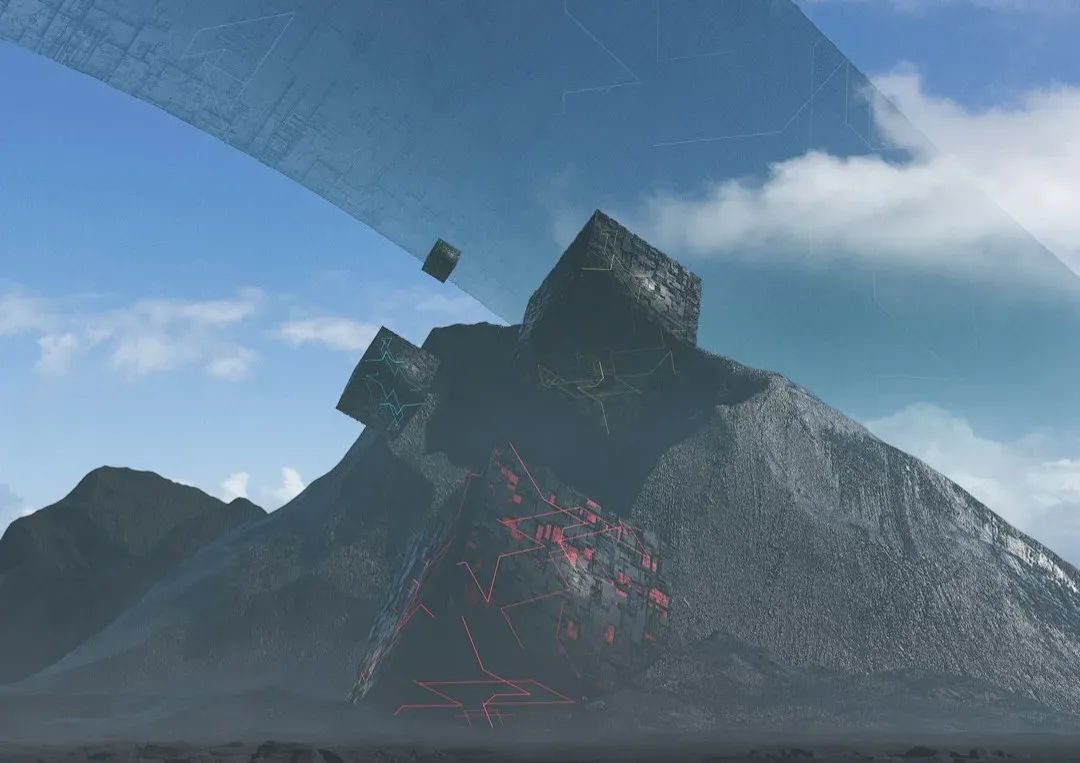
Another bold idea says we might be looking for the wrong kind of life entirely. We tend to assume aliens are biological, like us – made of cells, needing water, vulnerable to radiation and heat. But some researchers argue that any civilization that advances far beyond our current level might eventually abandon fragile biology and shift into machines or some hybrid form, especially if it allows them to think faster, live longer, and travel more efficiently between stars.
If this is right, alien “life” could exist as networks of self‑replicating probes, artificial minds embedded in asteroids, or distributed intelligence woven throughout dust and debris around distant stars. That kind of presence might not beam messages or build flashy megastructures we instantly recognize. It could operate in energy‑efficient, low‑temperature modes, blending in with the natural background. In other words, what looks to us like a quiet, empty system might actually be a carefully optimized habitat for minds that no longer need bodies in any form we would recognize as alive.
We Might Only See Alien Life Through Its Shadows and Fingerprints
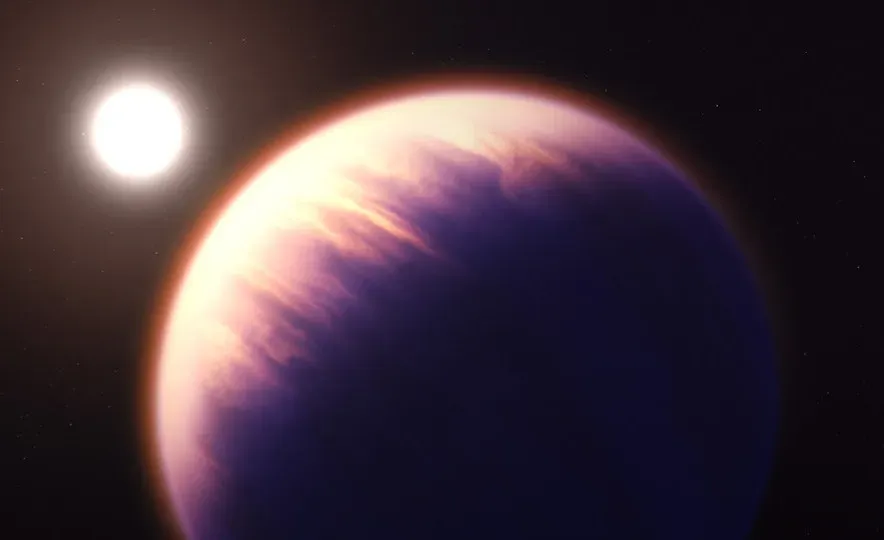
One of the most powerful current theories is also one of the most modest: the first strong evidence for alien life may not come from messages or spaceships, but from subtle chemical fingerprints in distant atmospheres. Instead of looking for someone waving at us, scientists are learning how to spot the shadows of life – gases and patterns that are hard to explain with volcanism, sunlight, or pure chemistry alone. Telescopes are being designed to split the faint light from exoplanets into spectra, searching for combinations like oxygen with methane, or unusual hazes and pigments that might point to biology.
There’s a catch, though, and it keeps researchers cautious: nature can imitate life’s signals. Planets around different kinds of stars may have exotic chemistry that produces “false positives,” and our models are still catching up. That’s why this theory focuses less on one dramatic detection and more on building a long, careful case – surveying many planets, testing multiple gases, and comparing patterns across different systems. In the end, the first proof of alien life could arrive not as a single jaw‑dropping image, but as a quiet consensus: the numbers, the spectra, and the simulations all lining up to say, as clearly as science can, that something out there is alive.
Conclusion: A Quiet Universe… Or One We Just Don’t Understand Yet?
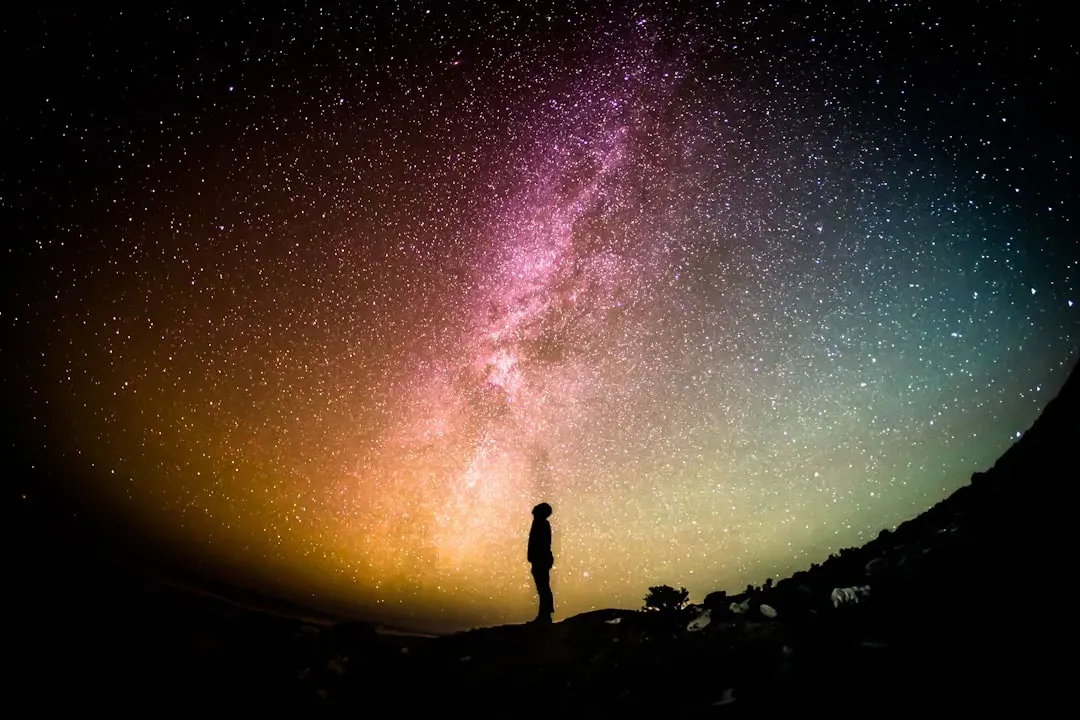
When you put these theories side by side, they paint a universe that’s not empty, but complicated and strangely quiet from our point of view. Maybe it’s dominated by microbes hanging on in harsh niches. Maybe life often blooms but rarely gets smart enough – or stable enough – to call out across the stars. Or maybe intelligence moves beyond biology so completely that we’re like people listening for drums in a city run entirely on silent fiber‑optic cables.
Personally, I find it oddly comforting that we don’t have a final answer yet; it means the story is still wide open, and we’re alive at the moment when we’re finally able to start asking the universe good questions. Over the next few decades, better telescopes and better data will either strengthen these theories or force us to toss them out and think even more radically. Until then, every clear night sky is an unanswered question hanging above us: if someone, somewhere, is looking back, will we recognize them when we finally see their trace?