
For a long time, schoolbook history made the peopling of the Americas sound simple: a late migration, small groups, short timelines. Then archaeologists started digging a little deeper, and the ground quietly rebelled. Layer by layer, a very different story began to surface – one with older dates, more complex societies, and technologies that simply weren’t supposed to be there yet.
Some of these sites shattered neat timelines; others forced researchers to admit they had underestimated the intelligence, adaptability, and social complexity of early Americans. Together, they didn’t just tweak the story of the first peoples of the Americas – they ripped up the old script. Let’s walk through five places that changed the conversation in ways that are still echoing in labs, lecture halls, and, honestly, in the way many of us think about human history.
1. Monte Verde (Chile): The Site That Broke the “Clovis-First” Rule
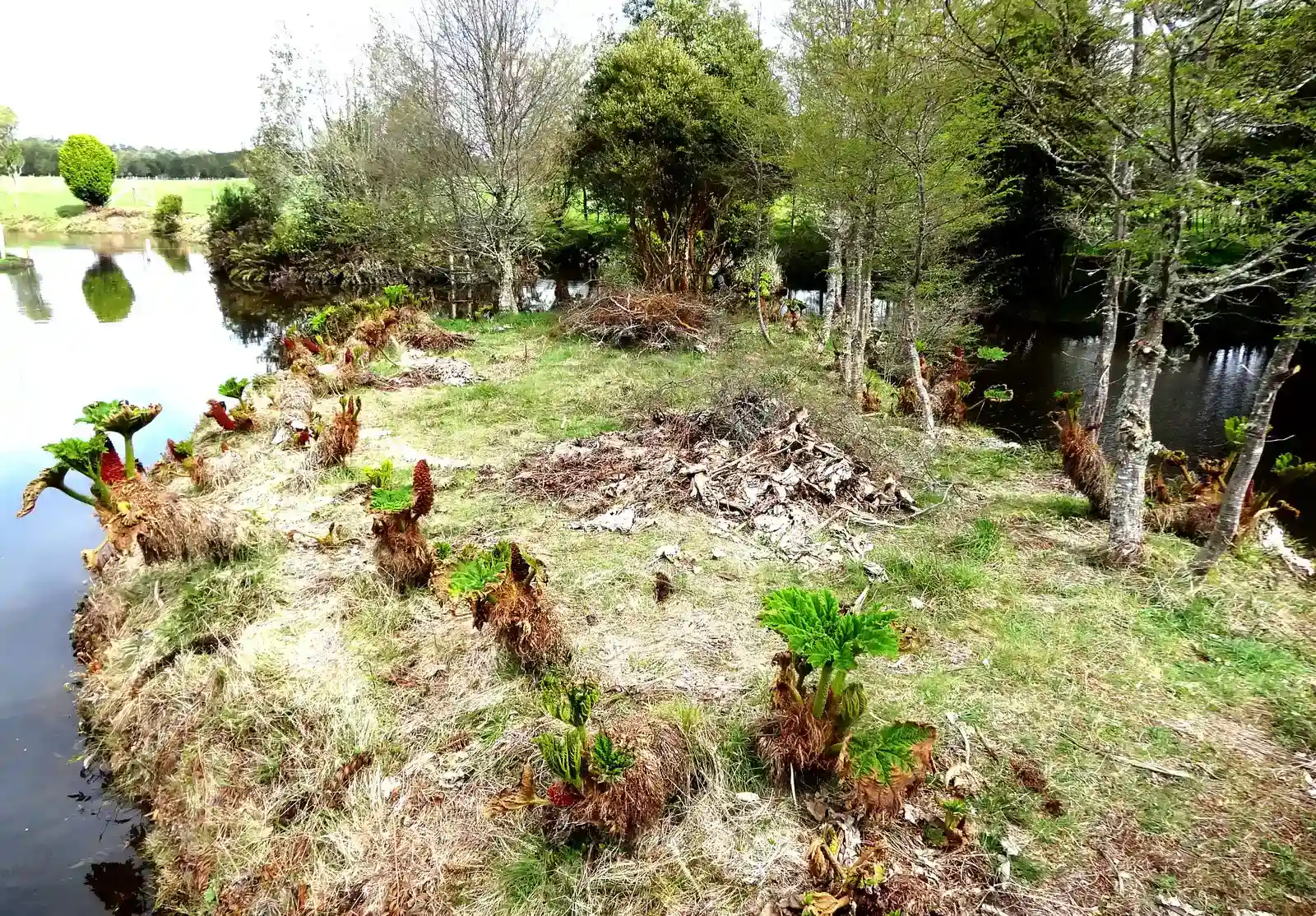
Imagine spending your whole career hearing that the first people in the Americas showed up roughly about thirteen thousand years ago, then stumbling across a site that calmly suggests, “Actually, try several thousand years earlier.” That’s what Monte Verde did. Hidden in the damp, boggy landscape of southern Chile, this small ancient camp preserved things that almost never survive: wooden structures, chewed plant remains, bits of hide, and even what looks like a communal activity area.
Radiocarbon dates from Monte Verde consistently point to human occupation that is significantly older than the classic Clovis culture of North America. That flipped a long‑held belief that Clovis spear points represented the first wave of people. Suddenly, the tidy north‑to‑south migration story looked more like a tangled web. If people were already living at the far southern tip of South America that early, they must have arrived on the continent well before the old timeline allowed, possibly hugging coastlines or following now‑flooded routes along the Pacific.
2. Cactus Hill (Virginia, USA): An Unexpected Challenge in the East
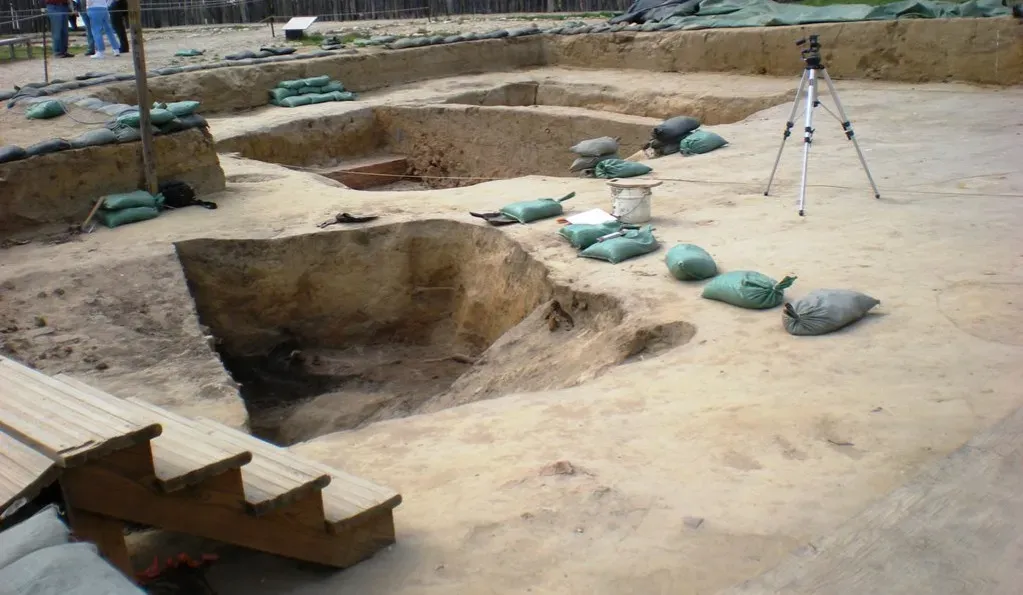
Cactus Hill doesn’t look like much from the outside – a sandy rise in rural Virginia, the kind of place you’d drive by without a second glance. Yet under that sand, archaeologists found layered evidence of human presence that seemed to predate Clovis by a substantial margin. Below a classic Clovis layer, there were stone tools and hearths that hinted at an even older culture, one that had no business being there according to the long‑accepted story.
What made Cactus Hill so disruptive wasn’t just its age, but its location. For years, most people expected any early sites to cluster in the American West, closer to the Bering land bridge. Finding potential pre‑Clovis layers on the East Coast forced researchers to consider that early inhabitants might have spread faster, taken different routes, or arrived via multiple waves. It turned the map of early America from a one‑way arrow into something more like a messy family road trip, with side routes and detours that are still being traced.
3. Buttermilk Creek / Debra L. Friedkin Site (Texas, USA): A Long, Deep Record of Human Presence
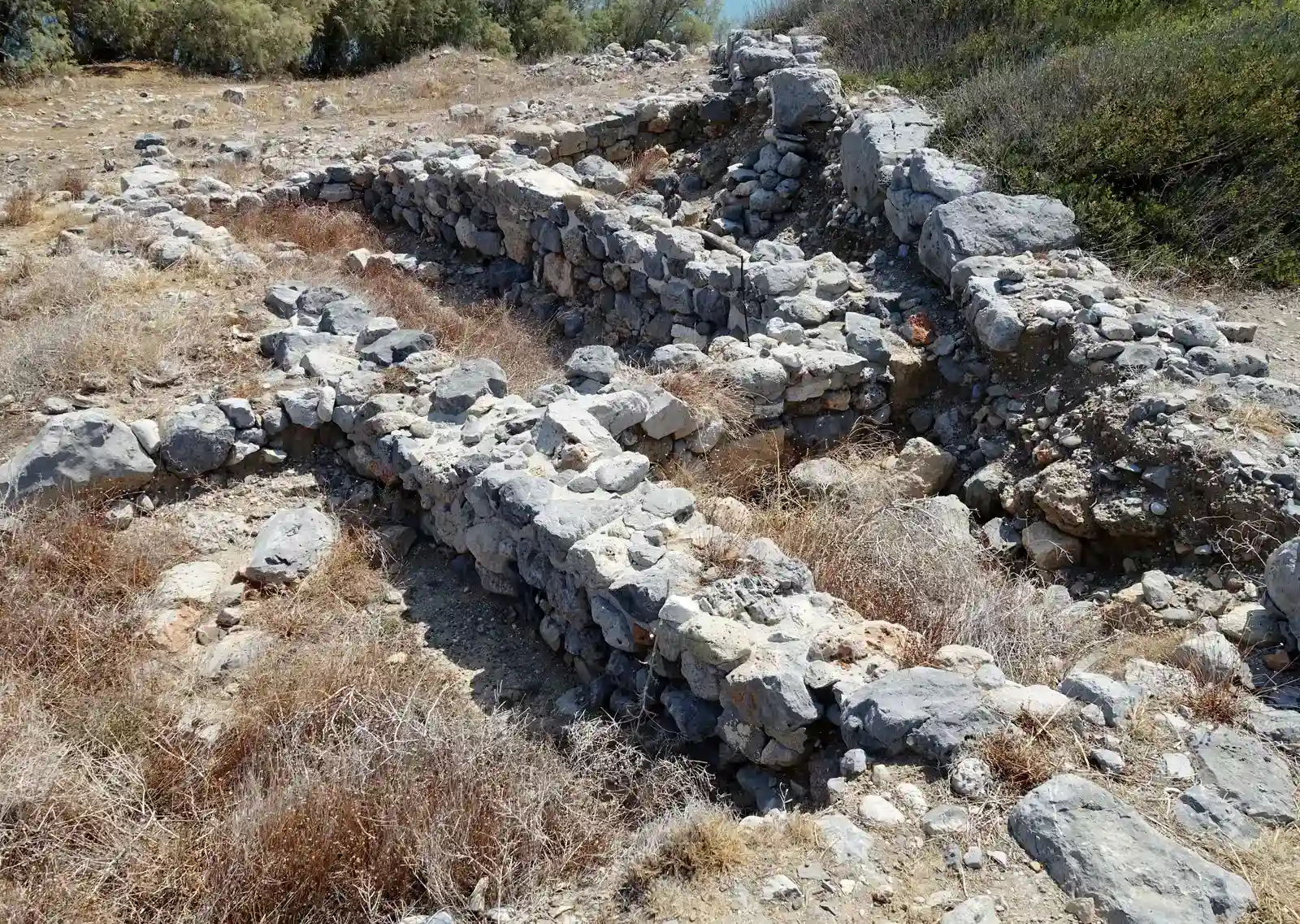
In central Texas, along a modest creek, archaeologists started peeling back layers of soil and, to their surprise, found one cultural layer after another, stacked like pages in a very long book. The Buttermilk Creek complex, particularly the Debra L. Friedkin site, revealed a dense scatter of stone tools beneath clear Clovis levels. These weren’t just a few stray flakes; they formed a coherent toolkit suggesting people were already well established there before Clovis technology appeared.
The sheer volume of artifacts mattered. It made it harder to dismiss the finds as random, disturbed, or misdated. The site supported the idea that Clovis was not the beginning, but rather a regional style that emerged from earlier populations already living in North America. That shifts early Americans from being quick, late arrivals to long‑term residents whose cultural traditions evolved over many generations. It’s the difference between someone dropping in for a short visit and someone slowly furnishing a house they have lived in for a very long time.
4. Cueva de las Manos (Argentina): Art That Reveals Ancient Minds
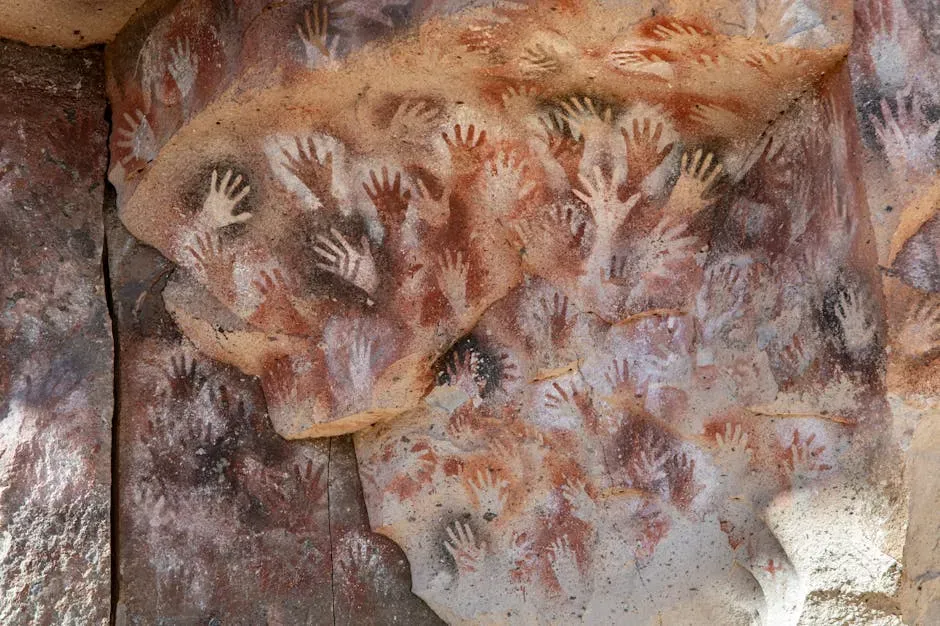
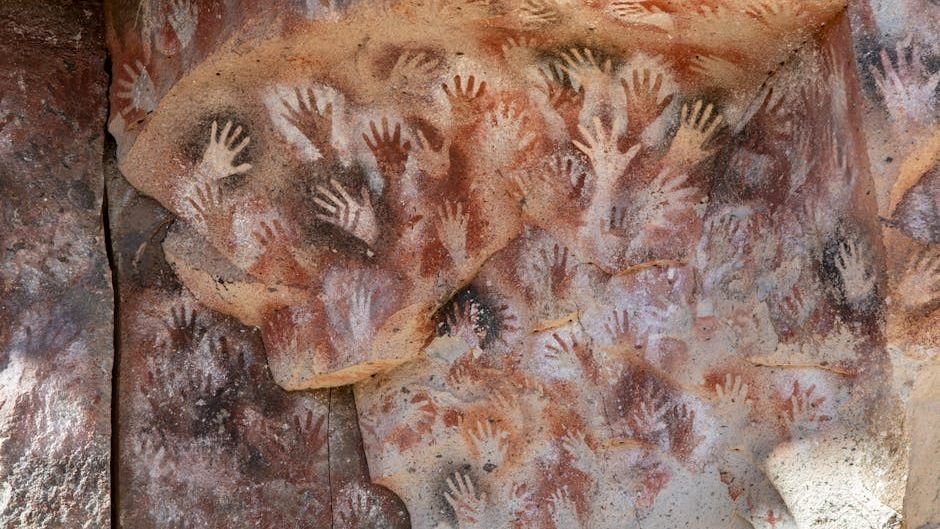
When you first see the rock walls of Cueva de las Manos – the “Cave of Hands” in Patagonia – it feels strangely intimate. Dozens upon dozens of hand stencils fan out across the stone, layered in reds, blacks, and ochres, some more than eight or nine thousand years old. These aren’t random doodles; they’re deliberate, repeated, and clearly meaningful to the people who made them. In the middle of a rugged landscape, someone decided to leave a visual record that would outlast almost everything else.
This site forced many people to rethink early Americans as not just survivors, but as artists, storytellers, and thinkers with symbolic systems as rich as those in Europe or Asia. The hunting scenes and stylized animals hint at complex relationships with the environment and social rituals we can’t fully decode. When I first saw photos of the cave, I remember thinking how modern the hands looked, how close they felt – like someone had just pulled their fingers away from the rock yesterday. It’s a sharp reminder that the mental worlds of early Americans were anything but simple or primitive.
5. Cahokia (Illinois, USA): The Ancient North American City That Should Be Legendary
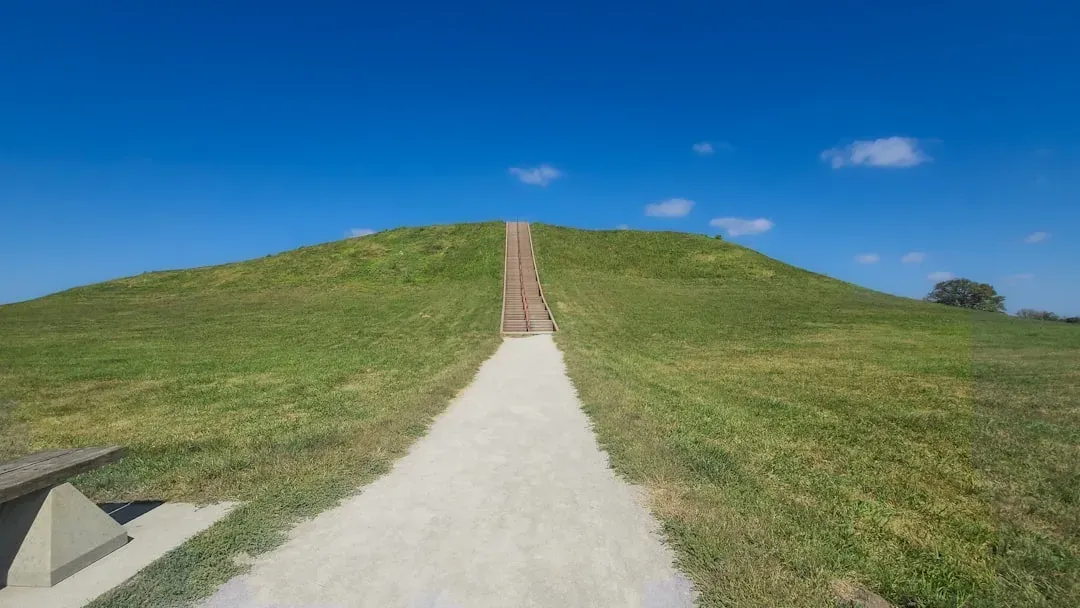
Not far from modern St. Louis sits the remains of a city that, for a long time, barely made it into mainstream history classes. Cahokia was a massive pre‑Columbian urban center, with monumental earthen mounds, broad plazas, and evidence of complex social, political, and religious life. At its height, its population may have rivaled or exceeded many European cities of the same era, yet for generations it was treated like a footnote rather than a headline.
Cahokia overturned the idea that large, organized, city‑like societies did not exist north of Mesoamerica before European contact. The layout of mounds, possible astronomical alignments, long‑distance trade goods, and evidence of social stratification all point to a sophisticated civilization capable of large‑scale planning and monumental construction. Learning about Cahokia for the first time feels a bit like discovering there was an entire chapter of local history that someone quietly tore out of the book. It forces a re‑evaluation of how advanced, how interconnected, and how politically complex early inhabitants of North America really were.
Conclusion: A Past That’s Older, Richer, and Far Less Simple
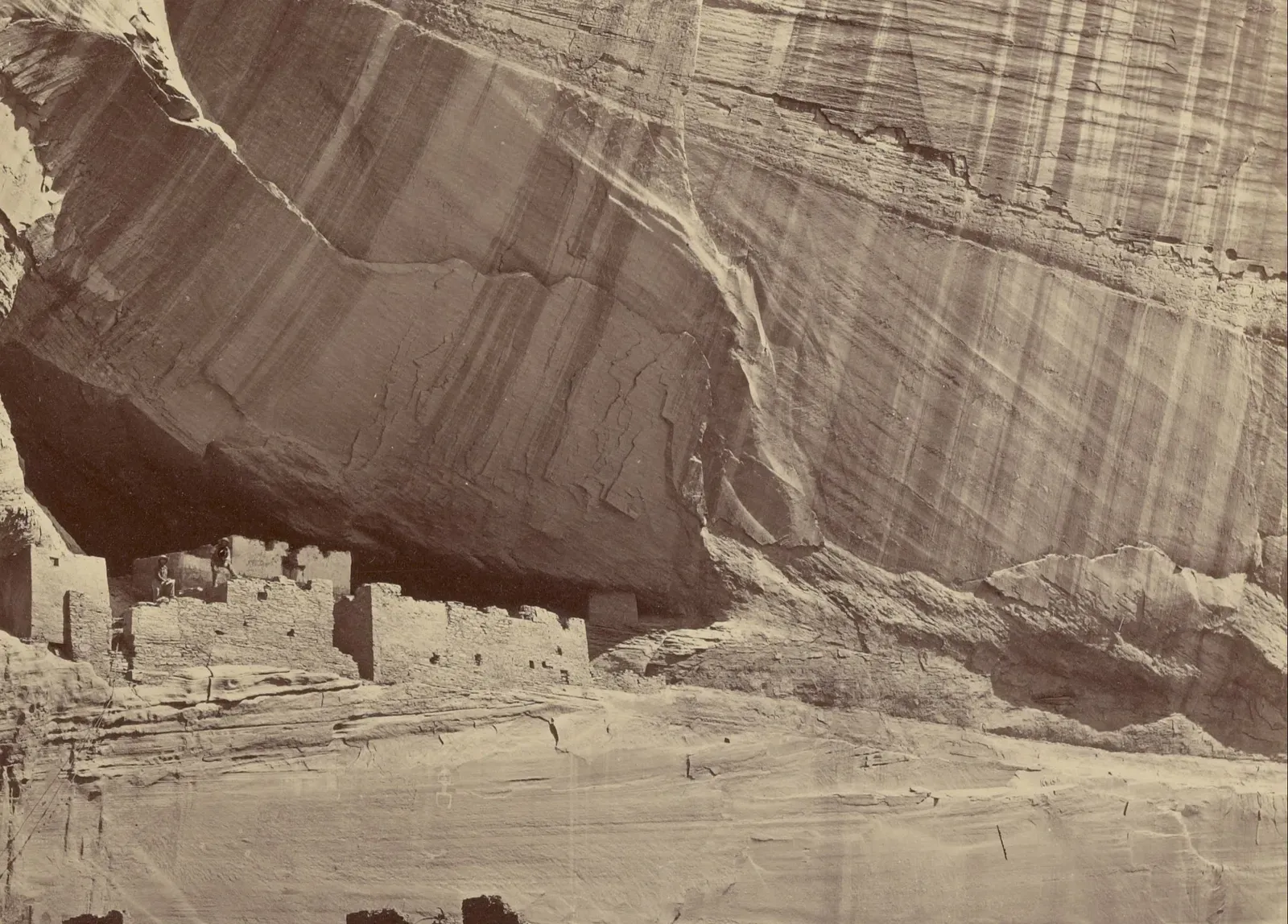
Each of these sites – from wind‑swept Patagonia to the Mississippi River valley – chipped away at the comfortable idea that the story of the Americas was straightforward and recent. They pushed timelines back, revealed deep cultural roots, and highlighted a diversity of paths, from coastal migrations to inland cities and symbolic traditions painted on stone. Put together, they show early inhabitants not as anonymous wanderers skimming across a new continent, but as innovators, planners, artists, and community builders.
The truth is, we’re still in the early chapters of understanding just how far back human presence in the Americas goes, and how varied those early lives really were. New digs, better dating methods, and fresh eyes on old collections keep shifting the picture, often in surprising ways. To me, that uncertainty is the most exciting part: the realization that the ground beneath us still holds stories that can rewrite everything we thought we knew. When the next site forces another rewrite, will it match what you’ve always imagined – or will it turn your mental map upside down again?