
Most people assume the sacred relics sitting behind glass at the Vatican, the Smithsonian, and the Louvre have been rigorously tested and scientifically confirmed. They haven’t.
Labs have quietly walked away from dozens of “priceless” objects because the science simply refuses to cooperate. Carbon dating gets contested, provenance papers turn out to be fabricated, and some museums display artifacts with placards that literally read “authentic or forgery” – and just leave it there.
From a burial cloth guarded by the Vatican to a crystal skull sold at a London auction house, here are 25 famous artifacts that conservators, forensic scientists, and historians still can’t fully authenticate – no matter how many tour guides insist otherwise.
#1 – The Shroud of Turin
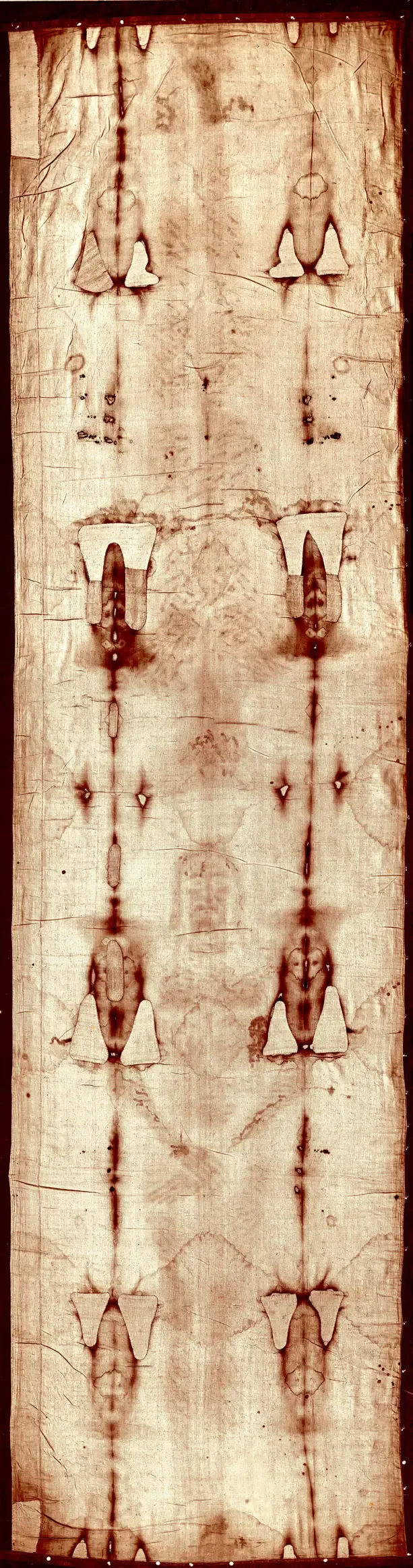
Millions travel to Turin every generation to see a burial cloth many believe touched the body of Jesus Christ, but the science behind it has never reached a consensus.
In 1988, three separate laboratories tested a sample from the cloth. A radiocarbon analysis dated it to somewhere between A.D. 1260 and 1390 – squarely medieval, not first-century. For years, that single test was treated as the final word.
Then the pushback started. Researchers argue the sample was contaminated, and multiple dating tests and scientific analyses conducted after 1998 have reinforced the claim that the Shroud could date back to the first century AD after all. Neither side has produced a test both camps accept, and the Vatican has never formally declared it authentic – deliberately leaving the question open. That ambiguity is exactly why the Shroud remains the most argued-over textile on Earth. But #2 raises a stranger problem: how do you test something no scientist has ever been allowed to see?
#2 – The Ark of the Covenant
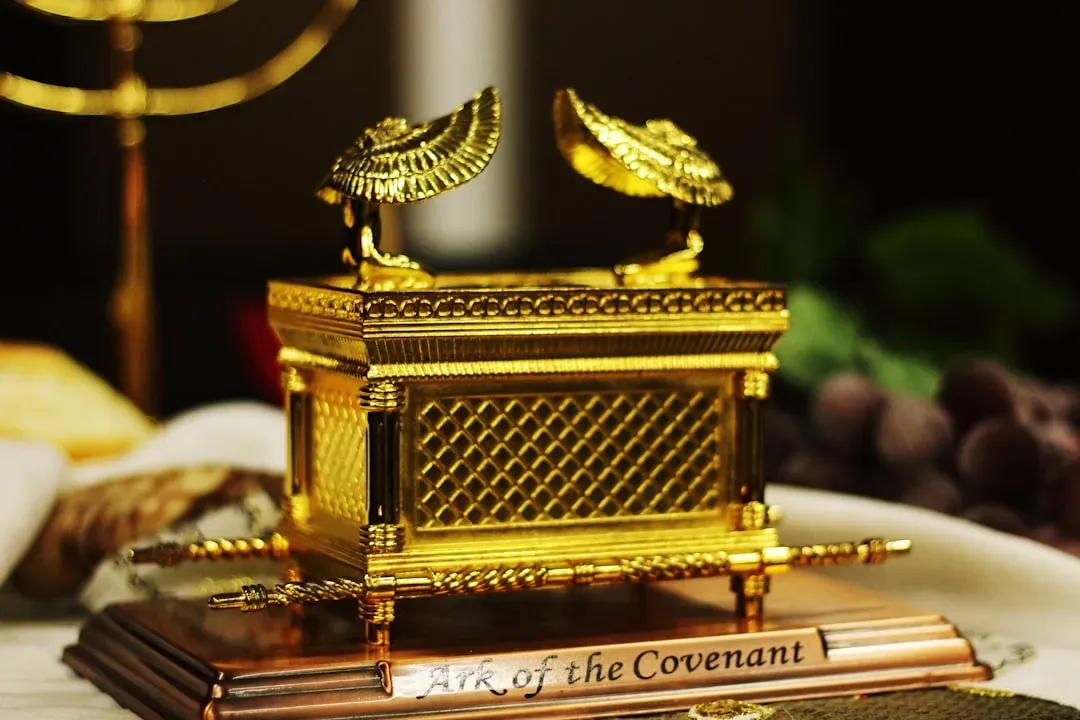
According to the Book of Exodus, this gold-plated wooden chest held the Ten Commandments and radiated enough power to level armies – and somewhere, believers insist, it still exists.
The Ethiopian Orthodox Church claims to guard the actual Ark inside the Church of Our Lady Mary of Zion in Aksum, watched by a single guardian monk who is never allowed to leave the chapel. No outside scientist, archaeologist, or journalist has ever been permitted to examine, photograph, or test the object church officials say is inside. That single fact makes independent authentication mathematically impossible – you cannot verify what you’re never shown.
Other theories place it beneath Jerusalem’s Temple Mount, buried in a cave in Jordan, or destroyed centuries ago during Babylonian conquests. No fragment, replica, or verified sighting has ever surfaced for laboratory analysis. Every claim about the Ark’s location today rests entirely on oral tradition and religious authority, not physical evidence. But #3 turns out to be a moving target – literally dozens of them.
#3 – The Holy Grail
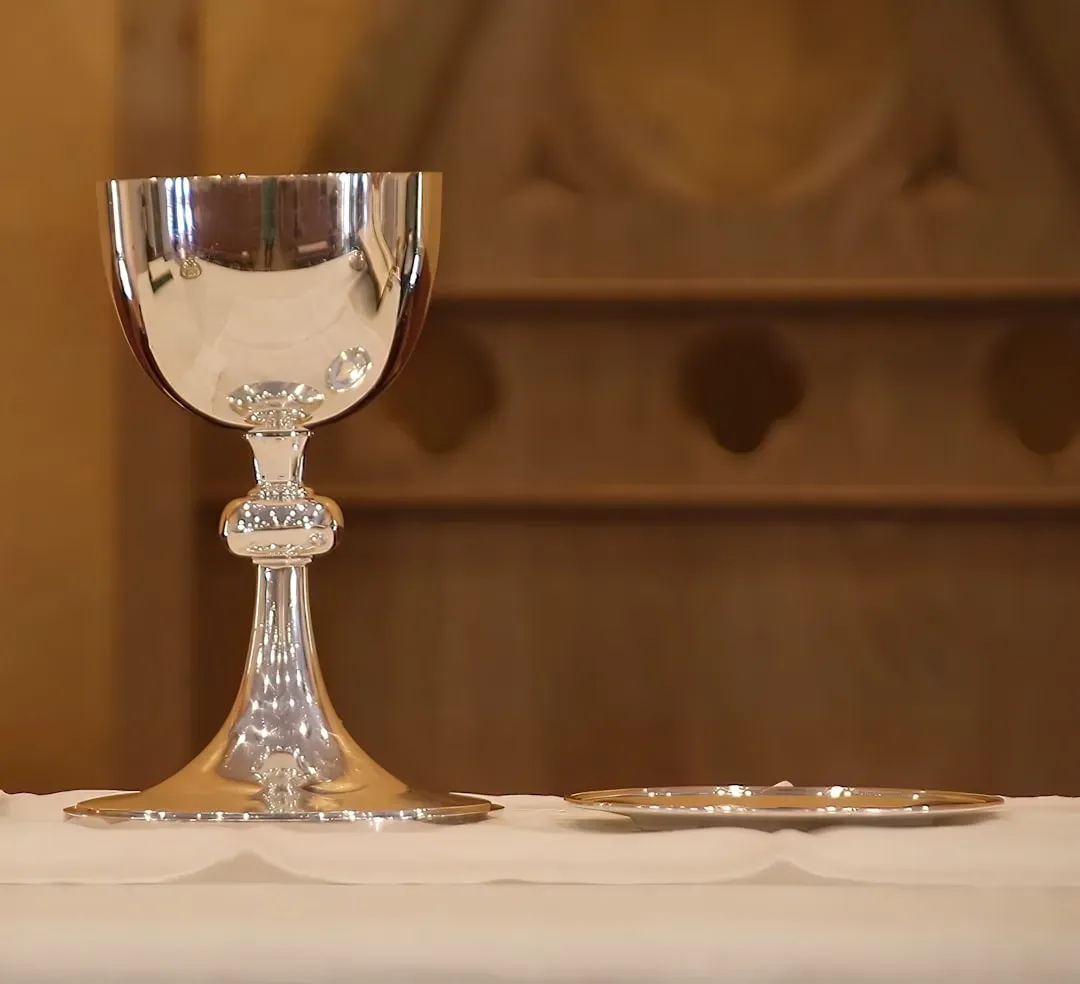
Every King Arthur retelling treats the Grail like a single, findable object, but historians can’t even agree on what shape it’s supposed to be.
Dozens of cups across Europe carry the “Holy Grail” title, including the Santo Caliz housed in Valencia Cathedral, which some scholars date to the first century based on its agate bowl – while the ornate stem and handles were added centuries later during the medieval period. That mixed construction alone makes a single clean authentication verdict impossible.
Other candidates include chalices in Genoa, Antioch, and various British legends tied to Glastonbury. The earliest written Grail stories didn’t even appear until the 12th century, more than a thousand years after the Last Supper supposedly took place. Without a documented chain of custody connecting any cup to first-century Judea, every “authentic Grail” claim remains a matter of faith rather than forensic proof. But #4 has the opposite problem: too many spears, not too few clues.
#4 – The Spear of Longinus
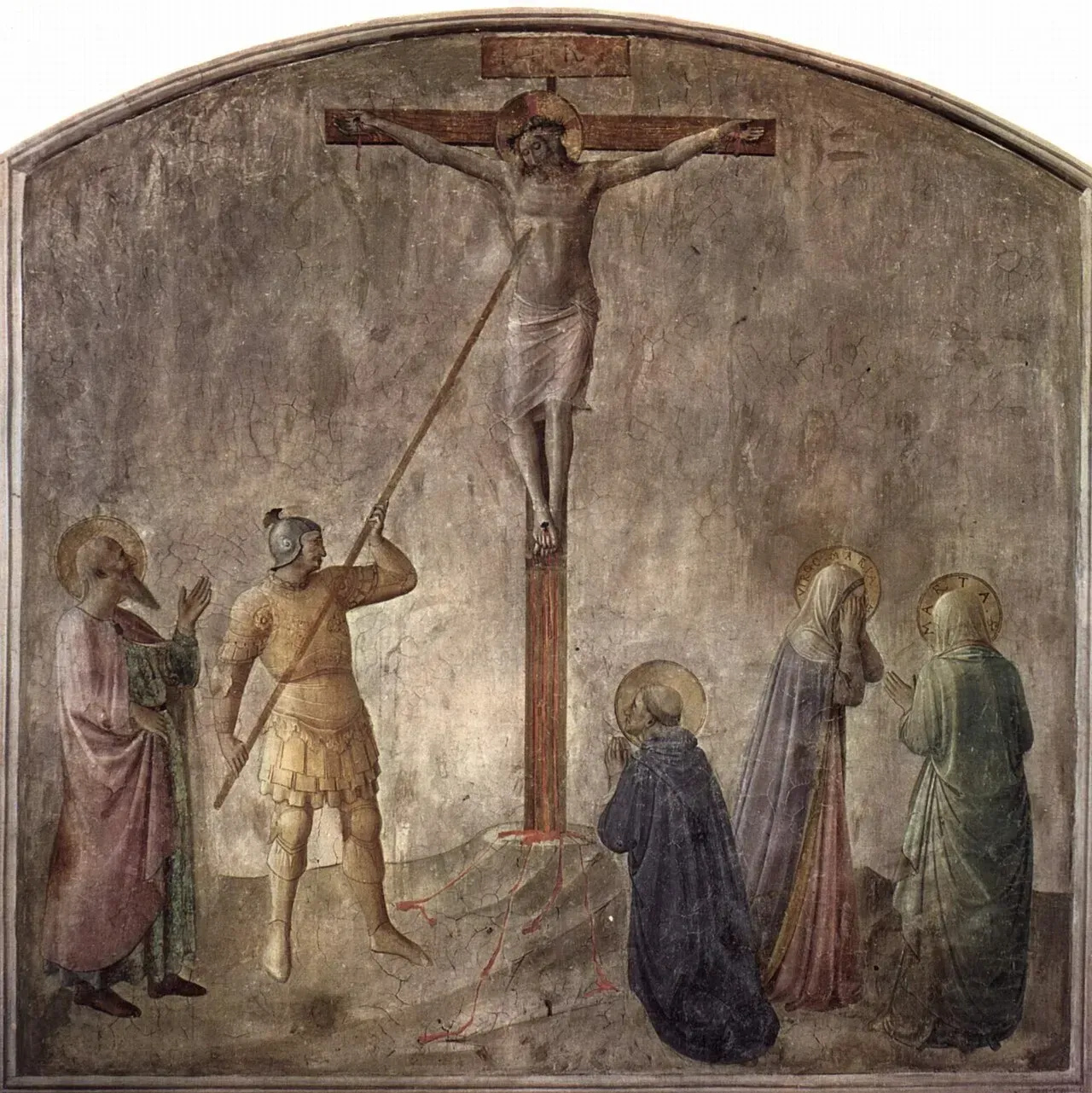
Legend says a Roman soldier pierced the side of the crucified Christ with this lance, and today at least four different churches claim to own the actual weapon.
The Vatican keeps one version in St. Peter’s Basilica. Armenia’s Etchmiadzin Cathedral holds another. A third sits in Kraków, and a fourth resided for centuries in the Hofburg Treasury in Vienna, where Adolf Hitler reportedly became obsessed with it, believing it granted supernatural power.
None of the four spears has ever been jointly examined against the others using consistent forensic methods. Metallurgical analysis on the Vienna lance dated its blade to a period consistent with the 7th century – centuries too late to have touched Christ, though defenders argue the original spearhead was later mounted onto a newer shaft. That patchwork repair theory is impossible to disprove or confirm without destructive testing no custodian will permit. But #5 shows just how absurd relic math can get.
Quick Compare
- St. Peter’s Basilica, Vatican – the Catholic Church’s claimed spear
- Etchmiadzin Cathedral, Armenia – the Armenian Apostolic version
- Kraków, Poland – the third rival claimant
- Hofburg Treasury, Vienna – the version once obsessing Adolf Hitler
#5 – Fragments of the True Cross
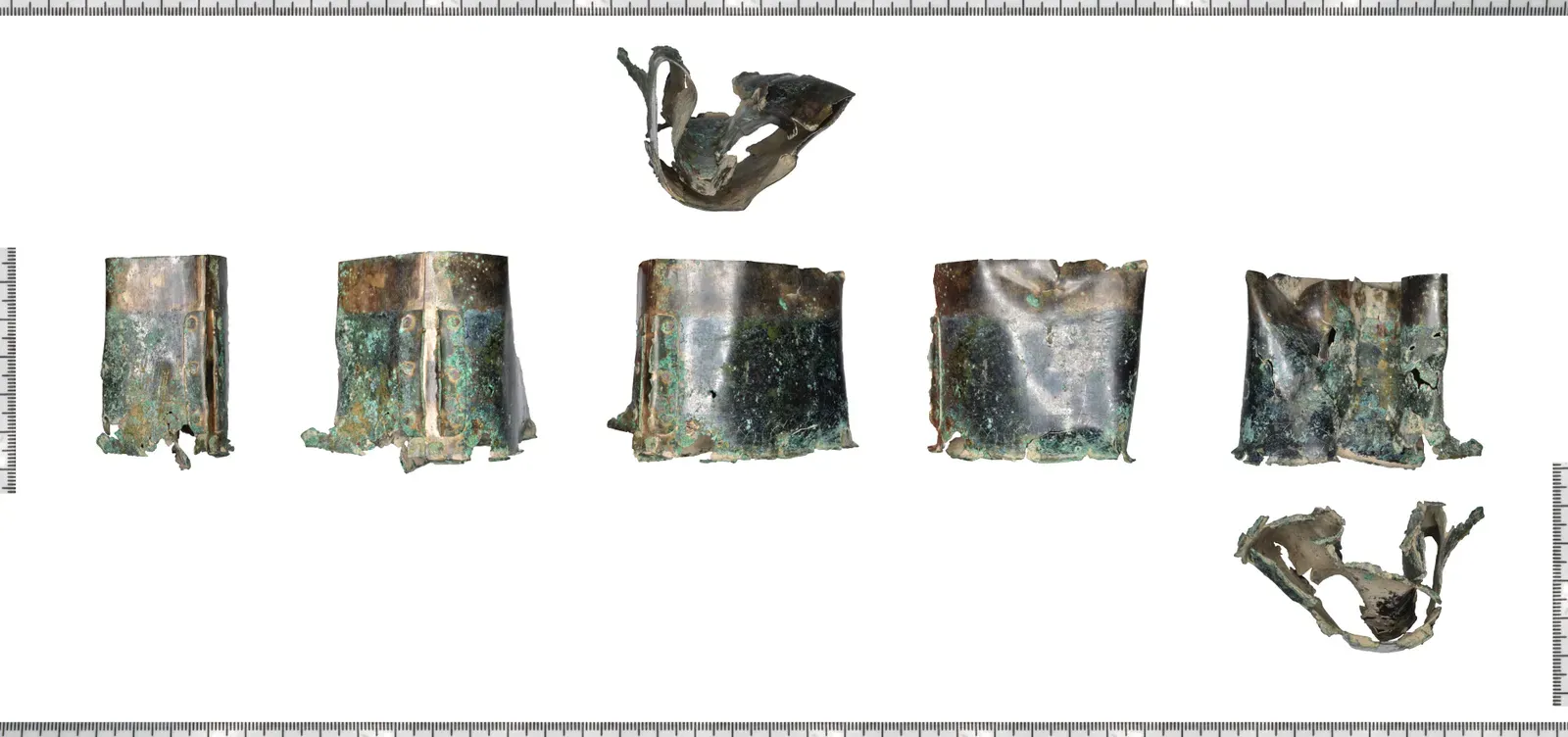
Legend holds that Emperor Constantine’s mother, Helena, personally located the actual cross used in the crucifixion in Jerusalem around 326 AD – and pieces of it have been multiplying ever since.
By the medieval period, splinters claiming to be from the True Cross had spread to hundreds of churches across Europe, prompting reformer John Calvin to sarcastically note there was enough wood in circulation to build a ship. That joke reveals the core authentication problem: wood cannot be individually traced back to one tree, one location, or one crucifixion event using any test available today.
Carbon dating can only tell you the approximate age of a wood sample, never whether it touched a specific historical figure. Even fragments that test as genuinely ancient olive or pine wood from the right region and era offer zero proof of what event, if any, that wood was part of. Every reliquary claiming True Cross status ultimately relies on unbroken church tradition alone. But #6 might not even involve a real person.
#6 – The Veil of Veronica
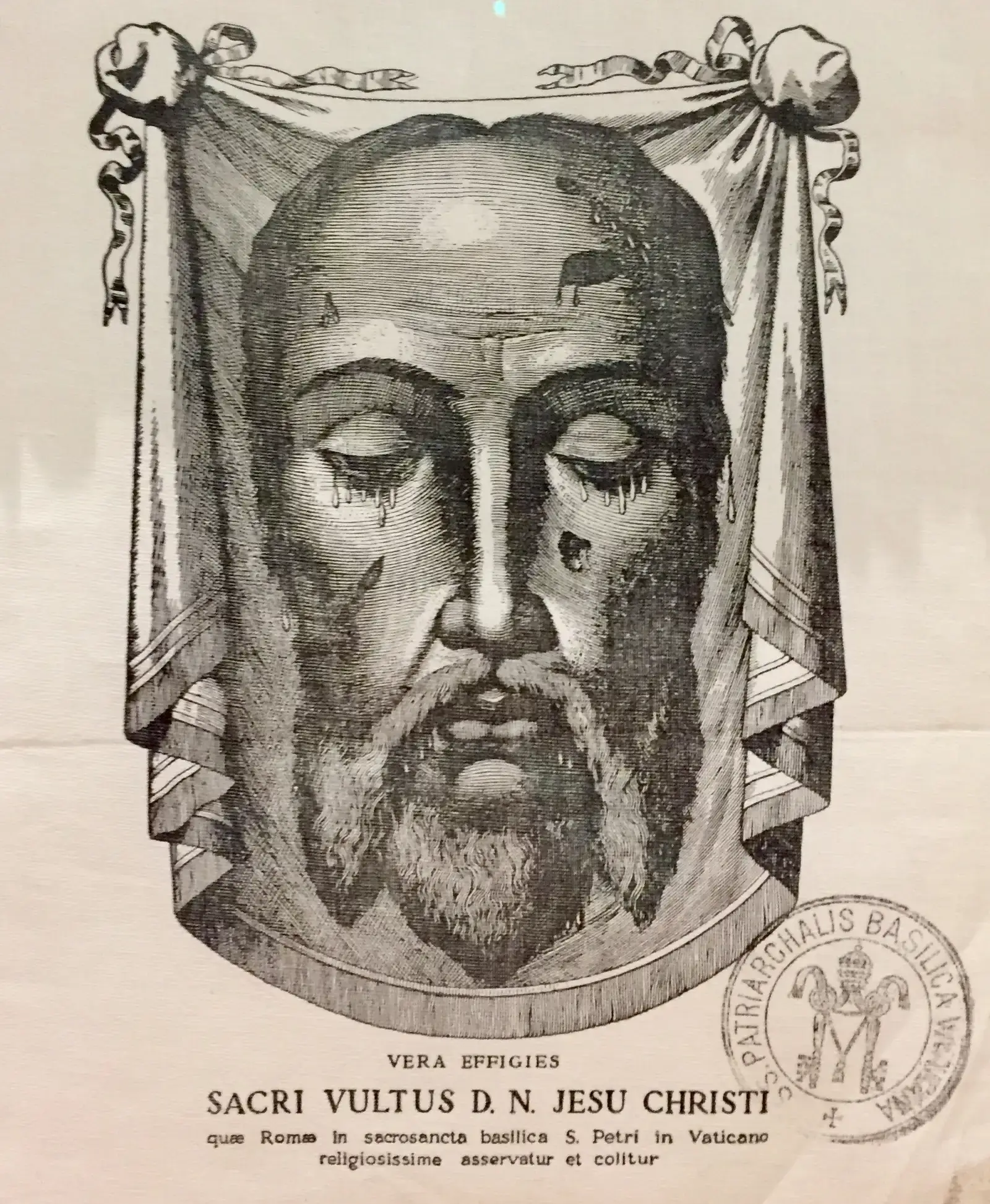
According to legend, a woman named Veronica wiped Christ’s face with her veil on the road to Calvary, and the fabric miraculously retained his image – yet historians can’t even agree the woman existed.
The name “Veronica” appears nowhere in the Gospels and likely derives from the Latin phrase “vera icon,” meaning “true image,” suggesting the story may have grown backward from the relic rather than the other way around. Multiple veils have claimed the title over the centuries, including one kept in St. Peter’s Basilica that is almost never displayed publicly, and another in the Italian town of Manoppello that some researchers claim shows an image resembling the Shroud of Turin’s face.
No scientific team has ever been granted permission to run modern imaging or fiber analysis on the Vatican’s veil. Without that access, every claim about its age or origin remains speculation dressed up as devotion. But #7 has an even stranger problem – there’s nothing left to test.
#7 – The Crown of Thorns
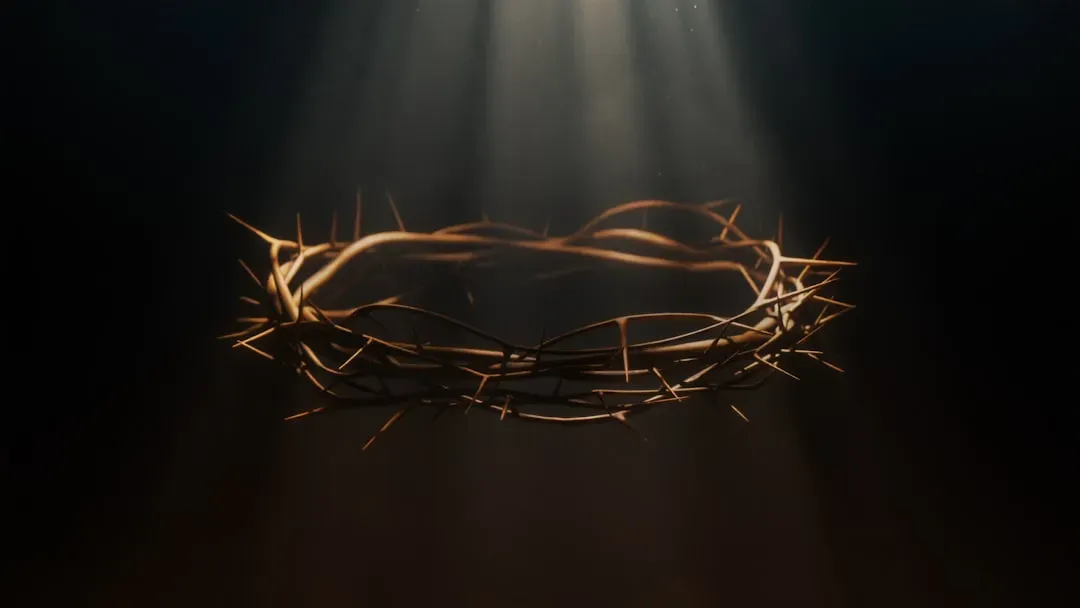
Housed for centuries inside Notre-Dame Cathedral and famously rescued during the devastating 2019 fire, this circlet is venerated as the actual crown pressed onto Christ’s head – yet it no longer has a single thorn attached to it.
Over the centuries, kings and popes gave away individual thorns as gifts to allies and churches, so what remains today is essentially a bare ring of rushes with no botanical material left to test. That absence is critical: without an actual thorn, scientists can’t run plant-species identification or radiocarbon dating on the relic’s most distinctive feature.
The ring itself has never undergone public, peer-reviewed material testing, largely because the Catholic Church restricts destructive or invasive analysis on venerated relics. Historical records trace the crown’s documented ownership back to Byzantine Constantinople around the 11th century, but that only proves medieval custody – not first-century origin. But #8 leaks blood evidence nobody will let scientists date.
#8 – The Sudarium of Oviedo
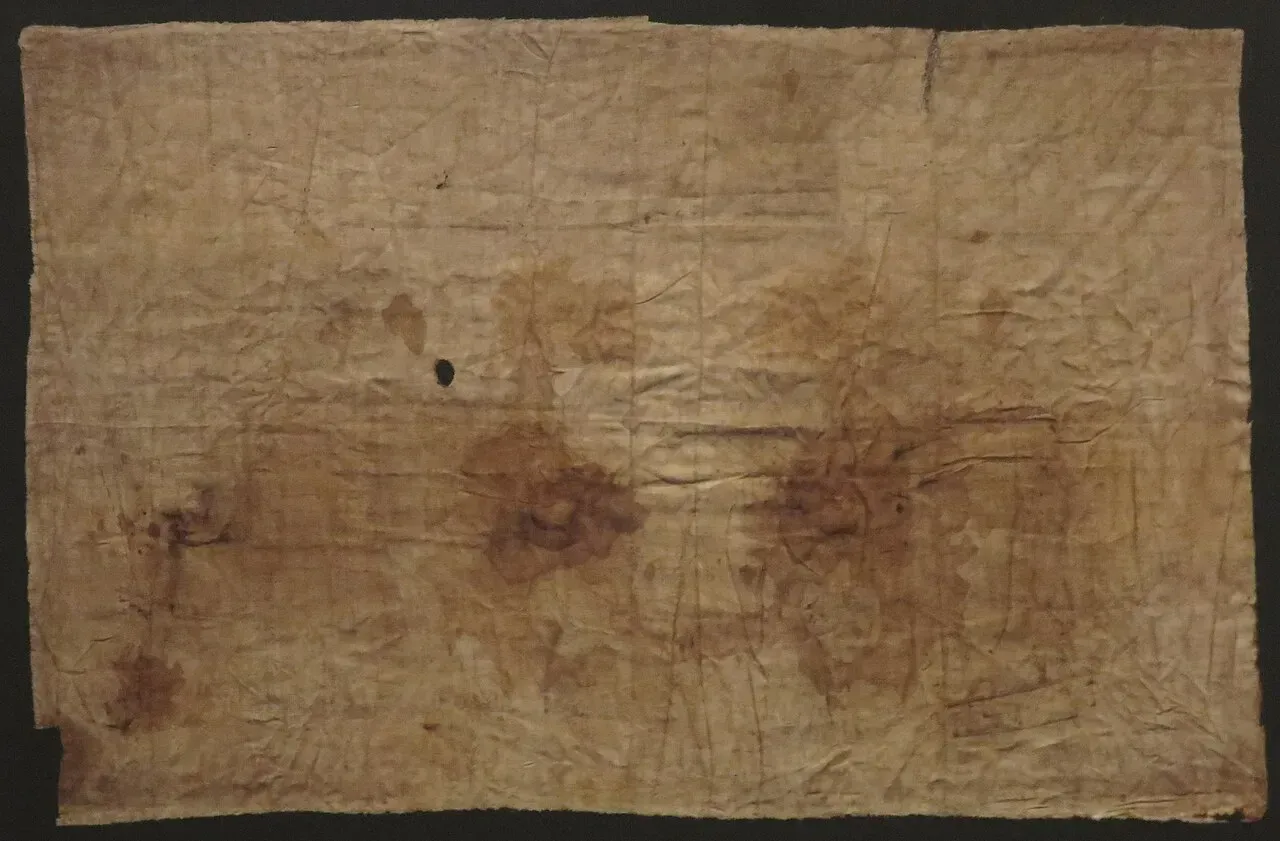
Far less famous than the Shroud of Turin, this small bloodstained cloth kept in Spain is believed by some researchers to have covered the face of Jesus immediately after death, before the body was wrapped in a burial shroud.
Forensic analysts have identified what they describe as blood-type AB stains and pollen grains matching plants native to the Jerusalem region, which proponents cite as circumstantial support for an ancient Middle Eastern origin. Some researchers have also compared bloodstain patterns between the Sudarium and the Shroud of Turin, claiming the wound positions line up – a theory critics call speculative pattern-matching rather than proof.
The cloth has never undergone radiocarbon dating, partly because church custodians have refused to allow a sample to be removed, citing the damage carbon testing caused to the Shroud’s reputation. Without that baseline test, every claim about the Sudarium’s age remains an educated guess built on circumstantial forensic clues. But #9’s wood tells a very different story than the label on the wall.
#9 – The Titulus Crucis
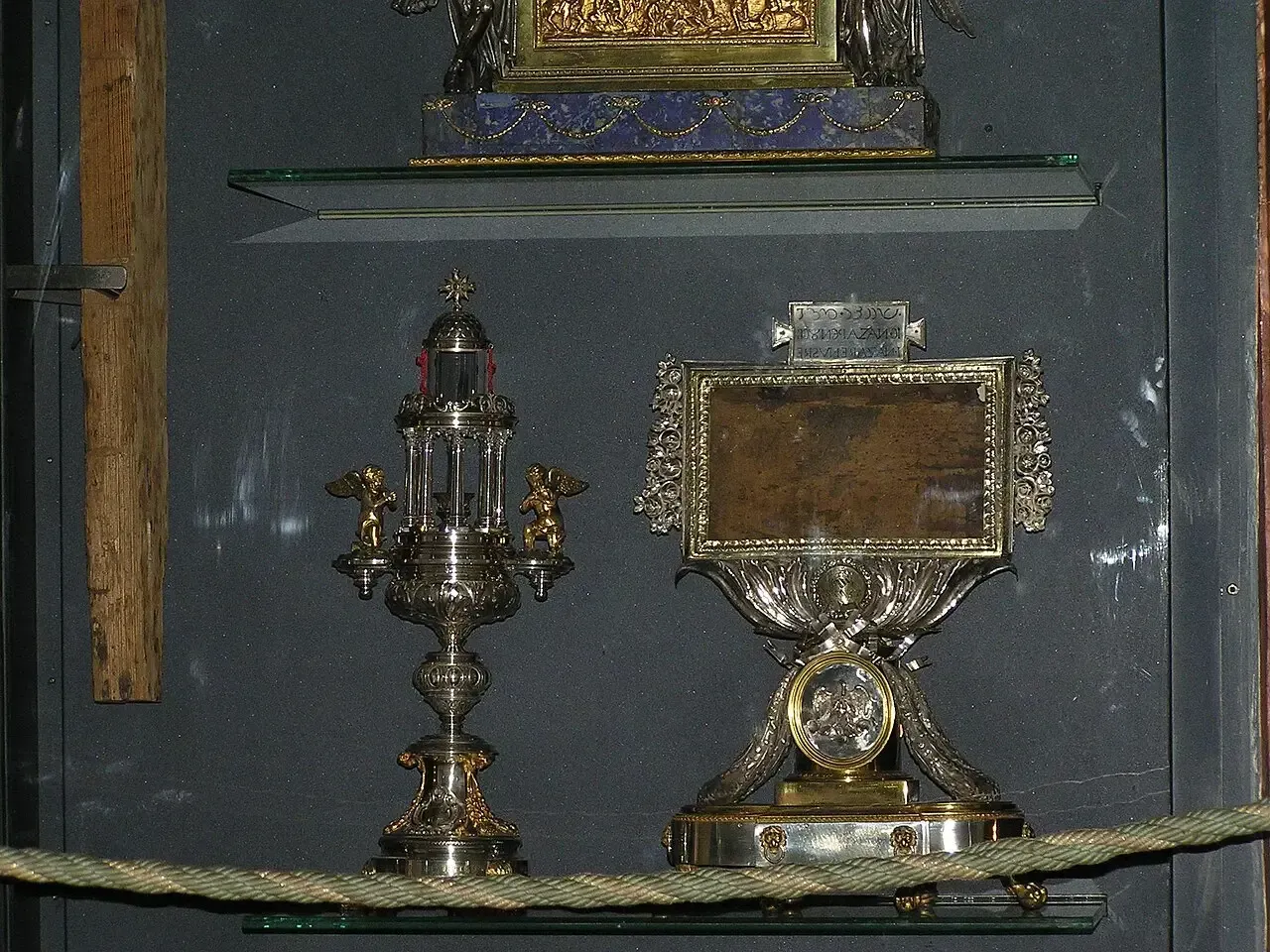
This wooden plaque, kept inside Rome’s Basilica of Santa Croce in Gerusalemme, is presented to visitors as the actual sign nailed above Christ’s head reading “Jesus of Nazareth, King of the Jews.”
When researchers finally secured permission to radiocarbon date a sample of the wood in the early 2000s, the results placed its origin sometime between the 10th and 12th centuries – roughly a thousand years too late for the crucifixion. Defenders of the relic argue the tested wood may have been a later restoration or replacement board rather than the original core, a theory that cannot be disproven without further destructive sampling the church has declined to authorize.
The plaque’s Hebrew, Greek, and Latin inscriptions are written right-to-left in an unusual style that some paleographers argue is inconsistent with authentic first-century Roman signage conventions. That inscription oddity, paired with the medieval carbon date, has left most historians treating the relic as a devotional medieval creation rather than a genuine Roman artifact. But #10 sparked an actual criminal trial.
#10 – The James Ossuary
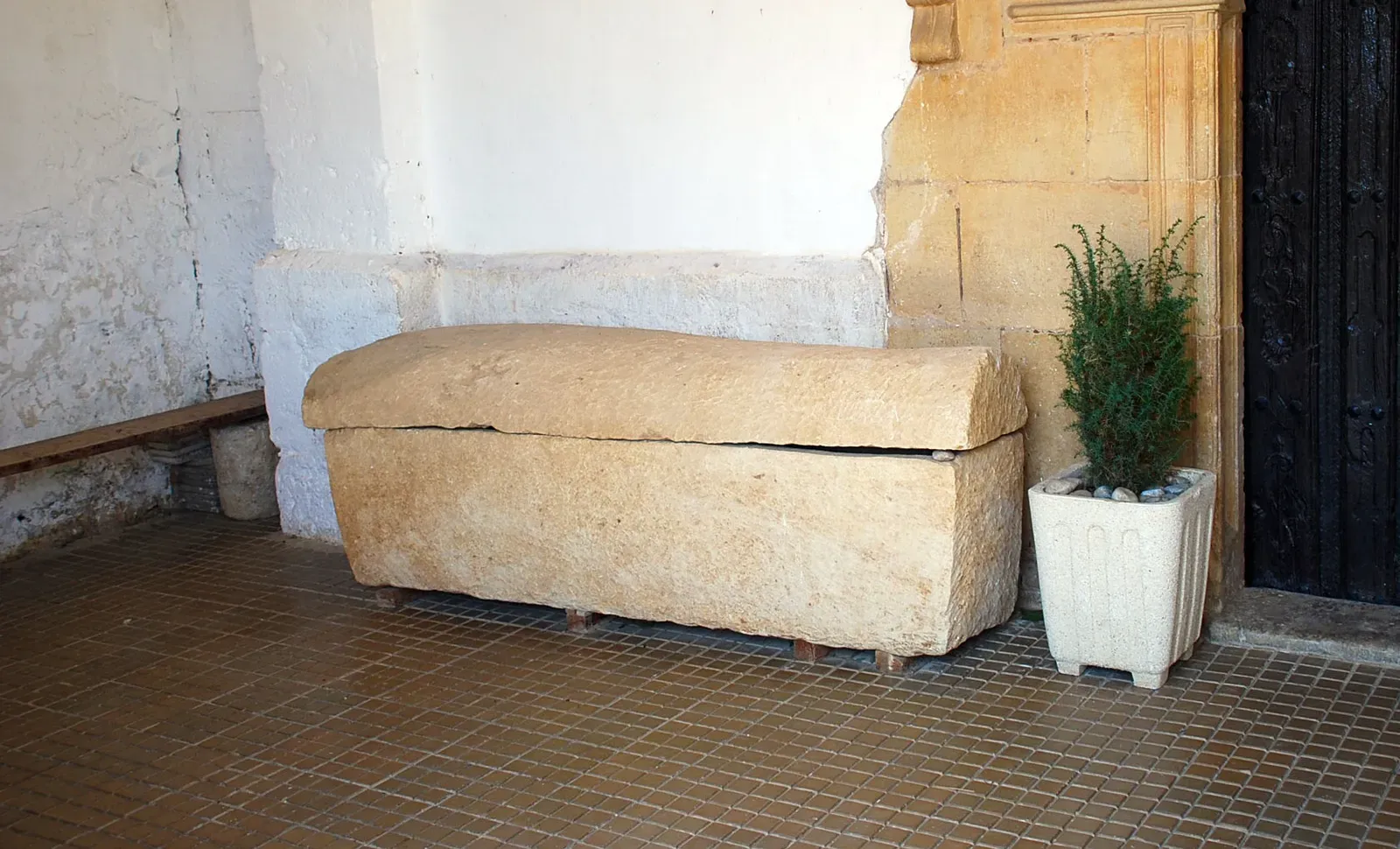
This limestone burial box made global headlines in 2002 because it dates to the first century and bears an inscription reading, “James, son of Joseph, brother of Jesus” – a phrase that, if genuine, would be the earliest physical reference to Jesus outside scripture.
Israeli authorities accused the box’s owner, collector Oded Golan, of forging the inscription and put him on trial in what press coverage dubbed the forgery trial of the century. After a lengthy legal battle, the judge cleared all defendants of the forgery charges, and in spite of enormous expense and effort, the Israel Antiquities Authority was unable to prove any of its allegations.
That acquittal did not equal a declaration of authenticity – the judge simply ruled prosecutors hadn’t proven forgery beyond reasonable doubt. The box itself is almost certainly an authentic ancient ossuary; it’s only the inscription’s age that remains scientifically unresolved. Since Golan bought it without documented provenance, no chain of custody exists to settle the debate definitively. But #11 might have been built in a 1912 workshop, not ancient Egypt.
#11 – The Nefertiti Bust
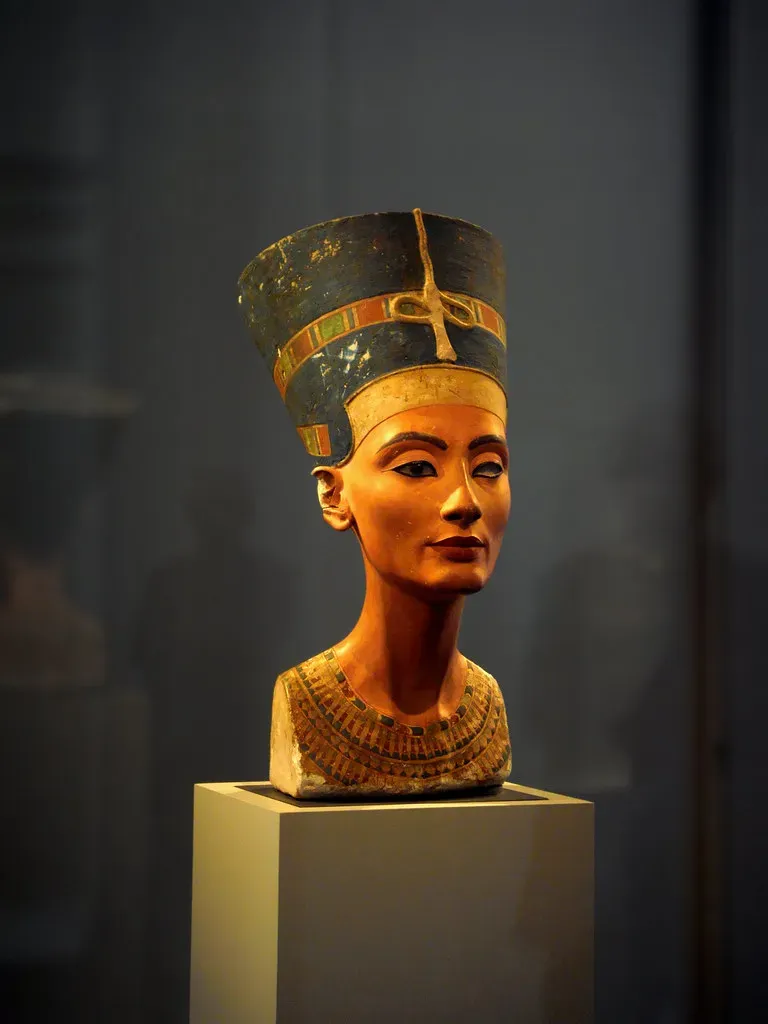
This painted limestone bust of the Egyptian queen sits in Berlin’s Neues Museum as one of the most reproduced images of ancient Egypt in the world, yet a handful of researchers insist it isn’t ancient at all.
Swiss art historian Henri Stierlin argued the bust was actually crafted in 1912 by an artist working under German archaeologist Ludwig Borchardt, allegedly created to test period pigments and later passed off as a genuine 3,300-year-old find. German museum officials have firmly rejected that theory, pointing to tool marks and paint layering consistent with ancient techniques.
The bust has never been subjected to independent, publicly disclosed material testing by outside laboratories, largely because ongoing ownership disputes between Germany and Egypt have made both sides reluctant to allow invasive analysis that could complicate repatriation negotiations. Politics, in this case, has arguably done more to block authentication than the artifact’s actual physical mysteries. But #12’s own museum placard admits it might be fake.
#12 – The Getty Kouros
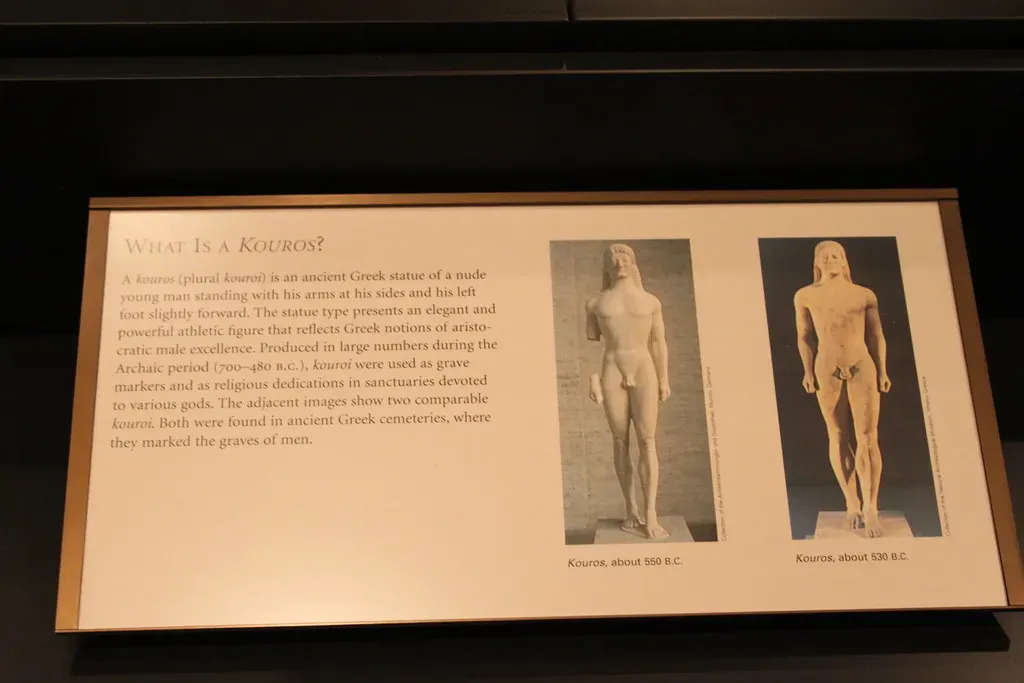
The J. Paul Getty Museum spent roughly nine million dollars in the mid-1980s on this life-sized Greek marble statue of a nude youth, and the label next to it eventually told visitors the plain truth: nobody actually knows.
Geologists confirmed the dolomite marble genuinely came from an ancient Greek quarry, and the statue’s surface showed a chemical weathering pattern that normally takes centuries to develop naturally. Then researchers demonstrated that same chemical reaction could be replicated artificially in a lab within months, collapsing the strongest evidence for authenticity. Investigators later discovered the provenance documents accompanying the statue’s sale had been forged.
For years, the Getty’s own placard beside the statue literally read “Greek, about 530 B.C., or modern forgery.” In 2018, museum director Timothy Potts finally pulled it from public display entirely.
“It’s fake, so it’s not helpful to show it along with authentic material.”
Timothy Potts, Getty Museum Director
But #13’s ink gave away a secret nobody caught for decades.
#13 – The Vinland Map
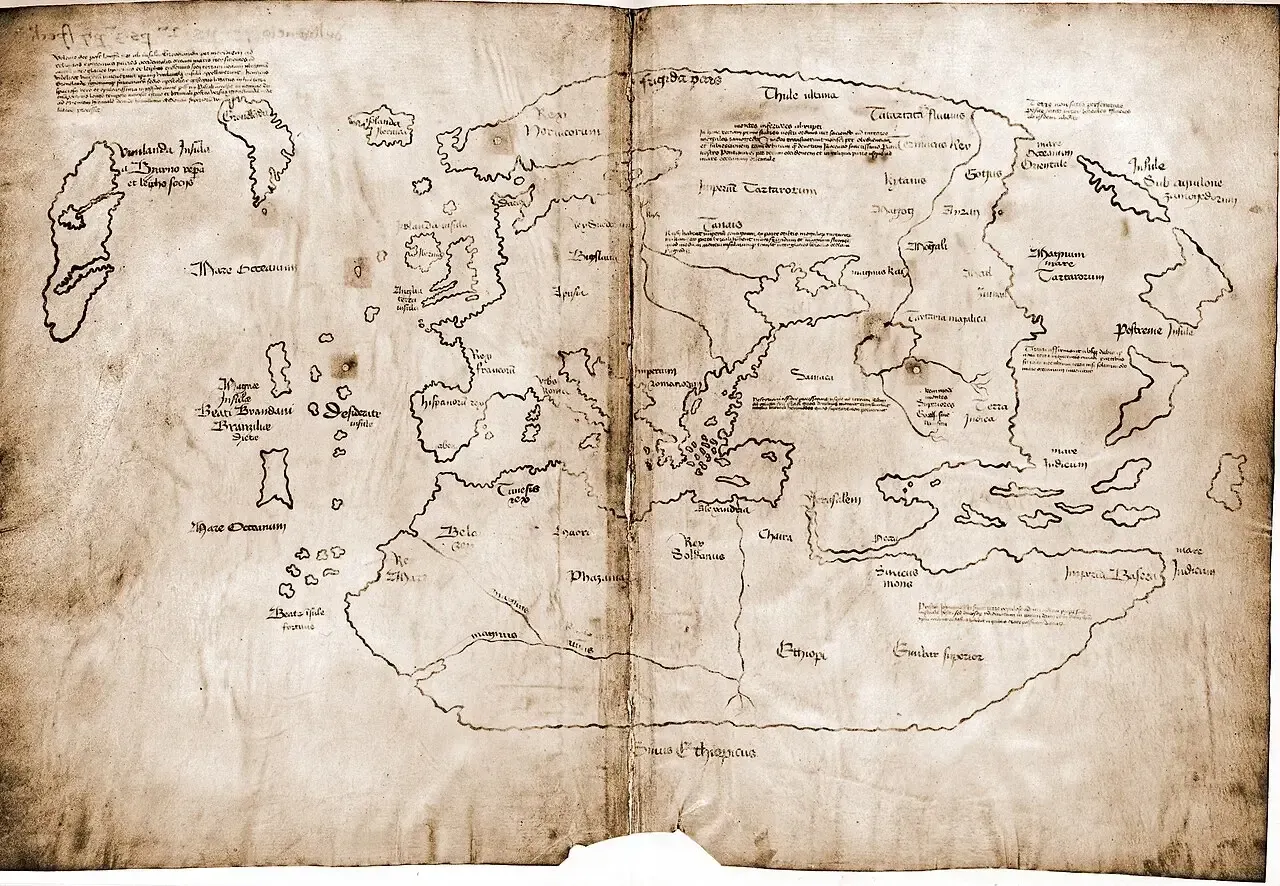
For decades, this parchment map was celebrated as proof the Vikings mapped North America centuries before Columbus, and Yale University proudly unveiled it to the public in 1965.
Chemistry eventually ended the debate. Using X-ray fluorescence spectroscopy to scan the entire document, researchers found a titanium compound throughout it that wasn’t used in ink until the 1920s. That single chemical signature meant no medieval scribe could have possibly drawn it.
Yale’s own curator didn’t mince words afterward. Raymond Clemens stated plainly that the map, once believed to be the earliest cartographic depiction of the New World, “is a fake. There is no reasonable doubt here.” Investigators even found an altered note on the back of the parchment, seemingly added deliberately to make the forgery look more convincing. Who actually created it remains unknown to this day. But #14 has a name attached to an NFL team – and a very shaky backstory.
#14 – The Kensington Runestone
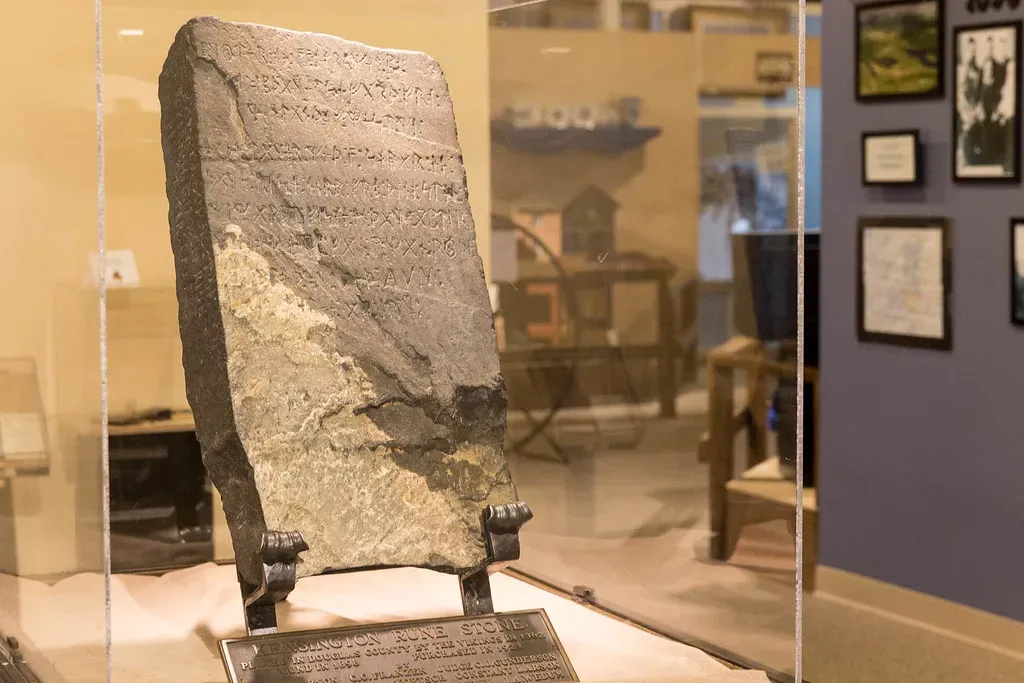
A Swedish immigrant farmer named Olof Öhman claimed he unearthed this Minnesota stone slab in 1898, its surface covered in runic writing describing a 14th-century Scandinavian expedition attacked by Native Americans decades before Columbus.
The story spread worldwide and eventually inspired the name of Minnesota’s NFL franchise. But when linguists and geologists finally studied it closely, the cracks in the story showed. The rock was supposedly lying face-down in cold, damp earth for over five centuries, yet it showed very little sign of weathering – a red flag any geologist would expect on a genuinely ancient carving.
Runic language experts have identified letter forms and grammar patterns that simply didn’t exist until the 1800s, centuries after the stone’s claimed 1362 date. Most scholars today conclude the evidence points to the Kensington Runestone being a fraud, though who actually carved it has never been conclusively proven. But #15 has defeated every codebreaker who’s ever tried.
Fast Facts
- Found: 1898, on a Minnesota farm
- Claimed date carved into the stone: 1362
- Red flag: almost no weathering despite centuries face-down in wet soil
- Runic grammar traced to 19th-century usage, not the 1300s
#15 – The Voynich Manuscript
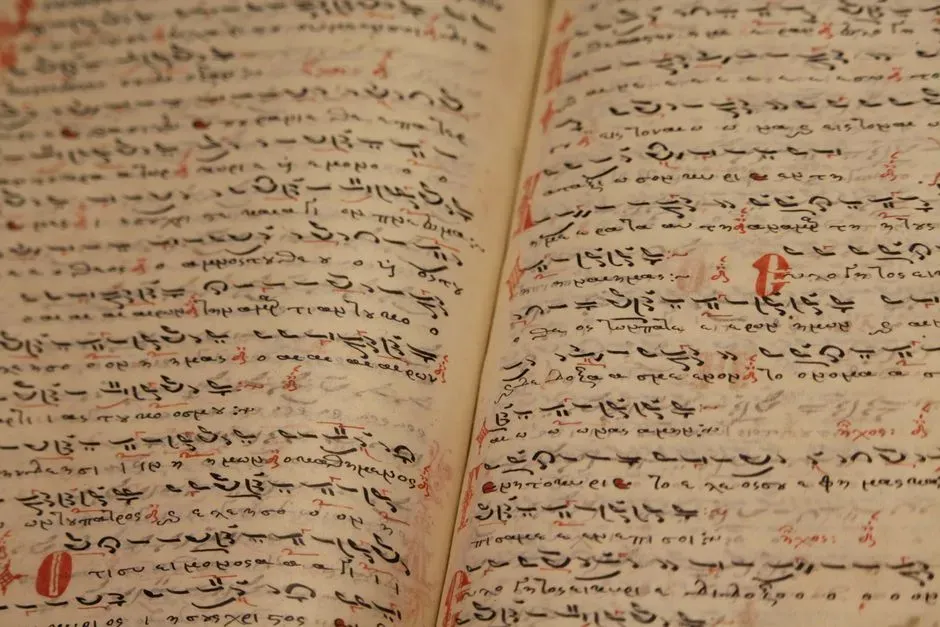
This 240-page illustrated codex, filled with looping, unreadable script and bizarre botanical drawings of plants that don’t exist in nature, has defeated every codebreaker, linguist, and cryptographer who’s touched it for over a century.
Radiocarbon testing on the manuscript’s vellum pages dated the physical parchment to the early 1400s, confirming the material itself is genuinely medieval and not a modern fabrication. That test settled one authentication question but opened a bigger one: nobody can prove the text is a real language at all rather than an elaborate hoax or a private cipher invented purely for profit.
Some cryptographers argue the text shows statistical patterns consistent with genuine language structure, while others insist it’s meaningless gibberish designed to fool a wealthy medieval buyer. Without a translated word or matching reference document anywhere on Earth, the manuscript’s actual purpose and content remain completely unverifiable, even though the paper it’s written on is unquestionably old. But #16’s map might show a continent nobody should have known existed yet.
#16 – The Piri Reis Map
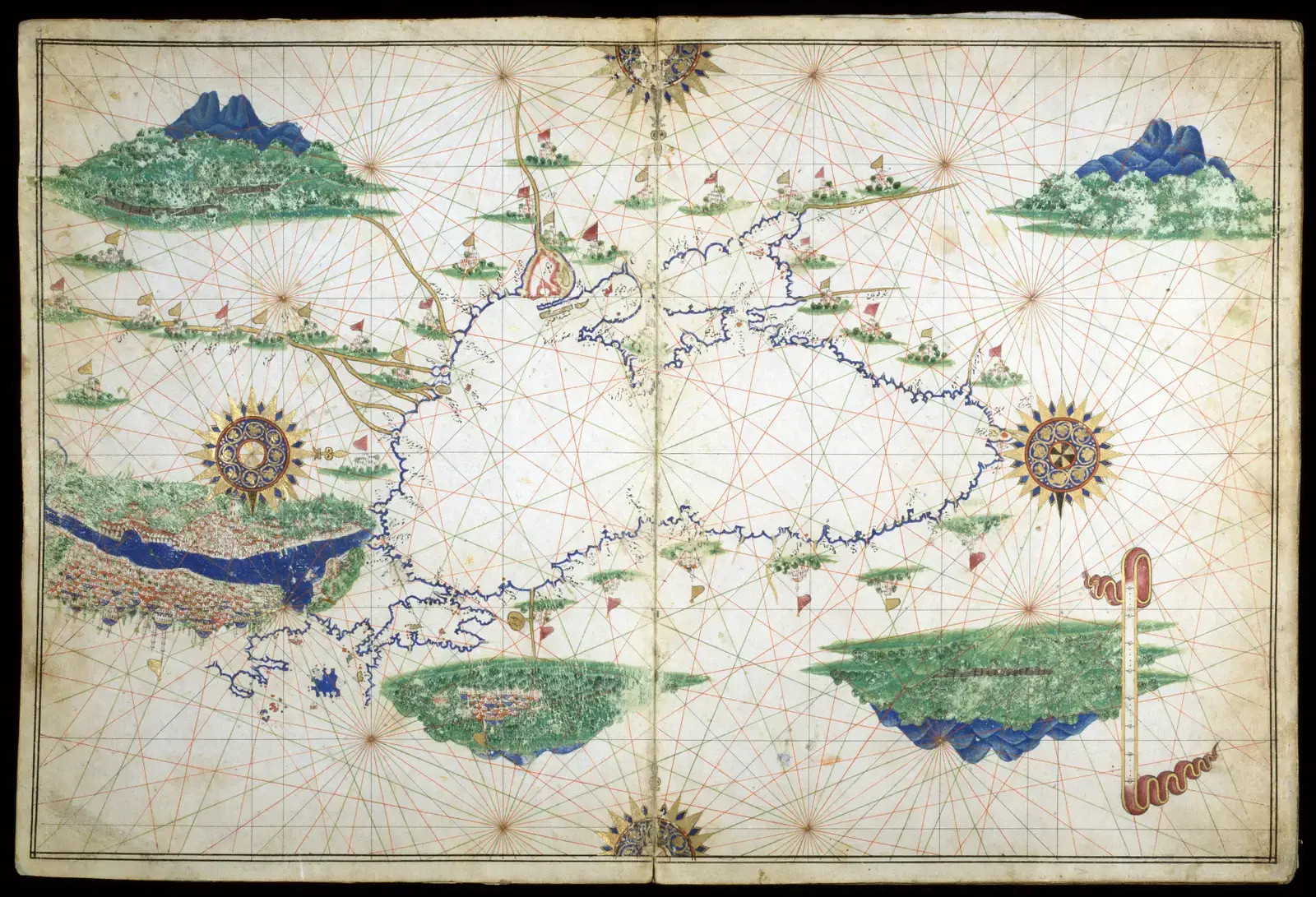
Drawn by an Ottoman admiral in 1513, this map correctly outlines portions of the South American coastline decades before most European exploration had mapped that region in detail – a fact that has fueled decades of fringe theory.
The map’s authenticity as a genuine 16th-century Ottoman document isn’t seriously disputed by historians; the surviving copy is accepted as period-accurate. What remains hotly contested is its interpretation. Some researchers have claimed the map’s southern coastline actually depicts Antarctica in an ice-free state, a theory mainstream cartographic historians reject as a misreading of a stylized, incomplete southern landmass.
The original source maps Piri Reis said he consulted, reportedly including charts once used by Christopher Columbus, have never been found, meaning nobody can verify his sourcing claims independently. That missing chain of sources is why the map itself is authentic, but many of the extraordinary claims built on top of it remain scientifically unauthenticated. But #17’s mystical skull has a receipt from a 1943 auction house.
#17 – The Mitchell-Hedges Crystal Skull
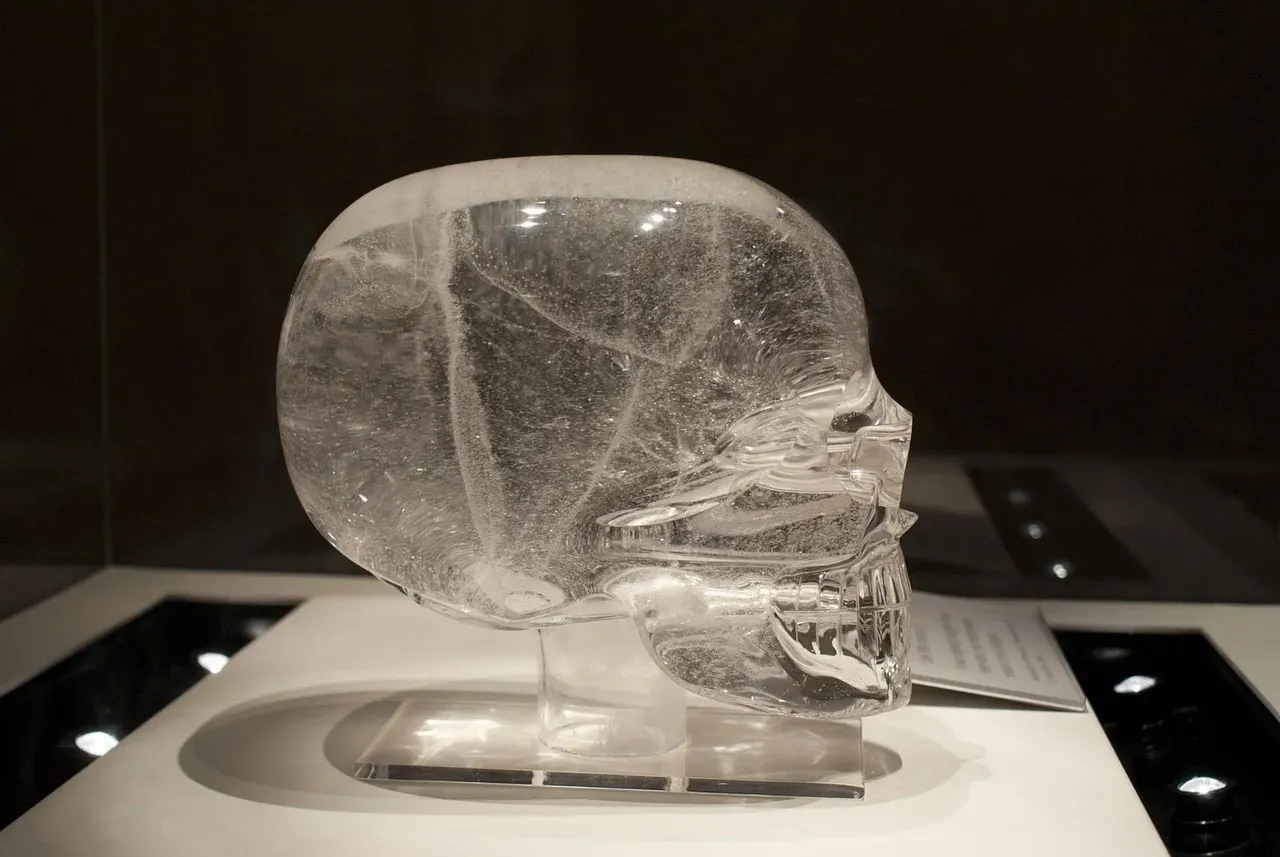
Adventurer Frederick Mitchell-Hedges claimed his adopted daughter discovered this life-sized carved quartz skull in the ruins of a Maya temple in Belize in the 1920s, and for decades it was marketed as a 3,600-year-old relic possessing mystical powers.
The Mitchell-Hedges story doesn’t hold up against the paper trail. Auction records show the skull was actually purchased at a Sotheby’s sale in London in 1943 – with no documented archaeological excavation behind it at all.
Electron microscope analysis on this and similar crystal skulls found tool marks consistent with rotary lapidary wheels, technology that simply didn’t exist in ancient Mesoamerica. Multiple similar “ancient” crystal skulls examined by the Smithsonian and British Museum were later confirmed to be 19th-century European workshop pieces. Despite this, gift shops and paranormal circles still market the Mitchell-Hedges skull as authentically pre-Columbian. But #18’s own creator admitted to carving them.
At a Glance
- Claimed origin: Maya temple ruins, Belize, 1920s
- Documented origin: Sotheby’s auction, London, 1943
- Material: solid carved quartz
- Tool marks match modern rotary lapidary wheels, not ancient carving methods
#18 – The Ica Stones
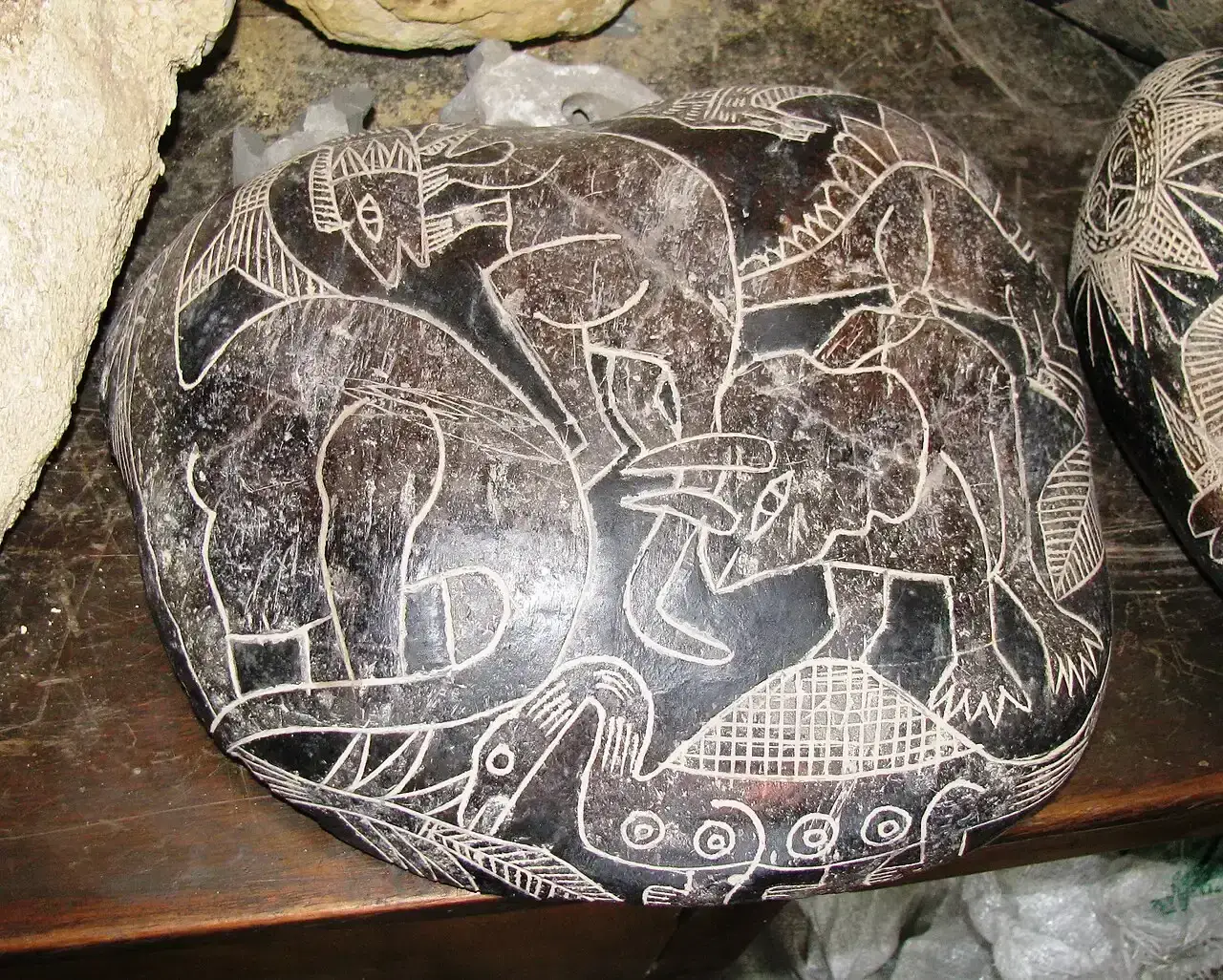
Thousands of carved stones from a region of Peru depict what look like humans riding dinosaurs, performing surgery, and using advanced astronomical instruments – images their promoters insist prove an advanced lost civilization once thrived there.
The stones’ own primary source undercut the mystery himself. A local farmer named Basilio Uschuya publicly admitted to carving many of the stones and selling them to tourists and collectors, explaining it was more profitable than farming. He later recanted parts of his confession under pressure, muddying the story further.
Investigators found no verified stone from a documented archaeological excavation – every known specimen traces back to informal market sales rather than a controlled dig site. No independent lab has ever dated the carvings themselves using a scientifically defensible method, since stone surfaces can’t be carbon dated the way organic material can. That absence of testable evidence is precisely why mainstream archaeologists dismiss the collection as a modern curiosity industry. But #19 might be a second Mona Lisa hiding in a Swiss vault.
#19 – The Isleworth Mona Lisa
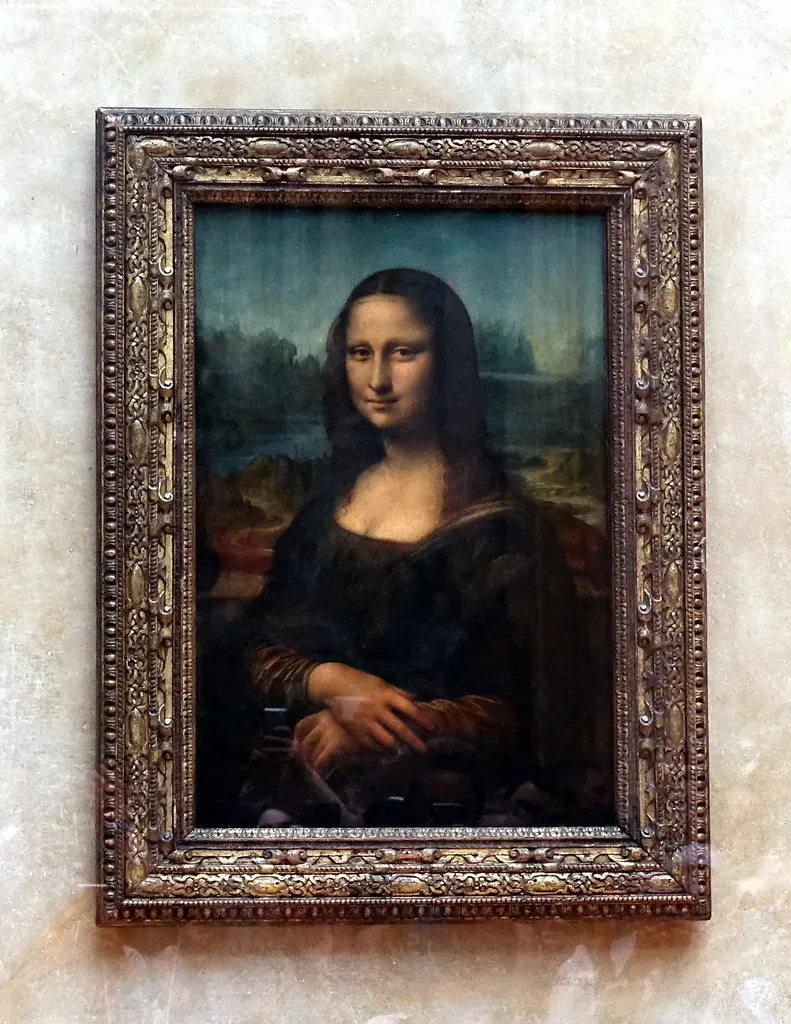
Tucked away for decades in private Swiss vaults, this painting shows a strikingly similar composition to the Louvre’s Mona Lisa, but with a noticeably younger-looking subject – prompting its owners to claim it’s an earlier, unfinished version painted by Leonardo da Vinci himself.
The Mona Lisa Foundation, formed specifically to promote the painting, points to historical writings describing an earlier Leonardo portrait of the same subject as circumstantial support. Mainstream art historians remain largely unconvinced, arguing the painting’s style and technique are more consistent with a skilled workshop assistant or a later imitator rather than Leonardo’s own hand.
No major art institution has formally accepted the Isleworth version into the confirmed Leonardo catalog, and the painting has never undergone the kind of comprehensive, peer-reviewed pigment and brushstroke analysis that settled disputes for other contested Old Master works. Until that happens, it remains a fascinating but unauthenticated curiosity rather than a confirmed Leonardo original. But #20 might be a painting of the wrong guy entirely.
#20 – The Cobbe Portrait
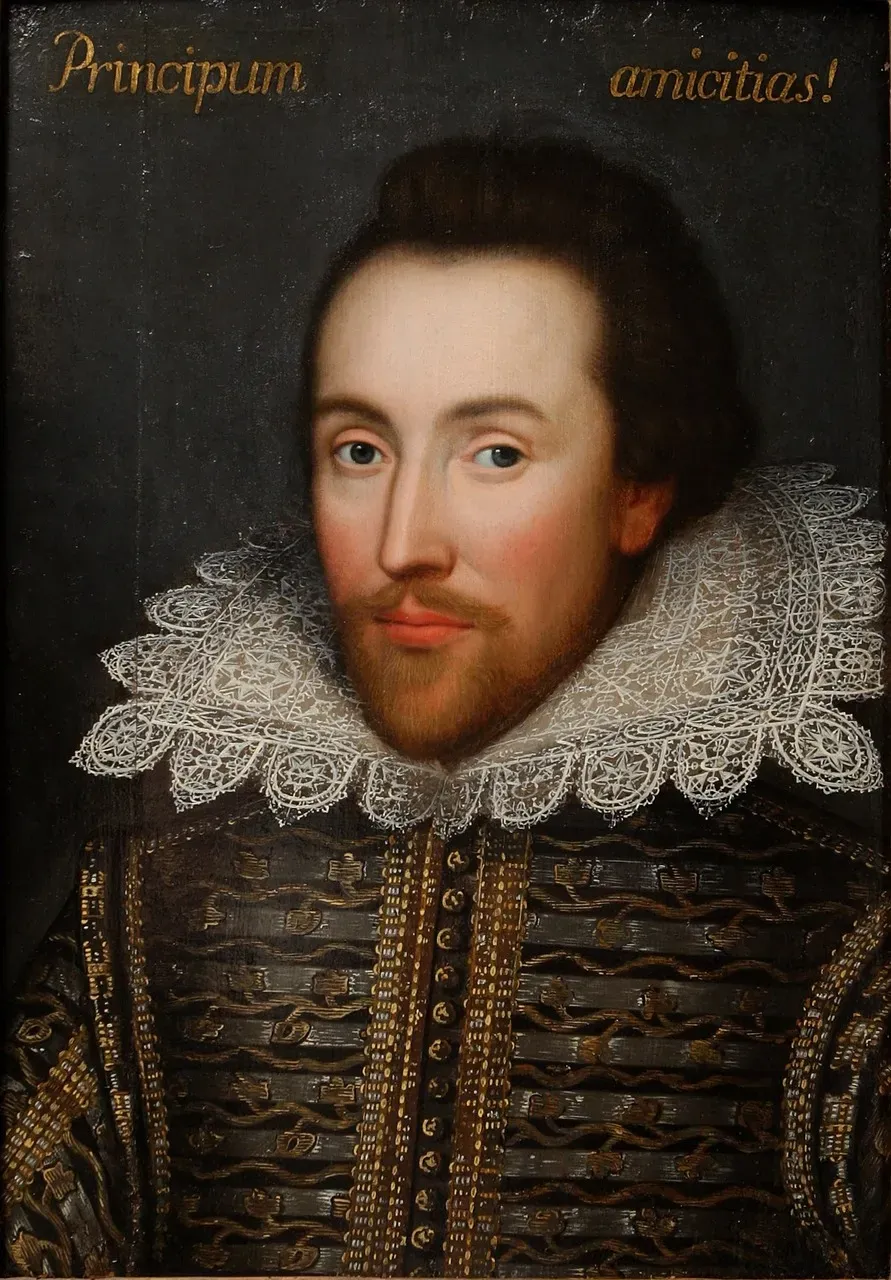
Unveiled with considerable fanfare in 2009, this Elizabethan-era oil painting was promoted as the only portrait of William Shakespeare painted from life while the playwright was still alive – a claim that would make it priceless.
Tree-ring dating on the wooden panel confirmed the wood itself is genuinely consistent with the early 1600s, meaning the physical object is authentically period-appropriate. The identity of the sitter is a completely separate question. Britain’s National Portrait Gallery pushed back hard, arguing the painting actually depicts courtier Sir Thomas Overbury, pointing to a nearly identical portrait already confirmed to show Overbury rather than Shakespeare.
Two paintings sharing nearly identical composition but different claimed identities is a documented pattern in period portraiture, often the result of workshops reproducing a popular sitter’s likeness for different clients. Without a contemporary inscription naming Shakespeare specifically, the portrait’s true subject remains genuinely unresolved. But #21’s “ancient” Hebrew came straight out of a 19th-century schoolbook.
#21 – The Newark Holy Stones
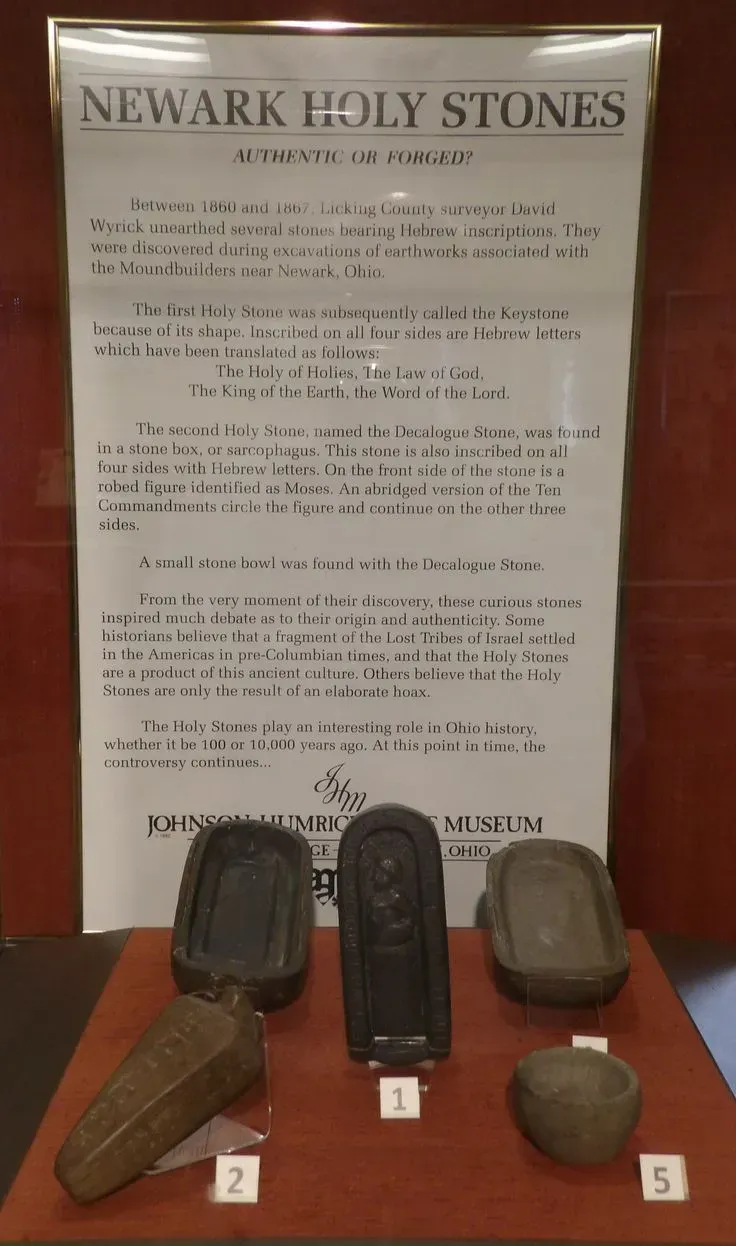
Discovered in Ohio burial mounds during the 1860s, these stones bear inscriptions in what appears to be Hebrew script, including a supposed rendering of the Ten Commandments – evidence their finders claimed proved ancient Israelites once lived in North America.
The stones surfaced at a moment when theories about the “Lost Tribes of Israel” populating pre-Columbian America were culturally popular and financially lucrative for anyone who could produce supporting evidence. Archaeologists have noted the Hebrew lettering style used on the stones matches a printed Hebrew primer that was widely available in American schools during the exact era of the discovery – a suspicious coincidence for supposedly ancient artifacts.
The stones’ discoverer had well-documented connections to local individuals capable of carving accurate Hebrew script, making a 19th-century hoax the far simpler explanation than transcontinental ancient migration. The stones are still displayed at an Ohio historical museum, but almost no credentialed archaeologist today treats them as genuine. But #22’s inscription traces back to a Freemasonry reference book.
#22 – The Bat Creek Stone
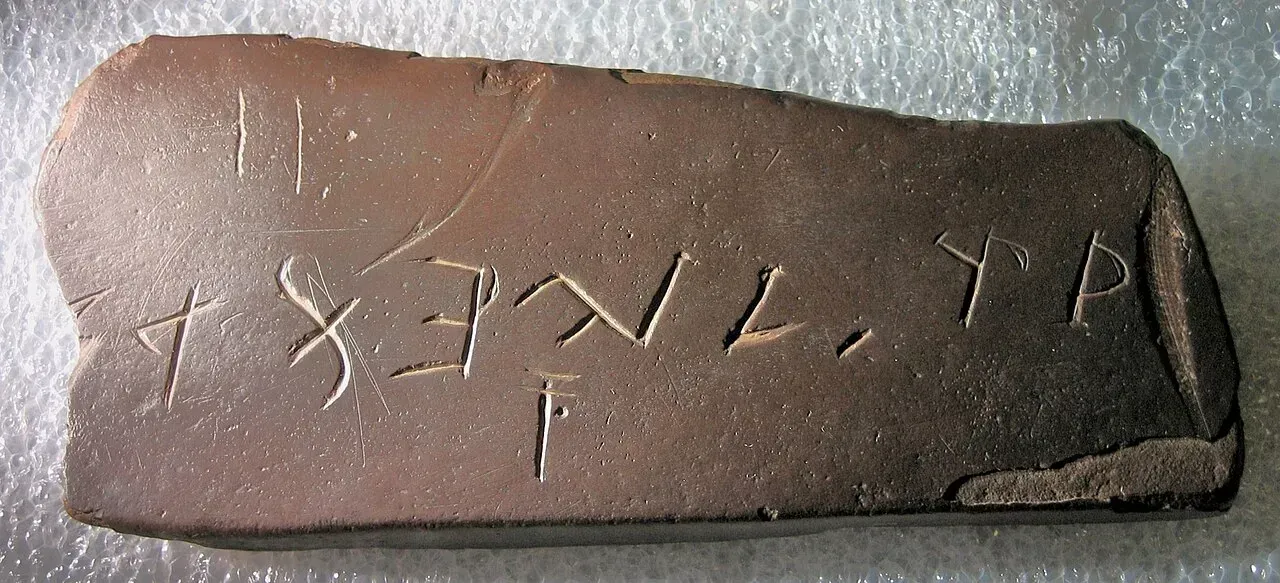
Pulled from a burial mound in Tennessee during a Smithsonian-sponsored excavation in 1889, this small inscribed stone was initially interpreted as bearing Cherokee writing – until a very different theory took over decades later.
In the 1970s, a researcher proposed the inscription actually matched Paleo-Hebrew script, reigniting old theories about ancient trans-Atlantic contact between Middle Eastern civilizations and pre-Columbian America. Critics quickly noticed the supposed Hebrew letters bore a suspicious resemblance to an illustration found in a widely circulated 19th-century Freemasonry reference book, one that would have been easily accessible to whoever excavated or handled the stone.
That single matching illustration is the crux of the entire authenticity debate, since it suggests the inscription may have been copied from a printed source rather than carved by an ancient hand. The stone’s original 1889 excavation records have also faced scrutiny for inconsistencies, leaving its true origin unresolved decades later. But #23 is the rare case where the truth turned out almost as valuable as the myth.
#23 – The Antioch Chalice
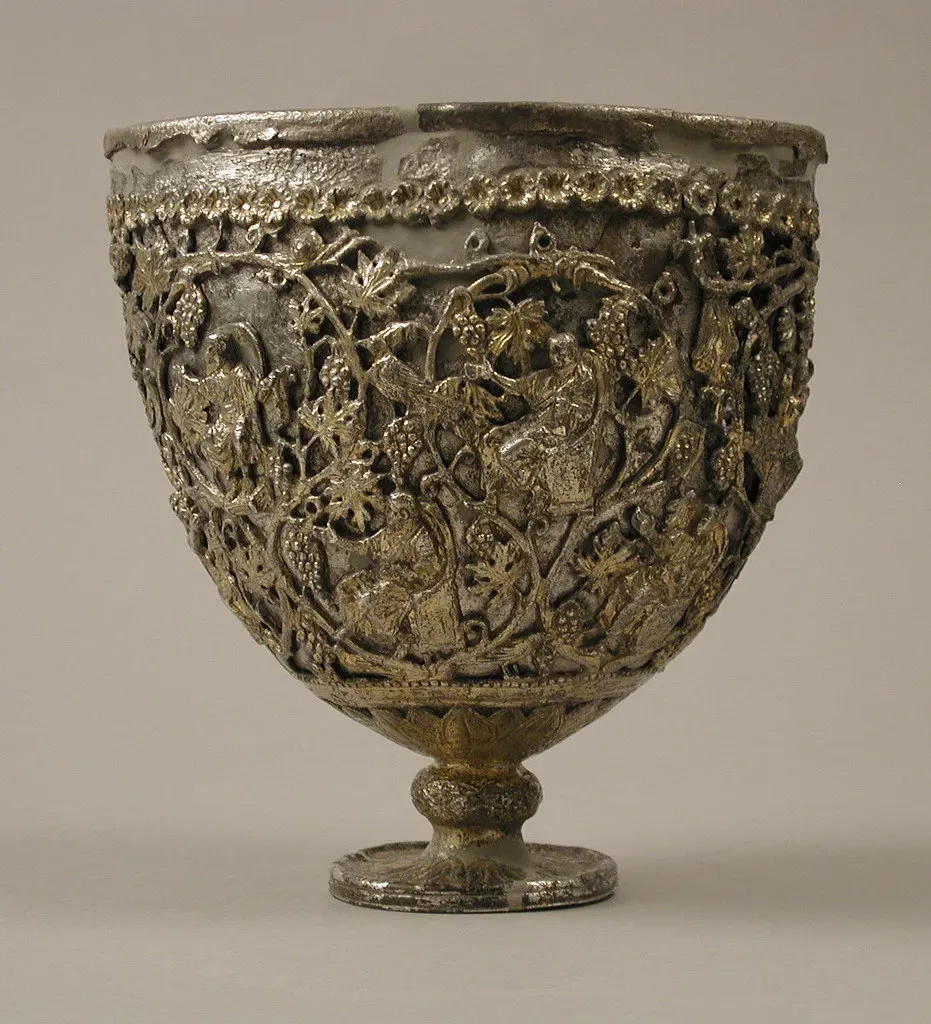
When this ornate silver-gilt cup surfaced in Syria in the early 1900s, dealers marketed it aggressively as the actual cup used at the Last Supper – the literal Holy Grail – hidden inside an outer decorative shell for centuries of protection.
The Grail marketing worked well enough to fetch a significant sale price before scholars got a proper look. Closer stylistic analysis of the vine-and-grape engravings, along with the figures depicted in the silverwork, convinced most art historians the chalice was actually crafted during the Byzantine era, roughly five centuries after the Last Supper rather than during it.
The chalice is now generally accepted as a genuine, valuable 6th-century liturgical object – just not the specific one dealers originally promised buyers. It currently resides in the Metropolitan Museum of Art’s collection, correctly labeled by period rather than by its long-abandoned Grail marketing story – a rare case where authentication actually succeeded, just not in the direction sellers wanted. But #24 fooled museum experts for years before it all collapsed.
#24 – The Amarna Princess
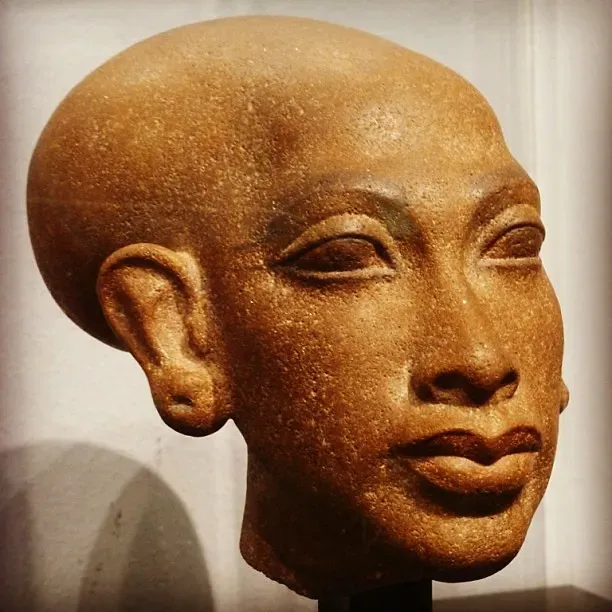
Purchased by England’s Bolton Museum in 2003 for several hundred thousand pounds, this alabaster statue depicting an Egyptian royal daughter passed multiple expert inspections before anyone realized something was deeply wrong.
The seller, a British family running a small forgery operation, had fabricated an entire fake provenance trail, including invented auction records claiming the piece had been sold decades earlier by a fictitious collector.
The statue’s stylistic details were eventually found to be inconsistent with genuine Amarna-period Egyptian sculpture once specialists dug deeper, but the forgery had already fooled respected museum curators and academic reviewers for years before collapsing under scrutiny. The family behind it was eventually convicted after unrelated forgeries in their workshop were exposed. The case remains a favorite teaching example for museum authentication training precisely because it shows how thoroughly even well-funded institutional vetting can fail. But #25 puts a literal sword in a literal stone – and nobody can prove when it got there.
Worth Knowing
- Bought in 2003 for several hundred thousand pounds
- Provenance included entirely invented auction records
- Style ultimately judged inconsistent with genuine Amarna-period sculpture
- Forgers convicted only after unrelated fakes from the same workshop surfaced
#25 – The Sword in the Stone of San Galgano
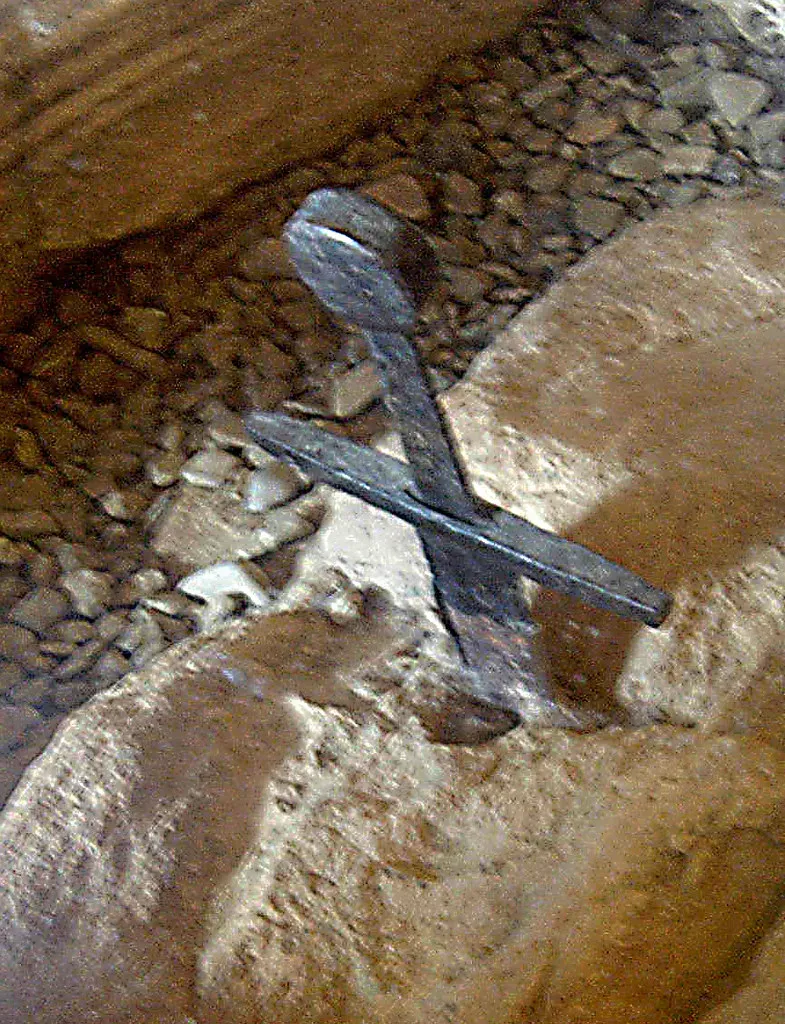
At a small hilltop chapel in Tuscany, a sword sits embedded to its hilt in solid rock, tied to the story of a 12th-century Italian knight named Galgano Guidotti who supposedly plunged his blade into the stone to symbolically abandon warfare for a hermit’s life.
Metallurgical testing on the sword’s composition and style has been argued by some Italian researchers to be broadly consistent with 12th-century European ironwork, lending superficial support to the legend’s timeline. However, no comprehensive, independently published peer-reviewed dating study has settled the question definitively, and skeptics point out the sword could have been embedded at any later point using known monastic craftsmanship.
A skeleton with unusually preserved hand bones is also displayed at the same chapel, promoted as belonging to the same knight, though it too lacks conclusive forensic dating tying it to the sword or the 1180s timeline the legend requires. The site’s popularity as a real-world inspiration for Arthurian sword-in-the-stone imagery has only made rigorous scientific scrutiny harder to pursue. And that brings us to the biggest picture of all.
The Bottom Line
Twenty-five objects, and not one has a clean, universally accepted authentication. Some, like the Vinland Map and Getty Kouros, were eventually exposed through chemistry. Others, like the Ark of the Covenant and the Holy Grail, simply can’t be tested because nobody will produce the object itself.
The pattern is clear: provenance gets faked, religious institutions block invasive testing, and “expert consensus” often means educated guessing dressed up as certainty.
The most controversial opinion here? Half these relics stay mysterious not because science has failed – but because someone benefits financially or spiritually from the mystery never being solved. Which one do you think is secretly a fake? Drop your pick in the comments.
Hi, I’m Andrew, and I come from India. Experienced content specialist with a passion for writing. My forte includes health and wellness, Travel, Animals, and Nature. A nature nomad, I am obsessed with mountains and love high-altitude trekking. I have been on several Himalayan treks in India including the Everest Base Camp in Nepal, a profound experience.