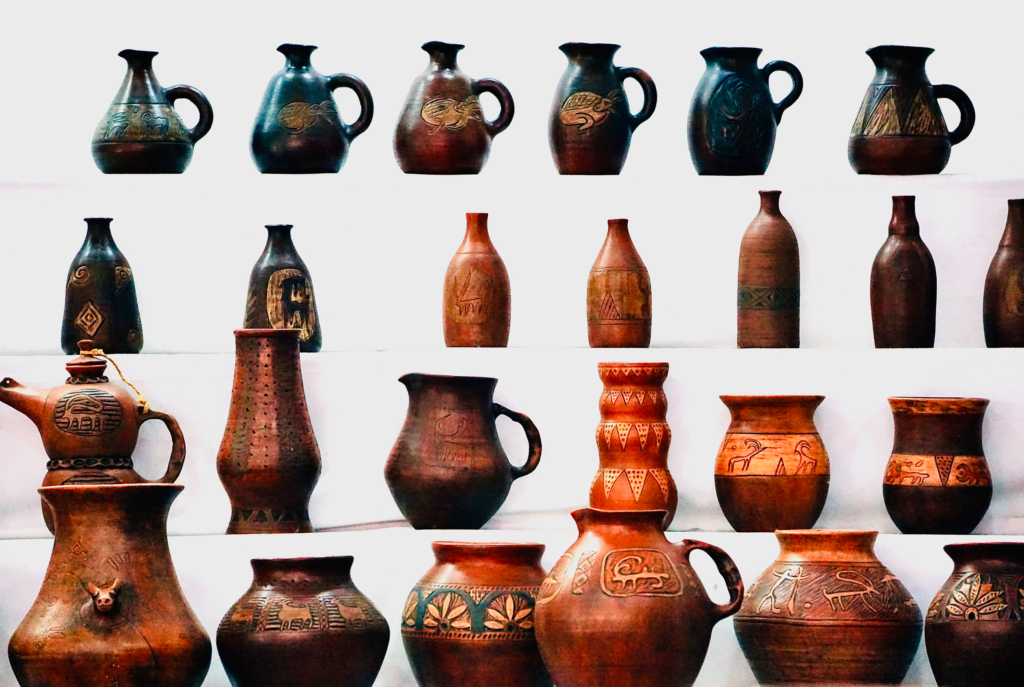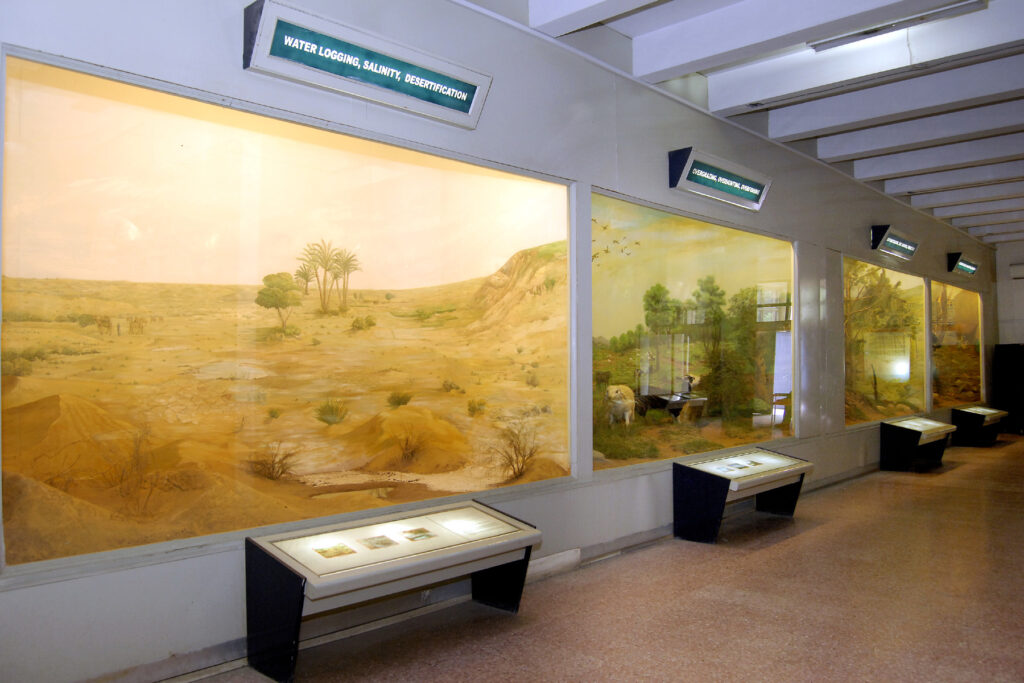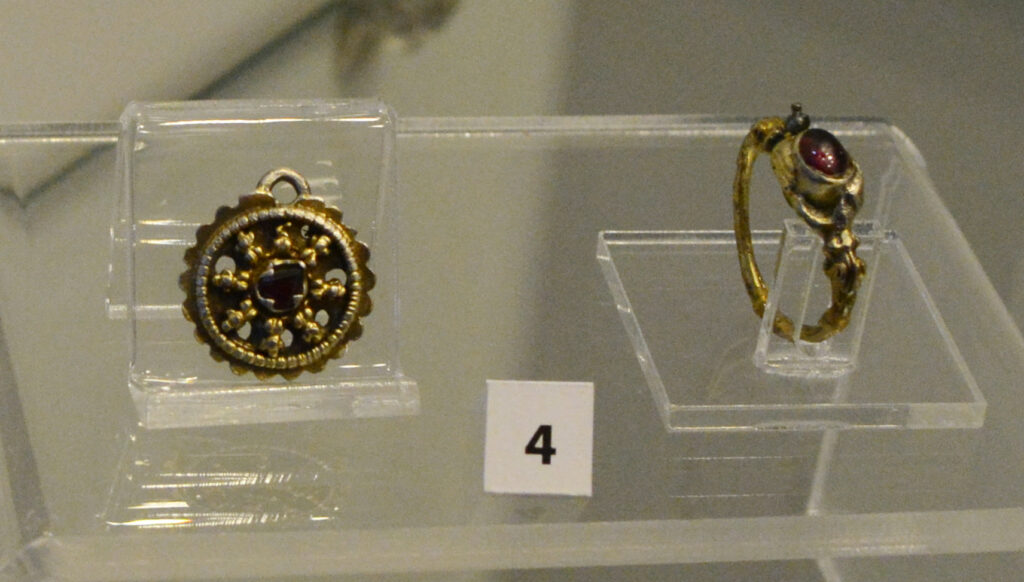
Most people assume museums and universities treat their collections like sacred spreadsheets – every object tracked, signed out, and carefully signed back in. The reality behind the glass cases and climate-controlled vaults is messier and, frankly, a little scandalous: institutions loan objects to each other all the time, and a surprising number of those objects simply never come home.
Sometimes it’s an honest bureaucratic slip. Sometimes it’s a “temporary” exhibit that quietly runs for forty years. And sometimes, as you’ll see toward the end of this list, it’s something closer to a polite institutional power grab. None of these are heists in the Hollywood sense – but the outcome is identical. A piece vanishes from one catalogue and reappears as a permanent fixture in another. Here’s what the paperwork, the curators, and the awkward silences actually reveal.
#23 – Manuscripts “On Tour” That Just… Stay Put
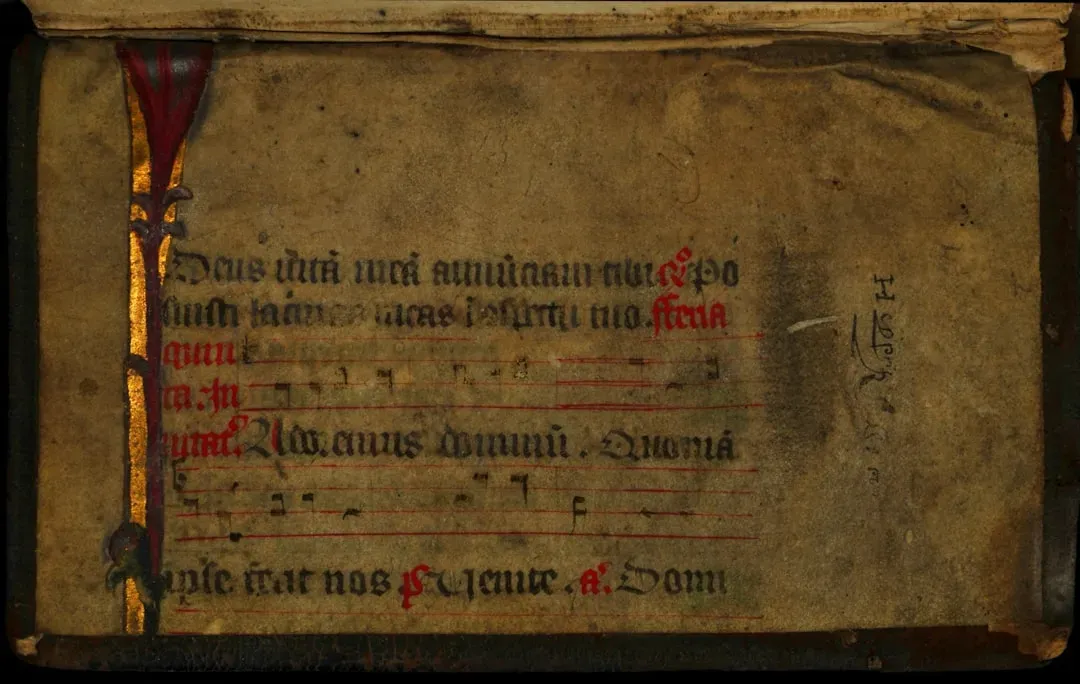
Most people think rare manuscripts travel like high-security VIPs and come straight back home. The reality is quieter and stranger: once they go “on tour,” some are effectively adopted by the host institution and never re-enter their original catalogue. It usually starts with a collaborative research project – a university archive loans a cache of letters to a national library for a major exhibition, and the cataloguing team scans, stabilizes, and re-boxes them to fit its own system.
Decades later, the original institution’s records still say “on loan,” while the host now lists them as “provenance: long-term deposit.” In practice, long-term deposit can mean no one seriously plans a return. Scholars keep citing the host collection, reinforcing its de facto ownership, and the situation only gets messier with author archives and private papers – estates change hands, executors die, and the original loan agreement quietly becomes a ghost nobody wants to chase.
#22 – Ethnographic Objects “Temporarily” Transferred for Study
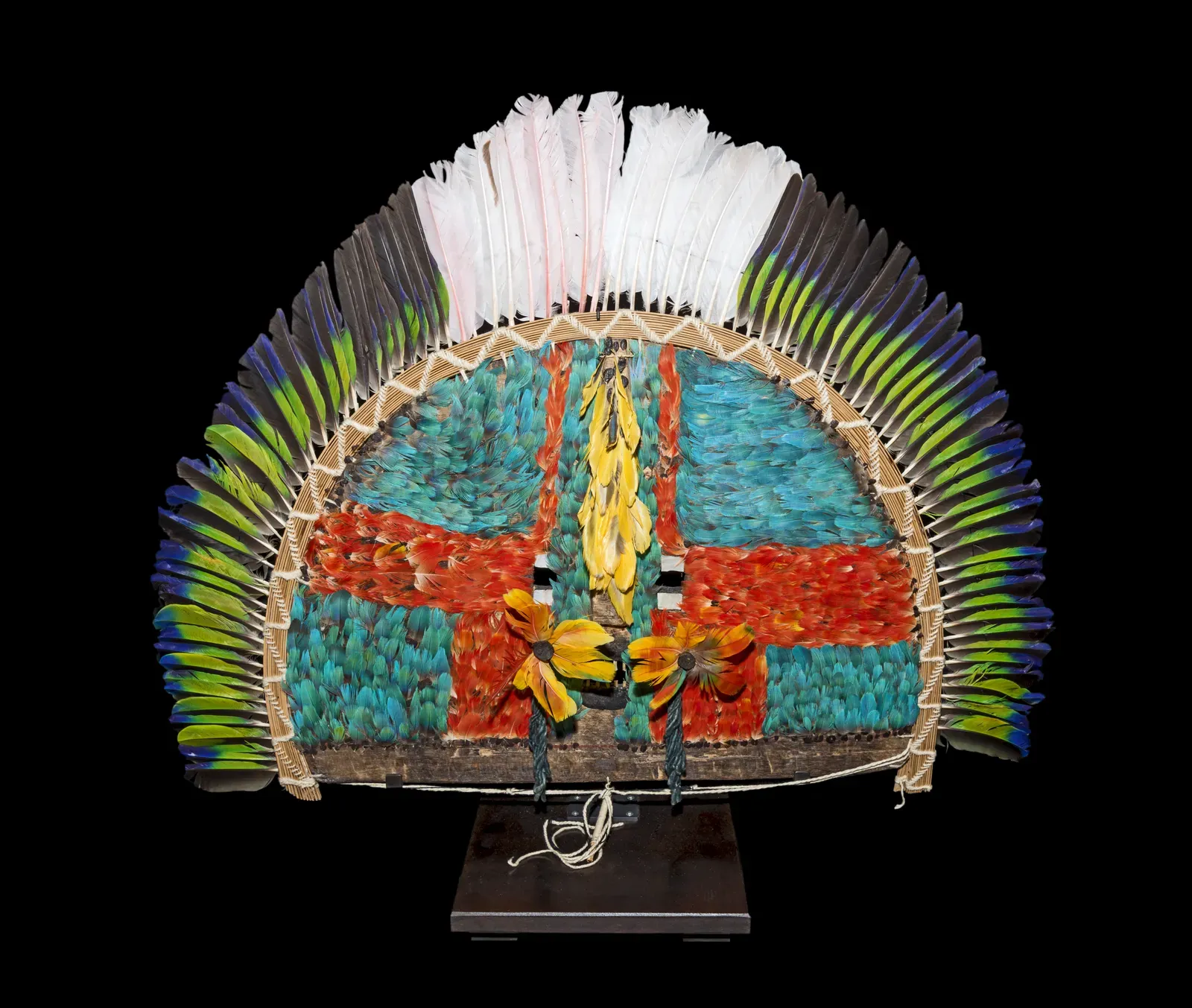
Institutions love to say ethnographic objects are “temporarily transferred for study,” but the paperwork is often vague about what “temporary” actually means. That vagueness can stretch into generations. Picture a regional museum sending ritual masks or tools to a major anthropological collection for conservation and photography – the receiving institution rehouses them in acid-free mounts, assigns new identifiers, and logs them into a “study collection” that lives in a completely different database from the main catalogue.
Once they’re re-numbered internally, tracking them back to the lender becomes a nightmare. There’s also a power imbalance at play: smaller or underfunded museums aren’t always in a position to demand returns from institutions with entire legal teams. Sometimes the original museum closes or merges entirely, and nobody has the standing – or the money – to chase the loan. The objects survive, get published in new catalogues, and become “theirs” in every practical sense.
#21 – University Labs and the Vanishing Scientific Instruments
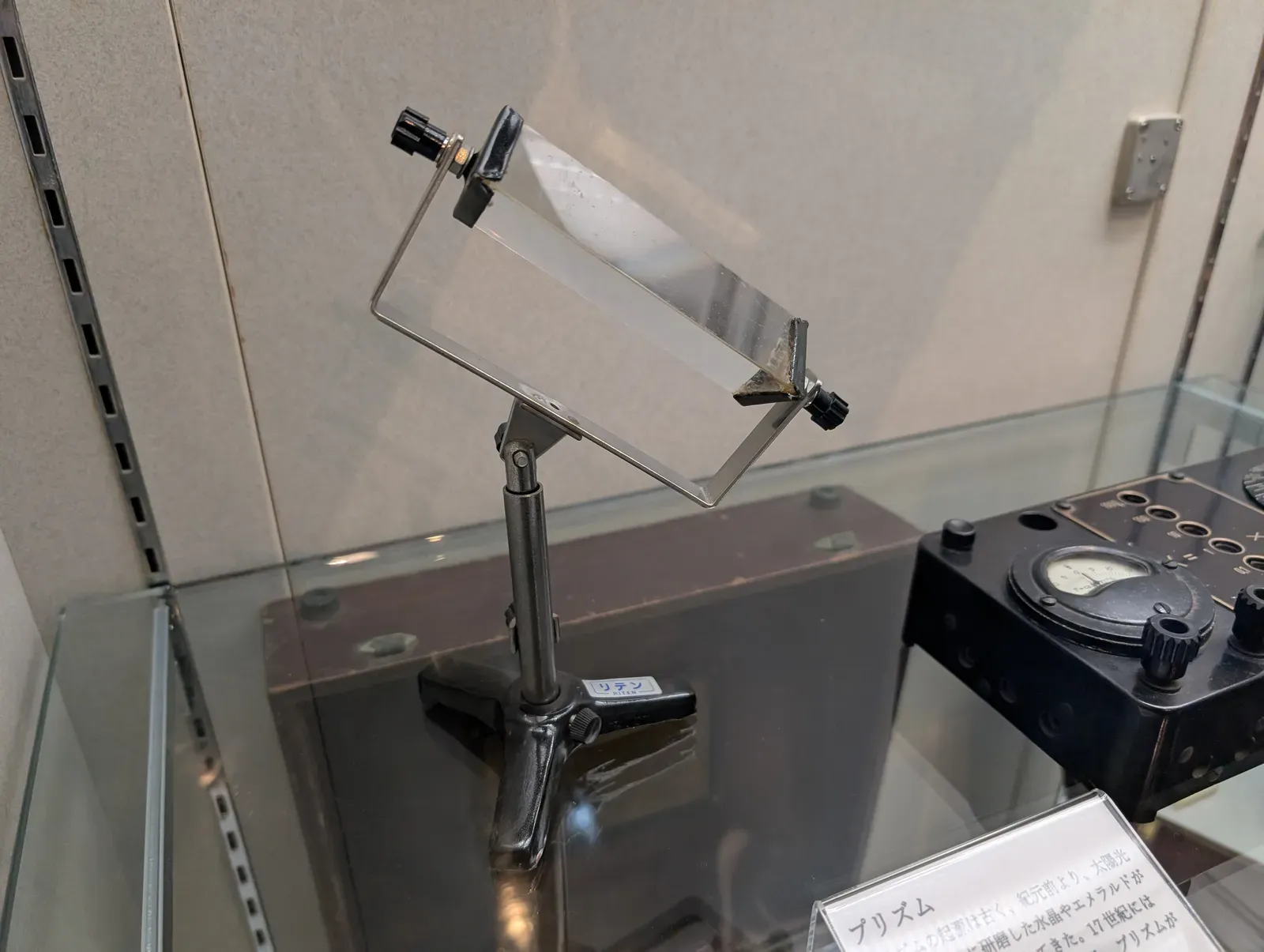
Most people picture labs trading instruments like clean, documented handshakes. In reality, scientific instruments are among the most commonly “loaned and lost” objects on any campus. A physics museum might loan a historic oscilloscope or early spectrometer to a department for an anniversary display, and after the event, instead of being re-crated, it gets shoved into a teaching lab.
New staff arrive, see a functional instrument, and treat it as equipment, not collection material. Labels fall off. Accession numbers get obliterated by tape and handling. Some pieces that should be sitting in climate-controlled storage are instead gathering dust under a lab bench, effectively erased from their original catalogues. From the museum’s perspective, it’s “still with Physics.” From Physics’ perspective, it’s just old kit in the back cabinet – until a renovation quietly throws it out.
#20 – Decorative Arts Furniture That Becomes Office Fixtures
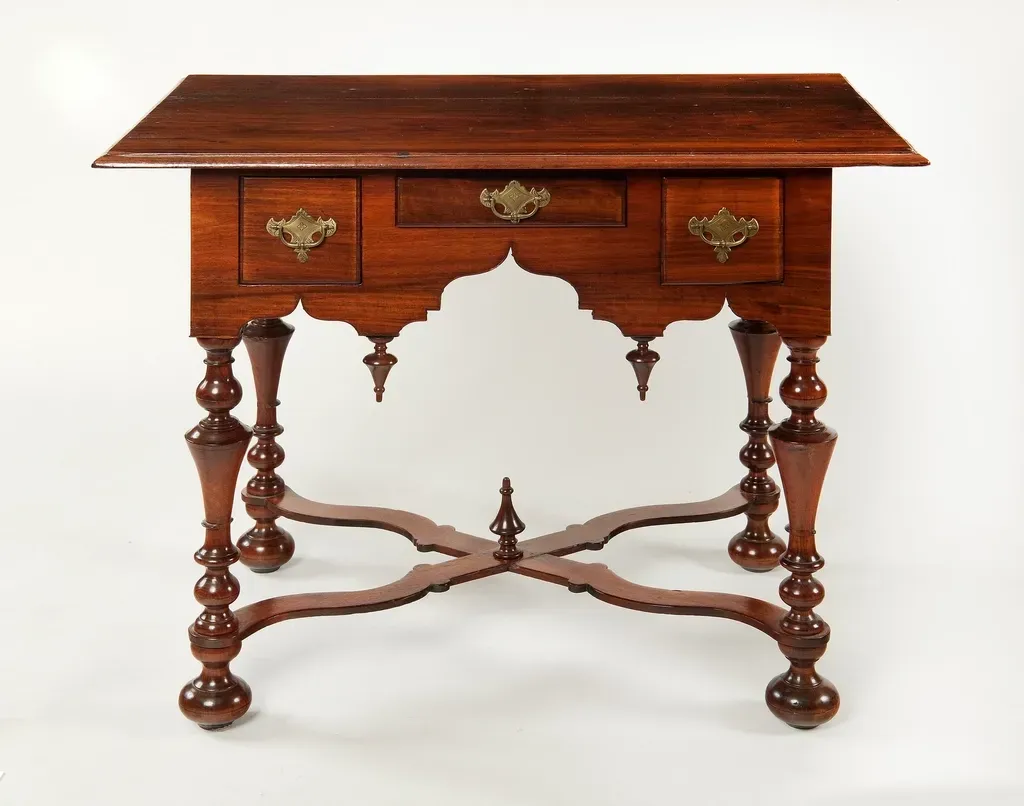
If you’ve ever sat in a surprisingly ornate antique chair in a university office, you might have been sitting on a loan that never found its way home. A museum or historic house loans period desks, chairs, or cabinets to another institution to dress up a themed reading room or reception area. Everyone signs condition reports and promises to be careful – and then the space changes function.
A new administrator moves in, adds a computer, and starts using the 19th-century desk as an everyday workstation. Once loan objects blend into the everyday furniture pool, they stop being treated like collection items and start being treated like property. Inventory teams might swing by every few years, but if the label is gone and nobody remembers the original loan, it gets logged as generic office furniture. Decades later, when the source museum comes asking, staff often can’t even identify which pieces were theirs.
#19 – Taxidermy Birds That Turn Into Someone Else’s Trophy
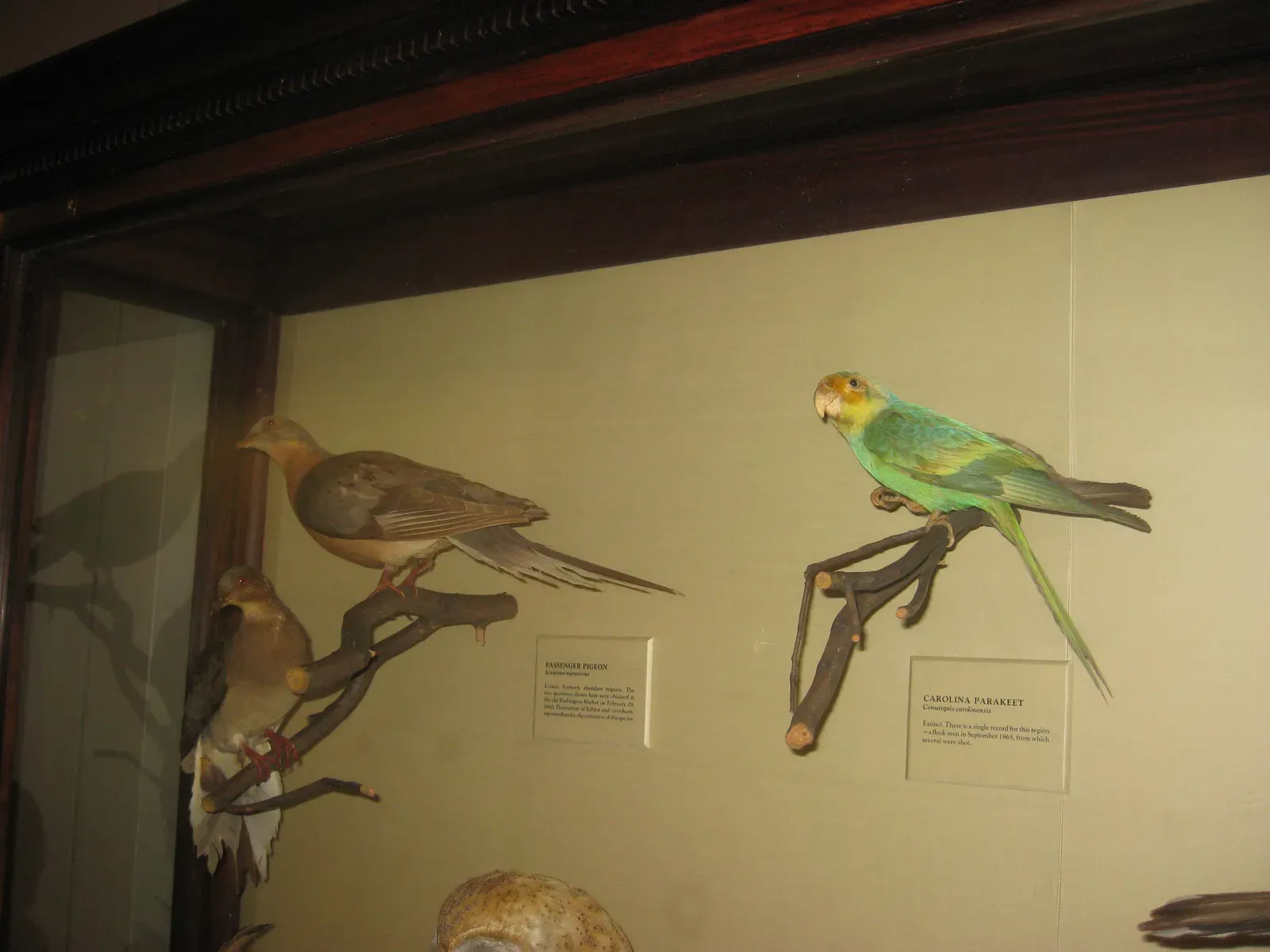
Natural history museums have a long, messy tradition of swapping specimens. Birds, mammals, reptiles – they’re all traded or loaned for study, display, or verification, and somewhere between “loan” and “exchange,” plenty of them vanish from their original catalogues forever. A museum loans a rare taxidermy bird to another institution for comparative research, and over time that loan quietly morphs into a “permanent exchange” by mutual understanding – except the paperwork on both sides never quite catches up.
It’s surprisingly common to see the same object listed as “loaned out” in one ledger and “acquired via exchange” in another. Which is correct often just depends on which institution kept better records – or has the louder voice. Older taxidermy also gets remounted with new stands, legs, and feathers, which breaks the identification chain. Once tag numbers change, the host museum may accession the specimen as new, while the lender still believes theirs is simply out on loan.
Fast Facts
- Most “vanished” loans aren’t stolen – they’re absorbed through slow paperwork drift, not theft
- Renovations, mergers, and staff turnover are the three biggest triggers for lost provenance
- Removing or replacing an accession tag is often the exact moment an object’s traceable history ends
- Specimen-heavy fields – natural history, botany, archaeology – see this pattern more than fine art collections do
#18 – Pottery Shards That Become Nobody’s Problem
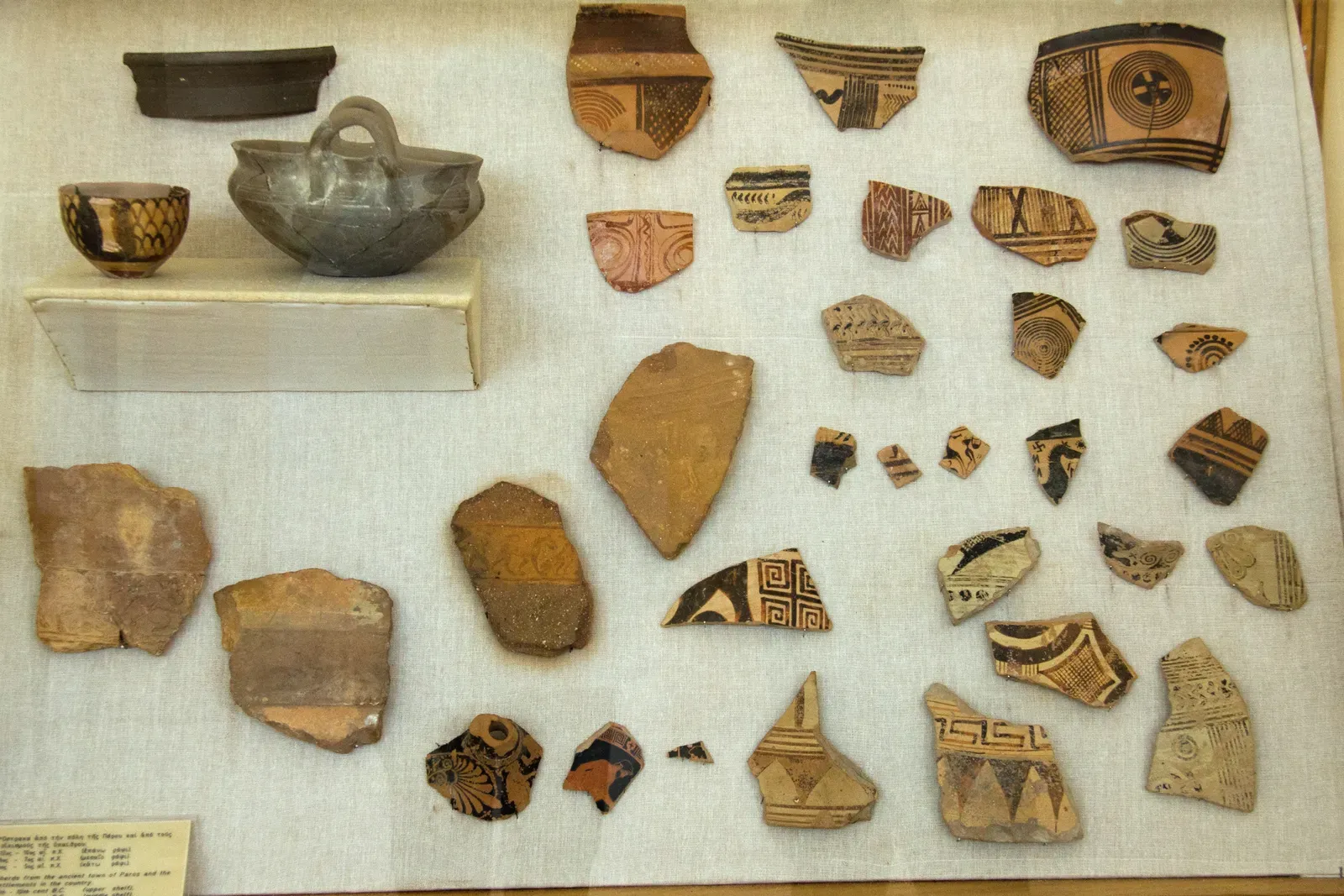
In archaeology, duplicate pottery shards, bone fragments, and small finds get classified as “study materials” – and that’s exactly where accountability gets fuzzy. A regional museum sends a box of ceramics and animal bones to a university archaeology department for a graduate thesis, everyone agrees they’re low-value “research material,” and decades later the department closes its lab. The boxes simply migrate to another university, or another museum entirely.
Because the originals were never fully accessioned or properly labelled, they morph into anonymous teaching collections. Try proving they came from Institution A after 40 years and three moves. Some archaeologists call this efficient – better the shards stay in active use than gather dust in a basement. Others call it a clear ethical failure. Either way, thousands of small finds now sit in a grey zone: technically someone’s, practically no one’s.
#17 – Film Reels That Go In for Restoration and Never Leave
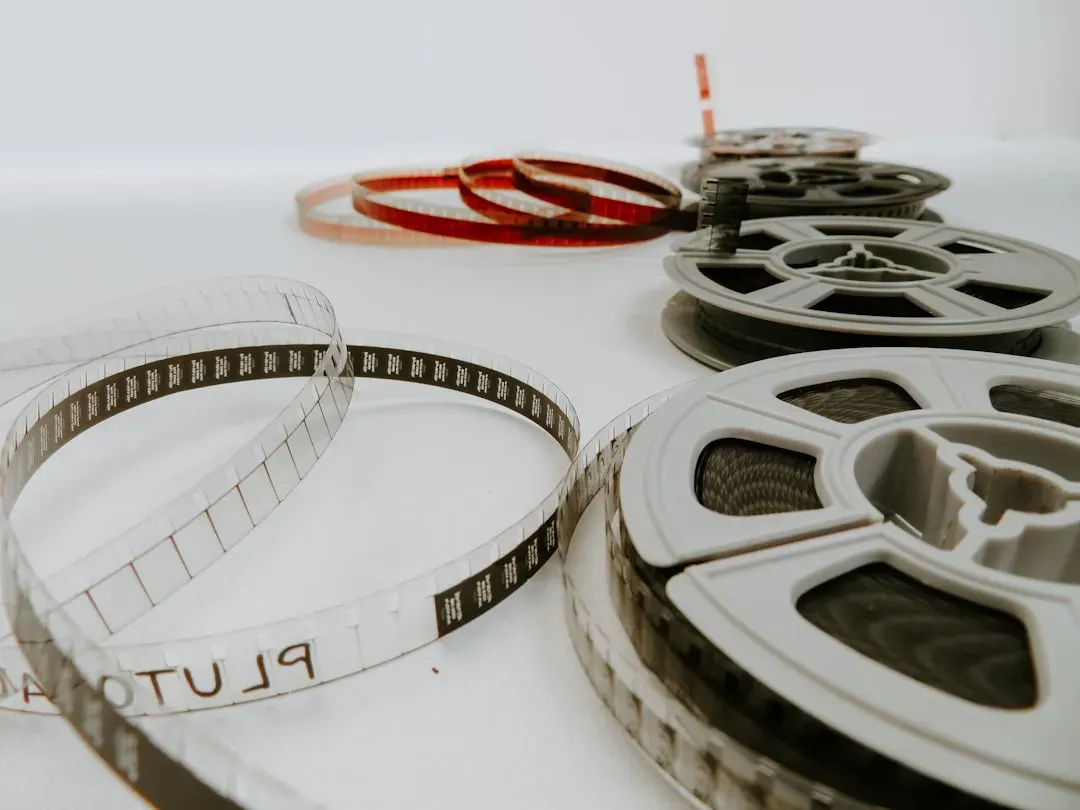
Most people assume digitization equals preservation plus clean paperwork. In reality, analog film and audio reels sent “temporarily” to specialized labs are notorious for never fully coming home, at least not on paper. A small institution loans reels to a national archive or media lab for restoration; the host carefully cleans, scans, and vaults them, sends back a digital copy – and then the physical originals become awkward to discuss.
Some lenders informally accept that the big archive can simply keep the reels, but never update their own catalogues to reflect the shift. The muddle deepens when the original institution downsizes and becomes content with the digital files alone, sometimes forgetting it technically still owns dozens of physical reels sitting in someone else’s vault. Scholars then cite the larger archive as the primary source, quietly cementing the transfer nobody officially approved.
#16 – Pressed Plants That Never Find Their Way Home
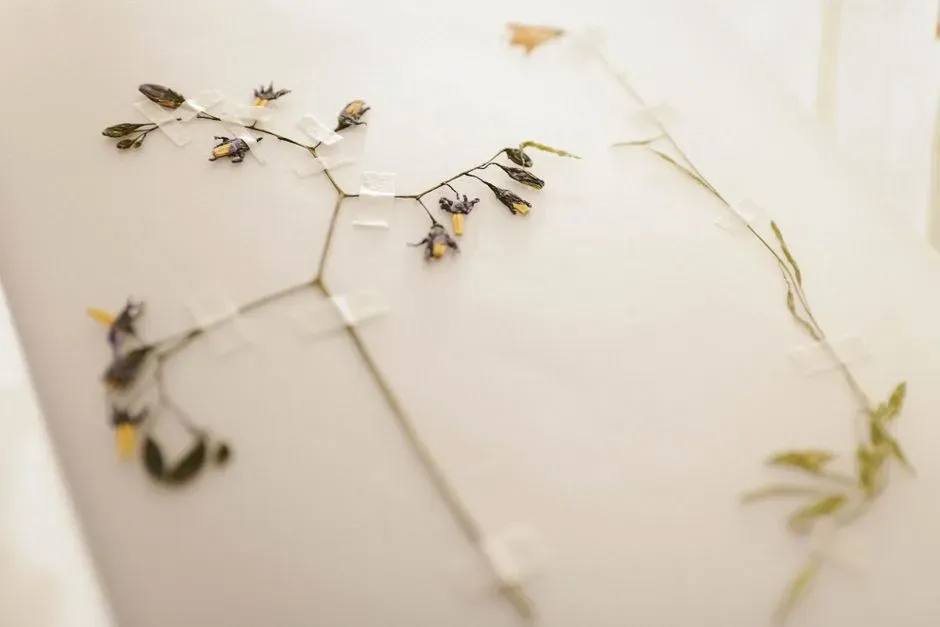
Herbaria – those vast, quiet rooms of pressed plants – run on a culture of exchange and loaning that’s cooperative but chaotic. Over centuries, plant sheets have circulated so widely that some originals will never be traced back to their first catalogue. A herbarium sends sheets to a partner institution for taxonomic revision; the receiving botanist re-identifies species, annotates the sheets, and sometimes re-files them into their own cabinets purely for convenience.
Labels marked “ex Herbarium X” get read by future staff as historical provenance rather than an active loan. Duplication makes it worse: specimens of the same plant from the same collector often sit scattered across multiple institutions, so a misfiled sheet is nearly impossible to trace. Older correspondence often mentions “bundles” of specimens rather than precise counts, so reconciling anything decades later is guesswork at best.
#15 – Sacred Art Stranded by Church Closures
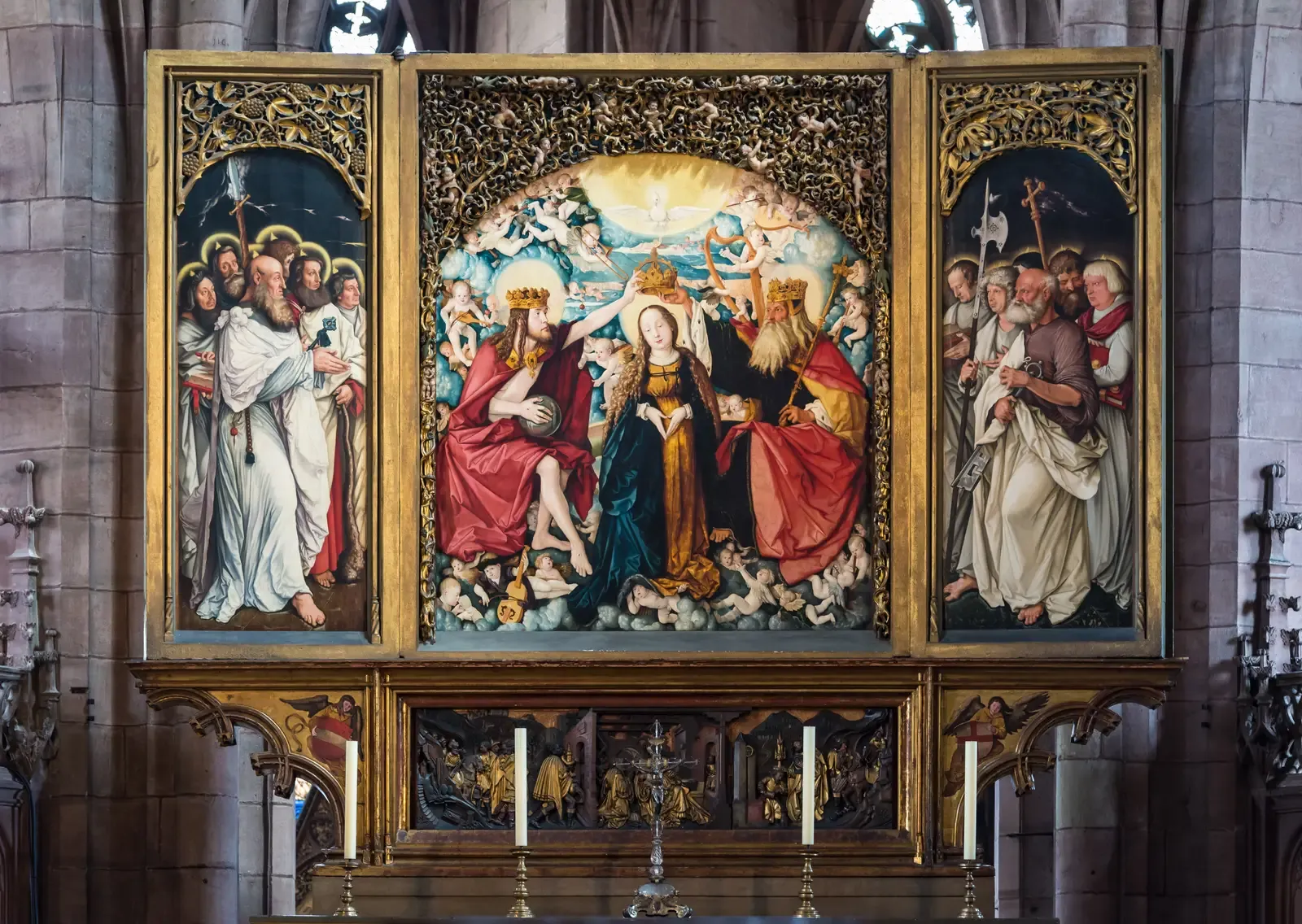
When churches close, their artworks – altarpieces, statues, reliquaries – often get “temporarily” rehoused in museums or other religious institutions. This is exactly where ambiguous loans quietly become permanent. A diocese lends a painted panel to a regional museum “until a new parish is established,” and twenty years later the parish never reopens, while the museum has spent serious money on conservation.
At that point, many curators feel they’ve earned a moral claim, even though the loan paperwork was never formally converted into a gift or transfer. This gets especially controversial with objects still considered sacred by local communities – some argue the museum saved what would otherwise have been lost, others call it a soft form of appropriation. Either way, the item drops out of the ecclesiastical catalogue and lives on in the museum system as a “long-term deposit” nobody ever revisits.
#14 – Teaching Skulls That Lose Their Names
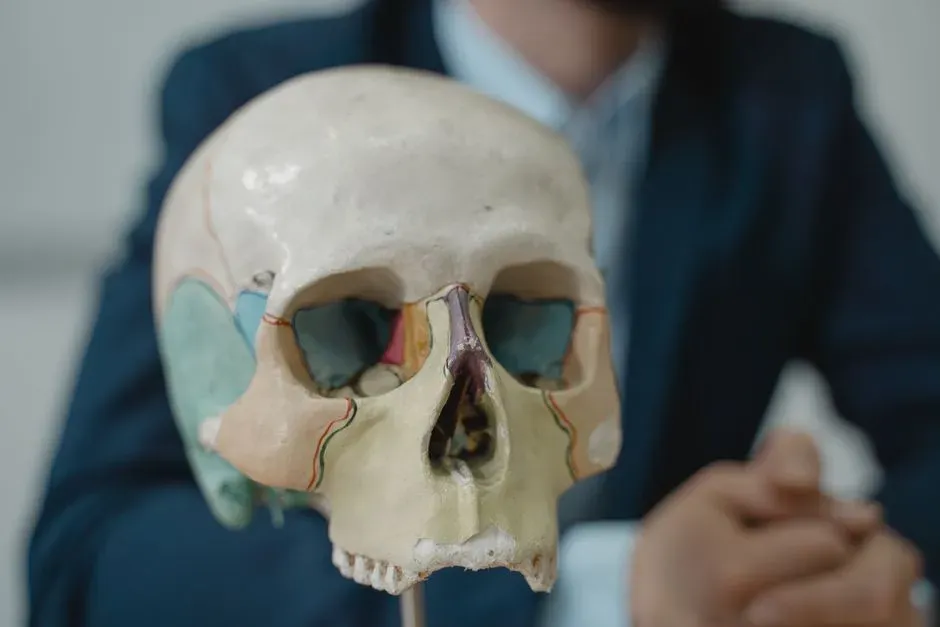
Anatomical collections are some of the most ethically fraught – and least consistently documented – holdings in any institution. When medical schools loan human skulls, skeletons, or wax models to each other “for teaching use,” the trail can be disturbingly easy to lose. Over time the skulls get painted, labelled, fitted with metal hardware, and treated like generic lab resources.
Their status as museum or archival objects effectively disappears, even when the original donor conditions were strict. When departments relocate, they may end up boxed and unlabelled, merged straight into the host’s own collection. Plastic and wax models fare no better – borrowed mannequins blend into local teaching sets, accession numbers get peeled off or painted over, and all that remains in the original museum’s ledger is one dry line: “Loaned to Medical School B, 1968.”
#13 – Design Prototypes That Disappear Into Corporate Vaults
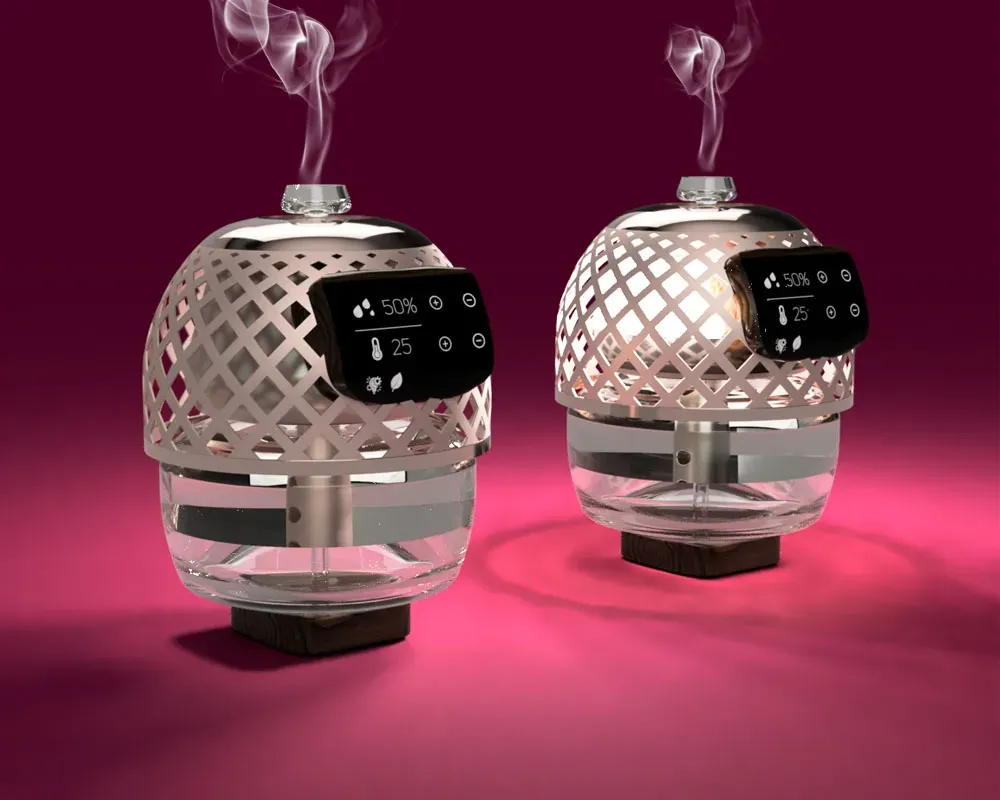
Design museums often rely on corporate archives for prototypes and early product versions. What’s less talked about is that corporations also borrow historical examples from museums – and then never quite send them back. A company asks to borrow early models of a chair, phone, or appliance so its design team can study form and ergonomics, and the objects go into a private innovation lab with strict access controls.
Staff turn over, the project ends, and the prototype stays on a shelf marked only with an internal asset tag. To the company, it’s part of its design heritage; to the museum, it’s theoretically still “on loan.” These cases rarely make headlines because both sides prefer discretion. Behind closed doors, curators sometimes admit they’ve quietly written off certain long-term corporate loans entirely, updating their catalogues to read “unresolved status.”
#12 – Rock Cores That Get Cut Into Pieces and Never Reassembled
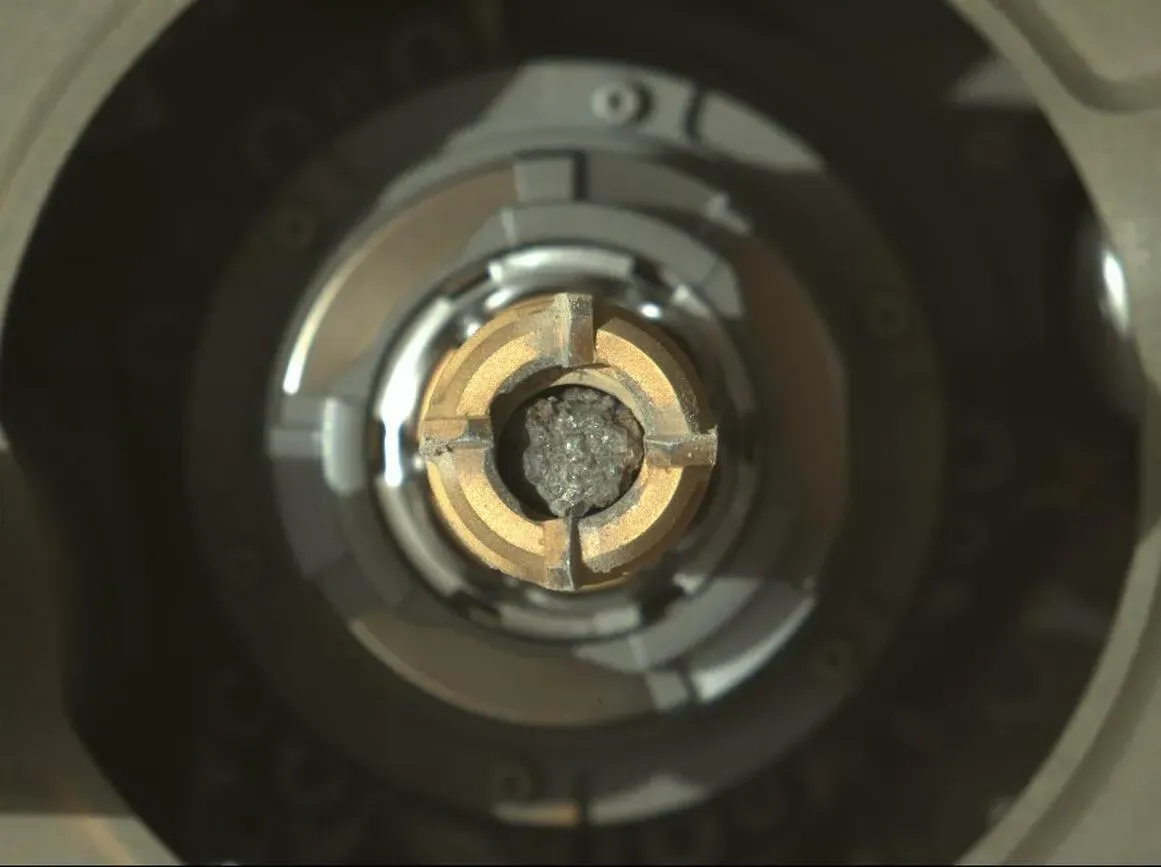
Geological surveys and university geology departments trade core samples and rocks like currency. The intent is collaborative mapping and resource assessment; the outcome is often permanent dispersal of the originals. A government survey loans borehole cores to a university for analysis, thin sections get made, labels get redone, and pieces of the core are literally cut up for different research groups.
By the time the project wraps up, the idea of a single, intact object that can “return” to its lender is practically fiction. Yet the original catalogue may still list the core as simply “out on loan.” Geologists tend to care most about the data – preserved safely in publications and databases – so the physical chain-of-custody gets bottom priority. Scientifically that’s efficient. From a museum accountability standpoint, it’s a slow-motion disappearing act.
Worth Knowing
- “Long-term deposit” – a polite way of saying no return date actually exists
- “Permanent exchange” – a loan both sides have informally agreed is now a swap
- “Study material” – objects considered too minor to formally accession, which makes them easy to lose track of
- “Unresolved status” – the catalogue equivalent of a shrug
#11 – Antique Costumes That Get Worn Onstage “Just Once”
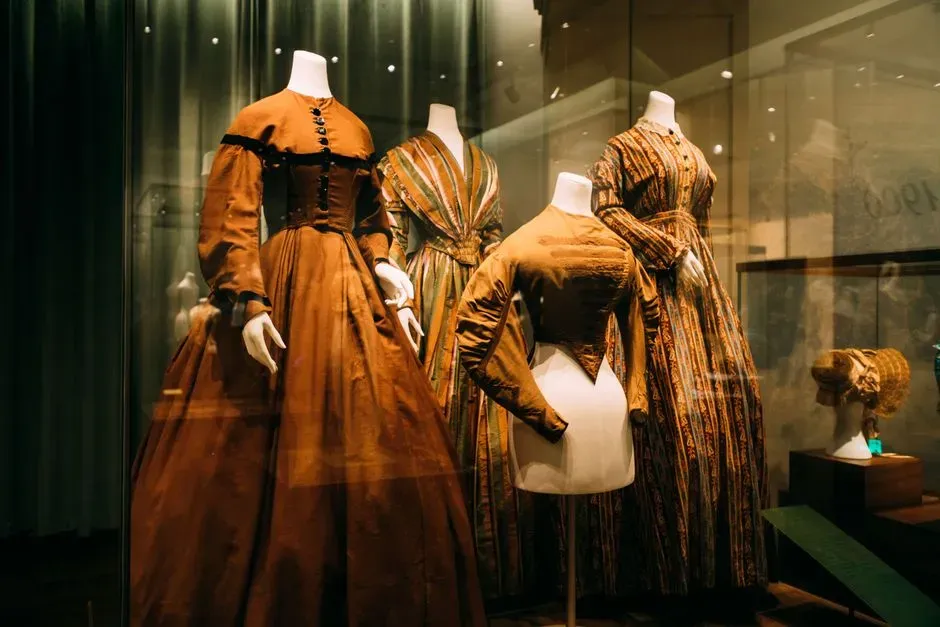
It sounds like a fun partnership: museums loan historical garments or textiles to theater companies for research and pattern-making. The trouble starts when that “research” quietly crosses into performance and backstage chaos. A costume collection loans out 19th-century jackets or military uniforms for study, and under production pressure, those originals get worn on stage “just once,” with repairs made and tags removed so they don’t show under the lights.
Once an object has been modified to serve a production, its value as a museum piece is compromised – and its identity can be literally unstitched. Drama departments are notorious for patchy inventories, and it’s not unusual for pieces to go missing between one director’s tenure and the next. Meanwhile, the lending institution’s record still says “loaned for design study,” blissfully unaware the piece is now a battered stage relic, or simply gone.
#10 – Framed Photographs That Outlive Everyone Who Signed for Them
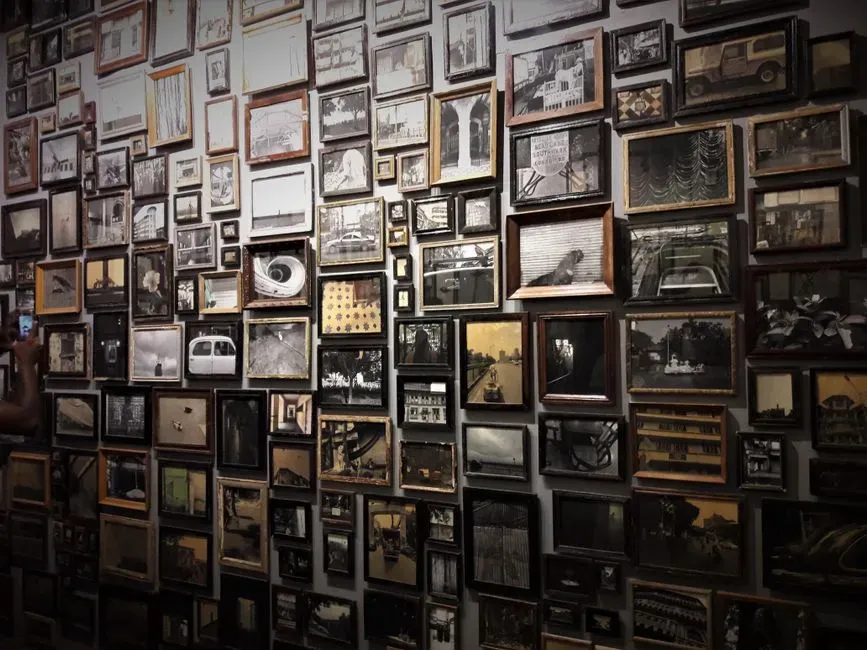
Offices, embassies, and public agencies love to borrow art photography from museums to “brighten the walls.” These wall loans can last so long they outlive the people who originally signed the forms, and that’s exactly how prints slip into institutional limbo. Staff changes, renovations, and relocations follow, frames get taken down and re-hung without documentation, and plaques quietly go missing.
By the time someone finally asks, “Who owns these, anyway?” the original loan paperwork is buried or lost, and the objects have effectively become anonymous decor. Some organizations even rotate such pieces between buildings without ever involving the lending museum. Years later, a registrar might discover a whole cluster of loans still listed as “active,” with no current contact person anywhere on file.
#9 – Museum Exhibits Kids Are Allowed to Touch, Tighten, and Repaint
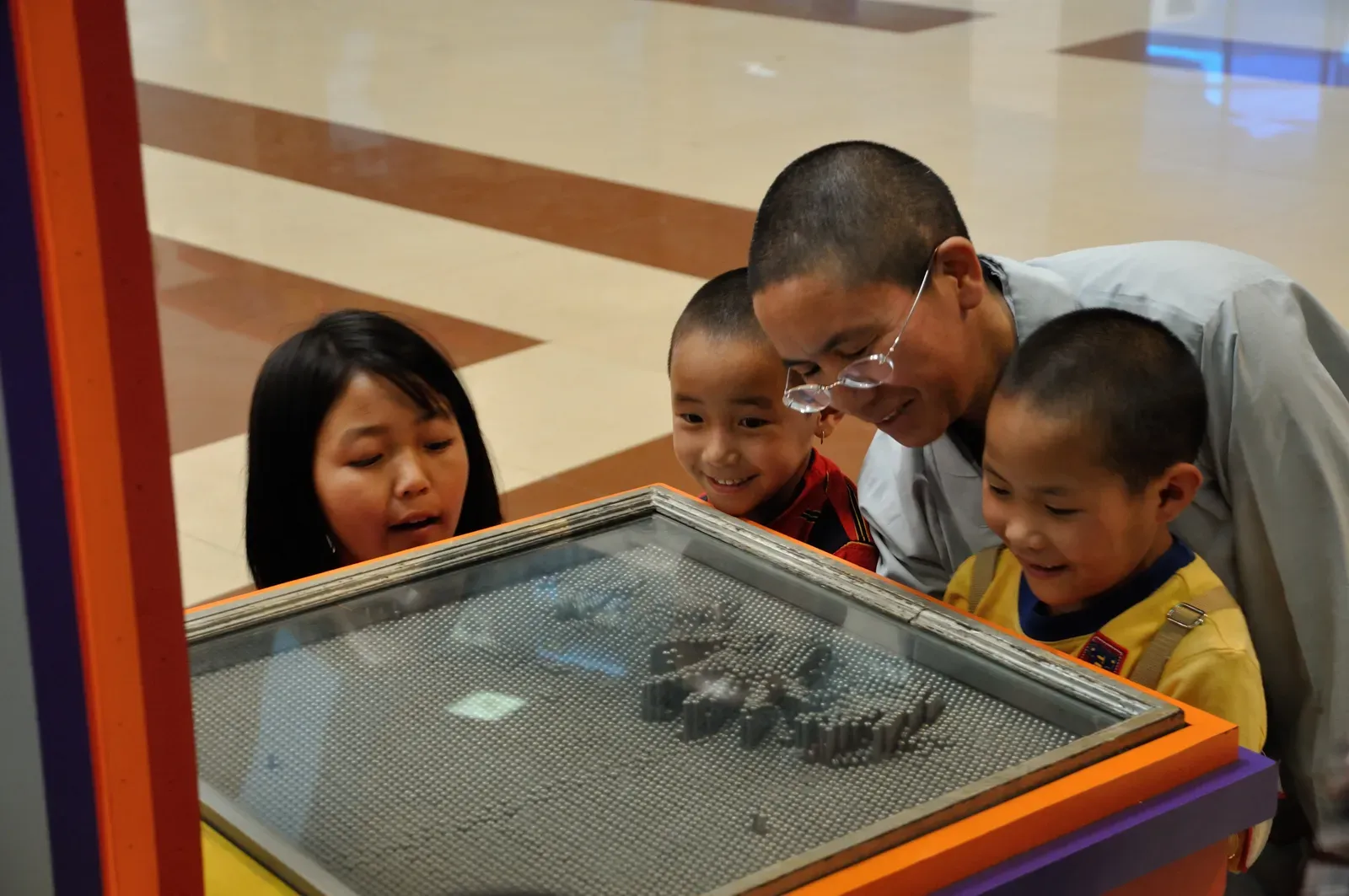
Interactive science centers and children’s museums often borrow robust objects – tools, models, simple machines – from more traditional collections, because the whole point is letting visitors touch and experiment. That’s also exactly why these are some of the least likely loans to come back intact. A history museum loans vintage lab equipment or mechanical parts for a hands-on exhibit, and over time pieces get tightened, reassembled, painted, or quietly replaced to survive heavy use.
The original accession numbers are usually the first casualties, worn off or buried under interpretive labels. After a few rounds of exhibit redesign, curators can no longer tell which objects began as formal loans and which were built in-house. Today, some institutions simply accept that older loans used in interactives are “functionally lost,” and focus instead on tightening the rules going forward.
#8 – Carved Stones That Get Mixed Up With the Wrong Building
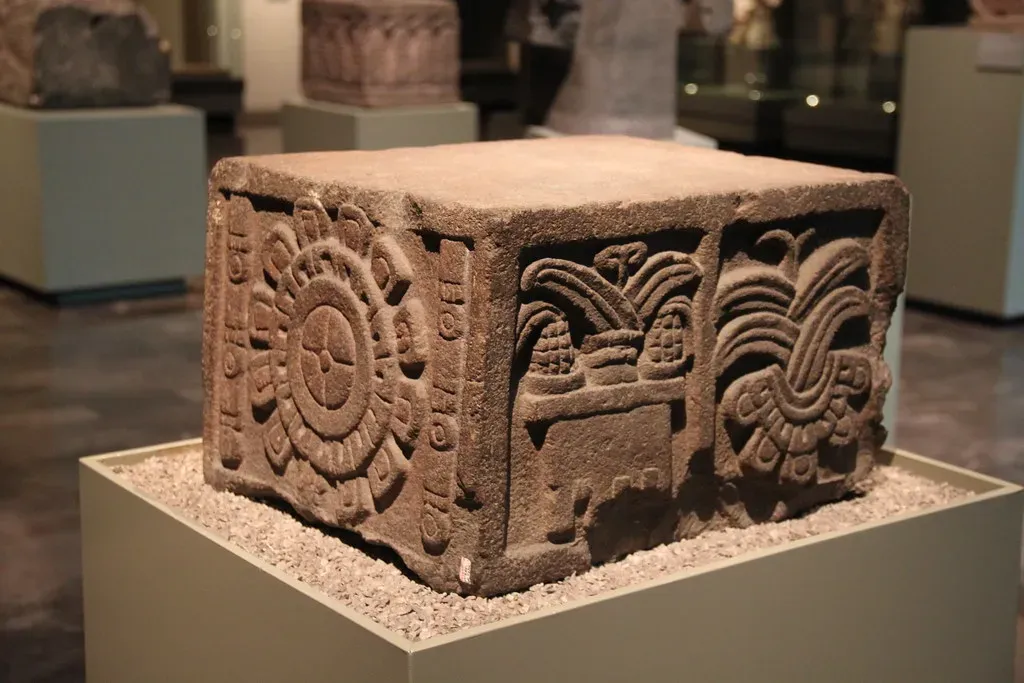
Architectural fragments – carved stones, tiles, ironwork – are often salvaged during demolitions and passed between preservation groups, universities, and museums. Their journeys are so convoluted that some pieces effectively fall out of their original catalogues the moment they start moving. A heritage trust loans fragments to an architecture school for study; the school then lends some of those same pieces onward for an exhibition, and labels multiply without ever quite matching.
Unlike paintings or sculptures, individual stones from a building rarely have a distinctive identity to non-specialists. If accession numbers are faint or missing, a carved capital from one church can be mistaken for another entirely. Once that confusion sets in, institutions tend to settle for a plausible attribution rather than fight over ownership no one can conclusively prove – and the original catalogues keep listing items that have quietly drifted away.
#7 – Jars of Preserved Animals That Get Split Into New Specimens
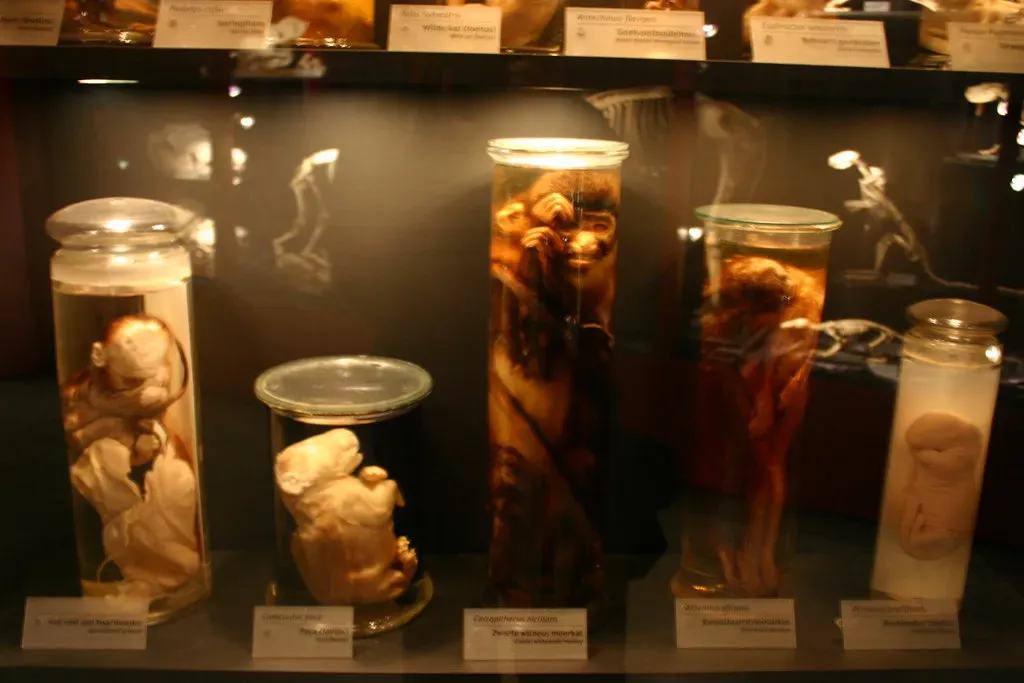
Preserved animals in jars are more than a creepy basement sight – they’re data goldmines for genetics, which has led to an explosion of loans between museums and research labs. The quiet side-effect: jars that never re-enter their lending institution’s active catalogue. A museum sends fish or amphibian specimens to molecular labs for tissue sampling, and in theory only a sliver is taken before the jar comes home. In practice, some specimens are fully dissected or split into multiple containers.
If the receiving lab doesn’t meticulously maintain the original accession number, these new jars get catalogued locally as fresh items, severing the link to the lender entirely. When projects end, labs often send mixed batches back to centralized repositories instead of the original museum, and those repositories apply their own numbering. Unless someone cross-references old tissue-sample citations, the trail simply stays broken.
#6 – The School “Loan Box” That Quietly Loses Its Real Artifacts
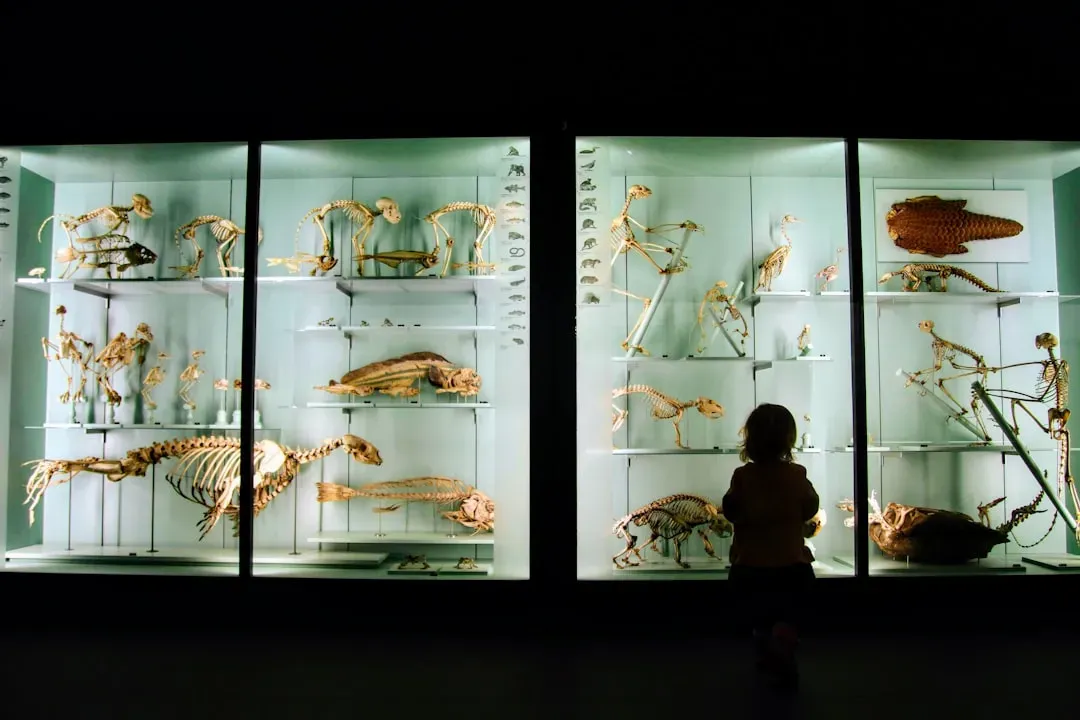
For decades, museums assembled “loan kits” – boxes of objects, replicas, and teaching materials – to send out to schools and libraries. Everyone loved them. They were also a catalogue nightmare, and plenty of the real artifacts inside those kits never returned in any meaningful sense. A kit might mix genuine stone tools or coins with reproductions; teachers borrow them for a term, and items get handled, misplaced, or swapped between classrooms.
Even when kits do come back, they’re often incomplete or reorganized, with no reliable way to know which real artifacts are missing or replaced. When schools close or district storage gets reorganized, surviving kits sometimes get kept locally as “resources,” their ties to the original museum quietly severed. The museum’s catalogue, meanwhile, may still list the artifacts as active objects sitting inside a kit that no longer exists.
Quick Compare
- Accidental drift: lost labels, staff turnover, and vague paperwork slowly erase an object’s origin
- Practical absorption: host institutions keep objects because reclaiming them costs more than it’s worth
- Power-driven retention: better-resourced institutions simply outlast smaller, under-funded lenders
#5 – Rare Books That Get Barcoded Into an Ordinary Library Shelf
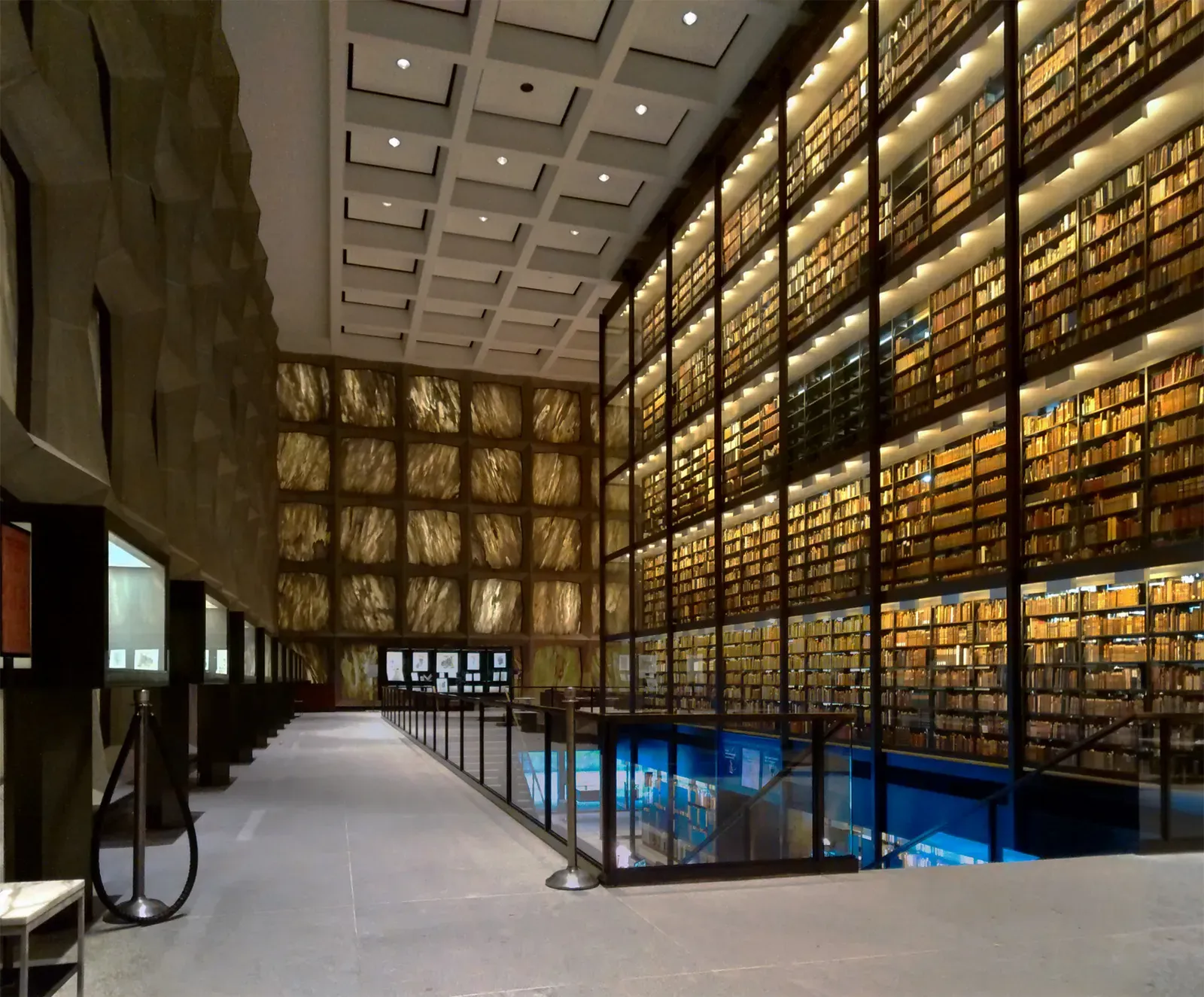
Libraries loan to each other constantly, but special collections and rare books are supposed to be different – tightly controlled, non-circulating. Historically, that line wasn’t always firm, which is exactly how some rare volumes slipped away for good. A university library loans a rare volume to another institution for a curated display or digitization project. During a building renovation or system migration, the book gets re-shelved without its special status and accidentally folded into the host’s regular circulating collection.
Once a rare book is barcoded, stamped, and treated like a normal item, it’s functionally been absorbed. In some cases, it’s even weeded out years later by staff who never realized its origin. This happens most with items that felt “borderline special” at the time of loan – early textbooks, local pamphlets, minor printings – until scholarly interest shifts and suddenly both institutions want to claim the same book, with no paperwork solid enough to settle it.
#4 – Meteorite Slices That Become Someone Else’s Star Attraction
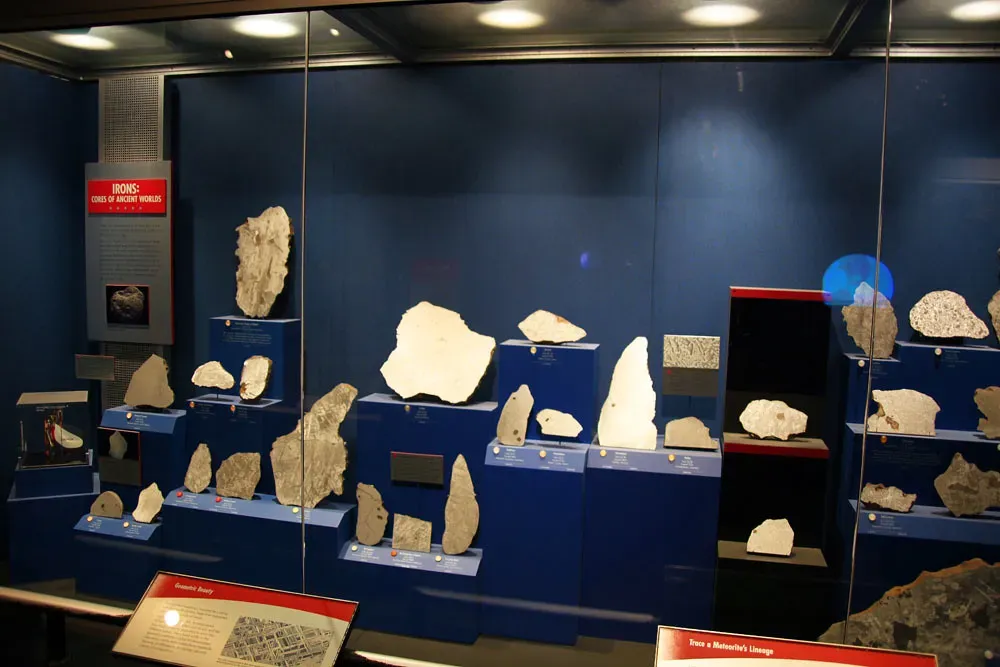
Space models – planetary globes, spacecraft replicas, meteorite displays – circulate widely between planetariums, science centers, and museums. These eye-catching pieces attract visitors, but constant moving makes for sloppy ownership records. A science museum loans a detailed spacecraft model to a smaller planetarium, which later merges with a bigger science center. Along the way it gets repainted, fitted with replacement parts, and rebranded.
By the time anyone looks closely, the only surviving label is the newest institution’s logo, not the original lender’s accession number. Meteorite displays are even more contentious, because their scientific and monetary value runs high. An originally loaned slice can become central to a host institution’s marketing and education materials, and when the original owner finally comes asking, the host argues it invested heavily in mounting and interpretation – persuasive, but not a legal argument. Without airtight contracts, that meteorite may simply never reappear in the lender’s catalogue.
#3 – Lab Animal Skeletons That End Up on Display
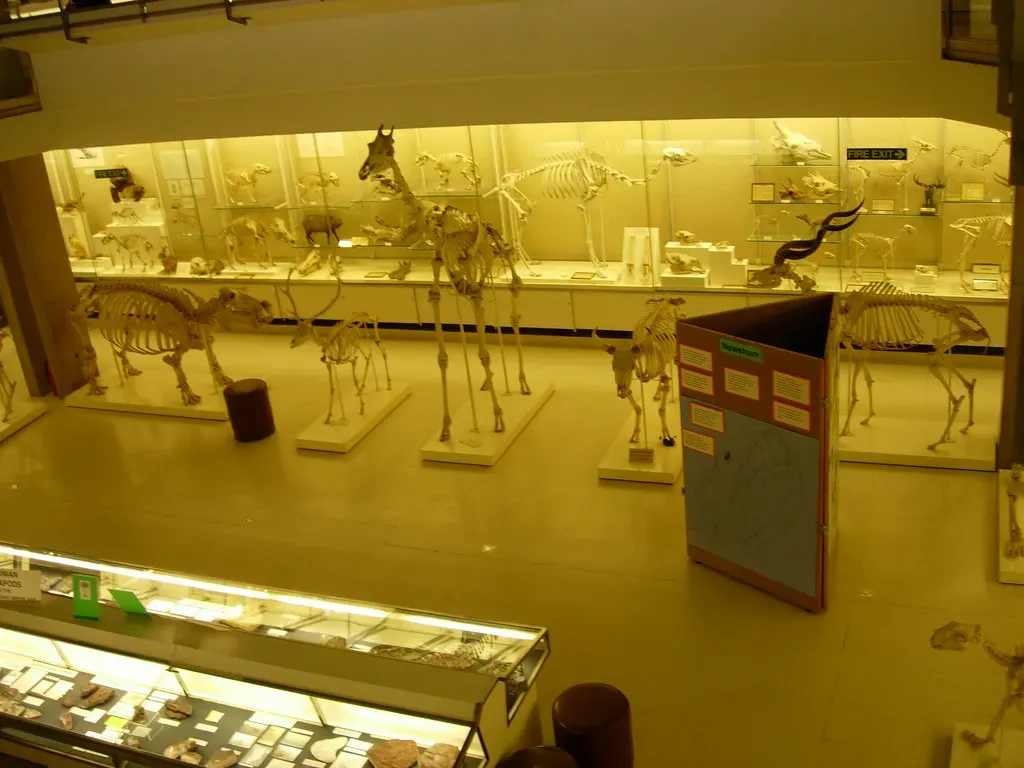
This one sounds morbid, but it’s a real pipeline: animals used in research sometimes end up as skeletal specimens in museum collections. The cross-over between lab and museum can blur who actually owns the remains – and whether they were ever properly loaned in the first place. A zoology museum loans skeletal-prep equipment and provides temporary storage for a university’s research carcasses slated for skeletonization. Some of those skeletons turn out to be scientifically interesting enough that curators simply decide to keep them.
If the originating lab never formally transfers ownership or updates its internal list of specimens sent out, those animals become ghost entries – expected back, but quietly absorbed into the museum’s holdings. The reverse happens too: labs borrow prepared skeletons for comparison, then process their own animals into similar mounts, and poor labelling means originals and copies get confused, with the wrong ones sent back. As with most items on this list, the real weak point is the paper trail, not the ethics of sharing specimens.
#2 – Installation Art Left Behind in a Storage Room
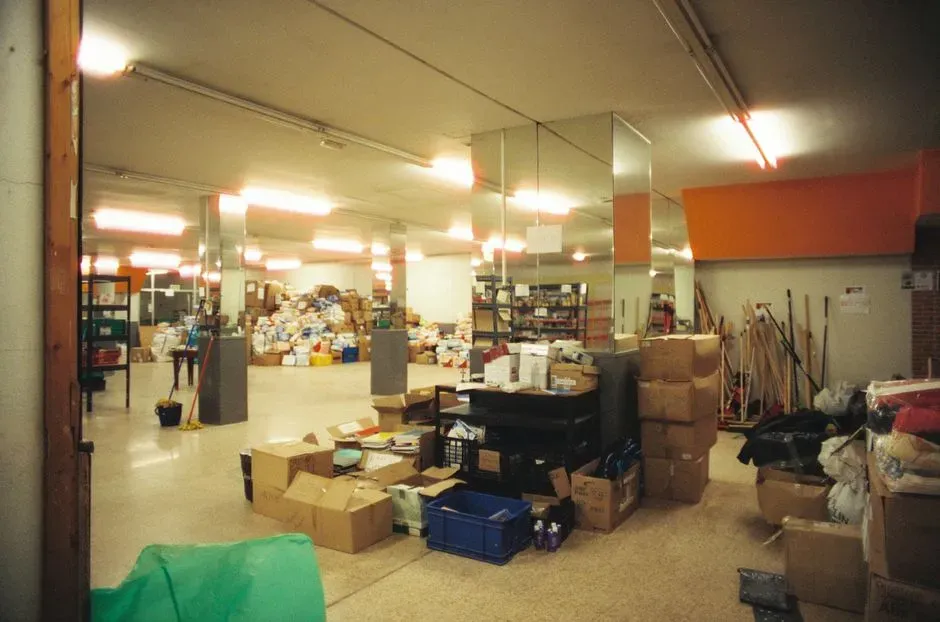
Ask any registrar: contemporary installations are the wild west of loans. Multi-part works, ephemeral materials, ever-changing configurations – it all conspires to make non-returns surprisingly easy. A museum loans an installation made of dozens of components – screens, cables, sculptural elements – to another institution for a show. During installation, some parts get swapped for local equivalents with the artist’s blessing, and at de-installation, staff pack up everything that visibly looks like the artwork. Minor components get left behind in storage.
If those “minor” elements were actually accessioned as part of the original work, the lending institution has technically lost pieces of its own object, and nobody notices for years. Meanwhile, host institutions end up with leftover parts they never officially accession but can’t confidently throw away either. Over time, staff turnover turns those orphaned components into assumed members of the host’s permanent collection.
#1 – Colonial-Era Cultural Treasures Still Waiting to Go Home
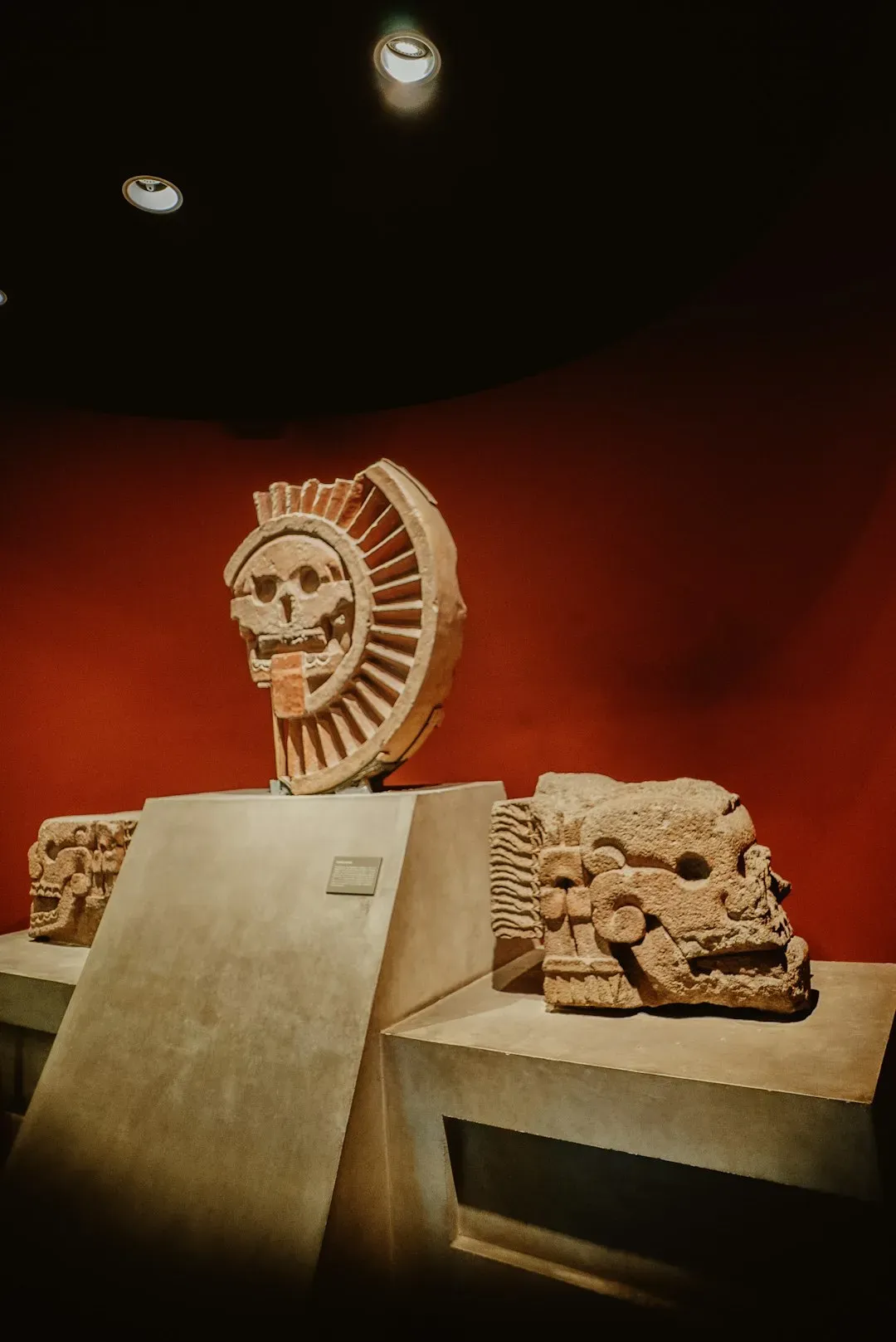
The most controversial non-returns on this entire list aren’t accidents; they’re baked into unequal power dynamics. During the 19th and early 20th centuries, countless cultural objects from colonized regions were described as “loans,” “deposits,” or “temporary transfers” to Western museums. Many of those pieces never went back and never reappeared in their home institutions’ catalogues at all.
Local leaders were often told objects would be taken abroad “for study,” conservation, or exhibition – only for Western museums to reclassify them over time as acquisitions, through purchase, gift, or simple inertia. Paperwork is frequently vague, written in languages the original owners never spoke, or entirely one-sided. When communities today request repatriation, they often find catalogues that describe the items as long-held property, with only a passing nod to the loan-like circumstances under which they actually left home. Entire categories of sacred, ceremonial, and everyday objects dropped out of their original institutional catalogues and lived on only in foreign ones – and the current wave of restitution debates is, in part, an overdue attempt to confront that.
Why It Stands Out
- Unlike accidental losses, colonial-era transfers were often framed as loans specifically to soften the optics of removal
- Restitution requests today frequently run into catalogues that never acknowledged the original loan language in the first place
- This category carries legal, diplomatic, and cultural weight that a lost lab specimen or misplaced office chair never will
The Bottom Line
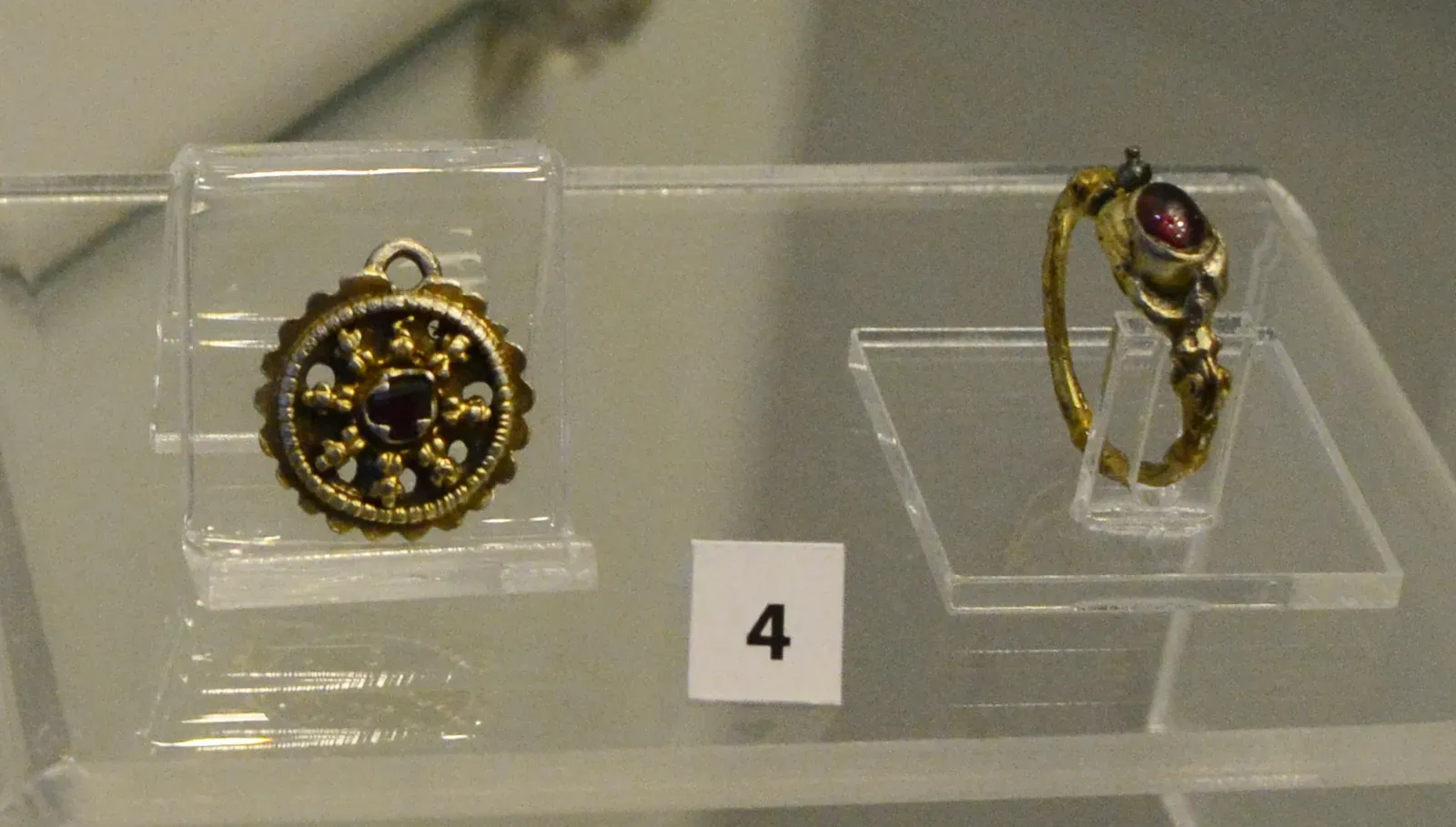
Strip away the polished labels and the climate-controlled hush, and you’re left with a blunt truth: institutional catalogues are as political and fragile as any other human system. Loans that never return aren’t just quirky footnotes – they expose how easily power, convenience, and neglect override a signed agreement. From taxidermy birds to sacred sculptures, objects slip out of one ledger and into another the moment paperwork goes soft and one side holds more leverage than the other.
Some readers will shrug and say, “at least the objects survived.” Others will see a quiet culture of institutional entitlement dressed up as good stewardship. Here’s the uncomfortable, opinionated version: if an institution can’t track or honor its own loans, it hasn’t earned the authority it claims over “world heritage.” The real test was never how grand the galleries look – it’s whether the backroom ledgers actually match reality. Did we miss an object you know was “loaned” and never came home? Drop it in the comments and make the record even messier.