Most people trust museum labels the way they trust a seatbelt: quietly, automatically, without ever checking who installed it or when it was last tightened. You glance at the little rectangle, absorb three sentences of “fact,” and move on to the next room. Nobody warns you that the label you’re reading today may say something almost opposite to what it said ten years ago – and that it was changed again after that, with zero announcement either time.
Curators don’t hold press conferences when they quietly demote a “discovery” to an “invasion,” or strip a beloved explorer of his halo. They just swap the text, reprint the placard, and let visitors assume the wall has always said this. Here are 12 objects, galleries, and phrases where the label changed twice in plain sight – and what that says about who actually controls the story hanging on the wall.
#12 – The “Discovery” That Stopped Calling Itself a Discovery
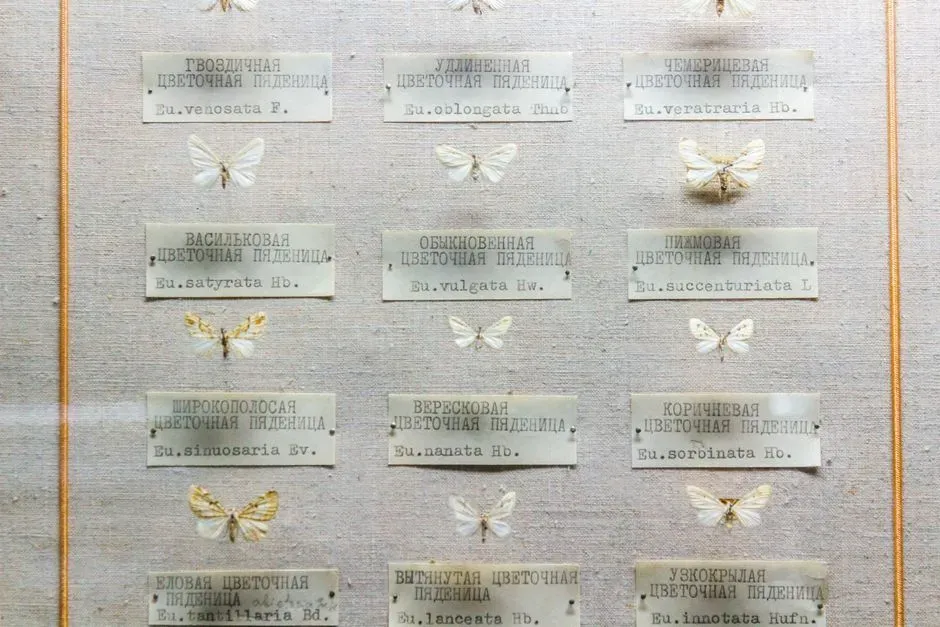
For decades, one of the safest words in museum language was “discovered.” A European name, a date, maybe a heroic quote, and that was the whole story. Then, quietly, many labels were rewritten to say “first recorded by” instead – a small word swap that removed the arrogance without removing the hero.
The second rewrite went further, adding the sentence museums had avoided for a century: “long after local communities had known and used this site for generations.” The object never moved an inch, but the timeline it lived inside just got a lot older and a lot less European. Some visitors call the new wording “political.” Others just call it accurate, finally.
#11 – From “Civilizing Mission” to “Occupation” to “Violent Rule”
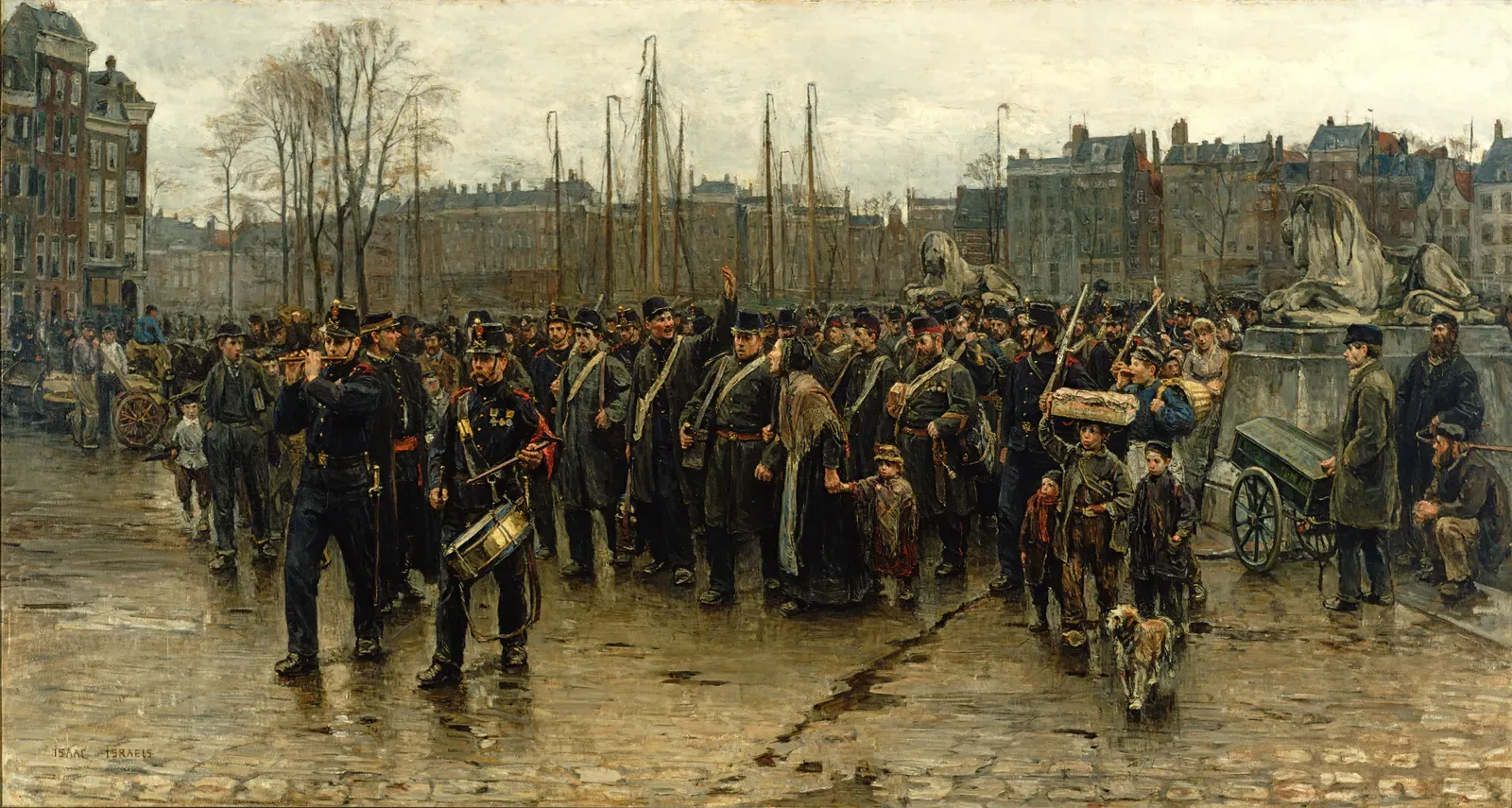
One of the most dramatic stealth edits happened in galleries about colonial rule. The original labels leaned on phrases like “brought modernity” and “civilizing mission,” language that made empire sound like a house call. The first quiet rewrite swapped that in for flatter, more clinical terms: “colonial administration,” “occupation.”
Years later came round two, and it didn’t hedge. “Occupation” became “violent rule.” “Economic integration” became “resource extraction.” “Uprising” became “anti-colonial resistance.” That second pass wasn’t cosmetic – it forced visitors to ask who benefited, who bled, and who got to write the first draft of the label they’d just read.
Quick Compare
- Original label (pre-1980s): “brought modernity,” “civilizing mission”
- First rewrite (1990s-2000s): “colonial administration,” “occupation”
- Second rewrite (2010s-today): “violent rule,” “resource extraction,” “anti-colonial resistance”
#10 – The “Masterpiece” That Stopped Pretending the Model Didn’t Matter
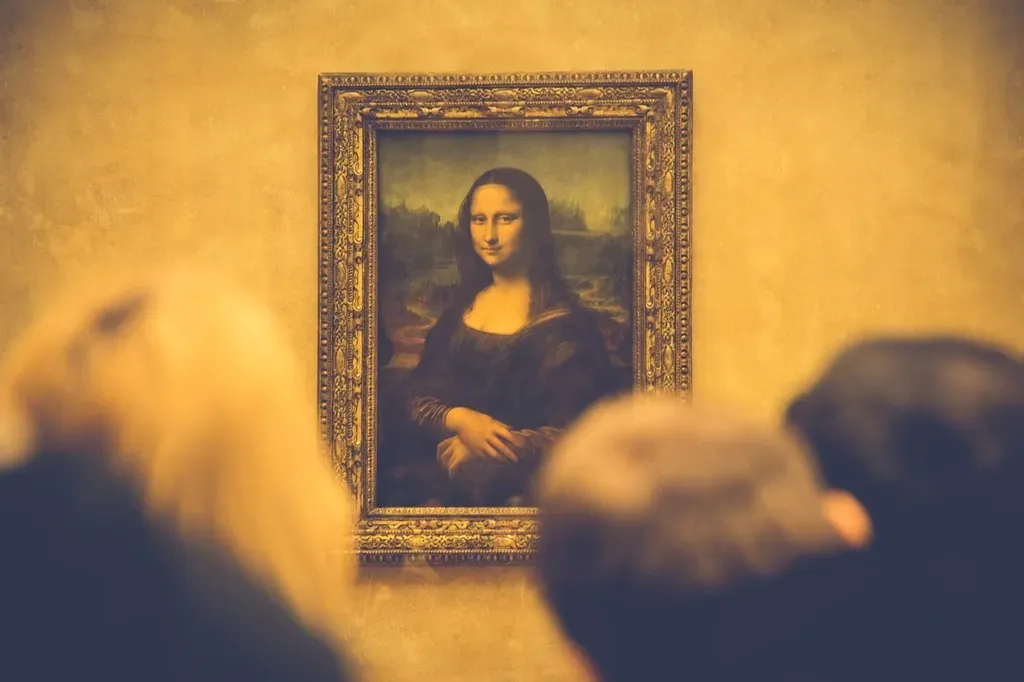
Classic portraits used to be labeled almost entirely around the artist – name, dates, a line about genius. The sitter, often a woman, servant, or enslaved person, might get summed up as “unknown model” or “a local girl,” as if she were furniture the painter happened to include.
The first rewrite restored names where research allowed it. The second went colder and braver, explaining how those people ended up in the room at all – sometimes through financial desperation, sometimes through outright coercion. A painting once framed as pure aesthetics now carries the weight of an age gap, a class gap, or worse. Some visitors say it ruins the beauty. Others say the old label was just PR for the painter’s ego.
#9 – From “Loot” to “Acquisition” and Back Again
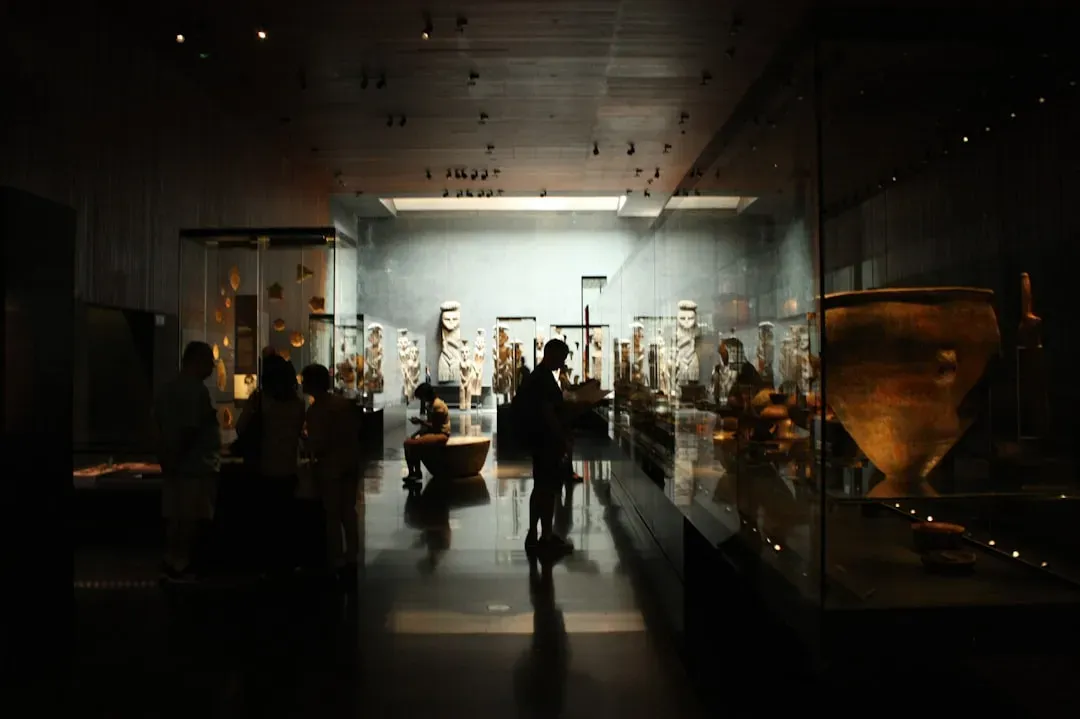
One of the strangest label journeys belongs to objects taken during war. Originally, plenty of museums were blunt about it, calling items “war trophies” or flat-out “loot.” In the mid-20th century, a wave of relabeling sanded that down into “acquired during a period of conflict” – raw plunder dressed up as neutral paperwork.
Recently, the pendulum swung back hard. New labels now say “seized,” “taken under coercive conditions,” or “removed in the context of violent imperial expansion,” sometimes with a line noting an active restitution claim. For older visitors raised on the softened version, it reads like a confession. For younger ones, the earlier euphemism now looks like exactly what it was: a cover-up with good lighting.
#8 – The Dinosaur Labels That Quietly Stopped Mocking Creationists
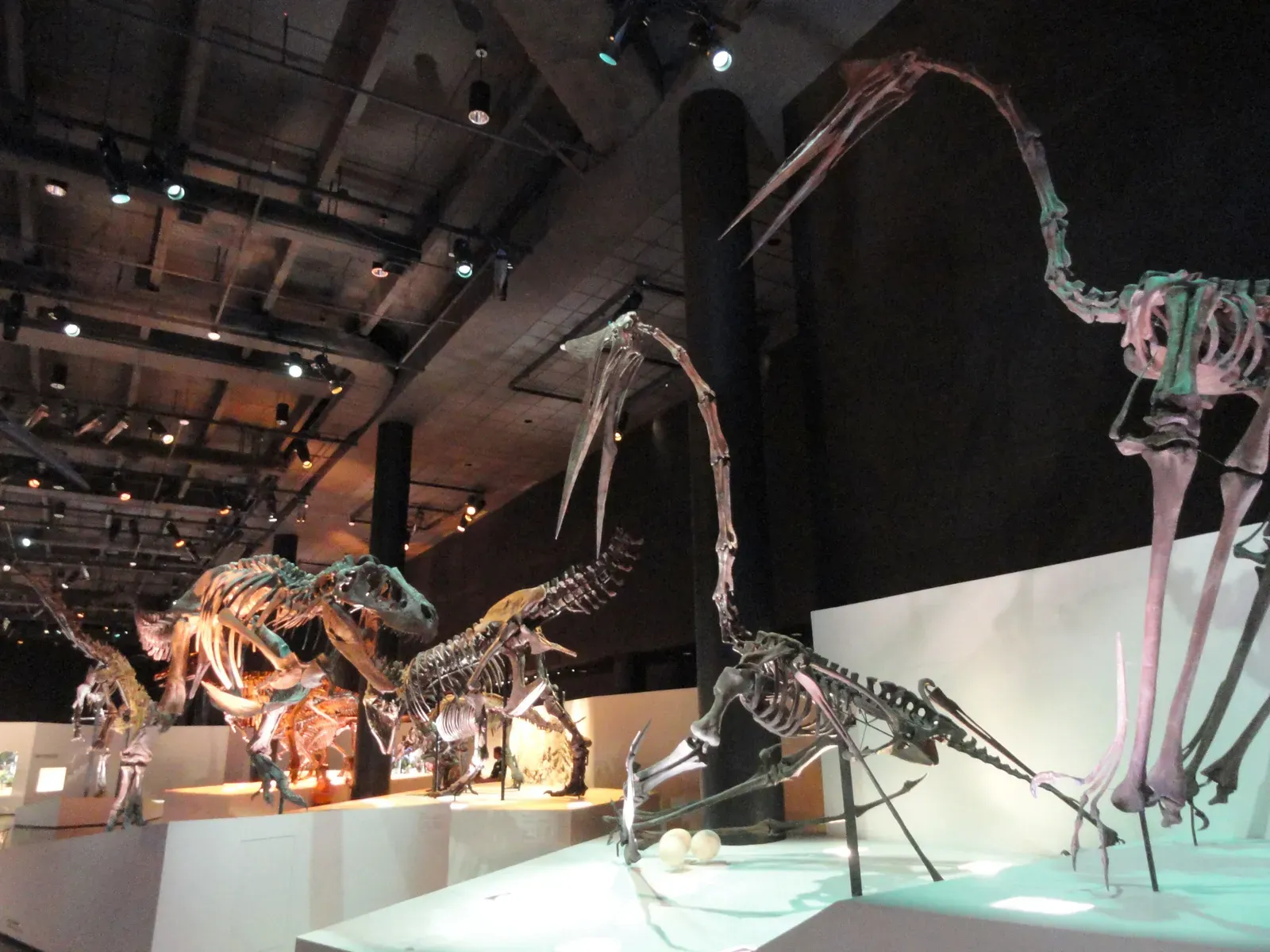
Paleontology galleries used to flex a little attitude. In the 1990s and early 2000s, some dinosaur labels took subtle jabs at creationism with phrases like “despite popular myths” or “contrary to non-scientific beliefs.” It felt like science with a smirk.
The first quiet rewrite dropped the smirk entirely, focusing purely on radiometric dating, stratigraphy, and fossil sequencing. The second rewrite went further still, walking visitors through exactly how scientists know an age or species, step by step, with no mention of the opposition at all. It’s a strange kind of confidence: the label stopped arguing because it no longer felt it needed to win anything.
#7 – The “Explorer” Who Quietly Lost His Halo
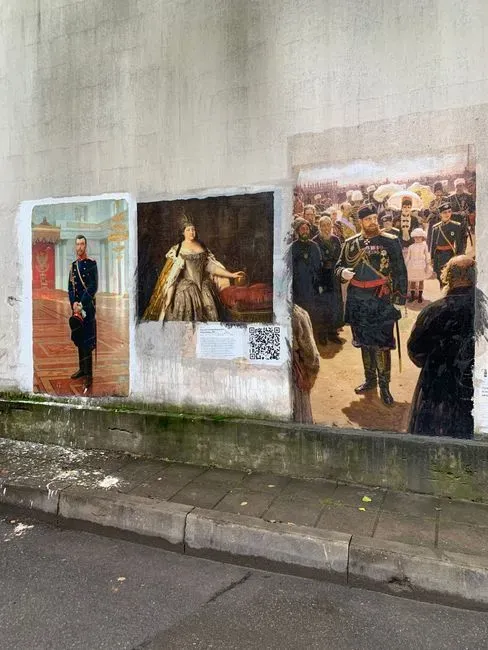
If there’s one word 20th-century museums loved, it was “explorer.” Labels breathlessly described “heroic expeditions” into “uncharted lands,” as if the man in the portrait had personally invented the horizon. The first quiet edit added a single, devastating qualifier: “uncharted on European maps.” People already lived there. Everyone just forgot to mention it for a hundred years.
The second rewrite cut deeper, naming the actual consequences of those expeditions – disease, military mapping, the seizure of sacred objects. A man once framed as a daring adventurer is now described as working “in the service of imperial expansion.” Admirers call it slander. Critics call it overdue.
#6 – From “Tribe” to “Nation” to Naming Who Wrote the Label
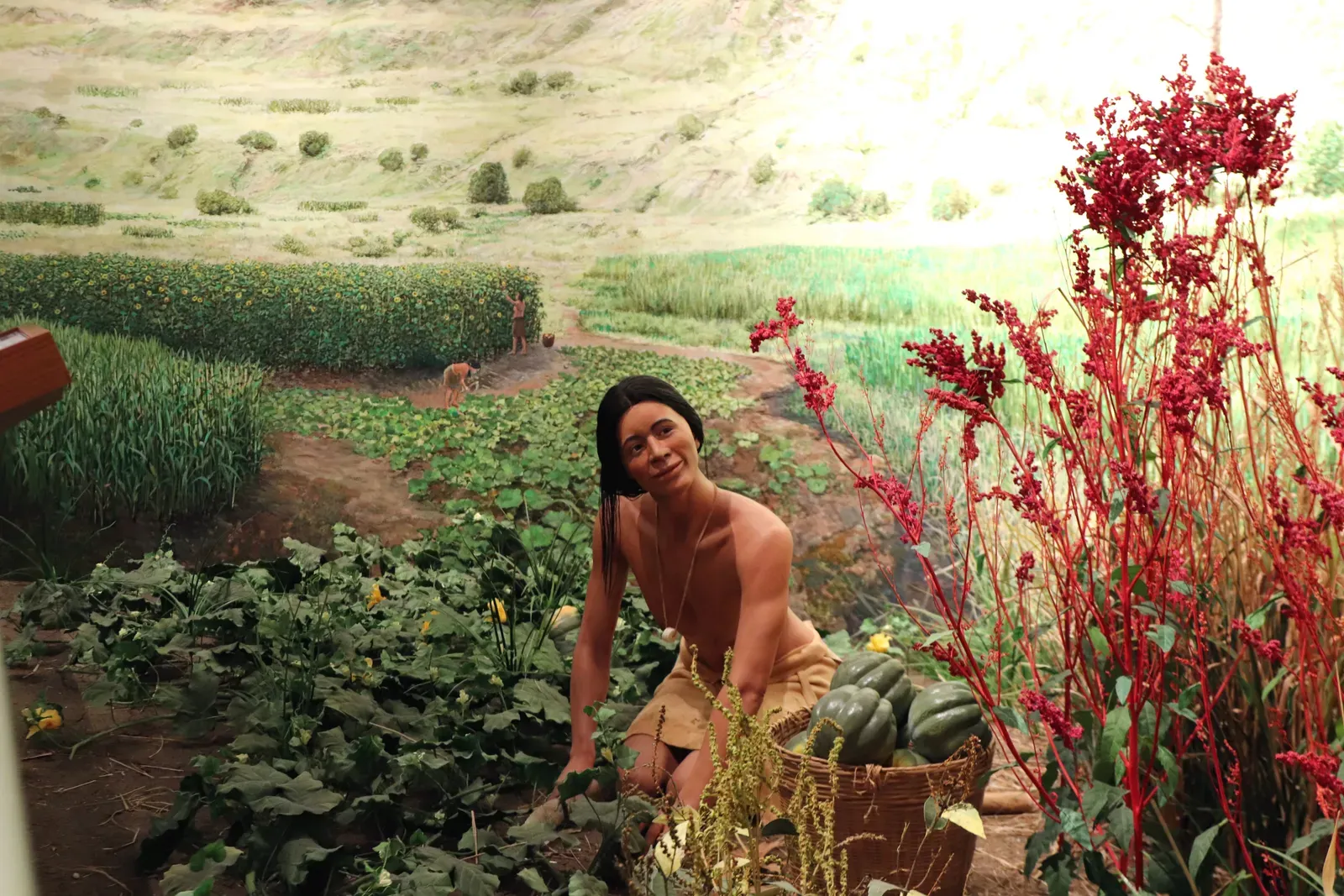
Older ethnographic galleries used the word “tribe” for almost any Indigenous group, flattening wildly different governments, languages, and histories into one flat, colonial-sounding box. The first quiet rewrite swapped in “community” or “people” – softer, but still generic.
The second rewrite is the one that actually shifts power. Labels now say “nation,” “sovereign people,” or the community’s own name for itself – and they credit which Indigenous advisors co-wrote the text. That last detail matters most. It admits, in print, that the label was never neutral. It was always somebody’s version, and now you finally know whose.
#5 – The Human Remains That Quietly Gained a Name
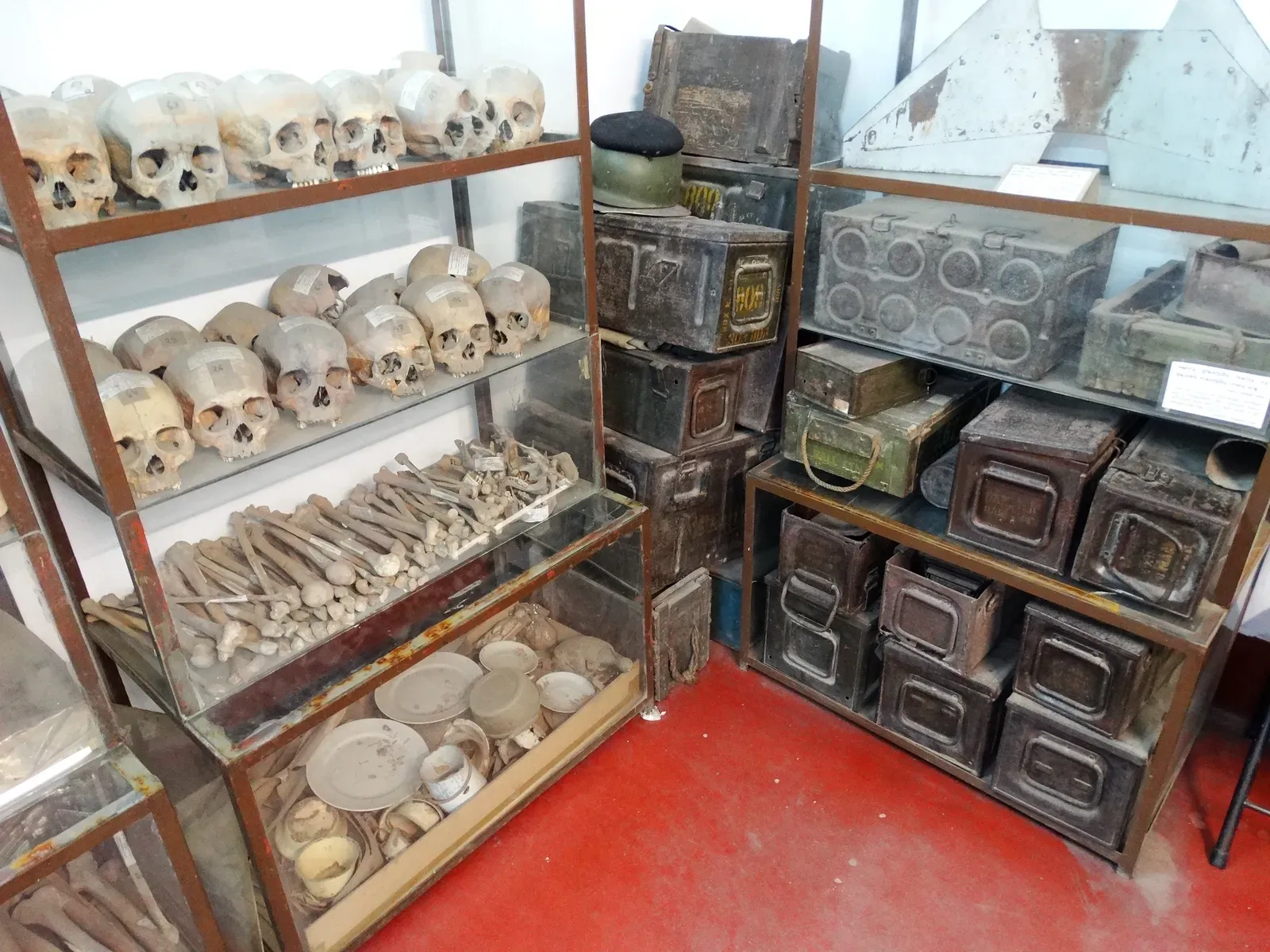
For most of the 20th century, labels for human remains read like inventory tags: “Skull.” “Mummy.” “Remains of an adult male.” The first rewrite added age estimates and cultural context – still clinical, but a little less cold.
The second rewrite is where things got genuinely uncomfortable, in a good way. Many labels now say “displayed with the permission of descendants” or “scheduled for reburial following consultation,” and some describe the person plainly: “a woman in her twenties, likely a mother, whose community has requested her return.” A specimen became a person again, one wall text at a time. Some scientists worry this slows research. Descendants tend to have a different word for what the old system took from them: disrespect.
Fast Facts
- The U.S. Native American Graves Protection and Repatriation Act (NAGPRA), passed in 1990, requires museums to consult descendant communities before displaying human remains or sacred objects.
- Some institutions now include a line on the label crediting which descendants or elders approved the current wording.
- Reburial and repatriation requests have steadily increased since the 1990s as more collections get formally audited.
#4 – From “Art of the Primitive” to “Global Contemporary”
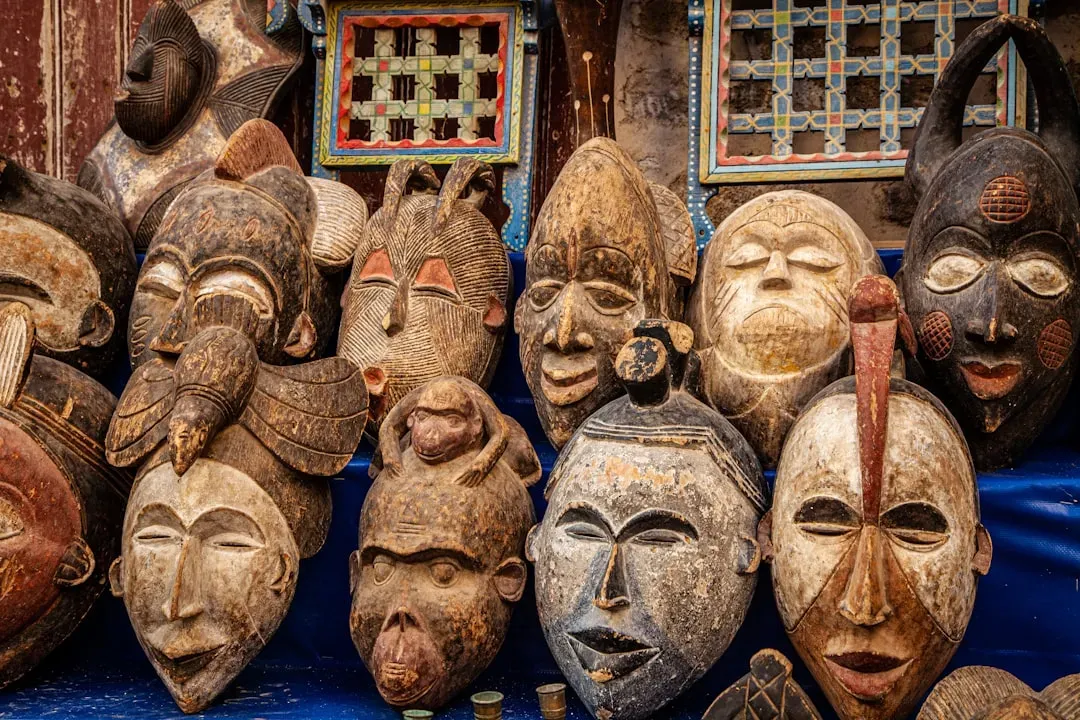
Once upon a time, “primitive art” was standard museum vocabulary for African masks and Oceanic carvings – framed as raw, instinctive, and frozen outside of time. The first quiet rewrite swapped in “traditional art,” which sounded politer but still parked those pieces in a past that never moved.
The second rewrite blew that box open, relabeling objects as “modern” or “contemporary,” sometimes with a named artist and a specific year, tied directly to colonial disruption and global trade. A mask stopped being just a ritual object and became a 20th-century artwork reacting to mission stations and cash economies – exactly the kind of context European art was always granted automatically.
#3 – The Climate Labels That Quietly Dropped the “Debate”
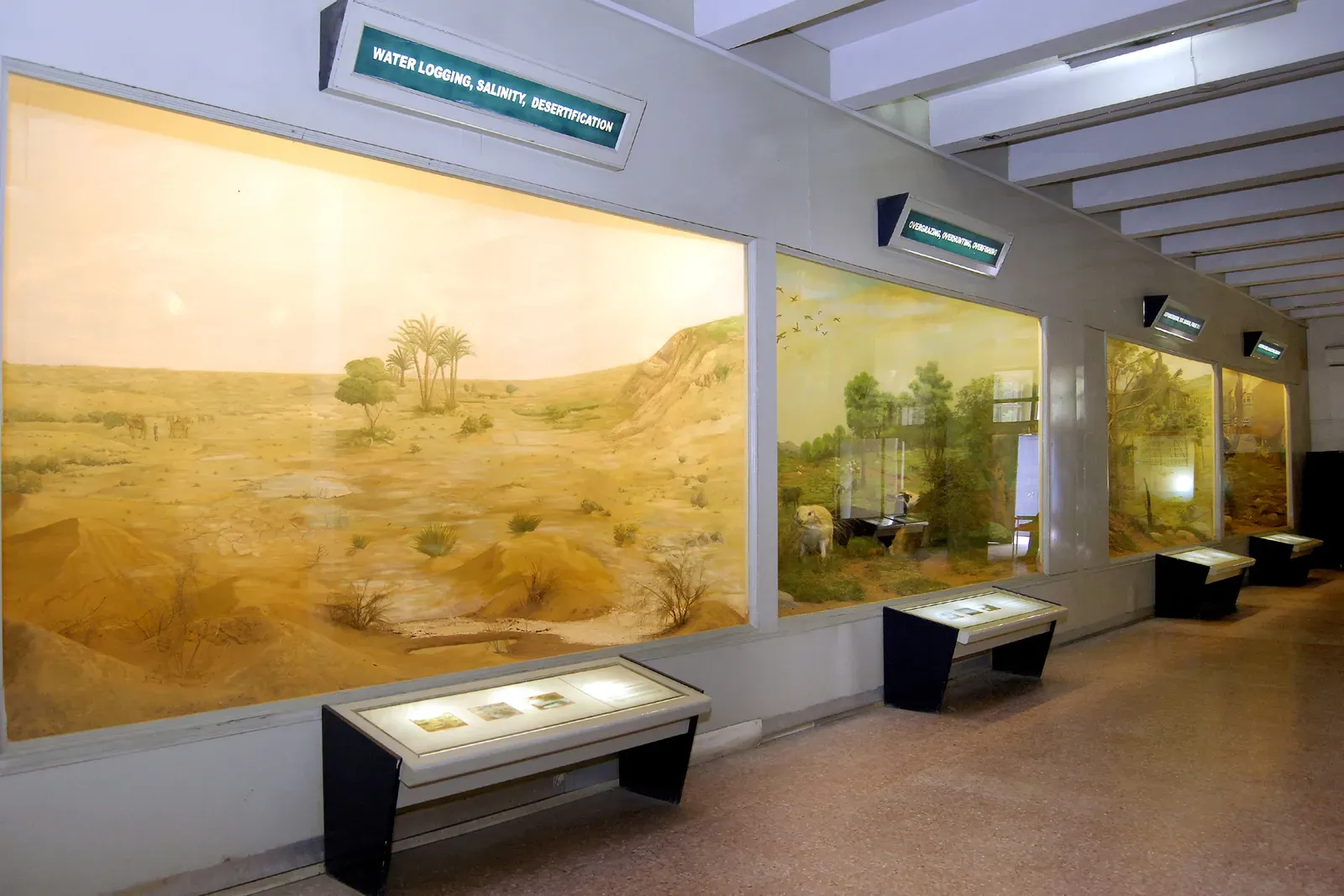
In the early 2000s, environmental exhibits bent over backward to sound balanced, using phrases like “ongoing debates” and “possible effects” of rising CO₂ – as if the science were a coin flip. The first rewrite swapped that hedging for “scientific consensus” and “projected impacts,” though it still tiptoed around exact timelines.
The second rewrite dropped the tiptoeing entirely, naming fossil fuels, specific industries, and likely regional outcomes next to bleached corals and shrunken glaciers. Some visitors call it politics creeping into science galleries. It’s the opposite: the old “balanced” language was already a political choice, just one that favored delay.
#2 – From “Found Object” to “Stolen, Sold, or Surrendered Under Pressure”
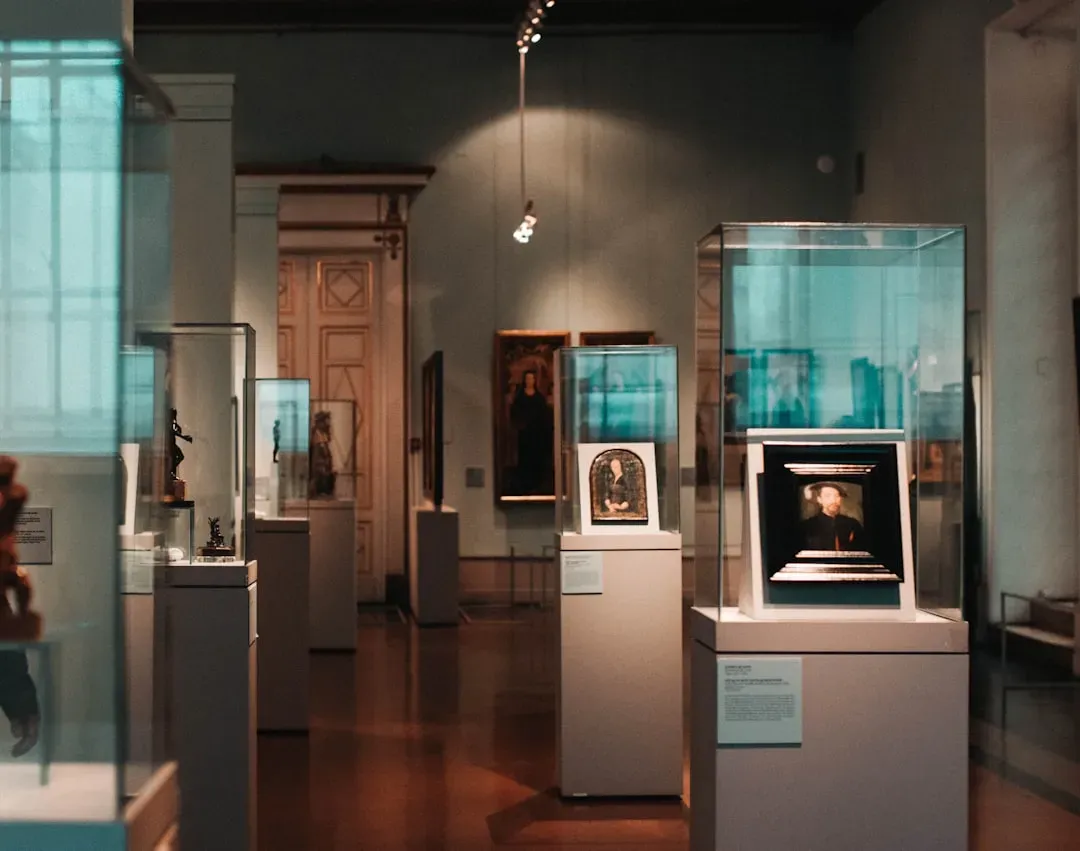
If you want to see how much a single word can hide, look at “provenance.” Older labels proudly said “found in” or “from the collection of [name],” with zero detail about how that object actually left its home. The first rewrite added dates and phrases like “legally exported under the laws of the time” – technically true, and technically evasive.
The second rewrite starts telling the real story: “removed during an unauthorized excavation,” “sold under duress,” “exported under colonial legal regimes that are now contested.” That’s the moment museums quietly admit “legal” and “legitimate” were never the same thing. The room feels different once “from the collection of” comes with a backstory attached.
Worth Knowing
- The 1970 UNESCO Convention set the first major international standard against the illicit trafficking of cultural property.
- Modern provenance research often spans decades of sale records, shipping manifests, and colonial-era export permits.
- A growing number of museums now publish full acquisition histories online, not just on the wall label.
#1 – The Labels That Quietly Admitted: “We Got It Wrong”
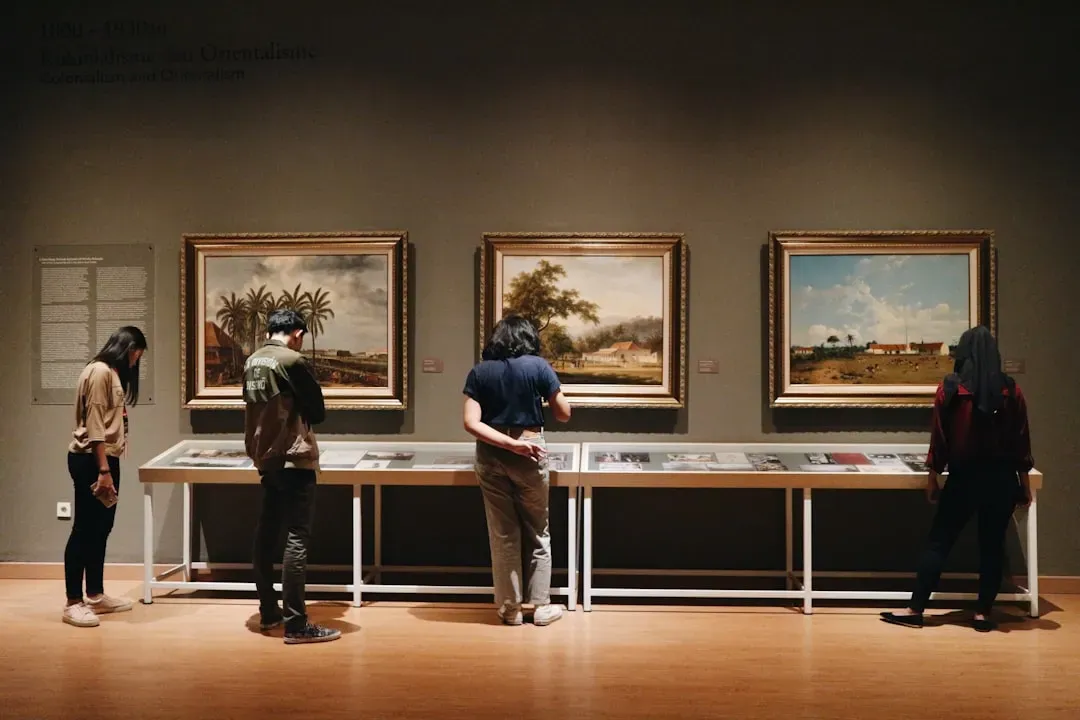
The most radical rewrite on this list isn’t about a specific object at all – it’s about admitting fallibility. For generations, labels spoke with total confidence: “This is X.” No hedge, no doubt, no room for a second opinion.
The first shift introduced softer words like “probably” and “currently understood as.” The second shift went all the way, with some labels now openly stating “previously misidentified as” or “this label was updated in [year] following new findings and community consultation.” That’s not weakness. It’s a museum choosing to look less like a verdict and more like a conversation still in progress – mistakes, corrections, and all.
The Bottom Line
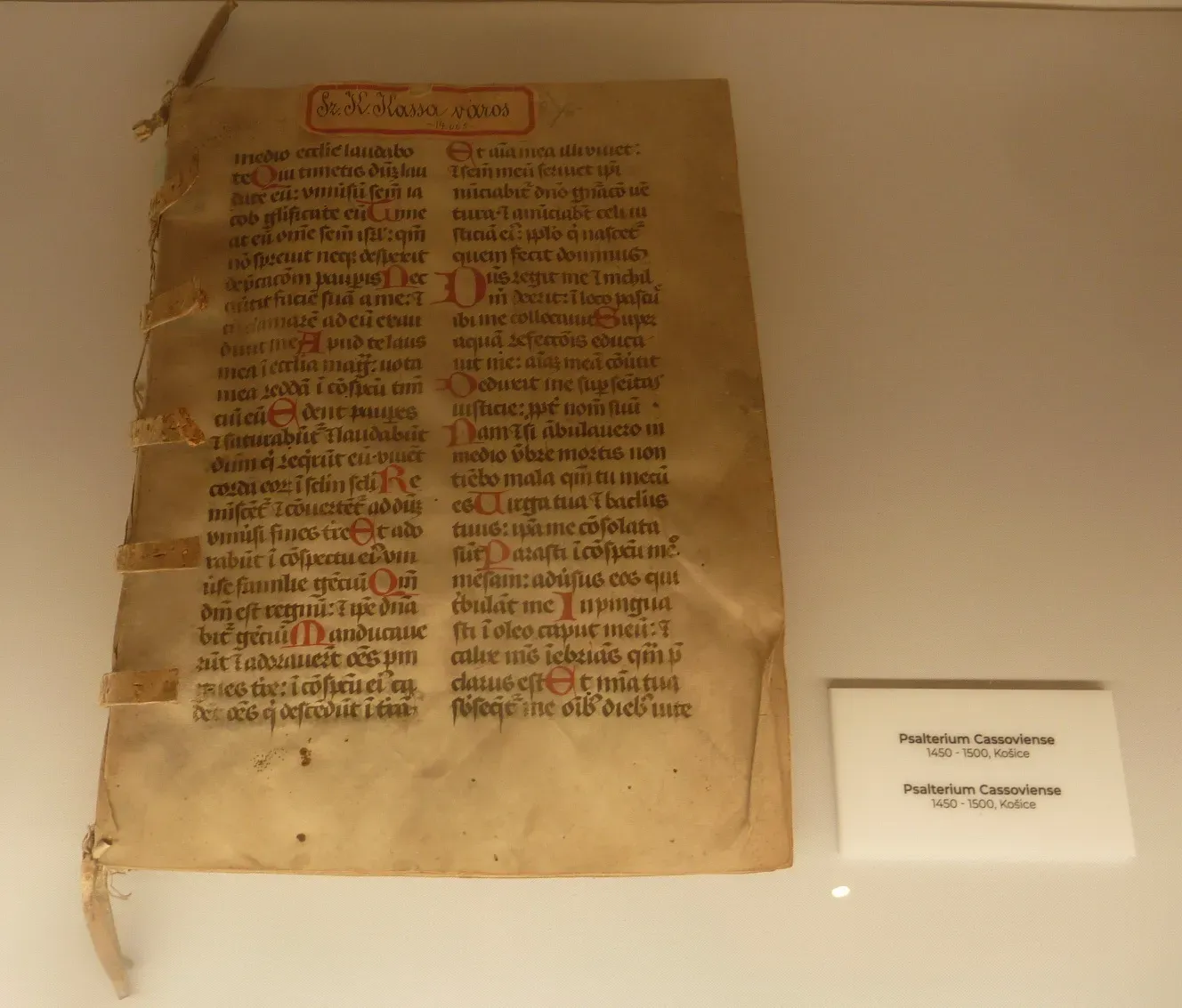
Museum labels used to be invisible architecture: rigid, neutral-sounding, never discussed. Rewritten twice, they’ve become something messier and far more honest. “Discovery” became “recorded by Europeans.” “Civilizing mission” became “violent rule.” “Primitive art” became a contemporary practice with a name and a year attached.
The real shift was never just vocabulary. It was power – who gets named, who gets credited, whose pain finally makes it onto the wall.
History is not the past. It is the present. We carry our history with us. We are our history.
James Baldwin
That’s the uncomfortable truth behind every quiet rewrite on this list: the label was never really about the object. It was about who got to decide what the object meant, and for how long they’d be allowed to keep deciding. I’ll take the messier, twice-rewritten label over the clean, confident lie every single time – and if that makes a gallery visit feel less relaxing, good. It should. So which side are you actually on: the comforting version that never changes, or the one that keeps getting rewritten until it finally matches what happened?