Most people assume museums put their best material on display – the flashiest skeletons, the shiniest gems, the specimens worth bragging about. Curators know it’s almost the opposite. By some estimates, up to 90% of a major museum’s collection never sees the light of day, locked away not because it’s inferior, but because it’s too strange, too fragile, or too uncomfortable to explain on a hallway label.
These aren’t dusty leftovers nobody cares about. They’re the specimens insiders argue over in private, the ones that quietly rewrite textbooks while the public stares at something prettier two floors up. Twenty-two of them are sitting in basements and vaults right now – and the story behind each one is stranger than anything currently under glass.
#22 – The “Impossible” Two-Headed Shark Embryo
Ask an aquarium guide about two-headed sharks and they’ll call it a rare fluke of nature. Ask an archivist and you get a different answer. One conjoined twin shark embryo, pulled from commercial fishing bycatch, was quietly bottled and shelved because nobody could figure out how to display it without turning tragedy into spectacle.
It sits in yellowing formalin, unnervingly symmetrical, and scientists treat it like gold. Two-headed embryos can result from genetic glitches, pollution stress, or nutritional deficits in the mother, giving researchers a real window into how a vertebrate body decides where to grow limbs, organs, and a spine. The tissue still holds DNA that could answer questions its original collectors never thought to ask.
#21 – The Drawer Full of “Misfit” Dinosaur Teeth
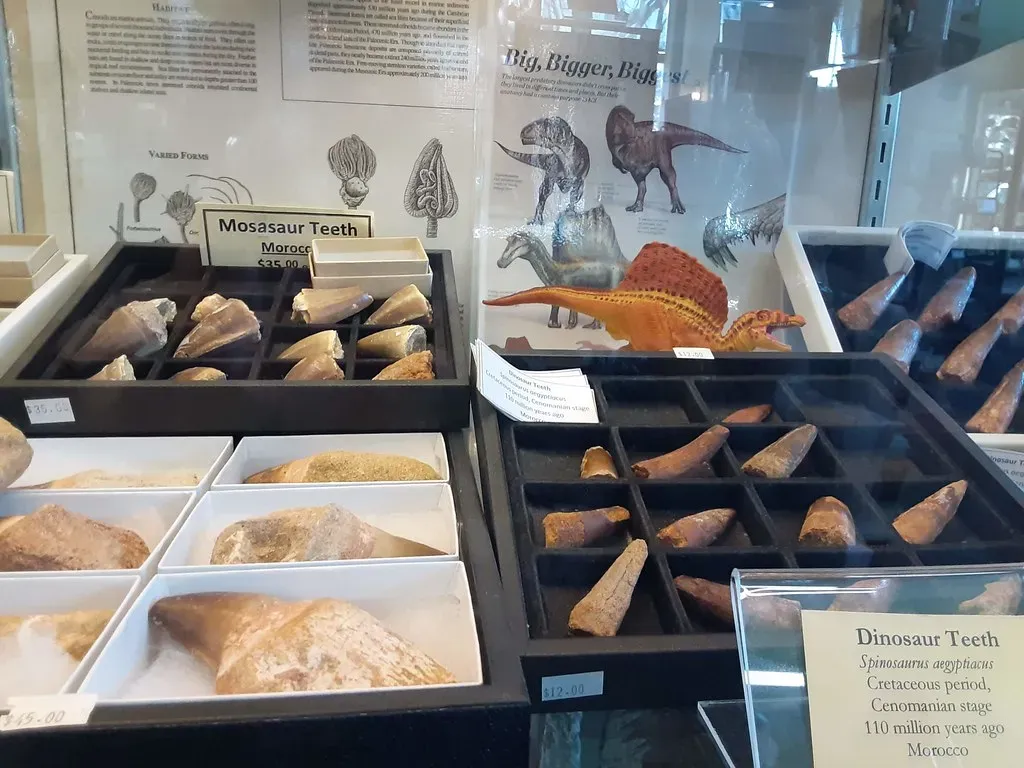
Every kid sees the big T. rex skull. Almost nobody hears about the cardboard trays of mystery teeth stacked in the basement below it. One major natural history museum holds hundreds of dinosaur teeth so fragmentary and strange that no one has dared assign them to a species – tagged with maddening labels like “Theropod? Indet.” or “Crocodyliform? Possibly.”
To visitors, that uncertainty looks sloppy. To paleontologists, it’s raw data. Subtle differences in enamel ridges, cross-section shape, and microscopic wear can hint at new species, unusual diets, or seasonal migrations, and researchers now run ultra-fine CT scans and 3D morphometrics on each shard like forensic dentists working a cold case that’s eighty million years old. More than a few headline-grabbing “new dinosaur” discoveries started as anonymous teeth gathering dust in drawers exactly like these.
Fast Facts
- Enamel is the hardest tissue in a vertebrate body, which is why teeth often survive when the rest of a skeleton doesn’t.
- Serration patterns and micro-wear marks can hint at diet even without a single bone attached.
- Some “mystery” teeth sit unclassified for decades until scanning technology finally catches up to the question.
- A single reclassified tooth has occasionally expanded the known range of an entire species overnight.
#20 – The 19th-Century “Mermaid” Nobody Wants to Talk About
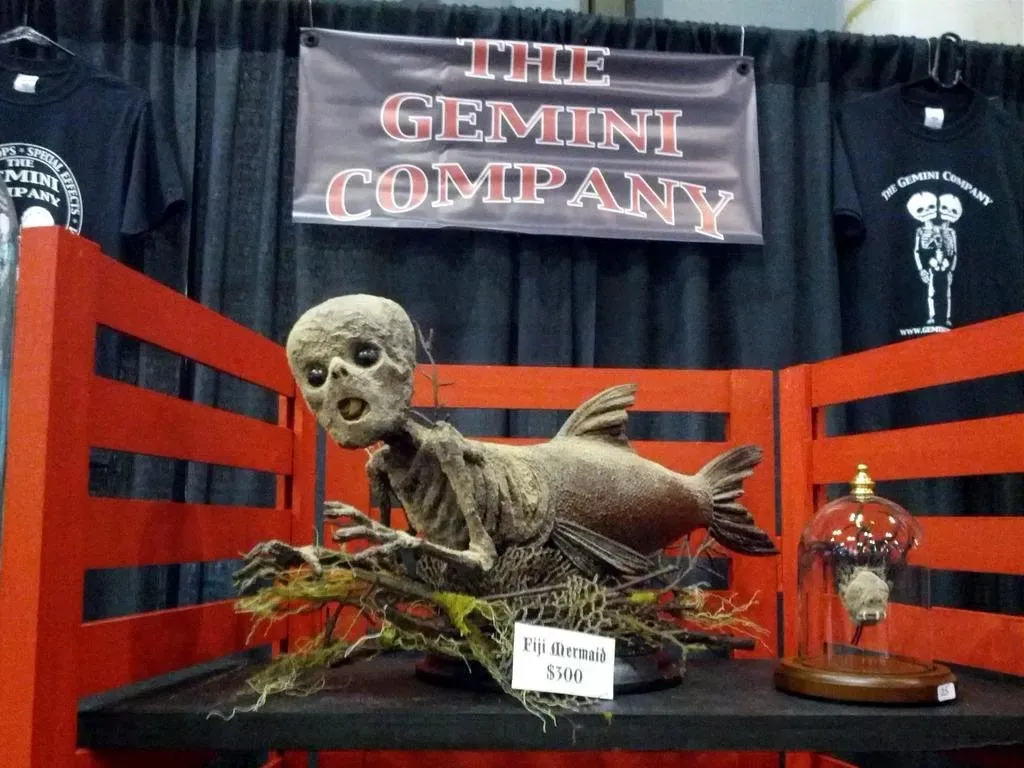
Most people assume the old “Fiji mermaid” sideshow relics were all destroyed or laughed into irrelevance decades ago. Curators know better. At least one major museum still holds a taxidermied “mermaid” – a juvenile monkey torso stitched seamlessly onto a large fish tail – complete with its original early-1800s paperwork.
It stays hidden not because it’s fake, but because it’s too real a window into scientific racism and exploitation. Researchers quietly study its stitching, materials, and dyes to trace old trade routes and taxidermy techniques, while the handwritten labels reveal exactly what 19th-century Europeans were willing to believe about “exotic” peoples and animals. It’s less a monster than a mirror held up to the era that made it.
#19 – The Bird That’s Officially Extinct… But Might Not Be
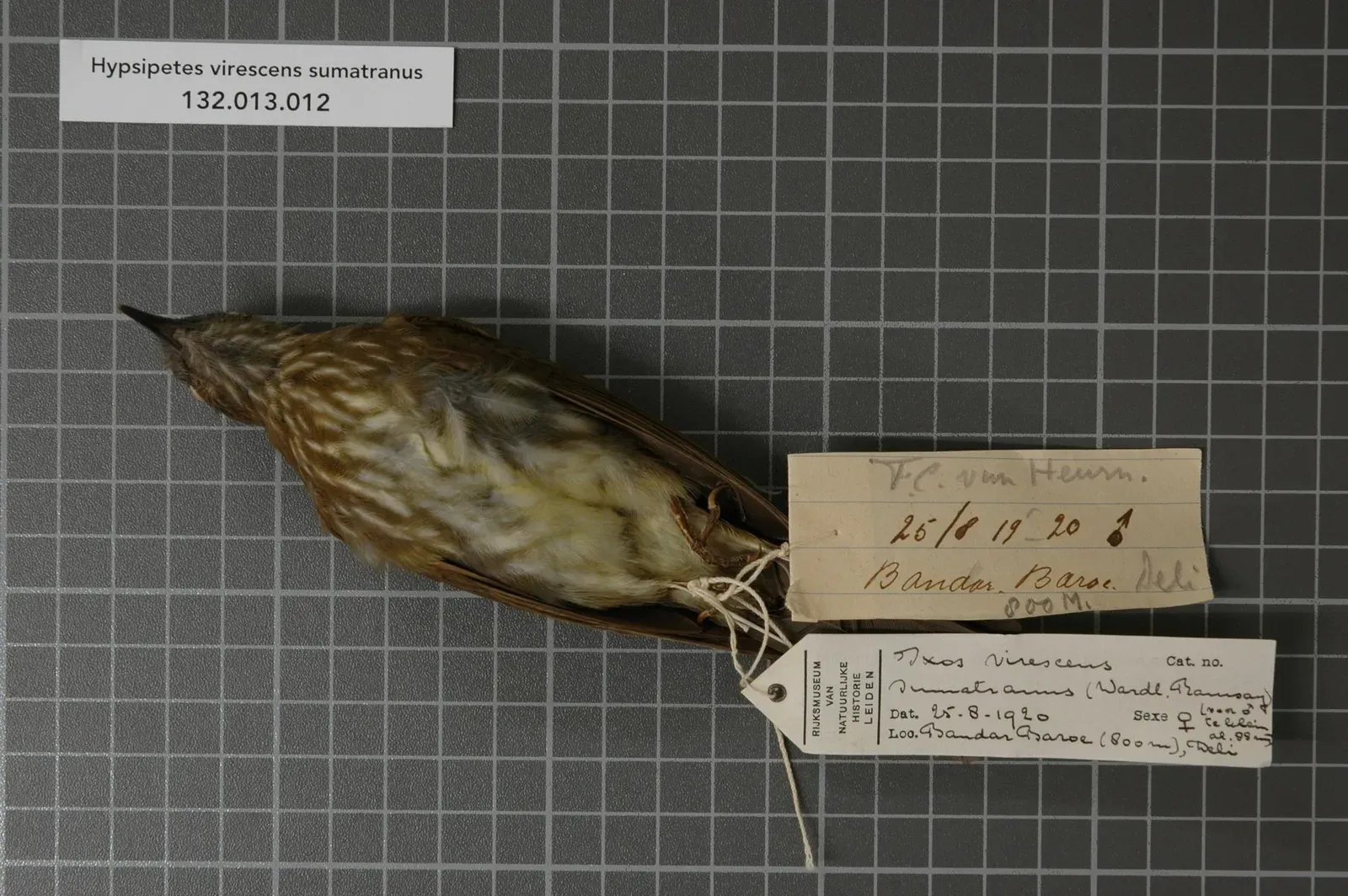
In a temperature-controlled cabinet sits the taxidermied body of a small, nondescript songbird from an island most people couldn’t find on a map. On paper, the species is extinct, last confirmed decades ago. In reality, the only adult male ever collected sits in that drawer, its plumage still shifting color under UV light.
Field biologists still argue over whether scattered calls and blurry photos mean a few birds hang on in some ravine no one has surveyed properly. Museums stay quiet partly to avoid fueling extinction denialism without solid evidence – but that lone specimen is also a genetic time capsule. A single leg clipping could reveal whether close relatives are thriving nearby, and it has already shaped conservation funding proposals without ever once going on public display.
#18 – The Jar of Human Microplastics
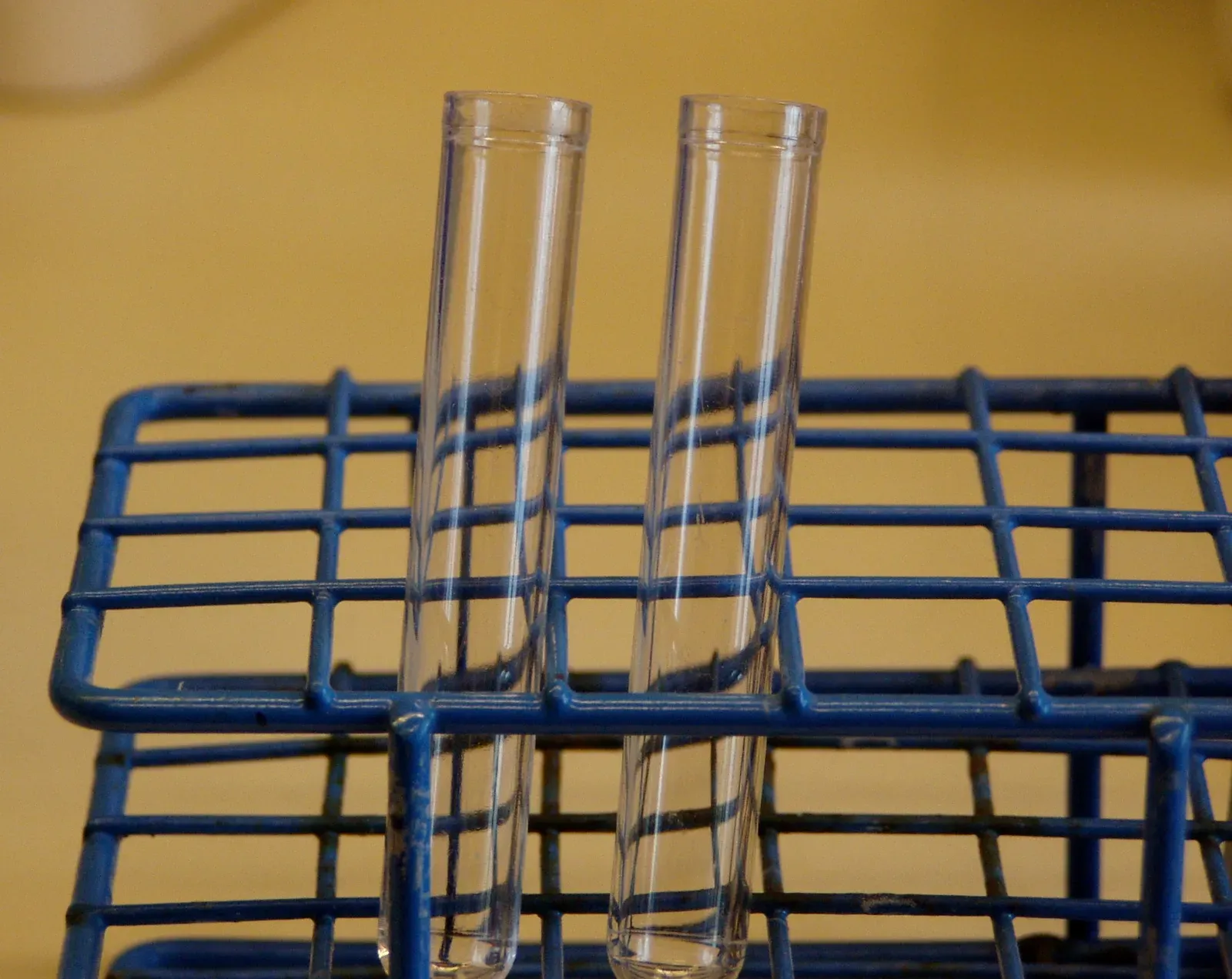
Most visitors see whale skeletons and coral reefs and assume the real story of ocean pollution happens “out there,” far from human bodies. One research collection quietly stores blood, fat, and organ samples from anonymous human donors, gathered for toxicology work over decades. In one freezer box sit vials labeled only by number and year.
When retested with modern instruments, virtually every single one revealed microplastic fragments and their chemical additives. It’s not a dramatic display – just test tubes in a rack – but scientifically it’s explosive. Comparing samples across decades lets researchers track how plastic contamination climbed from nearly zero to omnipresent inside the human body, correlating with urban living, diet, and occupation in ways no glossy infographic upstairs ever mentions.
#17 – The “Deformed Wolf” That Isn’t a Wolf at All
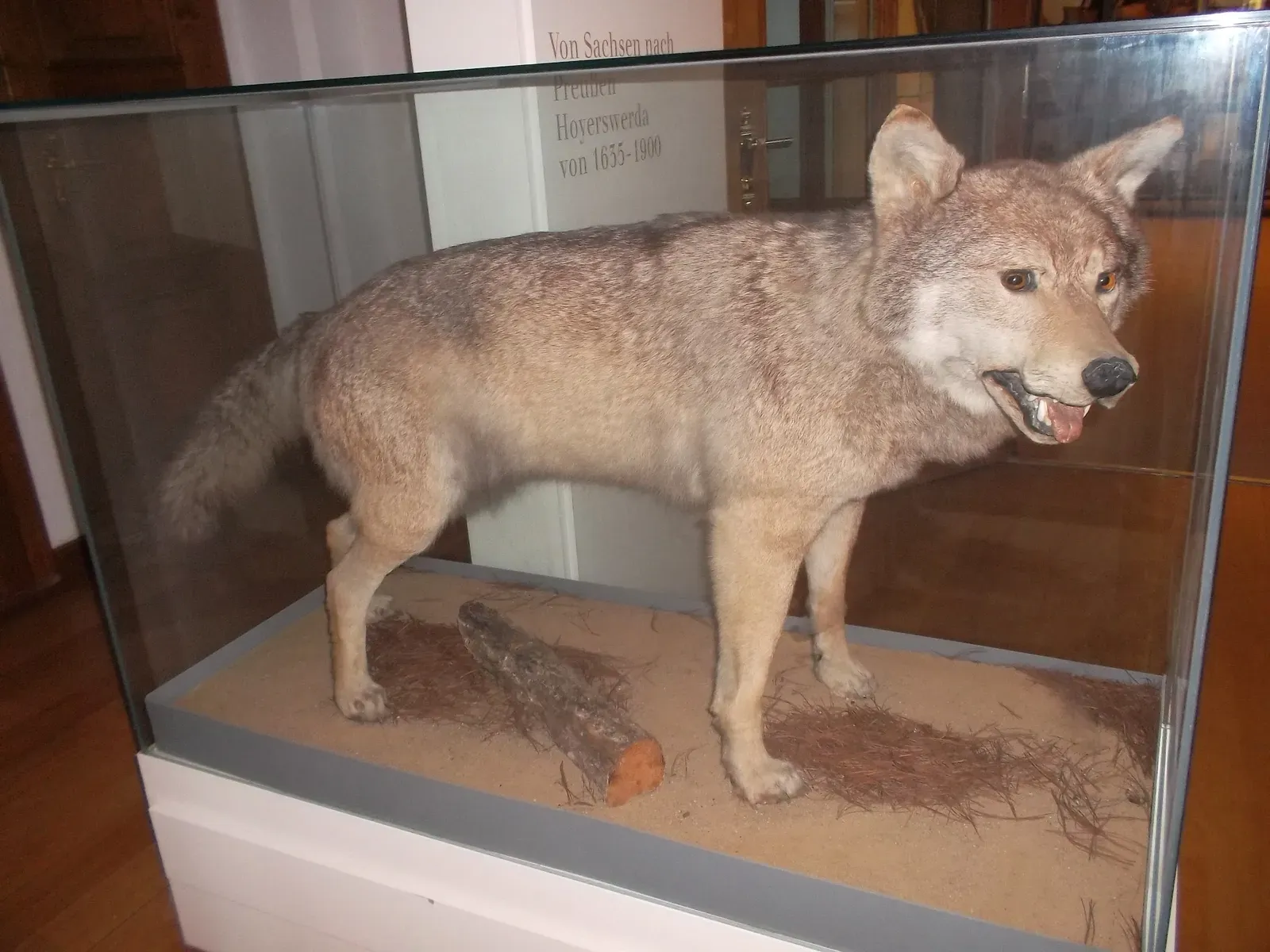
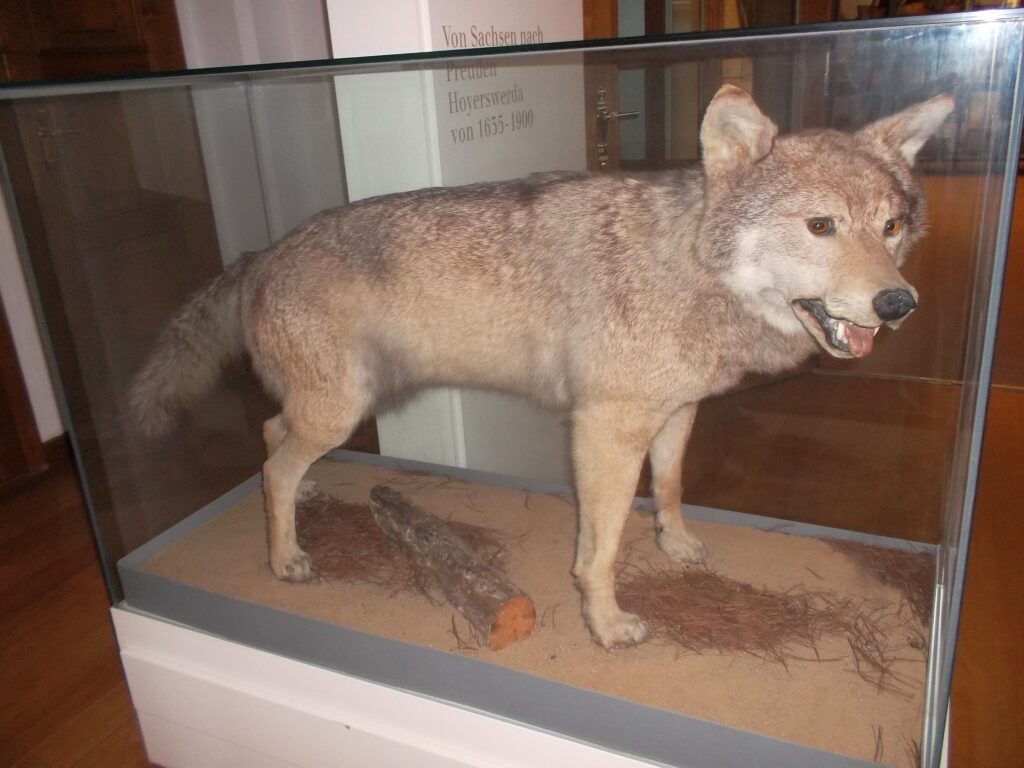
For years, a mounted canid carcass sat in a dark corner of a mammalogy collection labeled “Deformed Gray Wolf – Captive Origin Unknown.” Its skull looked oddly domed, its limbs too short. A graduate student finally ran a DNA test on a preserved skin punch, expecting to confirm a birth defect.
Instead, she found a 19th-century hybrid between a domestic dog and a now-vanished local wolf population – the “deformities” were just inherited traits from a lineage that no longer exists. Hybrids like this are a legal headache, since conservation law often treats them as non-entities, especially around endangered subspecies. That’s exactly why it stays in the basement: it complicates a tidy story about “pure” wild genes.
#16 – The Fossil Forest Slice Thinner Than a Credit Card
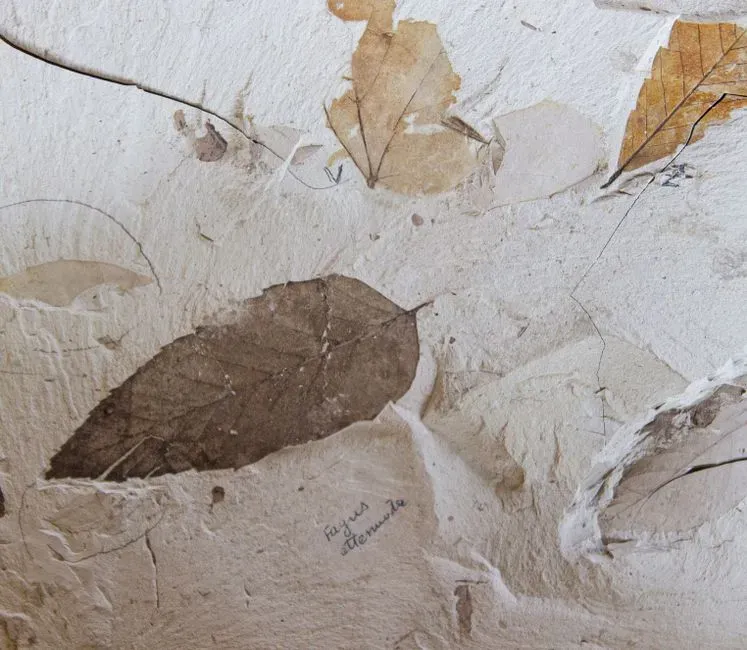
In a geology vault, flat drawers hold rock slabs sliced wafer-thin and glued to glass, and most visitors will never know they exist. One of these is a microscopic cross-section of a 300-million-year-old fossil forest floor, polished so thin that light passes straight through the cells of long-dead plants.
Under a polarizing microscope it looks like stained glass from an alien cathedral – but it doesn’t photograph well for a wall label, and the real magic only shows up at high magnification. Scientists mine it for climate secrets instead: the ratios of cell types, the spacing of growth rings, and mineral infill patterns hint at ancient rainfall, seasonality, and even wildfire frequency. This single slide has yielded more usable climate data than entire halls of pretty display minerals.
Worth Knowing
- Thin-sectioning preserves cell-level detail that’s simply invisible in a whole, chunky fossil.
- Growth ring spacing in ancient wood can point to wet seasons versus long dry stretches.
- Charcoal traces trapped inside plant tissue are direct evidence of ancient wildfire activity.
- Slides like this are often more scientifically valuable than full fossil logs sitting on display.
#15 – The “Contaminated” Moon Dust Nobody Could Explain
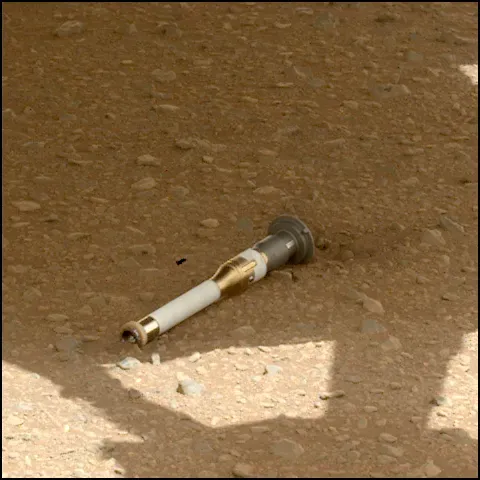
Most people know about the moon rocks NASA lent to museums for display. Fewer know about the smaller, less glamorous samples that ended up in research collections instead. One storeroom holds a few milligrams of moon dust cores that showed puzzling organic signatures when first tested in the 1970s – signatures scientists shrugged off at the time as Earth-based contamination.
Decades later, with cleaner protocols and sharper instruments, those same samples were quietly re-analyzed. The verdict wasn’t alien life, but it wasn’t trivial either: some of that “contamination” turned out to be complex organic compounds formed by high-energy radiation striking micrometeorite impacts over eons. Those basement vials essentially captured natural experiments in prebiotic chemistry playing out on an airless world.
#14 – The Handwritten Notebook of a Field Assistant, Not the “Great Man”
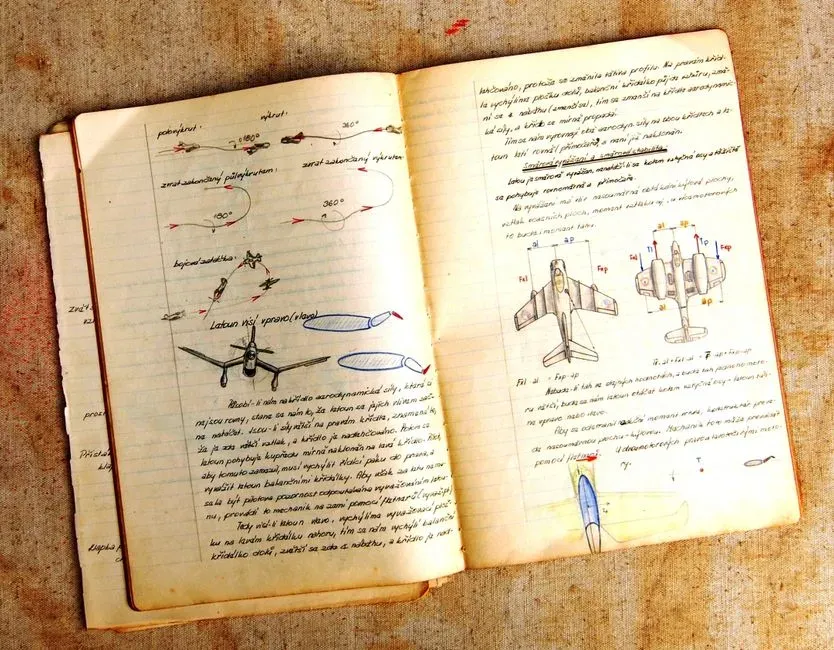
Museum gift shops love selling glossy biographies of legendary explorers. Deep in storage, archivists guard something very different: a battered field notebook kept by an unnamed local assistant who actually recorded half the observations credited to his famous employer. It’s written in a mix of languages, packed with measurements, weather notes, and specimen sketches the “hero” never mentioned in his polished reports.
Historians now admit these forgotten assistants often did the real work – tracking animals, negotiating with local communities, deciding what got collected in the first place. The notebook preserves details the official expedition report erased entirely, like hunting taboos or plant names used by women in the area. Several “discoveries” long credited to one famous explorer clearly began on these overlooked pages.
#13 – The Deformed Coral Colony from a “Pristine” Reef
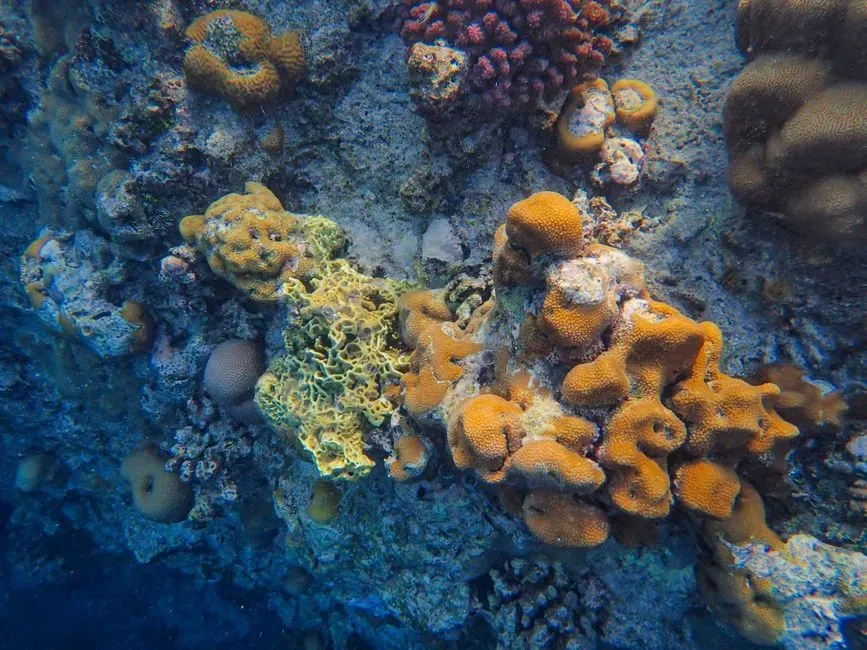
Upstairs, you’ll see healthy coral skeletons, maybe a bleached one to illustrate climate change in a single tidy image. What you won’t see is the lumpy, tumor-like coral colony preserved from a reef that was marketed as an untouched eco-tourism success story. It’s kept in the dark because it’s both visually disturbing and scientifically inconvenient.
Closer inspection found borings and overgrowth from opportunistic sponges and algae tied to nutrient pollution, and tissue samples taken before preservation showed elevated heavy metals and microplastics. In other words, this coral quietly proves that “pristine” is partly a marketing decision. It has forced marine biologists to rethink how they define, and advertise, a “healthy” reef to the public.
#12 – The Unseen Time-Lapse Skeleton of a Whale
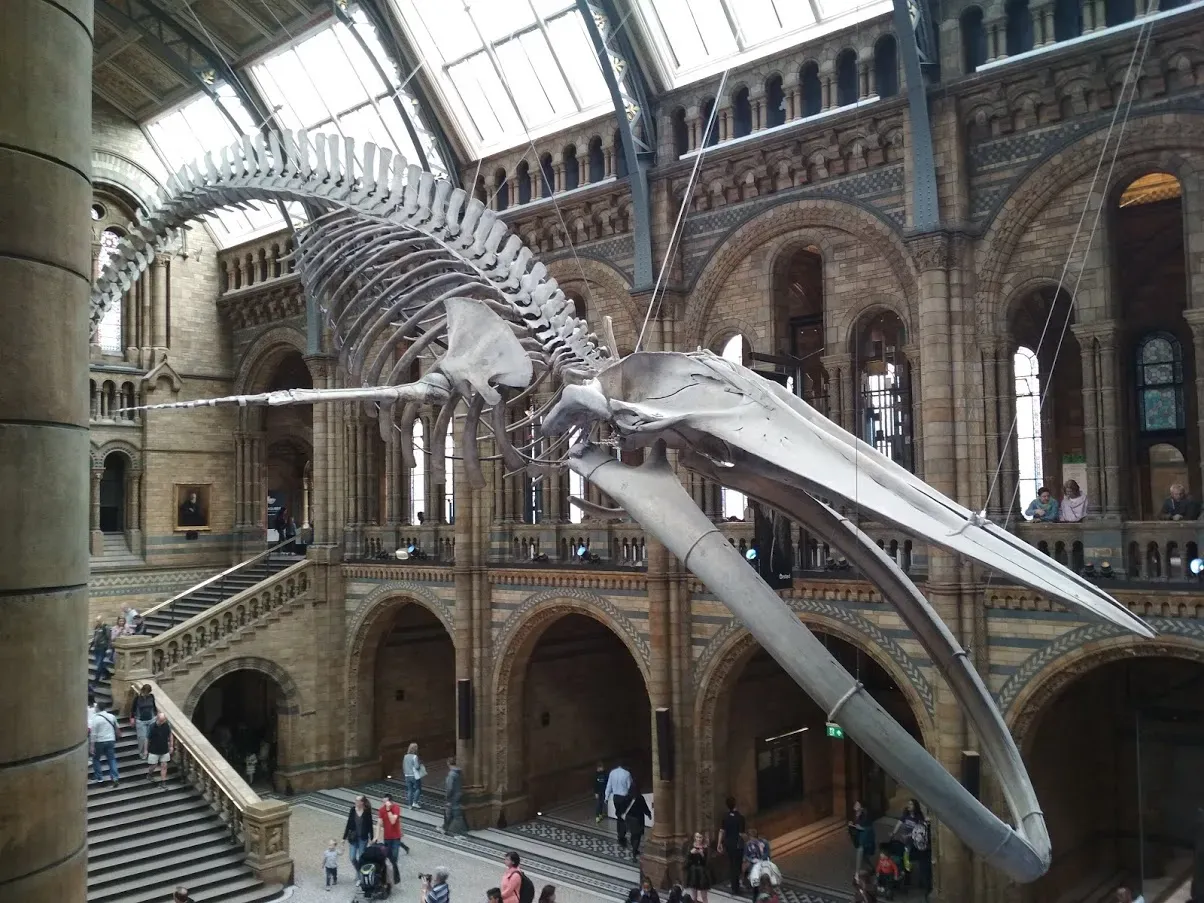
Visitors love the giant whale skeletons hanging dramatically from museum ceilings. What they never see is the series of partial skeletons, tissue samples, and bone cores archived from a single whale as it decomposed on the seafloor over several years – a literal time-lapse of death, boxed and labeled by the number of days since the carcass first settled.
Early samples are covered in scavenger marks from sharks and hagfish; later bones show tunnels bored by specialized worms that can digest lipids straight out of bone. Isotope analyses track how nutrients move from whale flesh into deep-sea food webs and eventually back into the water column. It’s arguably the best record we have of a single animal’s afterlife as an entire ecosystem – but it’s far too messy and slow-moving for a lobby display.
At a Glance
- Early stage: sharks and hagfish rapidly strip away soft tissue.
- Following months: smaller scavengers and crustaceans clean up remaining organic matter.
- Years later: specialized worms bore into bone to extract lipids directly from the skeleton.
- Long term: the carcass functions as its own temporary reef-like ecosystem on the seafloor.
#11 – The “Ghost” Insect Species Known Only from Larvae
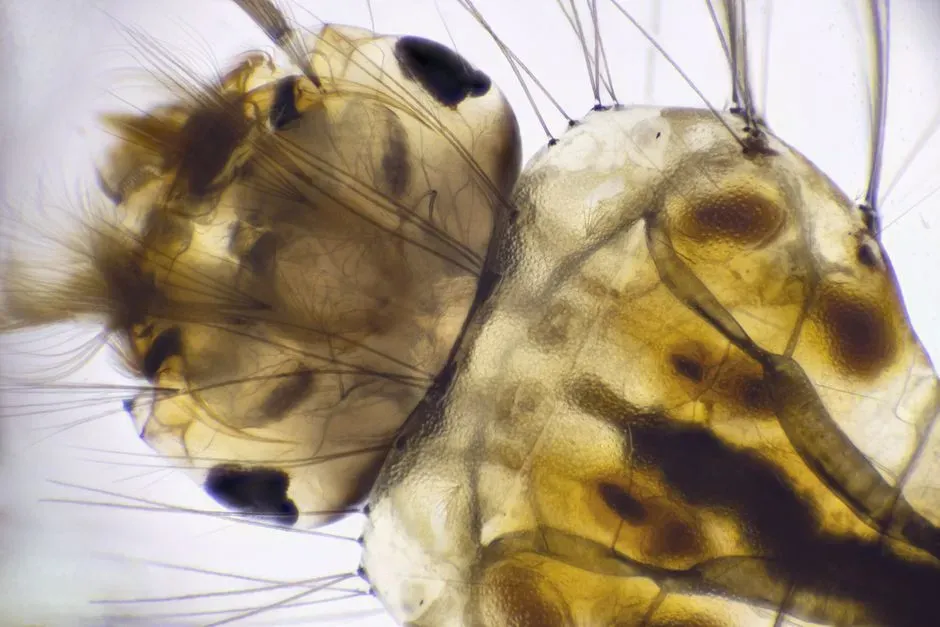
Taxonomy books love adult specimens – pinned beetles, spread-wing butterflies, elegant wasps. In a tiny drawer, one entomology collection keeps vials of larvae from an aquatic insect that has never once been found as an adult. The larvae are distinctive enough to earn their own species name, identified by gill structures and mouthparts unlike any known relative.
Nobody has ever caught the grown insect in a flight trap, light trap, or emergence net – it may live only a few hours, fly at odd times, or hide in an inaccessible canopy layer. That means this species is formally described from its “child” phase alone, a scenario old-school taxonomists genuinely hate, even though modern DNA barcoding confirms the lineage is real. An entire species exists in our books as a jar of anonymous grubs, its adult life still a total blank.
#10 – The X-Rayed Mummy That Broke the Narrative
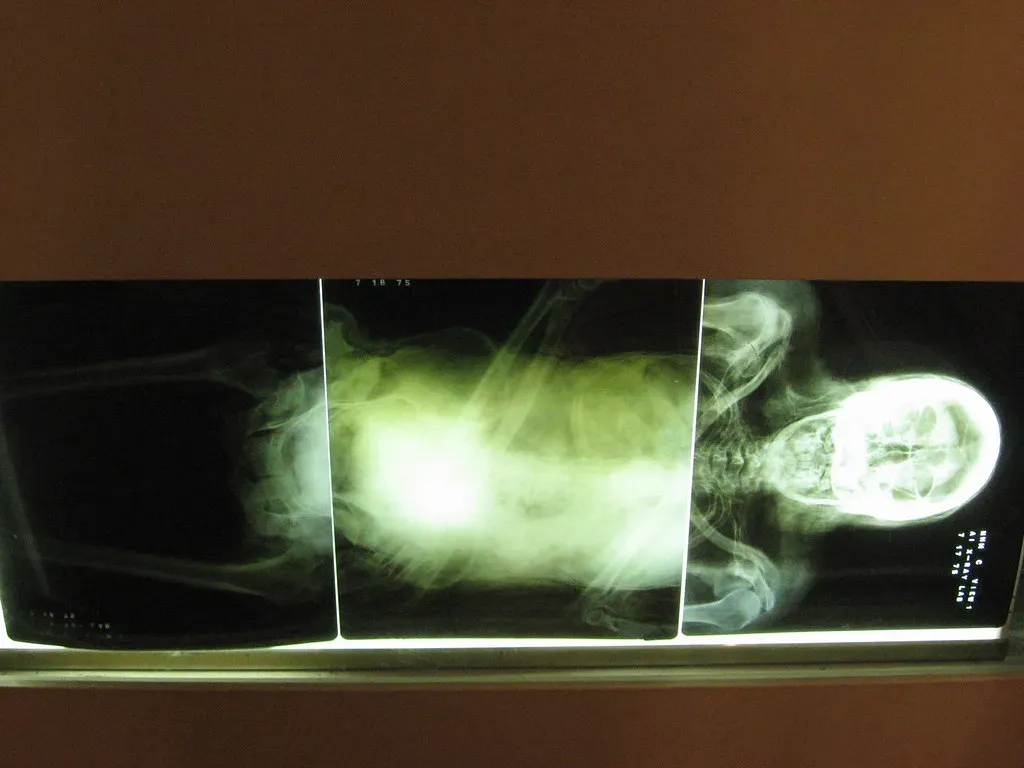
Ancient human remains draw crowds, and the stories told beside them tend to be neat and comforting: noble rulers, tragic sacrifices, heroic ancestors. Downstairs, a radiology suite holds X-rays and CT scans of a child mummy whose bones reveal severe malnutrition and untreated fractures – damage that doesn’t match any known ritual practice, but does match chronic neglect.
Curators genuinely wrestle with what to do here. Displaying the body risks sensationalizing a real child’s suffering; hiding it erases a crucial truth, that ancient societies contained the same violence and inequality ours do, and it didn’t spare the young. This single basement mummy has forced more reconsideration of museum storytelling than any golden mask upstairs.
The past is not simply there in memory, but must be articulated to become memory.
Jacques Le Goff
#9 – The Frozen Seeds from a Crop We No Longer Grow
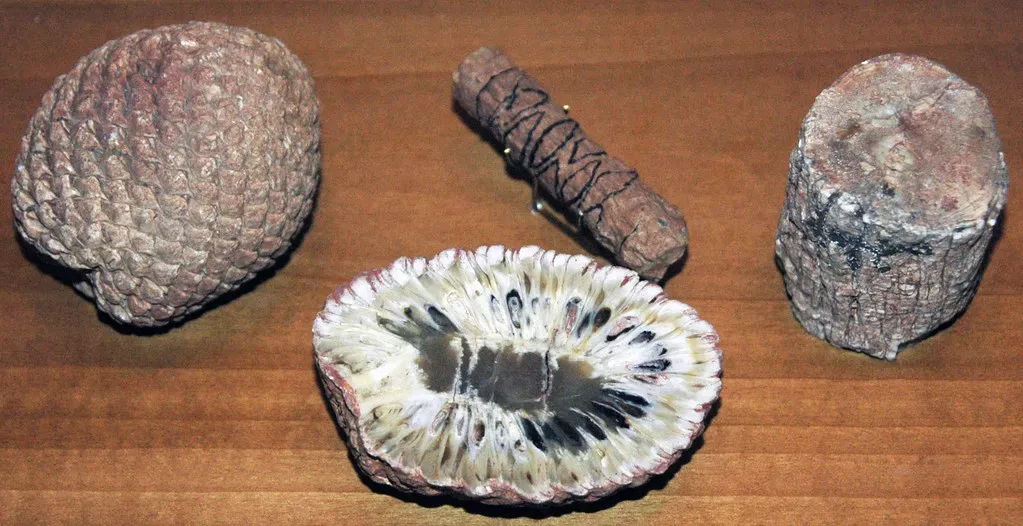
Behind layers of security in a seed bank room, a museum holds frozen seeds from landrace crops that local farmers abandoned within a single generation. They look unremarkable – slightly smaller, oddly colored grains – but genetic tests show drought resistance and nutrient profiles that outclass plenty of modern hybrids.
They were dropped for one reason: economics. Global markets pushed uniform, high-yield varieties built for industrial processing, and these seeds simply stopped being planted. Plant breeders now quietly request access to them as heat waves and erratic rainfall start outpacing what current crops can handle. Several promising climate-resilient lines in development trace directly back to these “obsolete” basement seeds.
#8 – The “Wrong” Neanderthal Bone That Wasn’t Wrong
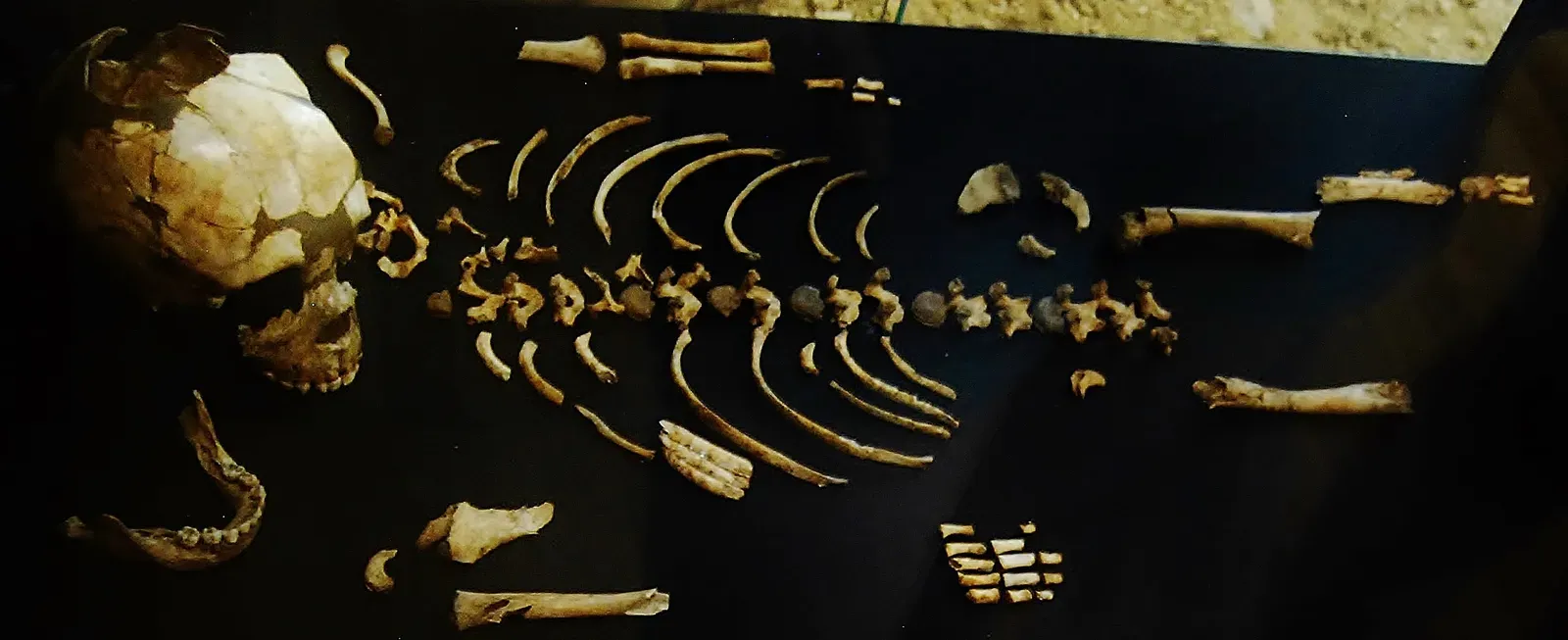
Early hominin galleries imply stern labels and clean family trees. In storage sits a single Neanderthal limb fragment that was dismissed for decades as “pathological,” simply because it didn’t match the standard robust build everyone expected. It was cited for years as evidence of disease or injury in Ice Age populations.
New DNA and micro-CT analysis blew that assumption apart. The bone’s structure and genetic markers point to normal variation instead, possibly shaped by diet or mixed ancestry with early Homo sapiens – meaning Neanderthals were never a single, uniform “type.” This basement bone undercuts the tidy textbook image of stocky, identical cave dwellers in favor of a messier, more diverse reality.
#7 – The Alcohol-Preserved “Monster” Squid Nobody Photographs
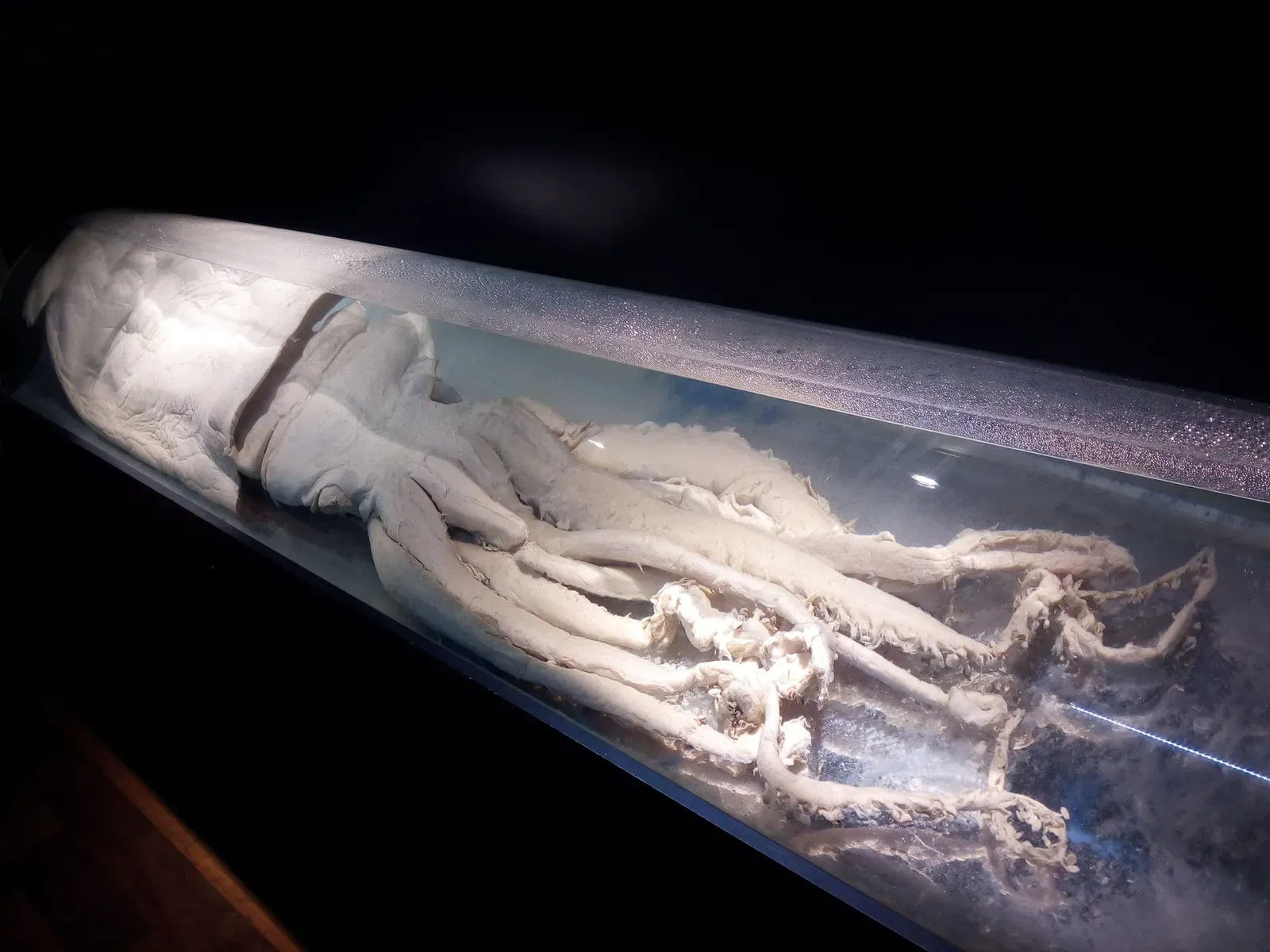
Colossal squid displays are PR gold, but they’re expensive and fragile to mount properly. So one institution quietly keeps a near-complete giant squid floating in preservative inside a custom glass tank, locked away in a back room. The skin has sloughed off in patches, the eyes have clouded over, and the tentacles look more tragic than terrifying.
For scientists, it’s still a treasure. The nervous tissue in its head, the lenses of those massive eyes, and the sucker-ring structures on its arms all hold clues about deep-sea predation we barely understand, and years of sampling show exactly how preservation chemicals alter tissue over time. It’s too eerie and decayed for public branding, but it’s the specimen researchers keep coming back to.
#6 – The Drawer of “Fake” Fossils That Turned Out Half-Real
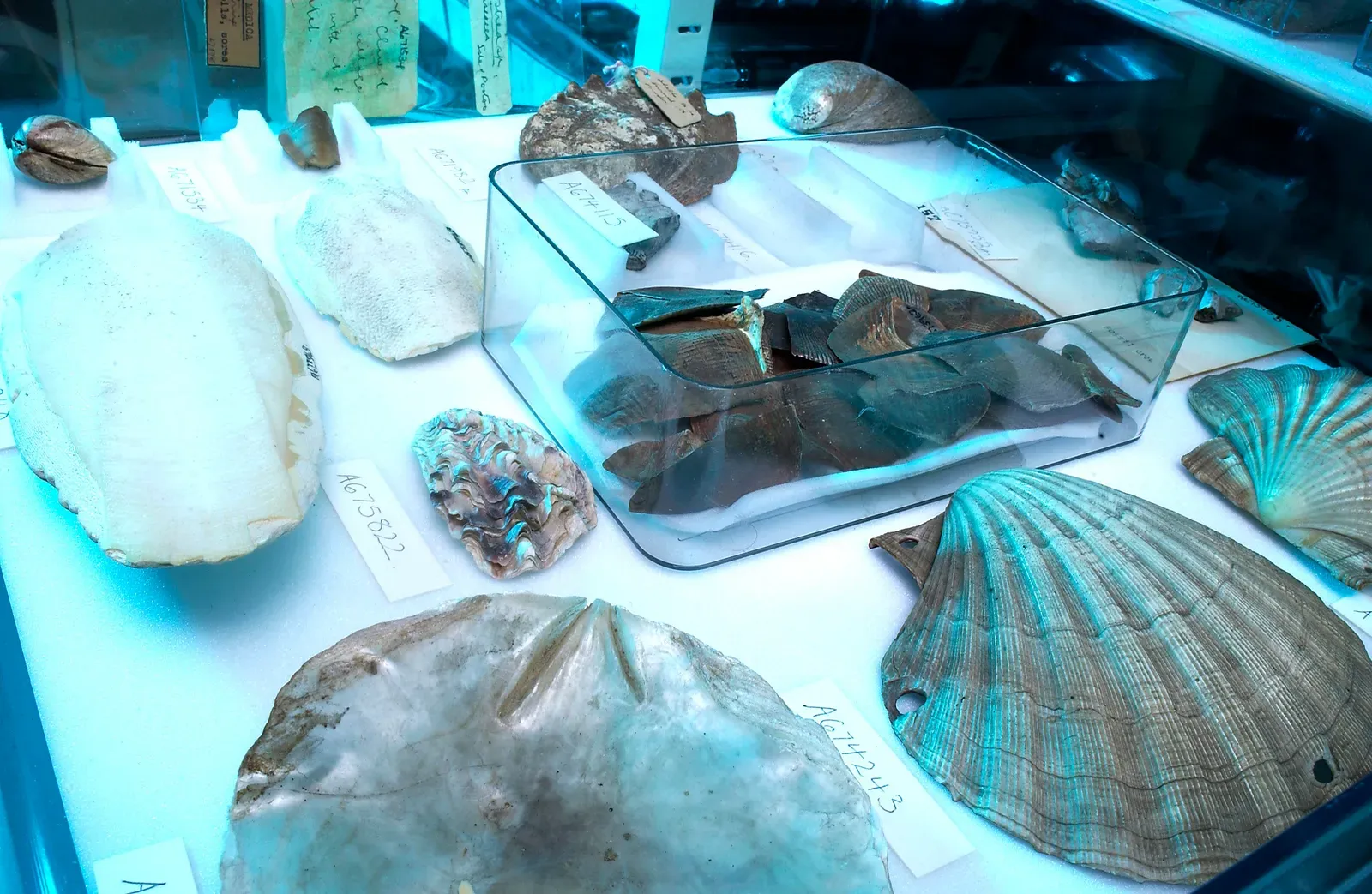
Most museum professionals roll their eyes at forgeries: carved trilobites, glued-together “dragon” skeletons, paint-enhanced ammonites. One institution keeps a teaching drawer of known fakes and composites purely for training new staff. When someone finally scanned a few, the results were unsettling – parts of several “fakes” were genuine fossils pulled from poorly documented sites.
That discovery created a real headache: how do you separate authentic bone from sculpted plaster when both are over a century old? Chemical mapping and micro-drilling turned up real bone in some vertebrae, authentic shell inlaid into manufactured rock, and traces of original pigment hiding under modern paint. The line between “real specimen” and “historical fake” turned out to be shockingly blurry.
Quick Compare
- Carved fakes: uniform tool marks, exaggerated symmetry, no internal cellular structure.
- Composite fossils: genuine bone fragments glued into sculpted plaster or mismatched species.
- Authentic fossils: irregular mineral replacement, natural fracture lines, real internal microstructure.
- Modern forensics: chemical mapping and micro-drilling can sort all three apart in minutes.
#5 – The Hidden Collection of “Failure” Taxidermy
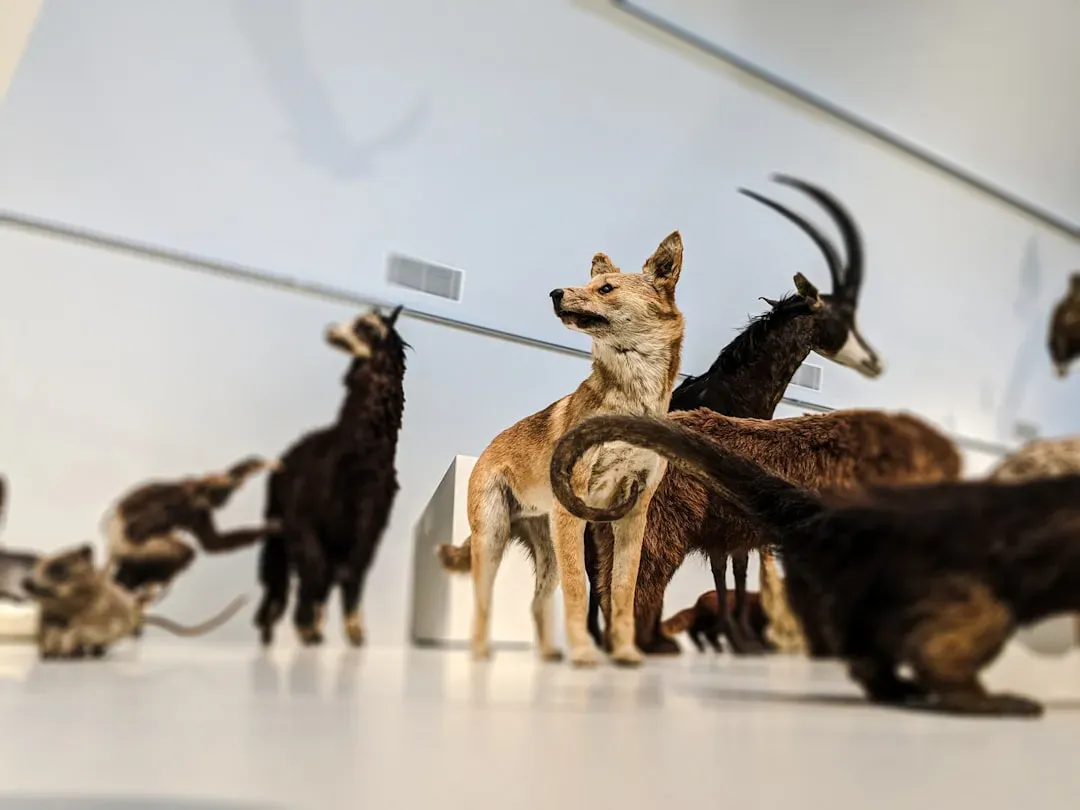
Upstairs you see sleek, lifelike dioramas. Downstairs, a cramped row of shelving holds mis-proportioned, slumping, outright unsettling taxidermy mounts – eyes too large, ears at the wrong angle, muscles sculpted like a bodybuilder mid-flex. These were student projects, early experiments, or rushed jobs that never made the final cut.
To historians and conservators, they’re invaluable. You can literally trace changing ideas of “natural posture” through them, as stiff Victorian poses give way to modern, dynamic stances, while the materials – glass eyes, wire armatures, arsenic soaps – tell a story of evolving chemistry and workplace risk. What looks like failure is actually the trial-and-error record behind every flawless mount currently on display.
#4 – The Radioactive Rock No One Wants Near the Exhibit Floor
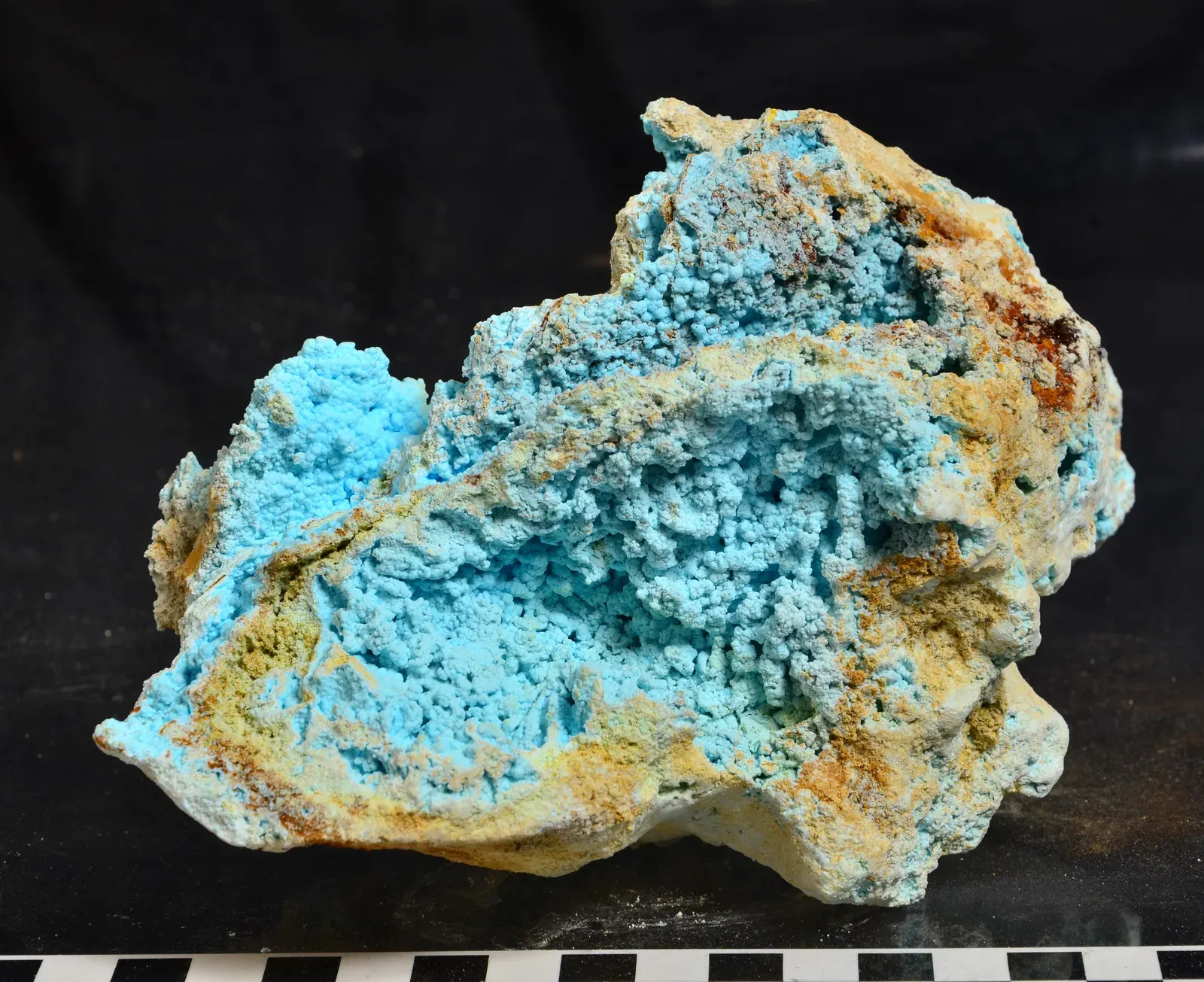
In a lead-lined cabinet sits a rock that looks completely unremarkable – gray, fine-grained, a little dull. A Geiger counter tells a different story. It’s one of the hottest naturally occurring uranium ores in the collection, emitting radiation levels that could cause headaches within minutes of careless handling. It was collected before modern safety standards existed and has mostly served as a teaching object for nuclear geology ever since.
Today, safety officers won’t let it anywhere near the public floor. Yet its isotopic composition offers a rare snapshot of natural nuclear processes, including how groundwater moves and concentrates radioactive elements underground. It may be the most scientifically important rock in the building, and also the one least likely to ever sit behind glass.
#3 – The Freezer Full of “Failed” Cloning Attempts
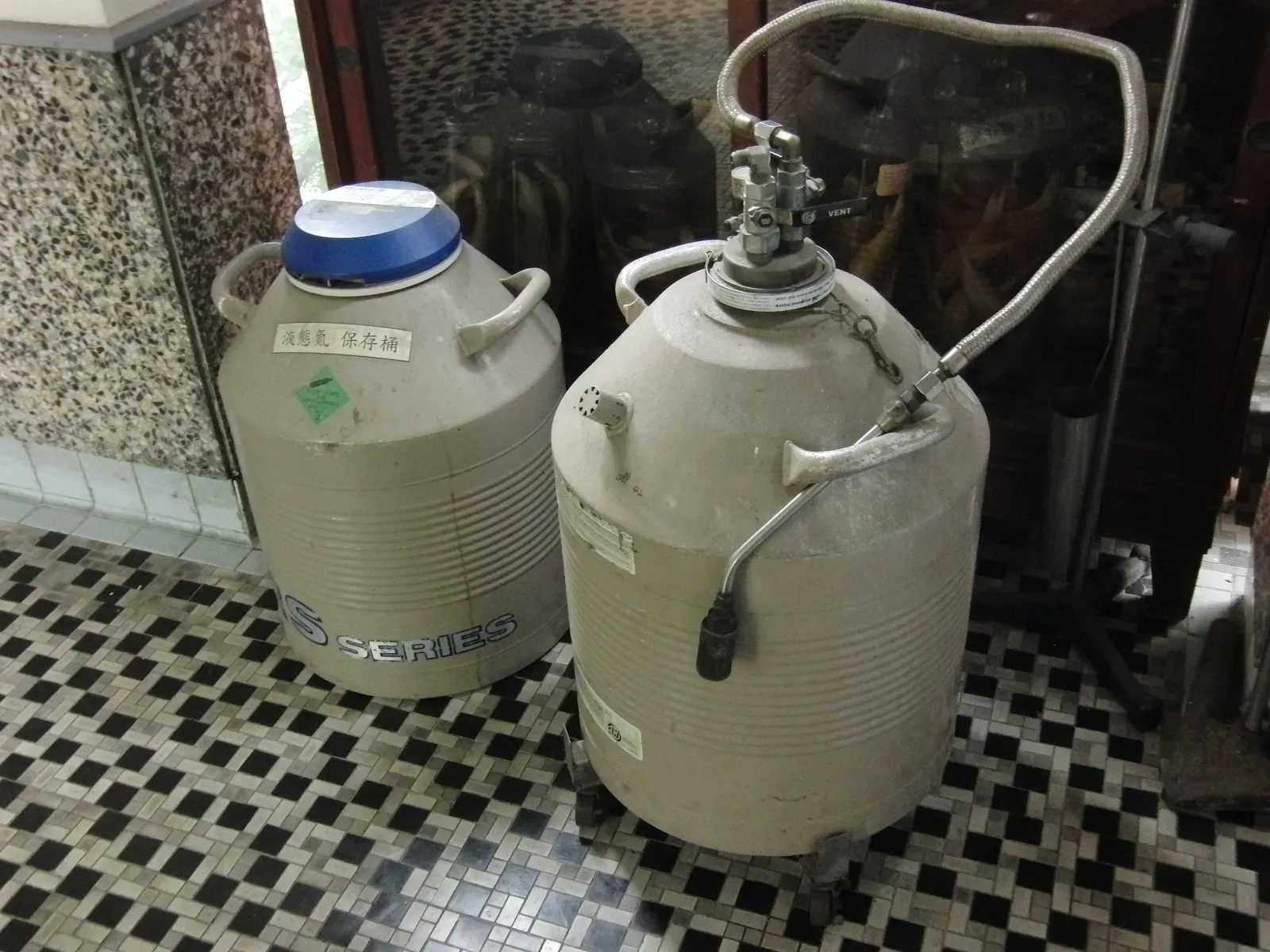
Headlines love successful clones – sheep, pets, the occasional endangered species. The unglamorous reality lives in cryogenic storage at a museum-affiliated lab, which maintains vials of cells, embryos, and tissue from cloning attempts that never made it to term, logged with cryptic codes and sober notes about developmental arrest, genetic instability, or immune rejection.
Nobody wants a family-friendly exhibit titled “Dead Ends of De-Extinction,” but these failures are scientifically essential. They show exactly where our understanding of epigenetics, gestation environments, and cross-species surrogacy breaks down, revealing patterns where certain donor genomes fail at the same stage every time. Behind every cloning triumph touted in the media sits a basement full of lessons written in liquid nitrogen.
#2 – The Climate Archive in a Single Ice Core Sliver
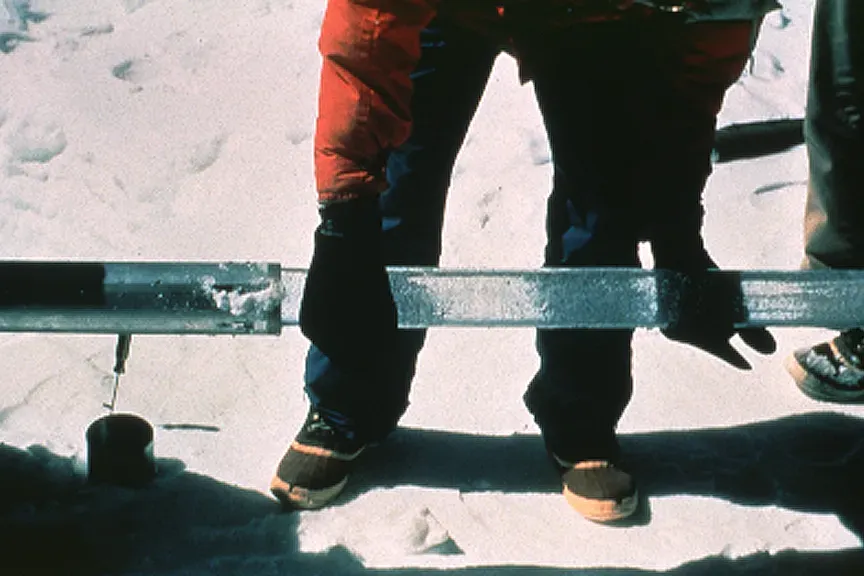
Public exhibits might show a cross-section of an ice core with cheerful labels for “Roman era” or “Industrial Revolution.” In a frosty back room sits something far older: a narrow sliver from the very bottom of a deep ice core, potentially older than any written human history in that region, kept at a precisely controlled temperature and handled only with specialized tools.
Trapped inside are air bubbles holding samples of ancient atmospheres, plus dust, pollen, and volcanic ash. High-resolution analysis can reconstruct year-by-year climate swings, wildfire frequency, even large-scale shifts in storm tracks from thousands of years ago. Some of the strongest evidence for how unprecedented modern climate change really is comes from fragments exactly like this one.
#1 – The Unlabeled Box of Bones That Changed an Entire Story
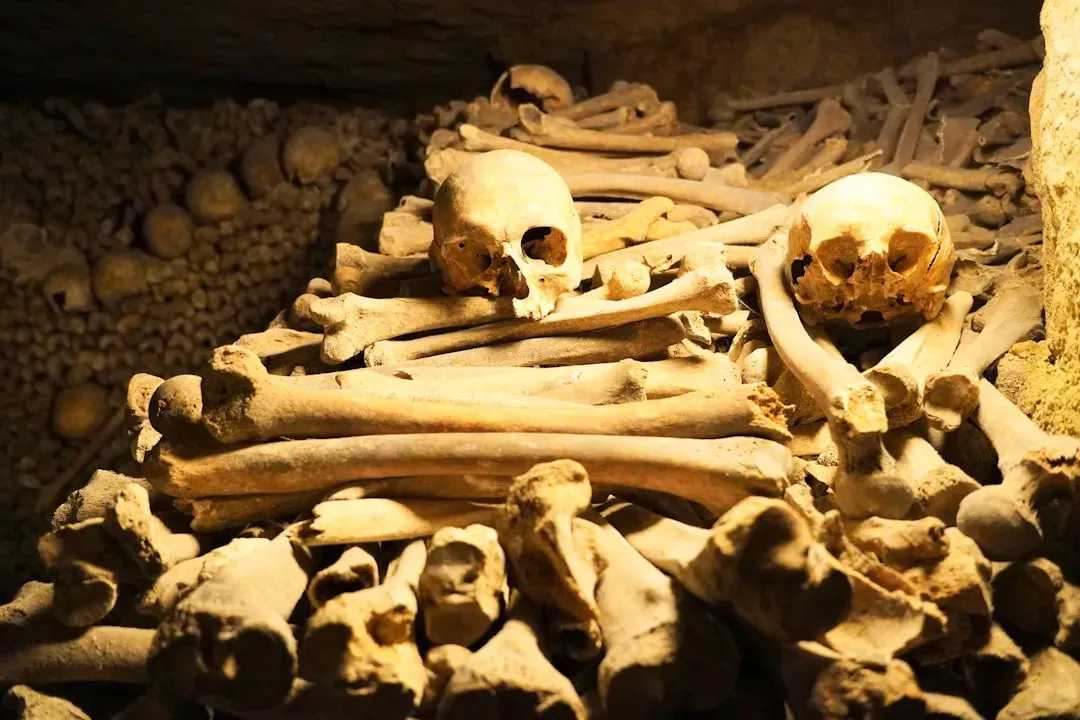
Every museum has one: a plain archival box with a vague label like “Mixed vertebrate remains, cave X.” At one well-known institution, a re-inventory project turned up exactly this kind of box shoved in a far corner, holding small mammal bones, bird fragments, and a few human remains accessioned decades earlier with almost no context. It was the kind of box that usually gets forgotten forever.
This time, researchers did the slow, unglamorous work anyway – radiocarbon dating, isotopic analysis, re-reading decades-old excavation notes. The bones didn’t all come from one event or one group; they spanned centuries and multiple cultures using the same cave in totally different ways, for burials, refuse, and shelter alike. A tidy museum narrative about “the” people of that site collapsed into something far messier and more human – and it came not from a star exhibit, but from a neglected box no publication had ever bothered to mention.
Why It Stands Out
- Multiple species, and even multiple human groups, ended up mixed inside one anonymous box.
- Radiocarbon dating showed the contents spanned centuries, not a single burial event.
- The findings overturned assumptions about how one site was actually used over time.
- It started as a forgotten inventory item, not a headline-grabbing dig.
The Bottom Line
The biggest mistake visitors make is assuming a museum is what it shows you. It isn’t. It’s what it hides – sometimes out of caution, sometimes out of discomfort, and sometimes simply because reality is too messy to fit on a laminated label.
Malformed corals, misfit dinosaur teeth, an unlabeled box of bones – specimens like these quietly reshape entire scientific fields while the same photogenic skulls and gemstones sit under the spotlights upstairs, year after year, telling the same tidy story. If these 22 examples prove anything, it’s that the real museum isn’t the gallery at all. It’s the argument still happening in the dark, one drawer at a time.
My honest opinion? Museums should stop treating the basement like a secret and start treating it like the plot twist it actually is – because the unlabeled box nobody dared open is usually more honest than anything behind glass.