
Most people assume archaeologists have already explained the past. They haven’t. Beneath the surface of nearly every continent sit excavation sites that have resisted every carbon-dating test, every peer-reviewed theory, and every attempt at a tidy explanation.
Some are famous monuments hiding secrets in plain sight. Others are obscure pits, graves, and caves that quietly break the rules of what we thought ancient people were capable of. Turns out, the “settled” history books leave out a lot – and the list below counts down to the one site even the experts still can’t stop arguing about.
#21 – The Porpoise Grave That Makes No Sense
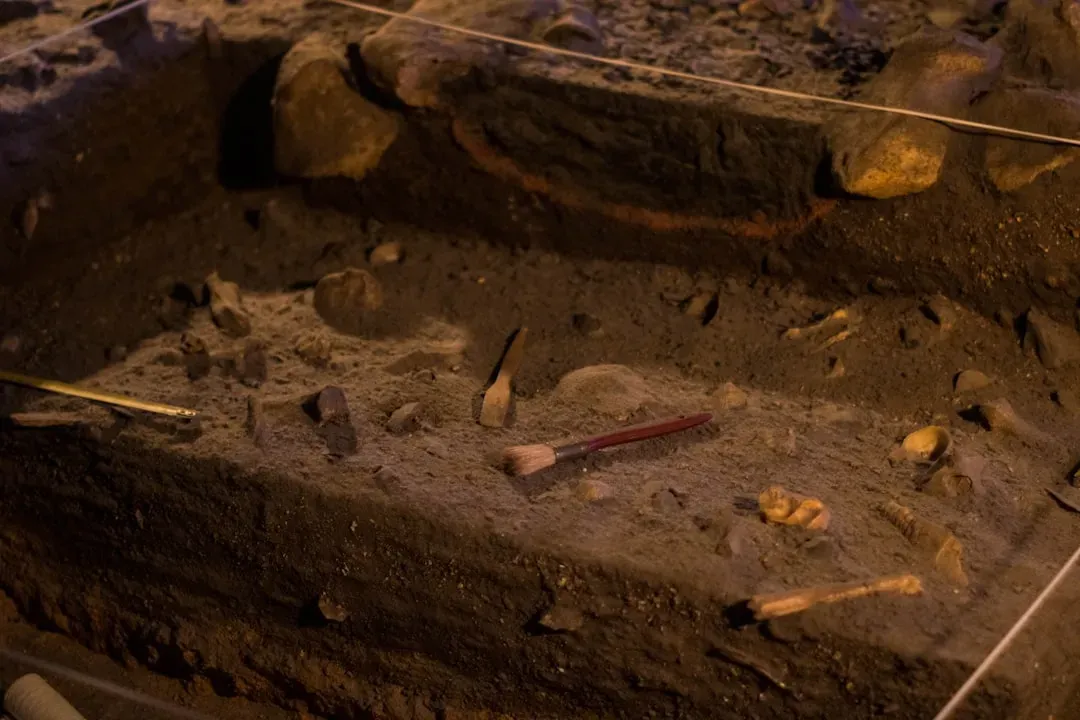
On a tiny island off Guernsey, medieval monks did something nobody has ever fully explained.
They dug a grave aligned carefully east to west, the same orientation reserved for the faithful awaiting resurrection. But inside wasn’t a monk, a pilgrim, or even a stranger. It was the remains of a juvenile porpoise, buried with the same ritual precision as a human.
Why would devout monks give a sea mammal a Christian burial? Some researchers suspect the porpoise was mistaken for a strange “fish-man.” Others think it ties back to obscure medieval dietary rules around Lent. Neither theory has stuck. Wait until you see what turned up next, in Peru.
#20 – Peru’s Cemetery Full of Loyal Dogs
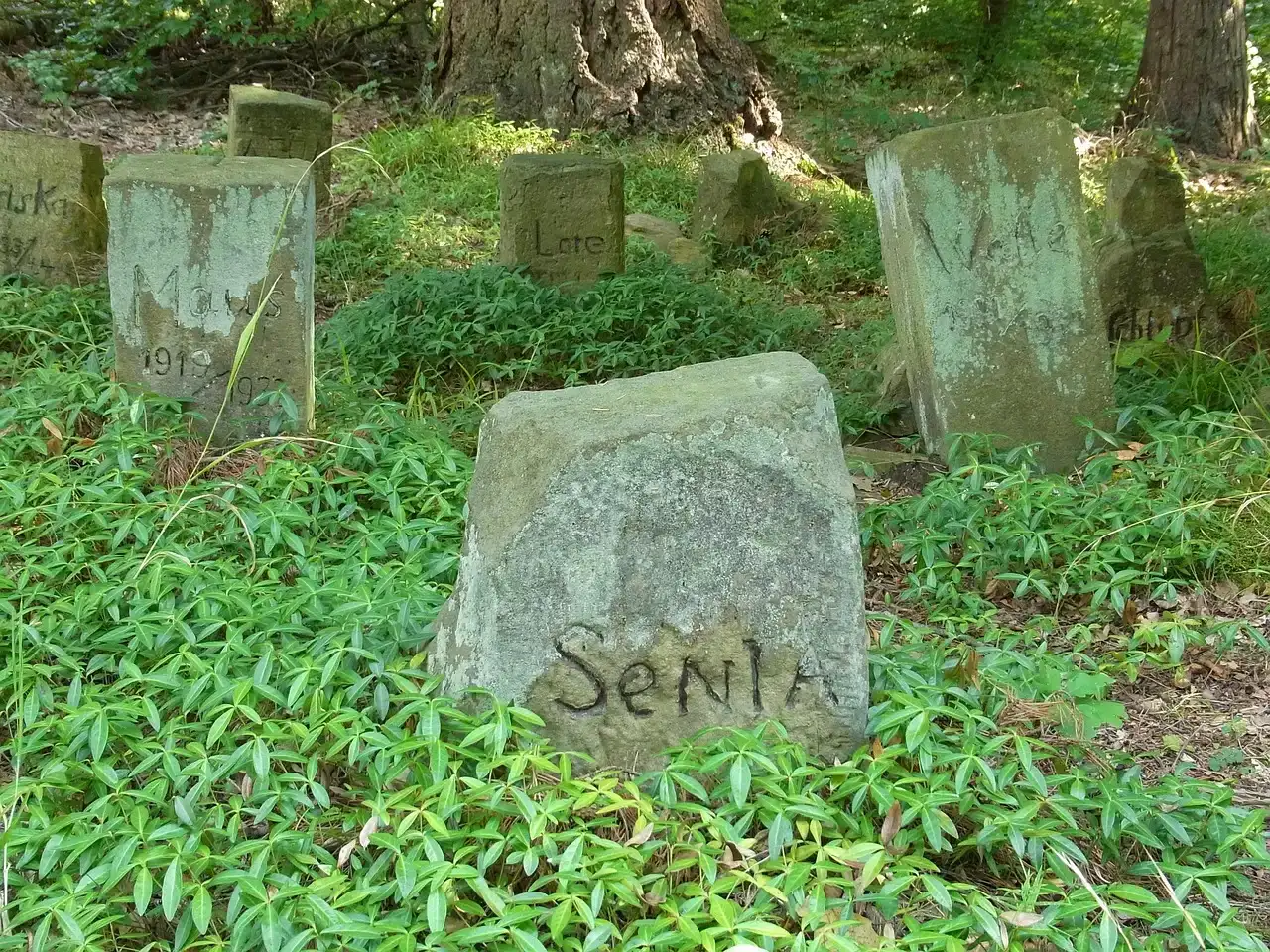
A thousand-year-old cemetery south of Lima revealed something researchers never expected to dig up.
Peruvian anthropologist Sonia Guillen was excavating a burial ground when her team realized they’d found far more than human remains. Forty-three dogs had been buried there by the Chiribaya culture, a civilization that predated the Inca Empire. That’s not a stray animal or two – that’s a deliberate, large-scale canine cemetery treated with the same care as a human burial ground.
The Chiribaya herded sheep and llamas, and researchers believe these dogs worked the herds. But 43 individually buried dogs suggests something closer to reverence than utility. Was this an early form of ancestor worship extended to animals, or a spiritual bond archaeologists still don’t fully grasp? Nobody’s cracked it yet. Compared to what’s coming next, though, that’s just the beginning.
#19 – The Roman Objects With a Dozen Competing Theories
Scattered across the old Roman Empire is an object so mysterious that not even the Romans bothered to write about it.
These small, hollow, twelve-sided bronze objects have been unearthed for centuries. Their function has inspired more than a dozen competing theories – surveying instruments, candle holders, gauges for measuring pipe diameters, gaming dice, religious objects, even tools for sizing military gloves. That’s a staggering range of guesses for one small artifact.
What makes this genuinely strange is the silence. There’s a complete absence of any written reference to them from the Romans themselves, which makes this one of archaeology’s most tantalizing cold cases. A civilization famous for meticulous record-keeping left zero explanation for an object it apparently made in bulk. Even that mystery pales next to what’s waiting in China.
Worth Knowing
- Found across former Roman territories, especially Gaul and Britain
- Hollow and twelve-sided, with holes of different sizes on each face
- No surviving Roman text ever mentions their purpose
- Leading guesses: surveying tool, candle holder, pipe gauge, gaming die, religious object, glove sizer
#18 – China’s Silent Stone Monks
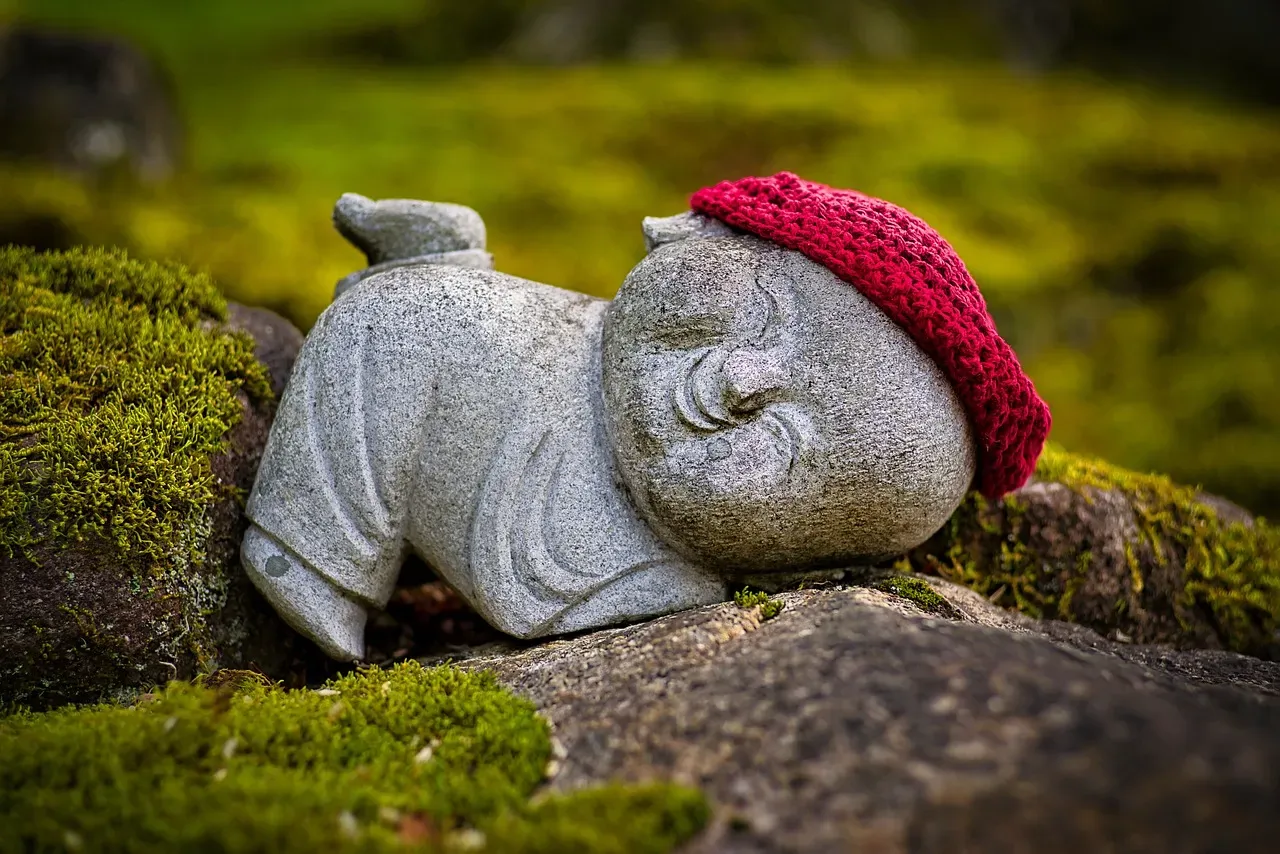
Deep inside a Chinese mountainside sits a cave complex that shouldn’t exist without an explanation, yet somehow does.
These cave systems contain thousands of chiseled, life-sized human figures seated in rows, alongside intricate relief carvings on the walls and ceilings. Carving thousands of individual figures by hand, at that scale, would have required generations of dedicated labor.
Here’s the part that actually baffles researchers: the scale and detail clearly imply a major undertaking with religious significance, yet the original purpose eludes them completely. We’re not missing pieces of the puzzle here – we’re missing the box the puzzle came in. No inscriptions, no records, just row after row of silent stone faces staring back at excavation teams. As strange as that is, the next entry involves a secret kept for decades.
#17 – The Rancher Who Hid an Entire Lost Civilization
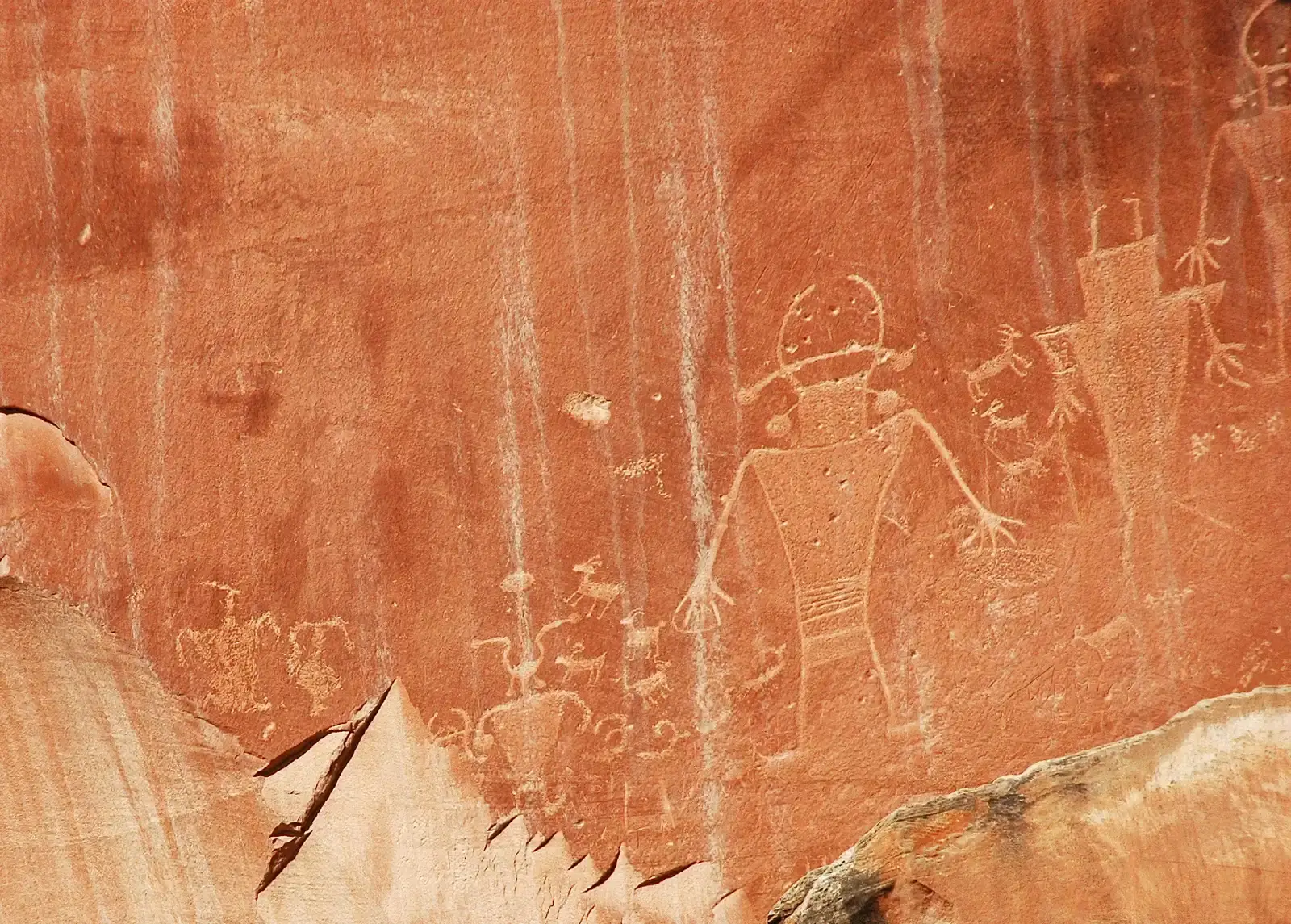
For decades, one Utah rancher sat on top of an archaeological goldmine and told absolutely nobody.
Just like his father before him, Utah rancher Waldo Wilcox and his entire family kept quiet about the ancient pit houses, prehistoric rock lines, paintings, and stone tools scattered across their 4,000-acre property known as Range Creek. That’s not a small find – that’s an entire preserved landscape kept off the map for generations.
The site belonged to the Fremont Indians, a mysterious tribe that lived in the area 1,000 years ago and remained largely undisturbed thanks to Wilcox’s locked gates and hand-painted “road closed” signs. Researchers still don’t fully understand why the Fremont vanished or where they went. Many archaeologists now argue that decades of secrecy actually protected the site better than any government program could have. Nothing, though, compares to the slab that’s stumped Scotland’s archaeologists.
#16 – Scotland’s 5,000-Year-Old Slab of Secrets
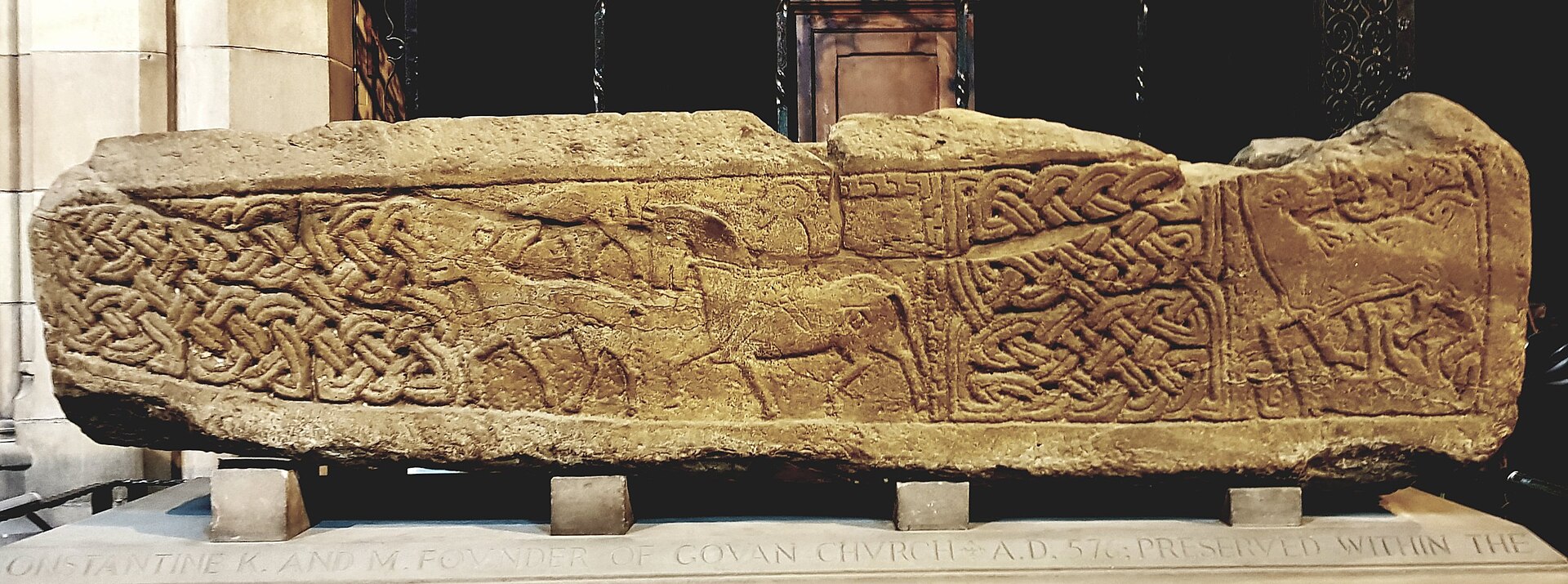
In 2016, a routine dig in Glasgow turned into something researchers are still trying to decode.
Archaeologists excavated a 5,000-year-old stone slab covered in markings whose meaning remains stubbornly out of reach. This wasn’t a random carving – the placement and precision suggest intentional design, not decoration.
What makes ancient markings like this so frustrating for researchers is the total lack of context. There’s no accompanying text, no matching site nearby, and no oral tradition that survived to explain it. The stone simply exists, mute and unmoved by 5,000 years of questions. Was it a boundary marker, a calendar, or something entirely lost to time? That confusion is nothing next to what was hiding in a Kenyan cave.
#15 – The Kenyan Cave That Housed Humans for 78,000 Years
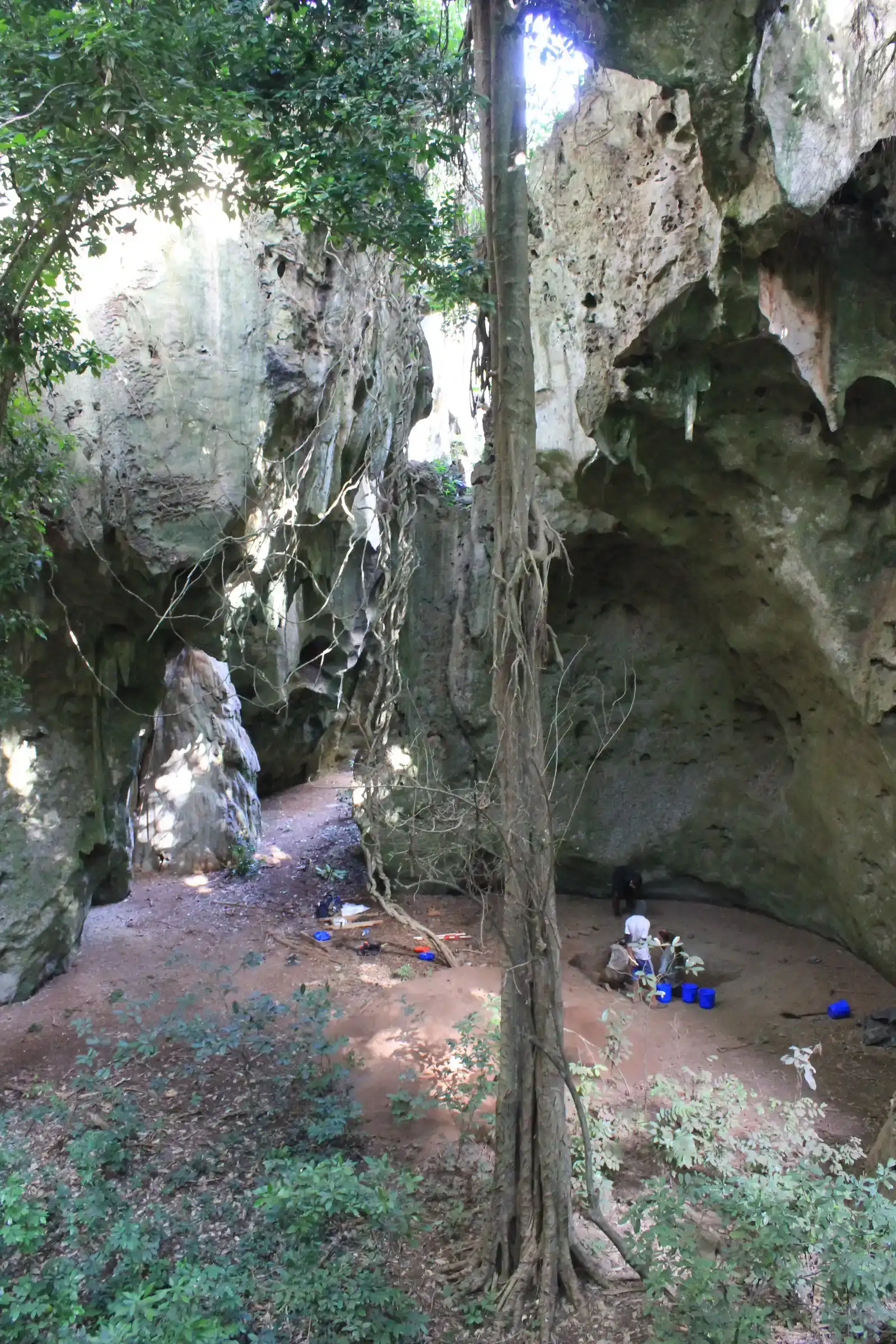
Tucked into the Kenyan coastline is a cave so massive it may have sheltered hundreds of people at once, for tens of thousands of years straight.
A network of caves called Panga ya Saidi holds human artifacts spanning from the Middle Stone Age straight through to modern times. That kind of continuous human occupation is almost unheard of anywhere on Earth.
Researchers are stunned by the scale involved. With more than 1,000 square feet of space in its main chamber, the cave could have housed hundreds of people at once, according to experts studying the site. What still puzzles scientists is why this specific cave was chosen and reused across so many distinct eras of human history while nearby sites were abandoned entirely. As unsettling as that is, Egypt’s next mystery is worse.
#14 – Egypt’s Screaming Mummy Nobody Can Explain
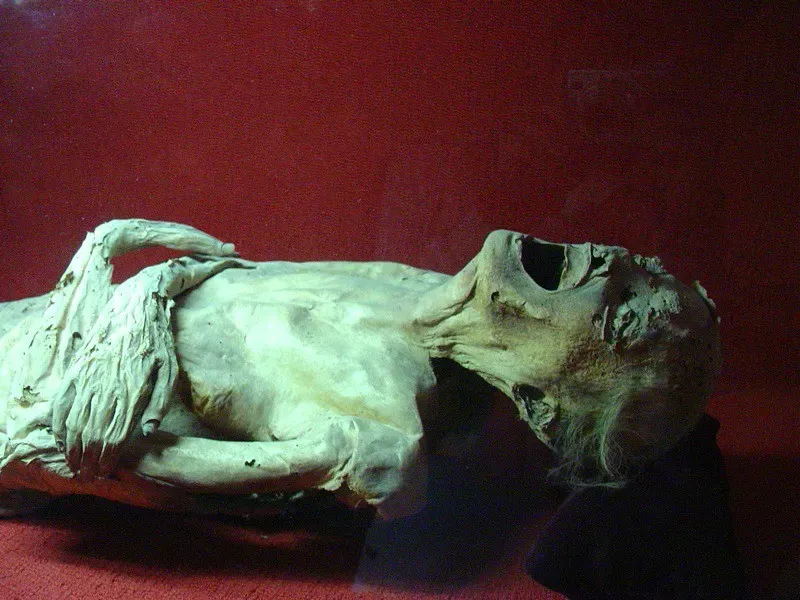
Not every mummy in Egypt was buried to honor the dead – some, it seems, were buried to punish them.
Unknown Man E was discovered wrapped in a ritually impure sheepskin, his face frozen in apparent agony. That frozen scream isn’t a trick of decomposition – Egyptologists broadly agree the expression reflects genuine distress at the moment of death.
The binding makes it worse. His hands and feet were tied, suggesting either a punishment burial meant to damn his soul, or death by asphyxiation. Researchers still can’t agree on which. Most Egyptian burials were designed to help someone reach the afterlife peacefully – this one seems designed to do the opposite. Grim as that is, Britain’s Viking mystery is even darker.
#13 – The Vikings Who Lost Their Heads, Then Their Answers
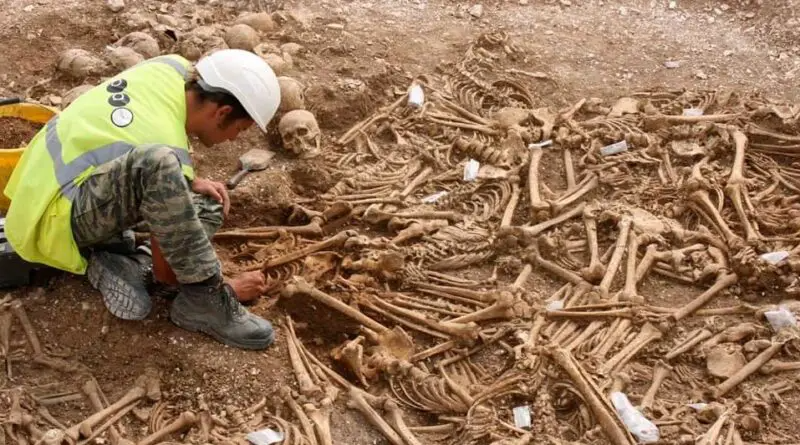
In a quiet corner of Dorset, England, road construction crews stumbled onto one of the most brutal mass graves in British history.
Around 51 Viking warriors met a brutal end here between 970 and 1025 CE. That’s not a small skirmish – that’s a coordinated mass execution.
The strangest detail isn’t the killing itself, it’s what happened after. Their heads were deliberately separated from their bodies and piled elsewhere. Researchers describe this as intentional, not battlefield chaos. Some historians argue it was a warning to other raiders; others say it was ritual purification. Neither camp has convinced the other. Still, that’s nothing next to the shackled skeletons beneath Athens.
#12 – Athens’ 80 Shackled Skeletons
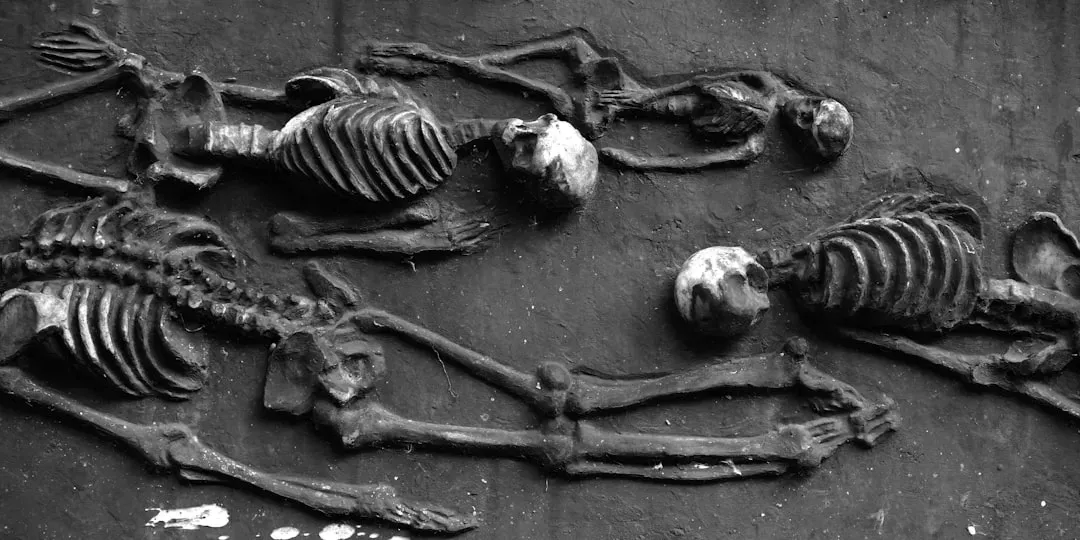
Beneath modern Athens lies a mass grave that reads more like a crime scene than an archaeological site.
Roughly 80 skeletons, hands shackled in iron, were discovered in a mass grave dating to 650-625 BCE. That’s a specific, deliberate act of restraint applied to dozens of people before death.
Researchers have floated theories ranging from political purges to piracy. Were they followers of a failed coup? Pirates condemned to death? Neither theory has enough evidence behind it to win the argument, and the identities and circumstances remain unknown despite decades of study. For a city as thoroughly documented as ancient Athens, that’s a genuinely uncomfortable gap. After that darkness, the next find is oddly tender.
#11 – The Prehistoric Couple Frozen in an Embrace
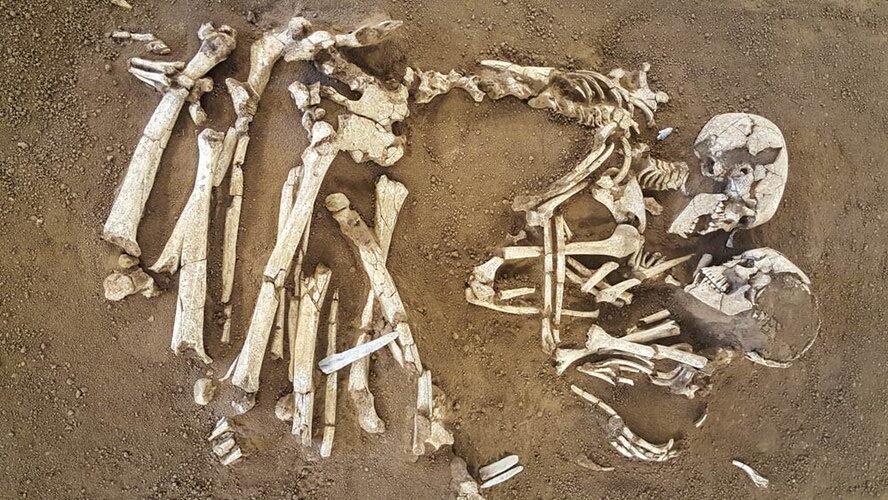
In a cave on Greece’s Peloponnese peninsula, excavators uncovered something that felt less like archaeology and more like a love story frozen in stone.
Archaeologists discovered a rare prehistoric burial: a man and woman positioned in an embrace, spooning each other, in the cave of Diros. That kind of deliberate, tender positioning is almost never found in prehistoric burials.
Double burials in embrace are extremely rare, and that of Diros is one of the oldest in the world, if not the oldest found to this date.
Greek Culture Ministry
Researchers still don’t know if this was a romantic gesture, a ritual sacrifice, or simply a coincidence of decomposition. As touching as that discovery is, Russia’s ancient burial rewrites the entire timeline.
#10 – Russia’s 34,000-Year-Old Burial That Breaks the Timeline
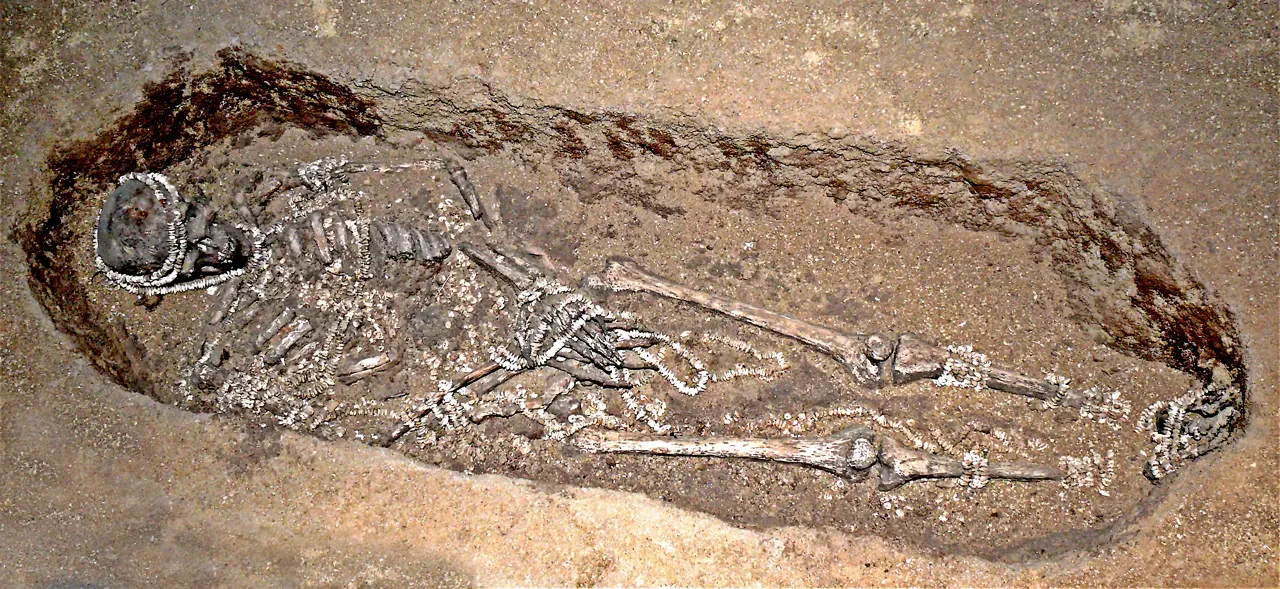
East of Moscow sits a burial site so old, and so advanced, that it forced researchers to rethink what Ice Age humans were capable of.
About 34,000 years ago, hunter-gatherers buried several people, including two adolescent boys, at a site called Sunghir. That’s tens of thousands of years before most researchers assumed complex burial rituals existed.
What genuinely stuns experts is the craftsmanship buried alongside the bodies – elaborate beadwork, tools, and ornamentation that would take modern hands hours to replicate. This wasn’t a hasty burial by a struggling band of survivors. It was a planned, resource-intensive ritual performed by people we still underestimate. Impressive as that is, nothing compares to a scroll pointing at billions in buried treasure.
#9 – Israel’s Copper Scroll and Its Missing Billions
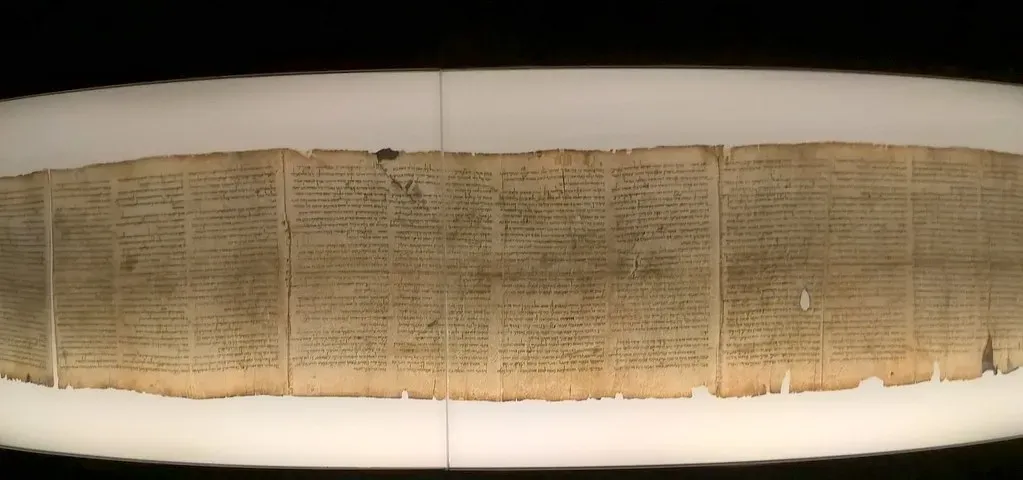
Hidden among the famous Dead Sea Scrolls was one document that wasn’t like the others – and it pointed to a fortune nobody has ever found.
The Dead Sea Scrolls are regarded as the most significant archaeological discoveries of the 20th century, but one jar held copper scrolls instead of leather or parchment. Copper was an unusual and expensive choice for a document meant to be hidden, not displayed.
The contents are what make this genuinely wild. The inscriptions describe a hidden treasure of gold and silver worth nearly $3 billion, scattered across various parts of Israel. Decades later, the exact locations remain unknown, and the ancient form of Hebrew used in the scroll – eight centuries older than the document itself – remains as mysterious as the treasure it describes. As wild as that sounds, Costa Rica’s mystery is stranger still.
Fast Facts
- Discovered in 1952 inside Cave 3 at Qumran, near the Dead Sea
- Made of copper, unlike the parchment and papyrus of the other Dead Sea Scrolls
- Lists 64 separate locations of buried gold, silver, and sacred vessels
- Estimated worth of the hidden treasure: nearly $3 billion today
- Not a single listed hoard has ever been recovered
#8 – Costa Rica’s Perfect Stone Spheres
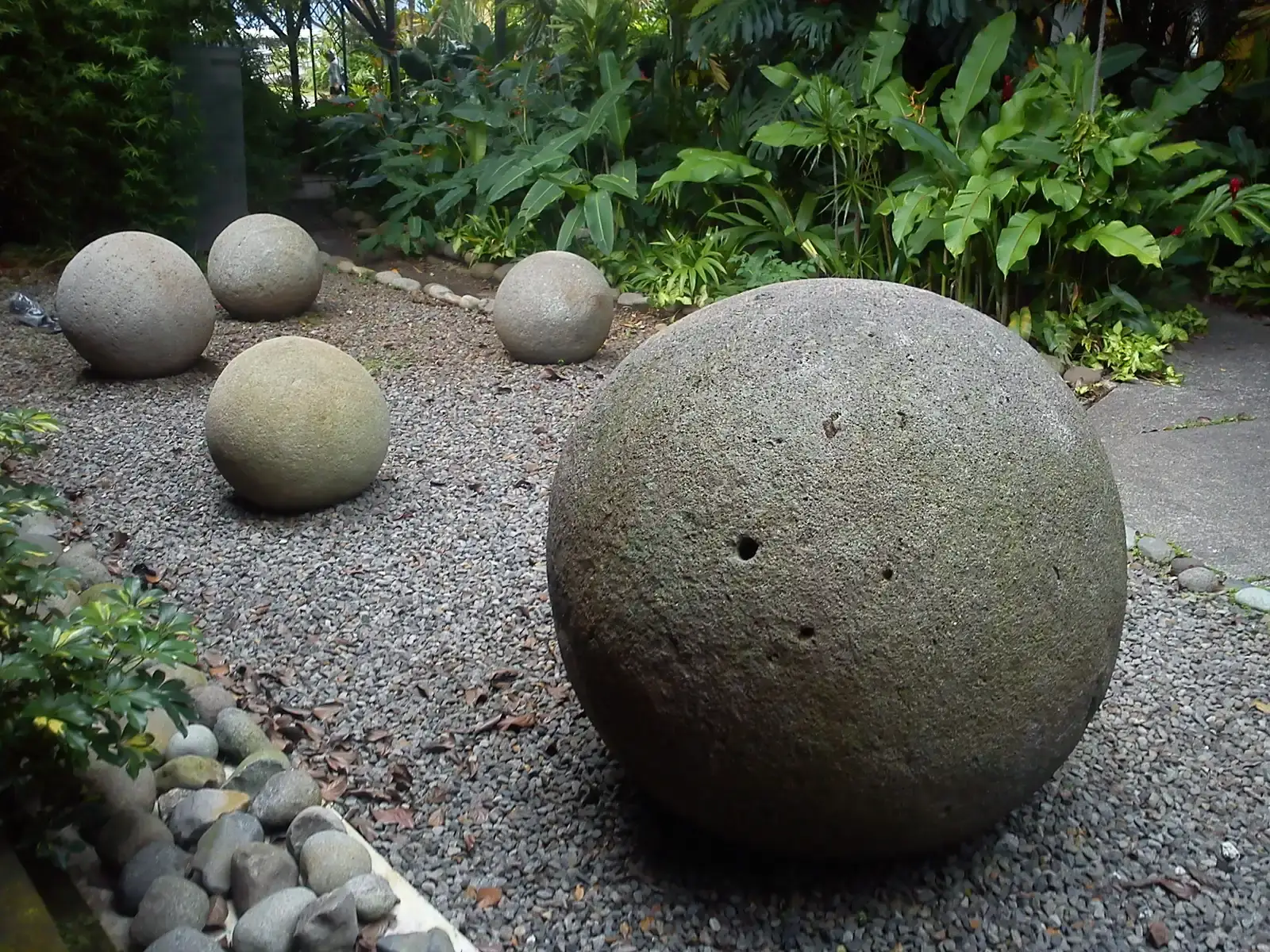
Scattered across a Costa Rican delta are hundreds of stone balls so precisely round that modern visitors assume they must be fake.
Giant stone spheres, some dating as far back as A.D. 600, pepper the Diquis Delta of southern Costa Rica, known locally as Las Bolas, “the balls.” These monuments were the work of a pre-Columbian civilization, and most are made from gabbro, a rock that forms from cooled magma. Shaping magma-formed rock into near-perfect spheres without modern tools is no small feat.
Researchers have a working theory on the method but not the motive. The stones were likely shaped using other small stones, according to archaeologists who study them. Non-experts have speculated the spheres were used for astronomical purposes, or that they pointed the way to significant places. No consensus exists. That mystery has nothing on the disc no one has ever managed to read.
#7 – Crete’s Disc That No One Can Read
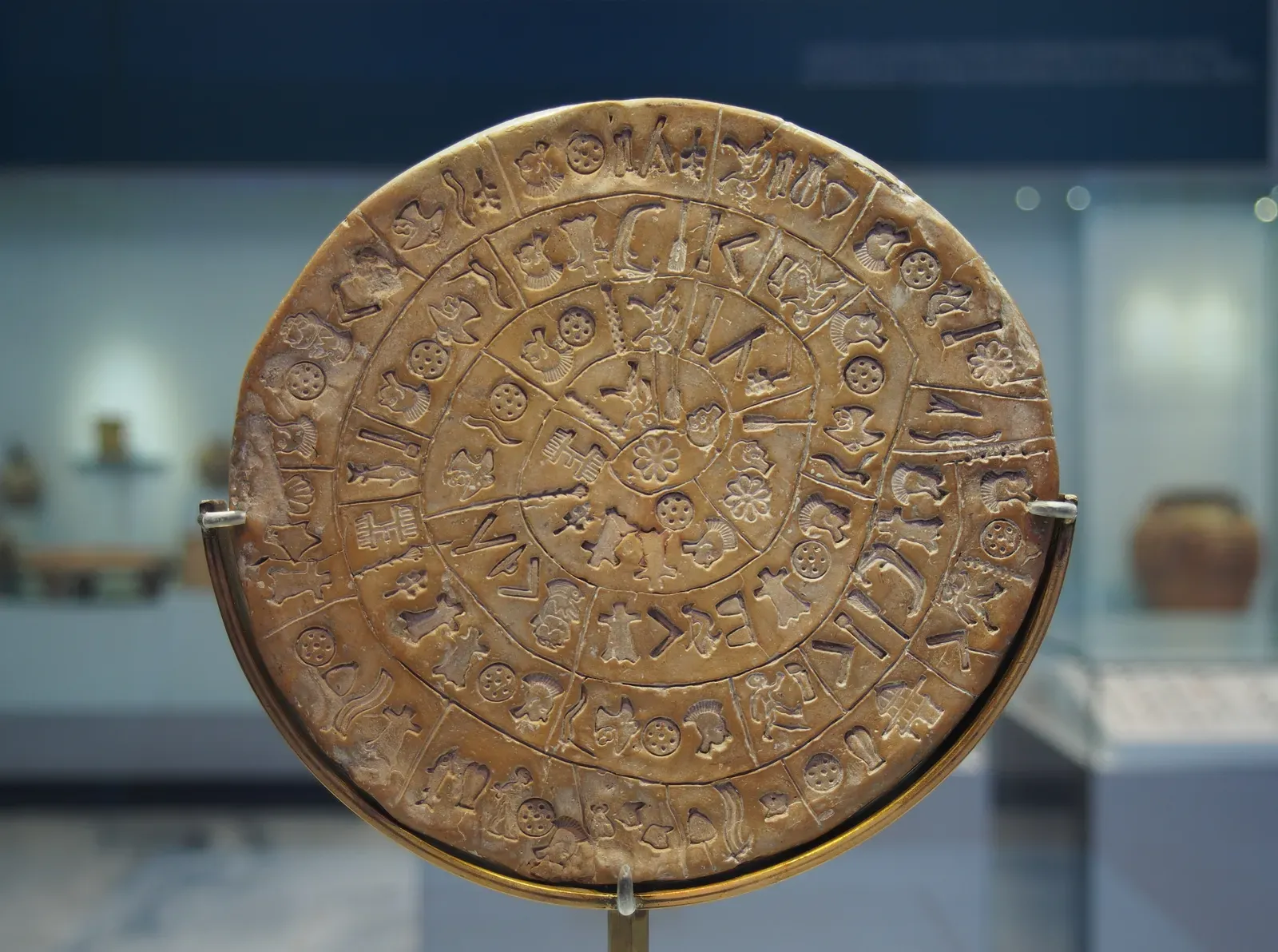
On the island of Crete sits a small clay disc that has humiliated some of history’s best codebreakers for over a hundred years.
This baked clay disc is imprinted with enigmatic hieroglyphic symbols arranged in a spiral sequence, and it has baffled linguists for over a century. The spiral layout alone makes it unlike almost any other ancient writing system ever discovered.
Here’s the truly frustrating part for researchers: despite numerous attempted translations, its writing system, language, and meaning remain indecipherable. It’s one of the most famous unsolved mysteries from the ancient Minoan civilization. With no second example of the same script ever found anywhere else on Earth, linguists have nothing to cross-reference it against. It may simply never be translated. Frustrating as that is, Iraq’s clay jar might rewrite the history of electricity itself.
#6 – Iraq’s “Battery” That Predates Electricity by 1,500 Years
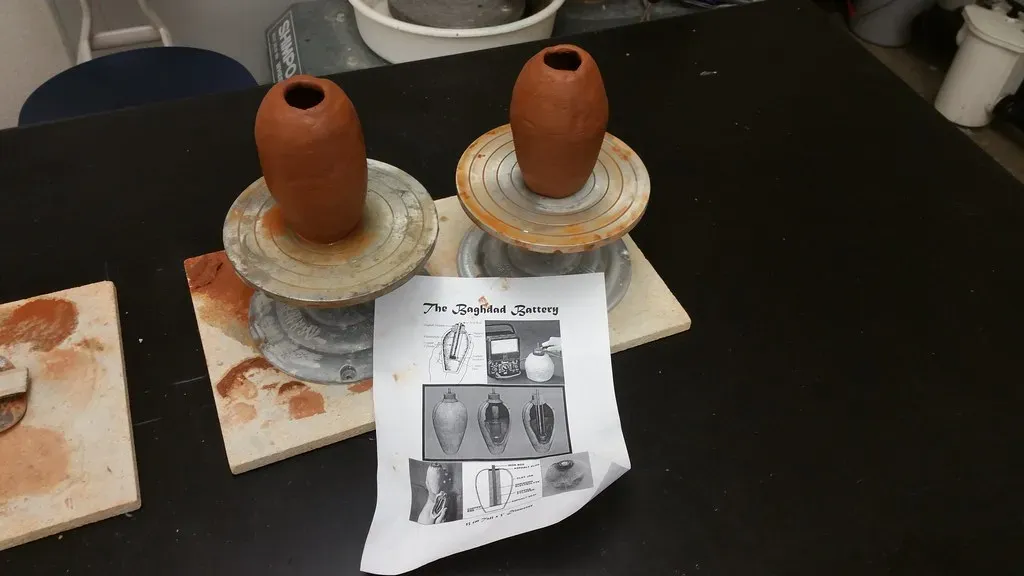
Buried near Baghdad was a small clay jar that, if interpreted correctly, rewrites the history of electricity by over a millennium.
Discovered in 1936, this unassuming clay jar, roughly 5.5 inches tall, contains a copper cylinder surrounding an iron rod, with the components insulated by an asphalt stopper. It dates to the Parthian or Sasanian period, somewhere between 250 BCE and 650 CE. That’s a design that looks suspiciously deliberate for a random pot.
The real controversy is what happens when you actually use it. Filled with an acidic liquid like grape juice or vinegar, it generates a small electric current. Some researchers believe it functioned as an ancient battery, since the design matches the basic principles of electrochemical cells discovered by Alessandro Volta in 1799. If true, ancient engineers stumbled onto electrochemistry 1,500 years early. Even that pales next to the drawings only visible from thousands of feet up.
Quick Compare
- Baghdad jar: copper cylinder, iron rod, and asphalt seal, dated 250 BCE-650 CE
- Volta’s pile (1799): stacked zinc and copper discs separated by brine-soaked cloth
- Shared principle: two different metals plus an acidic liquid produce a weak current
- The gap: roughly 1,500 years separate the two, if the ancient version really was a battery
#5 – Peru’s Desert Drawings Only Visible From the Sky
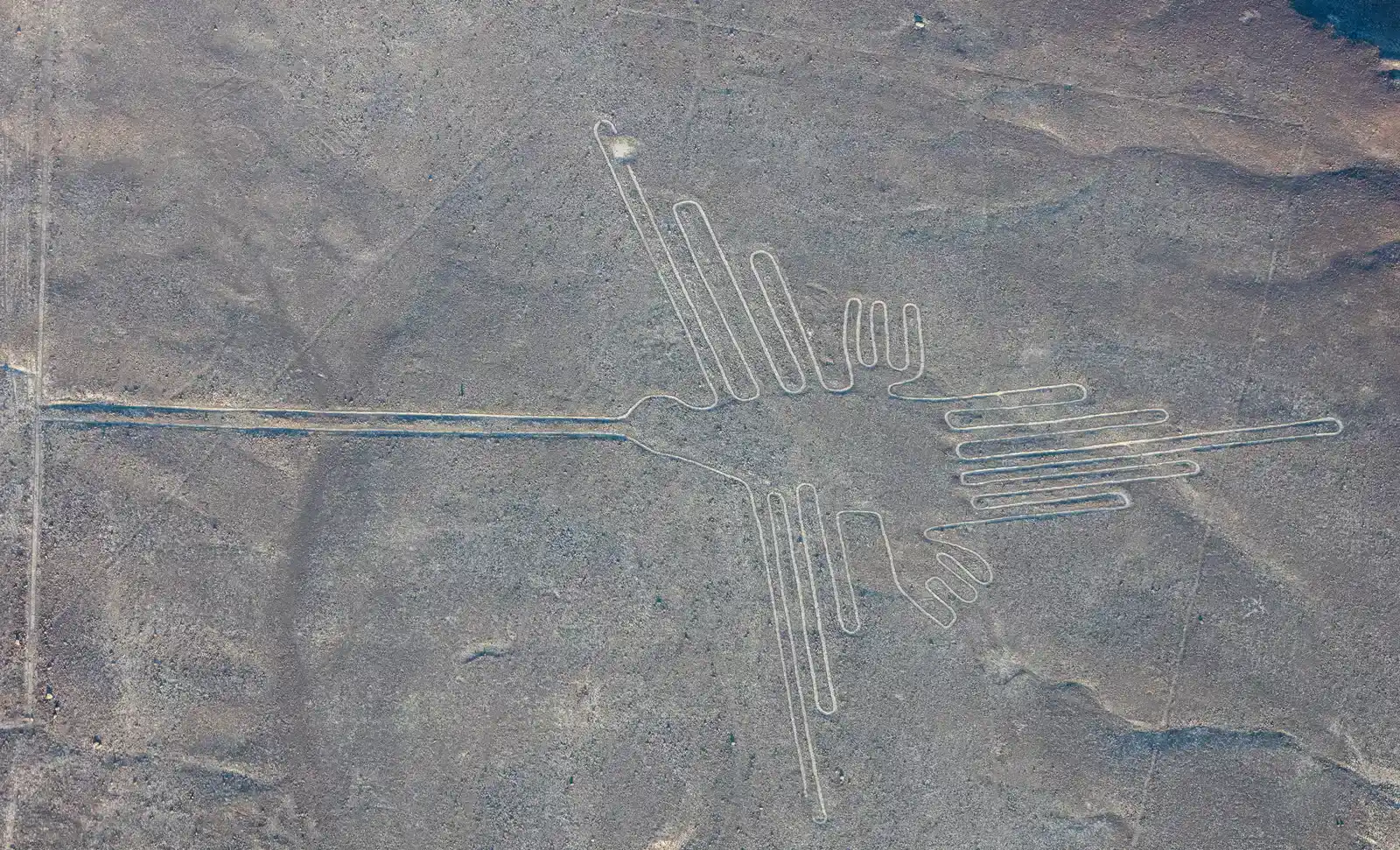
Carved into the Peruvian desert floor are geoglyphs so massive that the people who made them likely never saw their full shape.
The Nazca Lines are a series of massive ancient geoglyphs etched into the desert floor of the Nazca plateau in southern Peru, covering an area of roughly 19 square miles. They’re believed to have been created by the Nazca people between 500 BC and AD 500, and the figures include animals like birds, spiders, and monkeys, alongside geometric shapes and humanoid figures.
That last detail is the real problem. Without aircraft or elevated viewpoints, ancient Nazca artists couldn’t have seen their own work as a complete image. Scientists believe these are the handiwork of the pre-Inca Nazca culture, but they’re baffled about the purpose. Ritual pathways, astronomical calendars, or offerings to gods watching from above – take your pick, because no theory has won yet. As baffling as that is, Egypt has one more secret waiting underground.
#4 – Egypt’s Newly Found Tomb With a Body-Shaped Hole
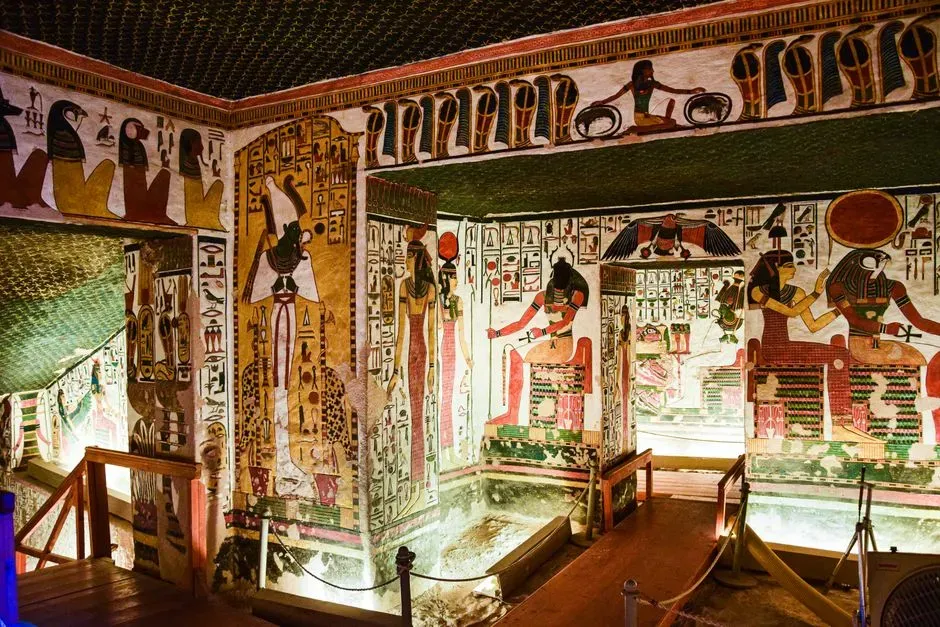
In one of the more startling excavation reveals of recent years, researchers realized they’d found the wrong location for an entire pharaoh – and the right one might still be hiding a body.
Thutmose II’s original resting place wasn’t in the cache next to the mortuary temple of Hatshepsut. It was found in 2022, but not identified until the 2024-25 excavation season, based on shards of alabaster jars inscribed with his name. That’s a multi-year identification gap on a royal tomb.
It’s believed Thutmose II was moved from the original tomb about 500 years after his death, because the site had become vulnerable to flooding, sitting at the bottom of a slope beneath two waterfalls. But the real cliffhanger is what’s still buried. Now that the original tomb has been located, a new question has emerged: are his remains still there, in another tomb concealed behind a 75.5-foot mound of limestone and debris? Still, nothing compares to the tomb an entire country has agreed not to open.
#3 – China’s Terracotta Army Guards a Tomb No One Will Open
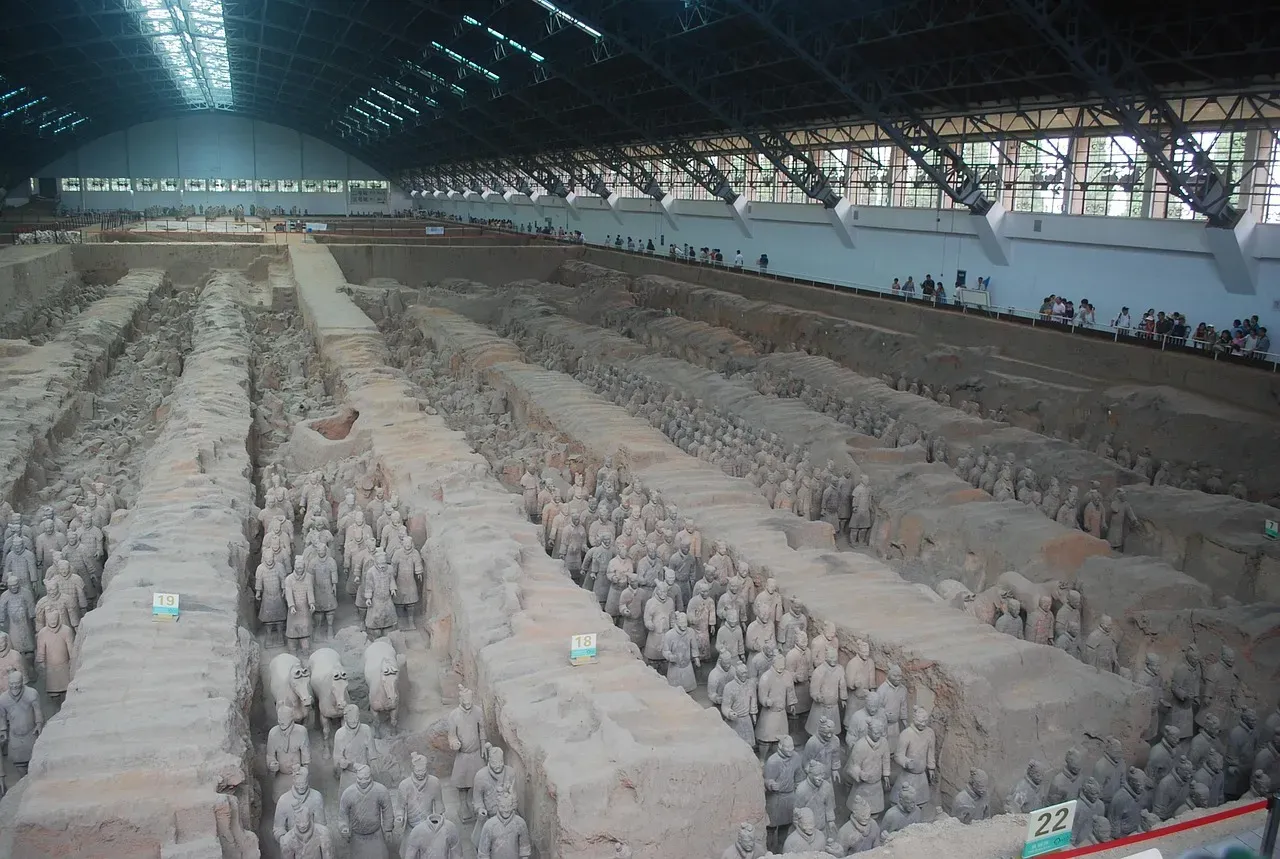
When farmers digging a well in 1974 hit clay instead of water, they accidentally uncovered one of the largest excavation sites on Earth – and a tomb researchers still refuse to touch.
The laborers discovered a life-size statue of a soldier, with no idea what else lay beneath the surface. Archaeologists went on to excavate an estimated 8,000 clay statues – mostly warriors, each with its own facial expression and weapons, alongside full-size terracotta horses and chariots.
Here’s the genuinely controversial part: the emperor himself is still down there, untouched. Qin is buried in a tomb at the site that hasn’t been excavated, due to concerns about its stability, though explorations around its edges have uncovered statues of dancers and acrobats. Some experts argue China is simply waiting for better technology. Others believe they’re afraid of what opening it might destroy. As controversial as that is, the next device shouldn’t have existed for another thousand years.
#2 – The Greek Device That Shouldn’t Have Existed for Another 1,000 Years
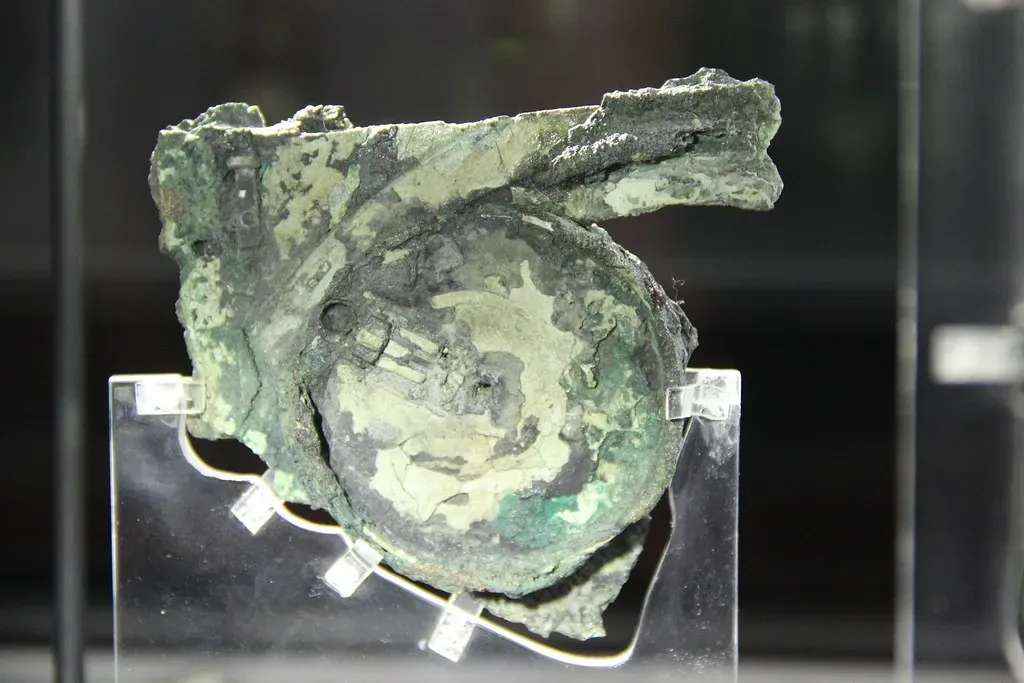
Pulled from a Mediterranean shipwreck, this device forced historians to admit the ancient world was more advanced than textbooks ever claimed.
Recent research has shed new light on the Antikythera Mechanism. In 2006, X-ray imaging and 3D computer modeling revealed previously unknown features, including two hidden dials. That’s a piece of ancient Greek engineering complex enough to require modern imaging technology just to understand its gears.
These new findings have helped researchers better understand the device’s inner workings, but its ultimate purpose remains a mystery that continues to baffle scientists. We know it tracked astronomical cycles with startling precision. What we don’t know is who built it, who taught them, or why that knowledge seemingly vanished for centuries afterward. None of that, though, compares to the mystery that still tops every list.
#1 – Stonehenge Still Has No Agreed-Upon Answer
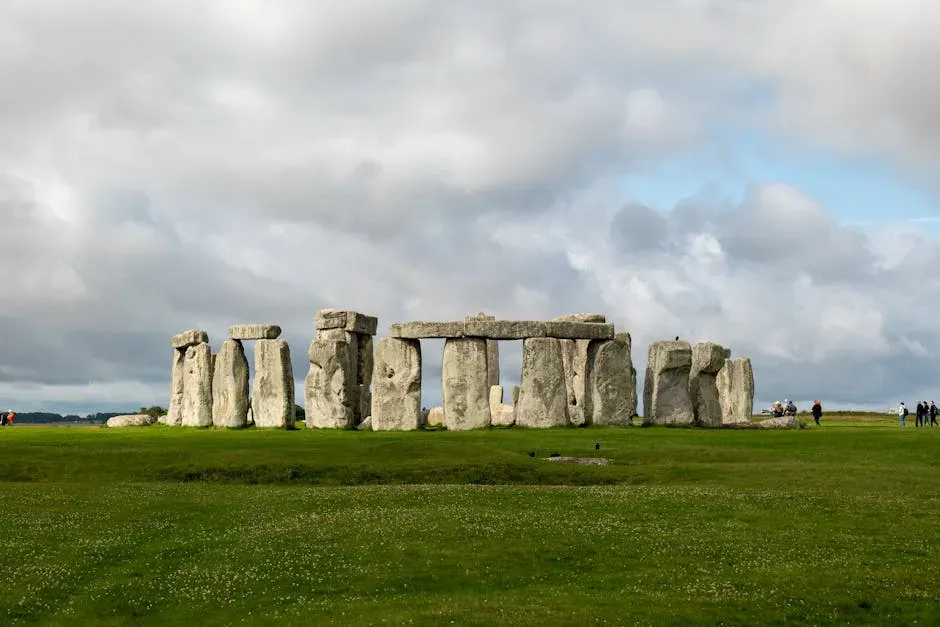
After centuries of excavation, thousands of research papers, and every imaginable ground-penetrating scan, Stonehenge remains the single most stubborn unsolved excavation on the planet.
The monument on Salisbury Plain in Wiltshire, England, has been an active excavation site since at least the 1620s, built in multiple stages starting 5,000 years ago with an early henge. Sometime around 2500 B.C., the small bluestones and massive sarsen stones were erected in the middle of that circular area – the bluestones hauled from over 150 miles away, the sarsens from 15 miles away.
That transport distance alone should be nearly impossible for the technology assumed to exist at the time. The question of why and how these stones were arranged this way has puzzled scientists and archaeologists for generations, with theories ranging from an astronomical observatory to a sacred religious site. Four centuries of digging, and we still can’t agree on the “why.”
At a Glance
- Located on Salisbury Plain in Wiltshire, England
- Construction began roughly 5,000 years ago with an early henge
- Sarsen stones raised around 2500 BCE, hauled from 15 miles away
- Bluestones transported more than 150 miles to the site
- Continuously excavated and studied since at least the 1620s
The Bottom Line
After four centuries of digging, X-raying, and carbon-dating, the uncomfortable truth is that researchers know less than the confident museum plaques suggest.
From a headless Viking mass grave in Dorset to a copper scroll pointing at billions in buried treasure, these 21 sites prove that “ancient” doesn’t mean “understood.” The most honest archaeologists will tell you plainly: some of these excavations may never be explained, no matter how advanced our tools become.
That’s not a failure of science – it’s a reminder that the past guards its secrets better than we like to admit. Which one of these do you think will finally get solved in our lifetime? Drop your theory in the comments.