
Walk through almost any major museum in the country right now and you’ll notice something odd if you’re paying attention: glass cases sitting conspicuously empty, new placards vaguely mentioning “ongoing review,” entire wings roped off with no real timeline given. Most visitors assume it’s routine maintenance. It isn’t.
Behind the scenes, curators have been pulling objects – sometimes overnight – in response to legal deadlines, ethical reviews, and diplomatic pressure they’d rather not explain to a Tuesday afternoon crowd. Here’s what actually happened at 13 institutions that went quiet instead of going public, starting with the one nobody even noticed.
#13 – The Ohio Valley Trade Shells at Cincinnati Museum Center
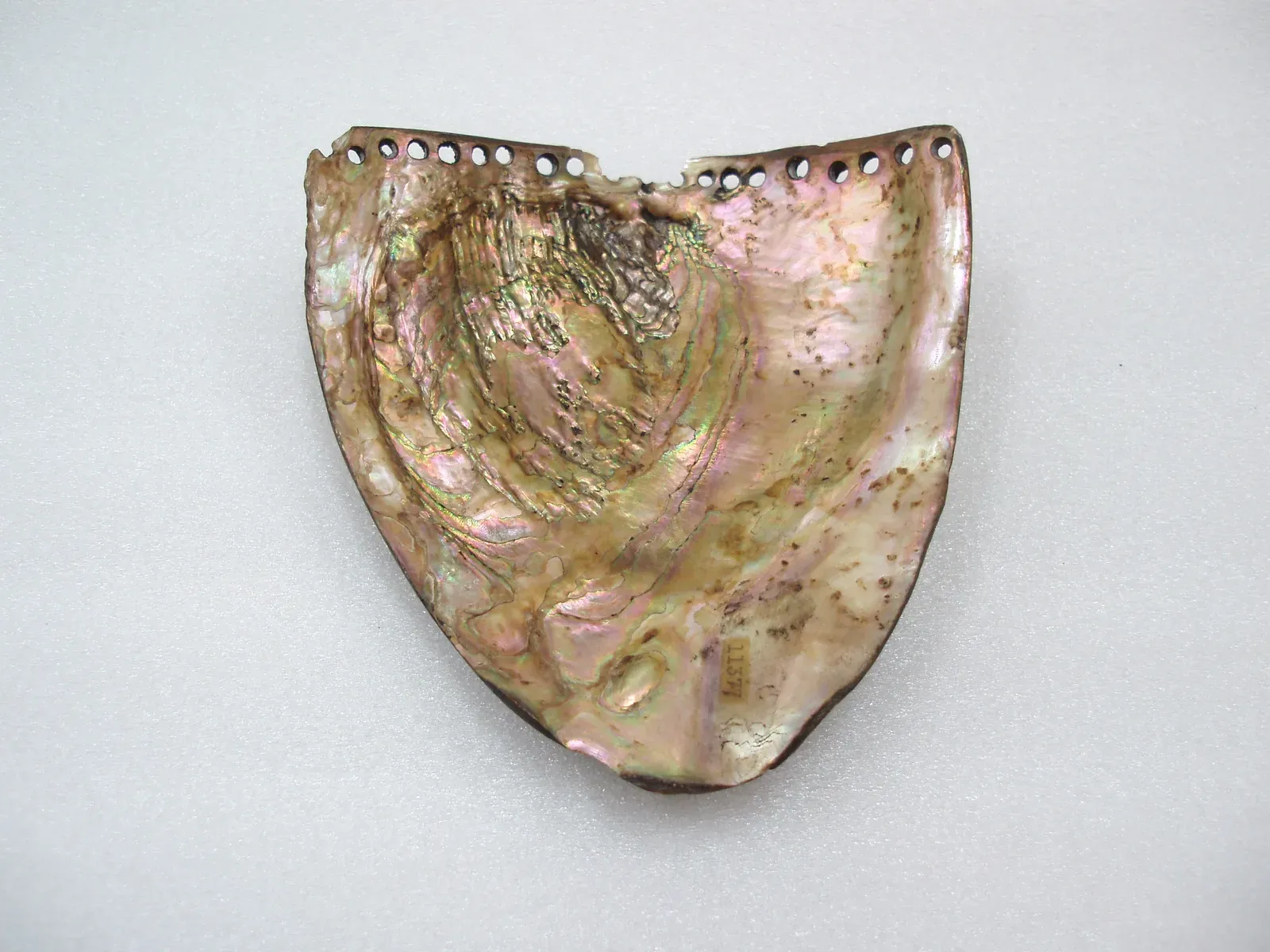
A case of shell ornaments that traveled the Ohio Valley trade routes centuries ago vanished from its gallery with almost zero fanfare. One week the case was full. The next, it was empty, and nobody at the front desk had an answer.
Cincinnati Museum Center pulled the pieces after a 34-year-old federal law was updated in December, requiring institutions to obtain tribal consent before displaying human remains and cultural items. The new rule took effect on January 12, forcing museums nationwide to remove or conceal relevant objects while consent was pending. Staff didn’t hold a press conference about any of it.
Fast Facts
- The underlying law is a 34-year-old federal statute, updated last December
- The new consent requirement took effect on January 12
- It applies to human remains and Native cultural items nationwide
- Museums could remove or cover objects while tribal consent was pending
According to the museum’s own archaeology curator, the shell-like objects were trade items that once moved through the Ohio Valley near Cincinnati. Most visitors walked right past the empty case without ever knowing a federal mandate, not a renovation, was the real reason. No wall text explained the legal backstory for weeks.
#12 – The Unnamed “Historical Objects” at Cincinnati Art Museum
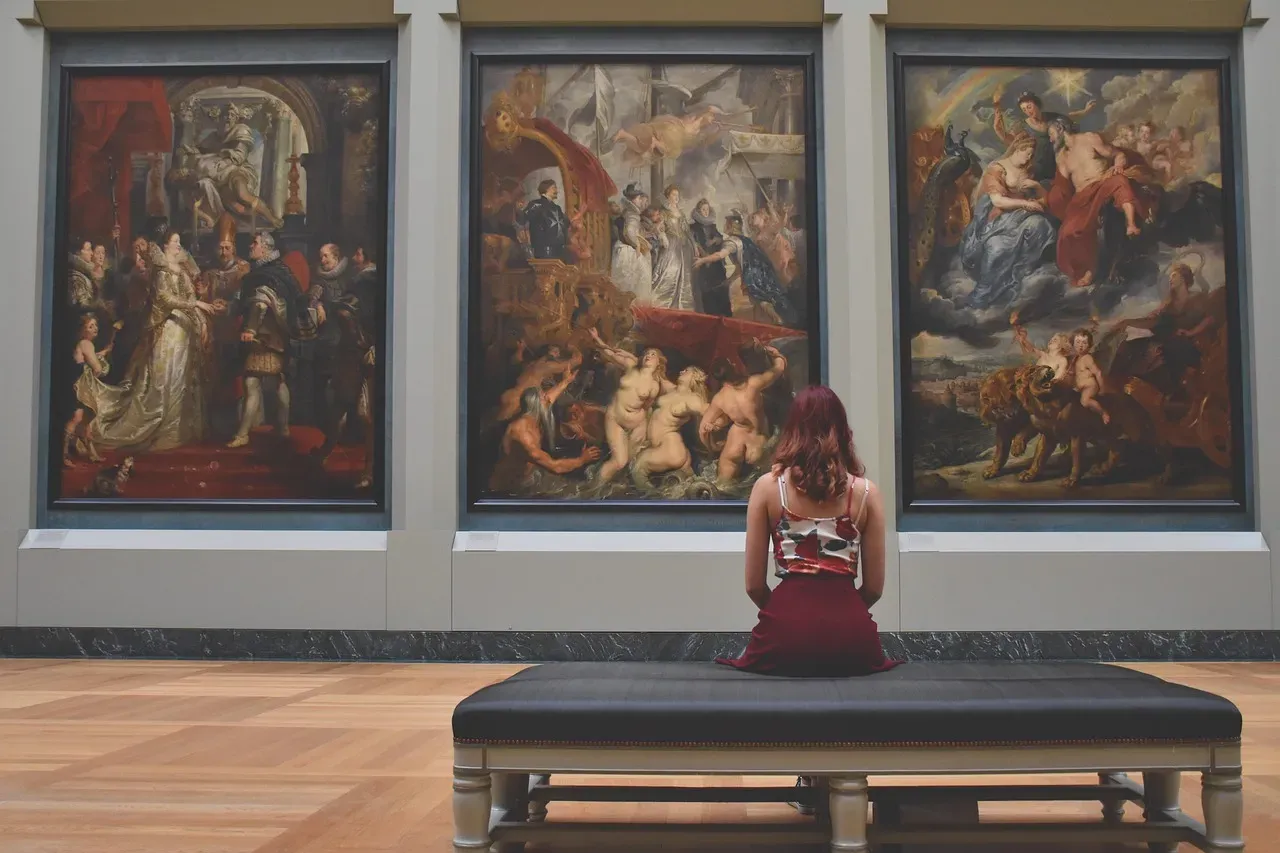
Two objects disappeared from Cincinnati Art Museum’s galleries, and the museum still won’t say which ones. Not the names, not the descriptions, not even the gallery numbers.
Even before the federal update, Cincinnati Art Museum was already proactively pulling “sacred or cultural Indigenous objects” from view, with a spokesperson saying the museum takes seriously its responsibility to partner with tribal communities. That’s the official line. What happened next is where it gets strange.
After the January regulations kicked in, staff quietly removed two additional “historical objects,” and the spokesperson declined to clarify which two were pulled. No object ID, no case number, no public list – just two gaps on the wall. For a museum that prides itself on transparency, that silence is exactly the kind of quiet removal that fuels visitor speculation.
#11 – Bowers Museum’s Handwritten Apology Note

At California’s Bowers Museum, visitors didn’t get a press release. They got a sticky note.
Reporting from inside the museum found that display cases stayed put, but administrators quietly removed select artifacts without touching the surrounding exhibit design at all. Instead of an updated interpretive panel, guests found something far more improvised taped to the glass.
The note read almost like an inside joke gone wrong: “Sorry for the inconvenience!” scrawled on paper, with a vague promise to reopen “at some point in the future.” A national museum’s official response to a federal mandate was, essentially, a Post-it note – and plenty of college and university museums followed the exact same improvised playbook that same month.
#10 – Springfield Museums’ Emptied Native Hall
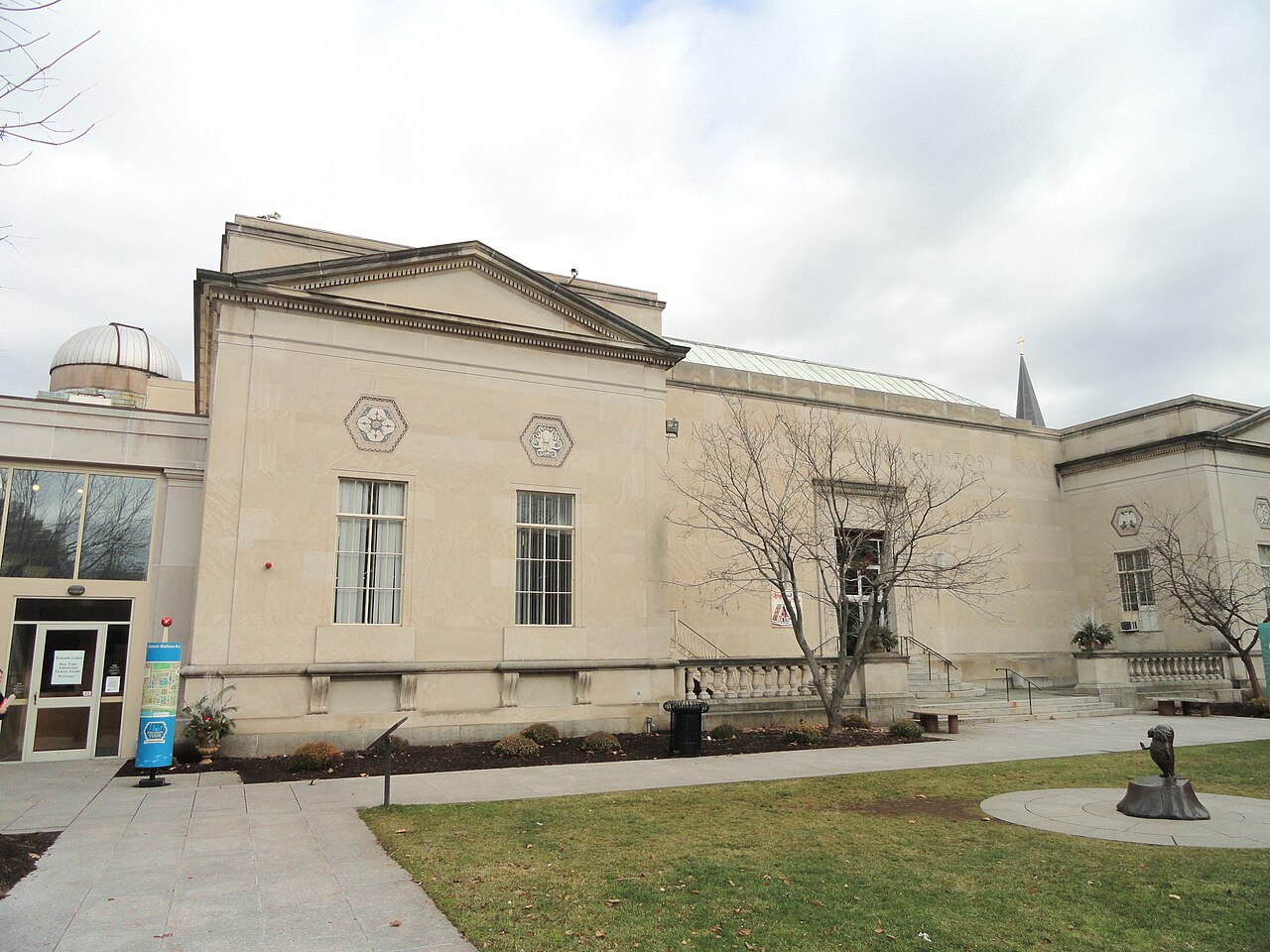
An entire section of Springfield Museums’ Native Hall went dark almost overnight, and it’s still not fully back. Visitors who remembered the full hall from a year earlier had no way of knowing what changed.
Staff confirmed the museum removed items from Native Hall and planned to consult with tribes about them. That single sentence represents months of quiet backroom logistics: photographing pieces, documenting provenance, and figuring out which tribal nations even needed to be contacted before anything could go back on view.
What’s notable is the museum wasn’t starting from zero – it already had permission from tribal representatives to exhibit other objects. That proves this wasn’t blanket paranoia; it was a targeted, item-by-item legal filter. Some objects stayed. Others vanished without a single interpretive sign explaining why the case beside it survived and this one didn’t.
#9 – Memorial Hall Museum’s Full Closure in Deerfield
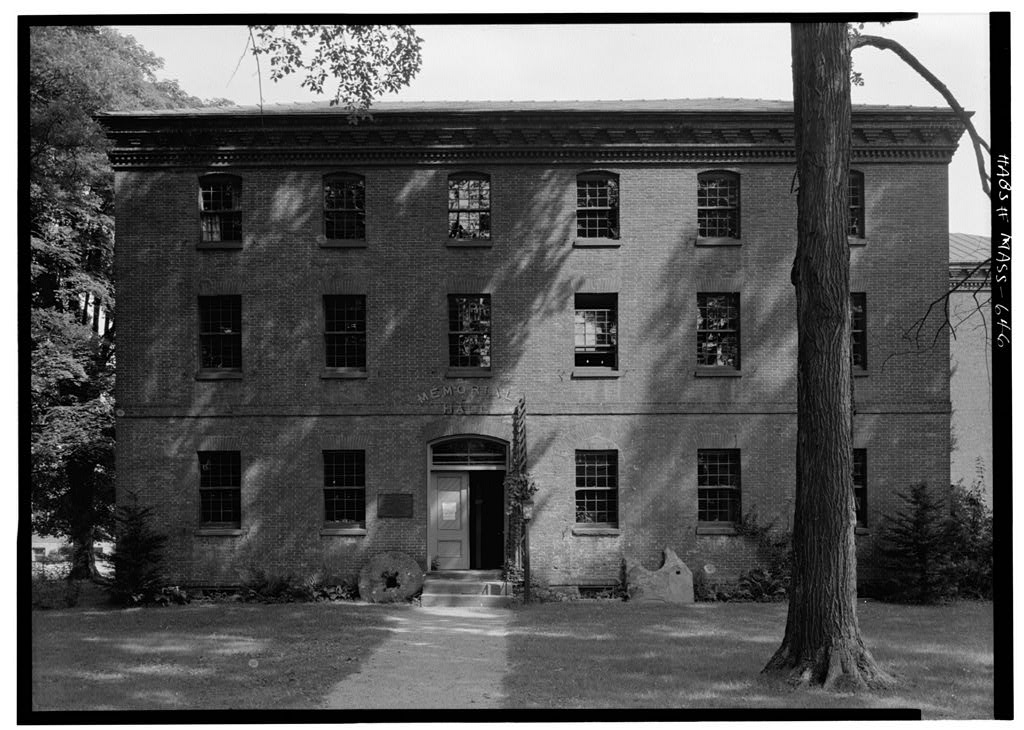
Some institutions didn’t bother removing individual pieces – they just closed the doors entirely. The Memorial Hall Museum, part of the Pocumtuck Valley Memorial Association in Deerfield, Massachusetts, stayed shut until May while staff scrambled to comply with the new rules.
That’s not a wing shutting down for a weekend. That’s an entire building going dark for a Native collection review, with no set reopening date given to the public for months.
Worth Knowing
- Part of the Pocumtuck Valley Memorial Association in Deerfield, Massachusetts
- Closed entirely, not just a single wing or case
- Stayed shut until May while staff reviewed the updated regulations
- Review overseen by the PVMA Council’s Collections Committee, which includes Indigenous representation
In its own words, the museum explained it was “using this time to review the updated NAGPRA regulations as they relate to our collections,” work led by the PVMA Council’s Collections Committee, which includes Indigenous representation. A regional museum shuttering completely, rather than risk displaying a single non-compliant funerary object, shows just how seriously the legal exposure was being taken – a sharp contrast to institutions that quietly pulled one or two cases and called it a day.
#8 – Mount Holyoke’s Empty Cases With Confessional Labels
Mount Holyoke College Art Museum did something almost nobody else on this list did: it left the empty cases up on purpose, gaps and all.
The museum removed two items from view, suspended teaching that involved cultural items, and temporarily closed the Joseph Allen Skinner Museum to comply with the new consent requirement. But instead of hiding the gap, curators turned it into a teaching moment.
As one report described it, the empty cases were left on display with new labels explaining the NAGPRA rules, an approach the museum said created invaluable teaching opportunities – while the original labels written by contemporary Tribal makers stayed right where they were. Instead of erasing the removal, Mount Holyoke turned the absence itself into the exhibit, a rare bit of honesty most institutions on this list skipped entirely.
#7 – The Mississippian Funerary Art at Saint Louis Art Museum
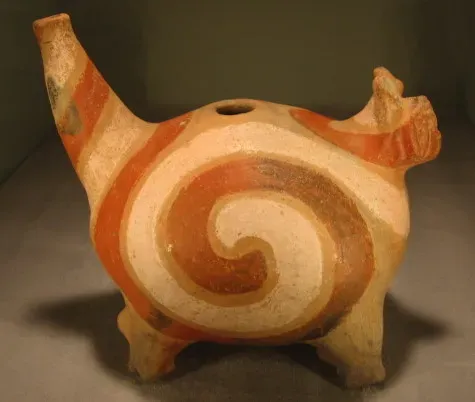
Some of the oldest Native American artworks in the Midwest disappeared from Saint Louis galleries in early 2024, with almost no press coverage at the time. These weren’t minor pieces – they represented centuries of Mississippian mound-building culture.
The museum confirmed it removed several ancient Mississippian works from display, known or suspected funerary objects, based on provenance research and tribal consultation. The trigger was legal, not curatorial: new regulations effective January 2024 introduced duty-of-care requirements affecting how museums display funerary objects, collectively owned cultural patrimony, and sacred items needed for worship.
A gallery that took decades to assemble was gutted in a matter of weeks, and the museum admits it’s still figuring out what the space becomes next. Visitors who’d toured the gallery the previous summer never got an explanation for what changed.
#6 – Field Museum Chicago’s White-Smock Removal Crews
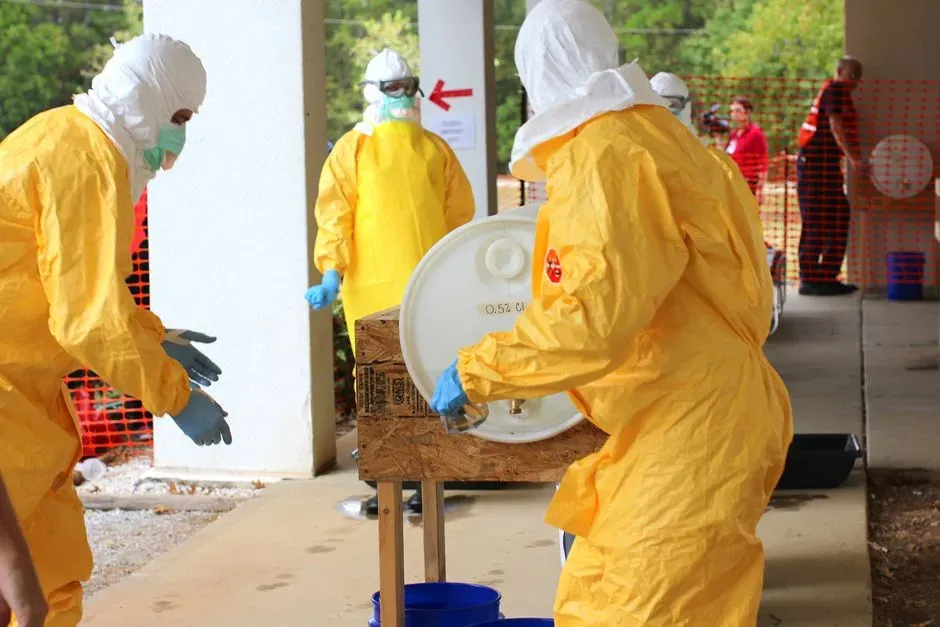
This is the one that sounds like a conspiracy theory but isn’t: workers in full protective gear, dismantling exhibits behind hastily hung curtains while ticket holders wandered past.
A visitor who toured the Field Museum during this period described the scene directly – museums were suddenly rushing to cover and remove their displays, and staff were spotted behind temporary curtains, dressed head-to-toe in white smocks, actively pulling artifacts from cases. No docent explained the process to onlookers standing right there.
Why It Stands Out
- Removal crews worked in full white smocks, visible to ticket holders
- Objects were pulled behind hastily hung curtains, not closed-off rooms
- Became one of the most viral moments of the 2024 museum shake-up
- The protective gear was standard handling procedure, not a contamination response
The imagery alone – hazmat-style suits removing ancestral remains from public view – became one of the most viral moments of the entire 2024 museum shake-up. It wasn’t contamination protocol; it was standard handling procedure for culturally sensitive remains, treated with the same seriousness as a crime scene. Nobody warned ticket holders in advance.
#5 – The American Museum of Natural History’s Vanishing Halls
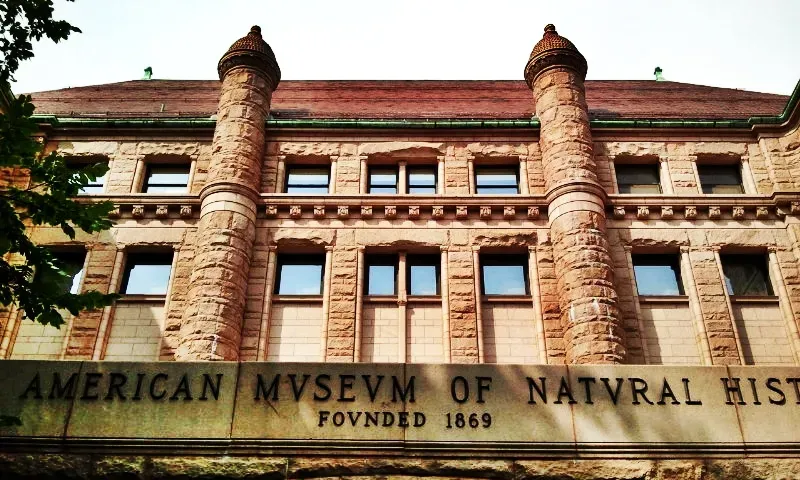
New York’s most famous natural history museum didn’t just remove a few cases – it closed two entire exhibition halls without warning. Tourists who’d planned trips specifically to see those galleries found locked doors instead.
Reporting confirmed curators abruptly shut two large exhibit halls dedicated to Native American cultures, among the most visited sections in the building. Photographs from inside showed the institutional bluntness of the moment: a hand-lettered sign posted in February 2024 was the only explanation offered to confused visitors.
One of the world’s most prestigious museums essentially posted an “under new management” sign over decades-old exhibits. Some argue it was the responsible call. Plenty of visitors, though, felt blindsided by halls that had been open since their grandparents’ generation.
#4 – Australia’s Purge of 2,330 Secret-Sacred Objects
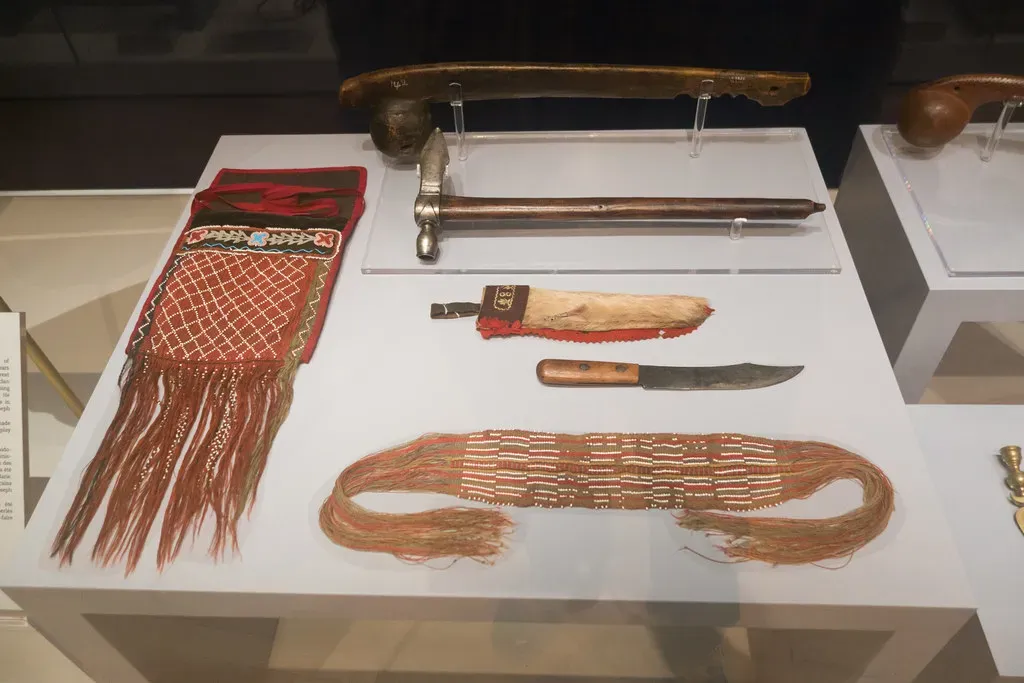
This isn’t one relic – it’s an entire category of objects erased from Australian museum floors in a coordinated, multi-decade sweep that most visitors never noticed happening in real time.
Researchers tracking the shift noted that as museums began seriously reckoning with Aboriginal concerns about sacred objects, these pieces were pulled from display across many Australian institutions. This wasn’t one scandal breaking the news cycle – it was a slow-motion institutional reckoning playing out gallery by gallery.
The scale is what’s genuinely shocking: a federal repatriation program working with eight major museums has achieved the return of 2,330 secret sacred objects to Aboriginal communities. That’s thousands of pieces that simply stopped being “collection highlights” overnight, reclassified as items the public was never meant to see in the first place. Many were pulled quietly, years before any formal repatriation ceremony made headlines.
#3 – Manchester Museum’s 43 Sacred Objects
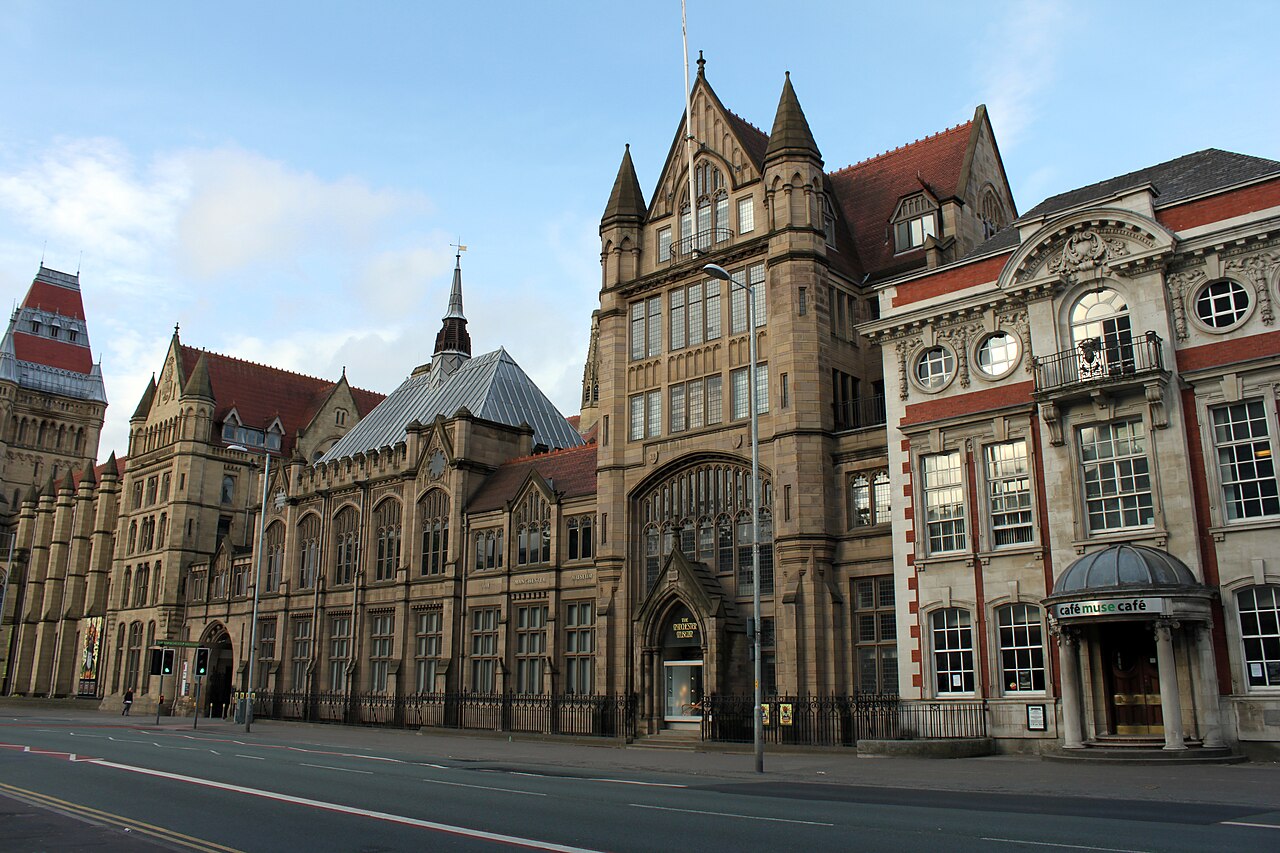
Manchester Museum didn’t just remove ceremonial items from its Aboriginal collection – it eventually handed the entire set back, ending a century of quiet storage.
The museum had held these pieces since the 1920s before facilitating the repatriation of 43 sacred objects to the Aranda people, the Gangalidda Garawa peoples, the Nyamal people, and the Yawuru people, marking a first for any UK institution. Long before the public handover ceremony, the objects had already disappeared from general display.
At a Glance
- Objects held in storage since the 1920s
- Repatriated to four groups: the Aranda, Gangalidda Garawa, Nyamal, and Yawuru peoples
- First repatriation of its kind by a UK institution
- Delegation members said some items couldn’t even be fully described, as they were considered living beings
What made the items so sensitive wasn’t age – it was meaning. Delegation members said the secret sacred items couldn’t even be discussed or described in detail because they were considered living beings. Imagine an object so culturally significant that museum staff themselves weren’t permitted to fully catalog what they were holding – that’s a level of quiet removal most visitors never think to question.
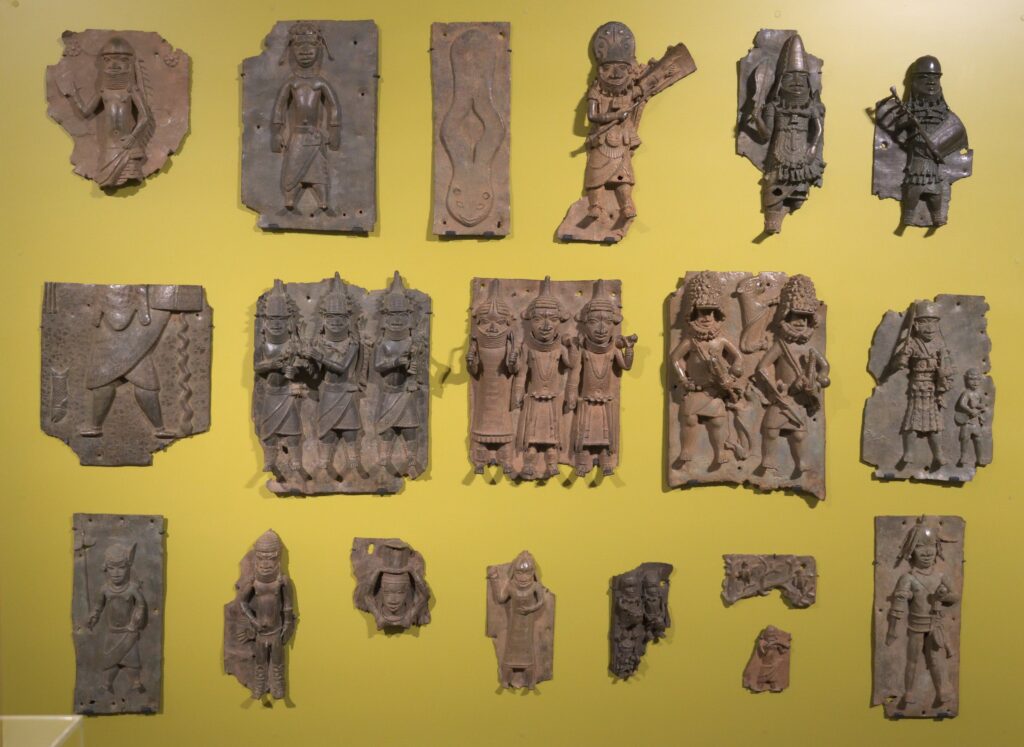
#2 – The Horniman Museum’s Missing Benin Bronzes
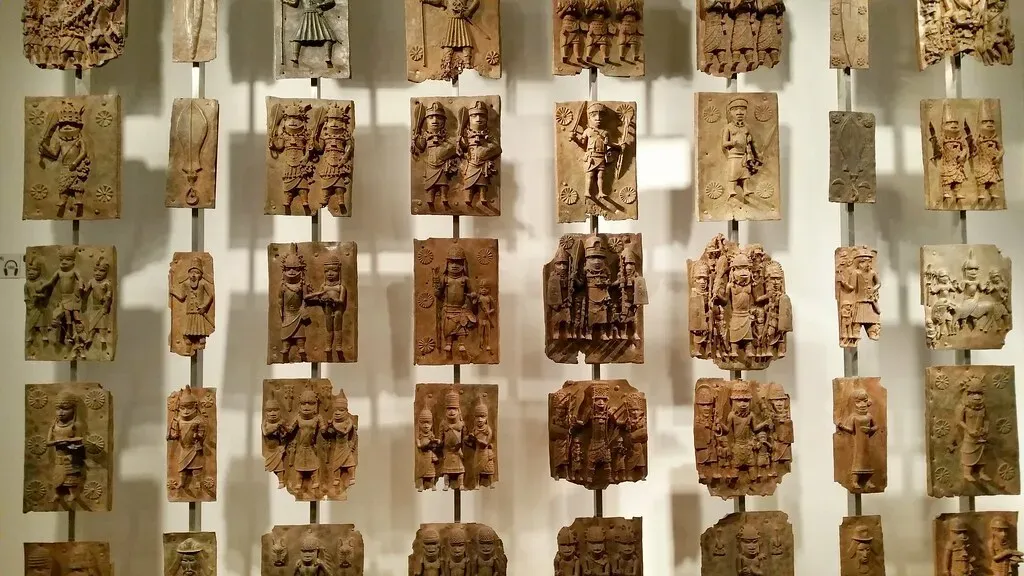
Dozens of intricately cast bronzes disappeared from a London museum’s African galleries – and this time, everyone agrees they were stolen in the first place.
The Horniman Museum confirmed it would return 72 bronzes taken by the British from Benin City, Nigeria, in 1897, following a formal request from the country’s National Commission for Museums and Monuments. Before that announcement ever went public, the pieces were already pulled from view with little fanfare.
Officials confirmed ownership of the 72 objects “forcibly removed” from Benin City during the British military incursion in February 1897 would be transferred to the Nigerian government.
Horniman Museum statement
A museum literally used the phrase “forcibly removed” to describe its own prized collection – then quietly removed those same items from its walls a second time, over a century later, this time as an act of restitution rather than conquest.
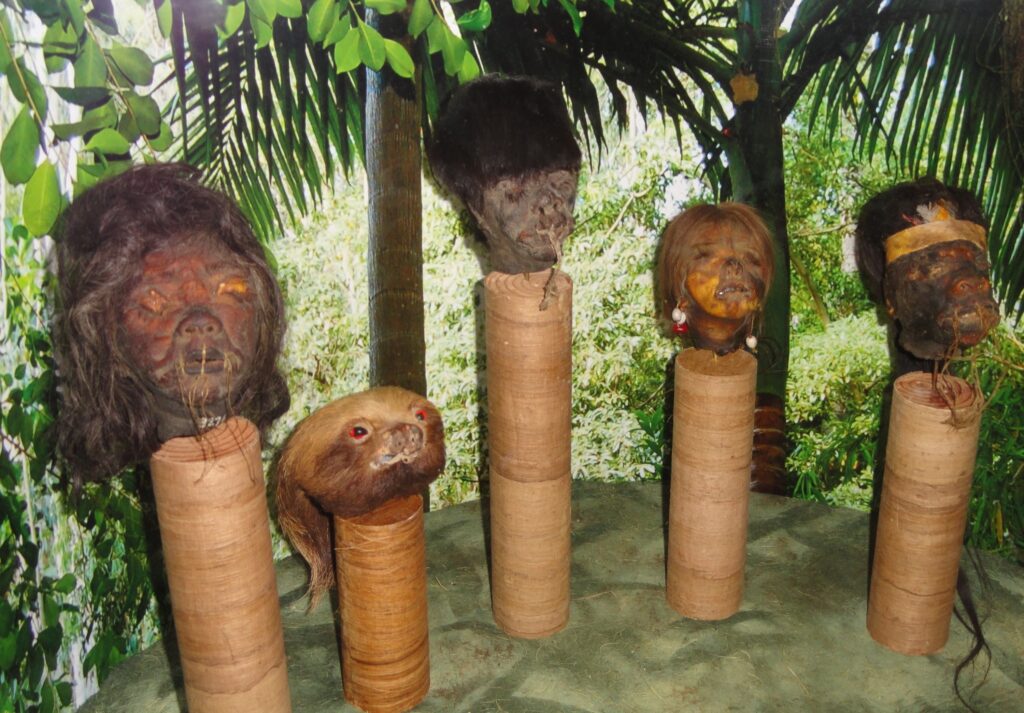
#1 – The Shrunken Heads of Pitt Rivers Museum
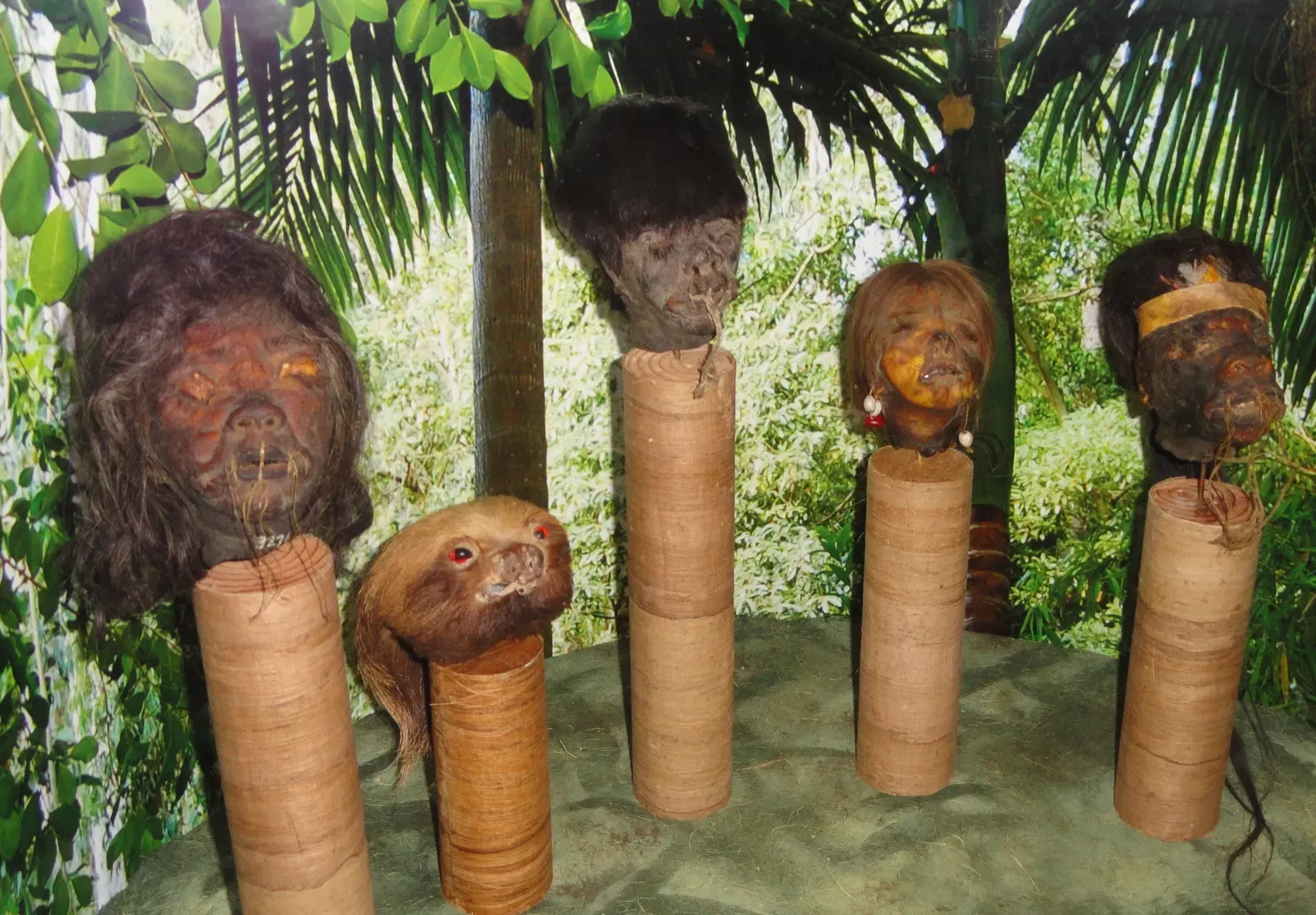
For eighty years, this was the single most photographed exhibit at one of Britain’s most visited museums. Then it vanished overnight, with no farewell tour and no final-week announcement.
Curators quietly pulled the Shuar Tsantsas, the museum’s collection of shrunken heads, previously displayed in a case called “Treatment of Dead Enemies,” as part of 120 human remains removed from the exhibition floor following a three-year ethical review. The case that generations of schoolchildren once lined up for simply emptied, no explanation posted for weeks.
The reasoning, once revealed, was blunt: audience research showed visitors often saw displays of human remains as “proof” that other cultures were savage, primitive, or gruesome, reinforcing exactly the stereotypes the museum didn’t want to keep feeding. The most requested exhibit in the museum’s history was removed specifically because it was working exactly as visitors expected it to – and that was the problem. Alongside the heads, curators also pulled Naga trophy heads and the mummified remains of an Egyptian child from the same wing, closing out one of the most sweeping quiet removals any museum has ever conducted.
The Bottom Line
None of this happened because museums suddenly grew a conscience overnight. It happened because new legal deadlines and mounting ethical pressure left them no real choice. What’s genuinely unsettling isn’t that these relics disappeared – it’s how little most institutions told the public while it was happening.
A hand-written apology note, a locked hall, an empty case with no label – that’s not transparency, that’s damage control dressed up as compliance. Frankly, museums that left honest signage, like Mount Holyoke, deserve more credit than the silence coming from bigger institutions with far more resources and far less excuse.
Which of these removals do you think was long overdue, and which one do you think museums are still hiding the real reason for? Drop your take in the comments.