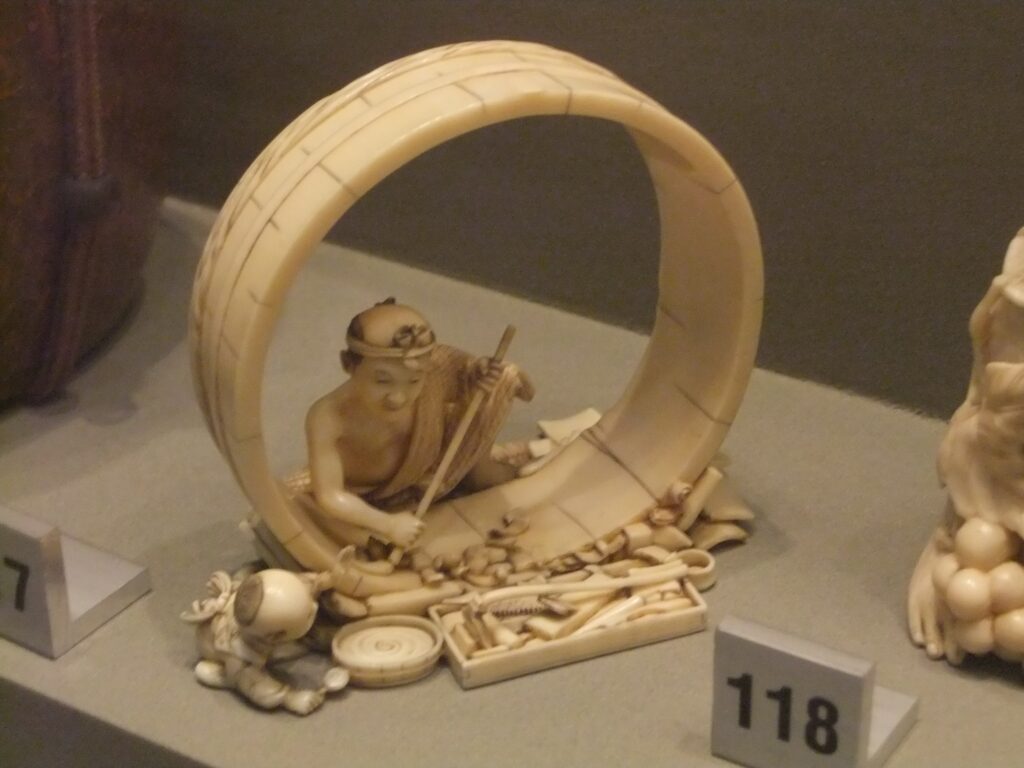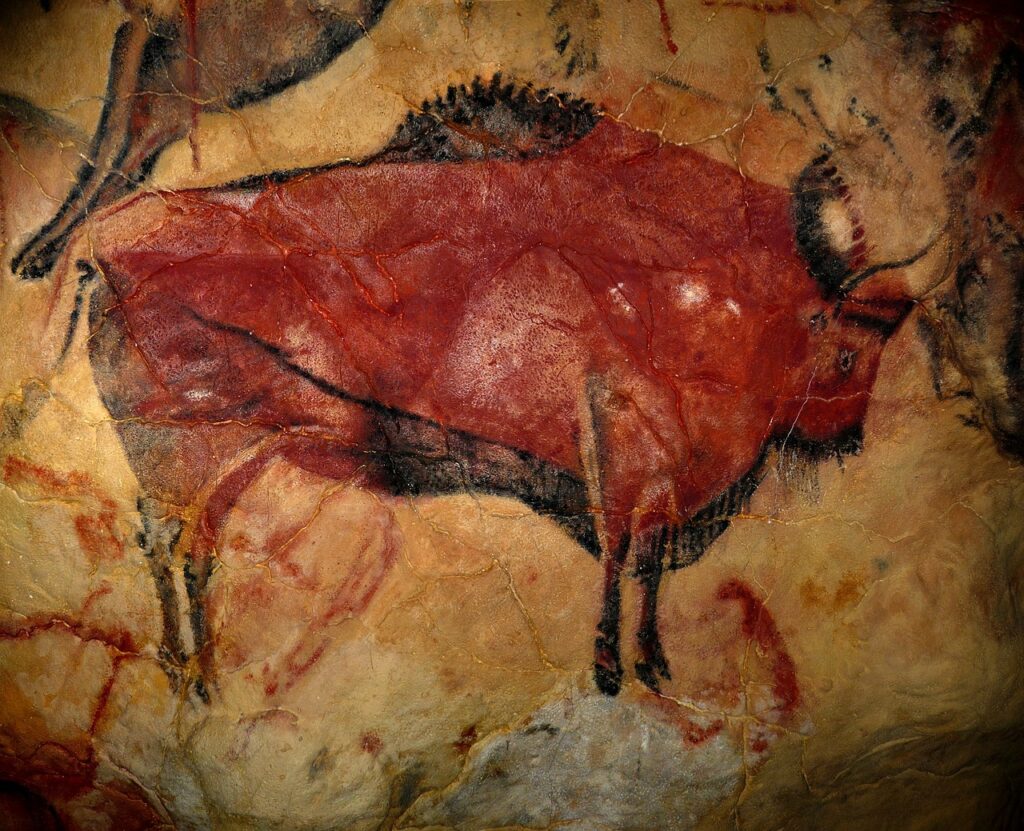
Picture an artist crouched inside a dark cave, scratching the outline of an animal into stone by torchlight. Now picture that animal having been dead for thousands, maybe millions, of years before that artist was even born. It sounds like a plot hole. It isn’t.
Scattered across cave walls, ivory carvings, and rock shelters on four continents are images of creatures that had no business being remembered – let alone drawn with anatomical precision. Some of these carvings predate the animals’ scientific discovery by decades. One of them may depict a creature extinct for over 200 million years. Here are 21 of the strangest cases, ranked from unsettling to nearly impossible.
#21 – San Rock Art and the Dicynodont Mystery
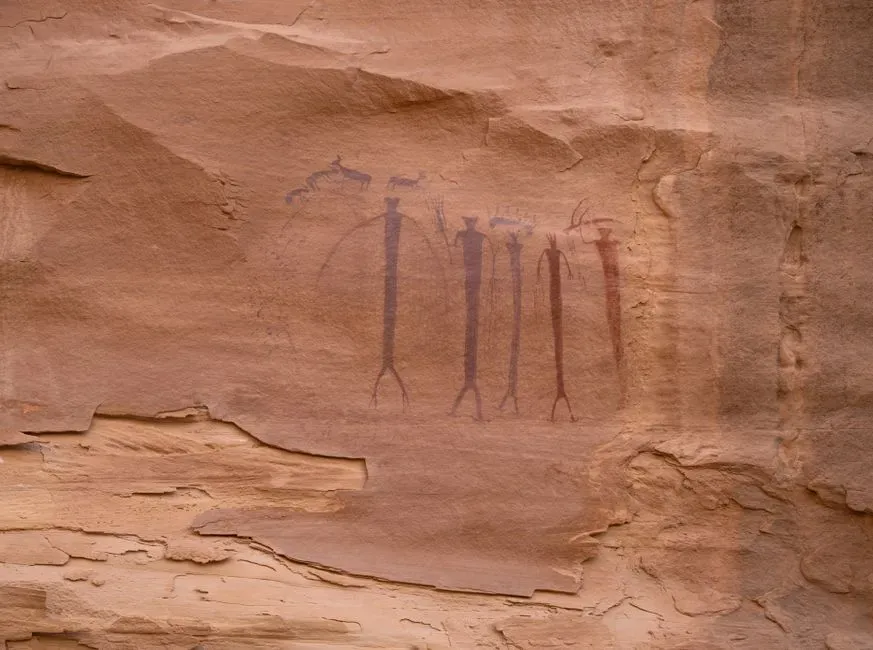
In South Africa’s Free State province, San artists painted a squat, tusked creature on a cave wall sometime before 1835. It doesn’t resemble any animal that has walked the earth in the last 200 million years – except a dicynodont, a mammal-like reptile that vanished long before dinosaurs even existed.
Here’s the part that should stop you cold: this painting predates the scientific description of dicynodonts by roughly a decade. San oral traditions speak of enormous, long-extinct brutes passed down through generations. Whether that memory came from stumbled-upon fossils or something stranger, no living dicynodont ever crossed paths with the person who painted this.
Fast Facts
- Dicynodonts roamed the earth for tens of millions of years before finally disappearing around the end of the Triassic period, long before dinosaurs rose to dominance.
- Historical records place the San painting’s documentation before 1835.
- Dicynodon was the first genus named and recognised from the group by palaeontologist Richard Owen in 1845, roughly a decade after the painting was first recorded.
- San oral traditions describe massive, long-vanished creatures passed down across generations of storytellers.
#20 – Australian Megafauna in Arnhem Land Paintings
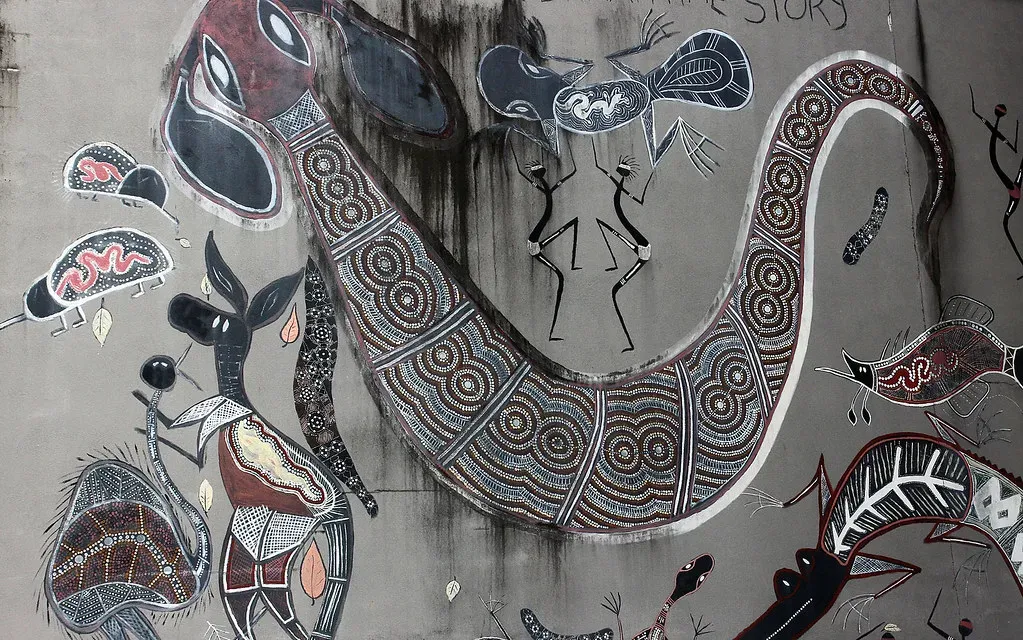
Deep in western Arnhem Land, rock art panels show a stocky, short-muzzled predator with powerful forelimbs unlike anything currently native to Australia. Researchers suspect it’s thylacoleo, the marsupial lion that went extinct somewhere between 30,000 and 40,000 years ago.
The dating is contested, and that’s fair. But the anatomical details line up with fossil reconstructions far better than with any living species, including quolls or dingoes. If the identification holds, Aboriginal artists were either working from stories passed down for hundreds of generations, or from populations that clung on far longer than the fossil record currently suggests.
#19 – Colombian Amazon Megafauna Engravings
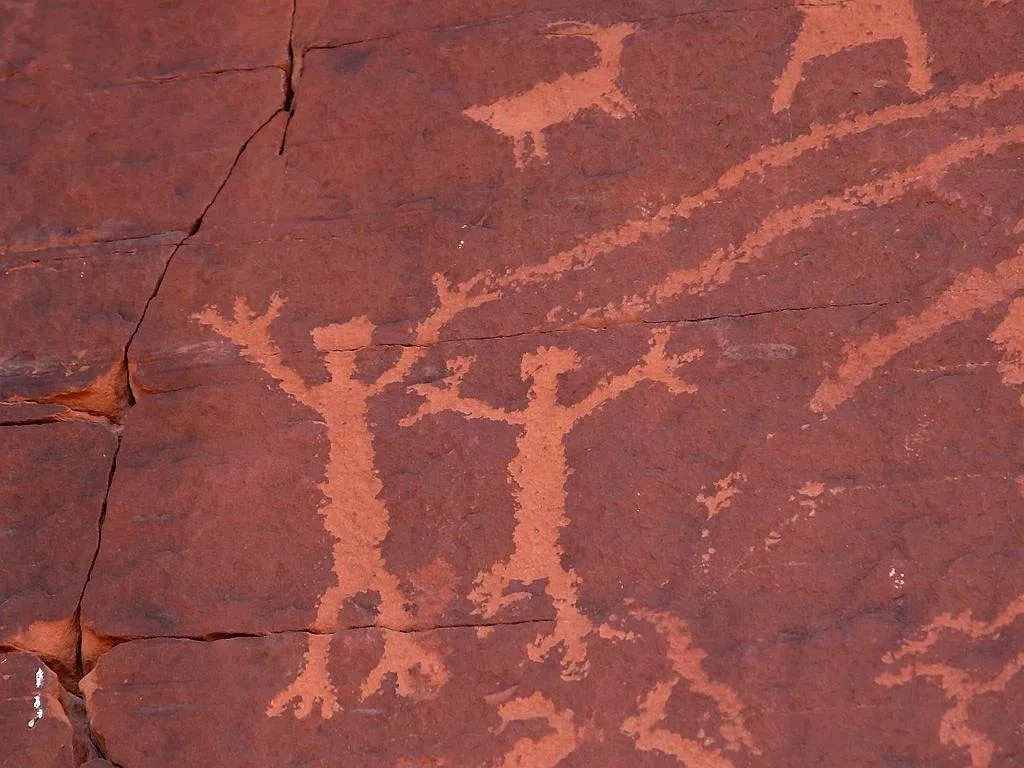
At Serranía La Lindosa in Colombia, red ochre pictographs roughly 12,000 years old show giant sloths, mastodon-like animals, and three-toed creatures with what look unmistakably like trunks. These are Ice Age giants that disappeared around the same window of time the paintings were made.
What makes these panels unforgettable is the human element. Multiple scenes show people apparently hunting or interacting with these massive animals face to face. Some researchers argue the level of detail suggests the artists knew these creatures firsthand, possibly during their final, dwindling years on the landscape.
#18 – European Cave Lion Proportions in Paleolithic Art
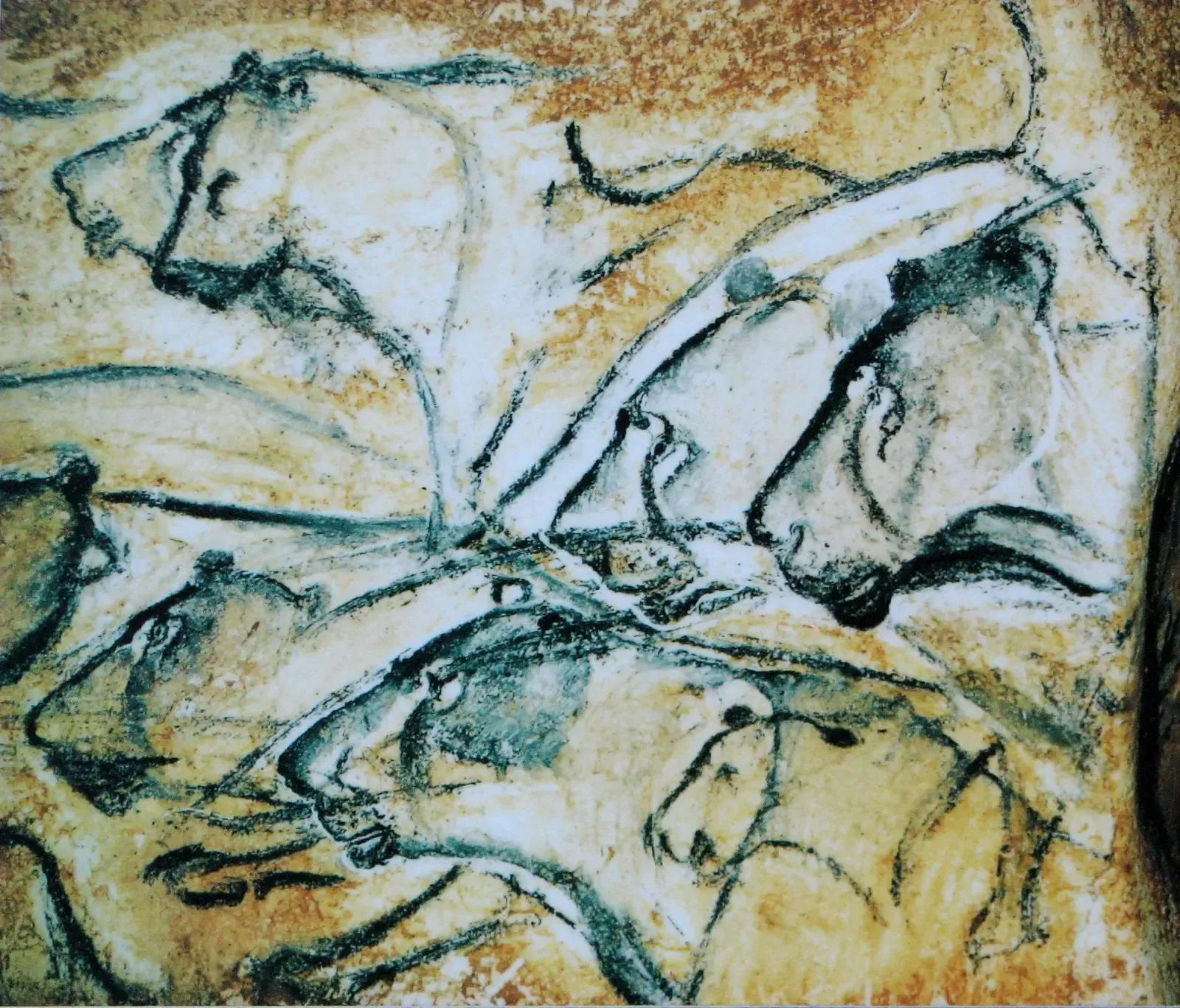
Upper Paleolithic artists across France painted cave lions with head-to-body ratios that match fossil skeletons with startling accuracy. It’s the kind of detail you’d expect from someone who had actually watched one move, not someone working from vague memory or myth.
Yet cave lions had already vanished from large parts of Europe before the latest phase of Magdalenian art was produced. Later depictions show subtle shifts in body proportion, which hints at two competing possibilities: stylistic drift over centuries, or artists slowly losing direct contact with a predator their ancestors once knew intimately.
#17 – Woolly Rhino Engravings at Chauvet
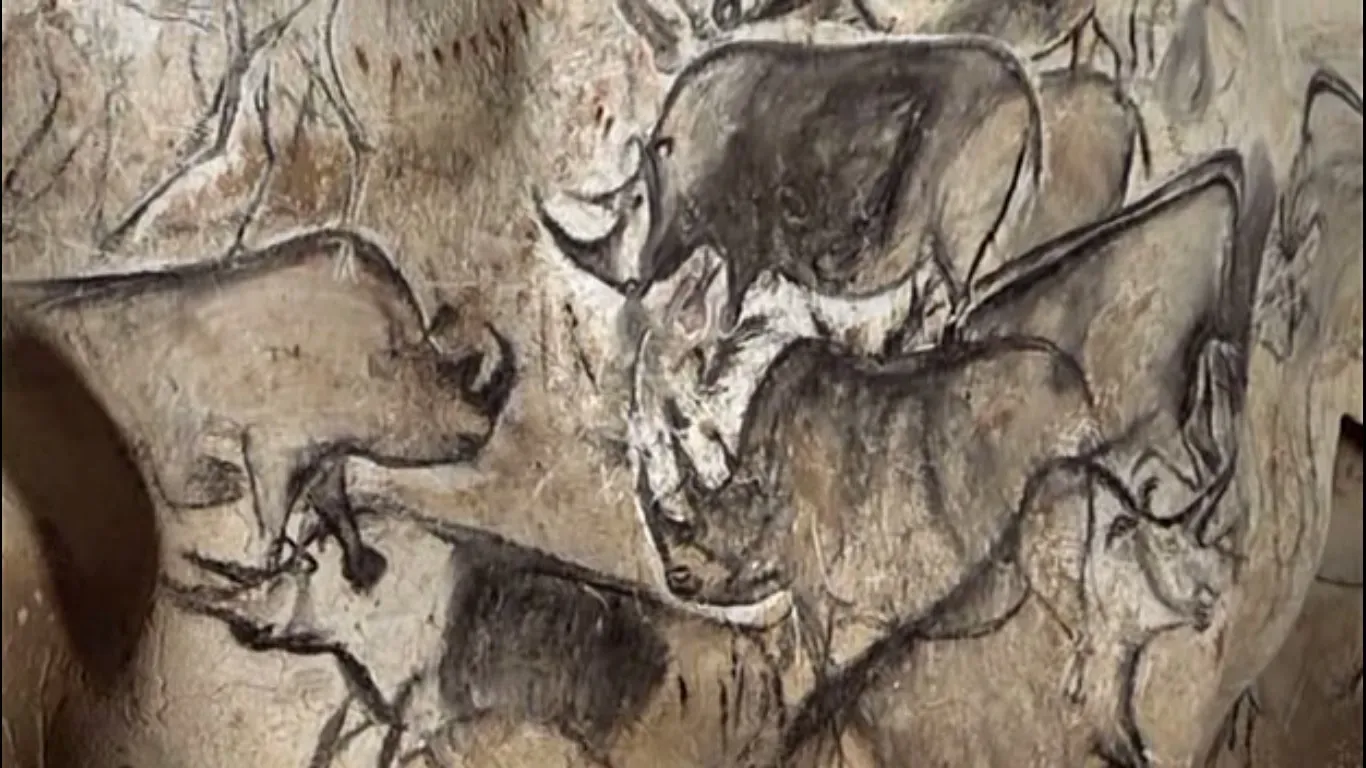
Chauvet Cave, discovered in 1994, is famous for its woolly rhinoceros engravings dated to roughly 35,000 to 32,000 years ago. The animals are rendered with thick, muscular shoulders and long, curved horns drawn in confident, sweeping lines.
Some rhino populations survived in isolated pockets later than the main record suggests, but several of Chauvet’s images predate the species’ final regional disappearance by thousands of years in certain areas. The anatomical fidelity remains the strangest part – these aren’t crude approximations, they’re precise.
#16 – Mammoth Ivory Carvings in Swabian Jura
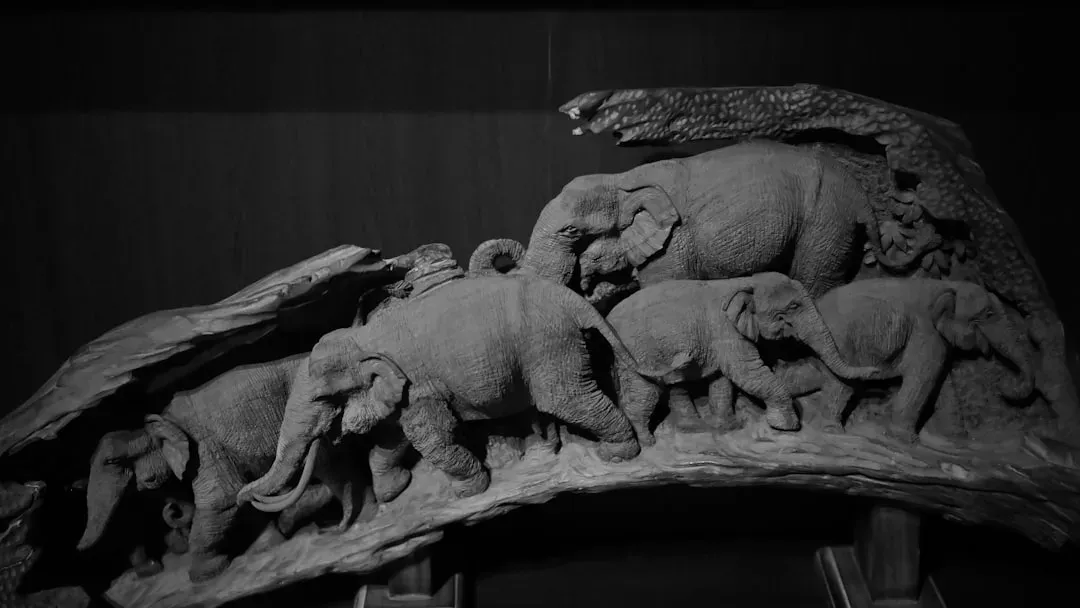
Germany’s Vogelherd Cave, part of the same cluster of sites that produced the famous Lion Man statuette, yielded tiny mammoth ivory figurines dating between 40,000 and 29,000 years old. Mammoths were still around in parts of Europe at the time, so the timeline mostly checks out.
But some of these portable carvings show features that better match earlier mammoth populations or specimens that may have been traded across long distances. It raises a quiet possibility: some ice age artists may have carved animals they knew about secondhand, not ones grazing outside their cave.
#15 – The Aurochs Carved After the Wild Herds Were Already Gone
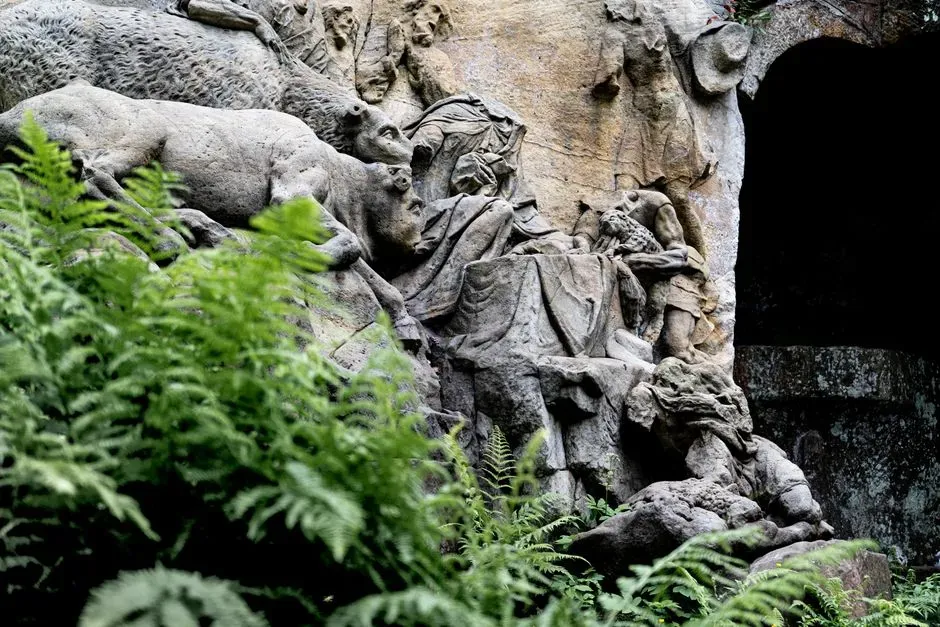
Aurochs, the massive wild ancestor of modern cattle, didn’t go fully extinct until the 17th century. But regional populations collapsed far earlier in parts of Europe, sometimes thousands of years before the final herd died out in Poland.
Carvings from later Neolithic contexts still depict aurochs with the same broad-horned, muscular build long after local populations had already crashed in those specific areas. It suggests the animal’s image outlived its actual presence on the land by a wide margin.
#14 – Genyornis Track Petroglyphs in Australia
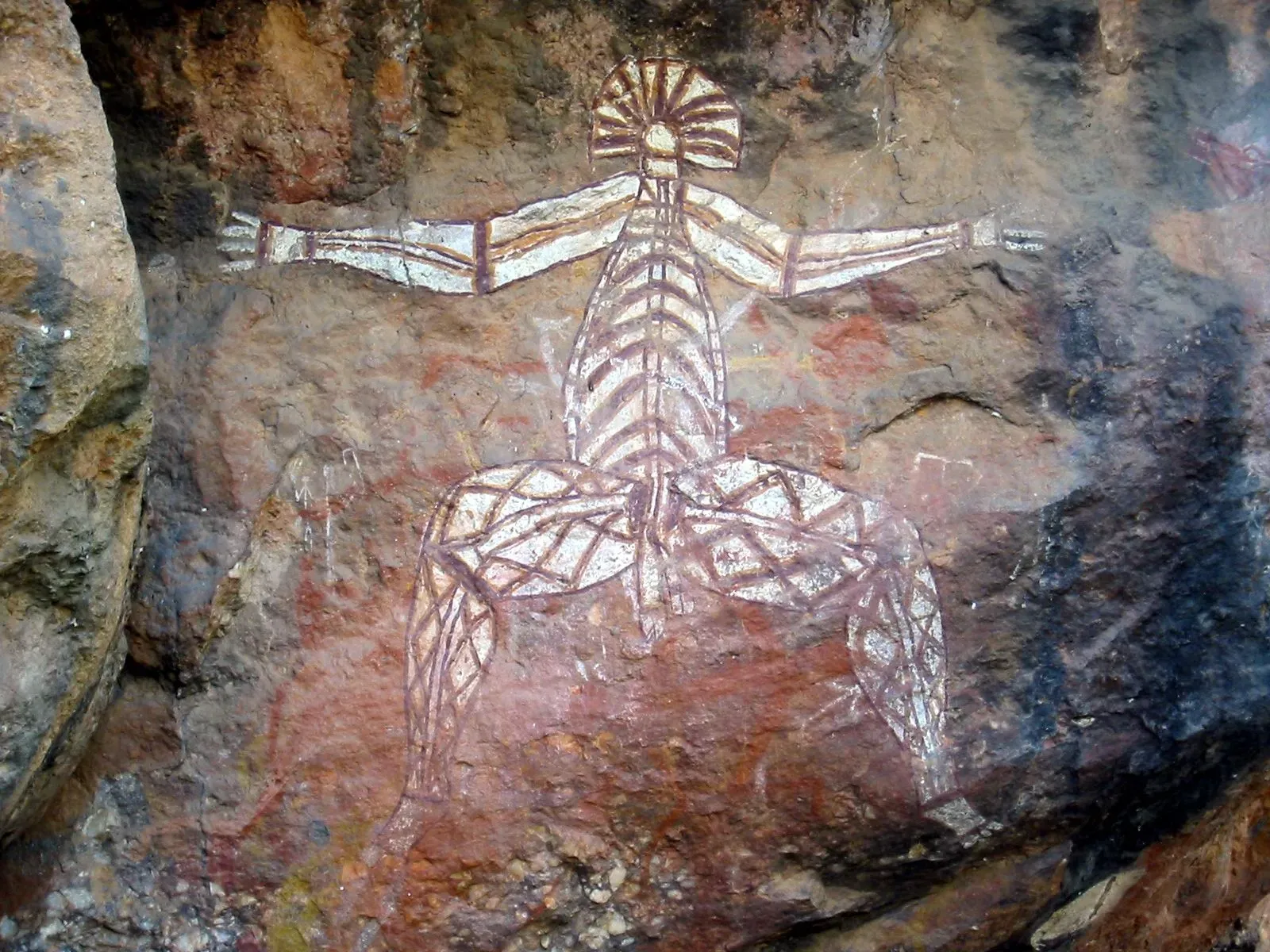
Early 20th-century researchers recorded strange, oversized bird tracks carved into Australian rock surfaces. Some have been tentatively linked to Genyornis, a flightless giant bird that vanished roughly 45,000 years ago.
The trouble is timing: the rock art itself is often dated much younger than the bird’s extinction. That gap is exactly what makes this one so uncomfortable for anyone trying to draw a clean line between when an animal died out and when its memory did too.
#13 – Striped Ghosts: Thylacine Art Painted After the Mainland Extinction
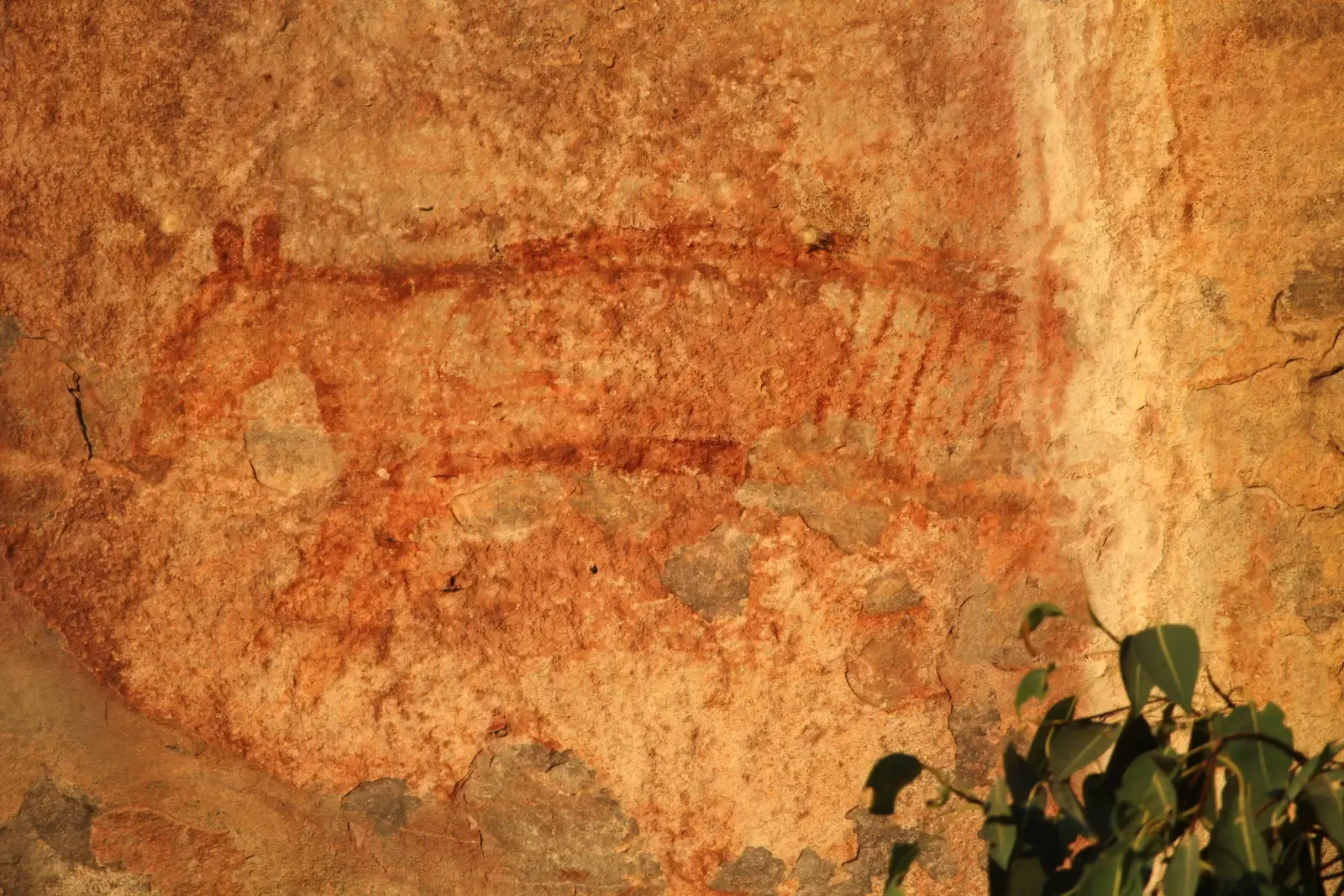
The thylacine, better known as the Tasmanian tiger, disappeared from mainland Australia thousands of years before it finally went extinct in Tasmania in 1936. Yet striped, canine-like figures keep showing up in mainland rock art traditions that peaked well after the animal was gone from that landscape.
These figures aren’t universally agreed to be thylacines, and skepticism is warranted. But where the anatomy lines up – the stiff tail, the striped hindquarters – it adds another thread to the idea that extinct animals lingered in cultural memory long after they vanished from daily life.
#12 – Proboscidean Silhouettes Hidden in Colombian Rock Shelters
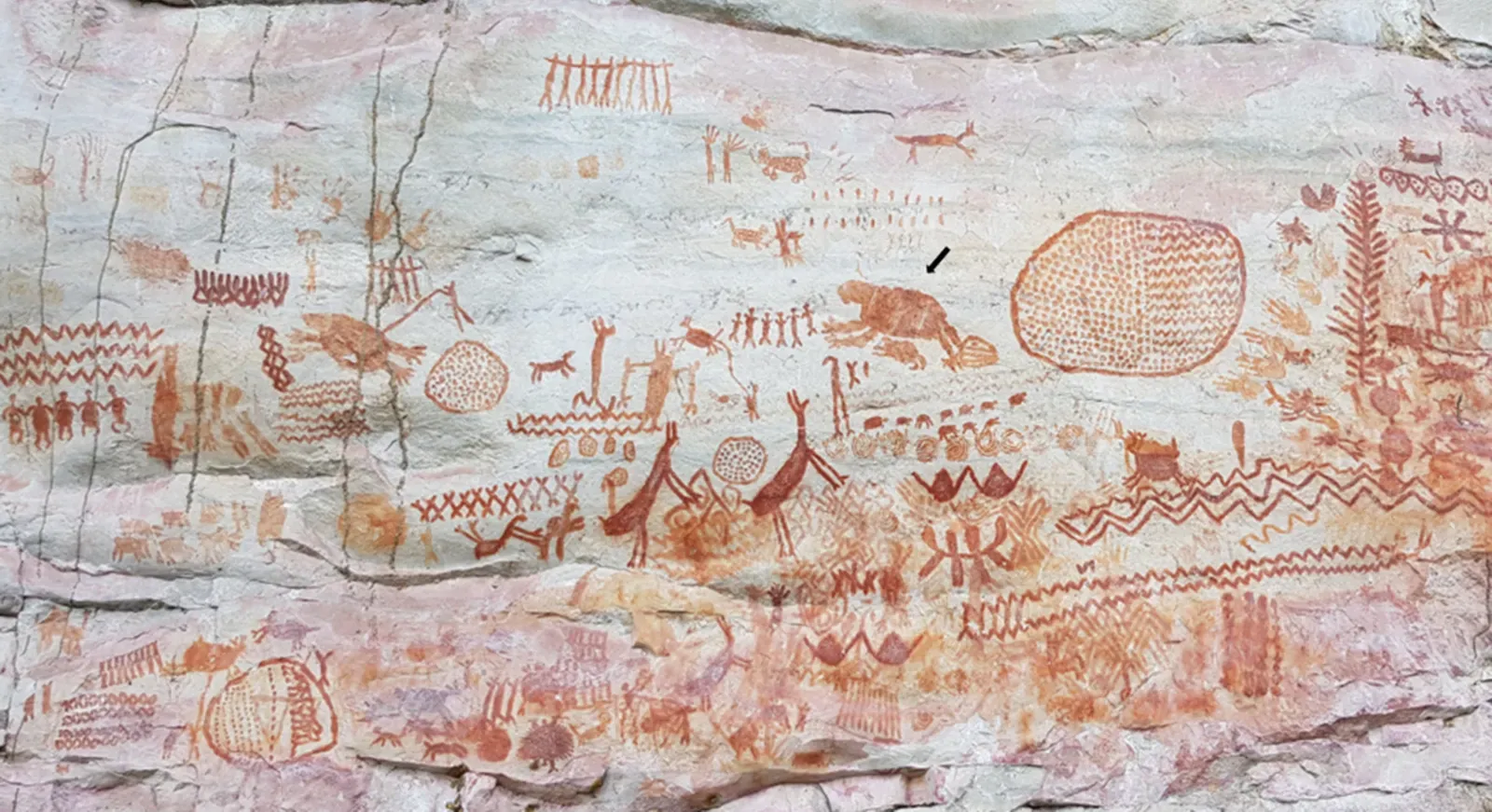
Beyond the well-known La Lindosa panels, other Colombian shelters contain trunk-bearing outlines layered into rock art sequences whose dating suggests they may postdate the animals’ local extinction. These aren’t headline images – they’re the quiet, easy-to-miss ones tucked among more common figures.
If the dating holds up, it means these weren’t animals the artists watched graze nearby. They were images passed down, remembered, or reconstructed from something the artists themselves never personally witnessed.
#11 – Cave Bear Engravings Drawn After Local Populations Vanished
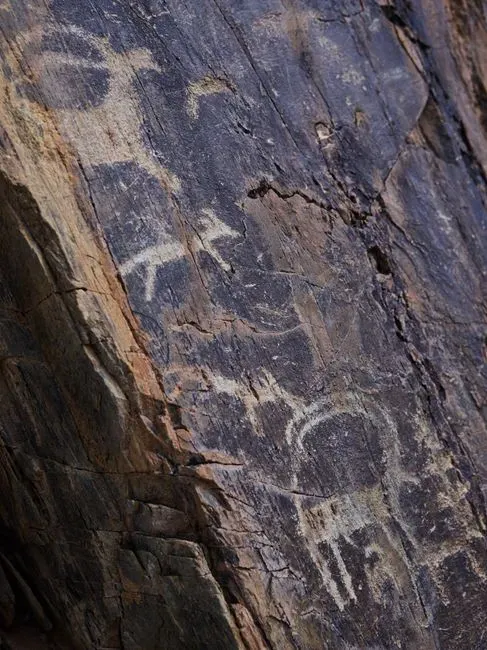
Cave bears disappeared from certain European caves not long after early humans first started using those same spaces. Logically, that should have been the end of cave bear imagery in that specific region.
Instead, later art layers in some of these same caves still include cave bear forms, engraved after the animals were already locally gone. It’s a small but telling detail: the bear’s shape stuck around in the artistic tradition longer than the bear itself did on the landscape.
#10 – The Giant Deer That Kept Showing Up After It Was Gone
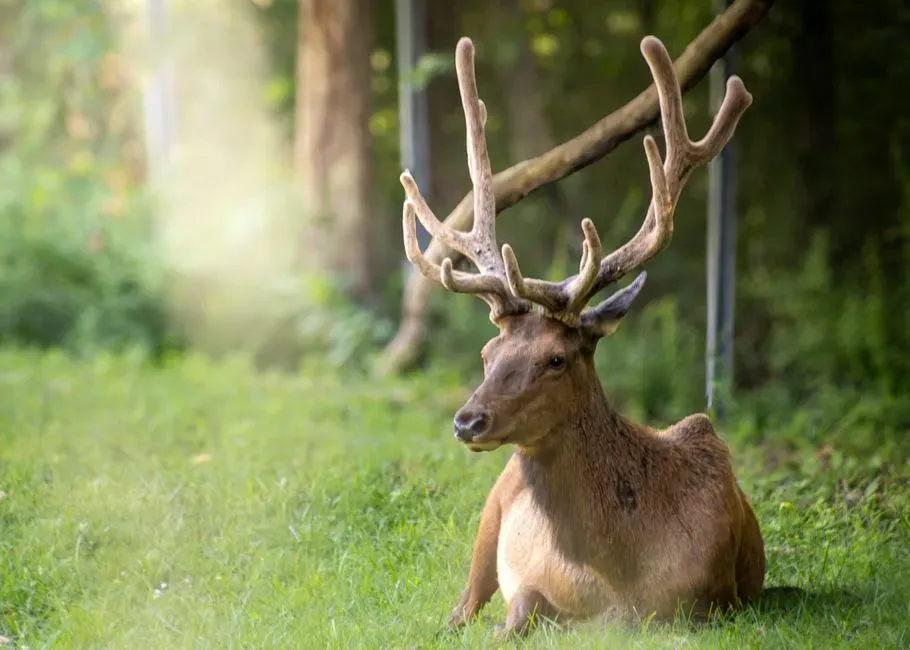
Megaloceros, the enormous “Irish elk” with antlers spanning up to 12 feet, continued appearing in Magdalenian portable art even after regional populations had already collapsed in parts of its range. The antlers alone made it an unmistakable, almost mythic subject.
That persistence suggests the giant deer held cultural weight far beyond its physical presence. Whether through trade, travel, or storytelling, its image traveled further than the living animal itself managed to survive.
At a Glance
- Despite the nickname, it is neither exclusive to Ireland, nor is it closely related to modern elk – its closest living relatives are fallow deer.
- Its enormous palmate antlers spanned up to 3.65 meters (12 feet) across, the largest of any deer that ever lived.
- Most European populations vanished by the end of the last Ice Age, but it is now known to have survived to at least ca. 6900 14C years BP, roughly 7,700 years ago, in western Siberia.
#9 – The Diprotodon Riddle: Australia’s Giant Wombat in Ancient Art
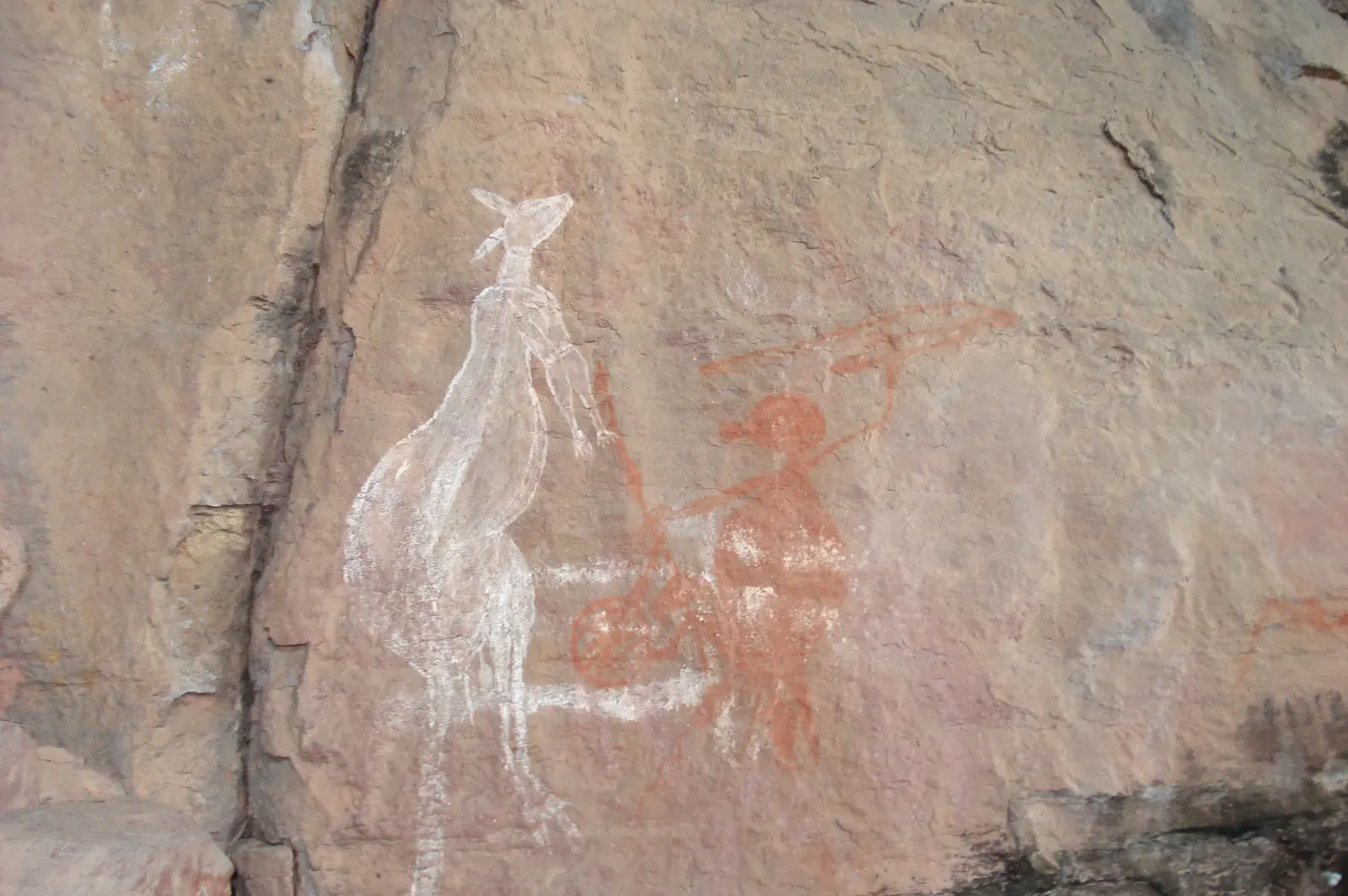
Diprotodon was the largest marsupial that ever lived, a rhino-sized cousin of the wombat that vanished tens of thousands of years ago. Debated rock art images from Australian sites show bulky, four-legged forms that some researchers argue match its unmistakable silhouette.
The identification is far from settled, and plenty of experts remain unconvinced. But if even a handful of these images genuinely depict Diprotodon, they represent some of the oldest surviving memories of an animal humans may have only known through fossilized bones or fading stories.
#8 – Woolly Mammoths Carved When Survival Was Already Marginal
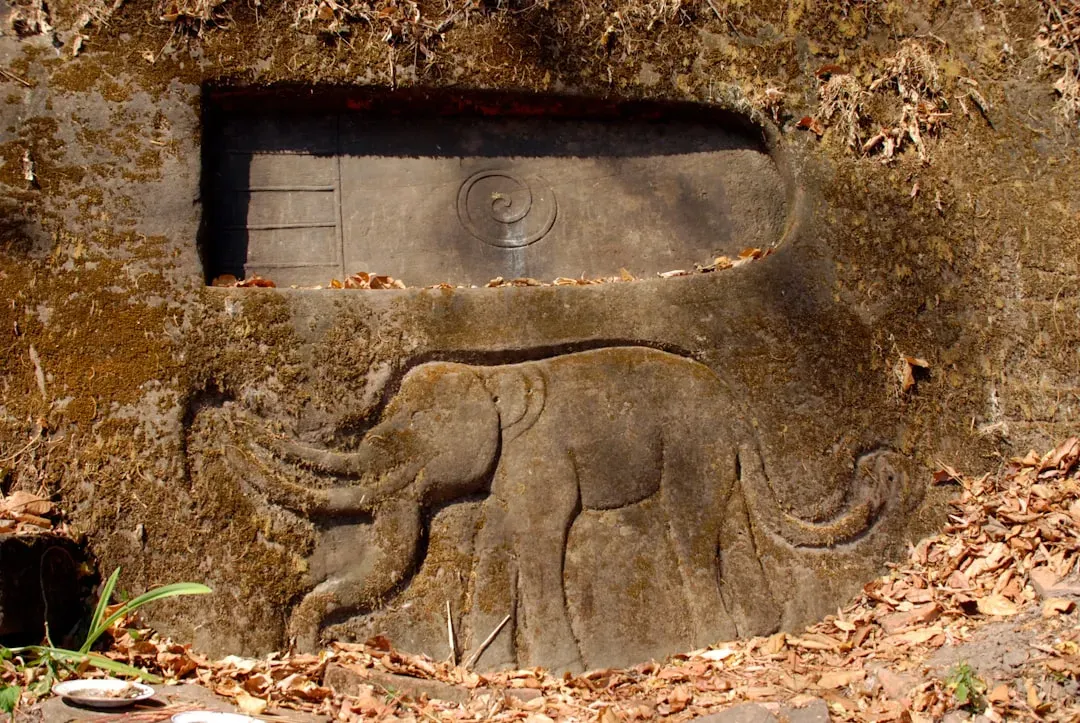
Some Siberian and European portable carvings depict woolly mammoths from periods when local populations were already thinning out and clinging to survival in isolated refuges. The animal was becoming rare in the exact regions where these carvings were made.
That timing matters. It means some of these images may capture mammoths not as an everyday sight, but as a fading presence – artists documenting something they sensed was disappearing in real time, whether or not they understood it as extinction.
#7 – Half-Man, Half-Lion: The Therianthropes With Extinct Anatomy

Therianthropes – human-animal hybrid figures – appear in both Indonesian and European Paleolithic art. Some of the feline features in these figures match extinct cave lion proportions more closely than any modern big cat, including lions or leopards alive today.
It’s a small anatomical detail with a big implication: these weren’t generic “cat-man” figures dreamed up in the abstract. They were built on a very specific, very real predator’s body, one that no longer existed in the artist’s world by the time some of these images were made.
#6 – Giant Sloth Outlines in Amazonian Panels
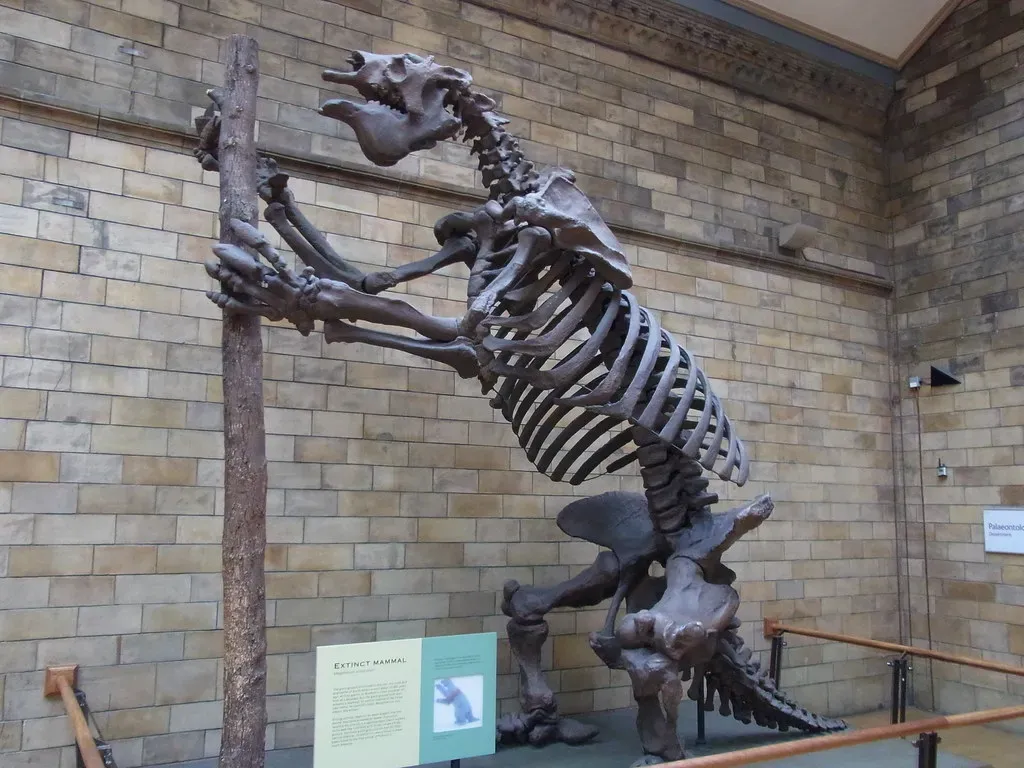
Multiple figures at La Lindosa closely resemble Mylodon or similar ground sloth species, animals that have been absent from South America for thousands of years. Their heavy, hunched bodies are unmistakable next to the region’s smaller, tree-dwelling sloths alive today.
These panels sit right at the edge of the extinction window, which is exactly why they’re so debated. Depending on how the dating eventually settles, these could be some of the last images ever made of a living giant sloth – or some of the first made after it was already gone.
Worth Knowing
- The red-ochre murals stretch across an 8-mile stretch of cliff decorated with thousands of drawings.
- Researchers estimate the collection of detailed illustrations dates back to between 11,800 years and 12,600 ago, placing it right at the edge of South America’s megafauna extinction window.
- Alongside the giant sloths, the same panels appear to include the extinct elephant-like gomphothere, an extinct type of horse with a thick neck, a camelid, and a hoofed mammal with a trunk.
#5 – Reindeer and Musk Ox Painted After the Herds Moved On
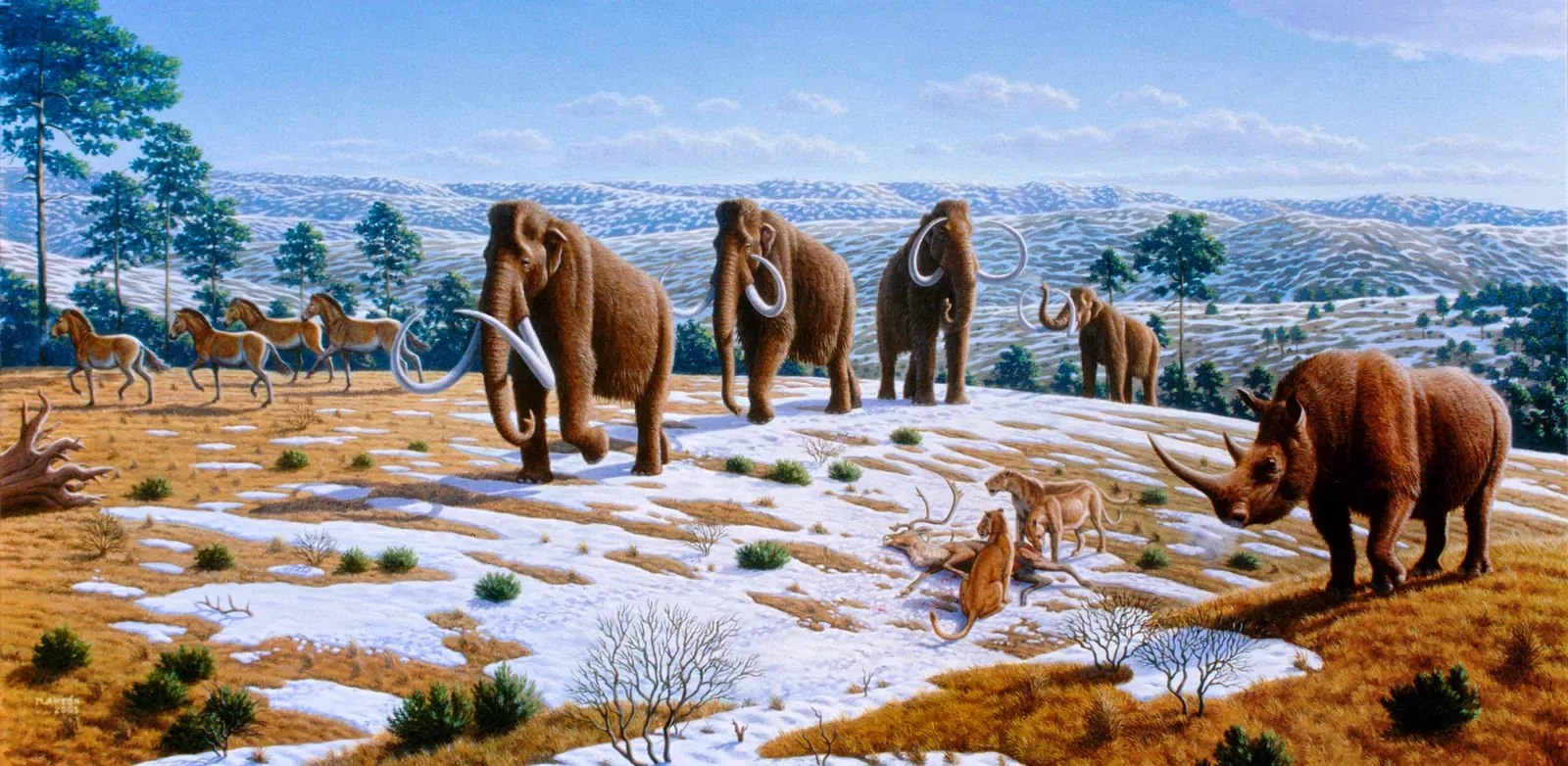
As Ice Age climates warmed, cold-adapted species like reindeer and musk ox retreated north, following the ice they depended on. Their disappearance from certain regions should have meant their disappearance from local art too.
Instead, some art from these warming phases still features these animals long after they’d physically relocated out of the artists’ immediate world. It’s a quiet reminder that cultural memory doesn’t always keep pace with a shifting climate.
#4 – The Steppe Bison That Outlived Their Own Portraits
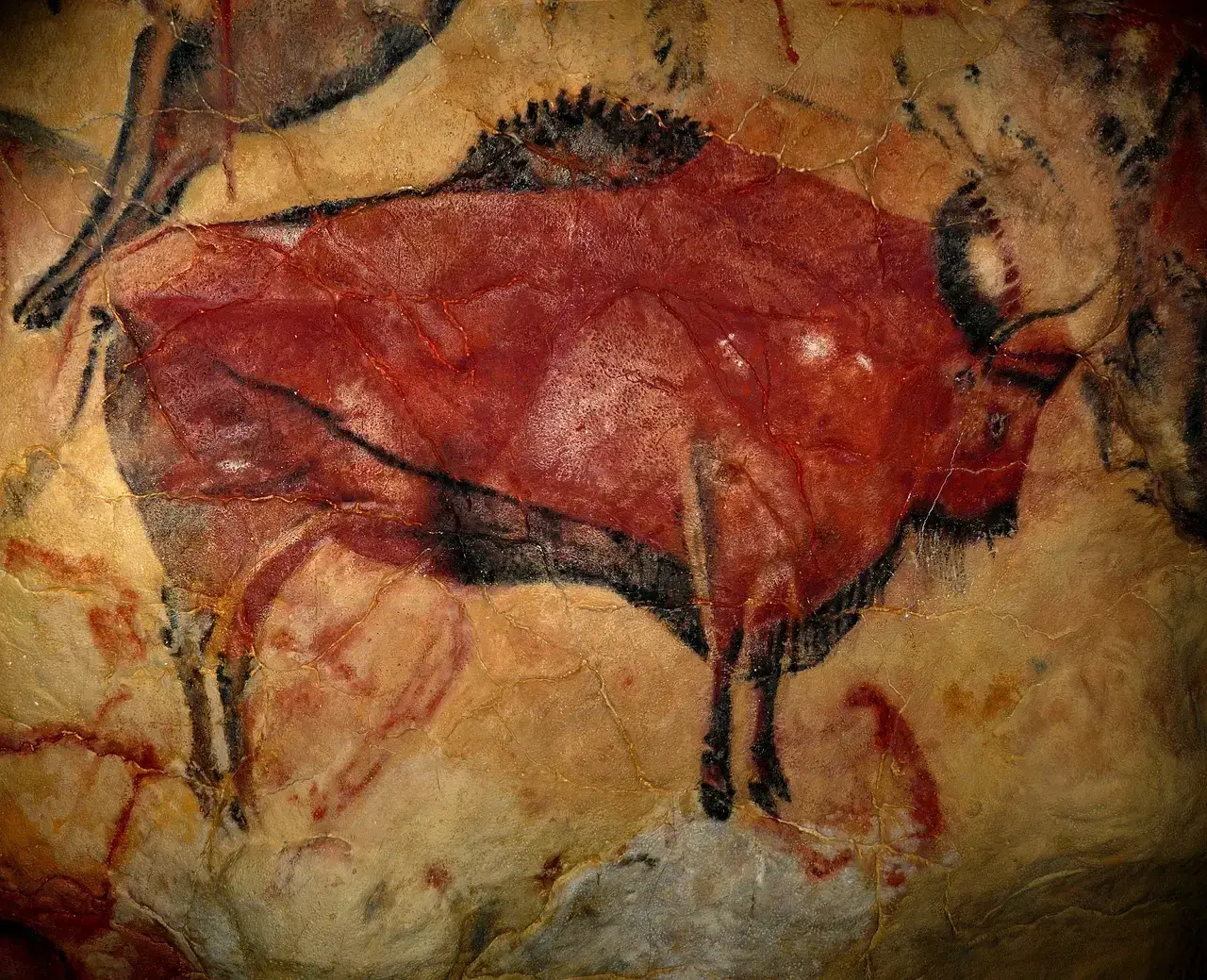
Engraved bison on antler tools sometimes show traits specific to steppe wisent populations, even in contexts created after those particular populations had already declined. The engravings capture a very specific look – heavy shoulders, sweeping horns – tied to animals that were becoming harder to find.
It’s a subtle case, easy to overlook next to flashier examples on this list. But it fits the same pattern seen throughout this collection: the image survives noticeably longer than the population that inspired it.
#3 – Ibex and Chamois Carved After the Mountains Emptied Out
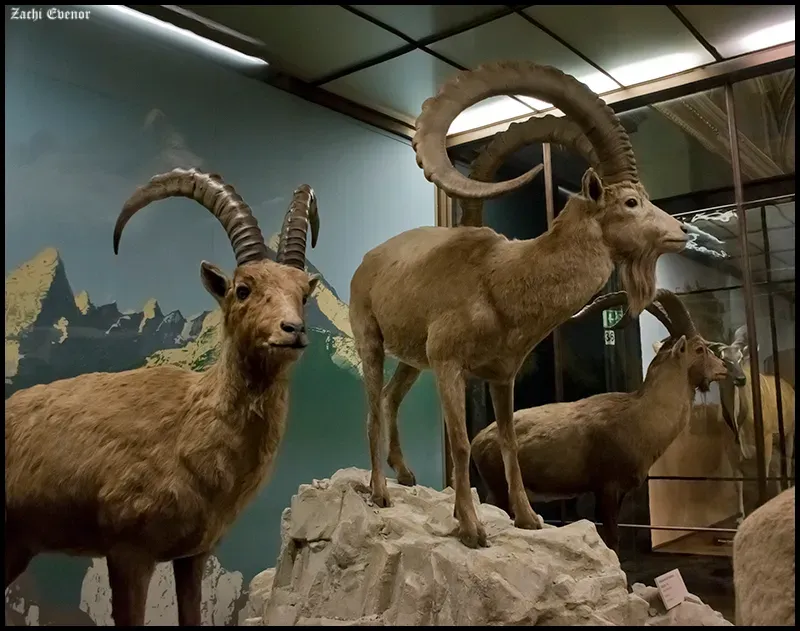
High-altitude species like ibex and chamois shifted their range dramatically as alpine habitats changed over thousands of years. In some regions, local populations disappeared from lower elevations long before nearby art traditions stopped depicting them there.
The gap between habitat change and artistic memory can span serious stretches of time. It suggests these mountain-dwelling animals held onto their place in local imagery well after they’d physically retreated higher into terrain the artists rarely visited.
#2 – The Cave Lion’s Face That Never Forgot Itself
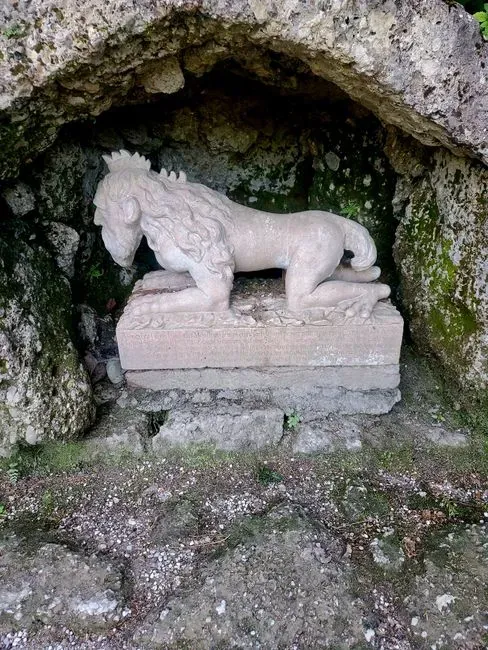
Across huge stretches of time and geography, Panthera spelaea – the extinct cave lion – keeps showing up in art with remarkably consistent head proportions, even as body depictions shift and vary. That kind of consistency doesn’t happen by accident.
It suggests something more deliberate than casual observation: sustained cultural knowledge of a specific predator, passed down accurately enough that its face stayed recognizable across generations of artists who may never have personally encountered a living one.
#1 – The Dicynodont: Rock Art’s Most Impossible Anachronism
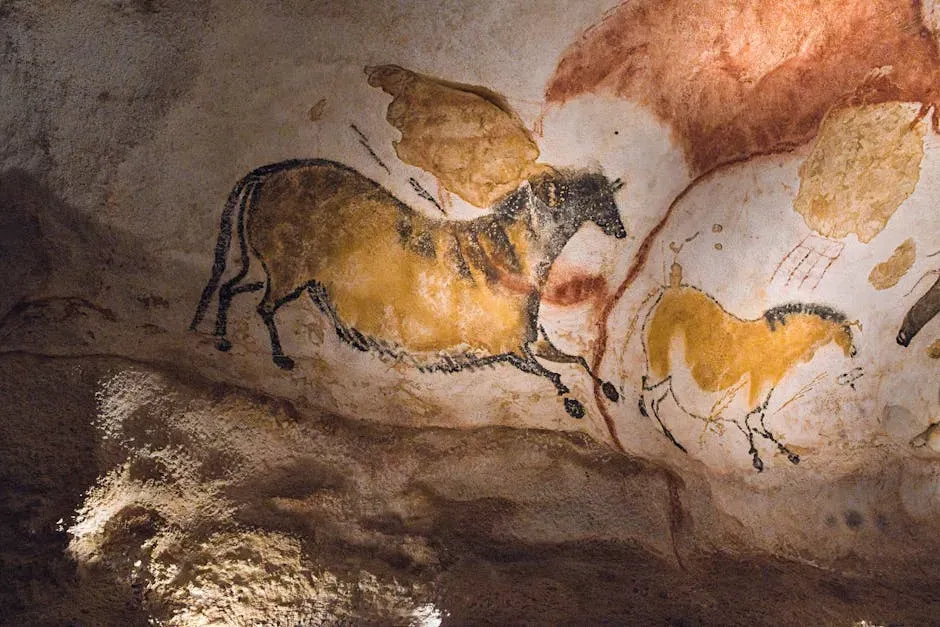
Everything on this list eventually circles back to that one South African painting. A dicynodont, extinct for roughly 200 million years, rendered in enough detail to be identified as a distinct species, appearing on a cave wall before science had even given the creature a name.
This isn’t a case of an artist working from fading memory of an animal seen a few thousand years earlier. This is a gap measured in hundreds of millions of years. However it happened – fossil encounter, oral tradition, or something we don’t fully understand yet – this single image forces a serious rethink of how far back human knowledge of the deep past actually reaches.
Quick Compare
- Dicynodont extinction: roughly 200 million years ago
- San painting documented: before 1835
- Scientific naming of the genus: 1845, by palaeontologist Richard Owen
The Bottom Line
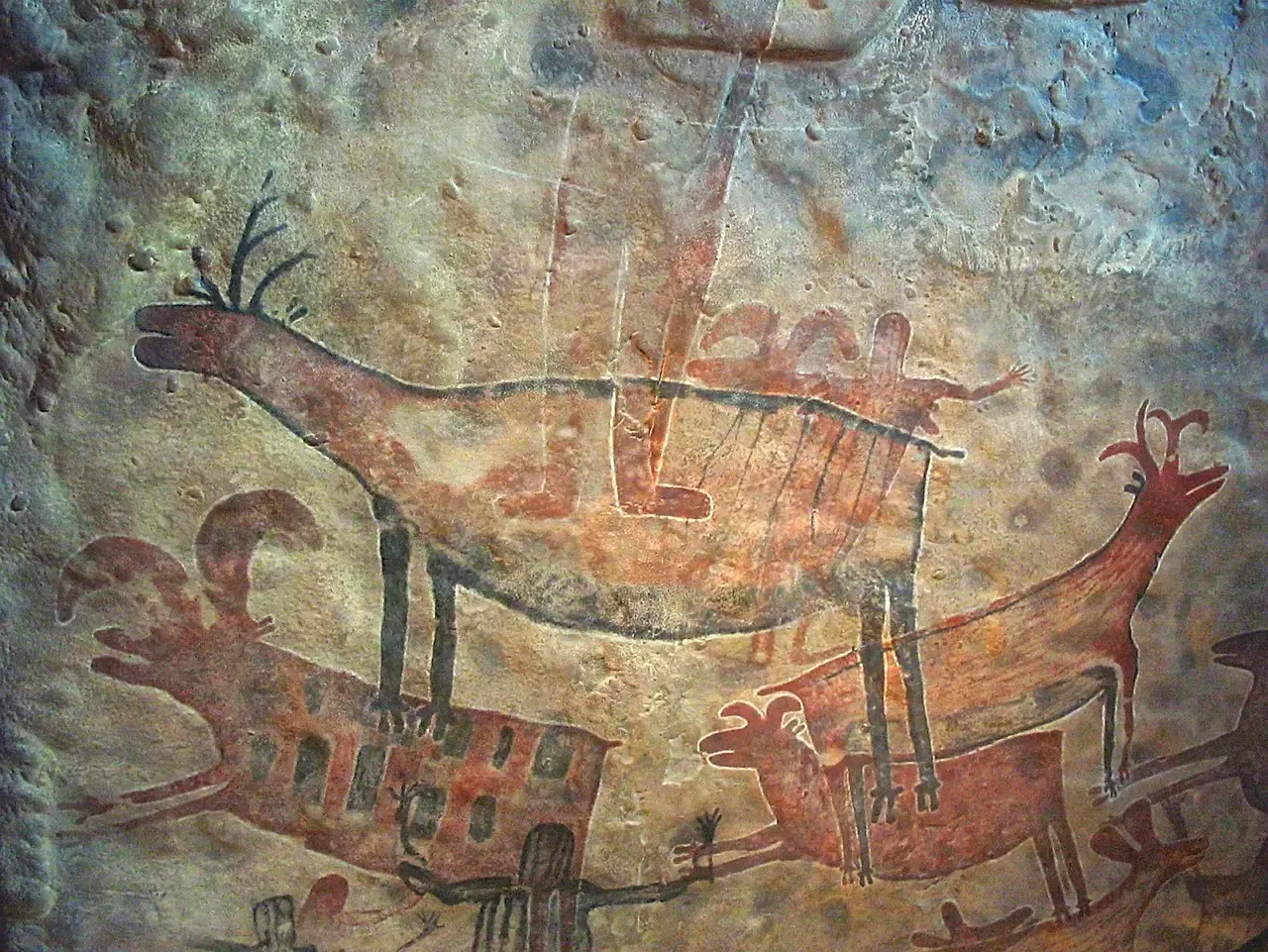
Most Paleolithic art lines up exactly where you’d expect: artists drawing the animals actually living around them. But the handful of exceptions on this list – the San dicynodont most dramatically, along with debated megafauna from Australia and South America – refuse to fit that tidy explanation.
My honest take: the dicynodont case alone is enough to justify taking these outliers seriously, even while staying skeptical of individual identifications. Experts remain divided, and plenty of these images could still turn out to be misdated, misidentified, or coincidental. But dismissing all of them outright feels like a bigger mistake than entertaining the uncomfortable possibility that ancient humans knew more about the deep past than we’ve given them credit for.
Did we miss one? Drop it in the comments.