
You probably grew up thinking textbooks were the final word on what is true. They feel heavy, official, and weirdly permanent, like reality pressed between hardcovers. But once you look a little closer, you notice huge gaps: things that are debated, inconvenient, or simply too new to fit neatly into those neat little chapter summaries.
What you rarely get told is that textbooks are slow, political, and often years behind the frontier of knowledge. They leave out uncomfortable findings, unresolved questions, and discoveries that do not fit the tidy stories we like to tell in school. When you step outside that polished narrative, the world suddenly becomes much stranger, messier, and far more interesting than any standardized test would dare admit.
1. Human evolution is not a simple ladder from “primitive” to “modern”

You were probably shown that classic diagram of apes slowly standing up until they turn into a modern human. It looks so clean and inevitable that you almost feel embarrassed for the hunched-over creatures at the beginning. But once you dig into current research, you see that human evolution is more like a wild, branching bush, with many different human-like species existing at the same time, some mixing, some dying out, and some leaving tiny traces in your own DNA.
Instead of one straight path toward you, there were Neanderthals, Denisovans, and several other hominin species overlapping in time and even interbreeding. You carry genetic echoes of some of them right now, especially if you have ancestry from Europe or Asia. The story is not that everything was marching toward a perfect, destined endpoint; it is that many experiments of nature ran in parallel, and your particular branch just happened to still be here. That is a much more humbling and honestly more thrilling picture than the oversimplified “monkey-to-man” cartoon from school.
2. Gut bacteria quietly shape your mood, weight, and even behavior
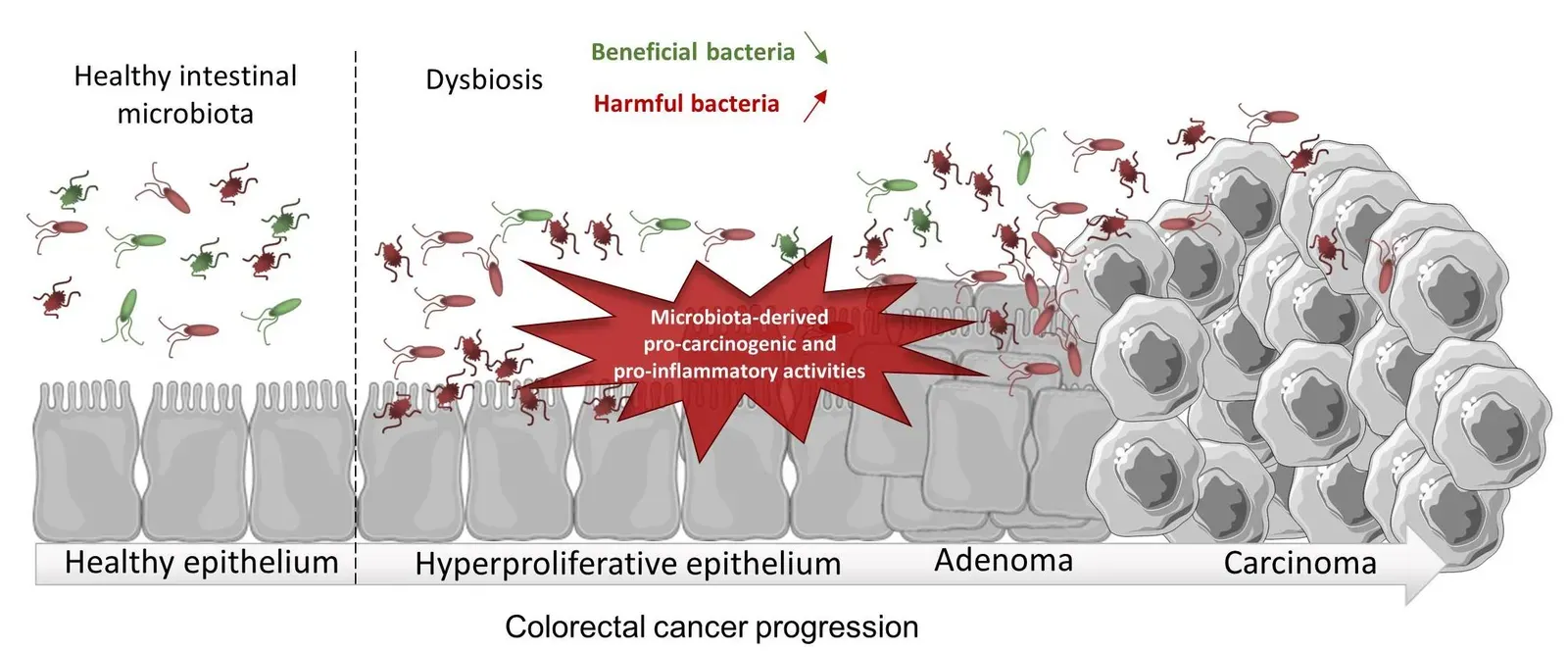
In school, you might have heard a single sentence about “good bacteria” in your intestines and then moved on to more “serious” topics. But modern research on the gut microbiome has exploded, suggesting that the trillions of microbes living inside you can influence things like your immune system, your metabolism, and even how anxious or calm you feel. It is like discovering that you have a hidden, microscopic ecosystem acting as a backstage crew for your entire body.
You see this most clearly when you change your diet, get sick, or take antibiotics and suddenly your digestion, energy, or mood feels off. Studies on animals and humans hint that gut bacteria may affect cravings, sleep, and susceptibility to certain diseases. You are not just a single organism; you are more like a walking rainforest, and what you feed that forest matters a lot more than any textbook chapter on “nutrition” ever made you feel.
3. Memory is not a recording; it is a constant act of storytelling
If you grew up thinking your brain stores memories like files on a hard drive, you are not alone. That metaphor is everywhere: you “remember” a moment, “save” it, and “retrieve” it later. The unsettling truth is that each time you recall something, your brain actively reconstructs it, blending bits of fact with expectation, emotion, and even suggestion from others. Over time, the memory can shift, and you may feel absolutely certain about something that never happened exactly that way.
This does not mean you cannot trust anything you remember, but it does mean you should be more cautious about treating memory as airtight evidence. Eyewitness testimonies, childhood recollections, even personal turning points in your life story are all more fluid than the school system ever warned you. When you realize that memory is more like a constantly edited movie than a raw security camera feed, you start to question not just what you recall, but how those memories quietly shape who you think you are.
4. Climate change is not just about temperature; it is about complex tipping points

In textbooks, climate change often shows up as a line graph: carbon dioxide goes up, temperature follows, ice melts, end of chapter. What you rarely see is how delicate and nonlinear Earth’s systems really are. There are thresholds, or tipping points, where gradual change suddenly flips into a new, more unstable state – like pushing a chair slowly and then watching it suddenly topple over.
Ice sheet collapse, weakening ocean currents, and changes in forests that shift from absorbing carbon to releasing it all belong in this category. Once you pass certain thresholds, you may not be able to easily reverse the damage, even if emissions later go down. You are not just dealing with a slowly warming planet; you are living inside a finely tuned system that can snap, and the scariest part is that those snaps are hard to predict with the tidy certainty that textbooks pretend science always has.
5. Most of the universe is made of stuff you cannot see or fully explain
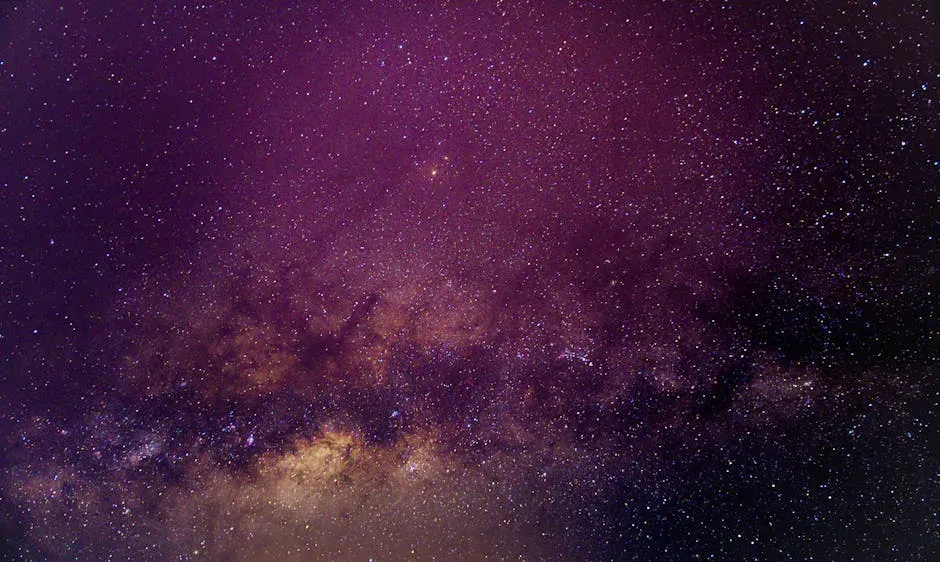
Your school physics textbook probably concentrated on things you can actually see, touch, and test in a lab: atoms, light, gravity, motion. Yet when astronomers look at galaxies and how they move, they see overwhelming evidence that most of the mass in the universe is invisible “dark matter,” and most of the energy driving its expansion is “dark energy.” The word “dark” here is not poetic; it literally means you do not really know what it is.
So while you memorized formulas for kinetic energy and Newton’s laws, the uncomfortable truth is that the majority of the cosmos is made up of entities that current theories are still struggling to describe. You live in a universe where the known ingredients are just a thin frosting on top of an unknown cake. That does not fit easily into a reassuring chapter summary, but it is honest – and it should leave you with a sense of mystery that textbook diagrams almost never convey.
6. Intelligence is not a single number, and IQ is a narrow slice

Standardized tests and IQ scores can make you feel as if your mind has been boiled down to one metric. School systems like tidy numbers because they are easy to rank, sort, and plug into charts. But psychological research paints a more layered picture: intelligence shows up as different types of problem-solving, creativity, social intuition, spatial skills, and practical know-how that cannot all be captured by a timed test with multiple-choice answers.
You know this intuitively when you meet someone who is brilliant with people but hopeless with math, or a gifted artist who struggles in formal exams. The danger of focusing on IQ alone is that you start confusing test-taking ability with the full richness of human potential. When you realize that intelligence is more like a toolbox than a single tool, you can stop treating a number on a sheet of paper as a verdict on what you are capable of becoming.
7. Nutrition science is far messier than simple “good vs. bad” foods

Textbooks tend to present nutrition like a tidy food pyramid: eat more of this, less of that, and you are done. In reality, nutrition research is full of conflicting studies, individual differences, and evolving ideas about fat, carbohydrates, and processed foods. You have watched advice flip on its head over the years: fat used to be the villain, then sugar took center stage, and now ultra-processed foods are under heavy scrutiny.
When you look closer, you see that how your body responds to food depends on your genes, your microbiome, your activity level, and your overall pattern of eating, not just one isolated nutrient. You are not a robot that reacts identically to every calorie. Instead of memorizing static lists of “good” and “bad” foods, you are better off understanding basic principles like whole versus heavily processed foods, added sugars, and long-term patterns – less dramatic than textbook slogans, but much closer to how your body actually works.
8. The placebo effect shows how powerful your expectations really are
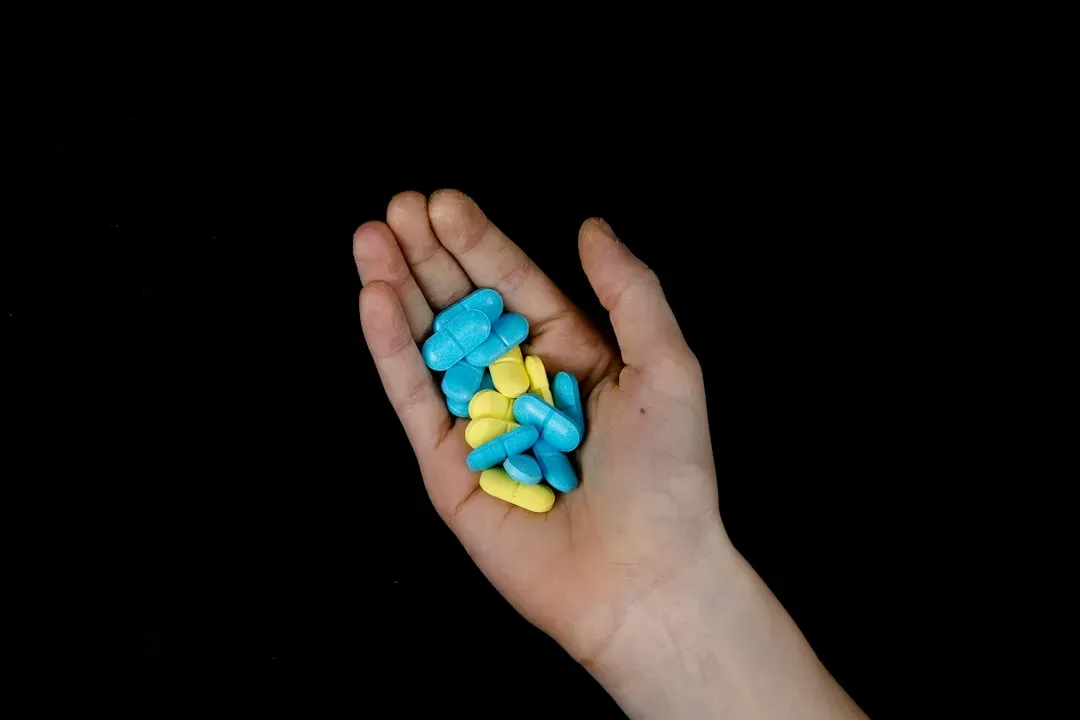
In school, the placebo is usually treated like a boring control condition in experiments: a sugar pill used to show whether a drug really works. What gets glossed over is how strong that effect can be. When you truly expect a treatment to help, your body can respond with real, measurable changes – pain decreases, symptoms ease, and brain activity shifts – even if the pill itself has no active ingredient.
This does not mean all illness is “in your head”; it means your mind and body constantly talk to each other, and expectation is one of the languages they use. You can see this in everyday life when a trusted doctor reassures you and you immediately feel a bit better, or when a friend’s horror story about a side effect makes you more likely to notice it yourself. Understanding the placebo effect forces you to admit that belief is not just a mental decoration on top of biology; it is part of the machinery.
9. Consciousness is still an unsolved mystery, not a completed chapter
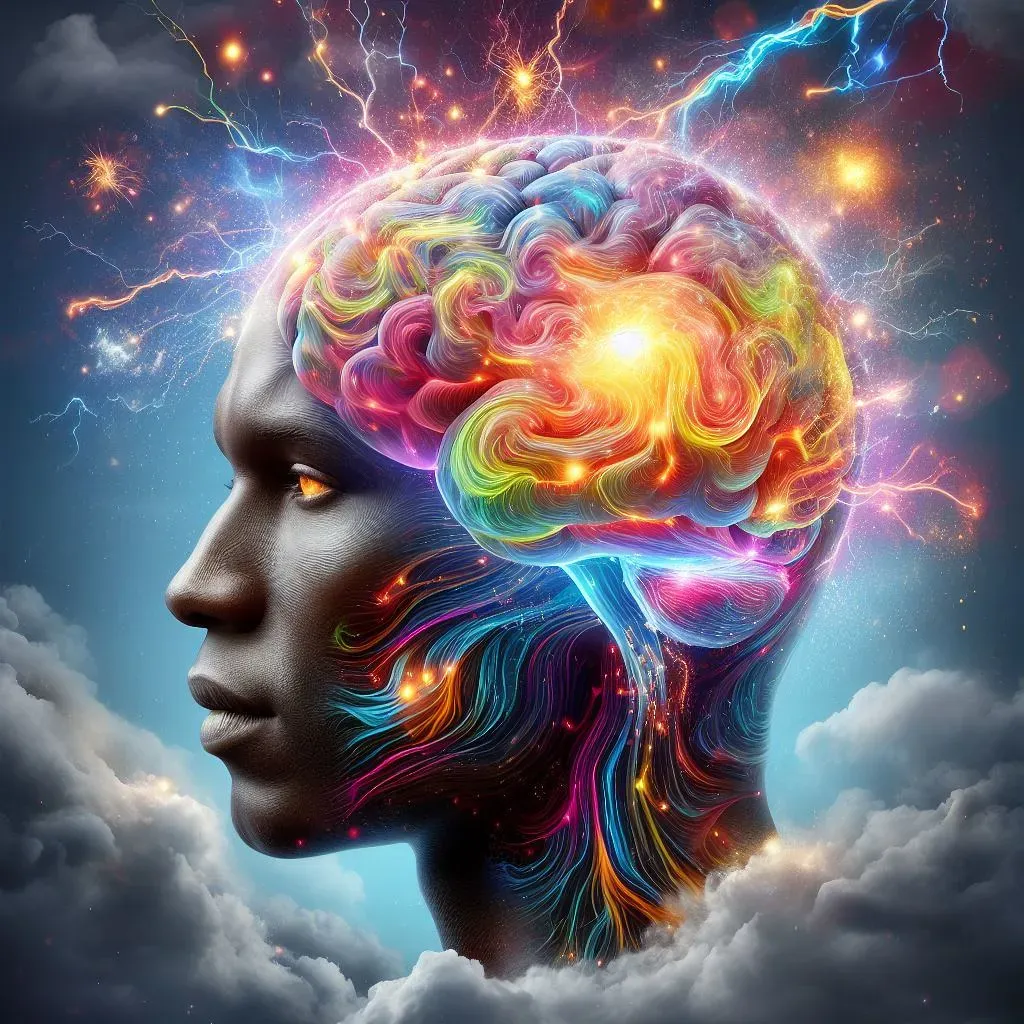
Textbooks often describe the brain like wiring in a computer: neurons fire, signals travel, thoughts appear, the end. What they rarely linger on is the hardest question of all: how does physical brain tissue produce the subjective experience of being you? You can scan brains, map regions, and even predict some decisions, but the raw feel of seeing red, tasting coffee, or feeling embarrassed remains deeply puzzling.
There are plenty of theories, from those that tie consciousness to specific brain processes to those that imagine it as a fundamental feature of reality, but no consensus. When you understand how open this question really is, you stop reading those tidy diagrams of the brain as if they were final answers. Instead, you start to see them as helpful maps drawn over a landscape whose deepest terrain is still unknown – and you realize that you are living inside that mystery every waking second.
10. Economies do not always move toward balance; they can lock into unfair patterns
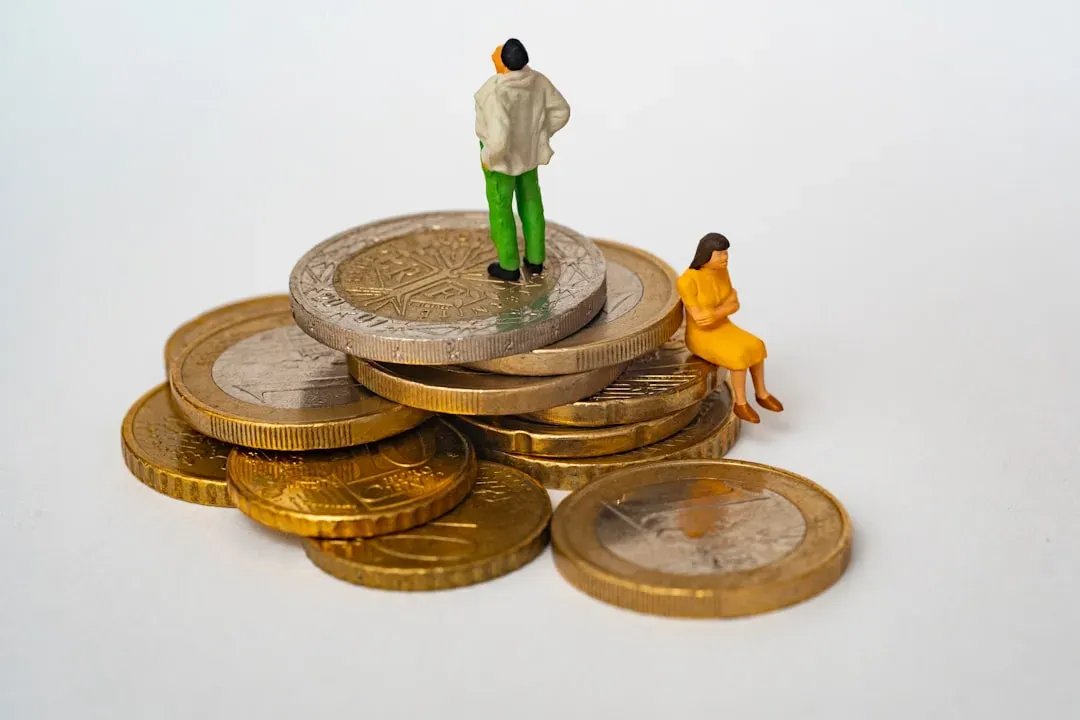
In many school economics lessons, you are taught that markets naturally tend toward equilibrium: supply meets demand, prices adjust, and things settle into a fair balance over time. But when you look at real-world data on wealth, wages, and opportunity, you see that economies often drift toward concentration, where a small group accumulates more and more advantage over generations. This is especially visible in patterns of inherited wealth, access to education, and control over key industries.
Instead of naturally correcting themselves, these systems can reinforce their own inequalities, a bit like a game where early winners get extra turns. Once you accept this, you realize that policies, institutions, and social norms matter much more than tidy graphs suggest. You are not watching a neutral machine finding a perfect balance; you are inside a human-built system that can be nudged toward fairness or allowed to spiral into deeper imbalance.
11. Learning is not linear; your brain grows in sudden jumps and plateaus
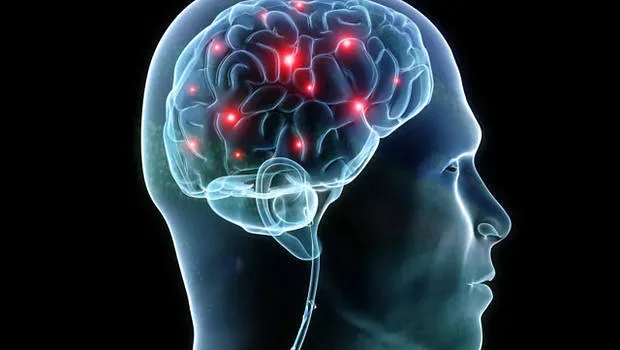
School trains you to think of learning as a smooth curve: study a bit each day, get a bit better, and watch your skills rise at a steady pace. In reality, your brain often works in fits and starts. You may struggle with a concept for weeks, feel stuck, and then suddenly, one day, it clicks and becomes obvious. That jump is not magic; it is your brain quietly building and reorganizing connections in the background.
If you misunderstand this, you may assume you are “bad” at something just because your progress is not perfectly gradual. When you start to accept that plateaus and sudden leaps are normal, you become more patient with yourself. You realize that the frustrating, murky middle phase of learning is not a sign of failure; it is often the stage right before a breakthrough. Textbooks love smooth progress graphs, but your real mind behaves more like a staircase than a ramp.
12. Sleep is not passive rest; it is active maintenance and emotional repair
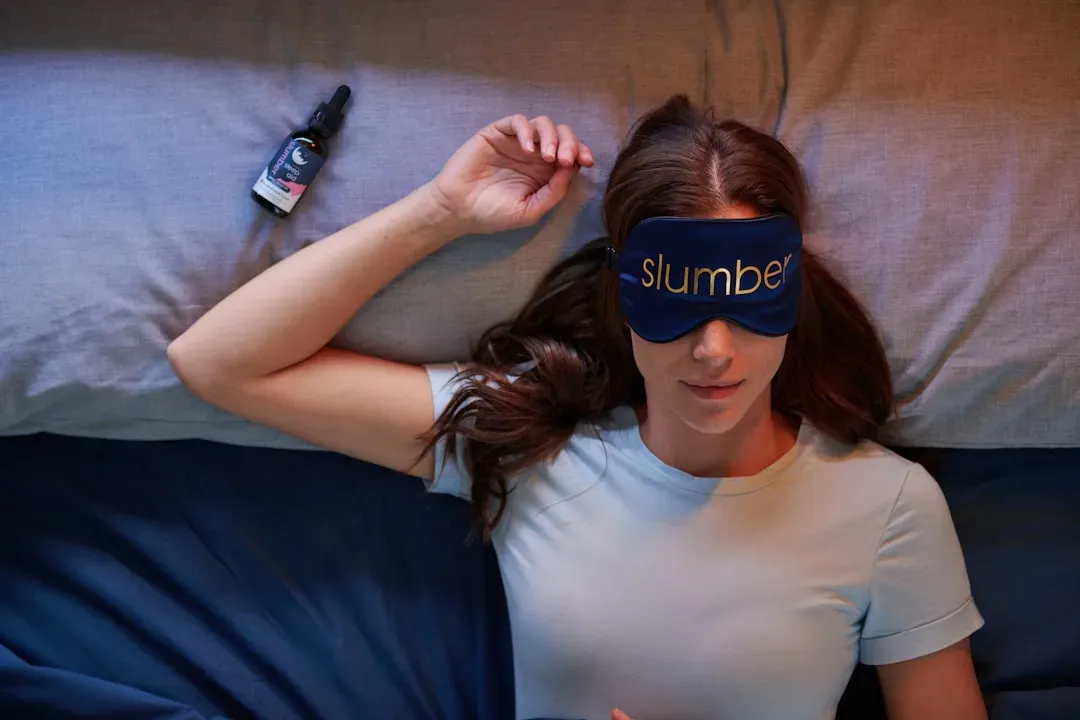
Textbooks usually tell you that sleep is important, list a few stages, and move on. They rarely capture how wild and busy your brain is while you are out. During sleep, your brain strengthens some connections, trims others, processes emotional experiences, and clears certain metabolic waste products that build up while you are awake. It is more like a nightly cleanup crew and editing team than a simple off switch.
When you shortchange yourself on sleep, you are not just feeling a bit tired; you are interfering with memory consolidation, emotional regulation, decision-making, and even long-term brain health. You know that foggy, fragile feeling after several nights of poor sleep – the world becomes harsher, small problems feel bigger, and your focus unravels. Treating sleep as optional “downtime” misses the fact that you are sabotaging the very processes that keep you balanced and functional.
13. Pain is not a direct signal from the body; it is an interpretation by the brain
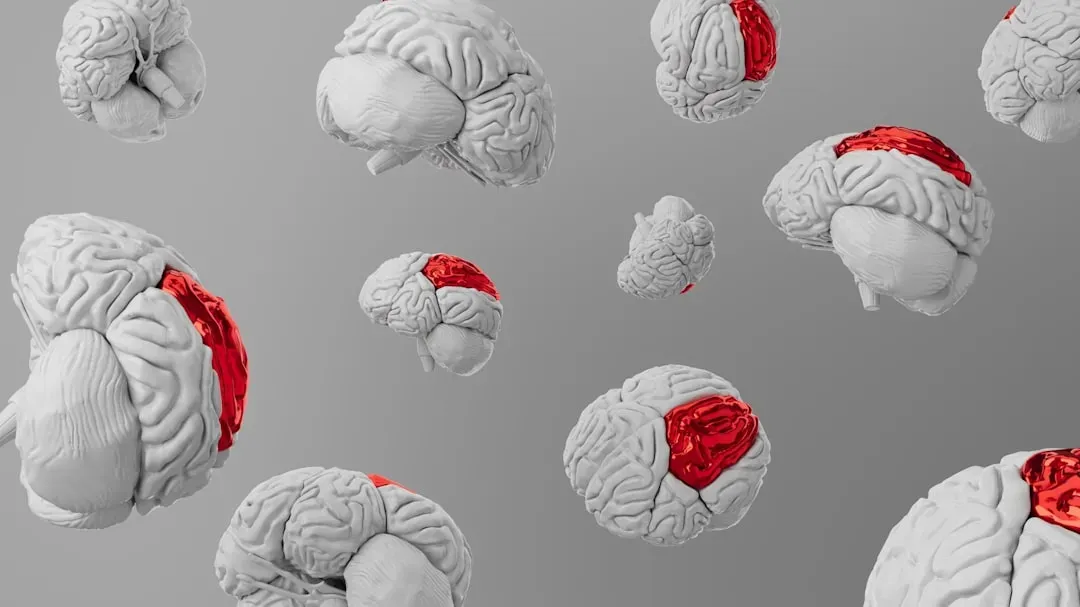
It is easy to think of pain as a simple message: something is damaged, nerves send a signal, you feel hurt. Modern pain science complicates that picture. Pain is a protective output constructed by your brain, taking into account injury signals, but also your past experiences, emotions, expectations, and even context. That is why two people with similar injuries can report very different levels of pain, or why chronic pain can linger long after tissues have technically healed.
Once you grasp this, you stop assuming that “more pain” always means “more damage.” You see how stress, fear, and attention can amplify pain, while understanding, reassurance, and gradual movement can sometimes dial it down. This does not mean pain is “not real”; it means it is real as a brain-generated warning system that sometimes becomes overprotective. Textbooks that only show you nerve diagrams miss this more subtle – and empowering – reality.
14. Technology companies quietly shape what you think is “normal” online
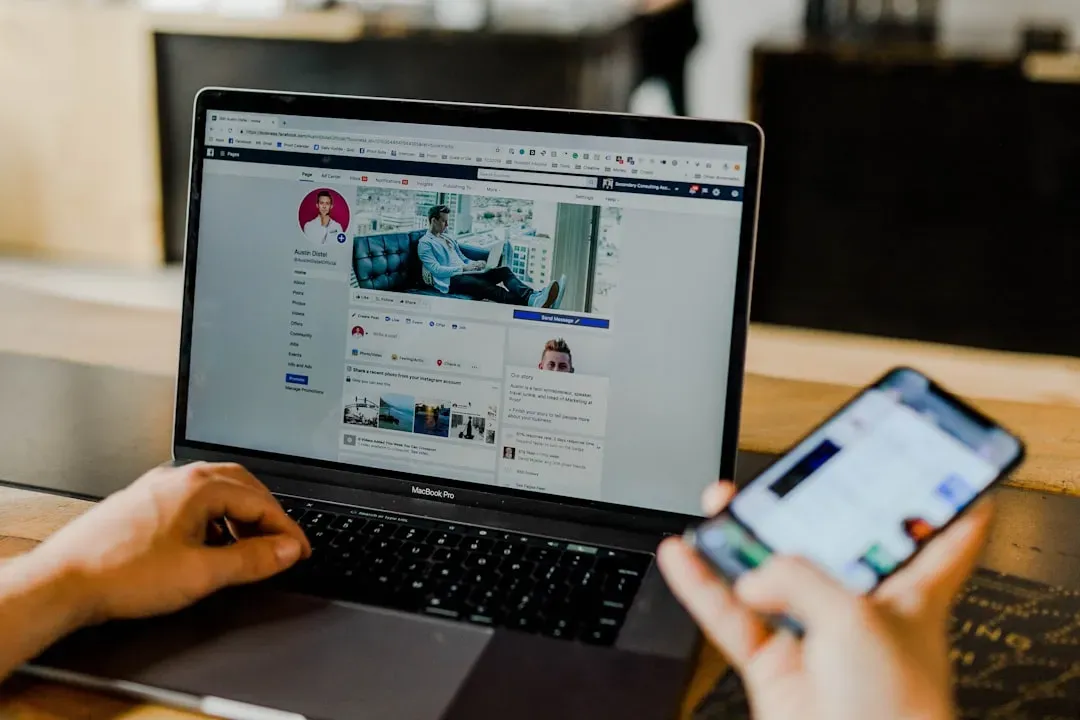
In many computer or media literacy lessons, technology gets treated like a neutral tool: you choose how to use it, and that is that. What tends to be downplayed is how strongly platforms nudge your behavior. Recommendation algorithms, notification designs, and interface choices are all tuned to grab your attention, collect your data, and keep you scrolling. Over time, they help define what you consider normal conversation, news, and entertainment.
You notice this when you compare your feed with someone else’s and realize you live in slightly different digital realities. The stories you see first, the people you interact with, and the ideas that feel popular are all filtered and ranked for you. When you understand that, you stop seeing your online world as a transparent window and start treating it more like a curated stage – one where someone else is quietly deciding which acts you see most.
15. Gender and identity involve biology, culture, and personal experience intertwined
Textbooks often shrink gender down to a tidy binary chapter: male and female, with a brief mention of hormones and chromosomes. Real life refuses to stay that simple. Biology itself shows variations in chromosomes, hormone levels, and development, and culture layers on expectations, roles, and norms that differ dramatically across time and place. On top of that, you have individual identity – how you experience yourself internally and how you want to be seen by others.
When you look at it honestly, gender is not just a box checked at birth; it is a complex mix of biology, psychology, and society that can shift across a lifetime. You see this in the diversity of gender expressions and identities that people claim for themselves, often at significant personal cost. You do not have to agree with every label to recognize that the old, rigid picture is incomplete. That complexity makes some educators uncomfortable, which is exactly why it rarely shows up in the neat layouts of a standard textbook.
16. History is written by survivors, not just “winners”
You probably learned in school that history is a record of what happened, full stop. But the more you read different accounts, the more you realize history is also a record of what survived: which documents were preserved, whose voices were recorded, which stories were allowed to circulate. Whole communities, perspectives, and tragedies can be minimized or erased simply because they did not control the pens, presses, or institutions of their time.
When you start looking for diaries, oral histories, and records from marginalized groups, you see the past rearrange itself. Events you thought you understood gain new depth or take on a different meaning entirely. You realize that what you read in school was not neutral truth; it was a curated selection shaped by politics, culture, and power. That realization is not just about the past – it teaches you to question which voices you are hearing, and which you are missing, in the present.
When you step back from all of this, a pattern emerges: the most interesting truths are often the messiest ones, the ones that do not fit neatly into graphs, timelines, or multiple-choice questions. Textbooks tend to smooth the world into something teachable, but you do not have to stop there. You can treat those pages as a starting point, not a verdict, and stay curious about all the strange, uncomfortable, and beautiful details that get cut for simplicity. Now that you know how much gets left out, what are you going to start questioning first?