

Every now and then, a story pops up about someone stumbling on a forgotten painting in their attic or a jar of old coins in the garden. It is fun, but small compared with the real legends: shipwrecks filled with gold, buried royal ransoms, missing wartime hoards. Right now, somewhere under mud, ice, or somebody’s cow pasture, there are fortunes waiting in total silence – and we have proof that at least some of them are very real.
What fascinates me most is how these stories sit on the edge between history and possibility. They are not fairy tales; they come from ship logs, court records, wartime files, and sworn testimony. Yet they still feel like adventure novels you are somehow invited to step into. As you go through these fifteen still-missing treasures, you may catch yourself glancing at that old forest trail you always hike, or that ruined farmhouse outside town, wondering: what if the map is already in your hands and you just do not know how to read it yet?
1. The Lost Amber Room of the Russian Tsars

Imagine an entire room made like a jewel box: walls covered with glowing amber mosaics, backed with gold leaf, lit so it looked like fire trapped in stone. That was the Amber Room, built in the eighteenth century and given to Peter the Great, later installed in Catherine Palace near Saint Petersburg. During the Second World War, Nazi troops dismantled it panel by panel and shipped it to Königsberg (now Kaliningrad), where it was briefly displayed before vanishing in the chaos of bombing and retreat.
What makes the Amber Room so haunting is that it was large, cataloged, and seen by many people, yet no one has proved what actually happened to it. Theories range from secret underground bunkers to destruction by fire to crates sunk in the Baltic Sea. Search expeditions and claimed “discoveries” pop up every few years, but so far, nothing has checked out. In my view, this is the perfect symbol of modern lost treasure: thoroughly documented, technologically searchable, and still stubbornly missing.
2. Nazi Gold Trains and Buried Wartime Hoards
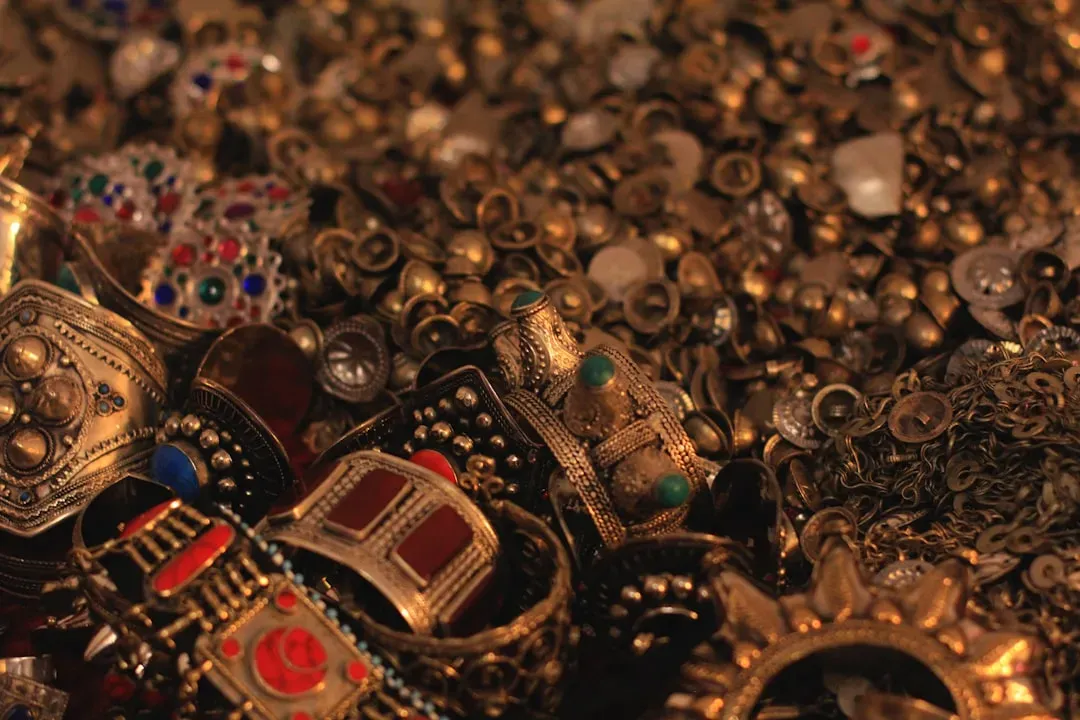
Rumors of Nazi gold trains rumbling into mountain tunnels and never emerging have circulated since the end of the Second World War. The most famous story centers on a supposed armored train filled with looted gold, art, and industrial materials hidden somewhere in southwestern Poland. Ground-penetrating radar surveys and excavation attempts in recent years drew global headlines, but so far they have turned up only geology, not treasure. That disappointment has not killed the legend; if anything, it sharpened it.
Beyond the trains, there are documented cases of the Nazi regime hiding valuables in lakes, mines, and forest caches as Allied forces closed in. Inventories from banks and museums show that enormous amounts of gold, jewelry, and cultural property simply never reappeared after the war. Some of it was smuggled out, some quietly laundered back into economies, but it is entirely plausible that forgotten depots still lie under collapsed tunnels or behind bricked-up gallery walls. The hard part today is teasing apart credible archives from wishful thinking and conspiracy theories.
3. The Beale Ciphers and a Buried Hoard in Virginia
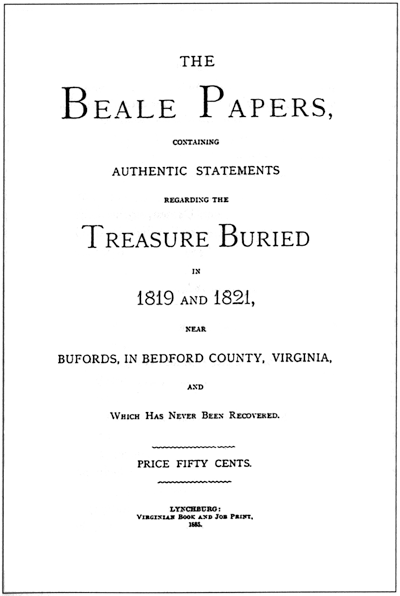
In the early nineteenth century, a man named Thomas Beale supposedly buried a vast treasure in Bedford County, Virginia – thousands of pounds of gold and silver and a mountain of jewels. The story comes from a pamphlet published in the late 1800s that included three coded messages. One cipher, famously, can be solved using the Declaration of Independence as a key and describes the contents of the hoard. The other two, which should reveal the exact location and the names of heirs, remain unsolved despite decades of effort.
People have dug up fields, yards, and hillsides chasing the Beale treasure, sometimes damaging property or getting themselves arrested. Many historians now think the story may be an elaborate hoax, pointing to the lack of independent evidence that Beale ever existed and the suspiciously dramatic tone of the pamphlet. Personally, I sit on the fence: the ciphers are complex enough to be interesting, but the absence of any supporting documents makes it hard to treat them as solid history. Still, the idea that a simple sheet of numbers might point to a fortune under some unremarkable patch of ground has a powerful grip on the imagination.
4. The Lost Treasure of Lima
![4. The Lost Treasure of Lima (Map Collection of the Perry-Castañeda Library, University of Texas. Originally from (1943) Pacific Islands: 2, Eastern Pacific, Nov. 1943 [Geographical handbook series; B.R. 519a], London: Naval Intelligence Division OCLC: 310446759. [1], Public domain)](https://nvmwebsites-budwg5g9avh3epea.z03.azurefd.net/dws/bc8668fd191e24b134c5f88970494642.webp)
In the early 1820s, as revolution swept across South America, officials in Lima supposedly tried to protect church and state riches from rebels by shipping them out for safekeeping. The story claims that a British sea captain named William Thompson was entrusted with an enormous cargo of gold, silver, and jewels, only for him and his crew to murder the guards and vanish. Since then, countless retellings have placed this stolen treasure on Cocos Island in the Pacific, off Costa Rica’s coast, turning the island into a real-world stand-in for pirate myths.
Searches on Cocos Island have gone on for well over a century, ranging from small-time adventurers with shovels to well-funded expeditions with modern equipment. They have found some coins and small caches, but nothing remotely matching the massive trove described in the legends. The more sober historical view is that the size and details of the Lima treasure were exaggerated over time, or that any real valuables were split and dispersed instead of left in one neat chest. Still, the stubborn lack of a definitive discovery keeps the island shrouded in a kind of romantic fog.
5. Forrest Fenn’s Rumored Second Cache
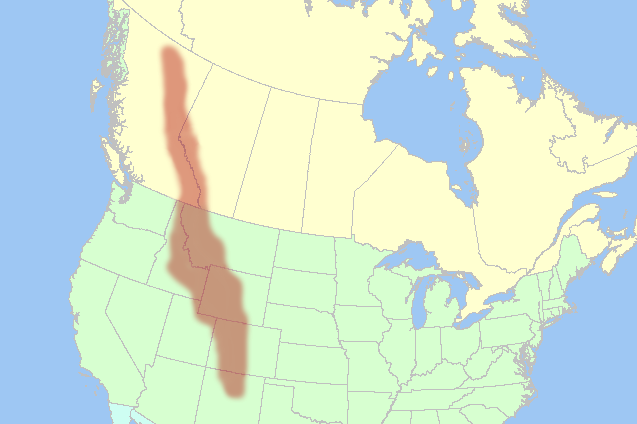
Forrest Fenn, an art dealer and former fighter pilot, set the internet on fire when he hid a chest filled with gold nuggets, coins, and precious artifacts somewhere in the Rocky Mountains and published a poem as a clue. That treasure was found in 2020 in Wyoming, after years of dangerous searches that led some people into serious trouble. But the frenzy did not completely vanish, partly because Fenn hinted, vaguely at times, that he had considered or even created additional “surprises.” Those remarks, plus incomplete public details, sparked rumors of a second or smaller hidden cache.
There is no hard evidence that another Fenn chest exists, and cautious voices argue the legend thrives mostly on wishful thinking and misread comments. Yet in forums and hiking communities, people still dissect his interviews and writings like forensic linguists, hoping to spot a clue that others missed. I think this says more about human psychology than about gold: once a real treasure has been found, it becomes strangely easy to believe there is another one just out of reach. Even if no second chest exists, the mindset of searching has become its own kind of hunt.
6. The San Miguel and Other Sunken Spanish Galleons
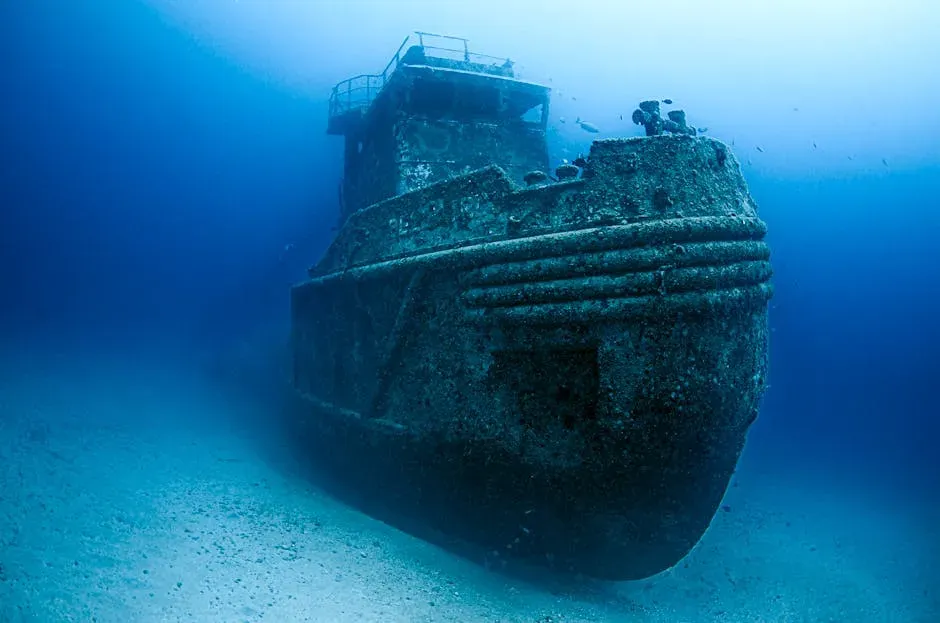
For centuries, heavily laden Spanish galleons carried silver and gold from the Americas back to Europe, and storms, reefs, and warfare sent a distressing number of them to the seafloor. One of the more tantalizing cases involves the San Miguel, part of a treasure fleet lost off the coast of Florida in the early eighteenth century. Some ships from that fleet have been located and salvaged, yielding coins, ingots, and artifacts, but others remain missing, including those believed to be especially rich in cargo.
Maritime archaeologists and treasure hunters use advanced sonar, magnetometers, and remotely operated vehicles to map wreck sites inch by inch. The problem is that centuries of shifting sands, hurricanes, and previous unrecorded salvages can scatter cargo over wide areas and erase obvious traces of a ship. There is no doubt that substantial treasure still lies on the ocean floor; the open question is how much of it we should actually recover versus preserving wrecks as underwater cultural heritage. My own bias leans toward careful science over brute-force salvage, but the lure of bullion is a stubborn rival to patience.
7. The Confederate Treasury and Jefferson Davis’s Flight
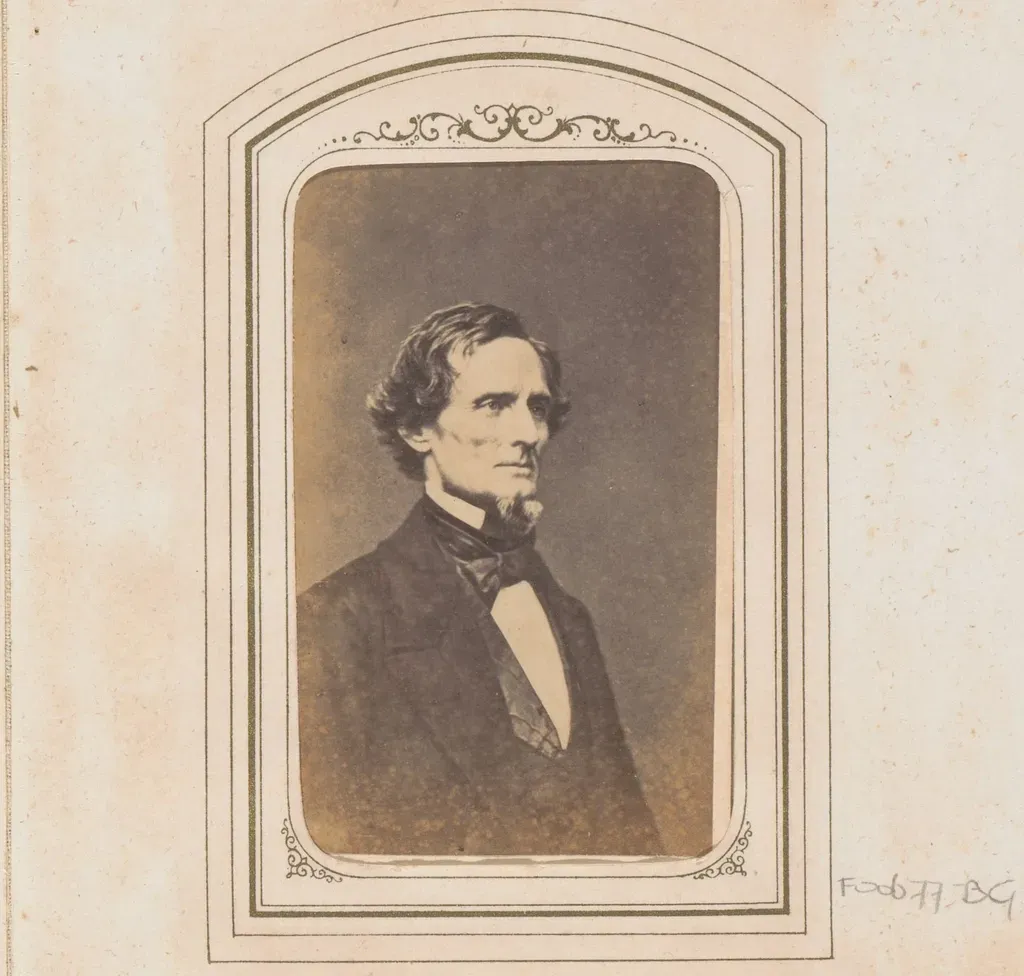
At the end of the American Civil War, Confederate president Jefferson Davis fled Richmond with portions of the Confederate treasury, including gold and silver coins, bullion, and other valuables. As Union forces advanced, that wealth was moved multiple times by train and wagon, poorly documented and increasingly vulnerable to theft, chaos, and confusion. By the time Davis was captured in Georgia, much of the original sum had simply melted away, accounted for only in fragments and conflicting testimonies.
Modern researchers trying to track the missing portion run into dead ends: inconsistent records, looting by soldiers, and the messy reality of a collapsing government. Treasure stories spun out of this gap, claiming that wagons of gold were secretly buried along the escape route or dumped in remote swamps. While small caches of Civil War–era coins are occasionally found, nothing has been conclusively tied to a large, centralized Confederate hoard. This is one of those cases where a romantic legend has probably grown up around what was, in truth, a dispersed and chaotic loss.
8. The Lost Dutchman’s Mine in Arizona’s Superstition Mountains
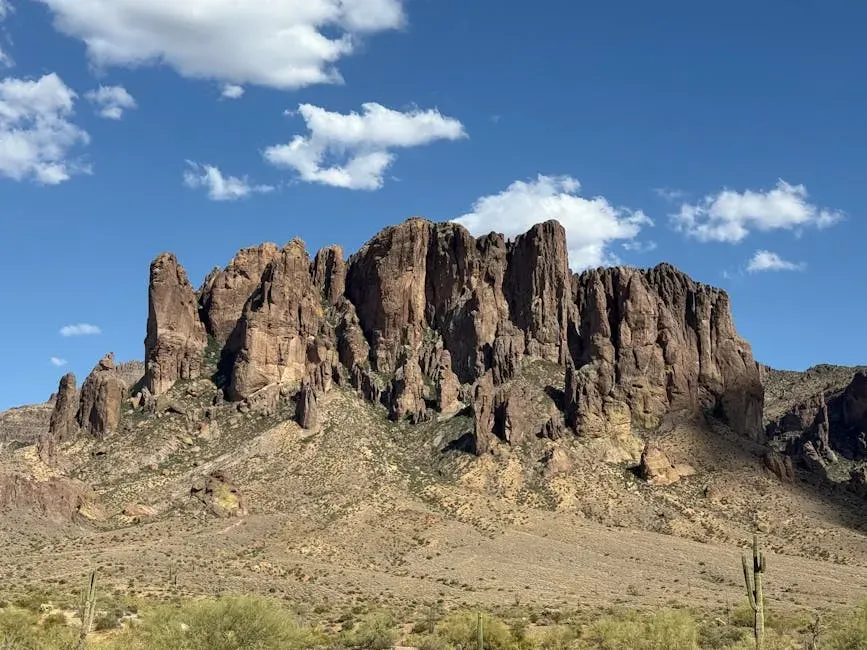
Few treasure legends in the United States have the staying power of the Lost Dutchman’s Mine. Centered on Arizona’s Superstition Mountains, it revolves around stories that a German (often incorrectly called “Dutch”) prospector discovered a fabulously rich gold vein in the nineteenth century and revealed its existence to only a few before dying. Over time, a stew of conflicting maps, deathbed confessions, and secondhand tales has made the exact location maddeningly vague, while the harsh terrain has turned searching into a risky endeavor.
What complicates things is that there really were gold workings and prospectors all through that region, and some historical elements in the story check out. Yet no one has confirmed a single, extraordinary vein matching the legend. People still head into the Superstitions every year looking for “the” mine, and tragedies have occurred when unprepared hikers vanish or succumb to the desert. To me, the Lost Dutchman has evolved beyond a single mine and become a kind of mirror: it reflects how far individuals are willing to go when they believe they might trade ordinary life for an extraordinary strike.
9. The Flor de la Mar’s Lost Cargo off Malacca

The Portuguese ship Flor de la Mar sank in the early sixteenth century near the Strait of Malacca while reportedly carrying a massive haul of tribute and plunder from Southeast Asia. Contemporary and later accounts describe extraordinary riches onboard, enough to fuel persistent dreams of a wreck site stacked with gold, precious stones, and rare artifacts. The ship’s approximate loss area is known, but centuries of sediment movement and busy shipping make pinpointing it extremely difficult.
Several modern salvage outfits have claimed to be close to discovering the Flor de la Mar or have suggested that smaller finds in the region might be related, but nothing has been widely accepted as definitive. Adding to the complexity are modern legal disputes: even if such a wreck were located, questions of ownership among nations and the ethics of commercial salvage would be intense. This is a recurring theme in underwater treasure today: the romance of rediscovery colliding with real-world battles over law, heritage, and commercial rights.
10. The Inca Gold Hidden from the Conquistadors

When Spanish conquistadors captured the Inca emperor Atahualpa in the sixteenth century, a colossal ransom of gold and silver was reportedly gathered for his release. Part of it made its way into Spanish hands, fueling Europe’s hunger for American precious metals, but Andean oral traditions and scattered historical notes suggest that some Inca nobles and priests secretly diverted sacred objects and bullion to hidden locations to keep them out of foreign control. Over time, this gave rise to sweeping legends of entire valleys full of concealed Inca treasure.
Archaeology does confirm that the Incas and earlier Andean cultures used concealed chambers and remote shrines to store ritual objects, so the idea of hidden caches is not far-fetched. However, the image of enormous, undisturbed hoards just waiting for a GPS coordinate is probably oversimplified. Looting, later Spanish campaigns, and centuries of local reuse would have broken up many such stashes. The most realistic scenario is that smaller, highly significant caches remain undiscovered in remote Andean regions, containing ritual goldwork and artifacts whose cultural value might far outweigh their metal price.
11. The Lost Royal Jewels of France

France’s royal collection of jewels, built up over centuries, suffered repeated blows during political upheavals. One of the worst episodes came during the French Revolution, when the royal treasury was looted and many stones were stolen or dispersed. Some items were recovered, some were recut or sold, and others simply vanished into private hands. Later, during the nineteenth century, additional pieces disappeared in thefts and sales as regimes rose and fell, leaving historians with inventories that do not neatly match present-day museum holdings.
Because individual stones could be reset, renamed, or re-polished, tracking them over generations is surprisingly tricky. A gem might be traced through paintings, descriptions, and auction records only to disappear into an anonymous private collection. So when people talk about the “lost jewels of France,” they are really gesturing at a cloud of missing items – from specific legendary diamonds to lesser-known but historically meaningful pieces. Somewhere, in bank vaults or heirloom boxes, there may be jewels whose owners have no idea they once glittered on royal crowns and ceremonial swords.
12. The San Saba Silver and Lost Mines of Texas
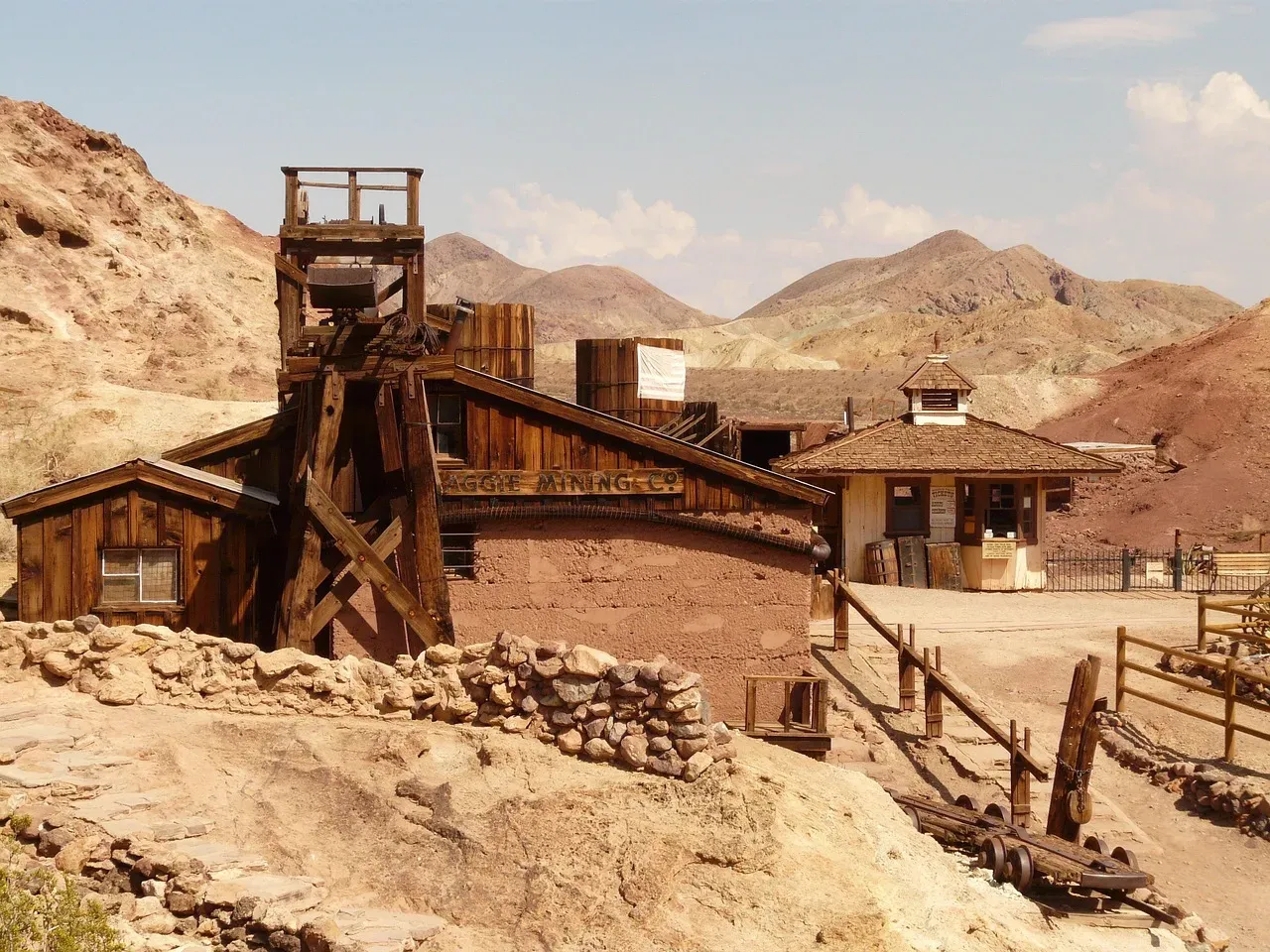
The story of the San Saba silver mines weaves together Spanish colonial ambitions, Native resistance, and later frontier mythmaking. In the eighteenth century, Spanish expeditions in what is now Texas reported signs of silver-bearing ores and hoped to establish productive mines. Attacks, logistical failures, and political shifts cut many of these ventures short, and records from the time are fragmentary and sometimes contradictory. Later generations of Texans expanded these scraps into confident tales of rich lost mines waiting to be rediscovered.
Geologists acknowledge that parts of Texas do contain mineralization consistent with smaller-scale silver deposits, but nothing has matched the grandiose expectations of treasure hunters. Instead, occasional finds of old workings, slag, and artifacts hint at modest operations rather than legendary bonanzas. The fascination endures partly because the landscape still feels big and wild enough to hide something life-changing. Whether you see San Saba silver as plausible missed opportunity or pure tall tale probably depends on how comfortable you are with ambiguity.
13. Missing World War II Bank Reserves and Looted Art
Beyond the dramatic stories of Nazi gold, many countries entered and exited the Second World War with gold reserves and foreign currency that were supposed to be tightly controlled. In practice, emergency moves, evacuations, and occupations created chances for large sums to go astray. Some central bank gold was secretly shipped abroad and never fully accounted for, while other assets were seized, transferred, or hidden by occupying forces. Postwar investigations recovered a great deal, but paper trails in several cases still show unexplained gaps.
Parallel to that, vast amounts of art and cultural property were looted from museums, churches, and private collections. Unlike coins or bullion, individual paintings and sculptures can resurface decades later when heirs, dealers, or curators recognize them. High-profile restitution cases still make news, a reminder that countless other works may sit undiscovered in basements or small galleries with incomplete provenance. This is treasure in a different sense: the monetary value is high, but the deeper stakes are about memory, justice, and who gets to tell the story of the past.
14. The Lost Fabergé Imperial Eggs

The Russian House of Fabergé created elaborate jeweled eggs for the imperial family, each one a feat of goldsmithing and design. After the Russian Revolution, many were seized, sold off, or scattered through chaotic channels. Today, researchers and collectors have identified the whereabouts of a good number of these eggs in museums and private collections, but several remain missing. Because each egg is unique, richly documented in design, and historically important, their absence is especially glaring.
Every few years, a story breaks about someone discovering a Fabergé egg at a flea market or in a family collection, and occasionally those stories hold up under expert analysis. That pattern fuels hope that the still-missing imperial eggs may yet surface in similarly unglamorous surroundings. I like this idea that some of the world’s most refined treasures might be hiding in plain sight, mistaken for decorative oddities. It also shows how “lost treasure” is not always buried under mountains; sometimes it is just quietly sitting in a display cabinet with the wrong label.
15. Oak Island’s Mysterious Money Pit
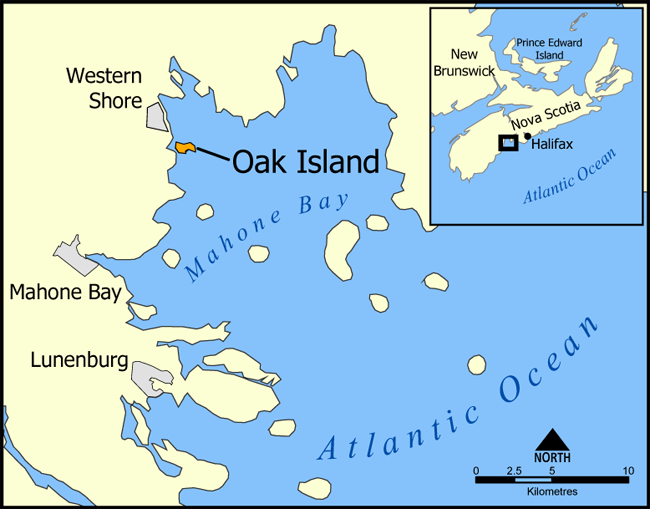
Off the coast of Nova Scotia, Oak Island has hosted more than two centuries of digs, schemes, and speculation focused on a feature known as the Money Pit. Early stories describe an unusual depression in the ground, layers of logs, and tantalizing early finds that suggested an artificial shaft. Over time, investors and enthusiasts poured money and machinery into increasingly elaborate excavations, discovering flooded tunnels, strange timbers, and scattered artifacts but never a single, undisputed treasure cache.
Today, Oak Island sits somewhere between serious historical investigation and reality-show spectacle. Some researchers argue that early evidence was overinterpreted and that natural processes or relatively modest human activity could explain most of what has been found. Others remain convinced that a large treasure – perhaps related to pirates, the Knights Templar, or another dramatic source – lies beyond our current efforts. Personally, I suspect the legend has grown far larger than any original deposit there could ever have been, but I also understand why people keep chasing it: if a heavily studied site like Oak Island can still hold secrets, then maybe any patch of earth can.
Conclusion: Why We Still Chase Glints in the Dark
Looking across these fifteen cases, a pattern jumps out: the more you dig into the details, the messier they become. Documents contradict each other, memories blur, and numbers grow or shrink depending on who is telling the story. A few treasures on this list are almost certainly exaggerated or may never have existed in the way popular legends describe. Others, like sunken galleon cargoes or missing art, are so well supported by evidence that it would be surprising if nothing significant remained. The reality is that “lost treasure” is usually a mix of hard facts, hopeful guesses, and more than a little storytelling.
Still, I think these mysteries matter even if you never swing a metal detector or charter a salvage ship. They challenge us to decide how much risk, obsession, and imagination we are willing to pour into chasing something that might not be there at all. They raise uncomfortable questions about who should own newly found wealth and whether gold at the bottom of the sea is better left as an untouched time capsule. And on a quiet level, they press on a childhood feeling many of us never quite outgrow: the sense that the world is bigger and stranger than it appears. Maybe the real decision is not whether hidden treasures exist, but whether you prefer a world where they might. If you had the perfect map in your hands, would you actually follow it?