Most companion planting charts pinned to garden shed walls today trace back to a single 1975 book that cited exactly zero controlled experiments. Louise Riotte’s Carrots Love Tomatoes was folklore dressed up as gospel, and for nearly fifty years gardeners repeated its “rules” without a shred of proof behind most of them.
Here’s the twist nobody expected: over the last two decades, agricultural researchers actually went out and tested these old wives’ tales in controlled field trials. Some rules collapsed instantly under scrutiny. Others turned out to be so accurate that scientists are still trying to explain what grandma already knew by instinct. Fourteen of those rules made it through the gauntlet – and the science behind a few of them is stranger than the folklore ever was.
#1 – Marigolds Really Do Fight Nematodes (Just Not the Bug You Think)
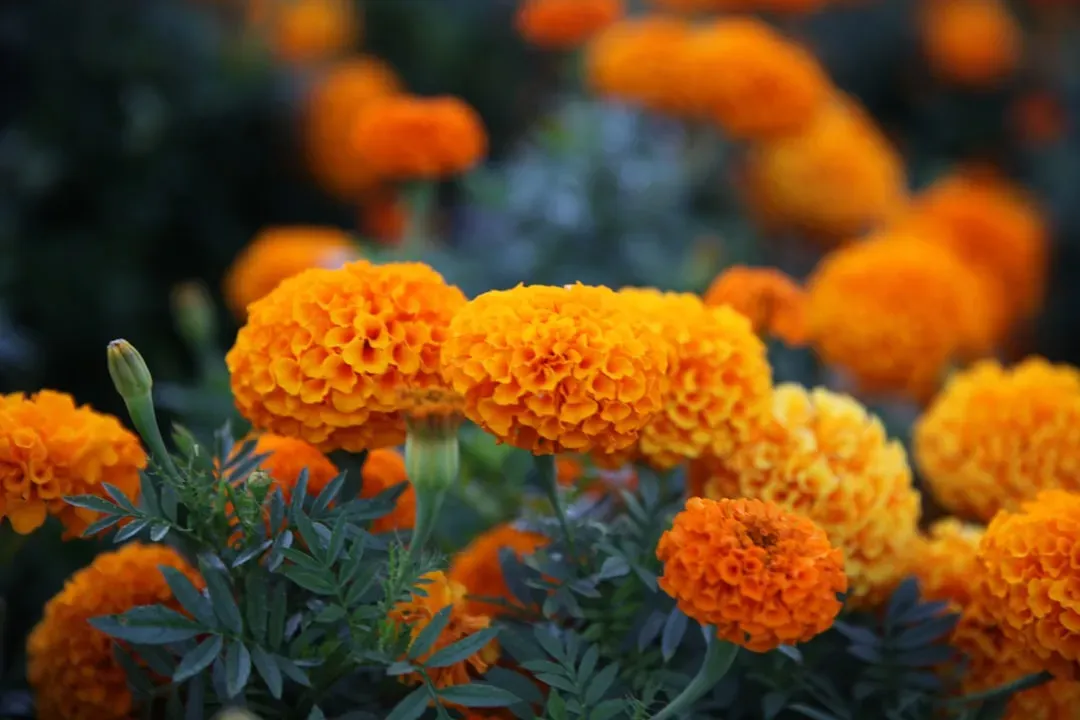
Marigolds have been crammed into vegetable beds for generations as an all-purpose pest shield. Most of that reputation, it turns out, is built on a myth.
Here’s the surprising part: marigolds do almost nothing against Colorado potato beetles, despite being the most repeated marigold companion claim in gardening lore. Multiple controlled field studies, summarized by University of Minnesota Extension, show marigolds simply do not reduce Colorado potato beetle damage on potatoes. The old rule was aimed at the wrong bug entirely.
What marigolds actually do is wage chemical warfare underground. They release compounds called thiophenes that nematodes cannot tolerate, and in peer-reviewed trials this isn’t a vague folk claim – it’s measurable chemistry. Alpha-terthienyl showed an LC₅₀ of 0.84 μM against root-knot nematode juveniles, generating oxidative stress that kills the pest from the inside out.
French marigolds suppress 14 different genera of plant-parasitic nematodes living in the soil. Wrong bug, right chemistry – the folklore just got its target confused for a century.
Fast Facts
- Marigolds do not reduce Colorado potato beetle damage, despite the popular garden myth.
- Alpha-terthienyl, a thiophene compound, carries an LC₅₀ of 0.84 μM against root-knot nematode juveniles.
- French marigolds suppress 14 different genera of plant-parasitic nematodes in the soil.
#2 – Sacrificial Radishes Actually Save Your Brassicas
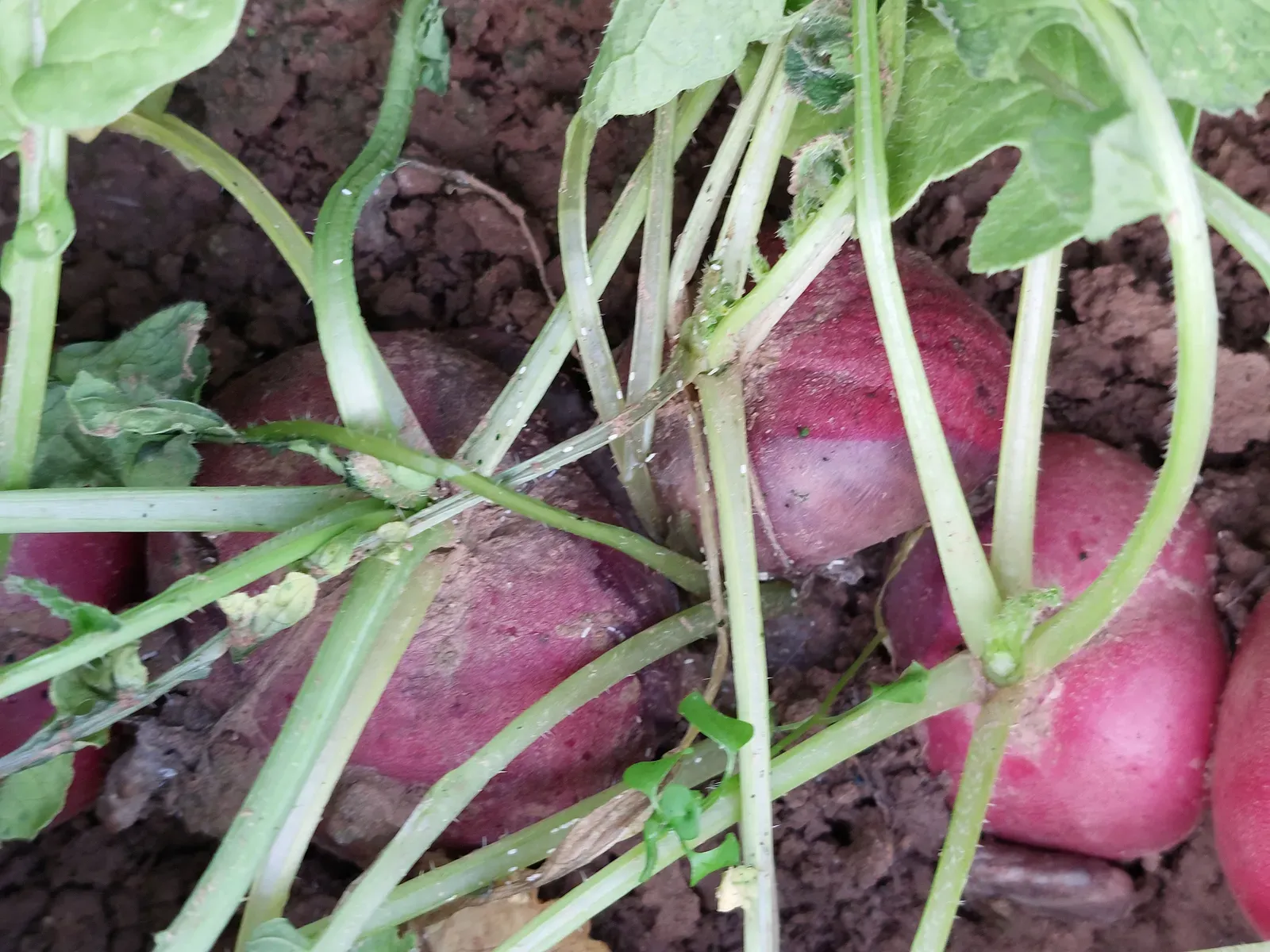
Farmers have planted a few “extra” radishes around cabbage patches for a century, treating them as bait rather than a crop. It turns out they were engineering pest control decades before scientists had a name for it.
The logic is simple and it works: flea beetles prefer radish leaves over almost anything else in the brassica family. Since radishes belong to that same family, planting a sacrificial patch nearby pulls the beetles away from your real crop. This isn’t a recent discovery either – trap crops were first suggested as flea beetle management back in 1920.
Modern field trials back it up further. Radishes inter-sown among other brassica crops significantly reduced damage from Phyllotreta pusilla, and turnip trap crops successfully protected a main swede crop from flea beetle attack in separate trials.
Even wild mustard borders play the same trick. Collard crops planted with a wild mustard border recorded noticeably lower numbers of Phyllotreta cruciferae. A hundred years of “just plant a few extra radishes” turns out to be a legitimate pest-diversion strategy.
#3 – Nasturtiums Were the Original “Decoy Crop”
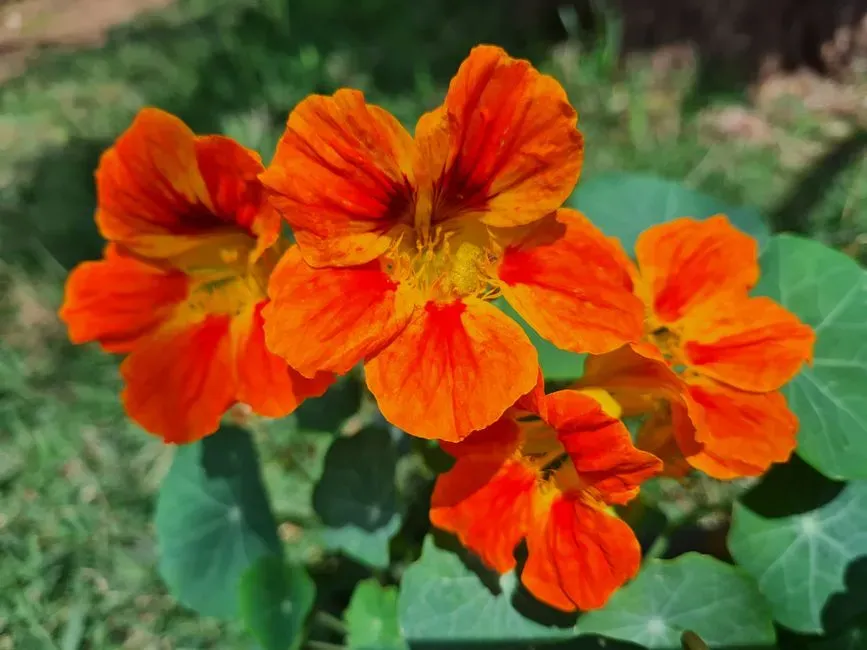
Grandmothers everywhere insisted on tucking nasturtiums under squash plants for “prettiness,” but the real reason was pest defense hiding in plain sight.
The old rule holds up remarkably well under modern scrutiny. Nasturtiums act as a trap crop for aphids and squash bugs because those pests genuinely prefer the texture and chemistry of nasturtium leaves over your prized vegetables.
The insects essentially abandon your squash to swarm the flowers instead, which is the entire point of a sacrificial planting strategy. That’s not an accident of nature – it’s free pest control disguised as a flowering border.
This is why so many extension offices still recommend the pairing today, even after debunking dozens of other folklore combos. It’s one of the few “grandma rules” that survived controlled comparison almost completely unchanged.
#4 – Dill Was Never About Flavor, It Was Pest Control
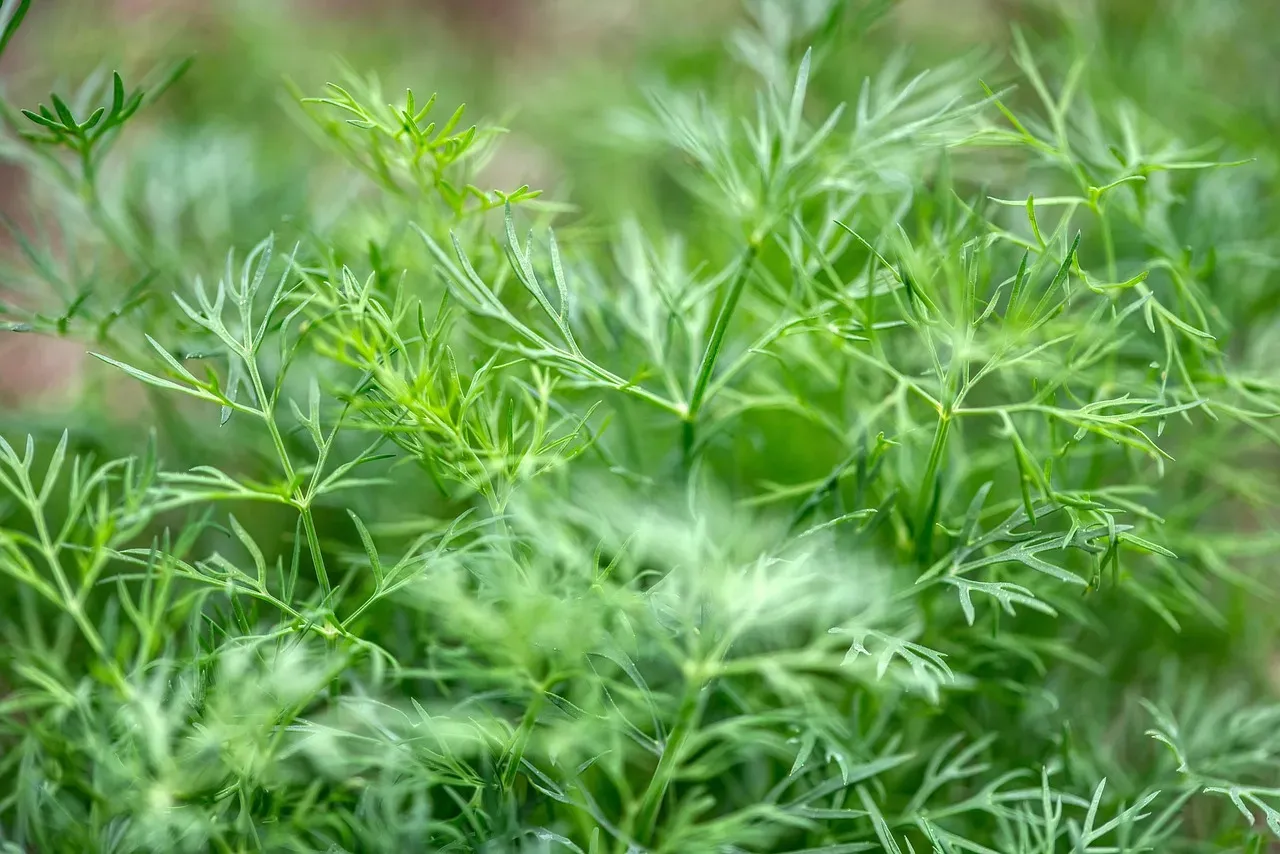
Home cooks assumed dill was planted near cabbage purely for the kitchen, but old-time farmers knew something else was going on beneath the surface.
Dill doesn’t repel pests directly – it recruits an assassin squad instead. It attracts parasitic wasps and other beneficial insects that hunt down aphids, cabbage worms, and similar pests on nearby plants.
This mechanism, which researchers call “beneficial insect recruitment,” is one of only four confirmed pathways that make companion planting biologically real rather than superstition. Instead of chemically repelling anything, dill acts like a dinner bell for predator insects who then patrol the surrounding garden.
Old-timers didn’t know the term “parasitoid wasp.” They just noticed the pattern, year after year, and quietly passed the rule down without ever needing the science to explain it.
#5 – Basil Next to Tomatoes Isn’t Just for Caprese Salad
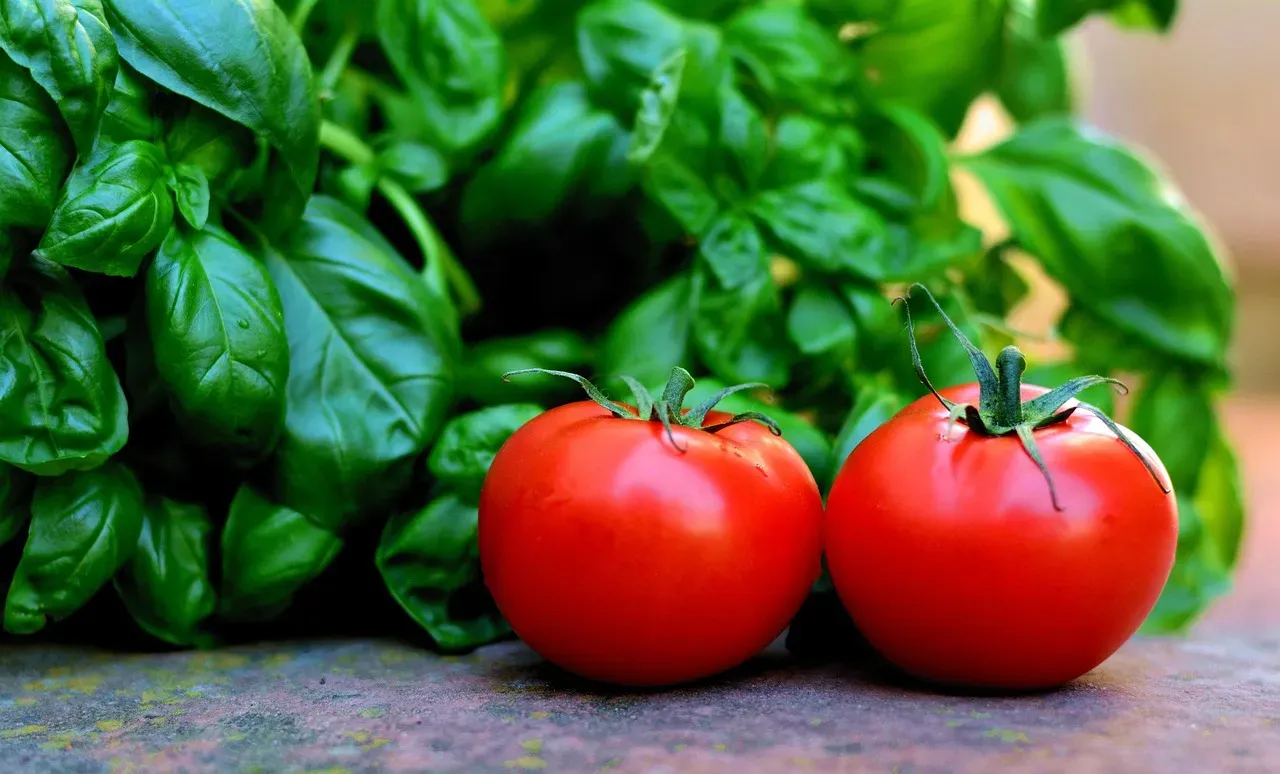
Every backyard gardener has heard “plant basil with your tomatoes,” usually explained away as flavor folklore. The chemistry tells a very different story.
Basil actually emits airborne chemical repellents that pests can’t stand. It releases volatile compounds like linalool and methyl eugenol that specifically repel thrips and whiteflies, and this has been measured directly in crop trials rather than assumed from tradition.
Research published in the Journal of Sustainable Agriculture found that basil interplanted with tomatoes significantly reduced thrips damage. That single finding turned a kitchen-garden habit into a legitimate pest-management tactic.
Thrips are notoriously hard to control organically because they hide inside flower buds where sprays rarely reach. A measurable reduction from a simple herb planting is a genuine win for anyone trying to keep the spray bottle away from their tomatoes.
#6 – Onions Near Carrots Confuse the Right Bug
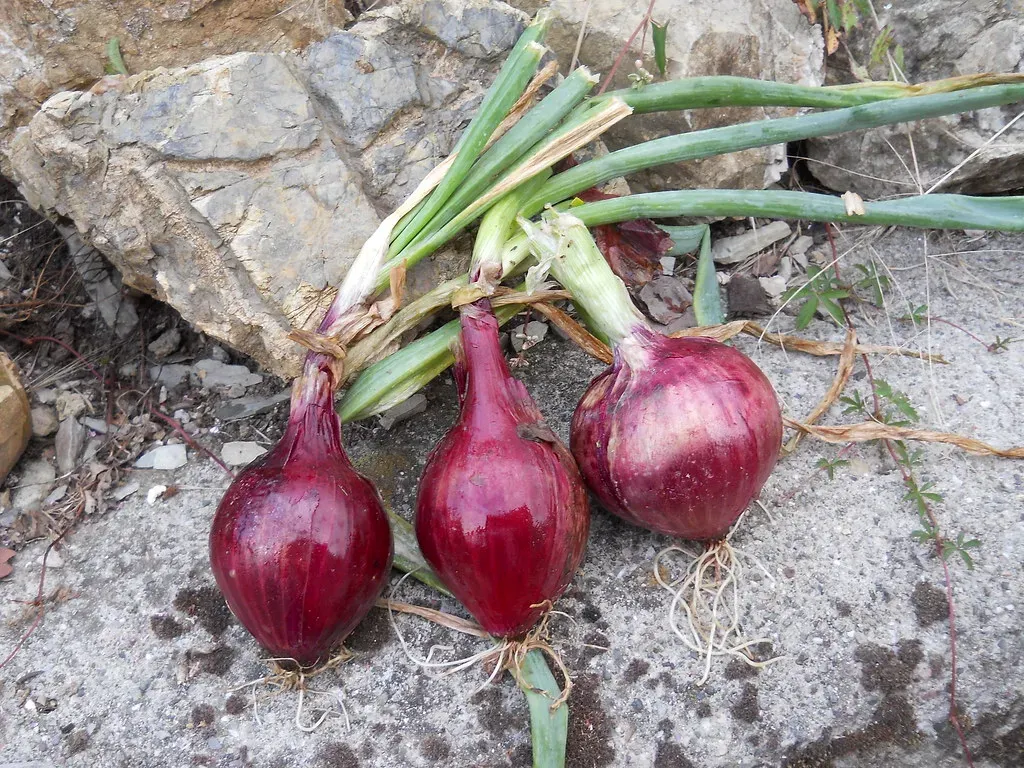
The “carrots and onions are friends” rule sounds like something out of a children’s book, but it’s rooted in a very specific insect behavior.
Carrot flies find their targets almost entirely by smell, and that’s exactly where alliums interfere. Onion scent helps confuse carrot flies before they ever locate the crop, and chives do the same job while carrying a second benefit most gardeners overlook.
Chive flowers attract bees and other pollinators to the garden, while the plant’s onion scent simultaneously deters carrot fly, Japanese beetle, and aphids. That’s three pests knocked down by one small herb border.
That’s a far better return than most gardeners realize when they plant chives purely for garnish. The pairing survives modern scrutiny precisely because it targets scent-based pest navigation rather than some vague “friendship” between plants.
#7 – Borage Under Strawberries Boosted Yields in a Real Trial
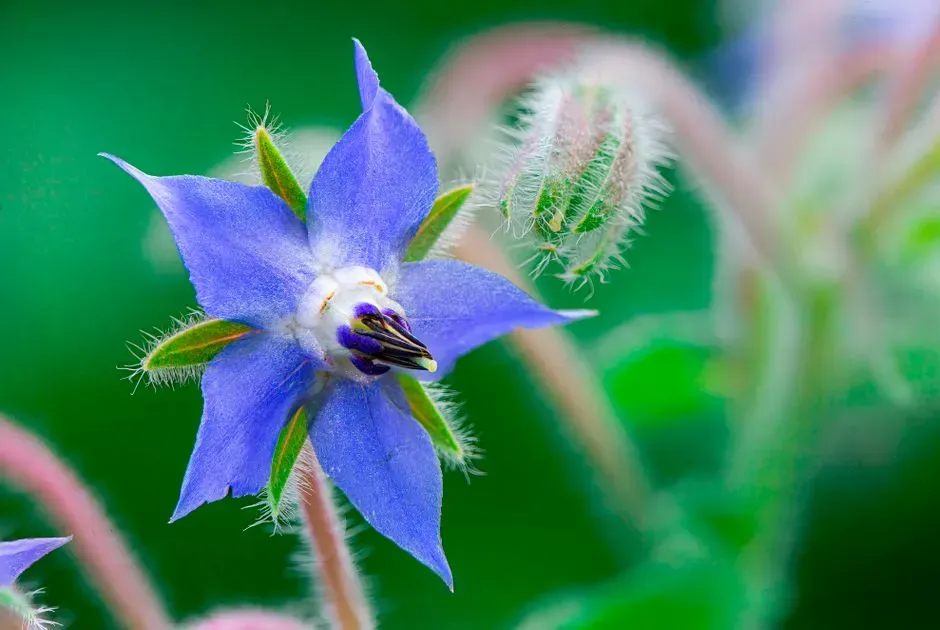
Old cottage gardeners swore borage made strawberries sweeter and more abundant, and this is one of the rare folklore claims that held up to a peer-reviewed test.
The Griffiths-Lee 2020 study published in Ecological Entomology is one of the most important companion planting papers of recent years. In both researcher-led experiments and citizen science data, strawberry plants adjacent to borage produced 35% more fruits and a 32% greater yield by weight.
A 35% fruit increase is not a rounding error – it’s one of the strongest documented companion planting results in modern literature. The mechanism is pollinator traffic, not magic: pollinator visits to strawberry flowers were estimated 25% higher when borage grew nearby.
More bee visits mean more fertilized flowers, which means measurably more fruit at harvest. Few “old rules” have this level of hard data standing behind them.
At a Glance
- Strawberries near borage produced 35% more fruit in the Griffiths-Lee 2020 study.
- Yield by weight rose 32% in the same trial.
- Pollinator visits to strawberry flowers climbed an estimated 25% with borage nearby.
#8 – Garlic and Chives Near Roses Weren’t Just Superstition
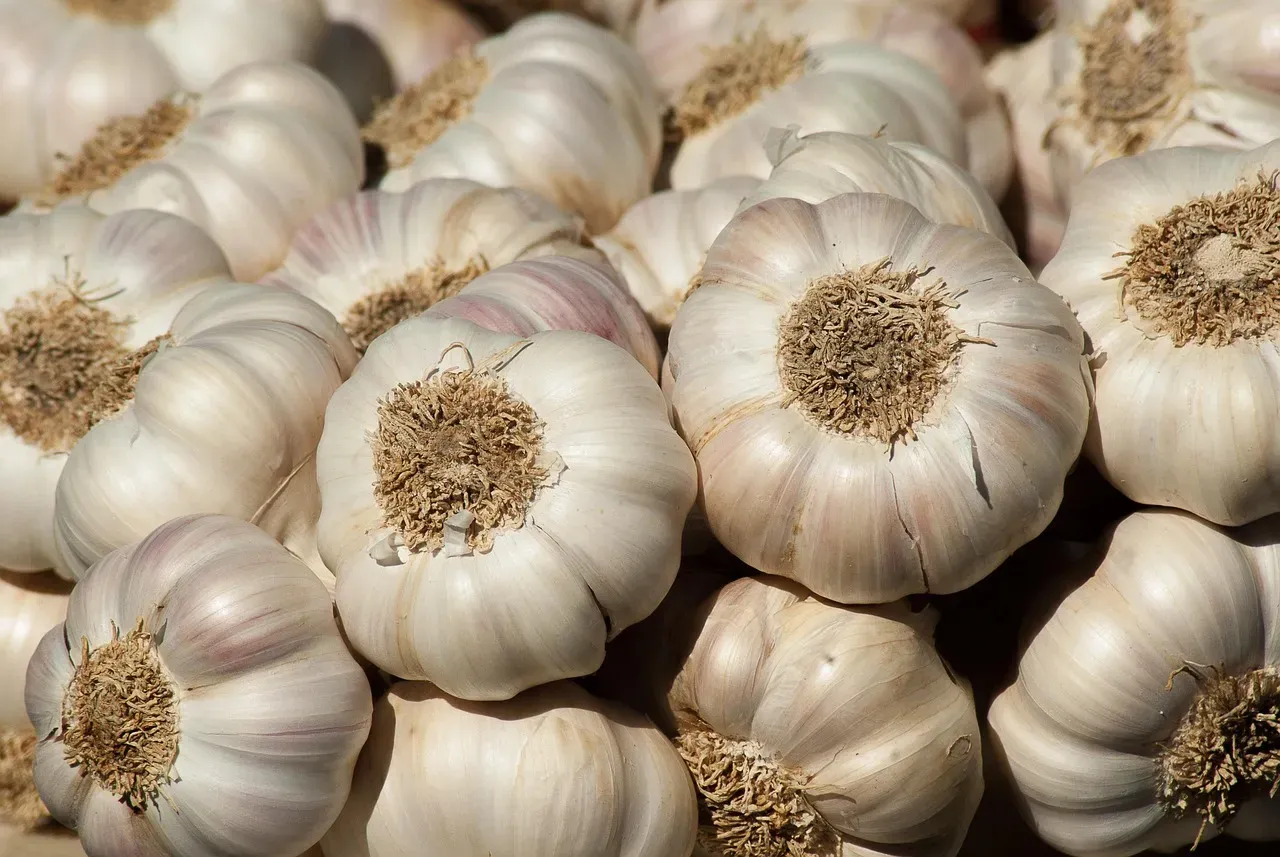
Rose growers have tucked garlic bulbs into flower beds for generations, insisting it kept disease away. The effect is modest, but it’s not pure fantasy either.
Garlic is a natural fungicide and is disliked by many pests, which makes it a genuinely useful companion for roses. Onions and chives produce a similar, if smaller, effect.
The catch is that gardeners often overstated how powerful this protection really is. This rule only partially holds up – it reduces risk, it doesn’t eliminate disease. Planting garlic nearby won’t cure black spot, but anecdotal evidence suggests it can lower infection rates.
That’s an important distinction old garden manuals conveniently left out. It’s a supporting tactic, not a substitute for good airflow, proper pruning, or resistant rose varieties.
#9 – Catnip Outperforms Some Commercial Bug Sprays
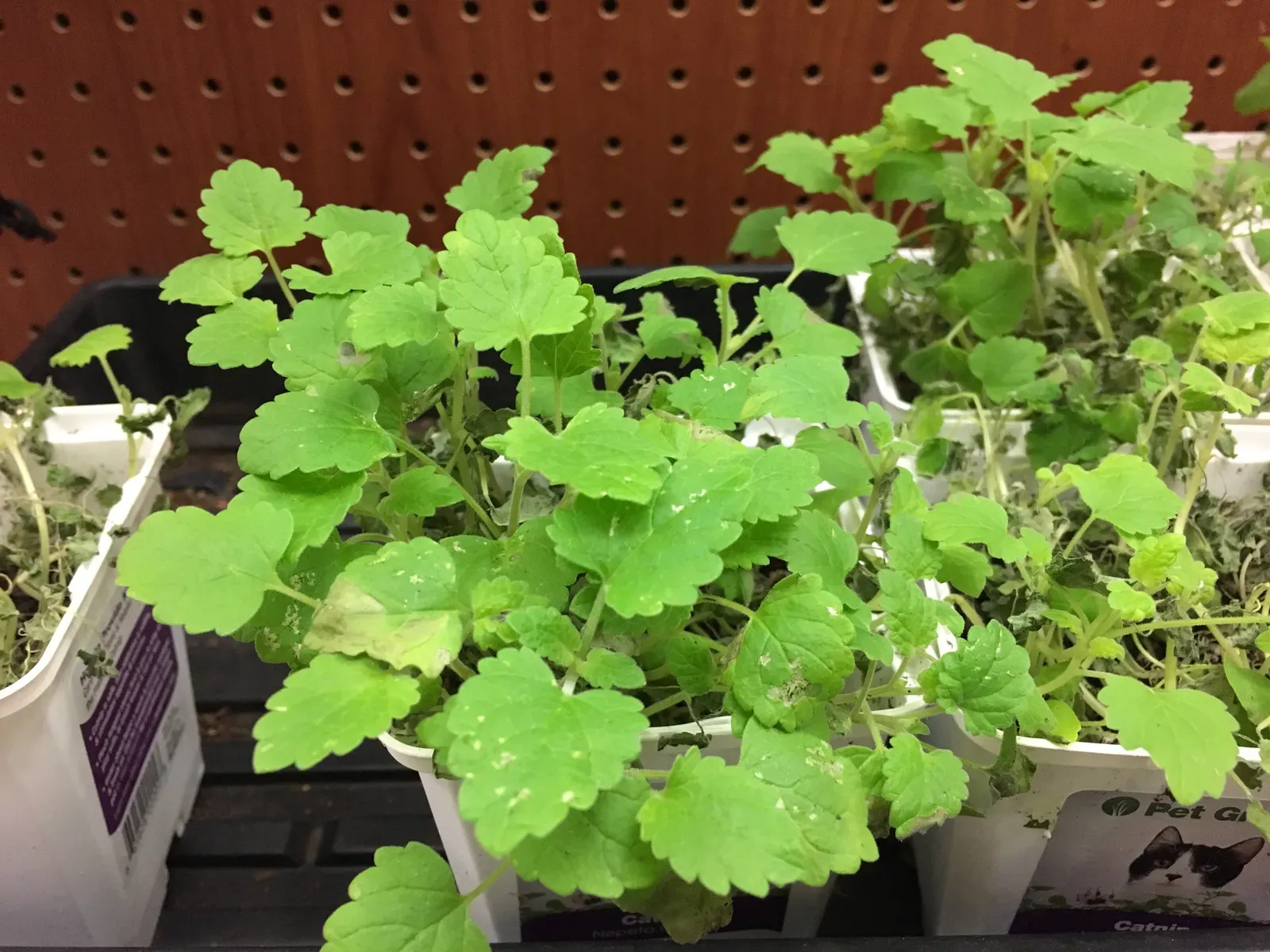
Farmers used to scatter catnip around vegetable patches convinced it kept insects away, long before anyone understood the chemistry behind it. Modern lab testing has been unexpectedly kind to this old habit.
One study found catnip repelled mosquitoes ten times more effectively than DEET, the active ingredient in most commercial bug sprays. The compound responsible has a name: nepetalactone, which you can even extract at home to make a DIY natural repellent.
Beyond mosquitoes, catnip’s reputation extends much further into the vegetable patch. It’s been shown to repel ants, aphids, cabbage looper, Colorado potato beetle, cucumber beetle, flea beetle, Japanese beetle, squash bug, weevils, and cockroaches.
That’s an unusually long list of pests for one unassuming herb to influence, and it’s part of why catnip keeps sneaking back into serious organic pest-management conversations.
Why It Stands Out
- Repelled mosquitoes ten times more effectively than DEET in lab testing.
- Contains nepetalactone, a compound gardeners can extract at home for a natural repellent.
- Also shown to repel ants, aphids, cabbage looper, Colorado potato beetle, cucumber beetle, flea beetle, Japanese beetle, squash bug, weevils, and cockroaches.
#10 – A Patch of “Weeds” Was Secretly Pest Control
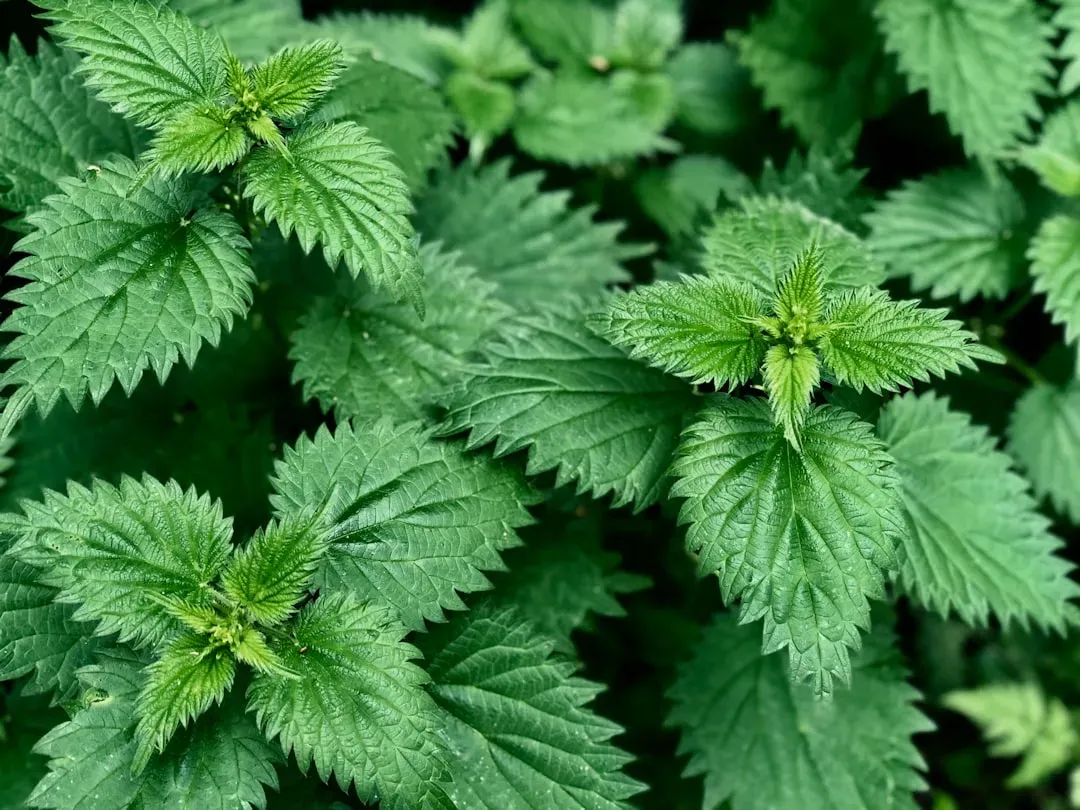
Old-time gardeners deliberately left a stinging nettle patch near the vegetable rows instead of ripping it out, which confused newcomers who assumed it was laziness.
It wasn’t laziness – it was strategy. Nettles attract aphids, and aphids in turn attract ladybugs. The nettles act as an early aphid magnet, drawing the pest away from tender crops.
The ladybug population that follows the aphids sticks around afterward, patrolling the rest of the garden long after the nettles have served their purpose. This is trap cropping and predator recruitment working together in a single, deliberately “messy” corner of the garden.
Most modern gardeners rip out anything that looks like a weed on sight. This old rule shows that a controlled patch of nettles, left standing on purpose, can quietly do more pest work than a spray bottle ever will.
#11 – Beans Were Feeding Their Neighbors the Whole Time
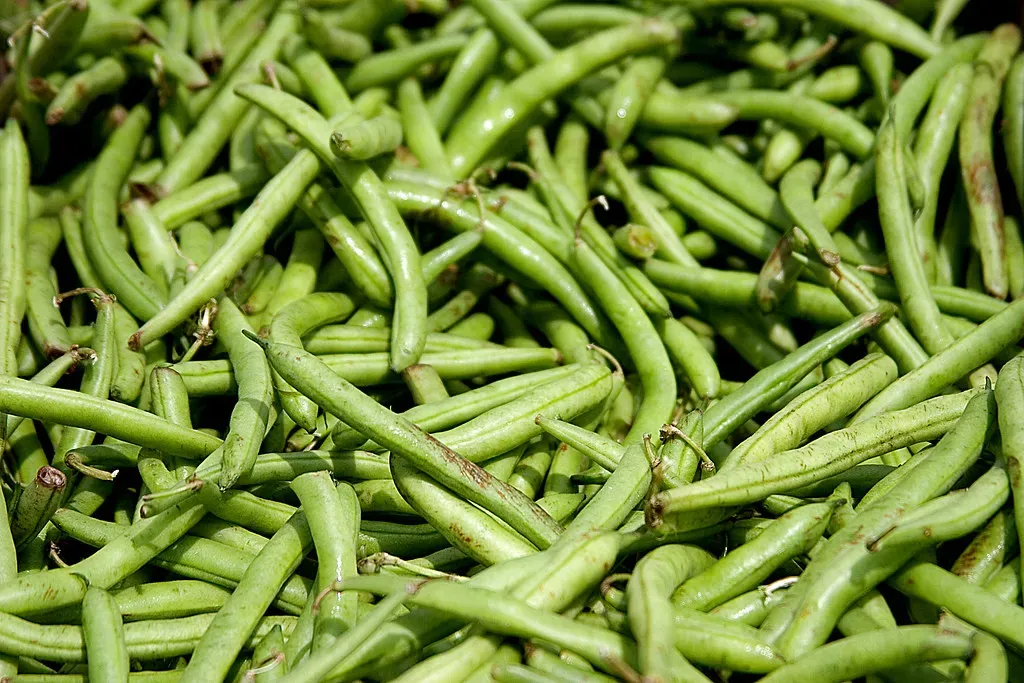
Farmers have planted beans next to hungry crops like corn and squash for centuries, insisting the soil “got richer” afterward, without ever being able to explain the chemistry behind it.
Now we can. Legume nitrogen-fixation research shows interplanted beans can supply 20 to 60 kilograms of nitrogen per hectare through biological fixation alone. That’s enough nitrogen to noticeably reduce, or even eliminate, the need for synthetic fertilizer on a small plot.
Beans essentially manufacture their own fertilizer and share the surplus with whatever grows beside them. Bacteria living in nodules on bean roots pull nitrogen straight out of the air and convert it into a form neighboring plants can absorb directly from the soil.
Old farmers had no idea rhizobia bacteria existed. They just noticed that whatever grew beside beans came up greener and stronger, and they kept doing it for generations without asking why.
#12 – Keeping Tomatoes Away From Walnut Trees Wasn’t Paranoia
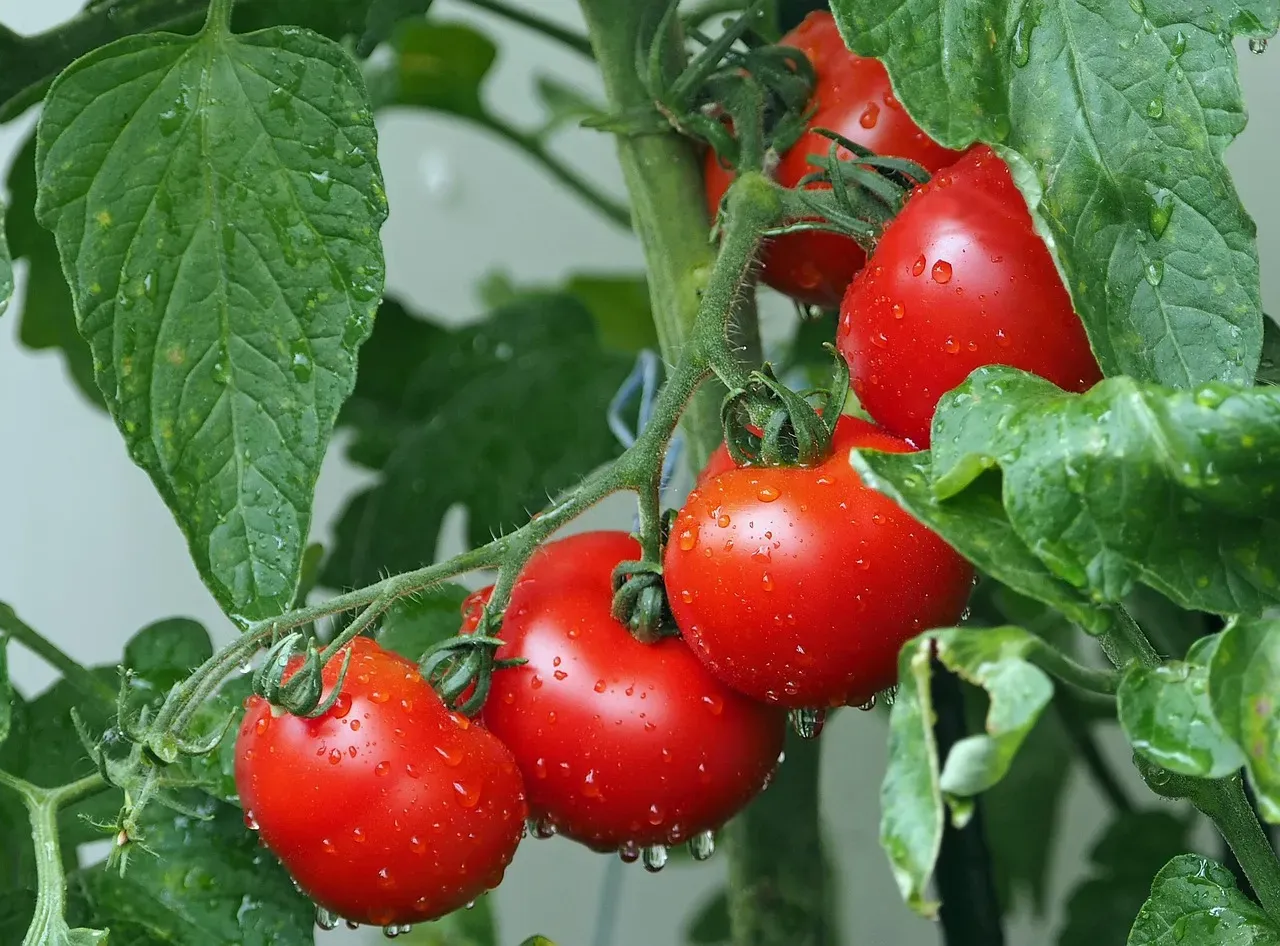
Generations of gardeners refused to plant a vegetable garden anywhere near a black walnut tree. Modern chemistry confirms they had every reason to be cautious.
Black walnut trees release juglone, a compound potent enough to kill tomato plants within roughly 50 feet of the trunk. This is one of the clearest confirmed cases of allelopathy in home gardening – a plant actively poisoning its neighbors through root and leaf chemistry rather than simply competing for light or water.
Nightshades like tomatoes, peppers, and eggplants are especially sensitive to juglone. That explains why an “unlucky” garden spot near an old walnut tree so often failed, no matter how much care and compost went into it.
This was never bad luck – it was chemistry the old rule correctly identified long before anyone could name the compound responsible for it.
Worth Knowing
- Juglone from black walnut roots can kill tomato plants within roughly 50 feet of the trunk.
- Nightshades – tomatoes, peppers, and eggplants – are especially sensitive to the compound.
- This is one of the clearest confirmed cases of allelopathy in home gardening.
#13 – Sunflowers Aren’t the Friendly Border Plant Everyone Assumes
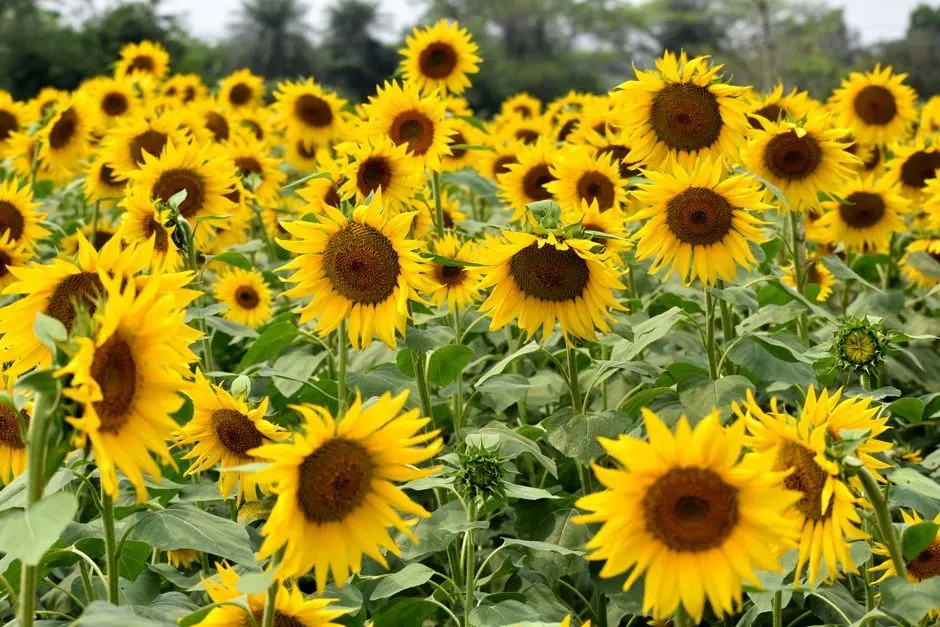
Sunflowers get planted as a cheerful garden border constantly, but old farmers actually kept them well away from their main crops for a very specific reason that modern research now confirms.
Sunflowers quietly sabotage the growth of nearby vegetables through the same chemical warfare tactic as black walnut trees. Sunflower and black walnut are, in fact, two of the most commonly cited species with documented allelopathic effects.
The damage isn’t limited to one or two sensitive crops, either. Research in Weed Science shows sunflowers negatively affect the growth of soybeans, sorghum, rice, mustard, tomatoes, beans, and corn.
That’s a genuinely uncomfortable finding for anyone who’s spent years planting sunflowers directly beside tomatoes for “pollinator support.” The old caution to keep sunflowers on the outer perimeter, far from food crops, turns out to be one of the more scientifically solid warnings in traditional gardening lore – even though almost nobody follows it today.
#14 – The Three Sisters Is Still the Gold Standard After 1,000 Years
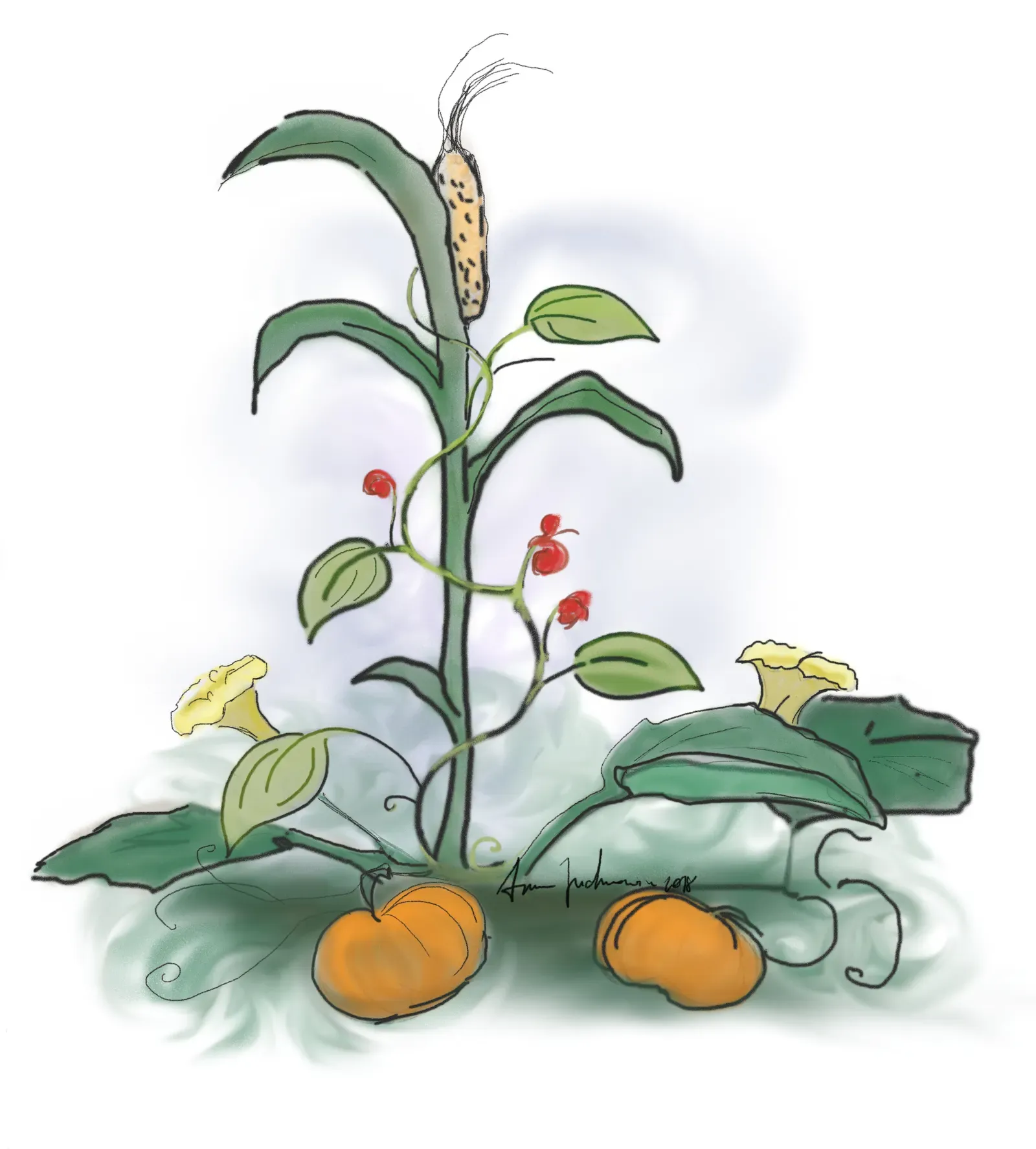
No companion planting rule has survived longer or been tested more rigorously than the Indigenous system of growing corn, beans, and squash together. It remains the single most validated polyculture in North American agricultural history.
The Three Sisters is the oldest documented companion planting system in the Americas. Haudenosaunee (Iroquois) Confederacy agricultural records describe the method in detail, and Pueblo peoples of the American Southwest practiced related versions for a thousand years or more. This wasn’t guesswork passed down by accident – it was engineered agriculture refined over centuries of direct observation.
Each plant solves a mechanical problem for the others. The cornstalk serves as a trellis for climbing beans, the beans fix nitrogen in their root nodules while stabilizing the maize against high winds, and the wide leaves of the squash shade the soil, keeping it moist and choking out weeds. Corn even doubles as a raccoon deterrent, since its height and visibility make raccoons wary of raiding the bean and squash harvest hidden below.
Corn, beans and squash are grown together known as the three sisters. They provide sustenance to the people and to the land.
Robin Wall Kimmerer, Braiding Sweetgrass
This isn’t just folklore surviving on charm – it produces measurably higher yields than growing any of the three crops alone. A 2006 study in Agronomy Journal found that Three Sisters polycultures produced higher total yield per acre than corn, beans, or squash grown separately. After a thousand years and a peer-reviewed agronomy journal backing it up, this remains the single most airtight “old rule” in the entire history of companion planting.
The Bottom Line
Old companion planting rules get dismissed as folklore far too often, but the evidence tells a more complicated story. The Three Sisters system, borage under strawberries, and marigolds against nematodes all held up under real scientific scrutiny, while other beloved “rules” – like marigolds stopping potato beetles – turned out to be complete myths.
The pattern is worth remembering the next time a gardening blog throws around a vague “these two are friends” claim. Rules built on trap cropping, allelopathy, or beneficial insect recruitment tend to survive testing, while fuzzy “companionship” claims usually fall apart the moment someone actually runs the experiment.
My honest opinion after digging through the research: the old-timers weren’t guessing nearly as much as we like to think, and the modern gardening world owes them more credit than a cute quote in a seed catalog. Which of these surprised you the most – and which old rule from your own garden do you swear by that we didn’t cover here? Drop it in the comments.