Most gardeners see a yellow leaf and reach straight for the watering can, convinced thirst is always the culprit. That instinct is often exactly backwards, and it can quietly kill a plant faster than neglect ever would.
Leaf color isn’t decoration, and it isn’t bad luck either. It’s a live readout of what’s happening beneath the surface, in the soil chemistry your roots depend on every single day. Plant pathologists have spent decades mapping which colors, patterns, and locations on a leaf line up with specific nutrient breakdowns, sometimes catching a problem weeks before the plant shows any other sign of trouble.
Here are the 11 leaf signals worth learning before you touch that hose or fertilizer bag again.
#1 – Yellowing Between the Veins (While Veins Stay Green)
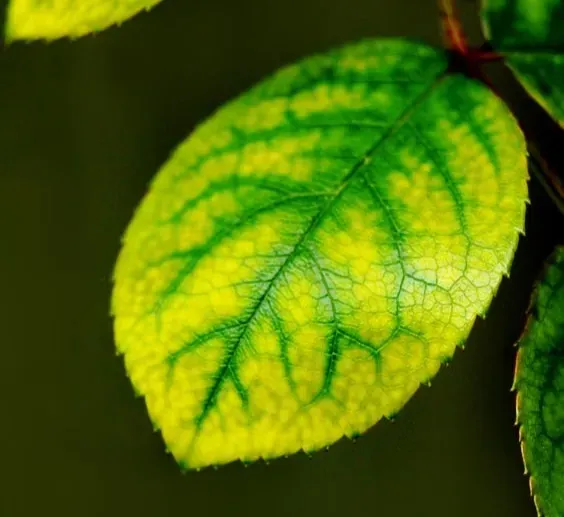
If you notice leaves turning yellow but the veins remain sharply green, you’re looking at classic interveinal chlorosis, and it’s rarely about water.
This pattern usually points to an iron or manganese deficiency, and here’s the twist: your soil might actually have plenty of iron in it. The real issue is almost always pH. In alkaline soil above 7.0, iron becomes chemically locked and unavailable to roots, no matter how much is technically present in the ground. That’s why gardeners who dump iron supplements into their soil without testing pH first often see zero improvement.
Newer leaves at the top of the plant typically show this first, because iron doesn’t move well once it’s absorbed. Citrus trees, blueberries, and azaleas are notorious for flashing this warning sign. Most people blame fungus or pests here, but a simple pH strip solves the mystery in under two minutes.
Fast Facts
- Iron locks up in soil above pH 7.0, even when plenty is present
- Manganese deficiency mimics iron deficiency and needs a separate test to confirm
- New leaves show symptoms first since iron can’t relocate to fresh growth
- Citrus, blueberries, and azaleas are especially prone to this pattern
But that’s nothing compared to what’s happening in reading #2.
#2 – Uniform Pale Yellow Leaves Starting From the Bottom
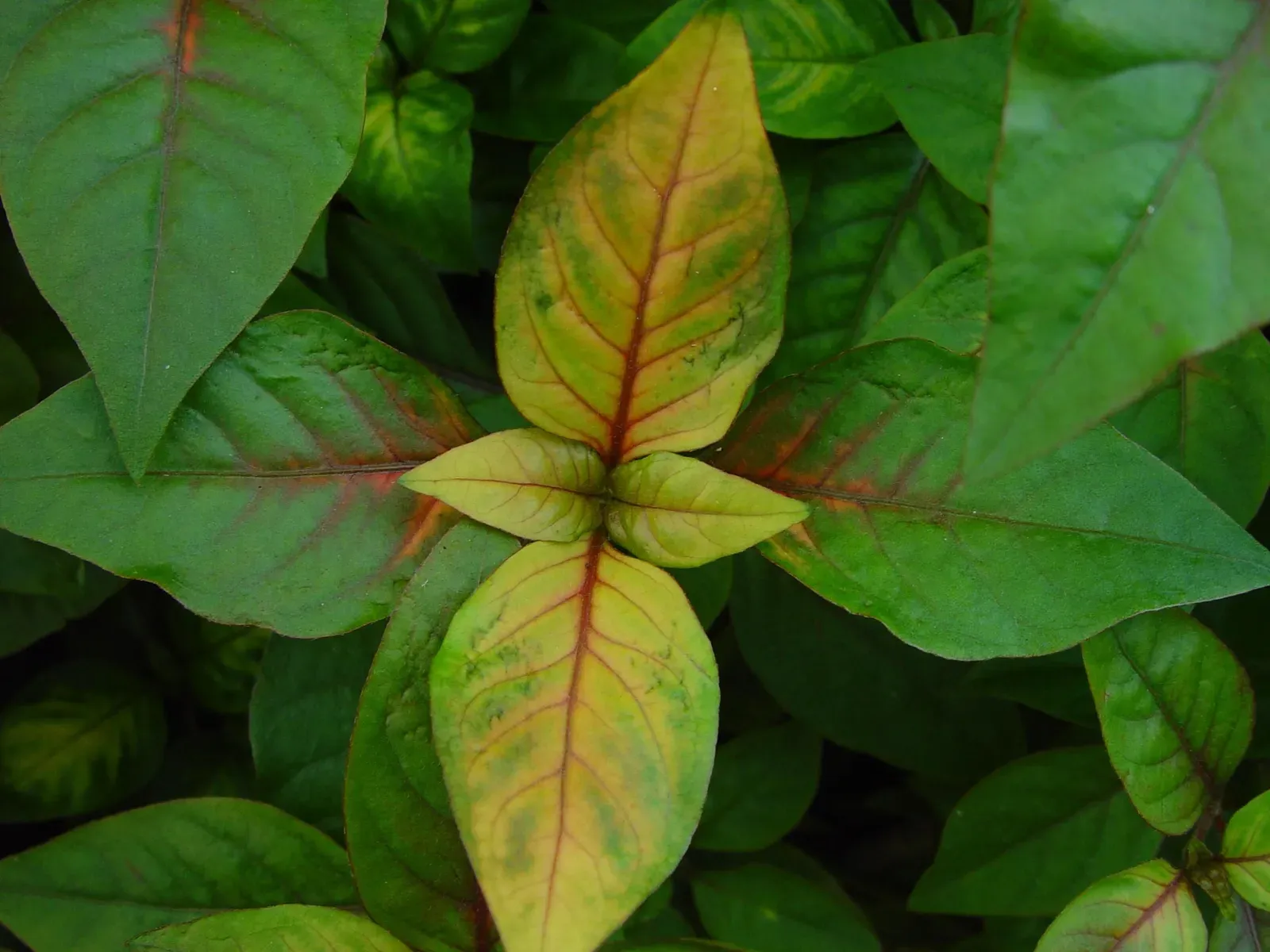
When the entire leaf turns pale yellow – not patchy, not veined, just washed out – and it starts on the oldest, lowest leaves first, you’re dealing with nitrogen deficiency.
Nitrogen is what’s called a “mobile” nutrient, meaning the plant is smart enough to cannibalize it from older leaves and ship it to new growth when supplies run low. That’s why the yellowing climbs the plant from bottom to top in a slow, predictable wave. Experts consider this one of the most reliable early-warning signs in all of plant nutrition, because it shows up before growth actually stalls.
Compost-heavy soils rarely show this, but soil that’s been over-farmed, over-mulched with wood chips, or repeatedly used for container gardening burns through nitrogen fast. Wood mulch in particular can rob nitrogen from surrounding soil as it decomposes. Many gardeners mistake this for natural aging and skip a season of feeding entirely – a mistake that compounds fast.
But reading #3 tells a very different story about color.
#3 – Purple or Reddish Tint on Leaves and Stems
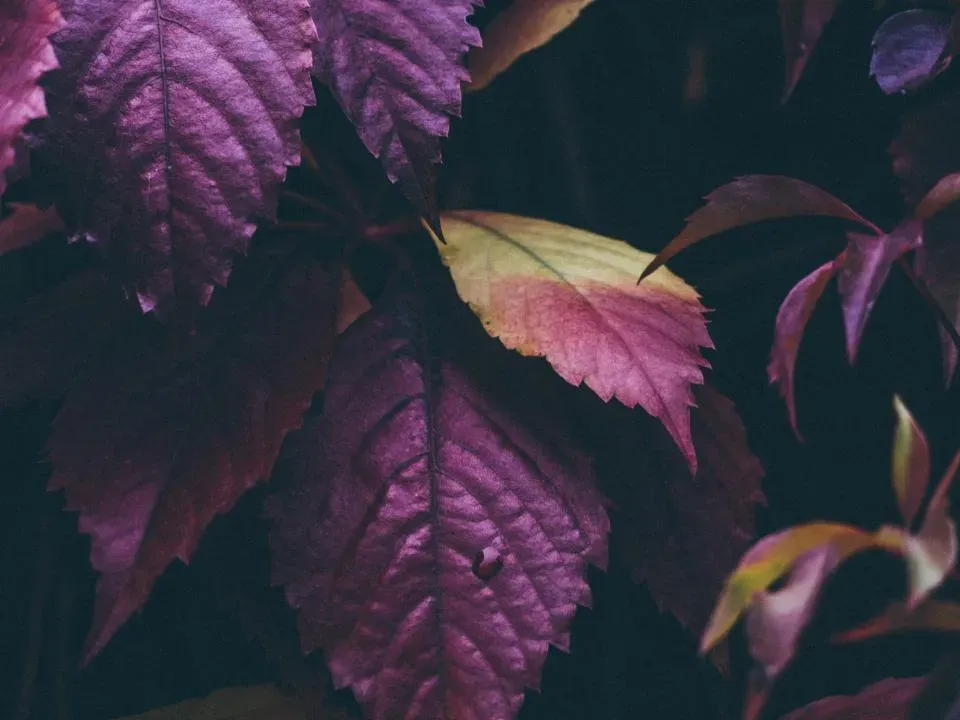
A plant that’s suddenly blushing purple isn’t decorating itself. It’s panicking about phosphorus.
Phosphorus deficiency triggers a buildup of anthocyanin pigments, giving leaves and stems a reddish-purple cast, particularly on the undersides. This is especially common in cold soil, because phosphorus uptake slows dramatically below 55°F even when the nutrient is technically present in the ground. That’s why this symptom spikes in early spring, then mysteriously “cures itself” once soil warms up.
Tomatoes and corn are the two crops most gardeners associate with this signal, and for good reason – both are heavy phosphorus feeders during early root development. Some varieties naturally show purple pigmentation as a genetic trait, which is where a lot of confusion happens. The real test: check if the purple appears on young seedlings during a cold snap. If yes, it’s temperature-driven phosphorus lockout, not a permanent deficiency.
But reading #4 involves damage that doesn’t reverse nearly as easily.
#4 – Brown, Scorched-Looking Leaf Edges
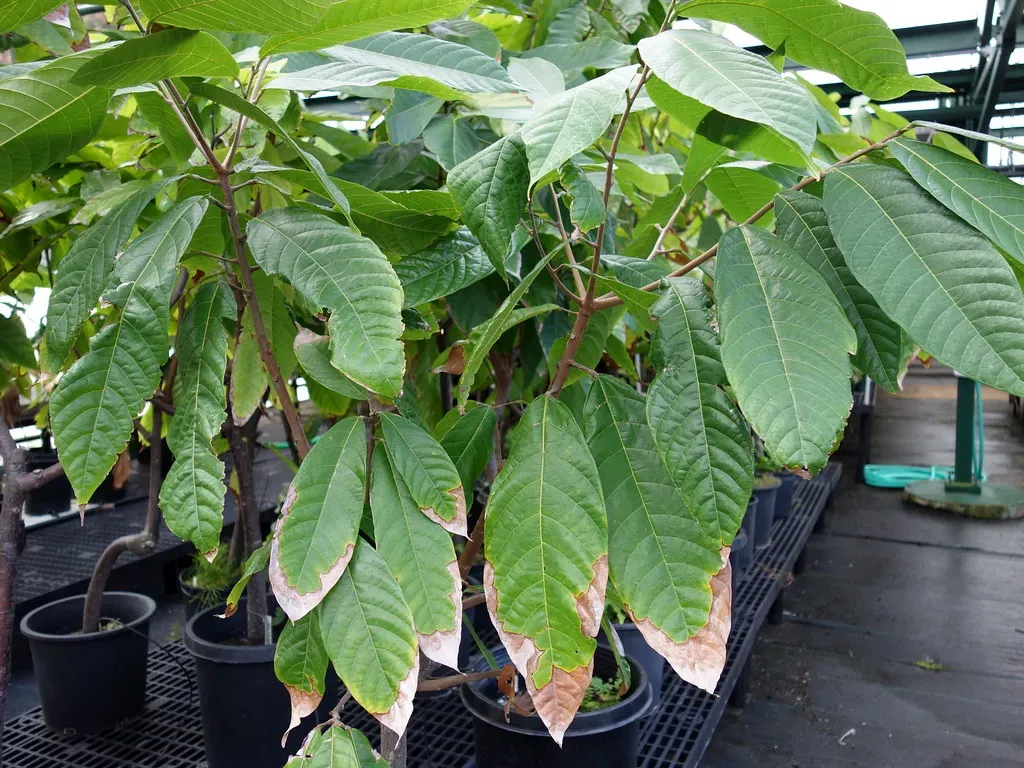
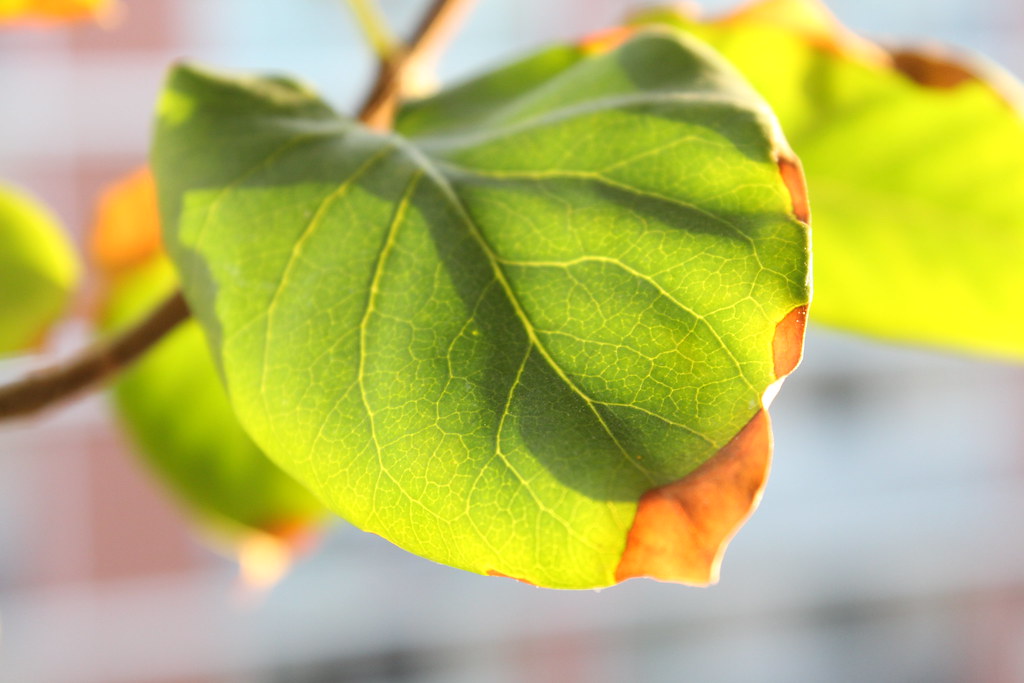
If the outer margins of your leaves look burned – crispy, brown, curling inward – but the center of the leaf stays green and healthy, that’s a near-textbook potassium deficiency.
Gardeners call this “leaf scorch,” and it’s one of the more misdiagnosed symptoms in home gardening because it visually mimics drought stress, salt damage, or too much fertilizer. Potassium regulates water movement inside the plant, so when it’s missing, the plant literally can’t manage moisture at the leaf’s edges, causing them to dry out and die first.
Older leaves show this before younger ones, since potassium, like nitrogen, is mobile within the plant. Sandy soils lose potassium fast through leaching, especially after heavy rain. Coastal gardens dealing with salty air often see a similar edge-browning that’s actually sodium toxicity, not deficiency – testing your soil is the only way to tell the two apart for certain.
Quick Compare
- Potassium deficiency: brown, crispy edges on older leaves; center stays green
- Salt/sodium damage: edge-browning near coastal soil or over-fertilized beds
- Drought stress: whole leaf wilts and browns evenly, not just the margins
But what we found while researching reading #5 surprised even long-time growers.
#5 – Leaves That Are Unusually Dark, Almost Blue-Green
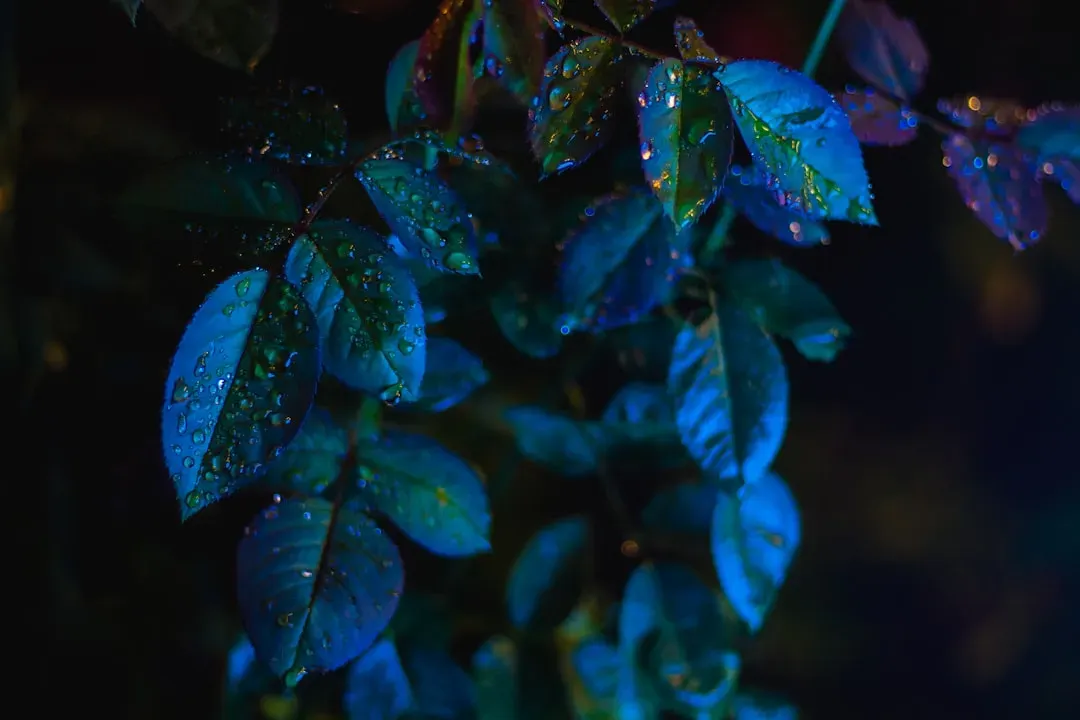
Most people assume darker green means healthier. Experts push back hard on this assumption.
Leaves that turn an unnaturally deep, almost blue-green shade – especially paired with stunted growth and delayed flowering – often signal a phosphorus problem, not abundance. This darkened coloring happens because the plant is diverting energy toward pigment production instead of normal growth, essentially a distress signal disguised as vigor.
This is one of the more counterintuitive readings on the list, since it contradicts the instinct that “darker equals better.” Waterlogged, compacted soil is frequently the root cause, because saturated soil pushes oxygen out of root zones, and phosphorus uptake requires oxygen-dependent root activity. Container gardens with poor drainage holes are repeat offenders.
If you’re seeing deep green color with almost no new growth for several weeks, don’t celebrate. Check drainage first. Reading #6 flips the entire “old versus new leaf” rule on its head.
#6 – New Growth Yellowing While Older Leaves Stay Green
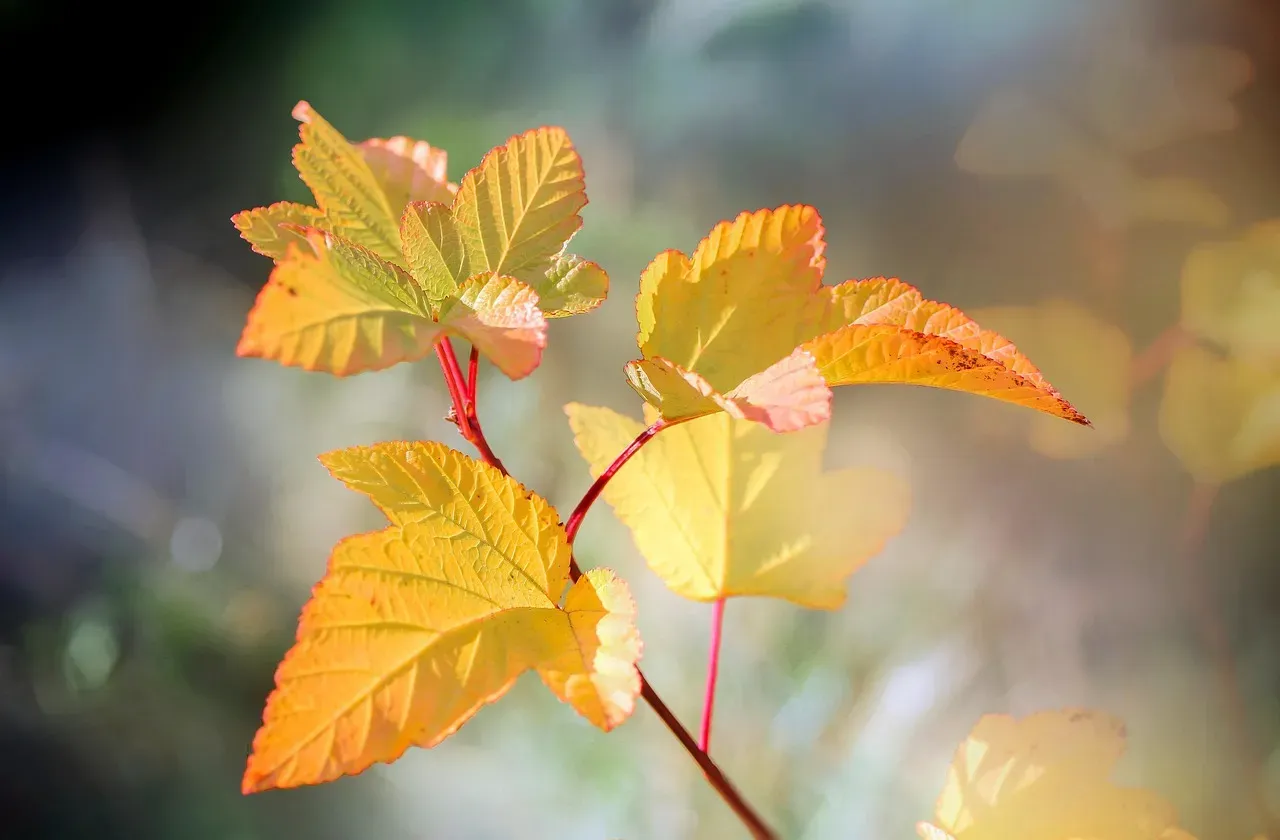
This one trips up even experienced gardeners because it’s the reverse of what most nutrient charts teach.
When the newest leaves at the top of the plant are pale or yellow while older, lower leaves remain a healthy green, you’re likely dealing with a deficiency in an immobile nutrient – most commonly sulfur or calcium. Unlike nitrogen or potassium, these nutrients can’t be relocated from old tissue to new tissue once absorbed. The plant simply can’t recycle them, so new growth is left starving even while old leaves look perfectly fine.
Sulfur deficiency has become more common in recent decades, ironically because cleaner air has reduced the atmospheric sulfur deposits that used to fertilize soil for free. Calcium-based versions of this symptom often show up alongside blossom-end rot in tomatoes and peppers. Testing soil calcium and sulfur levels separately is the only reliable way to tell these two apart.
But reading #7 shows an almost identical pattern, with one critical difference.
#7 – Yellow Leaf Margins With a Green “V” Shape Down the Center
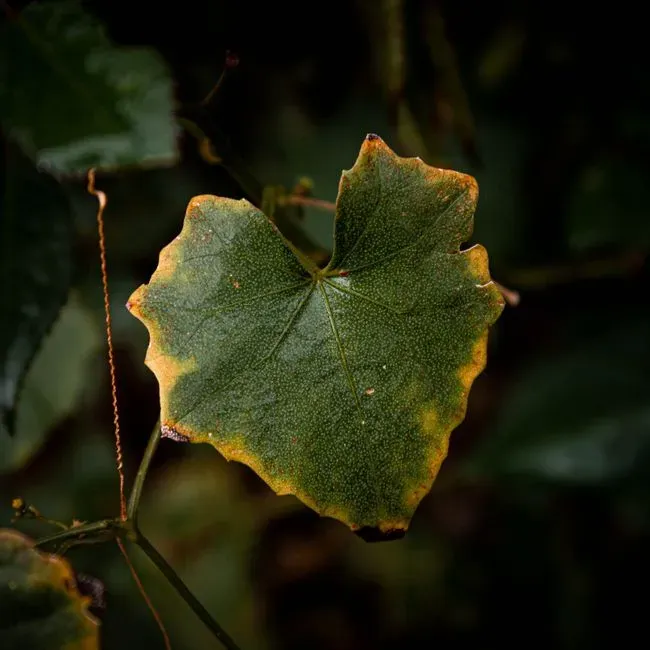
Look closely at the leaf shape here: the edges turn yellow while a distinct green V or triangle stays intact, running from the stem toward the tip.
This oddly specific pattern is a strong indicator of magnesium deficiency, and it typically starts on older leaves before working its way up. Magnesium sits at the center of every chlorophyll molecule, so when it’s missing, the plant literally cannot manufacture its own green pigment in affected tissue, regardless of sunlight or water levels.
Heavy rainfall regions see this constantly, because magnesium leaches out of soil quickly, especially in sandy or acidic conditions. Excessive potassium fertilizer use can also block magnesium uptake through nutrient competition, meaning over-fertilizing with the wrong product can accidentally cause this exact symptom.
Epsom salt solutions are the classic home remedy here, and for once, the old gardening trick actually holds up under scientific scrutiny – magnesium sulfate is a legitimate, fast-acting correction.
At a Glance
- Magnesium sits at the core of every chlorophyll molecule
- Sandy and acidic soils lose magnesium fastest through leaching
- Excess potassium fertilizer can block magnesium uptake
- Epsom salt (magnesium sulfate) is a fast, science-backed fix
But reading #8 has almost nothing to do with color and everything to do with shape.
#8 – Leaves Curling or Cupping Upward
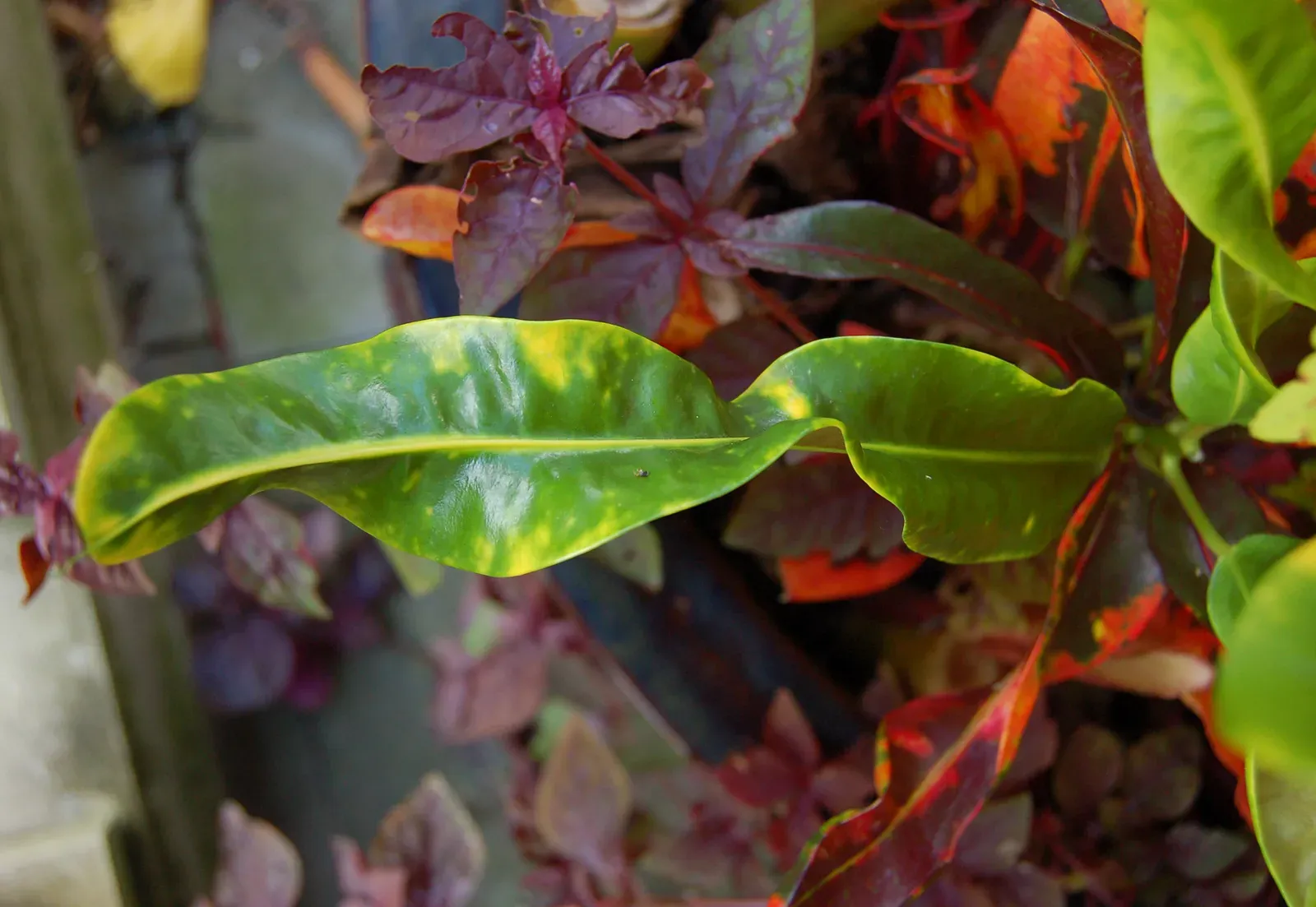
When leaves start curling inward like a shallow bowl, especially new growth near the top, most gardeners blame pests or heat stress first. Soil is rarely the first suspect, and that’s the mistake.
Calcium deficiency frequently causes this exact curling because calcium is essential for building strong, stable cell walls. Without enough of it, new tissue grows abnormally and curls as it tries to compensate structurally. This deficiency almost never happens because soil lacks calcium outright – it’s usually caused by inconsistent watering that prevents calcium from moving through the plant’s vascular system properly.
Drought followed by sudden heavy watering is the most common trigger, which is why this symptom spikes during unpredictable weather swings. Greenhouse growers see it constantly in container soil that dries out between waterings. The fix isn’t always more calcium – sometimes it’s simply watering on a consistent schedule so the nutrient already present can actually travel where it’s needed.
But reading #9 is where things get genuinely alarming for backyard growers.
#9 – Black or Dark Brown Spotting Across the Leaf Surface
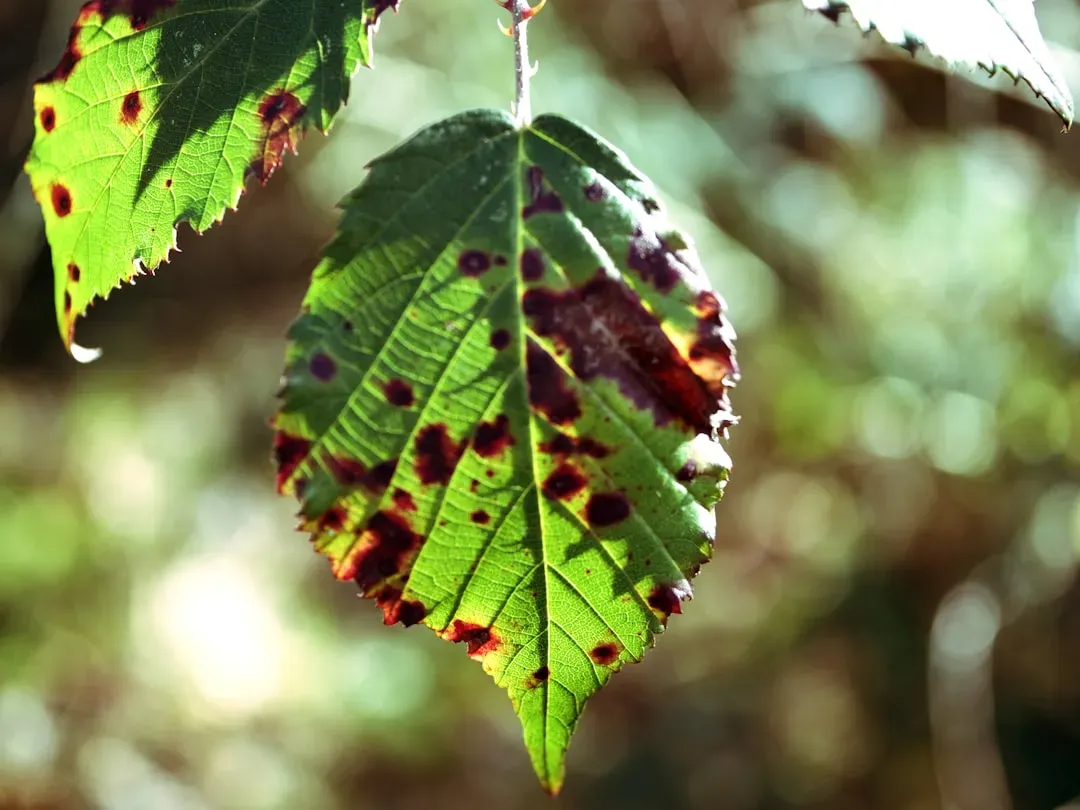
Random dark spots scattered across leaves – not confined to edges or veins – often get blamed on fungus first, and sometimes that’s correct. But soil chemistry deserves equal suspicion.
Manganese toxicity, ironically caused by soil that’s too acidic rather than deficient, produces this exact black-spotting pattern. When soil pH drops too low, manganese becomes overly available and accumulates to toxic levels inside leaf tissue, essentially poisoning the plant with its own soil. This is the mirror opposite of the iron lockout described in reading #1.
This one generates real disagreement among home gardeners. Many insist it’s always fungal and treat it with fungicide repeatedly, without success. Soil pH testing resolves the debate quickly: acidic soil below 5.5 combined with black spotting points strongly toward manganese toxicity, not disease. Lime application to raise pH is often the actual fix, not another round of chemical spray.
Worth Knowing
- Fungal spots often have fuzzy or ringed edges and spread in humid weather
- Manganese toxicity spots tend to appear suddenly across many leaves at once
- Soil pH below 5.5 paired with spotting points toward manganese, not disease
- Raising pH with lime often resolves manganese toxicity within a season
But reading #10 reveals a deficiency most gardeners have never even heard of.
#10 – Pale, Distorted New Growth With Stunted Roots
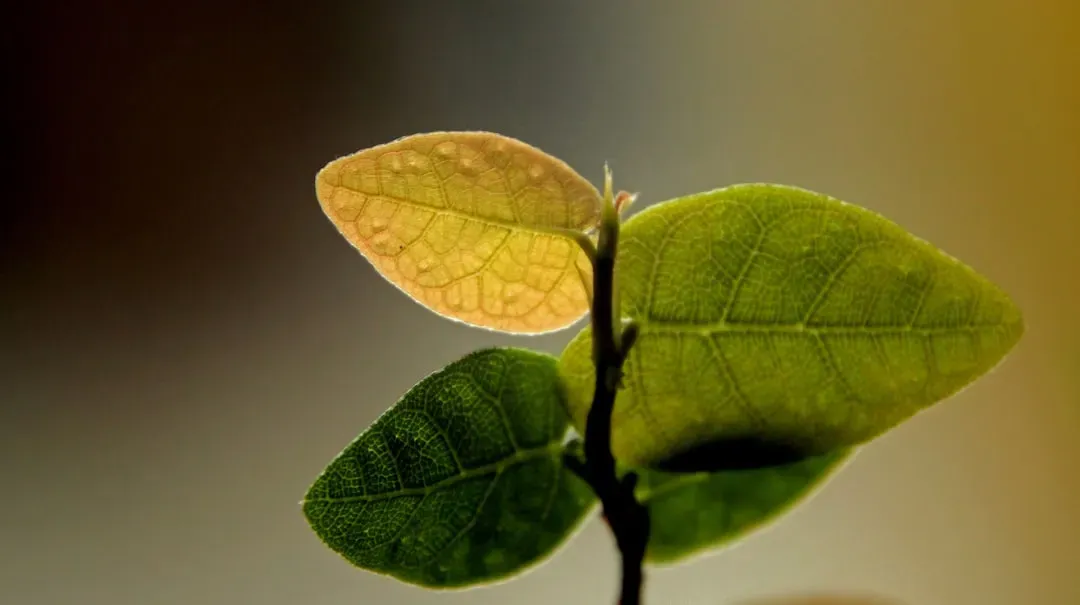
When new leaves emerge oddly shaped, brittle, or noticeably smaller than they should be, paired with visibly stunted root development when you check the base of the plant, boron deficiency deserves a look.
Boron is needed in tiny amounts, but its absence causes outsized damage to actively growing tissue. Unlike most nutrients on this list, boron deficiency specifically targets the growing tip of both roots and shoots simultaneously, which is why affected plants often look “confused” – growing in odd directions with malformed leaves.
Sandy, low-organic-matter soils are the most common culprits, since boron doesn’t bind well to soil particles lacking organic content. Overliming soil to fix other pH issues can accidentally lock away what little boron is present, creating a secondary problem while solving a primary one. This is a reading many home soil test kits skip entirely, which is exactly why it goes undiagnosed for entire growing seasons.
But reading #11 is the one every gardener eventually encounters, whether they realize it or not.
#11 – Yellow Leaves That Drop Prematurely, Even With Plenty of Water
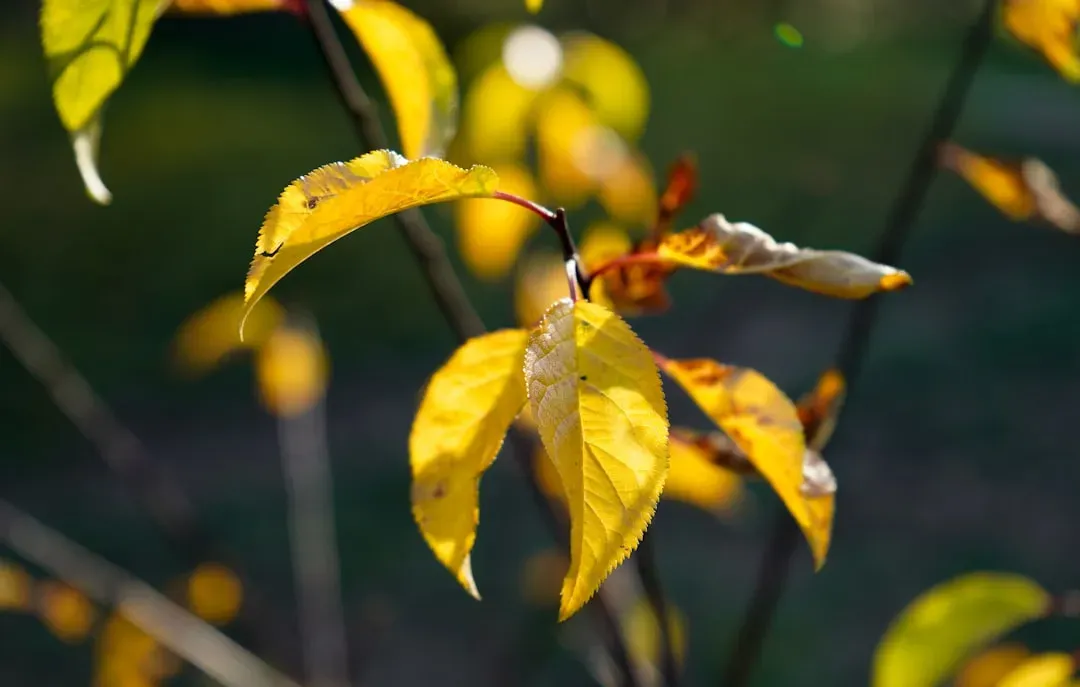
This is the reading most commonly misread as “the plant needs more water,” when the actual problem is almost always the opposite.
Yellowing leaves that drop off the plant early – especially combined with soil that feels consistently damp or waterlogged – usually indicate root rot caused by oxygen-starved soil, not thirst. Roots need oxygen just as much as they need water, and saturated soil suffocates root hairs, cutting off the plant’s ability to absorb nutrients even though water is abundant.
This is arguably the most dangerous reading on this entire list, because the natural human response – adding more water – actively accelerates plant death. Clay-heavy soil and containers without drainage holes are repeat offenders.
The most common mistake in gardening is drowning a plant with kindness.
Old horticultural saying
Many experts now argue that overwatering, not underwatering, is the single most common plant-killing mistake in home gardening, despite decades of advice pushing the opposite assumption. Improving drainage, not increasing watering frequency, is almost always the real fix here.
The Real Lesson Your Leaves Are Trying to Teach You
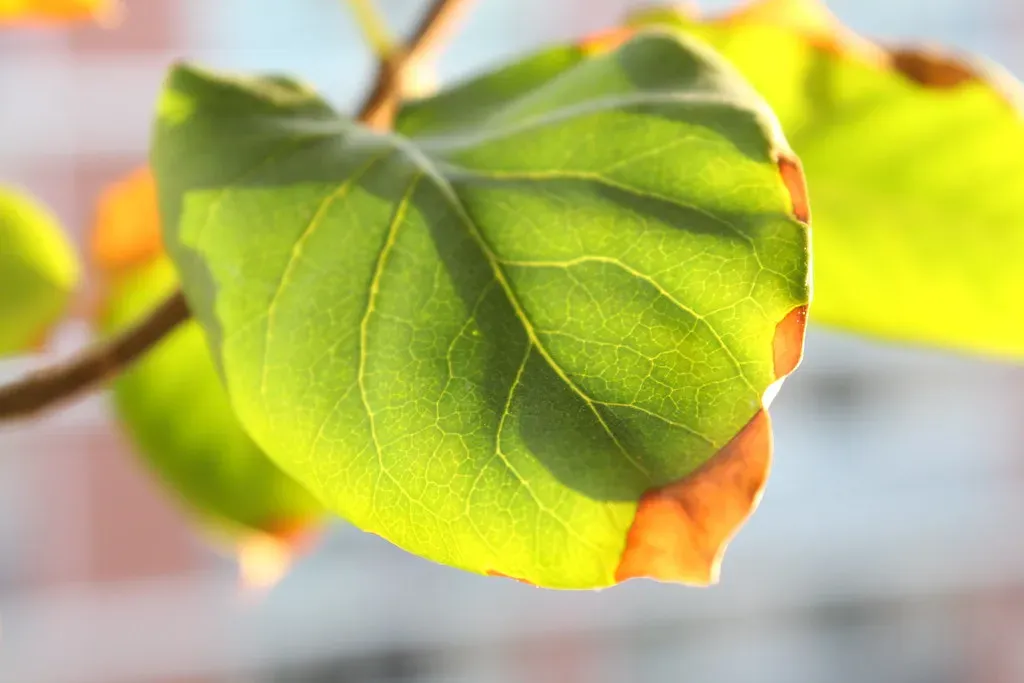
Leaf color isn’t decoration. It’s diagnostic data your plant is broadcasting in real time, and most people are simply reading it wrong.
Most soil problems show up on leaves weeks before they show up in growth or yield, which means the gardeners paying closest attention to color patterns are catching problems everyone else misses entirely. The uncomfortable truth is that the default fixes – more water, more fertilizer, more sun – actively make several of these eleven readings worse, not better.
If you take one opinion away from this list, make it this one: a fifteen-dollar pH and nutrient test kit will teach you more about your garden in ten minutes than years of guessing ever will. Guessing is what keeps killing plants that were never thirsty in the first place.
Which of these eleven signs have you spotted in your own garden without realizing what it meant? Drop it in the comments.