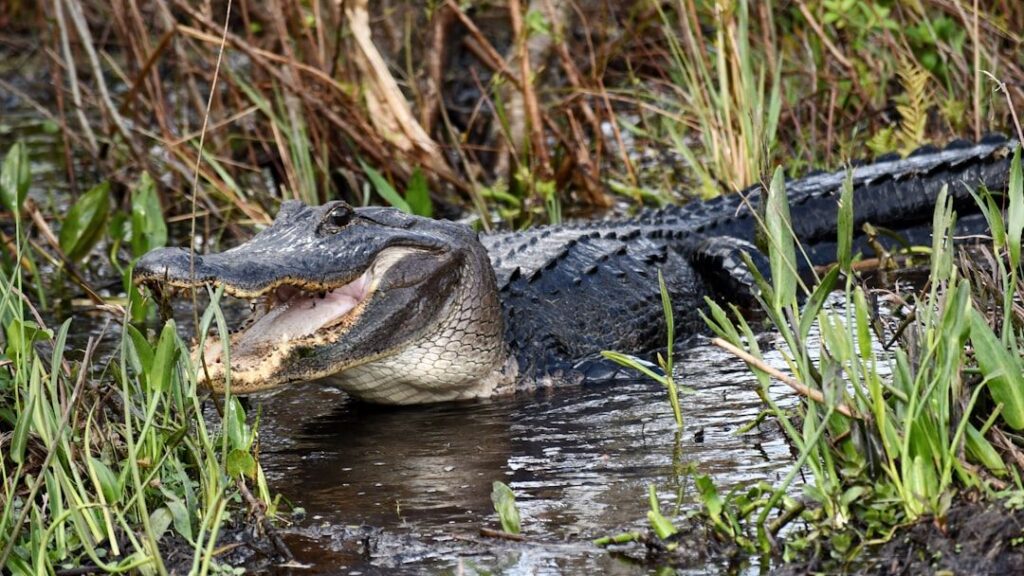

If you spend enough time around Louisiana’s swamps, you eventually learn one hard truth: alligators will swallow just about anything they can fit in their mouths. Biologists who study them and processors who clean legally harvested gators have been saying it for decades, and it keeps getting confirmed every season. When you hear what turns up inside them, you stop seeing these animals as just big reptiles and start seeing them as roaming garbage disposals with teeth.
At the same time, you also realize something even more unsettling: most of what shows up in a gator’s stomach is there because of you and other people. The disturbing part is not only what the alligator ate, but what it says about how you treat the water, your trash, and even your own safety. As you walk through these stories, you’re really walking through the footprint people leave in the marsh. Once you see it, you can’t unsee it.
1. Fishing Lures Buried Deep in the Gut
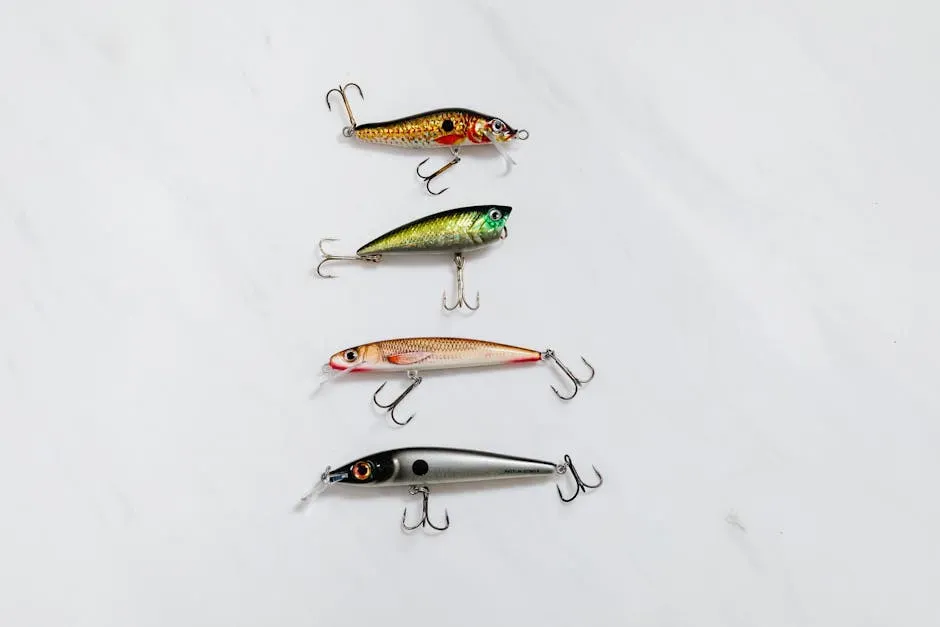
When you picture cleaning a wild alligator, you probably imagine fish, turtles, maybe a nutria or two. Instead, what you actually find frighteningly often are fishing lures: artificial baits, hooks, soft plastics, even entire rigs. Alligators are attracted to movement on the surface much like fish are, so when you drag a topwater lure over a bayou and a gator explodes on it, the hook-up is not always a catch-and-release moment for the reptile.
Those lures can stay lodged inside the stomach for a long time. You’ll see treble hooks, spinnerbaits, jig heads, and shredded plastic worms wrapped in half-digested vegetation. Sometimes the hooks are rusted almost beyond recognition, proof they’ve been there for months or longer. You might think a gator’s tough system can handle it, but metal and plastic were never meant to be digested, and they can cause slow internal damage you never see from the outside.
2. Lead Sinkers and Broken Fishing Line
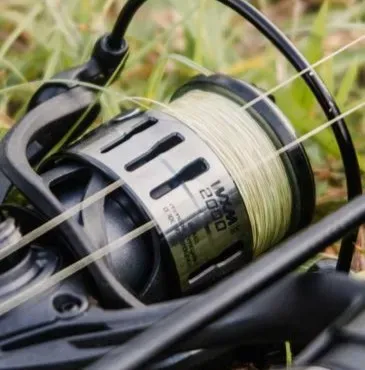
If you fish in Louisiana, there’s a decent chance some piece of your tackle has ended up in a gator’s belly. Lines break, sinkers pop off, and bobbers get pulled under. The problem is, the alligator is not just eating your bait; it’s swallowing the hardware attached to it. That is how you end up with lead weights, swivels, and long tangles of monofilament and braided line packed inside the stomach like a nasty gift basket.
Lead is a quiet villain here. In other wildlife, lead ingestion can cause poisoning, neurological damage, and weakness; with alligators, you don’t usually see the effects play out, but the risk is there. Fishing line is just as bad, cutting into tissue or balling up like a plastic tumor. When you see that twisted mass pulled from an alligator, you’re basically looking at every time someone said, “Ah well, I just lost another rig,” and never thought about where it went next.
3. Plastic Bottles and Food Wrappers
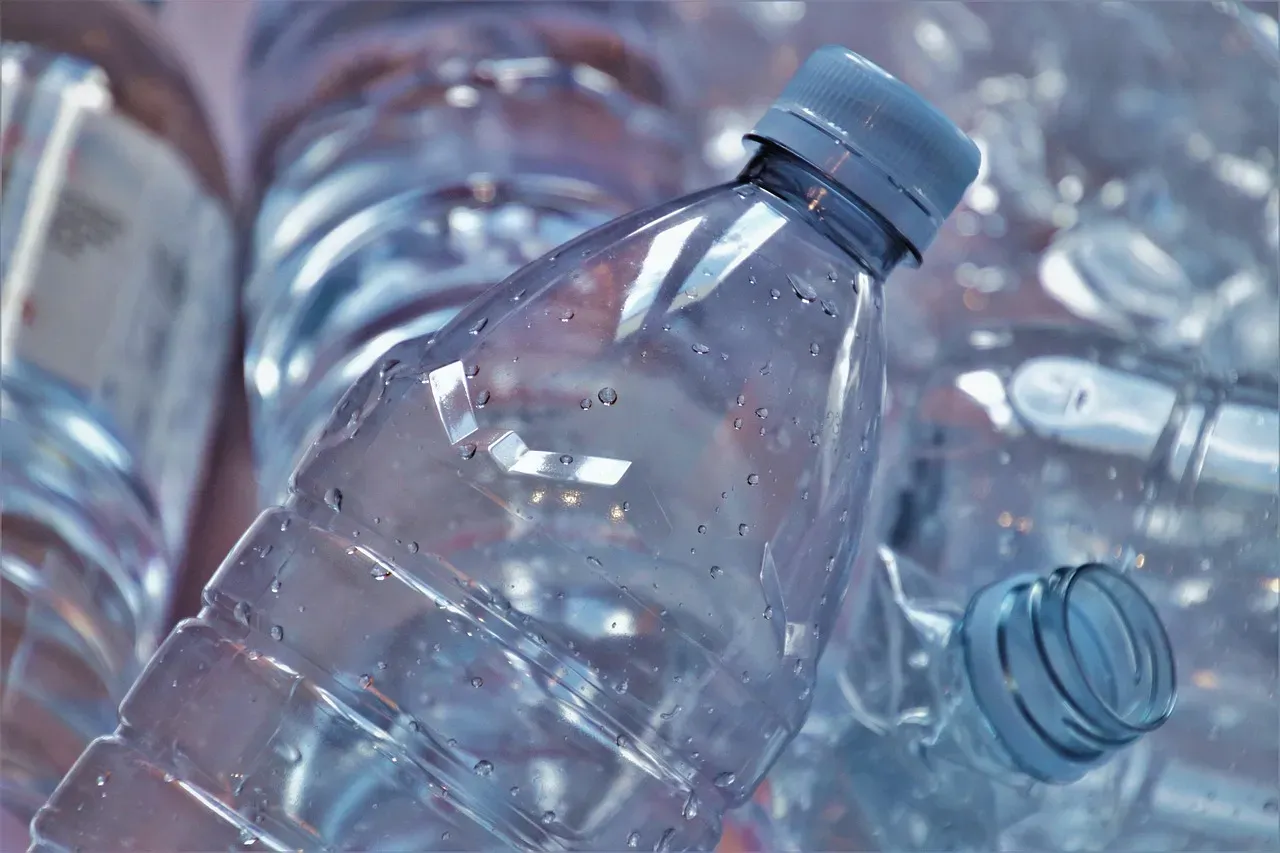
This is where it gets personal, because you know exactly how these things ended up in the swamp. An empty drink bottle rolls out of a boat. A snack wrapper blows off a dock. A grocery bag gets left at the launch. All of it eventually drifts into the same channels where alligators cruise and ambush prey. When a bottle bobs just right on the surface, a gator may grab it first and figure out what it is later – if it ever can.
Inside a gator, that plastic looks even worse. You see crumpled drink bottles, wadded-up chip bags, pieces of Styrofoam cups, and mystery fragments from who-knows-what product. None of it breaks down in any meaningful way inside the animal. It just sits there, taking up space and sometimes blocking the movement of real food. When you realize an alligator might starve with a belly full of trash, you start to feel how heavy that one tossed bottle actually is.
4. Whole Turtles, Shells and All
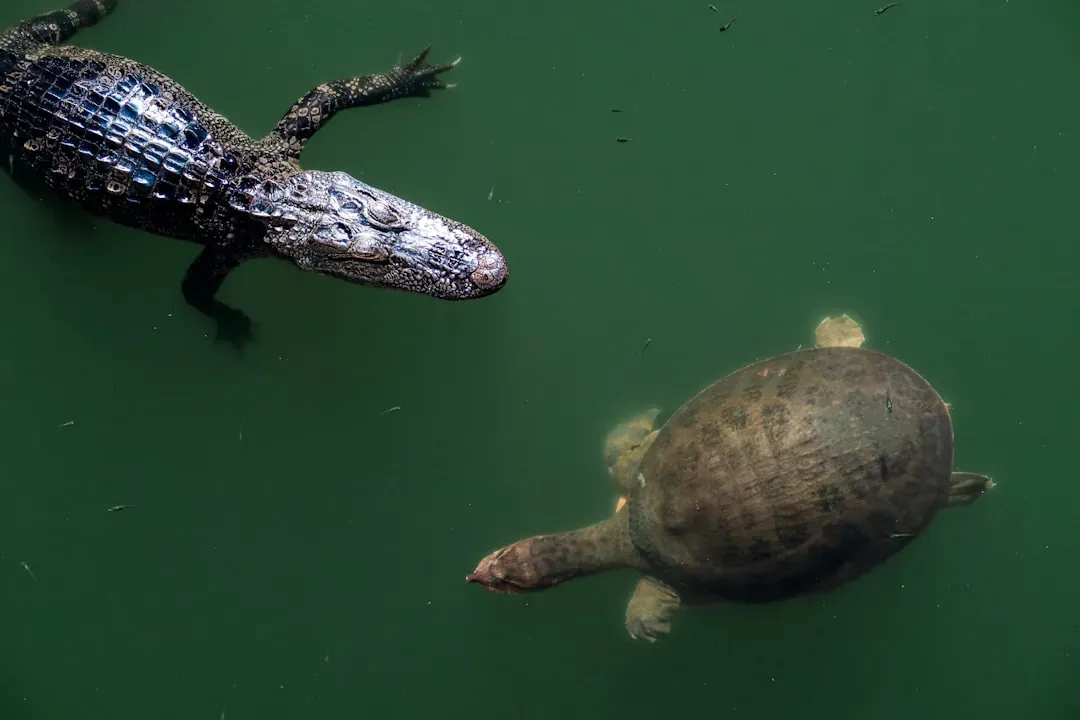
Some of the most haunting stomach contents you’ll ever see are entire turtles, swallowed shell and all. You might imagine the shell is too big or too hard, but adult alligators are built to crush bone, and they treat turtles like crunchy snacks. During certain seasons, turtles can be a major part of their diet, and you’ll see piles of shell fragments mixed with flesh in the stomach.
The disturbing part is not that alligators eat turtles – that’s normal predator-prey behavior – it’s the scale of it once you see it all at once. When biologists open a gator and find multiple turtles in various stages of digestion, it hits you how much pressure these reptiles can put on local turtle populations, especially in smaller lakes or artificial impoundments. Add in human impacts like habitat loss and roadkill, and that pile of shells starts to tell a bigger, harder story about how fragile the whole system really is.
5. Dog Collars and Pet Remains

This is the one that makes people go quiet. Every so often, someone processing a nuisance or harvested alligator finds a dog collar, bits of nylon leash, or even the metal tag still attached. You do not need a vivid imagination to fill in the rest. In swamp neighborhoods and rural camps, pets allowed to run near the water’s edge can disappear in seconds, especially when water is high and visibility is low.
Biologists and wildlife officers are very careful about how they talk about this, because they know it cuts deep. You may never get confirmation of what happened to a missing dog, but the chances are not zero that an alligator was involved. When you see that collar inside a gator, it changes the way you walk your own dog near water. Suddenly those “keep pets away from the shoreline” warnings stop sounding paranoid and start sounding painfully practical.
6. Bird Feathers, Bones, and Decoys
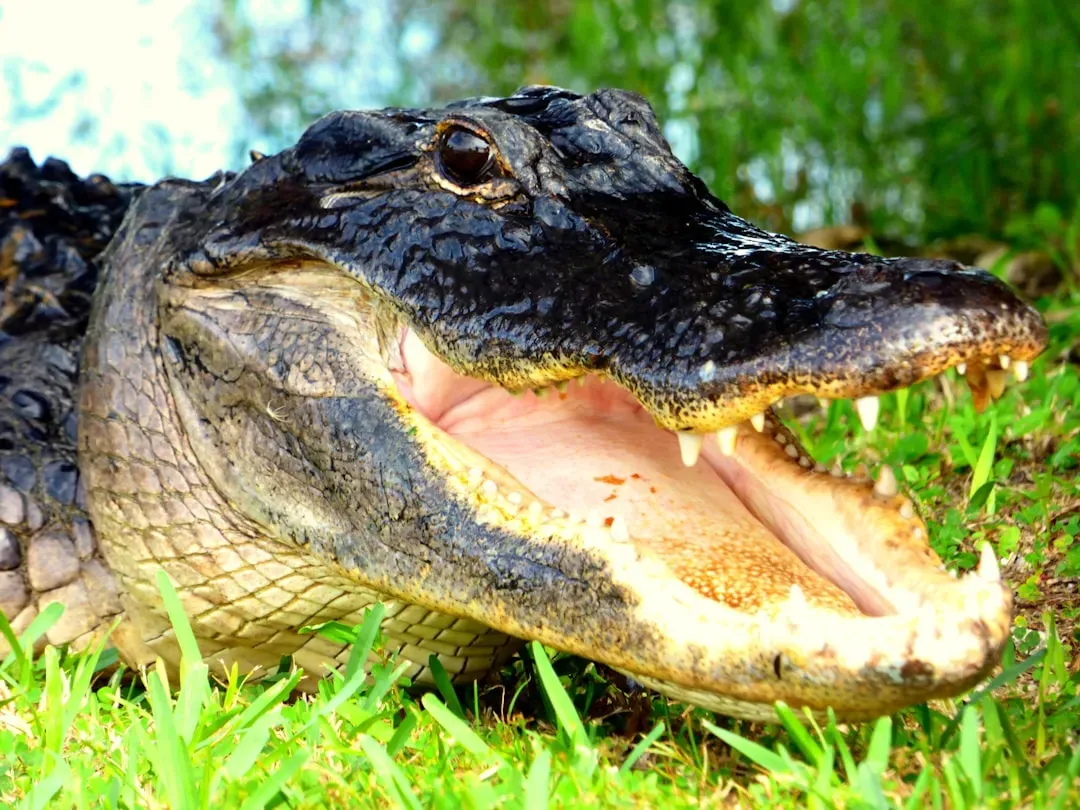
If you hunt ducks or geese in Louisiana marshes, you share the air and water with alligators whether you see them or not. Gators quickly learn that gunshots can mean easy meals: wounded birds, cripples, or piles of discarded carcasses. When you look into a stomach and see thick layers of feathers, hollow bones, and what looks like a down pillow exploded inside the gut, you’re seeing how efficiently they capitalize on your habits.
More unnerving are the times when chunks of plastic duck decoys, anchor cords, or weights show up mixed with the feathers. A decoy left too long in the water, a broken-off piece that drifts away, or a curious gator investigating spread gear can all end up as plastic debris in its digestive system. You may think of decoys as harmless tools of the hunt, but to a hungry alligator keying in on silhouettes and motion, they can turn into another bad meal waiting to happen.
7. Stones and Gravel Used as “Gizzard” Weight
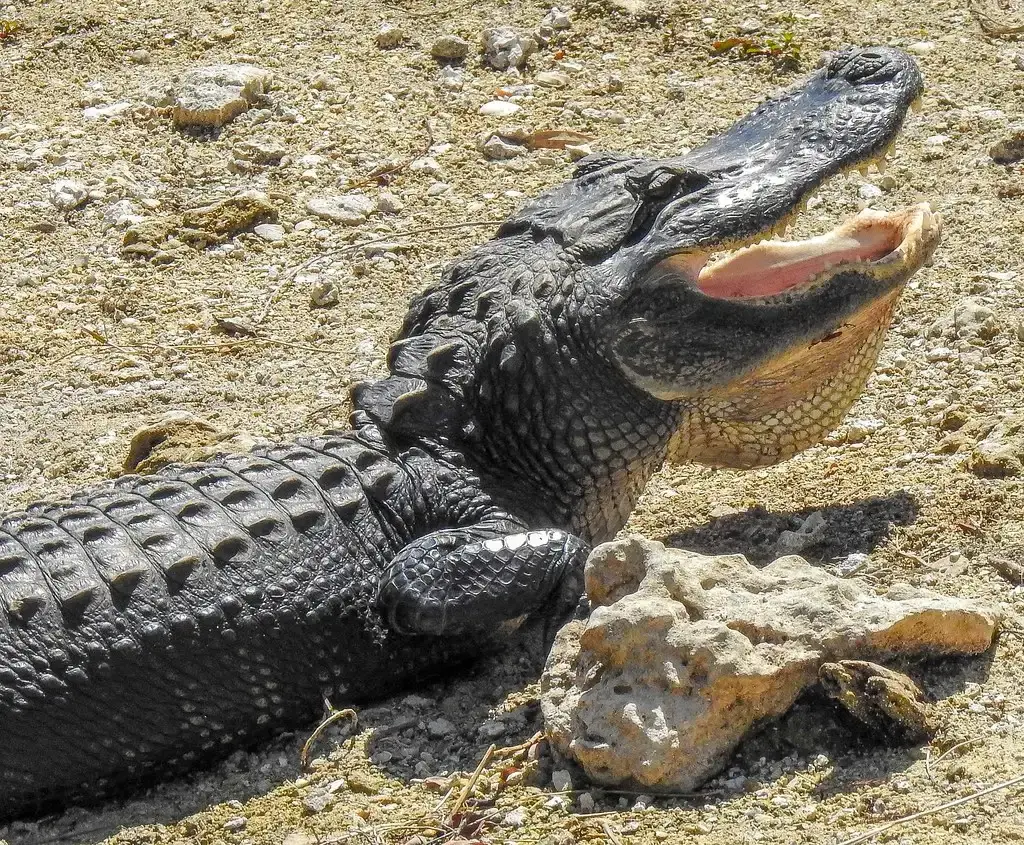
You might not expect to find rocks inside a top predator, but you will. Alligators are known to deliberately swallow stones – often called gastroliths – to help grind up tough food in their stomachs. When you open one up and see smooth pebbles and small rocks nestled in the stomach lining, it looks almost surgical, like the animal built its own internal mill. In that sense, this is one of the less “disturbing” finds, because it is actually a natural adaptation.
What makes it unsettling is how easily that habit can backfire in a modern, human-dominated landscape. In a pristine marsh, those stones are harmless. In a canal lined with construction debris, bottle glass, or bits of concrete and metal, an alligator may swallow sharp or contaminated objects thinking they are just more helpful ballast. You end up with a creature designed to use rocks as tools, now forced to choose from whatever scraps people have left in the mud.
8. Aluminum Cans and Metal Fragments
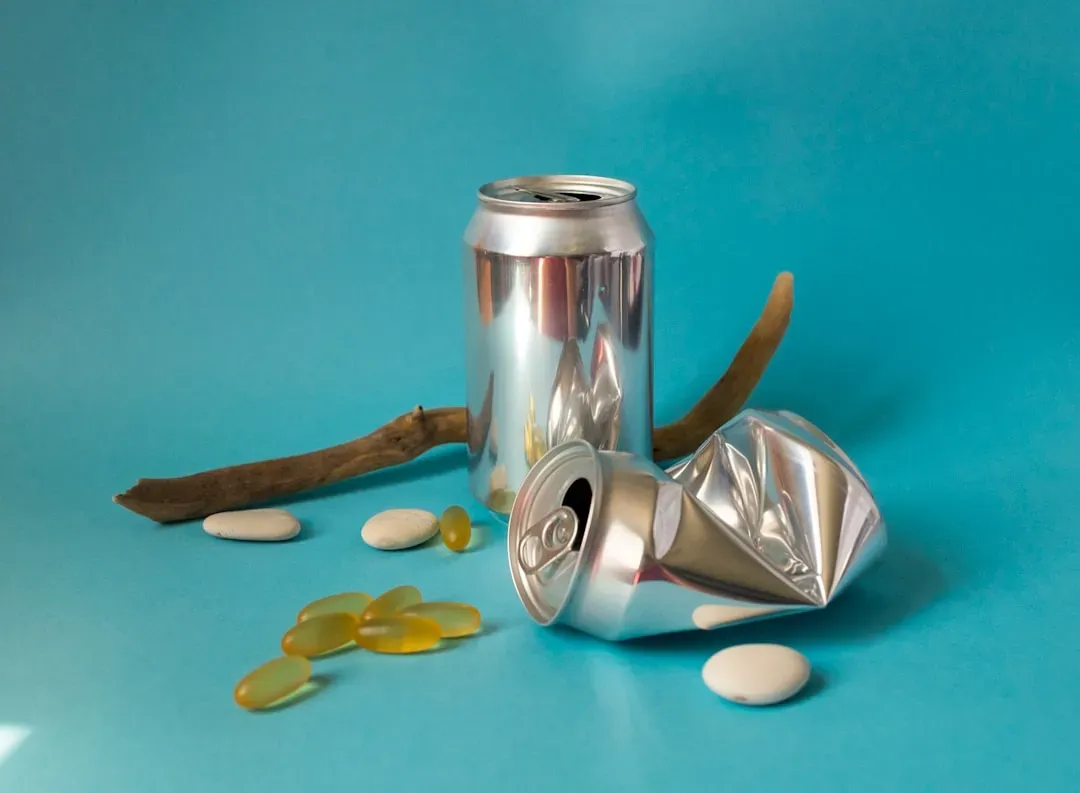
Once inside the stomach, that metal does not go away. It can corrode, split into jagged pieces, and slice into the lining of the gut. You may also see other metal fragments – hardware, wire, bits of tools – mixed with organic material. Every one of those pieces reflects a small careless act that became a permanent problem for an animal that never had a say in your decision to let go of your trash.
9. Shoes, Clothing, and Fabric Scraps

Finding fabric in a gator’s stomach instantly sends your mind to the worst place, but clothing does not always mean a direct attack on a person. Sometimes it is a lost work glove, a dropped hat, or a piece of tarp that broke loose in a storm. Alligators hunt by movement and vibration, not logic, so a flapping piece of material on the water can trigger the same response as a swimming animal.
Inside, it shows up as wads of cloth, rubber soles, bits of elastic, and threads soaked in stomach fluids. Fabric can tangle and form dense balls that block digestion or lock up the intestines. The gut is designed to deal with hair, scales, and bone – not synthetic fibers that never break down. When you see that, you realize that even something as simple as letting an old tarp disintegrate into the marsh can end with an animal literally choking on your leftovers.
10. Bullet Fragments and Shot Pellets

Anytime you hunt large animals, there is a tradeoff between clean kills and what stays behind inside the carcass. Alligators are no exception. Legal harvest and nuisance control often involve high-powered bullets or shot, and those projectiles can fragment, leaving small pieces embedded in muscle and organs. When you examine stomach contents or carcasses, you sometimes find bits of lead or copper that clearly did not come from natural prey.
On top of that, alligators are opportunistic scavengers. If they feed on carcasses of other animals that have been shot – like hogs, deer, or birds left unrecovered – you get another pathway for metal into their system. Those fragments may be tiny, but over a lifetime they can add up, especially in older, larger individuals. It is an invisible burden, one that you would never notice until someone literally cuts the animal open and lays the problem out on a table.
11. Nutria, Muskrats, and Other Invasive Mammals
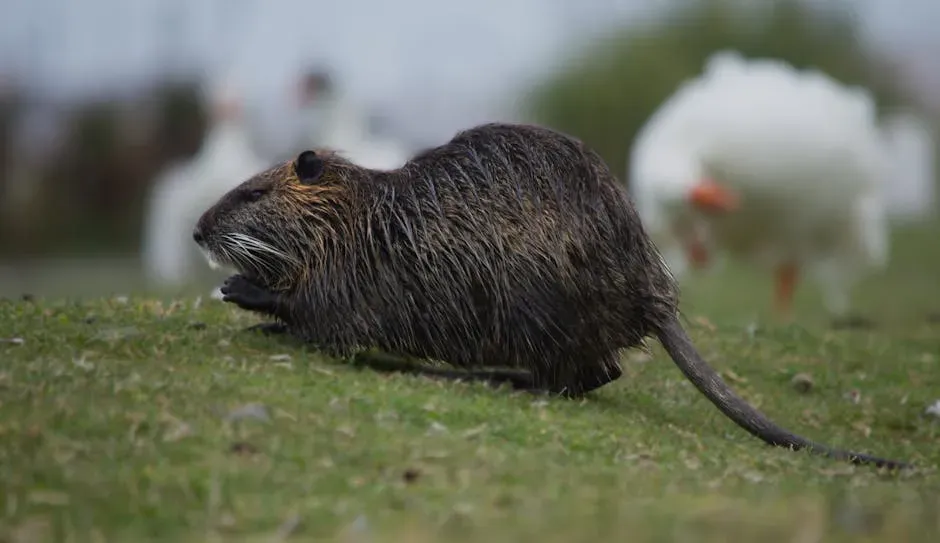
Here’s one category that is disturbing and oddly satisfying at the same time. When you find nutria and other invasive rodents inside an alligator, you’re looking at an apex predator doing the one kind of cleanup you actually want. Nutria, in particular, are notorious for chewing up Louisiana’s marsh banks, digging burrows, and destroying vegetation that holds the wetlands together. Alligators help keep those populations in check.
Still, the sight can be grisly. You might see whole carcasses in early stages of digestion, fur mats, and bones packed together. The volume can be surprising, because one large gator can eat many rodents in a short period when the opportunity is right. You’re reminded that these animals are not just background scenery on a swamp tour; they’re active managers of the ecosystem, whether you like their methods or not.
12. Waterfowl Lead and Steel Shot Clusters
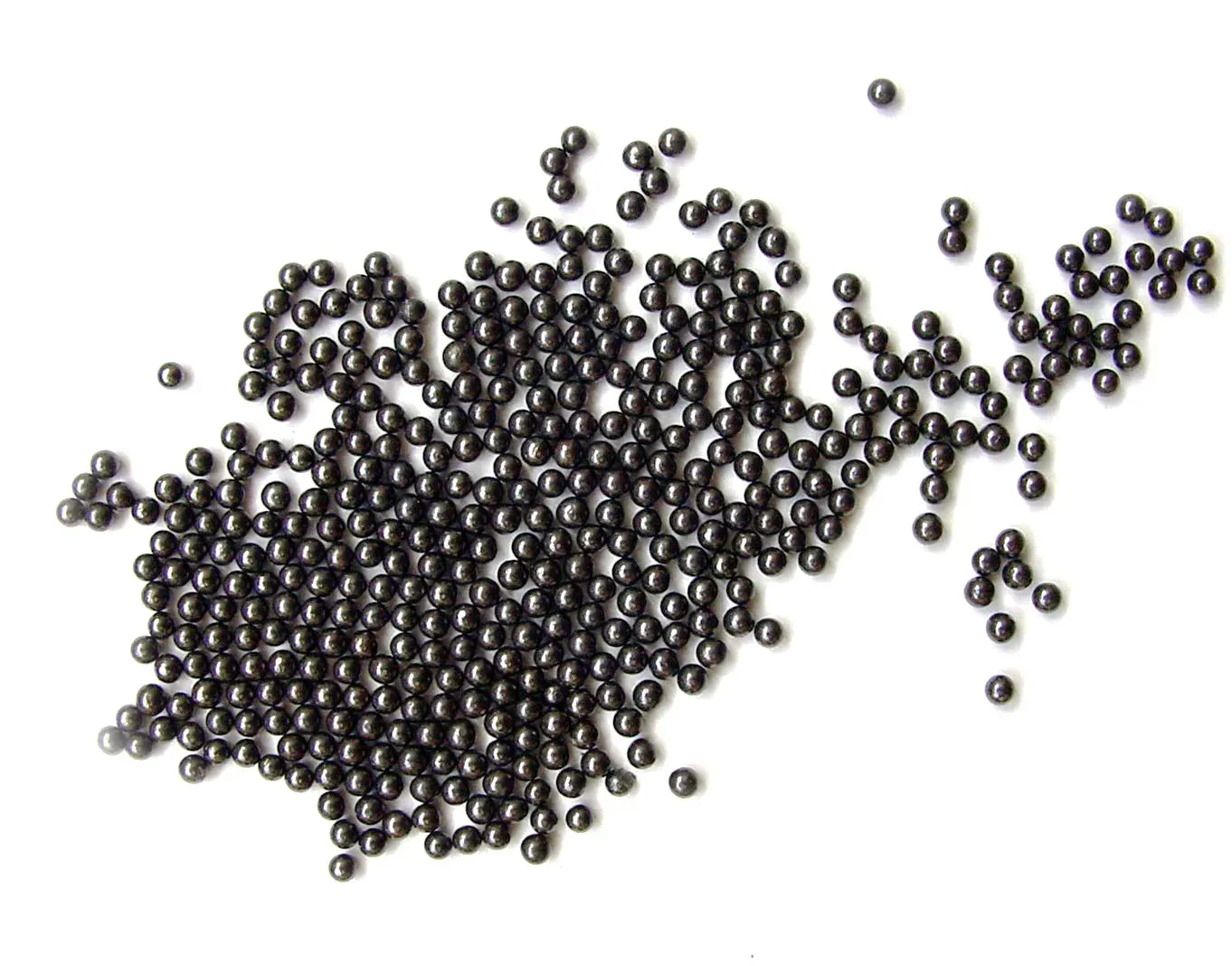
Even where regulations require non-toxic shot for waterfowl hunting, the history of lead on the landscape lingers. Alligators that feed heavily on ducks, geese, and coots can end up swallowing embedded pellets, just like some birds do when they ingest grit from the bottom. When stomachs are opened, you occasionally see small clusters of shot mixed with feathers and bone shards, a metallic relic of past hunts.
You might think a pellet or two is nothing for a big reptile, but remember that alligators can live for decades. A bird here, a bird there, and those tiny pieces accumulate. The long-term health effects in gators are not as well documented as in birds, but the pattern is clear enough to make you uneasy. Every spent shell you fire into a wetland is not just about what happens today; it’s about what ends up inside something you may never see again.
13. Decaying Plant Matter and Marsh Debris
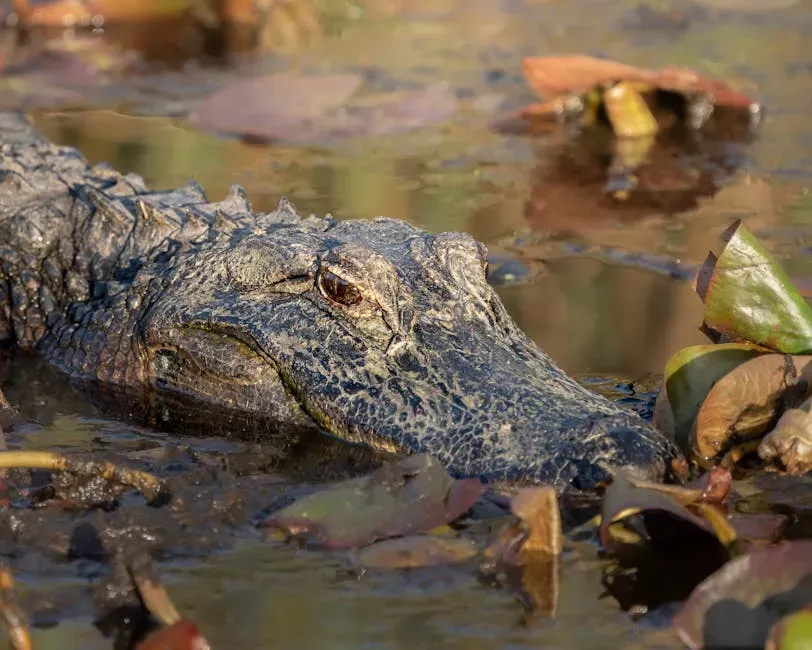
This one seems harmless at first glance, but the sheer quantity can be shocking. Alligators often swallow clumps of vegetation along with prey, or they may gulp plant material while thrashing and repositioning what they’ve caught. When you look inside the stomach, you see mats of grass, stems, leaves, and sticks, sometimes enough to look like someone packed a lawn bag into the gut.
Most of that plant matter is natural, and a gator’s system is built to churn through it alongside animal protein. The disturbing twist comes when that vegetation is tangled with plastic, line, or other trash. You see a perfect cross-section of the modern swamp: real marsh plants laced with man-made debris, all kneaded together by the muscles of a predator that had no way to sort the good from the bad. It is like opening a time capsule of every careless act that happened near that water body.
14. Completely Unidentifiable “Stomach Cement”
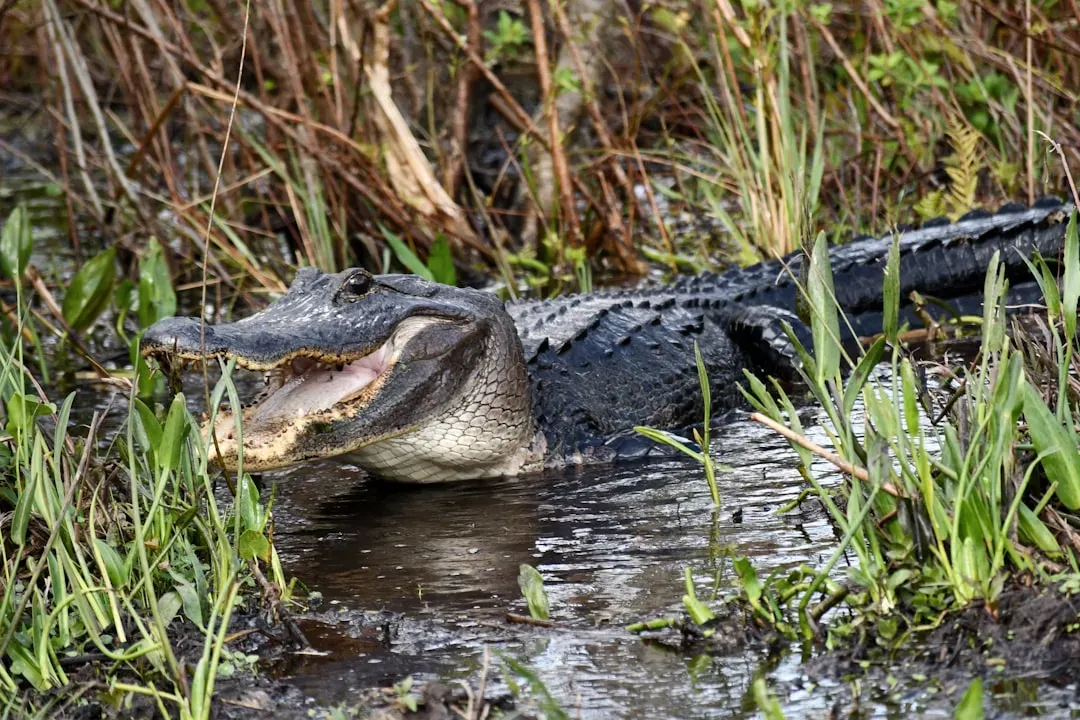
Every now and then, what comes out of an alligator is not a clear object at all, but a horrifying mixture of many things fused together. Processors sometimes describe it like stomach cement: a dense, foul-smelling mass of half-digested bone, hair, plants, plastic bits, feathers, and unrecognizable sludge. It is the ultimate reminder that a gator does not discriminate much; if it can be grabbed and swallowed, there is a good chance it will be.
Looking at that mess, you realize how much mystery lives just under the surface of Louisiana’s swamps. You will never know the full story behind each piece in that mass, but you know this much: a lot of it was avoidable. Every dropped wrapper, every tossed can, every lazy decision around the water has a chance to end up inside one of these animals, slowly turning into that cement. Once you see it with your own eyes, you stop thinking of the swamp as a bottomless trash can and start treating it more like the living stomach it really is.
Conclusion: What You Leave in the Swamp Never Really Leaves
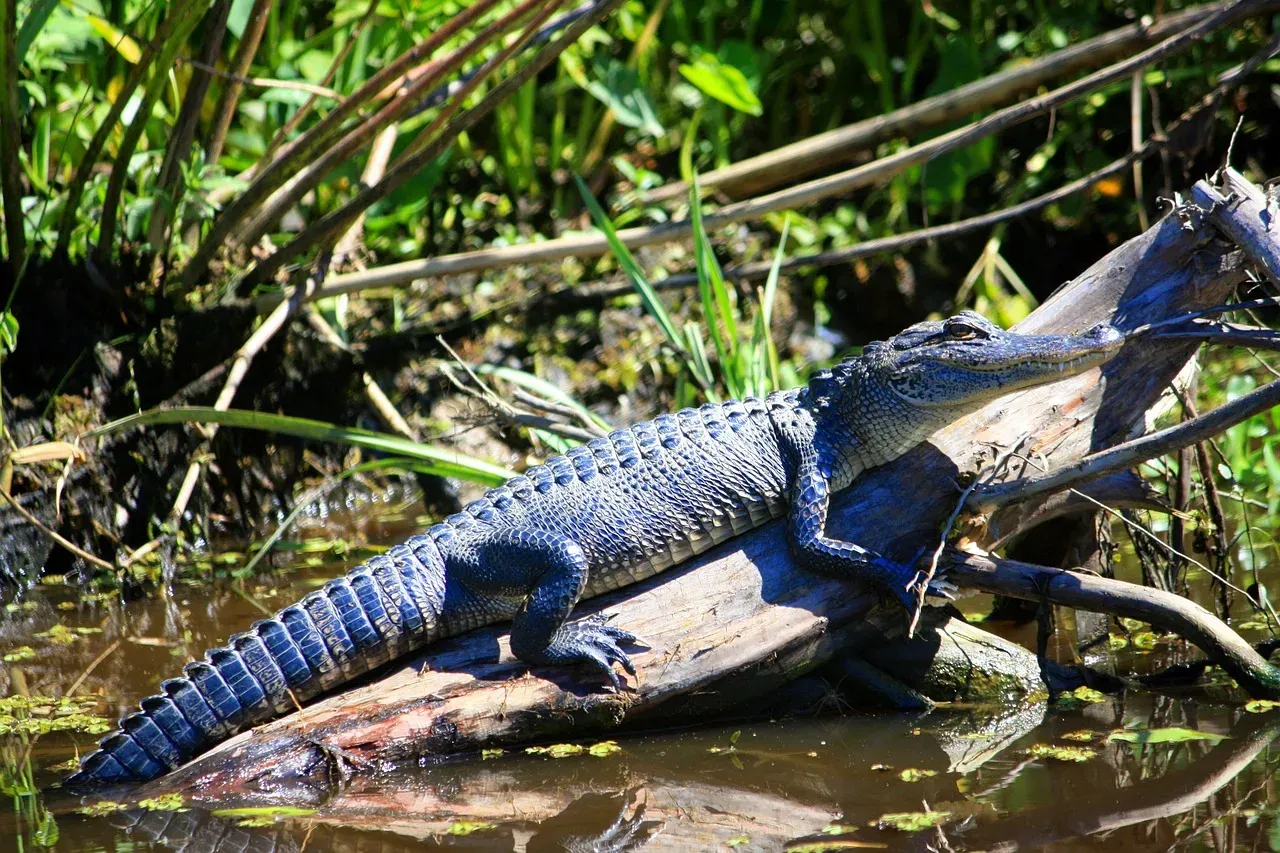
When you step back from all these stomach stories, a pattern jumps out at you. Yes, alligators are fearsome predators that eat turtles, birds, rodents, and almost anything that moves. But over and over again, the most disturbing things found inside them are not “nature being brutal” – they are people being careless. Hooks, plastic, cans, fabric, and stray gear are not accidents of the wild; they are fingerprints of human behavior, stamped directly into the bodies of the animals that define Louisiana’s swamps.
If you spend time on this water, you are part of that story whether you want to be or not. You can decide whether the next gator someone opens is packed with your lost tackle and trash, or whether it looks more like what it was built to eat. Pack out what you pack in, secure your gear, keep pets and kids away from gator water, and treat these reptiles with the respect a three-million-year-old survivor deserves. The next time you hear about something shocking found inside an alligator, do you want to wonder if you helped put it there – or feel certain you didn’t?