You like to think the universe more or less makes sense: planets orbit stars, stars burn out, and galaxies drift apart. Then you stumble on a few cosmic oddities that absolutely refuse to behave, and suddenly it feels like the universe is keeping secrets from you. These are not tiny technical details either; some of them go right to the heart of what you think you know about gravity, matter, and even reality itself.
As you explore these unexplained astronomical phenomena, you start to see a pattern: every time you think you have space more or less figured out, something new shows up and pulls the rug out from under your certainty. Some of these puzzles might be solved in your lifetime, others may take centuries, and a few may never be fully answered. But all of them nudge you toward a humbling realization: you are living in a universe that is stranger, wilder, and more creative than your current theories can comfortably handle.
1. Dark Matter: The Invisible Mass Holding Galaxies Together
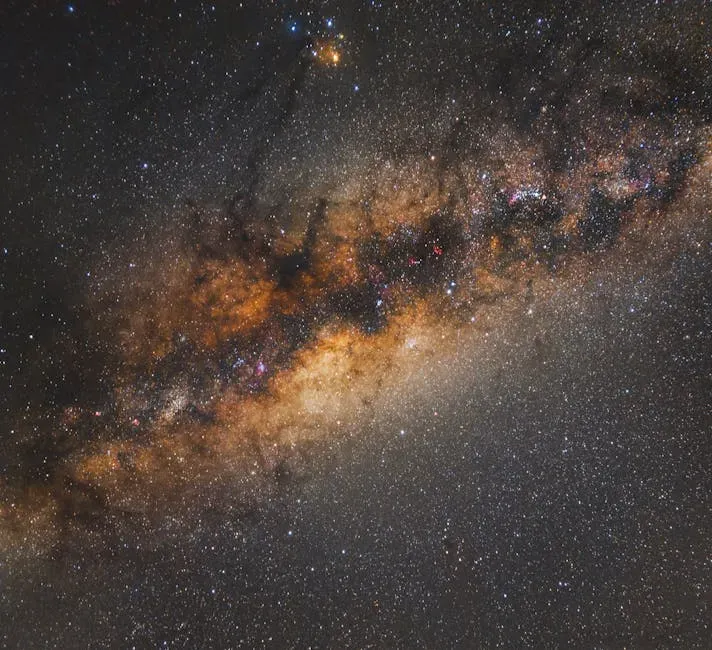
If you could magically remove dark matter from the universe, the galaxies you see in telescope photos would fly apart like sparks from a campfire. When you measure how fast stars orbit around the center of a galaxy, they are moving so quickly that, based only on visible matter, the galaxy should tear itself to shreds. Yet it does not. Something unseen is adding extra gravity, acting like a hidden scaffolding that holds entire galaxies and galaxy clusters together.
You never see this mysterious stuff directly, not in images, not in spectra, not even in the best particle detectors on Earth. You only see its fingerprint: how it bends light from distant objects, how it molds the large-scale structure of the cosmos, and how it shapes the cosmic microwave background. You live in a universe where most of the matter is invisible and unknown, and your best labels for it are essentially placeholders: dark matter, missing mass, an invisible majority that refuses to show you its face.
2. Dark Energy and the Accelerating Expansion of the Universe
When you look far enough into space, you look back in time, and that view has given you one of the most unsettling discoveries in modern science: the universe is not just expanding, it is expanding faster and faster. Intuitively, you would expect gravity to slow this expansion over time, like a ball tossed into the air that eventually starts falling back. Instead, what you see suggests some unknown ingredient is pushing space itself to expand more rapidly.
You call this mysterious driver dark energy, but that name hides how little you actually know about it. You see its fingerprints in the brightness of distant supernovae, in the way galaxies cluster, and in the shape of the cosmic microwave background, but you still do not know if it is a property of empty space, a new field, or a hint that your understanding of gravity is incomplete. When you realize that dark energy seems to make up the majority of the energy content of the universe, you are left with a quietly shocking truth: most of reality is driven by something you can describe mathematically, but cannot yet truly explain.
3. Fast Radio Bursts: Millisecond Flashes from Deep Space
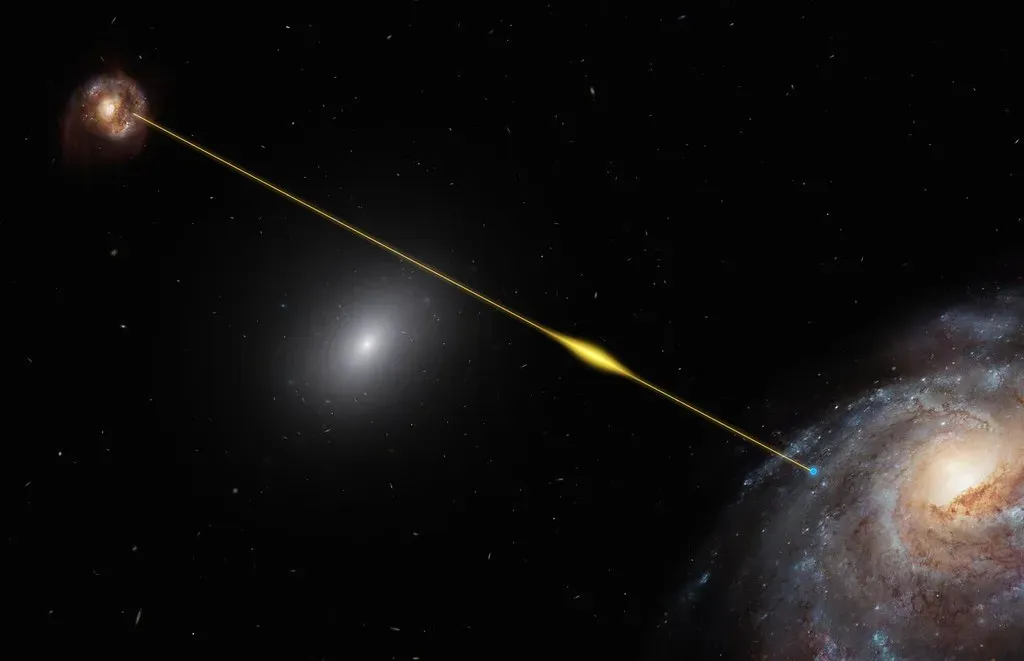
Imagine you are listening to the sky with a giant radio telescope and, for a split second, the universe shouts at you. That is what happens when you detect a fast radio burst, a sudden, powerful flash of radio energy that lasts only a few thousandths of a second. In that tiny blink of time, some bursts release as much energy as the Sun does in days or longer, and they often arrive from billions of light-years away.
As you trace these bursts to their sources, you find some in ordinary-looking galaxies, some linked to ultra-magnetized neutron stars, and others with origins that remain mysterious. A few bursts repeat, almost like cosmic lighthouses, while others fire once and vanish forever. You can make educated guesses – magnetars, collapsing stars, extreme magnetic reconnection – but no single explanation comfortably fits every case. Each new burst is like a cosmic Morse code message that you can detect clearly but still cannot fully translate.
4. The Pioneer Anomaly: Spacecraft That Would Not Quite Behave
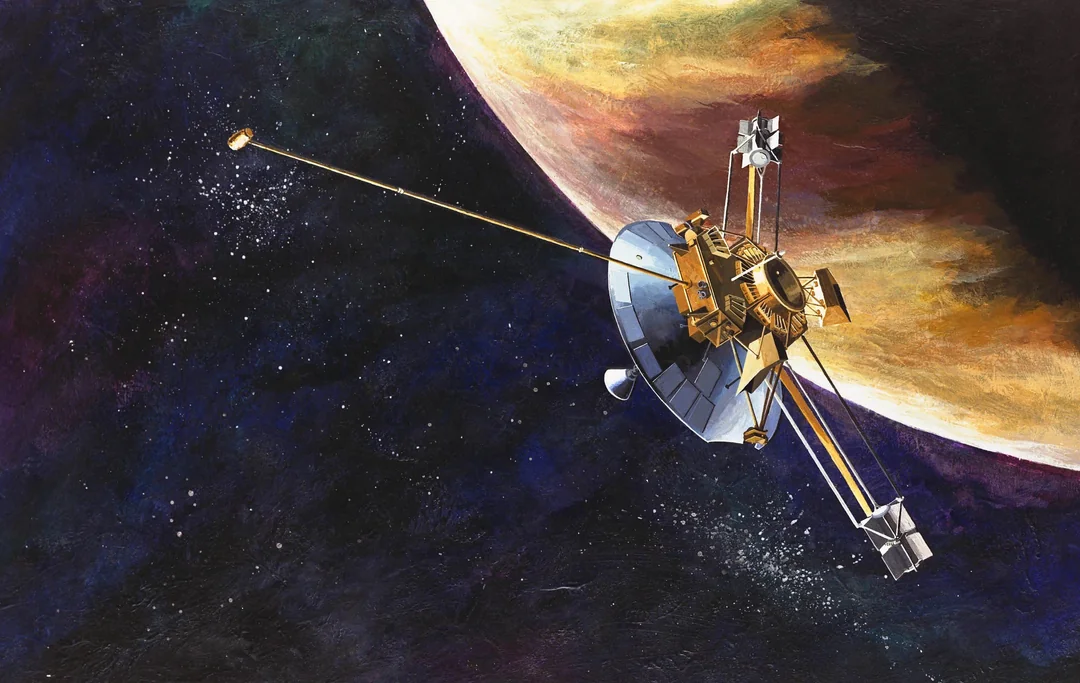
When you send a spacecraft into the outer solar system, you expect its path to follow the laws of gravity and motion you know so well. With the Pioneer 10 and 11 spacecraft, you noticed something odd: their trajectories showed a tiny but persistent deviation, as if some small extra force were slowing them down very slightly as they moved away from the Sun. The effect was incredibly subtle, but your instruments were good enough to reveal it.
Over time, detailed analysis suggested that heat radiating unevenly from the spacecraft itself could account for much of this anomaly, like a gentle rocket push from its own warmth. Yet the whole episode still lingers in your mind as a reminder of how fragile your confidence can be when you are pushing technology and physics to their limits. You learned that even a minuscule unexplained effect in the quiet outskirts of the solar system can spark deep questions about gravity, measurement, and the limits of your models.
5. The Flyby Anomaly: Spacecraft Gaining Unexpected Speed
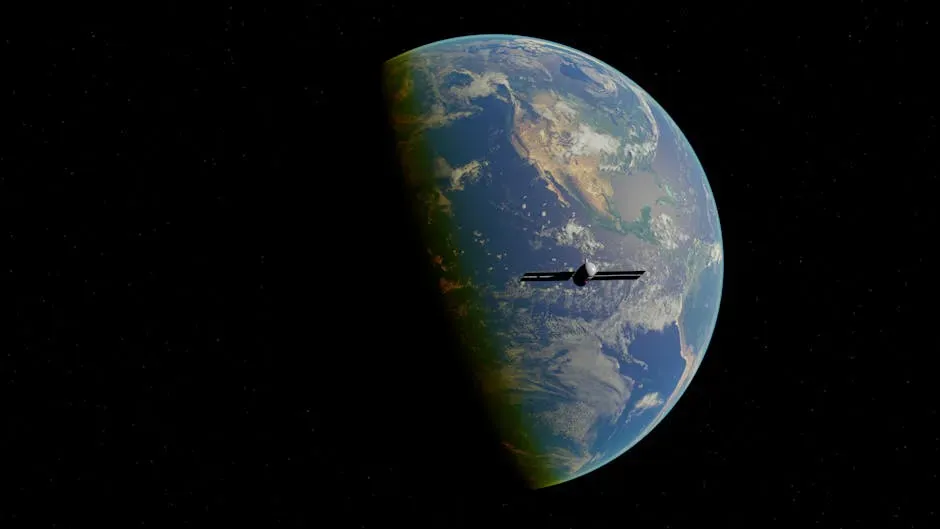
When you use Earth for a gravity assist, you expect to know almost exactly how much speed your spacecraft will gain. But during a few planetary flybys, mission teams noticed an unsettling detail: some spacecraft picked up a little more speed than your equations predicted, and others a little less. The differences were tiny in everyday terms, but huge when you are used to orbital calculations matching reality with astonishing precision.
You have tried to blame this on measurement errors, atmospheric drag, Earth’s rotation, tracking system quirks, and even odd coordinate choices. Still, no simple, universally accepted explanation has nailed down every detail of the anomaly. For now, it lingers as a nagging puzzle on the edge of your understanding, the kind of glitch that makes you wonder if there is a subtle aspect of relativity, gravity, or even spacecraft geometry that you have not fully appreciated yet.
6. Ultra-High-Energy Cosmic Rays that Defy Expectations
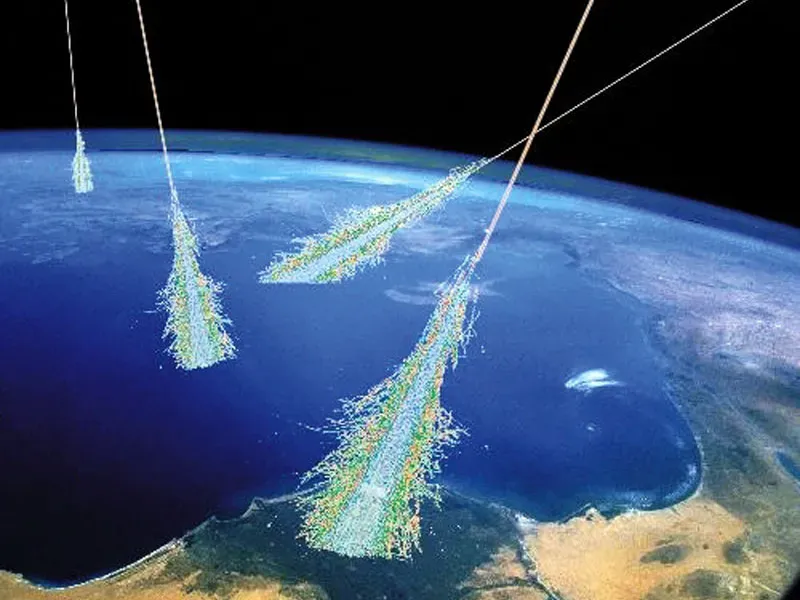
Every day, your planet is bombarded by high-energy particles from space, but once in a while, you detect a cosmic ray so energetic that it defies your intuition. These ultra-high-energy particles carry mind-bending amounts of energy, far beyond what your most powerful particle accelerators can produce. They arrive from somewhere beyond your galaxy, but when you try to trace their paths backward, magnetic fields have twisted them so much that you cannot easily see their birthplace.
In theory, interactions with background radiation in intergalactic space should sap their energy if they travel too far, creating a natural upper limit. Yet you still detect events that brush against this limit in ways that are hard to reconcile with simple models. You suspect extreme astrophysical engines such as active galactic nuclei or the turbulent environments around supermassive black holes, but the exact mechanisms remain fuzzy. Each time one of these particles slams into your atmosphere, it is as if the universe is briefly running a secret experiment that you are only allowed to glimpse from the aftermath.
7. The Mystery of Tabby’s Star and Strange Dimming Patterns
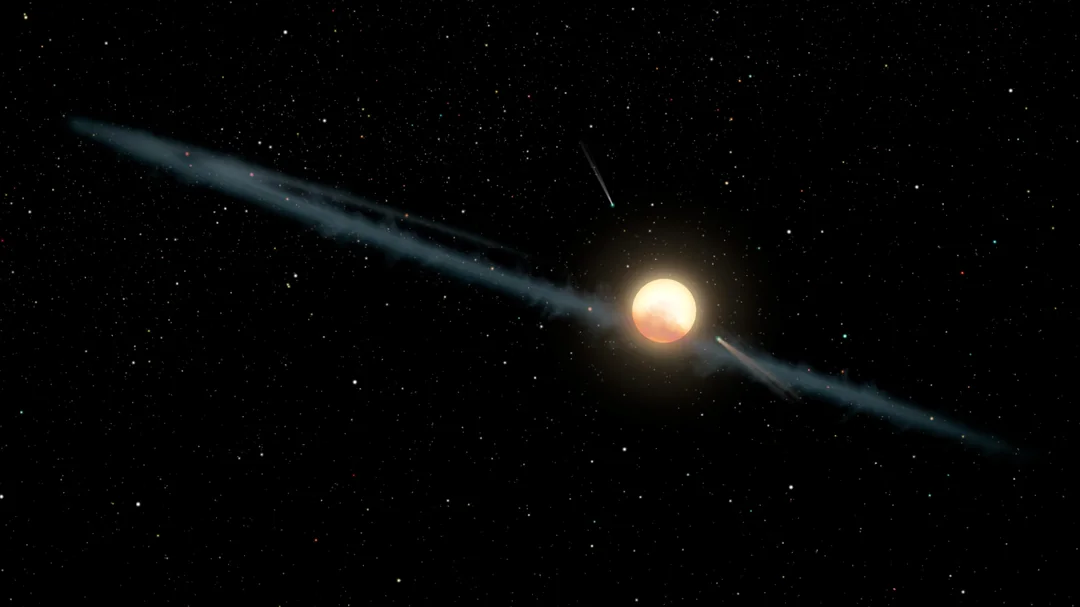
Most stars are pretty boring in terms of brightness: they flicker a little, they flare sometimes, but overall they hold steady. Then you confronted a star whose light dips in strange, irregular ways, as if something enormous and clumpy keeps drifting in front of it. Over the years, you watched this star dim by large amounts and in complex patterns that do not look like simple planets, star spots, or eclipsing companions.
You have suggested everything from swarms of dust and comet fragments to leftover debris from planetary collisions. The more dramatic early speculation about gigantic alien structures has faded as better data pointed toward natural, messy dust as a more likely cause. Still, the exact mix of dust, dynamics, and stellar behavior behind such extreme dimming remains a fascinating open question. You are left with a sense that even ordinary-looking stars can harbor wildly complex environments that challenge your neat textbook diagrams.
8. The Fermi Paradox: Where Is Everybody?
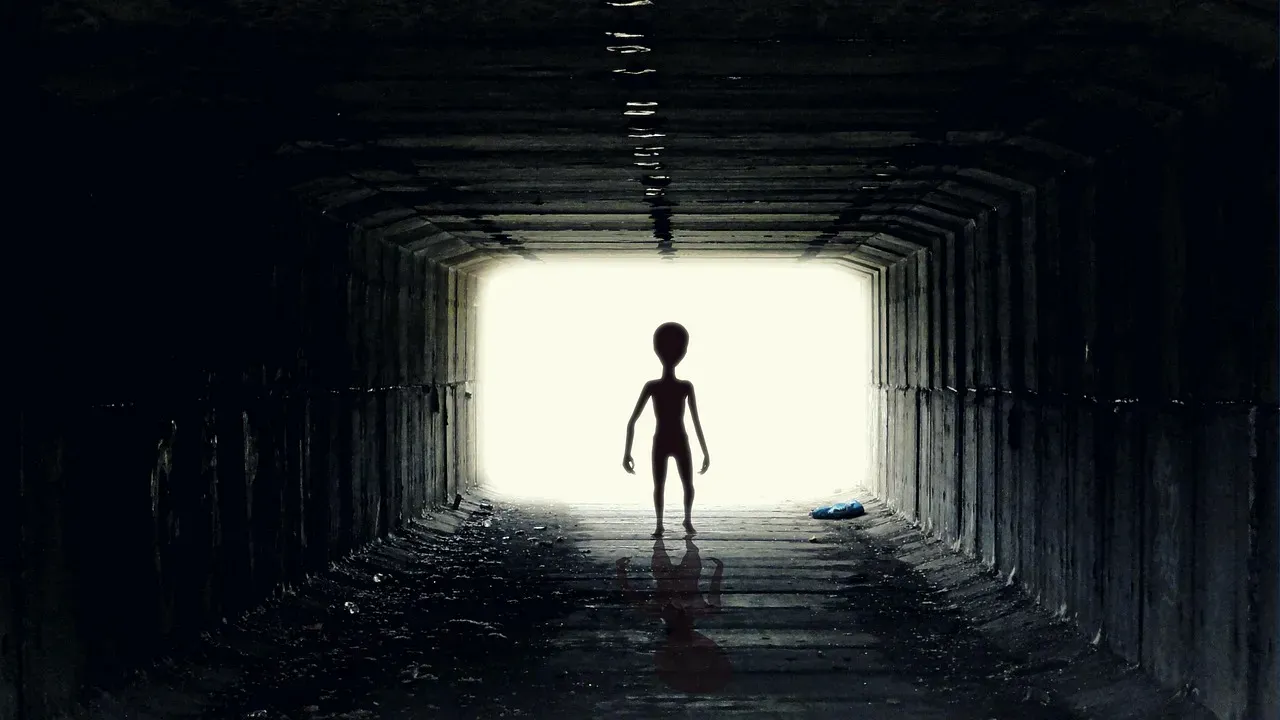
When you look up at the night sky, you see a mind-boggling number of stars, and you know many of them host planets. Statistically, it feels almost inevitable that life should have emerged somewhere else, perhaps many times, and that at least some of that life might have developed advanced technology. Yet when you scan the sky with your best instruments, you hear only a deep cosmic silence, no clear signs of extraterrestrial civilizations broadcasting or traveling on a grand scale.
This tension between expectation and observation is what confronts you in the Fermi paradox. You can imagine countless possible answers: maybe life is rare, maybe intelligent species self-destruct, maybe advanced civilizations prefer to stay quiet, or perhaps you simply do not know what to look for. None of these answers feels entirely satisfying. The paradox leaves you with a haunting question: in a universe this vast and ancient, are you truly alone, or just not listening in the right way yet?
9. The Great Attractor and Unseen Mass on a Cosmic Scale
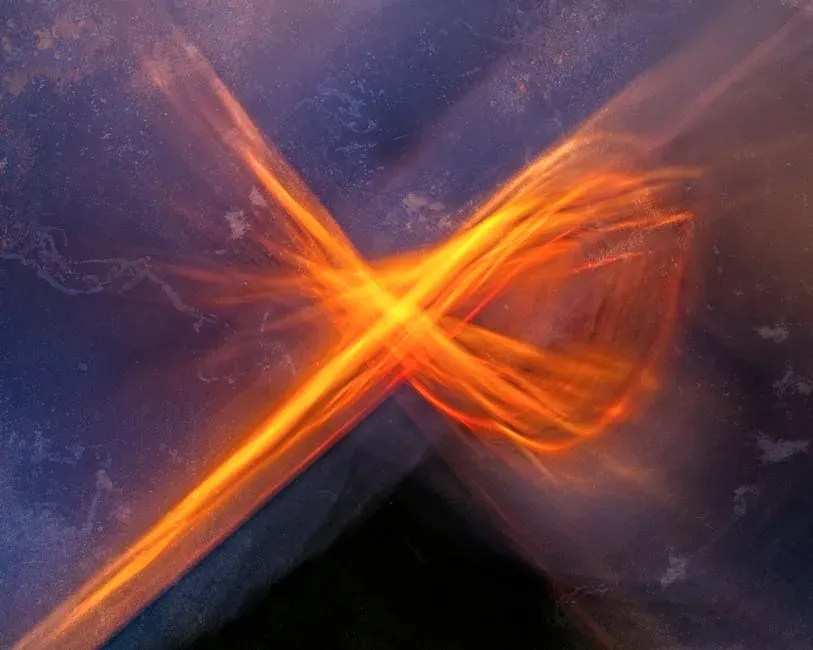
On enormous scales, galaxies are not scattered randomly; they flow along cosmic filaments and tumble into gravitational wells you can map by their motion. When you chart the movement of your own galaxy and its neighbors, you find they are being pulled toward a region of space you cannot see clearly, partially hidden behind the crowded plane of the Milky Way. This region, nicknamed the Great Attractor, tugs on entire clusters of galaxies as if some huge concentration of mass is sitting there in the dark.
As your observations improved, you found that this area is part of an even larger structure of galaxies and mass extending far across the sky, bound by gravity on a staggering scale. Still, dust, gas, and your limited vantage point make it hard for you to get a clear picture of exactly what is lurking in that direction. You suspect vast clusters of galaxies and mountains of dark matter, yet the details remain hazy. For you, the Great Attractor is a reminder that your local cosmic neighborhood is moving through a gravitational landscape you are only beginning to map.
10. Rogue Planets Wandering Between the Stars
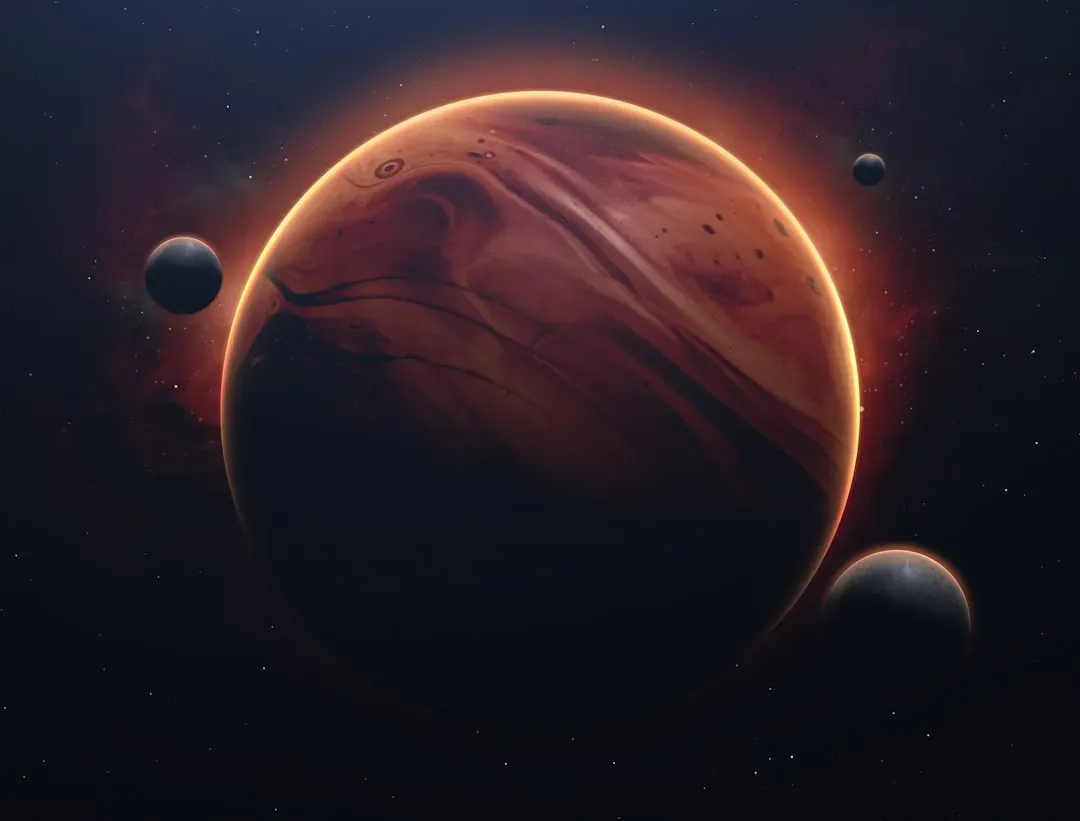
When you imagine a planet, you instinctively picture it orbiting a star, basking in its light like Earth does with the Sun. But your surveys have turned up a stranger possibility: planets drifting alone through space, not bound to any star at all. These rogue planets, sometimes called free-floating planets, might be just as common as star-bound worlds, silently crossing the darkness between stellar systems.
You suspect some of these lonely objects were born in planetary systems and then flung out by gravitational interactions, like survivors of violent celestial pinball games. Others might form directly from collapsing gas clouds that never quite become stars. Detecting them is extremely hard, because they are cold and dark, revealing themselves only through rare gravitational lensing events or faint infrared glows. Each one challenges your star-centered image of planetary life and makes you wonder how many hidden worlds drift silently through the galaxy, unlit and almost invisible.
11. Odd Radio Circles and Mysterious Cosmic Bubbles
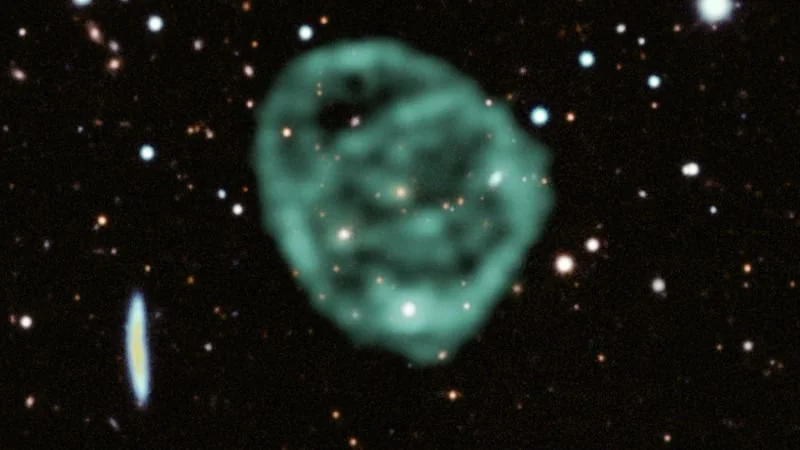
As you map the sky in radio waves, you sometimes spot enormous, faint circles that seem to float around distant galaxies like ghostly halos. These objects, often called odd radio circles, do not fit neatly into familiar categories like supernova remnants or standard radio galaxies. Their shapes are strikingly round, and they span hundreds of thousands or even millions of light-years, yet their exact cause remains unclear.
You can imagine possible origins: shock waves from colossal explosions, interactions between jets and surrounding gas, or ancient outbursts from supermassive black holes. Each scenario explains some features but raises more questions about timing, energy, and environment. For now, these cosmic bubbles sit in your catalogs as head-scratching curiosities. Their very existence reminds you that the universe still hides large, slowly evolving structures that you are only just beginning to notice with new generations of telescopes.
12. The Hubble Tension and Conflicting Cosmic Expansion Rates
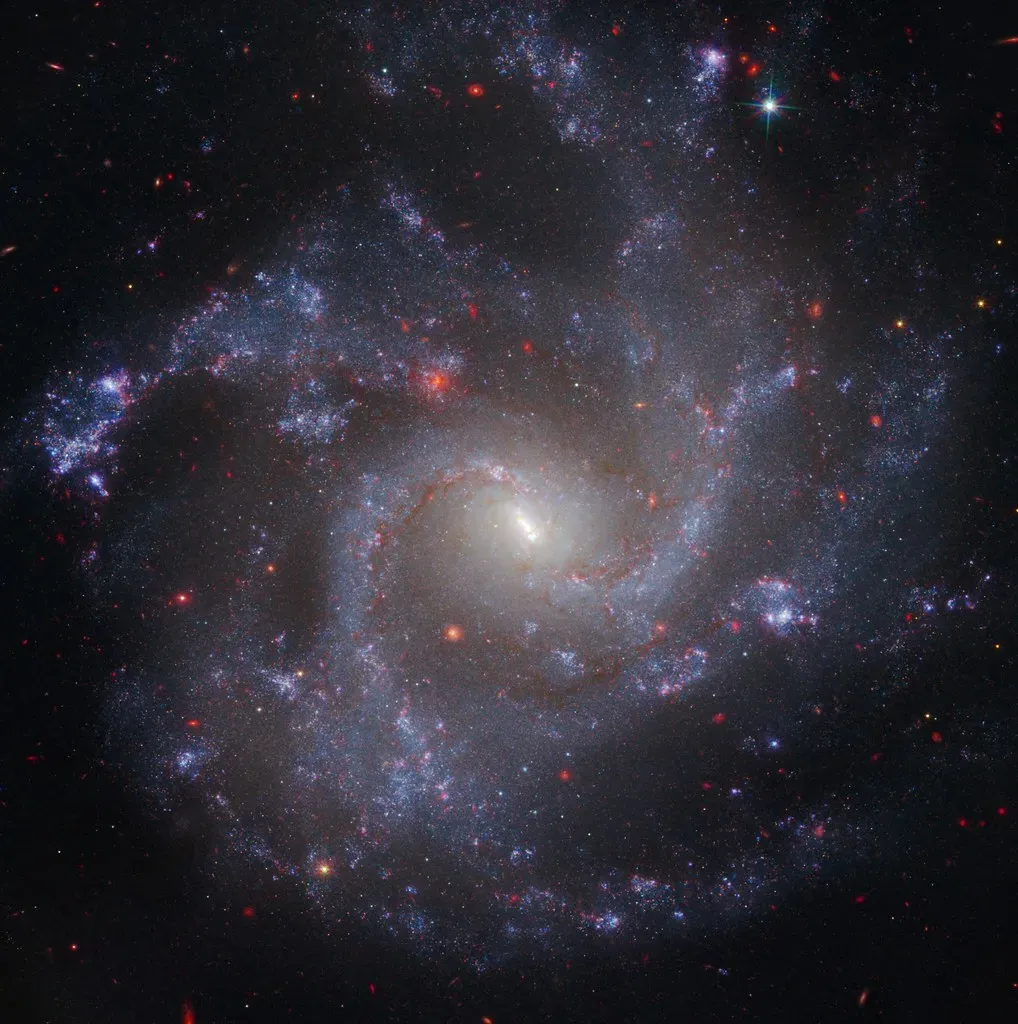
Measuring how fast the universe is expanding sounds straightforward in theory, but the closer you look, the more it turns into a headache. When you use the nearby universe as your ruler, relying on stellar explosions and other distance markers, you get one value for the expansion rate. When you use the early universe through the cosmic microwave background and large-scale structure, you get a different, lower value. Both methods are precise, both are trusted, and yet they do not agree.
This discrepancy, often called the Hubble tension, puts you in an awkward spot. Either subtle, unrecognized errors are sneaking into your measurements, or your standard model of cosmology is missing something important. You might need new physics, perhaps a twist in dark energy, an unexpected particle, or a refinement to how you model the early universe. Until you resolve this, every mention of the age and size of the universe carries a quiet footnote: even your best cosmic yardsticks may still be slightly off.
13. Quantum Gravity and the Mystery at the Heart of Black Holes
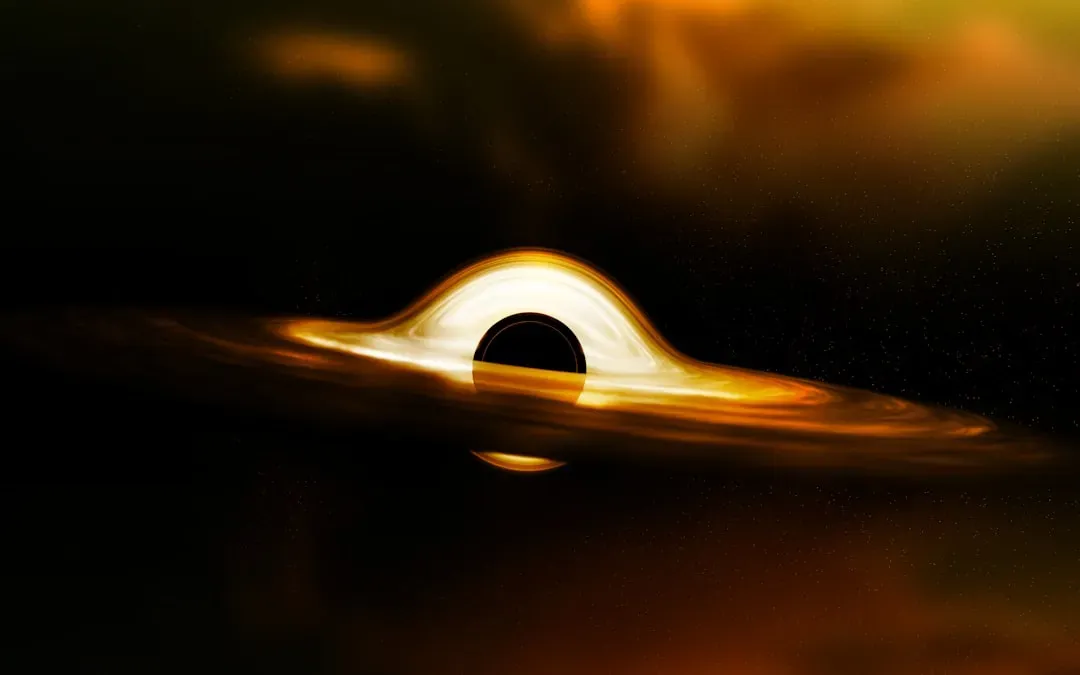
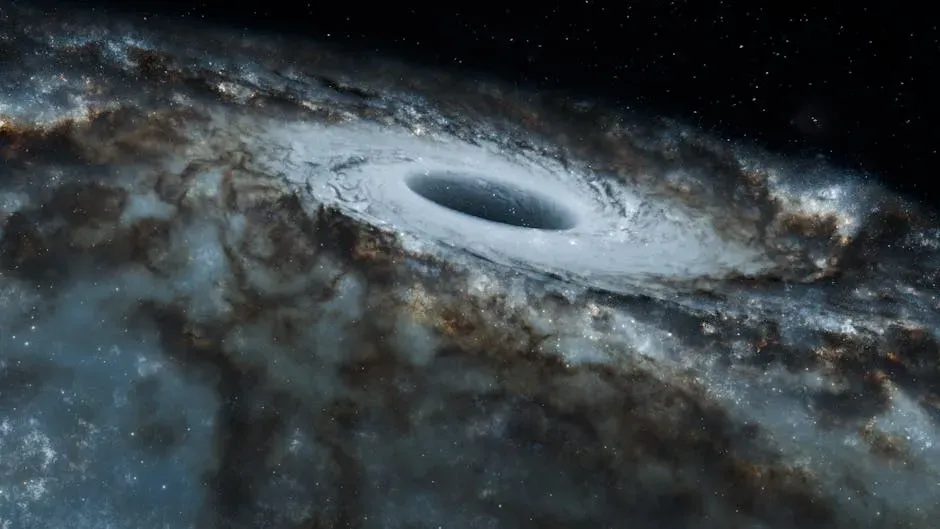
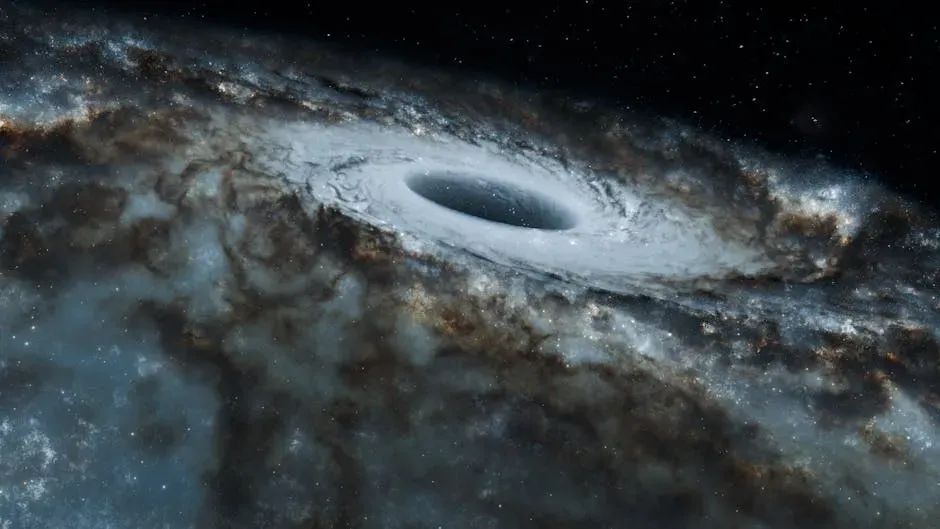
Black holes already sound improbable: regions where gravity is so intense that nothing, not even light, can escape. But the biggest mystery hides at their core, where your equations predict a singularity – an infinitesimally small point of infinite density. You know that infinite values in physics usually signal that your theory has been pushed beyond its intended range. Here, general relativity and quantum mechanics clash, and you do not yet have a single framework that unites them cleanly.
You also wrestle with the information paradox: what happens to the detailed information about matter that falls into a black hole, especially as it slowly evaporates through Hawking-like radiation over immense timescales? Your current theories give conflicting answers, and each fix seems to create new conceptual knots. In the heart of a black hole, your best-tested ideas about space, time, and reality start to fray. When you stare at these objects, you are really staring at the limits of your knowledge, where a future theory of quantum gravity will either vindicate or radically revise how you think the universe works.
Conclusion: Living with a Universe That Refuses to Sit Still
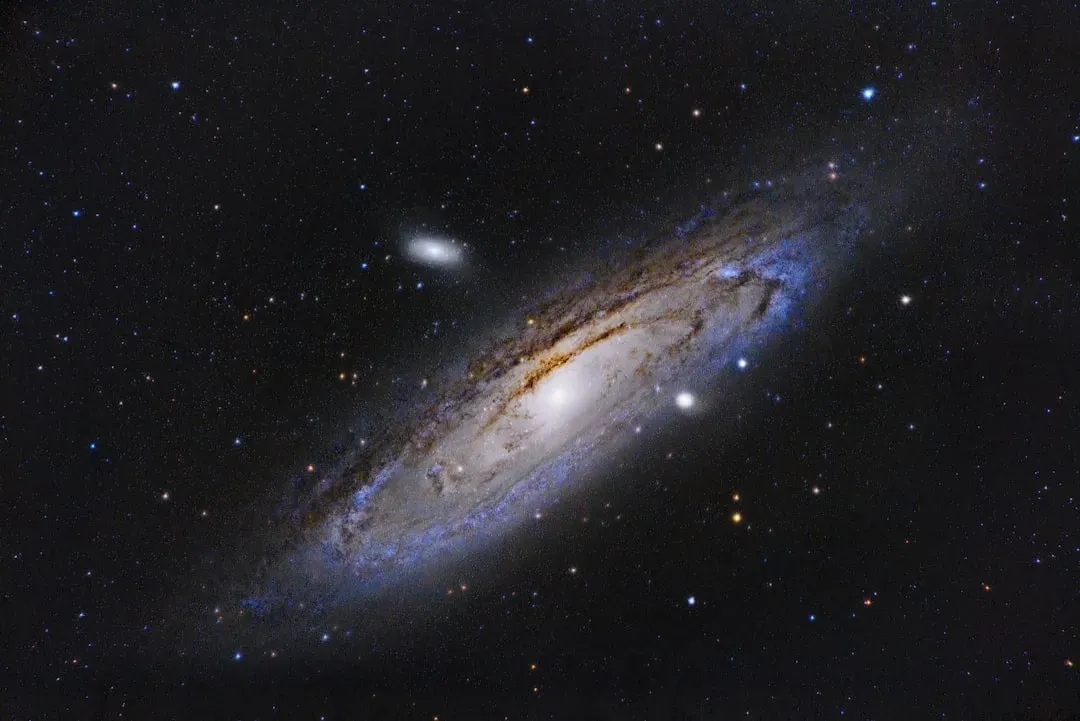
When you step back from all these puzzles – dark matter, dark energy, strange stars, cosmic rays, rogue planets, and the deep mystery of black holes – you see a pattern that is both unsettling and inspiring. The universe is not a tidy machine you have already decoded; it is more like an unfinished book where entire chapters are still missing. You can measure its expansion, map its structures, and detect its faintest whispers, yet the most basic questions about what it is made of and how it truly works remain open.
If you let that reality sink in, it changes how you see your place in the cosmos. Instead of standing at the end of knowledge, you realize you are barely at the start, peeking through a keyhole at a vast, unfolding story. Every anomaly you chase is an invitation to refine your tools, question your assumptions, and stretch your imagination. The real question for you is simple and thrilling: which of these mysteries do you want to see solved in your lifetime, and which ones will you help future generations even learn how to ask about?