
Most people assume ancient civilizations were technologically primitive compared to us, stumbling through history with sticks and superstition until modern science finally arrived to save the day. That assumption is embarrassingly wrong, and the evidence isn’t subtle.
Researchers keep uncovering proof that vanished cultures were quietly solving problems we thought we invented solutions for: self-healing building materials, functional computers, working antibiotics, even earthquake detectors, centuries or millennia before “modern” science caught up. Some of this knowledge disappeared so completely that scientists had to reverse-engineer it from scratch, piece by piece, with no instructions left behind. Here’s what archaeologists, materials scientists, and historians actually say about the civilizations that knew more than we’ve ever given them credit for.
#17 – The Hittites Had an Iron Monopoly They Guarded Like a State Secret

The Hittite Empire, centered in what is now Turkey, figured out how to smelt iron at scale roughly 1,000 years before most of the ancient world made the leap from bronze. This wasn’t an accident. It was a guarded industrial secret, treated the way modern nations treat nuclear technology.
Most people don’t realize the Hittites essentially controlled an early monopoly on advanced metallurgy, trading finished iron tools while keeping their smelting techniques classified within royal workshops. When the empire collapsed around 1200 BCE, that knowledge scattered instead of spreading in an organized way, arguably delaying the wider Iron Age by generations. Modern metallurgists studying Hittite artifacts have had to reconstruct their furnace temperatures and ore techniques using experimental archaeology, essentially relearning a curriculum the Hittites never bothered to write down. But that’s nothing compared to what we found about #16…
#16 – The Minoans Had Flush Toilets Before Almost Anyone Else on Earth
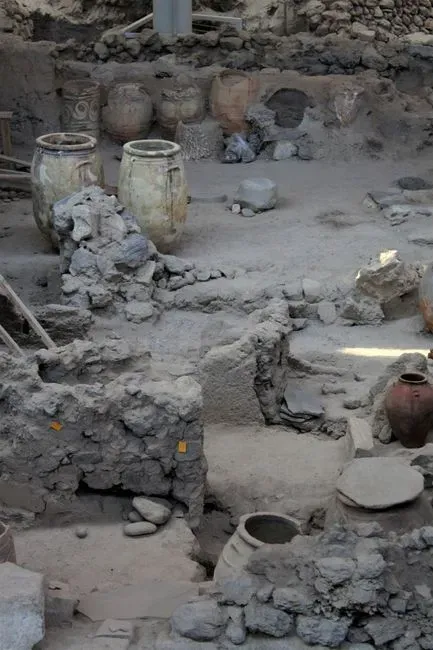
Nearly 4,000 years ago, the Minoan civilization on Crete built plumbing systems at the Palace of Knossos that included what functioned as an early flush toilet, complete with a rudimentary drainage network.
Turns out, indoor plumbing wasn’t a Roman invention at all. It was Bronze Age Minoan engineering that predated Rome by well over a thousand years. Terracotta pipes carried fresh water in and waste water out, using gravity and sloped channels in a system that wouldn’t look out of place in a modern rural home. When Minoan civilization declined after volcanic eruptions and invasions, this sanitation knowledge essentially vanished from the Mediterranean world for centuries, and later cultures reintroduced far cruder waste systems. Archaeologists rediscovering Knossos in the early 1900s were stunned to find plumbing this advanced buried under so much rubble. But that’s nothing compared to what we found about #15…
#15 – Ancestral Puebloans Built a Solar Calendar Into Solid Rock
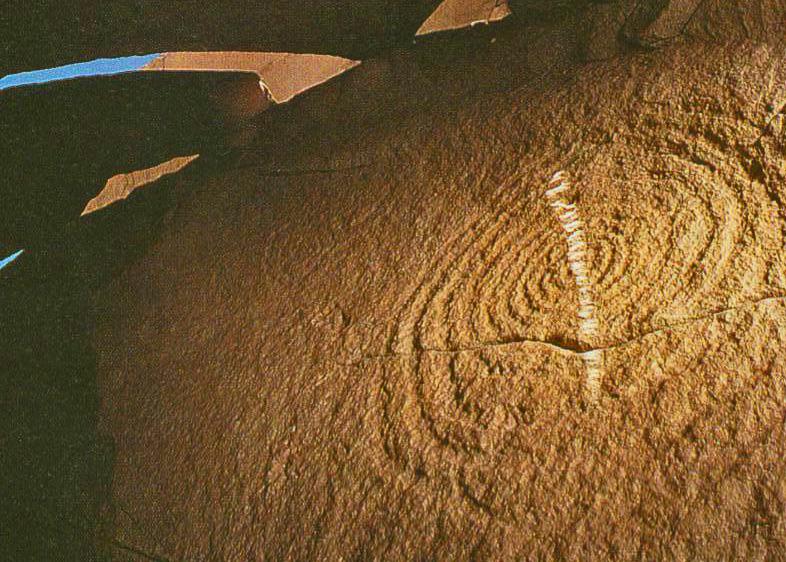
At Chaco Canyon in New Mexico, Ancestral Puebloan builders created structures and rock carvings that track the sun and moon with astonishing precision, using nothing but stone, shadow, and careful observation.
The most famous example, a spiral petroglyph known as the “Sun Dagger,” uses a dagger of light that pierces the carving differently depending on the solstice or equinox, a solar calendar carved directly into the landscape. Entire building complexes at Chaco were aligned to lunar cycles that repeat only once every 18.6 years, meaning generations of builders had to pass down astronomical knowledge with zero written language to record it. Modern archaeoastronomers didn’t fully decode these alignments until the late 20th century, centuries after the people who built them had already moved on. But that’s nothing compared to what we found about #14…
Fast Facts
- Chaco Canyon was a major Ancestral Puebloan cultural center for centuries before it was abandoned
- The Sun Dagger petroglyph is carved high on a rock face known as Fajada Butte
- The light-dagger effect wasn’t formally documented until artist Anna Sofaer’s fieldwork in 1977
- The lunar alignment built into the site only repeats once every 18.6 years
#14 – Medieval Bladesmiths Were Accidentally Building With Nanotechnology
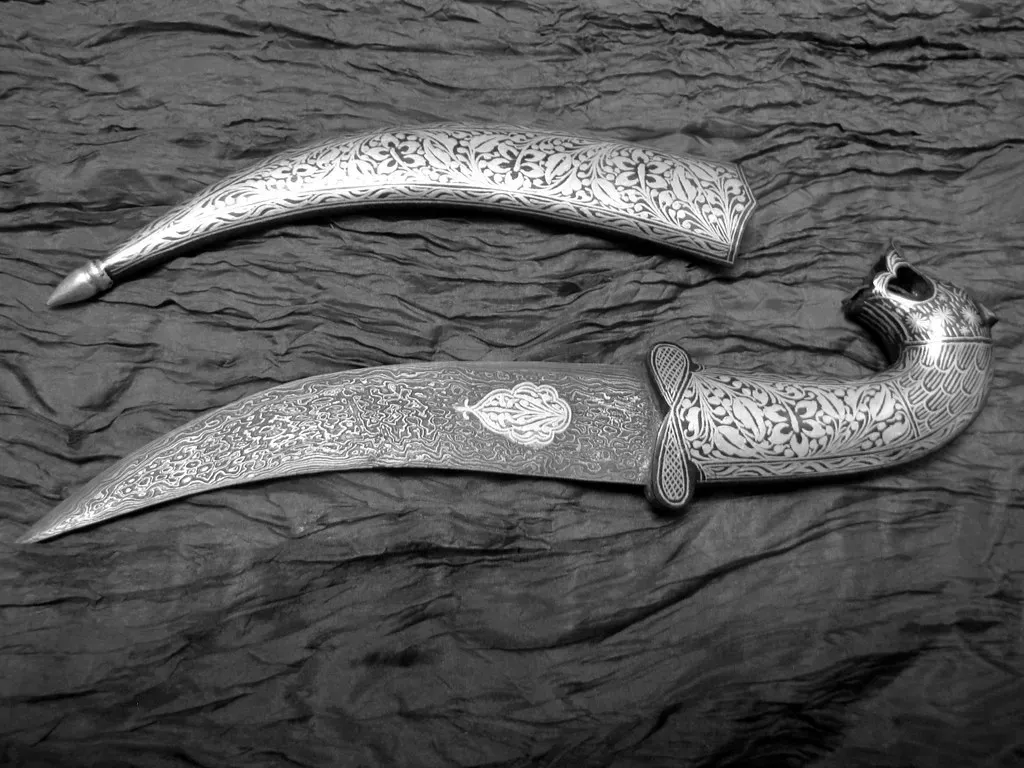
Damascus steel blades, forged from Indian “wootz” ingots, developed a reputation for combining flexibility and hardness in a way European steel simply couldn’t replicate.
Researchers from the University of Dresden uncovered the extraordinary secret hiding inside Damascus steel: it contained carbon nanotubes, meaning smiths of old were inadvertently manufacturing nanotechnology. That single detail means bladesmiths a thousand years ago were unknowingly building structures scientists didn’t have the tools to even see until the 2000s. The nanotubes were protecting nanowires of cementite, a hard and brittle compound, making the steel a composite material at a nanometre level. This microstructure may explain the beautiful banding pattern of an ultrahigh-carbon steel whose original recipe was lost long ago. But that’s nothing compared to what we found about #13…
#13 – A Han Dynasty Scholar Built the First Earthquake Detector
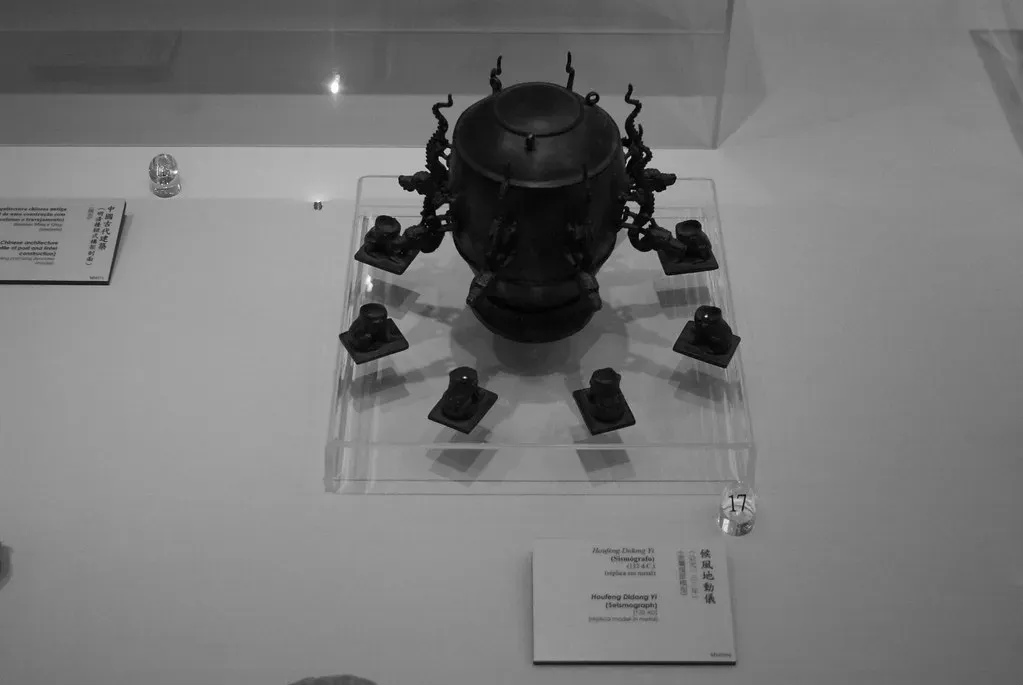
Around 132 CE, Chinese polymath Zhang Heng built a bronze device that could detect the direction of a distant earthquake before anyone in the city felt a tremor.
The device, roughly the size of a wine jar, used a pendulum mechanism that would release a ball from a dragon’s mouth into the mouth of a bronze toad below, pointing toward the earthquake’s origin. Researchers didn’t attempt to replicate that idea with real instruments for nearly 1,700 years. Han Dynasty records claim the device successfully signaled a quake days before messengers on horseback confirmed it, though the exact mechanism has been lost to time and only rebuilt from written descriptions. Modern seismology, built on the same core principle of detecting ground motion, essentially reinvented Zhang Heng’s insight from scratch. But that’s nothing compared to what we found about #12…
#12 – The Indus Valley Had Better Sewers Than Most Cities Today
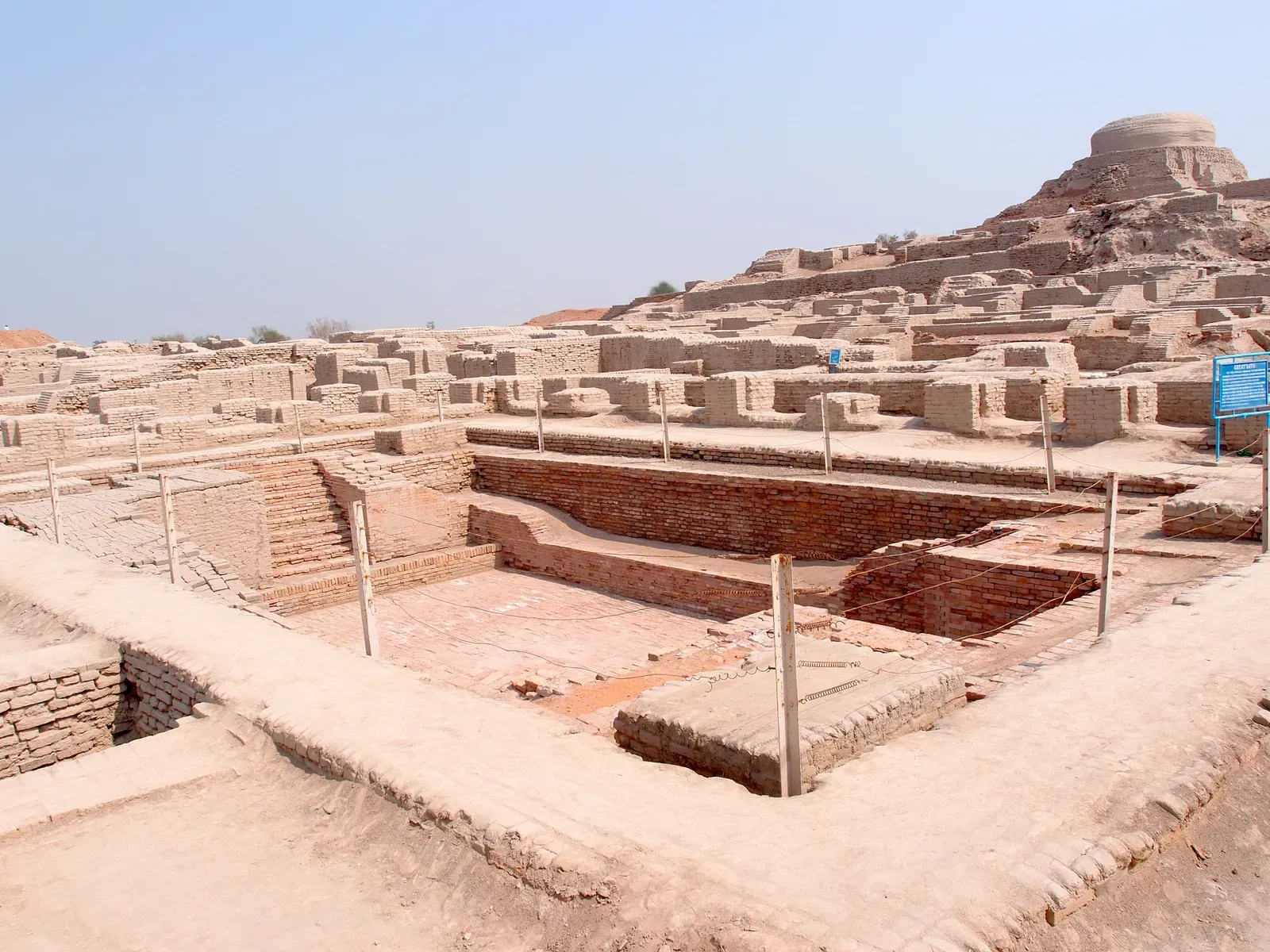
Cities like Mohenjo-daro and Harappa, part of the Indus Valley Civilization roughly 4,500 years ago, were built with covered drains running beneath nearly every street, connecting individual homes to a citywide sewage network.
Most homes had private bathrooms connected to this public system, meaning ordinary residents had better sanitation infrastructure than many cities would offer for millennia afterward. The civilization also standardized brick sizes across an area spanning modern-day Pakistan and northwest India, suggesting centralized planning on a scale historians still find difficult to explain, especially since almost no evidence survives of a strong central government. When the civilization declined around 1900 BCE, likely due to climate shifts and river changes, this level of urban sanitation planning disappeared from the region for centuries. But that’s nothing compared to what we found about #11…
#11 – Aboriginal Australian Stories Encode Events From 7,000 Years Ago

Some Aboriginal Australian oral traditions describe coastlines, islands, and landmarks that match the geography of Australia before sea levels rose at the end of the last Ice Age.
Geologists have cross-referenced these stories against underwater mapping and found the descriptions line up with coastlines that vanished roughly 7,000 years ago, meaning some oral histories may be among the oldest continuously transmitted accurate memories on Earth. This directly challenges the assumption that oral tradition degrades into unreliable myth within a few generations. Western researchers largely dismissed these accounts as folklore until satellite bathymetry gave them a way to test the claims directly against physical evidence. That single discovery forced a rethink of how much verified history exists in oral cultures worldwide. But that’s nothing compared to what we found about #10…
#10 – Vikings Navigated Using a Crystal Instead of a Compass

Norse sailors crossed open ocean without magnetic compasses, relying instead on a technique described in old sagas as using a “sunstone” to locate the sun even through thick cloud cover or fog.
Modern experiments with calcite crystals, known as Iceland spar, confirmed the material can reveal the sun’s position by polarizing scattered light, even when the sky looks completely overcast. This would have let Viking navigators hold a rough heading across the North Atlantic on days when a standard compass or shadow stick would have been useless. Skeptics long dismissed the sunstone as saga exaggeration until physicists actually tested the optical properties and found the technique plausible for real navigation. The idea that ancient sailors were using polarized light science, without knowing what light polarization even was, still unsettles some historians. But that’s nothing compared to what we found about #9…
Worth Knowing
- Old Icelandic sagas refer to the tool simply as a “sunstone”
- Iceland spar is a naturally clear, transparent form of calcite
- The crystal splits and polarizes light, making the sun’s position detectable even under heavy cloud
- Physicists only tested the saga descriptions experimentally in recent decades
#9 – Polynesian Navigators Read the Ocean Like an Instrument Panel

Long before satellite GPS, Polynesian wayfinders crossed thousands of miles of open Pacific Ocean using only stars, wave patterns, wind, and the behavior of birds and marine life.
Master navigators could reportedly detect subtle changes in swell direction by feeling the movement of a canoe’s hull, essentially reading ocean currents the way a modern pilot reads instruments. This system, passed down orally through apprenticeship rather than written charts, allowed settlers to reach and repeatedly return to islands separated by enormous stretches of featureless water. Western navigators dismissed these techniques as primitive guesswork for centuries, until 20th-century voyages using traditional methods successfully recreated ancient Pacific crossings without any modern instruments. Researchers and even space agencies have since studied Polynesian wayfinding as a genuine navigational science. But that’s nothing compared to what we found about #8…
#8 – The Inca Stored Complex Data in Knotted String
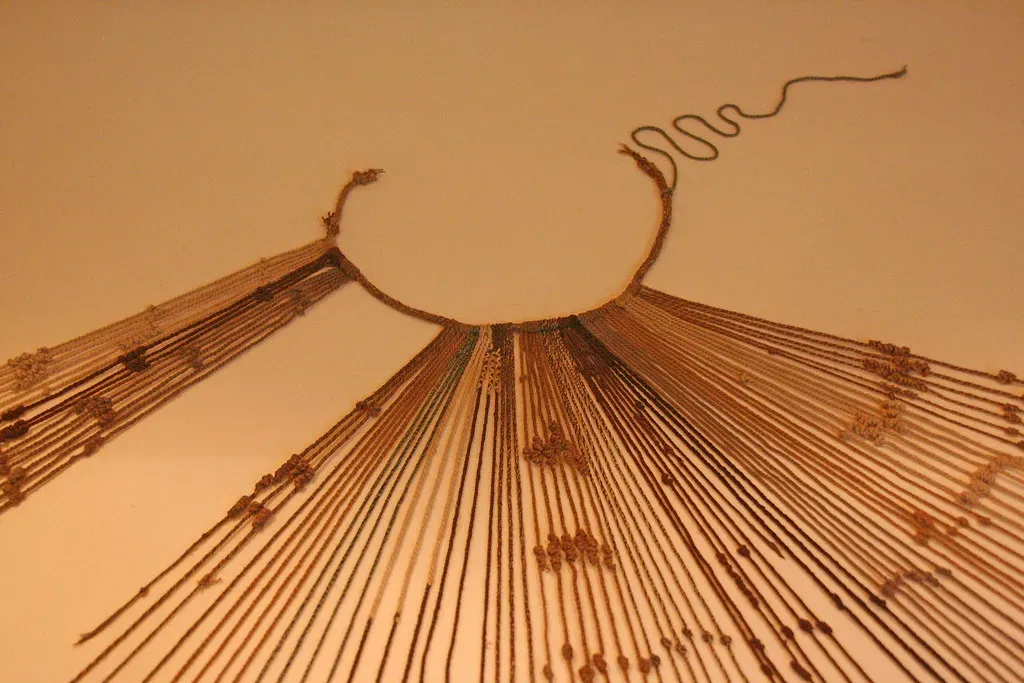
The Inca Empire ran an administrative system covering millions of people and vast territory without a conventional written language, instead using knotted cords called quipu to record information.
Researchers increasingly believe quipu encoded far more than simple numbers, potentially storing narrative or historical information through knot type, color, and cord direction, essentially a three-dimensional data storage system centuries before binary code. Spanish colonizers destroyed most surviving quipu, viewing them as suspicious or idolatrous objects, which means we may have lost the ability to fully decode this system forever. The handful of quipu that survive are still being studied by researchers trying to crack what may be one of history’s most unusual recording methods. This makes it one of the clearest cases of genuinely irrecoverable ancient knowledge. But that’s nothing compared to what we found about #7…
#7 – The Maya Used the Concept of Zero Before Most of Europe

Maya mathematicians and astronomers developed a working concept of zero as a placeholder centuries before it became standard in European mathematics, using it within a sophisticated calendar system.
Their Long Count calendar tracked time across thousands of years with remarkable precision, and their astronomical tables predicted solar eclipses and the movement of Venus with an accuracy that still impresses modern astronomers. This wasn’t casual observation. Maya scribes tracked celestial cycles across generations, building mathematical models sophisticated enough to require the concept of nothing as an actual number. Much of this knowledge was deliberately destroyed during the Spanish conquest, when colonial officials burned the vast majority of Maya bark-paper books. Only a handful of these codices survive today, meaning we’re reconstructing an entire scientific tradition from fragments. But that’s nothing compared to what we found about #6…
#6 – The Nazca Built Aqueducts That Still Deliver Water Today
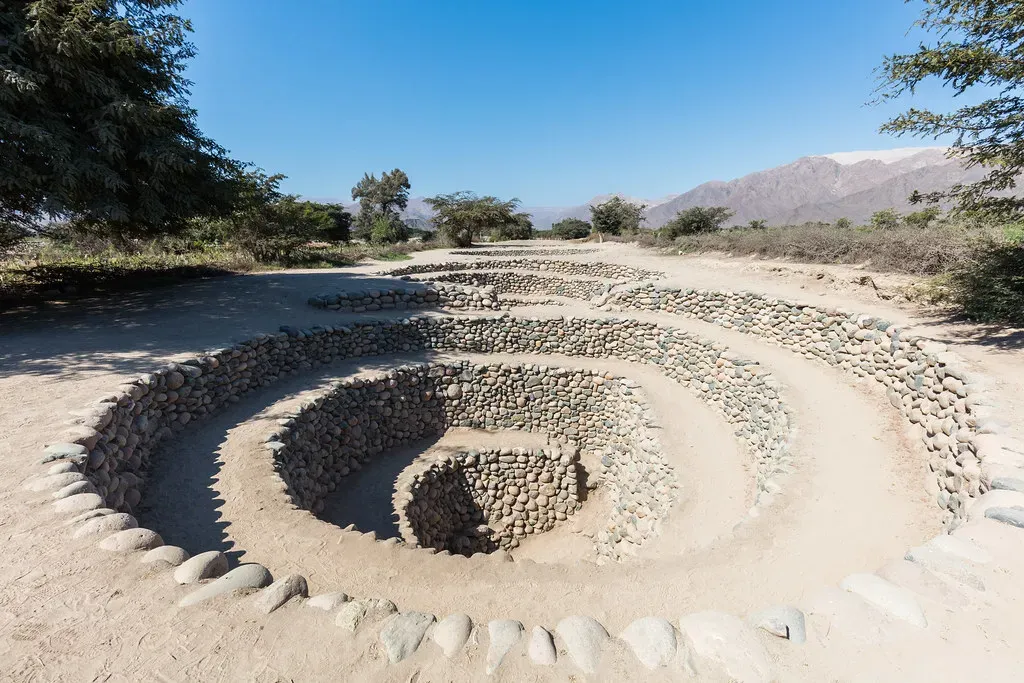
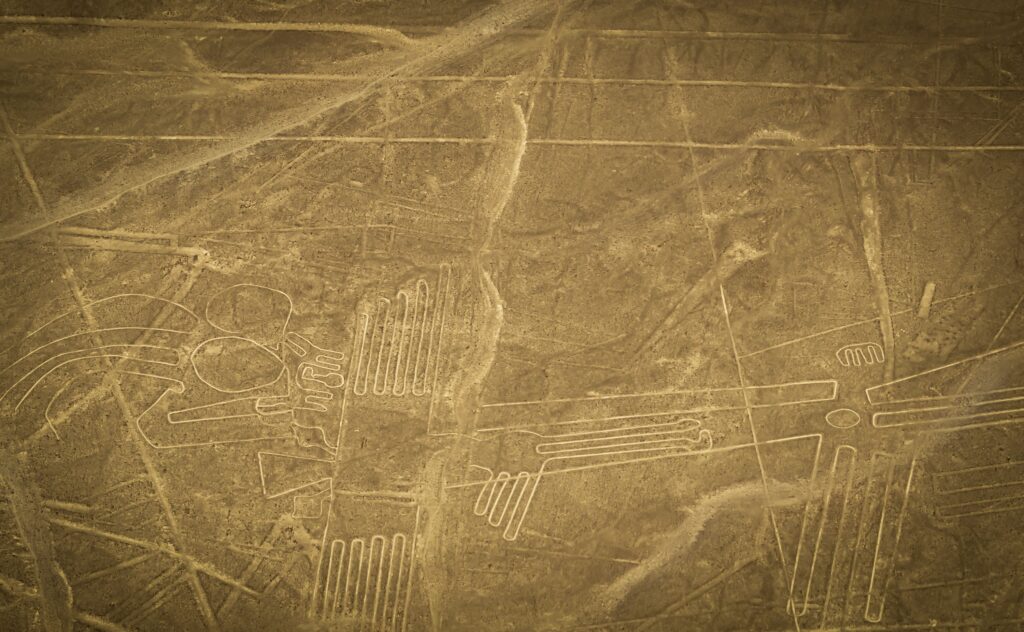
The Nazca culture, better known for the giant desert line drawings that bear their name, quietly built an underground water system that may be an even greater engineering achievement. Built between 300 and 600 CE in the hyper-arid coastal desert of southern Peru, the puquios are a masterful network of underground aqueducts, surface channels, and reservoirs that turned an arid landscape into a habitable valley.
Remarkably, researchers using satellite imagery discovered the spiral-shaped entrances weren’t just maintenance access points. They were engineered to funnel wind down into the tunnels, essentially pumping water through the system using nothing but airflow. More than 30 of these ancient aqueducts are still functioning and providing water today, nearly 1,700 years after they were built, without any modern repairs to their core design. But that’s nothing compared to what we found about #5…
At a Glance
- Built roughly between 300 and 600 CE along Peru’s arid southern coast
- Spiral entrances double as wind funnels to keep water moving underground
- More than 30 puquios remain functional nearly 1,700 years later
- Local farming communities still rely on the network for irrigation today
#5 – Ancient Egyptians Prescribed a Working Antibiotic Thousands of Years Before Penicillin

Egyptian medical texts reference honey as a wound treatment an almost unbelievable number of times, and modern lab testing has confirmed they were onto something real, not just superstition. Honey is mentioned in Egyptian medical papyrus an astonishing 500 times across 900 different remedies, which is especially remarkable given that the ancient Egyptians did not practice apiculture, so their honey came from wild bees.
Modern hospitals now stock sterilized, medical-grade honey specifically because it shows potent antibacterial activity against pathogens such as Staphylococcus aureus and Escherichia coli, along with strong antioxidant properties and efficacy in wound healing. This practice largely disappeared from mainstream Western medicine for centuries once synthetic antiseptics took over, only for clinical researchers to rediscover and re-validate it as antibiotic resistance became a modern crisis. But that’s nothing compared to what we found about #4…
#4 – A Society Before Farming Built Monumental Architecture We Thought Was Impossible
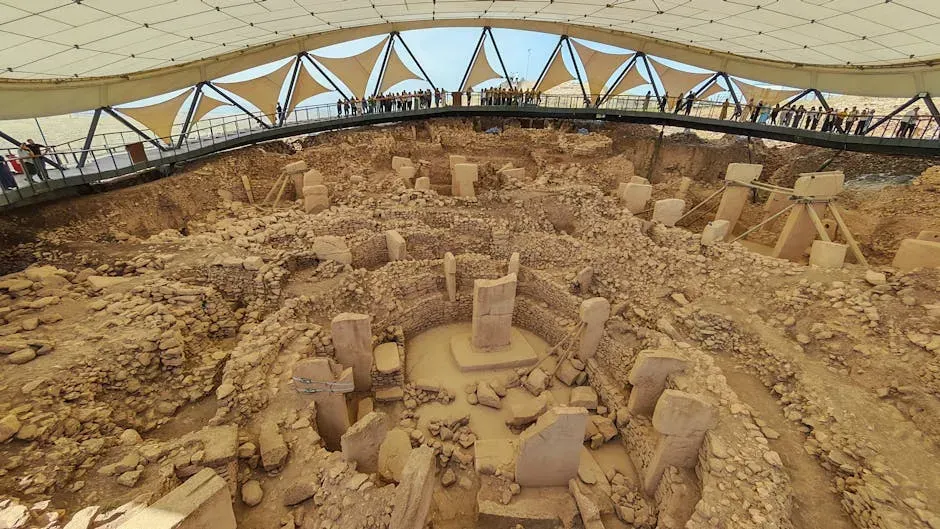
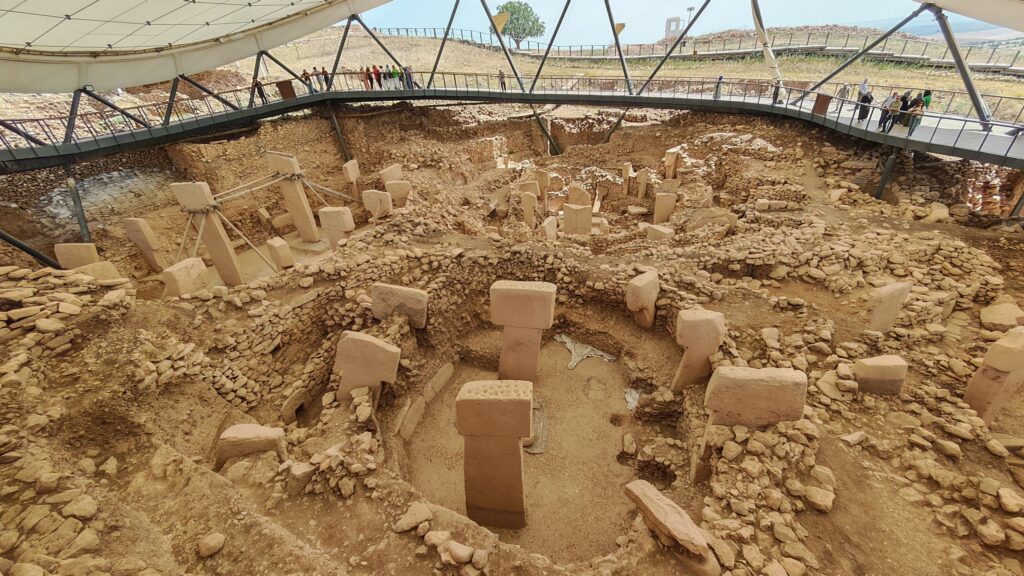
Göbekli Tepe, a set of massive carved stone enclosures in modern-day Turkey, was built by hunter-gatherer communities roughly 11,000 years ago, before agriculture, pottery, or permanent villages existed anywhere in the region.
This single site completely rewrote the timeline of human civilization, because archaeologists had long assumed monumental architecture required farming, food surplus, and settled populations first, not the other way around. The T-shaped megalithic pillars, some weighing many tons, were deliberately buried by the people who built them for reasons still debated by researchers. Some scholars now argue that religion and communal ritual actually drove the invention of agriculture, rather than agriculture enabling religion, a genuinely controversial reversal of the standard narrative most textbooks still teach. But that’s nothing compared to what we found about #3…
#3 – Ancient Greeks Built a Working Analog Computer Two Millennia Ago
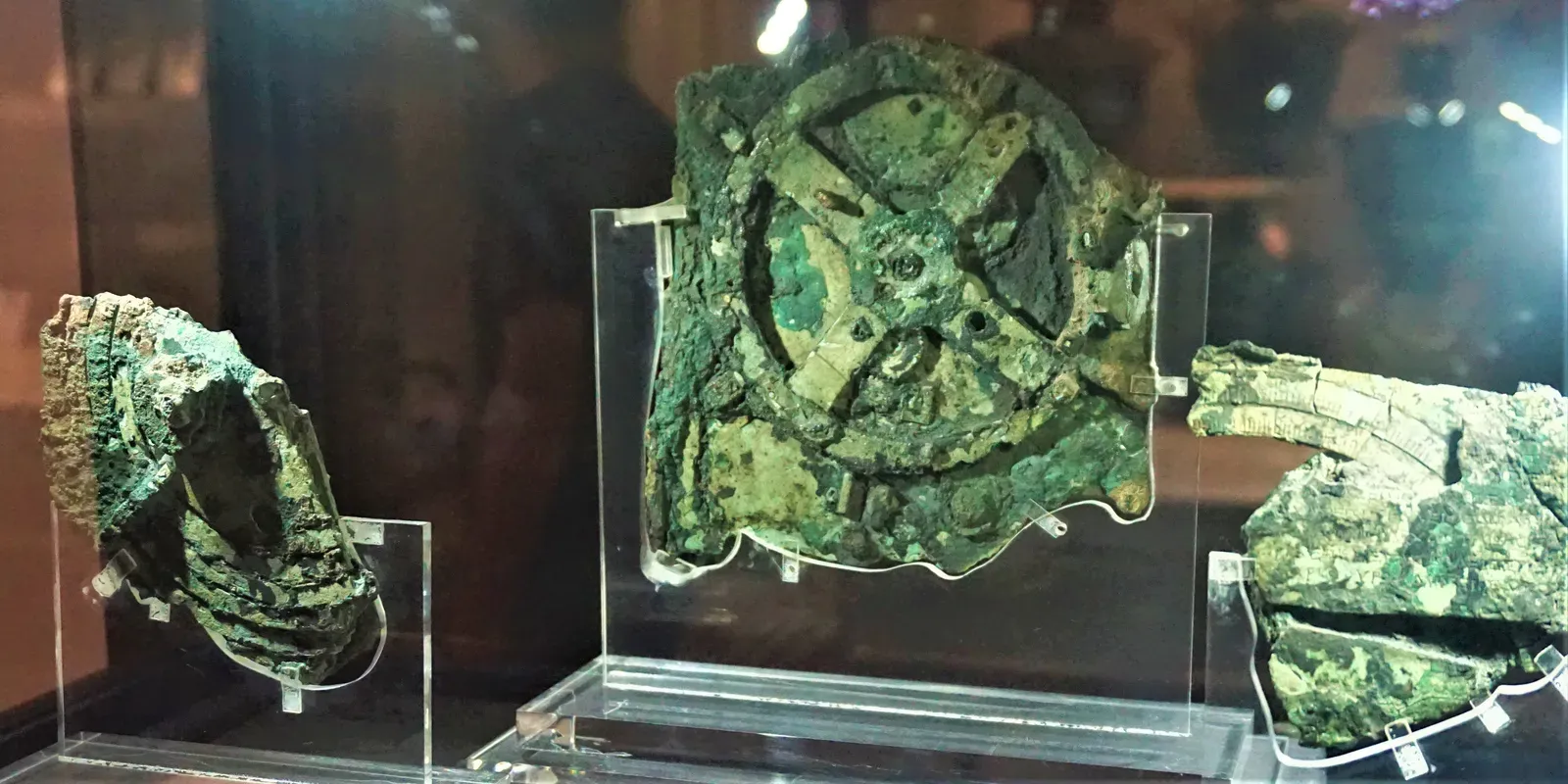
The Antikythera Mechanism is an ancient Greek bronze hand-powered mechanical device that calculated astronomical positions, described as the oldest known example of an analogue computer. Pulled from a shipwreck by sponge divers in 1901, it sat misunderstood in a museum drawer for decades before anyone grasped what it actually was.
The Antikythera mechanism showcased a level of mechanical complexity not seen again until the advent of medieval cathedral clocks over a millennium later, meaning the technology behind it was essentially lost for more than a thousand years. Its builders used a brilliant system of epicyclic gearing, where one gear orbits the center of another, in a pin-and-slot mechanism that ingeniously mimics the variable speed of the Moon. Recent research has even revealed it tracked the movements of Venus and Saturn, including when their orbits appeared to travel backwards across the sky as viewed from Earth, a level of astronomical sophistication researchers are still working to fully explain. But that’s nothing compared to what we found about #2…
Why It Stands Out
- Believed to date to around the 2nd century BCE
- Contains at least 30 surviving bronze gears packed into a small wooden case
- Recovered from a shipwreck off the Greek island of Antikythera in 1901
- Its full internal structure wasn’t revealed until CT scanning technology arrived decades later
#2 – Roman Concrete Actually Gets Stronger the Longer It Sits in the Ocean
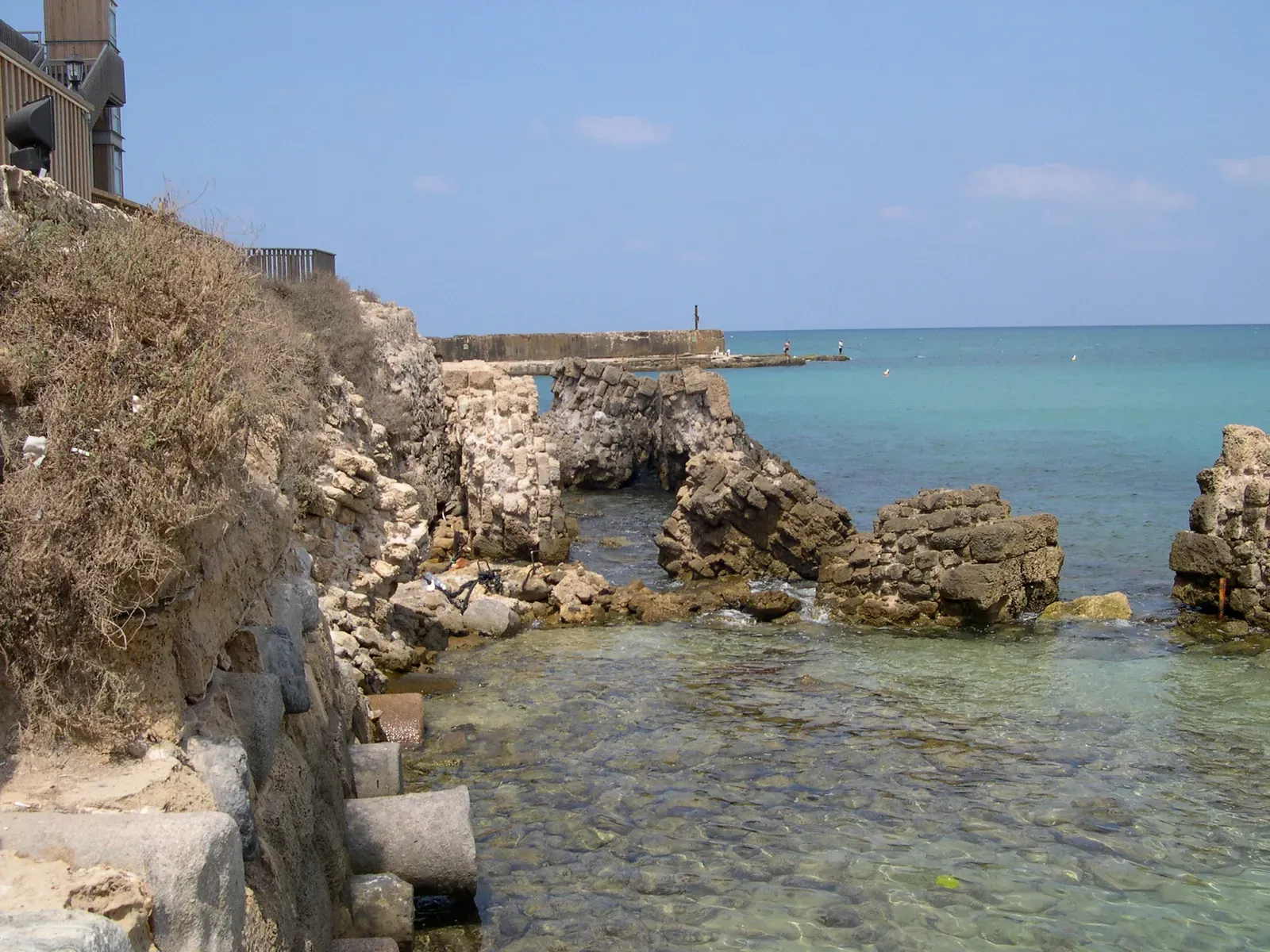
Roman harbors, breakwaters, and piers have survived more than 2,000 years of constant wave battering, while modern marine concrete structures often crumble within decades.
Contrary to the principles of modern cement-based concrete, the Romans created a rock-like concrete that thrives in open chemical exchange with seawater, a very rare occurrence on Earth. Studies showed that lime, upon exposure to seawater, reacted with volcanic ash to produce aluminous tobermorite, a layered mineral that forms fine fibers and plates, actually sealing cracks rather than letting them spread. New excavations at Pompeii even suggest builders transported quicklime and volcanic ash separately, mixing the two dry powders and adding water last to trigger a heat-producing reaction that left behind reservoirs of calcium for self-healing. Engineers are now studying this exact process to build longer-lasting, lower-carbon concrete today. But that’s nothing compared to what we found about #1…
#1 – Sumerians Built a Math System You’re Still Using Every Single Day
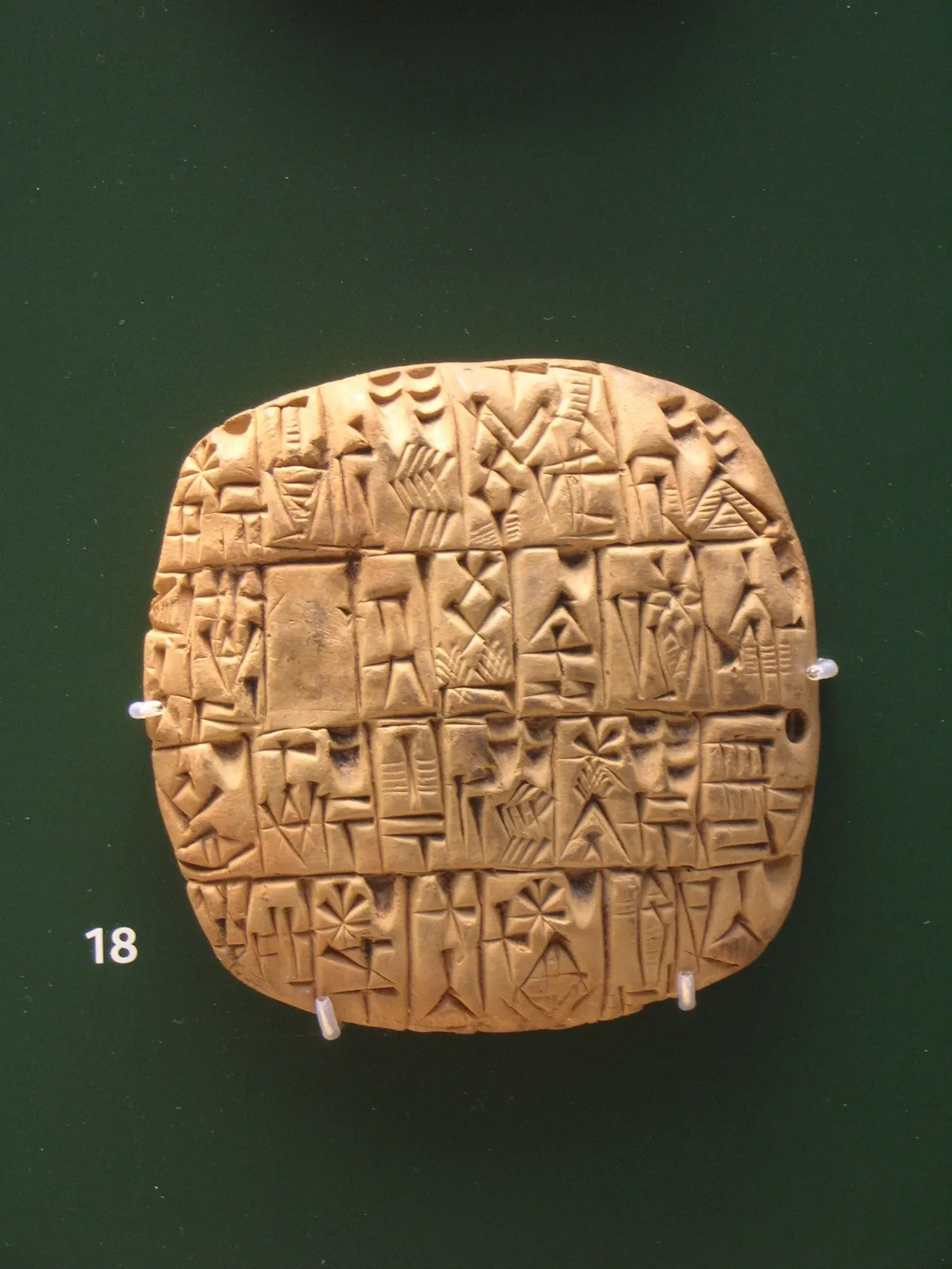
Ancient Sumerian scribes in Mesopotamia developed a base-60 counting system roughly 5,000 years ago, and it never actually disappeared. It just went quiet, hiding in plain sight inside modern life.
Every time you check a clock and see 60 seconds in a minute or 60 minutes in an hour, or measure a circle in 360 degrees, you’re literally using Sumerian mathematics without realizing it. Base-60, or sexagesimal math, was chosen because 60 divides evenly by so many smaller numbers, making fractions and calculations far simpler for early astronomers and traders tracking time, angles, and trade goods. Most people assume our timekeeping and geometry systems are modern inventions refined over centuries of scientific progress, when in reality they’re a direct, unbroken inheritance from a civilization that vanished from political relevance thousands of years ago. It’s arguably the most successful “lost” system in history, precisely because nobody realizes it was ever lost at all.
The Bottom Line
The evidence is hard to argue with: vanished cultures weren’t primitive footnotes waiting for modern science to arrive and rescue human progress. They were running functional experiments in chemistry, astronomy, medicine, and engineering, often getting startlingly close to answers we now credit to 20th and 21st-century labs.
The uncomfortable truth is that some of this knowledge wasn’t rediscovered through steady progress. It was rediscovered because we lost it first, through conquest, colonization, or simple neglect of oral and written records. That should make modern readers a lot less smug about “primitive” history. Which of these civilizations surprised you the most? Did we miss one that deserves a spot on this list? Drop it in the comments.