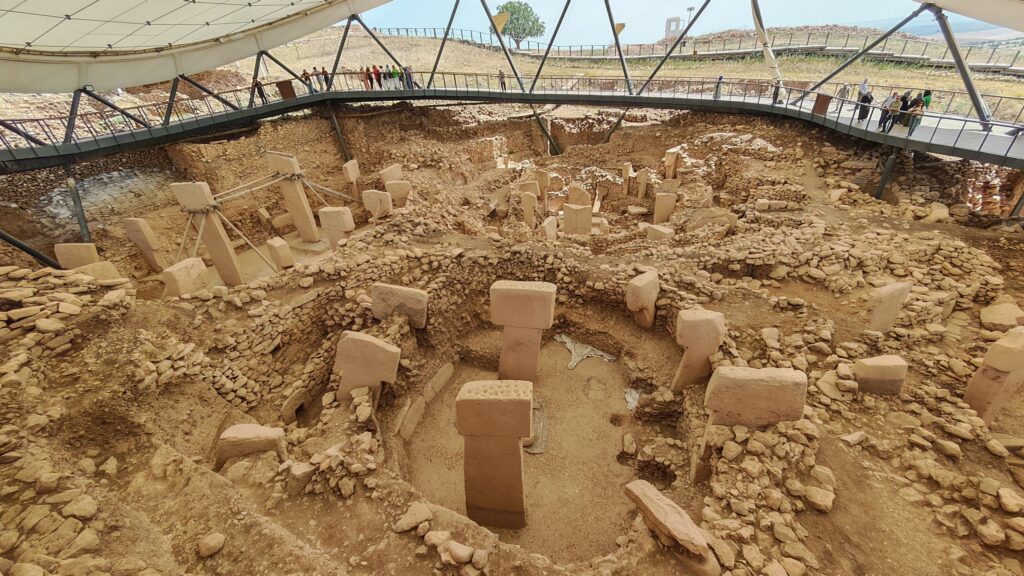

You probably grew up with a neat story about human history: first came small wandering bands of hunter‑gatherers, then farming, then villages, then religion, cities, and finally complex civilisation. Gobekli Tepe, an ancient hilltop site in southeastern Turkey, quietly takes that neat timeline, crumples it up, and tosses it out the window. When you first see what was built there, and when it was built, you realise that a lot of what you thought you knew about early humans no longer fits.
At Gobekli Tepe, you are looking at massive, carefully carved stone circles raised around eleven and a half thousand years ago, long before pottery, writing, or even settled farming were supposed to exist. Instead of simple huts, you find towering T‑shaped pillars. Instead of crude tools, you see sophisticated art and symbolism. As you walk through what archaeologists have uncovered so far, you can almost feel the old textbook timeline shifting under your feet.
1. Monumental Stone Architecture Thousands of Years “Too Early”
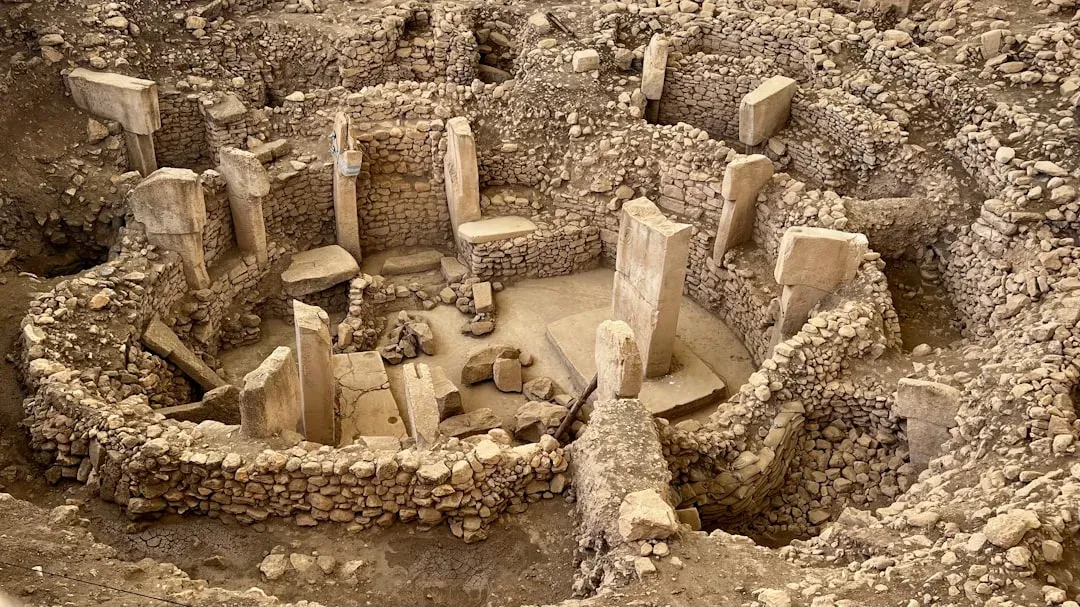
The first shock you run into at Gobekli Tepe is sheer size. You are not looking at a few scattered stones; you are standing among circular enclosures built from limestone pillars that can rise several meters tall and weigh many tons. These are not the kind of things a couple of bored foragers casually stack after lunch. They’re the result of organised planning, engineering know‑how, and an ability to coordinate large groups of people over long periods of time.
What makes this so disruptive is the date. You are looking at a site that begins around the tenth millennium BCE, at the tail end of the last Ice Age, when the standard story says humans should still be living in tiny mobile bands, struggling just to get enough food. According to that old model, you need villages, food surpluses, and complex social hierarchies before you can even dream of monuments. Gobekli Tepe flips that idea on its head and forces you to ask whether large communal projects might have come first and actually helped drive the shift toward settled life.
2. Sophisticated Carvings and Symbolism from Hunter‑Gatherers
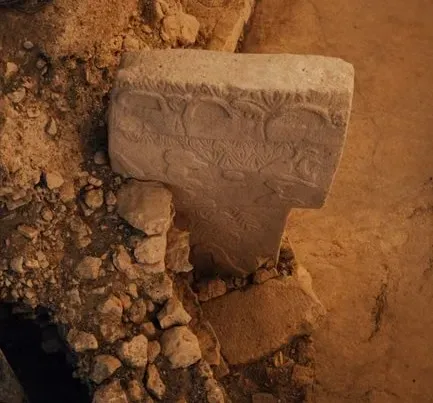
Once you get over the size of the pillars, you start to notice the details carved into them – and that is where Gobekli Tepe becomes even more unsettling. The stone surfaces are covered with animals, abstract signs, and sometimes human‑like figures, all executed in a style that clearly required skill, practice, and creative intention. You are not seeing random scratches; you are looking at a visual language from a world that had no writing yet, but apparently had a lot to say.
The people who built this were still reliant on wild plants and animals for survival, yet they produced art you might expect from a later farming society or even early cities. That forces you to rethink how you picture hunter‑gatherers. Instead of imagining small, simple groups just focused on the next meal, you have to accept that they also invested huge energy into shared symbols, stories, and rituals. In other words, your mental line between “simple foragers” and “symbolic civilisation” is not a clean line at all.
3. A Ritual Center Before Villages and Farms
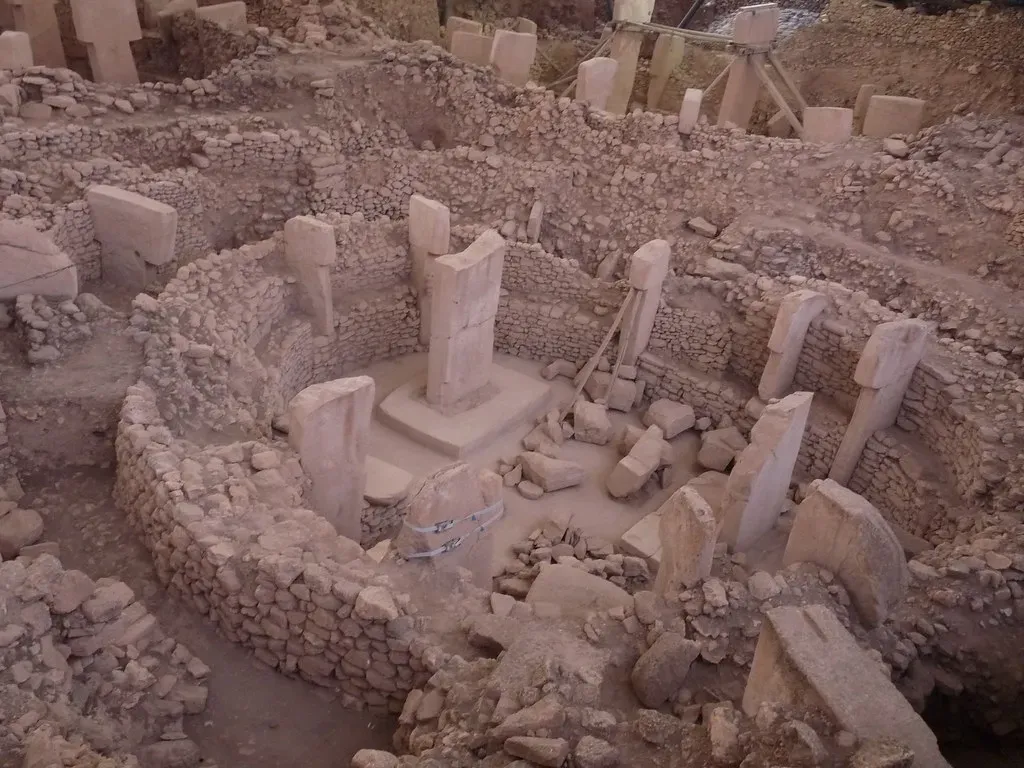
Another thing that hits you at Gobekli Tepe is what you do not see. You do not find clear evidence of houses clustered around the monuments in the way you would at a typical village site. Instead, the stone circles seem to have been built as gathering places, possibly used seasonally by groups that lived elsewhere. That suggests you are looking at a ritual or ceremonial centre that existed before permanent domestic settlements formed around it.
This order of events is the exact opposite of what you were probably taught. The traditional story says: first people farm, then they gather in villages, and then they build temples and shared ritual spaces. Gobekli Tepe hints at something different – that shared beliefs and large communal gatherings might have been powerful enough to pull people together first, and only later did farming and village life grow up around that social gravity. When you see it this way, religion and ritual are not by‑products of civilisation; they are among the engines that created it.
That idea opens up a much more emotional picture of early humanity. You can imagine groups travelling long distances, not just to trade or hunt, but to meet at this hilltop, tell stories, mark seasonal events, and reaffirm a shared identity in front of massive stone beings. The need to come together – to belong, to perform, to remember – may have been as strong a driver of change as the need for steady food supplies. Gobekli Tepe makes you see that social and spiritual hunger can be just as transformative as physical hunger.
4. Massive Labour Organisation Without Obvious Hierarchy or Cities
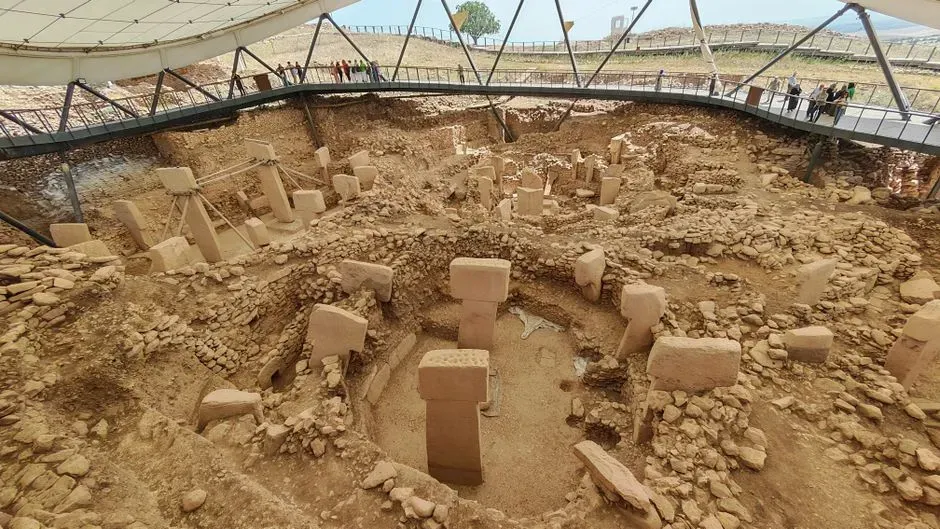
When you think about moving stones that weigh multiple tons, carving them, aligning them in circles, and maintaining such a site over centuries, you intuitively picture kings, overseers, and perhaps even early states. At Gobekli Tepe, you do not see clear signs of palaces, fortifications, or administrative quarters that would fit that image. Yet the work still got done, and on a huge scale. That means you are forced to imagine a type of social organisation that is complex without fitting the familiar pattern of later kingdoms.
This challenges a very deep assumption you might carry: that large, coordinated projects require top‑down authority and rigid hierarchies. Instead, Gobekli Tepe leaves space for other models – seasonal leadership, shared traditions, or rotating responsibilities – that could mobilise hundreds of people when needed and then dissolve back into more flexible arrangements. You begin to see early humans not as stepping stones on a single straight path to the modern state, but as experimenters trying out different ways of being organised. That makes the entire story of civilisation feel less like a ladder and more like a branching, tangled forest.
5. Deliberate Burial and the Deep Time of Memory
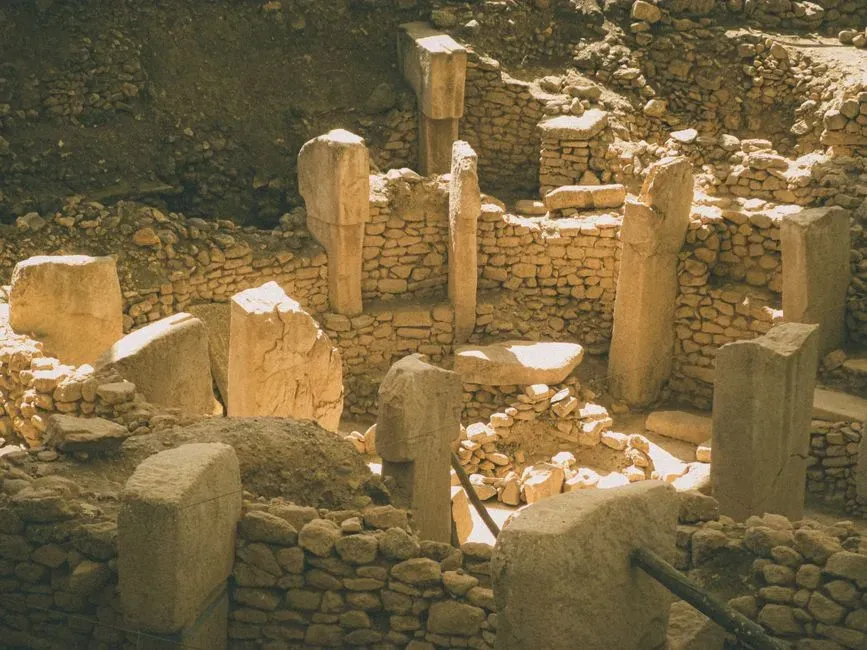
One of the strangest things you learn about Gobekli Tepe is that its builders did not just abandon it; they deliberately buried large parts of it under layers of stone and soil. You are not looking at a site slowly erased by erosion or neglect. You are seeing a place carefully filled in, almost as if the people who used it decided to close a chapter and seal it away. That act raises unsettling questions about how early humans related to their own past and to the monuments they created.
By burying these structures, those people preserved them in a way that now lets you peer almost directly into a world more than ten millennia old. At the same time, you have to accept that they made a conscious decision to end whatever role the site had in their lives. Maybe their beliefs changed, maybe their environment shifted, or maybe new centres took over that role. Whatever the reason, you are forced to see early societies as dynamic and self‑aware, capable of retiring their own sacred spaces. That adds a layer of emotional complexity to your picture of prehistory: these were not timeless, unchanging traditions, but living cultures making hard choices about what to keep and what to let go.
Conclusion: Rethinking What “Civilisation” Even Means
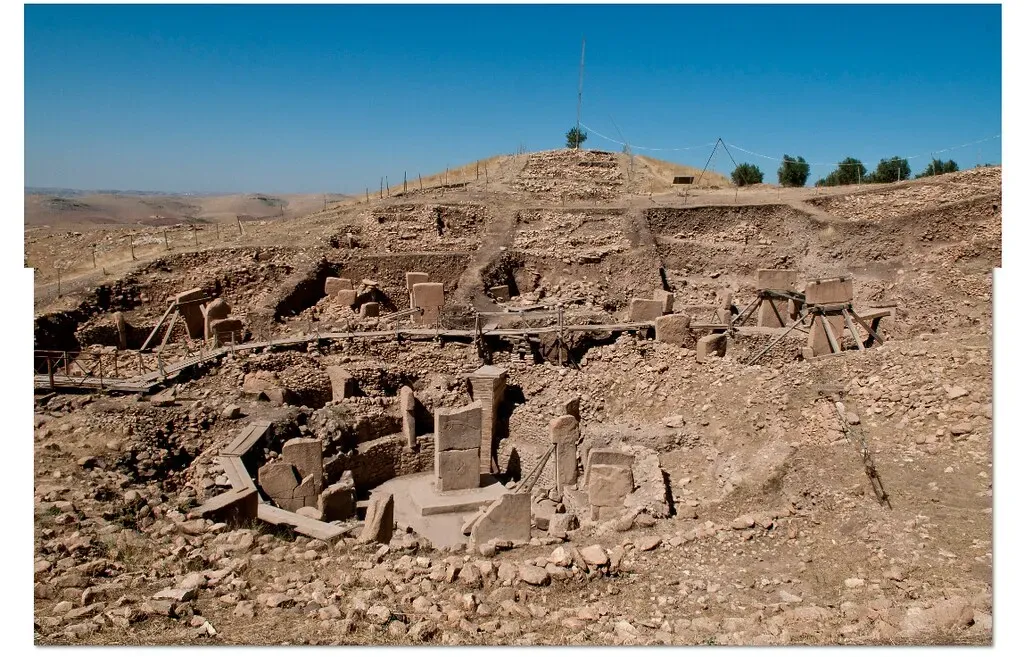
When you put all of these discoveries together – monumental stone circles, advanced carvings, a ritual centre before farms, large‑scale labour without obvious kingdoms, and a deliberate burial – you end up with a simple but disruptive realisation: your old definition of civilisation no longer works. You cannot pretend that complex religion, symbolic art, organised labour, and long‑term planning only appear once people settle into neat farming villages. At Gobekli Tepe, you watch those traits emerge among communities that still straddle the line between foraging and farming, and that forces you to think of civilisation as a spectrum, not a switch.
In a way, Gobekli Tepe is less about one mysterious site and more about you updating how you see your own species. Instead of imagining a slow, linear climb from primitive to advanced, you start to see deep creativity, shared beliefs, and social experimentation reaching far back into the Ice Age. It is humbling to realise that people with stone tools and no writing were already raising monuments that still make you question everything today. When you picture those early builders looking out over that hilltop, what new stories about human potential are you willing to tell?