
Most people assume we’ve mapped the ocean the way we’ve mapped the moon. We haven’t. Scientists have charted less of the seafloor in high-resolution detail than they have the surface of Mars, which means every research vessel that drops a sonar line or a submersible into the deep is still exploring blind.
What they keep finding down there doesn’t fit neatly into any textbook – glowing seas, sunken cities, sounds with no known source, and rocks that apparently manufacture their own oxygen. Here’s what marine scientists, geologists, and archaeologists actually say about the seventeen discoveries still keeping them up at night.
#17 – The Baltic Sea “UFO” That Won’t Stop Causing Arguments
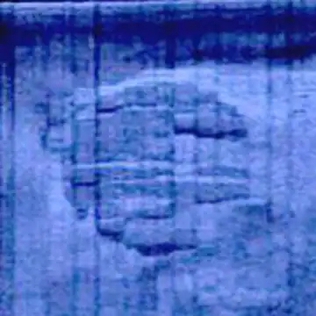
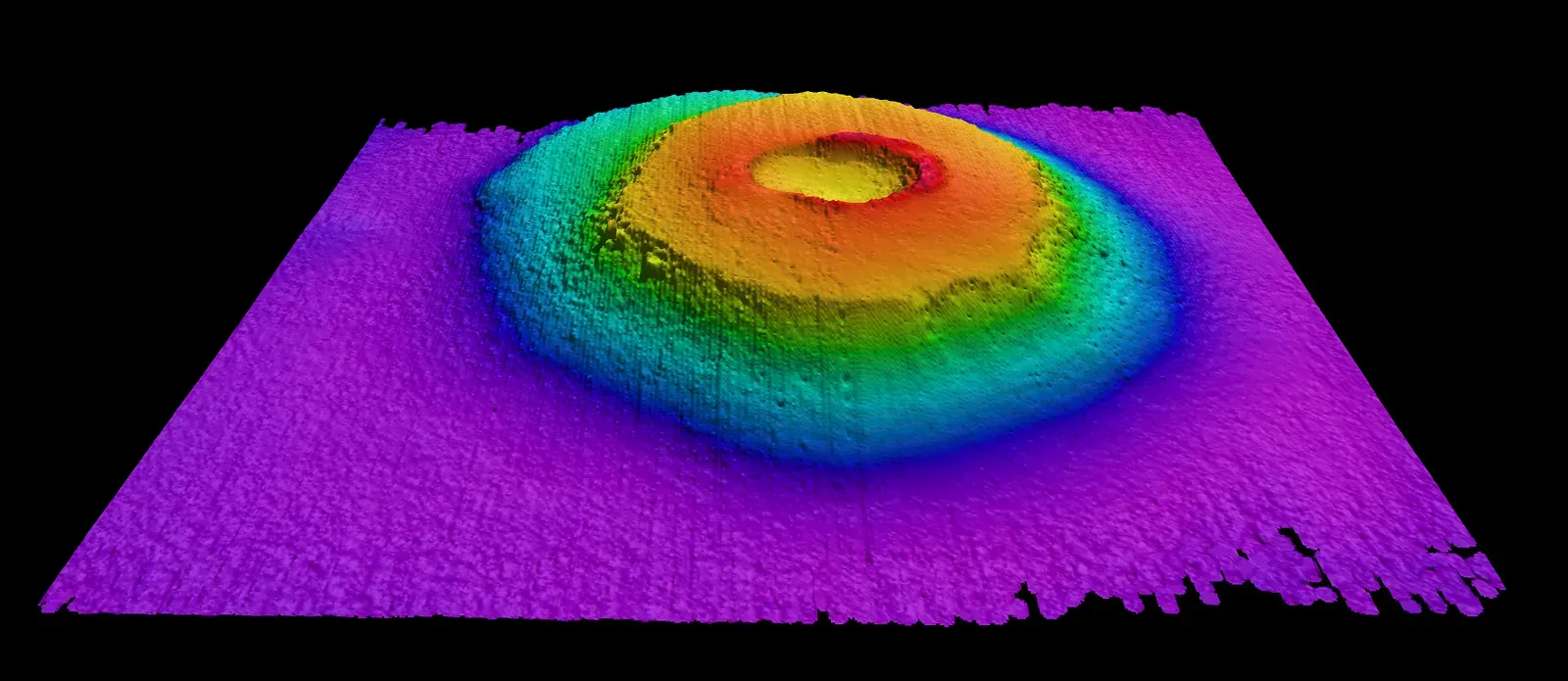
A giant, disc-shaped object sitting 90 meters below the Gulf of Bothnia looked, on first sonar pass, like something that crash-landed from space.
In 2011, a Swedish diving team called Ocean X was hunting for shipwrecks when their equipment picked up a formation that stood out because of its symmetrical circular appearance. When divers finally reached it, they were stunned by the size of the object – 60 meters wide, 210 meters long, and 4 meters tall, with ridges and symmetrical lines covering its flat surface. “The surface looked burnt,” one diver on the expedition said afterward.
Geologists who examined recovered samples later concluded the site was most likely natural – granites, gneisses, and sandstones, rock types you’d expect in a glacial basin like the Baltic Sea. The “official” answer is a glacial deposit, but the funding to fully explore it dried up, and the divers who found it were never fully satisfied. Plenty of geologists privately admit the case was closed faster than the evidence really justified. But #16 is where things get even harder to explain.
Fast Facts
- Depth: 90 meters below the Gulf of Bothnia
- Size: 60 meters wide, 210 meters long, 4 meters tall
- Discovered: 2011, by the Ocean X diving team
- Leading theory: natural glacial deposit made of granite, gneiss, and sandstone
#16 – The Single Recording No One Has Ever Located
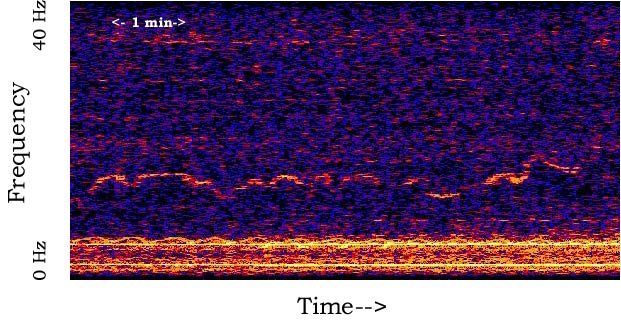
In July 1997, one lonely hydrophone picked up a sound so strange that NOAA still can’t say for certain where it came from.
Nicknamed the “Whistle,” this tone was recorded by an eastern Pacific autonomous hydrophone on July 7, 1997, and researchers noted it resembled volcanogenic sounds previously recorded in the Mariana volcanic arc. That’s the frustrating part: it resembles known undersea volcanic activity, but resemblance isn’t proof.
The tone was only recorded on one hydrophone, making it impossible to triangulate the source. Without a second sensor, scientists are left guessing at a location using a single data point – the acoustic equivalent of hearing a footstep in a pitch-black house and trying to guess which room it came from. It’s been nearly three decades and nobody has ever heard it again. But #15 has been howling for over thirty years, and it’s only getting stranger.
#15 – The Sound That’s Been Wailing Since 1991 – And Is Slowly Fading
Every spring and fall, something beneath the Pacific lets out a rising howl that NOAA has recorded for over three decades and still can’t fully explain.
Dubbed “Upsweep,” the sound has existed since the Pacific Marine Environmental Laboratory began recording its Sound Surveillance System in August 1991. It consists of a long train of narrow-band sounds that repeatedly sweep from low to high frequency, each lasting about three seconds, resembling an ambulance wail or a howl from an unearthly creature.
Researchers have traced it near suspected undersea volcanoes, roughly close to inferred volcanic seismicity, but the origin remains unresolved. Stranger still, the sound peaks in spring and autumn, and nobody knows whether that’s the source changing or just the ocean itself carrying the sound differently by season. Its volume has been quietly fading for years, and nobody knows why that’s happening either. But #14 has geologists arguing to this day.
#14 – The “Road” That Divides Geologists Down the Middle
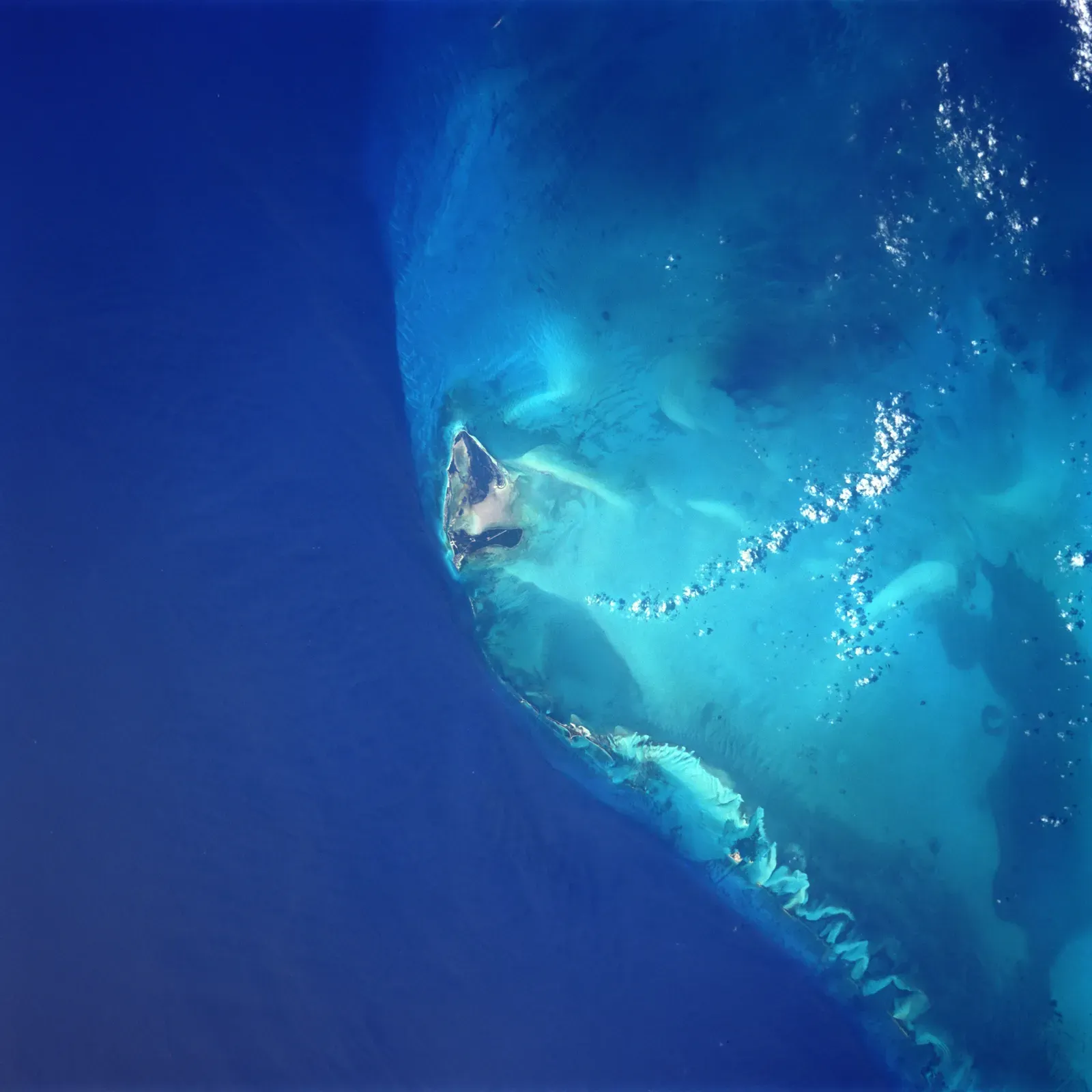
Off the coast of Bimini in the Bahamas sits a stretch of flat, rectangular limestone blocks arranged in a line that looks almost too orderly to be an accident of nature.
Divers first spotted the formation in the late 1960s, and it immediately drew comparisons to a paved road or ancient wall submerged beneath shallow, crystal-clear water. Believers point to the uniform block shapes and straight-edged joints as evidence of deliberate construction, possibly by a civilization that predates written history. Skeptical geologists counter that it’s a textbook example of beachrock – sediment cemented together and then naturally fractured along parallel lines as sea levels rose.
Here’s the controversial part: while most textbooks quietly side with the natural explanation, the debate has never actually been settled with a definitive geological survey that satisfies both camps. That gap – between “probably natural” and “conclusively proven” – is exactly where these mysteries thrive, and it’s why divers still visit the site convinced they’re swimming over a lost city. But #13 takes the argument to a whole new coastline.
Quick Compare
- Natural explanation: beachrock, cemented sediment fractured into straight lines by rising seas
- Alternative theory: deliberate construction by a lost, pre-written-history civilization
- Common ground: both sides agree the blocks are unusually uniform for a natural process
- Unresolved question: no definitive survey has fully closed the debate either way
#13 – Japan’s Underwater Pyramid That Refuses to Pick a Side
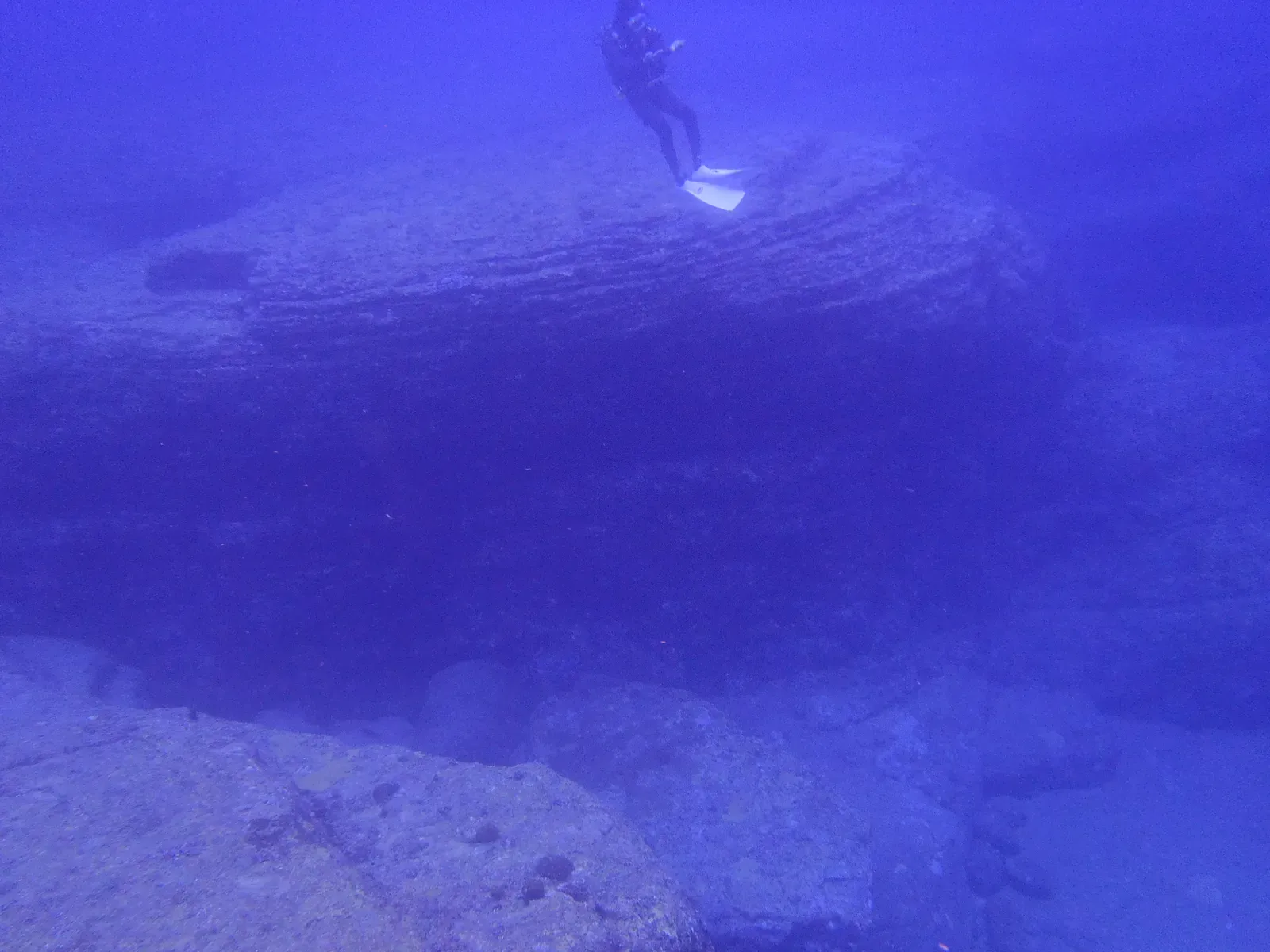
A rectangular, terraced rock formation sits just off the coast of a tiny Japanese island, and depending on which scientist you ask, it’s either ancient architecture or a very convincing accident.
The Yonaguni Monument was found in 1986 by a diver checking out hammerhead sharks who stumbled onto a peculiar structure resembling a pyramid, with multiple steps or layers leading to the top and clean, symmetrical edges and angles. Marine geologist Masaaki Kimura became convinced it was man-made, arguing it’s very difficult to explain away its origin as purely natural given the evidence of human influence on the structure.
It is very difficult to explain away their origin as being purely natural, because of the vast amount of evidence of man’s influence on the structures.
Masaaki Kimura, marine geologist
Other scientists disagree entirely. Geologist Robert Schoch has argued the site contains numerous well-defined parallel bedding planes along which the layers easily separate – jointing and fracturing that can create rectangular formations with no human tools required. The claims of carvings and quarry marks have even been labeled pseudoarchaeological by mainstream reviewers, yet its origin remains uncertain to this day. But #12 hides something even bigger.
#12 – The Continent Hiding Under the Pacific This Whole Time
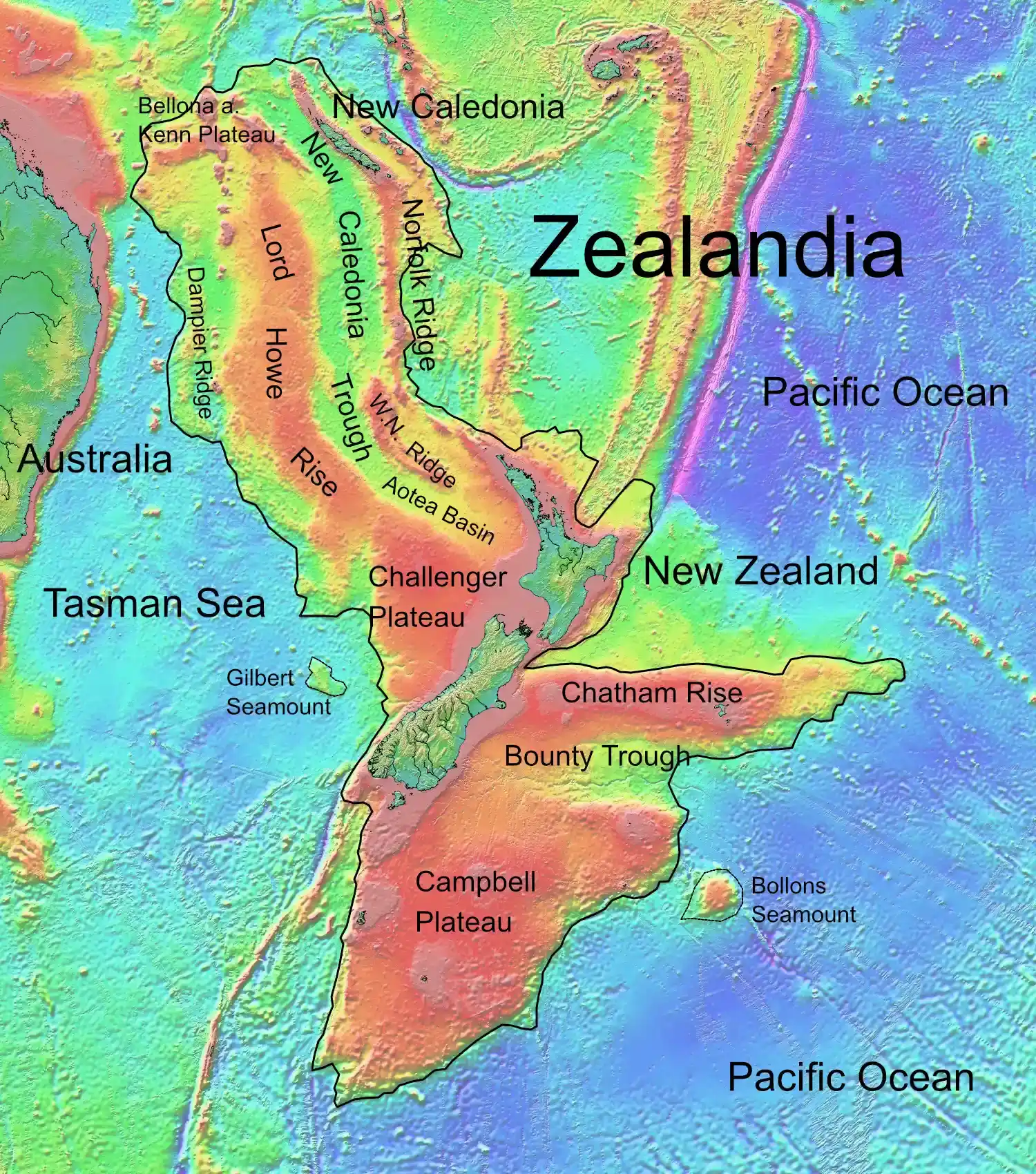
Most people were taught there are seven continents. Geologists quietly added an eighth in 2017, and it’s almost entirely underwater.
Zealandia stretches across roughly two million square miles beneath the southwest Pacific, with only New Zealand and a scattering of small islands poking above the surface. For decades, scientists debated whether this submerged landmass met the technical definition of a continent at all, since continents are supposed to be, well, visible. Detailed seafloor mapping and rock sampling eventually confirmed it has the right crust thickness, composition, and geological boundaries to qualify.
Roughly 94% of an entire continent is sitting under the ocean, and most people have never heard of it. What’s still unresolved is exactly how and when it separated from the ancient supercontinent Gondwana, and why it sank so much further than similar landmasses. Researchers are still pulling core samples to piece together the timeline. But #11 is an entire lost country, and fishermen keep proving it.
#11 – The Lost Country Fishermen Keep Snagging With Their Nets
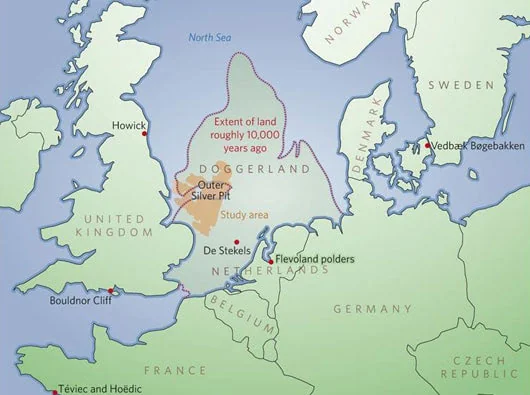
Somewhere beneath the North Sea lies an entire vanished landscape – forests, rivers, and hunting grounds where people once lived, now buried under waves.
Doggerland once connected Britain to mainland Europe, a low, marshy plain that supported Mesolithic communities thousands of years ago. As glaciers melted and sea levels climbed after the last Ice Age, the land slowly flooded, and a catastrophic underwater landslide off Norway is believed to have sent a tsunami across the region, accelerating its disappearance. Fishing trawlers regularly drag up mammoth tusks, ancient tools, and ax heads from what is now open water.
An entire nation’s worth of prehistoric life is sitting under the seabed, and archaeologists are still mapping where the settlements actually were. Every trawler haul adds a new piece to a puzzle nobody has finished assembling, and researchers openly admit they’re working with a fraction of the full picture. But #10 shouldn’t have existed for another thousand years.
#10 – The Ancient Computer That Still Breaks Historians’ Assumptions
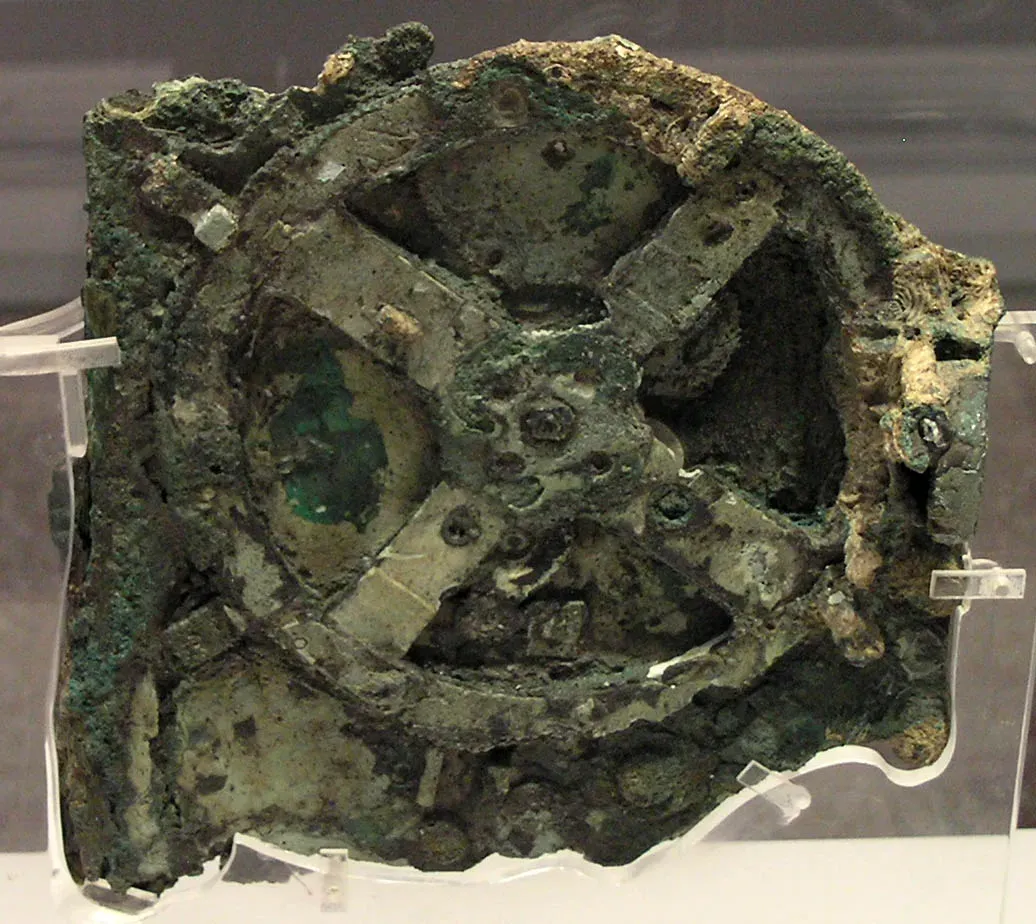
Divers pulled a corroded lump of bronze gears from a Mediterranean shipwreck in 1901, and it took nearly a century for anyone to understand what they were holding.
The Antikythera Mechanism turned out to be a hand-cranked device capable of predicting eclipses, tracking planetary positions, and calculating the timing of ancient Olympic games – technology researchers assumed didn’t exist until more than a thousand years later. X-ray and CT imaging eventually revealed dozens of interlocking gears of astonishing precision, hidden inside a rock-hard, corroded shell for two millennia.
Nobody has ever found anything else like it from the ancient world, which is precisely the problem. Historians still can’t agree on who built it, how the technique was passed on, or why the knowledge seems to vanish afterward with no simpler prototypes ever discovered. The wreck itself hasn’t even been fully excavated. But #9 hides a layer that kills on contact.
#9 – The Sinkholes With a Deadly Secret Layer
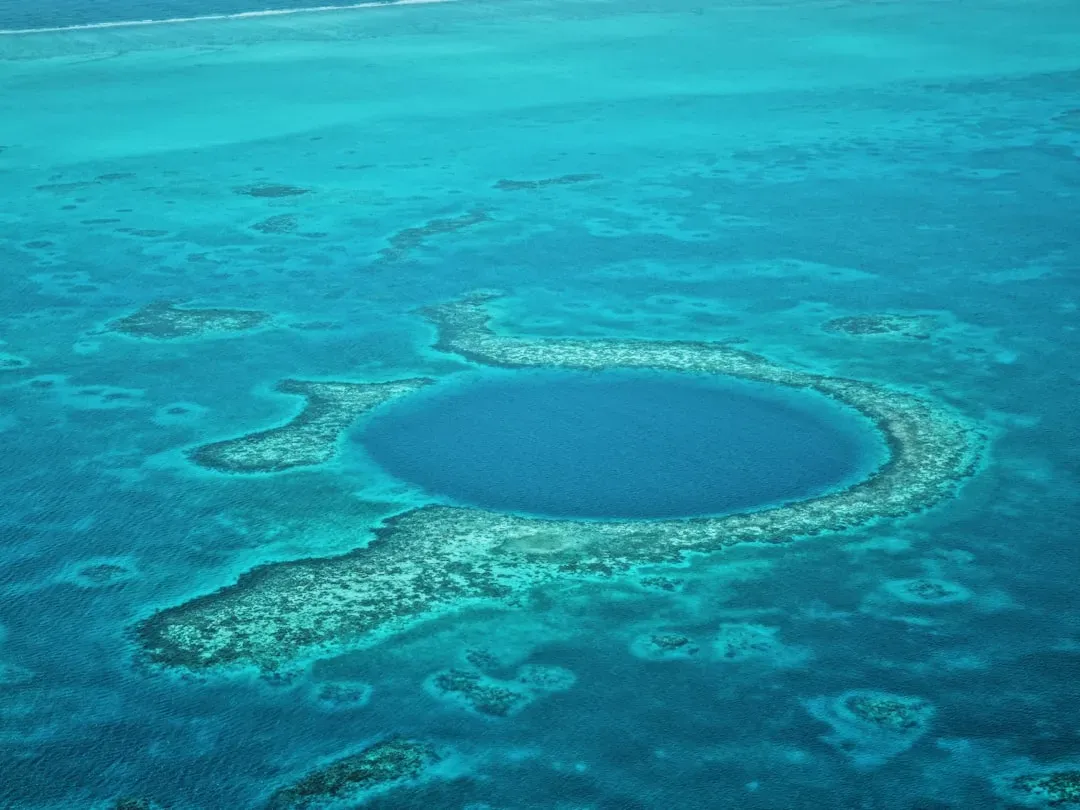
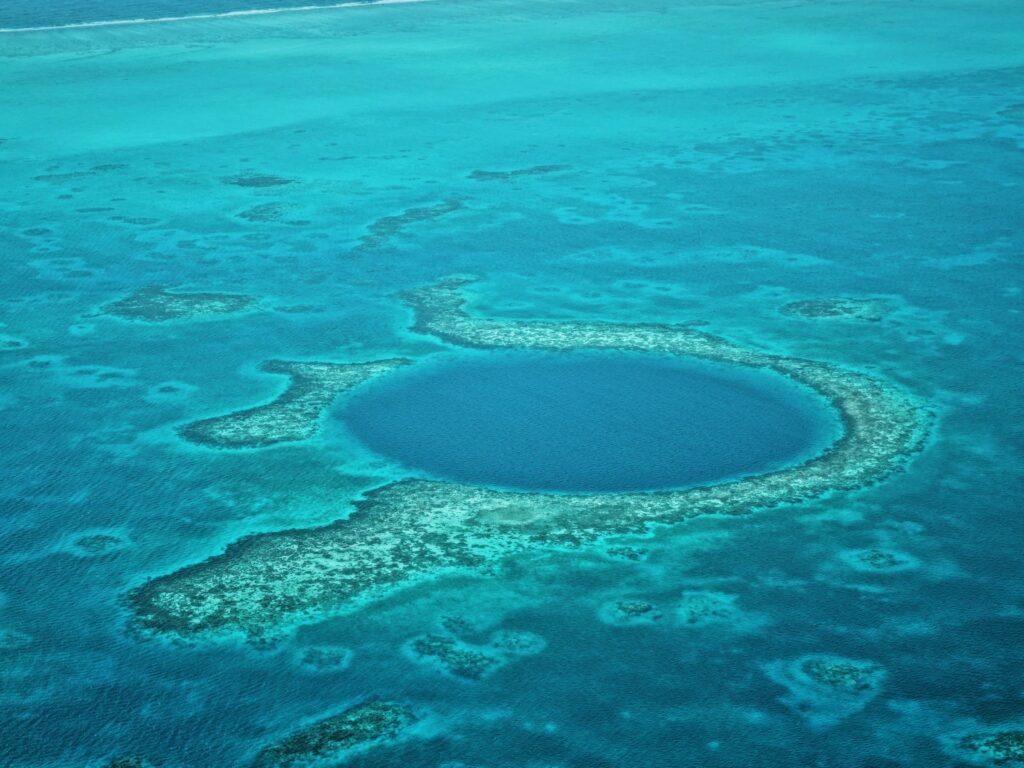
From above, a blue hole looks like a perfect circle of impossibly dark water punched into a shallow, sunlit reef. Below the surface, it’s a different story entirely.
These massive underwater sinkholes form when limestone caves collapse, often during past ice ages when sea levels were far lower. Expeditions into Belize’s Great Blue Hole have found a distinct layer partway down where oxygen simply disappears, replaced by a toxic haze of hydrogen sulfide that nothing survives passing through – divers have documented a graveyard of conch shells piled at that exact depth.
Nothing above that toxic layer can survive dropping below it, and scientists are still working out exactly why the boundary is so sharp and sudden rather than gradual. Newer, deeper blue holes are still being discovered and measured around the world, some potentially connecting to unexplored cave systems that haven’t been fully mapped. But #8 is a lake that shouldn’t exist inside the ocean at all.
Worth Knowing
- Blue holes form when ancient limestone caves collapse during past ice ages
- Belize’s Great Blue Hole is the most studied example on Earth
- A hydrogen sulfide layer partway down strips out all oxygen almost instantly
- Divers have found conch shell graveyards stacked right at that toxic boundary
- New, deeper blue holes are still being found and mapped worldwide
#8 – The Underwater Lake That Kills Everything That Swims Into It
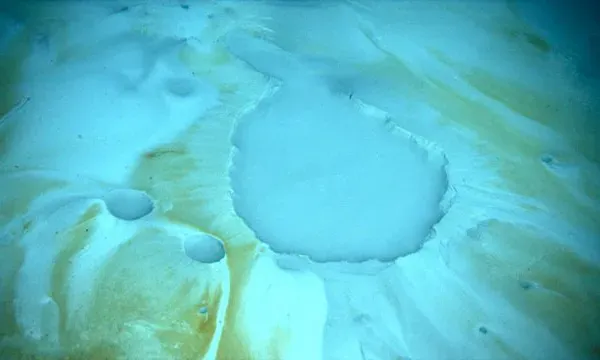
Deep in the Gulf of Mexico, there’s a lake sitting inside the ocean – with its own shoreline, its own waves, and its own rules.
Brine pools form when ancient salt deposits dissolve into seawater, creating a pocket of liquid so dense and salty it refuses to mix with the ocean around it, settling into its own depression on the seafloor complete with a visible shoreline. The water inside is roughly three to five times saltier than the surrounding ocean and often laced with methane, making it lethal to almost anything that swims in.
Researchers nicknamed one such pool the “Jacuzzi of Despair” after cameras caught eels and crabs wandering in and dying almost instantly, their bodies preserved by the extreme salinity. Yet mussels and tube worms thrive right at the toxic rim, feeding off chemicals seeping from the seafloor in a process scientists are still working to fully map. But #7 vanished overnight – or did it take centuries?
#7 – The Egyptian City That Sank Without Warning
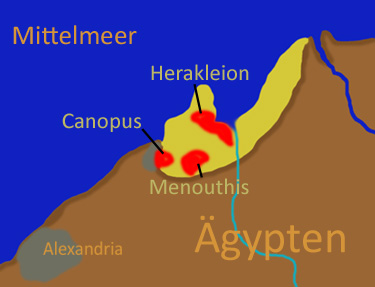
For over a thousand years, an entire port city sat lost beneath the waves of Egypt’s coast, its temples, statues, and streets swallowed whole.
Thonis-Heracleion was once one of the busiest trading ports in the ancient Mediterranean before it vanished beneath Aboukir Bay. French underwater archaeologist Franck Goddio rediscovered the site in 2000, uncovering colossal statues, gold coins, and the remains of a temple dedicated to the god Amun, remarkably preserved under layers of silt and sand.
Archaeologists broadly agree the city sank due to some combination of rising sea levels, gradual soil liquefaction beneath its heavy stone monuments, and possibly a sudden earthquake or tsunami event. What still isn’t settled is which factor triggered the collapse, and how quickly it actually happened – some evidence suggests it was gradual over centuries, other clues point to something far more sudden. Excavation is ongoing, and new artifacts keep reshaping the timeline. But #6 broke a rule scientists thought was unbreakable.
#6 – The Ecosystem That Broke the Rules of Life Itself
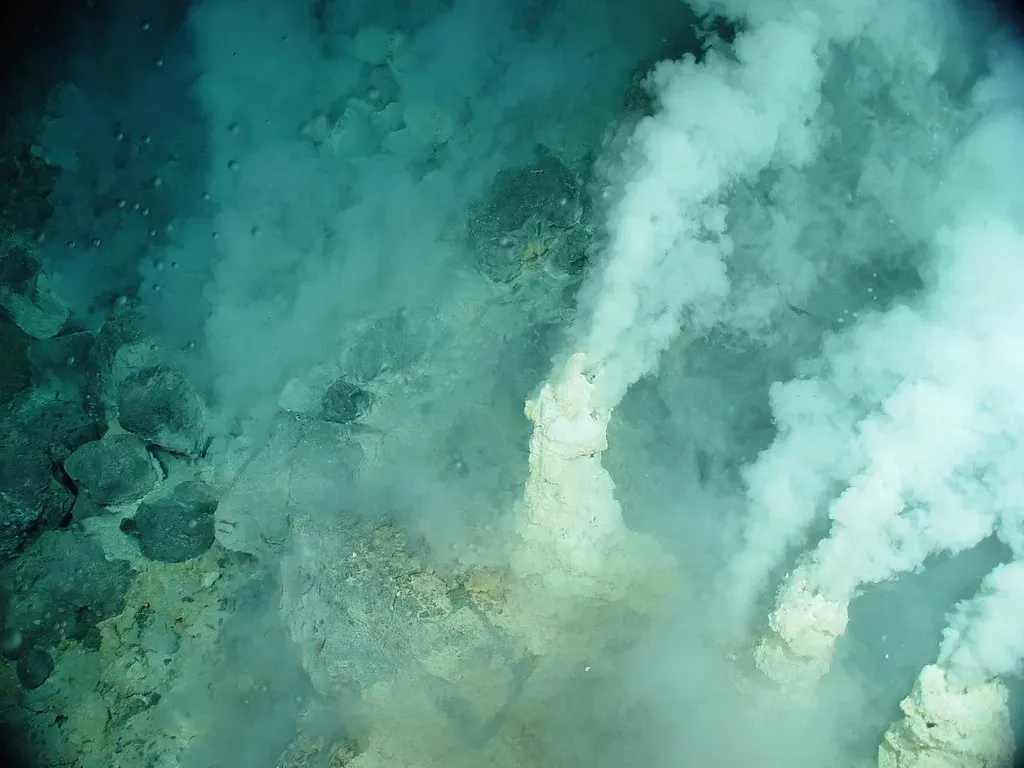
Until 1977, every scientist on Earth agreed that all life ultimately depends on sunlight. Then a submersible found an entire ecosystem thriving without a single photon.
Near the Galápagos Rift, researchers piloting the submersible Alvin discovered hydrothermal vents billowing mineral-rich, superheated water into the freezing deep ocean – and clustered around them, tube worms taller than a person, ghostly white crabs, and clams the size of dinner plates. None of it made sense under the existing rules of biology.
It turned out these organisms rely on chemosynthesis, using bacteria that convert chemicals from the vents into energy instead of sunlight. An entirely independent food chain had been running at the bottom of the ocean this whole time, hidden from view. Scientists are still discovering new vent systems today, and each one seems to host species found nowhere else on the planet. But #5 is a voice nothing else in the ocean can answer.
Why It Stands Out
- Discovered in 1977 near the Galápagos Rift by the submersible Alvin
- First confirmed ecosystem on Earth that doesn’t rely on sunlight
- Powered by chemosynthesis instead of photosynthesis
- Home to giant tube worms, ghost-white crabs, and dinner-plate-sized clams
- New vent systems are still being found, often with species unique to that one site
#5 – The Whale Whose Voice No Other Whale Can Understand
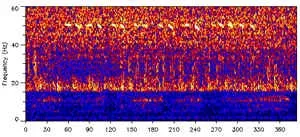
Somewhere in the Pacific, there’s a whale singing a call that no other whale on Earth appears to answer.
Since 1989, U.S. Navy hydrophones have periodically picked up a whale call at 52 hertz – a frequency that falls in an odd gap between the low rumble of blue whales and the higher calls of fin whales. Researchers have tracked the migratory pattern for years, and it doesn’t match any known population precisely, leading many to believe it may be a single individual, possibly a hybrid, calling out on a frequency none of its potential relatives can register.
It’s been called “the loneliest whale in the world,” and despite decades of monitoring, marine biologists have never definitively identified its species or confirmed whether other whales can even hear it. Some researchers argue the loneliness narrative is overblown and it may simply be an unusual whale living a normal life – a controversial but increasingly common pushback. But #4 has been glowing for sailors long before satellites could prove it real.
#4 – The Glowing Sea That Sailors Have Reported for Centuries
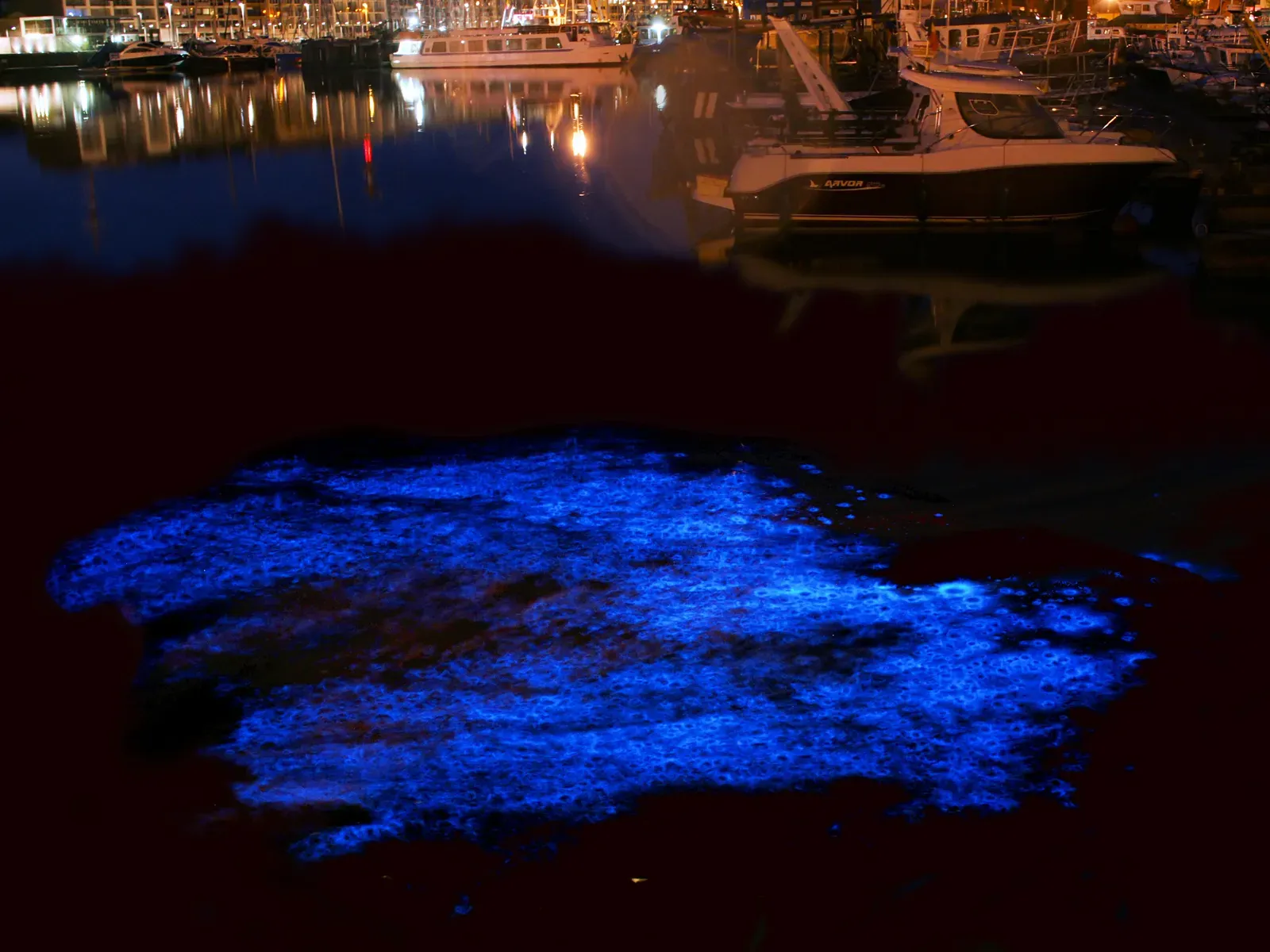
Sailors have described sailing through oceans that glow pure white from horizon to horizon at night, like moonlight reflected off snow – except there was no moon, and no snow.
Known as “milky seas,” this phenomenon has been documented in ship logs for hundreds of years, typically in remote stretches of the Indian Ocean. Satellite imagery has since confirmed these glowing patches can stretch across tens of thousands of square miles, visible from space and lasting for multiple nights in a row – one of the largest bioluminescent events on the planet.
Scientists believe the glow comes from colonies of luminous bacteria, possibly clustering around algae, but actually sailing a research vessel directly through one has happened only a handful of times in recorded history. Getting a boat into the right patch of ocean at the right moment is extraordinarily rare, which means the full mechanism behind how and why these bacterial blooms trigger remains only partly understood. But #3 is happening right now, faster than science can keep up.
#3 – The Thousands of Species Nobody Has Even Named Yet
Every deep-sea expedition to certain parts of the Pacific seafloor is now turning up animals that have never been seen, described, or named by science – and the number is staggering.
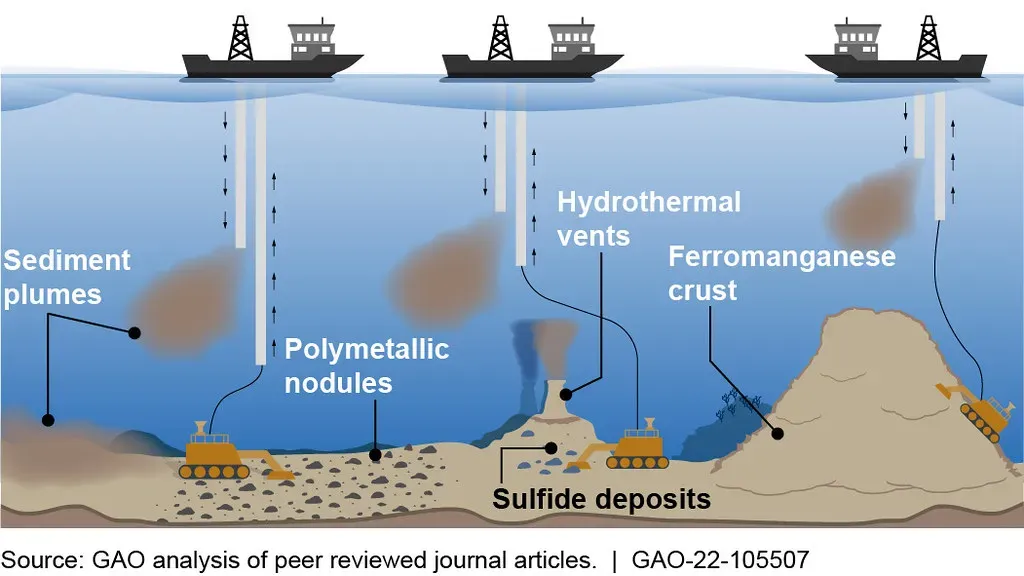
The Clarion-Clipperton Zone, a vast stretch of abyssal plain between Hawaii and Mexico, is scattered with potato-sized mineral nodules that also happen to be prime real estate for deep-sea mining companies. Researchers surveying the region have catalogued an enormous number of species living among these nodules, and the overwhelming majority have never been formally identified or given a scientific name.
Most of what lives on this stretch of seafloor is, quite literally, unknown to science, and mining companies are racing to extract the very nodules these creatures depend on before biologists have even finished cataloguing what’s there. It’s a genuinely uncomfortable situation: an entire hidden ecosystem could be disrupted before we understand what we’re losing. But #2 is emptier than the surface of the moon.
#2 – The Trench So Deep, Fewer People Have Reached It Than the Moon
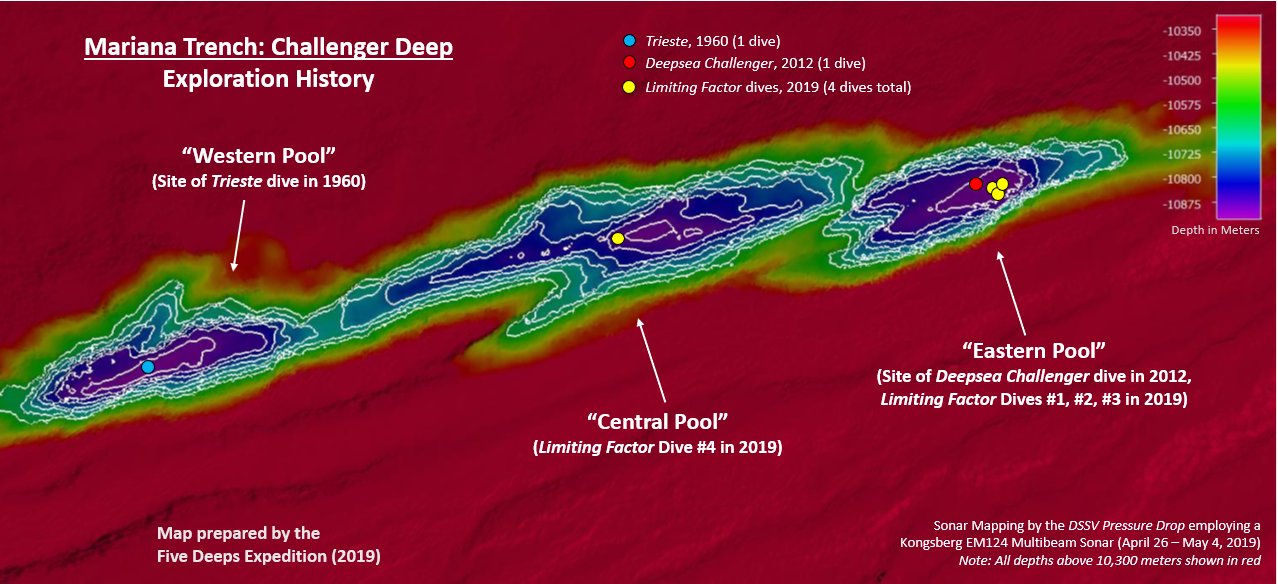
The deepest point in Earth’s oceans has been visited by fewer human beings than have walked on the lunar surface.
The Challenger Deep, part of the Mariana Trench, plunges nearly seven miles below sea level – a pressure environment so extreme it would crush an unprotected human body almost instantly. Despite that hostility, expeditions have found signs of life, including strange amphipod crustaceans, and disturbingly, plastic debris and pollutants that have somehow made their way to the most remote point on the planet.
Less of the ocean floor has been mapped in fine detail than the surface of Mars, according to oceanographers who track this kind of thing, meaning entire trenches, ridges, and canyons could still be sitting undiscovered right now. Every new expedition into deep trenches tends to find something researchers didn’t expect, from unidentified microbial life to sounds and creatures that don’t match any known catalog. But #1 might be the strangest discovery on this entire list.
Quick Compare
- The Moon: 12 people have walked on its surface, all between 1969 and 1972
- Challenger Deep: first reached by the bathyscaphe Trieste in 1960, decades before repeat visits resumed
- Depth: nearly seven miles down – deeper than Mount Everest is tall
- Mapping: the seafloor overall remains less precisely charted than the surface of Mars
#1 – The Rocks That Are Secretly Making Their Own Oxygen
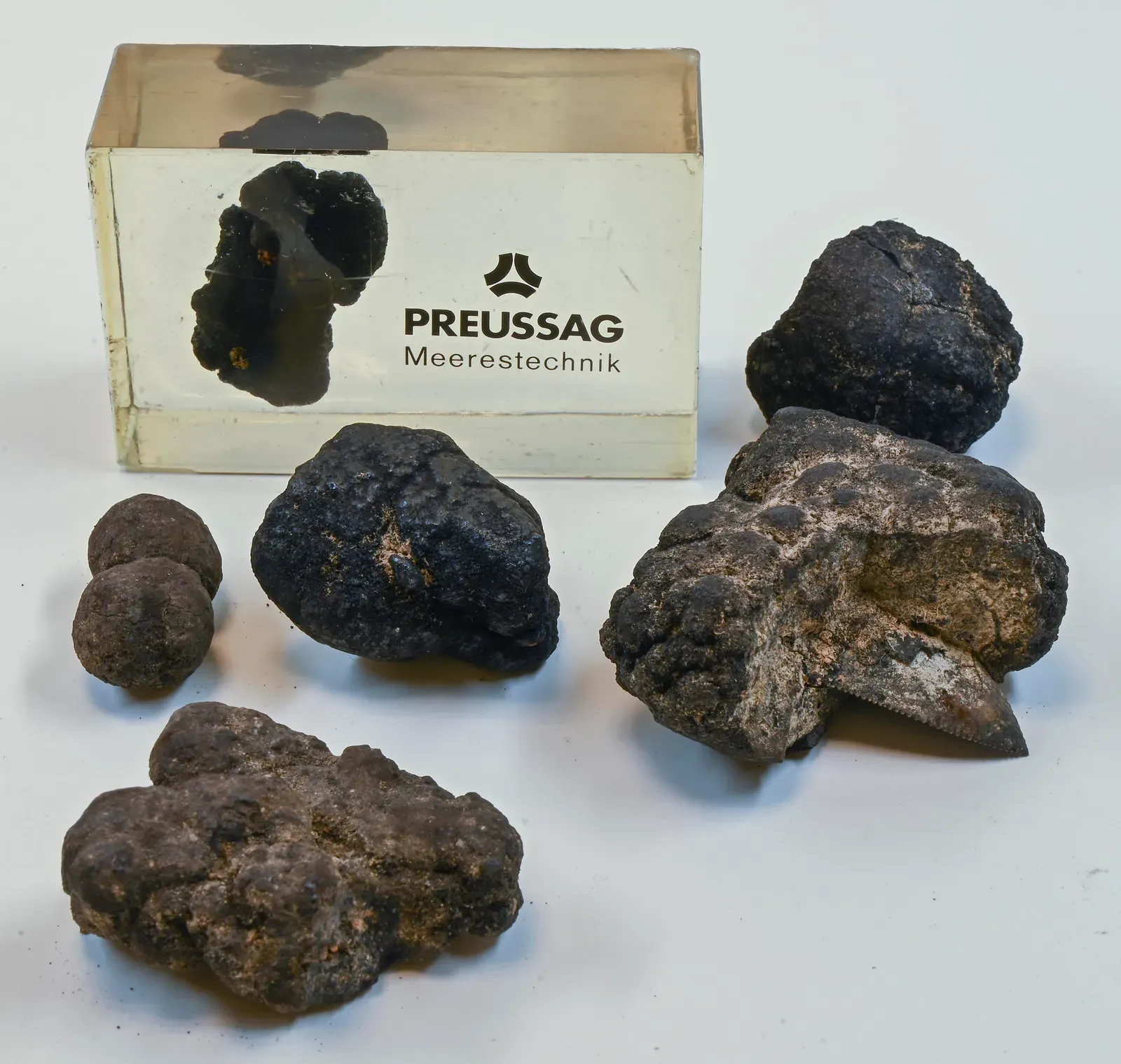
Deep in total darkness, four kilometers below the Pacific’s surface, scientists just found something that shouldn’t be possible according to everything we thought we knew about how oxygen is made.
In 2024, a research team led by Andrew Sweetman discovered that oxygen is being produced in complete darkness roughly 4,000 meters below the ocean’s surface, generated by ordinary-looking, potato-shaped mineral deposits called polymetallic nodules. This matters because oxygen was long assumed to come exclusively from photosynthesis – plants and algae converting sunlight into breathable air. The findings defy the scientific consensus of how oxygen is produced, and could even force a radical rethink of the origins of complex life on Earth.
The leading theory is startling on its own: the nodules may act as natural “geobatteries,” building up enough electrical charge over millions of years to split seawater through a process called seawater electrolysis, pulling electrons out of water’s oxygen atom. A rock, sitting in permanent blackness, may be generating electricity strong enough to make oxygen – and it’s happening in exactly the region targeted for future deep-sea mining. Researchers admit they still don’t fully understand how much oxygen this process produces or what it means for life relying on it.
The Bottom Line
None of these mysteries are campfire stories. They’re documented by researchers, hydrophones, submersibles, and satellite imagery, and that’s exactly what makes them unsettling.
Some, like the Baltic Sea object, have “official” explanations that still leave lingering doubts. Others, like dark oxygen and the Whistle sound, are genuinely open questions with no consensus in sight – and honestly, that’s the part that bothers me most about how we talk about the ocean. We treat it like a solved problem because a few textbooks say so, when the truth is we’ve mapped Mars in finer detail than our own seafloor.
That gap between what we’ve actually confirmed and what we just assume is exactly where discoveries like these keep surfacing, and I’d bet money more of them are hiding in plain sight, waiting for the right expedition to stumble onto them. Which one of these do you think will finally get solved first – and which one do you think never will? Drop your theory in the comments.