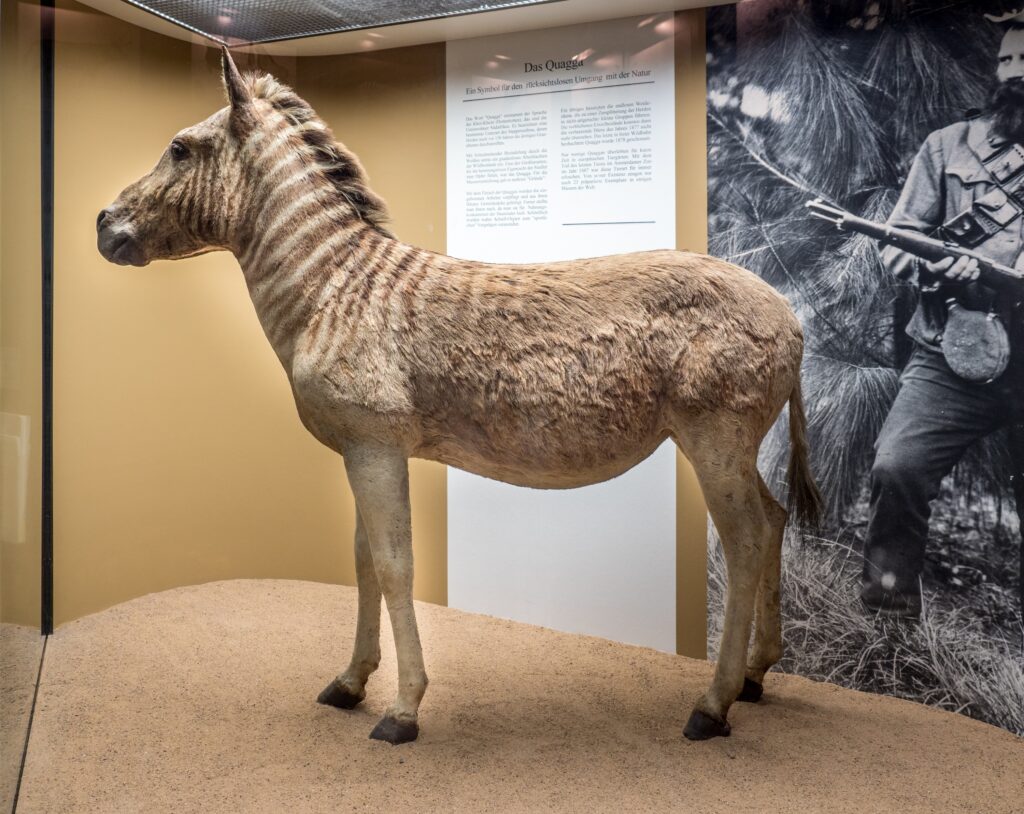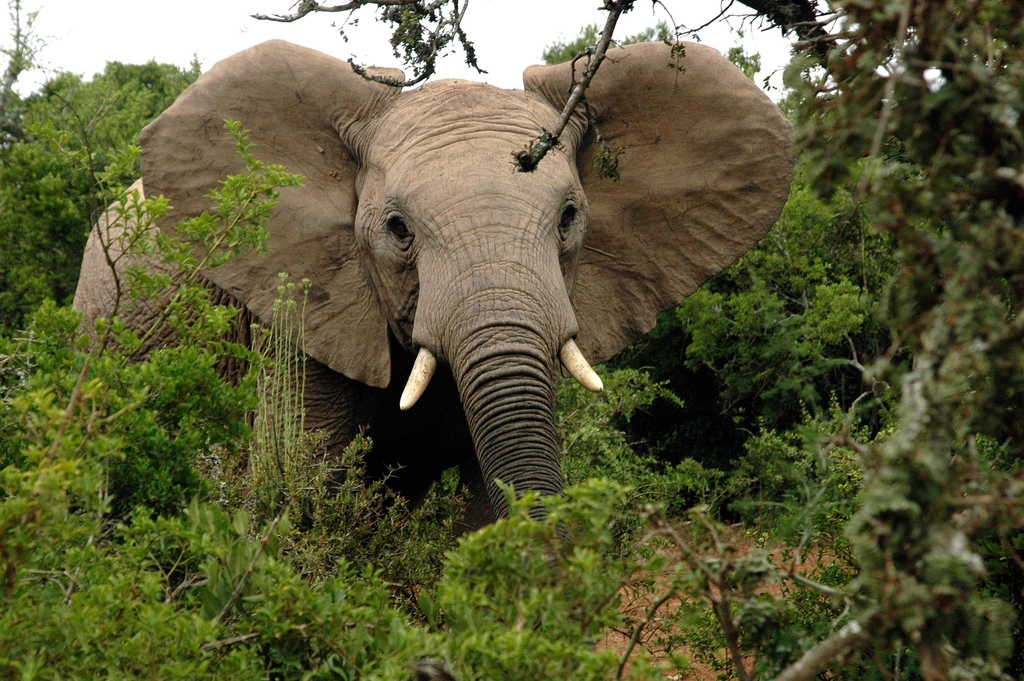

Extinct is supposed to mean gone forever. No footnotes, no do-overs, no “actually, never mind.” But scroll through the last ten years of taxonomic journals and you’ll find something stranger: zoologists quietly un-writing extinction notices, reviving species that had been merged, dismissed, or buried under a more convenient label.
Some of these comebacks are pure genetics – DNA revealing that one “species” was secretly two or three the whole time. Others are field biologists stumbling onto animals that official records had already given up for dead. None of it made the evening news, but these quiet reversals are rewriting how conservation money gets spent, which forests get bulldozed, and which animals are allowed to vanish without anyone noticing. Here are 13 species that clawed their way back onto the books, starting with a cat most people didn’t even know was missing.
#13 – The Iberian Lynx: Saved by a Change in Paperwork
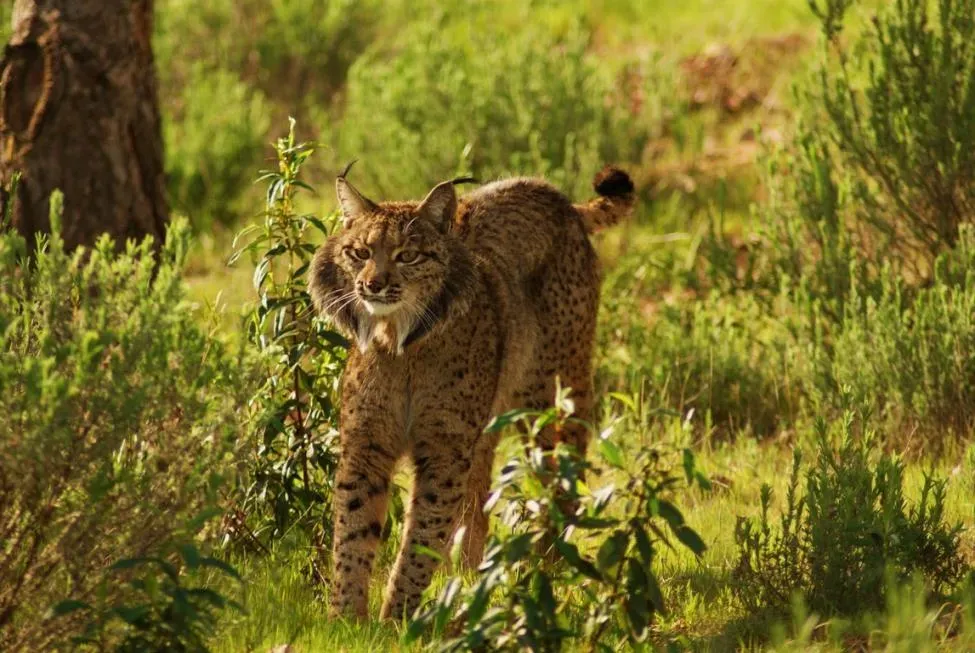
For years, most people assumed Europe had just one lynx worth talking about: the Eurasian lynx. That’s still wrong. The Iberian lynx (Lynx pardinus) was nearly written off as a subspecies footnote until genetics and field data forced zoologists to respect it as its own critically endangered species.
Once DNA work showed a deep split from the Eurasian lynx, taxonomists reinstated it as a full species, not just a southern variant. That decision wasn’t just academic paperwork. Overnight, Spain and Portugal weren’t “protecting some lynx” anymore; they were responsible for one of the rarest cats on Earth. Funding followed the label, and so did international pressure. Some conservation insiders now argue bluntly that without that formal reclassification, the recovery program that pulled this cat back from a few hundred individuals might never have been funded at the scale it needed.
Fast Facts
- The population increased from 62 mature individuals in 2001 to 648 in 2022, one of the steepest recoveries any cat species has ever seen.
- By 2024, the total count increased from 2.021 in 2023 to 2.401 in 2024 across the peninsula.
- In 2024, the IUCN reveals that the Iberian lynx has gone from “Endangered” to “Vulnerable” as a result of conservation efforts.
- Lynxes are now reproducing in 17 distinct areas, up from only two viable breeding populations in 2000.
#12 – The Grauer’s Gorilla: Congo’s Forgotten Giant
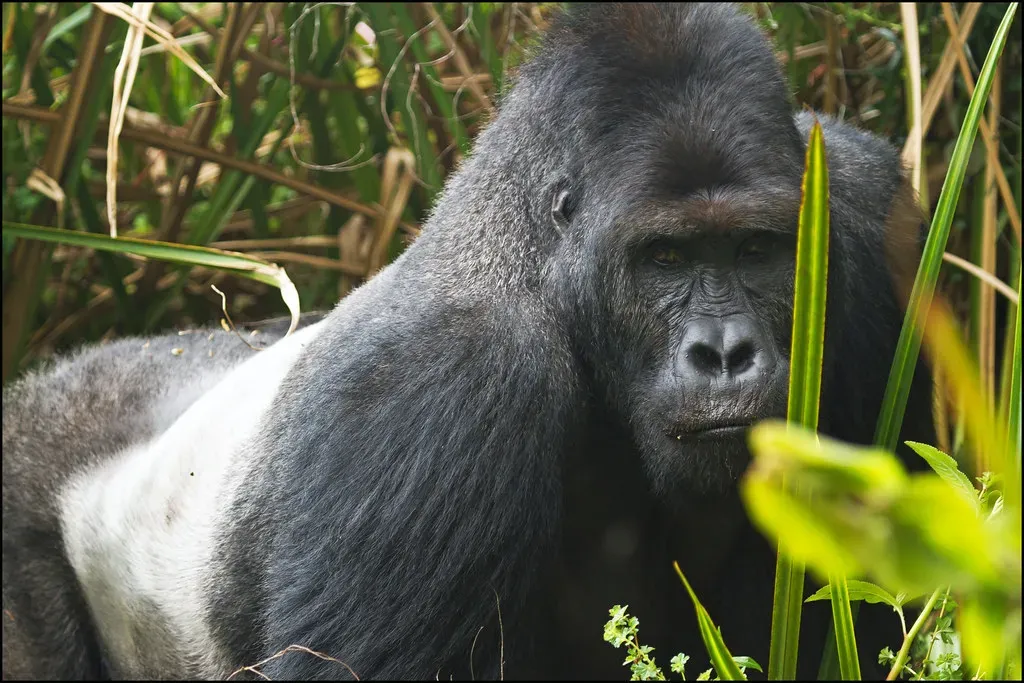
Most wildlife documentaries lump African gorillas into two tidy buckets: eastern and western. Quietly, that tidiness fell apart. The Grauer’s gorilla (Gorilla beringei graueri) was briefly treated as if it might deserve full species status before the dust settled back onto a subspecies label, with far more attention attached than before.
Here’s the part people miss: even when a classification lands back on “not quite a full species,” the reinstatement fight itself resurrects a forgotten lineage. Grauer’s gorillas, living in the war-torn forests of the Democratic Republic of Congo, were losing habitat and being hunted in near silence. The taxonomic re-examination forced fresh surveys, new population estimates, and conservation plans that finally separated them, biologically and politically, from mountain gorillas. Some specialists still insist the genetic split is deep enough to justify full species status; others say the sample sizes are too thin. Either way, that brief rise in status changed how NGOs prioritize an entire corner of eastern Congo.
#11 – The Philippine Tarsier: One Mascot, Several Species
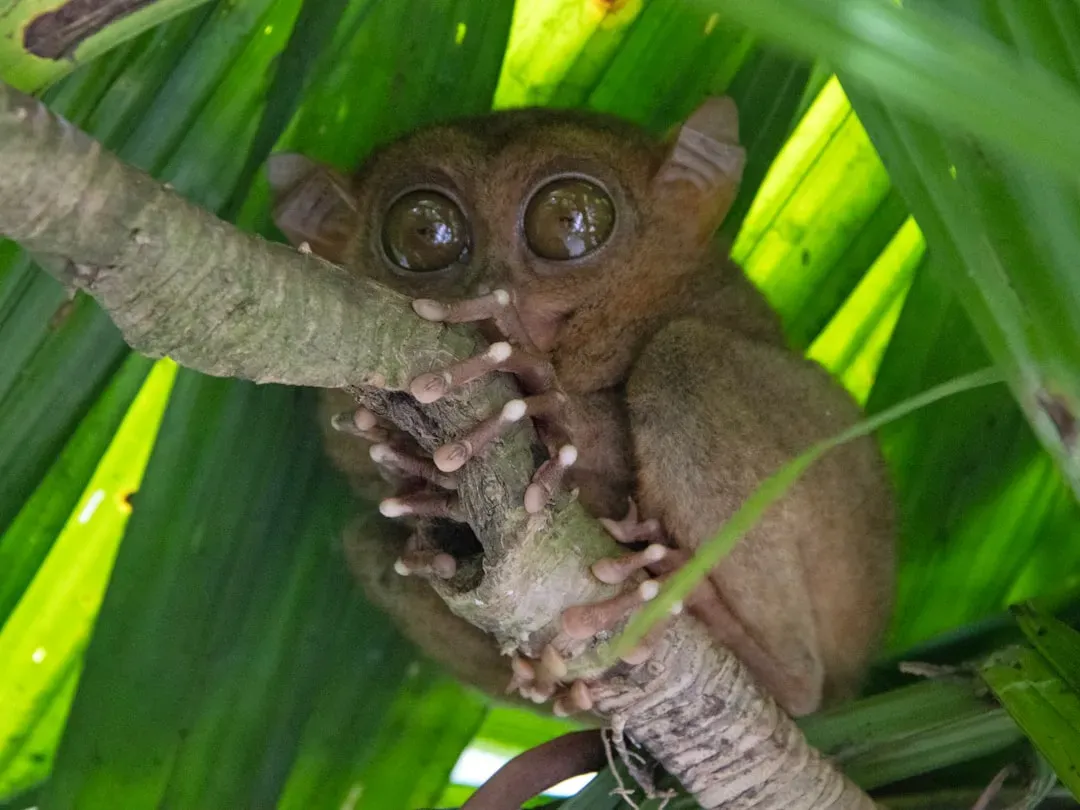
To most of the world, a “Philippine tarsier” is just a bug-eyed primate on a postcard. Zoologists have had to admit something less cute: what used to be treated as one species is quietly being sliced into multiple, reinstated lineages scattered across different islands.
Genetic work now suggests populations on Bohol, Mindanao, and Samar-Leyte have been isolated long enough to count as deeply distinct animals. Some of these island forms were proposed as separate species back in the 20th century, then folded back together when the evidence looked shaky. Over the last decade, new DNA and vocalization studies have dragged several of those old names back into serious use. That matters more than it sounds: a single “common” species spread across many islands looks safe on paper. Three or four micro-endemic species, each stranded on one island with mining and deforestation closing in, suddenly look endangered – or worse. Tourists still see one mascot; conservation planners now see several separate ticking clocks.
#10 – The Cape Mountain Zebra: Too Close for Comfort
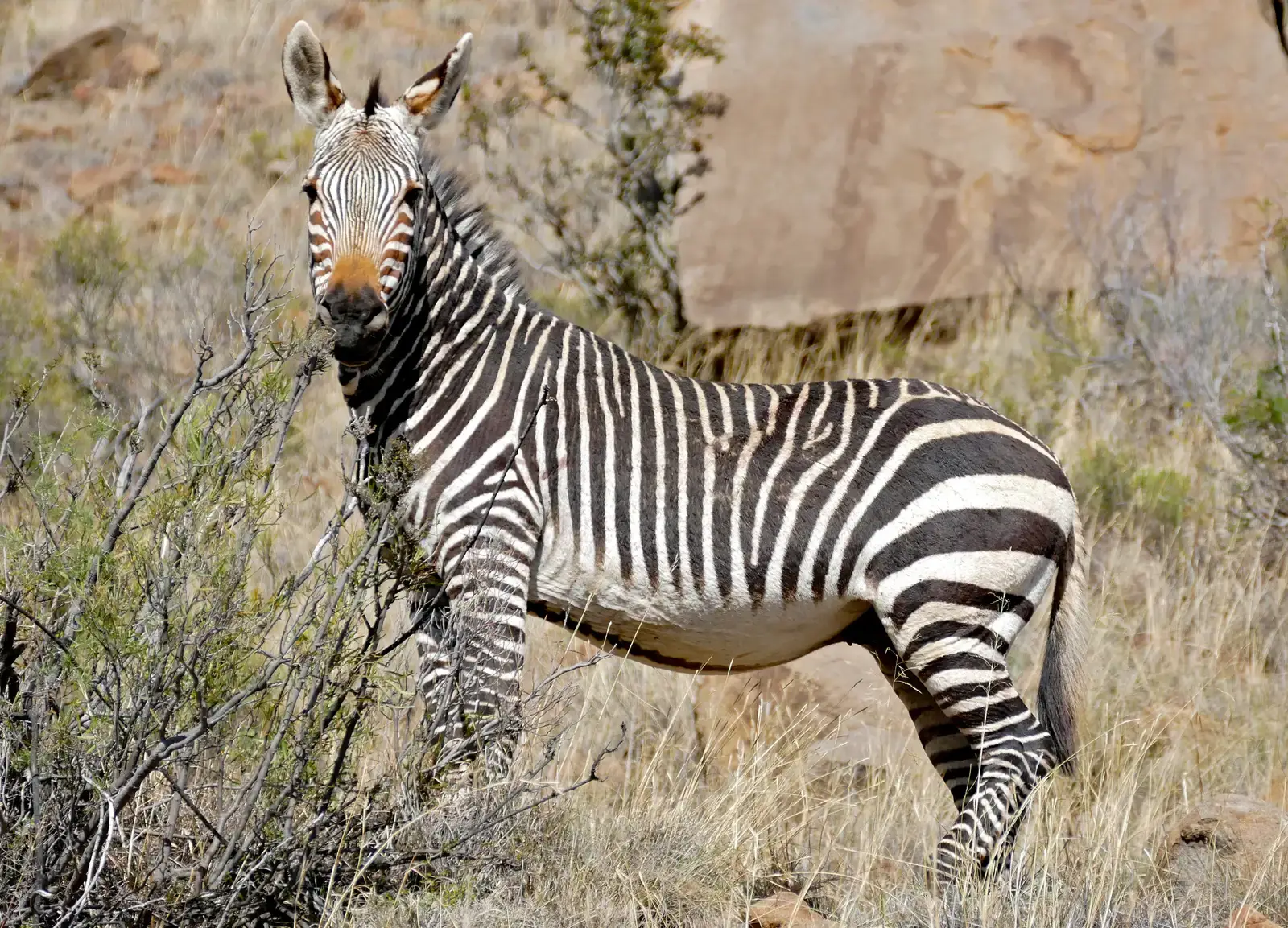
Ask around and people will tell you zebras come in “plain, mountain, and Grevy’s.” That’s outdated. Even within mountain zebras, the Cape mountain zebra (Equus zebra zebra) has been reinstated and defended as its own distinct conservation unit, after decades of being lumped in with the Hartmann’s mountain zebra.
Some scientists once argued these were just regional variants, not worth separating on paper. As numbers crashed in South Africa, the Cape form nearly vanished into both extinction and taxonomic obscurity at the same time. Better skull measurements, coat pattern analysis, and genetic work revived its status and gave it a clear identity apart from its Namibian cousin. That change rewrote the rulebook: mixing Hartmann’s and Cape mountain zebras is now widely seen as a mistake that would quietly erase an evolutionarily distinct lineage. Not everyone agrees – some biologists still grumble that the split leans more political than biological – but managers can no longer treat every mountain zebra as interchangeable.
#9 – The Ethiopian Wolf: Africa’s Rarest Canid Gets Split Up
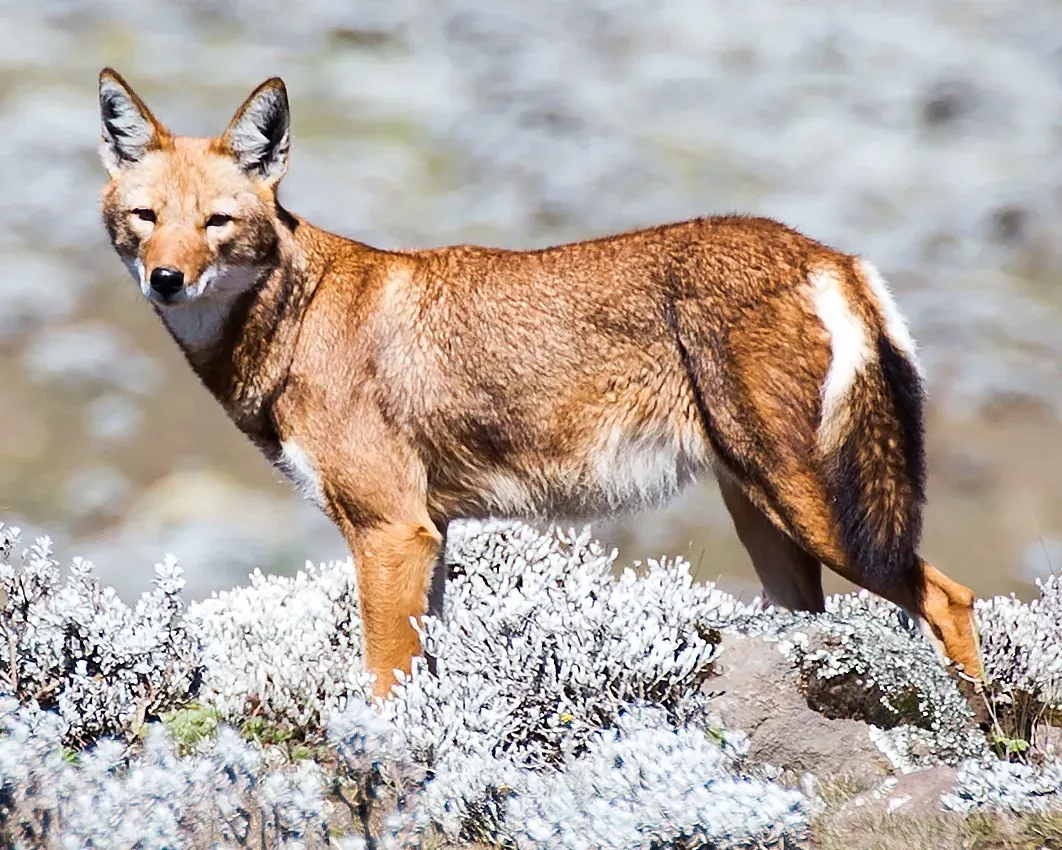
Most people are shocked to learn Africa has a true wolf at all, let alone one that nearly vanished. The Ethiopian wolf (Canis simensis) hides another twist: earlier proposals for separate species or subspecies, based on region, have quietly been “re-recognized” in recent years to guide how conservationists actually work on the ground.
Textbooks still list one species, but field biologists increasingly treat distinct highland populations – Bale Mountains versus Simien, for example – almost as separate conservation entities. Some of these were once floated as subspecies, then dropped when sample sizes were too small to defend. As researchers returned with better tools, those old boundaries resurfaced in management plans and technical papers. The logic is brutal: if rabies wipes out one isolated population, you may have lost unique genetic adaptations forever. So conservationists reinstated those boundaries in practice, even while the official names lag behind. To some locals, that feels like outsiders slicing up “their” wolf; to scientists, it’s the only way to know where vaccines and habitat corridors actually need to go.
#8 – The New Guinea Singing Dog: Not Just a Village Mutt
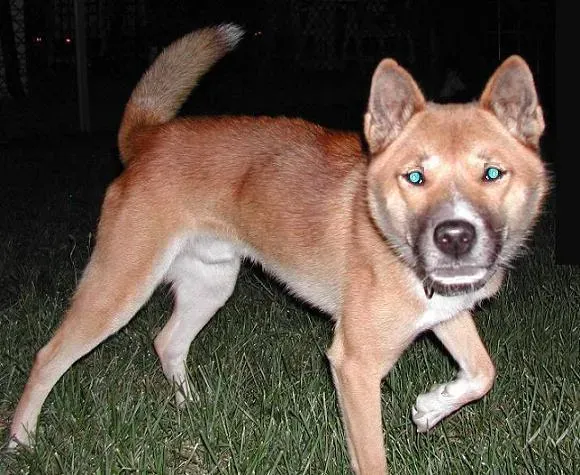
For years, the New Guinea singing dog was treated as a quirky zoo curiosity – maybe just a feral offshoot of domestic dogs with a good origin story. Then came the surprise: wild populations, previously dismissed or unknown, were confirmed in the New Guinea highlands, and the “singing dog” was effectively reinstated as a distinct, ancient lineage.
Camera traps and genetic sampling from the so-called “highland wild dog” showed these animals were closely related to captive singing dogs, but genetically richer and wilder than anyone expected. That single discovery moved them from “probably gone in the wild” to “critically rare, but still out there.” It also shut down the lazy claim that they were just village strays with good PR. Conservation groups are now debating whether to rewild captive lines with fresh wild genes, a plan some purists hate on principle. The bigger point stands regardless: something we’d mentally filed under “lost breed” is back on the map as a real, evolutionarily distinct canid.
Worth Knowing
- Scientists feared the breed was gone in the wild since the singing dogs had not been seen in their natural habitat by scientists since the 1970s, leaving only a few hundred captive animals worldwide.
- The wild lineage resurfaced when the dogs were rediscovered in 2016 near the Grasberg gold and copper mine in Papua, Indonesia.
- Genome comparisons confirmed the connection: New Guinea singing dogs and the Highland Wild Dogs have very similar genome sequences, much closer to each other than to any other canid known.
- The captive population’s genetic health is a real concern, since the captive group of singing dogs is severely inbred, making the wild highland dogs a potential genetic lifeline.
#7 – The Malayan Tapir: The Last of Its Kind
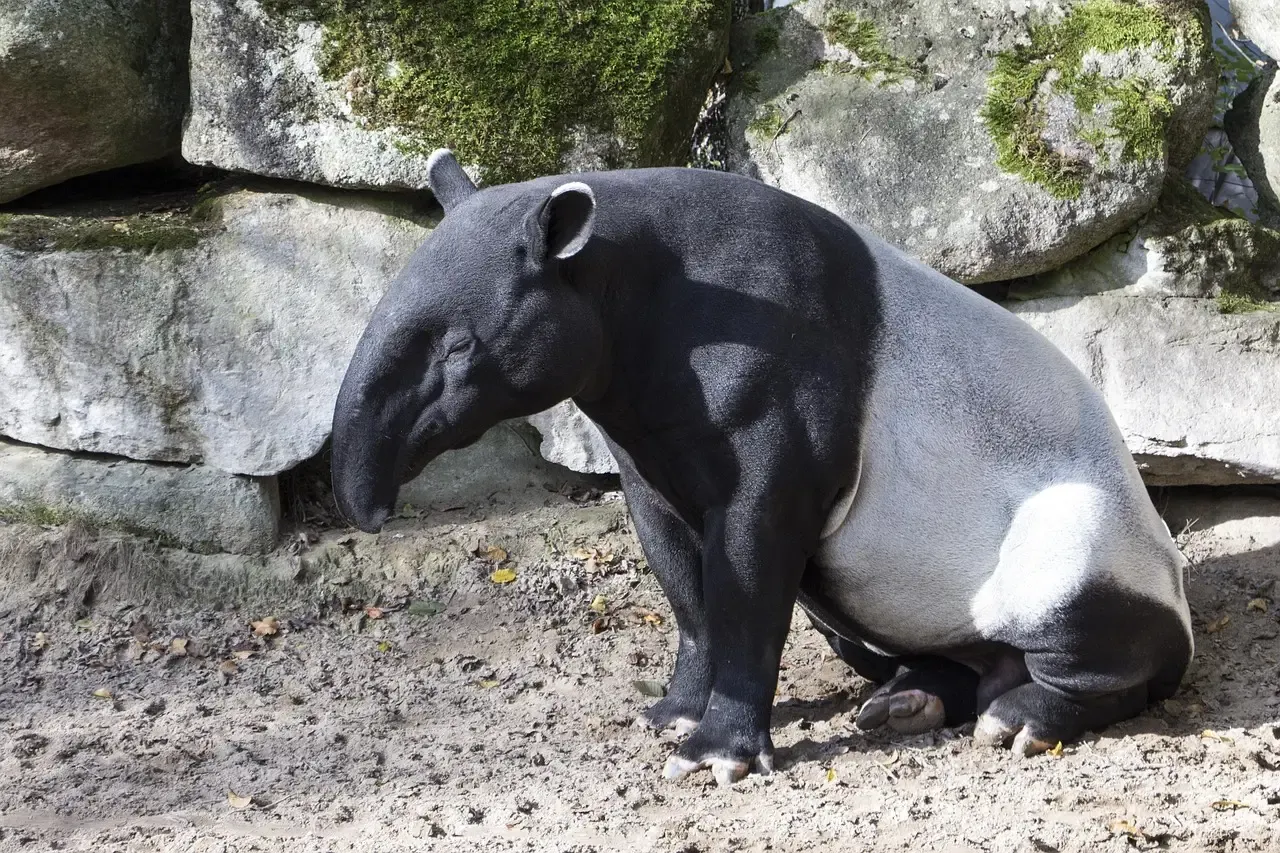
Tapirs don’t trend on social media, so most people never noticed that the Malayan tapir (Tapirus indicus) had its identity diluted for decades, sometimes discussed as if it were just a black-and-white cousin of the American species.
In the past decade, that’s been quietly corrected. Genetic, morphological, and fossil evidence now confirms the Malayan tapir isn’t a variation on a theme – it’s the last living representative of an entire Old World lineage. Older taxonomic treatments that downplayed that separation have effectively been abandoned. That reframing changes how we should read its decline across Southeast Asia: losing the Malayan tapir isn’t losing “a tapir,” it’s erasing the only Asian tapir lineage left on the planet. Conservationists now argue that funding it as its own global priority is non-negotiable. A few zoo planners still quietly resist, preferring species with higher visitor recognition, which tells you something about how slowly institutional habits change even after the science moves on.
#6 – The Balkan Lynx: From Shepherd’s Tale to Endangered Fact
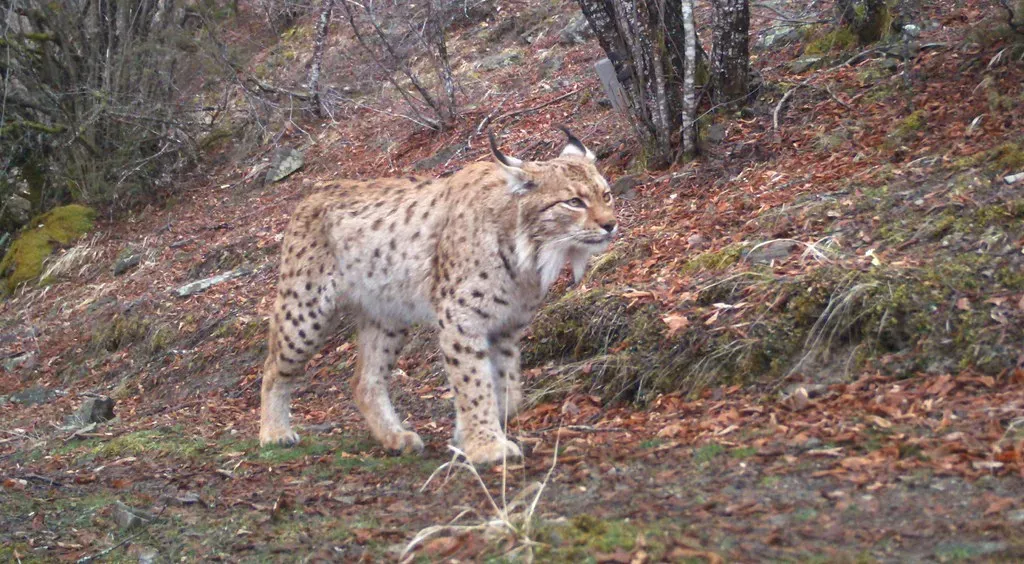
For decades, the Balkan lynx (Lynx lynx balcanicus) lived in a weird limbo: local legend for shepherds, questionable subspecies for taxonomists, and barely a blip on the global conservation radar.
Over the last decade, careful fieldwork has essentially reinstated it as a real, critically endangered subspecies of Eurasian lynx. Camera traps, genetic samples pulled from scat, and historical skull measurements all told the same story: this isn’t just “some lynx” passing through. It’s a small, isolated lineage confined to North Macedonia, Albania, and the surrounding mountains, with its own history and shape. Earlier skepticism, driven by tiny sample sizes and regional instability, had quietly demoted it to footnote status. Once its identity was accepted again in major Red List and policy documents, the narrative flipped overnight – there weren’t just Eurasian lynx wandering the Balkans, there was the Balkan lynx, one of Europe’s most endangered carnivores, and it needed money and border-spanning protection immediately.
#5 – The Eastern Cougar: Resurrected, Then Buried Again
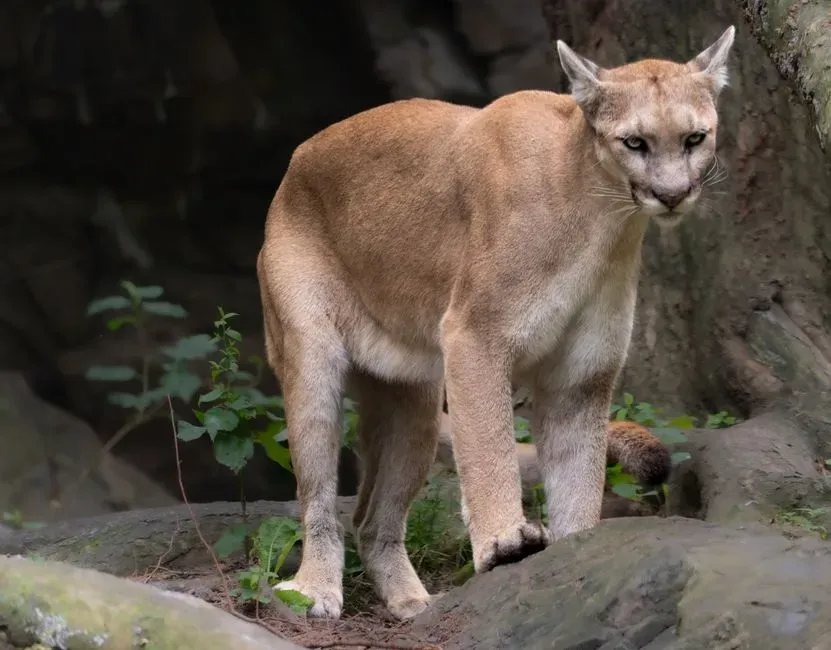
If you want a genuine taxonomic controversy, look at the eastern cougar. Some zoologists long argued that cougars in eastern North America were a distinct subspecies, while others insisted the evidence was junk. Over the last decade, committees revisited old skins, bones, and DNA, briefly entertaining reinstatement before concluding the population was extinct and probably never distinct enough to begin with.
Here’s the uncomfortable part: despite the official U.S. declaration in 2018 that the eastern cougar is extinct, debates over its identity and a steady trickle of ghostly sightings have actually raised its public profile. Some regional groups treat it as a lost species whose identity has been partially reinstated in public memory, if not in the strict taxonomic code. Critics call that romantic nonsense that distracts from real, living subspecies still surviving in Latin America. Others say the eastern cougar saga is simply proof of how messy extinction calls get when the specimens were collected long before modern genetics existed. Either way, it’s a species that got a second look – and then a final, uncomfortable verdict.
#4 – The Vietnamese Mouse-Deer: Zoology’s Lazarus Act
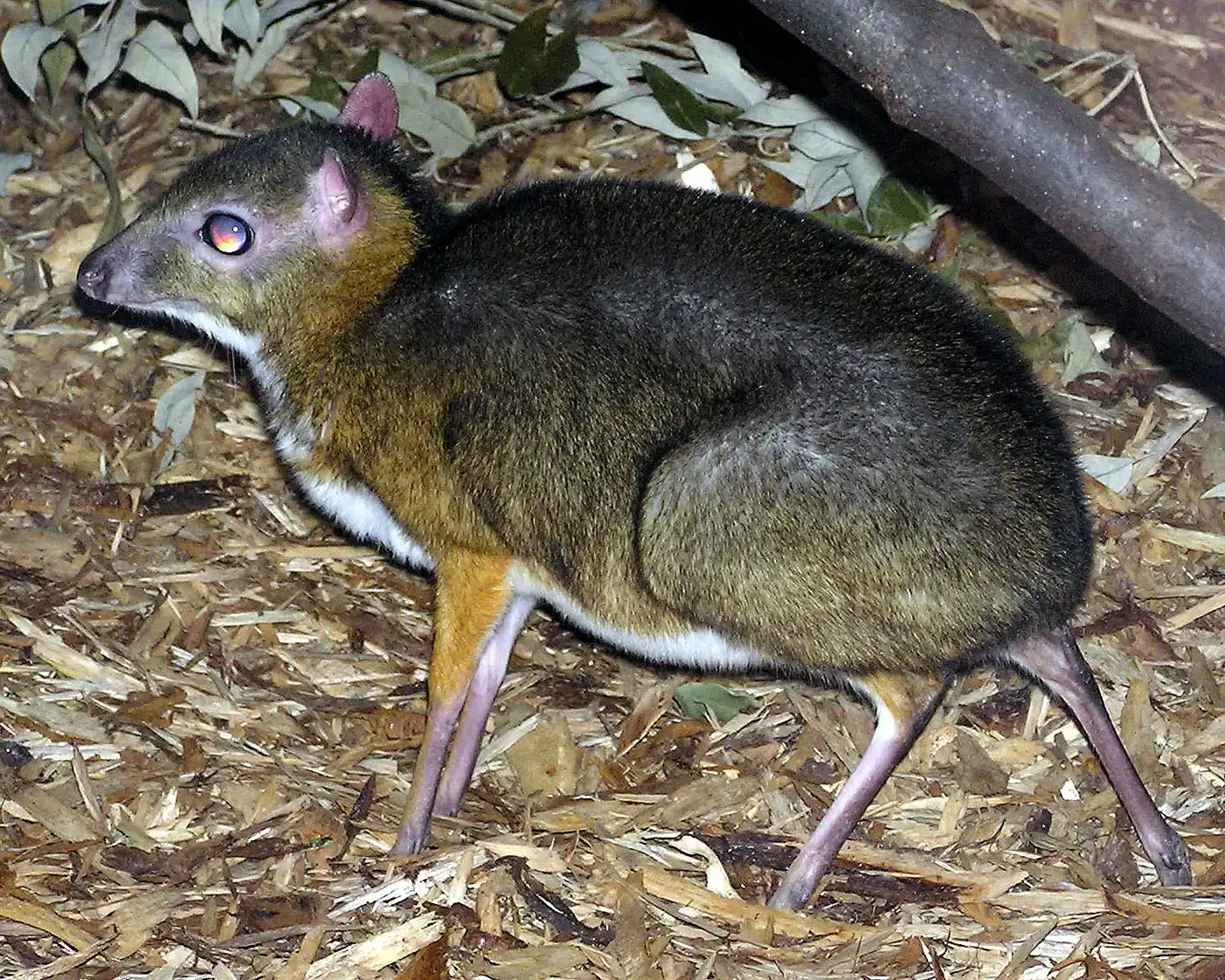
Most people had never heard of the silver-backed chevrotain, a tiny rabbit-sized “mouse-deer,” before it pulled off one of zoology’s biggest plot twists. After nearly 30 years missing from records, it was rediscovered in Vietnam and effectively reinstated as a living species, not just a museum curiosity gathering dust in a drawer.
Camera-trap evidence within the last decade confirmed that this strange little ungulate still tiptoes through Vietnamese forests. Before that, many experts suspected it was already gone – if it had ever been a valid distinct species at all. The rediscovery settled both questions at once: yes, it’s real, and yes, it’s still hanging on by a thread. The real drama came after the headlines faded. A “Lazarus species” makes for a great news cycle, but conservation planners quietly asked the harder question: can we actually save it, given the snares, logging, and fragmented habitat closing in? Being added back to the living roster doesn’t guarantee a future – it just means we’re now fully on the hook if it vanishes on our watch, for good this time.
#3 – The Tapanuli Orangutan: A Species Born Into Crisis
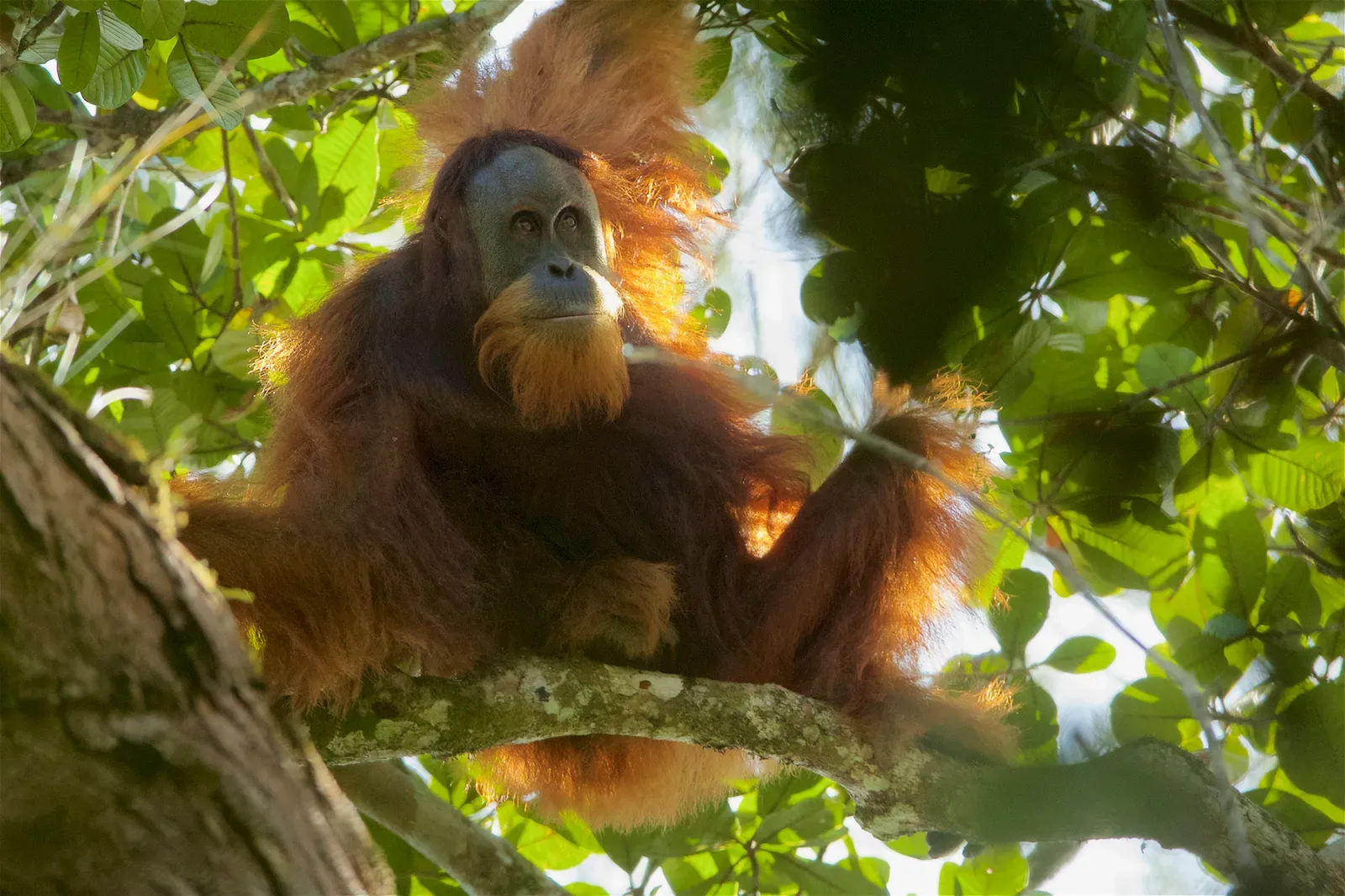
Few taxonomic changes have caused more uproar than this one. In 2017, scientists argued that orangutans in northern Sumatra were distinct enough to be described – and effectively reinstated – as a separate species, Pongo tapanuliensis, based on overlooked older specimens paired with new genomic data.
That move split what many assumed was simply “the Sumatran orangutan” into two species: the northern Sumatran and the newly recognized Tapanuli. Critics complained the split was premature and politically convenient; supporters countered with a brutal number – fewer than 800 Tapanuli orangutans exist, and ignoring their distinctiveness would amount to sanctioned erasure. Over the past decade, the Tapanuli orangutan has become the poster child for how a taxonomic decision can instantly escalate a conservation crisis. A hydropower dam project that might have been waved through before now looks like a direct threat to one of the rarest great apes alive. Some primatologists still mutter about “taxonomic inflation,” but for this forest population, the stakes stopped being abstract the moment the name became official.
At a Glance
- Described and named in 2017 – the third recognized orangutan species, after the Bornean and Sumatran.
- Confined entirely to the Batang Toru ecosystem in South Tapanuli, Sumatra.
- Fewer than 800 individuals are estimated to remain in the wild.
- A hydropower dam proposed for the same forest is considered one of the single biggest threats to its survival.
#2 – The African Forest Elephant: The Crisis Hiding in Plain Sight
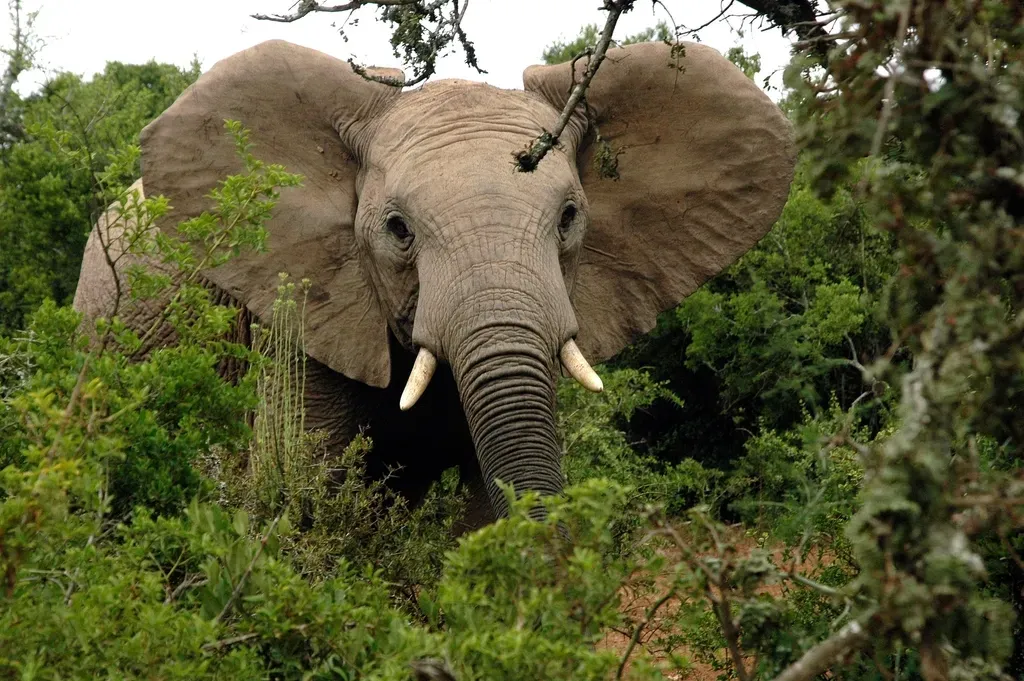
Safari brochures still sell “the African elephant” as a single species, but many zoologists spent years insisting that was biologically wrong. In the last decade, their position finally won out: the African forest elephant (Loxodonta cyclotis) has been widely reinstated as a full species, separate from the savanna elephant.
Genetic studies had hinted at a deep split for years, but only recently did major conservation bodies, including the IUCN, formally treat them as distinct animals. That change had real teeth. Suddenly, forest elephant populations – crashing under poaching and deforestation – couldn’t be quietly averaged out with healthier savanna numbers to produce a more comfortable global picture. Losing forest elephants isn’t a regional decline anymore; it’s the possible extinction of an entire species that physically shapes Central African rainforests through what it eats and tramples. Some old-guard managers think the split complicates fundraising messages. Most scientists now argue the opposite: lumping them together was the mistake, and it hid a crisis in plain sight for far too long.
#1 – The Giraffe: Four Species Hiding Inside One Icon
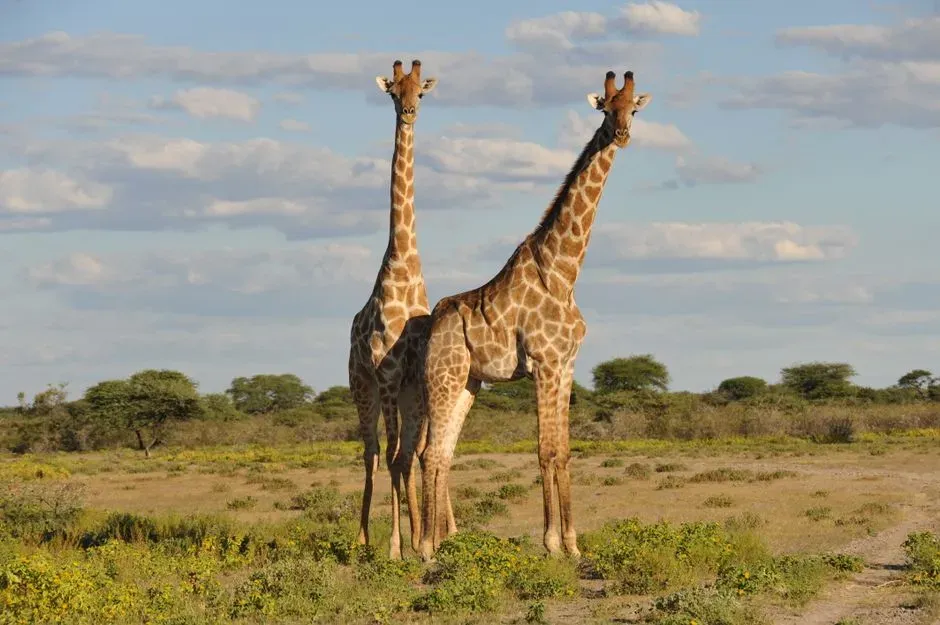
Most people still think there’s just one giraffe, end of story. Zoologists now know that’s almost certainly wrong, and they’ve been quietly correcting it for years. Recent genomic work supports reinstating multiple giraffe species – often four – rather than one, with splits at least as deep as the one separating polar bears from brown bears.
Some of these lineages, like the northern and Kordofan giraffe, had older names floated as species decades ago, then buried under a single-species model for the sake of simplicity. Over the last decade, those old labels roared back, backed by hard DNA evidence. The result: what looked like one “vulnerable but widespread” species now breaks apart into several small, in some cases critically endangered, species. This is the reinstatement that arguably matters most, because it rewrites how we talk about a global icon most people assume is doing just fine. If the public realized their “one” giraffe is actually multiple species teetering on the brink, tourism, politics, and funding priorities would shift overnight. Strangely, some big institutions still cling to the single-species story, worried about “confusing the public” – a caution future conservationists may not forgive.
Quick Compare
- Northern giraffe (Giraffa camelopardalis) – includes the Kordofan, Nubian, and critically endangered West African populations.
- Reticulated giraffe (Giraffa reticulata) – the sharp, net-patterned form native to Kenya and the Horn of Africa.
- Masai giraffe (Giraffa tippelskirchi) – marked by distinctive jagged, irregular leaf-like blotches that extend from the hooves to its head.
- Southern giraffe (Giraffa giraffa) – the most numerous of the four, spread widely across southern Africa.
The split isn’t cosmetic, either – according to genetic research, they haven’t interbred for 280,000 years, which is exactly the kind of deep isolation taxonomists use to justify separate species status.
The Bottom Line

Over the last decade, zoologists haven’t just discovered new species – they’ve rewritten old stories, quietly reinstating animals that were mis-lumped, prematurely buried, or simply ignored. From forest elephants and Tapanuli orangutans to Balkan lynx and New Guinea singing dogs, the pattern repeats itself: look closer, and biodiversity turns out richer, and far more fragile, than our simplified checklists ever admitted.
This isn’t just semantics. Labels decide who gets funding, which forests get dams, and which animals are allowed to disappear without a single headline marking the loss. Personally, I think the real mistake isn’t “taxonomic inflation” – it’s our addiction to comforting, one-size-fits-all categories that quietly hide real crises behind tidy names. If anything, we’re still under-splitting. Did we miss a reinstated species you think deserves a spot on this list? Make your case in the comments.