You probably know about “lost cities” swallowed by jungle or sand. What’s less talked about are the places that refused to stay lost – sites that have been abandoned, resettled, shattered, rebuilt, looted, loved, and lived in again and again, sometimes for thousands of years. These are locations where history doesn’t run in a straight line. It loops. Civilizations rise, collapse, drift away, and then new people move back in, drawn by the same rivers, trade routes, fertile soils, or sacred hills that attracted the very first settlers. Archaeologists see it in the layers: burned houses beneath new streets, temples turned into fortresses, churches into mosques into museums into mosques again. What makes a place so irresistible that people keep coming back, even after disaster or war? Let’s walk through 13 remarkable sites where abandonment was never the final chapter. —
#1 Aleppo, Syria – A City That Refuses to Stay Broken
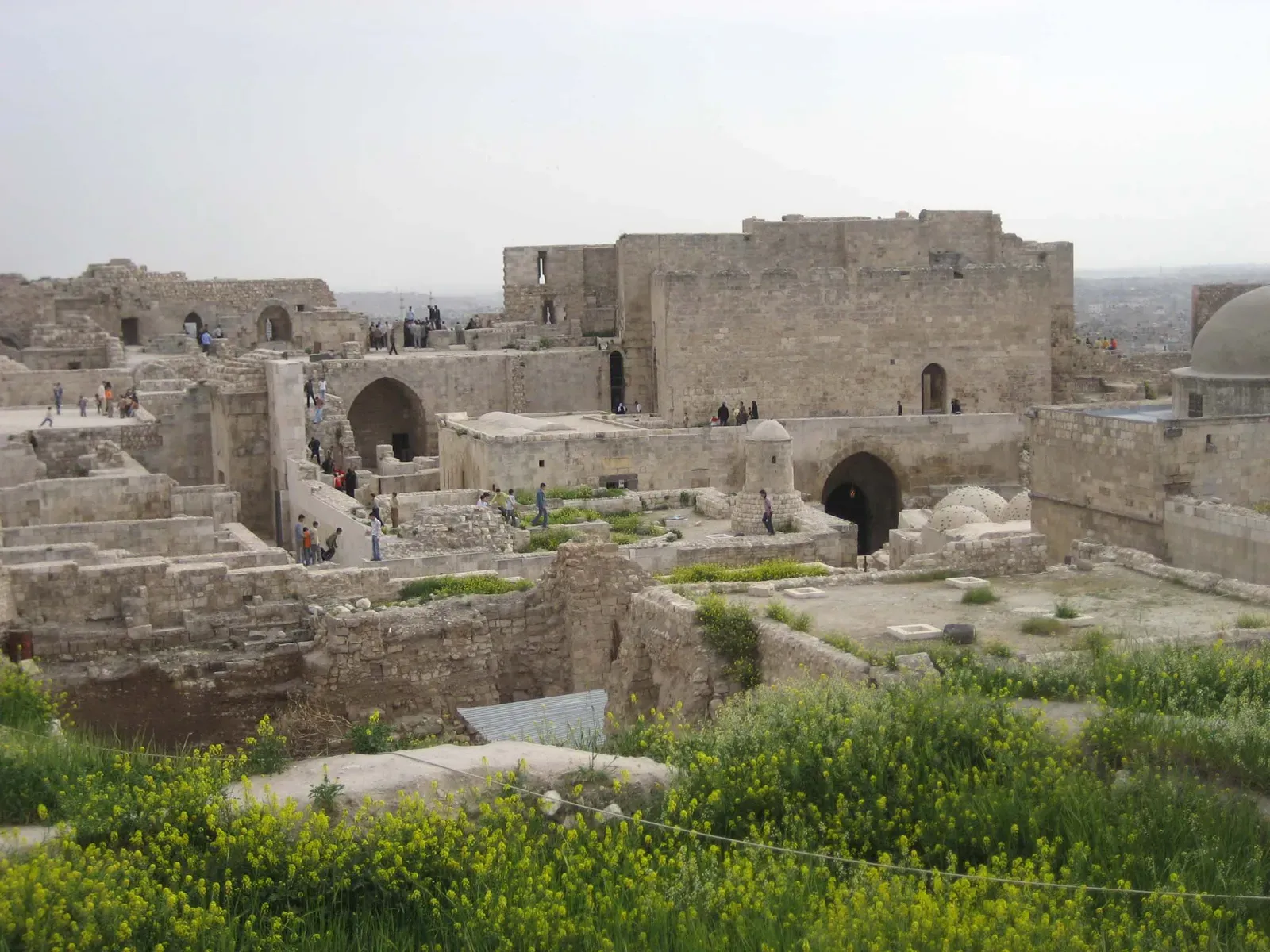
Aleppo is one of those places where you can feel time stacked beneath your feet. Archaeological work suggests its roots go back to at least the sixth millennium BCE, and its position between the Mediterranean and Mesopotamia made it a trade magnet for empires that came and went in waves. Over the millennia, it has been burned, besieged, depopulated, and rebuilt so often that its story reads like a looped recording of destruction and return.
In late antiquity and the medieval period, Aleppo was repeatedly attacked and sometimes heavily damaged by Byzantines, Mongols, and rival Muslim powers, yet its hilltop citadel and surrounding quarters kept re-emerging as a regional hub. More recently, the Syrian civil war in the 2010s and early 2020s left large areas of the historic center in ruins and forced hundreds of thousands to flee. But despite vast destruction, residents began drifting back as soon as front lines shifted, patching houses with scrap materials while talks about full-scale reconstruction dragged on.
Urban historians now view Aleppo as a textbook case of urban persistence: a city that never truly “dies” but shrinks, empties, refills, and reshapes itself as power structures shift. It has also become a kind of warning label for modern conflict – proof that even cities with deep roots and strong trading traditions can be pushed to the brink, then pulled back from it by ordinary people who keep insisting on coming home.
- Strategic high ground and trade routes made Aleppo worth rebuilding again and again.
- Population booms and crashes reflect repeated cycles of war, displacement, and return.
- Recent reconstruction debates echo centuries of earlier rebuilding after sieges and fires.
—
#2 Pompeii, Italy – Buried, Forgotten, Then Quietly Lived In Again
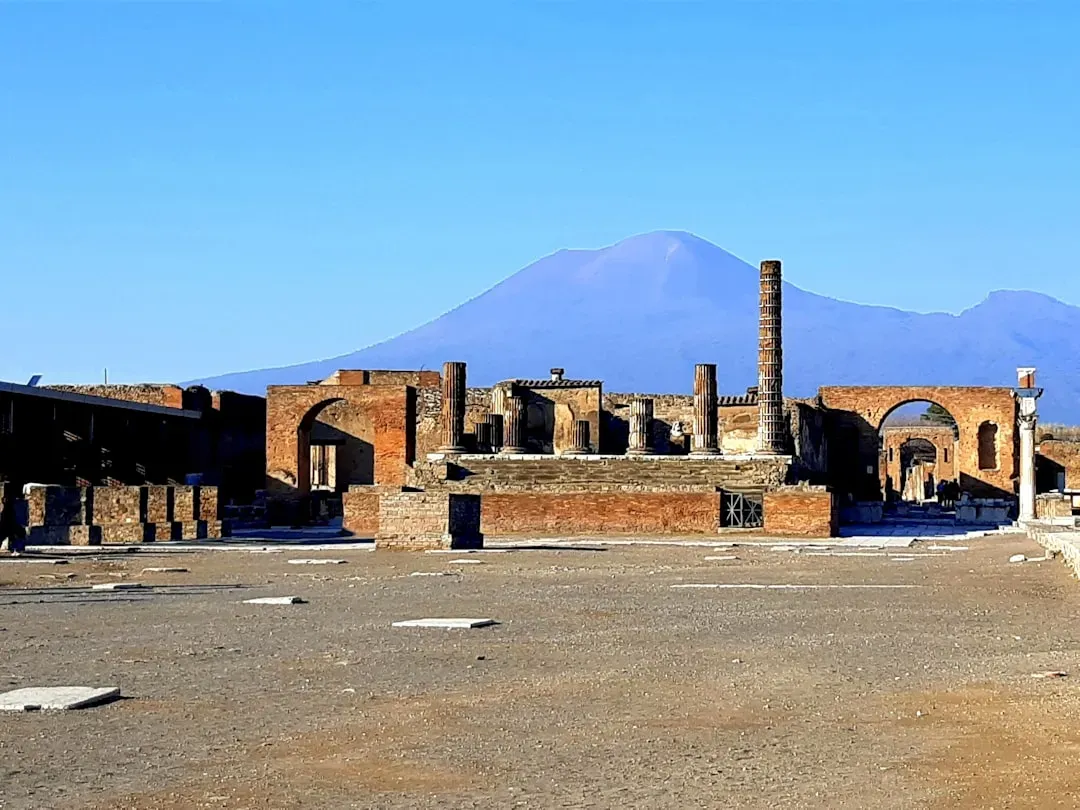
Most people think Pompeii’s story ends in the year 79, when Mount Vesuvius buried the Roman town in ash. The modern tourist version is almost cinematic: a thriving city frozen in time, then rediscovered centuries later by archaeologists. The reality is messier and more interesting. Evidence from recent excavations shows that life crept back among the ruins surprisingly soon after the eruption.
Archaeologists have identified makeshift houses, workshops, and repurposed spaces built on top of the destroyed city, suggesting that small groups resettled the area for centuries into late antiquity. The reoccupied Pompeii never returned to its pre-eruption scale or status, but people clearly saw value in the site – in its surviving walls, fertile surrounding land, and proximity to trading routes around the Bay of Naples. In other words, even a city half-buried in volcanic debris did not stay abandoned for long.
Pompeii was later largely forgotten in the medieval period, its ruins quarried for stone and its name drifting into legend. When systematic excavations began in the eighteenth century, yet another occupation began: not by residents, but by archaeologists, conservators, and tourists. The site is now a kind of hybrid settlement – partly museum, partly research lab, and partly living town on its fringes, with modern infrastructure threaded around ancient streets.
- Post-eruption reoccupation shows that disaster does not always mean a clean break with the past.
- Later abandonment turned Pompeii into a resource quarry before it became a heritage icon.
- Today’s “occupation” is intellectual and economic: tourism, research, and conservation work.
—
#3 Petra, Jordan – From Desert Capital to “Lost City” to Tourist Magnet
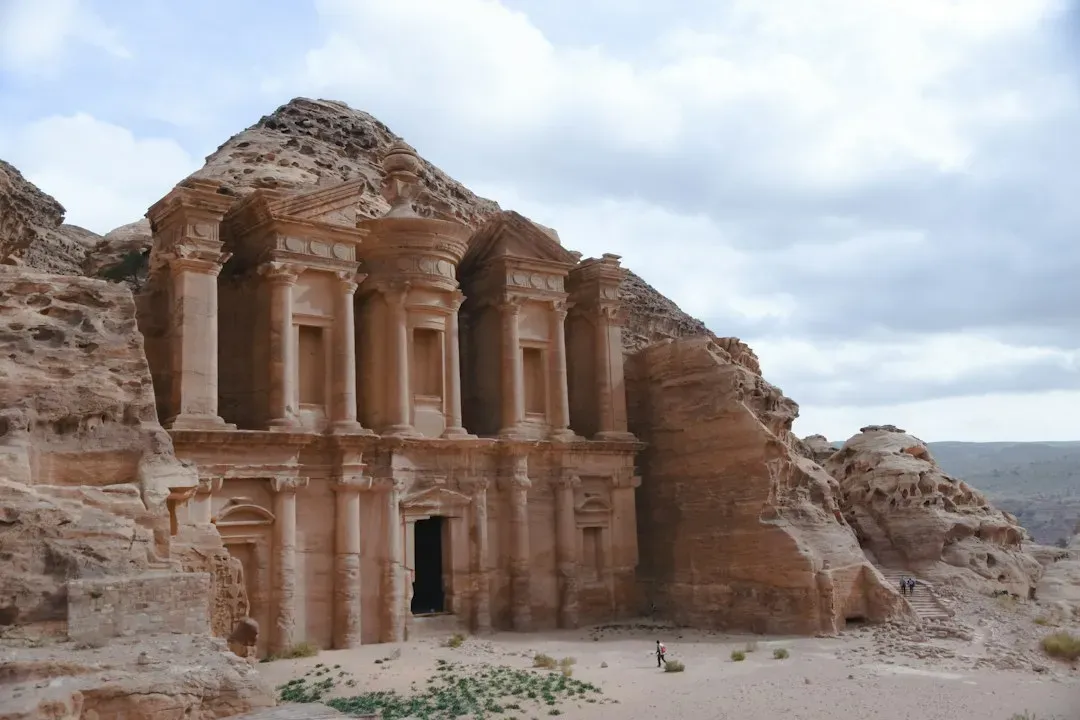
Petra looks like a place built for myth: temples carved into sandstone cliffs, rock-cut tombs glowing red at sunset, hidden valleys that feel like movie sets. In reality, it began as the capital of the Nabataean kingdom and flourished as a caravan hub linking Arabia with the Mediterranean. Earthquakes, trade route shifts, and political annexation by Rome and then Byzantium gradually undercut its importance, and for a long time scholars assumed that a major earthquake in the fourth century spelled its end.
Excavations have blown that simple story apart. Archaeologists have found churches, houses, and documents showing that Petra remained inhabited and economically active for centuries after the quake, well into the Byzantine and early Islamic eras. The population shrank and changed, but people kept reusing and modifying the same rock-cut spaces, turning tombs into homes and temples into churches, then into storage or defensive structures as times grew rougher.
Eventually, Petra’s urban core was mostly abandoned, and for roughly a millennium it was largely unknown to outsiders, though local Bedouin communities still knew and used parts of the site. In the nineteenth century, Western travelers publicized it as a “rediscovered” ruined city, triggering yet another phase: a tourism-fueled reoccupation. Today Petra’s canyons host guides, souvenir stalls, coffee stands, conservation labs, and constant foot traffic, layered over spaces where generations once lived and worshipped.
—
#4 Byblos, Lebanon – A Port Built on Port After Port
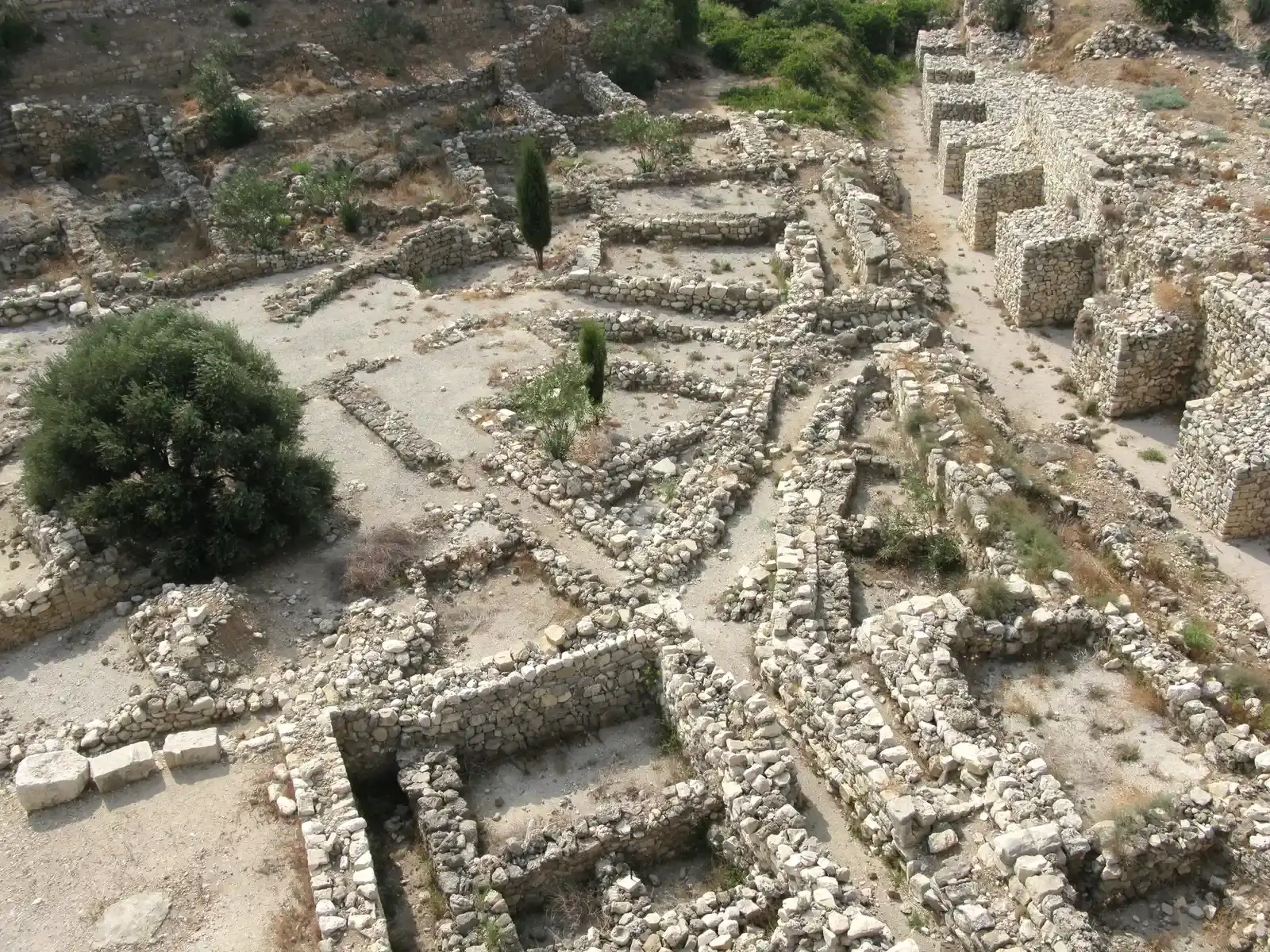
Byblos is one of those rare places where you can literally see cities stacked on top of each other. Archaeological trenches have revealed Neolithic houses, Bronze Age temples, Phoenician ports, Hellenistic streets, Roman theaters, Crusader castles, and medieval town walls all woven into a relatively compact coastal hill. The site shows clear sequences where old quarters were burned or destroyed, then rebuilt in a new style by different cultural groups.
For early seafaring societies, the harbor at Byblos was gold: a natural anchorage along the Levantine coast, close to cedar forests in the mountains. When one political order collapsed – say, after a Late Bronze Age crisis or a regional war – port installations might fall into disuse, warehouses be abandoned, and parts of the town decay. But the basic geography did not change, so new merchants and rulers almost inevitably moved back in, patched the harbor, and laid out fresh streets on top of the old.
This on-again, off-again occupation did not mean the town was constantly empty; rather, different zones within Byblos were successively abandoned and reoccupied as trade networks shifted. Today, modern Jbeil surrounds the archaeological core, and locals walk dogs or grab coffee in sight of excavated Bronze Age walls. The past here is not in a separate bubble; it is physically and emotionally fused with the contemporary city.
- Deep stratigraphy at Byblos records multiple cycles of destruction and rebuilding.
- Its value as a timber-export and maritime hub pulled populations back after crises.
- Modern urban life now wraps itself around the ancient mound, continuing the layering story.
—
#5 Rome, Italy – The Eternal City That Kept Shrinking and Regrowing
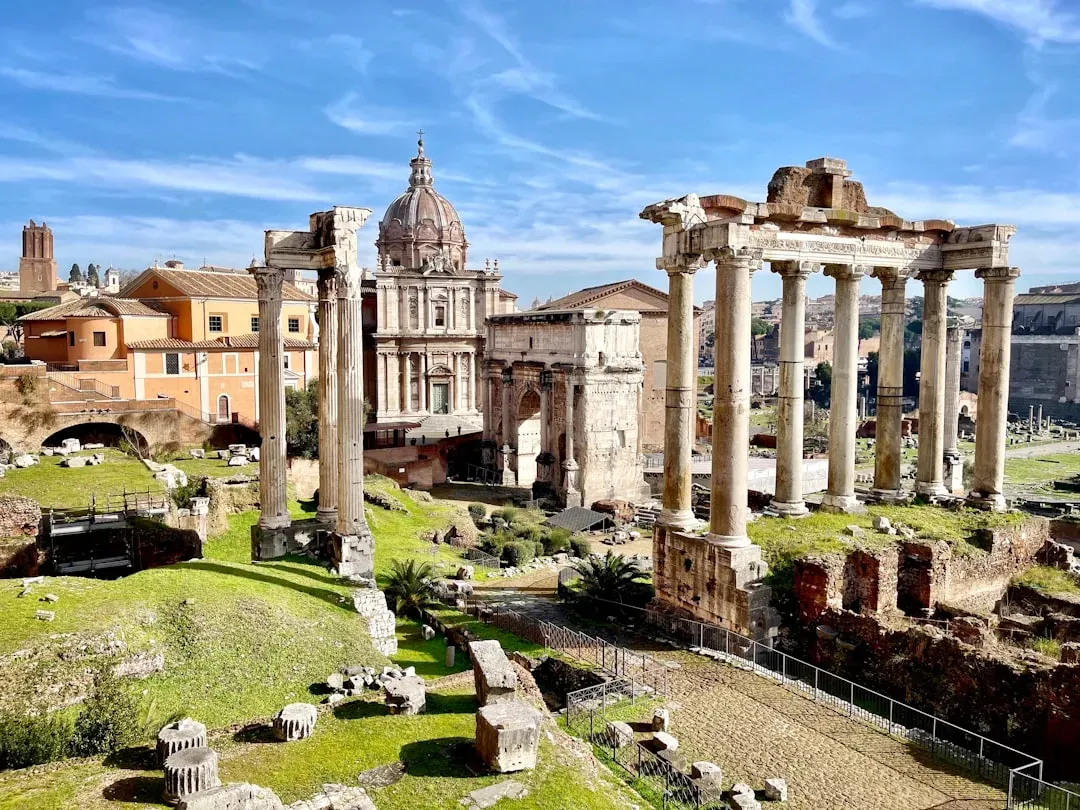
Rome is often described as “eternal,” but that phrase hides just how close it came, more than once, to becoming a hollowed-out shell. During the high Roman Empire, the city may have hosted hundreds of thousands of people. After the fall of the Western Empire, repeated invasions, plagues, and economic contraction led to a stunning population collapse. Large swaths of the city’s monumental core were abandoned or reduced to informal occupation.
Medieval residents moved into the shells of ancient structures, turning temples into churches, amphitheaters into fortresses, and grand bath complexes into small neighborhoods or gardens. Some areas lay almost empty, grazed by animals amid toppled columns, while a few hills and riverfront districts remained densely occupied. Yet Rome never disappeared; it simply shrank and reconfigured as political authority moved, and then slowly expanded again as papal power and pilgrimage networks grew.
In that sense, Rome is a masterclass in partial abandonment: huge parts of the classical city were functionally deserted for centuries even while other zones thrived. The reuse of ancient stone for new buildings, and the transformation of pagan sites into Christian ones, created layers of reoccupation that modern archaeologists trace wall by wall. When you walk Rome today, you are moving through a city that has repeatedly cannibalized, emptied, and reinvented itself without ever truly going dark.
—
#6 Tikal, Guatemala – A Maya City of Booms, Busts, and Returns
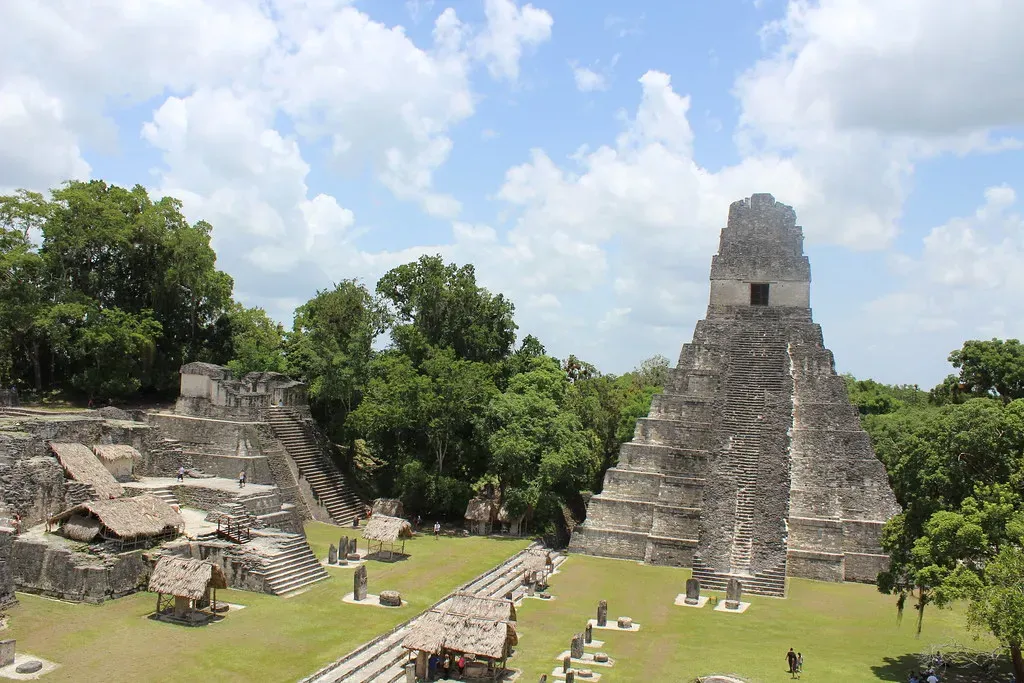
Tikal rises out of the Guatemalan rainforest today as a dramatic set of temple pyramids and plazas, but for many centuries it was a living city in flux. As one of the major Maya urban centers, it experienced periods of expansion and decline long before its so‑called “collapse.” Archaeologists see multiple construction phases interrupted by intervals of reduced building or even partial abandonment of certain ceremonial groups.
Environmental pressures, political rivalries, and shifting trade networks all played roles in Tikal’s fortunes. Some neighborhoods appear to have been abandoned for extended spells, then reoccupied when new dynasties or alliances emerged. Even after monumental construction slowed, smaller-scale occupation persisted in and around the ceremonial core, with families reusing older foundations or modifying earlier buildings.
By around the ninth or tenth century, the city’s population had dropped dramatically, and jungle began reclaiming plazas and palaces. Yet Indigenous communities in the region never fully lost knowledge of the site. When modern explorers arrived, they found not a perfectly “lost” city but a place that had slipped out of urban use while still echoing in local memory, demonstrating that abandonment and reoccupation can look very different depending on whose perspective you take.
—
#7 Angkor, Cambodia – City of Temples, City of Rice Fields
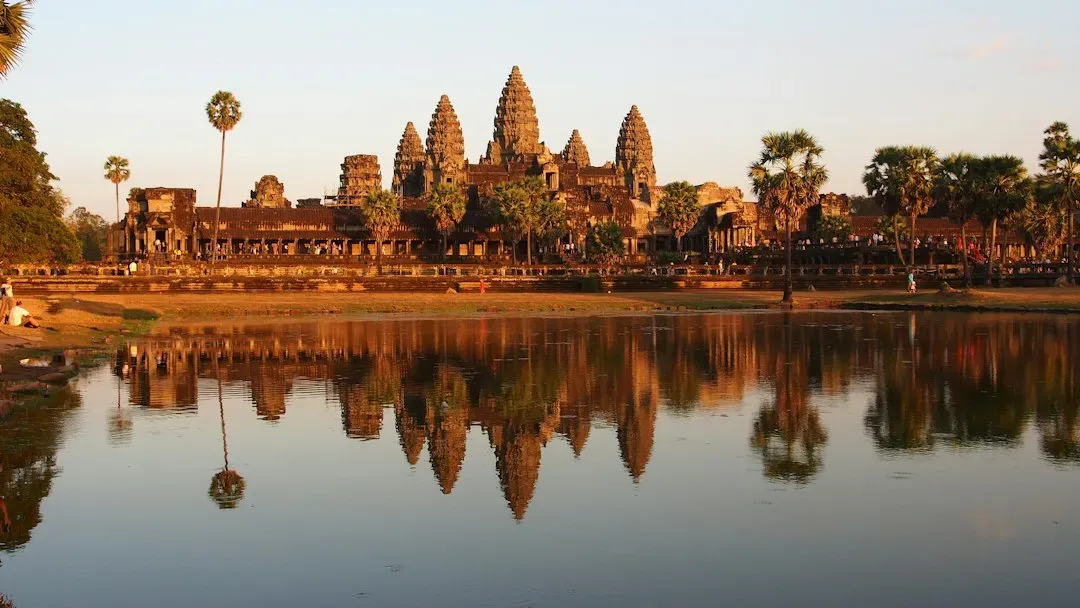
Angkor is often portrayed as a city swallowed by the jungle after a dramatic medieval collapse, but that narrative has been steadily revised. At its height, Angkor was a sprawling hydraulic metropolis of temples, reservoirs, and suburban fields, sustained by a complex water management system. Political upheavals, climate variability, and wars contributed to a gradual shift of royal power toward the south, and some central areas were clearly abandoned or thinned out.
Yet lidar surveys and archaeological work suggest that people did not simply walk away and leave Angkor empty. Instead, many parts of the urban landscape transitioned into villages, rice fields, and monastic communities. Temples like Angkor Wat continued to be used and modified, especially as Theravada Buddhism became dominant. Abandonment here was selective: some reservoirs silted up and were left, while others kept being maintained in new ways.
In the colonial and early modern periods, Angkor drew explorers and then tourists, launching another wave of reoccupation – this time by conservators, visitor facilities, and local economies linked to heritage tourism. The same barays and causeways that once organized medieval traffic now structure bus routes and walking paths, proving that urban form can survive long after the original political center has moved on.
- Angkor’s “collapse” is now seen as a long, uneven transformation, not a sudden abandonment.
- Rural and religious use of the landscape persisted even as imperial functions shifted away.
- Modern tourism added yet another cycle of intensive occupation and infrastructure building.
—
#8 Harappa and the Indus Cities, Pakistan – From Urban Giants to Reused Mounds
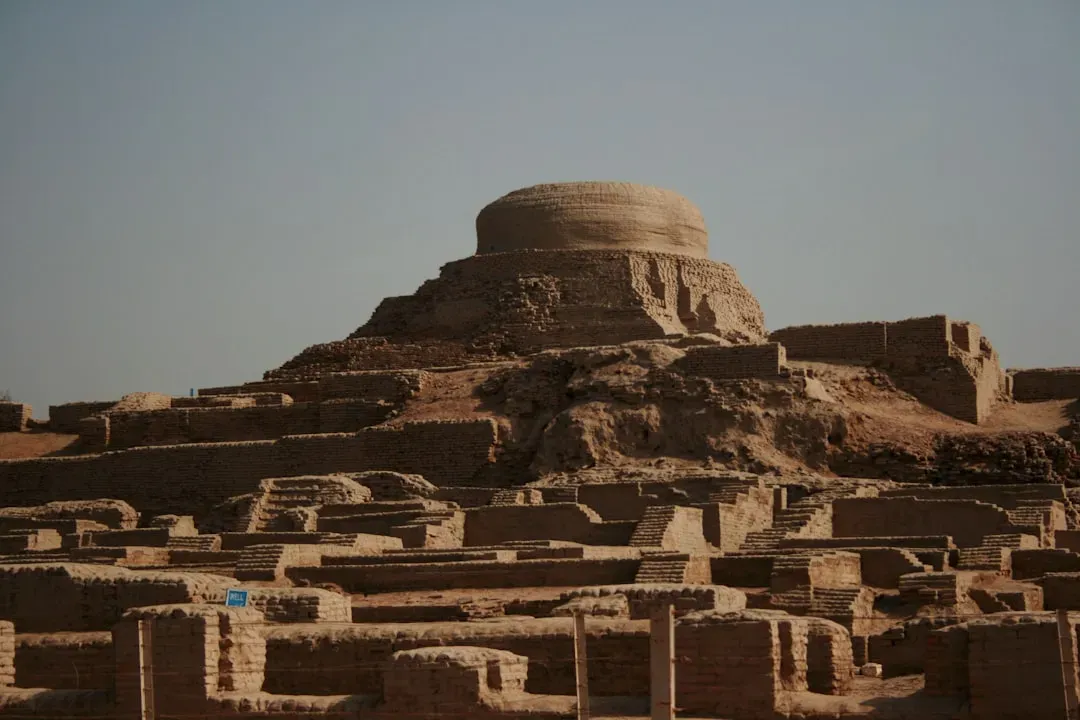
The cities of the Indus civilization, such as Harappa and Mohenjo-daro, are famous for their planned street grids, baked brick architecture, and sophisticated water systems. Between roughly the third and early second millennium BCE, they formed part of an urban network stretching across what is now Pakistan and northwest India. Over time, shifts in river courses, climate stress, and reorganization of trade seem to have undermined these large urban centers.
Archaeological evidence shows gradual depopulation and changes in material culture rather than a single cataclysm. Some quarters were abandoned while others continued in reduced form; standardized bricks gave way to more varied sizes, and monumental construction slowed. As the urban system dissolved, many sites transitioned into smaller towns or rural settlements, and later populations often reused the same mounds, tapping into remaining wells or repurposing bricks for new buildings.
Centuries later, these mounds acted like magnets for farmers and villagers looking for slightly elevated, well-drained ground. Colonial-period railway construction notoriously quarried bricks from Indus sites, which is another kind of reoccupation: an ancient city being dismantled to fuel a modern transport network. Today, ongoing excavation, local agriculture, and heritage tourism all meet on the same raised platforms where Indus citizens once walked.
—
#9 Çatalhöyük, Turkey – Early Experiment in Settlement, Abandoned and Revisited
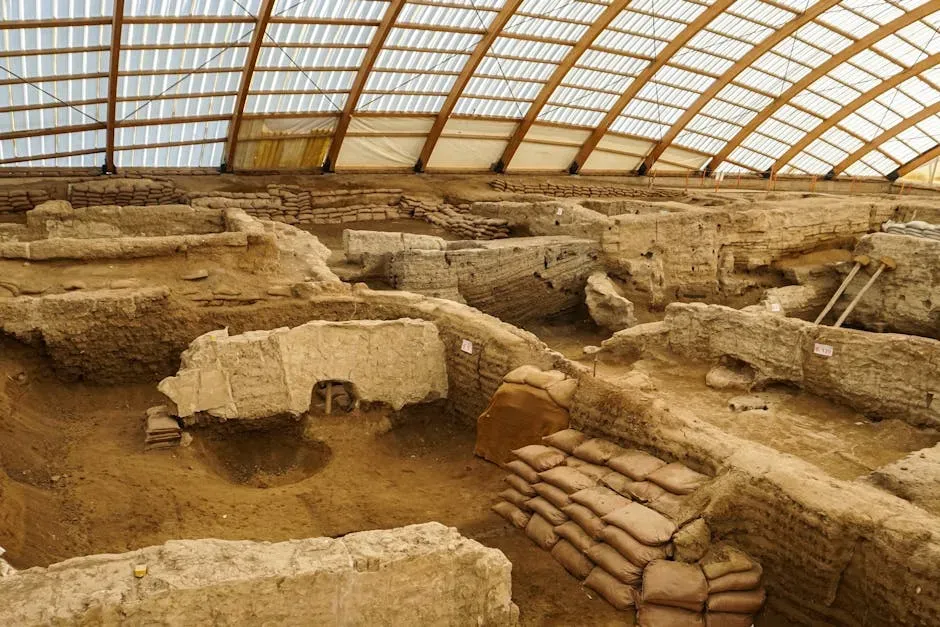
Çatalhöyük is often described as one of the world’s earliest large villages or proto-cities, occupied in the Neolithic period and characterized by tightly packed mudbrick houses with rooftop access. People here lived with their dead beneath their floors, painted walls, and shared courtyards, creating a dense social fabric that lasted for many centuries. Eventually, the main mound was abandoned, and occupation shifted elsewhere in the region.
What makes Çatalhöyük interesting in the context of repeated abandonment and reoccupation is the way later communities treated the site. Nearby mounds show new phases of settlement that drew on similar environmental advantages – access to water, farmland, and trade paths – while the old mound itself accumulated as a visible landmark. In a sense, each new village echoed the earlier one, even as the original houses slipped into archaeological memory.
In modern times, archaeologists, students, and local communities have once again turned Çatalhöyük into a lived-in place, albeit in a very different way. Excavation houses, visitor walkways, protective shelters, and experimental reconstructions dot the area, and seasonal fieldwork creates a recurring cycle of human presence. Each dig season is a tiny reoccupation of a mound that has already seen more than one round of human departure and return.
—
#10 The “Dead Cities” of Northern Syria – Hundreds of Villages that Wouldn’t Quite Die
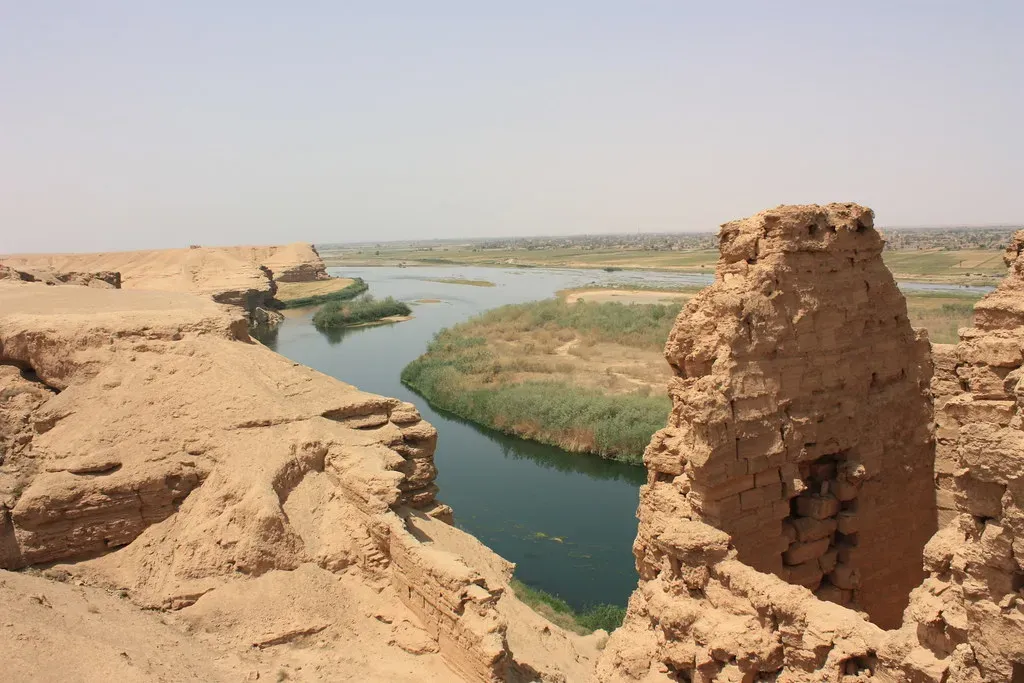
Between Aleppo and Idlib lies a landscape sometimes called the “Dead Cities” or “Forgotten Cities”: hundreds of abandoned stone villages dating mainly from late antiquity and the early Byzantine era. These settlements once prospered from olive cultivation and trade, but economic shifts, changing political boundaries, and perhaps climate variability contributed to their decline. Many were left partially or wholly abandoned by the early Islamic period.
Yet calling them “dead” is misleading. Archaeological and historical evidence suggests that some sites were intermittently reused as seasonal refuges, farmsteads, or monastic communities over the centuries. Their durable limestone houses and churches often remained standing, making them convenient shelters for shepherds, rebels, and displaced families in times of crisis. Even in recent decades, conflict in Syria has pushed new waves of people to take temporary refuge in or near these ruins.
The result is a landscape of semi-abandonment: not fully inhabited, but never completely empty either. Stone doorways frame goats and satellite dishes, while graffiti and plastic tanks sit beside carved crosses and ancient wine presses. These villages remind us that abandonment is rarely absolute. Instead, old structures can hover in a kind of limbo, waiting for the next moment when someone needs their walls again.
- Hundreds of late antique villages form a patchwork of long-term semi-abandonment.
- Rugged stone architecture made them ideal for later reuse by herders and refugees.
- Modern conflict has triggered yet another round of ad hoc reoccupation.
—
#11 The Hohokam Canals and Phoenix Basin, USA – Water Systems That Outlived Their Cities
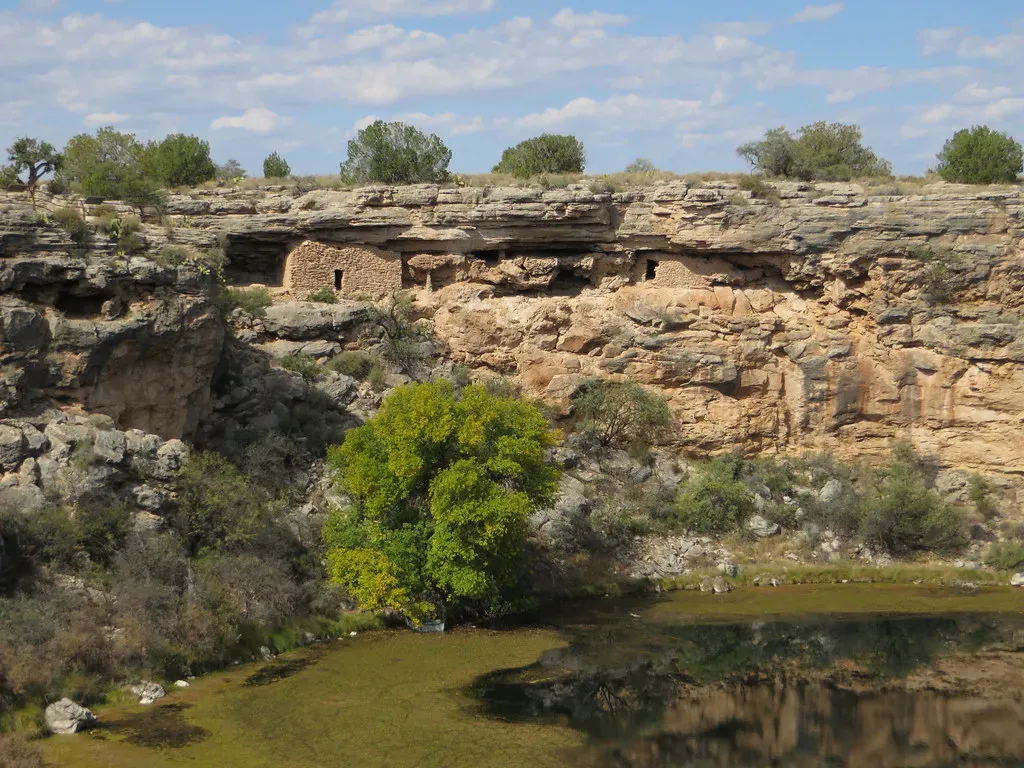
In what is now the Phoenix metropolitan area, the Hohokam people engineered an extensive canal network that irrigated fields and sustained settlements for more than a thousand years. Villages expanded and contracted along these channels, with some areas being temporarily abandoned when salinization, flooding, or social strains made them less viable. Over time, many major Hohokam population centers were deserted, but the imprint of their water management system lingered in the landscape.
Later Indigenous groups and, much more recently, Euro-American settlers took advantage of these same canal alignments. Nineteenth‑century irrigation projects in the Salt River Valley often followed or re-excavated ancient canals, effectively reoccupying Hohokam infrastructure with new technologies and populations. The ancient settlements themselves did not return as towns in exactly the same spots, but the basic spatial logic – where water ran, where fields were laid out – carried forward.
Today, parts of modern Phoenix literally sit on top of or beside reactivated Hohokam canals. Housing subdivisions, highways, and office parks occupy ground that has seen cycles of habitation, abandonment, and reuse centered around the same critical resource: controlled water. This form of reoccupation is subtle but powerful; it shows how the “bones” of vanished cities can keep shaping urban life long after their original occupants have gone.
—
#12 Susa, Iran – Capital, Ruined Platform, Then Capital Again
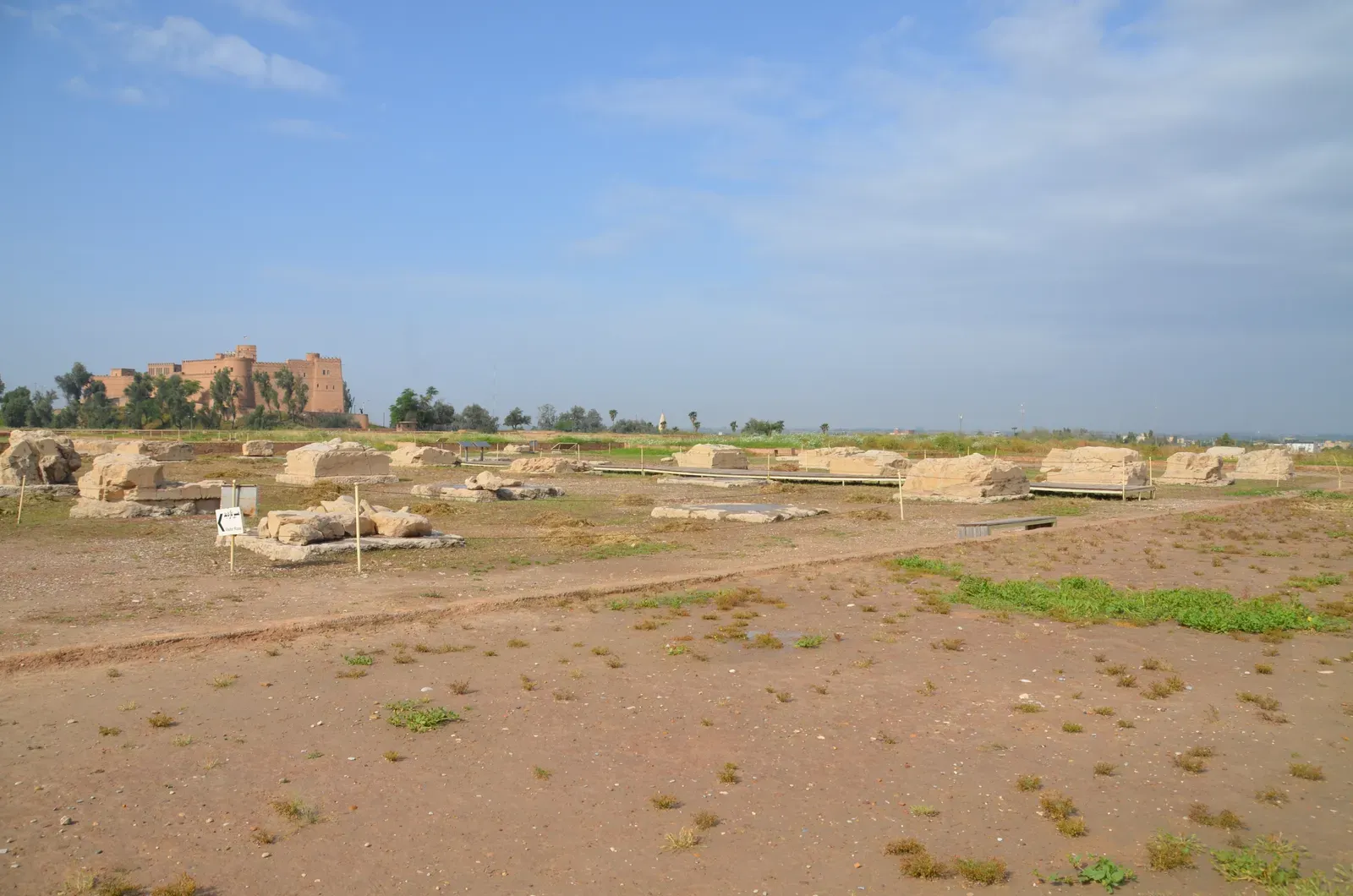
Susa is one of those ancient cities that seems to have been everyone’s capital at one time or another: Elamite, Achaemenid Persian, sometimes Seleucid, sometimes Parthian. Its occupation stretches back deep into prehistory, but its political fortunes rose and fell dramatically. Conquests, sackings, and regime changes repeatedly depopulated parts of the city, followed by new waves of builders and administrators who reused older palaces and platforms.
The Elamites made Susa an early religious and political center, but Assyrian campaigns devastated the city at several points, leaving ruins that later rulers tried to overwrite. Achaemenid kings turned Susa into one of their main royal residences, raising new palaces on ancient mounds, only for later invasions and shifts of imperial focus to undercut its prominence again. Each political cycle brought new construction and new neglect, with neighborhoods waxing and waning accordingly.
Even after its days as a primary capital faded, Susa remained a regional hub, with medieval and early modern occupation clustering around surviving tells and river crossings. Modern excavations and a nearby town add one more layer to its long story of abandonment and return. Standing on its windswept platforms today, you’re looking at a city that was never allowed to fully rest.
—
#13 Erbil Citadel, Iraq – A Hill Made of Continuous Return
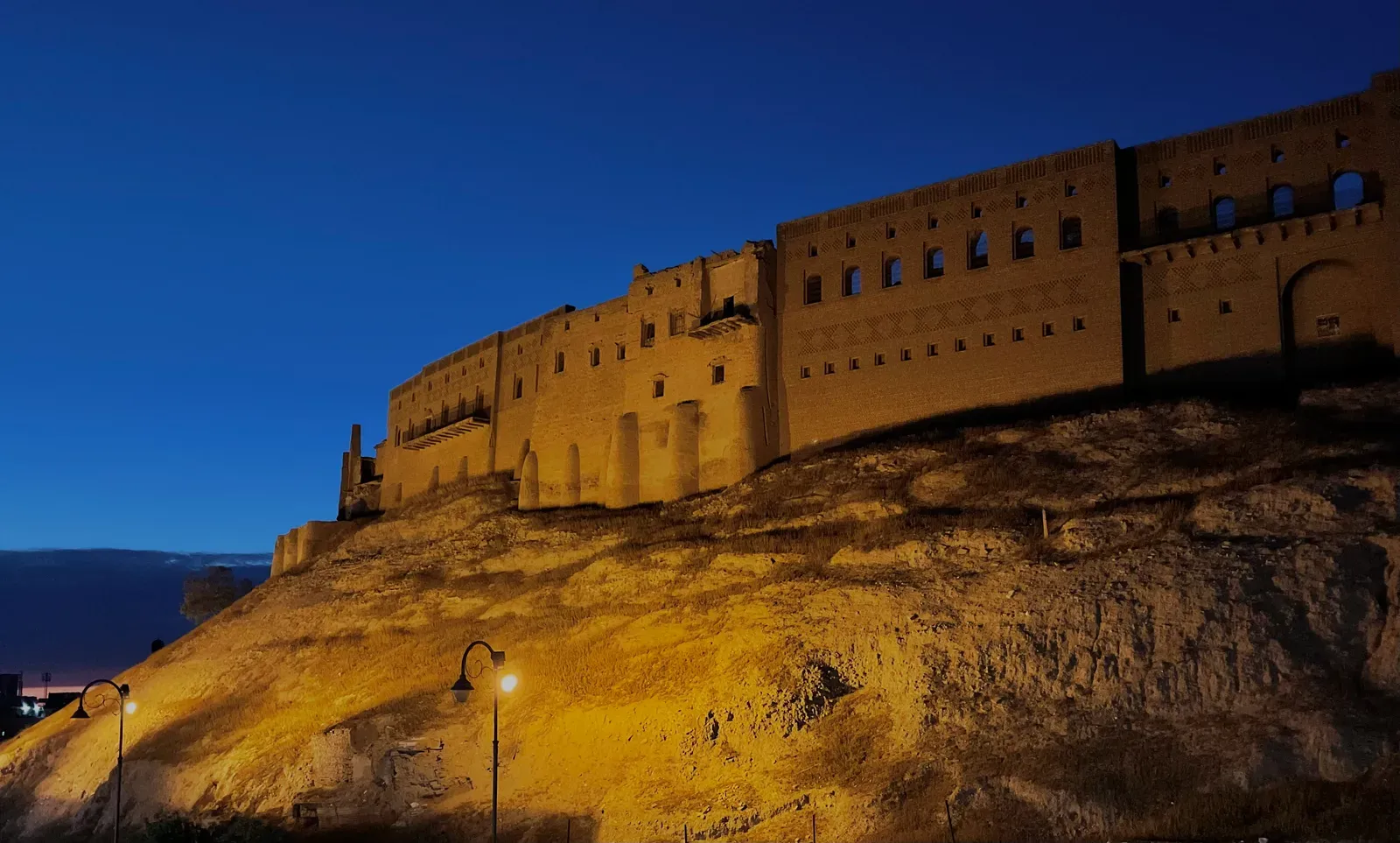
The Erbil Citadel in northern Iraq is a near-perfect example of how repeated occupation builds not just history but literally the ground under your feet. The citadel sits atop a massive artificial mound created by thousands of years of building, abandonment, and rebuilding on the same spot. Each time houses decayed or were destroyed, new ones rose on top, slowly elevating the settlement above the surrounding plain.
Erbil’s strategic position at a crossroads between Mesopotamia, Anatolia, and the Iranian plateau meant that different empires kept coming back: Assyrians, Persians, Arabs, Ottomans, and more recent powers all valued control of the citadel. Periods of neglect or partial depopulation alternated with phases of intense building, and even in quieter times the hill remained a defensive refuge. The result is a kind of vertical timeline of urban life, compressed into one compact fortified town.
In the twentieth and twenty-first centuries, conservation efforts led to the relocation of many residents from the citadel, briefly making it feel almost like a museum shell. But plans have also aimed to reintroduce controlled residential and cultural use, turning it back into a lived-in space. Erbil’s story shows that even when authorities technically “empty” a site for preservation, there is often pressure to bring life back and avoid turning a place of deep continuity into a dead monument.
- Successive occupations created an artificial mound tens of meters high.
- Strategic crossroads location made Erbil worth re-fortifying in many eras.
- Modern conservation is trying to balance heritage with renewed everyday life.
—
Conclusion – Why Some Places Never Quite Let Go of Us
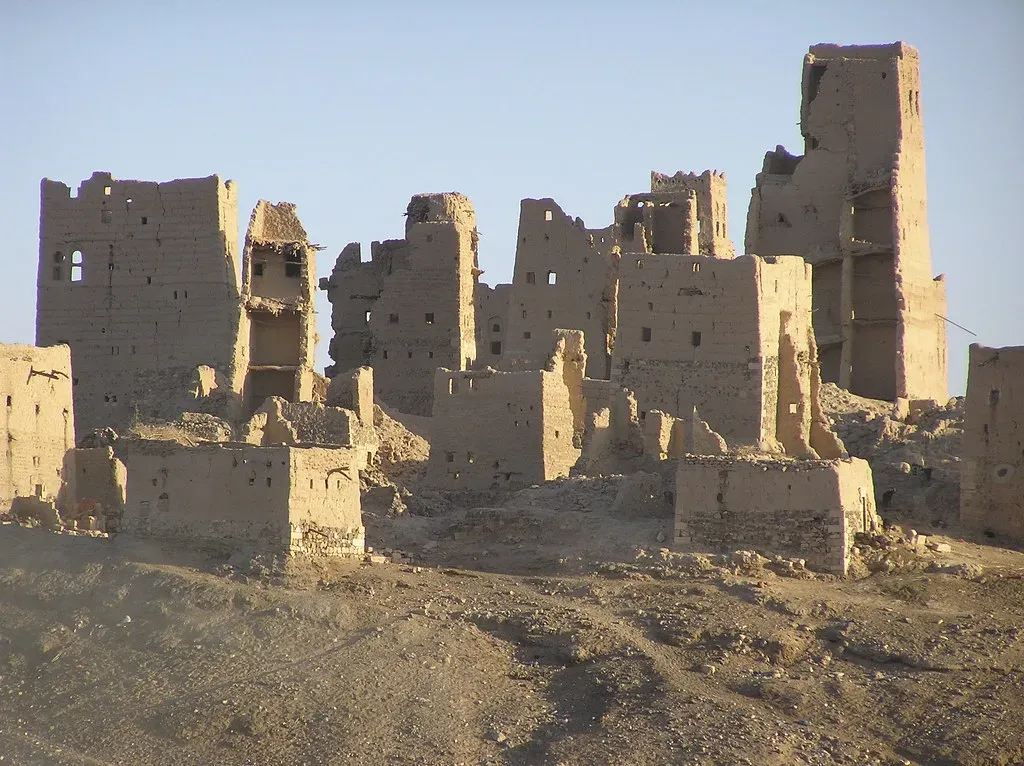
Looking across these thirteen sites, a pattern emerges: people rarely abandon good locations forever. Trade routes bend, rivers shift, empires fall, and yet fertile soil, safe harbors, defensible hills, and inherited sacredness keep pulling new waves of settlers back. Even when cities like Angkor or Petra lose their status as political capitals, the land itself – and the infrastructure buried in it – remains an invitation for reuse.
At the same time, “reoccupation” is not just about bodies and houses. It is also about memory and meaning. Rome’s ruins became holy sites, Aleppo’s markets symbols of resilience, and Pompeii a stage for global fascination. In my view, what keeps these places alive is a stubborn human refusal to treat catastrophe as a full stop. We improvise, we move back into broken spaces, we turn temples into barns, then into museums, then into something else again.
In an age of climate anxiety and political upheaval, there is something both sobering and strangely comforting in that. Cities can and do fail; whole districts can lie empty for generations. But the deeper story is one of return, reinvention, and stubborn attachment to certain patches of earth. When you next read a headline declaring some modern city “doomed,” it might be worth asking: doomed to vanish, or just doomed to start yet another long, complicated cycle of abandonment and rebirth?