Every biologist is taught that species are defined by specimens. You pin the insect, preserve the fish, or at least keep the fossil, and that becomes the physical “anchor” for the name. Yet tucked away in taxonomic corners is a stranger world: species that hang by a thread, known only from a single old illustration and a few lines of text, sometimes written centuries ago. These “paper ghosts” fascinate and frustrate scientists in equal measure. Are they real species? Misidentifications? Exaggerations? In some cases, the original material has been lost or destroyed; in others, it may never have existed at all. What we are left with is a drawing, a description, and a set of questions that might never be fully answered. Below are 12 striking examples across birds, algae, microscopic plankton and more, where almost everything we know comes down to one depiction and a bit of prose. They reveal just how fragile scientific knowledge can be – and how much detective work it takes to squeeze modern insights out of a centuries‑old sketchbook.
#1 Kiritimati Sandpiper: A Lost Shorebird on a Single Page
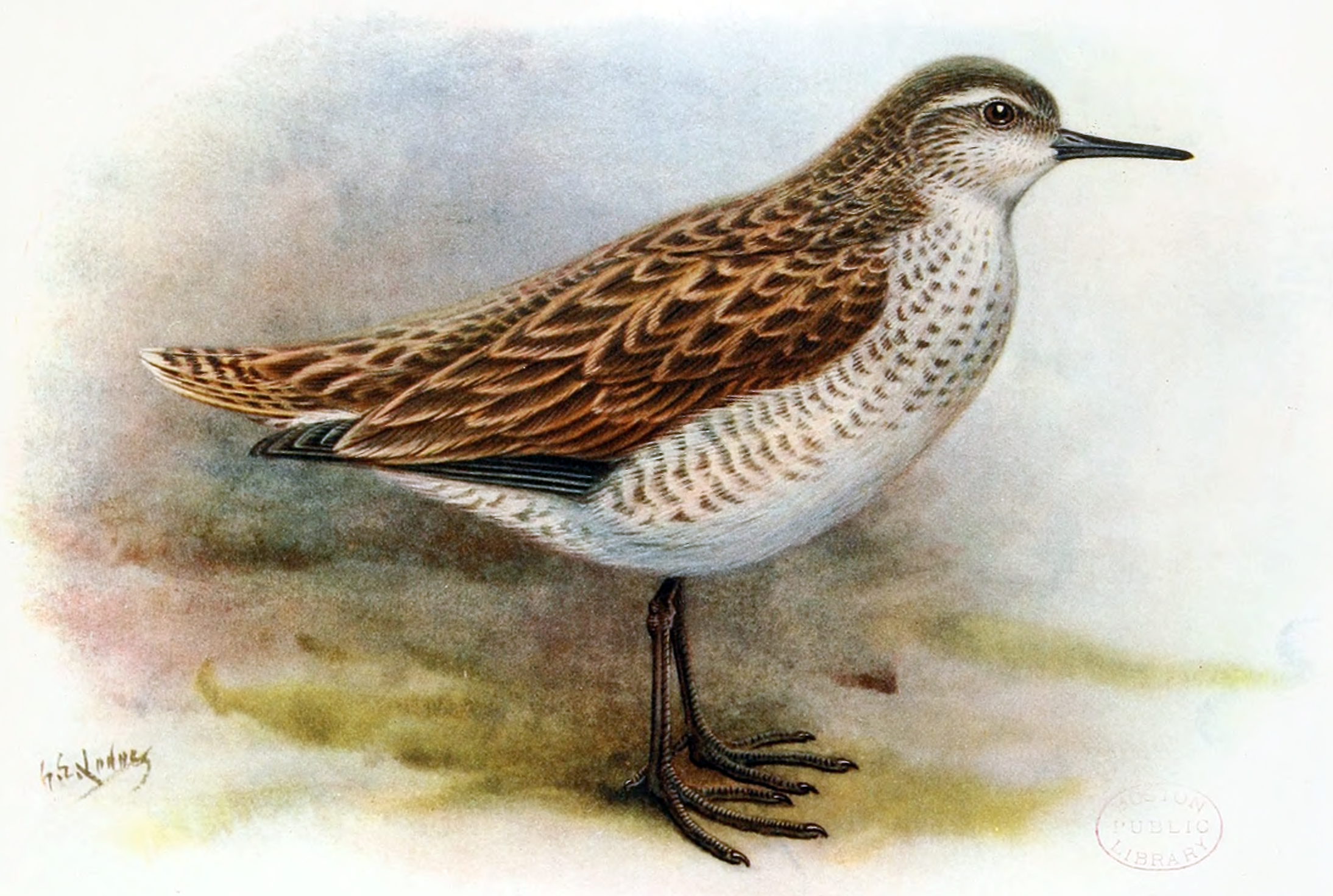
Imagine trying to reconstruct an entire bird species from one eighteenth‑century painting and a short note in a ship’s log. That is essentially the situation with the Kiritimati Sandpiper, a Polynesian shorebird that once lived on Christmas Island (Kiritimati) in the central Pacific. No skins, no bones, no preserved eggs exist; everything rests on one field illustration made during a Pacific voyage and a description written by the expedition surgeon. Modern ornithologists had to track down and reassess both just to understand what this bird probably looked like and how it lived.
The drawing shows a small sandpiper with a distinctive barred pattern on its body and details of the bill and legs that do not quite match any modern species. The written description adds clues about size and coloration, but it is still minimal by today’s standards. For decades, some experts even doubted whether this was a unique species, suggesting it might simply depict a known migrant mis‑rendered by the artist. Later re‑evaluation has leaned in the opposite direction, arguing that the combination of characters is unique among Polynesian shorebirds and supports recognition as a distinct, now‑extinct species.
From that single combination of text and image, researchers have tried to infer ecology. A small, island‑endemic sandpiper was almost certainly ground‑nesting, tied to beaches, flats, or low coastal vegetation, and terribly vulnerable to introduced predators and habitat disturbance. What likely finished it off was not some dramatic event but the slow arrival of rats, cats and human activity, erasing a bird that had probably persisted on that speck of land for thousands of years. It is a sobering example of how an entire evolutionary lineage can end up compressed into one sheet of paper in a museum.
- All knowledge based on one historic illustration plus a short description.
- Debate over whether it was unique or a misidentified migrant.
- Now generally treated as an extinct island sandpiper, lost before science could study it properly.
#2 Discoturbella moori: A Microscopic Mystery from the Oligocene Seas
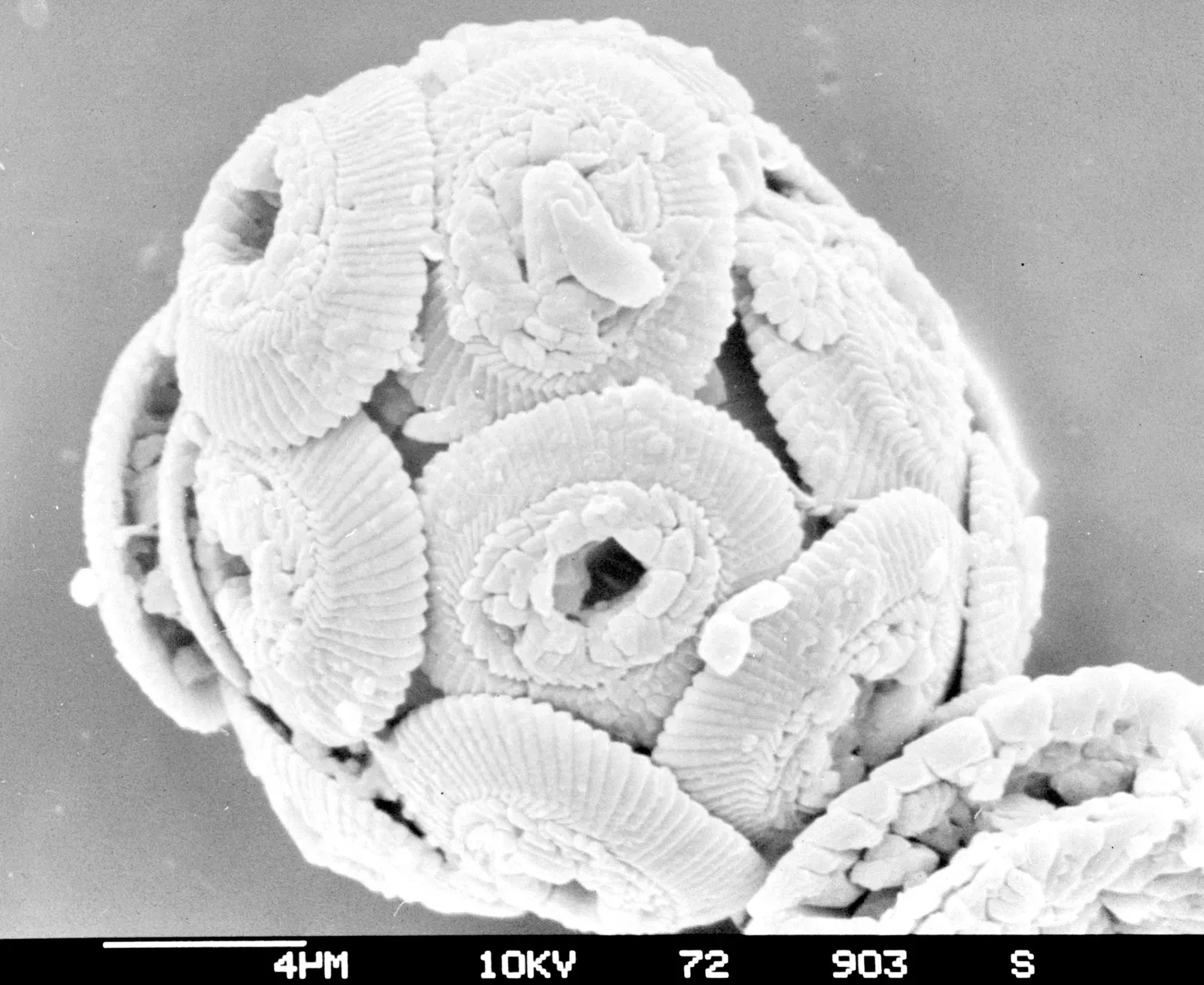
At the opposite end of the size spectrum lies Discoturbella moori, a fossil marine plankton species that is almost comically under‑documented: it is known only from a single published illustration and a brief original description. This tiny organism belongs to the calcareous nannoplankton, minute algae that build ornate calcium carbonate skeletons a few micrometers across. These structures rain down to the seafloor, eventually forming chalk and limestone – and, for paleontologists, a treasure trove of microfossils.
When D. moori was described decades ago, the author provided a simple figure and a sketchy account of its shape. No extensive series of specimens, no scanning electron microscopy, no modern imaging. Later specialists revisiting the type illustration noticed that it bore a suspicious resemblance to another genus, Solisphaera, and have openly suggested that D. moori may just be an odd representative of that group rather than a well‑defined genus of its own. But because no one has confidently relocated material that matches the original drawing, the question remains unresolved.
For working nannofossil experts, this creates a dilemma. Do you keep using the name, even though it is poorly characterized and probably redundant? Or do you quietly ignore it in favor of better-described taxa? Many end up in a middle ground: they record the name historically, but in practice treat it as dubious until a convincing match to the old illustration can be found in new material. In a discipline that often deals in vast sample sizes – thousands of tiny fossils per slide – building a taxon on just one sketch feels almost like trying to reconstruct a language from a single overheard sentence.
- Only a single illustration and sparse description exist.
- Modern workers suspect it may belong in another genus.
- Serves as a cautionary tale about naming species on very limited material.
#3 A Jamaican Mystery: “Albin’s Macaw” Known Only from a Painting
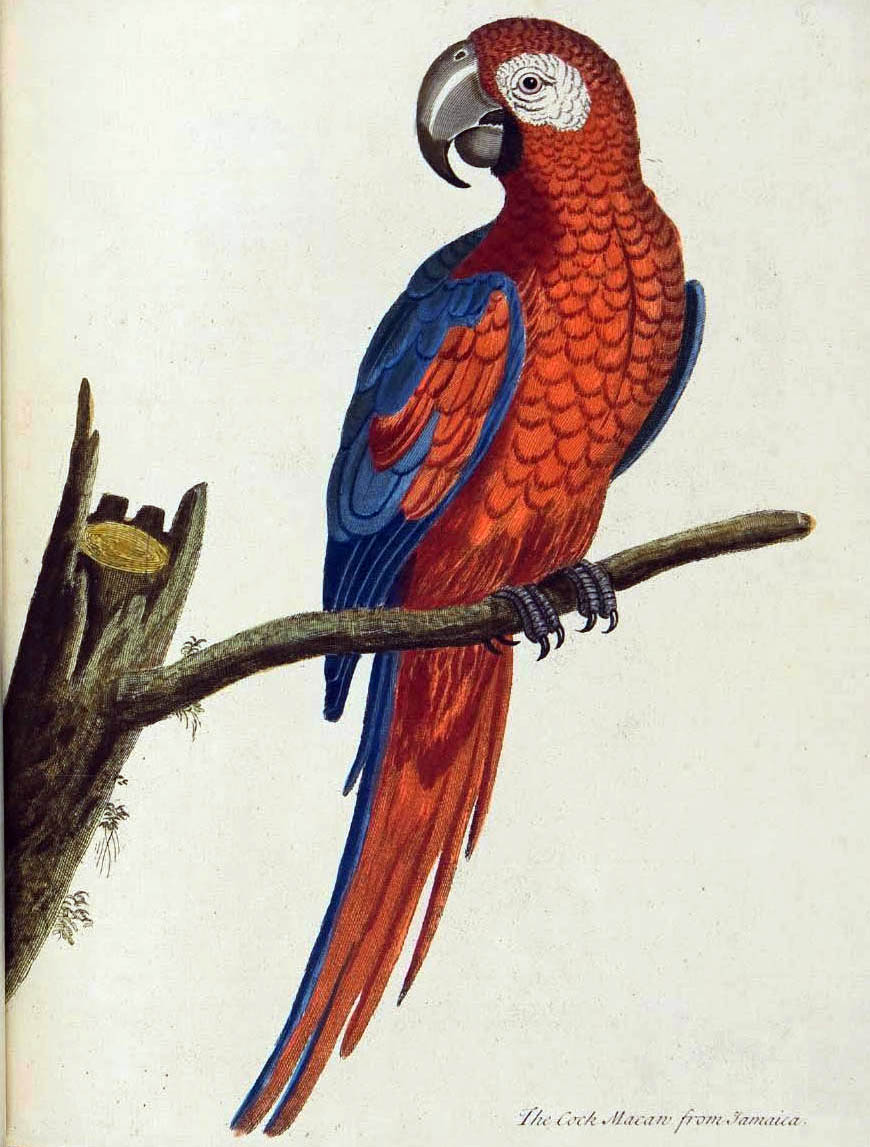
Parrots of the Caribbean sound like something out of a movie, but for several macaws of the West Indies, the script is heartbreakingly thin. One of the most intriguing is a red‑and‑blue macaw said to have come from Jamaica, depicted by the eighteenth‑century artist Eleazar Albin. No specimen, no bones, no additional accounts have ever been conclusively tied to this bird. The entire species hypothesis stands or falls on that single illustration, which shows a striking parrot with color patterns that do not cleanly match any living macaw.
That painting has fueled endless debate. Some ornithologists argue it represents a now‑extinct endemic macaw, one of several island forms that disappeared after European colonization due to hunting, habitat loss, and the pet trade. Others suspect it might be a captive individual of a South American species, misattributed to Jamaica in the way that many exotic animals were casually labeled in early natural history. Because the painting cannot show crucial details like bare skin pattern, vocalizations, or behavior, it is almost impossible to test these competing ideas.
What makes this case especially haunting is the broader context: multiple Caribbean islands are known to have lost unique macaws and parrots, some of them documented by bones in caves or middens, others by travelogues and art alone. Albin’s macaw slots neatly into that pattern, but remains stuck in limbo – tantalizing, plausible, and yet scientifically shaky. It is a portrait of a bird that might have existed, might have been common in its forests, and might have vanished without a single preserved feather left behind. All we have is pigment on paper, and a story we can no longer verify.
#4 A Jamaican “Blue Macaw” from a Lone Illustration
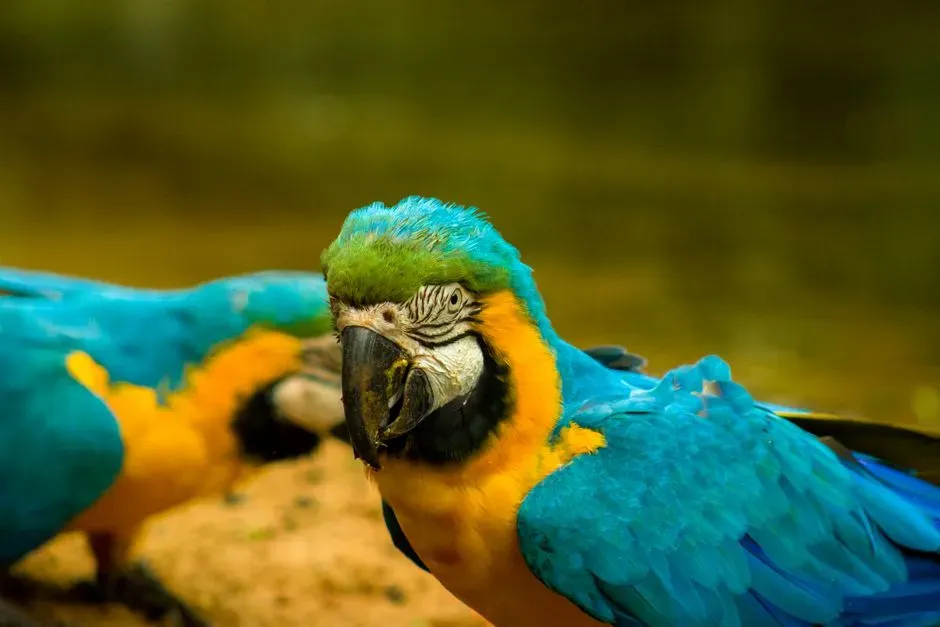
As if one phantom Jamaican macaw were not enough, there is also an enigmatic blue macaw, sometimes referred to by later authors with tentative Latin names, that is known solely from a single early illustration. The painting shows a predominantly blue parrot with touches of yellow and red, and has been circulated among ornithologists and enthusiasts as evidence of yet another lost island species. However, the original context of the artwork is murky: the early sources are vague about where the bird was collected, who kept it, and how it was observed.
In practice, that means researchers are left to dissect tiny details in the illustration. Is the shape of the head more like a known mainland Lear’s macaw or Spix’s macaw, suggesting the bird might simply have been imported from South America? Do the tail proportions, wing coverts, or subtle color fields hint at a unique regional form that evolved in isolation on Jamaica or another West Indian island? With no specimen to compare directly, every interpretation remains speculative. Some authors group this painting with a cluster of “mystery macaws” that might represent extinct forms; others treat it as artistic noise.
From a conservation point of view, these Jamaican macaw enigmas highlight a painful truth: island parrots were heavily traded, eaten, and kept as pets long before anyone kept proper records. An entire macaw lineage could have been extinguished with hardly a written trace. The fact that we are arguing in the twenty‑first century about whether a single blue bird in a painting was a real species or not feels almost absurd – and yet it’s a reminder of how incomplete the historical record is, even for colorful, conspicuous animals humans interacted with daily.
- Only one illustration exists, with poor historical context.
- Debate continues over whether it depicts an endemic island species or an imported mainland bird.
- Symbolic of how quickly large, charismatic island parrots were erased with little documentation.
#5 A Handful of Gastropods Known from One Image and a Brief Note
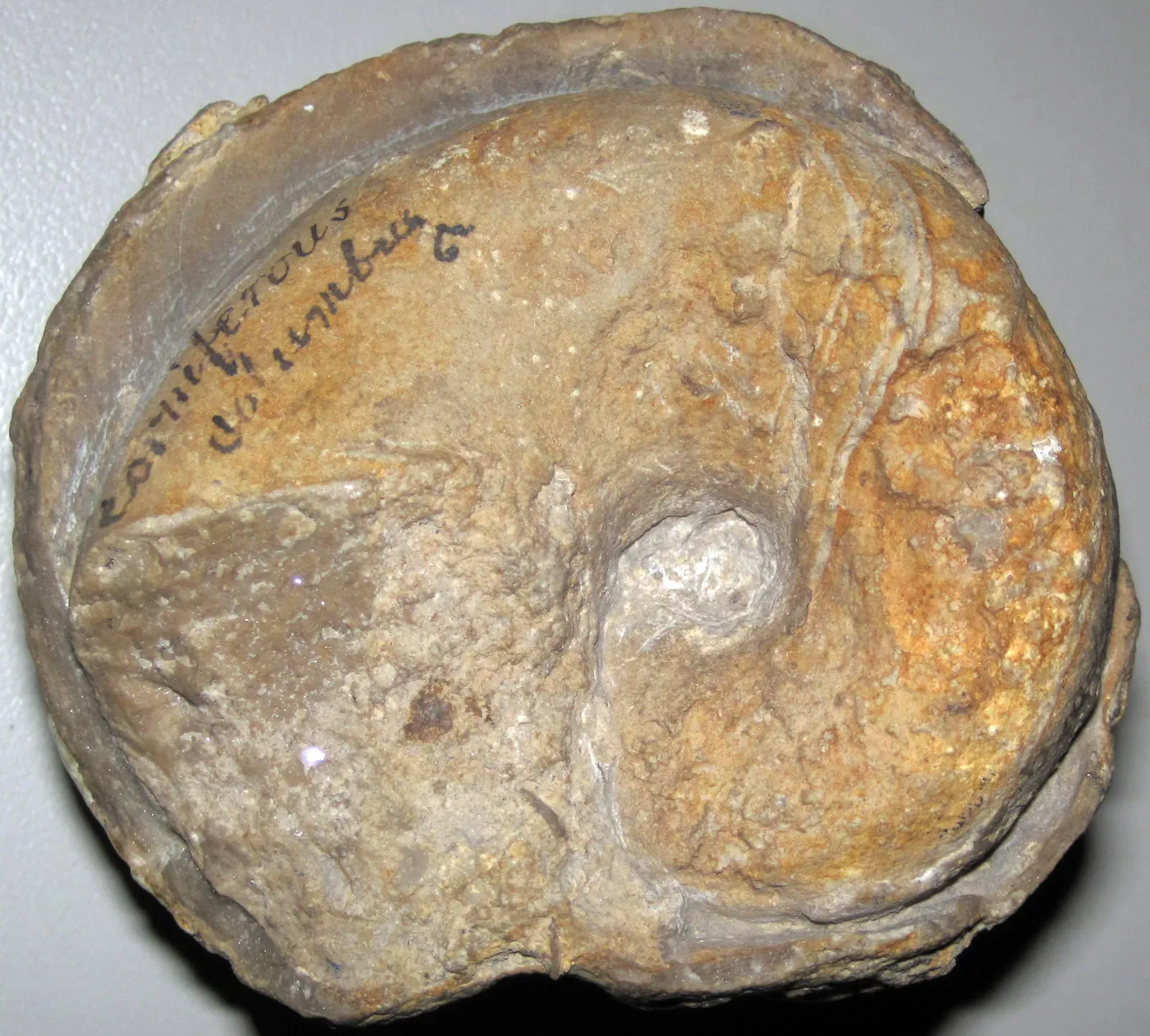
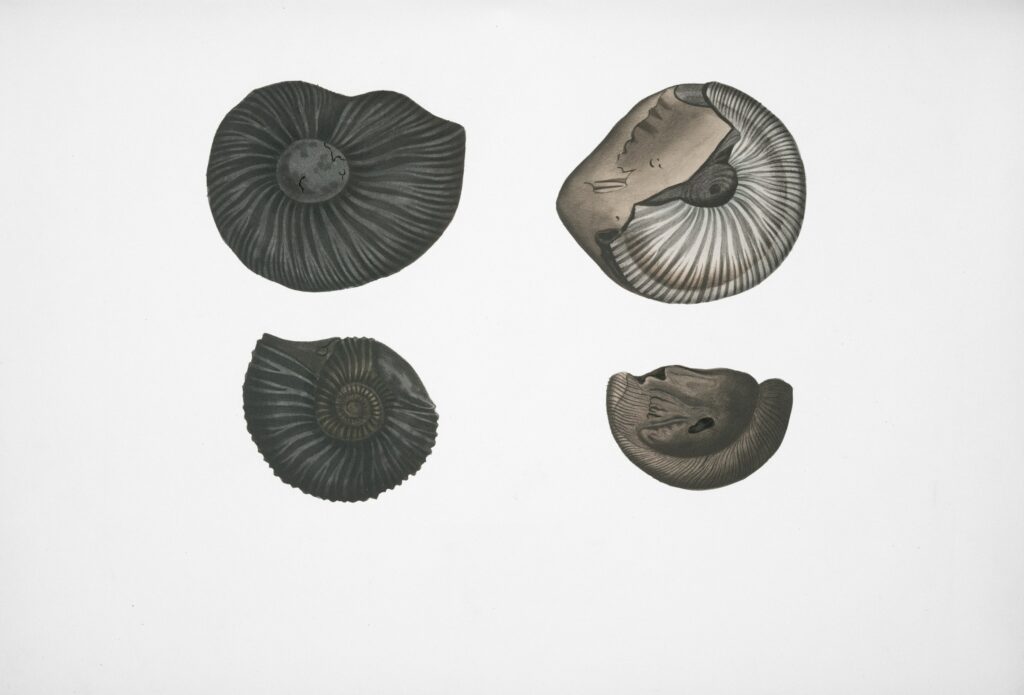
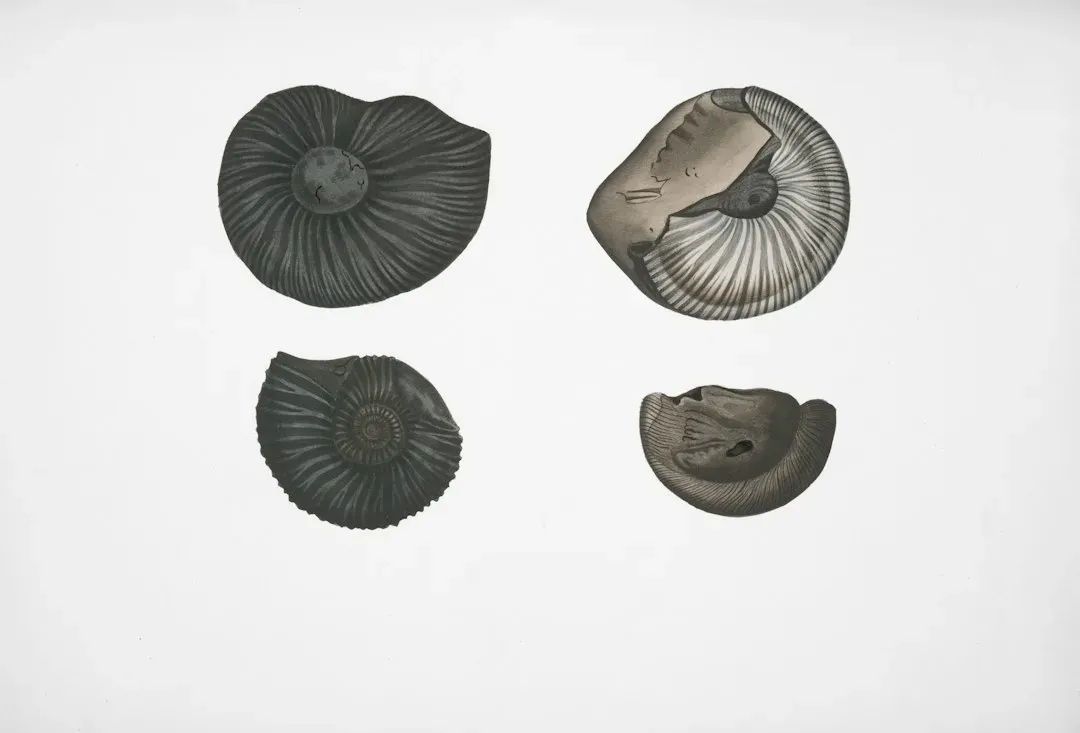
Mollusks might seem more solidly grounded than paintings of parrots, because shells preserve so well in the fossil record. Yet even here, there are species whose reality is frustratingly fuzzy because they were described on a single specimen that is now represented to us only by an old drawing. In some classic paleontological works on Paleozoic gastropods, for example, certain species were introduced with one figure and a tightly compressed diagnosis, usually based on a lone fossil that was never re‑illustrated or broadly compared.
In at least one case, later researchers examining the same beds have failed to relocate additional, clearly matching shells. The original is often lost or poorly preserved, leaving the historical illustration as the de facto “type” in practice. But nineteenth‑century engravings and line drawings rarely captured fine details like microscopic ornament or subtle curvature that modern systematics relies on. The result is an uneasy category: names that are technically available under zoological codes, but so poorly known that most workers consider them doubtful or unidentifiable.
This creates an odd split reality. On paper, the species has a name, a diagnosis, and a place in the literature. In practical taxonomy and biodiversity studies, it is often ignored, because no one can confidently match new material to that sparse original record. Some specialists advocate formally declaring such species “nomen dubium” – a name of doubtful application – to clean up the literature. Others are more conservative, hoping that future finds or better interpretation of the old illustration might yet rescue the taxon from oblivion. Until then, these gastropods remain shadows traced in ink.
#6 A Bryozoan Larva Known from One Drawing in a Classic Study
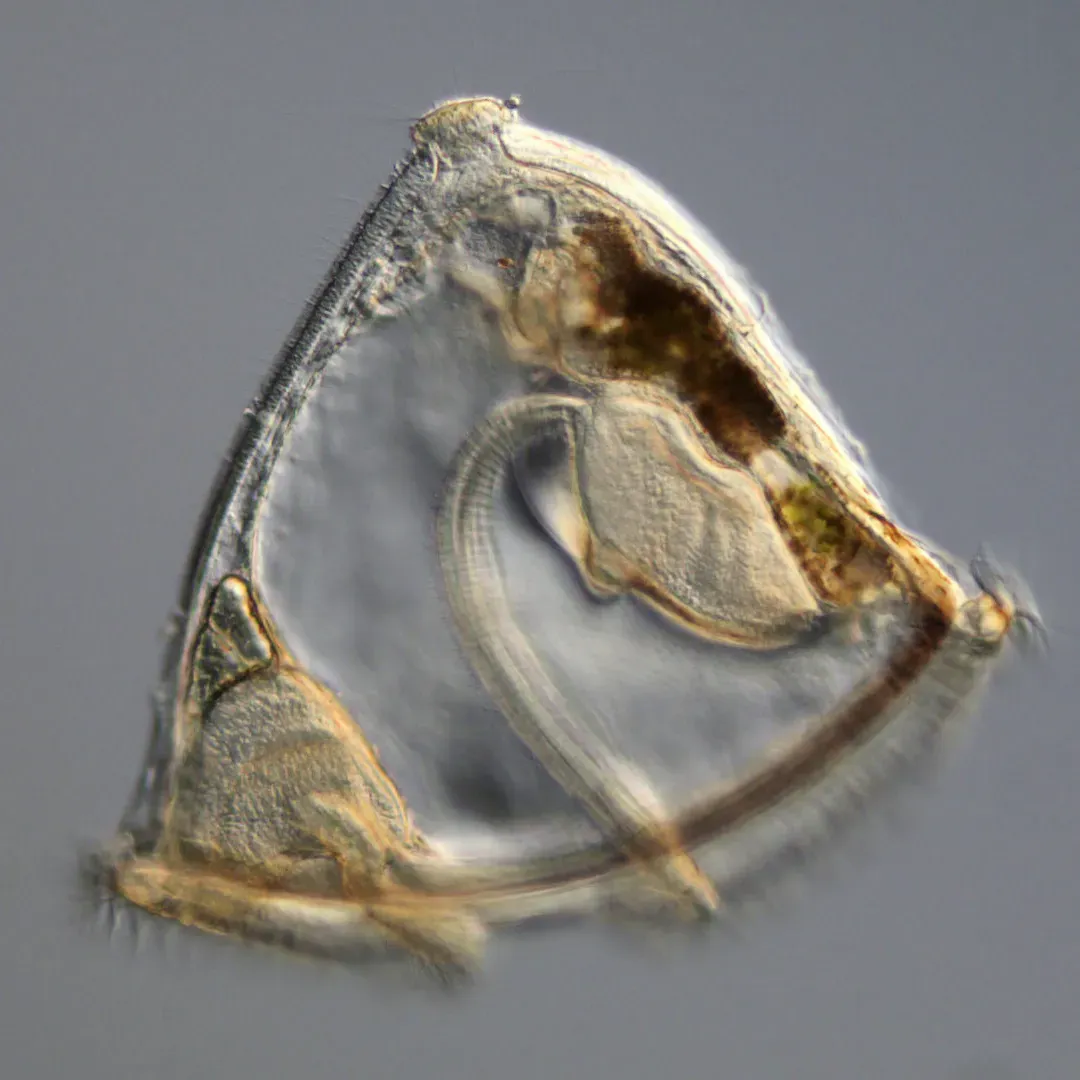
Sometimes it is not an entire species, but a life stage that survives as a single image. In the study of bryozoans – colonial animals often compared to miniature coral‑like structures – larval forms are crucial for understanding development, dispersal, and evolutionary relationships. Yet in at least one widely cited case, a distinct larval morph was documented in the nineteenth or early twentieth century with a single illustration and short description, and has never been clearly seen again in subsequent work.
The original figure shows a tiny, somewhat pear‑shaped larva with cilia arranged in particular bands and tentacle buds that differ from more commonly studied bryozoan larvae. The accompanying description emphasizes a few unusual features, but stops short of linking the larva firmly to an adult species or genus. Later textbooks and reviews sometimes reproduce or reference this drawing as an oddball example, yet field and lab work on living bryozoans rarely report a perfect match. It is possible that the original observer misinterpreted developmental stages, or that the species in question is rare or geographically restricted.
This is more than a curiosity, because larval characters feed into phylogenetic hypotheses about major animal groups. If a single, poorly documented larva is used to support a particular evolutionary scenario, the entire argument may be standing on shaky ground. Modern developmental biologists often wish they could go back in time, sample the same population, and re‑document the larvae with video and confocal microscopy. Instead, they are stuck with a single line drawing and a few sentences, and must decide how much weight to give that one ghost data point.
- Only one historical drawing and brief text document the larval type.
- Subsequent researchers rarely, if ever, find an exact match.
- Yet the illustration continues to appear in discussions of bryozoan development and phylogeny.
#7 An Enigmatic Red Alga Pinned to One Early Illustration
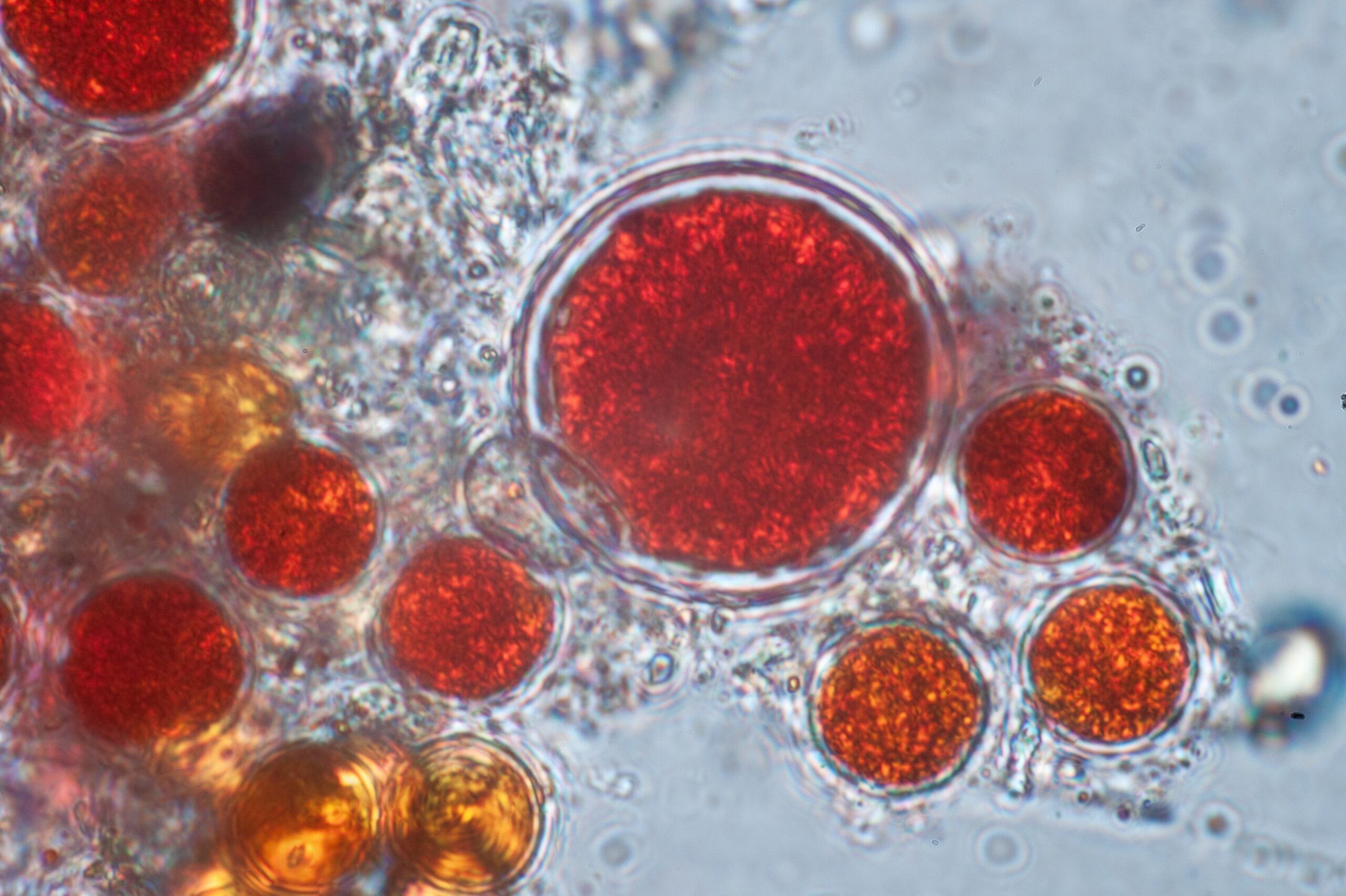
Taxonomy of marine algae has its own share of ghosts in the machine. In the early nineteenth century, many seaweed species were erected based on herbarium material and sometimes on illustrations that accompanied floras and monographs. For one red alga later re‑interpreted by phycologists, the original name appears to rest on a single figure and a compact description, without clear documentation of exactly which specimen was drawn. Later authors have had to reverse‑engineer the intent of the original botanist by matching that illustration to surviving herbarium sheets.
The drawing depicts a delicate, branching alga with flattened segments, a bit like a miniature, lacy fern but in deep red. The written description mentions texture and general form, but – as was common at the time – says nothing about microscopic features like reproductive structures or cell patterning that modern taxonomists consider essential. A mid‑twentieth‑century phycologist attempted to clean up the situation by designating a holotype specimen that most closely resembled the figure, but later workers pointed out that this was ultimately an educated guess, because we cannot be entirely sure which material the original author had in hand when overseeing the illustration.
From a practical standpoint, this has two consequences. First, identification of living material to that old name becomes a balancing act between macro‑appearance (which the figure captures) and micro‑characters (which it does not). Second, any evolutionary or biogeographic conclusions drawn about the species carry a subtle but real taxonomic uncertainty. When the anchor of a name is essentially an anonymous nineteenth‑century drawing, every downstream inference – from ecological niche to conservation status – has to be made with a bit more humility.
#8 A Trilobite Character Omitted from a Single Key Illustration
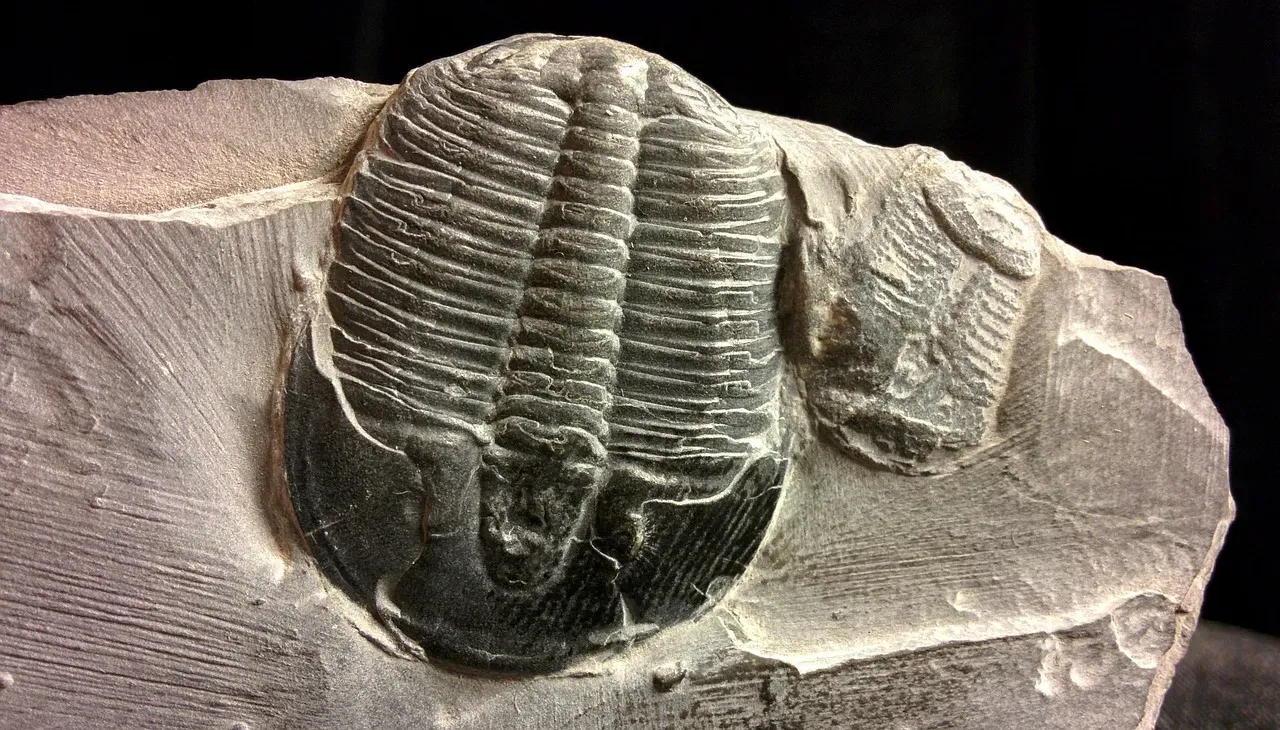
Trilobites, the iconic armored arthropods of Paleozoic seas, are usually known from abundant fossils and detailed monographs. But even here, individual species descriptions sometimes rely heavily on a single illustration that later turns out to have missed important details. In one study of Cambrian trilobites, for example, a species was originally differentiated from its close relatives partly based on the shape and texture of its glabella (the central “head” lobe) as shown in a lone figure. Subsequent re‑examination of additional specimens revealed fine pitting and other surface features that the original drawing never showed.
That might sound like a minor artistic oversight, but it affects how we interpret variation. If the only published illustration of the type is smooth, and later fossils of the same general form show a pitted ornament, are we dealing with two different species or just different preservation and drawing styles? The text of the original description does not mention the pitting at all, suggesting the author either did not see it or did not consider it important. Later workers therefore have to walk a tightrope between respecting historical priority and updating the concept of the species to incorporate new, better‑preserved material.
What makes this situation resonate with our theme is the disproportionate influence one image can have. Text in nineteenth‑century paleontology can be elliptical and hard to parse, so the plate illustrations effectively became the public face of the species. If that face is incomplete, every subsequent comparison is subtly skewed. Modern trilobite researchers now use advanced imaging to capture more reliable morphological data, but the historical record remains dotted with taxa whose identity is still shaped, for better or worse, by a single, imperfect picture.
- The original illustration omitted important surface details.
- Later specimens show features not mentioned in the early description.
- Researchers must reconcile one “clean” drawing with messier, real-world variation.
#9 A Marine Invertebrate Larva Locked in a One‑Figure Time Capsule
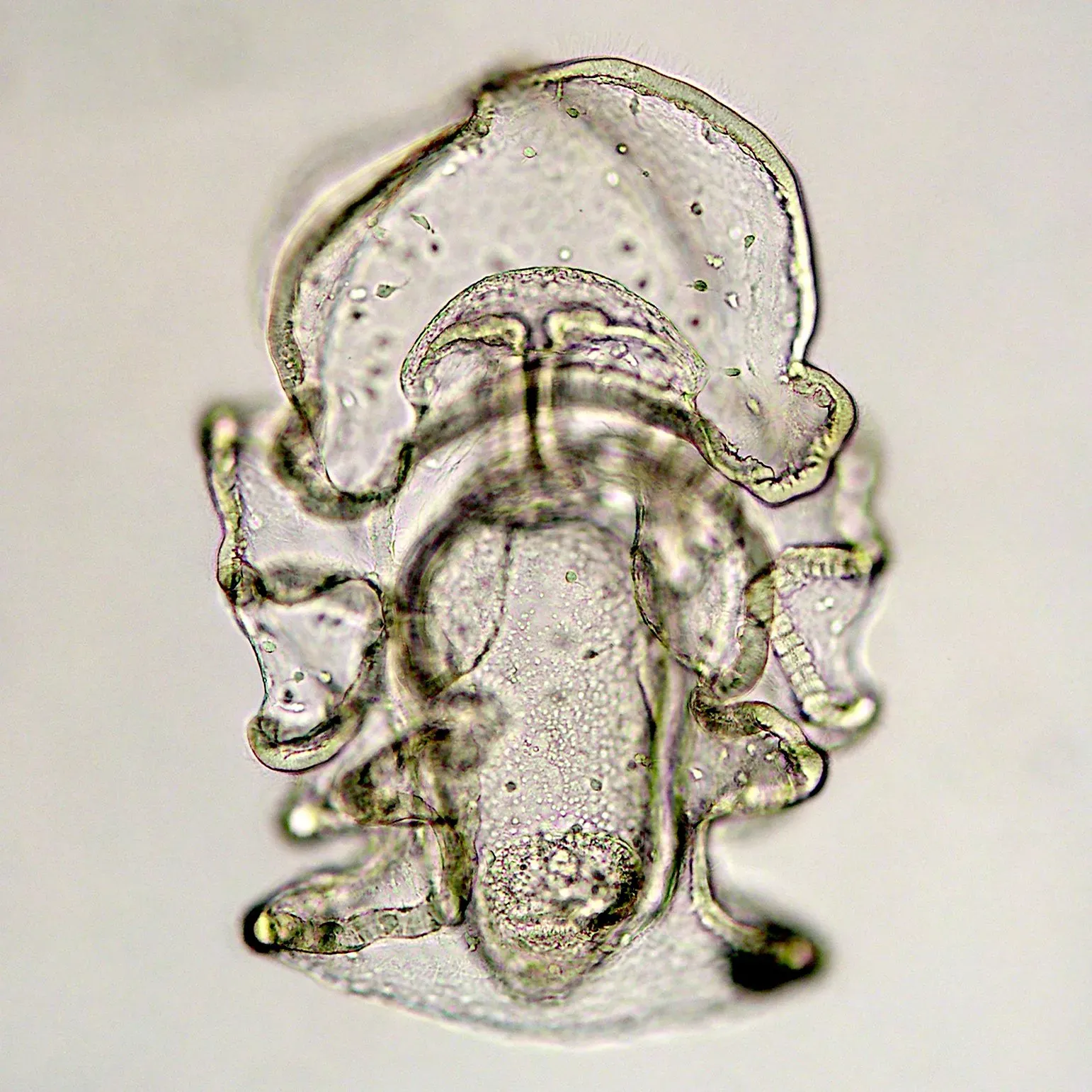
Beyond bryozoans, marine invertebrate biology is peppered with larval forms that appeared once in the literature and then apparently vanished. In some classic works on plankton, an unusual larva – perhaps of an echinoderm or soft‑bodied worm – would be drawn in exquisite detail and given a provisional label. The accompanying description might be a page or two of observations, but crucially, no link to an adult stage was ever established. In later decades, oceanographers and developmental biologists have sometimes pored over these plates trying to match the mystery larvae to modern taxa.
One such larva is known today almost entirely from its depiction: an elongated form with complex ciliary bands and distinctive appendages, preserved in a single historical illustration. The text notes unusual behavior and internal structures seen under the microscopes of the day, but provides no preserved specimen in a modern collection, no DNA, and no clear geographic series. It is quite possible that the larva belongs to a common species whose early stages were simply misinterpreted or over‑interpreted by the original author. Alternatively, it might represent a genuinely rare developmental strategy seen in a little‑studied lineage.
For modern science, this is both tantalizing and frustrating. On the one hand, these lone images hint that the ocean’s developmental diversity is broader than standard textbook examples suggest. On the other, they are almost impossible to follow up experimentally. You cannot re‑sequence a watercolor. Some researchers therefore treat such larvae as historical curiosities, while others keep them in the back of their mind as they scan new plankton samples, hoping one day to recognize that odd ciliary pattern again in living material.
#10 A Fossil “Tooth Species” Based on a Single Figure
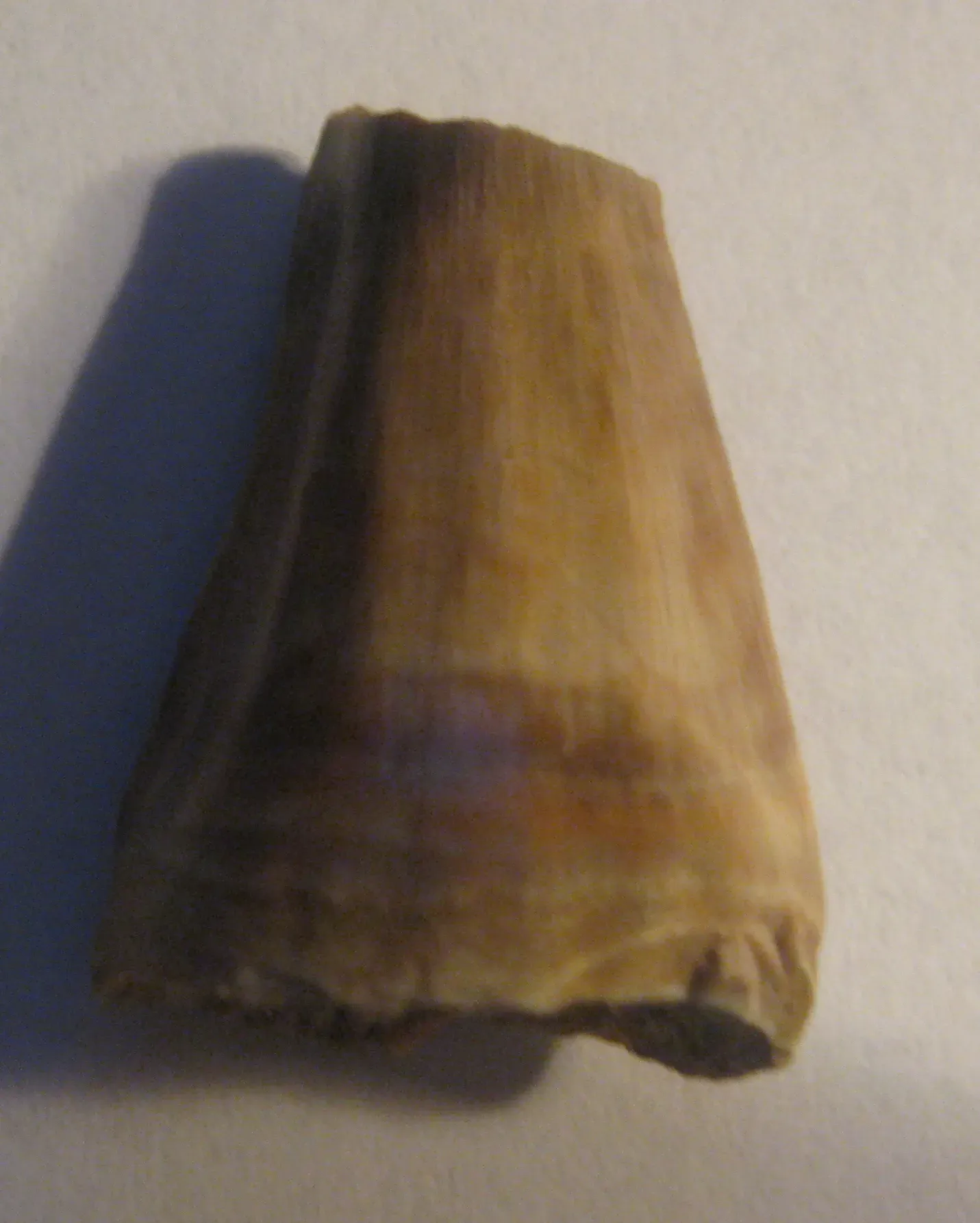
Dinosaur history is full of taxonomic names coined on frightfully thin evidence, and teeth are some of the main culprits. In early work on large carnivorous dinosaurs, authors sometimes named species based on a single tooth or jaw fragment and an accompanying illustration. Later analyses have shown that at least one such name, originally based on a tooth depicted in just one figure and not rigorously described, is essentially unworkable: the original material is lost, the drawing is not detailed enough, and the same general tooth form occurs in multiple related theropods.
Paleontologists looking back at these “tooth species” point out how easily teeth can vary within a single mouth, between individuals, and along the jaw. When your entire concept of a species is tied to a single illustrated tooth, it becomes almost impossible to know whether new fossils really belong to that same taxon or not. In one notable case, a later researcher explicitly labeled the old name as dubious, emphasizing that relying on a solitary illustration without a solid supporting description is not sufficient for stable taxonomy.
This has broader implications for how we handle fragmentary fossil records. In some formations, isolated teeth are all you ever find, so the temptation is strong to name species anyway in order to talk about diversity. The cautionary examples where names based on a single tooth and figure later had to be abandoned show the downside: you end up with a cluttered nomenclature that obscures rather than clarifies evolutionary patterns. Modern dinosaur workers are generally more conservative, preferring to leave many such remains unnamed or assign them to broader groups unless the evidence is stronger.
- Some dinosaur species names were founded on a single tooth illustration.
- Later authors often consider these names dubious or unidentifiable.
- Highlights the danger of over‑interpreting very limited fossils.
#11 An Ichthyosaur Skeleton Lost in War, Surviving Only as a Drawing
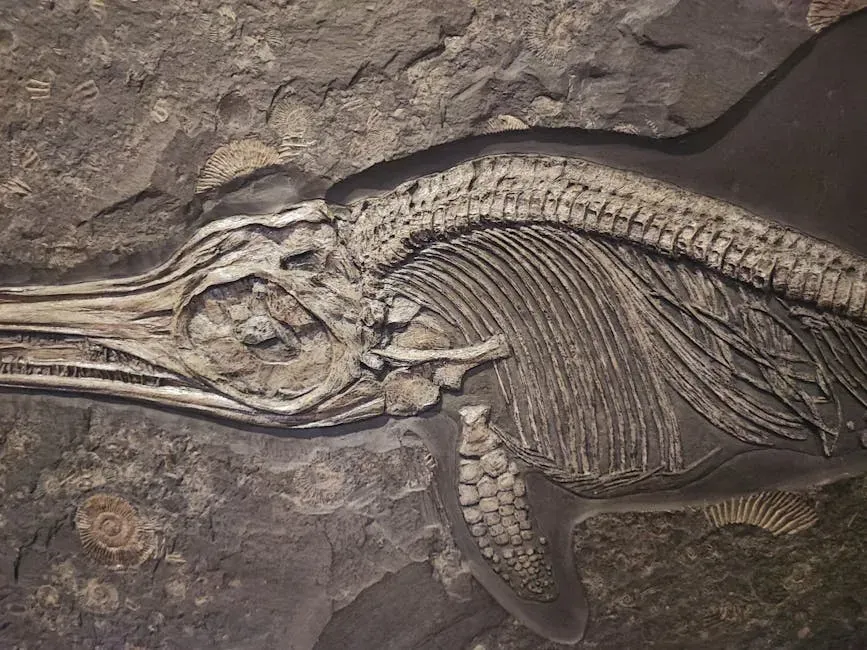
Marine reptile history has its own heartbreaking “one illustration” story. In the early nineteenth century, a remarkably complete ichthyosaur skeleton – among the best known at the time – was described and figured under a now‑obsolete genus name. The specimen lived out its quiet afterlife in a college collection until the Second World War, when a bombing raid destroyed the building and with it the fossil. Today, all that remains of this once‑famous skeleton is a single detailed drawing made by an anatomical artist of the period.
Modern paleontologists have gone back to that illustration, comparing proportions and bone shapes to better‑preserved, newly collected ichthyosaurs. They have been able to confirm that the old fossil belonged in the genus Ichthyosaurus rather than its original, outdated genus, but the picture simply does not contain enough fine anatomical detail to assign it confidently to one of the now‑recognized species in that group. Important diagnostic features are either obscured, rendered schematically, or absent due to the limits of the artist’s perspective and technique.
This ichthyosaur is therefore stuck in an odd limbo. It clearly represented a real individual; it genuinely improved scientific understanding at the time; and yet, for modern taxonomic purposes, it is effectively orphaned. We cannot examine it directly, we cannot CT‑scan it, we cannot compare its microanatomy. All we can do is peer at the old drawing and accept that sometimes, even with seemingly excellent historical documentation, a species‑level identity can be lost to history by a single act of destruction.
#12 A Near‑Invisible Marine Snail Described from a Single, Slightly Worn Shell
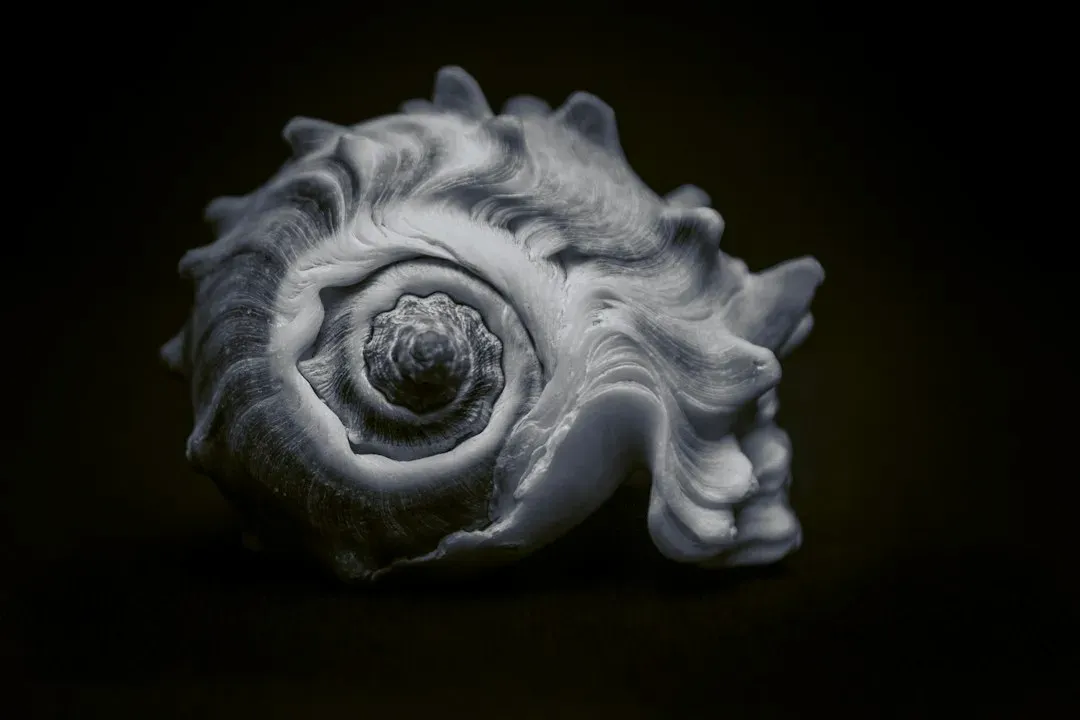
Tiny marine snails often live in remote or harsh environments and are collected only rarely. In one case involving a minute species from subantarctic islands, the entire concept of the taxon rests on one slightly worn shell, described in text and depicted once in a line drawing. Subsequent collecting has not yielded a clear match, and the holotype remains the only specimen on record. The original description provides basic measurements and notes about the shell’s spindle‑like form and the angle of the spire, but does not dive into internal anatomy or molecular data, which were unavailable at the time.
Later malacologists revisiting the group have leaned heavily on that lone illustration and a few numerical values to compare the species against similar snails from nearby regions. The picture suggests subtle differences in spire angle and whorl inflation, while the description mentions a particular relationship between shell size and the number of whorls. These may be genuine distinguishing features, or they may fall within normal variation of a more widespread species. Because no one has yet found additional specimens to test those ideas, the question hangs in the air.
This kind of taxon sits at the uncomfortable frontier between data and desire. On one side, we want to document biodiversity as finely as possible, recognizing unique lineages even when they are rare or geographically restricted. On the other, we know that building species on a single, worn shell and one drawing risks over‑splitting nature into a flurry of names that cannot be checked. Until someone dredges up or photographs living snails that clearly match that old figure, this little subantarctic gastropod will remain a one‑shell wonder, more of a taxonomic hypothesis than a fully grounded species concept.
- Only one slightly worn shell was ever documented.
- The shell was illustrated once and briefly described.
- Without new material, its status as a distinct species will remain uncertain.
Conclusion: Paper Ghosts, Real Consequences
Spending time with these twelve examples, you start to see a pattern. Whether it is a Polynesian sandpiper, a Jamaican macaw, a microscopic fossil alga or a subantarctic snail, the story is the same: a species name anchored almost entirely to a single illustration and a handful of sentences. As a biologist, I find that both thrilling and unnerving. Thrilling, because it shows how much detective work and imagination early naturalists invested in their subjects; unnerving, because so much of what we think we know hangs on fragile, sometimes ambiguous evidence.
My own bias leans toward caution. I think many of these “one‑illustration species” should be treated more as hypotheses than as hard facts – ideas about biodiversity that may or may not survive deeper scrutiny. At the same time, I cannot help feeling a bit protective of them. Each name is a small historical signal that something once existed in a particular place and time, even if we no longer have the body to prove it. Erasing those names too quickly risks smoothing over just how incomplete and messy the record of life really is.
In a way, these paper ghosts are reminders that science is not a neat catalogue but an evolving story told by imperfect observers with limited tools. Today we have DNA barcoding, CT scanning and global databases, yet we still face similar dilemmas whenever a new species is described from scant evidence. Do we wait for more data, or risk naming something ephemeral? The answer, as these cases show, is rarely simple. But maybe that lingering uncertainty is useful: it keeps us honest about the limits of our knowledge and pushes us to keep looking. If you flipped through an old natural history book tomorrow and found a strange animal illustrated only once, how confident would you be that it really earned a place on the tree of life?