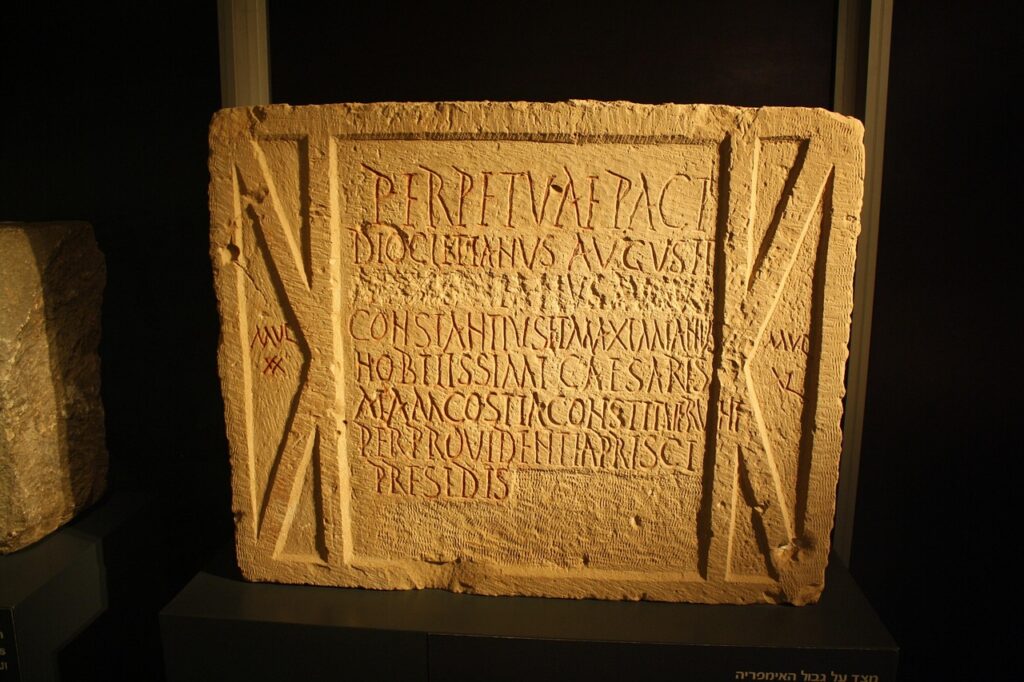

Picture holding a stone that’s a thousand years old, and it already has your country’s name carved into it – except your country wasn’t founded for another eight centuries. Sounds like a hoax, or a time-travel meme with too many upvotes. But historians run into this exact problem more often than you’d think, buried in Roman milestones, medieval charters, and church walls from Kyiv to the Levant.
Most of these cases aren’t magic, and they’re not fraud either. They’re something stranger: a tangle of translation shortcuts, political spin, and outright sloppy math that makes a rock appear to know the future. Stick around, because by the time you hit #1, you’ll never read a museum plaque the same way again.
#13 – Medieval Charters That Mention “Germany” Before Germany
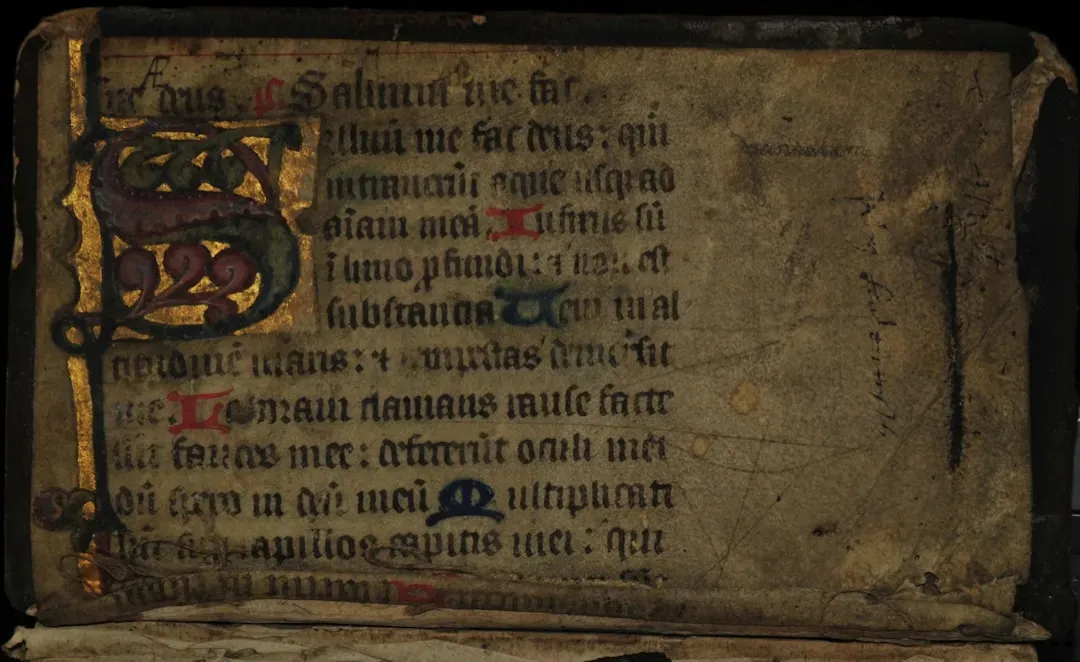
On the surface, it sounds like a paradox: how can an inscription talk about “Germany” centuries before Germany became a unified nation-state in 1871? Yet late-medieval and early-modern charters, seals, and church inscriptions do exactly that, using Latin phrases like “Germaniae” or “Regnum Teutonicum” long before there was any country by that modern definition.
To a casual reader, it looks like the stone is predicting the future; to a historian, it’s a reminder that names outlive political borders. What’s actually happening is retroactive naming. Scribes, especially in the Church, described broad cultural or linguistic zones – “lands of the Germans” – rather than legal states. Later translators and guidebook writers doubled down, flattening those zones into simply “Germany” on plaques and museum labels, so a 15th-century phrase meaning “the German-ruled lands” now reads like the nation we know today.
Fast Facts
- Germany unified as a single nation-state in 1871, centuries after the earliest “Germania” inscriptions.
- The Holy Roman Empire lasted from 962 to 1806 but was never officially called “Germany.”
- “Regnum Teutonicum” translates roughly to “kingdom of the Germans,” a cultural label rather than a political one.
- Modern plaques often collapse centuries of shifting terminology into one tidy, misleading word.
#12 – “Palestine” in Roman Inscriptions Centuries Before Modern Borders
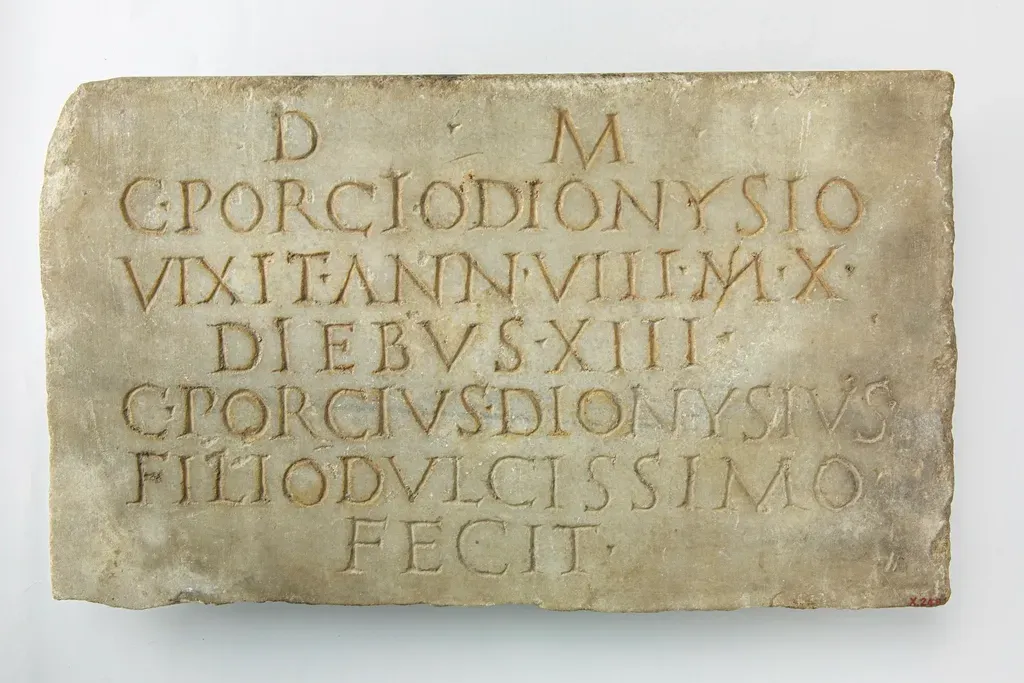
Few place names trigger more arguments than “Palestine.” Modern readers sometimes see the word in Roman or Byzantine inscriptions and assume it’s an anachronism, since they’re thinking in terms of 20th-century borders and headlines. In reality, the Roman administration officially created provinces named “Syria Palestina” and “Palaestina Prima/Secunda” in Late Antiquity.
Those names show up on milestones, dedicatory stones, and church mosaics long before the British Mandate ever existed. The confusion starts when modern translations on plaques or tourist brochures shorten these Roman provincial terms to just “Palestine,” making it sound exactly like the modern political entity. For anyone outside the world of Roman bureaucracy, it feels like the rock is talking about a future country – when really, it’s the opposite. Modern politics are hijacking an old administrative label, not the other way around.
#11 – “Holy Roman Empire” Carved Before It Was Technically Holy or Roman
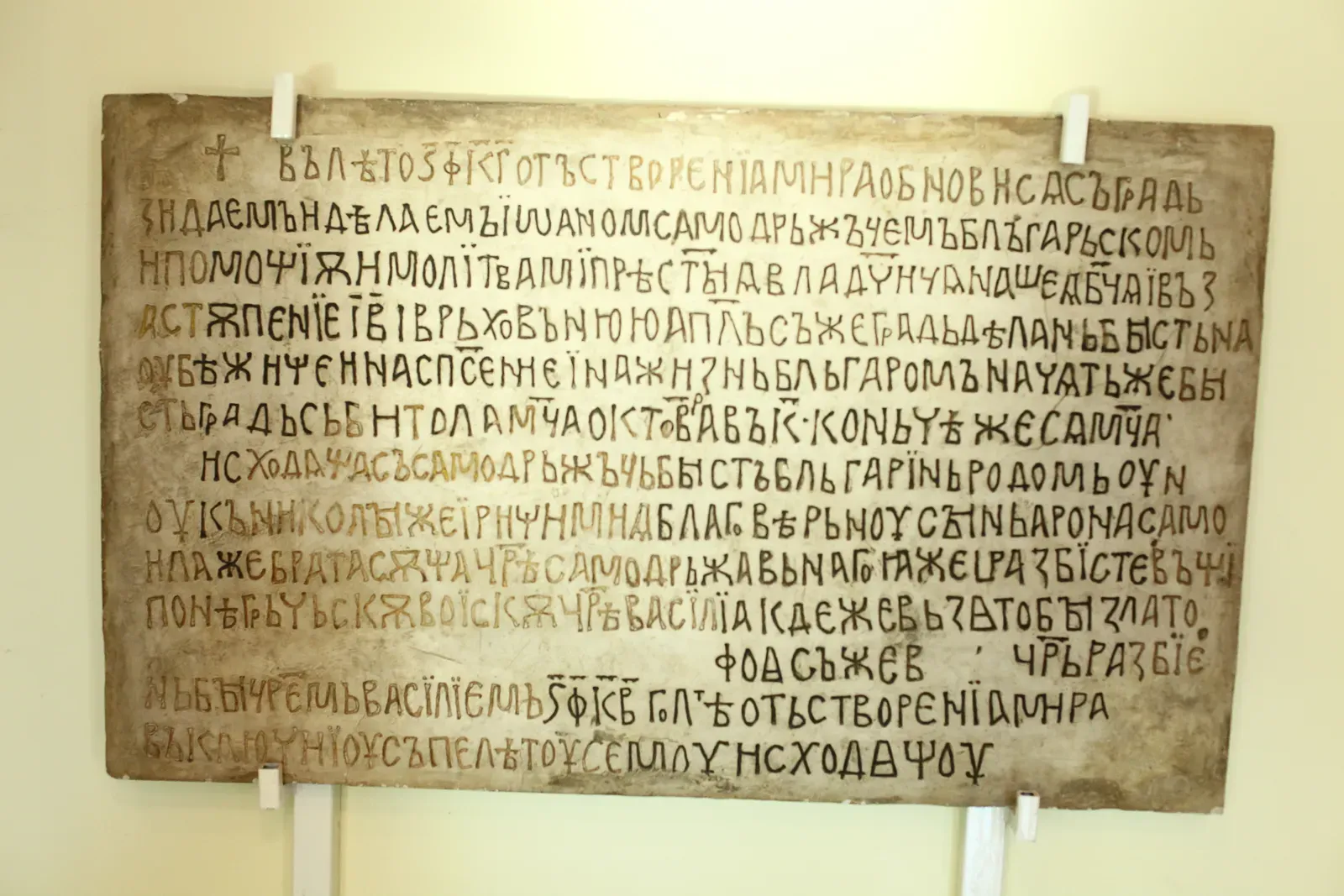
Visit certain churches and town halls in Central Europe and you’ll find inscriptions mentioning something like “Imperium Romanum Sacrum” – the Holy Roman Empire – carved around the 11th or 12th century. The paradox: historians still argue about when that entity really began, and most citizens at the time wouldn’t have recognized a unified “empire” the way the inscription suggests.
The stones simplify a messy political reality into a single, grand-sounding name. Epigraphers point out that titles in inscriptions are propaganda first, geography second. Rulers wanted to claim continuity with ancient Rome and religious legitimacy through the word “holy,” whether or not daily life matched the slogan. Later nationalist historians retrofitted that phrase into their own timelines, making it look like a settled “thing” long before it actually functioned as one. The empire existed as a phrase in stone before it fully existed on the ground.
#10 – Anglo-Saxon Stones That Seem To Mention “England” Too Early
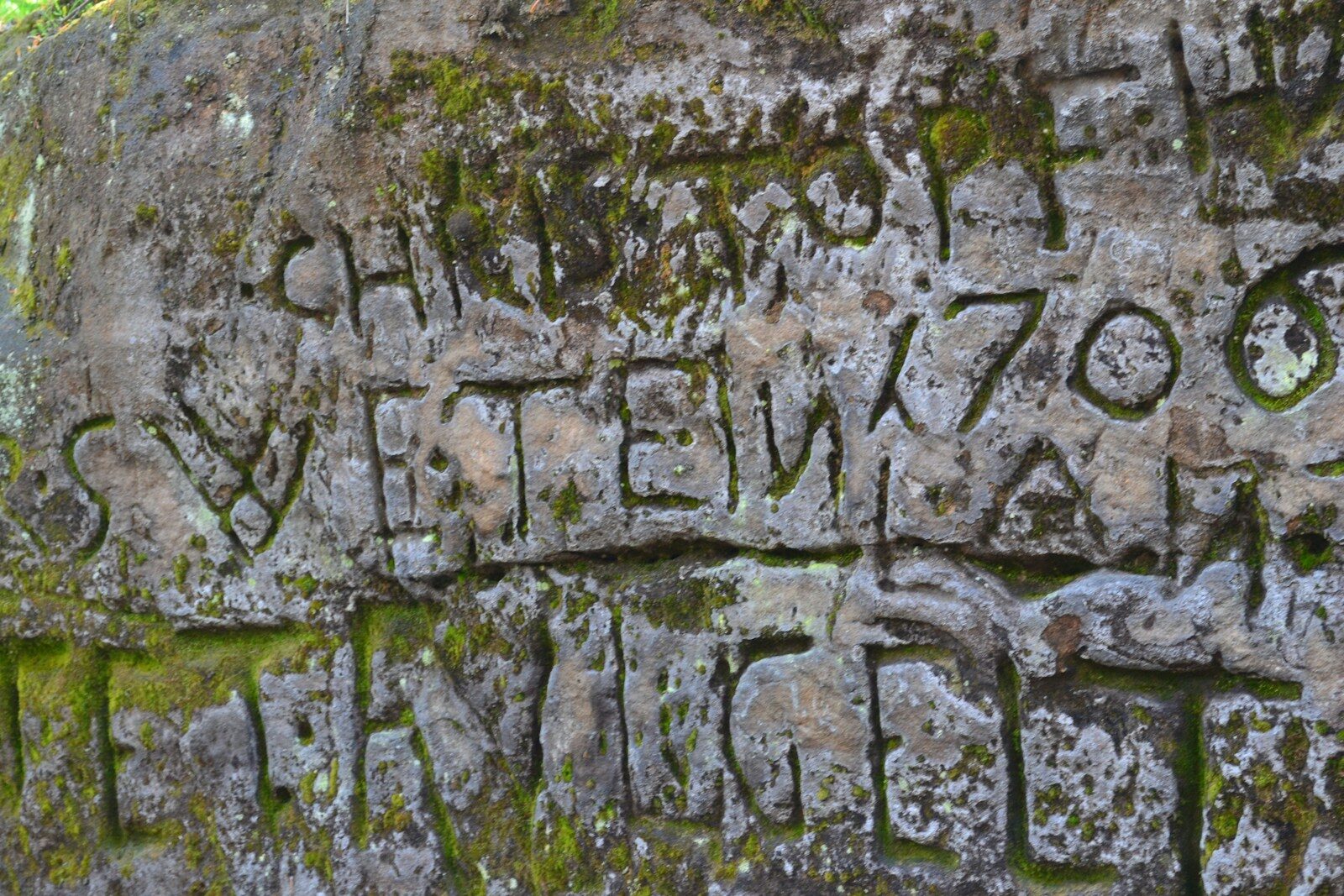
Walk through a few old churches in southern England and you’ll occasionally see modern labels claiming an inscription “refers to England” in the 8th or 9th century – well before any unified English kingdom existed. In most cases, the translation is doing all the heavy lifting.
Original texts often say things like “land of the Angles” or “realm of the West Saxons,” not “England” in the modern sense. The leap from “land of these tribes” to “England” is our shorthand, not theirs. Philologists caution that early ethnic descriptors – Angles, Saxons, Jutes – slowly converged into broader political identities, and scribes sometimes used the broader term in later restorations, making “England” look like a settled idea long before Alfred or Æthelstan ever ruled. The rocks show a name crystallizing over centuries, not a finished country appearing overnight.
Quick Compare
- Original wording: “land of the Angles” or “realm of the West Saxons” – a tribal or regional label.
- Modern plaque wording: “England” – a national label applied retroactively.
- Traditional unification date: a single English kingdom is usually traced to King Æthelstan’s reign starting in 927 CE.
- The gap: centuries separate the tribal inscriptions from any recognizable “England” on the ground.
#9 – “Russia” in Church Inscriptions Before the Russian Empire
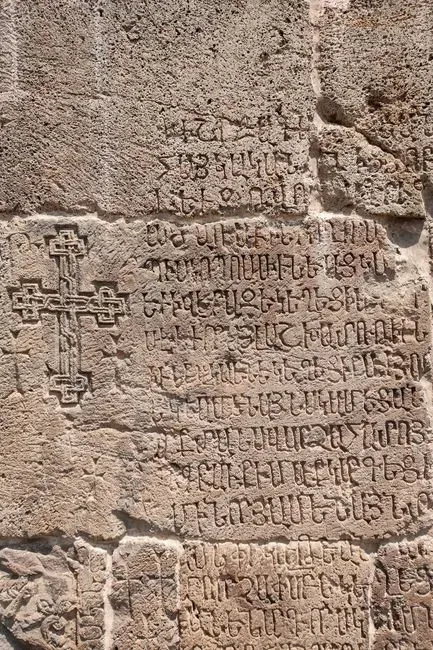
Tourists love photographing Orthodox church plaques that mention “Russia” centuries before the Russian Empire was even proclaimed in 1721. At first glance, it feels like someone carved the future onto stone. But the term “Rus'” and its derivatives have a long, slippery history.
Inscriptions in Kyiv, Novgorod, and later Muscovite lands often use forms of “Rus'” that modern editors quietly translate as “Russia.” That small translation choice makes the place sound far more modern than it is. Historically, “Kievan Rus’,” “Muscovy,” and later “Rossiya” were not interchangeable – they didn’t all refer to the same political entity. But museum signage flattens that complexity, and the editing choice, usually made for tourist simplicity rather than malice, accidentally creates the illusion of a place existing before its time.
#8 – Biblical Inscriptions Retro-Labeled as “Israel” and “Jordan”
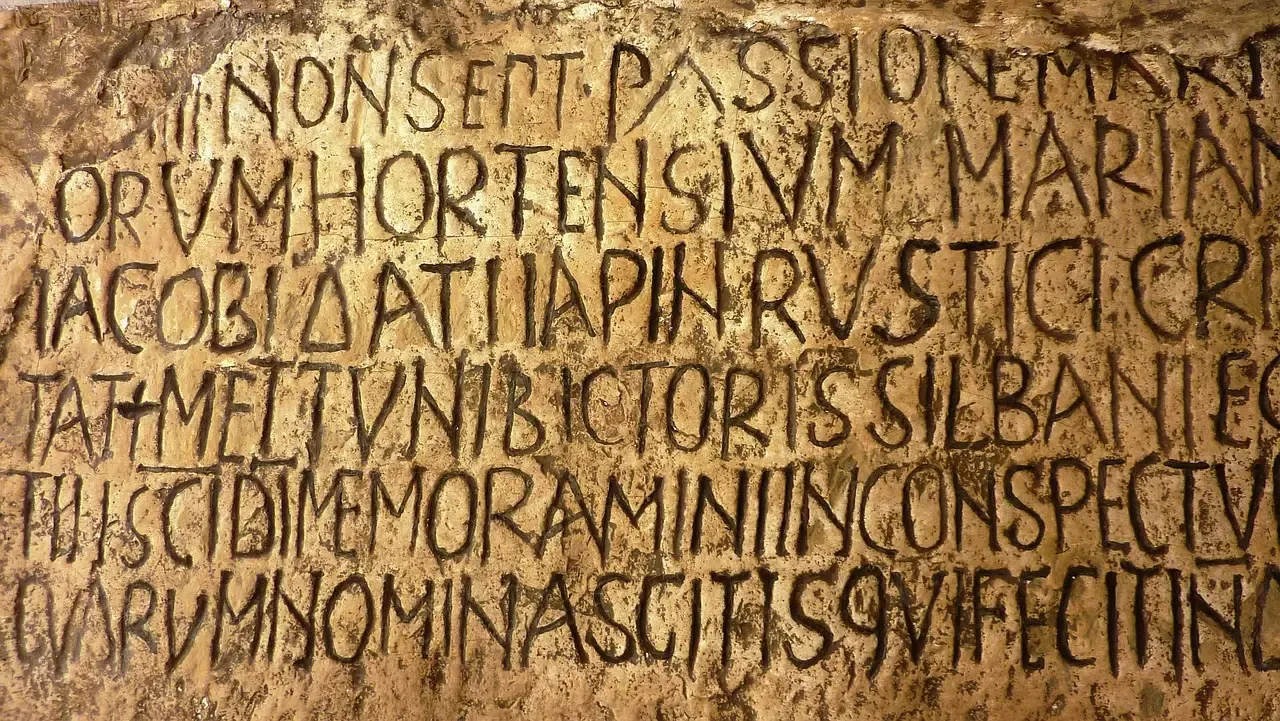
In the Levant, it’s nearly impossible to separate archaeology from politics. Many biblical-era inscriptions refer to kingdoms like “Israel,” “Judah,” “Moab,” or broader regions like “Transjordan.” The modern states of Israel and Jordan, however, are 20th-century creations with very different borders.
Guidebooks, signage, and even some academic translations sometimes call anything in those zones “in Israel” or “in Jordan,” even when the original inscription meant a much smaller, entirely different kingdom. To a non-specialist, that can look like an Iron Age inscription mentioning a country that wouldn’t exist until after World War II. Specialists push back hard on this, insisting we distinguish ancient “Israel” the kingdom from modern Israel the state – and treat “Transjordan” as a geographic term, not a passport stamp. Blur those distinctions for public consumption, and the illusion writes itself.
#7 – Roman Military Inscriptions That “Predict” Modern Country Names
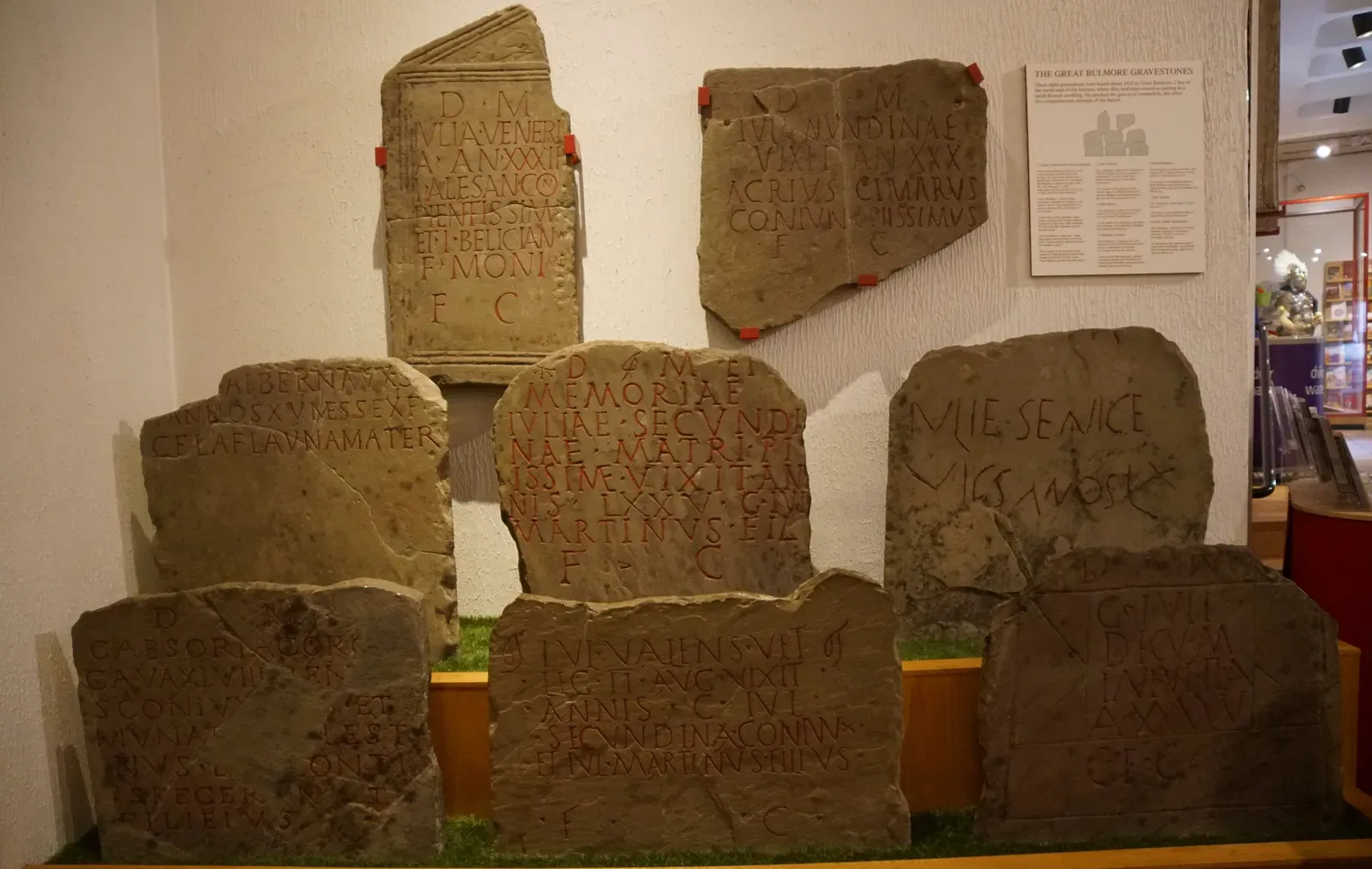
Roman legionary stones are infamous for confusing tourists. You’ll see Latin text describing a unit stationed in “Britannia,” “Germaniā,” or “Hispaniā,” and the museum caption casually calls those “Britain,” “Germany,” and “Spain.” None of those modern states existed in anything like their current form when the stone was carved.
Rome’s provincial borders cut across what are now several countries, and the people living there didn’t think of themselves as citizens of any future state. The anachronism creeps in when translators gloss “Hispania” as “Spain” without context, or when a stone moved to a modern capital gets labeled as if the legion served the present-day country. Scholars know these are approximations, but casual visitors don’t read the fine print – and a 2nd-century inscription ends up looking like it’s talking about a 19th-century nation-state.
At a Glance
- Britannia once stretched across today’s England, Wales, and part of southern Scotland – not a single modern nation.
- Germania spanned parts of modern Germany, France, and the Netherlands.
- Hispania covered both present-day Spain and Portugal.
- Gallia included modern France, Belgium, and portions of Switzerland.
#6 – Ottoman-Era Stones That Mention “Iraq” Before a Nation of Iraq
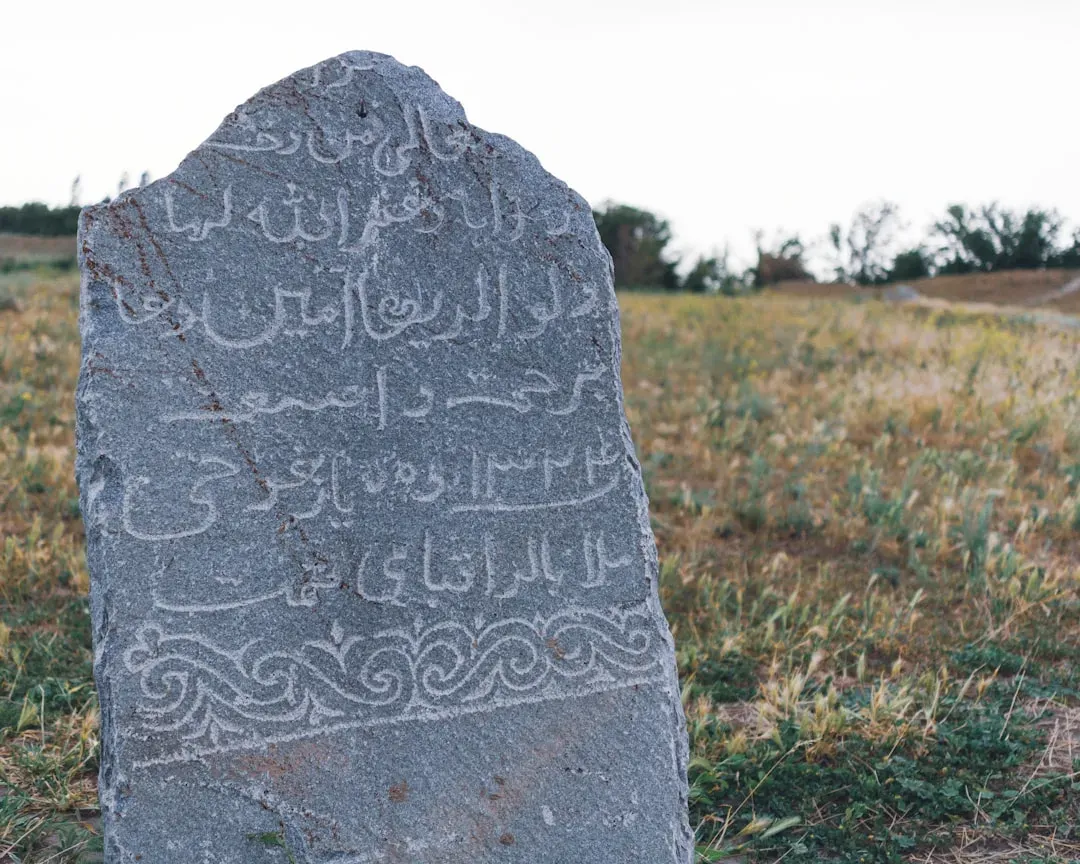
Many people assume “Iraq” is strictly a 20th-century British invention after World War I. Then they see Ottoman-era mosque or bridge inscriptions mentioning a district glossed as “Iraq” and wonder if the name somehow jumped forward in time.
Arabic and Persian sources used regional designations like “Iraq al-Arabī” and “Iraq al-Ajamī” for centuries, loosely referring to parts of Mesopotamia and western Iran. Those older “Iraqs” weren’t sovereign states; they were fuzzy geographic labels. What confuses modern readers is that later restorations and plaques sometimes drop the qualifiers and simply say “Iraq,” as if the inscription meant the modern republic with fixed borders and a flag. A 17th-century Ottoman phrase meaning “in the Iraq region” now looks like it’s naming a country created in 1921 – a brutal example of modern mental maps hijacking older language.
#5 – Inscriptions on Reused Stone That Name Future Cities
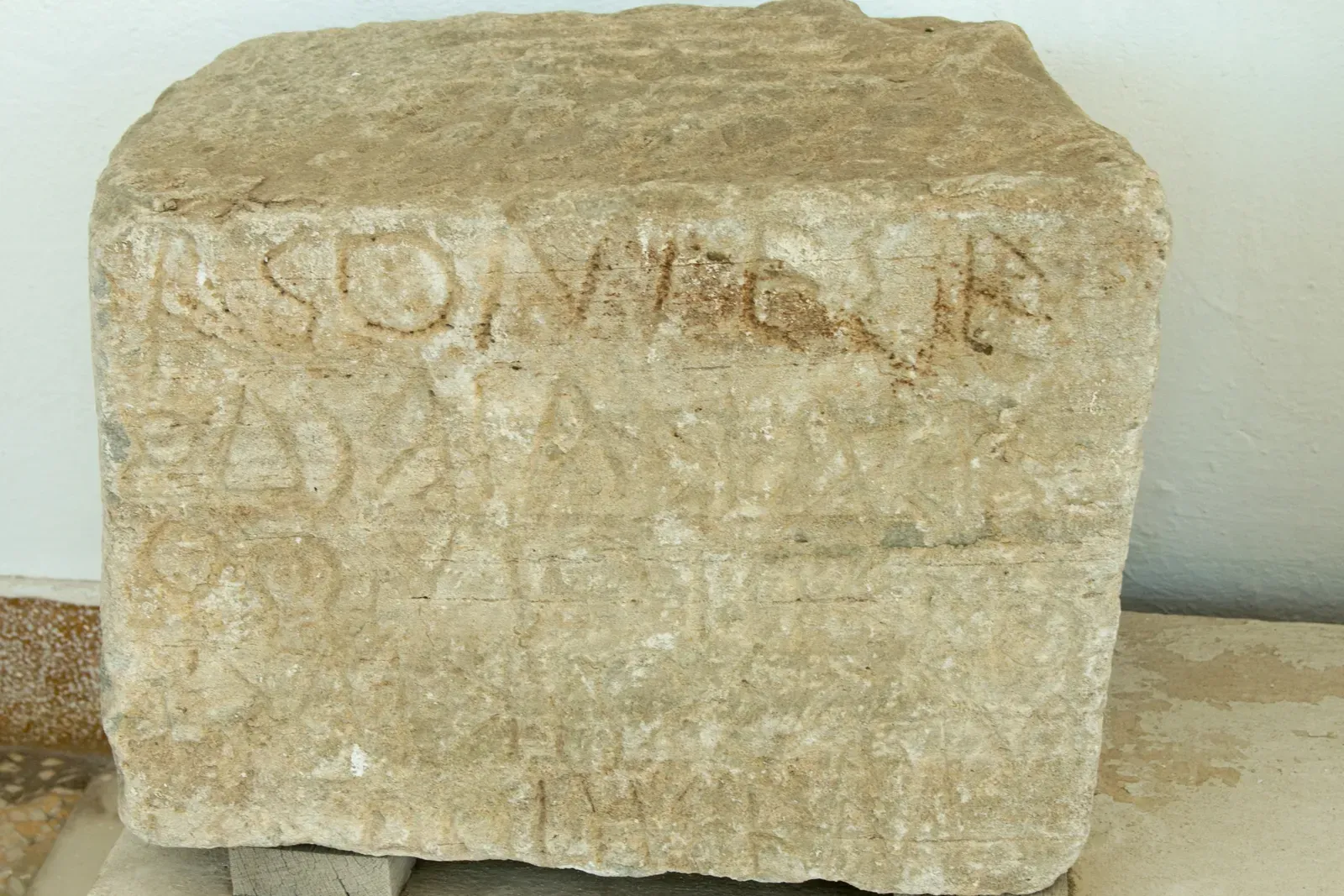
This is where things get genuinely weird, even for experts. In many Mediterranean and Middle Eastern cities, ancient stones were ripped out of older buildings and reused in later walls, mosques, churches, and even fountains. Sometimes the “front” of the stone you see today was originally the back or side of something else entirely.
When later masons carved new inscriptions onto old blocks, they sometimes used a new city name on a surface that also bears much older writing. Scholars call this “spolia” – a Roman dedication on one face, a later inscription naming, say, a renamed city on another. Photograph only one side without context, and the dates get scrambled. Those photos circulate online as “ancient inscription mentions a future city,” when really you’re looking at two eras sharing one rock. It’s not time travel; it’s medieval recycling.
#4 – Colonial Inscriptions That Use Future Country Names Retroactively
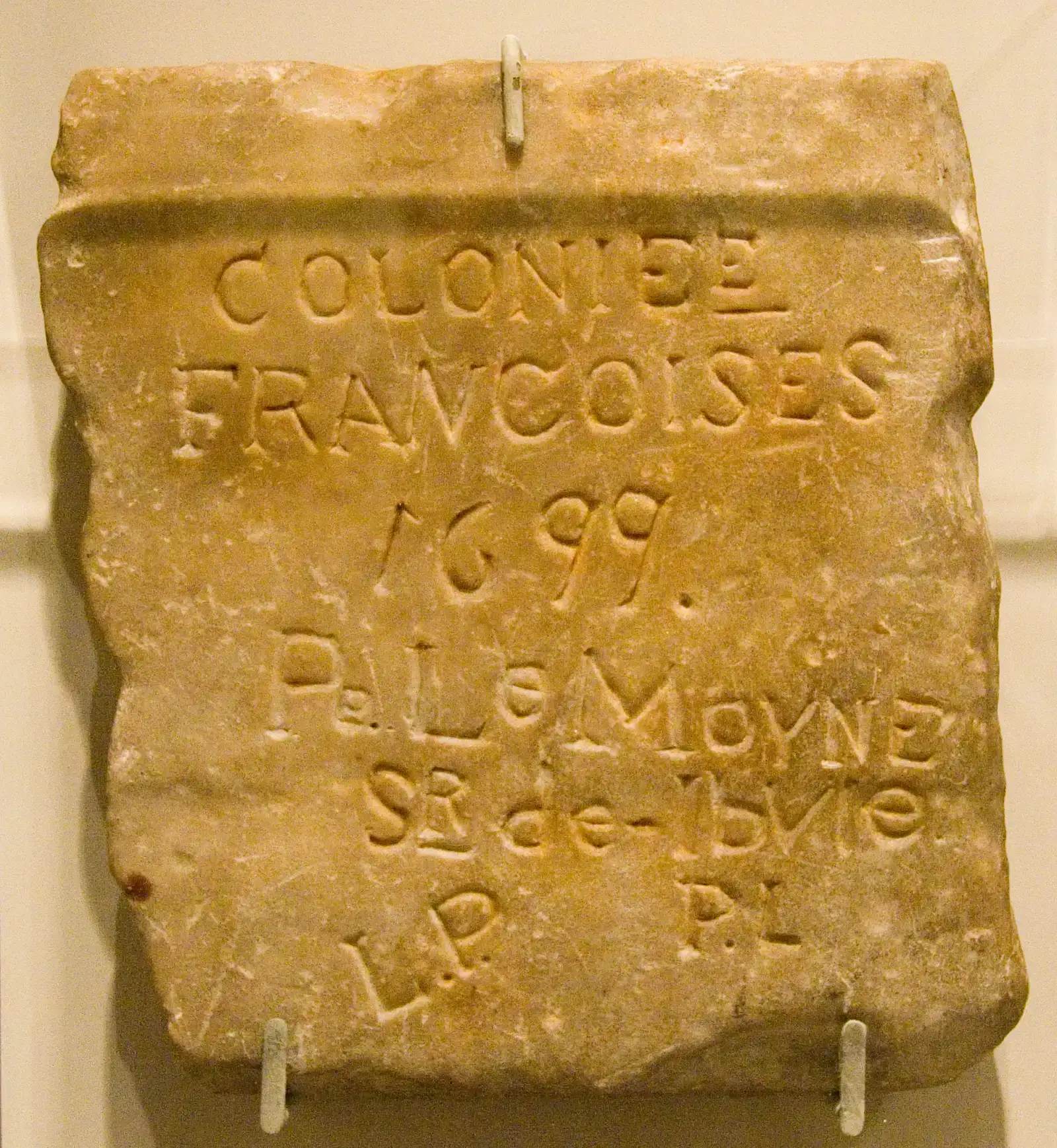
In places like North America, Africa, and South Asia, colonial-era inscriptions typically use imperial language – “Dominion,” “Colony of X,” “Crown Land” – not national names. But plaques added in the 19th and 20th centuries frequently update that language for local pride, swapping “colony” for a modern country name.
You’ll see stones originally referring to “New Spain” or “Upper Canada” now captioned as early references to “Mexico” or “Canada,” decades or even centuries before those entities legally formed. The stone itself never said “Mexico” or “Canada” – that’s a modern narrative layer slapped on top. Historians call this a subtle form of national myth-making: it manufactures a longer, more continuous story for the country by retro-projecting its name onto older, entirely different political structures. Visitors walk away thinking the rock predicted a nation that, at the time of carving, wasn’t on anyone’s map.
Worth Knowing
- “New Spain” once covered much of present-day Mexico, Central America, and parts of the American Southwest.
- “Upper Canada” existed as a distinct British colony from 1791 to 1841.
- Canada became a self-governing dominion through Confederation in 1867 – decades after many “Upper Canada” inscriptions were carved.
- Plaques added later often quietly swap colonial terms for national ones, blurring the actual timeline.
#3 – Christian Inscriptions That “See” Future Pilgrimage Destinations
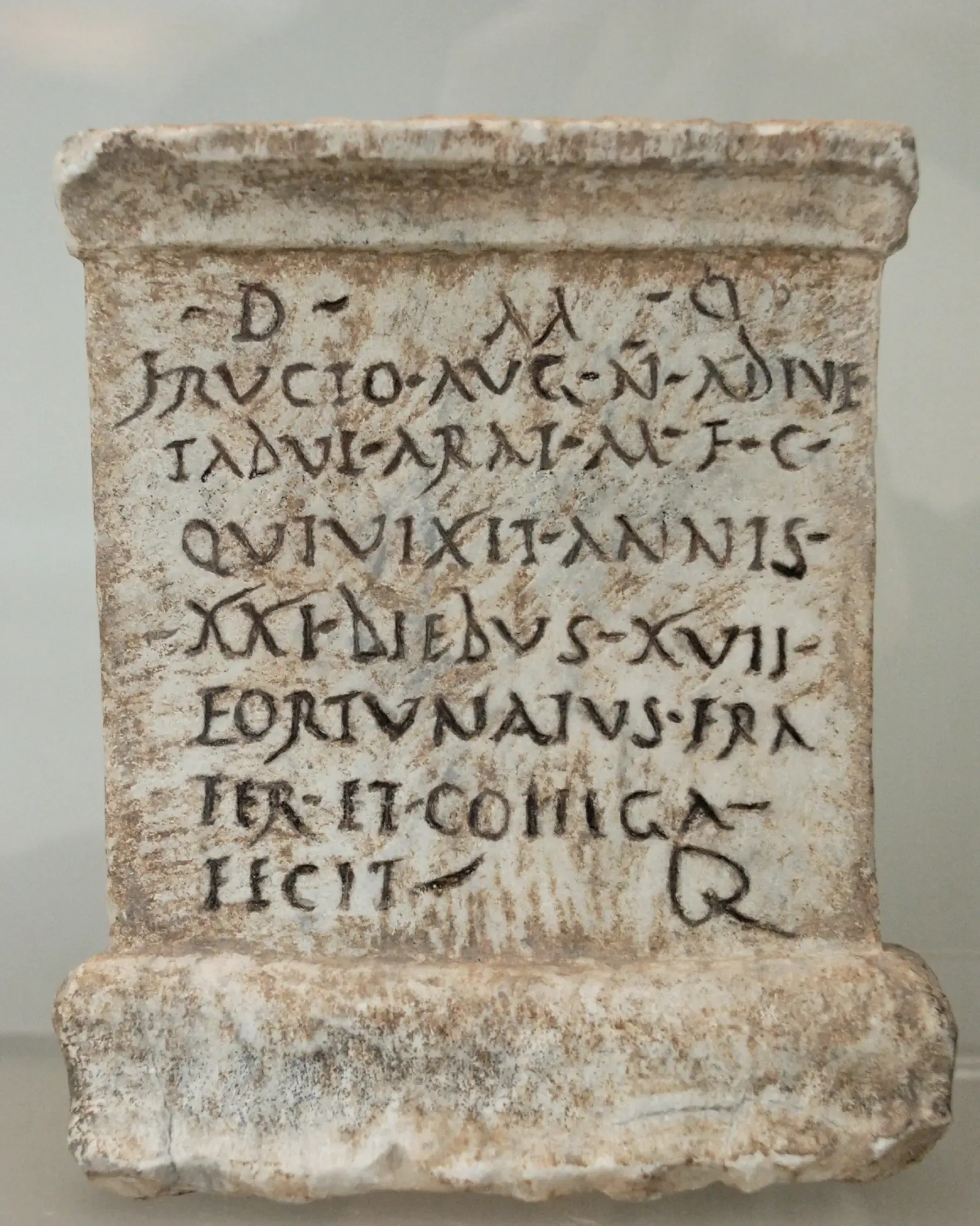
Another quiet source of confusion: early Christian inscriptions mentioning shrines or holy sites whose later fame – and even names – changed radically. A 4th-century inscription might refer to a small martyr’s shrine in a region we now know as “Turkey,” “Italy,” or “France,” using purely local terminology at the time.
Centuries later, that same site becomes a global pilgrimage destination with a standardized name, and restorers sometimes re-engrave or “clarify” the text. The result is a composite stone: part original, part later fix. In some cases, restorers inserted the later, more famous place name into a heavily eroded line just to “make sense” of it – essentially editing the past. So when you spot a crisply legible pilgrimage-city name embedded among much more weathered text, there’s a real chance you’re looking at a later intervention, not an ancient prophecy.
#2 – Nationalist Restorations That Quietly Rewrite Ancient Place Names
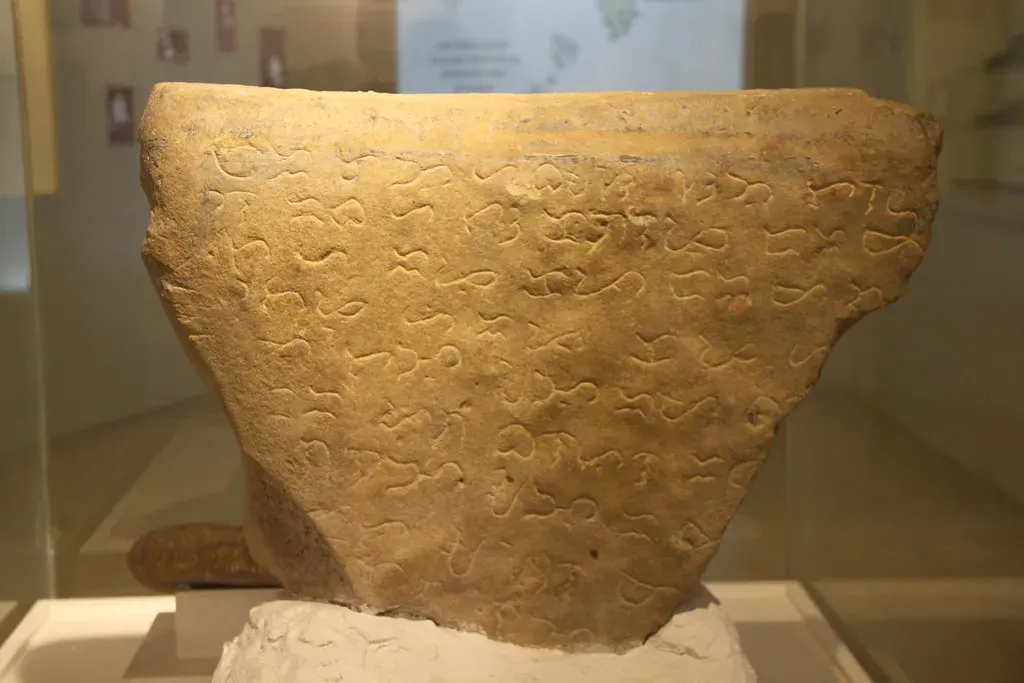
From the 19th century onward, emerging nations poured money into restoring “ancient” monuments. Along the way, some restorers took shocking liberties with place names. Where an inscription had a vague regional term, they sometimes replaced it with a precise national label that supported their preferred version of history.
A word that once meant “our lands,” “this region,” or a tribal territory could get recut as the exact modern country name, complete with updated spelling. This is the dirty secret behind a lot of 19th- and early-20th-century restoration work: it was as much about making a national storyline legible as it was about preserving stone. Present-day epigraphers now use squeezes, early photographs, and microscopic analysis to strip these layers back – but the damage to public perception is already done. Countless tourists have seen “evidence” that an ancient empire knew of a modern country that, at the time, simply did not exist.
History is not the past. It is the map of the past, drawn from a particular point of view.
Henry Glassie
#1 – Misread Dates and Calendars That Make Places Look Centuries Too Early
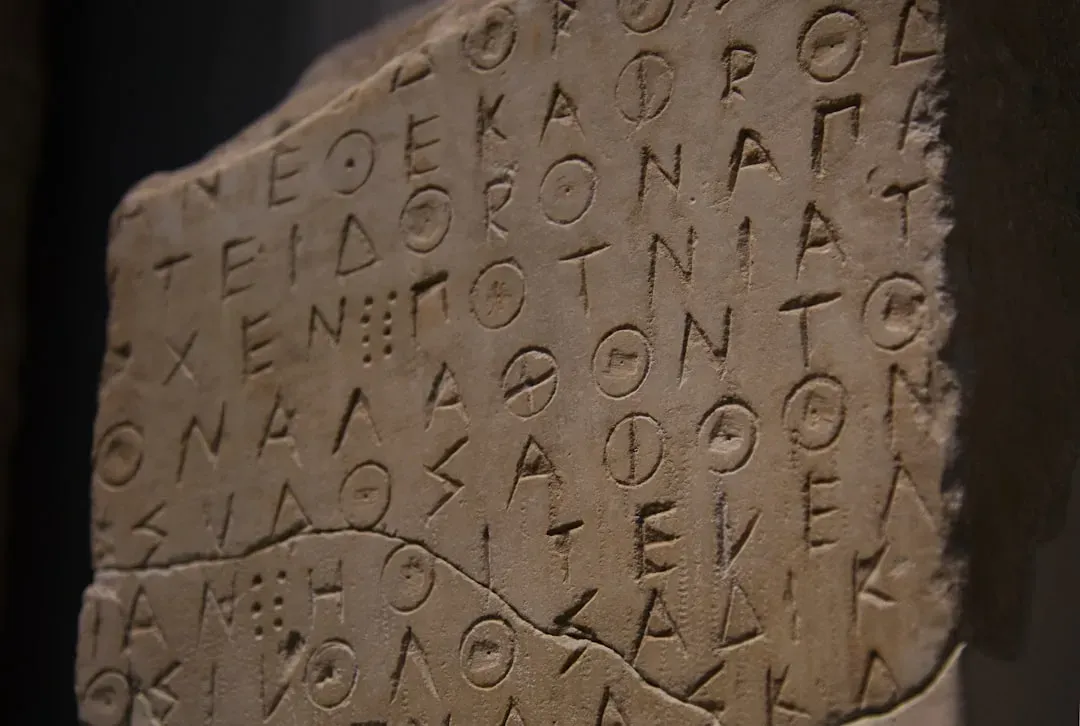
The most powerful – and most embarrassing – category of all isn’t some spooky prophecy carved in granite. It’s math. Over and over, scholars discover that an inscription’s date was simply misread, mistranscribed, or misunderstood across calendar systems.
A stone dated in a local regnal year, religious calendar, or era system gets converted to the Common Era incorrectly, and suddenly a town or region appears “centuries older” than it really is. Inscriptions using Byzantine, Islamic, or regional Asian era counts can be off by decades when rushed into modern dates. Drop a digit, misread a numeral style, or confuse “year of the city” with “year of the emperor,” and you’ve made a settlement look like it existed in 200 BCE instead of 200 CE. Once that bad date is published, it spreads into guidebooks, blogs, and viral “mystery” posts. Most “future place” anomalies that survive expert scrutiny die right here – not in time travel, but in sloppy chronology.
The Bottom Line
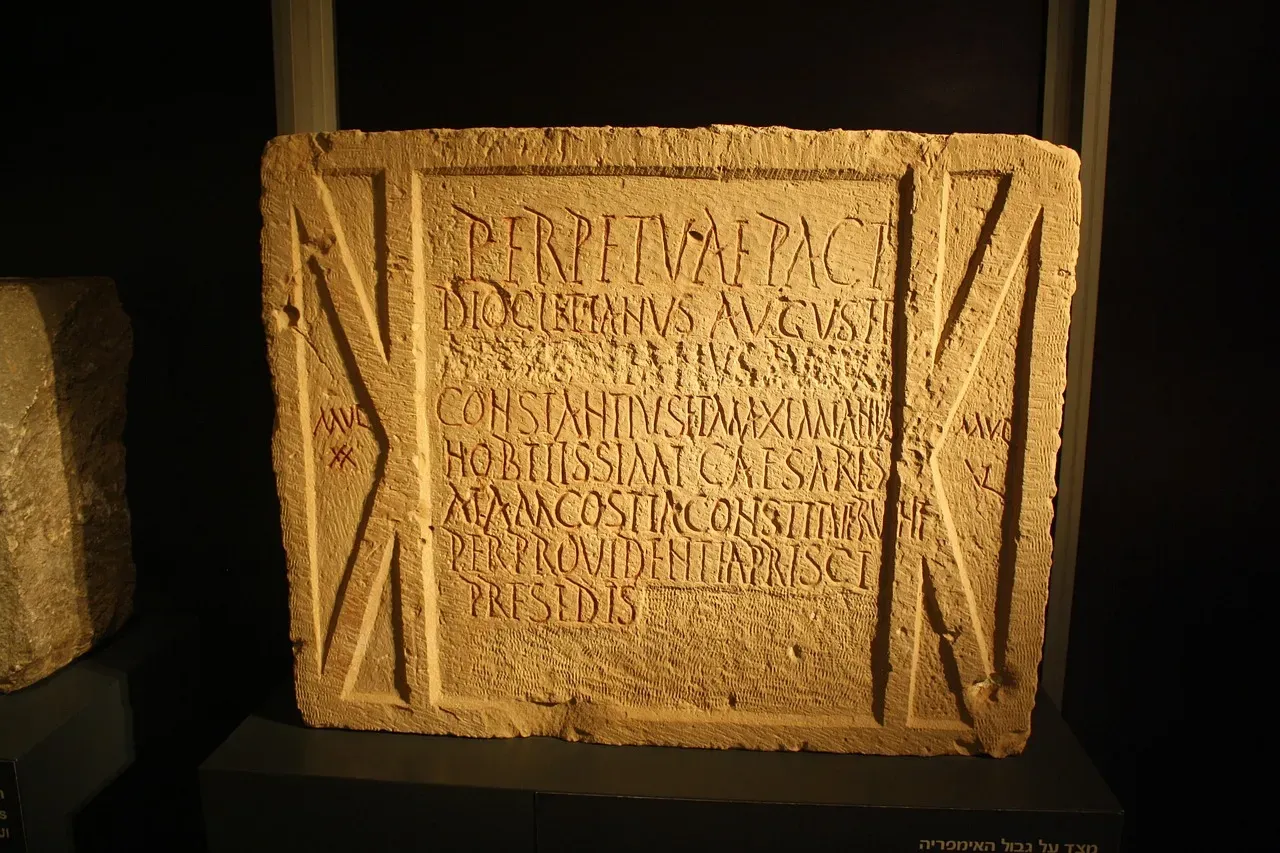
When you strip away the hype, “inscriptions that name places before they existed” are less like science-fiction glitches and more like a crash course in how messy our past really is. Names outlive borders, restorers meddle, translators oversimplify, and calendars don’t line up neatly.
The stone almost never predicts the future; we project our present back onto it. That doesn’t make the puzzles boring – if anything, it’s more unsettling that modern nationalism and tourism quietly rewrite what rocks appear to say. Here’s the uncomfortable opinion many specialists hold but rarely say out loud: a lot of popular “ancient mystery” content survives because we prefer the thrill of a time-slip story over the harder, slower work of learning how dates, languages, and empires actually functioned. Which side are you on – the tidy myth, or the messy reality?