Here’s the assumption almost everyone makes: once a dig wraps up and the final report gets published, the story of that site is locked in. Case closed, textbook chapter written, move on.
Except that’s not what actually happens. When researchers go crawling back through the real field notebooks, the trench photos, the sample bags, and the margin scribbles nobody was ever supposed to publish, they keep finding the same uncomfortable thing: the polished version doesn’t match the mess on paper. Sometimes it’s a small fudge. Sometimes it flips the entire meaning of a site. And in a few cases, the original records quietly demolish claims that have been repeated in textbooks for generations. These are 13 of those cases, and the order gets more unsettling as you go.
#13 – Monte Verde (Chile): The Field Records That Wouldn’t Budge
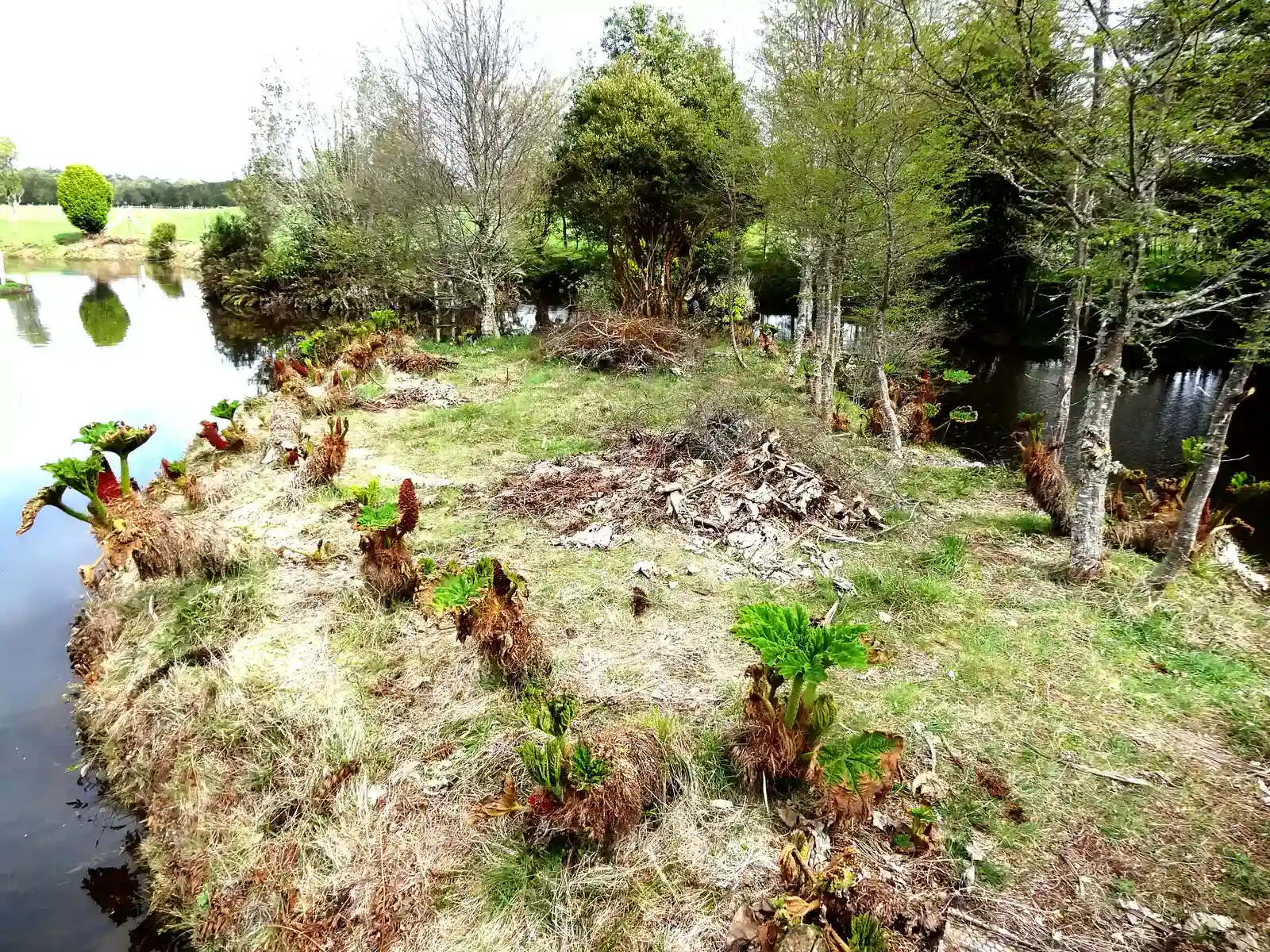
Most people think the Monte Verde controversy is about a date. It isn’t, really. The actual split is between people who read Tom Dillehay’s original excavation records and people who didn’t bother.
Dillehay’s team spent decades producing dense stratigraphic logs, photographs, sample lists, and spatially mapped finds: stone tools, preserved wood, animal remains, a human footprint, plant foods, and hearths sitting in situ inside late Pleistocene layers. That mountain of documentation is what supports the now-famous claim of humans in South America around 14,500 years ago, upending the old “Clovis First” model.
When a newer paper tried to re-date the site to roughly 8,200 years BP using a quick survey well away from the excavated area, more than 30 specialists fired back in a joint rebuttal. Their point was blunt: you cannot reinterpret a site you never actually engaged with on paper. They called the new redating “categorically false” precisely because it ignored the stratigraphy and provenience Dillehay’s crew had recorded context by context, decade after decade.
Fast Facts
- Location: a creek terrace site in southern Chile
- Claimed age from original records: roughly 14,500 years ago
- Rival re-dating attempt: only about 8,200 years BP, from a limited survey
- Rebuttal team: more than 30 specialists pushed back jointly
- Paradigm challenged: the long-standing “Clovis First” model
#12 – The Oak Island “Money Pit”: A Legend Built on Notes That Never Existed
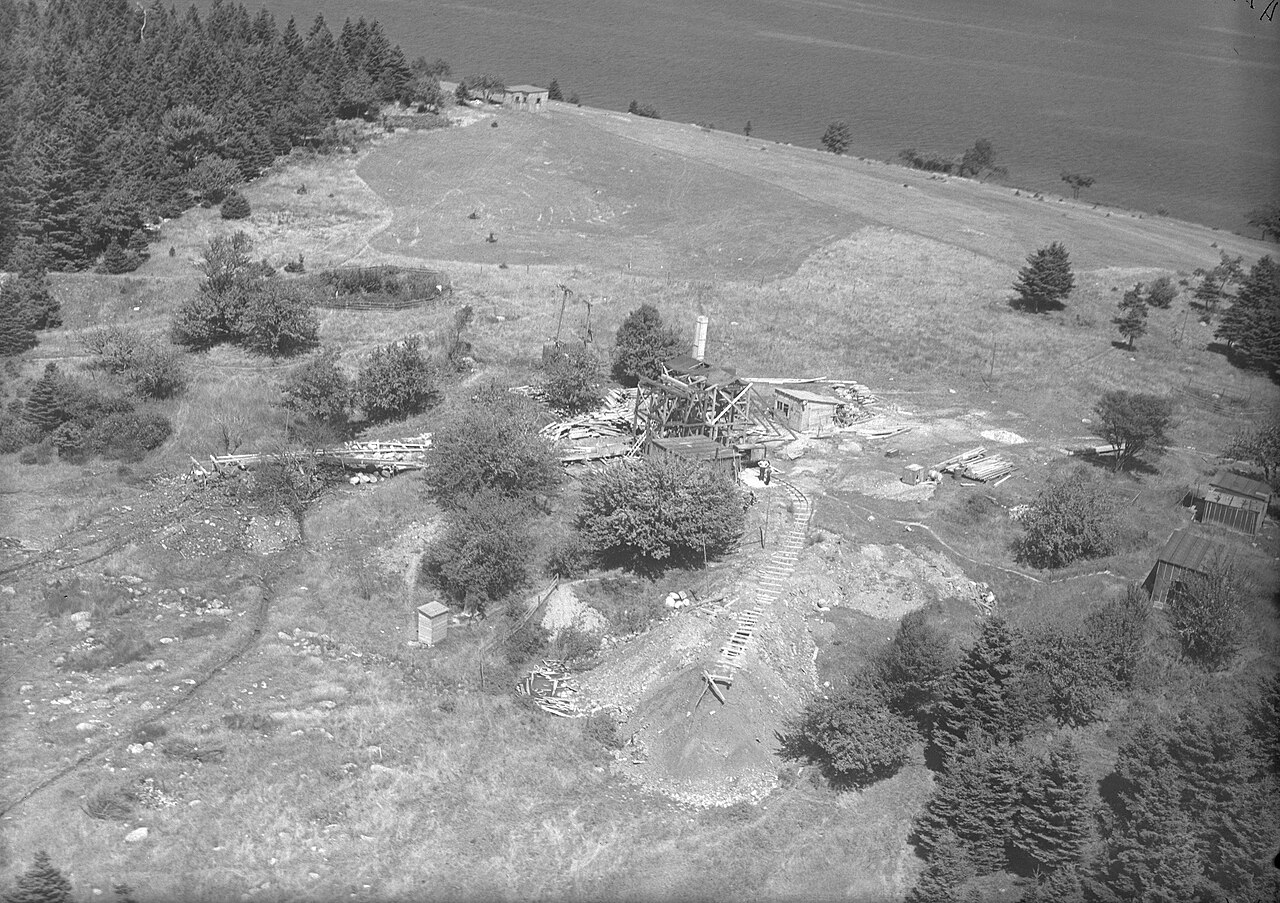
The Oak Island Money Pit is marketed today as one of the best-documented treasure hunts in history. Here’s the irony: the “original” excavation story everyone repeats was actually written 60 to 70 years after the alleged 1790s digging happened, and nobody has ever produced a contemporaneous field log to check it against.
Early land records really do show three men named McGinnis, Vaughan, and Smith on Oak Island, and Smith really did buy the lot with the supposed pit. That much checks out. But the details everyone loves – the timber platforms spaced exactly ten feet apart, the flood tunnels, the inscribed stone, the precise depth – come only from later recollections and company prospectuses written by men trying to raise investor money.
There is no surviving 1795 excavation record to test any of it against. What we call the Money Pit’s history is really a stack of edited stories, each generation of promoters bolting on new “facts” to make the tale more cinematic, wrapped around a tiny factual core that barely fills a paragraph.
#11 – Untermassfeld (Germany): How Riverbed Pebbles Became “Europe’s Earliest Humans”

Untermassfeld is the textbook cautionary tale for how a thin scatter of bones and stones, documented one way in the field, can morph into a headline claim decades later. Long-term excavations produced meticulous geological and paleontological records of an Early Pleistocene fauna site. The original documentation treated the bones and pebbles as natural river deposits – useful for Quaternary geology, but nothing archaeological.
Years afterward, a different team pulled a subset of pieces from museum storage and described them as “artefacts,” arguing for a startlingly early human presence based mostly on shape and hand-picked selection. When other researchers went back to the full assemblage and the original context records, the problems piled up fast: no clear provenience, no systematic link to stratigraphic units, and no convincing pattern of human modification across the wider dataset.
A major review concluded that, as actually recorded on paper and in the ground, Untermassfeld simply doesn’t meet the bar for a secure archaeological site. The “earliest occupation” label only survives if you read artefacts into a sample that had already been divorced from its documented geology – something the field notebooks never did.
#10 – Lachish Cave 120: The Massacre Scene That Wasn’t Fully Recorded
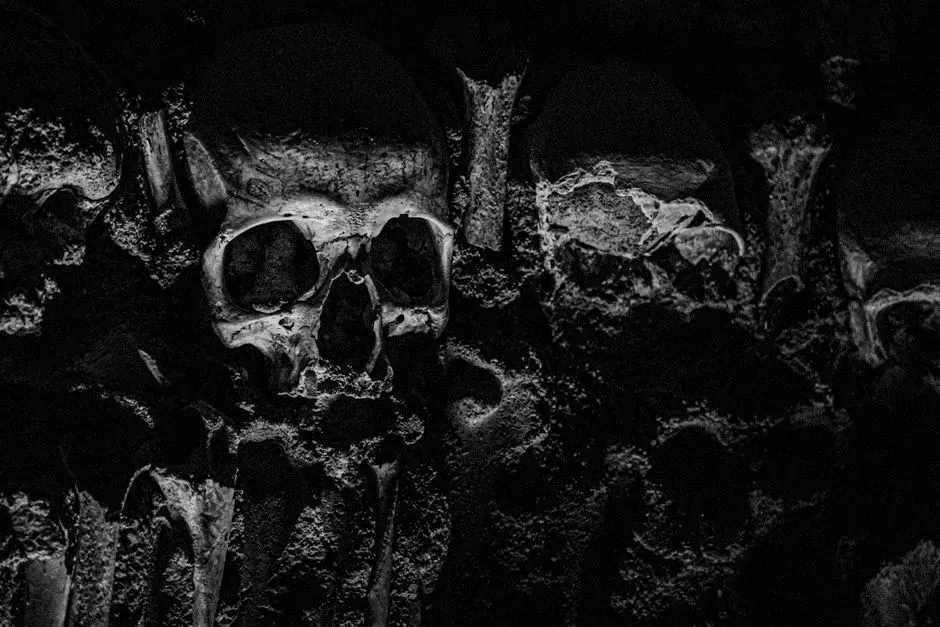
Cave 120 at Lachish has long been the poster image for the brutal Assyrian siege: piles of skulls left exactly where they fell when the city burned. Early popular accounts leaned hard into that image, and it stuck.
But Tufnell’s mid-20th-century excavation notes and photographs tell a thinner story than the legend suggests. They emphasize the sheer number of skulls while providing surprisingly little systematic recording of complete skeletons, body positions, or associated grave goods. Later synthesizing publications stitched the cave into a sweeping, single-event destruction narrative that the original notes never actually support.
Recent reanalysis argues the original excavation methods simply can’t sustain the tight, melodramatic link to one military episode that later books confidently asserted. Scholars now describe multiple phases, secondary burial, and post-siege reuse of the cave – a far messier and far less quotable story than the one still repeated in popular history.
#9 – Jerusalem’s Broad Wall Tower: When Radiocarbon Refused to Cooperate
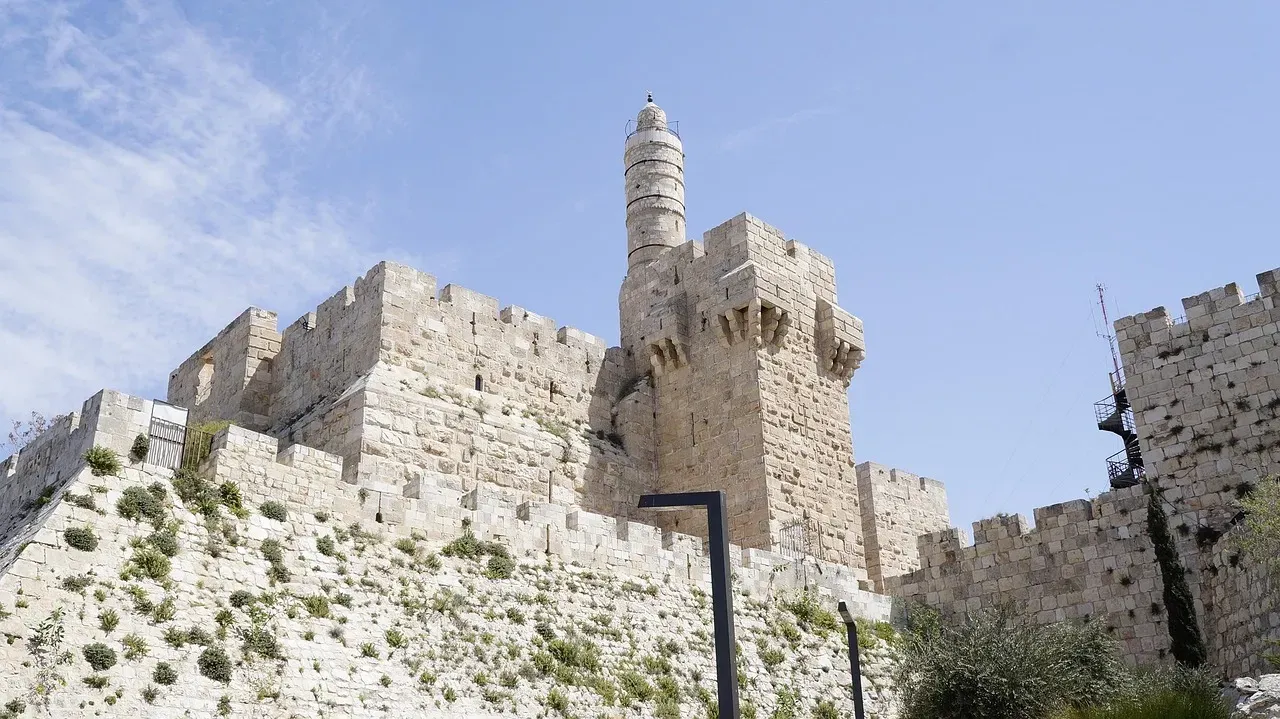
Dating a stone tower in Jerusalem sounds simple, until the lab results and the written history start pulling in opposite directions – and later articles quietly move the goalposts to hide it. Excavators working the tower’s foundation logged bones and seeds from distinct stratigraphic layers, and the original field records pointed toward a Neo-Assyrian date, somewhere in the 8th or 7th century BCE.
Then the archived samples went through radiocarbon analysis. The results came back wildly inconsistent, producing divergent date ranges even for material pulled from the exact same locus. Early published summaries smoothed right over that mess, presenting a clean, confident date.
It took more technical follow-up publications for the authors to admit how inconsistent the radiocarbon evidence actually was, eventually retreating to a more cautious 9th-century construction date. The excavation logs had always shown a complicated formation history. It was the polished narrative that invented a crisp, single-episode story out of it.
Quick Compare
- Original field call: 8th-7th century BCE, based on stratigraphy alone
- Lab reality: radiocarbon ranges that clash, even within the same locus
- Revised published date: a more cautious 9th century BCE
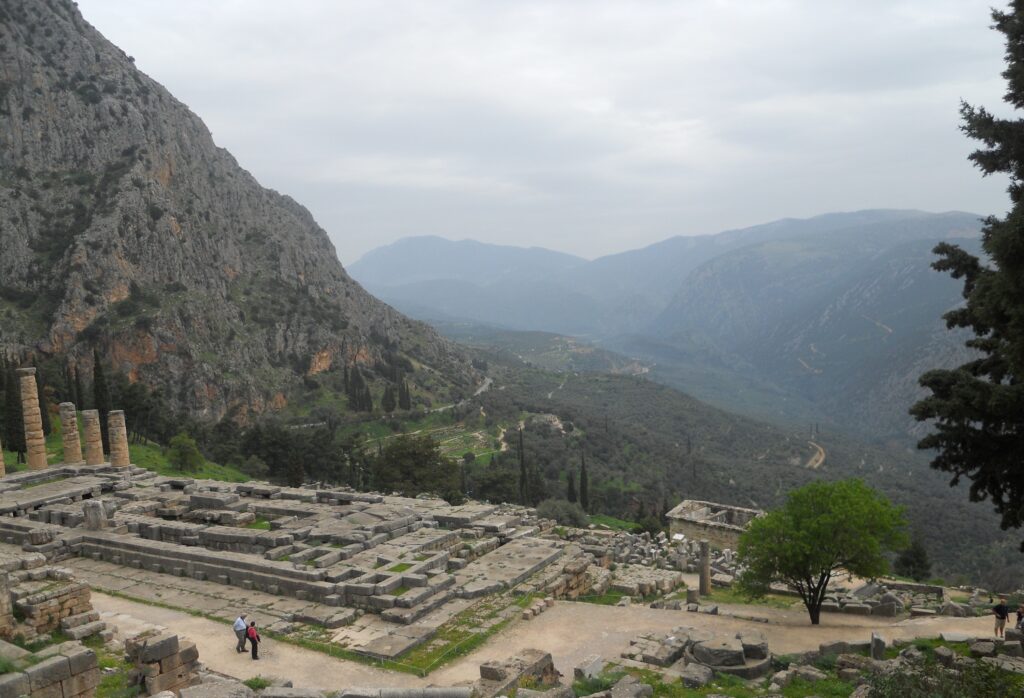
#8 – Delphi’s Oracle: The Fumes Textbooks Insisted Weren’t There
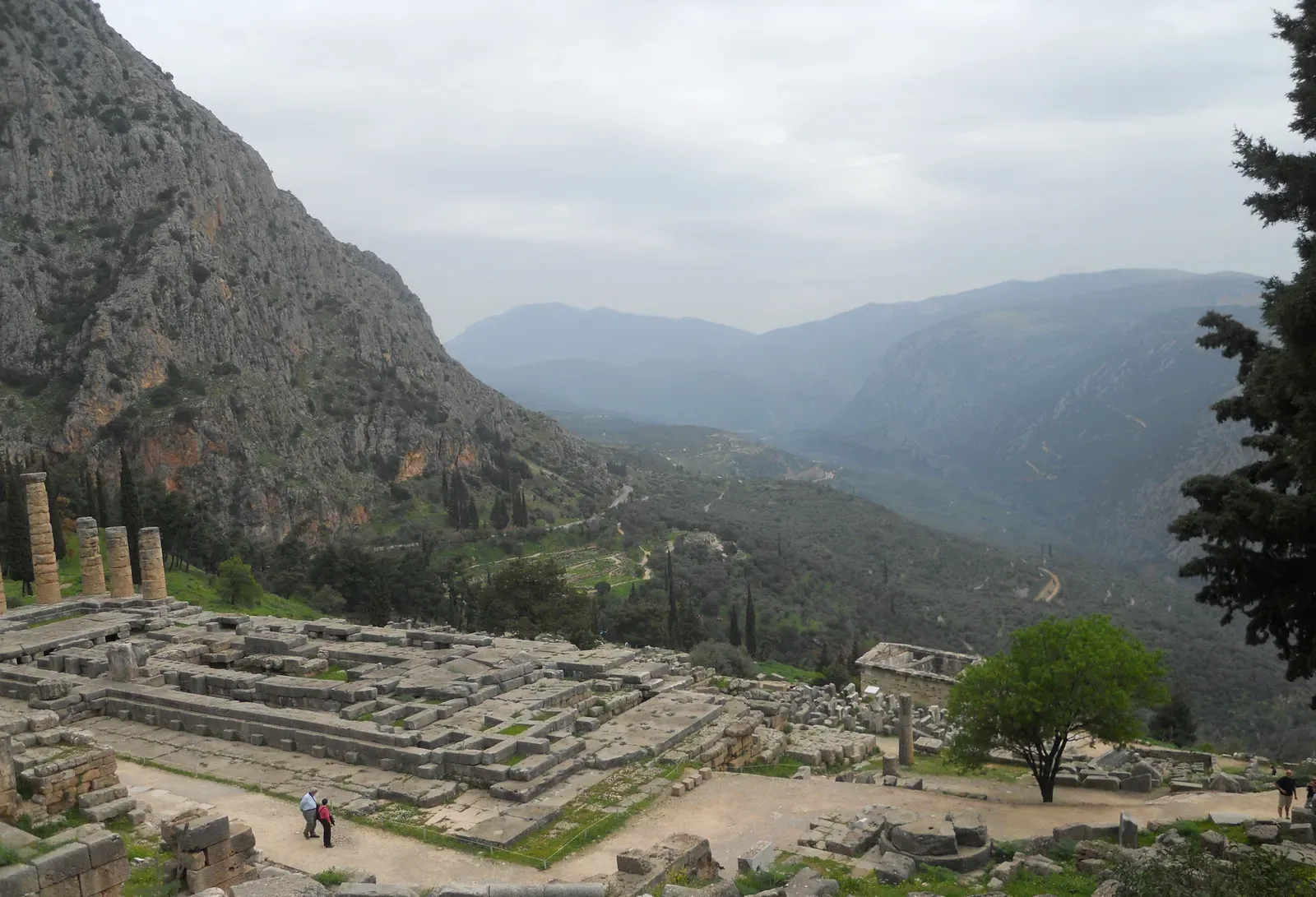
For most of the 20th century, textbooks confidently declared that the fumes at Delphi were pure myth. Excavators, the story went, had proven the ancients wrong: no cleft, no vapors, just superstition dressed up as prophecy.
The problem is that confidence was built on a selective reading of what the French excavation actually recorded, and what it simply couldn’t. Early temple digs focused on architecture and sculpture. The field notebooks never mention obvious gas vents or dramatic fault lines under the inner sanctum, largely because those features were physically buried under ancient masonry and rockfall the excavators never removed.
An influential scholar later used that silence as proof the vapors never existed. Then geologists re-examined the wider slopes in the 1980s and mapped active fault lines and hydrocarbon seeps flanking the sanctuary, arguing that concealed fractures could have channeled light gases like ethylene straight into the temple’s confined inner chamber. The old excavation’s silence hadn’t disproven anything – it had simply never been able to see what was underneath the blocks.
#7 – Leonard Rockshelter (Nevada): A Pleistocene Date That Evaporated on Re-Check
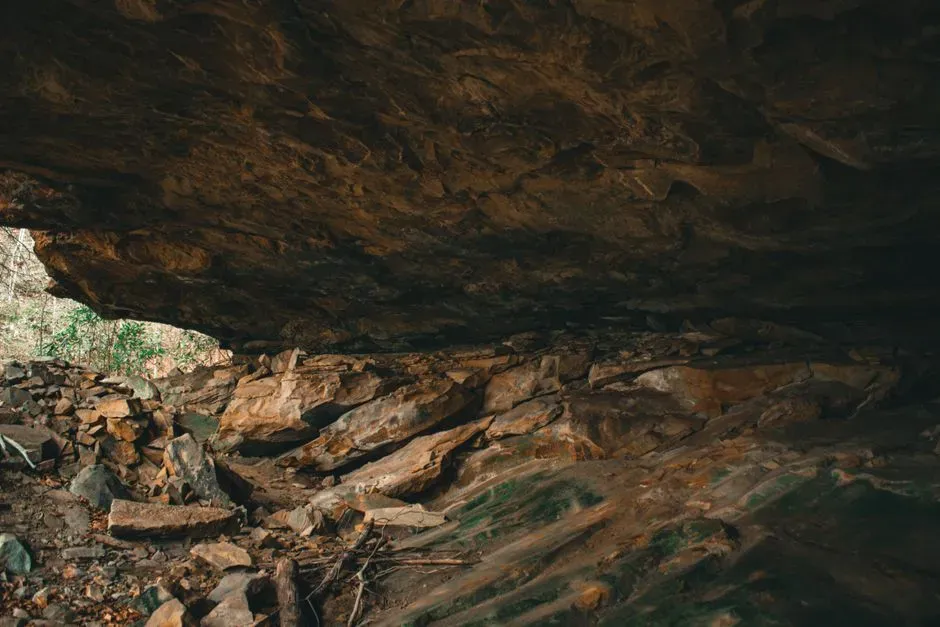
If you took a North American prehistory class in the late 20th century, you probably learned that Leonard Rockshelter held clear evidence of late Pleistocene human occupation. That claim rested almost entirely on a single famous radiocarbon date, dramatically woven into the published excavation story.
The original site director reported stone flakes and an early radiocarbon age near the base of the deposit, implying humans were present more than 11,000 years ago. The published account drew a tidy vertical picture: deeper equals older, artifacts and dates neatly stacked together.
Decades later, a modern team relocated the old excavation block and matched the historic notes against fresh stratigraphic work. The supposed Pleistocene tools were never securely tied to the dated layer once you followed the original logs line by line. Mixing, undercutting, and ambiguous provenience had blurred the boundaries all along – textbooks just kept repeating the cleaned-up version instead of the notebook reality.
#6 – The Eolith Sites: Natural Pebbles Promoted to Human Tools
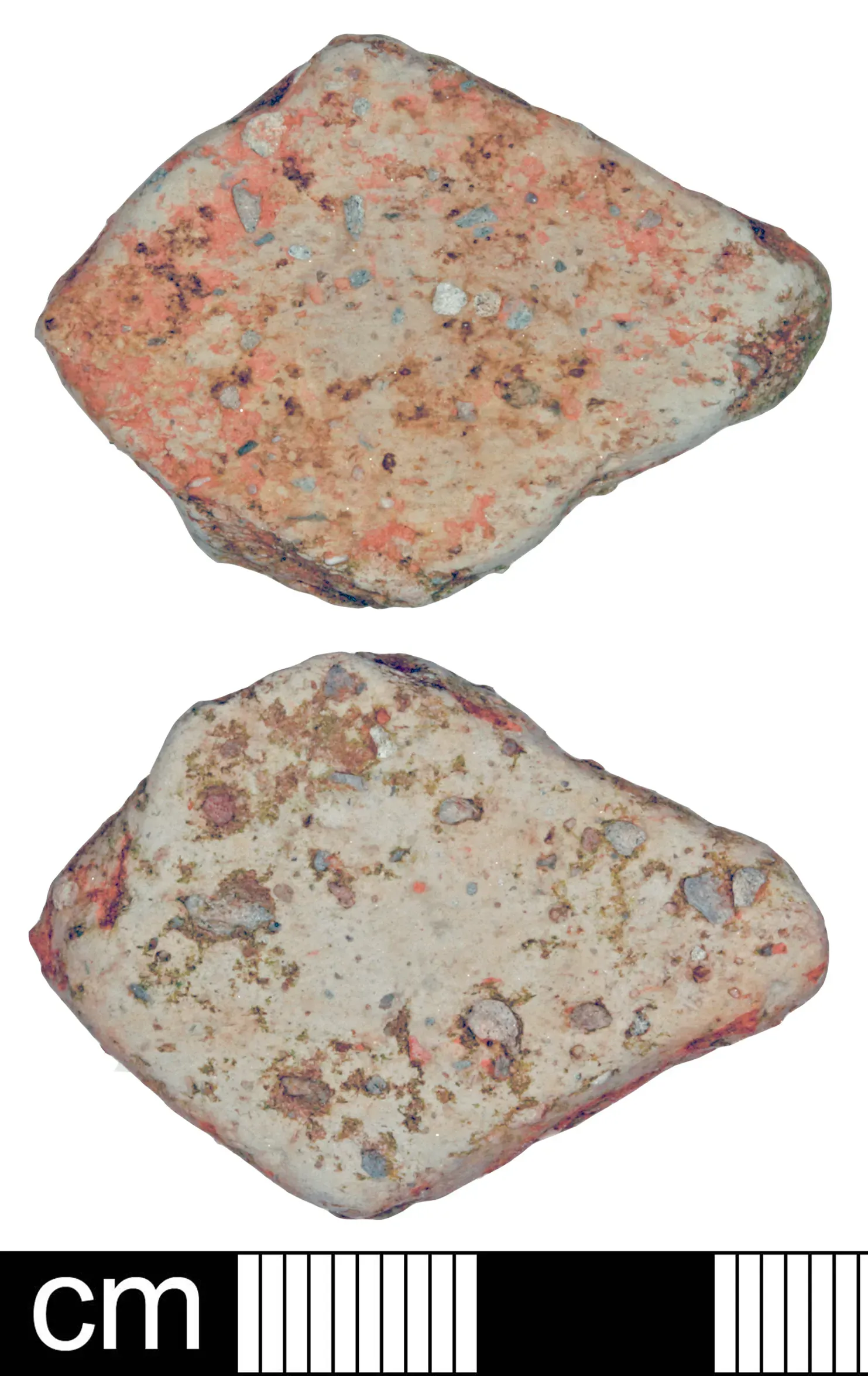
At the turn of the 20th century, European “eolith” sites were paraded around as the world’s oldest stone tools. The dig work itself was often careful, and the early field notebooks simply called the finds “angular flints” or “shattered pebbles.” It was later authors, writing years afterward, who upgraded them into deliberate artefacts and built sweeping stories of primitive humanity around them.
Careful re-evaluation told a very different story. The original records placed these stones in high-energy gravel deposits, with no living floors, no features, and no consistent refitting pattern. When analysts checked the supposed “tools” against the full range of naturally broken pebbles from the same layers, the artefacts turned out to be cherry-picked oddities, nothing more.
By the mid-20th century, most archaeologists quietly dropped eoliths from serious discussion. But the damage was already baked into decades of human-origins theory, built entirely on later writers reading intention into material their predecessors had recorded in strictly geological, unglamorous terms.
Worth Knowing
- Popularity peak: turn of the 20th century, across Europe
- Original field notebooks: called the finds “angular flints” or “shattered pebbles”
- Later reinterpretation: promoted to deliberate, human-made tools
- Actual context: high-energy gravel deposits, no living floors, no features
- Final verdict: quietly dropped from serious discussion by the mid-20th century
#5 – Cave Mass Burials: The “Violent End” the Trench Notes Never Confirmed
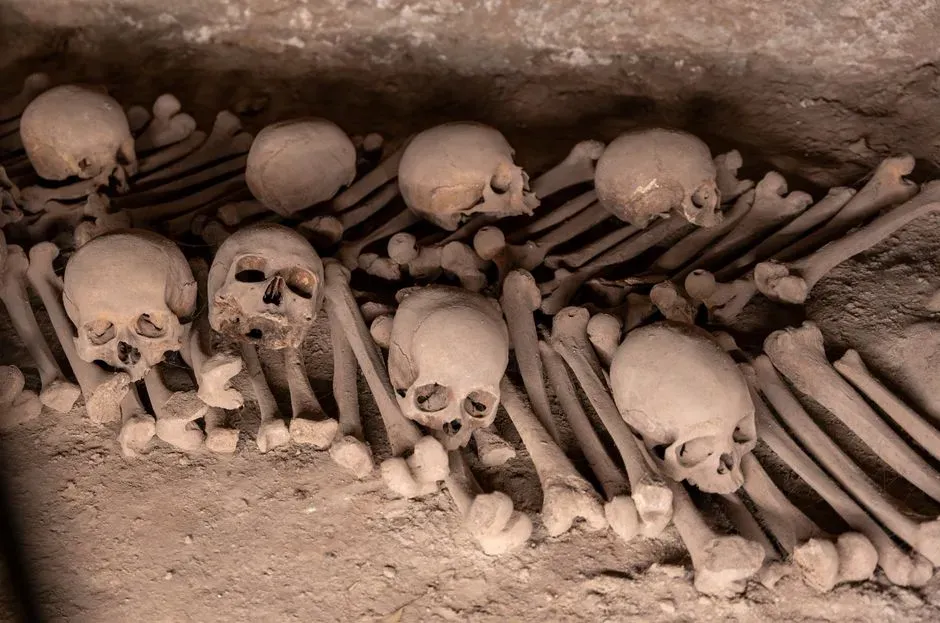
Cave mass burials across the Near East and Mediterranean have long been presented as tidy evidence of massacre and catastrophe. Lachish Cave 120 is one famous example, but it’s far from the only one – and the pattern of overreach repeats itself site after site.
Excavators typically documented large numbers of disarticulated bones scattered through mixed cave sediments. The day-to-day records – bag lists, sketch plans, unit descriptions – frequently mention secondary disturbance, reused spaces, and incomplete skeletons. Yet synthetic site reports and popular histories stripped all of that nuance away, describing one dramatic destruction layer of war dead left exactly where they fell.
Recent re-assessments comparing the original paperwork to the polished siege narratives keep finding the same contradiction. In several cases, there is simply no secure evidence the bodies belong to a single event, or even to a destruction phase at all. The documentation always left room for long-term mortuary use and later reopening; it was the demand for a clean, dramatic story that erased those possibilities in print.
#4 – Sutton Hoo’s Buried Warning: Intrusions the Notes Flagged and Books Ignored
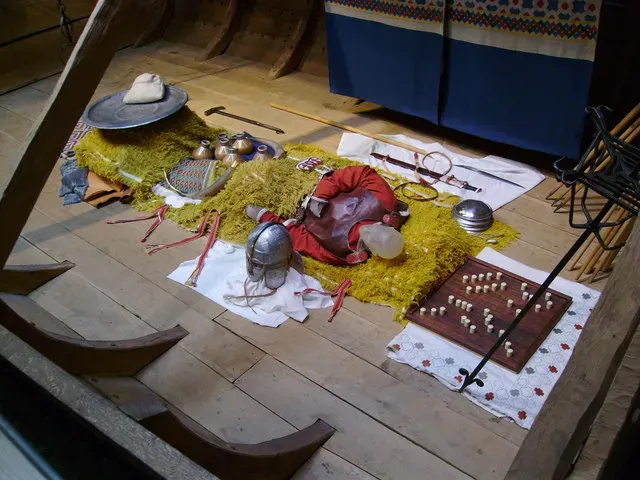
Sutton Hoo is a rare case where the original excavation notes are actually famous. Even here, though, later simplified accounts smooth over just how messy things looked in real time. The 1939 dig that uncovered the ship burial was recorded with sketches, daybooks, and context notes that explicitly mention prior disturbance: treasure hunters, intrusive features, and modern debris mixed into some fills.
Later syntheses, especially the early popular accounts, treated the mound as a far more pristine, sealed deposit than the notes ever justified, presenting a clean stratigraphic diagram with neat, distinct phases of burial and collapse. But the technical descriptions – and subsequent excavation campaigns – make clear that material from much later centuries had worked its way into earlier contexts.
That matters more than it sounds like it should, because even small amounts of intrusive material can distort dating and interpretation. The original records warned about undercutting and contamination all along; some later narratives simply wrote as if everything in a given “layer” belonged to the same brief moment in time. It took digital re-analysis and painstaking archival study to drag those early warnings back into the mainstream story.
#3 – Arbitrary Levels: The Excavation Method That Erased Its Own Evidence
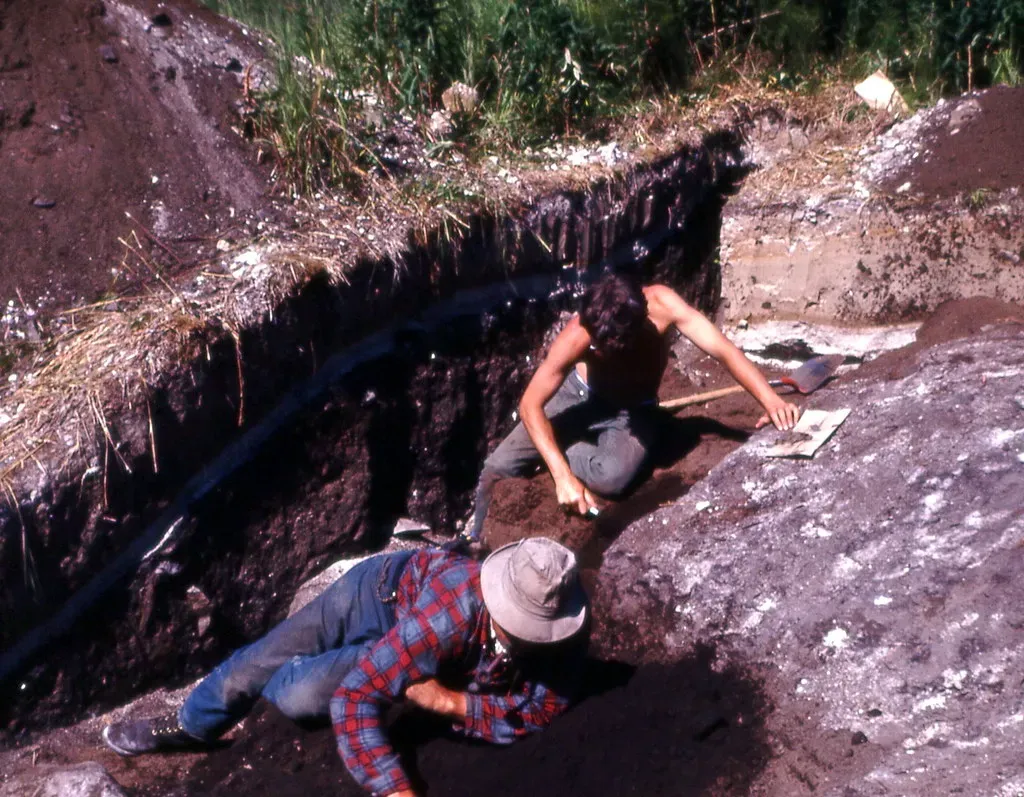
For decades, American archaeologists dug in mechanical 10-cm or 1-foot levels, regardless of what the actual soil looked like. The original field sheets from these digs are brutally honest about the cost: artifacts from genuinely different natural layers ended up lumped together in the same bag, the same level, the same box.
Those same notebooks often flag changes in soil color, texture, or inclusions happening right in the middle of a single arbitrary spit – clues that something important was being sliced through and ignored. When archaeologists later shifted toward context-based excavation, they realized the earlier method had destroyed the stratigraphic resolution needed to test their own cultural sequences.
Yet plenty of mid-century published summaries still drew crisp cultural-historical diagrams as though each level were a perfectly sealed slice of time. Re-analyses of classic North American sites have since had to admit the underlying records simply cannot support the tight phase boundaries that appeared in print. The field notes say “mixed matrix.” The book says “Phase II horizon.” That gap is baked directly into the method, not the malice.
At a Glance
- Old-school method: mechanical 10-cm or 1-foot excavation levels
- Field sheet reality: soil changes flagged mid-level, then ignored
- Modern shift: context-based, natural-layer excavation
- Consequence: published “phases” often can’t survive a check against the original paperwork
#2 – When the “Big Book” Quietly Stops Matching the Archive
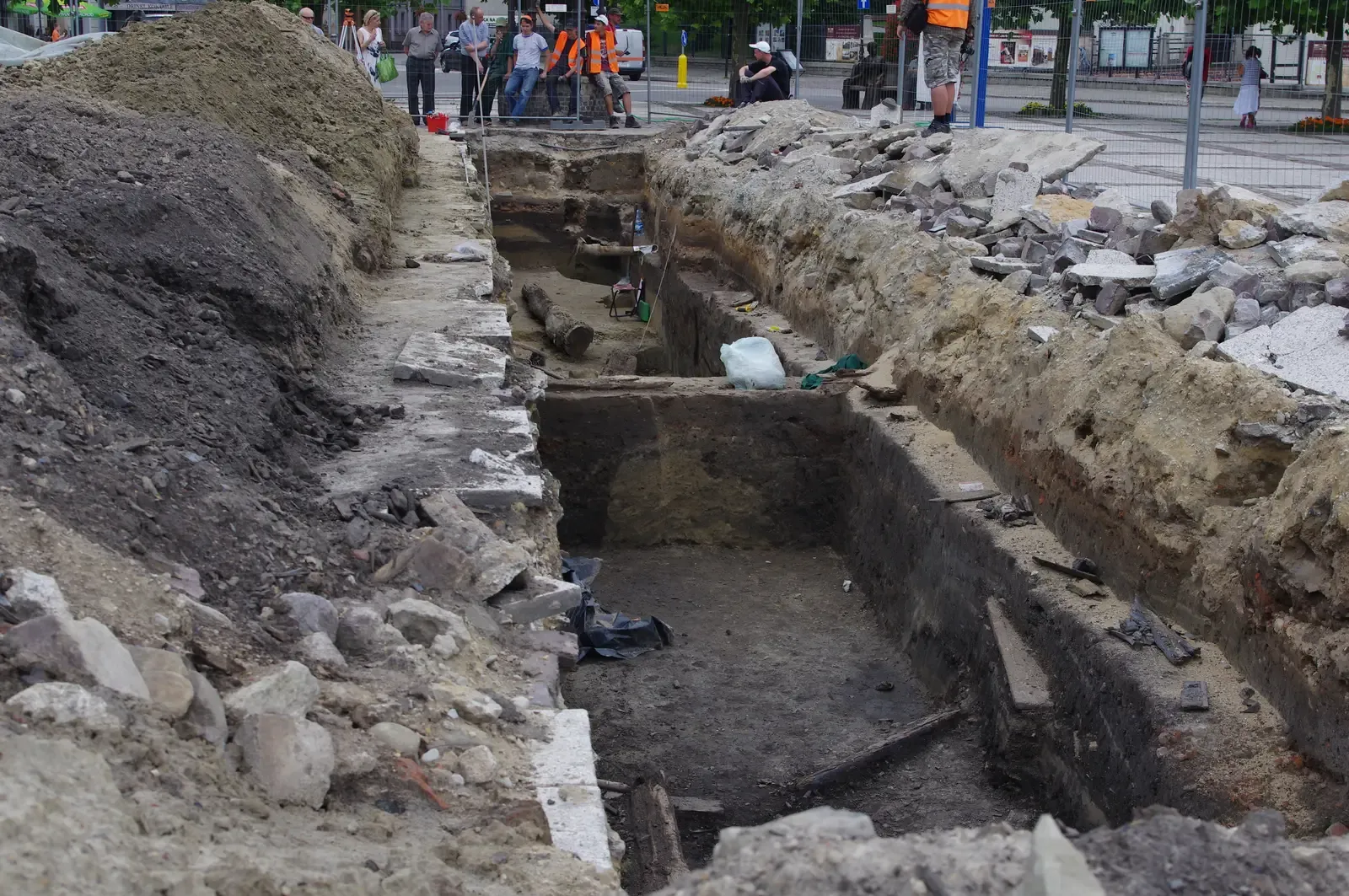
By the late 20th century, large excavation projects across Europe and North America were generating mountains of paperwork, drawings, and photographs. A recurring pattern started showing up whenever anyone checked: the glossy monograph told a clean, reader-friendly story that quietly sidelined every awkward detail sitting in the archive.
Researchers who’ve gone back into these archives, especially for sprawling multi-period landscapes, keep finding contexts that were merged, renamed, or simply left out when post-excavation teams built their final phasing. Tentative field notes scrawled in the margin – “maybe ditch?” or “possible re-cut?” – somehow harden into categorical statements in print, like “primary Iron Age boundary ditch.”
The archive preserves the doubt. The publication erases it. That doesn’t make the books useless, but it does mean they’re interpretations stacked on top of a far more ambiguous record – and archival scholars now argue that if you actually want to know what a dig found, you have to read the paperwork, not just the story built on top of it.
#1 – Millie’s Camp: The Site Where Archaeologists Got Caught Being Wrong
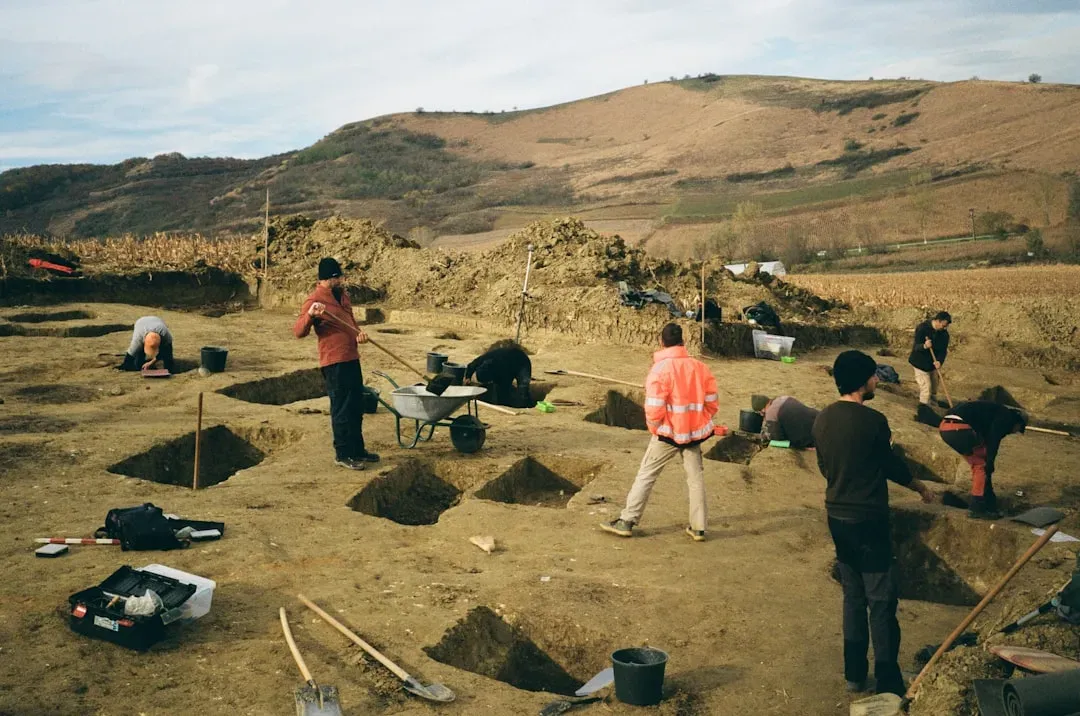
In the 1970s, a landmark experiment asked professional archaeologists to excavate a recently abandoned Native American camp nicknamed “Millie’s Camp.” The twist that made it so brutal: unlike every prehistoric site ever studied, researchers already had full, independent records of who lived where, what they did, and how their trash actually ended up in the ground – because the people who lived there had only just left.
Excavators recorded features, stratigraphy, and artifacts exactly the way they normally would for an ancient site, then wrote up interpretations using standard archaeological method. When those interpretations were compared against the known, observed history of the camp, the mismatch was sobering. Activities were misplaced. House functions were misidentified. Entire sequences got scrambled.
The excavation records were decent. The interpretive leap to a final account was where nearly all the distortion crept in.
Findings from the Millie’s Camp study
Millie’s Camp didn’t just contradict a later published account – it proved that even with good field data in hand, the jump from notebook to narrative is fundamentally fraught. The original records aren’t the truth. They’re simply the closest thing we have to what actually happened in the ground. Everything written after that is a model, and models can go badly, confidently wrong.
The Bottom Line
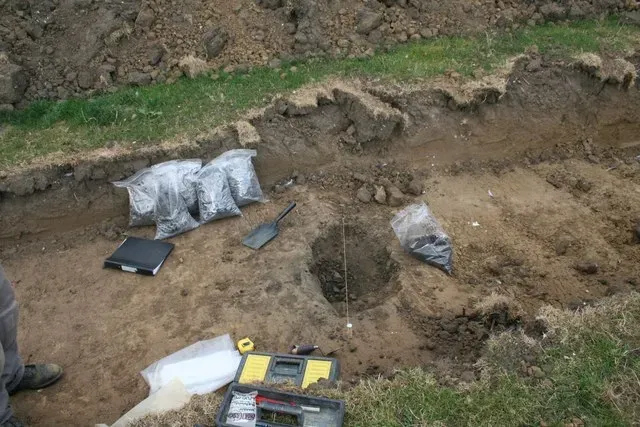
Run your eye back across Monte Verde, Oak Island, Untermassfeld, Leonard Rockshelter, Delphi, Lachish, and the rest, and one pattern refuses to go away: the further you get from the trench, the cleaner the story becomes – and the cleaner it gets, the less you should trust it. Field notes are full of question marks, intrusive layers, mixed fills, and uncertain dates. Later publications sand those edges off, turning “maybe” into “definitely” and “ambiguous scatter” into “earliest occupation,” often in direct contradiction of what the original records actually show.
I’ll say the quiet part out loud: archaeology has a storytelling problem, not just a data problem. The discipline loves a grand narrative more than it loves an honest question mark, and that appetite is exactly what turns a scribbled “maybe ditch?” into a textbook fact three publications later. Anyone who cites a single polished article as the final word on an excavation is working with half the evidence, whether they realize it or not. The real corrections – the real archaeology, honestly – are sitting in dusty boxes of notebooks, sketch plans, and unloved level sheets that almost nobody bothers to reopen.
So here’s the question worth sitting with: which do you actually trust more, the trench diary or the monograph? If your answer is the monograph, these 13 cases suggest you might want to reconsider.