You’d think a skill important enough to build an empire, sink a whale, or hold a temple’s ceiling in place for two thousand years would get written down somewhere. It didn’t. For most of human history, the highest-level knowledge humans possessed never touched paper – it lived entirely in hands, throats, and muscle memory, passed from one set of eyes to another until, one day, the last person who actually knew it simply died.
No warning. No final interview. No diagram left behind for the rest of us. What’s left instead are strange clues scattered across the archaeological record: stones cut too perfectly, domes that shouldn’t still be standing, chants nobody can fully explain. These aren’t campfire legends – they’re real, documented gaps that still frustrate historians and scientists today. Here are ten of the most haunting ones.
#10 – The Original Polynesian Star-Compass Navigators
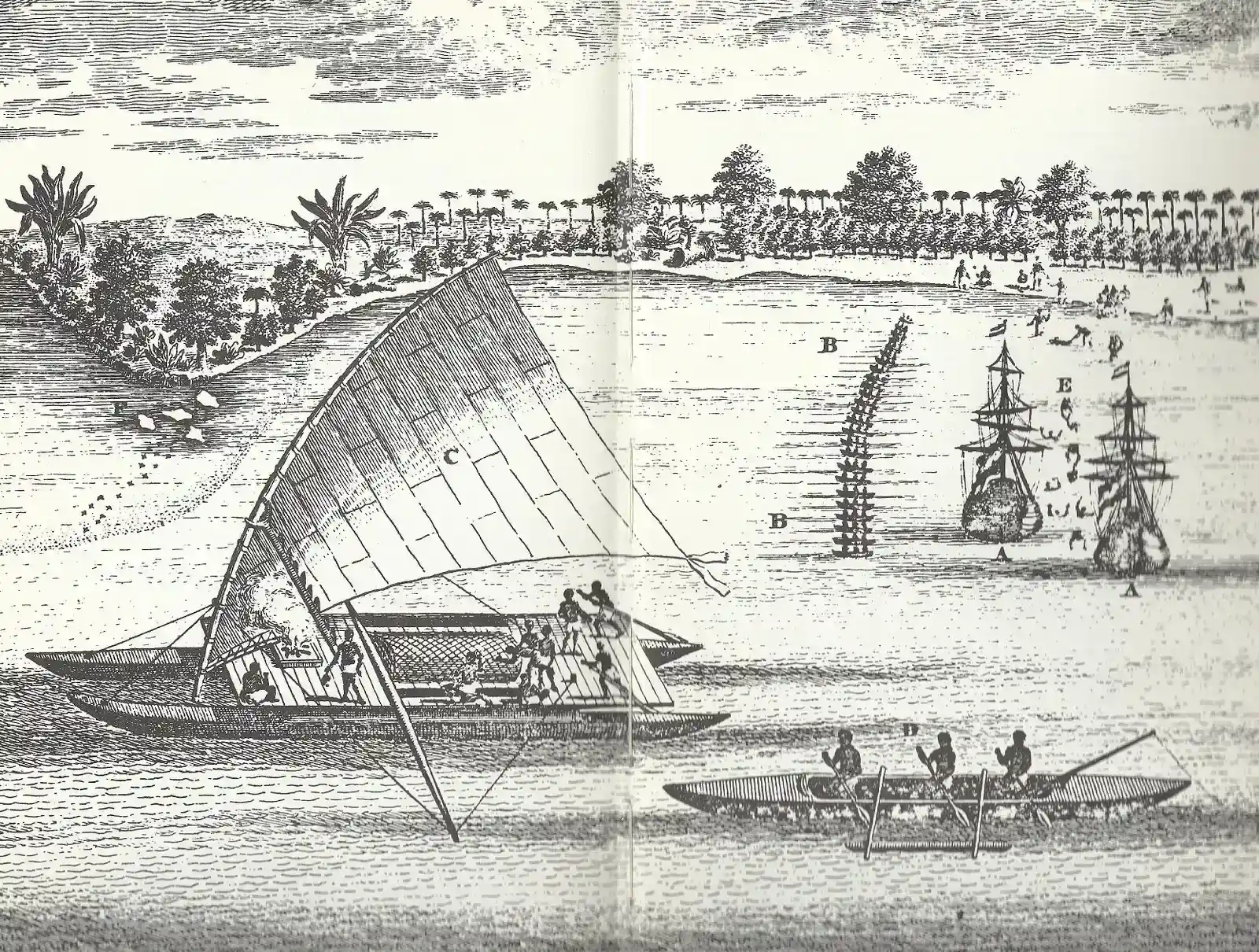
Everyone’s heard that Polynesians crossed the Pacific without instruments. Almost nobody grasps how deep that skill actually went. The last fully trained masters of certain regional navigation “schools” died before any anthropologist managed to capture their full system, leaving researchers with fragments of what was once a devastatingly effective mental technology.
From oral histories and scattered interviews, we know navigators built a moving, 3D star map in their heads – tracking not just bright stars but their rising arcs, seasonal shifts, wave patterns, cloud behavior, and even the color of reflected lagoon water. A high-level navigator could reportedly hold the positions of dozens of islands in memory while sailing blind across open ocean for weeks. Modern revivals like Hawaiian wayfinding schools are genuinely heroic – but even they call themselves reconstructions, not resurrections.
- A lot of the nuance was never verbalized; it was absorbed through decades at sea.
- Different island groups guarded rival, secret “house styles” of navigation from one another.
#9 – The Family-Secret Bronze Alloys No One Wrote Down
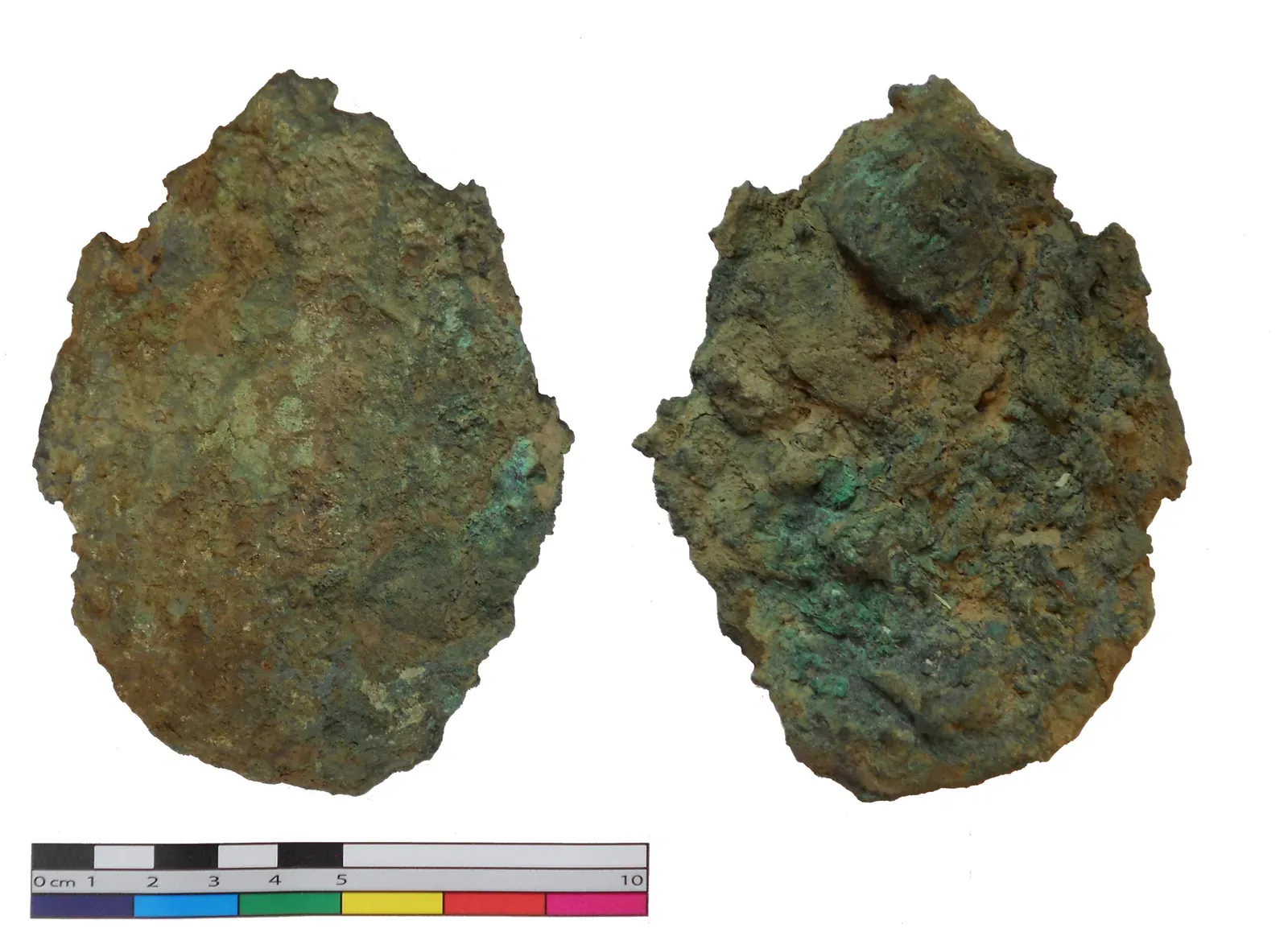
We talk about “bronze” like it’s one material. It isn’t. Ancient smiths blended copper, tin, arsenic, lead, and trace elements the way a chemist tunes a formula, adjusting hardness, flexibility, and casting behavior by instinct. The smiths who truly understood those workshop-specific recipes died centuries before anyone thought to write them down systematically.
Analysis of weapons from Mycenae, Shang-era China, and the early Near East reveals wild, intentional variations in alloy composition – hard cutting edges fused to shock-absorbing cores, with decorative inlays that hint at tacit knowledge far beyond what any surviving text describes. These smiths judged the metal by the color of the glow, the sound of the quench, and the smell of the furnace fumes, reacting in real time to cues no chemistry textbook records.
- Many workshops treated their recipes as family secrets, with apprenticeships starting in childhood.
- The “recipe” was inseparable from specific ores, fuels, and local clay molds nobody bothered to catalog.
#8 – The Field Tricks Behind Roman Concrete That Vitruvius Wouldn’t Explain
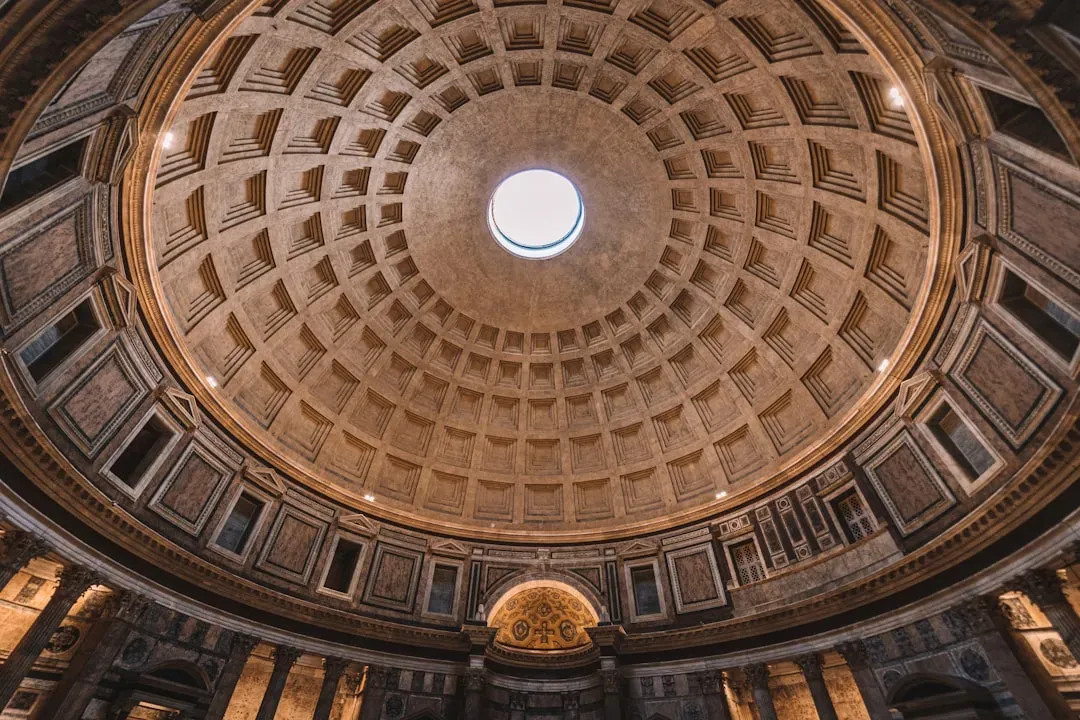
Everyone online loves saying “Roman concrete was better than ours,” but that’s only half true. We’ve cracked the chemistry – volcanic ash, lime, seawater reactions, all documented. What we don’t have is the lived, hands-on know-how of the builders who did this as a routine job, day after day, on a deadline.
Ancient texts like Vitruvius get suspiciously vague exactly where it matters: “mix to the proper consistency,” “use the right sand.” That’s not a recipe – that’s a wink between professionals. The crews who poured the durable underwater breakwaters and built the Pantheon’s still-standing dome knew precisely how wet to mix, how long to cure, how to layer coarse and fine aggregate, and when to quietly ignore the architect’s paper specifications. None of that ever got captured before those building traditions fractured apart in Late Antiquity.
Quick Compare
- What we know: the chemistry – volcanic ash, lime, and seawater reactions – is well documented.
- What we don’t: exact mixing ratios, curing times, and aggregate layering were never written down.
- Regional masonry “schools” stretched from Campania to North Africa, each with its own quirks.
- The Pantheon’s dome remains the world’s largest unreinforced concrete dome, still standing nearly 1,900 years later.
#7 – The Nameless Foremen Who Moved Stonehenge and Baalbek’s Megaliths
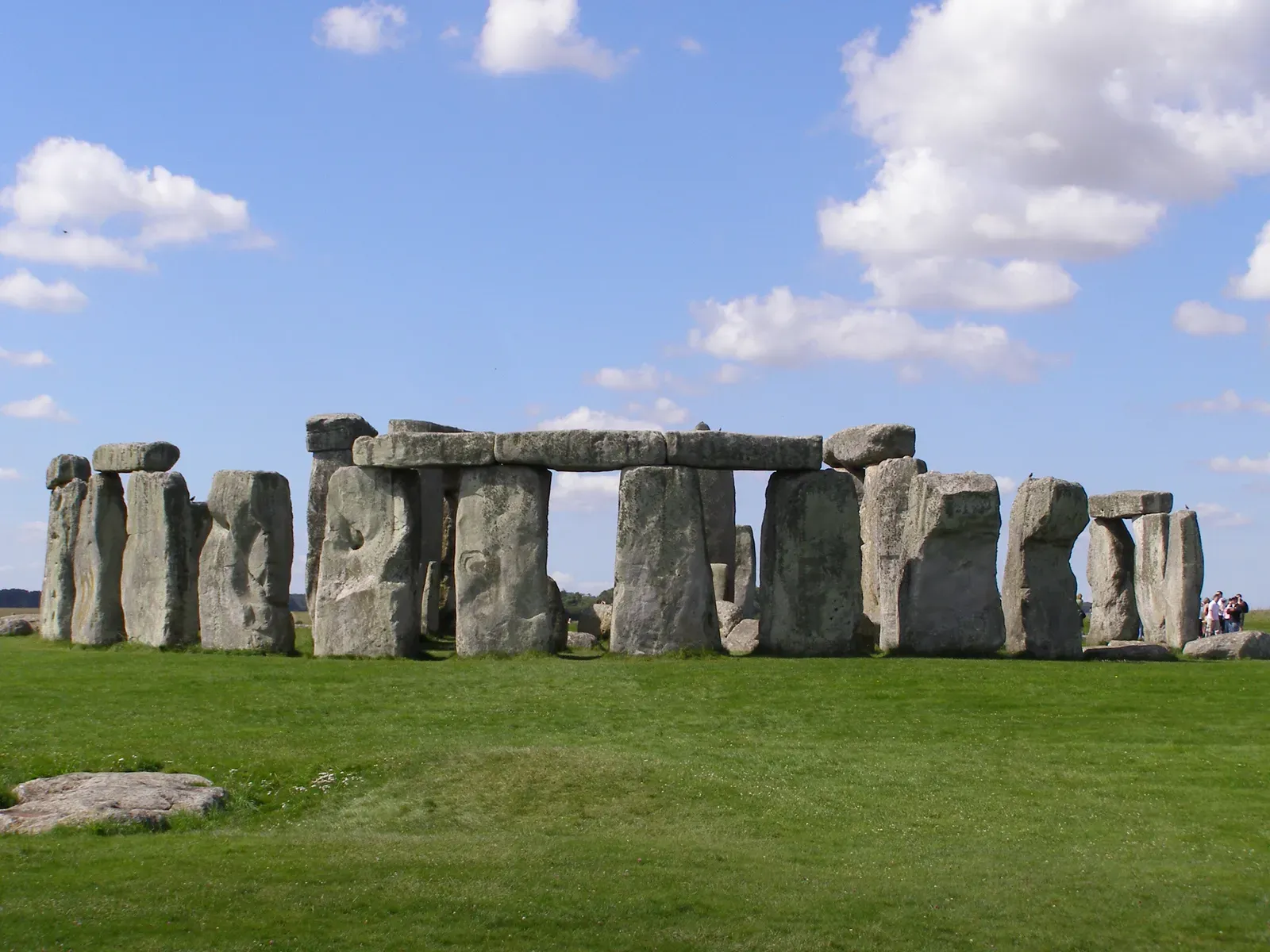
We all know the meme: “how did they move those stones?” The real answer isn’t aliens – it’s human ingenuity plus logistics nobody wrote down. Stonehenge, the trilithons at Baalbek, the moai of Rapa Nui: in every case, the last crews who habitually did this kind of work left behind mute monuments and folklore, but no technical manual.
Archaeologists have repeatedly shown you can move enormous stones with sledges, rollers, ropes, and coordinated labor. But these are prototypes, not replications of a known method. The best practice for each landscape – which surfaces to wet, when to use wooden rails versus bare earth, which knots minimize rope breakage – was refined project by project by foremen whose names history never bothered to record, because they were illiterate and their elite patrons didn’t care how the job got done.
- Many sites show “false starts” and abandoned blocks, hinting at trial and error we’ll never fully see.
- Labor forces mixed seasonal farmers, prisoners, and specialists, each trained differently.
#6 – The Precision Fire-Reading Skills Colonizers Called “Primitive”
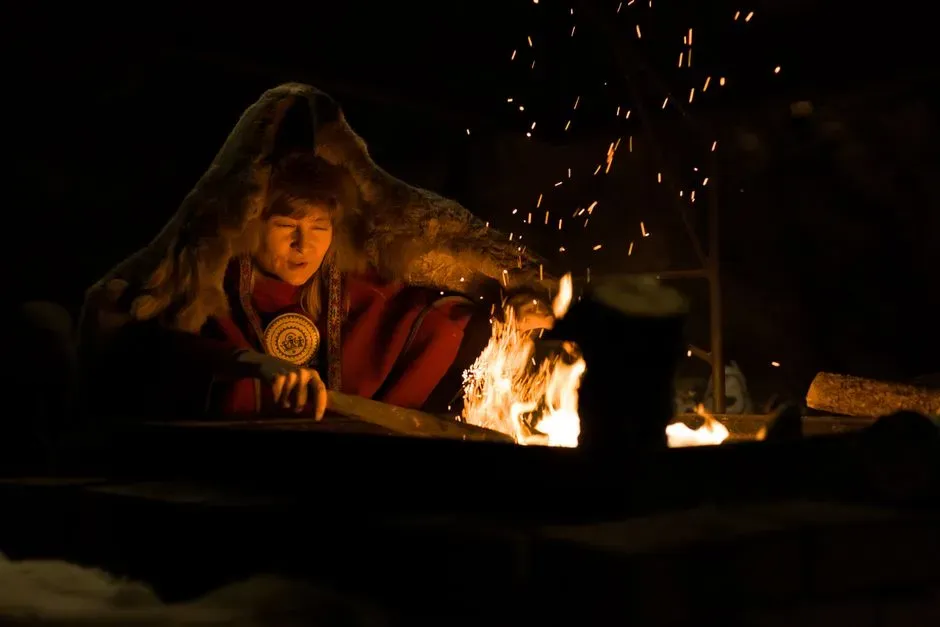
Controlled burns are trendy now, but most people don’t realize how much nuanced knowledge was already gone before ecologists showed up with notebooks. Across Australia, North America, and parts of Africa, Indigenous groups practiced fire-stick farming whose last uninterrupted practitioners died in the 19th and early 20th centuries – long before anyone treated them as scientists rather than curiosities.
Elders described “cool burns” versus “hot burns,” seasonal timing, and reading moisture in grass and leaf litter with frightening precision – lighting fires along specific ridges to steer kangaroo movement, or burning mosaic patches so that a lightning strike later in the season would fizzle out instead of exploding into a megafire. Colonial authorities banned the practice, called it primitive, and then promptly lost control of the exact landscapes it had been managing for millennia.
- Many rules were never spoken aloud; they lived in stories, taboos, and daily routine.
- After just one or two disrupted generations, the apprenticeship chain snapped for good.
#5 – The Guild Secrets Behind Manuscripts That Still Glow 800 Years Later
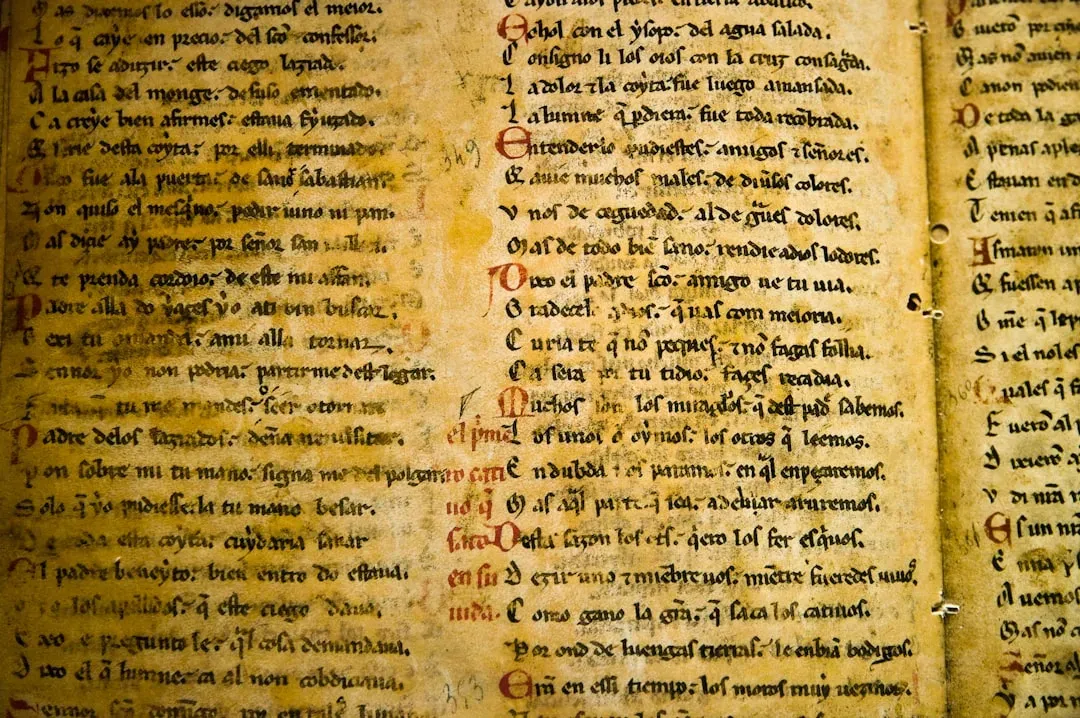
We still have the books. Museums can X-ray the pigments and gold leaf in illuminated manuscripts from Paris, Baghdad, and Constantinople. What we don’t have is the full workshop procedure of the people who turned raw parchment into pages that still seem to glow from the inside centuries later.
Some recipe books survive, but they’re maddeningly incomplete – “burnish with a dog’s tooth,” “temper the pigment with gum,” and then silence exactly where a modern conservator wants detail. The last illuminators trained inside tight-knit guilds knew which animal glue would ghost over time, which region’s lapis lazuli gave that electric blue, and how to hammer gold thin enough to flex with the page without cracking – knowledge guarded jealously as a competitive edge, not shared for posterity.
- Apprentices learned by repetition, not by reading; masters rarely revealed every trick.
- Regional scripts like insular, Carolingian, and Kufic came with material habits we still only half understand.
#4 – The Silent Ice-Reading of Arctic Whale Hunters

By the time cameras and ethnographers arrived in many Arctic and sub-Arctic communities, the most dangerous forms of traditional whaling were already being suppressed, regulated, or replaced by rifles and motorboats. The last generation that routinely hunted bowhead whales from fragile skin boats, using hand-thrown harpoons and pure sea-ice judgment, had almost none of their actual technique recorded in detail.
We have iconic photographs and outsider accounts, but those focus on spectacle, not workflow. What’s missing is the embodied judgment: when an experienced captain decided the ice lead was too unstable, how close you’d let a harpooned whale drag the umiak before cutting the line, how teams coordinated silently in dense fog using nothing but paddle rhythm and subtle hand gestures. This was combat-level decision-making in an environment that kills you for a five-second mistake.
At a Glance
- Bowhead whales can weigh up to 100 tons, hunted from skin boats holding only a handful of men.
- A single successful hunt could feed a community for much of the year.
- Colonial pressure and commercial whaling disrupted local calendars and training long before anyone documented them.
- The most seasoned hunters often didn’t trust outsiders enough to explain everything they knew.
#3 – The “Sound Masters” Who Tuned Ancient Temples Like Instruments

Ancient architects understood sound in ways that still puzzle acoustic engineers. From Greek theaters with perfect whispering points to Indian and Middle Eastern temples with long, musical reverberations, there are strong hints that specialized “sound masters” advised builders. The problem is their methods were passed on entirely by mouth, and the last true practitioners were gone long before acoustics became a formal science.
Archaeologists keep finding odd features – resonance jars embedded in walls, concealed cavities, slightly offset columns – that don’t affect structural strength but do change how sound behaves in the space. Growing evidence suggests some rooms were tuned so chants, bells, or recitations would swell, shimmer, or cancel out entirely, producing effects that felt supernatural to worshippers. Whether that tuning came from rule-of-thumb ratios or years of trial-and-error with musicians, nobody thought to write it down.
- Priestly castes often guarded temple know-how as sacred rather than technical information.
- When religions shifted, conquerors repurposed or destroyed temples without ever asking how they “worked.”
#2 – The Epic Performers Who Carried Entire Libraries in Their Voices

We tend to think of the Iliad or the Mahabharata as texts. Historically, they were performances – multi-night recited, sung, and half-improvised events staged by specialists who trained for it their entire lives. When the last masters of some of these oral “schools” died, often in the 19th or early 20th century, their exact performance technique vanished even though the words themselves survived on paper.
Ethnographers who arrived late captured a handful of performances on wax cylinder or early tape, but rarely understood what actually mattered. The masters used melody shifts, formulaic phrases, vocal timbre changes, and even controlled breathing to cue memory and mark narrative structure – turning hours of verse into something closer to live code execution than simple recitation. Some could pivot mid-epic into local gossip, then slide seamlessly back into the story, tuning the content to whoever was in the room.
In Africa, when an old man dies, it’s a library burning.
Amadou Hampâté Bâ
- Apprenticeship sometimes began in early childhood, with strict diet, voice care, and taboo observances.
- Different villages might share the same “story” but demand a completely distinct house style of delivery.
#1 – The Ritual Surgeons Whose Techniques Died With Them on Purpose
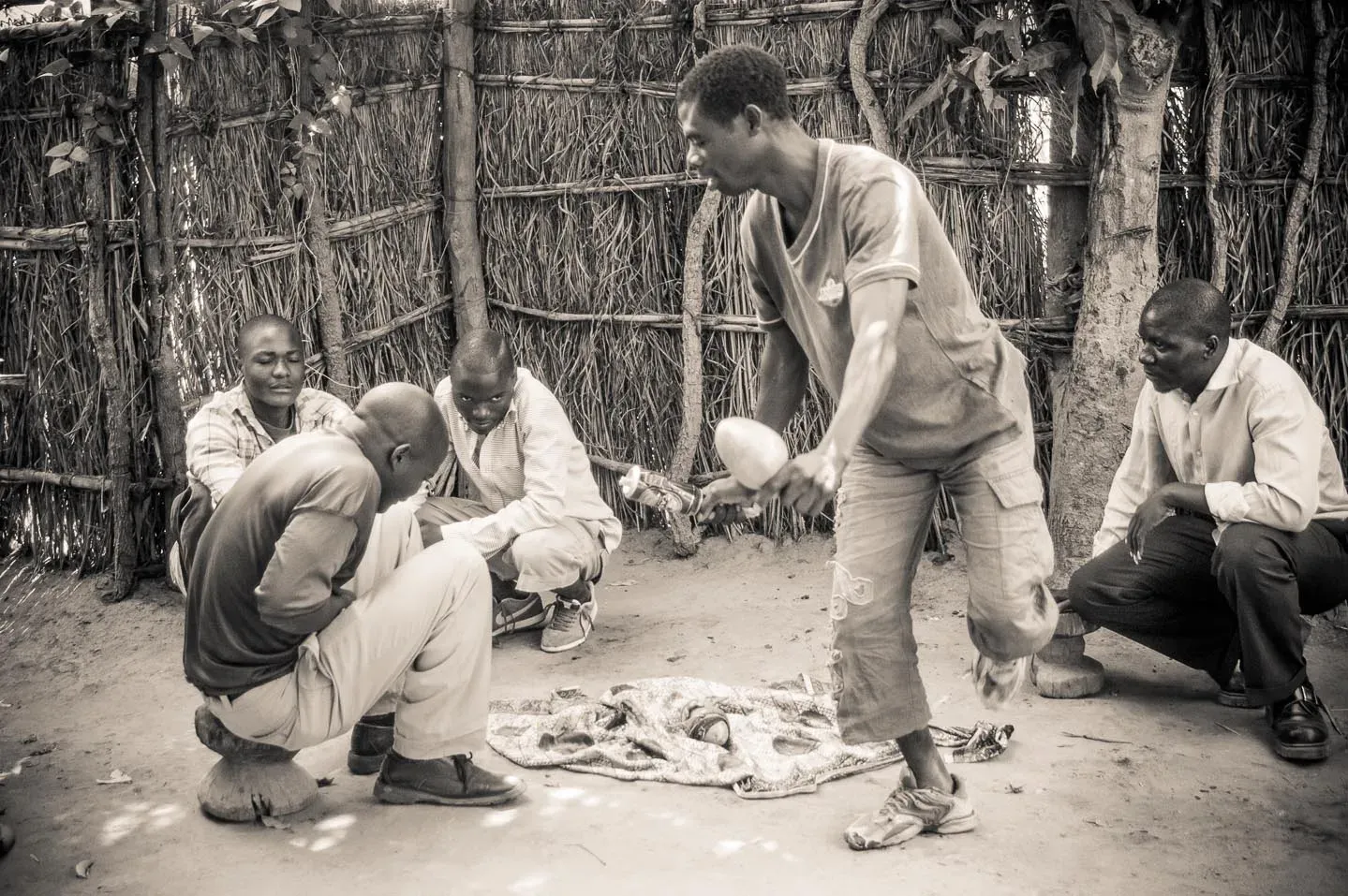
The most controversial category – and the one most likely to start an argument in the comments – is traditional medicine. Not the broad idea of herbalism or bone-setting, which is still alive in plenty of places, but the highly localized, esoteric techniques that sat at the intersection of surgery, massage, and ritual. In many societies these were guarded by a single lineage, and when the last specialist died, the method simply ended with them.
Travelers’ accounts from the 17th through 19th centuries describe startling procedures: precise manipulations to reset dislocated joints, minor eye surgeries, treatments for arrow and spear wounds that sound, in hindsight, surprisingly competent. But the observers almost never recorded grip, angle, force, or step-by-step sequence – exactly the details a modern clinician would need to evaluate or replicate the technique. They were far more interested in writing down the exotic chant than the hand placement that actually did the work.
Worth Knowing
- Travelers’ accounts from the 1600s through 1800s describe joint-resetting and minor surgeries performed with striking skill.
- Grip, angle, and sequence – the details a modern clinician would need – were almost never written down.
- Some lineages intentionally destroyed notebooks or charms so the knowledge would die with the last practitioner.
- Colonial medicine routinely dismissed these healers, severing apprenticeship chains for good.
The Bottom Line
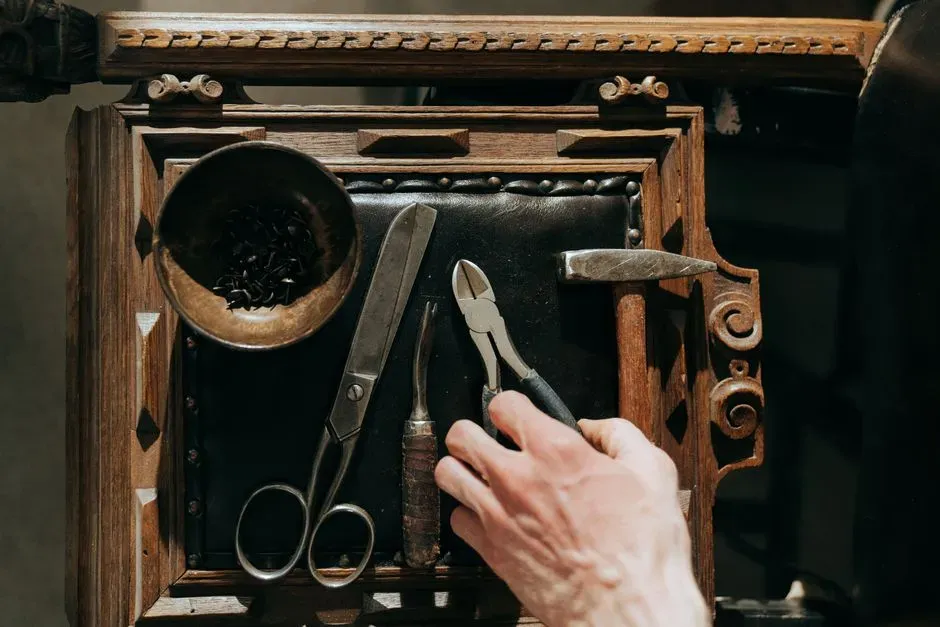
When people talk about “lost techniques,” they usually picture lost tools or lost materials. The more uncomfortable truth is that what actually vanishes is practice itself – the micro-decisions in a navigator’s body, a mason’s wrist, a healer’s fingertips. In every case above, the physical evidence survives: ships, stones, temples, books, scars in the landscape. But the method died with humans who were never treated as engineers worth interviewing.
That’s not romantic. It’s a failure of curiosity by the literate elites who had every chance to ask the right questions and simply didn’t bother. The modern fantasy is that any lost skill can be reverse-engineered from ruins and a good lab. That’s a flattering idea, and it’s often wrong – some things we will only ever approximate, no matter how good our chemistry gets.
The uncomfortable question worth sitting with is this: which techniques alive right now, in small workshops, endangered languages, or marginalized trades, are already one funeral away from disappearing the exact same way? If you think we missed one that belongs on this list, argue your case in the comments – that debate is genuinely the point.