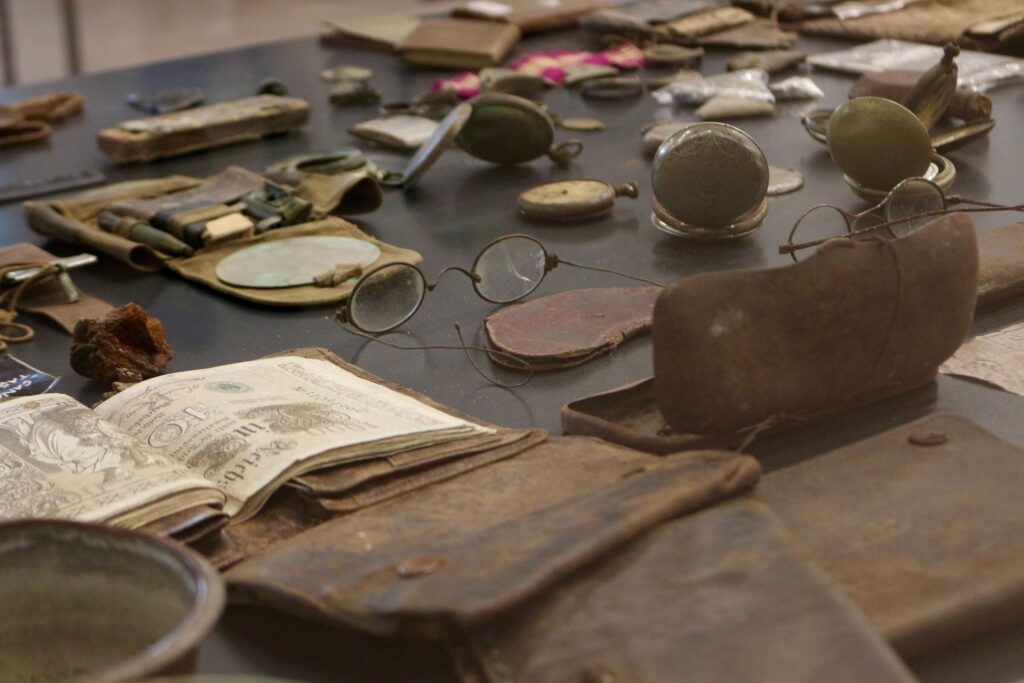

Museums love to tell you every empty spot on the wall is just “on rotation.” Sometimes that’s true. But peel back the label on enough vanished objects, and “rotation” quietly turns into radioactive, embarrassing, legally toxic, or politically inconvenient – the kind of reasons no wall text will ever print.
We dug through conservation records, repatriation disputes, and the quiet paper trail curators leave behind to find 13 artefacts that disappeared from public view without a real explanation. Some left because of blood. Others left because of radiation, fraud, or a phone call from a lawyer. By the end, you’ll never read an “under renovation” sign the same way again.
#13 – The Shroud of Turin’s Vanishing Public Role
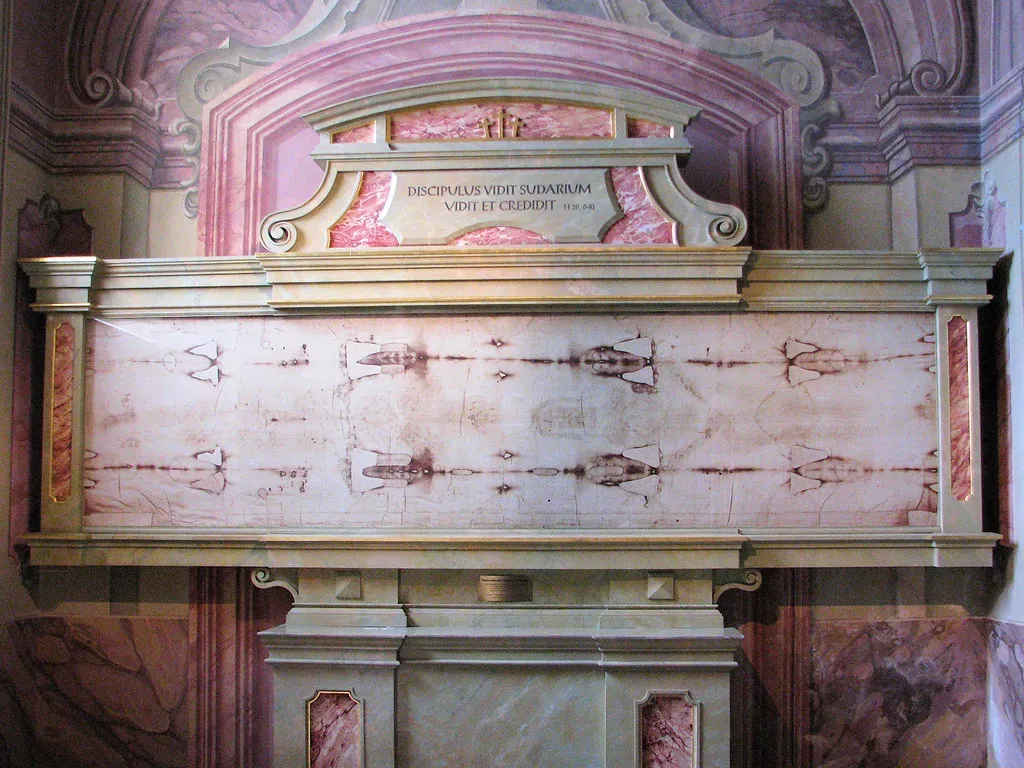
For decades, the Shroud of Turin felt like the ultimate “come see for yourself” religious relic. Then, almost overnight, it became something you mostly encounter as a carefully controlled image rather than a physical object on open display. Officially, it’s “preserved,” “protected,” and “shown only occasionally.”
Behind the scenes, science had already shredded any simple narrative. Radiocarbon tests in the late 1980s dated the cloth to the Middle Ages, and later studies questioning contamination only muddied things further. Religious authorities couldn’t keep exposing it as a “proof” relic while researchers used it as a case study in how messy evidence can get, so locking it away solved a lot of headaches at once.
Fast Facts
- In 1988, three independent labs – Oxford, Arizona, and Zurich – carbon-dated shroud samples in a study coordinated by the British Museum.
- The results, published in the journal Nature in 1989, dated the linen to roughly 1260-1390 CE, squarely in the medieval period.
- The Vatican owns the shroud, which is kept in Turin Cathedral and shown publicly only during rare, scheduled “expositions.”
- Raw data from the original test stayed unpublished for nearly three decades, until a legal request forced its release in 2017.
#12 – The British Museum’s Controversial Human Remains
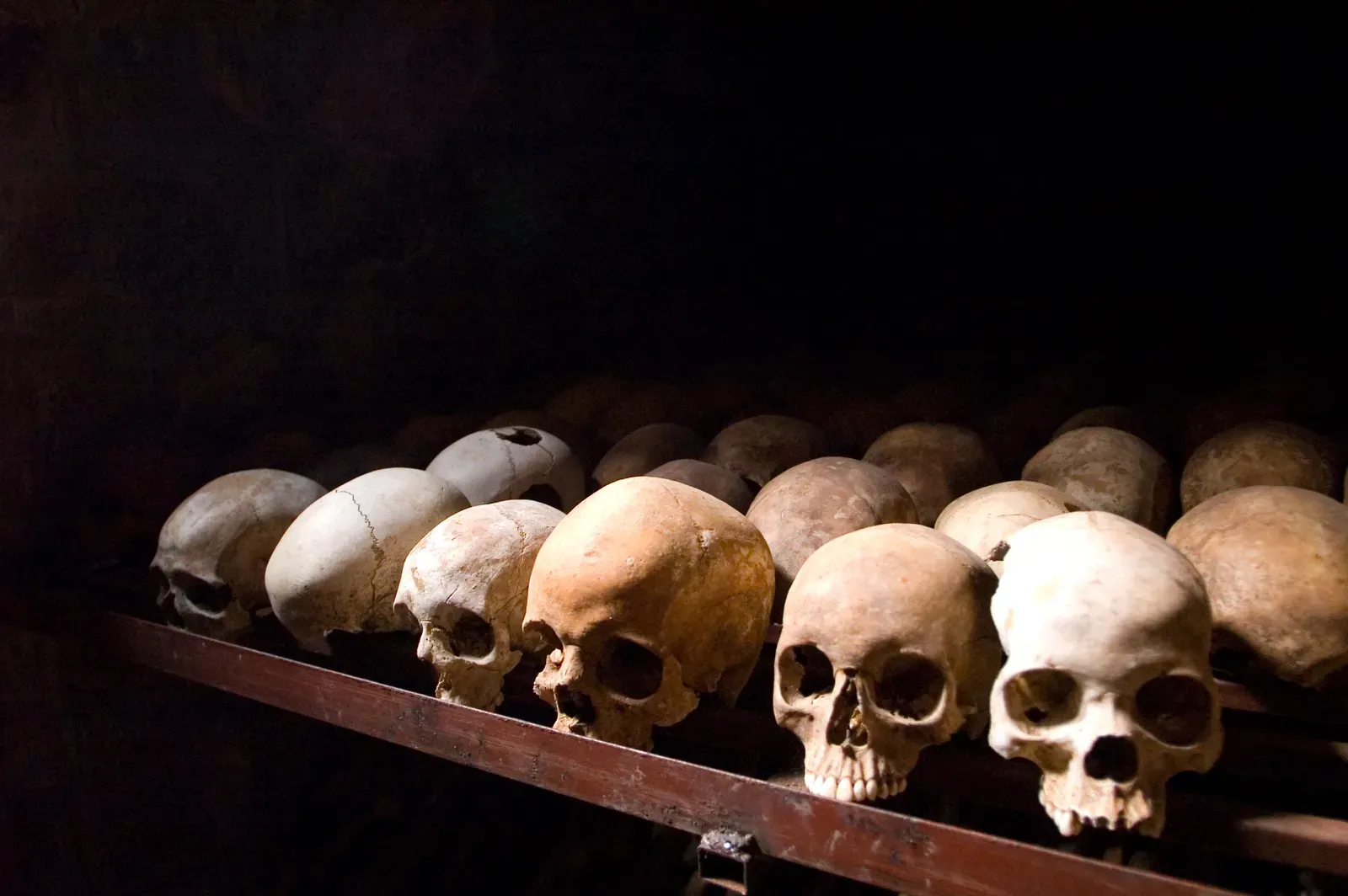
Most visitors never realize that some of the most ethically explosive artefacts in major museums aren’t gold or marble – they’re bones. The British Museum, like many others, holds thousands of human remains, and for years, skulls, mummies, and skeletons were casually displayed under labels like “anthropology” or “curiosities.”
Then, little by little, certain displays disappeared without fanfare. The reason is simple and explosive: consent. Many remains were taken during colonial expeditions that cataloged the skull shapes of conquered peoples, and now descendant communities are demanding repatriation or, at minimum, dignity. The label changes from “Exhibit” to “Legal Liability” overnight – and curators absolutely notice, even when visitors don’t.
#11 – The Smithsonian’s Airbrushed Eugenics Collections
Hidden inside the history of American science is a chapter museums now regret ever celebrating. In the early 20th century, U.S. institutions collected charts, instruments, and even propaganda used to justify forced sterilizations and “racial hygiene,” and some of it sat in exhibits about “progress” for decades.
Once the full horror of those programs became widely acknowledged, a quiet purge began. Skull-measuring devices, “desirable traits” posters, and celebratory portraits of eugenics pioneers were pulled and boxed, officially listed as “available to researchers.” In practice, you can’t market yourself as a family destination while showcasing tools once used to argue certain children shouldn’t be born, so curators bury the evidence in archives instead.
#10 – The American South’s Gone-Overnight Confederate Artefacts
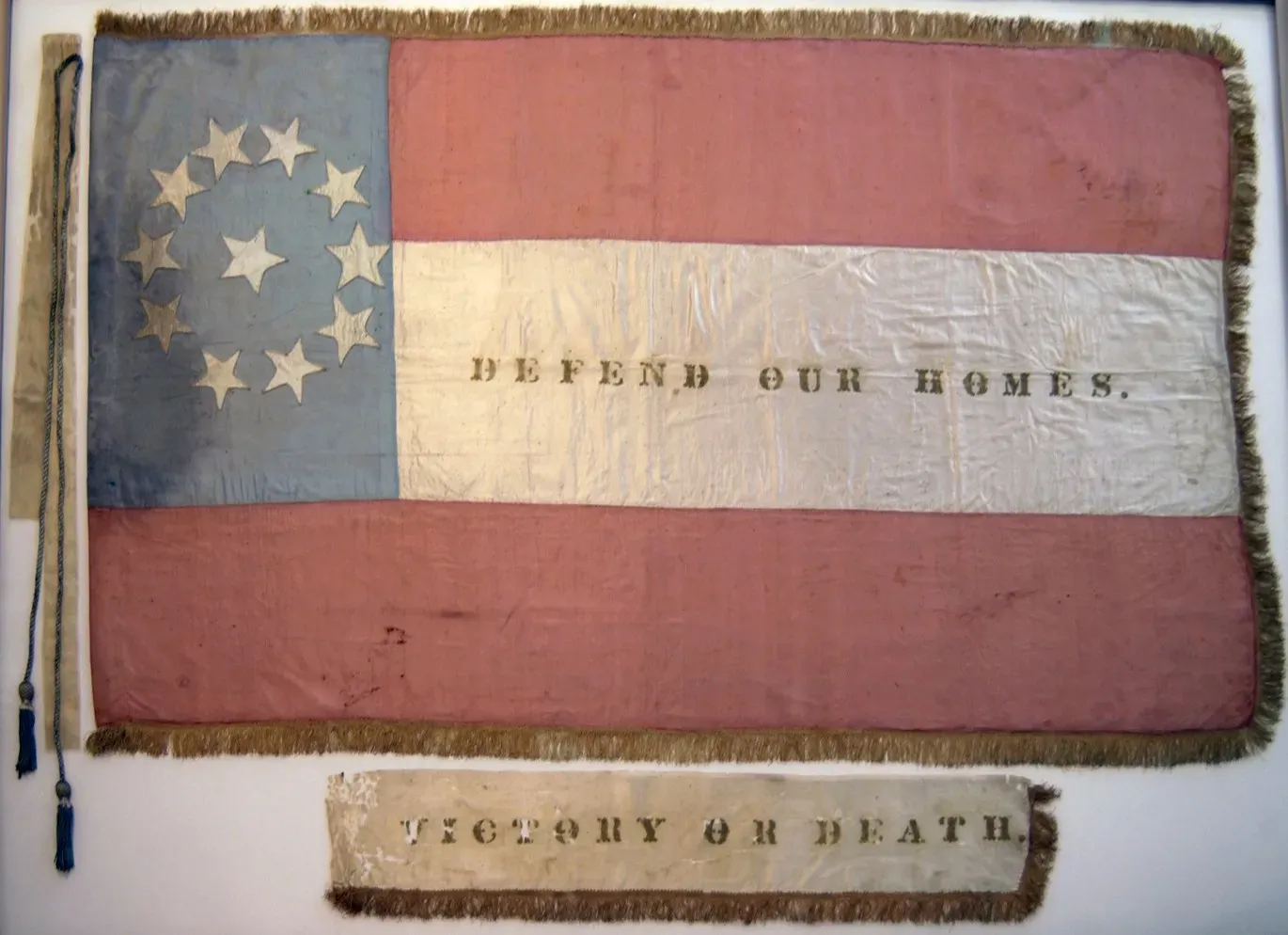
People assume the Confederate monument fight is only about statues in town squares. What they miss is how many museum-held Confederate artefacts have been quietly sidelined too – battle flags, heroizing portraits, and Lost Cause memorabilia that once filled regional galleries.
Conservators will say space is limited and exhibits rotate, and that’s all true. But it misses the deeper story: artefacts don’t become “neutral history” just because they’re indoors. When an object actively feeds modern extremist iconography, leadership often chooses the least explosive option – box it, lock it, and make researchers request special access if they really want to see it.
#9 – Sacred Indigenous Objects Pulled Before Repatriation Even Started
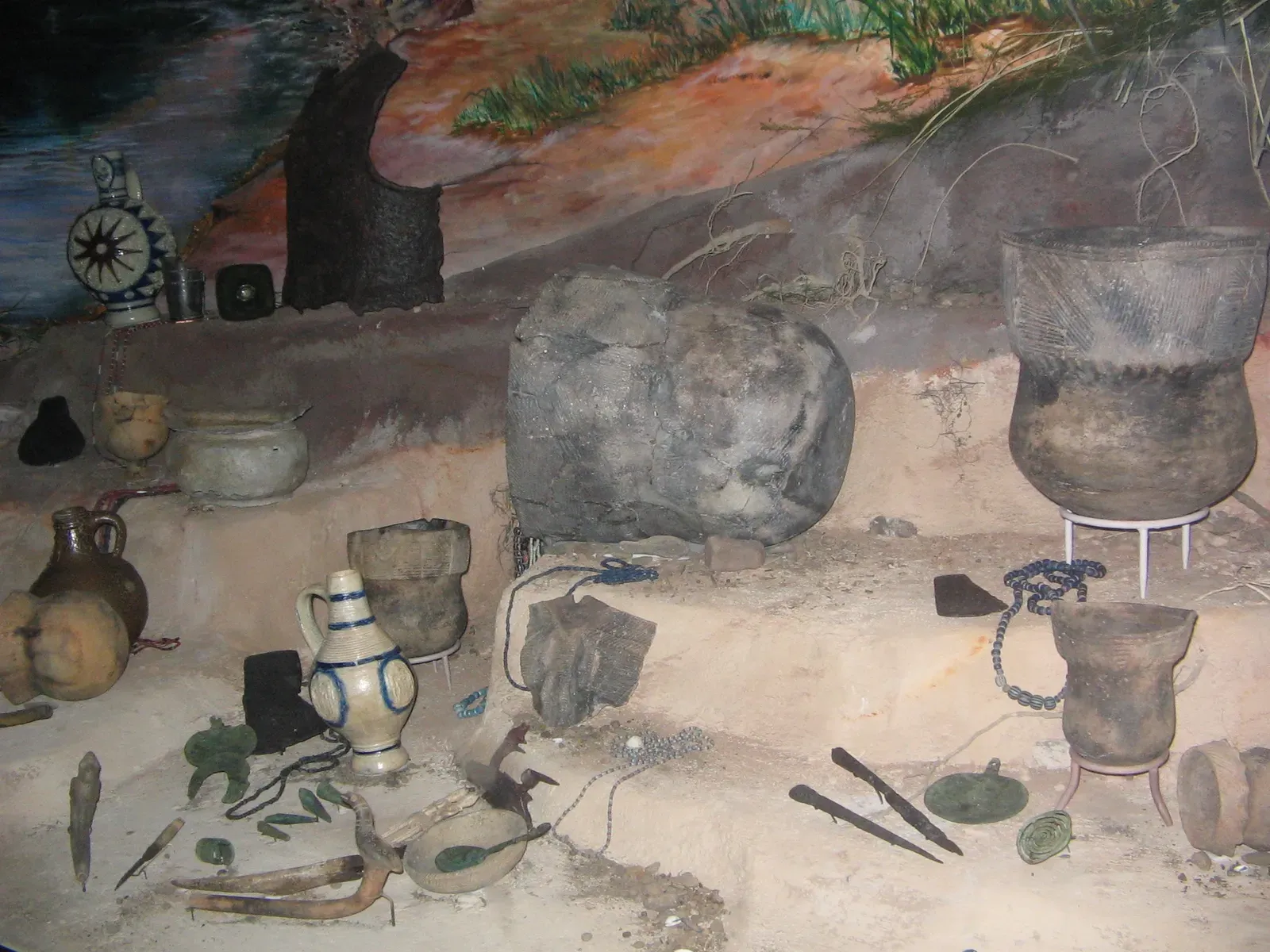
Most people don’t realize how many Indigenous sacred objects were collected by missionaries, soldiers, and anthropologists, then put behind glass labeled simply as “art.” Prayer bundles, ceremonial masks, and funerary items – never meant for casual viewing – were often cataloged with almost no input from the communities they came from.
As repatriation protocols strengthened, something telling started happening: these pieces vanished from displays even before they were formally returned. Curators rarely admit, “We removed this because we’re probably going to have to give it back.” Instead, once a tribe or First Nation formally objects, leaving the object out starts to feel like flaunting stolen property – so it disappears into a climate-controlled room while negotiations drag on for years.
#8 – The Benin Bronzes No One Wants to Talk About Anymore
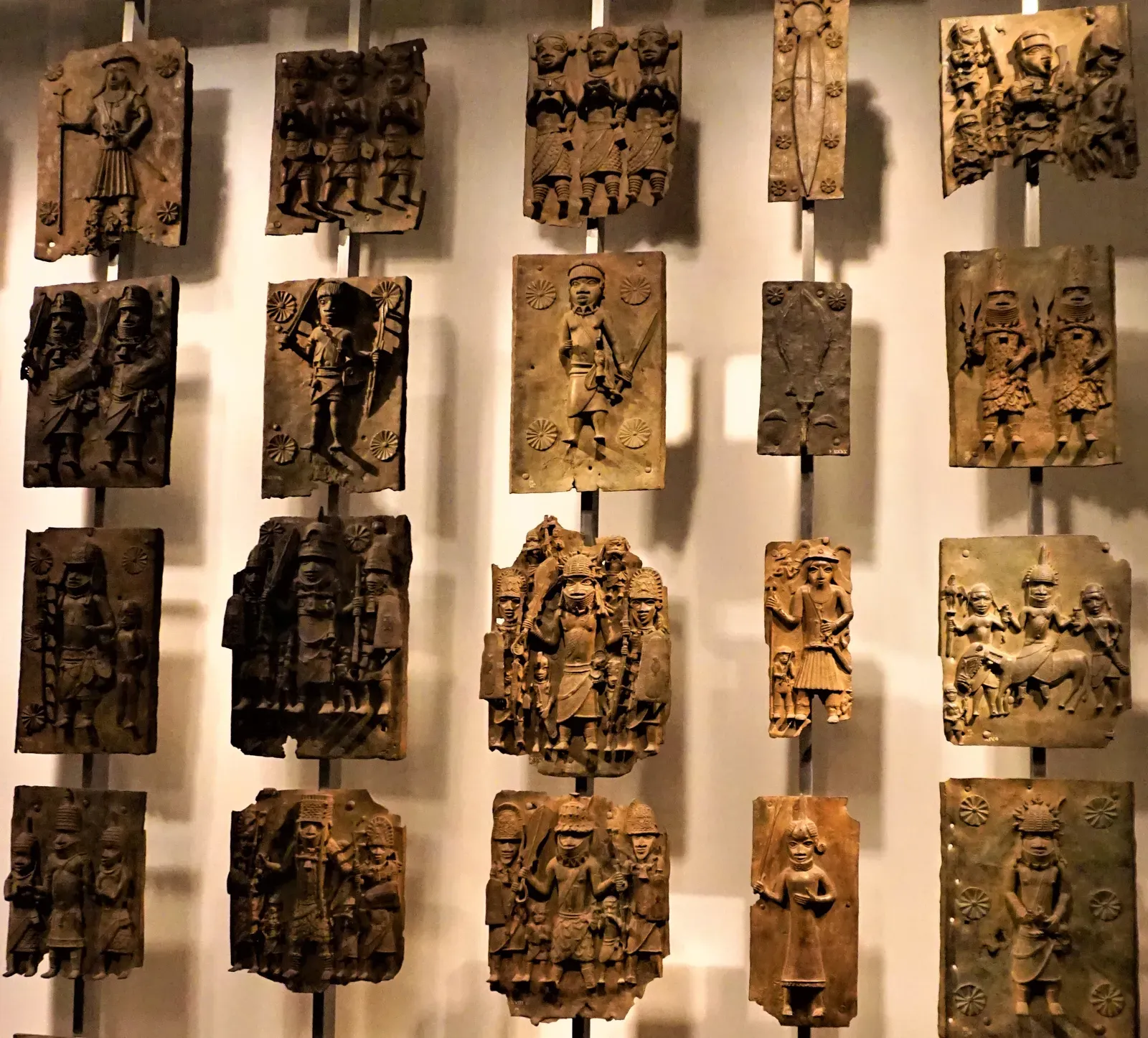
The Benin Bronzes might be the most famous example of imperial looting – hundreds of spectacular metal plaques and sculptures seized by a British punitive expedition in 1897 and scattered across European and American museums. For decades they were star pieces: center cases, cover images, blockbuster catalogues.
Then restitution pressure hit, and suddenly some of those masterpieces drifted into storage or “study rooms.” Every time a museum showcases one now, it invites the same question: when are you sending it back? Until negotiations with Nigeria are finished, institutions downplay what they still hold, and the bronzes migrate off the floor while the public is told it’s simply “new curation.”
At a Glance
- British forces looted the royal palace at Benin City in February 1897, carrying off thousands of brass plaques, ivories, and ceremonial objects.
- The Benin Bronzes are now scattered across more than 160 museums and countless private collections worldwide.
- In 2022, Germany transferred ownership of over 1,100 bronzes to Nigeria – the largest single repatriation of African art in history.
- The British Museum still holds roughly 900 pieces, restricted from permanent return by a 1963 UK law.
#7 – Radioactive “Scientific Marvels” From the Atomic Age
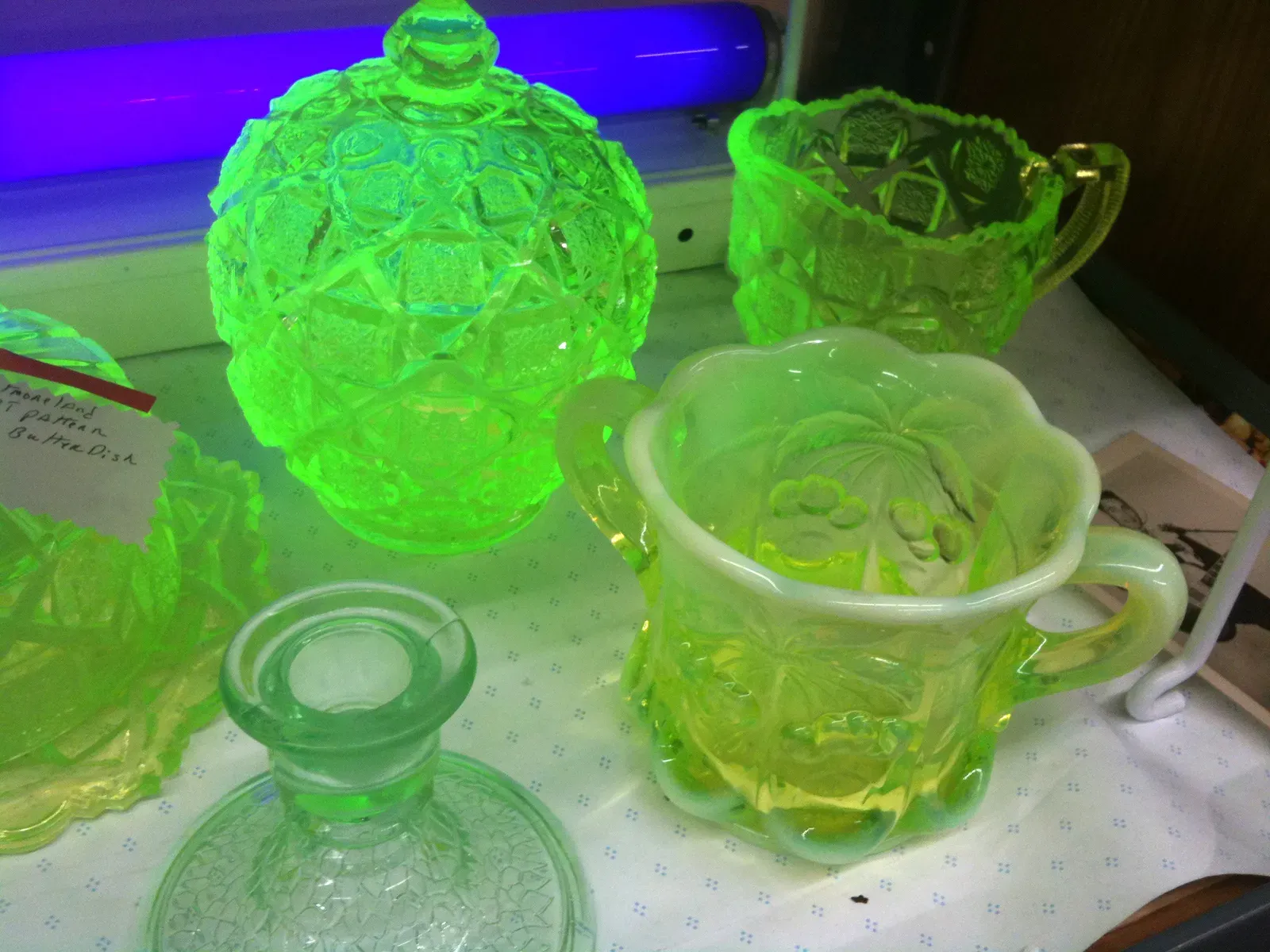
In the mid-20th century, museums loved showing off the bright side of the atomic era: glowing uranium glass, radium health tonics, tiny “harmless” samples of ore. It was marketed as proof that science was conquering nature – and it played beautifully to toddlers pressing their faces against the glass.
Radiation safety standards changed, insurance companies got conservative, and some objects – like early radium-dial instruments – genuinely pose a cumulative risk if handled carelessly. So exhibits quietly disappeared. The artefacts weren’t destroyed; they were locked away, sometimes with dosimeter tags attached, while curators talked publicly about “updating themes.”
#6 – The “Ethnographic Dioramas” That Aged Terribly
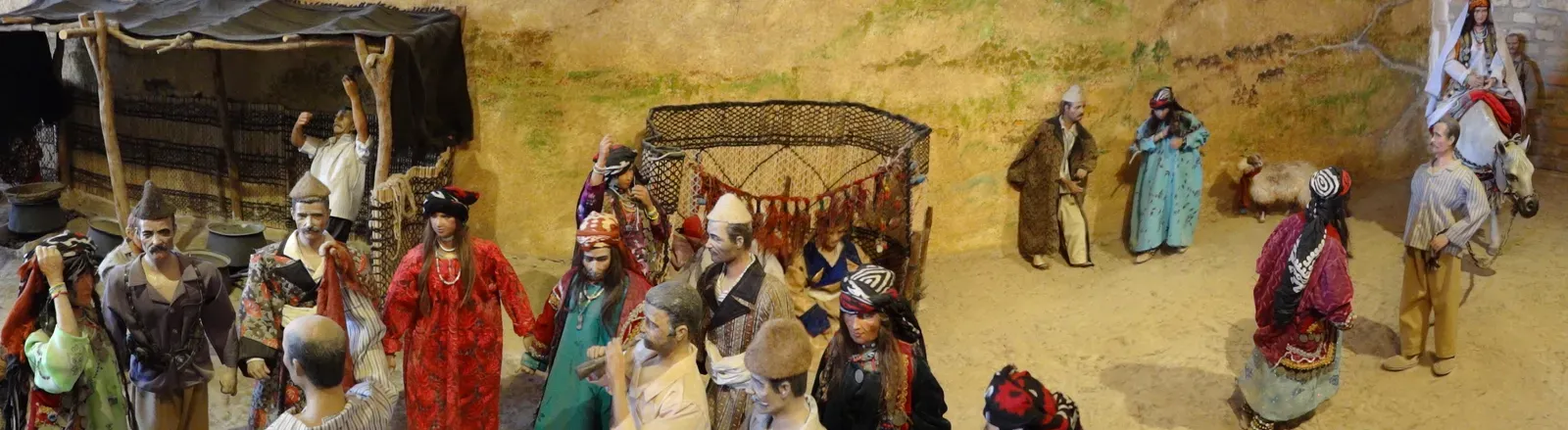
For much of the 20th century, natural history and anthropology museums used life-size dioramas of “typical natives” to illustrate cultures – wax figures in feathered headdresses, recreated huts, “family scenes” frozen in time. At the time, they were praised as educational. Now they read as racial caricatures frozen in amber.
The figures often mashed together different groups or leaned on stereotypes supplied by colonial observers. Rather than keep them up and look racist, or tear them down and admit decades of misguided “education,” many museums chose a quieter middle path: label the gallery “under review,” then one day the mannequins were simply gone, leaving only the taxidermy or landscapes behind.
#5 – Nazi-Looted Art That Suddenly “Needed Conservation”
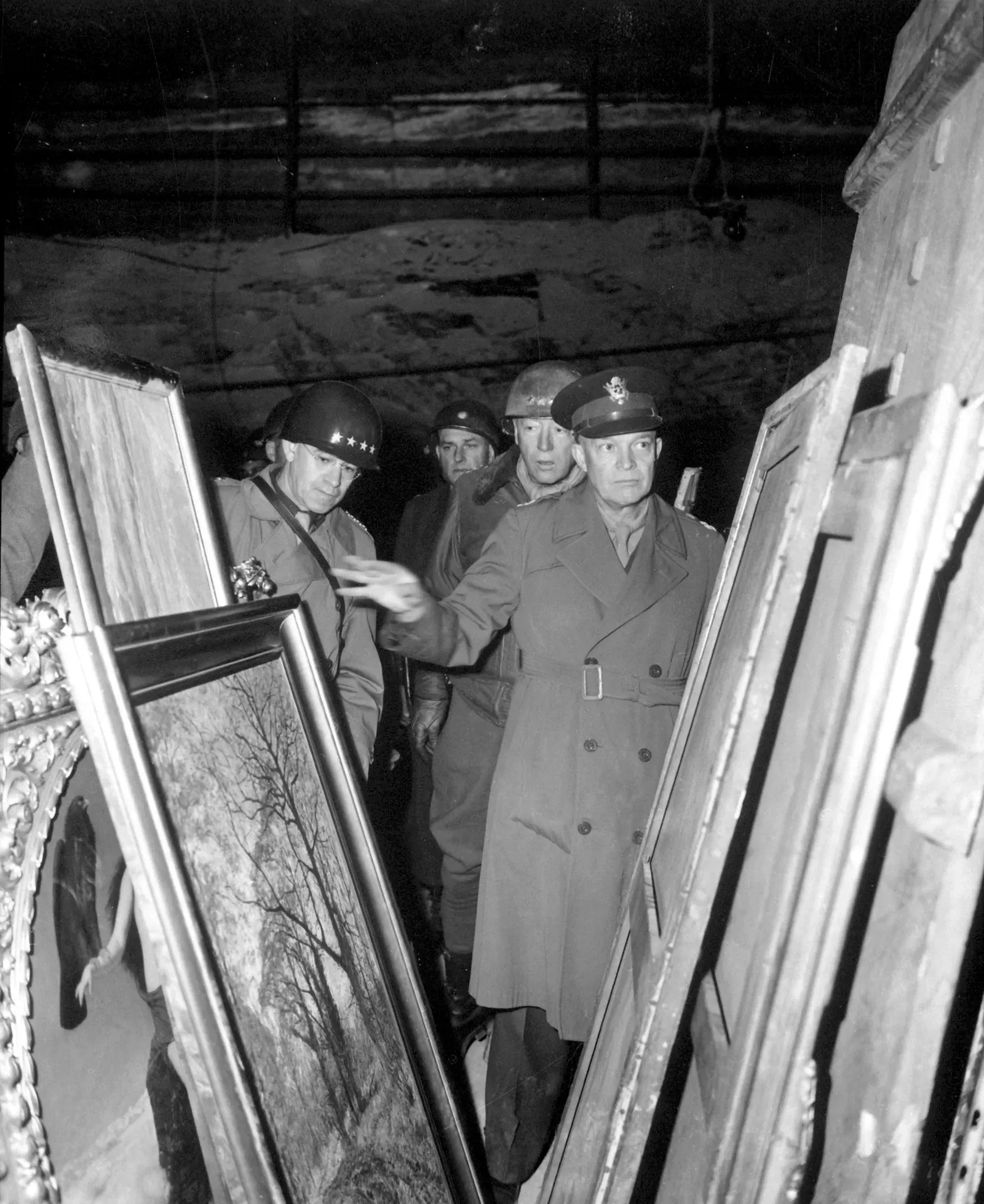
Every major European art museum quietly lives with a moral hangover: paintings and sculptures that passed through Nazi hands between 1933 and 1945, many hung for years without detailed provenance labels. As research improved and families of Jewish collectors began filing claims, a strange pattern appeared – certain high-value pieces suddenly went off display for “conservation” or “research.”
Conservation does happen, of course. But once staff confirm a painting has a likely looted past, they often remove it from view while lawyers and heirs negotiate. No one wants a viral photo of a masterpiece captioned, “This was stolen in 1941 and never returned.” When deals are finally reached, the work may reappear with an uncomfortable new label – or never return at all.
Worth Knowing
- Nazi Germany looted an estimated hundreds of thousands of artworks from Jewish collectors and museums between 1933 and 1945.
- In 1998, delegates from 44 countries adopted the Washington Conference Principles, a widely cited framework for identifying and resolving Nazi-era claims.
- Gustav Klimt’s “Woman in Gold” was restituted to the Bloch-Bauer family in 2006 after a landmark legal fight.
- Many major museums now employ dedicated provenance researchers whose full-time job is tracing ownership gaps back to the 1930s and ’40s.
#4 – Prized “Ancient” Artefacts Pulled After Authentication Scandals
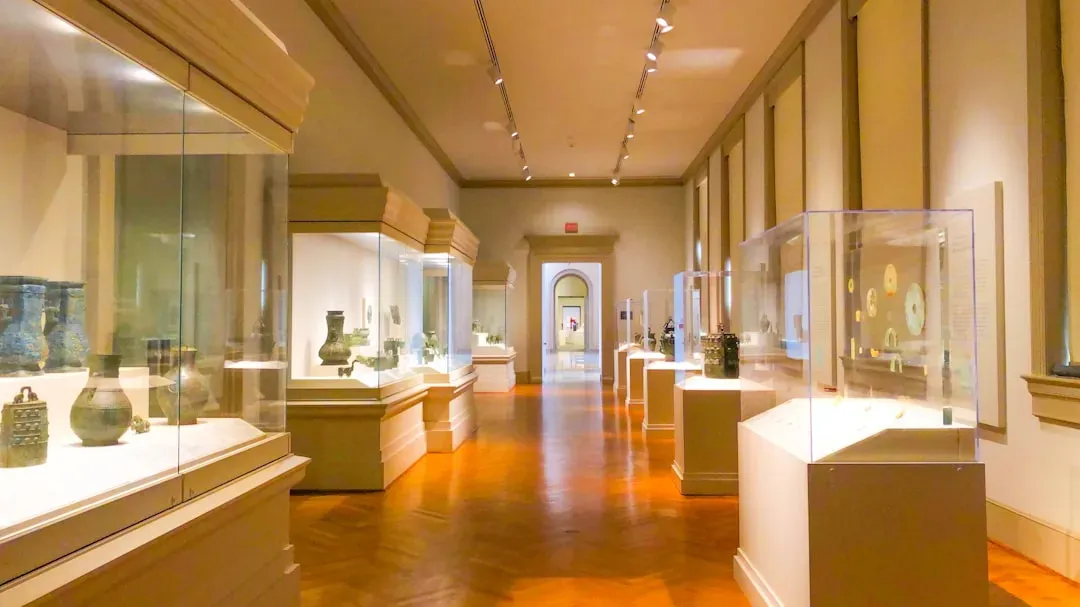
Museum visitors rarely think about how many objects on display are quietly suspected fakes. High-profile scandals – around “newly discovered” Dead Sea Scroll fragments, Etruscan bronzes, or sensational “ancient” manuscripts – have forced institutions to admit that even major museums can be fooled.
When doubts pile up, star objects often vanish into storage long before any public confession. If a museum paid millions or built a blockbuster exhibit around a forged piece, there’s nothing to gain from leaving it in a case where visiting scholars can point and whisper. The catalogue entry gets more cautious, the public narrative fades, and the object lives in archival limbo – too embarrassing to show, too expensive to discard.
Quick Compare
- Museum of the Bible’s Dead Sea Scroll fragments: all 16 pieces were declared modern forgeries after a scientific investigation released in 2020, reportedly cut from old leather and inked to mimic ancient texts.
- The Getty kouros: acquired by the J. Paul Getty Museum in the 1980s, this “ancient” Greek statue still carries a label acknowledging it may be a modern fake.
- The Met’s Etruscan “Warriors”: proudly displayed for decades as prized antiquities before later being exposed as the work of 20th-century forgers.
#3 – Embarrassing “Medical Curiosities” From 19th-Century Collections
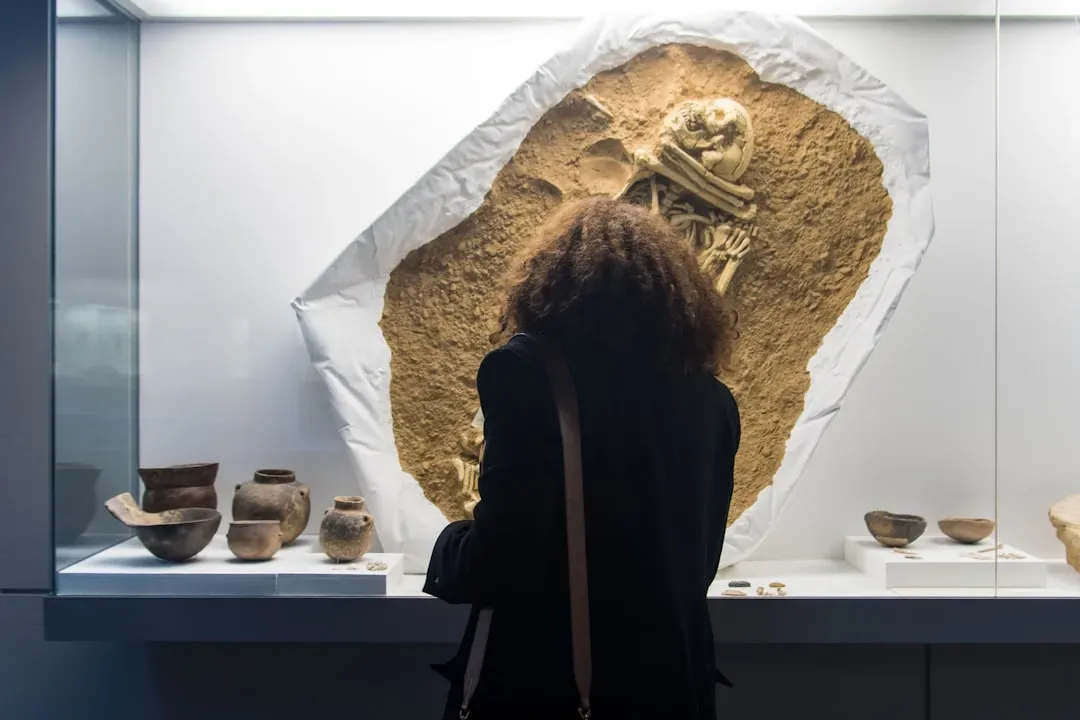
Medical museums once drew crowds with what we’d now call exploitation: preserved fetuses, conjoined twins in jars, “monstrous” growths, skeletons of people with rare conditions – all framed as “educational wonders.” These were real people, often poor, often exhibited without meaningful consent. In the 19th century, that was science. Today it’s a human-rights nightmare in glass.
As modern ethics committees reviewed collections, a wave of quiet removals followed. Labels about “progress in understanding pathology” got replaced with storage codes and restricted-access notes, because nobody wants these remains Instagrammed by tourists. They now exist in an in-between state – catalogued, physically present, morally radioactive – and museums rarely issue a press release explaining why they disappeared.
#2 – Sacred Religious Objects Once Displayed as “Decor,” Now Hidden Away
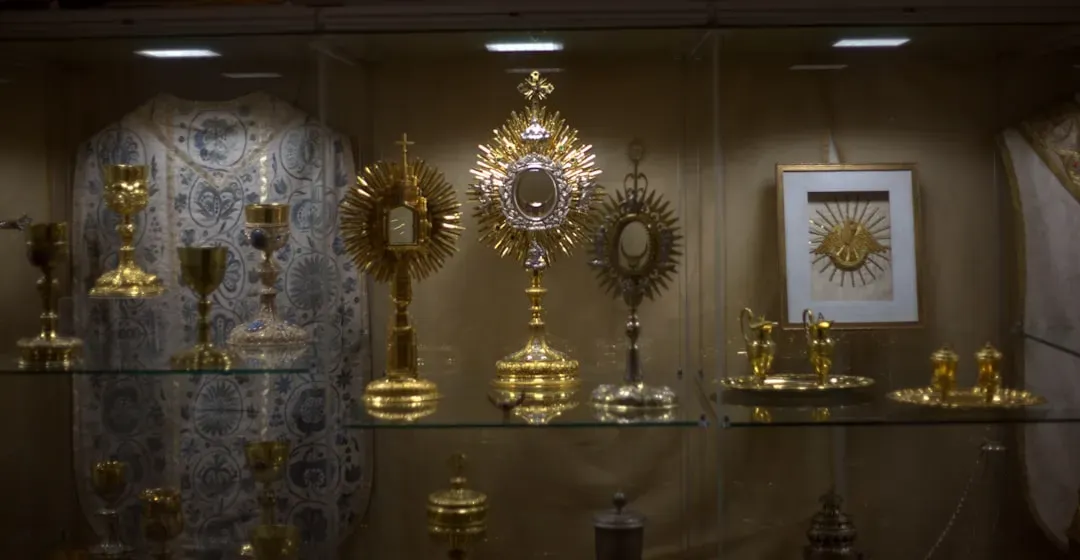
For decades, Western museums treated religious items – from Tibetan Buddhist ritual objects to Catholic relics to West African shrine pieces – as “decorative art,” displayed for aesthetic impact next to designer vases and tapestries. As museums finally started talking to living faith communities, something awkward emerged: many of those objects are still spiritually active to the people who made them.
Some communities insist that certain masks must only be seen by initiates, or that specific images shouldn’t be photographed at all. Once curators heard this directly, they had to choose between visitor expectations and religious respect – and the quiet compromise was to pull the most sensitive pieces from general view. They go into storage, sometimes handled with prayers or ceremonies, while more “shareable” objects quietly take their place.
#1 – “National Treasures” Too Politically Explosive to Show
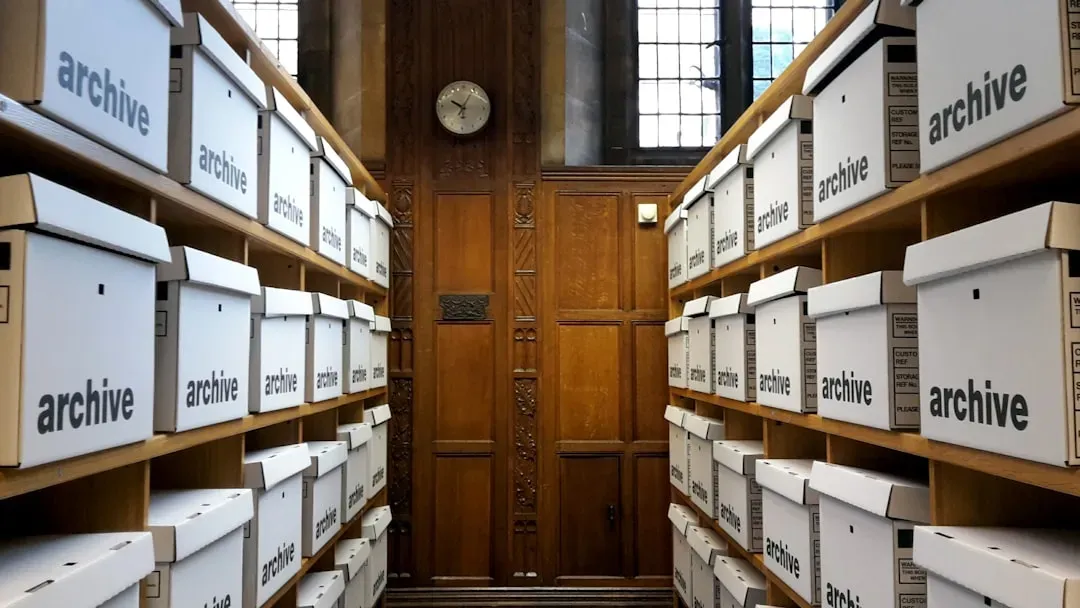
The most unsettling removals aren’t about decay or even theft – they’re about politics. Some artefacts become too dangerous to display because they undermine national myths or highlight state violence in ways governments, donors, or boards don’t want amplified: uncomfortable treaties, atrocity photographs, symbols of independence movements still considered touchy.
It’s rarely burned or erased; that would leave a trail. Instead it goes to storage under an innocuous label like “archival” or “research use only,” while exhibitions get redesigned with the sharper edges sanded off. The artefact still exists, but access is gatekept by bureaucracy and permission forms – and the tragedy is that these are often the very objects that could make history feel honest.
The Bottom Line
Taken together, these vanished artefacts reveal an uncomfortable truth: museum displays are not neutral windows into the past – they’re carefully edited narratives shaped by risk, politics, and embarrassment.
Museums are not neutral.
La Tanya S. Autry & Mike Murawski
When something quietly moves to storage, the official reason almost always sounds technical: conservation, rotation, research. Scratch the surface and you’ll find ethical disasters, contested ownership, racial caricatures, forged masterpieces, and “national treasures” that contradict the official story.
What we see in galleries is as much about what institutions can no longer defend as it is about what they want to celebrate. The real question isn’t just “What’s on display?” It’s “What used to be here, and who decided we shouldn’t see it anymore?” My honest take: the empty pedestals and quietly renamed storage rooms tell a more truthful history than most of the exhibits ever did – museums just haven’t figured out how to admit that yet.