If you think you need microchips and satellites for something to be truly impressive, ancient engineers would probably laugh you out of the room. Long before smartphones and 3D printers, people were already solving brutally hard problems with almost ridiculous creativity, sharp observation, and a lot of trial and error. The more you look at what they built, the more it feels like we are rediscovering solutions they nailed centuries or even millennia ago.
What blows my mind most is how many of these ancient inventions still quietly work today, often better than our modern, energy-hungry versions. From natural “refrigerators” in the desert to concrete that shrugs off the ocean for thousands of years, these ideas are not just historical curiosities. They are living proof that you do not always need more tech; sometimes you just need to understand nature better. Let’s dig into thirteen of the cleverest examples that worked shockingly well without a single circuit board.
#1 The Roman Aqueducts: Gravity-Powered Mega Plumbing
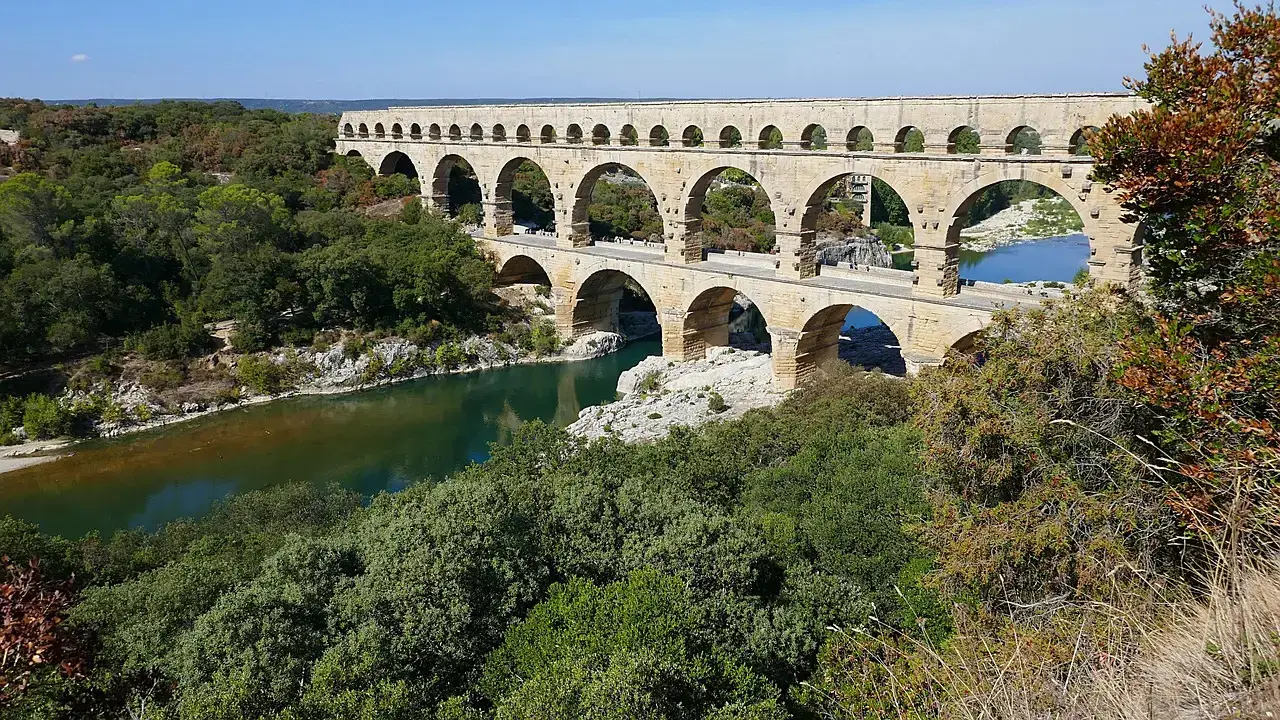
Imagine turning on your tap and getting clean water in a city of a million people, all without electric pumps or steel pipes. That is basically what the Romans pulled off with their aqueduct systems, some of which stretched for dozens of miles. They studied the land carefully, mapped out tiny slopes, and then let gravity do almost all the work, delivering water from distant springs and mountains straight into cities, fountains, baths, and homes.
What is really wild is how precise their engineering was using only simple tools like measuring rods, levels, and geometry. The gradient over many miles often changed by only a few centimeters per hundred meters, yet the water still flowed reliably. Parts of aqueducts are still standing and, in some cases, still capable of carrying water today, which is more than you can say for a lot of modern infrastructure that needs constant maintenance. In a way, they built a city-wide plumbing system that behaved like a natural river they had carefully reshaped.
#2 Roman Concrete: The Building Material That Refuses To Die
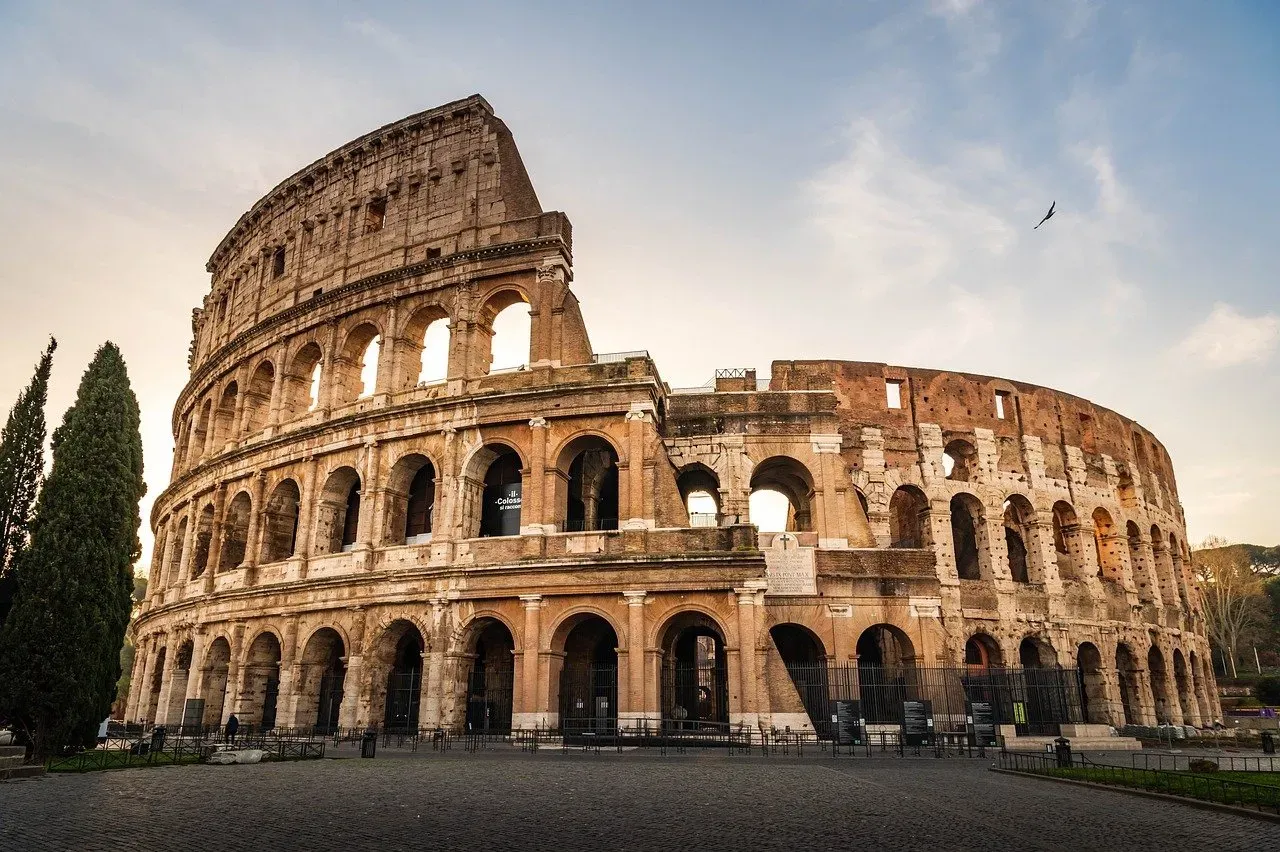
Most modern concrete cracks, crumbles, and needs serious repair within a human lifetime, especially when it faces seawater or harsh weather. Ancient Roman concrete, on the other hand, has held together harbors, domes, and massive structures for nearly two thousand years. They mixed lime with volcanic ash and rock, creating a chemical cocktail that reacts slowly over time, making the material tougher instead of weaker as it ages.
Scientists have found that the crystals forming inside this concrete actually help heal tiny cracks before they grow, almost like a self-repair system baked into the material. The Pantheon’s enormous dome and several ancient ports are still standing largely because of this recipe. The Romans did not have labs or computer simulations, just careful observation and a habit of learning from what nature and earlier builders showed them worked. Now, researchers are trying to reverse-engineer that recipe to create greener, longer-lasting modern concrete, which feels like history quietly mentoring us.
#3 Greek Antikythera Mechanism: A Mechanical “Computer” For The Sky
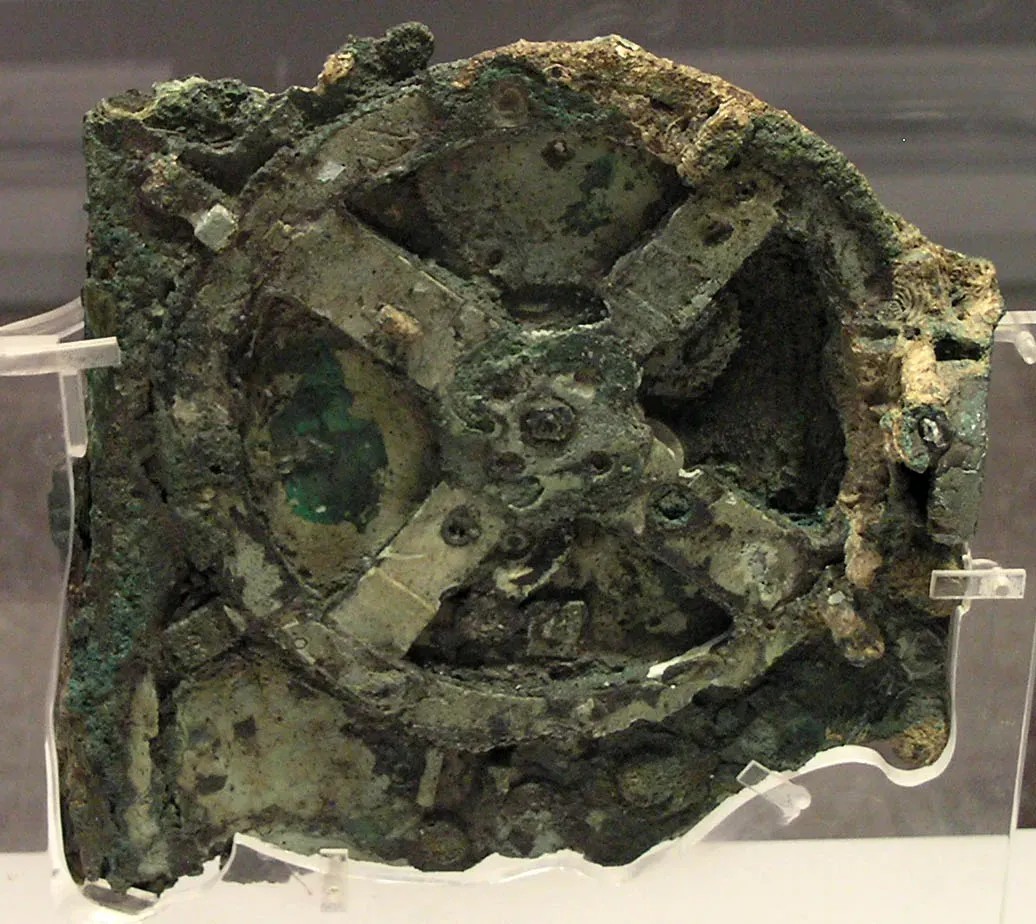
When divers pulled a corroded lump of bronze from a shipwreck off a Greek island in the early twentieth century, nobody expected it to be a precision machine. Today, after scans and years of study, we know the Antikythera mechanism was a complex system of gears designed to predict the positions of the sun, moon, eclipses, and possibly even planetary motions. It is often called the first known analog computer, and that is not exaggeration.
This device used interlocking bronze gears with carefully calculated tooth counts to mirror celestial cycles, all turned by a simple hand crank. No electricity, no software, just mathematics embodied in metal. The level of craftsmanship suggests there were probably other, similar devices that have not survived. The Antikythera mechanism is a reminder that “ancient” does not mean “primitive”; it just means they implemented advanced ideas with different tools than we do.
#4 Egyptian Pyramids’ Stone Transport Techniques: Heavy Lifting Without Cranes
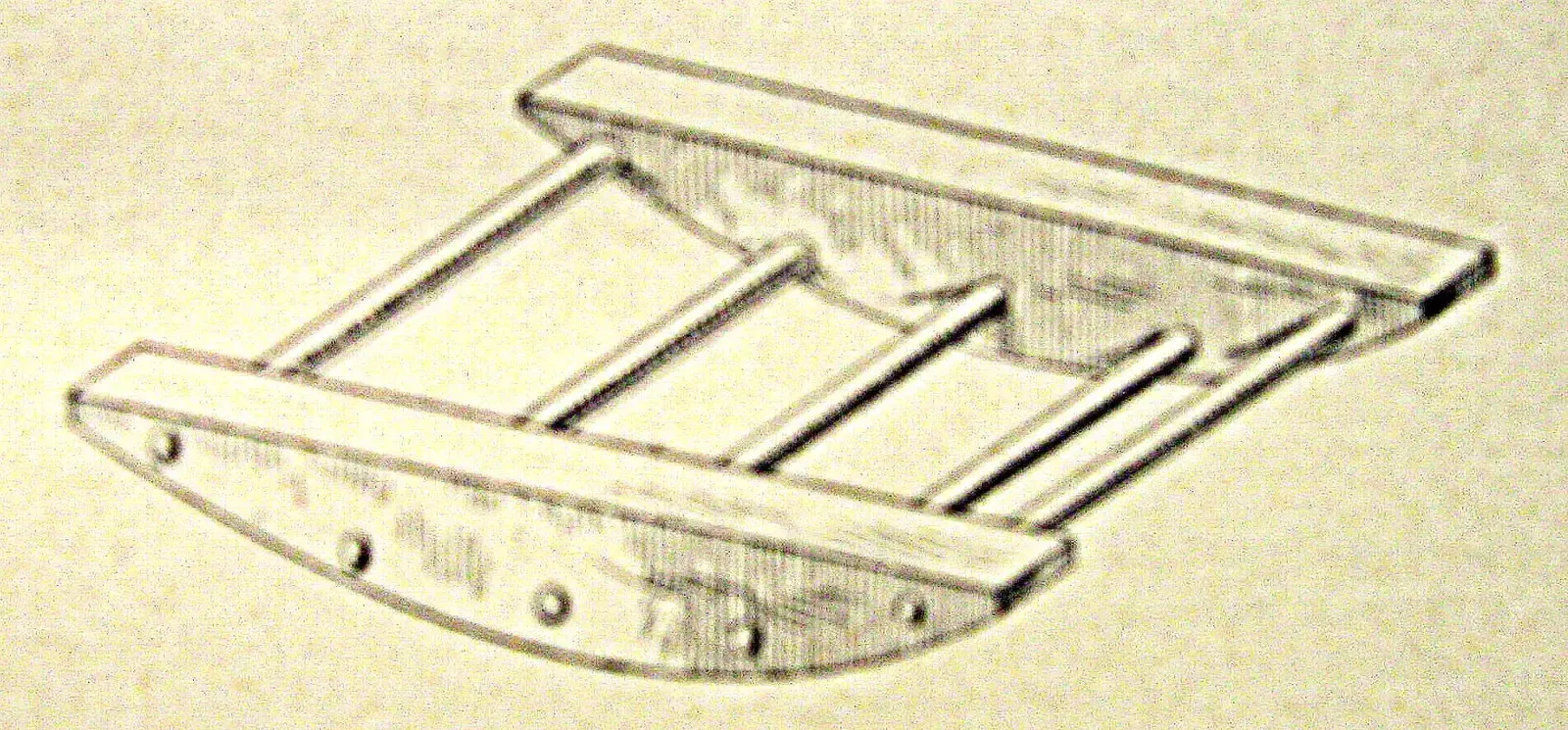
We still do not know every detail of how the Egyptians built the pyramids, but the pieces we do understand are already impressive enough. They moved massive stone blocks, some weighing many tons, across long distances without trucks or modern cranes. Evidence suggests they used sleds to drag the stones over the desert and reduced friction by wetting the sand just ahead of the sled runners, which can dramatically cut the force needed to pull heavy loads.
They also leveraged simple but powerful physics: ramps, levers, manpower, and organization. Instead of brute-forcing the problem, they turned the environment into a tool by reshaping slopes and surfaces to work in their favor. When you see researchers replicate these techniques using a handful of people and some water on sand, the whole process suddenly looks less like a mystery and more like patient, large-scale problem solving. It is not magic; it is clever engineering done with a deep respect for what simple materials can do.
#5 Nazca Aqueducts (Puquios): Underground Water Systems In A Desert
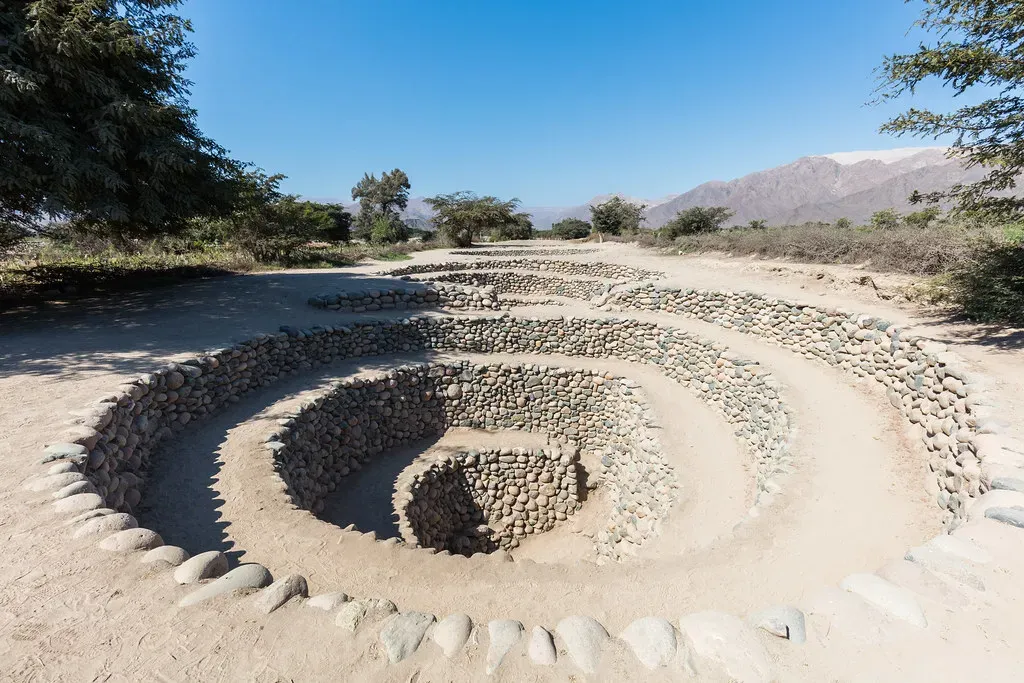
On the dry plains of southern Peru, the Nazca people managed to secure water in a place where rainfall is almost nonexistent. Their solution, called puquios, is a network of underground aqueducts and spiraling ventilation shafts that tap and guide groundwater. These corkscrew-shaped openings you see from above are not random decorations; they help people access, clean, and maintain the channels while controlling airflow and water flow.
Some of these systems still function centuries later, continuing to provide water for local communities with no pumps, no electricity, and minimal intervention. Instead of fighting the desert, the Nazca redirected and preserved what little water nature offered with extreme care. It is a design that feels surprisingly modern: hidden infrastructure, low energy use, and long-term resilience baked in from the start. For anyone worried about future droughts, these ancient aqueducts look less like relics and more like a manual on how to survive.
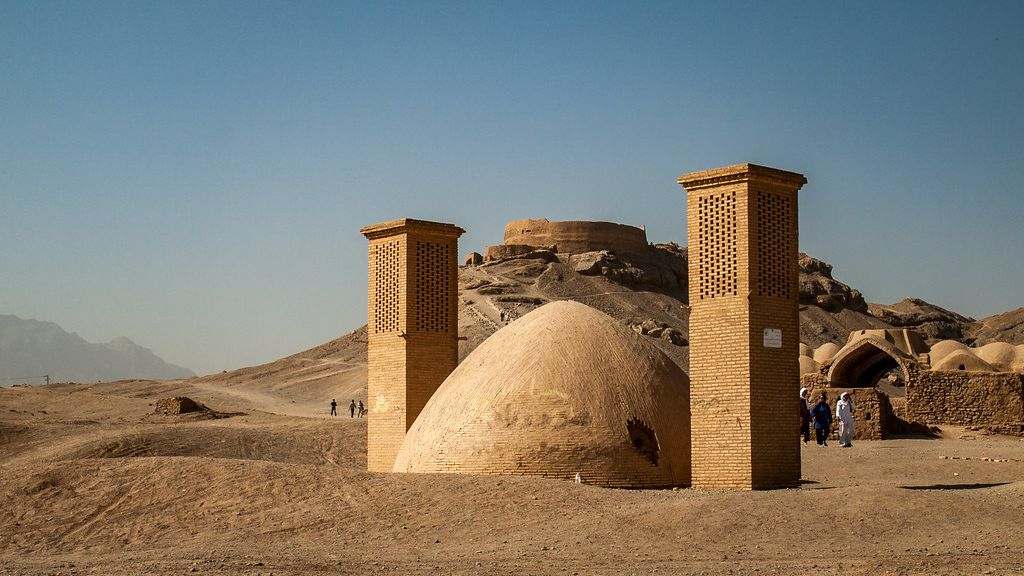
#6 Ancient Persian Yakhchals: Desert “Fridges” That Made Ice
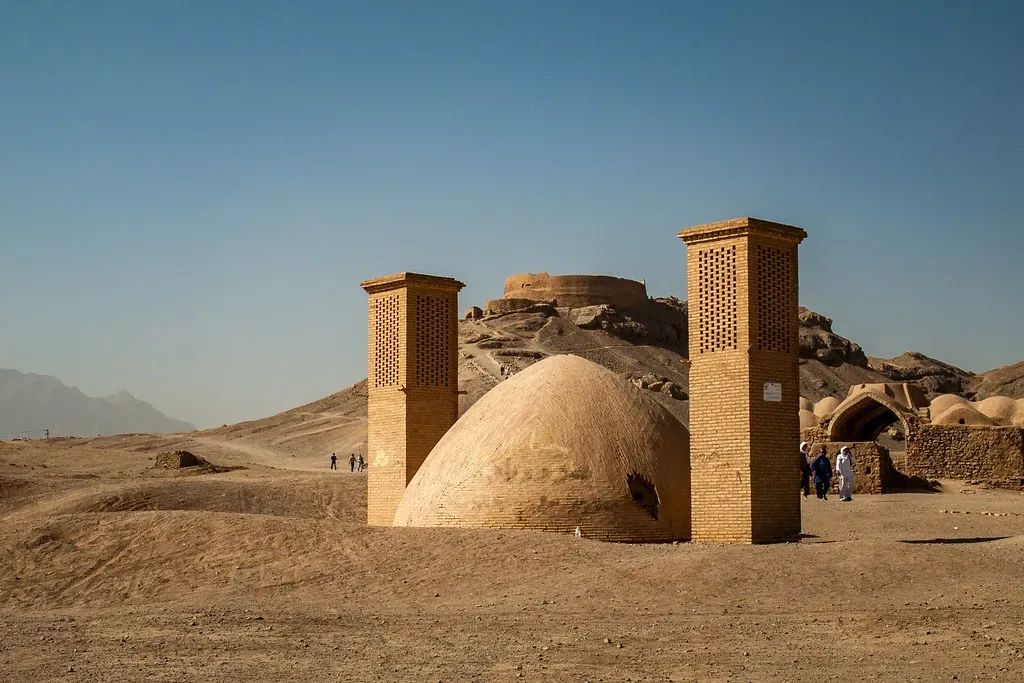
If someone told you people could make and store ice in the middle of a hot desert thousands of years ago, you might roll your eyes, but that is exactly what Persians did with yakhchals. These were massive, cone-shaped structures made from thick, insulating mud-brick walls and special mortar. Below ground, they featured deep storage chambers that stayed remarkably cool even when temperatures outside soared during the day.
By combining evaporative cooling, shading, and clever airflow with nearby underground channels that brought cold water, they could freeze water at night and keep it solid for long periods. Families used this ice for food preservation and even desserts long before modern refrigeration. The entire system ran purely on natural temperature differences and smart geometry, not on electricity or chemical coolants. In an age of rising energy costs and climate concerns, the idea of a passive, desert “freezer” feels both ancient and shockingly ahead of its time.
#7 Greek Fire: A Mysterious Ancient Weapon That Defied Water

Medieval and late ancient naval warfare took a terrifying turn when the Byzantine Empire used something called Greek fire. This was a flammable liquid projected at enemy ships that reportedly kept burning even on water, turning sea battles into scenes of chaos. The exact formula has been lost, but evidence points toward a mixture based on petroleum or resin, possibly combined with other ingredients that boosted its sticking power and ignition.
What makes Greek fire so striking is not just its destructive capability, but how it was delivered. They likely used pressurized bronze tubes and siphons mounted on ships, essentially crude flamethrowers powered by pumping mechanisms and careful engineering. Without any modern chemistry labs or pressure gauges, they still managed to create a fearsome, semi-controlled fire weapon. It was so effective and so closely guarded as a state secret that enemies could not easily copy it, which says everything about how far ahead it was for its time.
#8 Roman Roads: Stone Highways Built To Outlast Empires
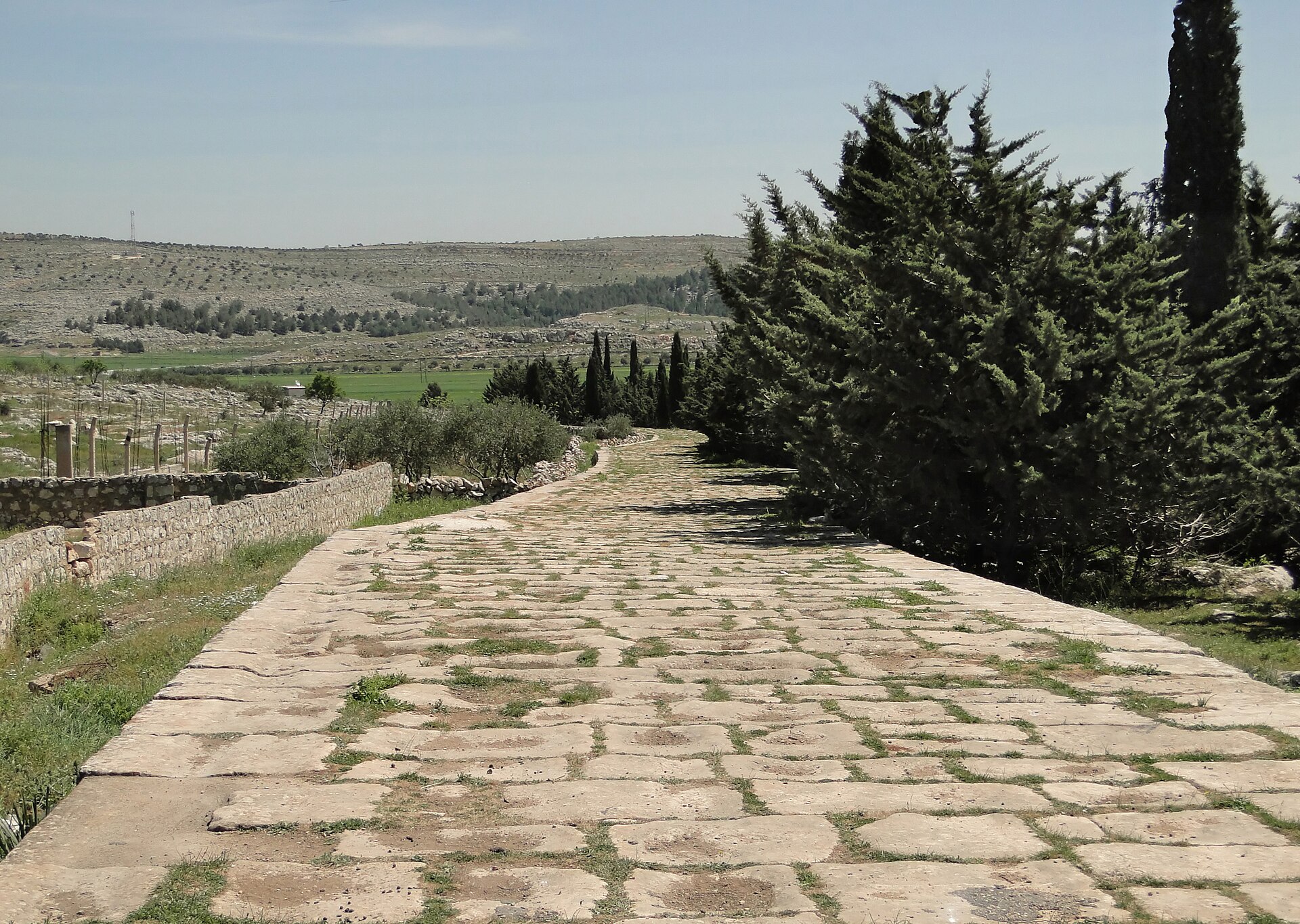
When people joke that all roads lead to Rome, they are not entirely wrong; the Romans built a huge network of roads connecting their empire, and a surprising number of those roads still exist in some form today. They did not just pile stones and hope for the best. Instead, they built in layers: compacted earth, gravel, and large stone slabs, all shaped to handle drainage and heavy traffic. The raised center and sloped sides helped water run off instead of pooling and damaging the surface.
The result was a transportation system that enabled armies, traders, and messengers to move at speeds that would have stunned earlier civilizations. These roads basically acted like the nervous system of the empire, transmitting goods, information, and power across continents. Modern highways follow many of the same principles: layered construction, attention to drainage, and standardized routes. When you see a modern truck glide over an ancient Roman road segment, it feels almost rude how little credit we give those old engineers.
#9 The Incan Road And Rope Bridge Network: Mountains Tamed Without Metal
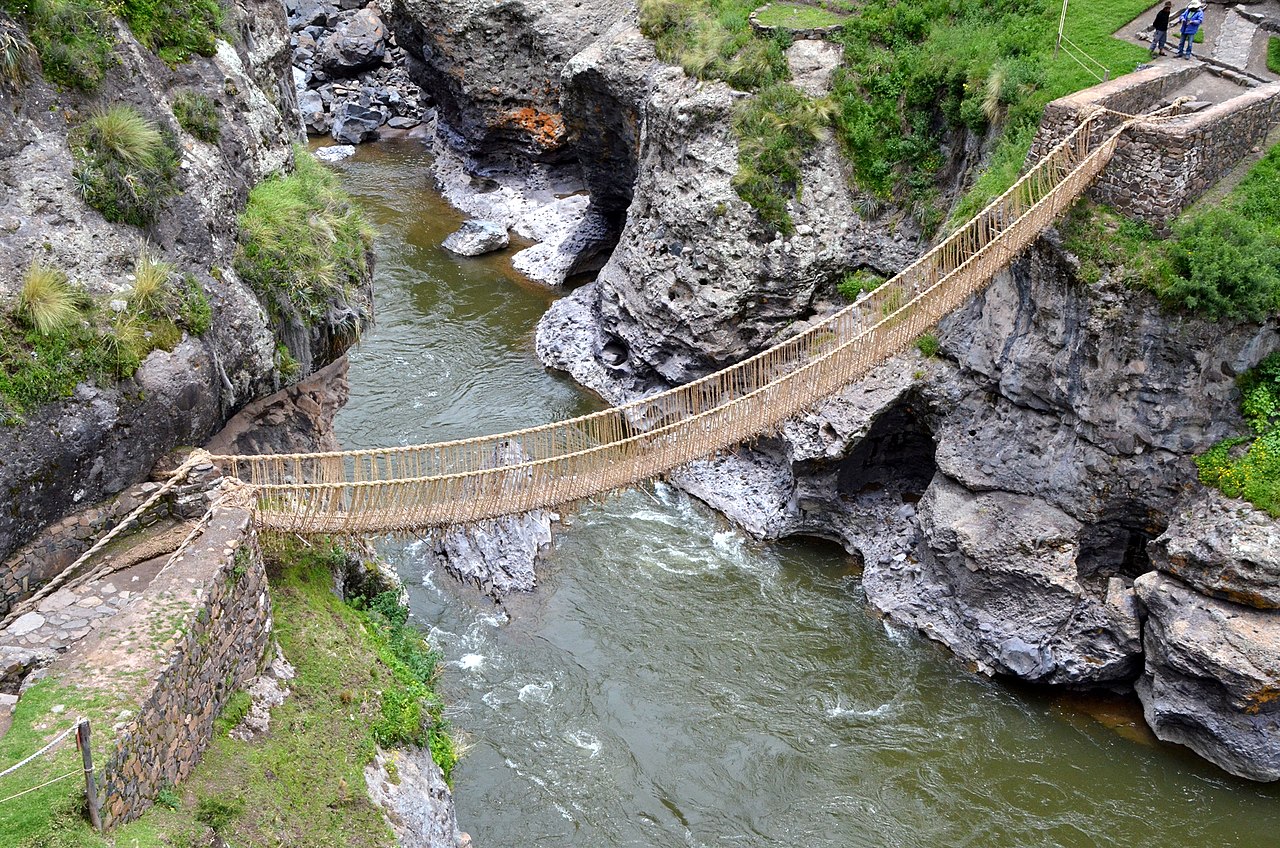
The Inca Empire stretched across brutal mountain terrain in the Andes, where building any kind of road was a nightmare. Yet they created a vast network of paths, steps, and suspension bridges that stitched together cities, farms, and outposts. Their roads clung to steep cliffs and crossed deep gorges using rope bridges made from braided plant fibers, renewed regularly by local communities in a ritual of both engineering and culture.
These rope bridges could support people, animals, and cargo, all without steel cables or modern materials. The Incas compensated for the lack of wheels and draft animals by designing paths for runners and pack llamas, turning human endurance into a logistics system. In some places, modern engineers have studied surviving bridge designs to understand how tension, weaving, and anchoring were balanced so precisely. It is hard not to admire a civilization that looked at vertical rock walls and raging rivers and said, in effect, that is fine, we will just build across them anyway.
#10 Greek And Roman Underfloor Heating (Hypocausts): Ancient Central Heating
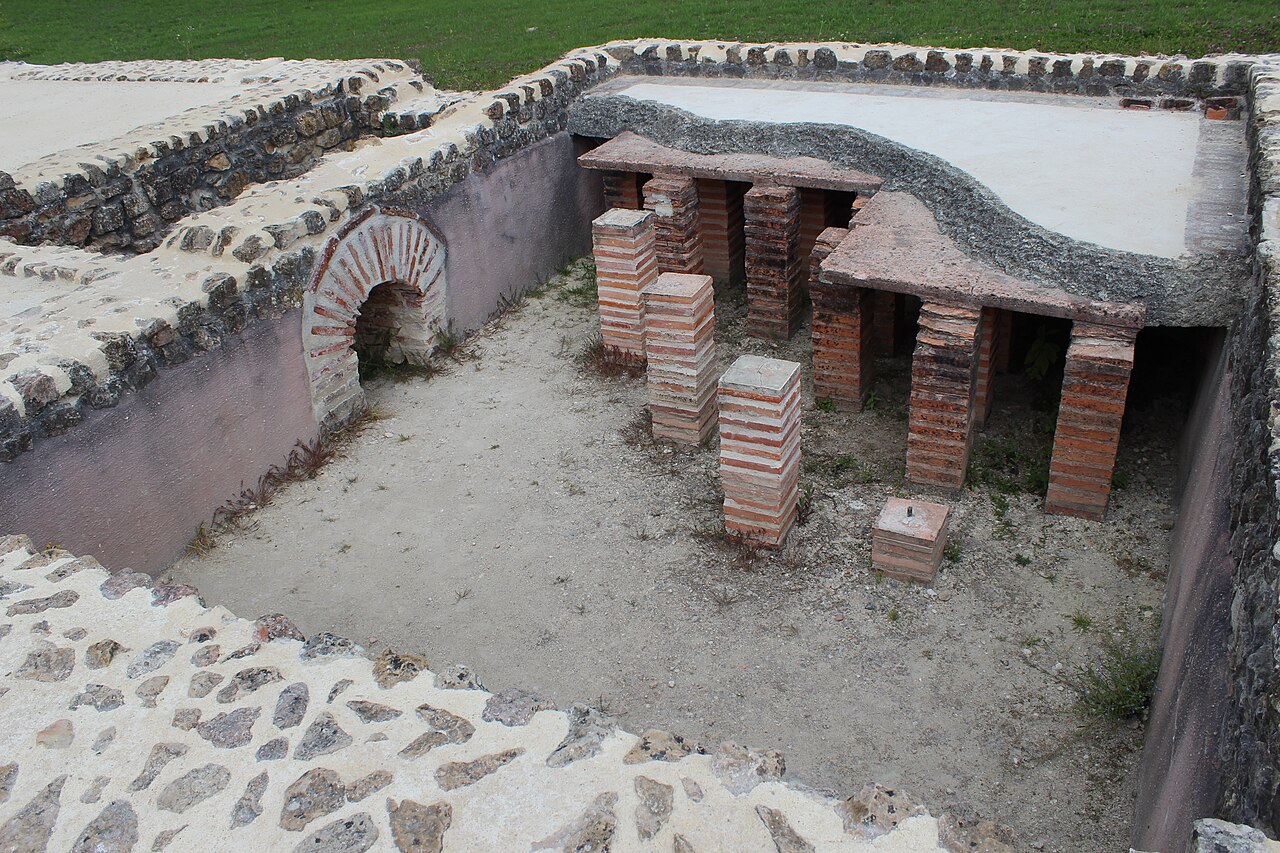
Long before gas boilers and radiators, wealthy Romans and some Greeks were already enjoying heated floors. Their system, called a hypocaust, involved raising the floor on small pillars and channeling hot air and smoke from a furnace through empty spaces beneath rooms and sometimes through hollow wall tiles. This warmed the space above, especially in bathhouses and villas, turning cold stone rooms into cozy environments even in winter.
There was no thermostat or smart home app involved, just a well-designed circulation of air managed by human furnace operators. They understood that warm air rises and that controlling airflow could distribute heat effectively. The cost in labor and fuel meant this was mostly for the elite, but the underlying principle is not far from modern radiant floor heating. It is a perfect example of how a simple observation of how heat moves turned into a luxury technology centuries ahead of mainstream adoption.
#11 Archimedes’ Screw: Lifting Water With A Simple Spiral
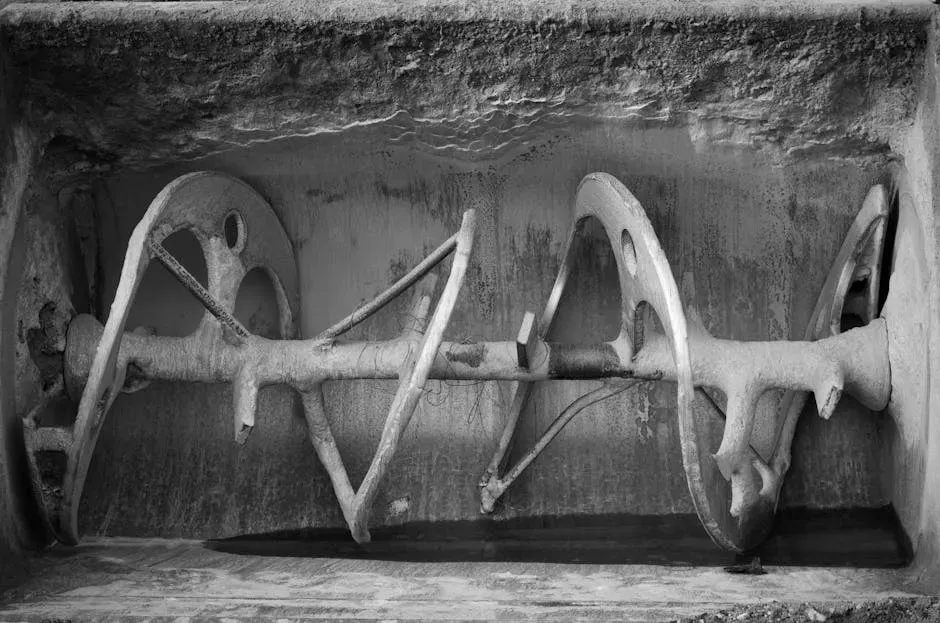
At first glance, the Archimedes’ screw looks almost too simple: a spiral inside a tube, tilted at an angle, turned by hand or animal power. Yet this device allowed people to raise water from low levels to irrigation channels or reservoirs with surprisingly little effort. As the screw turned, water trapped in the pockets between the blades climbed upward, defying gravity without any complex mechanism or advanced materials.
Variations of this invention have been used for centuries in agriculture, drainage, and even in some modern industrial settings. The beauty of it lies in its robustness and ease of use – no gears to jam, no delicate parts to break, just a spiral and a cylinder. In places without electricity, simple versions of this tool still help farmers irrigate their fields. It is a reminder that some of the best machines are not the ones with the most parts, but the ones that turn a single elegant idea into reliable work.
#12 Ancient Chinese Seismometer: Detecting Distant Earthquakes Without Electronics

In the second century, long before seismographs drew squiggly lines on paper, the Chinese scholar Zhang Heng reportedly designed a device that could detect faraway earthquakes. The instrument was a large bronze vessel with eight dragon heads on the outside, each holding a ball in its mouth. Below each dragon sat a toad with an open mouth. When an earthquake occurred, one of the balls would drop into the mouth of a toad, indicating the direction of the seismic wave.
Exactly how the internal mechanism worked is still debated, but the fact that historical accounts mention its success suggests it was sensitive enough to register tremors humans did not immediately feel. The core idea is astonishing: build a purely mechanical system that translates subtle ground motions into a visible signal about direction. It shows that even without electronics or modern sensors, people were already thinking about how to systematically measure and interpret the hidden forces shaping their world.
#13 Qanats: Underground Lifelines In Harsh Landscapes
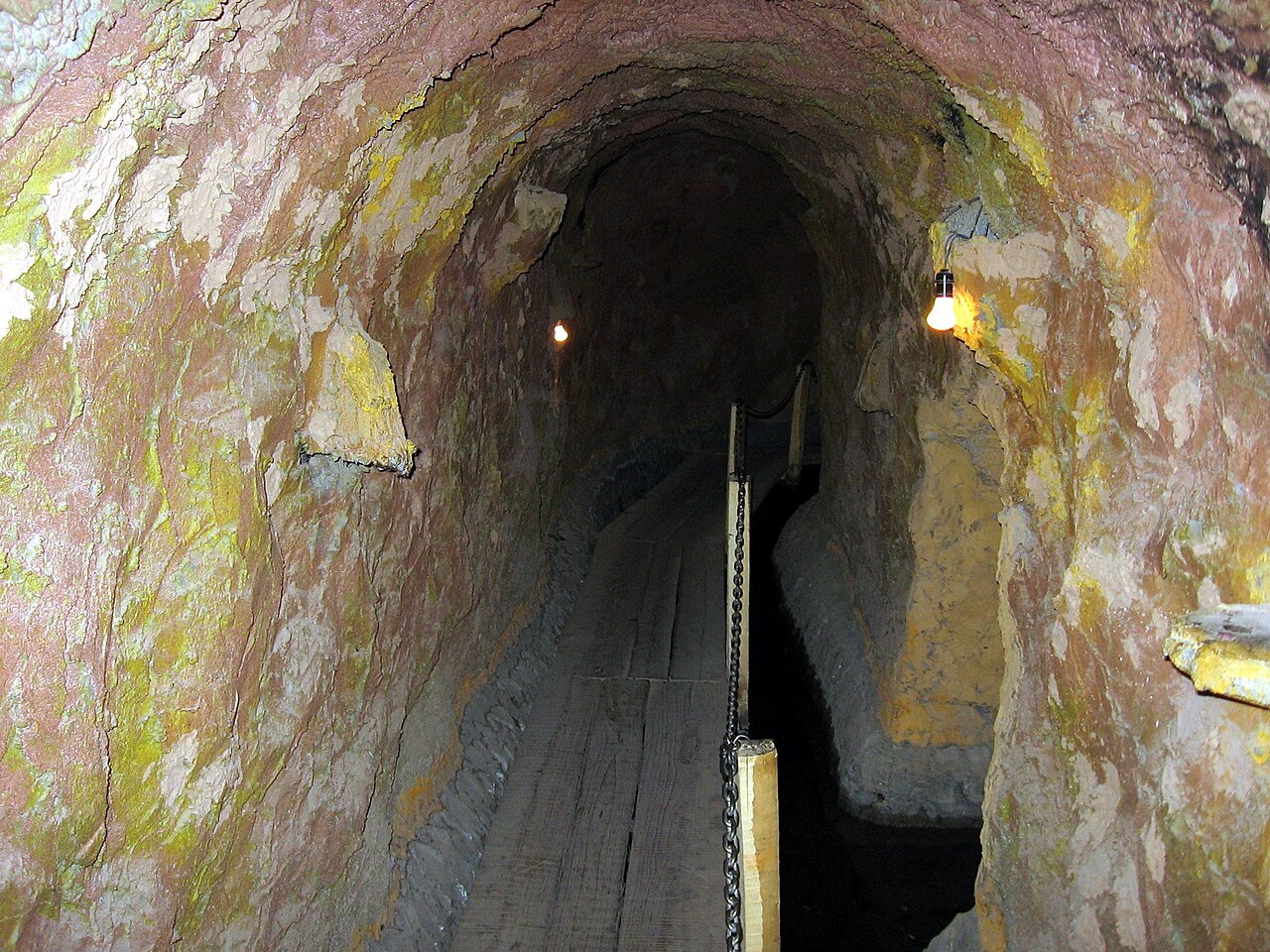
Across parts of ancient Persia and surrounding regions, people developed qanats, an underground network of gently sloping tunnels that carried water from highland aquifers to dry lowland areas. Vertical shafts along the route provided access during construction and maintenance, as well as ventilation. By keeping water below ground for most of its journey, qanats dramatically reduced evaporation losses in hot, arid climates, delivering stable water supplies to fields and towns.
What makes qanats so impressive is how quietly they do their job. Once built, they require no pumps and almost no energy, just gravity and careful surveying to maintain a very slight decline over long distances. Some qanat systems have been in continuous use for centuries, surviving political changes, wars, and technological shifts. In a world struggling with overuse of groundwater and energy-intensive irrigation, this ancient approach feels less like an artifact and more like a blueprint we ignored for too long.
Conclusion: Ancient Ingenuity Is Not Just Nostalgia – It Is A Wake-Up Call
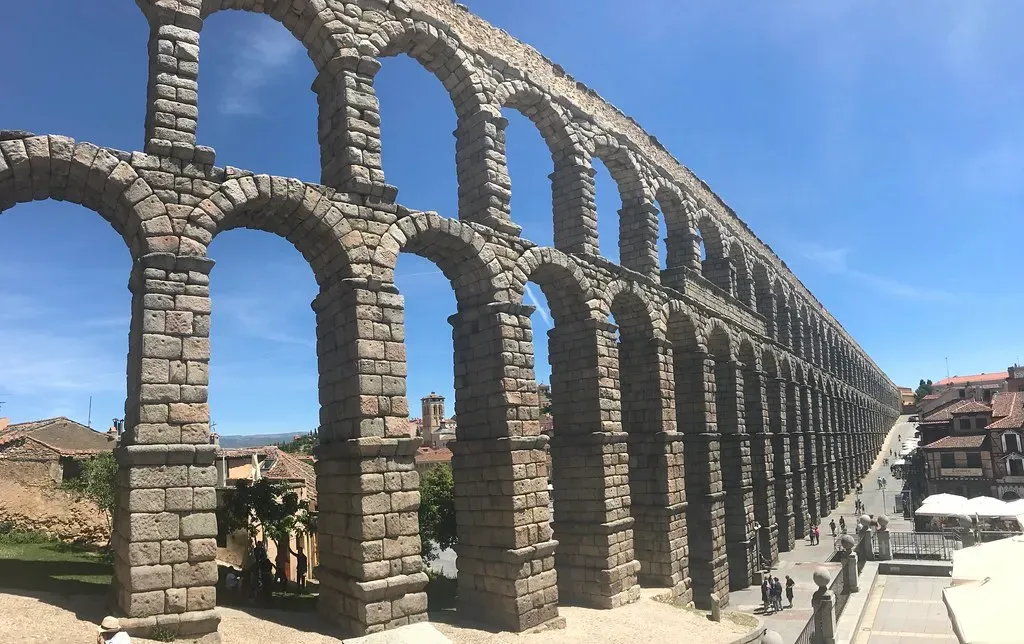
Looking at these inventions side by side, it is hard not to feel a mix of admiration and discomfort. Admiration, because people with no computers, no engines, and no plastics still solved problems that scare modern planners and engineers. Discomfort, because we often reach for high-tech answers first and only later ask whether there was already a low-tech, nature-friendly solution that worked just fine centuries ago. I have had moments standing in front of an old aqueduct or stone road thinking, very bluntly, that we sometimes confuse “new” with “better” far too quickly.
If there is a lesson here, it is not that we should romanticize the past or toss out modern science. It is that real progress means combining what we know now with what earlier civilizations already figured out through hard-earned experience. Ancient concrete, desert coolers, gravity-fed water systems, and resilient roads are not museum pieces; they are quietly radical ideas about durability, simplicity, and respect for the environment. The real question is whether we are humble enough to learn from them instead of assuming we have already outgrown them. Which of these forgotten tricks do you think we most urgently need to bring back?