
You’d think a trained archaeologist could spot a fake in seconds. A quick glance, a lab test, case closed. That’s the comforting story we tell ourselves about science and history.
Here’s the uncomfortable reality: some of the most respected experts on the planet stared at forged bones, painted cloth, and fantasy runestones for over a hundred years and called them genuine. Not for a few embarrassing months. For generations. Museums built exhibits around them. Textbooks taught them as fact. Entire theories of human history were bent to fit lies made of clay, parchment, and stone. These 13 fakes didn’t just slip past the experts – they rewrote what the rest of us believed was true.
#1 – The Cardiff Giant: America’s “Petrified Man” That Refused to Die
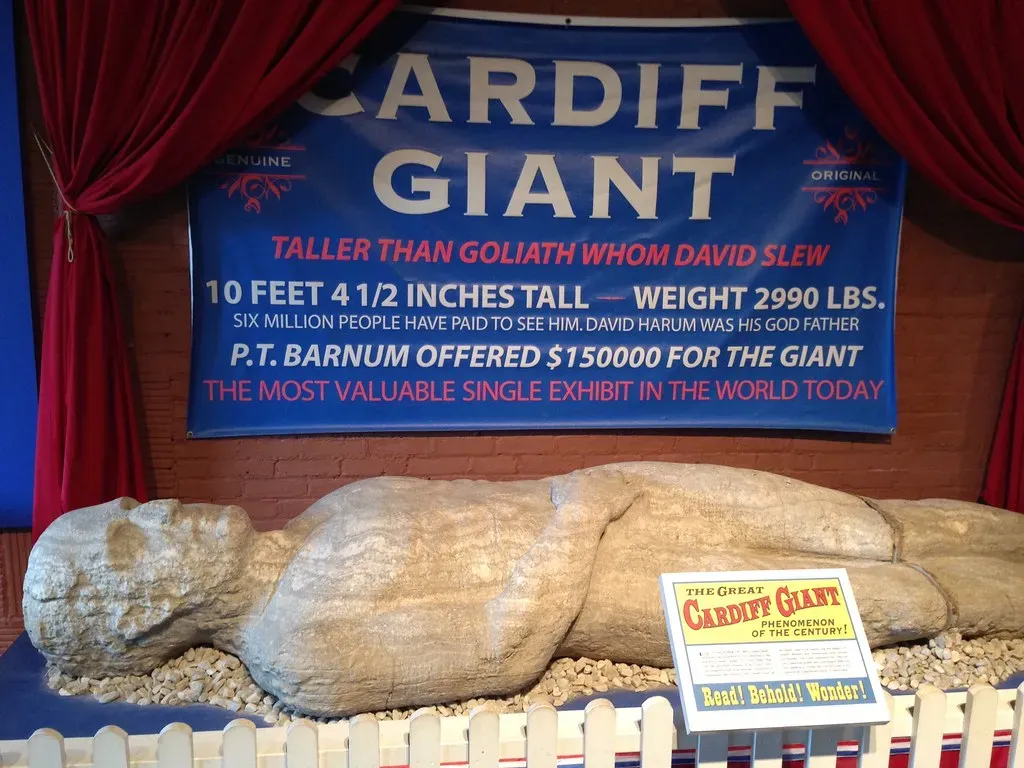
In 1868, a ten-foot stone man was carved, buried in a New York farm field, and then dramatically “discovered” a year later. Crowds paid to see it. Newspapers debated whether it was a fossilized biblical giant or an ancient warrior frozen in stone. Even a few scientists of the era hedged their bets instead of laughing it off.
The wildest part isn’t the hoax itself – it’s how long it survived being exposed. The carver eventually confessed outright. Yet decades later, writers were still slipping the Cardiff Giant into “mysteries of the ancient world” books, hinting it “might still be real.” A confessed fraud, kept alive by nothing but people’s appetite for wonder.
#2 – Piltdown Man: The Fake Fossil That Rewrote Human Evolution
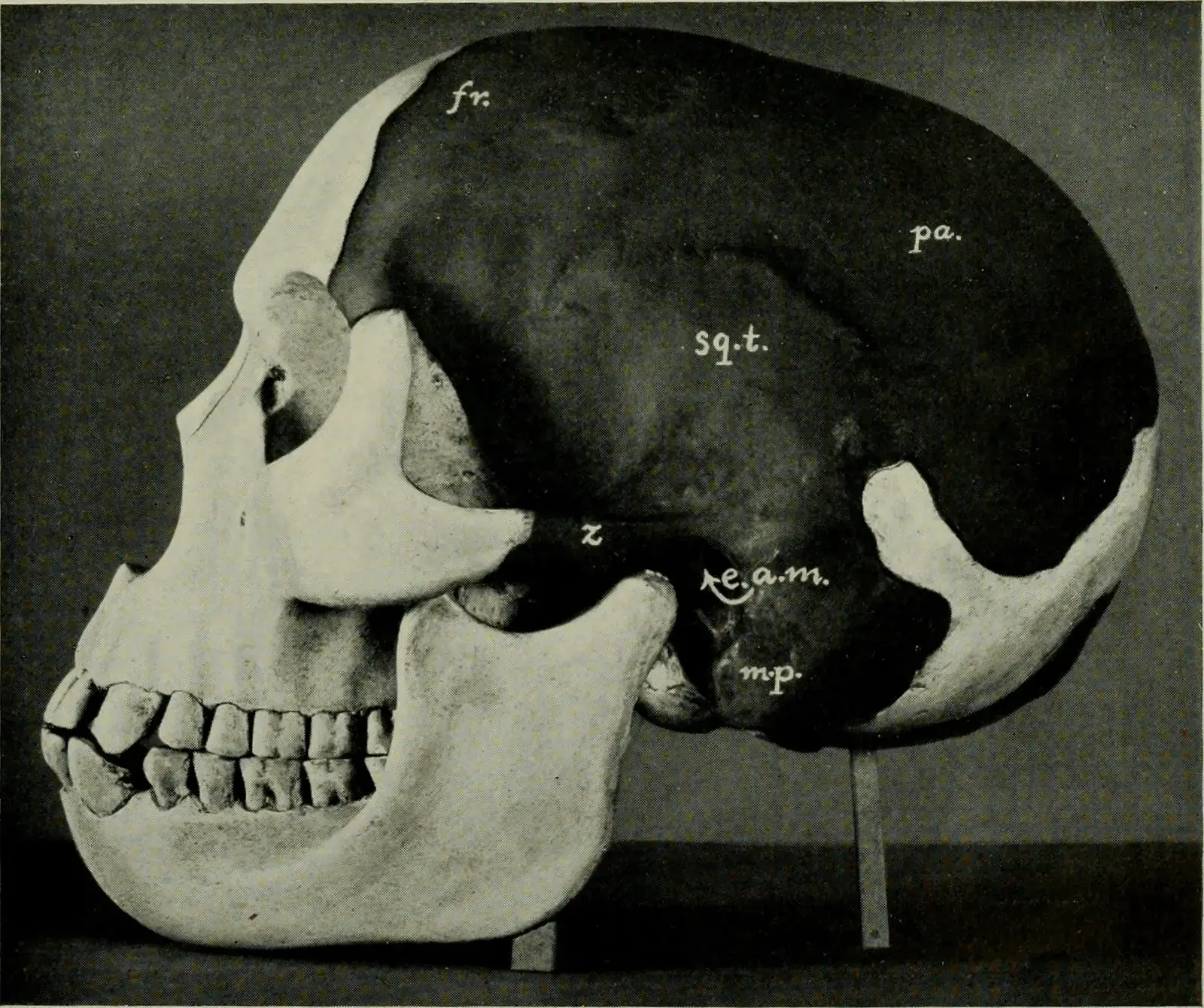
For more than 40 years, Piltdown Man sat in textbooks as the “missing link” between apes and humans. Discovered in England in the early 1900s, it had exactly the features British scientists were hoping to find: a big brain paired with a primitive jaw, unearthed conveniently on home soil.
It wasn’t a subtle fake, either. Chemical testing in the 1950s finally revealed it was a modern human skull bolted to a filed-down orangutan jaw, stained to look ancient. What’s chilling is that several anatomists raised doubts almost immediately – and were quietly ignored because the fossil told a story people badly wanted to believe. When ego and evidence collide, evidence doesn’t always win first.
Fast Facts
- In 1912, Dawson claimed that he had discovered the “missing link” between early apes and humans, sparking a sensation across Britain.
- Although doubts about Piltdown Man’s authenticity began to be expressed almost immediately after its announcement in 1912, it was still broadly accepted for many years, and the hoax was only definitively exposed in 1953 – a 41-year run as scientific fact.
- It was found to have consisted of the altered mandible and some teeth of an orangutan deliberately combined with the cranium of a fully developed, though small-brained, modern human.
- An extensive scientific review in 2016 established that the hoax had been perpetrated by amateur archaeologist Charles Dawson, apparently chasing recognition.
#3 – The Kensington Runestone: A Viking Voyage That Never Happened
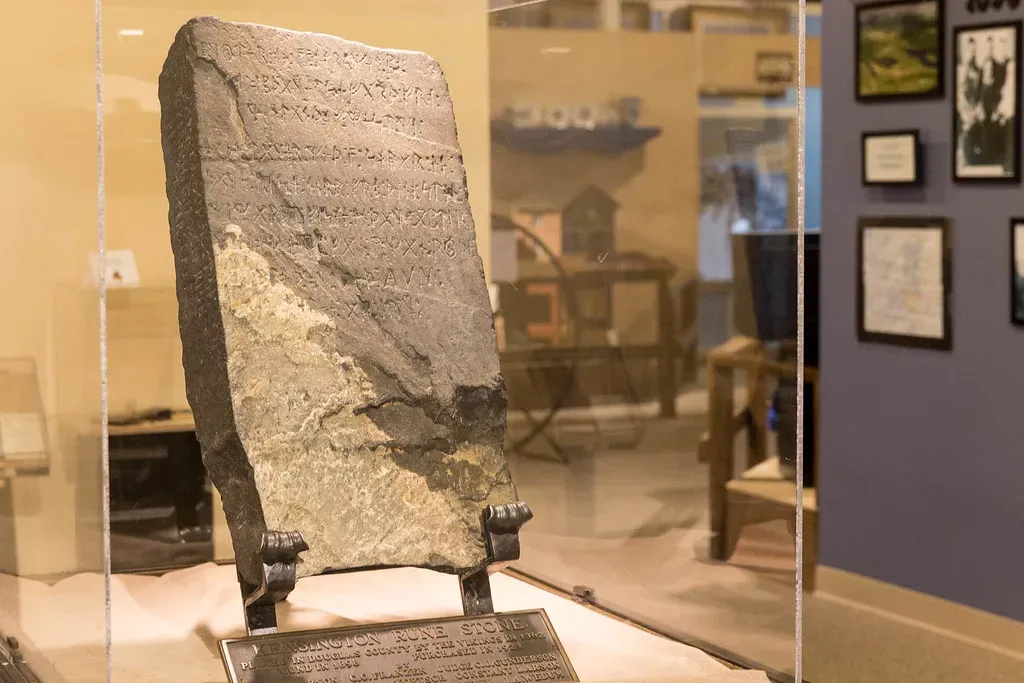
A Minnesota farmer unearthed this stone in 1898, supposedly proving Vikings had reached the American Midwest in the 1300s. Locals defended it with genuine pride. A handful of scholars backed it up. Museums built displays around the idea that Scandinavian explorers had beaten Columbus by centuries.
Runologists eventually dismantled the myth piece by piece: the inscription used modern Swedish phrasing and rune shapes that simply didn’t exist in the Viking Age. Whoever carved it had learned runes from a 19th-century book, not from actual medieval texts. Even so, tourist sites still celebrate it today. Sometimes people love a legend more than they love the truth.
#4 – The Shroud of Turin: A Medieval Relic Sold as a First-Century Miracle
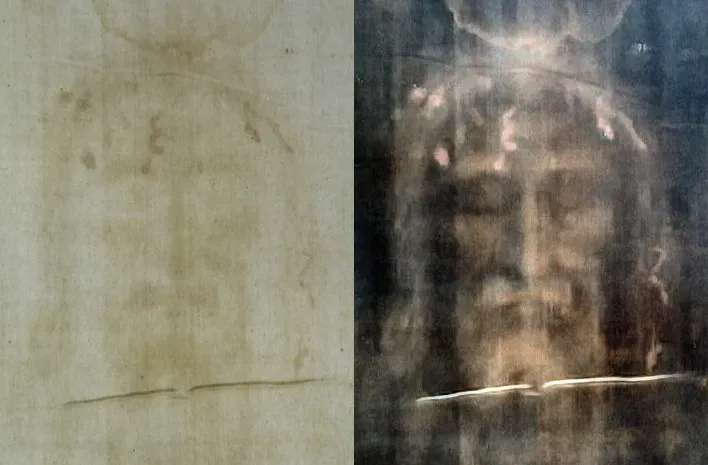
Marketed for centuries as the actual burial cloth of Jesus, the Shroud of Turin carries a faint, haunting image of a crucified man. Even medieval bishops privately called it a “cunning painting” – and devotion barely wavered for hundreds of years afterward.
Radiocarbon dating in the late 20th century placed the cloth squarely in the 13th or 14th century, roughly 1,200 years too late to have touched Jesus. Pollen studies, textile weaves, and pigment traces all pointed the same direction. Yet public belief barely moved. When faith is involved, the line between “fake” and “real” gets blurry fast – and stays that way.
#5 – The Vinland Map: The “Proof” That Columbus Wasn’t First
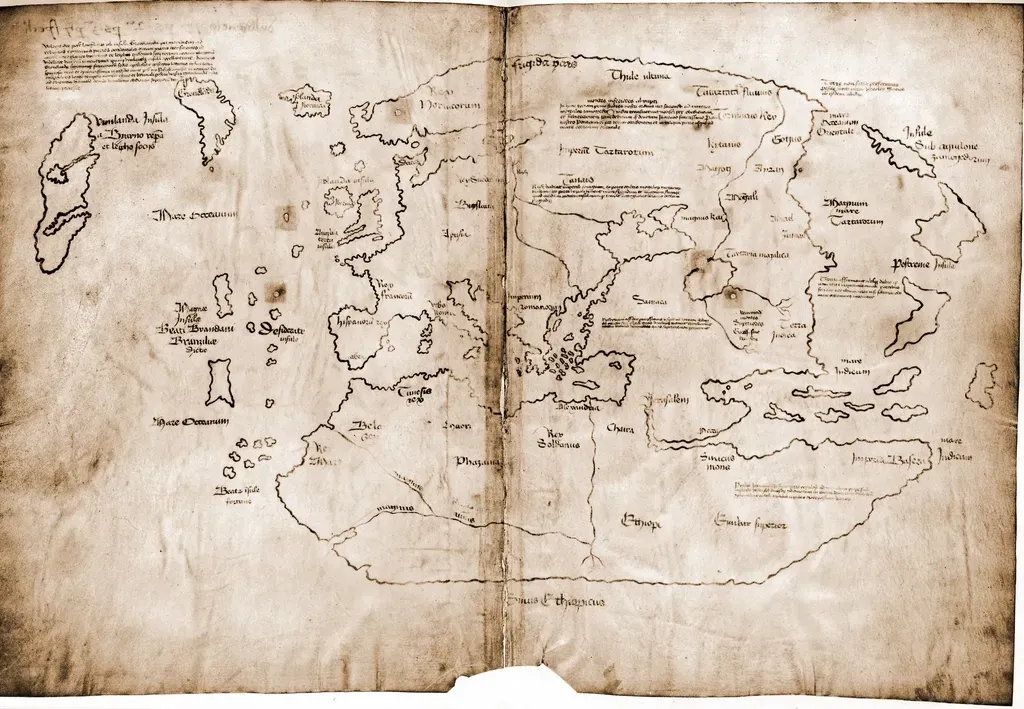
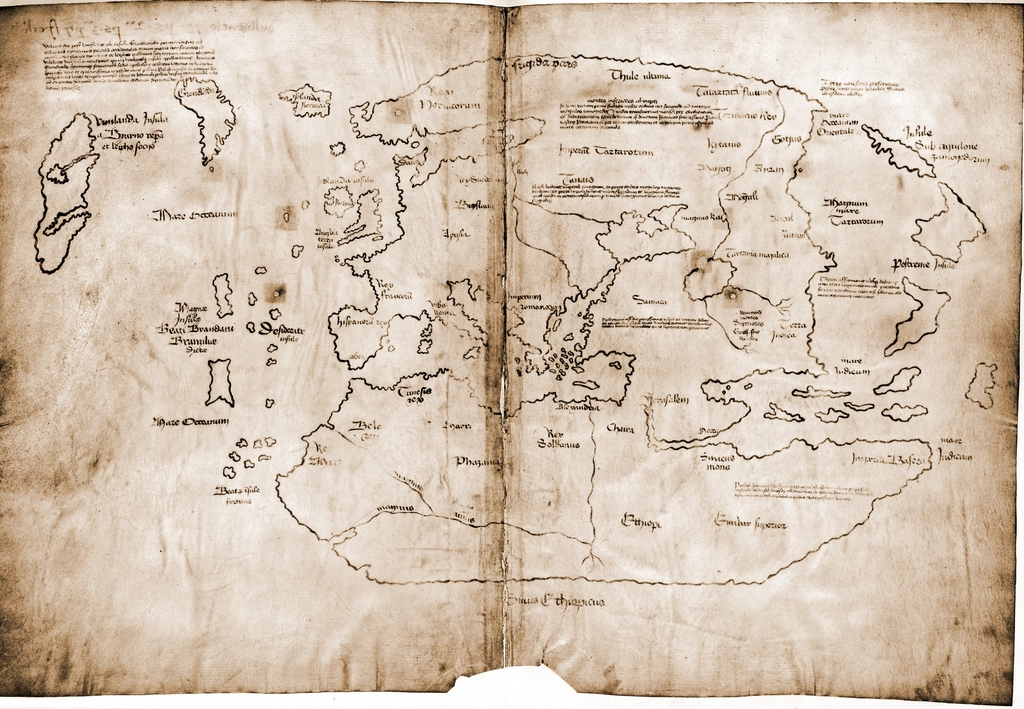
When Yale unveiled the Vinland Map in the 1960s, historians nearly rewrote the discovery of America on the spot. Here was a supposed 15th-century map clearly labeling part of North America “Vinland,” decades before Columbus ever set sail. Documentaries ran with it. Textbooks cited it as explosive evidence.
Then chemistry caught up with the legend. Lab analysis found a 20th-century synthetic pigment baked right into the ink – essentially a timestamp screaming “modern forgery.” Defenders clung to it for decades anyway, because the story was simply too thrilling to let go. Only recently have most scholars finally called it what it is: a clever forgery on genuinely old parchment.
Quick Compare
- The Claim: An authentic 15th-century map proving Norse explorers charted North America before Columbus
- The Reveal: The ink contains a synthetic pigment that didn’t exist until the 20th century
- The Verdict: Genuinely old parchment, but a modern hand drew the coastline
#6 – The Etruscan “Warriors” That Were Frankensteined Together
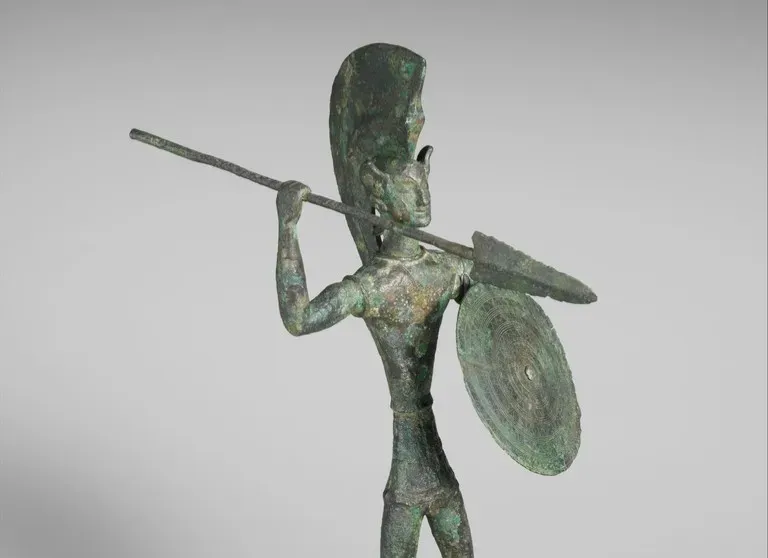
In the early 1900s, Italian museums proudly displayed dramatic terracotta warrior statues as rare masterpieces of Etruscan art. They were bold, expressive, and unlike anything else in the collection – which honestly should have been the first warning sign, not a selling point.
Decades later, experts realized these figures were modern pastiches, stitched together from genuine ancient fragments and fresh clay. Curators had explained away the odd style as “a newly discovered Etruscan tradition” instead of recognizing it as the fingerprints of modern fakers who’d studied classical art too well. Once a piece has prestige, museums become emotionally invested in defending it – sometimes for the better part of a century.
#7 – The Egyptian Mummies That Were Victorian Stagecraft
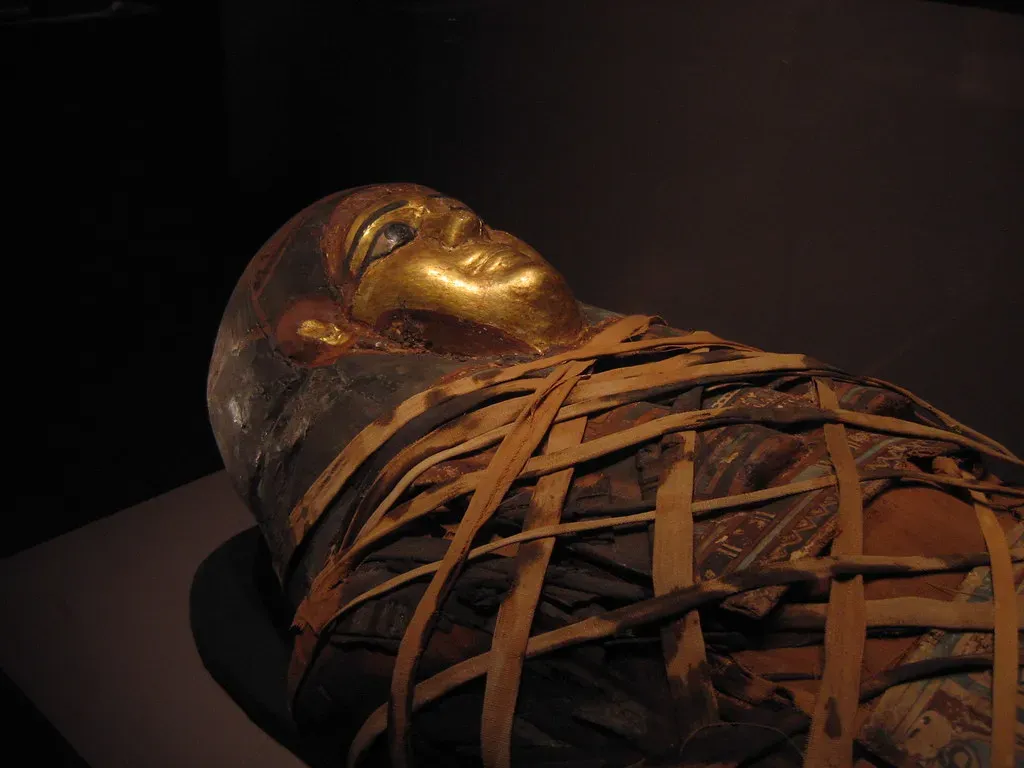
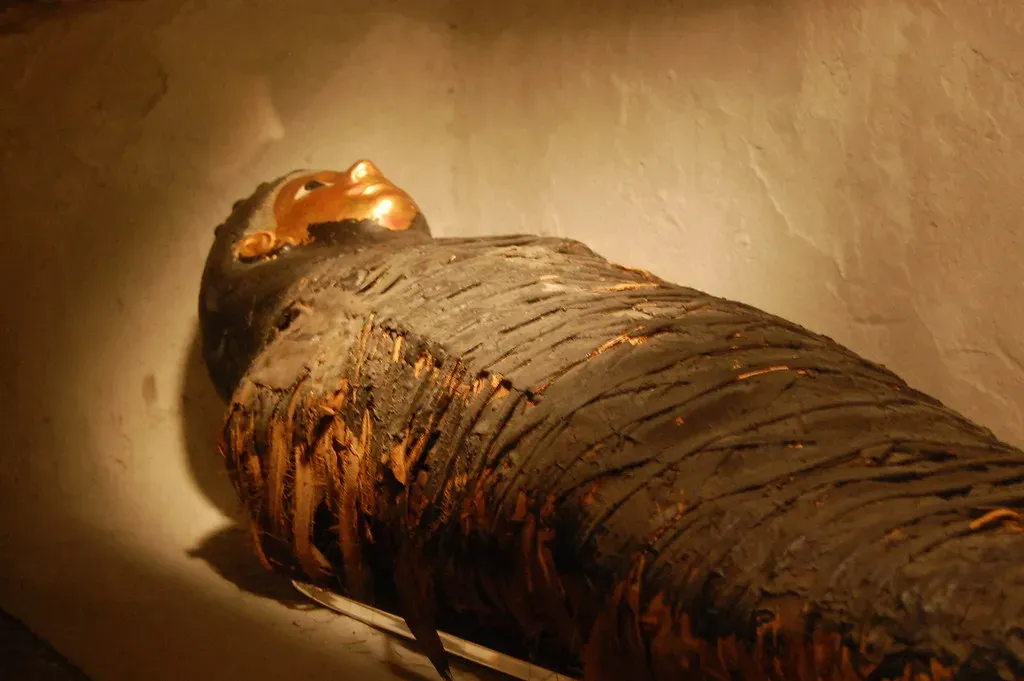
For more than a hundred years, European collections proudly exhibited “ancient Egyptian mummies” that were, at best, elaborate restorations. Some were real ancient bodies rewrapped in fresh 19th-century bandages, dressed up with modern paint and props to look more dramatic for paying visitors.
Because these pieces entered collections in the 1800s, nobody scrutinized them closely for generations. Then X-rays and CT scans arrived and exposed the truth: wood standing in for missing bones, animal remains tucked inside the wrappings, and 19th-century wire and nails holding limbs together. Visitors thought they were seeing untouched history. They were actually looking at Victorian showmanship dressed up as archaeology.
Worth Knowing
- Many “ancient” mummies entering European collections in the 1800s were partly modern restorations, not untouched relics
- X-rays and CT scans eventually revealed wood standing in for missing bones
- Some wrappings concealed animal remains instead of a complete human body
- 19th-century wire and nails were quietly used to hold restored limbs together
#8 – The Tiara of Saitafernes: A “Royal” Crown Made in a Paris Workshop
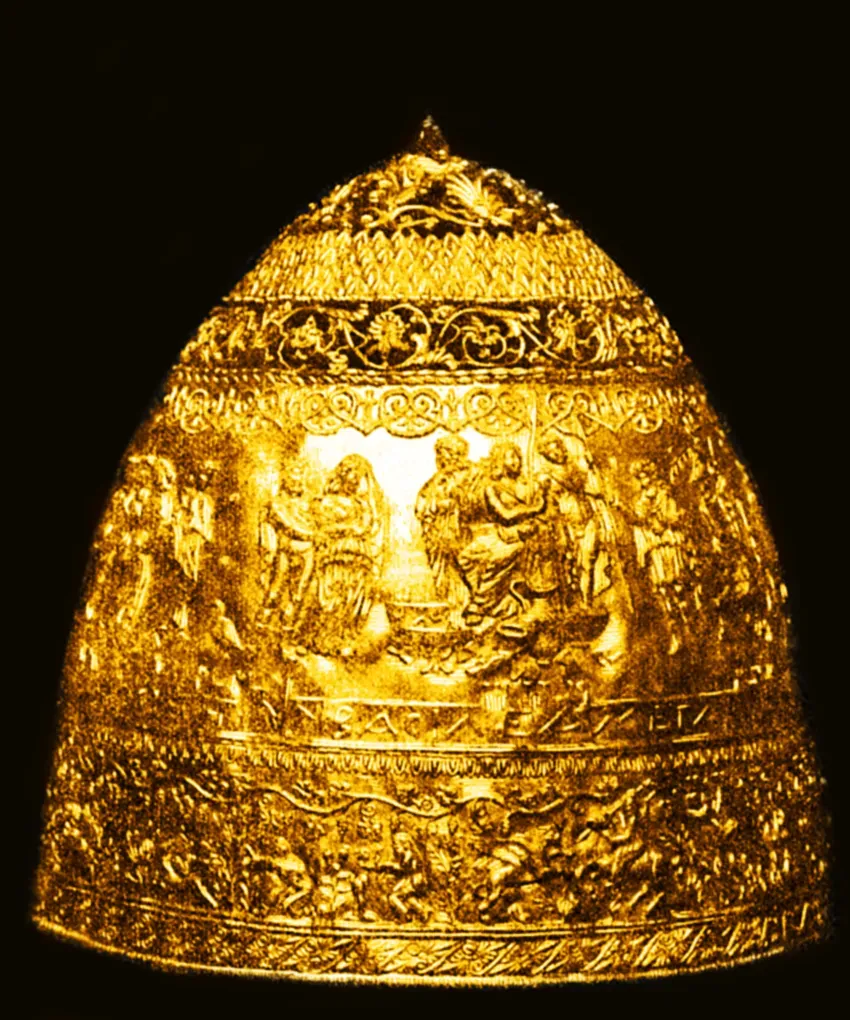
In the late 1800s, the Louvre spent a fortune on an exquisite gold tiara supposedly belonging to a Scythian king. Scholars wrote glowing academic papers analyzing its symbolism and craftsmanship. It was treated as one of the great goldsmithing discoveries of the era.
Then the goldsmith who actually made it – a craftsman working in Odessa – publicly admitted he’d created the whole thing himself in the 1890s and sold it through dealers who invented its backstory. The embarrassment was so severe that some experts initially insisted he must have “restored” a real ancient piece rather than built a total fake. Metallurgical testing proved otherwise. Still, the tiara lingered in scholarly “controversy” for decades, as if doubt alone could rescue its reputation.
#9 – The Moabite Pottery That Was Custom-Built to Match the Bible
In the late 19th and early 20th centuries, collectors were desperate for artifacts that seemed to confirm Old Testament stories. So-called Moabite pottery appeared right on cue – jars and vessels inscribed with ancient script that conveniently echoed familiar biblical passages.
Linguists eventually caught the tell: the phrasing matched modern scholarship far better than genuine Iron Age writing, complete with grammatical slips no ancient scribe would have made. The clay itself was often genuinely old, but the inscriptions were suspiciously fresh. Because the pieces fed a religious and political narrative people wanted true, they sat labeled “disputed” in catalogues long after experts privately knew better.
#10 – Heinrich Schliemann’s “Treasures of Troy” With Quiet Edits
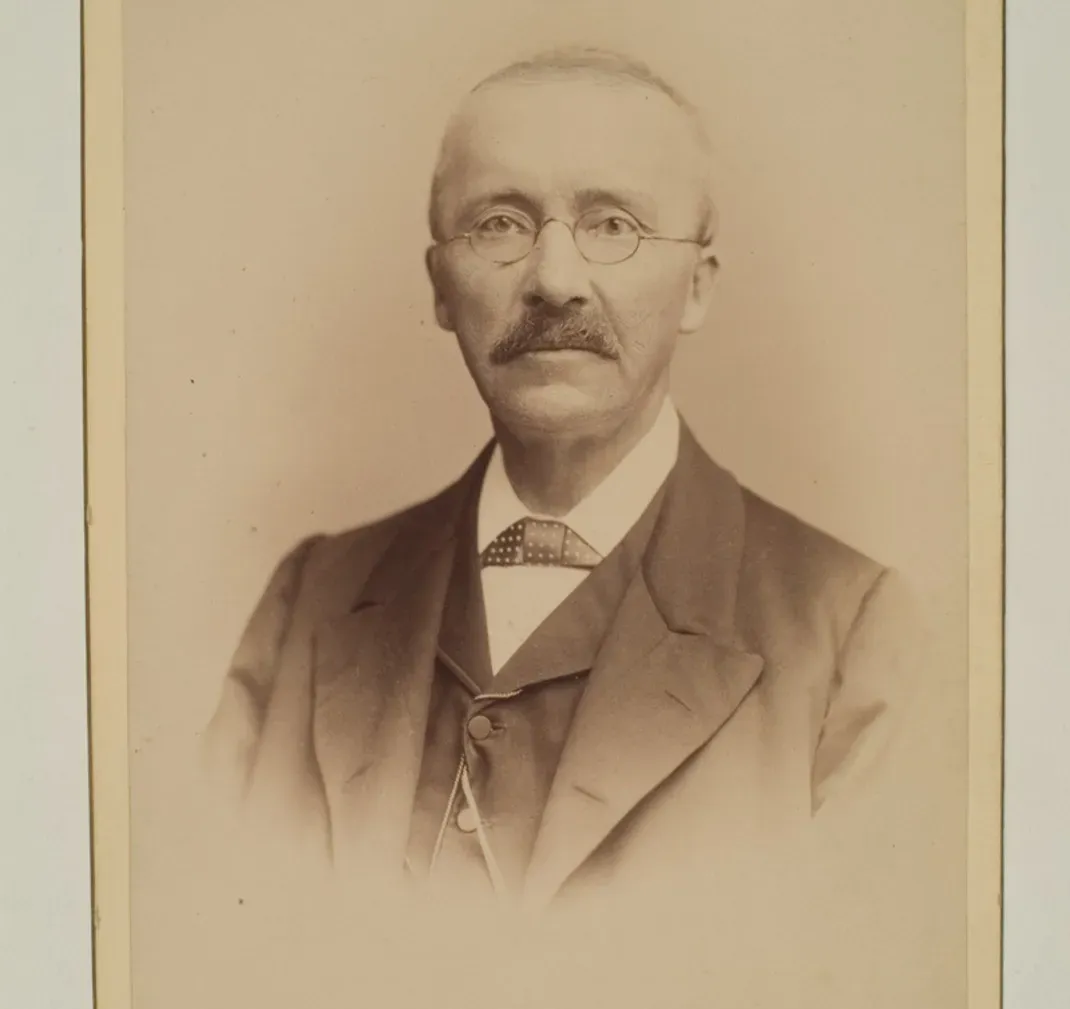
Heinrich Schliemann, celebrated as the man who “found Troy,” is still taught as a pioneer of archaeology. But his crown jewel discovery – the lavish “Priam’s Treasure” – has serious authenticity problems that took decades to surface.
Schliemann was caught rearranging finds, relabeling artifacts, and staging photographs to make the story more dramatic than reality allowed. For decades, museums and popular histories accepted his claims at face value because they fit the romantic dream of archaeology proving Homer right. Later, more rigorous excavation exposed just how much of his “discovery” was curated theater. His version of Troy still shaped public imagination for over a century – accurate or not.
At a Glance
- Schliemann’s most famous find, the so-called Mask of Agamemnon, was discovered at Mycenae in 1876
- Modern archaeological research suggests that the mask dates to about the 16th century BC, pre-dating the period of the mythical Trojan War by 300–400 years
- Some scholars have questioned its authenticity, accusing Schliemann of fabricating the mask and placing it in the tomb himself
#11 – The Holy Relics Industry: Saints With Multiple Skeletons
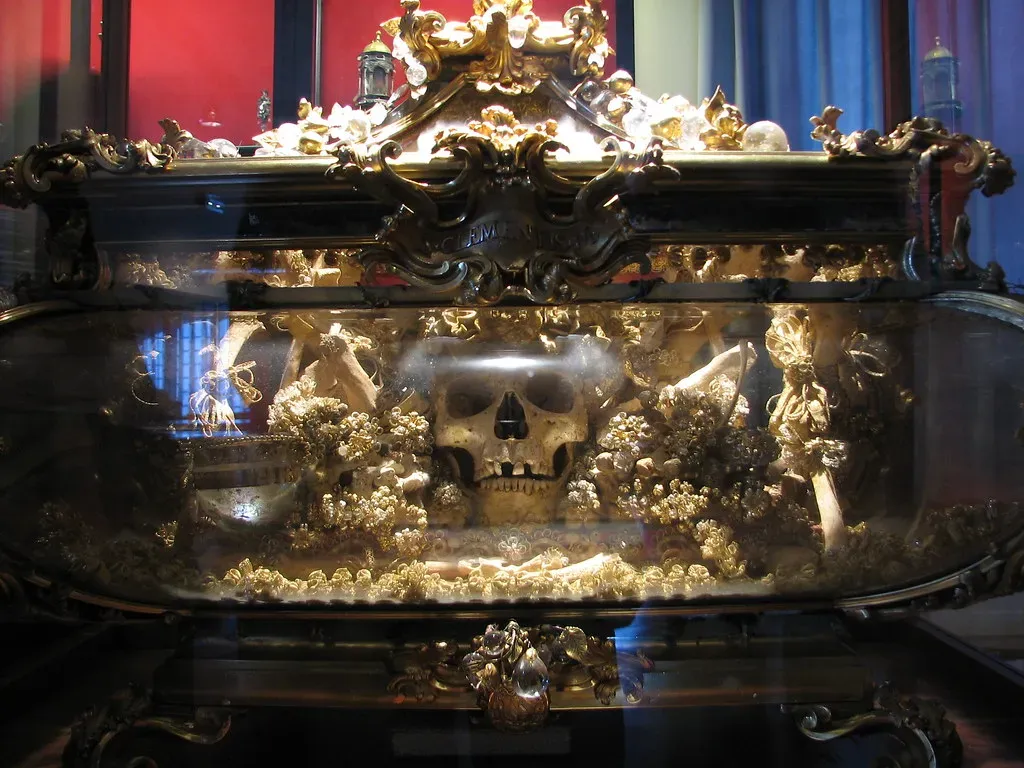
For centuries, churches across Europe claimed to house the actual bones, teeth, or bodies of biblical figures and early saints. By the time scholars started counting seriously in the 19th and 20th centuries, the math stopped working – some saints would have needed several full skeletons to account for every “authentic” relic on display.
Radiocarbon dating and DNA testing later revealed that a large share of these “ancient” remains were medieval at best, and occasionally not even human. Still, guidebooks kept repeating the traditional claims well into the late 20th century. It’s a hundred-year gray zone where devotional objects were quietly “aged up,” and nobody wanted to be the one to say so out loud.
#12 – The Megaliths That Got Centuries Added to Their Age for Free

In the 19th century, antiquarians raced to claim bragging rights to “the oldest monument in Europe,” and the dates they assigned often had more to do with ambition than evidence. Some megalithic sites were confidently stamped with ages that were off by thousands of years.
Early guidebooks froze those exaggerated numbers into public memory, where they stuck for a hundred years or more. As radiocarbon dating and stratigraphy matured in the mid-20th century, many supposedly ancient stone circles quietly got re-dated to far more recent periods. Yet the romantic old numbers still linger in tourism brochures today – because a mysterious “oldest thing in Europe” sells a lot better than an accurate one.
#13 – The Bronze Age Swords Forged in 19th-Century Workshops
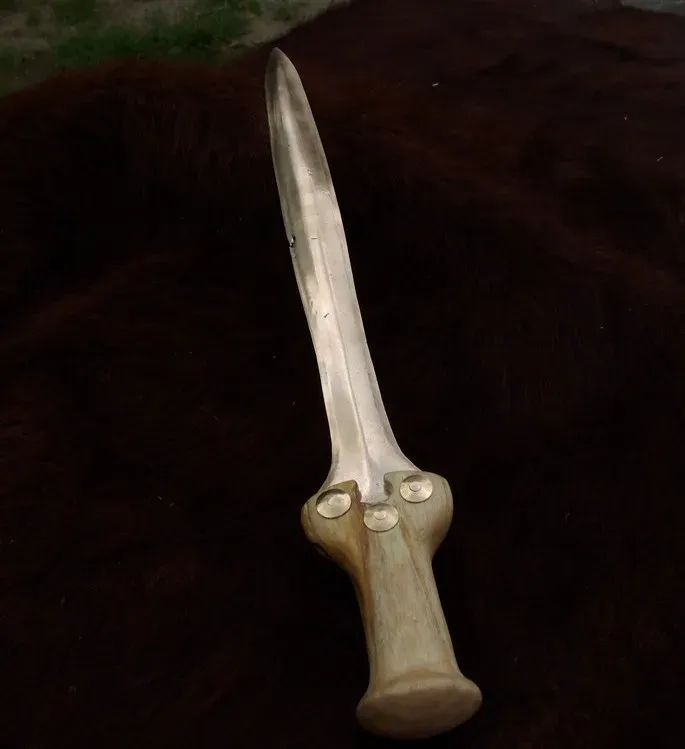
By the late 1800s, collectors couldn’t get enough Bronze Age weaponry, and a new breed of forger rose to meet the demand: the metallurgical artist. Workshops across Europe began producing brand-new “Bronze Age” swords and daggers, artificially patinated and sometimes briefly buried just to pick up authentic soil staining.
Mixed in with genuine artifacts, these fakes slipped straight into museum collections and academic catalogues. Scholars spent decades building entire theories of ancient warfare and trade routes partly on weapons that were younger than the Eiffel Tower. Only modern metallographic analysis exposed the pattern – identical casting flaws and alloy mixes no Bronze Age smith could have produced. These fakes didn’t just fool experts; they quietly warped the story experts told the rest of us for well over a century.
Why It Stands Out
- Fresh bronze was artificially patinated – and sometimes briefly reburied – just to fake authentic soil staining
- Fakes were mixed directly into genuine museum collections and academic catalogues, not sold on the side
- Entire theories of ancient warfare and trade routes were partly built on weapons decades, not millennia, old
- Modern metallographic testing – spotting identical casting flaws and alloy mixes – finally gave the forgers away
The Bottom Line
Line these 13 cases up and a brutal pattern emerges: fake “ancient” artifacts don’t just slip through the cracks occasionally – they can dominate the historical narrative for generations. From a forged skull that rewrote human evolution to patinated swords that reshaped theories of ancient warfare, clever fakers and overconfident experts kept feeding the public a version of history that simply wasn’t true.
What strikes me most isn’t the cleverness of the forgers. It’s how long institutions defended these pieces once prestige was on the line – long after the cracks were showing. Today’s tools are sharper: radiocarbon dating, metallurgical analysis, DNA testing. But the psychology hasn’t changed one bit. We still fall harder for a dramatic origin story than for an awkward correction.
The real takeaway isn’t “never trust a museum.” It’s this: the more thrilling and convenient a discovery feels, the more skepticism it deserves. So which of these fakes do you think caused the most damage to our understanding of the past – and be honest, is there one on this list you secretly still want to be real?