
Ask an archaeologist about their favorite dig and most of them won’t stop talking. Show them the wrong tomb, though, and the enthusiasm vanishes into carefully worded statements, canceled interviews, and permits that never seem to move forward.
That pattern shows up again and again around the world, from the base of the Great Sphinx to flooded caves in the Maya jungle. Something gets found, the hype builds for a few weeks, and then the story just… stops. Here are the 10 tombs where the silence has lasted the longest, and what people close to the work are quietly willing to admit.
#10 – The “Shut Down” Chamber Beneath the Sphinx
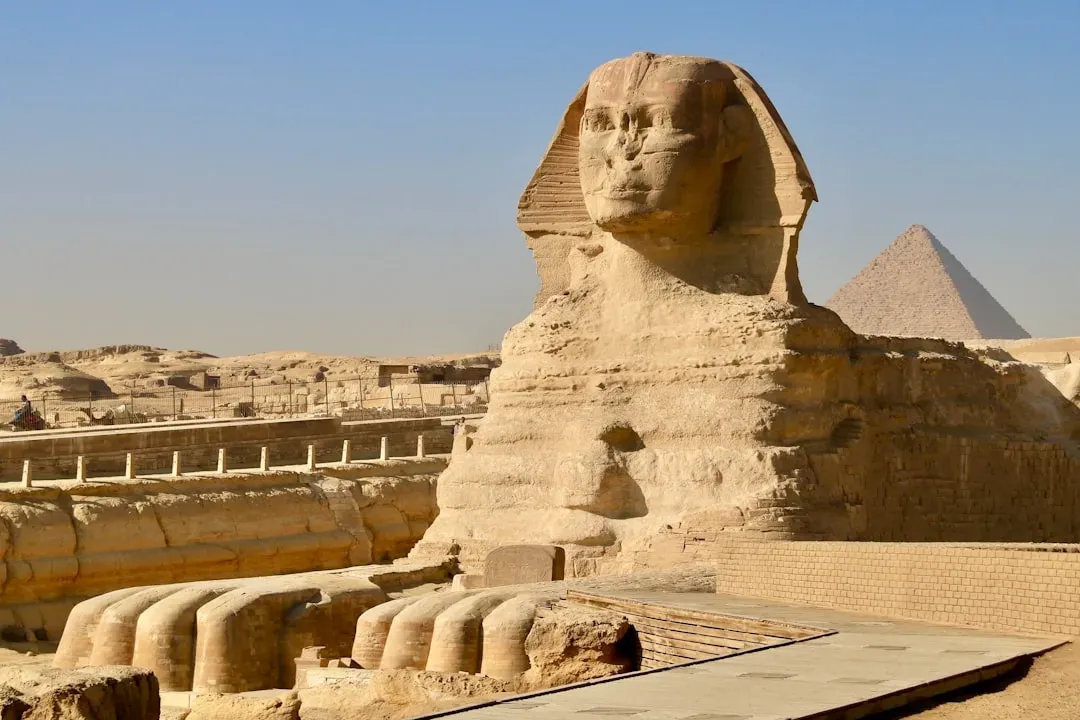
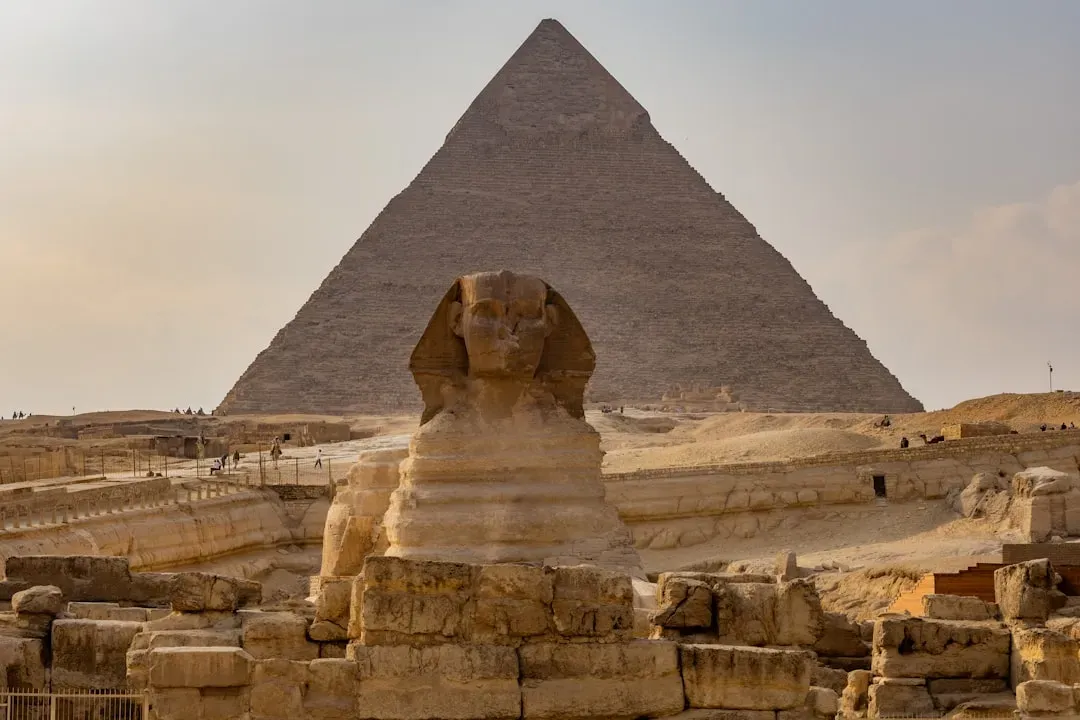
In the late 20th century, ground-penetrating radar picked up something odd underneath the paws of the Great Sphinx: a rectangular void, roughly the size of a room. For a while, that was huge news. People floated theories about a hidden library, a royal cache, even a forgotten ritual chamber.
Then the conversation just… stopped. Permits stalled, official statements turned vague, and follow-up access dried up almost overnight. Researchers close to the site will privately confirm that something is down there. What nobody will confirm is whether anyone has actually looked inside, or what they saw if they did.
Egypt has real incentives to control this one tightly. A cache of texts that contradicts the accepted timeline for the Sphinx’s age or builders wouldn’t just embarrass a few professors – it could rattle tourism messaging and national identity built around a very specific version of ancient Egyptian history. Officials call it “just geology.” Researchers keep quietly pushing for another look anyway.
Fast Facts
- The Great Sphinx stretches roughly 240 feet long and stands about 66 feet tall.
- The suspected void beneath the paws was first flagged by radar surveys decades ago.
- No full public dataset from any follow-up scan has ever been released.
- No independent excavation permit for the area has been approved in recent memory.
But that’s nothing compared to what we found about #9…
#9 – The Sealed Third Chamber of Tutankhamun’s Tomb
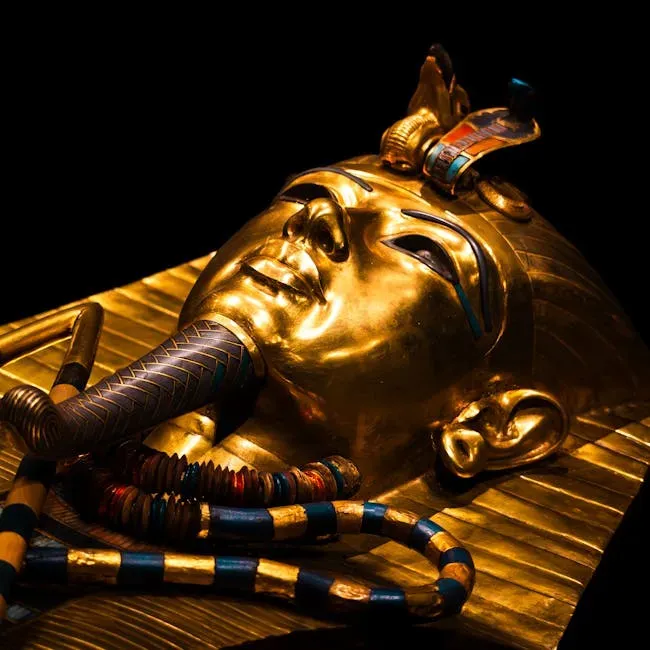
Most people assume Tutankhamun’s tomb was fully catalogued back in the 1920s and there’s nothing left to find. High-resolution scans say otherwise. They’ve picked up anomalies behind the north wall of KV62 that some Egyptologists believe point to an additional chamber or passage – possibly connected to Nefertiti or another high-status burial nobody has officially acknowledged.
What makes this one strange isn’t the anomaly itself. It’s how fast officials shut the topic down. One year the line is “nothing there.” The next, it’s “still investigating.” Independent researchers describe running into closed doors the moment they ask for raw data.
Yes, wonderful things.
Howard Carter, on first peering into Tutankhamun’s tomb
Carter’s famous answer, when Lord Carnarvon asked what he could see through that first crack in the doorway, still says something true a century later: whatever is behind the next wall in that tomb could be the biggest archaeological story of the century. That kind of discovery is a diplomatic and financial powder keg, so for now the permits stay limited and the rumors stay in specialist circles.
But that’s nothing compared to what we found about #8…
#8 – The “Forbidden” Shafts Inside Egypt’s Great Pyramid
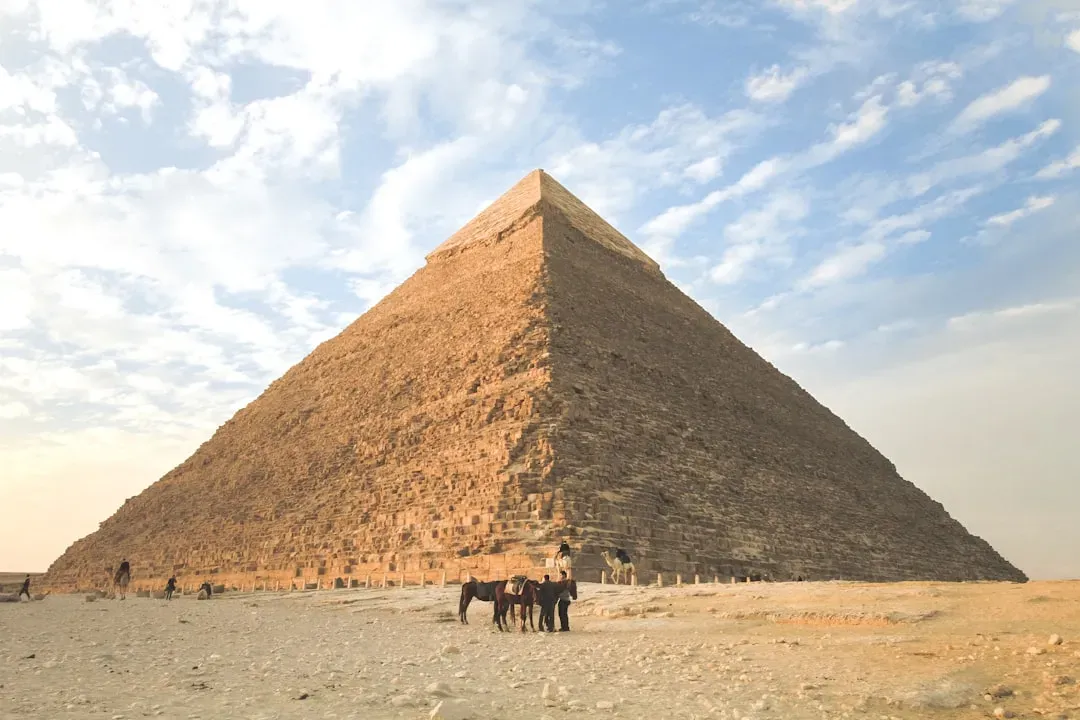
In the 1990s and 2000s, small robots crawled up the narrow “air shafts” branching off the Queen’s Chamber inside the Great Pyramid. Cameras reached a stone “door” fitted with copper handles. Behind that door, another passage. Then, just as things got interesting, the reports turned patchy, the video got partial, and the updates slowed to almost nothing.
To this day, there’s no single, fully detailed public account of everything those cameras actually recorded. Officially, it’s framed as ritual architecture and clever ancient engineering, nothing more. But several researchers who worked near those missions have hinted at unusual markings and construction details that don’t fit neatly into the standard “pyramid as tomb” story.
If those features point to a different original purpose, or to information Egyptian authorities don’t want fringe theorists running wild with, that alone would justify a very slow drip of new information. Every few years another robot mission gets announced with fanfare. Every time, the story fades out the same way: quietly, and without an ending.
But that’s nothing compared to what we found about #7…
#7 – China’s Terracotta “Companion Tombs” They Won’t Open
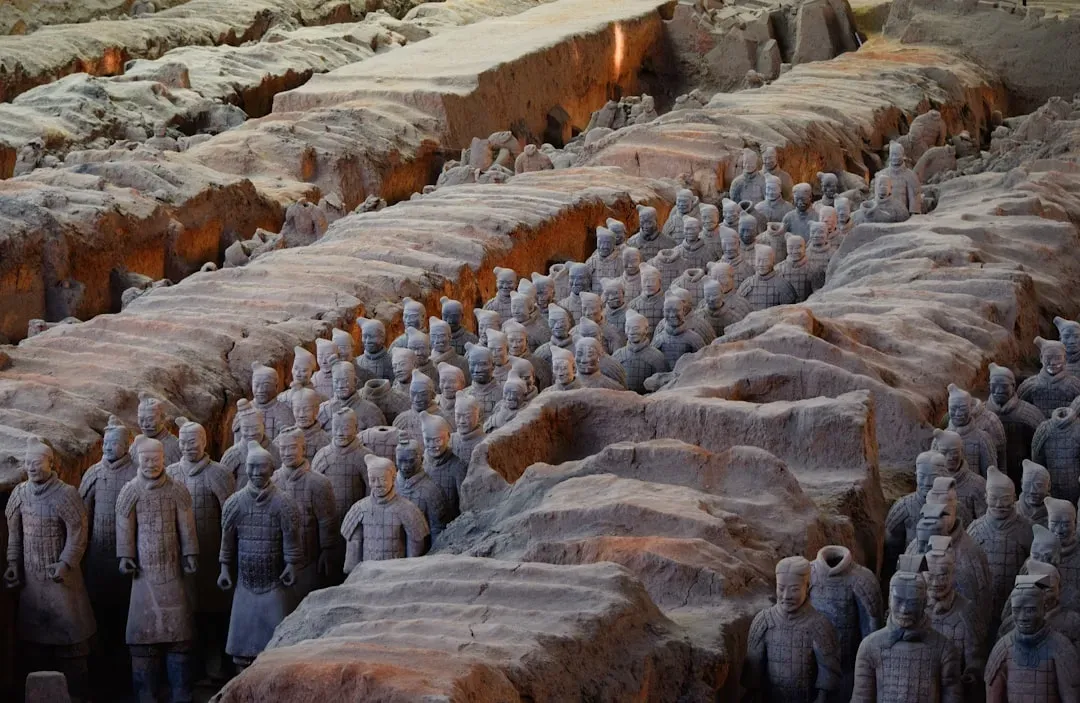
Everyone knows the Terracotta Army near Xi’an. Fewer people know it’s surrounded by dozens of smaller satellite tombs and pits that remain sealed off or only partially reported, decades after they were first identified.
The official reason is preservation, and it’s a legitimate one. Pigments fade and organic material crumbles the moment fresh air hits a sealed chamber. But Chinese historians will quietly admit that’s not the whole story.
Some of these companion tombs may hold written records that complicate the tidy official narrative of the Qin-Han transition, evidence of mass sacrifice on a scale that would be politically awkward to highlight, or artifacts showing foreign influence that muddies the idea of an unbroken, “pure” Chinese cultural line. In a country where history is treated as a political asset, destabilizing that story isn’t exactly encouraged. So the public gets vague phrases like “rich finds” and heavily sanitized summaries instead of real inventories.
But that’s nothing compared to what we found about #6…
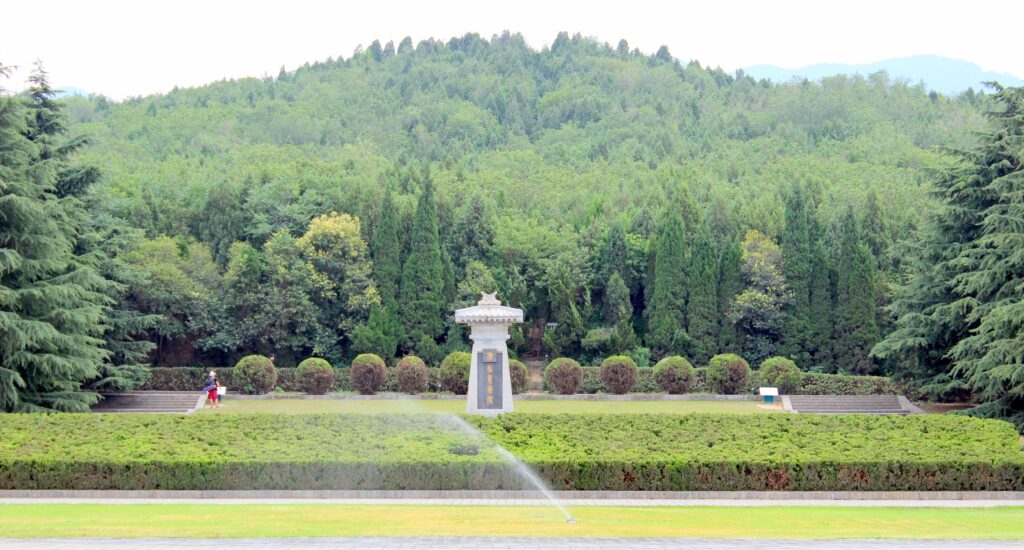
#6 – The Unopened Central Chamber of Qin Shi Huang’s Mausoleum
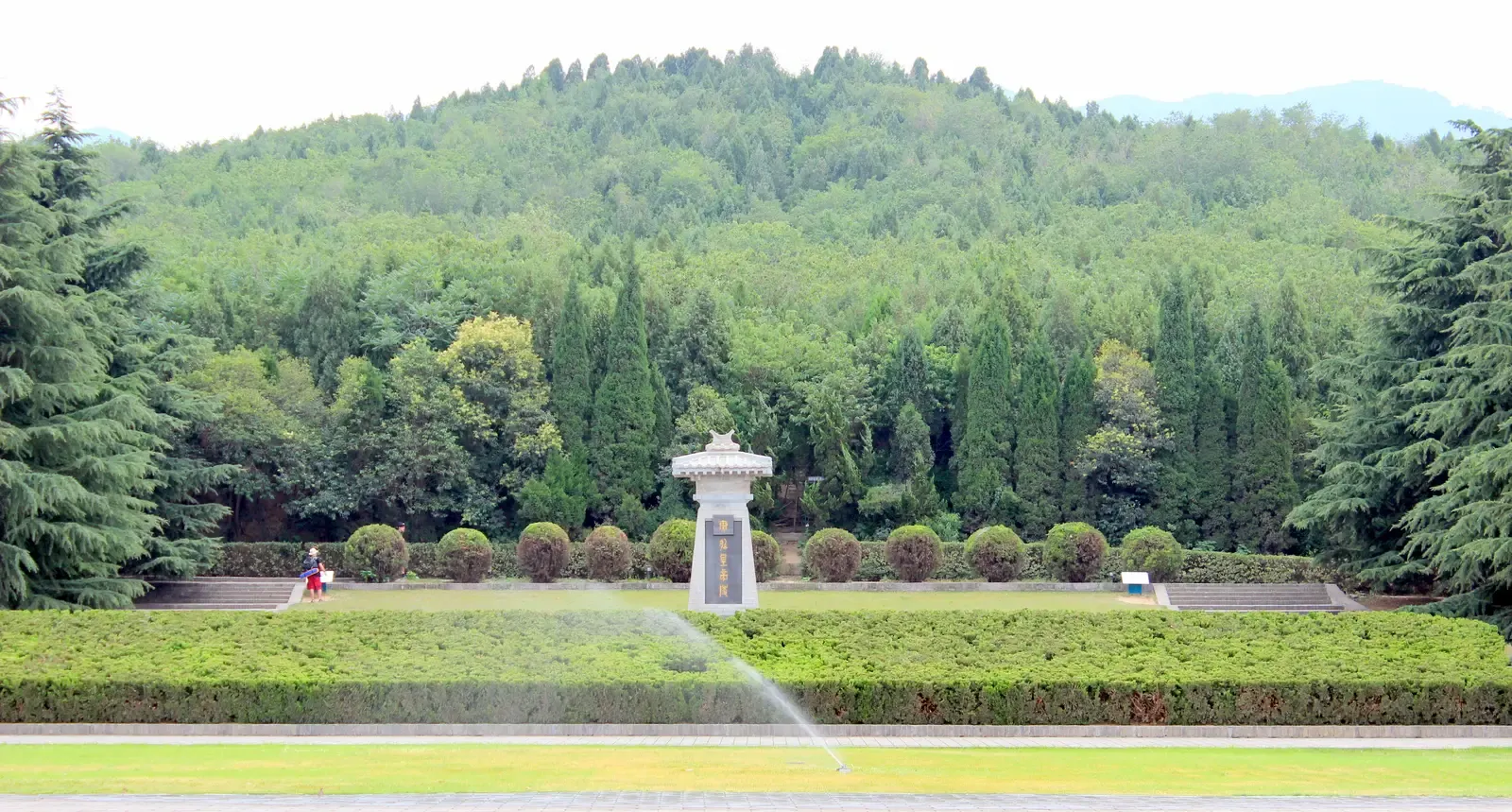
Here’s the part that still stuns people when they hear it for the first time: the actual burial chamber of China’s First Emperor has never been opened in the modern era. Ancient texts describe rivers of mercury flowing through a miniature model of the empire, a ceiling painted with stars, and a mechanical booby-trap system designed to kill intruders.
Modern soil tests around the burial mound have found abnormally high mercury levels, which lines up eerily well with the old descriptions. Chinese authorities say they’re waiting for technology that can guarantee perfect preservation once the seal is broken – and that’s likely part of the truth.
But few people in the field think it’s the only reason. Whatever sits in that chamber could include documents, conquest records, or ritual evidence that complicate modern narratives about unbroken continuity or early contact with neighboring cultures. Until there’s total control over how a discovery like that gets framed to the public, the safest move is simply to leave it locked in the dark.
At a Glance
- The mausoleum complex spans an enormous area near Xi’an, far larger than the Terracotta Army pits alone.
- Ancient historian Sima Qian described rivers of mercury simulating the empire’s real waterways inside the tomb.
- Modern soil surveys around the burial mound have detected mercury levels well above natural background readings.
- The central burial chamber has remained sealed since it was closed over two thousand years ago.
But that’s nothing compared to what we found about #5…
#5 – The Maya “Underworld” Tombs Flooded and Then Quietly Classified
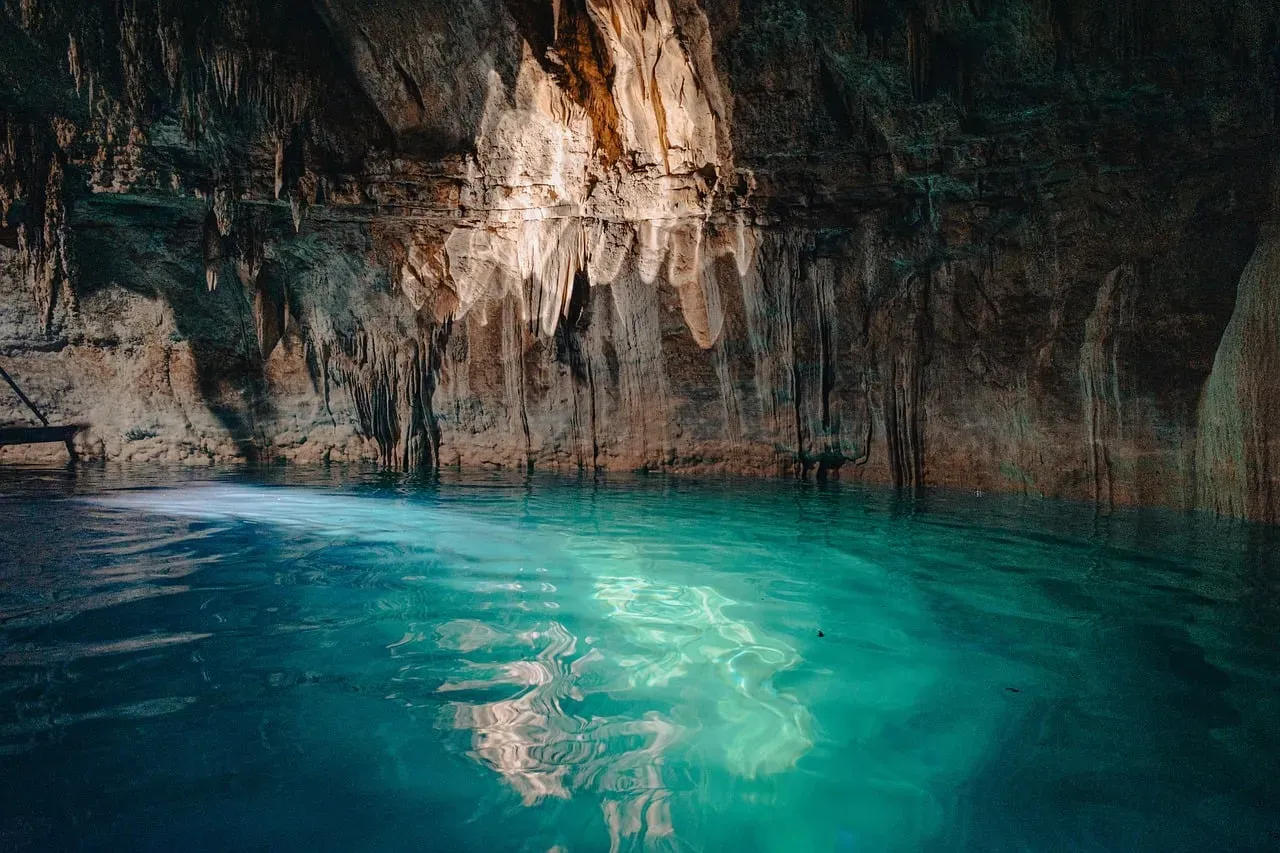
Deep in the submerged cave systems and cenotes of Mexico and Guatemala, divers have found tombs that clearly doubled as gateways to Xibalba, the Maya underworld. Early reports described human remains, jade ornaments, obsidian blades, and strange ritual offerings tucked into chambers only reachable through tight, flooded passages.
Then access tightened, and the detailed descriptions started disappearing from public reports almost entirely. Several divers and researchers have said, off the record, that some of these tombs show signs of extreme ritual violence and possible long-term captivity – a much darker picture than the sanitized “ritual sacrifice” line handed to tourists.
There’s also talk of iconography that doesn’t match any known Maya deity, hinting at lost cults or religious blending that doesn’t fit the neat, “classic Maya” timeline sold in textbooks and travel brochures. Governments and tourism boards have zero interest in horror-movie headlines attached to their top vacation destinations, so the language stays soft: “ritual remains,” “elite burials,” “sensitive sites.” Insiders say the truth underneath is considerably darker.
But that’s nothing compared to what we found about #4…
#4 – The “Heretic” Tombs at Amarna That Challenge Egypt’s Theological Story
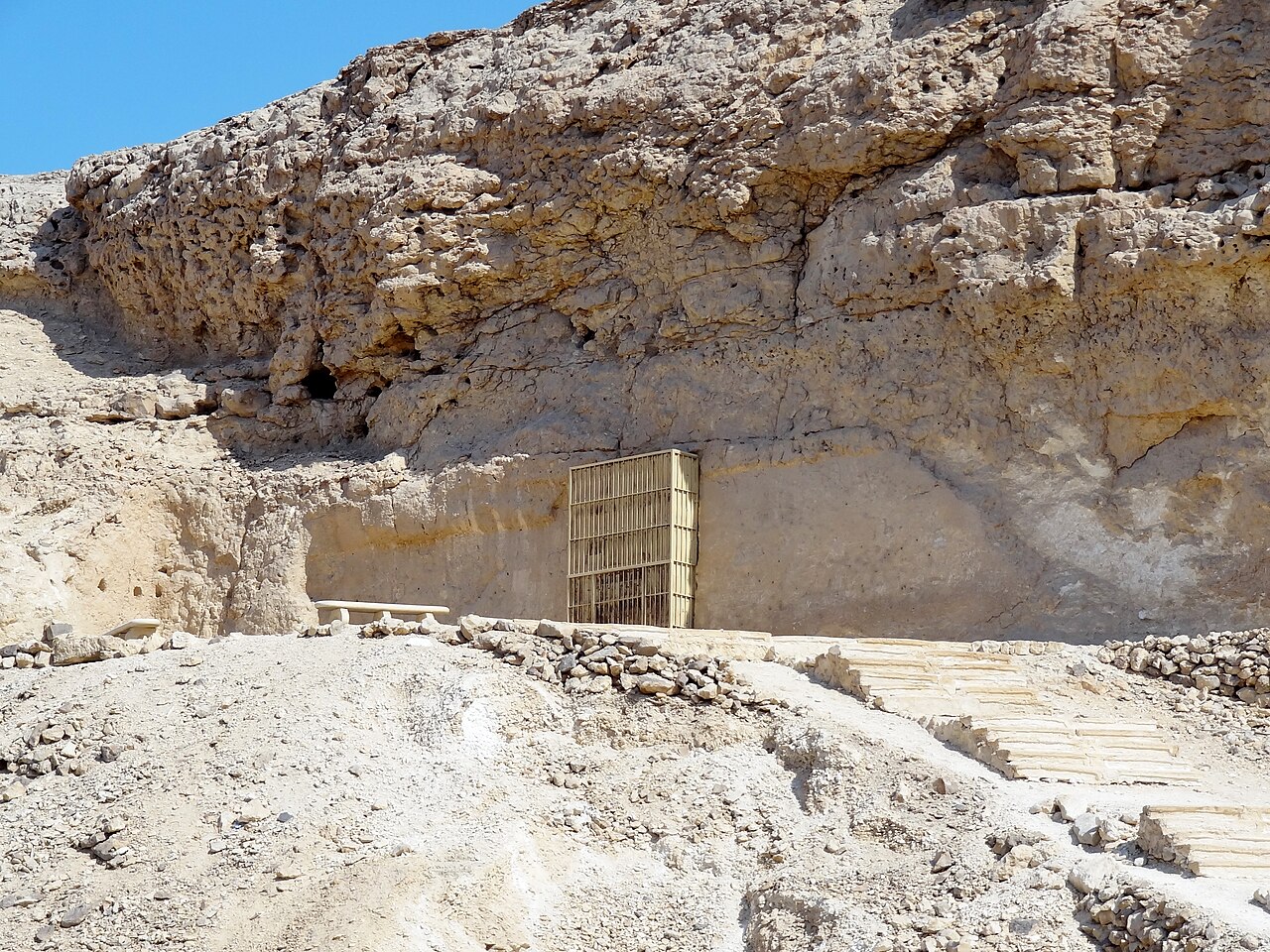
Akhenaten’s capital at Amarna is famous for religious heresy – a near-monotheistic obsession with the sun god Aten that upended centuries of Egyptian tradition. Many of its tombs are well documented. A specific subset, though, belonging to high officials and possibly royal children, stays strangely under-described despite how historically important they are.
Surveys note decorated chambers and burial equipment, yet full inventories remain patchy at best. Some Egyptologists suspect certain Amarna tombs hold theological texts, hymns, or decrees that reveal just how far Akhenaten tried to rewrite Egyptian religion – and how aggressively later dynasties worked to erase every trace of it.
There’s also the touchier possibility of burials showing non-Egyptian biological traits at high status, hinting at a royal court more diverse and foreign-influenced than the standard narrative allows. That plugs straight into modern arguments about identity, ownership, and nationalism. Rather than stir that debate, some reports have sat “under preparation” for decades with no clear finish line.
But that’s nothing compared to what we found about #3…
#3 – The Mysterious Royal Burials Under European Cathedrals
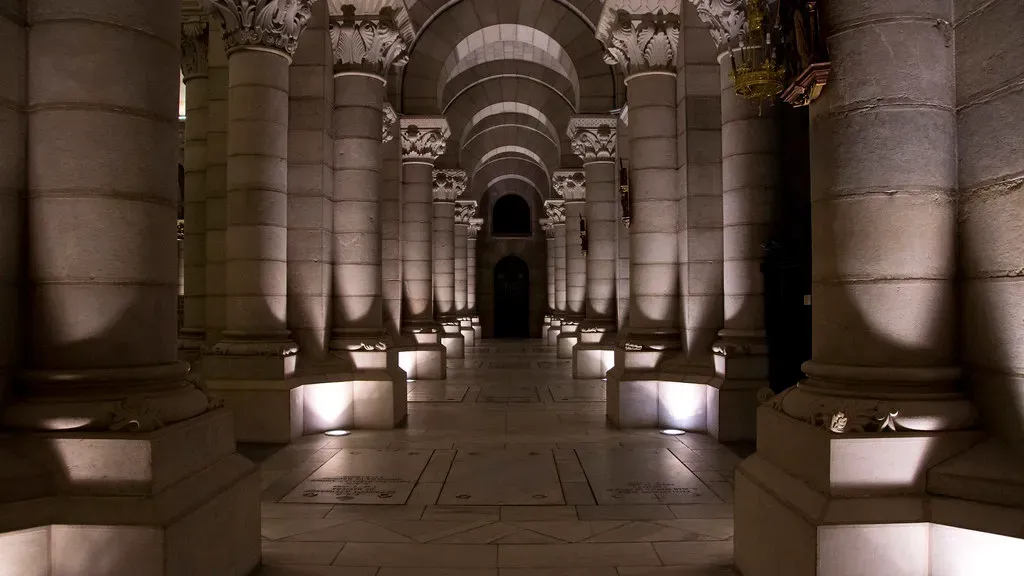
Most people assume Europe’s royal tombs are fully catalogued, dusted, and museum-ready. Beneath several major cathedrals and chapels – especially in France, Spain, and parts of Eastern Europe – sit sealed crypts and ossuaries that have never been fully opened or analyzed with modern methods.
Officially, the reasons are respect for the dead, structural risk, and cost. Unofficially, historians know there’s more riding on it than that. When forensic teams do get limited access, they sometimes find swapped bodies, misattributed burials, unexpected genetic results, or brutal medical histories that clash badly with polished national legends.
Picture a beloved “war hero” king who turns out not to actually be in his own tomb, or a royal bloodline that unravels the moment DNA testing gets involved. In several highly sensitive sites, church and state have quietly agreed that disturbing the dead simply isn’t worth the political fallout. The result is limited sampling, carefully curated press releases, and long embargoes on the full data – some crypts stay locked specifically to avoid awkward truths about modern dynasties.
But that’s nothing compared to what we found about #2…
#2 – The Anomalous High-Status Burials in Prehistoric Britain
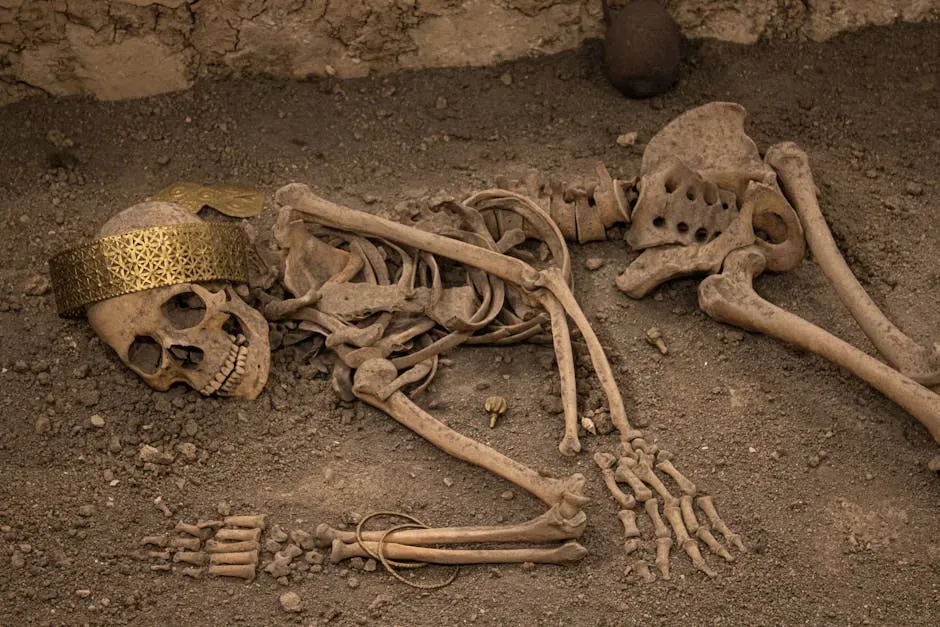
Stonehenge gets all the camera time, but some of Britain’s real mysteries hide in plain, unglamorous burial mounds. Over the last few decades, archaeologists have uncovered elite graves containing exotic grave goods, unusual biological traits, and isotopic signatures showing the person spent their childhood nowhere near Britain.
Some of these get discussed openly. A meaningful subset, especially the ones that don’t fit the comforting “local chief” story, stay quietly under-published instead. Evidence points toward long-distance mobility, intermarriage, and possibly small ruling groups arriving from the continent or even farther away – a picture that complicates the idea of a simple, insular prehistoric Britain.
That kind of evidence lands right in the middle of modern arguments over migration, identity, and belonging, which is exactly why some specialists push for full transparency while others – wary of extremists cherry-picking the data – urge caution instead. In practice, that tension shows up as delayed publications, anonymized site names, and endless “ongoing analysis” notes. One insider summed it up bluntly, off the record: “We know more than we’re allowed to say… yet.”
Quick Compare
- Official story: Local chieftains buried with prestige goods traded in from nearby regions.
- Isotopic evidence: Some elite skeletons near Stonehenge show childhood chemical signatures consistent with growing up far from Britain, possibly in continental Europe.
- Public framing: Site reports often stay generic, with limited detail on origin analysis.
- Underlying implication: Outsiders may have held elite status in prehistoric Britain earlier than commonly taught.
But that’s nothing compared to what we found about #1…
#1 – The “Too Recent, Too Sensitive” Mass Graves from Modern Conflicts
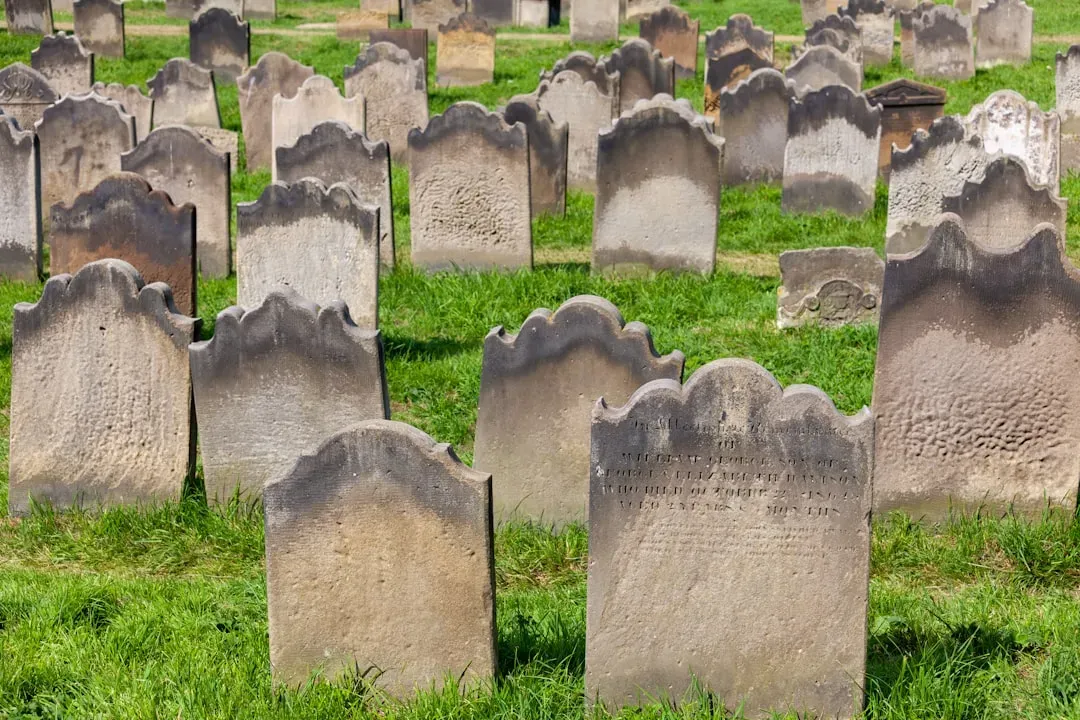
The most tightly controlled “tombs” on Earth aren’t ancient at all. They’re mass graves from 20th- and 21st-century conflicts – civil wars, genocides, political purges – officially classified as forensic sites but functionally tombs, holding people who were never supposed to be found.
Archaeologists and forensic teams who excavate these sites rarely publish full details. Sometimes that’s genuine respect for victims and their families. Just as often, it’s because the findings directly implicate governments, militias, or individuals who still hold power today.
Inside these graves, investigators regularly uncover bullet trajectories, ligature marks, and blindfolds that flatly contradict official “combat casualty” narratives, along with personal items that tie the killings to specific ethnic, religious, or political targeting. Releasing full photographic and contextual evidence in many countries would blow apart carefully managed reconciliation stories, or confirm war crimes still officially denied. So reports get redacted, data gets classified, and some sites are quietly re-covered after only minimal documentation.
Worth Knowing
- Forensic archaeology teams have exhumed mass graves tied to conflicts across the Balkans, Central Africa, and Latin America.
- Investigators often document blindfolds, bound wrists, and close-range gunshot wounds during excavation.
- Full case files from many of these investigations remain sealed or heavily redacted for legal and political reasons.
- International tribunals have historically relied on partial forensic evidence while withholding other findings from public release.
This is where archaeology stops being romantic and turns genuinely dangerous. Here, the silence isn’t about protecting treasure. It’s about protecting people who are still very much alive.
The Bottom Line
Step away from the museum gift shops and glossy documentaries for a second, and archaeology starts looking a lot less like neutral science and a lot more like a quiet battlefield over memory, identity, and power.
The tombs nobody wants to fully discuss – under the Sphinx, deep inside Chinese mausoleums, in flooded Maya caves, or in modern mass graves – aren’t just mysterious. They’re politically radioactive. And in almost every single case, what’s really being protected isn’t gold or jewelry. It’s a story that someone with real power cannot afford to lose.
That’s the part that should bother you more than any curse or conspiracy theory: the most important discoveries in archaeology are often the ones that stay the least public. So here’s the honest question worth sitting with – if archaeologists really did find something that rewrote the history books tomorrow, do you actually believe anyone would let the rest of us hear about it?