
Most people picture roots as boring, motionless anchors quietly sipping water in the dark, waiting patiently for someone to fill a watering can. That picture is almost entirely wrong, and the footage proves it in the most unsettling way possible.
Thanks to time-lapse cameras, glass-walled rhizotrons, and X-ray imaging, scientists have caught roots spiraling, hunting, warning each other, and even quietly poisoning their neighbors – all in total darkness, all without a single neuron. Once you see what’s actually happening under your feet, watering a houseplant will never feel quite so simple again.
#1 – Roots Spiral and Corkscrew as They Grow
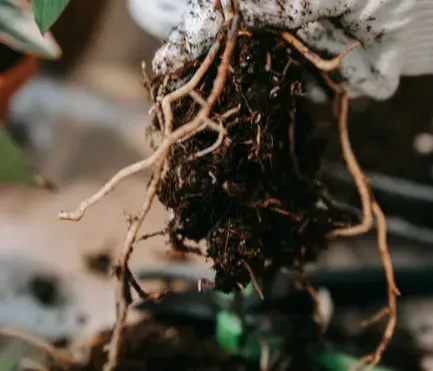
Root tips don’t grow in a straight line. They spiral. Time-lapse footage shows root tips slowly rotating and looping in a corkscrew pattern as they push through soil, a behavior scientists call circumnutation.
That spiraling isn’t a random wobble – it helps the root tip “feel” its way around rocks, roots, and dense soil pockets before committing to a direction. Charles Darwin first documented this rhythmic circling over a century ago, and modern cameras have confirmed the pattern shows up in nearly every plant species studied. The rotation speed and radius change depending on soil density, meaning the root is actively adjusting its search pattern rather than growing on autopilot. It’s less like a pipe extending outward and more like a blind hand groping forward through the dirt.
Fast Facts
- Circumnutation shows up in nearly every plant species examined so far, not just a handful of oddballs.
- Darwin first wrote about this rhythmic circling more than a hundred years before cameras could confirm it.
- Loop size and speed shift depending on how dense or loose the surrounding soil is.
- The behavior looks random on the surface but functions as a built-in search pattern.
#2 – Roots Actively Steer Around Obstacles
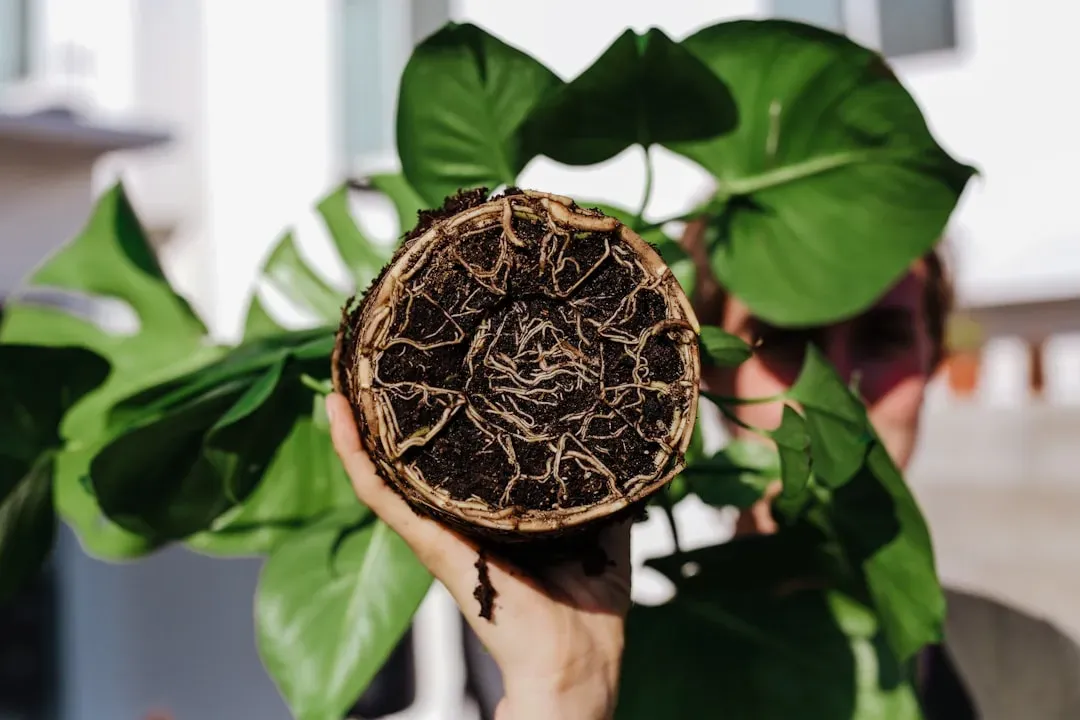
Drop a rock in a root’s path, and it doesn’t just stop – it reroutes, often before even touching the obstruction. Roots can sense pressure changes and redirect growth in advance.
Rhizotron footage shows root tips slowing down, bending, and curving around buried obstacles days before physical contact occurs in some cases. Researchers believe specialized cells in the root cap act like pressure sensors, feeding information back to the growth zone to trigger a directional shift. This mechanosensing ability lets roots navigate compacted, rocky soils without wasting energy ramming into hardpan layers. It’s an underground obstacle course, and somehow the root almost always finds a way through.
#3 – Roots Chase Water Through Soil
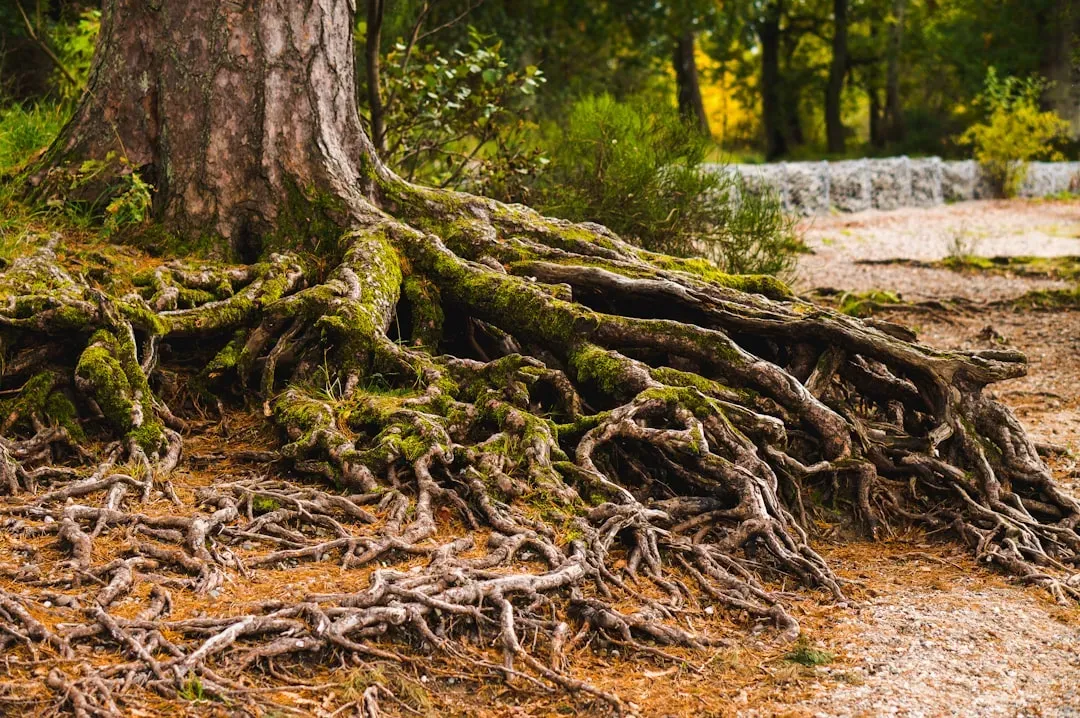
Roots don’t wait for water to arrive – they hunt for it. This behavior, called hydrotropism, causes root tips to bend toward moisture gradients even when gravity pulls in the opposite direction.
In controlled imaging experiments, researchers have filmed root tips curving sharply toward a moist sponge or soil patch, overriding their normal downward growth habit entirely. That override matters because it proves water-seeking can temporarily beat gravity-seeking in the plant’s internal hierarchy of priorities. The root cap contains the sensory machinery for this response, detecting tiny differences in water potential from one side of the tip to the other. Farmers now use this exact principle to design irrigation systems that “trick” roots into growing deeper, more drought-resistant profiles.
#4 – Roots Recognize Their Own Siblings

Here’s the one that breaks people’s brains: roots can tell the difference between related plants and total strangers. Studies show plants placed next to genetic siblings grow fewer competing roots than when placed next to unrelated plants of the same species.
This isn’t folklore – it’s been documented in experiments where researchers grew plants in shared pots and measured root proliferation directly. When surrounded by kin, plants seem to “cooperate,” reducing aggressive root spread to avoid stealing resources from relatives. Surrounded by strangers, the same species goes into full competitive mode, aggressively expanding root mass to grab nutrients first. It’s one of the most underappreciated discoveries in plant biology, and honestly, it should be common knowledge by now.
Worth Knowing
- The landmark discovery came from sea rocket, a member of the mustard family native to beaches throughout North America, including the Great Lakes.
- Biologist Susan Dudley led the research, and allocation to roots increased when groups of strangers shared a common pot, but not when groups of siblings shared a pot.
- Scientists still can’t fully agree on the cause: it has not been established whether the difference in root growth is due to altruism between kin or increased competition between strangers.
- The finding has since inspired similar kin-recognition studies in other plant species.
#5 – Roots Wage Chemical Warfare on Rivals
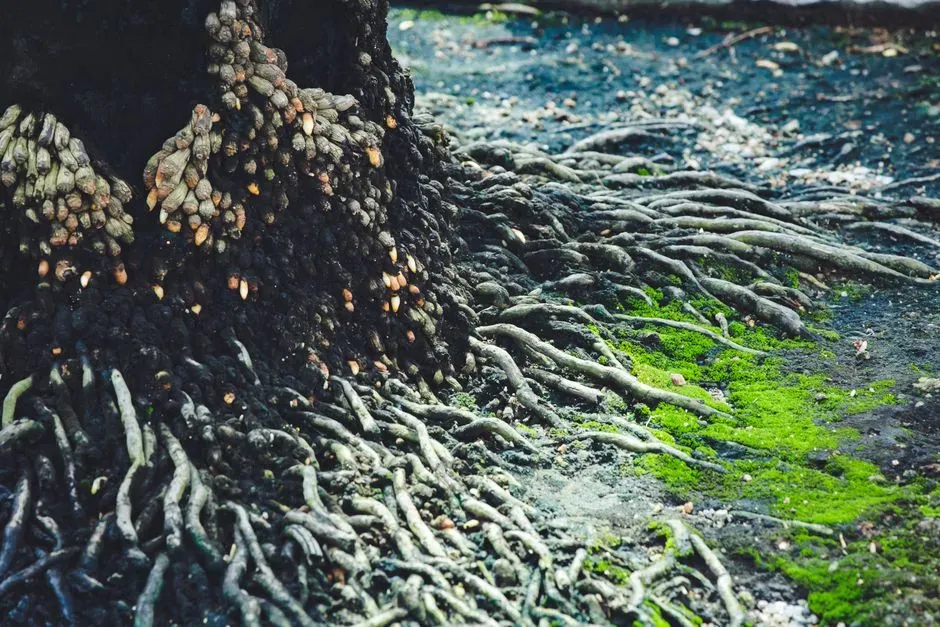
Some roots don’t just compete for space – they poison the competition outright. This tactic, known as allelopathy, involves roots secreting compounds into the soil that stunt or block the growth of nearby rival plants.
Black walnut trees are the textbook example, releasing a compound from their roots that suppresses many other plants trying to take hold nearby, which is why so little grows directly under a mature walnut canopy. Imaging and soil-chemistry studies have tracked these compounds spreading through the root zone, creating an invisible chemical perimeter around the tree. It’s a slow, silent turf war happening in nearly every forest floor and backyard garden – most gardeners have no idea their plants are quietly sabotaging each other a few inches underground.
#6 – Roots Feed an Entire Underground Workforce

Roots aren’t just takers – they’re generous, in a very calculated way. They leak out sugars, proteins, and organic acids, a mix scientists call root exudates, essentially paying bacteria and fungi to work for them.
This underground economy is enormous: a significant share of the sugar a plant produces through photosynthesis gets pumped straight into the soil to feed microbial partners. In exchange, those microbes help unlock nutrients like phosphorus and nitrogen the plant can’t access on its own, break down organic matter, and even fight off soil-borne pathogens. Researchers studying the rhizosphere – the thin zone of soil directly influenced by roots – describe it as one of the most biologically dense environments on Earth, packed with more microbial activity than almost anywhere else in nature.
#7 – Roots Connect Into a “Wood Wide Web”
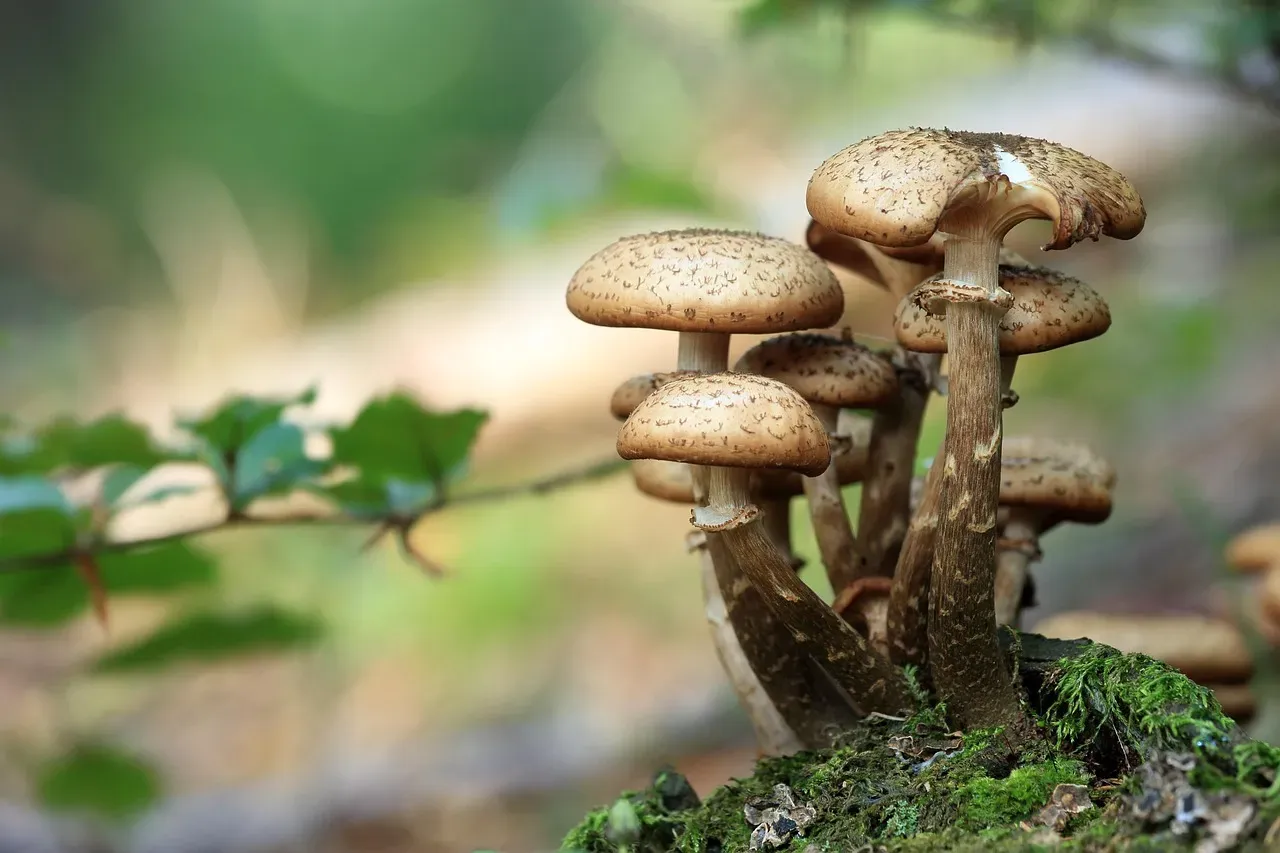
This is the discovery that made headlines worldwide: trees and plants link their root systems together through underground fungal threads, creating a shared communication network. Scientists nicknamed it the “wood wide web,” and it allows separate plants to exchange carbon, nitrogen, and water through fungal bridges between their roots.
Mycorrhizal fungi essentially wire themselves into root systems, forming connections between individual plants, sometimes even across different species. Tracer studies using labeled carbon have shown nutrients moving from a healthy “mother tree” through fungal connections into smaller, shaded seedlings nearby. Some researchers argue older trees may even preferentially direct resources toward their own offspring detected through the network – a claim that remains controversial but has fueled genuine excitement in forest ecology circles. Either way, the underground network is real, mapped, and far more interconnected than anyone assumed a few decades ago.
At a Glance
- Mycorrhizal fungi act as the physical wiring of the network, linking roots of different plants and even different species.
- Carbon, nitrogen, and water have all been tracked moving between connected trees through fungal bridges.
- Forest ecologist Suzanne Simard popularized the “mother tree” concept after tracing nutrient transfers to nearby seedlings.
- Not every plant taps into the network – access depends entirely on which fungal species are present in the soil.
#8 – Root Tips Sacrifice Cells to Protect Themselves

The very tip of a root is covered by a protective cap, and that cap is constantly shedding cells on purpose. These sacrificed cells, called border cells, detach and surround the root tip, acting as a defensive buffer against soil pathogens and toxins.
Time-lapse and staining studies show thousands of these cells released continuously as the root pushes forward. Each one is programmed to die and release compounds that trap or repel harmful fungi and bacteria before they ever reach living tissue. Some researchers compare the process to an immune response, with border cells acting almost like white blood cells patrolling in front of an advancing root tip. It’s a level of self-sacrifice most people never imagine happening inside something as simple as a carrot or a dandelion.
#9 – Roots Send Electrical Signals Like Nerves
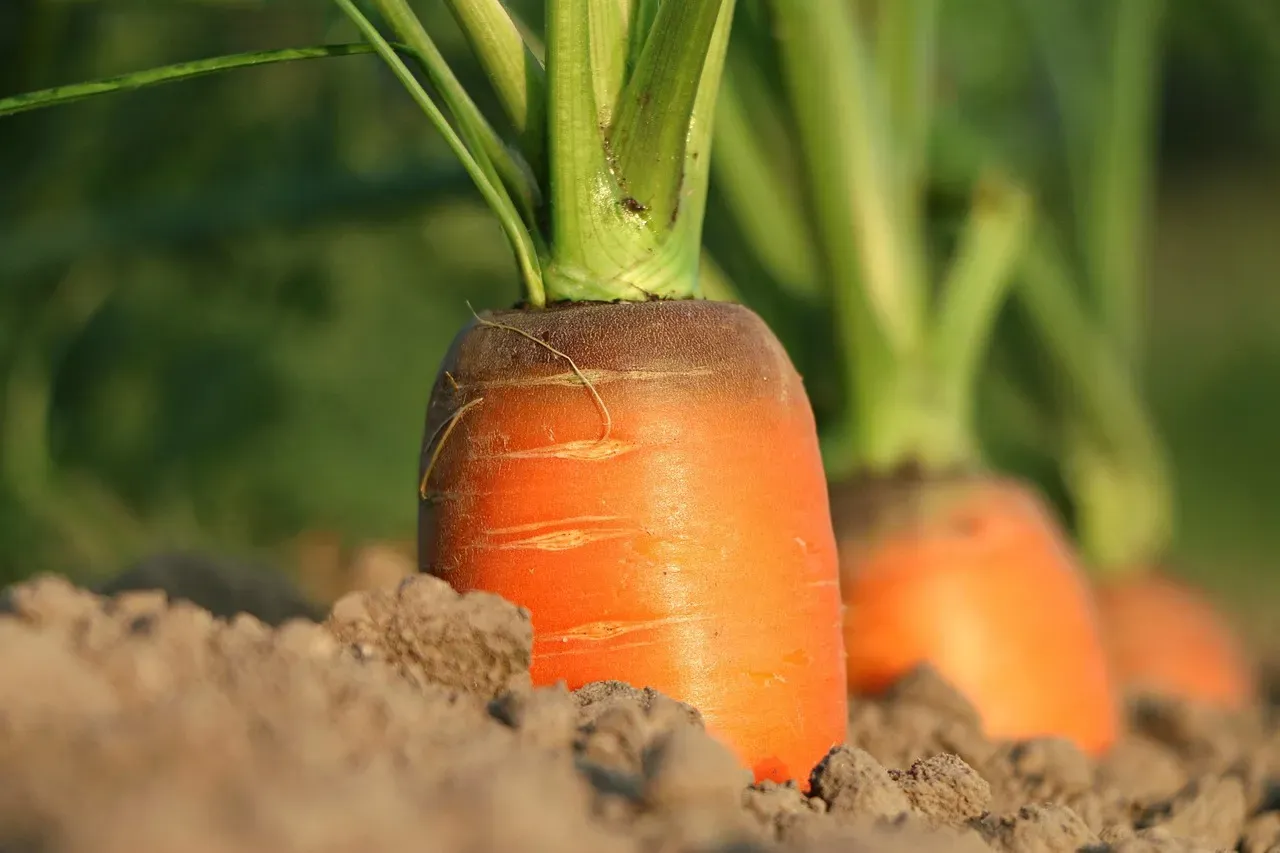
Roots generate and transmit electrical impulses in response to stimuli, a discovery that has led some scientists to controversially describe root tips as functioning like a decentralized “brain.” Electrode recordings have captured measurable electrical activity moving through root tissue in response to touch, gravity shifts, and chemical exposure.
This signaling doesn’t mean roots think the way animals do, but it does show internal information processing that surprised even seasoned botanists. The transition zone near the root tip appears especially active, coordinating incoming sensory data from pressure, moisture, and light cues to adjust growth direction in real time. Charles Darwin was already toying with this idea long before anyone could measure a single electrical pulse.
It is hardly an exaggeration to say that the tip of the radicle… acts like the brain of one of the lower animals… receiving impressions from the sense-organs, and directing the several movements.
Charles Darwin, The Power of Movement in Plants
Critics push back hard on the “brain” language, and that debate isn’t settled. But nobody disputes that the electrical activity itself is real, measurable, and stranger than most people ever learned in school.
#10 – Roots Forage Aggressively in Nutrient-Rich Patches

Soil is never uniform – it’s a patchwork of rich pockets and nutrient deserts, and roots respond by playing favorites. When a root encounters a nutrient-rich patch of soil, it dramatically increases branching and growth in that exact spot while ignoring poorer surrounding soil.
Researchers using clear-sided growth chambers have filmed this foraging behavior in real time, watching root density explode within hours of contacting a fertilizer-rich zone. This targeted proliferation lets plants invest energy efficiently instead of blindly growing roots everywhere. It also explains why fertilizer placement matters so much in farming – dump nutrients in the wrong spot, and the root system may never fully exploit them. Many agronomists now argue broadcast fertilizing wastes enormous resources compared to targeted placement that works with this natural foraging instinct.
#11 – Roots Can Sense Vibration and Sound

This one sounds almost unbelievable, but multiple studies have recorded roots altering growth direction in response to specific sound frequencies. Root tips have been shown to grow toward the vibration frequency associated with flowing water, even when no actual moisture gradient is present.
Researchers buried speakers or vibration generators near root systems and tracked growth patterns with cameras, finding a measurable bending response toward the sound source in several experiments. This has sparked debate about whether plants possess a rudimentary form of “hearing,” though scientists are careful to note it’s a mechanical vibration response rather than auditory perception in any animal sense. Still, the implications are wild: an organism with no ears and no brain appears to respond to acoustic cues in a directional, purposeful way. Some experts remain skeptical of how widespread this ability truly is across species, which makes it one of the most actively debated frontiers in plant science today.
Quick Compare
- Sound alone, no moisture: roots were able to locate a water source by sensing the vibrations generated by water moving inside pipes, even in the absence of substrate moisture.
- Sound plus real moisture: roots preferentially used moisture in the soil over acoustic vibrations when both cues were available.
- Recorded sound versus real flowing water: in follow-up trials, root systems responded differently depending on whether the water sound was live or a playback recording.
#12 – Roots Can Detect and Avoid Their Own Roots

Plants have a remarkable ability to distinguish their own root tissue from anyone else’s – including a genetically identical clone. A root system will actively avoid overlapping or crowding its own existing roots, a phenomenon researchers call self/non-self recognition.
This means a single plant’s roots essentially “know” where the rest of their own network already is, redirecting growth toward unexplored soil instead of wasteful overlap. Split a plant’s root system and separate the halves without it knowing, however, and the self-avoidance behavior can break down, causing overlapping growth – a strong clue that the recognition mechanism relies on physical or chemical continuity within the plant rather than pure genetics alone. This discovery reshaped how scientists think about plant identity, since it shows roots aren’t just growing outward blindly. They’re tracking their own spatial footprint the entire time, quietly mapping themselves in the dark.
The Bottom Line
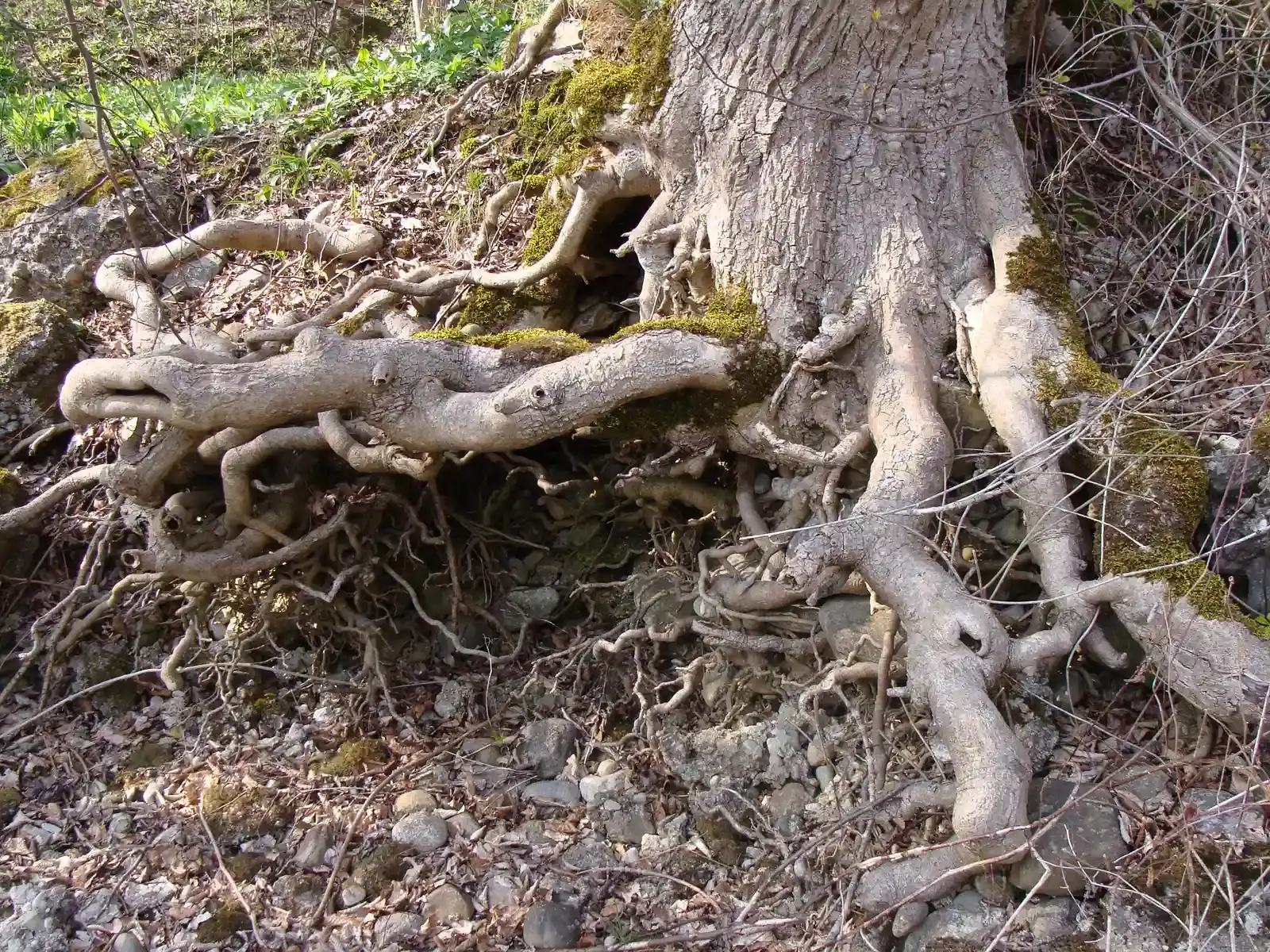
Underground root behavior is far stranger and more coordinated than most people ever learn in school. Roots spiral, steer, poison rivals, sacrifice cells, network through fungi, and even respond to sound – all without a brain in the traditional sense.
Frankly, the “root-brain” debate feels overdue for mainstream attention, because the electrical and behavioral evidence keeps stacking up faster than skeptics can dismiss it. Soil isn’t a passive backdrop; it’s a battlefield, a marketplace, and a communication network all at once, running twenty-four hours a day beneath every lawn, farm, and forest on the planet. Which of these twelve behaviors surprised you the most? Drop your pick in the comments.