Imagine living your whole life above a lost world without having a clue. A subway tunnel gets dug, a basement is renovated, a pipe bursts…and suddenly an entire forgotten chapel, Roman street, or medieval house stares back from the dirt. It sounds like the start of a movie, but it keeps happening in real cities, under very normal buildings, all over the world.
What makes these buried structures so fascinating is not just the age of the stones, but the idea that history did not go anywhere. It is literally still here, just sealed under floors, parking garages, and office towers. Every time one of these hidden places is found, it forces us to rethink how much we really know about the ground beneath our feet.
Below are twelve of the most remarkable examples of structures that spent centuries concealed under later buildings. Some you can visit today; others were quickly reburied for protection. Together, they show how cities are like layer cakes of time, with each generation quietly stacking its life on top of the last.
#1 The Roman Amphitheater Beneath London’s Guildhall
Here’s a wild thought: for centuries, London’s legal and civic authorities held meetings directly above the ghost of a Roman gladiatorial arena. The remains of Londinium’s Roman amphitheater were only rediscovered in the late twentieth century during work on the Guildhall Art Gallery, even though the site sat in the middle of the historic City of London the whole time.
Archaeologists uncovered curved stone walls, entrance passages, and parts of the arena floor, all dating back to when London was part of the Roman Empire. The amphitheater once held thousands of spectators, yet over time it collapsed, was robbed for stone, and was eventually buried as medieval and later buildings rose above it. For generations, people worked, worshipped, and walked across Guildhall Yard without any hint they were tracing the outline of a Roman stadium.
Today, the remains have been preserved under the modern Guildhall Art Gallery in a kind of underground museum, with lighting and digital reconstructions showing where the arena and seating once stood. It’s a powerful example of how cities reuse prime real estate endlessly. You think you’re building a gallery. In reality, you’re putting a glass box on top of a two-thousand-year-old entertainment complex.
In a way, it’s strangely fitting that a place dedicated to public life in Roman times now sits under another center of civic life. The biggest difference? The drama above ground is strictly legal and political now, not gladiators fighting in the dust.
#2 The Aztec Templo Mayor Under Mexico City’s Cathedral
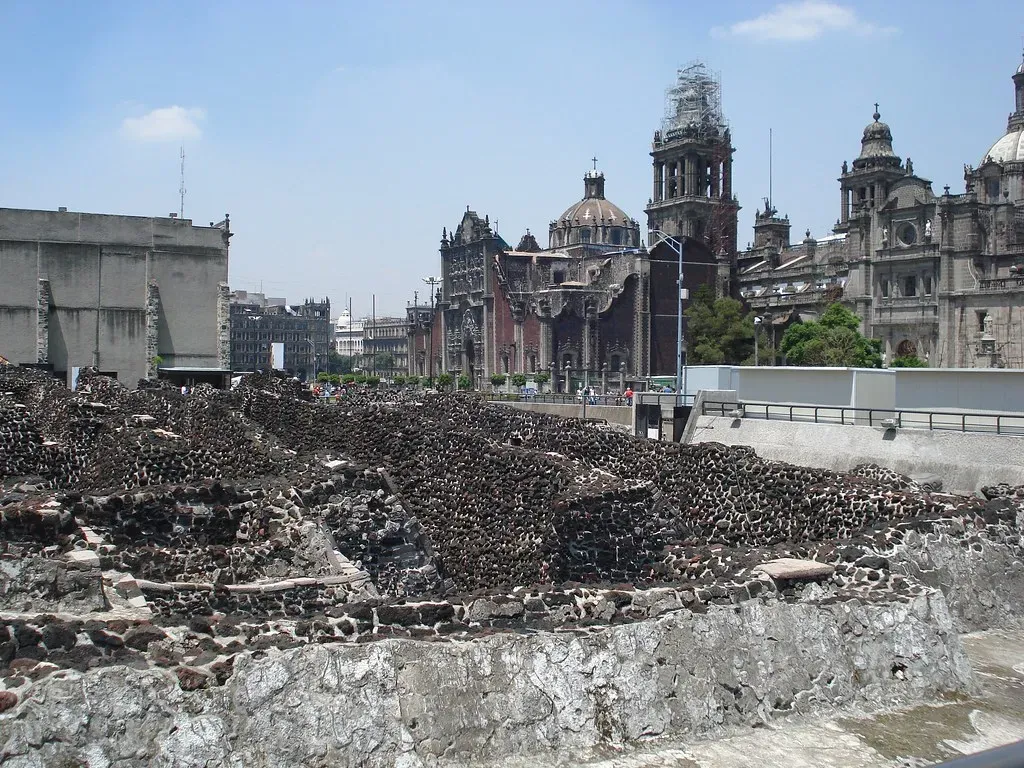
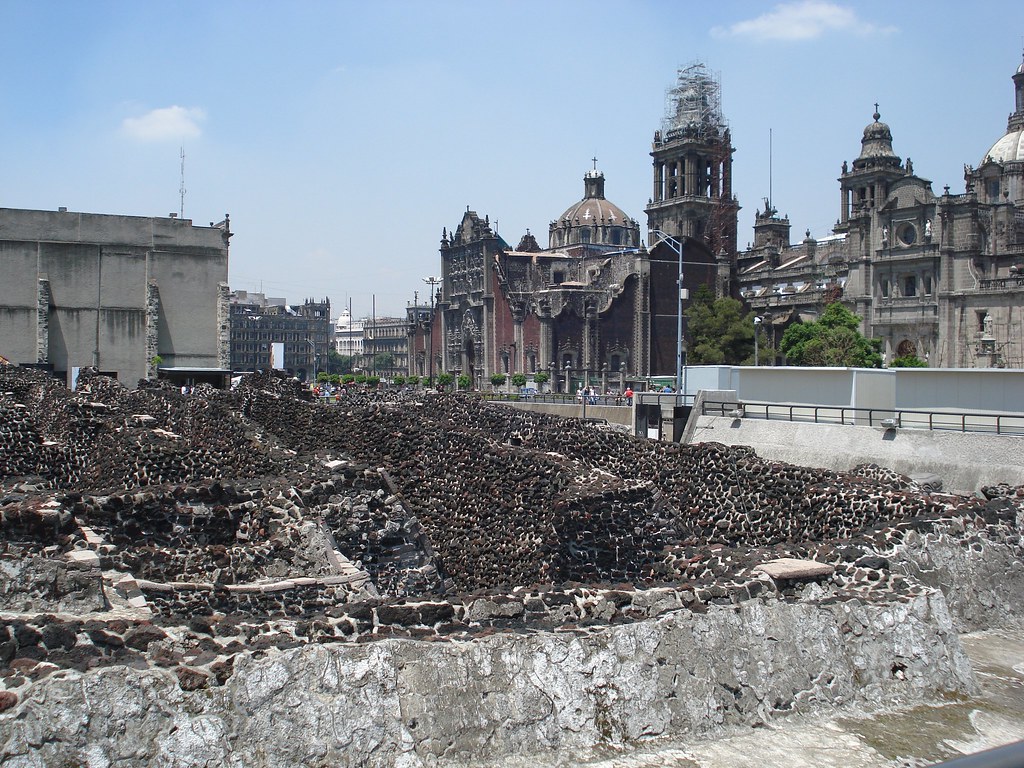
Few places show the collision of worlds as dramatically as central Mexico City. For centuries, people suspected that the main temple of the Aztec capital Tenochtitlan lay somewhere below the Spanish-era buildings. But it was not until the late twentieth century that systematic excavations confirmed that the heart of the Aztec religious universe, the Templo Mayor, still sat buried under and around the colonial cathedral and surrounding blocks.
The Spanish conquerors had deliberately built their new city over the Aztec one, reusing stones and leveling sacred structures. That choice was symbolic dominance and practical urban planning rolled into one. The result was that the Templo Mayor, once a towering double pyramid dedicated to war and rain deities, slowly disappeared under foundations, streets, and churches. Worshipers in the cathedral prayed for salvation where sacrifices had once been offered just a few meters below their descendants’ feet.
Excavations revealed layered construction phases of the temple, carved sculptures, offerings of jade, shells, and even the massive circular stone depicting a dismembered lunar goddess. These finds confirmed historical accounts that the Aztecs repeatedly expanded their central temple, turning it into a physical timeline of their empire’s rise. The irony is hard to miss: the most sacred Aztec shrine survived precisely because it was buried under the architecture of the empire that destroyed it.
Today, the Templo Mayor museum and open-air excavations nestle tightly among colonial and modern buildings. Standing there, you can see, in one glance, pre-Hispanic, Spanish, and contemporary Mexico City layered like geological strata. It is one of the clearest visual arguments that history does not disappear; it just gets built over.
#3 Nero’s Golden House Hidden Beneath Rome’s Later Glory
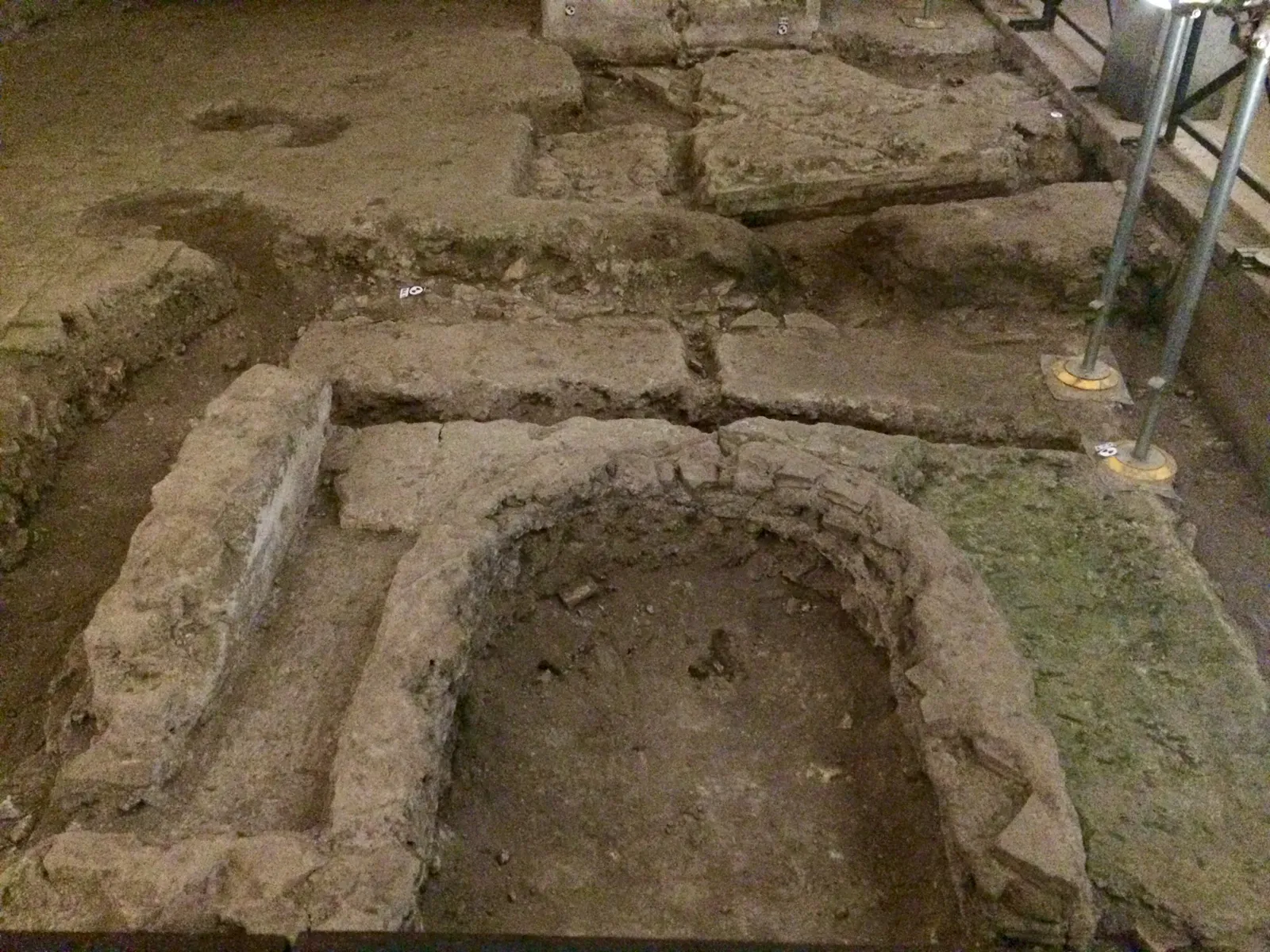
If you ever needed proof that emperors can be erased almost out of spite, look at Nero’s Domus Aurea, the so-called Golden House. After Nero’s death, Roman elites were so eager to distance themselves from his extravagance that they literally buried his palace under new buildings and earth. For centuries, parts of this sprawling estate slept beneath later Roman constructions and, eventually, under Renaissance Rome itself.
The palace was a statement of obscene luxury: artificial lakes, rotating dining rooms, imported marble, and walls coated in gold and dazzling frescoes. Later emperors drained the lake to build the Colosseum and filled much of the site to develop more conventional public buildings and baths. In a sense, they recycled prime downtown land that Nero had hogged for himself and turned it back over to the people. The collateral damage was that much of the palace ended up underground, sealed in darkness.
Centuries later, Renaissance artists like Raphael and others reportedly descended into strange underground “grottoes” decorated with fantastical paintings. They did not yet realize they were crawling through the buried wings of Nero’s residence. The ornamental style they copied became known as “grotesque” precisely because of these grotto-like chambers. This is one of those delightful twists where a buried building secretly shaped European art for centuries without anyone fully understanding its origin.
- An extravagant imperial palace was intentionally buried to erase its owner’s reputation.
- Later Romans built landmarks like the Colosseum right on top of its grounds.
- Renaissance artists rediscovered its painted halls from underground, inspiring new styles.
Modern conservation efforts have opened parts of the Domus Aurea to visitors, but only in tightly controlled conditions because of humidity and structural issues. Walking through, you feel both the weight of imperial hubris and the strange luck that burial can sometimes be the best preservation strategy.
#4 The Medieval Synagogue Under a Modern House in Erfurt
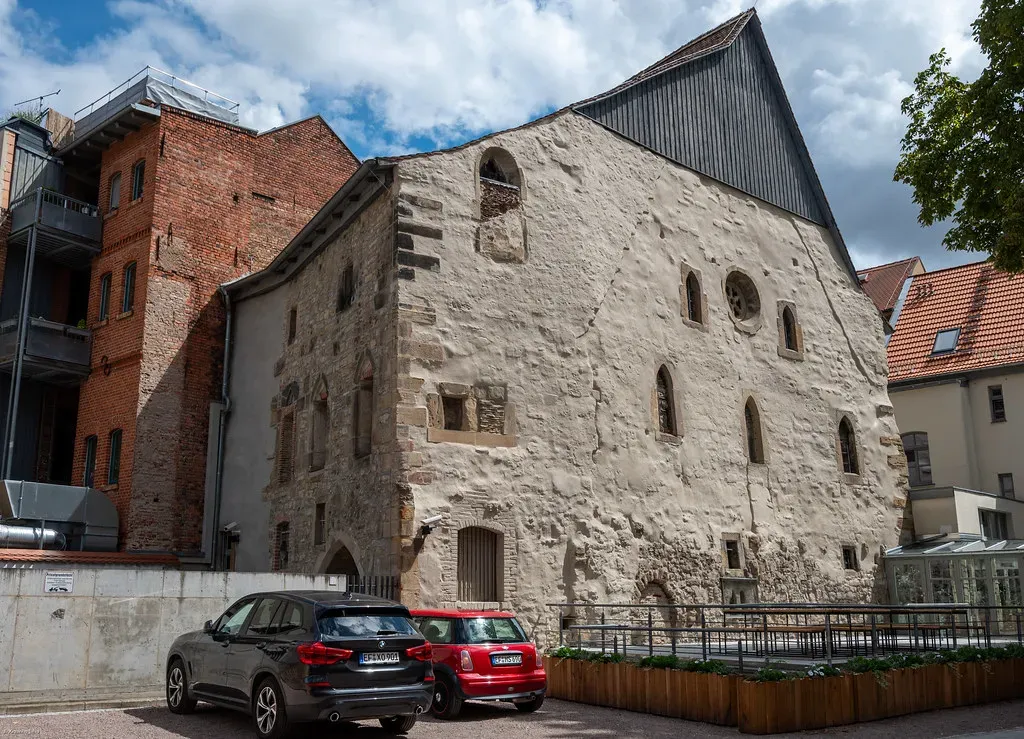
In the German city of Erfurt, one of the oldest synagogues in Europe survived simply because nobody realized it was a synagogue anymore. Over the centuries, the medieval building was converted into a warehouse, then partially rebuilt, with facades and interiors altered. By the modern era, it looked like just another old structure in a dense urban block. Only detailed research in recent decades exposed what it really was.
Inside, layers of plaster and later modifications had covered old architectural features. Archaeologists and historians gradually recognized typical medieval synagogue elements: thick walls, window arrangements, and traces of decorative details that matched surviving Jewish religious buildings elsewhere. In the soil beneath, they found a treasury of coins and jewelry associated with the medieval Jewish community, likely hidden during a period of persecution and never recovered.
What makes Erfurt’s synagogue striking is how it shows a different kind of “burial.” Instead of being physically entombed underground, the original structure was entombed inside later renovations and changes of function. Generations rented, stored goods, or passed by this building without thinking of it as sacred space. Its true identity was effectively buried under plaster, partitions, and forgetfulness.
Now restored as a museum, the synagogue offers a window into Jewish life in central Europe before later expulsions and tragedies. It also quietly challenges the idea that you can fully erase a community just by repurposing their spaces. Sometimes, the stones keep the memory even when people forget.
#5 The Roman City Under the Cathedral of Trier
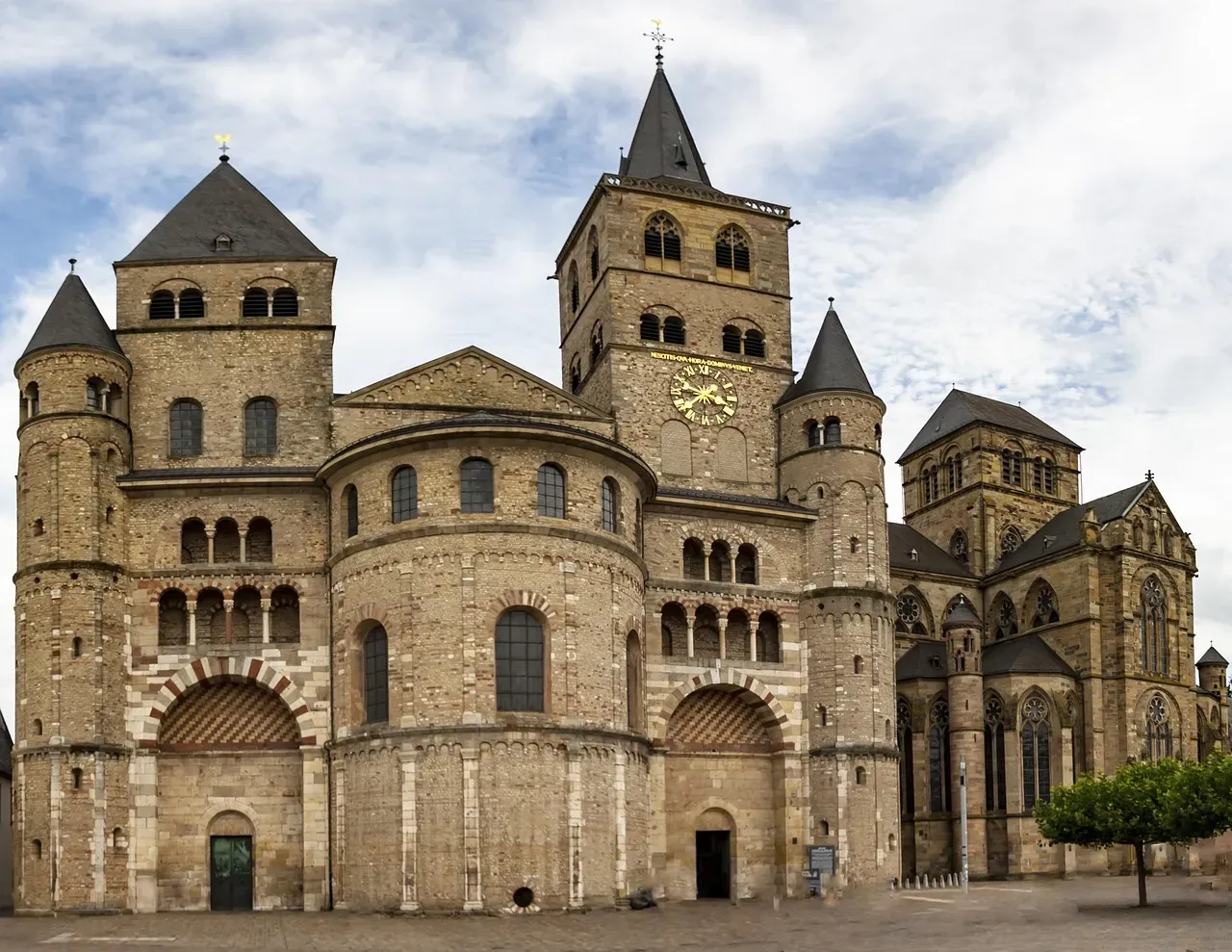
Walk into the cathedral in Trier, Germany, and you’re stepping into one of the most layered religious sites in Europe. Beneath the current church lies a tangle of earlier structures going all the way back to Roman times, including what appears to have been a grand palace complex associated with the imperial residence in this frontier capital. Over time, Roman halls, early Christian churches, and later medieval constructions piled up into a thick archaeological sandwich.
Some of the foundations and walls of Roman buildings still sit under the cathedral, integrated into later construction. Excavations revealed traces of a large aula, or audience hall, and other substantial structures that hint at the political and administrative importance of the site in late antiquity. The early Christian community then repurposed this imperial setting, turning pieces of a secular power center into a sacred space. Centuries of rebuilding layered new churches over old, incorporating and masking what lay below.
- Roman imperial-style buildings once dominated the site.
- Early Christians converted parts of this into one of the earliest church complexes in the region.
- Medieval builders reused and built upon older walls, hiding them under the present cathedral.
The cathedral’s crypt and archaeological areas give glimpses of these earlier layers, but most of the Roman city fabric remains locked under foundations and floors. To me, Trier illustrates a broader pattern: when belief systems and political orders change, they often recycle old buildings instead of starting from scratch. The result is that under many major churches, there are ghosts of previous power centers, waiting for someone with a trowel and patience to bring them back to light.
#6 The Byzantine Church Beneath Istanbul’s Shops and Streets
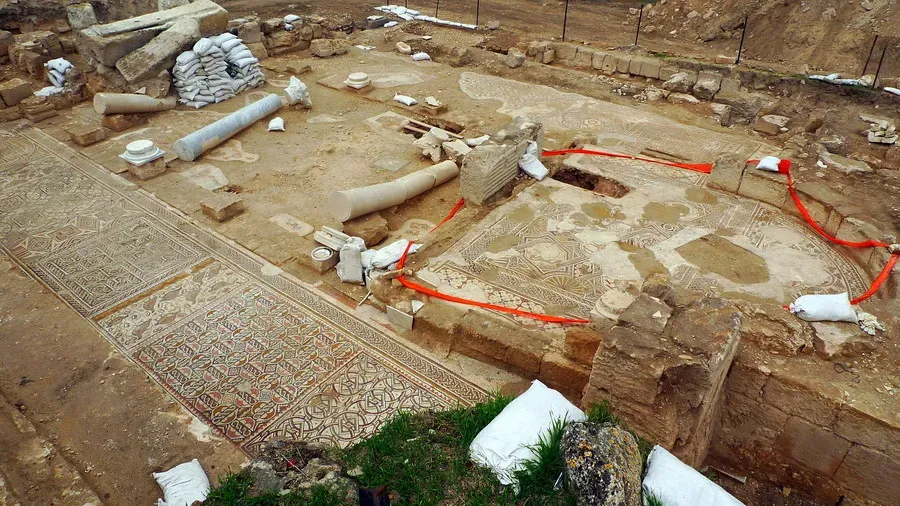
Istanbul might be the world capital of “oh, there’s an ancient building under that.” One particularly compelling example involves the remains of Byzantine churches that ended up hidden below later Ottoman and modern structures. In some districts, archaeology has revealed crypts, chapels, and mosaicked floors buried under houses, shops, and even small workshops that buzzed with daily life for centuries.
One reason this happens so often in Istanbul is that the city never really collapsed; it just kept morphing. When a church fell out of use, its stones might be reused, its roof might cave in, and eventually a new structure might sit on top of the old foundations. Over a millennium of continuous occupation, this process gradually turned entire neighborhoods into three-dimensional puzzles of Christian, Islamic, and secular architecture crammed on top of each other.
Archaeologists sometimes only discover these churches when construction projects or infrastructure work force them to peel back layers of pavement and fill. They find frescoed walls, baptismal fonts, or fragments of marble chancel screens lurking just below the modern ground level. Many of these spaces are then reburied for protection, because exposing everything in a dense, functioning city just is not realistic.
Whenever I see photos of these half-revealed sanctuaries under bustling streets, I think about the psychological disconnect. Above ground, people argue over parking, shop for shoes, or scroll through social media, while a few meters below, a silent room still holds the memory of candles, incense, and whispered prayers from a thousand years ago. That contrast is both eerie and strangely comforting.
#7 The Viking and Medieval Layers Under Dublin’s Modern Buildings
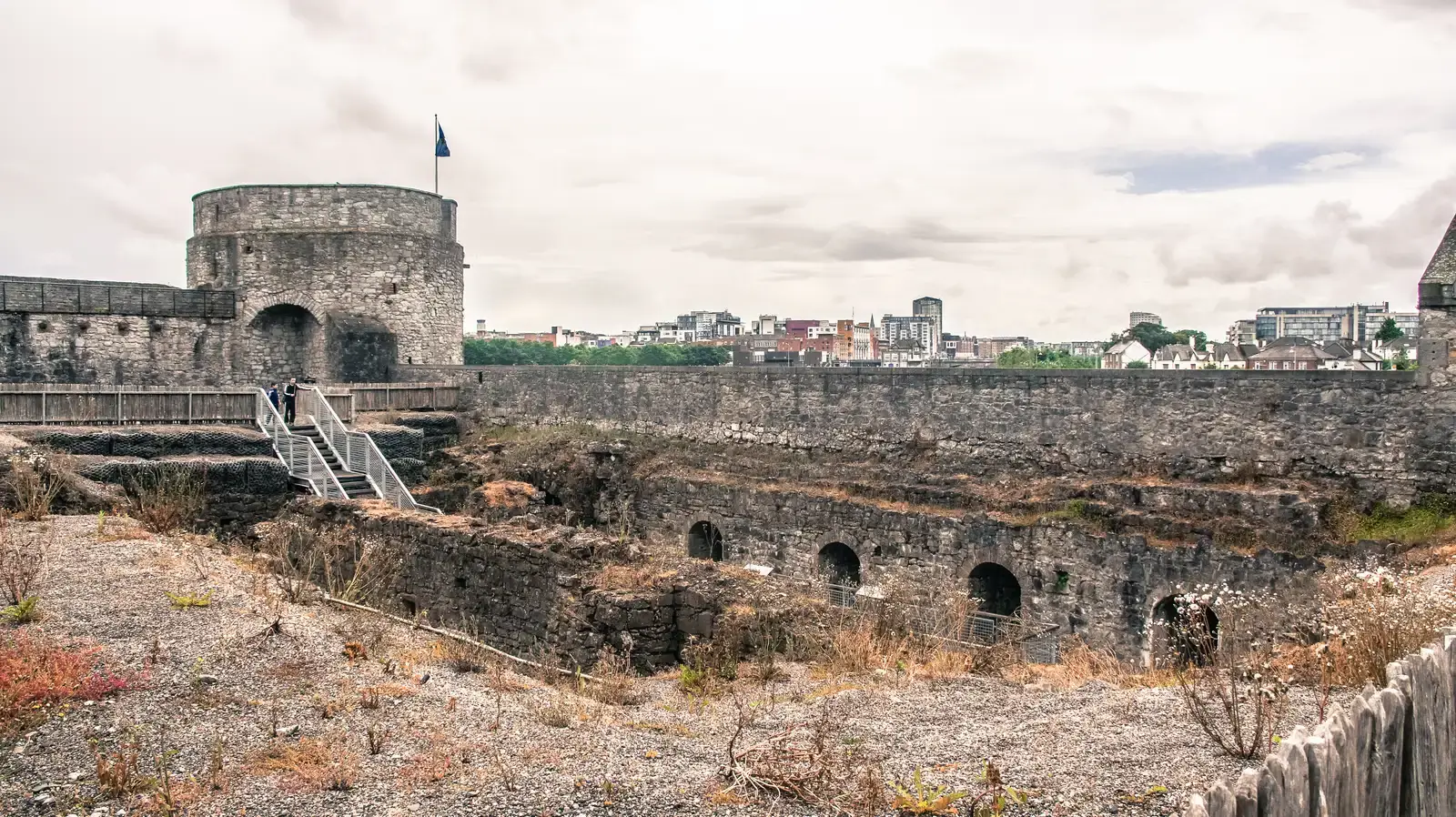
Dublin is another city where the past is tucked under very ordinary real estate. Beneath modern office blocks and streets, archaeologists have uncovered the remains of Viking houses, medieval streets, and fortifications that once defined the city’s layout. In some cases, entire building plots from the Viking and Norman periods were preserved under later construction, including timber structures, artifacts, and waste deposits that tell you who lived where and what they ate.
During large redevelopment projects in the late twentieth century, excavations revealed dozens of plots in the old core of Dublin. Archaeologists found narrow, elongated properties fronting onto streets that matched historical records of land division. Under the basements of more recent buildings, layers of posts, floors, and hearths painted a vivid picture of early urban life: from Viking traders to Anglo-Norman merchants. These were not grand monuments, but the everyday structures of a bustling small city.
- Timber houses, workshops, and yards survived under later masonry basements.
- Artifacts like combs, tools, leather, and imported pottery showed far-reaching trade links.
- The street pattern of medieval Dublin still faintly shapes the modern city grid.
Many of these remains were recorded and then either preserved in situ under new foundations or removed to museums. There is always tension here: a living city needs new buildings, but the soil below is a finite archive. Personally, I think Dublin’s experience shows that rescue archaeology can work if it is properly funded and integrated into planning. You do lose some material, but you gain an enormous amount of knowledge about how ordinary people lived in the centuries we usually summarize in a single line in school textbooks.
#8 The Roman Theater Beneath the Streets of Florence
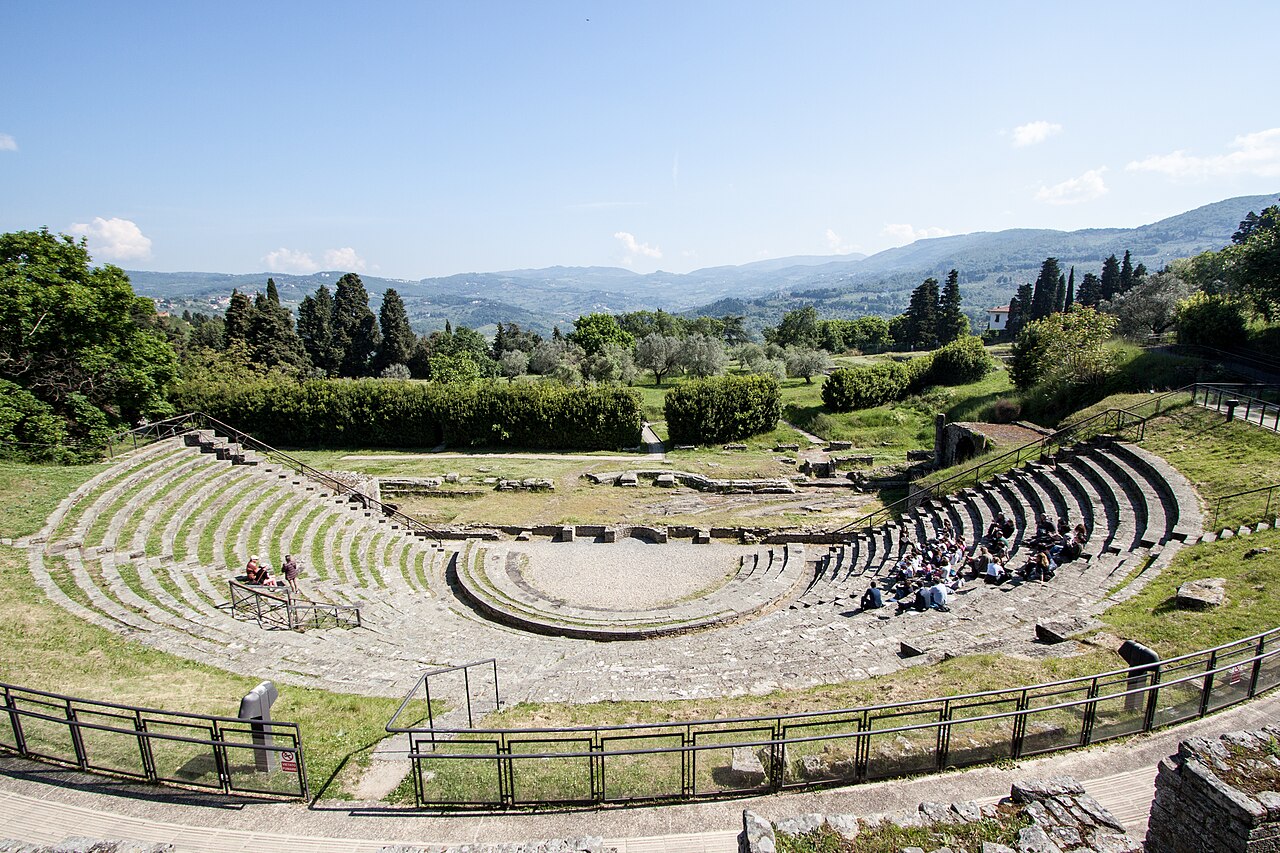
Florence is so associated with the Renaissance that it is easy to forget it sits on top of a Roman town. Under some central buildings, including around the area of the current Palazzo Vecchio, archaeologists have identified the remains of a Roman theater that once hosted performances for the inhabitants of ancient Florentia. For centuries, as medieval and Renaissance constructions rose, the curved seating and stage area lay entombed out of sight.
Excavations have mapped sections of the cavea, the semi-circular seating, and other parts of the theater’s structure integrated into later foundations. The theater ended up partially reused as basements, cellars, and structural supports, with later builders not always realizing exactly what they were incorporating. Over time, fills raised the ground level, and the elegant Roman performance space became just another layer in the dense urban underworld of storage vaults and service corridors.
From a modern perspective, it’s almost comical that one of the world’s best-known “art cities” spent centuries unaware that its own classical theater was hiding under its feet. Only with modern archaeology and systematic surveys did the full picture start to emerge. This is a pattern in many European cities: the Roman layer was long known in a vague way, but only careful work in basements and during renovations reveals how substantial the buried structures actually are.
Florence’s hidden theater adds depth to the city’s story. The Renaissance did not come out of nowhere; it grew in a place that already had a history of performance, public gatherings, and architectural ambition going back more than a millennium. That older cultural infrastructure was physically buried, but the idea that cities are places of spectacle and exchange clearly endured.
#9 The Ancient Greek Neighborhood Under the Acropolis Museum
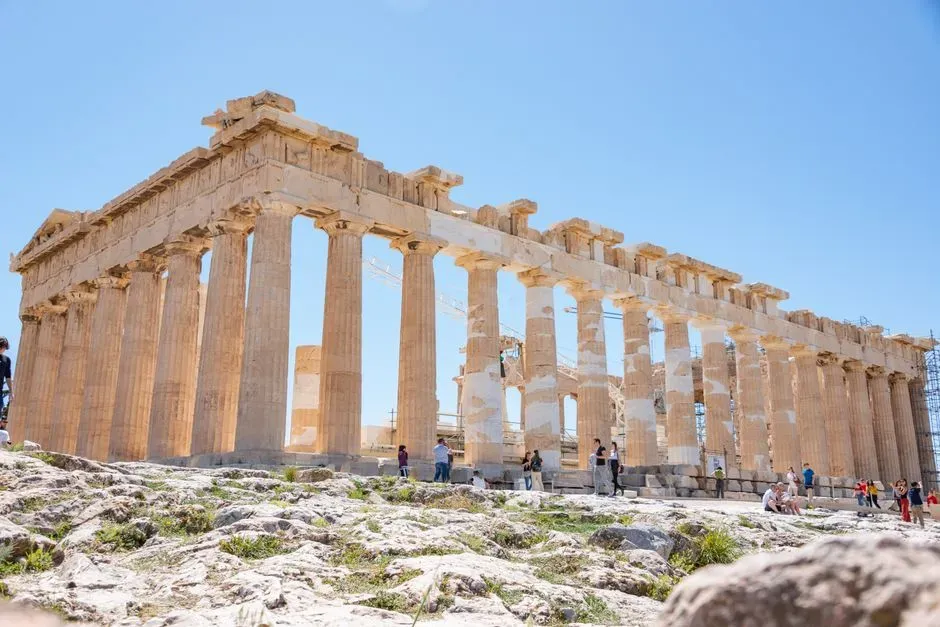
It is hard to imagine anything being overshadowed by the Acropolis, but in Athens, even the base of the hill hides entire layers of history. When the new Acropolis Museum was built, excavations beneath the site revealed a complex neighborhood of ancient and later houses, workshops, and streets. Instead of covering this up, the architects incorporated the ruins into the museum design, so visitors literally walk above an excavated quarter on glass floors.
The structures span several centuries, from classical to late antique and Byzantine periods. You see courtyards, cisterns, drainage channels, and domestic rooms where generations cooked, slept, argued, and raised children in the shadow of the Parthenon. For a long time, these homes were entirely buried under modern buildings and fill. Only the decision to build a large cultural institution here forced a massive excavation that exposed the complexity of the underlying settlement.
- Excavations revealed multi-story domestic buildings and workshops.
- Evidence of daily life includes cooking installations, wells, and drainage.
- The ruins are now visible under raised walkways, preserved in situ.
What I love about this example is how it shifts the story from purely temples and marble to real humans. The Acropolis above was the symbolic and religious heart of the city, but the neighborhood below was where the actual living happened. Putting the museum on top of the ruins, but making them visible, creates a layered experience: you gaze at statues and friezes while knowing that right under your shoes, someone once worried about water supply, rent, and gossip just like we do now.
#10 The Roman City Buried Under Modern Zaragoza
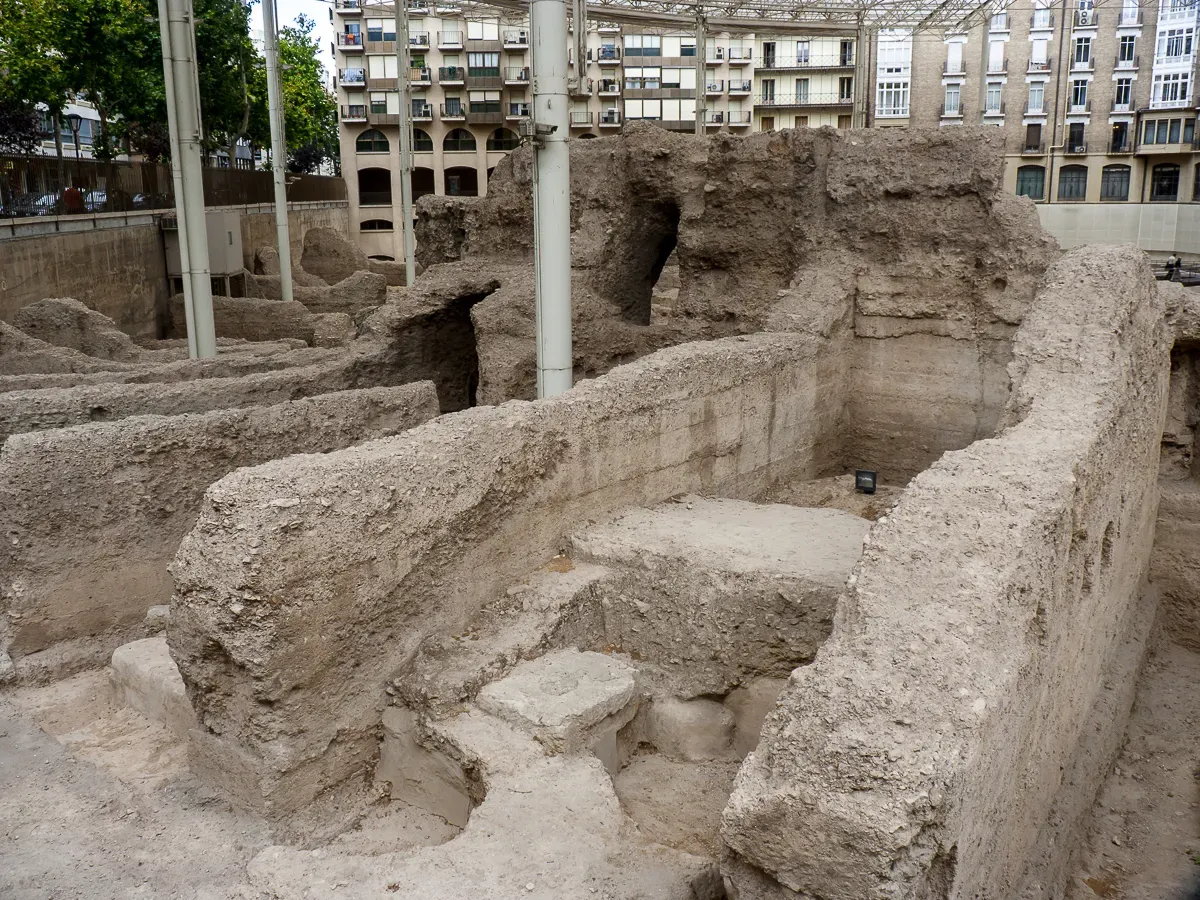
In Spain, the city of Zaragoza preserves the buried skeleton of its Roman ancestor, Caesaraugusta, under modern streets and buildings. Over the decades, excavations have uncovered a theater, a forum, a river port, and bath complexes that were gradually covered by medieval and later urban development. Today, parts of these structures are accessible through underground museums that thread under busy plazas and apartment blocks.
The Roman theater, for example, spent centuries hidden under houses and streets. Only when twentieth-century works exposed some of its remains did archaeologists realize how substantial it was. Large sections of the seating were buried under later constructions that had no obvious hint of the monument below. The decision to clear some of these later buildings by expropriation revealed a sweeping view of the theater’s footprint, but much of its fabric remains trapped under surrounding properties.
This is a common dynamic in dense cities: you reveal a slice of the past and leave the rest undisturbed to avoid displacing too many people. In Zaragoza’s case, that means residents still live in apartments whose cellars and foundations snuggle up to Roman walls. The city, in effect, is sharing space with its former self in a kind of uneasy but practical cohabitation.
It may not have the global fame of Rome or Athens, but Zaragoza’s underground monuments quietly prove that substantial Roman urban infrastructure can survive under later cities without anyone suspecting the full scale. It makes you wonder how many more “ordinary” European cities are sitting on top of half-forgotten theaters, markets, or temples that will only be revealed when some future generation decides to dig.
#11 The Amphibious Ruins Beneath Venice’s Buildings
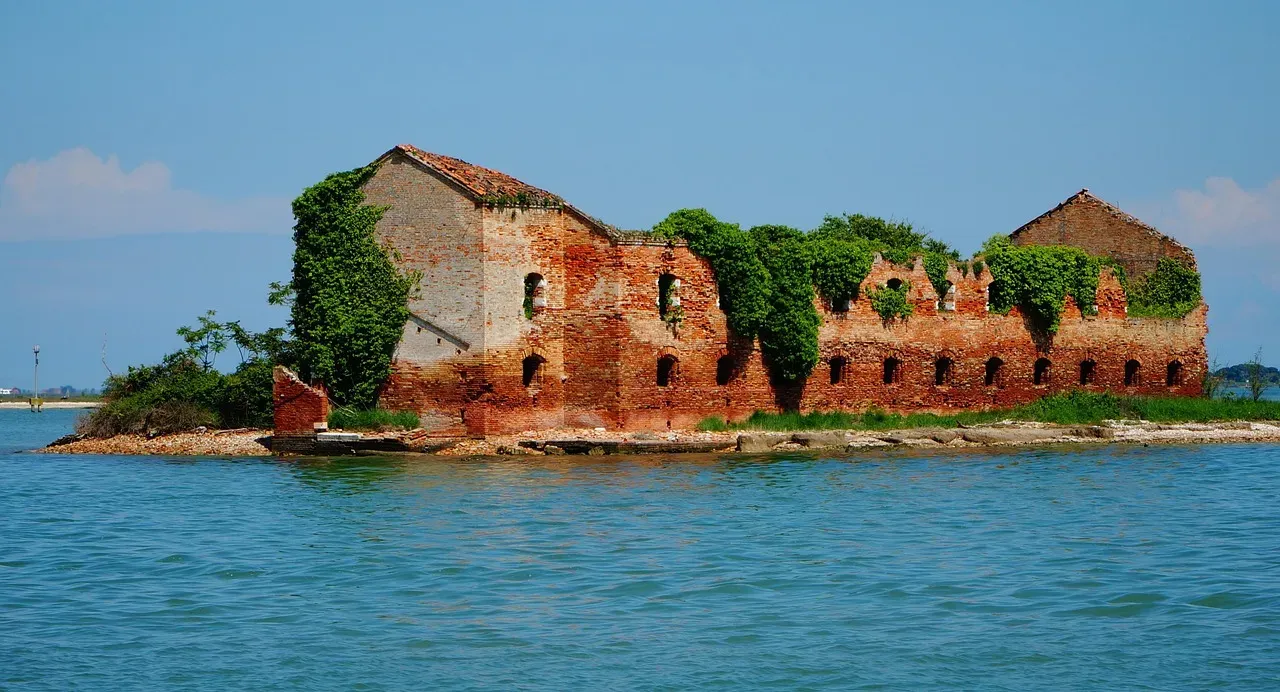
Venice is already such an improbable city that it is almost not surprising to learn that some of its older structures lie buried under later buildings, pavements, and even underwater layers of fill. While Venice does not have the same deep Roman-level occupation as some mainland cities, it does have multiple phases of medieval and later construction, with earlier houses, foundations, and waterfront installations sealed beneath raised walkways and new facades.
Because the city has had to adapt to changing water levels and subsidence, Venetians repeatedly raised ground levels, added new pavements over old ones, and reinforced buildings. That process often entombed older doorways, windows, and even entire ground floors, which now sit below the modern street level, sometimes flooded or accessible only via awkward internal passages. Archaeological work in certain projects has revealed buried structures that tell of different shoreline positions and building techniques in earlier centuries.
- Older street surfaces and thresholds lie well below today’s walking level.
- Foundations of early houses and quays are sometimes submerged or waterlogged.
- New buildings reused and covered these earlier layers rather than clearing them completely.
Venice’s case highlights another type of hidden structure: not one dramatically uncovered in a single moment, but one gradually smothered by practical adaptation. People raised the city to cope with water, and in doing so, quietly buried chunks of their own built history. You can see traces in odd half-windows at ground level, bricked-up arches, and steps that now lead straight into stone instead of down to a canal.
Personally, I find Venice’s buried layers especially poignant. This is a city fighting to stay above water, yet it keeps more of its past literally below the surface than most. If sea levels and subsidence continue, some of today’s buildings might one day join those already-forgotten structures in the soggy darkness beneath the lagoon.
#12 The Neolithic Temples Beneath Later Maltese Structures
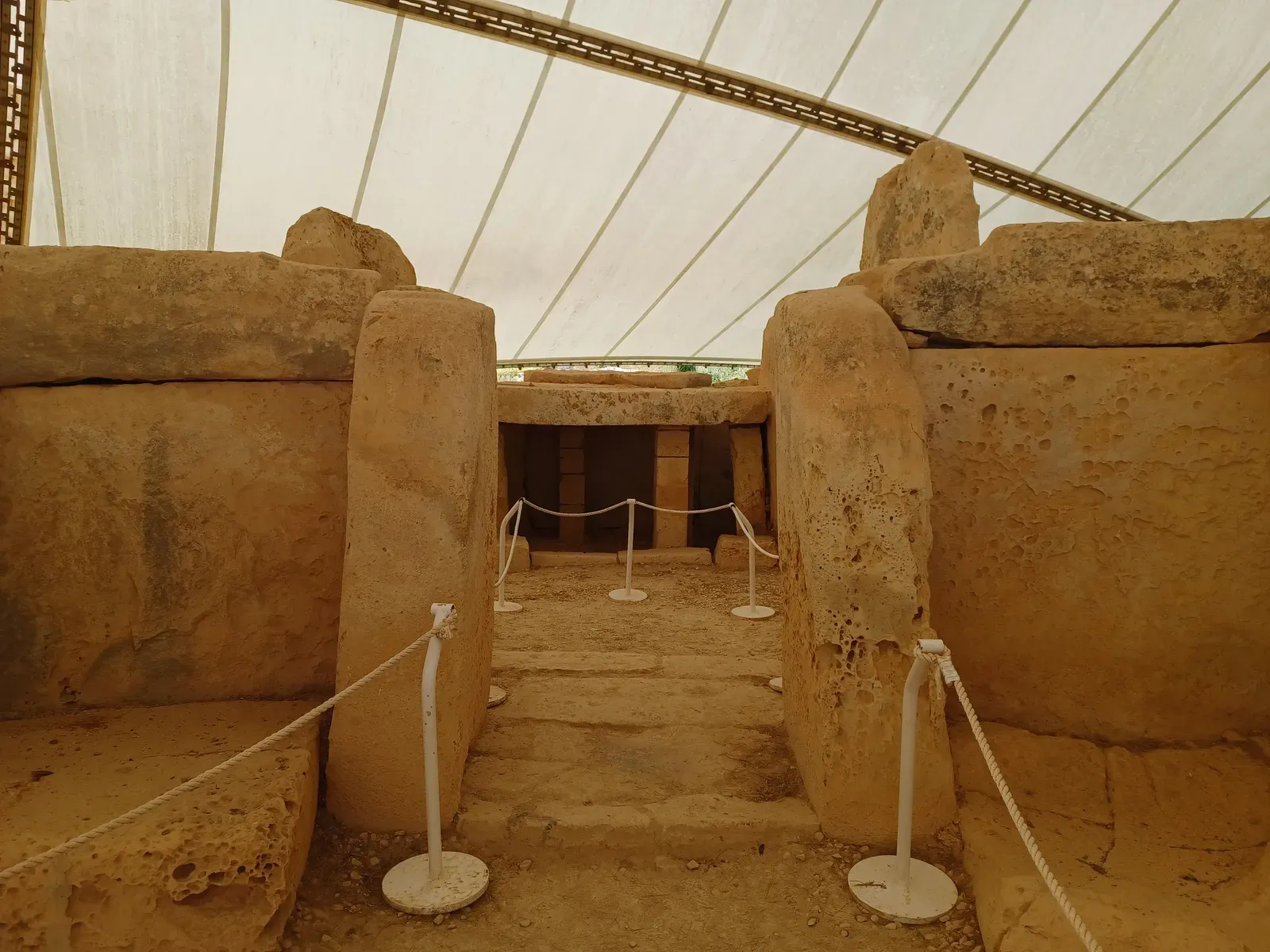
On the islands of Malta, some of the world’s oldest freestanding stone structures survived precisely because later people did not fully understand or prioritize them. In a few cases, Neolithic temple remains ended up partially covered by soil and then by much later agricultural walls or modest buildings. Unlike the huge churches built over Roman or Aztec sites, these later constructions were more accidental and small-scale, but the effect was similar: sacred spaces from thousands of years earlier disappeared from view.
Maltese temple sites often show complex sequences of use, abandonment, collapse, and reuse. Over millennia, windblown soil and human activity filled in spaces between megaliths. Farmers built terraces or storage structures on top, sometimes reusing stones without realizing their age. When archaeologists began investigating these sites in the nineteenth and twentieth centuries, they frequently had to dig through later layers of rubble, field walls, and simple huts to reach the older phases.
Compared to the grand urban examples elsewhere, these hidden Maltese structures feel more intimate but no less profound. You are not peeling away a baroque cathedral to reveal a Roman forum; you are peeling back a thin, practical rural layer to find a temple that predates the pyramids of Egypt. The time scale is enormous, and the fact that such monuments could be “lost” under fairly modest later uses shows how fragile cultural memory can be.
Standing in a cleared temple courtyard, it is surreal to imagine that for centuries people walked their animals or tended small fields directly over stones that had once lined up with celestial events and ritual processions. Their world and the world of the original builders could not have been more different, yet the rock patiently held both stories until someone finally brought them to light again.
Conclusion: Living on Top of Other People’s Worlds
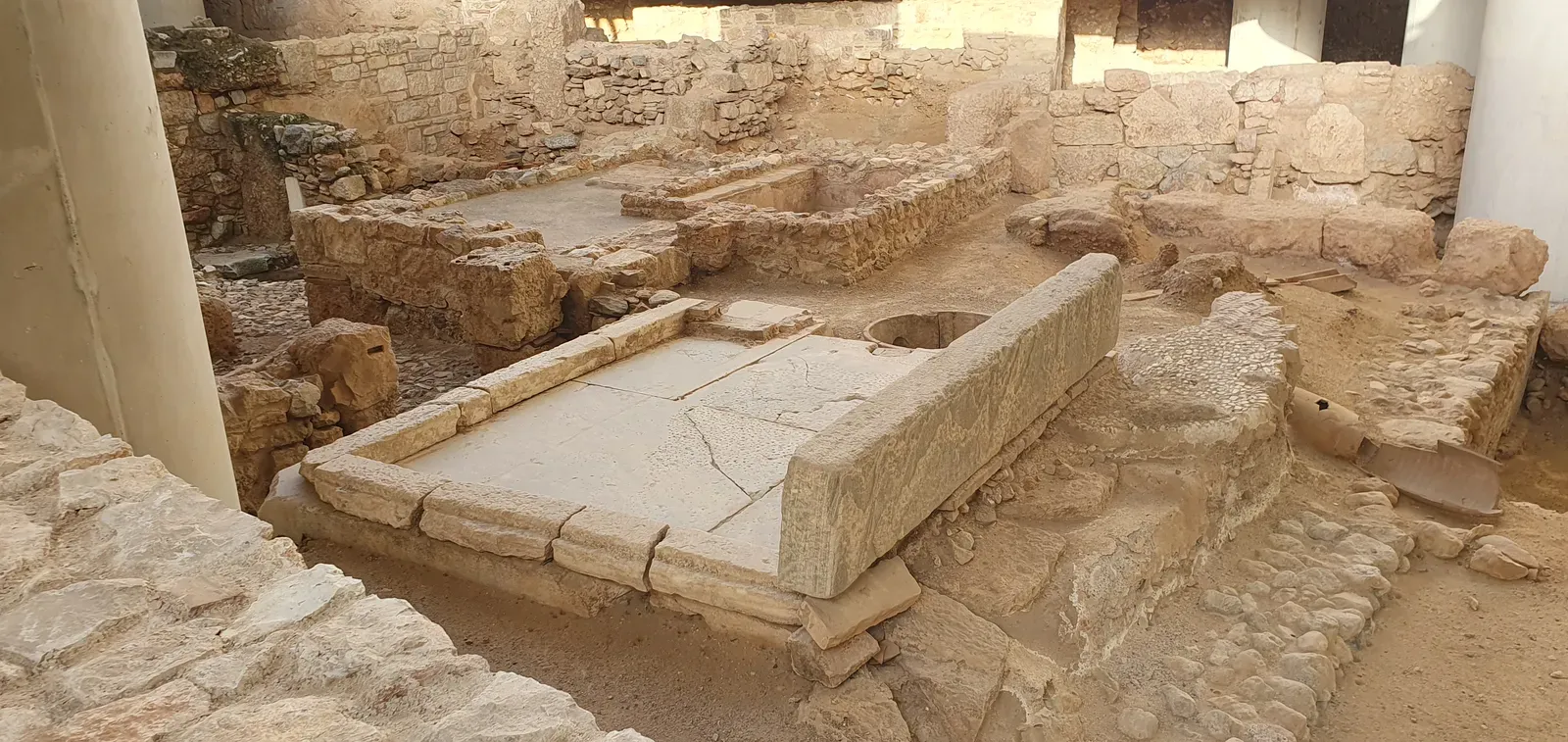
All of these stories share one unsettling truth: most of us are casual tenants on landscapes that other people, in other centuries, took just as seriously as we take ours. Londoners strolling near Guildhall, worshippers in Mexico City’s cathedral, shoppers in Istanbul, residents in Zaragoza apartments – none of them set out to live above ruins. Yet they do, because cities and settlements almost never start from a blank canvas; they are palimpsests, with each generation scribbling its needs on top of the last.
Personally, I think we underestimate how humbling that should feel. It is easy to believe our buildings, our streets, and our priorities are the main event. Then an excavation pit opens and suddenly there is a Roman amphitheater, an Aztec temple, or a Neolithic shrine staring back at us, quietly asking what we think will be left of our own world in a thousand years. The uncomfortable answer is that some future office tower or subway station might casually sit on our buried lives the same way ours sit on theirs.
These hidden structures also challenge the idea that history is safely tucked away in museums and textbooks. In reality, it is under your supermarket, under your favorite café, under that anonymous parking lot you cut across without thinking. The line between past and present is not a neat chapter break; it is a series of messy building permits layered vertically through time. That is why I tend to side with more careful, slower development in historic cores, even when it frustrates modern plans. Once you bulldoze a buried world, you do not get another shot at it.
So next time you see a construction site fenced off in an old part of town, maybe resist the urge to roll your eyes. Somewhere under that mud and scaffolding, someone might be finding a forgotten street, a long-quiet room, or the foundations of a belief system that shaped your world without you ever knowing it. If you could peel back the layers where you live, what lost structure do you secretly hope is waiting in the dark below?