Hidden rooms sound like something out of a movie, but they are increasingly a part of real scientific work. From pyramids and temples to icy moons and human organs, scanners are picking up voids, rooms, and pockets that nobody has physically entered or probed yet. Some are probably mundane; others could rewrite chapters of history or science. All of them challenge our imagination.
This article explores 11 types of “never-opened” chambers as scientists currently understand them: how scans detect them, what they might contain, and why, in many cases, they remain stubbornly sealed. Some are famous, like the mysterious cavity in the Great Pyramid; others are more abstract, like undrilled reservoirs deep under the seabed. Together, they show how scanning technology is constantly outrunning our ability to follow up with shovels, drills, or spacecraft – and why that gap can be both frustrating and thrilling.
#1 The Great Pyramid’s Hidden Cavity Above the Grand Gallery
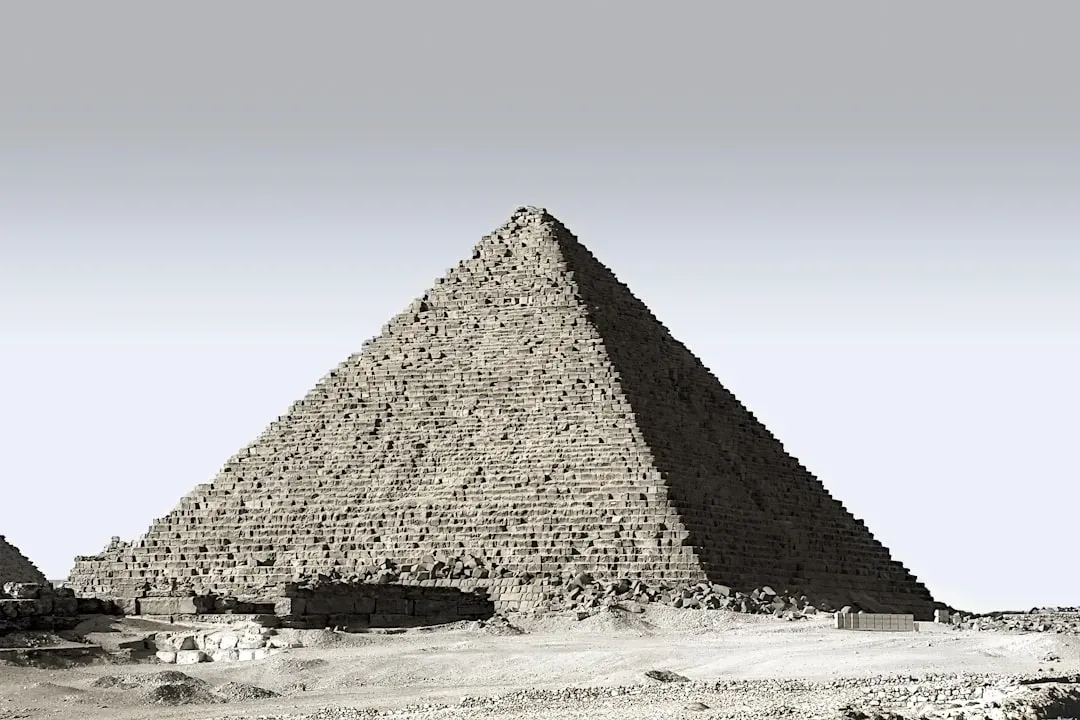
One of the most talked‑about “never-opened” chambers on Earth was detected not by archaeologists with torches, but by particles from space. In 2017, a project known as ScanPyramids used muon tomography – tracking the paths of cosmic-ray particles passing through stone – to reveal a large, previously unknown void above the Grand Gallery of the Great Pyramid of Giza. The data suggested a space at least as long as the gallery itself, making it one of the largest undiscovered internal features of the pyramid found in modern times.
No tunnel leads into this void, and no small camera has been sent inside. It exists only as a high-probability “ghost” in the scan data. Researchers are still debating whether it is a deliberate chamber with some lost ritual function, a clever structural void to relieve stress on the stones below, or a mixture of both. The fact that such a huge space could remain hidden in one of the most studied monuments on Earth is both embarrassing and electrifying for archaeology.
What makes this case so emotionally charged is the clash between patience and curiosity. On one hand, drilling even a small hole through ancient masonry risks damage to an irreplaceable world heritage monument. On the other, the idea that an intact, untouched space built by ancient engineers sits right above our heads is nearly unbearable for people who grew up on stories of secret rooms and buried treasure. So far, caution has won – this chamber remains a literal black box suspended inside one of humanity’s most iconic structures.
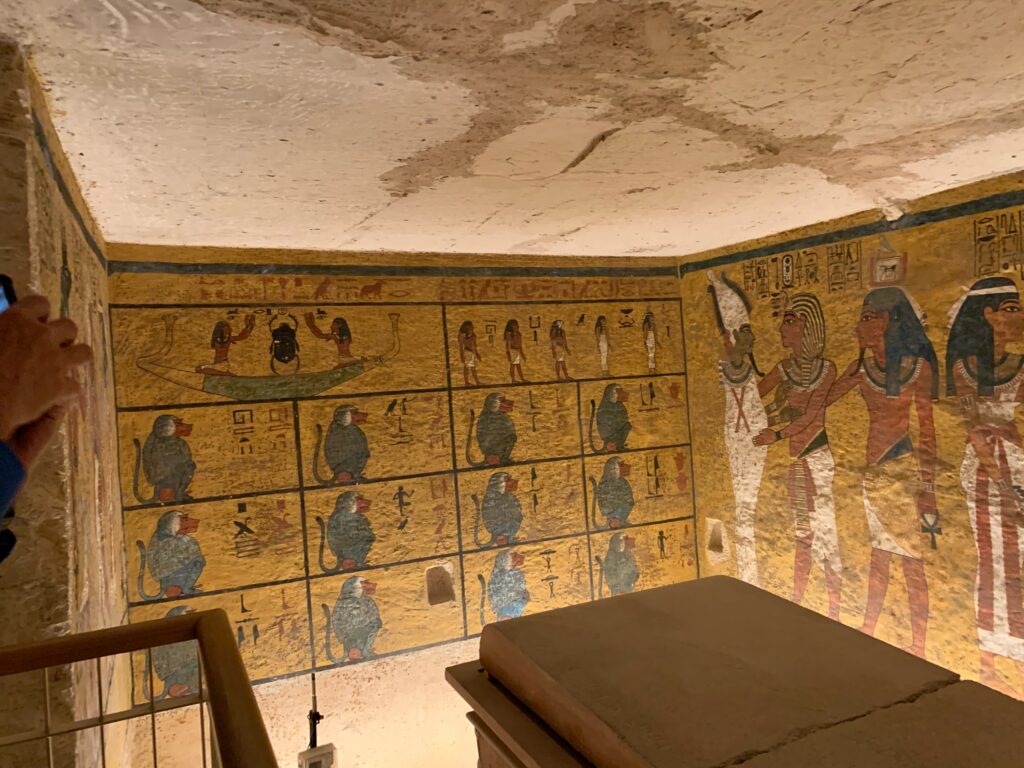
#2 Potential Sealed Rooms Behind Tutankhamun’s Tomb Walls
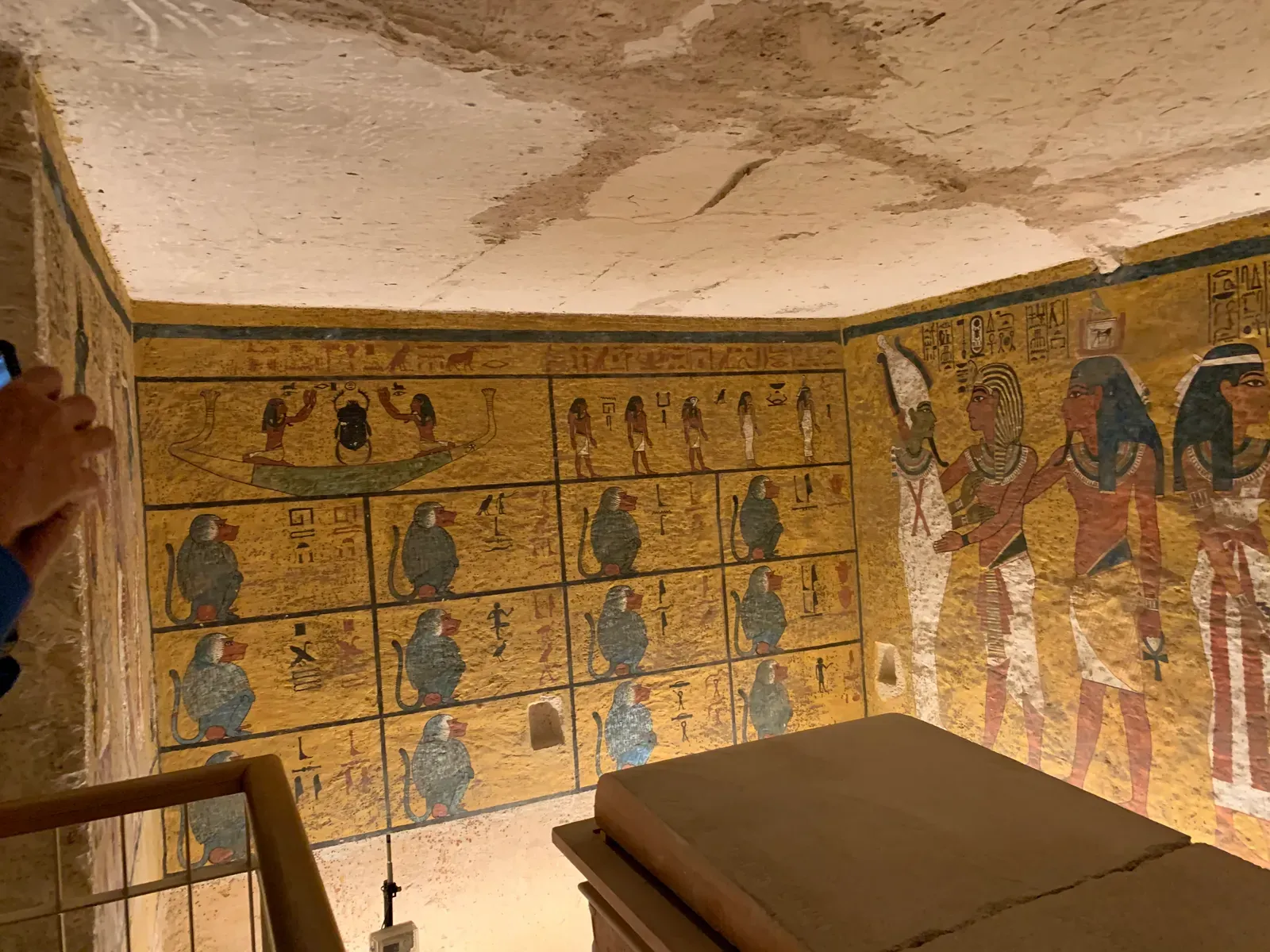
The idea that there might be unopened rooms in Tutankhamun’s tomb sent a shockwave through both scholars and the public. High‑resolution scans and radar surveys of the walls of the burial chamber sparked suggestions of hidden doorways leading to additional spaces, possibly even belonging to another royal burial. The theory arose partly because the layout of the tomb seems oddly cramped and asymmetrical for a pharaoh, as if adapted in haste from an earlier, unfinished project.
Subsequent radar studies have produced mixed and sometimes conflicting results, reminding everyone that scanning is not magic. Some analyses indicate possible anomalies consistent with voids or structural changes; others interpret the reflections as features of the bedrock or plaster rather than actual rooms. The hype cooled down, but it never completely died, because even the possibility of extra chambers in the Valley of the Kings is too tempting to ignore.
For now, the walls of Tutankhamun’s burial chamber remain closed. No destructive drilling has been approved, largely because of the enormous risk to the artwork and the broader historical value of the site. It is entirely possible that scans are picking up simple irregularities and there are no rooms at all – an uncomfortable but important reminder that not every “signal” from a scan equals a discovery. Yet the dream lingers: that just beyond a painted wall, there might be another untouched chamber, a century after the tomb’s dramatic discovery.
#3 Sealed Void Systems in Other Egyptian Pyramids
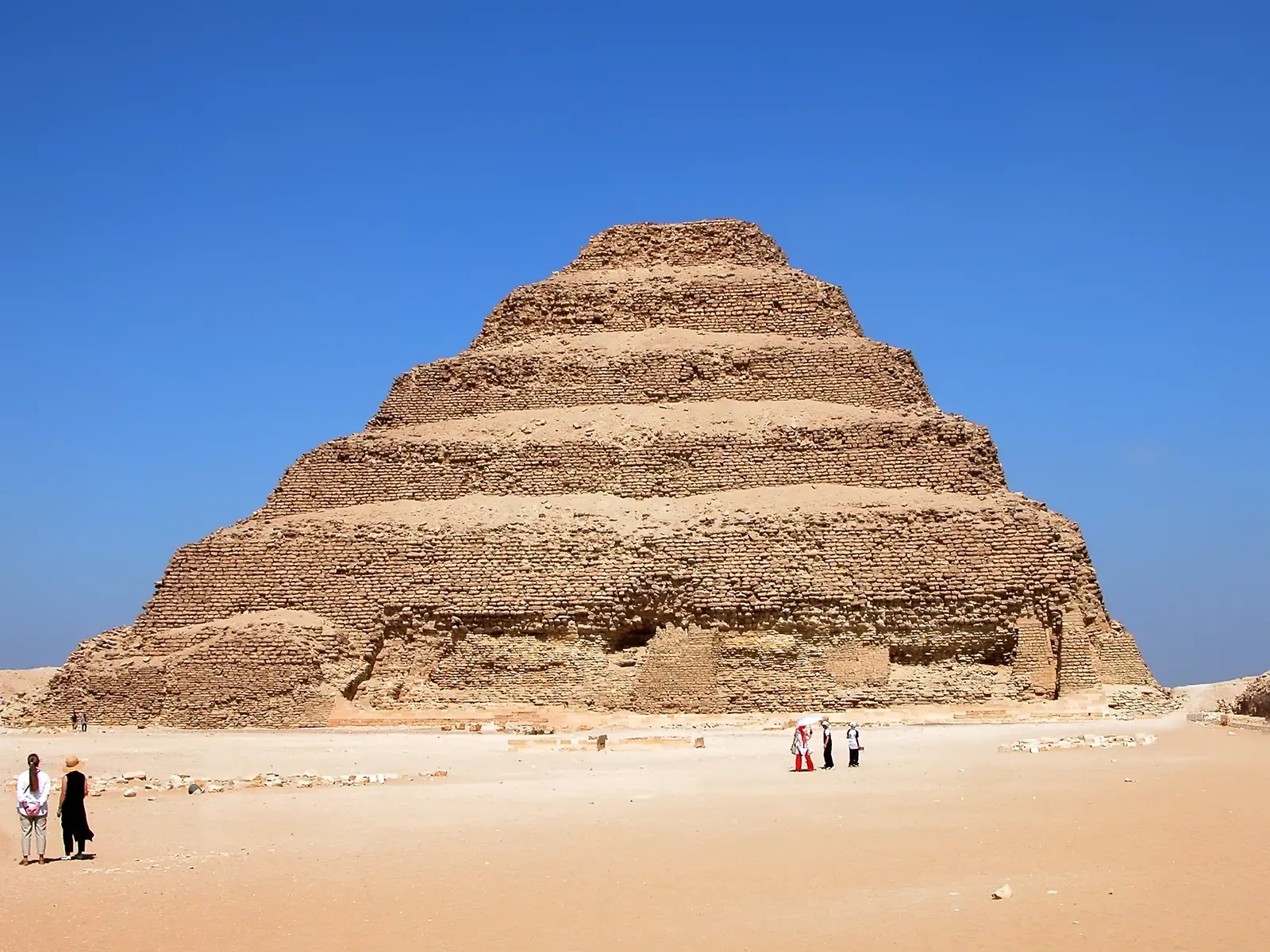
While the Great Pyramid gets most of the headlines, scans of other pyramids hint at smaller but still mysterious chambers. Ground‑penetrating radar and muon detectors have found irregularities, discontinuities, and small voids deep within several Old Kingdom structures. Many of these anomalies are too small or too poorly resolved to claim as definite rooms, but they are consistent with niches, relieving chambers, or sealed passages that we never knew existed.
Archaeologists are increasingly cautious about charging in whenever a scanner shows “something.” Ancient builders frequently used structural voids to reduce weight or relieve pressure, and not every space was meant for ritual or burial. Still, the pattern that keeps emerging is that even the best‑studied pyramids are less fully mapped internally than many people assume. There is still a kind of stone jungle inside them, with dead corridors, blocked shafts, and voids that have never seen modern light.
These pyramidal voids also highlight a trend: scanning is outpacing excavation. Each new survey tends to add more possible chambers than the discipline has the funding, time, or ethical permission to verify physically. The result is a growing “backlog” of hypothetical spaces – scientifically detected, never opened, and simmering quietly in the background of Egyptology.
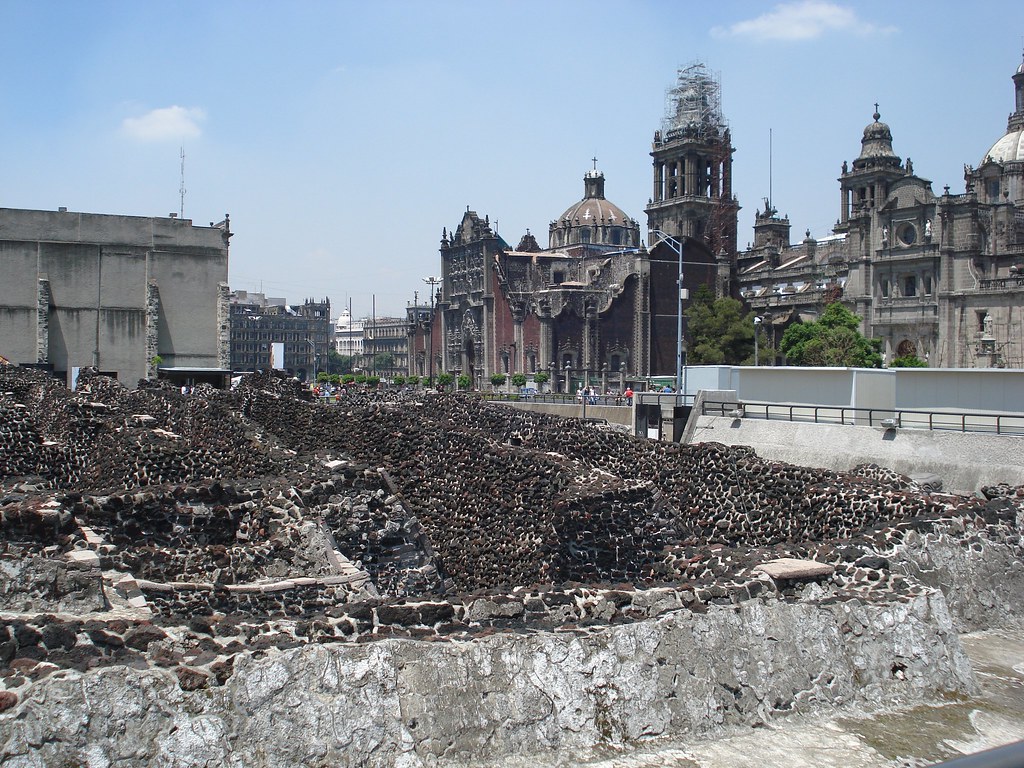
#4 Hidden Rooms and Voids in Mesoamerican Pyramids
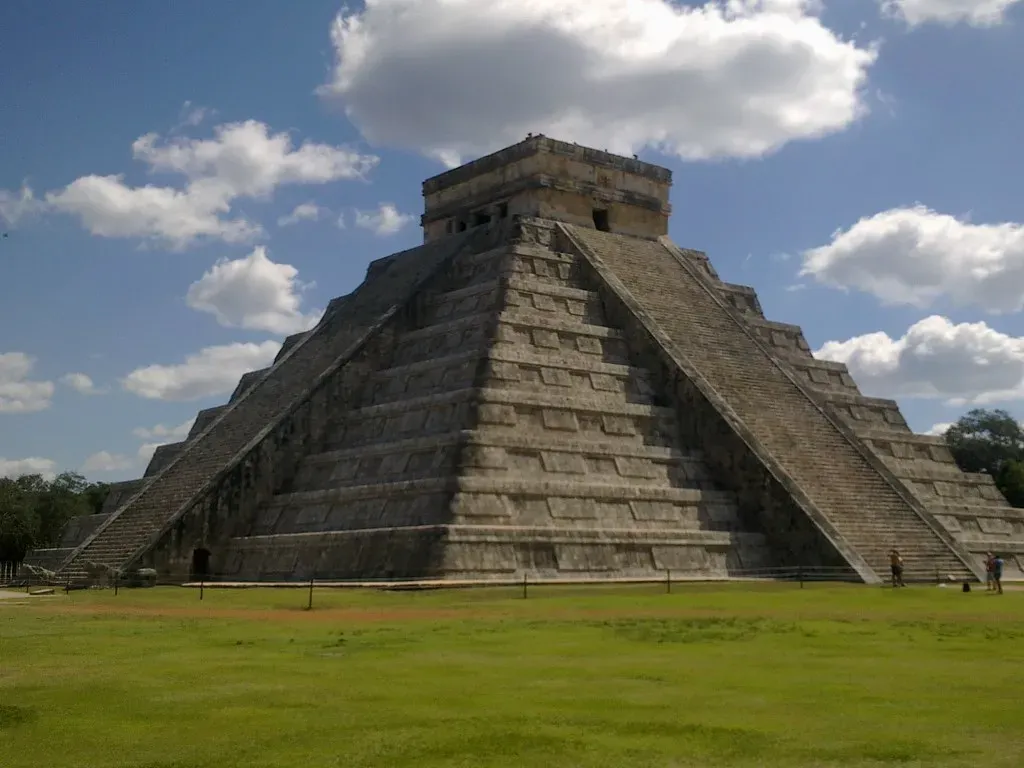
Mesoamerican sites have started to reveal their own secret spaces thanks to non‑invasive scanning. At several major temples in Mexico and Central America, researchers have used ground‑penetrating radar, electrical resistivity, and even tunnel-based sensors to identify buried tunnels, chambers, and voids under or inside pyramidal platforms. Some of these appear to be ritual cavities filled with offerings; others might be structural or symbolic, like artificial caves recreating a sacred underworld.
In a few well-publicized cases, small exploratory tunnels have approached these voids, only to stop short until better conservation plans are in place. Ancient walls can be surprisingly fragile once disturbed, and every new opening changes the airflow, humidity, and microbial life inside. This means that even when a radar scan practically screams “there’s a hollow space here,” archaeologists often have to sit on their hands and work through long approval processes before any breakthrough is allowed.
The situation creates an odd emotional split. On one side, there is modern excitement about laser scans, radar, and 3D models that make it feel like we have already “seen” inside these structures. On the other, the physical reality is that many of these chambers are still just colored blobs in a computer visualization. We can map their outlines, estimate their volumes, and speculate about their purpose – but until a passage is carefully opened, they remain literally and symbolically closed worlds beneath our feet.
#5 Unopened Subglacial Lakes and Cavities Beneath Antarctica
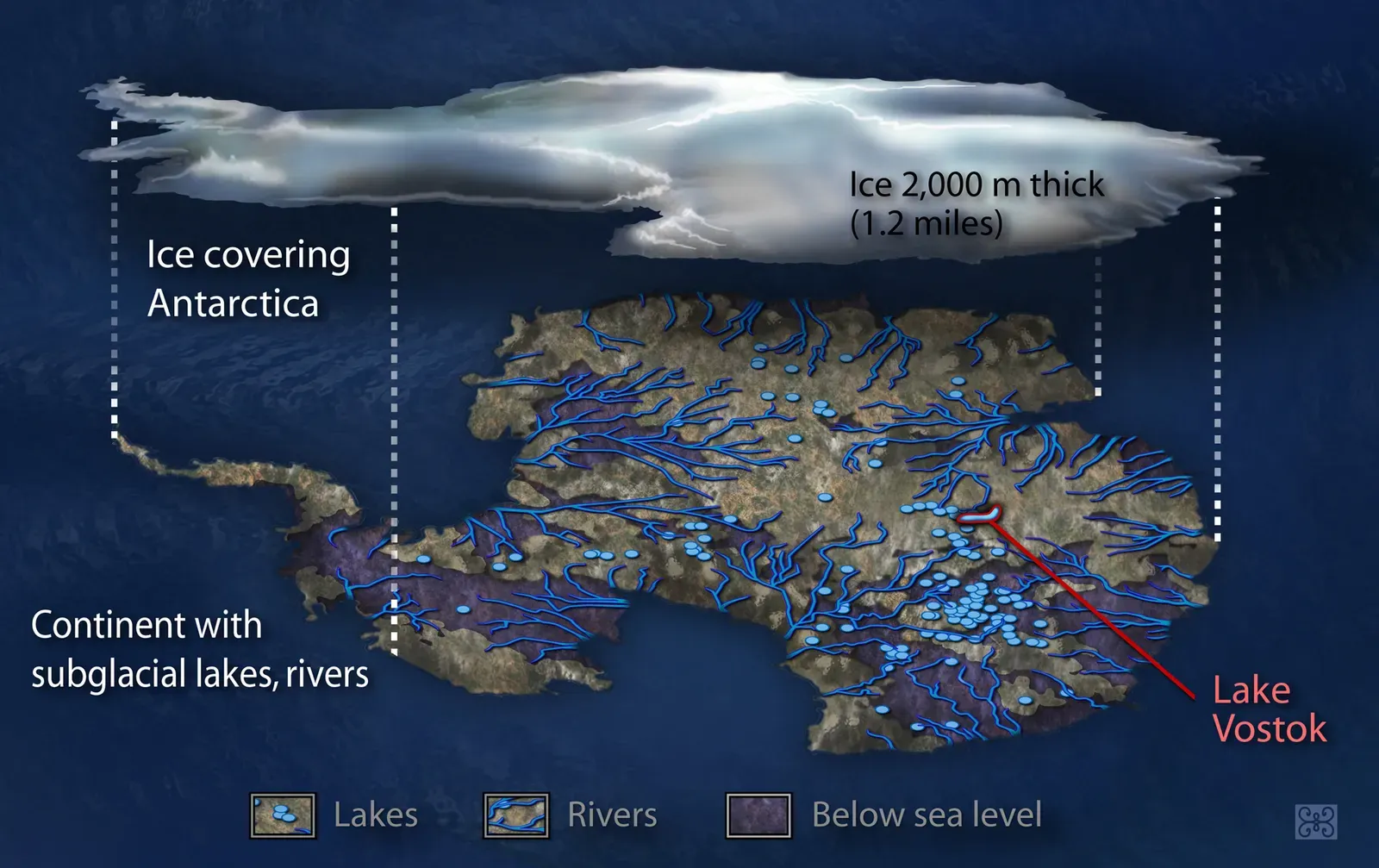
Not all sealed chambers are built by humans; some of the most extreme are locked under kilometers of Antarctic ice. Radar and satellite altimetry have revealed a landscape of buried lakes, channels, and cavities beneath the ice sheet. A handful of large subglacial lakes have been drilled in recent years under strict sterile conditions, but many smaller lakes and water‑filled pockets detected by remote sensing remain entirely untouched by direct sampling.
These hidden lakes are essentially natural clean rooms, isolated for thousands to millions of years from the surface environment. They might host unique microbial ecosystems adapted to darkness, high pressure, and limited nutrients. Or they might be relatively barren, with only simple chemical gradients and minimal life. Because even a single unsterile drill string could irreversibly contaminate them, scientific teams move extremely slowly and conservatively before choosing where, when, and how to open a path down.
Some key reasons many of these subglacial chambers remain unentered include:
- Enormous drilling difficulty through thick, shifting ice.
- The risk of contaminating pristine ecosystems with surface microbes.
- Concerns about altering subglacial hydrology and ice flow.
- Limited funding and logistical capacity in an extreme environment.
As a result, radar images show us the rough shape and behavior of many hidden lakes – rising and falling as water flows through – but no one has ever physically accessed the majority of them. They are, in a very literal sense, black‑water boxes at the bottom of the world.
#6 Undrilled Deep Ocean and Sub‑Seafloor Chambers
The ocean floor hides another class of never-opened spaces: fluid‑filled cavities and porous rock systems kilometers below the seabed. Seismic reflection surveys, which send sound waves into the crust, routinely show pockets of lower density or unusual acoustic signatures that strongly suggest gas reservoirs, hydrothermal chambers, or fluid‑filled fractures. These are not “rooms” with neat stone walls, but they are coherent, separated volumes that we know are there only through scanning.
Only a small fraction of these have been directly sampled with drilling platforms, because operations in deep water are technically demanding and extremely expensive. Scientists have to be selective, choosing the most scientifically or economically promising targets, while many others remain undisturbed. Even on drilled sites, the sampling often grazes the edge of a chamber or draws up mixed fluids, rather than truly opening and exploring its interior structure.
That leaves a huge unseen world of sub‑seafloor chambers: some likely rich in methane or other hydrocarbons, others circulating hot, mineral‑laden fluids that support microbial ecosystems deep in the crust. In a sense, seismic scans have given us a grainy X‑ray of the planet’s skin, showing lumps and pockets but not the details of what fills them. The practical barriers – cost, risk, and technology – keep most of these voids locked away, even as they shape global processes like heat flow and carbon cycling.
#7 Caverns and Lava Tubes on the Moon and Mars
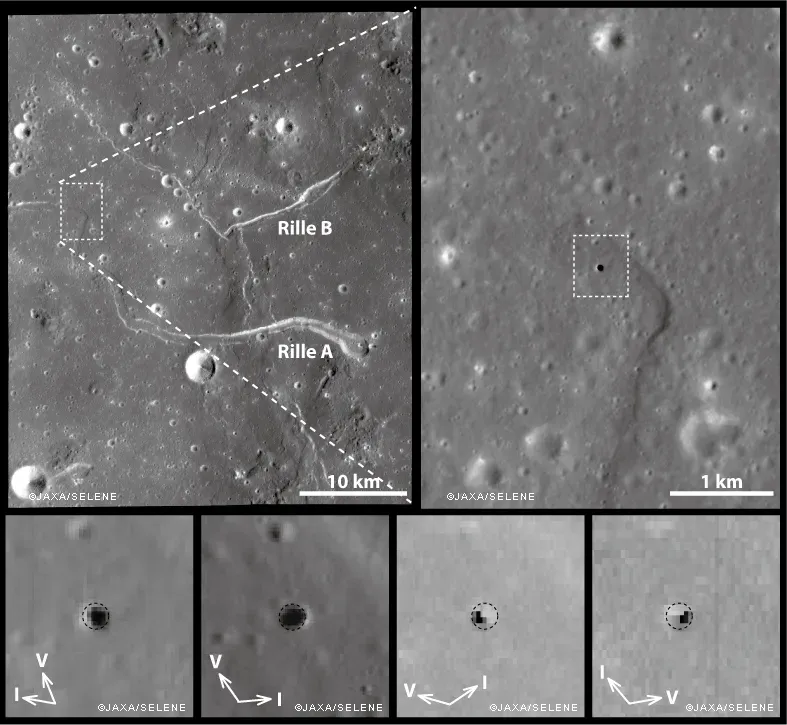
Space agencies have never physically set foot inside a lunar or Martian cave, but scanners keep hinting that such chambers exist. High‑resolution orbiters have photographed “skylights” – dark circular or oval holes where the roof of a lava tube collapsed, exposing an opening into a subsurface void. Thermal and imaging data suggest that below those openings lie extensive, stable cavern systems carved by ancient lava flows.
These voids have never been entered by any robot or astronaut. All we have are overhead images and, in some cases, rough inferences from gravity and thermal data. Yet planetary scientists take them very seriously, because they could offer natural shelters from radiation and micrometeorites for future missions, and they might preserve geological or even potential biological signatures far better than the harsh surface does.
When planners talk about future exploration, lava tubes and subsurface caverns often appear high on the wish list. To get there, we would need landers or rovers capable of reaching the skylights, deploying climbing or flying robots, and sending data back from inside a chamber we have never seen before. For now, these rooms on other worlds are pure potential – epic voids almost certainly present, mapped from orbit, and just waiting for that first cautious descent.
#8 Hidden Chambers Inside Human Organs and Tissues
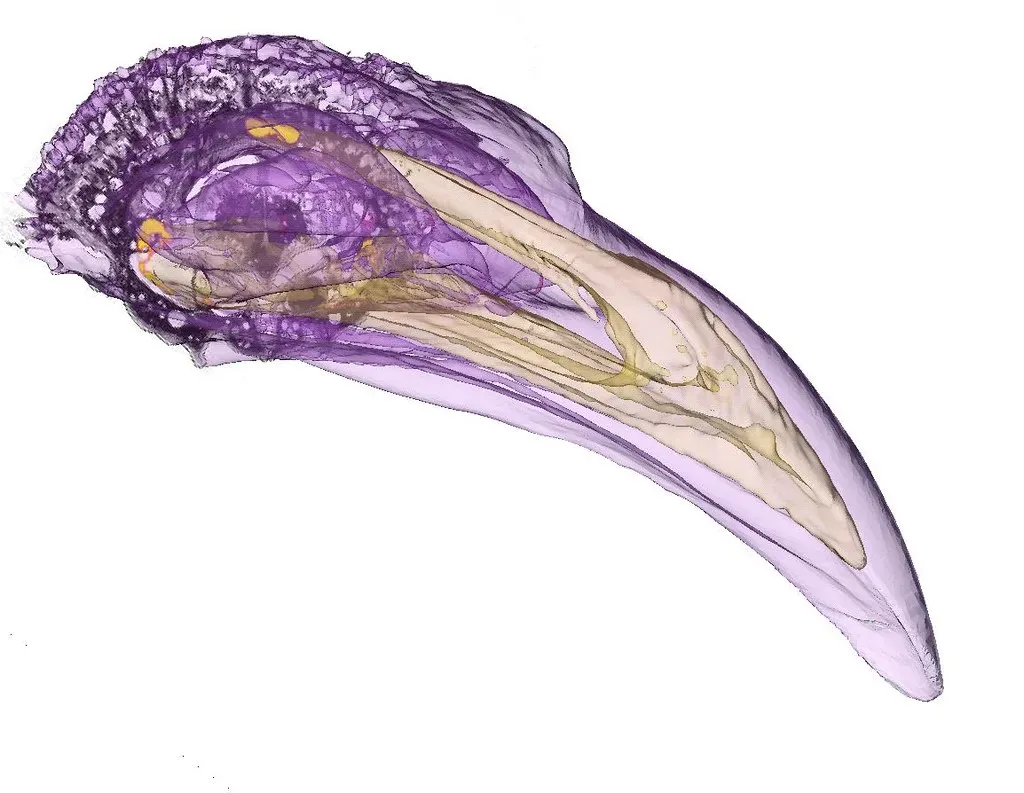
Not all “never-opened” chambers are geological or architectural; some are inside our own bodies. Advances in high‑resolution imaging – MRI, CT, ultrasound, and newer 3D microscopy techniques – keep revealing small fluid spaces, channels, and pockets in human tissues that were previously overlooked or misunderstood. These are not rooms you could walk into, of course, but they are enclosed spaces, detectable on scans, whose precise function and boundaries are still being mapped.
One ongoing trend in medicine is the realization that what once looked like “solid” tissue often contains complex bundles of tiny, interconnected fluid spaces. These micro‑chambers can act as shock absorbers, transport pathways, or immune monitoring zones. They are rarely “opened” in the traditional surgical sense; they are studied through imaging, biopsies, and post‑mortem tissue slices rather than by physically entering them while someone is alive.
This biological example matters because it shows how our idea of a chamber is evolving. As imaging gets better, the line between “solid” and “hollow” blurs, and previously invisible compartments show up as distinct regions on a scan. The emotional reaction here is subtler than in archaeology or space exploration, but the intellectual surprise can be just as strong: we keep discovering that even within our own bodies, there are hidden pockets of structure and activity we never fully appreciated.
#9 Sealed Cave Systems Detected by Ground‑Penetrating Radar and Lidar
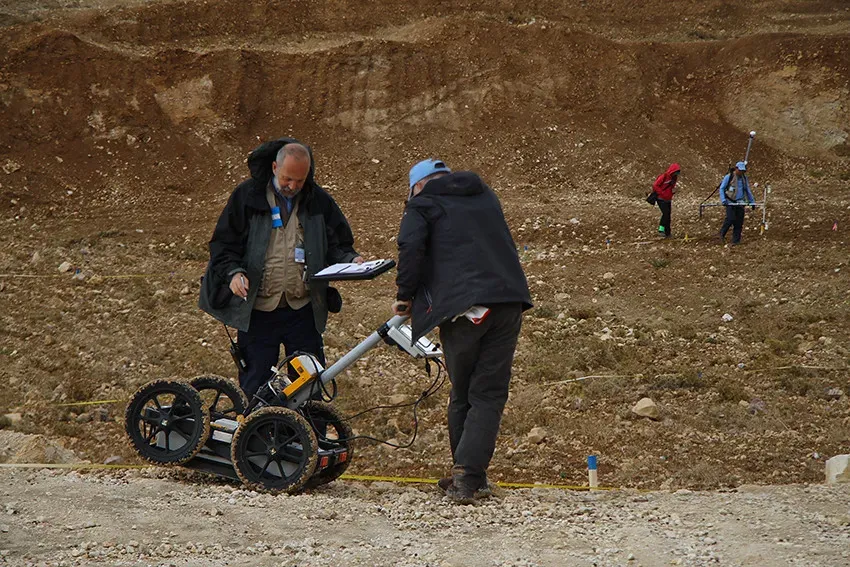
On Earth’s surface, entire cave systems are increasingly detected before anyone ever crawls into them. Ground‑penetrating radar, microgravity sensors, and high‑resolution lidar surveys can reveal voids beneath forests, fields, and even urban areas. In karst regions – landscapes riddled with soluble rock – these techniques often show networks of potential caves and underground rivers that have no known entrances at the surface.
Speleologists and geophysicists sometimes map these hidden voids as outlines or low‑density zones on a model, then face a basic problem: there might be no safe natural way in. Tunneling directly down into a void can be dangerous, expensive, or legally impossible if the land is developed. As a result, some cave systems are known only as anomalies in data sets, like shadows of potential caverns that nobody has actually set eyes on.
Researchers often summarize the situation like this in private conversations:
- We can increasingly see that voids exist underground.
- We can estimate their size and sometimes their shape.
- We rarely have the resources or permission to physically access them.
- So many remain “digital caves” rather than explored caves.
For enthusiasts, this can be maddening. The mountain or hillside looks ordinary, the scan says there is a cavern the size of a building inside, and yet no rope team has ever hung from its ceiling. It is a strange modern version of folklore: instead of legends of dragons and treasure in hidden caves, we have lidar maps and density anomalies – and a lot of unanswered questions.
#10 Buried Archaeological Chambers Found by Lidar and Magnetometry
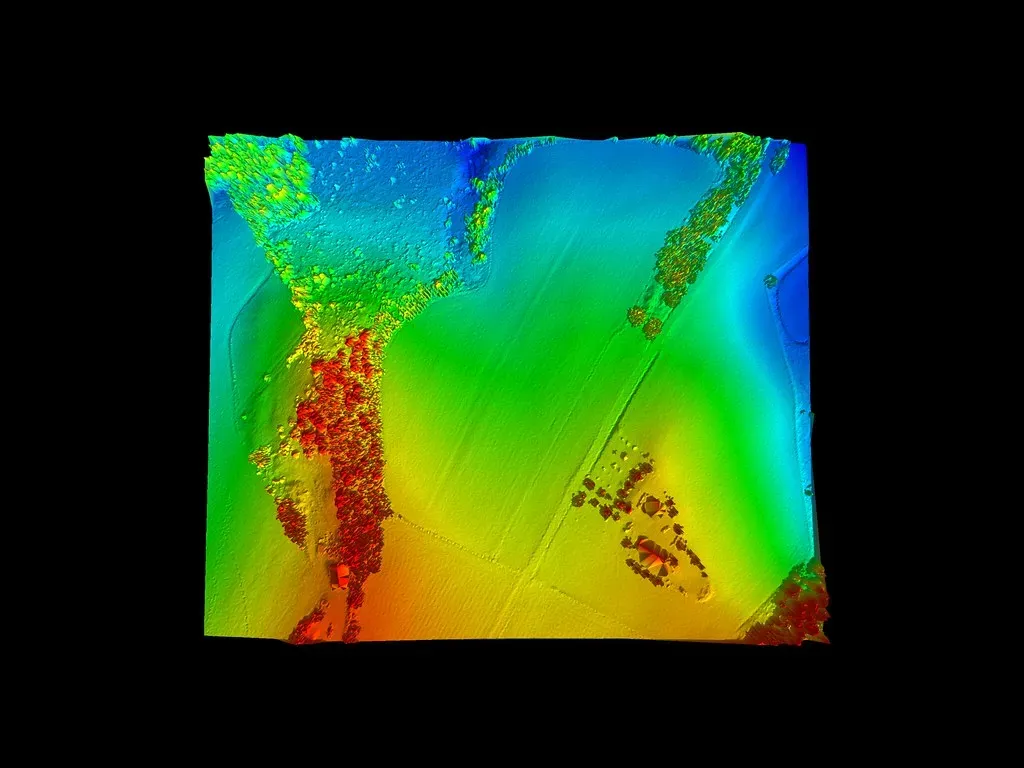
Over the last decade, lidar surveys from drones, planes, and satellites have revealed entire lost cities under jungles and forests. These same data, combined with magnetometry and resistivity surveys on the ground, often indicate buried structures that likely contain internal rooms – crypts, storage spaces, or ritual chambers. In some cases, magnetic signatures hint at voids within mounds and platforms that have never been excavated.
Here the reason for leaving them unopened is not mystery for mystery’s sake, but triage. Archaeologists know that excavation is inherently destructive: once you dig, you cannot put things back exactly as they were. Conservation ethics now prioritize preserving many sites for the future, when better techniques may exist. That means we end up with long lists of potential chambers, mapped and documented, but deliberately untouched.
From a storytelling point of view, this feels almost unfair. We have the tools to strip away the forest digitally and reveal the outlines of temples, plazas, and pyramids. We can zoom in on radar profiles that strongly suggest a hollow core in an otherwise solid mound. And then…nothing is opened. The “treasure,” if there is any, stays where it has been for centuries or millennia, with only a handful of pixels and colored contour lines hinting at what lies within.
#11 Hypothetical Underground Chambers Indicated by Gravitational Anomalies
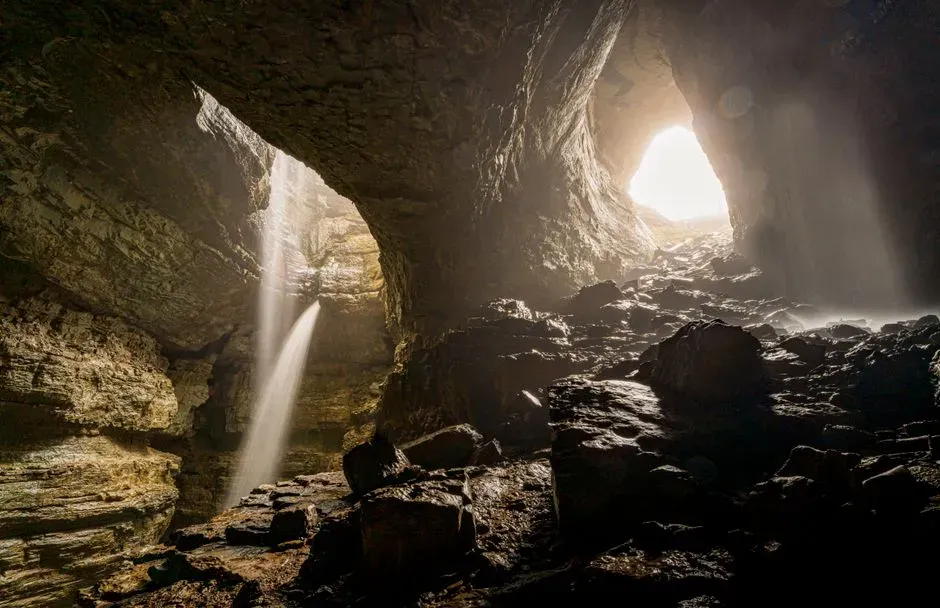
Some of the most speculative but intriguing “chambers” come from gravity surveys. Sensitive instruments on aircraft, ships, and satellites measure minute changes in the local gravitational field. When processed, these data can reveal regions that are slightly less dense than expected, potentially indicating underground voids, cavern systems, or unusual geological structures. In planetary science, similar methods are used to infer hidden mass concentrations or low‑density pockets deep within a planet or moon.
These are the ghostliest chambers of all, because the data are indirect and the scales can be huge. On Earth, a gravity low might point to an enormous cavern system – or just a region of slightly lighter rock. On other worlds, a gravitational anomaly several kilometers down could indicate a partially molten zone, a porous ice shell, or some other large‑scale chamber‑like structure. No drill or robot has reached most of these suspected voids, and in many cases, it is not even clear whether they are “rooms” in any sense a human would recognize.
Still, these hints fuel scientific and public imagination. If gravity surveys of an icy moon suggest a subsurface ocean laced with lower‑density pockets, each of those pockets is, conceptually, a chamber detected by scan only. When combined with magnetic and radar data, the argument that such features exist becomes stronger, even as they remain unreachable for decades or longer. It is a reminder that our instruments often see deeper than our tools can follow, leaving a gap filled mostly by models, probabilities, and cautious wonder.
Conclusion: The Age of Seeing Without Entering
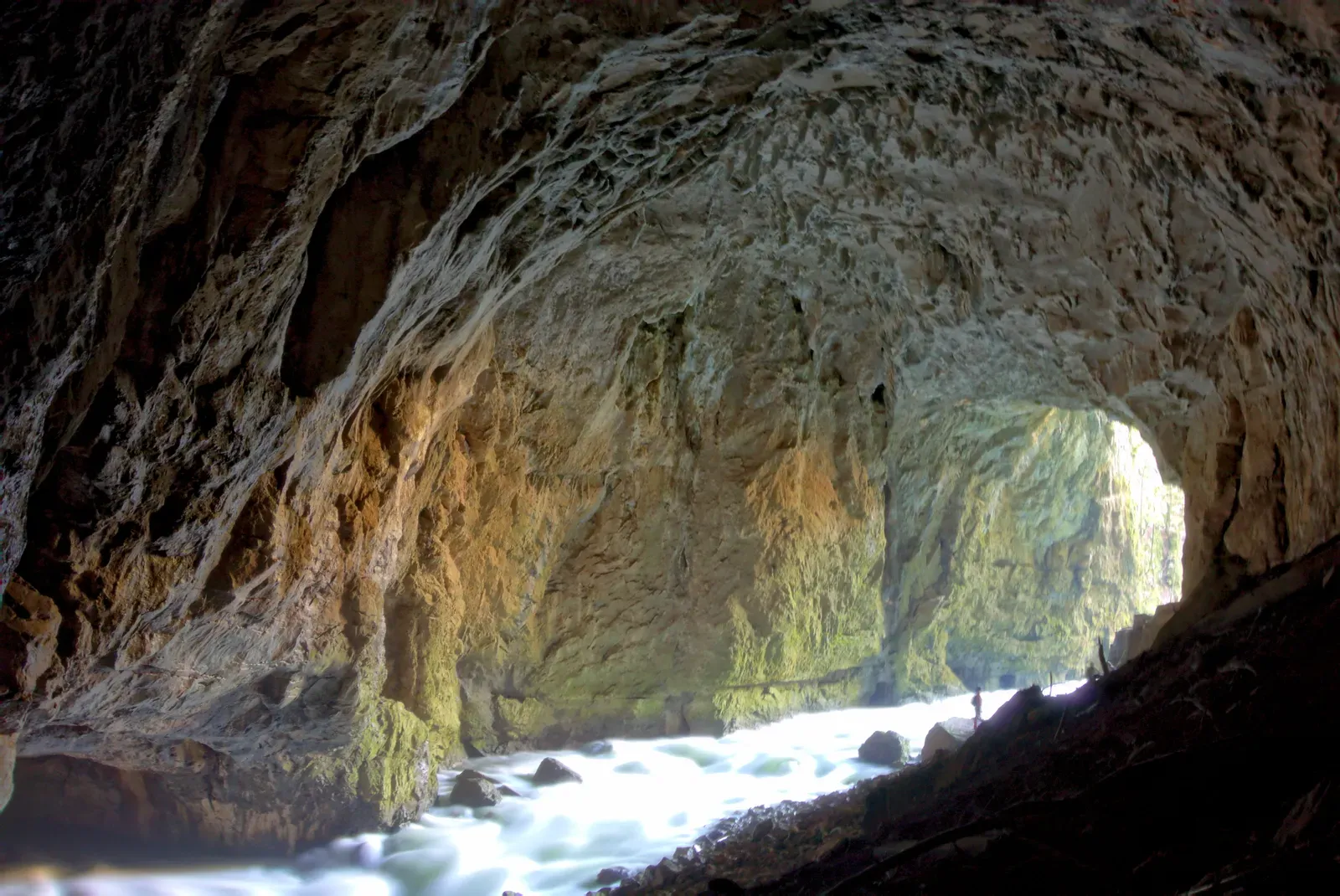
We are living in an era where scans find more hidden spaces than we can possibly open, and that imbalance is only going to grow. From the void above the Grand Gallery to skylights on Mars, from undrilled subglacial lakes to suspected cave systems below our neighborhoods, technology keeps handing us lists of “you are here, and something hollow is there.” My own bias is that this is a good problem to have. It forces us to move slower, to respect heritage and ecosystems, and to accept that not every secret needs to be cracked immediately just because our sensors noticed it.
At the same time, it reshapes how discovery feels. Instead of heroic teams stumbling across tomb entrances by accident, we increasingly begin with data: a bright patch on a radar image, a wiggle in a muon plot, a dip in a gravity line. The adventure now starts at the screen, long before anyone touches stone or ice. That can seem less romantic on the surface, but in another way it is even more awe‑inspiring. Our instruments are telling us, in quiet numerical whispers, that the world – and even our own bodies – are still full of rooms we have never walked into, oceans we have never tasted, and voids we have only traced from afar.
Maybe the real shift is this: we are learning to live with unopened chambers as part of the scientific landscape, not as failures of curiosity but as markers of restraint and possibility. Some of them will eventually be entered; others may remain sealed forever, preserved by choice or by physics. Either way, they remind us that even in 2026, with scanning tools that would look like magic to our grandparents, the universe still keeps a few doors shut. And honestly, would it be half as fascinating if every one of them swung open on command?