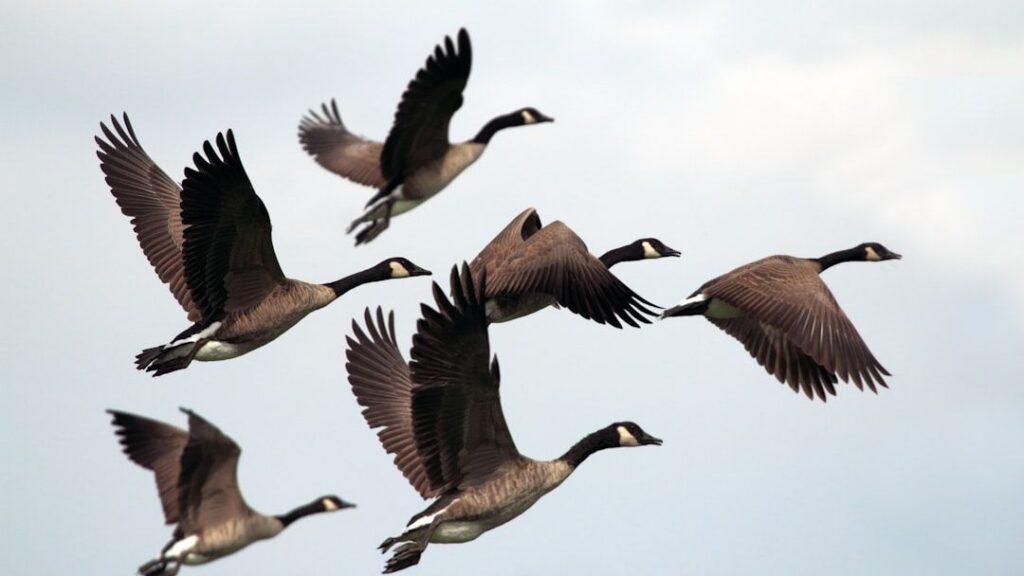

You might have heard people say that animals can “feel” the weather before you see it on a forecast. When you watch geese closely, that idea suddenly feels a lot less like folklore and a lot more like quiet, everyday science playing out right in front of you. Their bodies are tuned to tiny shifts in air pressure, wind, and light in ways you and I can barely imagine, and those changes often leak out through odd little behaviors.
Once you know what to look for, you start to notice patterns: flocks moving differently, calls that sound a bit more urgent, birds acting jumpier or more restless than usual. You are not reading their minds; you’re just paying attention. In a world that is glued to screens and radar maps, learning to read geese is a strangely grounding skill, like having your own living, honking weather app out on the pond.
1. Sudden Low, Restless Flying Close To The Ground
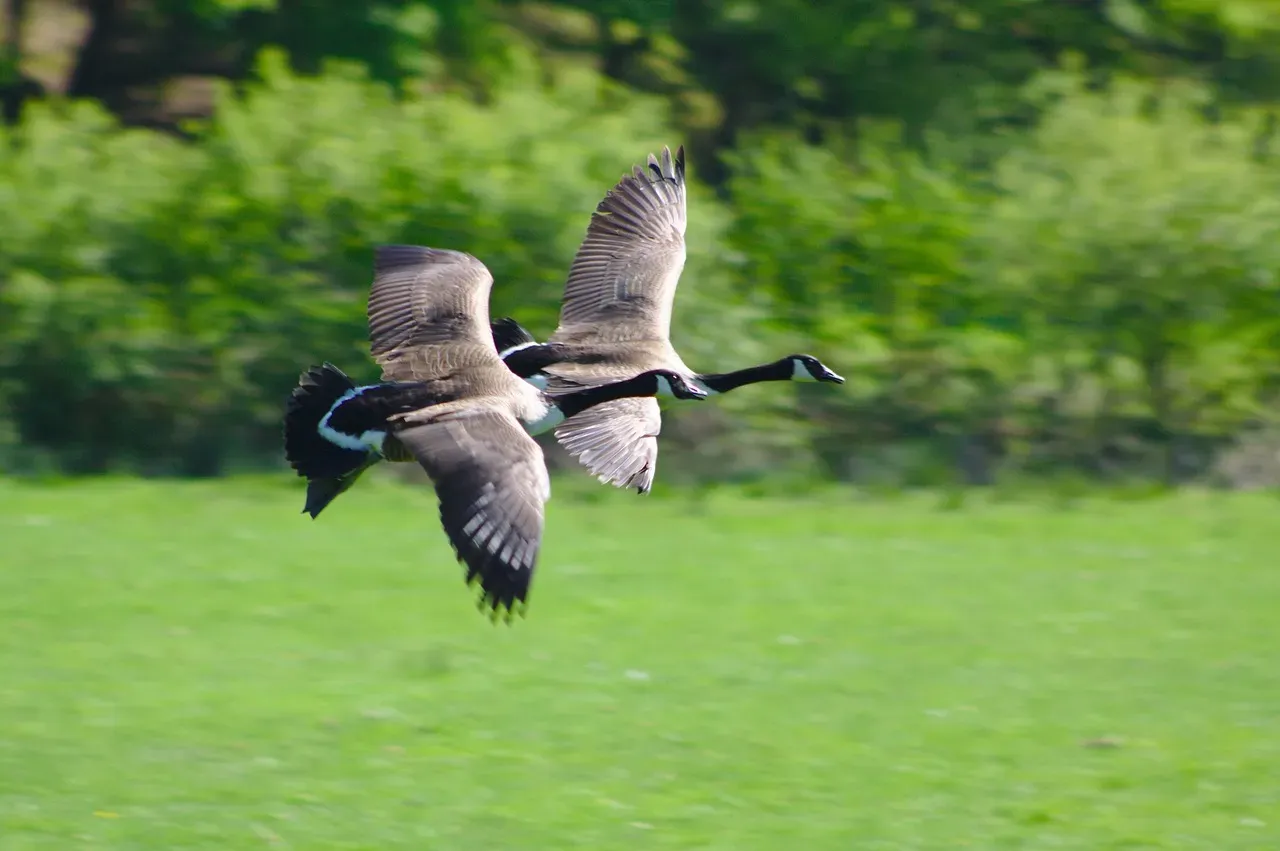
One of the most striking things you’ll notice before a storm hits is how geese suddenly start flying lower than usual, skimming fields, shorelines, or the surface of the water. Instead of gliding confidently high above you, they seem to hug the ground in short, choppy flights, as if they cannot quite decide where to settle. You might see small groups repeatedly taking off and landing in the same general area, making the whole scene feel oddly tense.
This low flight pattern is often connected to changes in air pressure and shifting winds, which make higher altitudes more turbulent and harder to navigate. By staying close to the ground, geese are essentially choosing smoother air and safer routes, even if it looks frantic to you. When you spot geese behaving this way – flying low, circling, changing direction – take it as a subtle signal that the atmosphere above you is becoming unstable and something is brewing.
2. Big Flocks Suddenly Breaking Into Smaller Groups
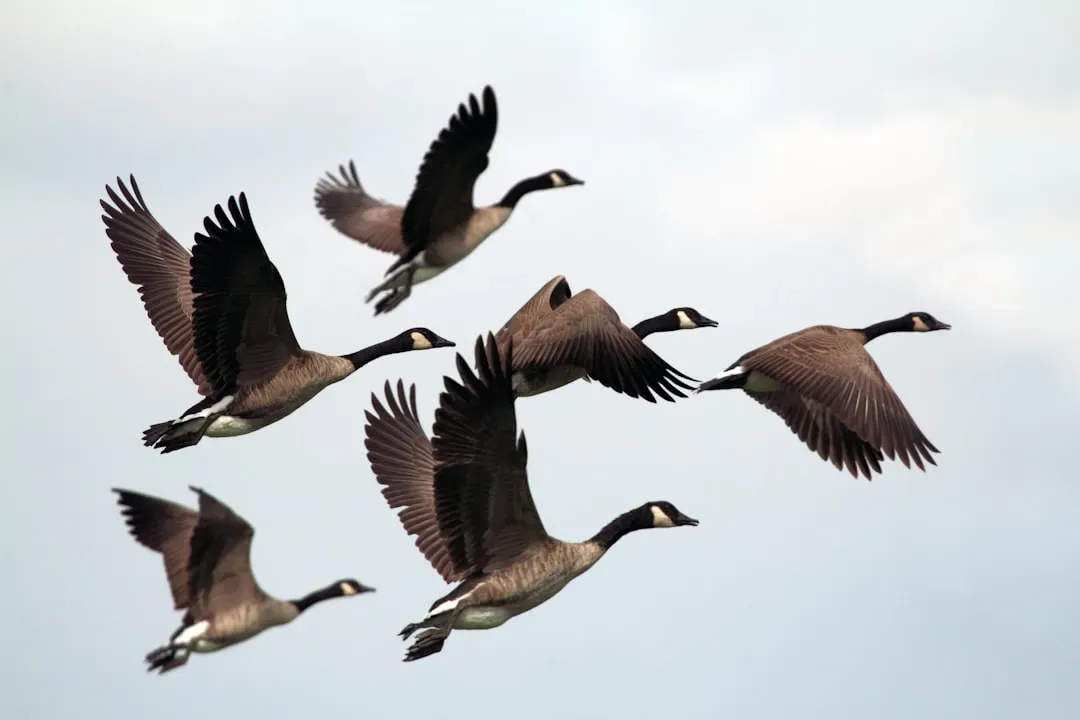
Geese are known for their big, showy flocks, especially during migration, but right before a weather shift you may catch them doing the exact opposite. A large group that had been calmly feeding or resting together can suddenly split into several smaller clusters, each moving or feeding in a different direction. From a distance, it looks almost like a social breakup, but there is usually more to it than that.
When weather turns uncertain, breaking into smaller groups can help geese react more quickly to local conditions: a sheltered cove here, a quieter field there, a safer patch of water somewhere else. Smaller groups can also take off and maneuver more easily if strong winds, heavy rain, or lightning force a quick escape. If you notice a once-solid flock scattering into little pods for no obvious reason, you are probably watching them quietly reorganize around an incoming change in the sky.
3. Unusually Intense Preening And Feather Maintenance
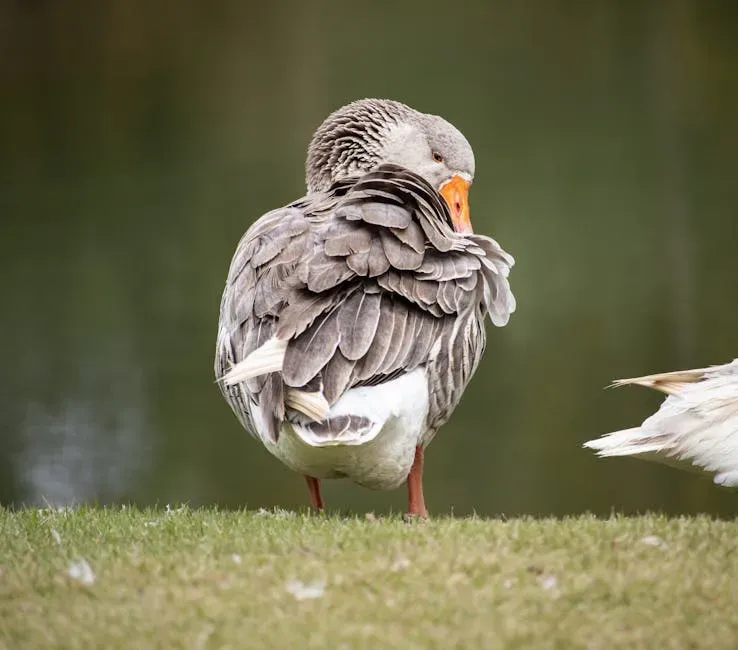
On calm days, geese preen in a relaxed, almost lazy way, gently working oil from a gland near their tail and spreading it through their feathers. Before a sudden weather change, though, that grooming can shift into overdrive. You might see bird after bird twisting, stretching, and digging into its feathers with focused energy, as if they are in a hurry to waterproof every last feather edge.
This matters because their feather condition can literally be the difference between life and death in bad weather. Well-oiled feathers keep them buoyant on rough water and help maintain body heat in cold rain or unexpected temperature drops. When you see a whole group engaged in almost obsessive preening – more vigorous, more frequent, and more synchronized than usual – it can be a sign that they are bracing for harsher, wetter conditions ahead.
4. Shifting To More Sheltered Spots Around Water
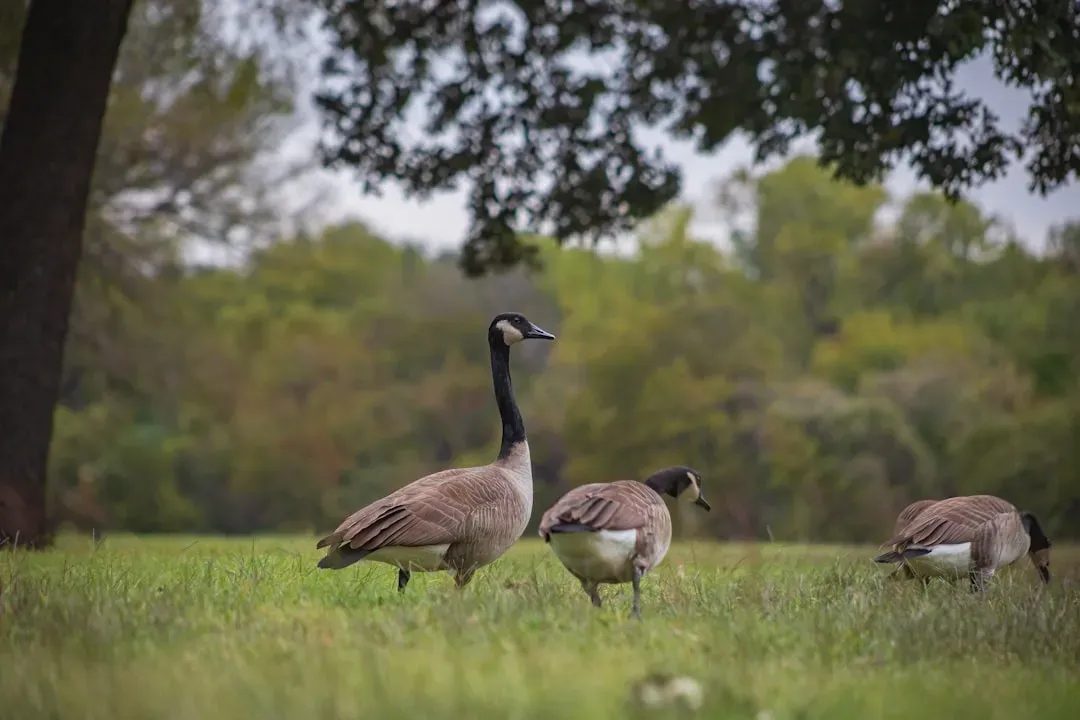
On nice days, geese tend to spread out along open shorelines, grassy banks, and wide fields where visibility is good and food is easy to reach. As the weather prepares to flip, you may notice them quietly abandoning those exposed spots in favor of more sheltered corners. Suddenly, geese that used to nap along the open bank are tucked into coves, behind reeds, or near windbreaks like trees, buildings, or hills.
You might not think much of it at first, but if you compare it to how they used the same area a day earlier, the difference can be dramatic. They are following the wind, the shape of the land, and the direction of approaching storms better than any map app. When you see geese bunching up in tucked-away areas, especially on an otherwise ordinary-looking day, you may be getting an early heads-up that strong winds or heavy rain are on the doorstep.
5. Restless Calling That Sounds Sharper And More Frequent
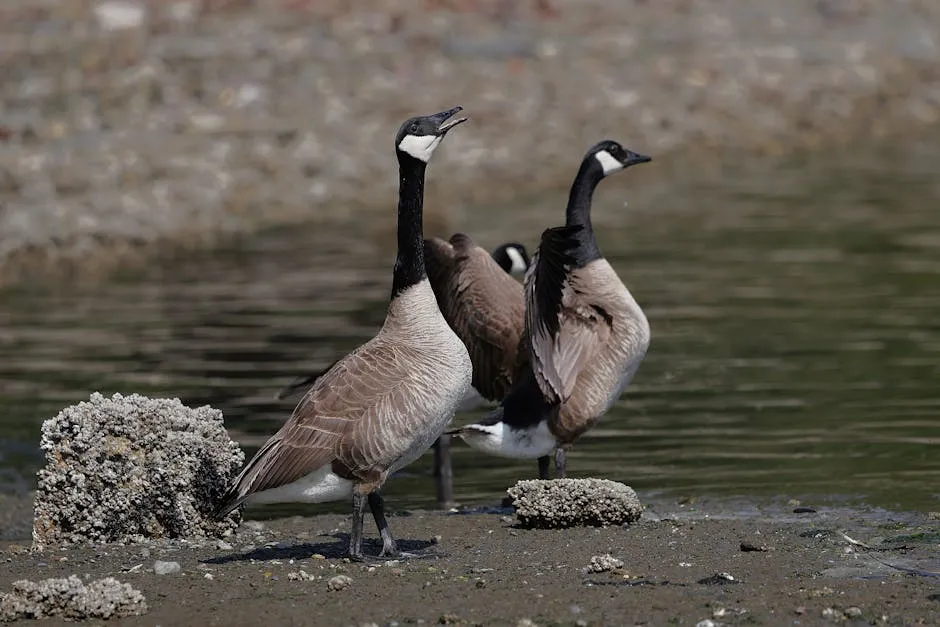
If you spend enough time around geese, your ears start to pick up on subtle changes in their calls. Before a sudden weather shift, their vocalizations often become more frequent and more clipped, with an edge that can sound impatient or on alert. Instead of the usual relaxed honks as they graze or paddle, you hear bursts of back-and-forth calling, as if they are checking in with each other more urgently.
This vocal restlessness helps the flock keep tight communication when conditions are shifting quickly. They may be coordinating movement to new shelter, signalling subtle changes in wind or light, or just keeping the group on the same page. When you notice that the “background noise” of geese suddenly sounds busier and more charged, especially paired with increased movement, treat it as an audible hint that they sense something different in the air.
6. Feeding In A Hurry, Then Stopping All At Once
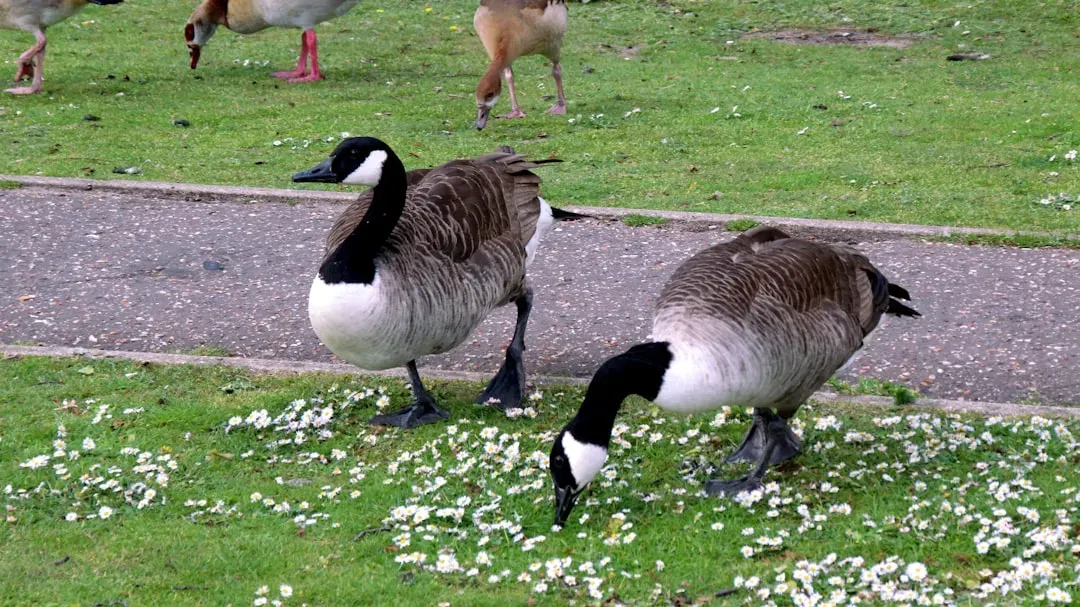
Sometimes, right before a storm or a dramatic temperature drop, you’ll see geese switch into a kind of emergency eating mode. They lower their heads and graze quickly, moving steadily across a field or shoreline with fewer pauses and a kind of purposeful urgency. It can look like someone rang a dinner bell that only they heard, pushing them to grab as many calories as possible while they still can.
Just as suddenly, the feeding can stop, and the whole group may lift their heads, grow quiet, and either rest or start moving toward shelter. That sharp contrast – a rush to feed followed by an abrupt calm – often lines up with the tightening window before bad weather arrives. By paying attention to that pattern, you give yourself a way to sense a sudden incoming shift before your weather app sends you a notification.
7. Sleeping Or Resting In Unusually Tight Clusters
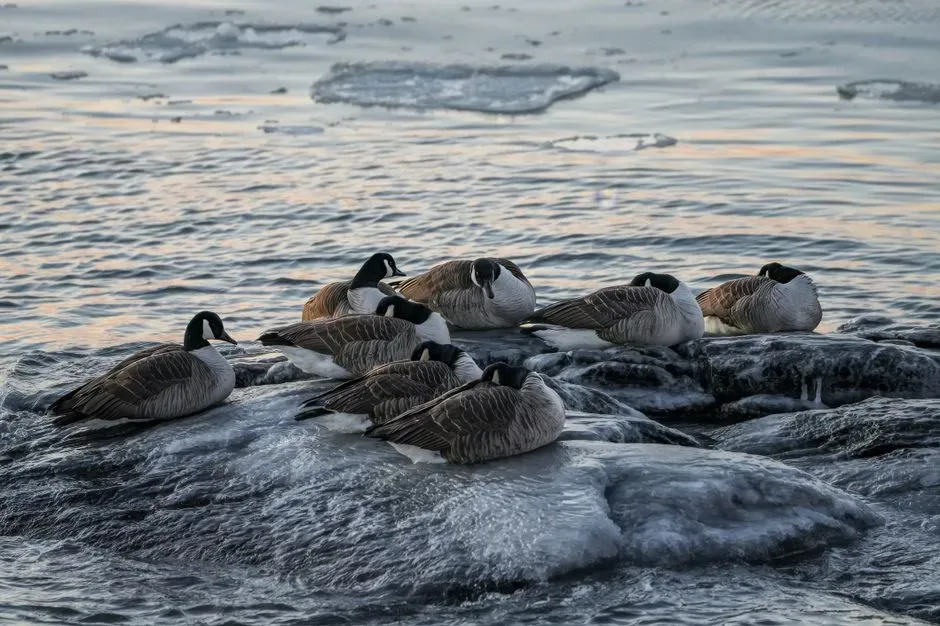
Geese often rest in loose groups, with space between individuals, especially when they feel safe and conditions are mild. Before a sudden weather swing, though, you might notice them packing in closer than usual, almost shoulder to shoulder, whether on land or on the water. Seen from a distance, the group looks denser, like a single dark patch instead of scattered shapes.
This tighter clustering helps them conserve warmth and may provide a sense of security if visibility is about to drop or wind is about to rise. It also lets them react as a unit if they need to move quickly, which is critical when heavy rain, snow, or squalls can suddenly change their environment. If you see a flock that usually lounges loosely suddenly compress itself into a compact ball of bodies, you are likely watching them quietly prepare for a rougher stretch ahead.
8. Changing Flight Direction Against Their Usual Routes
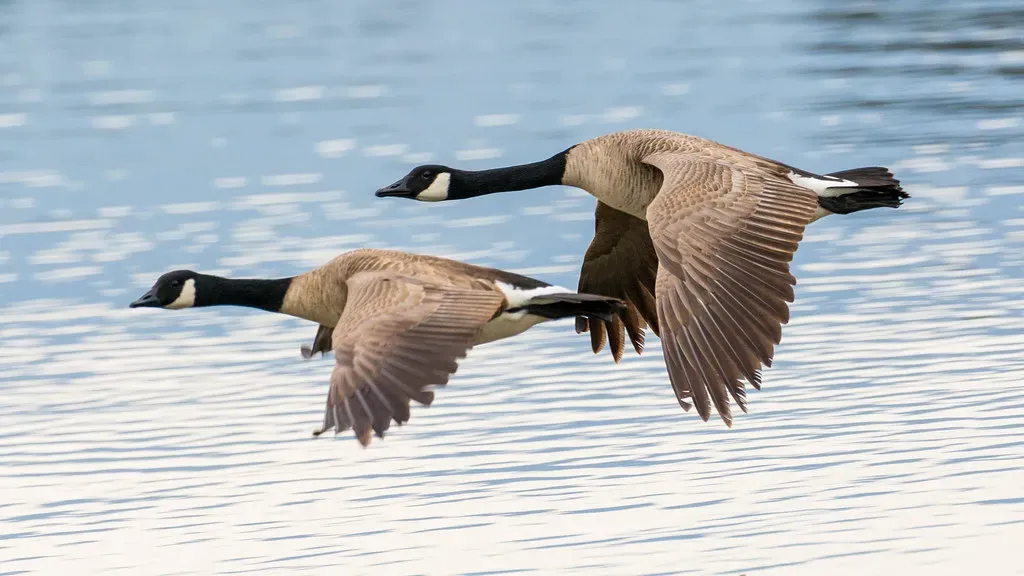
Geese are pretty consistent about their routine routes to feeding areas, roosting spots, and nearby bodies of water. When you suddenly see them flying in odd directions – cutting across their normal paths, avoiding familiar corridors, or looping instead of moving in a straight line – that can be a clue that the wind and pressure patterns have shifted. They are not lost; they are adapting to an atmosphere that no longer behaves the same way.
Strong wind, especially before a front moves through, can make their usual routes costly in terms of energy. By changing direction or adding strange loops and detours, geese are trying to take advantage of more favorable air currents or avoid turbulent zones. When your familiar local flock starts ignoring their typical morning or evening flight patterns, it is worth asking what the sky is doing that you cannot yet see.
9. Reluctance To Take Off, Even When Disturbed
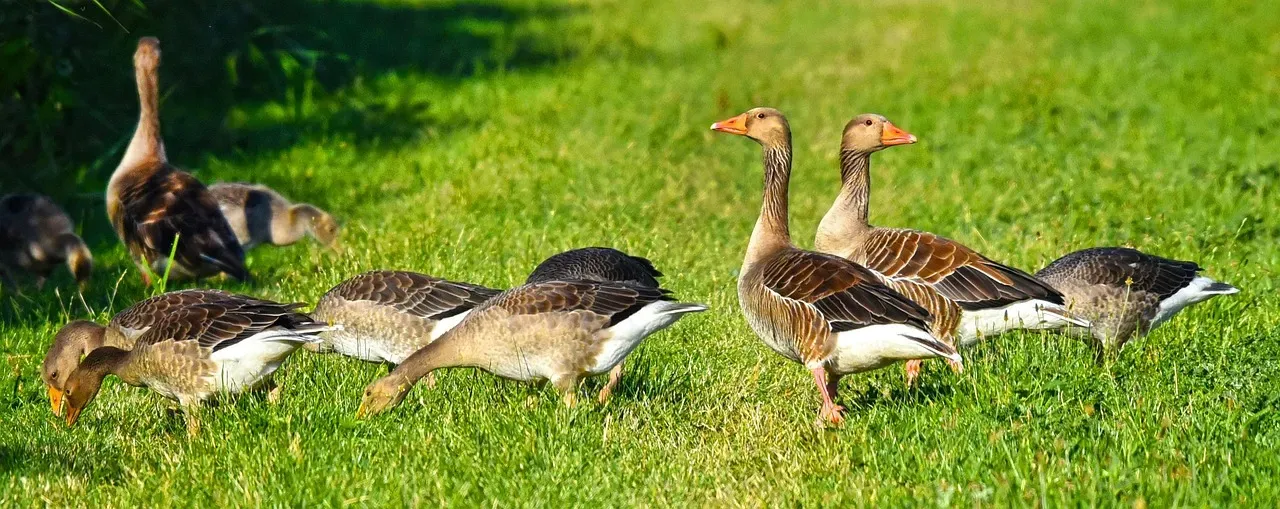
On most days, if you walk too close to geese, they either waddle away or take off with a burst of honks and flapping wings. Before abrupt weather shifts, you may notice something stranger: they seem oddly reluctant to fly. Instead of lifting off quickly, they may choose to move on foot or simply swim to a different corner of the pond, even if you probably expected them to take to the air.
This hesitation can reflect the fact that flying in unstable air is riskier and more exhausting, especially if strong headwinds or crosswinds are building. By staying grounded or waterborne, geese conserve energy and avoid getting caught in gusty or unpredictable air currents. When even a fairly pushy disturbance does not send them skyward, you may be watching their quiet vote of no confidence in the air above you.
10. Sudden Interest In Higher Perches Or Slight Elevations
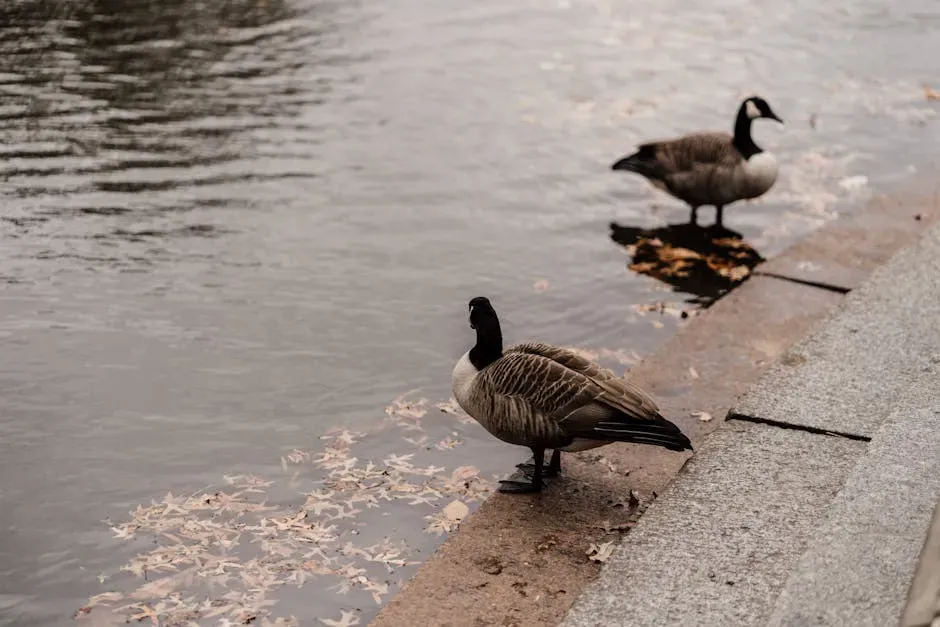
Geese are not usually known for perching high up like songbirds, but they do sometimes seek slightly raised ground: small ridges, embankments, docks, or low mounds. Before certain weather changes, especially if flooding or fast-rising water is possible, you may notice them favoring these higher spots more than usual. A flock that used to linger right at the water’s edge might shift a few meters up onto a little rise.
Those subtle elevation choices can make a big difference if water levels surge or waves get rough during a storm. By positioning themselves just a bit higher, they reduce the risk of being forced to move in the worst of the conditions. When you see geese repeatedly choosing the “high seats” in the landscape, even when the sky still looks calm, you might be catching their early response to pressure changes or upstream rainfall you cannot see.
11. Extended Periods Of Stillness And Watchfulness
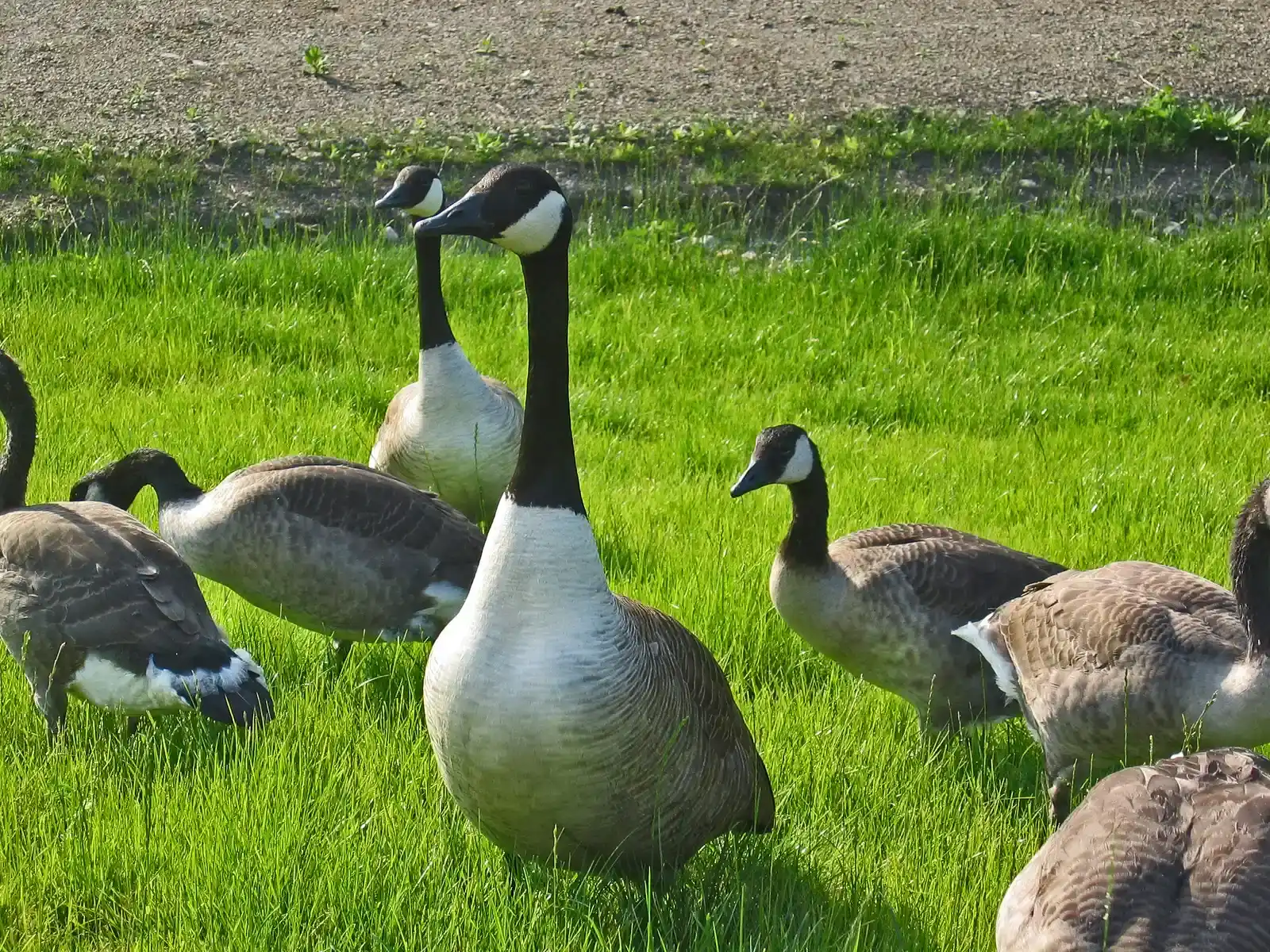
Sometimes, the strangest behavior is not frantic at all but eerily calm. Before sudden weather shifts, especially when a storm is close but not quite here, you may see a flock of geese go almost statue-still. Heads are up, necks are long, and movement drops to almost nothing, as if they are listening to something just beyond your hearing.
This stillness lets them concentrate fully on subtle cues: distant thunder, changing wind sounds, shifts in light, or approaching predators that might also be on the move as weather changes. It is like hitting a pause button so their attention can narrow to what matters most. When a usually noisy, busy group falls silent and stands watching the horizon or sky, you are sharing a tense, quiet moment with them right before nature flips the switch.
12. Abrupt Departure Long Before The Sky Looks Threatening
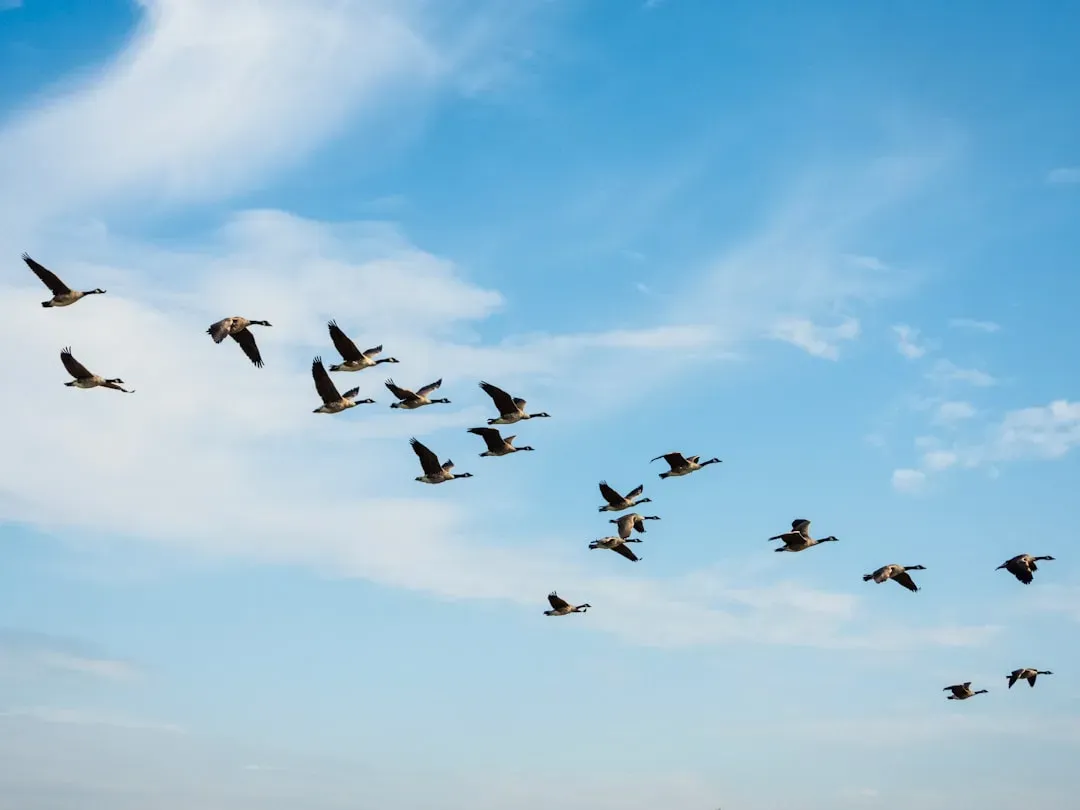
Every so often, you will show up to a place that is normally full of geese and find it almost empty, despite the fact that the weather still looks fine to you. No gradual thinning, no gentle fade – just gone. This sudden departure, especially if it involves multiple flocks leaving an area at once, can be one of the clearest signs that the birds have detected a bigger-scale weather change on the way.
Geese are sensitive not only to the conditions right above your head, but also to broader patterns over long distances that shape their migration and feeding grounds. When those patterns turn sharply, they may not wait for the first raindrop to fall where you stand; they simply move. If you learn the baseline of where geese usually are in your area and then notice those spaces falling silent out of nowhere, you may be getting a quiet, early preview of the changes arriving later.
Conclusion: Learning To Read The Sky Through Geese
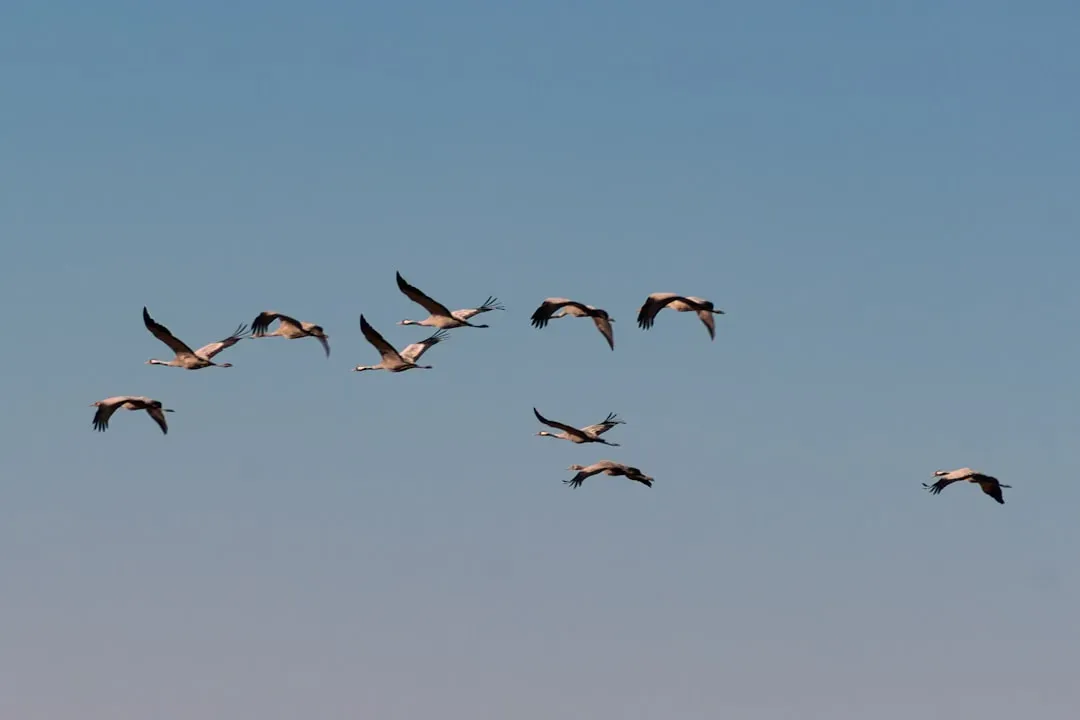
As you start noticing these behaviors – low flights, restless calls, tight clusters, sudden exits – you realize you are not just watching random bird drama. You are watching a flock translate invisible atmospheric shifts into visible actions. Geese are not magic, and they are not perfect weather forecasters, but their lives depend on noticing details you often overlook, and that makes them surprisingly reliable teachers.
If you treat them like living sensors instead of background noise, geese can give you a feel for the weather that goes beyond icons on a screen. The next time you walk past a pond or watch a v-formation overhead, take a second to ask what their behavior is quietly saying about the sky you share. Once you start listening, you may find yourself checking the geese before you check your phone – would you have guessed that from a bird you mostly thought of as just loud and messy?